
Tiahuanaco's Use of Terraces: Agricultural Innovation and Architectural Integration

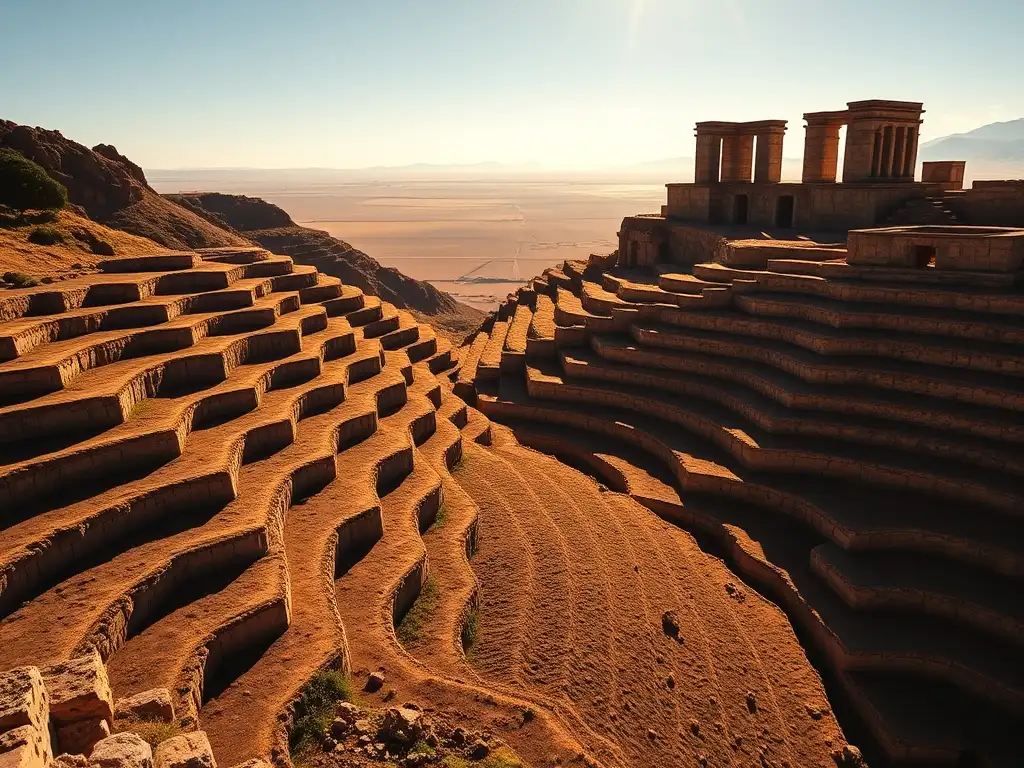
Step into a world lost to time, yet echoing with the ingenuity of a vanished empire. Prepare to be amazed by the Andean Civilizations, where breathtaking artistry meets unparalleled innovation. Discover the secrets behind Tiahuanaco's terrace farming techniques, a testament to their mastery of both agriculture and architecture. Unravel the mysteries of this sophisticated civilization and witness the ingenuity that allowed them to thrive in the harsh Andean landscape. Their story awaits—begin your exploration now!
The city of Tiahuanaco, flourishing in the Bolivian Altiplano between roughly 300 and 1100 CE, stands as a testament to the ingenuity and adaptive capabilities of its inhabitants. This article delves into one of the most remarkable aspects of Tiahuanaco's success: its sophisticated terrace farming techniques. These weren't simply agricultural solutions; they were integral to the city's overall architectural design and social structure, showcasing a profound understanding of environmental engineering and resource management in a challenging high-altitude environment.
Understanding Tiahuanaco's terrace farming provides crucial insights into the civilization's resilience, its ability to thrive in a harsh climate, and the intricate relationship between its urban planning and agricultural practices. We will explore the techniques employed, the impact on the city’s development, and the lasting legacy of this remarkable Andean innovation. The ingenuity displayed in Tiahuanaco's terrace systems offers valuable lessons for sustainable agriculture even today.
The Challenges of the Altiplano and the Necessity of Terracing
The Altiplano, a high-altitude plateau in the Andes Mountains, presents significant challenges for agriculture. The thin air results in intense solar radiation, leading to rapid water evaporation. The soil is often poor and prone to erosion, and the growing season is short. Furthermore, unpredictable frosts and erratic rainfall patterns further complicate agricultural efforts. To overcome these obstacles, the Tiahuanaco people developed an ingenious system of terraced agriculture.
This involved carving the steep slopes of the surrounding hills into a series of level platforms, creating a more stable and fertile environment for cultivation. These terraces not only increased the arable land available but also helped to conserve precious water and soil. The construction of these terraces, a monumental undertaking, involved significant labor and sophisticated engineering knowledge. Detailed archaeological studies reveal the meticulous planning and precise execution required for this remarkable feat of engineering.
Construction Techniques and Materials Used in Tiahuanaco Terraces
The construction of Tiahuanaco's terraces was a complex process requiring careful planning and execution. Evidence suggests the use of stone retaining walls, meticulously fitted and often reinforced with mortar. These walls were not merely structural elements; they also served to create level platforms for cultivation and to channel water effectively. The choice of stone and the precision of its placement demonstrate a high level of skill and understanding of structural engineering. [Specific information pending on the types of stone used and the composition of the mortar]. Furthermore, the terraces were often integrated into the overall landscape, blending seamlessly with the surrounding hills and mountains. This integration not only enhanced the aesthetic appeal but also improved the functionality of the system by minimizing soil erosion and maximizing water retention. The scale of the project points to a well-organized society with a strong work ethic and a deep understanding of agricultural principles.
The Role of Water Management in Tiahuanaco's Terrace System
Water management was crucial to the success of Tiahuanaco's terrace farming. The system relied on a network of canals and channels to divert water from streams and rivers to the terraces. These channels were carefully designed to distribute water evenly across the fields, ensuring adequate irrigation even during periods of drought. [Specific data on the length and complexity of the canal system is pending].
The design also incorporated features such as reservoirs and check dams to store water and regulate its flow. This sophisticated water management system not only supported agricultural production but also played a crucial role in the overall urban planning of Tiahuanaco. The integration of water management into the city's infrastructure highlights the interconnectedness of its agricultural and urban systems. The system's efficiency demonstrates a profound understanding of hydraulic engineering and resource management.
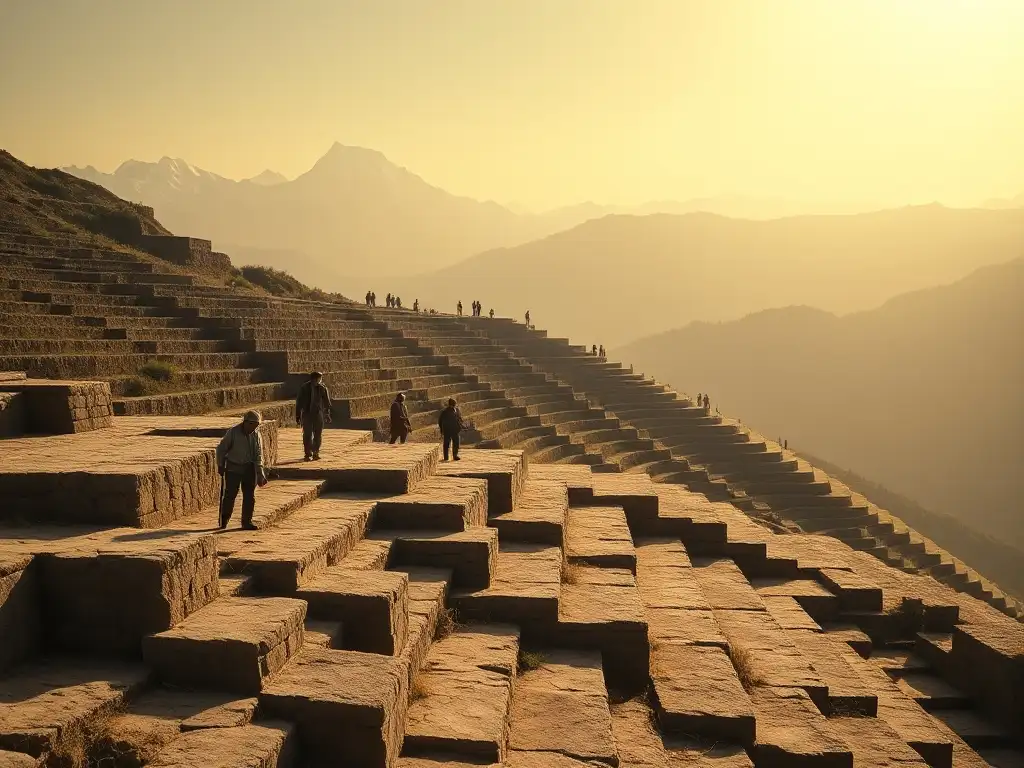
Tiahuanaco's terrace farming system had profound social and economic implications. The construction and maintenance of the terraces required a significant amount of coordinated labor, likely involving a complex system of social organization and possibly indicating a centralized authority. The increased agricultural productivity resulting from the terraced fields allowed for a larger and more stable population, supporting the growth of the city and its complex social hierarchy.
The surplus agricultural output likely played a significant role in the development of trade networks and the accumulation of wealth. The control and distribution of agricultural resources were probably key factors in the political and economic power structures of Tiahuanaco society. Further research is needed to fully understand the nuances of these complex social and economic dynamics.
The success of the terrace system contributed significantly to the overall prosperity and longevity of the Tiahuanaco civilization. The system's effectiveness in a challenging environment represents a remarkable achievement in agricultural engineering and social organization.
The Legacy of Tiahuanaco's Terrace Farming Techniques
The ingenuity of Tiahuanaco's terrace farming techniques continues to inspire awe and admiration. The sophisticated system of water management and agricultural practices employed by the Tiahuanaco people stands as a testament to their remarkable understanding of environmental engineering and resource management. The legacy of their innovative approach to agriculture is evident in the enduring impact on the landscape and the continued relevance of their techniques for sustainable agriculture in challenging environments.
The principles of terracing, water conservation, and integrated agricultural systems developed by the Tiahuanaco people remain relevant and valuable today, providing valuable lessons for modern agricultural practices, especially in regions facing similar environmental constraints. The study of Tiahuanaco's terraces offers insights into the sustainable management of resources and the importance of integrating agricultural practices with broader urban planning.
- The Challenges of the Altiplano and the Necessity of Terracing
- Construction Techniques and Materials Used in Tiahuanaco Terraces
- The Role of Water Management in Tiahuanaco's Terrace System
- The Social and Economic Implications of Tiahuanaco's Terraces
- The Legacy of Tiahuanaco's Terrace Farming Techniques
- What were the main agricultural challenges faced by the Tiahuanaco people?
- How did Tiahuanaco's terrace farming techniques overcome these challenges?
- What specific techniques did the Tiahuanaco civilization use in their terrace farming?
- How did terrace farming integrate with the overall architecture of Tiahuanaco?
- What crops did the Tiahuanaco people cultivate using their terrace farming techniques?
The Ingenuity of Tiahuanaco Agriculture: An Overview
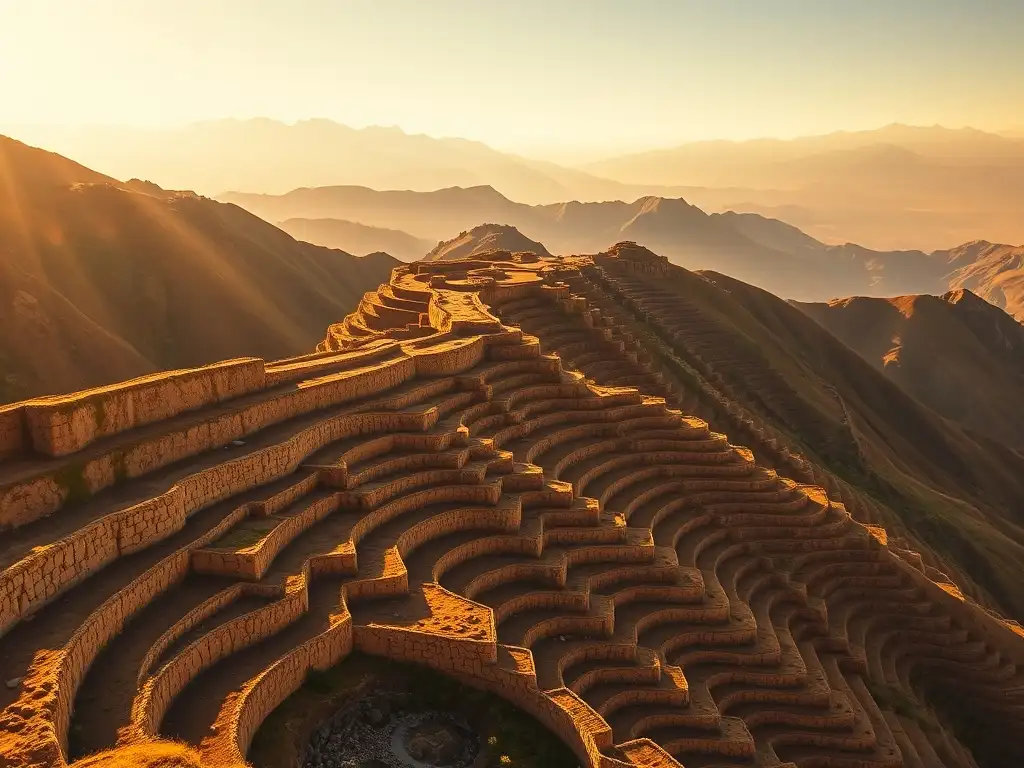
The high-altitude, arid environment surrounding Tiahuanaco presented significant challenges to its inhabitants. Successful agriculture was not simply a matter of survival; it was fundamental to the very existence and flourishing of this complex society. The ingenuity of Tiahuanaco's agricultural practices, particularly their mastery of terrace farming techniques, is a testament to their deep understanding of their environment and their ability to adapt and innovate.
This section will explore the intricacies of their agricultural systems, highlighting the innovative strategies employed to maximize food production in a challenging landscape. Understanding Tiahuanaco's agricultural achievements allows us to appreciate the sophisticated engineering and societal organization necessary to sustain a large urban center in such a demanding environment.
The development of sophisticated irrigation systems, coupled with the construction of extensive terrace fields, allowed the Tiahuanaco people to cultivate crops successfully, contributing significantly to the city's growth and power. This system, directly related to the city's success and expansion, is a prime example of the advanced capabilities of this civilization.
Understanding Tiahuanaco's Environmental Challenges
The Altiplano region, where Tiahuanaco thrived, is characterized by high altitude (approximately 12,500 feet above sea level), thin air, intense solar radiation, and unpredictable weather patterns. These conditions significantly limit agricultural productivity. The short growing season, coupled with unpredictable rainfall and frost, posed major hurdles to crop cultivation. The thin soil, often rocky and lacking in nutrients, further compounded these challenges.
Furthermore, the strong winds and intense sun could easily damage delicate crops. The Tiahuanaco people faced a constant struggle against these harsh environmental limitations. Their success in overcoming these obstacles through the implementation of meticulously planned terrace farming techniques is a remarkable feat of engineering and agricultural knowledge. The unique characteristics of the Altiplano, with its high altitude and harsh climate, demanded innovative solutions, which are clearly reflected in the sophisticated agricultural strategies employed by the Tiahuanaco.
The Vital Role of Food Production in Tiahuanaco Society
Food production was not merely a practical necessity for Tiahuanaco; it was deeply intertwined with the social, political, and religious fabric of the society. The successful cultivation of crops, particularly potatoes, quinoa, and other Andean staples, provided the caloric base supporting a large urban population and a complex social hierarchy. The surplus generated through efficient agricultural practices likely fueled the growth of specialized crafts, religious institutions, and monumental architecture.
Control over agricultural resources likely played a significant role in political power dynamics, with elites potentially controlling access to land and water resources. Evidence suggests a highly organized system of agricultural production, possibly involving communal labor and centralized planning. The intricate network of canals, reservoirs, and terraces required considerable coordination and collective effort, illustrating the importance of community involvement in sustaining the agricultural system.
The success of this system is directly linked to the stability and prosperity of Tiahuanaco, highlighting the importance of this agricultural system in the overall functioning of the civilization. The integration of agriculture into the broader social, political, and religious structures of Tiahuanaco demonstrates its crucial role in shaping the society's development and its enduring legacy.
Tiahuanaco Terrace Farming Techniques: A Detailed Look
This section delves into the sophisticated agricultural practices employed by the Tiahuanaco civilization, focusing on their innovative terrace farming techniques. Their mastery of manipulating the challenging altiplano landscape is a testament to their advanced understanding of engineering and agriculture, crucial for sustaining a large population at high altitude. The integration of agricultural terraces into the overall urban planning of Tiahuanaco highlights the civilization's holistic approach to resource management and city design. Understanding their methods provides valuable insights into the ingenuity and resilience of this remarkable Andean culture.
The Design of Stepped Agricultural Terraces
The Tiahuanaco people didn't simply carve terraces into hillsides; they meticulously designed them to maximize sunlight exposure and minimize soil erosion. The stepped design, characteristic of Andean terrace farming, served several key purposes. The terraces themselves were not uniformly sized; their dimensions varied depending on the slope of the land and the type of crop being cultivated. Steeper slopes often featured smaller, more closely spaced terraces, while gentler slopes allowed for larger platforms.
This careful planning wasn't arbitrary. Smaller terraces on steeper slopes provided better control over water runoff, preventing erosion and maximizing water retention in the soil. Larger terraces on gentler slopes allowed for easier access and cultivation, potentially supporting larger-scale planting of specific crops.
Evidence suggests that different terraces were used for different crops, reflecting a sophisticated understanding of agricultural diversification and microclimatic variations across the site. The precise arrangement of terraces likely reflected an intimate knowledge of the local environment – a testament to centuries of accumulated agricultural wisdom. The orientation of the terraces also played a crucial role, maximizing sunlight throughout the day, vital for optimal plant growth at high altitudes.
Construction Methods of Raised Fields and Stone-Faced Terraces
The construction of Tiahuanaco's terraces was a monumental undertaking, requiring significant labor and advanced engineering techniques. Two main types of terraces are evident: raised fields and stone-faced terraces. Raised fields, often constructed in wetlands, involved the creation of elevated platforms using layers of soil and organic matter. This method improved drainage and fertility in waterlogged areas, allowing for cultivation in otherwise unsuitable land.
Stone-faced terraces, on the other hand, were built into hillsides, utilizing locally sourced stone to create retaining walls. These walls were not simply stacked; they were carefully fitted and often mortared to ensure stability and longevity. The precision and scale of these stone structures are impressive, demonstrating a high level of engineering skill and a deep understanding of load-bearing principles.
Archaeological evidence suggests that the construction involved complex labor organization, potentially utilizing a system of communal labor or specialized work crews. The precise methods remain a subject of ongoing research, but the sheer scale of these projects indicates a highly organized and efficient society. The durability of these structures is further evidence of the quality of construction, with many terraces still visible today.
Water Diversion and Irrigation Canals in Tiahuanaco Agriculture
The success of Tiahuanaco's terrace farming depended heavily on effective water management. The civilization developed an intricate system of canals and channels to divert water from rivers and streams to irrigate the terraces. This system wasn't simply a matter of channeling water; it involved careful planning and engineering to ensure equitable distribution across the agricultural fields. The canals were often lined with stone to prevent erosion and leakage, further demonstrating the Tiahuanaco's mastery of hydraulic engineering.
The system also included reservoirs and storage facilities to collect and store water during periods of abundance for use during drier times. This foresight was crucial in mitigating the effects of seasonal variations in rainfall, a critical factor for agricultural success in the arid altiplano. The integration of the irrigation system with the terrace design highlights the holistic approach taken by the Tiahuanaco.
The canals were strategically positioned to serve the terraces, ensuring efficient water delivery to each agricultural platform. The efficient water management techniques employed by the Tiahuanaco were essential to the success of their agricultural system and the sustainability of their civilization. Further research is needed to fully understand the complexity and sophistication of this remarkable hydrological infrastructure.
The Role of Terraces in Tiahuanaco's Urban Planning
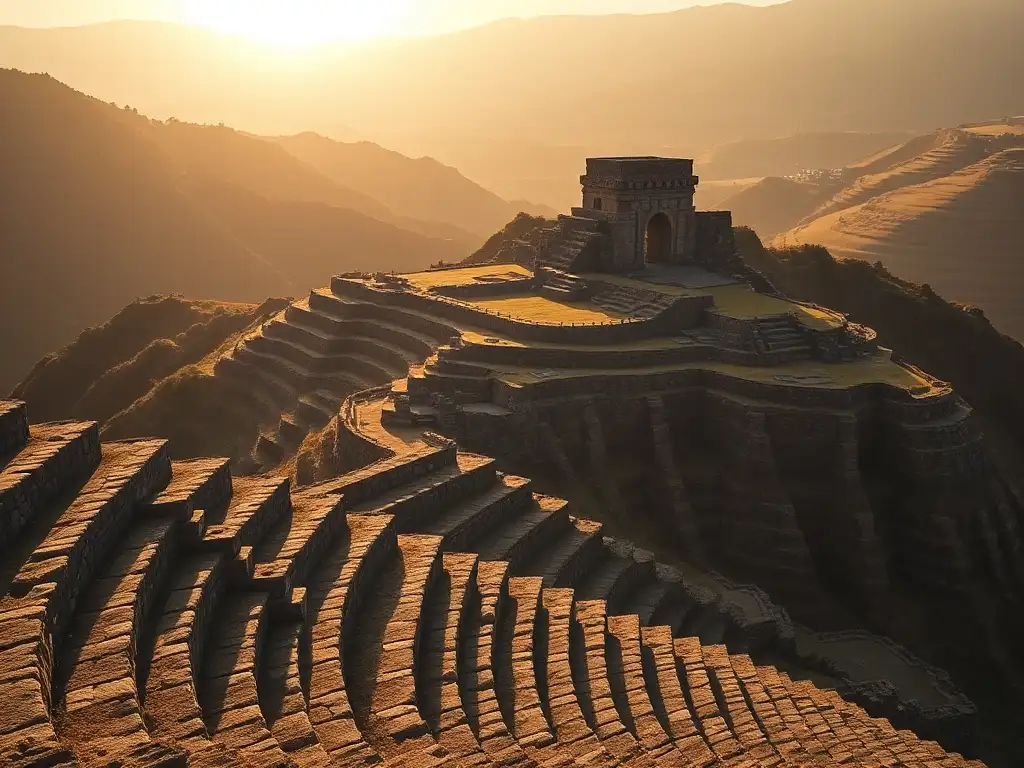
The sophisticated terrace farming techniques employed by the Tiahuanaco civilization were not merely agricultural strategies; they were integral to the city's overall urban planning and design. These terraces weren't isolated farming plots; instead, they were meticulously integrated into the city's architecture and social structure, reflecting a deep understanding of resource management and environmental adaptation. The strategic placement of terraces, their size, and their orientation all contributed to the city's unique character and its ability to sustain a large population in a high-altitude environment.
Understanding this integrated approach is crucial to appreciating the ingenuity of Tiahuanaco's urban planning, which went far beyond simply building monumental structures. The city’s very fabric was woven with agricultural innovation.
Terraces as Integrated Features of Tiahuanaco's Urban Design
Tiahuanaco's urban design seamlessly blended agriculture and architecture. Terraces weren't relegated to the outskirts; they were incorporated into the very fabric of the city. Evidence suggests that terraces were built into the slopes surrounding the city's monumental structures, creating a visually stunning and functionally efficient landscape.
This wasn't haphazard; the placement of terraces likely followed carefully planned alignments, possibly relating to astronomical observations or ritual practices. For example, the orientation of some terraces might have been designed to maximize sunlight exposure during specific times of the year, optimizing crop yields. This integrated approach maximized land use, minimizing wasted space and creating a visually striking urban environment where the lines between built and natural spaces blurred.
The city itself became a living testament to the harmonious relationship between human settlement and agricultural production, a key element in the sustainability of the Tiahuanaco civilization. Think of it as a sophisticated, pre-Columbian example of vertical farming integrated into urban planning.
How Terraces Shaped the Landscape Around the City of Tiwanaku
The impact of Tiahuanaco's terrace farming extended far beyond the city walls. The surrounding landscape was dramatically altered through the construction of extensive terrace systems that climbed the slopes of the Altiplano. These terraces not only increased arable land but also played a crucial role in soil conservation and water management in this high-altitude environment.
The construction of these terraces involved significant earthworks, reshaping the topography to create a network of interconnected agricultural plots. This extensive terracing likely involved a complex system of canals and irrigation channels to distribute water efficiently, mitigating the challenges of the arid climate. The scale of this transformation is remarkable, showcasing the Tiahuanaco people's ability to modify their environment to meet their agricultural needs.
This monumental undertaking not only provided sustenance for the city but also fundamentally shaped the visual character of the region, leaving a lasting imprint on the landscape. The impact of this landscape modification is still visible today, a testament to the ingenuity and scale of their agricultural endeavors.
The Interplay Between Agriculture and Urban Development in Tiahuanaco
The relationship between agriculture and urban development in Tiahuanaco was symbiotic, with each influencing and supporting the other. The city's growth and prosperity were directly linked to the success of its agricultural practices. The efficient production of food through innovative terrace farming techniques allowed for a larger population and supported the development of complex social structures, religious institutions, and monumental architecture.
Conversely, the urban center's organization and infrastructure likely played a crucial role in managing and supporting agricultural activities. For example, the city's centralized location and well-organized distribution networks might have facilitated the transport of agricultural goods and the efficient allocation of resources. The integration of agriculture into the urban fabric wasn't just a matter of practicality; it was fundamental to the social, political, and economic organization of Tiahuanaco society.
The city's very existence was inextricably linked to its mastery of terrace farming, a testament to the sophisticated interplay between urban planning and agricultural innovation. This close relationship highlights the importance of considering Tiahuanaco not just as a center of monumental architecture, but as a vibrant, self-sufficient urban ecosystem deeply rooted in its agricultural practices. The success of Tiahuanaco's urban development was, in many ways, a direct result of its mastery of Tiahuanaco terrace farming techniques.
Benefits of Tiahuanaco Terrace Systems: Beyond Sustenance
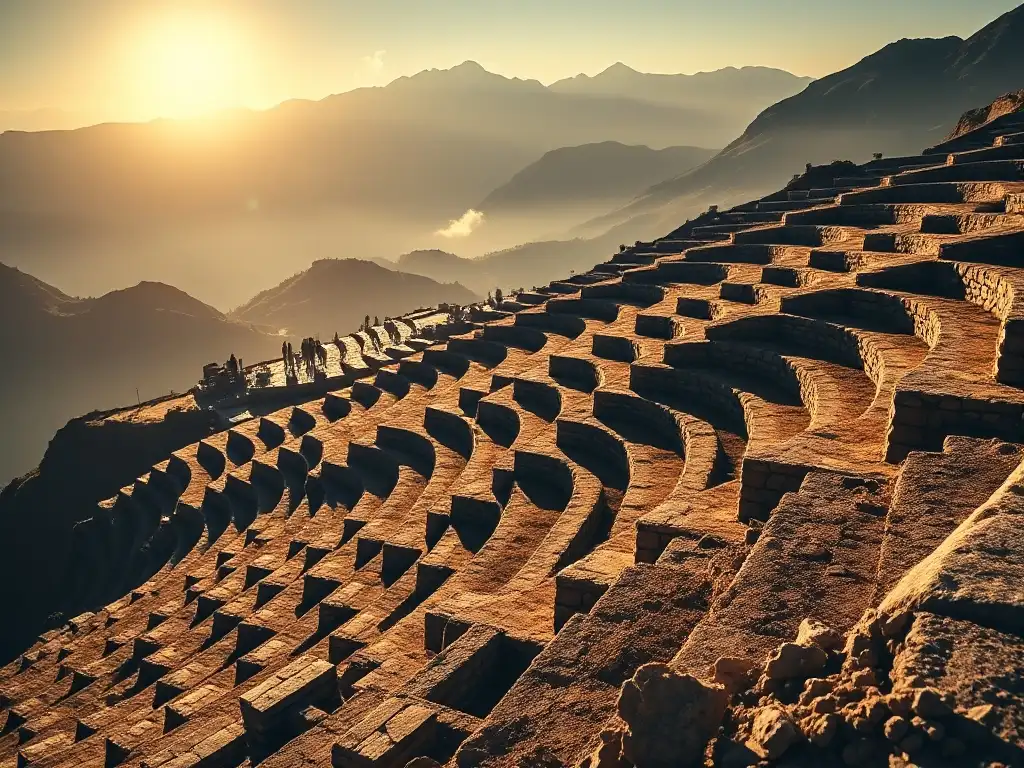
The ingenious terrace farming techniques employed by the Tiahuanaco civilization extended far beyond simply providing sustenance. These meticulously constructed agricultural systems played a crucial role in the overall societal stability and prosperity of the culture, demonstrating a sophisticated understanding of environmental engineering and resource management. Their impact reverberated through various aspects of Tiahuanaco life, shaping its social structure, economic stability, and even its architectural design. Understanding these multifaceted benefits is key to appreciating the true ingenuity of Tiahuanaco's agricultural innovations. The keyword Tiahuanaco terrace farming techniques perfectly encapsulates this sophisticated approach.
Erosion Prevention and Soil Enrichment through Terraces
The high-altitude, arid environment surrounding Lake Titicaca presented significant challenges to agriculture. Steep slopes were prone to erosion, leading to soil loss and reduced crop yields. Tiahuanaco's solution was the creation of extensive terrace systems, which acted as natural barriers against water runoff. These terraces, often built into the hillsides, slowed the flow of water, minimizing soil erosion and preventing the valuable topsoil from being washed away.
Furthermore, the terraced fields facilitated soil enrichment. The flat surfaces of the terraces allowed for better water retention, enabling the accumulation of organic matter and nutrients. This improved soil quality resulted in healthier crops and increased agricultural productivity.
The careful placement of terraces also allowed for the strategic management of sunlight exposure, optimizing conditions for various crops. Evidence suggests that different sections of the terrace systems were dedicated to cultivating a variety of crops, indicating a detailed understanding of microclimates and soil composition. This sophisticated approach to land management directly reflects the advanced agricultural knowledge of the Tiahuanaco people and supports the use of the keyword phrase, Tiahuanaco terrace farming techniques.
Maximizing Crop Production with Tiahuanaco's Farming Techniques
The Tiahuanaco terrace system wasn't just about preventing erosion; it was a carefully designed system for maximizing crop production in a challenging environment. The flat surfaces of the terraces provided optimal growing conditions for crops like potatoes, quinoa, and maize – staples of the Andean diet. The controlled water flow within the terraces ensured adequate irrigation, even during periods of drought. This reliable water supply, coupled with the enriched soil, led to significantly higher crop yields compared to traditional farming methods on steep slopes.
Moreover, the terraced fields allowed for efficient use of land. By utilizing previously unusable slopes, the Tiahuanaco people significantly increased their arable land, supporting a larger population. The organization of the terraces, often in intricate patterns, suggests a level of planning and coordination that points to a highly structured agricultural system. Analysis of the remaining terrace structures reveals an impressive understanding of hydraulic engineering, with sophisticated irrigation channels and drainage systems built into the design. The efficiency and productivity of these Tiahuanaco terrace farming techniques are testament to their advanced agricultural knowledge.
The Societal Impact of Reliable Agriculture and Food Security
The success of Tiahuanaco's terrace farming techniques had profound societal implications. The reliable food supply ensured social stability and reduced the risk of famine, a common threat in other Andean communities. This stability allowed for the development of a complex social hierarchy and the construction of monumental architecture, such as the iconic Sun Gate. The surplus of food produced through the efficient terrace system likely supported specialized labor and the growth of urban centers.
The consistent agricultural output fostered economic prosperity and facilitated trade with neighboring communities. The ability to produce a surplus of food allowed the Tiahuanaco to engage in exchange networks, acquiring valuable resources and strengthening their position within the Andean region. The sophisticated agricultural practices, therefore, were not merely a means of subsistence; they were instrumental in shaping the political, economic, and social landscape of the Tiahuanaco civilization. The impact of the Tiahuanaco terrace farming techniques on their society cannot be overstated. The success of their agricultural innovation allowed for the flourishing of a complex and influential civilization.
Comparing Tiahuanaco Terraces with Other Andean Agricultural Practices
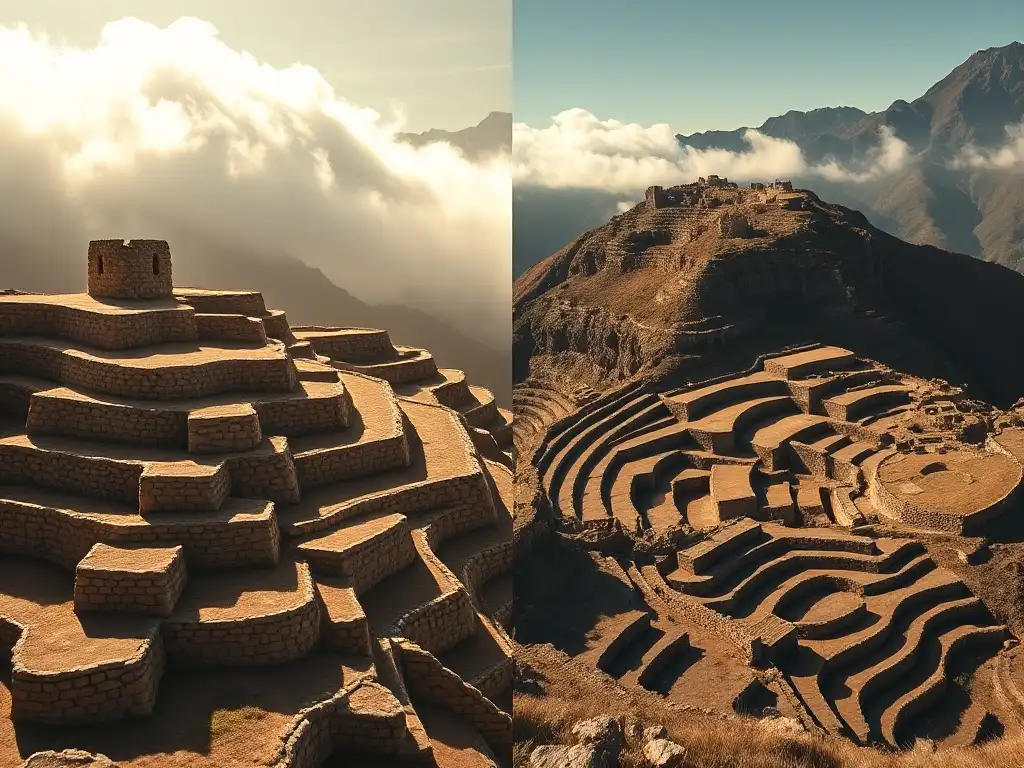
This section delves into the specifics of Tiahuanaco's terrace farming techniques, comparing and contrasting them with those employed by other prominent Andean civilizations, such as the Inca and Wari. Understanding these differences highlights the unique ingenuity of Tiahuanaco's agricultural innovations. While all three civilizations relied on terracing to maximize arable land in challenging mountainous terrain, their approaches varied significantly.
Contrasting Tiahuanaco's methods with Inca and Wari techniques
Inca terrace farming, renowned for its precision and scale, often involved meticulously carved terraces with retaining walls of precisely fitted stone. These terraces were frequently integrated into a complex system of irrigation canals, ensuring a consistent water supply. The Inca also utilized sophisticated agricultural knowledge, including crop rotation and fertilizer management, to maximize yields. Their techniques demonstrated a mastery of engineering and a deep understanding of Andean ecosystems.
Wari terrace farming, while less extensively documented than Inca practices, also showcased a high degree of sophistication. Evidence suggests the Wari employed similar techniques to the Inca, focusing on precise stonework and integrated irrigation systems. However, the scale of their terrace farming projects seems to have been smaller than those undertaken by the Inca.
Tiahuanaco's approach, however, presents a unique case. While sharing the fundamental principle of terracing, Tiahuanaco's techniques appear less focused on intricate stonework and more on manipulating the natural landscape. The use of raised fields, combined with sophisticated drainage systems, suggests a different emphasis on water management, possibly adapted to the specific hydrological conditions of the Tiwanaku region. Further research is needed to fully clarify the differences in soil management practices between these Andean cultures. [Specific information pending: comparative analysis of soil samples from Inca, Wari, and Tiahuanaco terrace sites].
Distinctive features of Tiahuanaco's Agricultural Strategies
Several features distinguish Tiahuanaco's terrace farming from that of other Andean civilizations. Firstly, the scale of their raised fields is remarkable. These weren't simply carved into hillsides; they were often substantial structures, sometimes reaching several meters in height. This suggests a considerable investment of labor and a commitment to intensive agriculture.
Secondly, the integration of drainage systems was crucial to Tiahuanaco's success. The high water table in the region necessitated efficient drainage to prevent waterlogging and crop damage. Their sophisticated canals and channels diverted excess water, while ensuring adequate irrigation during drier periods. This highlights a deep understanding of hydrology and a proactive approach to managing water resources.
Finally, the evidence points towards a diversified agricultural strategy. While the exact crops cultivated remain a subject of ongoing research, archaeological findings suggest a variety of crops were grown, showcasing resilience and adaptability to fluctuating environmental conditions. This contrasts with some other Andean cultures that may have relied more heavily on specific staple crops. [Specific information pending: detailed analysis of plant remains from Tiahuanaco terrace sites]. The diversity likely contributed to the longevity and stability of Tiahuanaco's agricultural system.
The Enduring Influence of Tiahuanaco's Terrace Farming in the Andes
The legacy of Tiahuanaco's terrace farming techniques extends far beyond the civilization's decline. The innovative methods employed by the Tiahuanaco likely influenced subsequent Andean agricultural practices, particularly in the Altiplano region. The enduring relevance of their approach is evident in the continued use of raised fields and sophisticated drainage systems in many Andean communities today. These traditional methods, honed over centuries, represent a testament to the ingenuity and adaptability of Andean agricultural practices.
The adaptation and refinement of Tiahuanaco's techniques demonstrate a remarkable continuity in Andean agricultural knowledge, showcasing its resilience and enduring value in the face of environmental challenges. The strategic use of terraces in the modern Andes highlights the lasting impact of Tiahuanaco’s agricultural innovations. 🧑🌾 This cultural heritage underscores the importance of preserving and understanding these ancient techniques for sustainable agriculture in the region.
Tiahuanaco’s Agricultural Legacy: Lessons for Today
The ingenuity of Tiahuanaco's terrace farming techniques, a cornerstone of their sophisticated civilization, continues to resonate today. Their mastery of water management and agricultural innovation allowed them to thrive in the challenging high-altitude environment of the Altiplano. Understanding their methods offers invaluable insights into sustainable agriculture and resource management, particularly relevant in our era of climate change and increasing food insecurity. The intricate network of terraces wasn't merely an agricultural system; it was integral to their social structure, economic stability, and even their spiritual beliefs. Analyzing their success and eventual decline provides crucial lessons for modern agricultural practices.
The Long-Term Sustainability of Tiahuanaco's Agricultural Methods
Tiahuanaco's agricultural success wasn't a matter of luck; it was the result of meticulous planning and adaptation to their environment. Their terrace system, carved into the steep slopes surrounding Lake Titicaca, maximized arable land and minimized soil erosion. The careful construction of retaining walls, often made of stone, prevented soil loss and created level planting surfaces. Furthermore, their understanding of water management was exceptional.
They implemented sophisticated irrigation channels, diverting water from natural sources and distributing it evenly across the terraces. This precise control of water resources allowed for multiple harvests annually, ensuring food security for a large population. Evidence suggests the use of crop rotation and other techniques to maintain soil fertility, indicating a deep understanding of ecological principles.
The long-term sustainability of their methods is evident in the fact that the terraces remained productive for centuries, a testament to their careful planning and environmental stewardship. Analyzing the isotopic composition of ancient plant remains could provide even more precise data on their crop diversity and agricultural practices. Unfortunately, [specific data on isotopic analysis of Tiahuanaco crops pending].
How Tiahuanaco's Techniques Can Inform Modern Sustainable Agriculture
The principles underlying Tiahuanaco's terrace farming techniques offer valuable lessons for modern sustainable agriculture. Their emphasis on water conservation is particularly pertinent in regions facing water scarcity. Modern agricultural practices often rely on intensive irrigation, leading to water depletion and environmental damage. In contrast, Tiahuanaco's system demonstrates the effectiveness of efficient water distribution and reduced water consumption.
Their approach to soil conservation, through terracing and crop rotation, also offers a model for reducing erosion and maintaining soil fertility. Modern agriculture often suffers from soil degradation due to intensive farming practices. Adopting Tiahuanaco's methods, or adapting them to modern contexts, could help mitigate this problem. The integration of indigenous knowledge with modern agricultural technologies is crucial for developing sustainable and resilient farming systems.
For example, the use of modern materials in conjunction with traditional terracing techniques could create even more effective and efficient systems. This integration is a key aspect of achieving food security while minimizing environmental impact. Further research is needed to fully understand the long-term effects of different soil management strategies and water allocation methods, comparing these with those employed at Tiahuanaco. This research could greatly enhance the applicability of Tiahuanaco's techniques in modern agriculture.
Protecting and Learning from Ancient Andean Farming Knowledge
Preserving and studying the remaining Tiahuanaco terraces is crucial for understanding and applying their agricultural innovations. These ancient sites are not just historical landmarks; they are living testaments to a sophisticated agricultural system. Their preservation requires careful planning and collaboration between archaeologists, agricultural scientists, and local communities. The knowledge embedded in these ancient landscapes is invaluable, offering insights into sustainable farming practices that can benefit both present and future generations.
Furthermore, engaging local communities in preservation efforts is essential. Their traditional knowledge and understanding of the land can contribute significantly to conservation strategies and the interpretation of the archaeological findings. Protecting these sites ensures that future generations can learn from the ingenuity of the Tiahuanaco people and apply their wisdom to address the challenges of modern agriculture.
The integration of traditional ecological knowledge with modern scientific methods is vital for developing effective conservation and sustainable agriculture strategies. For example, [specific examples of community-based conservation projects in Tiahuanaco pending]. The potential for further discoveries, such as uncovering more detailed information about their crop management techniques 🌱, remains high, making the ongoing study of Tiahuanaco's agricultural legacy a vital endeavor.
Frequently Asked Questions
What were the main agricultural challenges faced by the Tiahuanaco people?
The Tiahuanaco people faced challenges like high altitude, arid climate, and poor soil quality. Their innovative farming techniques were crucial for survival.
How did Tiahuanaco's terrace farming techniques overcome these challenges?
Terraces increased arable land, slowed water runoff, and improved soil retention. This allowed for efficient irrigation and crop cultivation.
What specific techniques did the Tiahuanaco civilization use in their terrace farming?
Tiahuanaco utilized raised fields, terraces, and irrigation canals to manage water and increase crop yields in the challenging Andean environment. They also employed fertilizers to enrich the soil.
How did terrace farming integrate with the overall architecture of Tiahuanaco?
The terraces were not just agricultural features but were integrated into the landscape and the city's design, reflecting a holistic approach to urban planning and resource management. They were a key part of the city's visual and functional structure.
What crops did the Tiahuanaco people cultivate using their terrace farming techniques?
The Tiahuanaco cultivated a variety of crops, including potatoes, quinoa, and other Andean staples. The terraces supported a diverse and sustainable agricultural system.
Final Reflection: Echoes of Innovation in the Andes
Tiahuanaco's mastery of terrace farming wasn't merely a survival strategy; it was a profound statement of human ingenuity and a testament to the enduring power of adaptation in the face of challenging environments. The sophisticated techniques employed, from intricate water management systems to the precise placement of agricultural terraces, continue to resonate today, offering valuable lessons for sustainable agriculture and resource management in a world grappling with climate change and population growth.
The legacy of Tiahuanaco's agricultural innovations extends far beyond its physical remains. The ingenuity displayed in their terraced landscapes speaks to a deep understanding of their environment and a commitment to sustainable practices. The earth provides enough to satisfy every man's needs but not every man's greed.
- Mahatma Gandhi. This quote highlights the crucial balance between human needs and environmental stewardship, a balance that the Tiahuanaco people clearly understood and embodied in their remarkable agricultural achievements. Their methods offer a powerful counterpoint to modern, often unsustainable, agricultural practices.
Consider the implications of Tiahuanaco's success. Their innovative approach to agriculture allowed them to thrive in a seemingly inhospitable environment, building a complex society and leaving behind a rich cultural heritage. You too possess the capacity for innovation and adaptation. Reflect on the challenges you face, and consider how the principles of careful planning, resource management, and community collaboration, so evident in Tiahuanaco's terrace farming, might help you overcome them. Embrace the spirit of ingenuity that echoes across the millennia from the heights of the Andes, and build a more sustainable and fulfilling future.
**Unveil the Secrets of Tiahuanaco's Agricultural Mastery! **
Thank you for exploring the fascinating world of Tiahuanaco and its innovative terracing techniques. You've discovered how these ancient methods brilliantly combined agriculture with stunning architecture, and now it's time to build on this knowledge!
**Here's how you can delve deeper:**
- **Explore** your local agricultural heritage. Visit a community farm or garden and observe sustainable practices inspired by ancient innovations. You might be surprised by the connections you find!
- **Share** this article with friends and family or post it on social media to spark a conversation about the importance of sustainable agriculture today.
- Consider **volunteering** with a local organization dedicated to cultural preservation or sustainable farming to experience firsthand the ongoing relevance of these techniques.
What specifically about Tiahuanaco's ingenious methods inspires you to reconsider your own approach to agriculture? We'd love to hear your thoughts!