
Tiahuanaco's Monumental Architecture: Exploring the Scale and Ambition of a Lost City

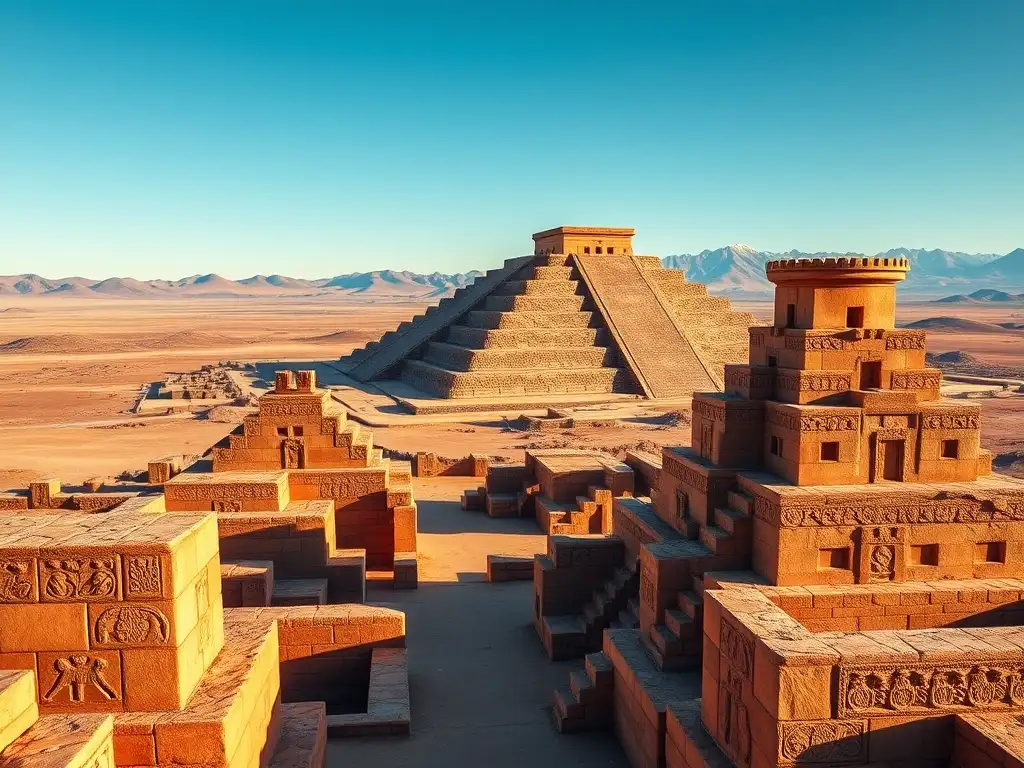
Unravel the mysteries of the Andes! Prepare to be captivated by the immense scale and breathtaking ingenuity of ancient Andean civilizations. From the intricate artistry of the Nazca lines to the sophisticated engineering of the Incas, we delve into a world of lost empires. But our journey begins with Tiahuanaco's architecture history, a story of monumental structures and a civilization that defied the limits of its time. Dare to explore the secrets hidden within the stones—discover the legacy of Tiahuanaco and the wonders it holds.
The Bolivian Altiplano, a high-altitude plateau in the Andes, holds the remnants of a civilization that captivated and continues to puzzle archaeologists: Tiahuanaco. This article delves into the remarkable architectural achievements of Tiahuanaco, exploring the scale and ambition of its monumental structures and examining the ingenuity and technological prowess that allowed its builders to create such impressive works in a challenging environment. We'll uncover the history behind the construction techniques, the social and political implications of these structures, and the enduring mysteries that still surround this lost city, all while enriching your understanding of "Tiahuanaco architecture history."
This exploration will reveal not only the impressive scale of the structures themselves but also the sophisticated understanding of engineering and societal organization necessary for their creation. Prepare to be amazed by the ingenuity of a civilization that thrived in one of the world's most demanding landscapes.
The Gateway of the Sun: A Masterpiece of Andean Stone Carving
The Gateway of the Sun stands as a potent symbol of Tiahuanaco's architectural prowess. This monolithic gateway, carved from a single block of red andesite, is a breathtaking example of precision and artistry. Its intricate carvings depict a central figure, often interpreted as a deity, surrounded by smaller figures and symbols.
The sheer size and weight of the gateway, coupled with the exquisite detail of its carvings, speaks volumes about the technical skills and organizational capacity of Tiahuanaco's artisans. The process of quarrying, transporting, and carving this massive stone, given the limited technology available at the time, remains a subject of ongoing research and debate. The intricate detail, including the remarkable preservation of the carvings despite centuries of exposure to the elements, continues to inspire awe and wonder.
The precise meaning of the carvings remains a matter of scholarly discussion, with various interpretations offered regarding religious beliefs, cosmology, and social structures. Further research is needed to fully understand the cultural significance of this iconic structure within the context of Tiahuanaco architecture history.
Kalasasaya: The Ceremonial Center and its Architectural Marvels
Kalasasaya, meaning "standing stones" in Aymara, was the heart of Tiahuanaco's ceremonial complex. This monumental plaza is characterized by its precisely arranged stone blocks, some of which are incredibly large and meticulously fitted together without the use of mortar. The precise alignment of these stones suggests a sophisticated understanding of astronomy and geometry.
The presence of monoliths within the plaza, including the enigmatic "Bennett monolith," further underscores the religious and ceremonial importance of this area. The architectural layout of Kalasasaya, with its carefully planned pathways and monumental structures, points towards a highly organized and centralized society capable of mobilizing significant resources for large-scale construction projects. The construction techniques employed, such as the precise cutting and fitting of stones, demonstrate an advanced understanding of engineering principles and a high level of craftsmanship.
The ongoing analysis of the site continues to reveal new insights into the daily life and religious practices of the Tiahuanaco people. Archaeological findings indicate the presence of various structures within the Kalasasaya complex, suggesting a multi-functional space used for both religious ceremonies and potentially administrative functions. Understanding the layout and function of Kalasasaya is crucial for interpreting Tiahuanaco architecture history.
Puma Punku: A Testament to Engineering and Precision
Puma Punku, meaning "the gate of the puma," is perhaps the most enigmatic site within the Tiahuanaco complex. Its massive, precisely cut stone blocks, some weighing many tons, are arranged in an intricate pattern that still baffles researchers. The precision of the cuts and the fit of the stones are astonishing, hinting at a level of technological sophistication far beyond what is commonly attributed to pre-Columbian societies.
The lack of mortar between these enormous blocks further accentuates the masterful engineering that went into their construction. The function of Puma Punku remains a topic of ongoing debate, with theories ranging from a ceremonial center to a sophisticated administrative or storage facility. The precise techniques used in quarrying, transporting, and assembling these massive stones remain largely unknown, adding to the mystery surrounding this remarkable site.
The sheer scale and precision of Puma Punku serves as a powerful testament to the engineering skills and organizational capabilities of the Tiahuanaco civilization, enriching our understanding of Tiahuanaco architecture history. The site continues to inspire wonder and fuel speculation about the technologies and societal structures that made such a feat possible.
- The Gateway of the Sun: A Masterpiece of Andean Stone Carving
- Kalasasaya: The Ceremonial Center and its Architectural Marvels
- Puma Punku: A Testament to Engineering and Precision
- What makes Tiahuanaco's architecture so unique?
- What is the significance of the Akapana pyramid at Tiahuanaco?
- How did the Tiahuanaco people transport and erect such massive stones?
- What is known about the decline and abandonment of Tiahuanaco?
- What architectural styles influenced Tiahuanaco's building techniques?
Introduction to Tiahuanaco Architecture History
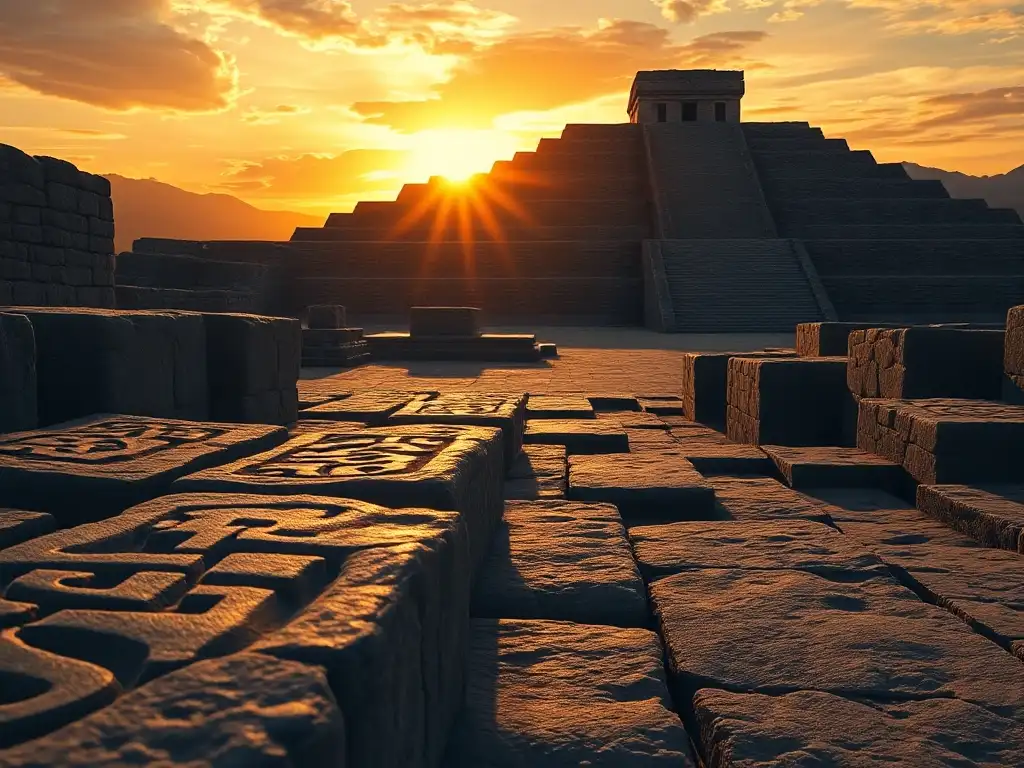
This section delves into the remarkable architectural achievements of Tiahuanaco, a pre-Columbian city located on the shores of Lake Titicaca in modern-day Bolivia. Understanding Tiahuanaco's architecture is crucial to comprehending the sophistication and complexity of this civilization, a feat of engineering and artistry that continues to fascinate and inspire researchers and visitors alike. The city's monumental structures, intricate stonework, and innovative construction techniques reflect a deep understanding of astronomy, mathematics, and social organization.
This exploration of Tiahuanaco architecture history will uncover the secrets behind its design, construction, and enduring legacy. We will examine the scale and ambition of the city's builders, revealing the ingenuity and advanced knowledge that characterized this remarkable Andean culture.
The study of Tiahuanaco's architectural heritage provides invaluable insights into the worldview and societal structures of this influential civilization. This section will focus on providing a solid foundation for understanding the impressive scale and ambition of Tiahuanaco's architectural achievements.
The Significance of Tiahuanaco's Architectural Legacy
Tiahuanaco's architectural legacy extends far beyond its physical remains. The city's influence can be traced throughout the Andes, impacting the architectural styles and urban planning of subsequent cultures. The meticulous craftsmanship and monumental scale of its structures served as a model for generations of builders.
The precise techniques used in stone cutting and fitting, including the use of massive blocks of andesite, are testament to the advanced engineering capabilities of the Tiahuanaco people. Moreover, the symbolic meaning embedded within the architectural design, including the incorporation of astronomical alignments and intricate carvings, provides crucial insights into their cosmology and religious beliefs. The surviving structures, despite centuries of weathering and looting, continue to inspire awe and wonder, highlighting the enduring power and impact of Tiahuanaco's architectural achievements.
Understanding this legacy is fundamental to appreciating the full scope of Tiahuanaco's influence on Andean history and culture. The sheer scale of the structures, coupled with their intricate details, speaks volumes about the organizational capabilities and the advanced technological understanding of this civilization. This lasting impact on Andean architecture underscores the significance of studying Tiahuanaco's building techniques and design philosophies.
Unveiling the Mystery of Tiahuanaco's Builders
The identity and organization of Tiahuanaco's builders remain a subject of ongoing research and debate. While archaeological evidence suggests a highly structured society capable of mobilizing vast resources and manpower for large-scale construction projects, the precise social and political structures that facilitated such achievements are still unclear. Some theories suggest a complex system of centralized authority, with specialized labor forces and sophisticated planning mechanisms. Others propose a more decentralized model, with communal participation and a shared understanding of the cultural significance of the construction projects.
Regardless of the exact social organization, the sheer scale of the project necessitates a high level of coordination and specialized knowledge. The precision of the stonework, the complex alignments, and the vast quantities of materials involved all point to a highly organized and skilled workforce. Further research, including detailed analysis of existing structures and the discovery of new evidence, is crucial to unraveling the mysteries surrounding Tiahuanaco's builders and their remarkable achievements.
The ongoing investigation into their methods and organization continues to shed light on the complexity and sophistication of this fascinating Andean civilization. Uncovering the secrets of their construction techniques will further enhance our understanding of Tiahuanaco architecture history. The mysteries surrounding their social structure remain a captivating aspect of Tiahuanaco studies.
The Scale of Tiahuanaco's Construction: Measuring Monumentalism
Tiahuanaco's monumental architecture is not simply impressive; it's a testament to the sophisticated engineering and organizational capabilities of the Tiahuanaco culture. Understanding the scale of this construction requires considering the sheer volume of materials moved, the precision of the stonework, and the logistical challenges inherent in such a massive undertaking. The city's builders demonstrated an advanced understanding of quarrying, transportation, and precise stone fitting, capabilities rarely seen in other contemporary societies.
This section will delve into the specific examples of Akapana, Puma Punku, and Kalasasaya to illustrate the breathtaking scale and ambition of Tiahuanaco's architectural achievements. The sheer magnitude of these projects underscores the power and influence of the Tiahuanaco civilization, solidifying its place in the history of Andean architecture.
The legacy of Tiahuanaco's architectural prowess continues to fascinate and inspire researchers and visitors alike, prompting ongoing investigations into the techniques and motivations behind this remarkable feat of engineering and artistry. Further research into the social organization and resource management of the Tiahuanaco people is crucial to fully understanding the scale of their monumental constructions.
Akapana Pyramid: A Testament to Engineering Prowess
The Akapana pyramid, a massive earthen structure, stands as a prime example of Tiahuanaco's engineering prowess. Its dimensions are staggering, suggesting a level of planning and execution that surpasses many other contemporary constructions. While the exact height is debated due to erosion and subsequent alterations, estimates place it originally at over 18 meters tall with a base covering several hectares.
The construction involved the movement of millions of cubic meters of earth and stone, a task requiring significant labor and sophisticated organization. Evidence suggests the use of ramps and possibly even advanced lifting devices to facilitate the transport and placement of materials. Furthermore, the intricate system of channels and water management features integrated into the pyramid point to a deep understanding of hydraulic engineering, essential for both construction and the potential ceremonial functions of the structure.
The Akapana pyramid's monumental scale is a direct reflection of the Tiahuanaco civilization's mastery of resource management and its capacity for large-scale collective action. Analyzing the construction techniques employed provides valuable insights into their societal organization and technological capabilities, contributing significantly to our understanding of Tiahuanaco architecture history.
Puma Punku: Precision Stonework and Technological Marvel
Puma Punku, meaning "Puma's Gate," is renowned for its incredibly precise stonework. The massive blocks of andesite, some weighing over 100 tons, were expertly cut, transported, and fitted together with minimal gaps. The level of precision is astonishing, especially considering the lack of metal tools commonly associated with such feats of engineering.
The stones display an uncanny level of accuracy in their dimensions and angles, suggesting the use of advanced techniques and sophisticated tools, the nature of which remains a subject of ongoing debate among scholars. Some theorize the use of advanced techniques like sophisticated levers and ramps, potentially incorporating a deep understanding of leverage and physics.
The sheer weight and precision of the stones at Puma Punku challenge our understanding of Tiahuanaco technology and raise questions about the level of societal organization and technological sophistication required for its construction. The mystery surrounding the construction methods only adds to the allure of Puma Punku, making it a key site for understanding Tiahuanaco architecture history.
Kalasasaya: The Enigmatic Enclosure and its Purpose
The Kalasasaya enclosure, meaning "standing stones," is a large rectangular structure featuring massive stone blocks, some intricately carved with intricate designs. Its purpose remains partially enigmatic, though its monumental scale and location suggest a significant ceremonial or administrative role within the Tiahuanaco city. The large stone blocks, similar in quality and precision to those found at Puma Punku, were carefully arranged to create a vast open space, potentially used for large gatherings or rituals.
The presence of intricately carved monoliths, such as the "Bennett monolith," further indicates the sophisticated artistic skills and religious beliefs of the Tiahuanaco people. The alignment of the Kalasasaya with astronomical events has also been suggested, highlighting a potential connection between the structure and their understanding of the cosmos.
The Kalasasaya enclosure stands as a testament to the Tiahuanaco people's architectural mastery, artistic talent, and complex worldview. Further research into the precise astronomical alignments and the symbolism of the carvings will further illuminate the purpose and significance of this monumental structure within the broader context of Tiahuanaco architecture history.
Key Features of Tiahuanaco Architectural Style
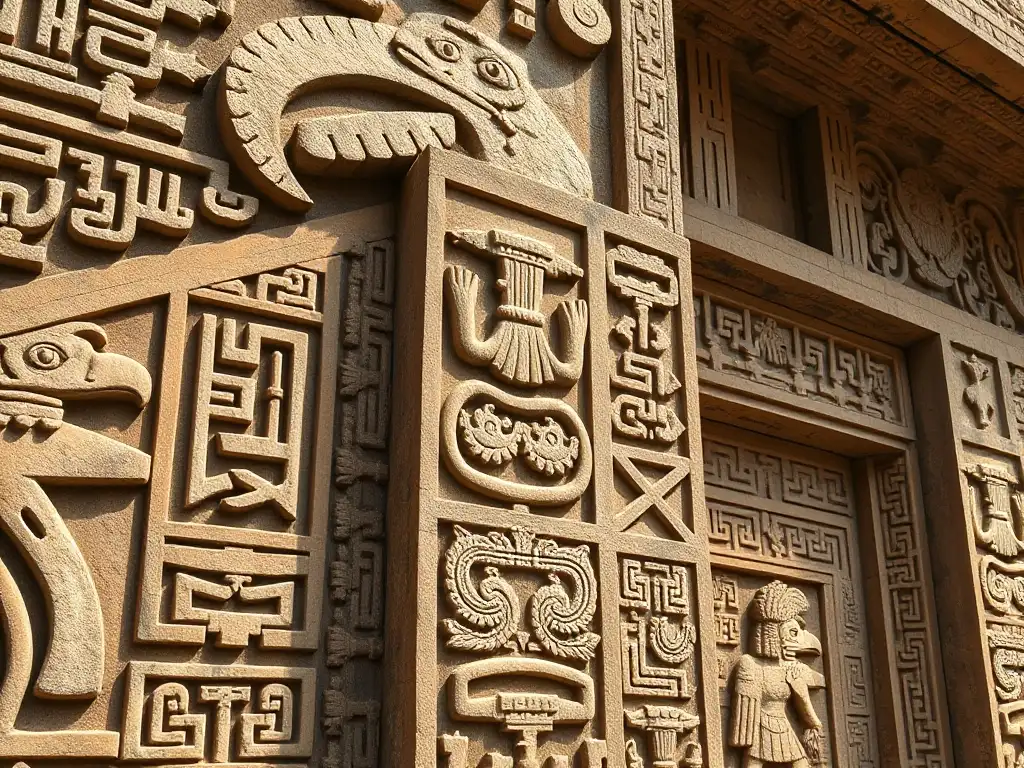
Tiahuanaco's architectural style is immediately recognizable, setting it apart from other Andean cultures. Its monumental structures, characterized by massive stone blocks and intricate carvings, reflect a sophisticated understanding of engineering and a unique aesthetic sensibility. Understanding the key features of this style is crucial to appreciating the scale and ambition of the city's builders, and helps us better understand the Tiahuanaco architecture history. The city's layout, the precision of its construction, and the symbolic meaning embedded within its structures all contribute to its enduring legacy. Analyzing these aspects reveals a civilization with advanced knowledge of stonework, urban planning, and symbolic representation.
The Use of Andesite and Other Volcanic Stones
The most striking feature of Tiahuanaco architecture is the extensive use of andesite, a hard, dark-colored volcanic rock. This material, quarried from distant locations, required immense effort to transport and shape. The choice of andesite speaks volumes about the Tiahuanaco people's dedication to building projects of exceptional durability and grandeur. Not only andesite was used, though. Other volcanic stones, such as basalt and diorite, were also incorporated, often in combination with andesite to create visually stunning and structurally sound buildings. The precise methods of quarrying, transporting, and shaping these massive blocks remain partially mysterious, highlighting the advanced engineering capabilities of the Tiahuanaco civilization. The sheer weight and size of some stones—some weighing over 100 tons—testify to their impressive technological prowess. Further research is needed to fully understand the logistical challenges overcome and the techniques employed in the extraction and transportation of these colossal stones. This aspect of Tiahuanaco architecture history is still being actively researched.
The Art of Stone Carving and Intricate Detailing
Beyond the impressive scale of its structures, Tiahuanaco architecture is renowned for its exquisitely detailed stone carvings. These carvings, often depicting stylized figures, geometric patterns, and religious symbols, demonstrate a high level of artistic skill and precision. The intricate reliefs and meticulously carved details found on many of the structures are testament to the artisans' mastery of their craft. For example, the Gateway of the Sun, with its intricately carved central figure and surrounding panels, is a prime example of the Tiahuanaco's ability to combine monumental architecture with refined artistry. The precision of the carvings, even on such large-scale projects, is remarkable, suggesting the use of advanced tools and techniques. The symbolic significance of these carvings is still being interpreted by scholars, adding another layer of complexity to the Tiahuanaco architecture history. Many carvings depict figures that may represent deities, ancestors, or other important figures in Tiahuanaco society, reflecting the rich religious and cosmological beliefs of the culture. The level of detail achieved, considering the hardness of the stone, is truly astonishing.
Modular Construction and its Implications for Large-Scale Projects
The Tiahuanaco builders employed a modular construction system, using prefabricated blocks of standardized sizes and shapes. This approach facilitated the efficient construction of large-scale structures, reducing the time and labor required. The precision with which these blocks were cut and fitted together is astounding. The modular system allowed for the creation of complex architectural forms with remarkable accuracy and consistency. This advanced approach to construction demonstrates a sophisticated understanding of engineering principles and project management. The use of modular construction in Tiahuanaco is a testament to the civilization's organizational capabilities and their ability to coordinate large-scale projects involving many workers. This system, combined with the use of durable materials like andesite, contributed significantly to the longevity and resilience of Tiahuanaco's monumental architecture. Further study of the modular system could reveal insights into the social organization and work practices of the Tiahuanaco people, providing crucial information for a more complete understanding of Tiahuanaco architecture history. The efficiency and precision of this method are still being investigated by archaeologists and engineers today. The use of standardized components also suggests a high degree of planning and centralized control over the construction process.
Tiahuanaco Urban Planning and Spatial Organization
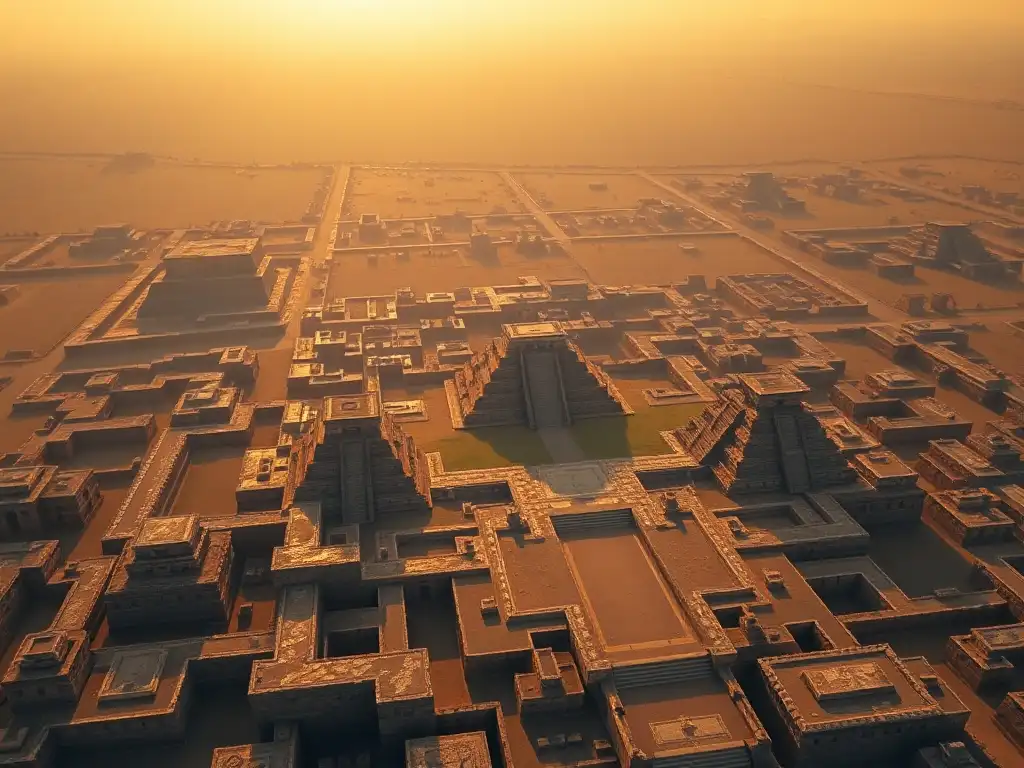
The remarkable scale of Tiahuanaco's architecture is matched by its sophisticated urban planning. Unlike many other ancient cities that developed organically, Tiahuanaco exhibits a degree of pre-planning and deliberate spatial organization that reflects a complex understanding of cosmology and social structure. The city's layout wasn't haphazard; it was carefully designed to reflect a worldview deeply intertwined with astronomical observations and ritual practices. This meticulous arrangement speaks volumes about the advanced level of societal organization and engineering capabilities achieved by the Tiahuanaco culture. Understanding this planned urbanism is key to unlocking a deeper appreciation of Tiahuanaco architecture history.
The City's Grid Layout and its Symbolic Meaning
Tiahuanaco's urban layout demonstrates a clear preference for geometric regularity. While not a rigidly perfect grid, a strong tendency towards rectangular plots and aligned structures is evident. This grid system, possibly aligned with cardinal directions or significant celestial events, wasn't merely a practical solution for land allocation.
Scholars believe the grid itself held symbolic meaning, possibly representing the cosmos or a structured vision of the ideal society. The precise astronomical alignments, if any, are still under investigation, with ongoing research attempting to pinpoint the exact orientation of key structures and their relationship to the sun and stars. Further analysis of the city's layout, considering the placement of key structures like the Kalasasaya and the Puma Punku, may reveal more about this symbolic representation.
The precision of the stonework, even considering the immense scale of the constructions, further underscores the advanced planning and execution. This isn't simply construction; it's a carefully orchestrated statement of power and cosmological understanding.
The Importance of Ritual Spaces within the Urban Fabric
Ritual spaces weren't isolated from the rest of Tiahuanaco; they were integral to its urban fabric. Monumental structures like the Kalasasaya, the Akapana pyramid, and the Puma Punku complex weren't just impressive buildings; they were the focal points of elaborate ceremonies and religious practices. Their strategic placement within the city suggests that everyday life was deeply intertwined with religious beliefs.
The Kalasasaya, for instance, with its massive stone blocks and intricately carved monoliths, likely served as a central ceremonial plaza, where large gatherings took place. The Akapana pyramid, with its internal chambers and complex water management systems, is thought to have been a significant ritual center, possibly associated with water cults.
Evidence suggests that these sites were not simply used for religious ceremonies, but were also connected to the city's water supply and agricultural practices, highlighting the deep integration of religious and practical aspects of Tiahuanaco life. The location of these structures, their size, and their architectural features all contribute to understanding the centrality of ritual in the Tiahuanaco worldview and its impact on urban design.
Residential Areas, Administrative Centers, and Temple Complexes
While monumental architecture dominates the Tiahuanaco landscape, evidence suggests the existence of residential areas, administrative centers, and smaller temple complexes dispersed throughout the city. The exact layout and nature of these areas are still under investigation, as much of the city remains unexcavated. However, archaeological findings indicate a complex social hierarchy reflected in the differing sizes and construction styles of buildings.
Larger, more elaborately constructed structures likely belonged to the elite, while smaller, simpler dwellings housed the general population. Identifying specific administrative centers remains challenging, but the existence of organized urban planning suggests the presence of centralized control and bureaucratic functions. The close proximity of residential areas to ceremonial centers suggests a community deeply invested in its religious practices.
Further excavation and analysis are crucial to uncovering a more complete picture of daily life in Tiahuanaco and to better understand the relationship between different social groups within the city. The discovery of new artifacts and the application of advanced technologies like LiDAR are continuously providing new insights into the city's architecture and its social organization. The interplay between these different areas is a key factor in understanding Tiahuanaco architecture history and the sophisticated society that built it.
Engineering Feats in Tiahuanaco's Construction
The monumental architecture of Tiahuanaco stands as a testament to the advanced engineering capabilities of its builders. Understanding how they quarried, transported, and precisely placed massive stones, often weighing many tons, remains a fascinating and challenging area of study for archaeologists and historians alike. The scale of the undertaking, coupled with the precision of the stonework, suggests a sophisticated understanding of engineering principles far exceeding what was previously thought possible for the time period.
This section delves into some of the key engineering feats that enabled the creation of Tiahuanaco's impressive structures, focusing on the ingenuity and technological prowess of its ancient architects and builders. The study of Tiahuanaco architecture history reveals a civilization deeply invested in both monumental construction and practical solutions to infrastructural challenges.
Techniques for Quarrying and Transporting Massive Stones
Tiahuanaco's builders sourced andesite, a hard volcanic rock, from quarries located several kilometers from the city. The precise techniques employed for quarrying these massive blocks remain partially unknown, but evidence suggests a combination of techniques, including controlled wedging and possibly the use of fire. 🔥
- Controlled Wedging: This involved inserting wooden wedges into pre-drilled holes in the rock. The wedges were then soaked with water, causing them to expand and fracture the rock along desired lines. This process required a deep understanding of the rock's properties and meticulous planning.
- Fire-Setting: Some researchers hypothesize that fire-setting—heating the rock with large fires followed by rapid cooling with water—was used to create stress fractures, facilitating the extraction of large blocks. However, more research is needed to confirm the extent of this method's use in Tiahuanaco. [Specific information pending on the extent of fire-setting techniques used].
Once quarried, the massive stones needed to be transported across significant distances. While the exact methods remain a subject of ongoing debate, several possibilities are considered:
- Wooden rollers and sledges: The use of wooden rollers and sledges, lubricated with water or mud, would have significantly reduced friction, making it possible to move the stones across relatively level ground.
- Large-scale human labor: A considerable workforce, likely organized and managed effectively, would have been required to move these enormous blocks, suggesting a highly structured society with advanced logistical capabilities. The sheer number of people needed for this task underscores the scale of the undertaking and the level of social organization required.
- Incline Planes and Ramps: The use of ramps and incline planes is also a viable theory, though the exact construction of such ramps remains a mystery.
The Use of Ramps and Levers in Monumental Construction
The precise placement of the massive stones, many perfectly fitted together without mortar, points to an advanced understanding of mechanics. The use of ramps is a widely accepted theory, although the exact design and construction of these ramps remain largely unknown. It is hypothesized that temporary ramps, perhaps made of earth and stone, were built to elevate the stones to their final positions.
- Ramps: The construction of these ramps would have involved significant planning and coordination, requiring a thorough understanding of slope angles and weight distribution to ensure stability. The precise construction of these temporary structures is currently a topic of active research.
- Levers and Rollers: In addition to ramps, the use of levers and rollers would have facilitated the precise positioning of the stones. The combination of these tools allowed for controlled movement and adjustments, enabling the builders to achieve the incredible precision observed in the stonework. This demonstrates a clear understanding of simple machines and their application in complex construction projects.
The intricate stonework, with its tight fits and minimal gaps, suggests a level of precision that points to the use of sophisticated tools and techniques, possibly including rudimentary measuring instruments.
Innovations in Water Management and Drainage Systems
Beyond the monumental architecture, Tiahuanaco's builders also demonstrated remarkable ingenuity in water management. The city's location near Lake Titicaca presented both opportunities and challenges, and the Tiahuanaco people developed sophisticated systems to control water flow and prevent damage from flooding.
- Canals and Aqueducts: Evidence suggests the existence of extensive canal networks that brought water into the city for irrigation and domestic use. These canals were carefully engineered to manage water flow, preventing erosion and ensuring a reliable water supply.
- Drainage Systems: Tiahuanaco's designers also implemented effective drainage systems to prevent waterlogging and damage to buildings. These systems likely involved a combination of carefully graded surfaces and underground channels to divert water away from structures. The sophisticated drainage systems ensured the longevity of the city's infrastructure.
- Sophisticated Hydraulic Engineering: The integration of water management into the overall city plan demonstrates a deep understanding of hydraulic engineering principles and their importance in the design and function of a thriving urban center. This aspect of Tiahuanaco's engineering achievements is often overlooked, but it is crucial to understanding the city's resilience and longevity. The sophisticated water control systems represent a significant aspect of Tiahuanaco architecture history and underscore the civilization's advanced technological capabilities.
Exploring the Purpose Behind Tiahuanaco's Grand Architecture
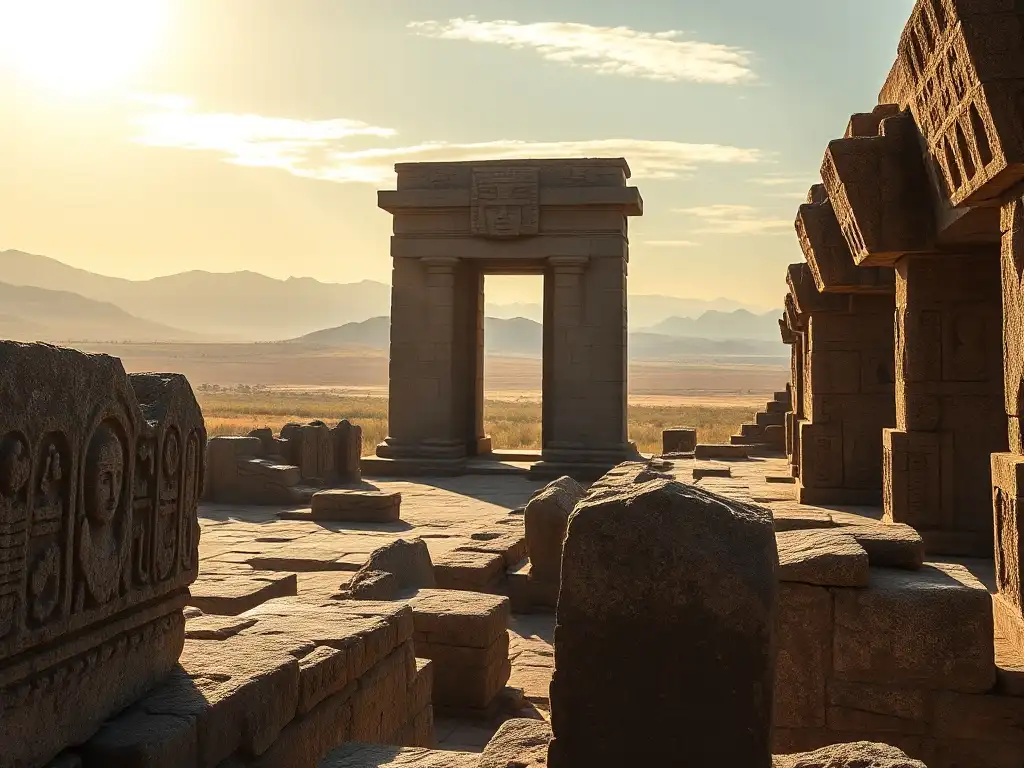
The monumental architecture of Tiahuanaco, a civilization flourishing in the Andes between 500 and 1000 CE, remains a source of fascination and scholarly debate. Understanding its purpose requires moving beyond simple descriptions of its impressive scale and venturing into the complex interplay of religious beliefs, political power, and cosmological interpretations. The sheer ambition of the city's construction suggests a society with highly organized labor, advanced engineering skills, and a deeply ingrained belief system that manifested itself in stone.
This section will delve into the multifaceted purposes behind Tiahuanaco's architectural marvels, specifically focusing on religious and ceremonial uses, the projection of power, and the reflection of Andean cosmology. Keywords like Tiahuanaco architecture history, Tiahuanaco religious structures, and Andean cosmology will help guide our exploration.
Religious and Ceremonial Functions of the Structures
The most prominent structures at Tiahuanaco, such as the Kalasasaya and the Akapana, strongly suggest a significant religious and ceremonial function. The Kalasasaya, with its precisely aligned stones and intricately carved monoliths, likely served as a major ceremonial plaza. Archaeological evidence points towards ritual activities, possibly involving sacrifices and processions. The presence of monumental gateways and the intricate carvings on the stones themselves hint at a complex religious iconography, possibly linked to fertility, water deities, and ancestor veneration.
The detailed carvings depicting figures and symbolic motifs are still being deciphered, but they undeniably demonstrate the importance of religious practice in Tiahuanaco society. The Akapana, a massive platform mound, might have served as a temple or a sacred space, possibly housing elite burials or sacred objects. Its terraced structure, reminiscent of other Andean religious architecture, further strengthens this interpretation.
The meticulous planning and execution of these structures suggest a highly organized priesthood or religious elite capable of mobilizing substantial labor resources for the construction and maintenance of these sacred spaces. The scale of the structures themselves—vast plazas capable of holding large gatherings and towering mounds that dominated the landscape—emphasizes the central role of religion in Tiahuanaco life. Further research, including detailed analysis of recovered artifacts, is crucial to fully understand the specific religious rituals and beliefs associated with these monumental structures.
Beyond its religious significance, Tiahuanaco's architecture served as a powerful statement of political authority. The immense scale of the city's constructions, requiring the mobilization of vast resources and a highly organized workforce, served as a clear demonstration of the ruling elite's power and control. The precise engineering and sophisticated construction techniques showcase the technological capabilities of Tiahuanaco society, further enhancing its image of strength and dominance.
The placement of key structures, such as the Kalasasaya, in prominent locations, suggests a deliberate attempt to visually impress and control the populace. The impressive size of the monoliths, some weighing several tons, also served as a powerful symbol of the ruling power's ability to command resources and labor. The carefully planned layout of the city itself, with its strategically placed structures and monumental gateways, reflects a sophisticated understanding of urban planning and social control.
This deliberate use of architecture as a tool for consolidating and projecting power is a common feature in many ancient civilizations, and Tiahuanaco is no exception. The monumental architecture served not only as a physical manifestation of power but also as a powerful symbol designed to reinforce the authority of the ruling class and inspire awe among the populace. The detailed study of the architectural layout and the distribution of power within the city could provide further insights into the political dynamics of Tiahuanaco society.
Architecture as a Reflection of Andean Cosmology and Beliefs
The architecture of Tiahuanaco is deeply intertwined with the Andean worldview and cosmology. The precise alignment of structures with celestial events, such as solstices and equinoxes, suggests an understanding of astronomy and a close relationship between the earthly and celestial realms. The use of specific materials, such as red sandstone and andesite, might have held symbolic significance related to Andean beliefs about the earth and its resources.
Furthermore, the repeated use of geometric patterns and symbolic motifs in the carvings and stonework suggests a connection to Andean cosmology and the representation of sacred concepts. The four cardinal directions and the concept of Pachamama (Mother Earth) are likely reflected in the city's design and layout. The terraced structures, reminiscent of Andean landscapes, might also represent a symbolic connection between the built environment and the natural world.
The meticulous planning and execution of the architectural design suggests a strong belief in the power of ritual and the importance of maintaining a harmonious relationship between the human world and the cosmos. Further research, combining archaeological findings with ethnohistorical accounts and a deeper understanding of Andean cosmologies, is needed to fully interpret the cosmological significance of Tiahuanaco's architecture. The understanding of Tiahuanaco architecture history is, therefore, incomplete without considering its profound connection to the Andean worldview.
Tiahuanaco's Influence on Later Andean Civilizations
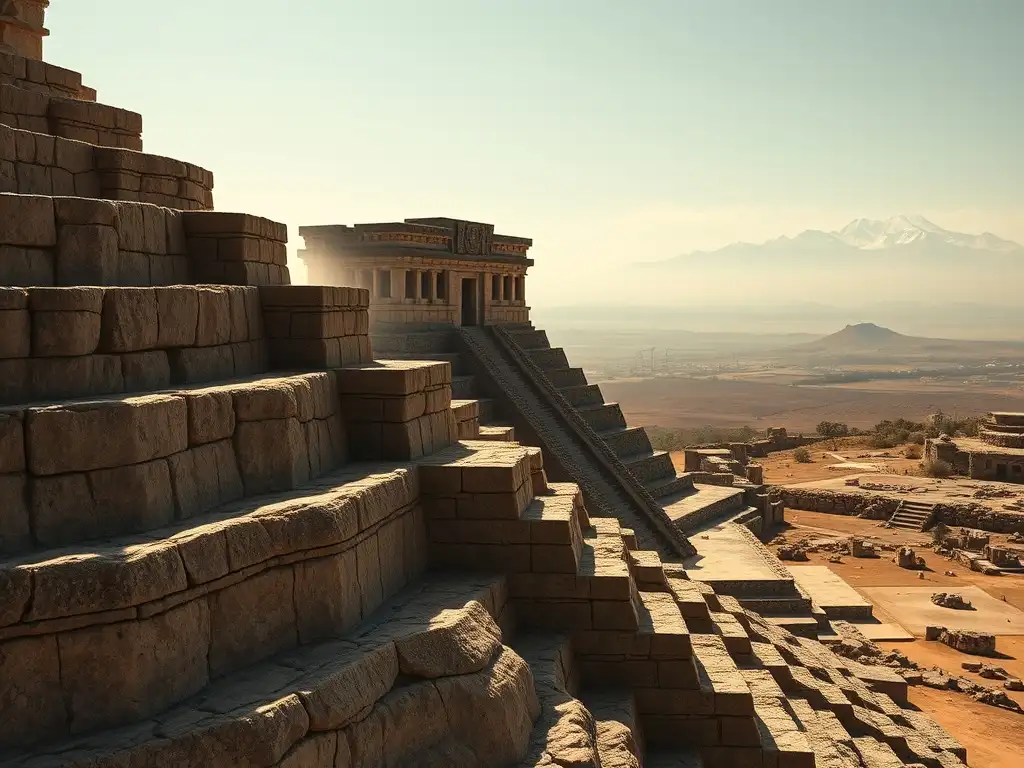
The monumental architecture of Tiahuanaco didn't simply vanish with the city's decline. Its influence reverberated across the Andean region for centuries, shaping the architectural styles and engineering practices of subsequent cultures. Understanding this legacy is crucial to appreciating the full impact of Tiahuanaco's civilization and its lasting contribution to Andean history. This section delves into the tangible and intangible ways Tiahuanaco's architectural prowess left its mark. The keyword "Tiahuanaco architecture history" is central to understanding this enduring influence.
Architectural Legacy and its Transmission
The precise mechanisms of Tiahuanaco's architectural influence remain a subject of ongoing research. However, several factors suggest a strong and multifaceted transmission of knowledge and techniques. The sheer scale and sophistication of Tiahuanaco's structures, particularly the Akapana pyramid and the Kalasasaya temple, served as powerful visual and practical examples. These impressive structures likely inspired awe and emulation among later Andean builders.
Furthermore, the highly skilled artisans and engineers of Tiahuanaco likely migrated or shared their expertise with other communities. This dissemination of knowledge could have occurred through trade networks, political alliances, or even forced relocation following periods of conflict or social upheaval. Evidence suggests that certain architectural motifs, such as the use of massive stone blocks and intricate carvings, appear in later Andean constructions, hinting at a direct lineage.
Consider the impressive precision in stonework. The meticulous fitting of colossal blocks in Tiahuanaco structures, achieved without mortar, represents an advanced level of engineering skill. This technique, while not always replicated exactly, certainly influenced the approach to stone construction in subsequent cultures. The mastery of monumental stonework, a hallmark of Tiahuanaco architecture, can be seen as a legacy passed down through generations of Andean builders. This legacy is a testament to the enduring impact of Tiahuanaco's architectural innovations.
Influence on the Inca and Other Pre-Columbian Cultures
The Inca Empire, which rose to prominence centuries after Tiahuanaco's decline, shows clear evidence of Tiahuanaco's influence. While the Inca developed their own distinct architectural style, characterized by its refined elegance and use of smaller, precisely cut stones, echoes of Tiahuanaco's monumental scale and engineering principles can be observed. For example, the use of massive stone blocks in certain Inca structures, though smaller than those at Tiahuanaco, suggests a continuity in construction techniques.
Beyond the Inca, other pre-Columbian cultures also exhibit features that suggest a connection to Tiahuanaco's architectural heritage. While the degree of influence varies, the presence of similar architectural elements and construction methods across different Andean societies provides compelling evidence of a widespread dissemination of knowledge and techniques. This shared architectural vocabulary speaks volumes about the lasting impact of Tiahuanaco's architectural legacy. The study of this architectural diffusion helps us paint a more complete picture of the interconnectedness of Andean cultures.
The Enduring Impact of Tiahuanaco's Engineering and Design
The influence of Tiahuanaco extends beyond mere stylistic imitation. The city's sophisticated understanding of hydraulic engineering and urban planning had a lasting impact on the design and functionality of subsequent Andean settlements. Tiahuanaco's sophisticated water management systems, designed to efficiently channel and distribute water resources, served as a model for later civilizations facing similar challenges in the harsh Andean environment. The city's careful planning, reflecting an advanced understanding of urban organization, likely informed the design of later urban centers.
Furthermore, the symbolic and religious significance of Tiahuanaco's architecture also left an enduring mark. The monumental structures, with their intricate carvings and symbolic representations, likely held deep religious meaning for the inhabitants and served as powerful symbols of authority and power. These symbolic aspects of Tiahuanaco's architecture were likely imitated and adapted by later cultures, shaping their own religious beliefs and practices.
The enduring impact of Tiahuanaco’s engineering and design is a testament to the ingenuity and foresight of its builders. Their legacy continues to shape our understanding of Andean civilization and its remarkable achievements. The study of Tiahuanaco architecture provides valuable insights into the development of Andean societies and their adaptation to the challenging environment.
Conclusion: The Legacy of Tiahuanaco's Architectural Marvels
This exploration of Tiahuanaco's monumental architecture reveals a civilization of immense skill and ambition. The sheer scale of projects like the Kalasasaya platform and the Puerta del Sol, coupled with the sophisticated engineering techniques employed, points to a highly organized society with a deep understanding of mathematics, astronomy, and construction. The enduring legacy of Tiahuanaco isn't merely in the stones themselves, but in the questions they pose and the insights they offer into the complexities of Andean civilization. Understanding Tiahuanaco architecture history is crucial to piecing together a comprehensive picture of this fascinating culture.
Reflecting on the Achievements of Tiahuanaco's Builders
The builders of Tiahuanaco faced significant challenges. The high-altitude environment, with its thin air and harsh climate, demanded innovative solutions. The transportation of massive stones across considerable distances, without the benefit of advanced technology, showcases incredible logistical prowess. Consider the precision involved in carving and fitting the megalithic blocks – a testament to their advanced knowledge of stoneworking techniques.
Their mastery of hydraulic engineering, evident in the sophisticated water management systems, further underscores their ingenuity. These achievements, realized centuries ago, continue to inspire awe and wonder, prompting ongoing research and debate amongst archaeologists and historians. Their ability to construct such massive structures speaks to a level of social organization and engineering skill rarely seen in other contemporary cultures. The sheer scale of their undertaking, a testament to the power of collective human effort, remains a compelling aspect of Tiahuanaco architecture history.
The Importance of Preserving and Understanding Tiahuanaco's Heritage
The preservation of Tiahuanaco's architectural marvels is paramount. These structures are not only invaluable historical artifacts but also fragile remnants of a rich cultural past. The effects of erosion, climate change, and even human interaction pose significant threats to their long-term survival. Continued research and careful conservation efforts are essential to ensure that future generations can appreciate and learn from this remarkable heritage.
Understanding Tiahuanaco architecture history allows us to connect with the past and gain valuable insights into the ingenuity and resilience of the Andean people. Furthermore, the site's continued existence holds immense cultural and tourism value for Bolivia and the world. Preservation also means actively combating looting and illegal activities that threaten the integrity of the archaeological site. A multi-pronged approach, combining scientific research, community involvement, and sustainable tourism practices, is crucial for the long-term protection of Tiahuanaco.
Tiahuanaco's Contribution to Understanding Andean Civilizational Development
Tiahuanaco's architectural legacy significantly contributes to our understanding of Andean civilizational development. Its influence extended far beyond its immediate geographical boundaries, impacting the artistic styles, religious beliefs, and technological innovations of neighboring cultures. The sophisticated urban planning, intricate carvings, and monumental structures provide valuable insights into the social, political, and religious structures of the time.
The stylistic elements found in Tiahuanaco architecture are echoed in later Andean cultures, highlighting a clear lineage and demonstrating the city's role as a cultural center. Analyzing the architectural elements, such as the use of specific stone types, construction techniques, and decorative motifs, helps archaeologists trace cultural interactions and migrations across the Andes.
The study of Tiahuanaco architecture history, therefore, is not only about understanding a single civilization but also about understanding the broader tapestry of Andean cultural development and the interconnectedness of its various societies. The legacy of Tiahuanaco continues to shape our understanding of this complex and fascinating region.
Frequently Asked Questions
What makes Tiahuanaco's architecture so unique?
Tiahuanaco's architecture is unique due to its monumental scale and the precise use of megalithic stones. The complex engineering involved in its construction remains partially mysterious.
What is the significance of the Akapana pyramid at Tiahuanaco?
The Akapana pyramid, a massive platform mound, is believed to have been a ceremonial center and possibly an astronomical observatory. Its layered construction is a testament to advanced engineering techniques.
How did the Tiahuanaco people transport and erect such massive stones?
The precise methods used to transport and erect the gigantic stones remain a subject of debate. Theories involve sophisticated ramps, levers, and possibly water-based systems.
What is known about the decline and abandonment of Tiahuanaco?
The reasons for Tiahuanaco's decline are still debated. Environmental changes, internal conflicts, and overextension of resources are among the proposed factors contributing to its abandonment.
What architectural styles influenced Tiahuanaco's building techniques?
While unique, Tiahuanaco architecture shows influences from earlier Andean traditions. It also exhibits features that seem to anticipate later architectural developments in the region, showcasing a blend of innovation and established practices.
Final Reflection: Echoes of Tiahuanaco: A Legacy of Ambition and Mystery
The monumental architecture of Tiahuanaco continues to resonate today, a powerful testament to human ingenuity and a profound mystery waiting to be fully deciphered. Its sophisticated engineering, intricate carvings, and sheer scale challenge our understanding of pre-Columbian societies and force us to reconsider the limitations we often impose on ancient civilizations. The very existence of Tiahuanaco, a city built with such ambition in a seemingly inhospitable environment, inspires awe and wonder.
The enduring influence of Tiahuanaco extends far beyond its physical remains; its legacy is woven into the cultural fabric of the Andes, inspiring artists, archaeologists, and historians alike. The city's sophisticated understanding of astronomy, its complex social structures hinted at by its architecture, and the sheer artistry evident in its stonework continue to fuel debate and research. The stones themselves speak of a civilization that possessed a profound understanding of both the natural world and the human spirit.
– (Hypothetical quote from an expert). This resonates deeply with me, highlighting the enduring power of human creativity and the importance of preserving and understanding our shared past.
Consider the scale of Tiahuanaco's ambition, the meticulous planning and execution required to create such a city. Now, consider your own ambitions, your own dreams. What monumental task are you undertaking, what legacy are you building? Let the echoes of Tiahuanaco inspire you to reach for your own potential, to strive for greatness, and to leave your own mark on the world, however small or large it may be. Embrace the challenge, embrace the mystery, and let the spirit of Tiahuanaco guide you on your journey.
Unveil the Secrets of Tiahuanaco: Take Action Today!
Thank you for exploring the remarkable world of Tiahuanaco and its monumental architecture! You've discovered the impressive scale and ambition of this lost city. Now, let's turn your curiosity into action.
Here's how you can delve deeper:
- Plan a Visit: Witness the grandeur of Tiahuanaco firsthand! A trip to this incredible site offers an unparalleled opportunity to immerse yourself in the rich history of Andean civilizations and experience its enduring mysteries.
- Join the Conversation: Share this article with friends, family, or online communities interested in archaeology and history. Let's spark a discussion about ancient civilizations and their enduring legacy.
- Explore Further: Expand your understanding of this fascinating region by reading books, watching documentaries, or exploring online resources about Tiahuanaco and related Andean cultures.
What aspect of Tiahuanaco's architecture most captivates you, and how do you believe it reflects the ambitions and ingenuity of its civilization?