
Tiahuanaco's Architectural Influence on the Landscape

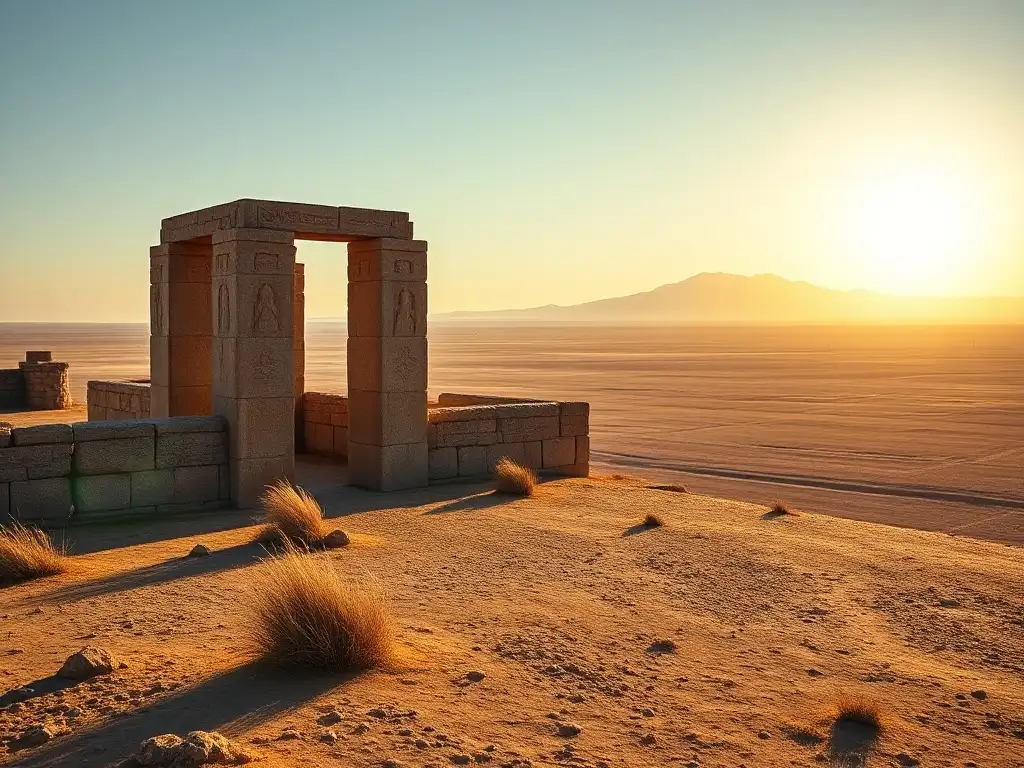
Unravel the mysteries of the Andes! Prepare to be captivated by the remarkable ingenuity of ancient Andean civilizations. From the intricate artistry of the Nazca lines to the sophisticated engineering of the Incas, their legacy echoes through time. But what secrets lie within Tiahuanaco's architectural impact? Journey with us to discover the breathtaking scale and enduring influence of this civilization's monumental structures – a testament to human ambition and a legacy that continues to shape the Andean landscape. Explore the wonders that await.
-
Tiahuanaco's Architectural Influence on the Landscape: Shaping the Andean World
- The Enduring Legacy of Tiahuanaco's Architecture
- Tiahuanaco's Architectural Innovations and Their Spatial Impact
- Key Architectural Elements and Their Landscape Integration
- Tiahuanaco's Architectural Impact on Urban Planning
- Tiahuanaco's Architectural Influence on Later Andean Cultures
- The Lasting Significance of Tiahuanaco's Architectural Design
-
Frequently Asked Questions
- What is the most significant architectural achievement of Tiahuanaco?
- How did Tiahuanaco's architecture influence later Andean cultures?
- What materials were primarily used in Tiahuanaco's construction?
- What is the significance of the Akapana pyramid at Tiahuanaco?
- How did the environment impact Tiahuanaco's architecture?
- Final Reflection: The Enduring Legacy of Tiahuanaco's Architectural Vision
- Unveil the Legacy of Tiahuanaco Today!
Tiahuanaco's Architectural Influence on the Landscape: Shaping the Andean World
The city of Tiahuanaco, a pre-Columbian civilization flourishing in the Altiplano region of the Andes between 500 and 1000 CE, left an undeniable mark on the architectural landscape of South America. Its monumental structures, sophisticated engineering, and unique artistic style profoundly impacted subsequent Andean cultures, influencing their construction techniques, urban planning, and even their spiritual beliefs.
This article delves into the enduring legacy of Tiahuanaco's architectural achievements, exploring its innovative techniques and analyzing its far-reaching spatial impact on the Andean world. We will examine how Tiahuanaco's architectural innovations not only shaped the physical environment but also contributed to the cultural identity of later Andean societies, leaving an imprint that resonates even today.
Understanding Tiahuanaco's architectural impact is crucial to grasping the complexity and interconnectedness of Andean civilizations. This exploration will reveal the profound influence of this remarkable civilization on the development of architecture and urban planning across a vast geographical area.
The Enduring Legacy of Tiahuanaco's Architecture
Tiahuanaco's architectural influence extended far beyond its immediate surroundings. The city's iconic structures, such as the Puerta del Sol (Sun Gate) and the Kalasasaya Temple, became iconic symbols of power and religious authority, inspiring imitation and adaptation in subsequent Andean societies. The precise techniques used in the construction of these massive stone structures, including the precise cutting and fitting of megalithic blocks, remained a source of fascination and emulation for centuries.
The use of specific stone types, sourced from distant quarries, and the mastery of complex construction methods demonstrate an advanced level of engineering and organizational skill. This expertise likely facilitated the development of similar architectural styles and techniques in other Andean regions, contributing to a shared architectural vocabulary across the Altiplano. The impact is visible in the architectural styles of later cultures such as the Inca, who undoubtedly incorporated aspects of Tiahuanaco's architectural heritage into their own impressive constructions.
Evidence suggests a strong continuity and clear influence, demonstrating the lasting power of Tiahuanaco's architectural legacy. Furthermore, the symbolic meanings embedded in Tiahuanaco's structures, particularly their astronomical alignments and intricate carvings, likely informed the religious and cosmological beliefs of later Andean cultures.
Tiahuanaco's Architectural Innovations and Their Spatial Impact
Tiahuanaco's architectural innovations were not merely aesthetic; they significantly impacted the spatial organization and use of the landscape. The city's carefully planned layout, incorporating monumental structures, residential areas, and agricultural terraces, reflects a sophisticated understanding of urban planning and resource management. The precise alignment of structures with astronomical events suggests a deep connection between the city's architecture and the cosmos. This astronomical orientation was not unique to Tiahuanaco, but its advanced level of precision and the scale of its implementation influenced subsequent Andean societies' understanding of the relationship between architecture, astronomy, and spirituality.
The sophisticated water management systems, including canals and reservoirs, demonstrate an advanced understanding of hydraulic engineering, essential for sustaining a large population in a high-altitude environment. These systems likely served as models for later Andean civilizations, contributing to the development of sustainable agricultural practices and urban infrastructure. Moreover, the monumental scale of Tiahuanaco's structures transformed the physical landscape, leaving an indelible mark on the Andean environment.
The massive stone blocks, precisely carved and meticulously placed, represented a significant feat of engineering and a powerful statement of cultural identity. This impacted the very perception and use of the landscape, influencing future Andean settlements and their relationship with the surrounding environment. The legacy of Tiahuanaco's architectural innovations is thus deeply intertwined with the spatial organization and environmental management of the Andean region, shaping its physical and cultural landscape for generations to come.
Key Architectural Elements and Their Landscape Integration
Tiahuanaco's architectural genius lies not only in its monumental structures but also in their seamless integration with the surrounding landscape. The architects masterfully utilized the natural topography, incorporating existing features into their designs. This symbiotic relationship between built environment and natural setting is a hallmark of Tiahuanaco's architectural impact and a key element in understanding its "Tiahuanaco architectural impact".
The city's layout, the placement of its structures, and the very materials used reflect a deep understanding of and respect for the environment. This holistic approach showcases a sophisticated understanding of environmental engineering and a sustainable design philosophy that is remarkably advanced for its time. The careful consideration of sun orientation, water flow, and the use of readily available materials demonstrates a profound connection between the city and its surroundings.
This isn't simply about building structures; it's about creating a harmonious and functional ecosystem. The integration of architecture and landscape wasn't merely aesthetic; it was fundamental to the city's functionality and spiritual significance.
The Akapana Pyramid: A Monumental Earthwork
The Akapana pyramid, a massive earthwork structure, exemplifies Tiahuanaco's masterful landscape integration. Its terraced design, rising gradually from the plain, subtly yet powerfully alters the natural topography. The pyramid wasn't simply superimposed on the landscape; it became an integral part of it.
Evidence suggests sophisticated water management systems were integrated into its structure, utilizing and channeling natural water sources. The very materials used in its construction—earth, stone, and possibly even adobe—were sourced locally, minimizing environmental impact. The Akapana pyramid’s scale and prominence not only dominated the visual landscape but also served as a powerful symbol of Tiahuanaco's authority and control over its environment.
Its monumental presence served as a focal point, influencing the overall layout and orientation of the surrounding structures. The pyramid's terraced levels likely served multiple purposes, potentially including agricultural production and ceremonial activities. The integration of these functions within the structure further underscores the seamless blend of architecture and landscape.
Kalasasaya Platform: Defining Sacred Space
The Kalasasaya platform, a large rectangular structure, serves as a prime example of how Tiahuanaco's architecture defined and shaped sacred space within the landscape. Its precise alignment with the solstices and equinoxes highlights the city's astronomical knowledge and its incorporation of celestial events into its urban planning. The massive stone blocks used in its construction, some weighing many tons, were meticulously placed to create a level, expansive platform.
This platform acted as a central gathering place for religious ceremonies and community events, its location carefully chosen to maximize its symbolic and practical impact within the landscape. The Kalasasaya platform's size and prominence emphasized its importance as a central hub, influencing the organization of the surrounding structures and shaping the flow of people and activities within the city. The platform's location and design, in conjunction with the surrounding structures, created a powerful visual and spiritual axis within the city's layout.
Pumapunku's Precision Stonework and its Surroundings
Pumapunku's incredibly precise stonework is renowned globally, but its impact extends beyond the technical marvel of its construction. The meticulous fitting of massive stones, with minimal mortar, showcases an advanced understanding of engineering and construction techniques. However, the integration of Pumapunku into its landscape context is equally impressive. The structures at Pumapunku, although impressive in their own right, are subtly integrated into the surrounding terrain.
The placement of structures takes into account the natural contours of the land, resulting in a harmonious blend of the built and natural environments. The precision of the stonework not only enhances the visual appeal but also contributes to the structural integrity of the buildings, allowing them to withstand the test of time and the elements. The careful consideration given to the surrounding landscape demonstrates a holistic approach to architecture that goes beyond mere aesthetics.
Subterranean Temples: Integrating with the Earth
The presence of subterranean temples at Tiahuanaco suggests a deeper level of integration with the earth. These structures, partially or wholly underground, represent a different approach to architectural design, focusing on an intimate connection with the earth itself. These subterranean spaces were likely used for specific rituals or ceremonies, signifying a spiritual connection with the underworld.
The integration of these structures into the earth not only provides a sense of mystery and reverence but also reflects a sophisticated understanding of the earth's resources and its symbolic power. The integration of these structures with the earth itself is a testament to Tiahuanaco's sophisticated understanding of both the practical and spiritual aspects of the environment. The construction of these temples, often hidden from view, speaks to a deeper understanding of the significance of the earth and the relationship between the earthly and spiritual realms.
Tiahuanaco's Architectural Impact on Urban Planning
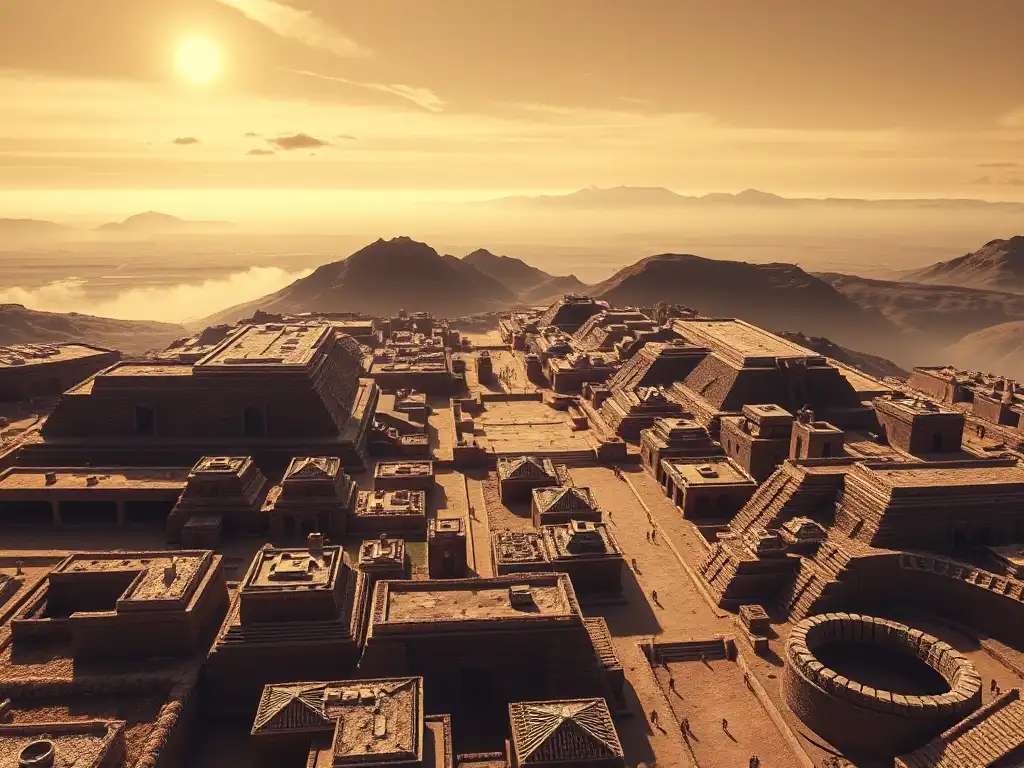
The architectural principles employed at Tiahuanaco profoundly influenced the urban planning of the city and its surrounding region. The city's layout, the placement of its structures, and the organization of its public spaces reflect a sophisticated understanding of urban design and its interaction with the environment. This holistic approach to urban planning resulted in a city that was not only aesthetically pleasing but also highly functional and sustainable. The "Tiahuanaco architectural impact" is evident in the city's overall design and its impact on subsequent Andean settlements.
The Widespread Use of Rectangular Enclosures
The use of rectangular enclosures is a recurring theme in Tiahuanaco's urban planning. These enclosures, of varying sizes, served various purposes, including residential areas, storage facilities, and potentially even ceremonial spaces. The consistent use of rectangular shapes suggests a standardized approach to urban planning, promoting order and efficiency. The rectangular form, repeated throughout the city, created a sense of unity and coherence, unifying different areas and functions within the urban landscape. This standardized approach to urban design likely facilitated the efficient management of resources and the organization of the city's population.
Spatial Organization and Social Hierarchy
The spatial organization of Tiahuanaco reveals much about its social hierarchy. The placement and size of structures suggest a clear social stratification, with monumental structures like the Akapana pyramid and Kalasasaya platform occupying prominent positions, while smaller structures were located in less central areas. This spatial organization reinforced the social hierarchy, visually representing the power structure and the distribution of resources within the society. This careful arrangement of buildings reflects a deliberate attempt to communicate social status and authority through the physical environment. The scale and location of each structure further emphasized the power dynamics within the city.
Water Management and its Integration with Architecture
Water management was integral to Tiahuanaco's urban planning. The city's location near Lake Titicaca, combined with its sophisticated water management systems, ensured a reliable water supply. The integration of water channels and reservoirs into the city's architecture demonstrates a profound understanding of hydraulic engineering.
These systems not only provided water for domestic use and agriculture but also played a crucial role in the city's religious and ceremonial practices. The integration of water into the urban landscape underscores the city's sophisticated understanding of environmental engineering and its ability to harness natural resources to support its population and maintain its social and religious life. The water management systems were not just functional; they were also symbolically important, reflecting the city's connection to the life-giving waters of Lake Titicaca.
Tiahuanaco's Architectural Influence on Later Andean Cultures
Tiahuanaco's architectural innovations weren't confined to its immediate surroundings; their influence rippled outwards, profoundly impacting subsequent Andean cultures. The distinctive styles, techniques, and even the symbolic meanings embedded within Tiahuanaco's structures served as a powerful source of inspiration for generations of builders. This influence is not merely a matter of stylistic imitation, but represents a deeper transmission of knowledge and cultural values.
The monumental scale of Tiahuanaco's architecture, its sophisticated stonework, and its carefully planned urban layout presented a model of power and organization that resonated with later civilizations. The sheer ambition of the project—the construction of such a massive complex in a high-altitude environment—itself became a testament to the capabilities of Andean engineering and a benchmark for future achievements. The legacy of Tiahuanaco is not just about physical structures; it’s about the ideas and techniques they embodied.
Inspiration for Inca Architecture and Engineering
The Inca Empire, which rose to prominence centuries after Tiahuanaco's decline, demonstrably drew inspiration from its predecessor's architectural achievements. While the Incas developed their own unique style, distinct elements of Tiahuanaco's architectural vocabulary are evident in Inca constructions.
The precise nature of this influence is a subject of ongoing research, but similarities in stonework techniques, the use of massive blocks, and even the layout of certain ceremonial centers suggest a direct line of transmission. The Incas' mastery of stonework, their ability to create intricate fits without mortar, and their preference for monumental structures echo the sophisticated techniques employed at Tiahuanaco.
We can see echoes of Tiahuanaco's influence in the impressive Inca sites of Machu Picchu and Sacsayhuamán, where the scale and precision of the stonework show a clear lineage of architectural expertise. The Inca's adoption of these techniques demonstrates not just aesthetic appreciation but also a recognition of the practical advantages of Tiahuanaco's architectural innovations.
Influence on Tiwanaku-derived styles in the Moquegua Valley
The impact of Tiahuanaco's architectural style extended beyond the immediate sphere of the Inca Empire. In the Moquegua Valley of southern Peru, for example, archaeologists have identified a distinct architectural style that bears strong similarities to Tiahuanaco's aesthetic and technical characteristics. This "Tiwanaku-derived" style, while possessing its own regional variations, clearly reflects the influence of Tiahuanaco's artistic and engineering principles.
The use of similar stone types, construction methods, and decorative motifs indicates a cultural exchange or perhaps even the migration of skilled artisans. Detailed studies of ceramic styles and other artifacts from the Moquegua Valley further support the hypothesis of a significant Tiahuanaco influence, suggesting a broader dissemination of architectural knowledge and aesthetic preferences across the Andean region. Further research is needed to fully understand the dynamics of this cultural exchange and the extent to which Tiahuanaco directly influenced the architectural development of the Moquegua Valley.
Examples of Tiahuanaco architectural features at sites like Omo M10
The presence of Tiahuanaco-style architectural features at sites like Omo M10 in the Lake Titicaca Basin provides concrete evidence of the far-reaching impact of Tiahuanaco's architectural legacy. Omo M10, a significant archaeological site, exhibits clear similarities to Tiahuanaco's architecture, including the use of distinctive stonework techniques, the presence of similar decorative motifs, and a comparable layout of structures. These similarities are not merely coincidental; they point to a direct connection between Tiahuanaco and the construction of Omo M10, highlighting the spread of Tiahuanaco's architectural influence beyond its immediate urban center.
The presence of these features in sites geographically distant from Tiahuanaco underscores the power and prestige of Tiahuanaco's architectural style, which served as a model for builders across a wide region. Further excavation and analysis of sites like Omo M10 are crucial to fully understanding the extent and nature of Tiahuanaco's architectural impact on the broader Andean landscape.
The Lasting Significance of Tiahuanaco's Architectural Design
The architectural achievements of Tiahuanaco continue to resonate even today, leaving a lasting impact on the Andean world. This influence is not limited to purely historical or archaeological contexts; it's evident in contemporary Andean societies and their relationship with the landscape. The enduring legacy of Tiahuanaco's architecture highlights the enduring power of cultural memory and the remarkable ability of architectural design to transcend time and space. The impressive scale and sophisticated engineering of Tiahuanaco's structures continue to inspire awe and wonder, serving as a powerful reminder of the ingenuity and creativity of the Andean people.
Tiahuanaco's architectural legacy in modern Aymara communities
Even today, the architectural legacy of Tiahuanaco remains relevant to the Aymara communities living in the Lake Titicaca region. While the Aymara have developed their own distinct architectural traditions, certain elements of Tiahuanaco's style and techniques persist in their building practices. This continuity suggests a deep-seated cultural memory that connects modern Aymara communities to their ancestral past.
The use of local stone, the construction of sturdy structures adapted to the challenging high-altitude environment, and even certain decorative motifs echo the principles of Tiahuanaco's architecture. Studying modern Aymara construction practices can provide valuable insights into the long-term impact of Tiahuanaco's architectural heritage and its ongoing relevance in contemporary Andean life. This continuity highlights the remarkable resilience of cultural traditions and the enduring power of architectural heritage.
The role of architecture in Tiahuanaco's cultural identity
Tiahuanaco's architecture wasn't merely a functional aspect of the city; it played a crucial role in shaping and expressing the culture's identity. The monumental scale of the structures, the sophisticated stonework, and the symbolic meanings embedded within the designs all contributed to the creation of a powerful and unique cultural identity. The city's layout, the placement of key structures, and the use of specific architectural elements all served to reinforce the social hierarchy and cosmological beliefs of the Tiahuanaco people.
This close relationship between architecture and cultural identity makes understanding Tiahuanaco's architecture essential to grasping the broader cultural context of the civilization. The careful study of Tiahuanaco's architecture provides a window into the beliefs, values, and social structures of this remarkable civilization.
Understanding the scope of Tiahuanaco's architectural impact
The full scope of Tiahuanaco's architectural impact is still being uncovered through ongoing archaeological research. However, even the existing evidence clearly demonstrates the profound and widespread influence of Tiahuanaco's architectural innovations on subsequent Andean cultures.
From the Inca Empire to the Moquegua Valley and beyond, the echoes of Tiahuanaco's architectural style and techniques are evident in a wide range of sites and cultural traditions. The study of Tiahuanaco's architectural legacy therefore offers valuable insights into the broader patterns of cultural exchange and technological diffusion within the Andean region.
Further research, including detailed comparative studies of different architectural sites and the application of advanced technologies, will help to refine our understanding of the full extent of Tiahuanaco's architectural influence and its lasting impact on the Andean world. The story of Tiahuanaco's architectural impact is a testament to the enduring power of human creativity and the remarkable capacity of architectural design to shape cultural landscapes across time and space.
Frequently Asked Questions
What is the most significant architectural achievement of Tiahuanaco?
The Pumapunku complex is arguably Tiahuanaco's most significant achievement. Its precise construction methods and massive stone blocks remain a source of fascination and debate among archaeologists. Its precise engineering is truly remarkable.
How did Tiahuanaco's architecture influence later Andean cultures?
Tiahuanaco's architectural styles, particularly its use of monumental stonework and complex layouts, significantly influenced subsequent Andean cultures, including the Inca. Many later structures show clear stylistic connections.
What materials were primarily used in Tiahuanaco's construction?
Tiahuanaco's architecture primarily used red sandstone and andesite, quarried from distant locations. The precision of the stonework required advanced engineering and logistical skills.
What is the significance of the Akapana pyramid at Tiahuanaco?
The Akapana pyramid is believed to have been a ceremonial center with potential astronomical alignments. Its layered structure and intricate design represent a high level of architectural sophistication.
How did the environment impact Tiahuanaco's architecture?
The high-altitude environment of the Tiwanaku region presented unique challenges, influencing architectural designs that focused on stability and durability. The use of large stones likely contributed to this.
Final Reflection: The Enduring Legacy of Tiahuanaco's Architectural Vision
The ingenuity of Tiahuanaco's architectural achievements continues to resonate today, a testament to the power of human innovation and a profound understanding of landscape integration. Their mastery of monumental stonework, sophisticated water management systems, and the symbolic power embedded within their structures offer invaluable lessons in sustainable design and cultural expression that remain strikingly relevant in our modern world grappling with climate change and the preservation of cultural heritage.
The influence of Tiahuanaco's architectural style extends far beyond its geographical boundaries, shaping the aesthetic and spiritual landscape of subsequent Andean cultures. Its impact is visible in the echoes of its design principles found in later constructions, a testament to the enduring power of its artistic and engineering prowess. The past is never dead. It's not even past.
- William Faulkner. This quote perfectly encapsulates the ongoing relevance of Tiahuanaco's legacy, reminding us that understanding our history is crucial to shaping a sustainable future. The site's enduring mystery and the questions it raises about its builders and their motivations continue to inspire research and wonder, fueling a deeper appreciation for the ingenuity of past civilizations.
Consider, for a moment, the scale of the undertaking, the precision of the craftsmanship, and the profound understanding of astronomy and engineering that went into creating Tiahuanaco. Let this inspire you to appreciate the power of human collaboration and the potential for innovation when we work together towards a common goal. Embrace the challenge of understanding our past to better inform our future, and let the legacy of Tiahuanaco ignite your own creativity and commitment to sustainable practices.
Unveil the Legacy of Tiahuanaco Today!
Thank you for exploring the incredible architectural influence of Tiahuanaco on the Andean landscape. We hope you've gained valuable insights into how this ancient civilization shaped its environment and left a lasting impact on history. Now, let's delve deeper!
Here are a few ways you can continue your journey of discovery:
- Visit Tiahuanaco: Immerse yourself in the site's grandeur through a personal visit or explore its history and majesty via documentaries and virtual tours.
- Explore Andean Architecture: Research other significant architectural sites in the Andes, comparing and contrasting them with Tiahuanaco's unique style and construction techniques to understand its lasting legacy.
- Share Your Discoveries: Discuss Tiahuanaco's impact with friends, family, or on social media, sparking interest and further exploration of these fascinating Andean civilizations.
What aspect of Tiahuanaco's influence most captivates you, and how do you believe its innovative techniques and designs have influenced modern architectural practices?