
Tiahuanaco's Architectural Innovations: Pushing the Boundaries of Ancient Engineering

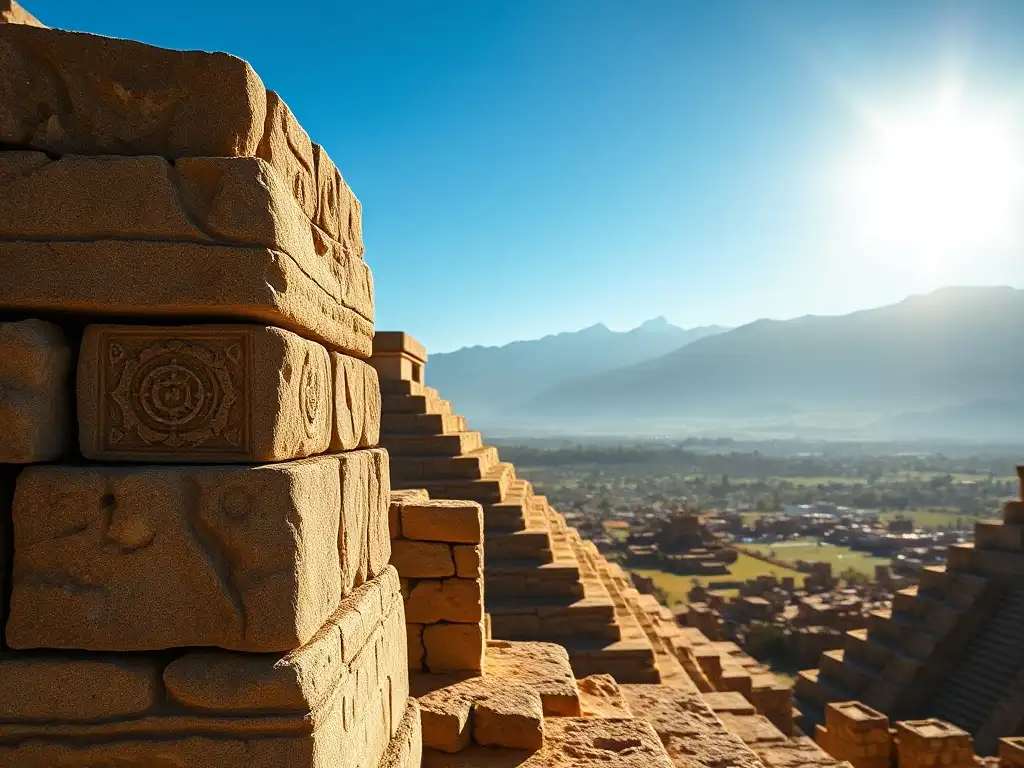
Step into a world lost to time, yet echoing with the whispers of ingenuity. Prepare to be amazed by the remarkable achievements of the Andean civilizations, a tapestry woven with threads of vibrant culture and breathtaking artistry. But today, we delve into the heart of Tiahuanaco's architectural innovations, uncovering secrets hidden within their monumental structures. Were these advanced techniques truly ahead of their time? Discover the answers and more as you explore the mysteries of this fascinating civilization.
The city of Tiahuanaco, flourishing in the Bolivian Altiplano between 500 and 1000 CE, stands as a testament to the ingenuity and advanced engineering capabilities of its builders. This article delves into the remarkable architectural innovations of Tiahuanaco, exploring the techniques and challenges overcome by its architects and engineers in constructing monumental structures in a high-altitude, challenging environment. We will examine the unique characteristics of Tiahuanaco's architecture, highlighting its sophisticated understanding of stonework, monumental construction, and urban planning – all achieved without the benefit of modern tools and technologies.
Understanding these innovations provides crucial insight into the societal complexity and technological prowess of this fascinating pre-Columbian civilization, and helps us appreciate the lasting legacy of Tiahuanaco's architectural achievements. This exploration will illuminate how Tiahuanaco's architects pushed the boundaries of ancient engineering, leaving behind a legacy that continues to inspire awe and wonder.
Monumental Stonework: Precision and Scale
The hallmark of Tiahuanaco architecture is its monumental stonework. The city is renowned for its massive, precisely cut and fitted stones, some weighing many tons. These stones, primarily andesite, were quarried from distant locations and transported to the construction site, a feat of logistical and engineering mastery in itself.
The precision of the cuts and the seamless fit of the stones, achieved without the use of mortar, showcases an exceptional understanding of geometry and stone-cutting techniques. Consider, for example, the Puerta del Sol (Sun Gate), a monolithic gateway featuring intricate carvings and remarkably precise alignments. The sheer scale and precision of this and other structures raise questions about the tools and techniques employed, prompting ongoing research and debate among archaeologists and engineers.
The techniques involved likely included sophisticated knowledge of leverage, ropes, and possibly even rudimentary forms of rollers or sledges to move these massive stones. [Specific information pending on the exact methods of stone transport and lifting]. The enduring quality of this stonework, visible even today, is a testament to the skill and durability of the construction methods.
Advanced Urban Planning: A Sophisticated City Layout
Beyond individual structures, Tiahuanaco demonstrates a sophisticated understanding of urban planning. The city’s layout suggests a carefully planned arrangement of monumental structures, residential areas, and potentially ceremonial spaces. While the exact functions of many structures remain debated, the overall organization reveals a level of planning and coordination rarely seen in other contemporaneous settlements. [Data pending on the specifics of residential areas and their relationship to monumental architecture].
The presence of large plazas, such as the Kalasasaya, suggests a strong emphasis on public life and community gatherings. The alignment of structures with astronomical events also points to a deep understanding of celestial phenomena and a sophisticated calendrical system integrated into the city’s design. This planned urban layout, combined with the monumental architecture, showcases a high degree of social organization and centralized planning – essential elements of a complex and advanced civilization.
Architectural Adaptations to High-Altitude Conditions
The construction of Tiahuanaco in the high-altitude Altiplano presented significant engineering challenges. The thin air, harsh climate, and limited resources demanded innovative solutions. [Further research needed on specific adaptations to high-altitude conditions]. The architects likely had to consider factors such as frost heaves, seismic activity, and the availability of suitable building materials.
The choice of andesite, a durable and frost-resistant stone, reflects a conscious decision to use materials best suited to the harsh environmental conditions. The construction techniques themselves may have also been adapted to account for the challenges of working at high altitude, although the precise nature of these adaptations remains a subject of ongoing research. The successful construction and endurance of Tiahuanaco's structures in this challenging environment underscores the remarkable adaptability and resilience of its builders.
The remarkable achievements in Tiahuanaco's architecture reflect not only advanced engineering skills but also a sophisticated understanding of urban planning, social organization, and the environment. Further research is needed to fully unravel the mysteries of this fascinating civilization and its remarkable architectural legacy. The precision, scale, and enduring quality of Tiahuanaco's structures continue to captivate and inspire, serving as a powerful testament to the ingenuity and capabilities of its builders. The city's monumental architecture stands as a lasting symbol of human innovation and achievement.
- Monumental Stonework: Precision and Scale
- Advanced Urban Planning: A Sophisticated City Layout
- Architectural Adaptations to High-Altitude Conditions
- What makes Tiahuanaco architecture so unique?
- What are some examples of Tiahuanaco's architectural innovations?
- How did the Tiahuanaco people transport such massive stones?
- What materials did Tiahuanaco builders primarily use?
- What is the significance of Tiahuanaco architecture in the broader context of Andean civilizations?
Understanding Tiahuanaco's Advanced Construction Techniques
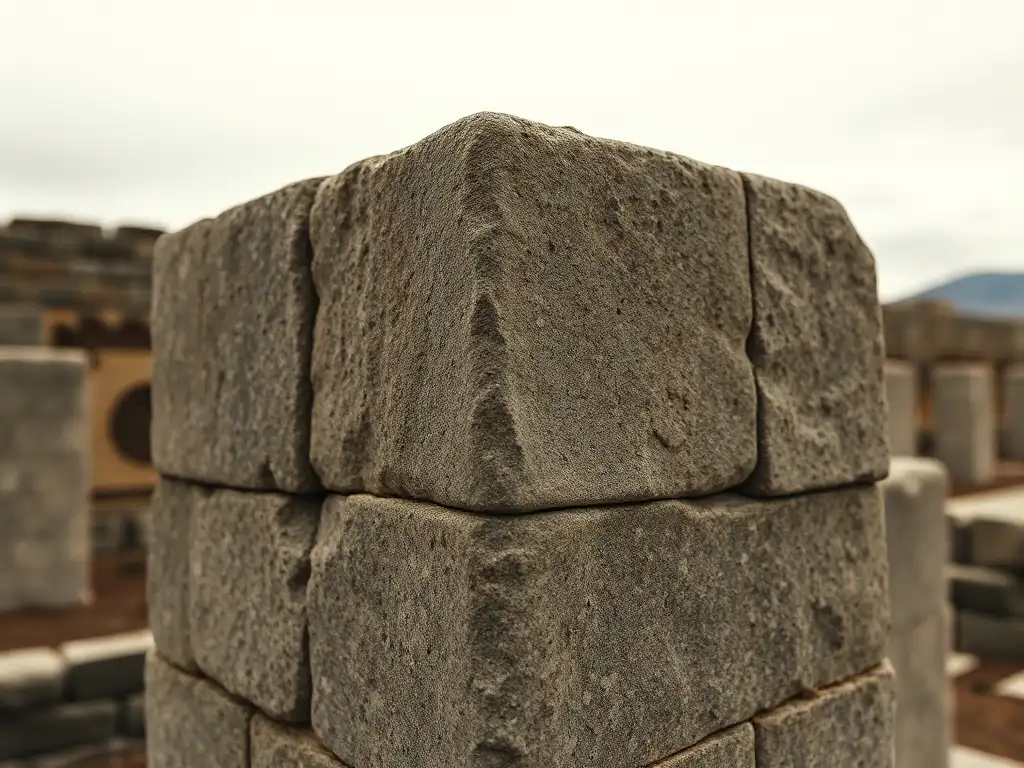
This section delves into the sophisticated construction methods employed by the Tiahuanaco civilization, showcasing their remarkable engineering prowess and understanding of materials science. Their achievements in architecture were not simply aesthetic; they represent a deep understanding of structural mechanics, logistics, and resource management, pushing the boundaries of what was considered possible in the pre-Columbian Andes. Analyzing these techniques offers invaluable insights into the societal organization and technological capabilities of this influential civilization.
The scale and precision of Tiahuanaco's structures continue to amaze archaeologists and engineers today, prompting ongoing research and debate regarding the exact methods used. Understanding these innovations is crucial to appreciating the full extent of Tiahuanaco's cultural and technological significance. The keyword "Tiahuanaco architecture innovations" is central to this exploration.
The Significance of Tiahuanaco's Engineering Prowess
Tiahuanaco's engineering achievements were far from accidental. The precise placement of massive stones, the intricate carvings, and the overall structural integrity of buildings like the Kalasasaya complex and the Akapana pyramid demonstrate a sophisticated understanding of engineering principles. This wasn't simply a matter of brute force; it involved careful planning, complex calculations, and a mastery of techniques that allowed them to manipulate enormous blocks of stone with remarkable precision.
The scale of the undertaking is staggering, considering the lack of advanced tools we typically associate with such feats. The sheer logistical challenge of quarrying, transporting, and assembling these colossal stones across challenging terrain speaks volumes about their organizational skills and resource management.
This advanced engineering prowess isn't solely about the construction itself; it reflects a complex social structure capable of mobilizing significant labor and resources for monumental projects, a testament to their advanced societal organization. The precision and scale of their work significantly influenced subsequent Andean cultures, demonstrating a lasting legacy of engineering excellence.
Tiahuanaco's Unique Approach to Stone Masonry
Tiahuanaco's mastery of stone masonry is arguably their most impressive architectural innovation. They employed a sophisticated system of precisely cut and fitted stones, utilizing techniques that minimized the need for mortar. The incredibly tight joints between stones, often thinner than a human hair, demonstrate an exceptional level of craftsmanship and precision.
This dry-stone masonry technique, while seemingly simple, required a deep understanding of the properties of stone, as well as advanced tools and techniques for shaping and fitting the blocks. Archaeological evidence suggests the use of specialized tools, possibly including copper chisels and hammers, but the exact methods remain a topic of ongoing research. The impressive precision of their work significantly reduces the susceptibility to seismic activity, a key consideration given the region's geological instability.
This attention to detail not only contributed to the structural integrity of their buildings but also underscores their artistic sensibilities, as the finely crafted stones themselves became elements of artistic expression. The unique approach to stone masonry is a hallmark of Tiahuanaco architecture, setting it apart from other contemporary Andean cultures.
Key Materials Used in Tiahuanaco Architecture
The selection and use of materials in Tiahuanaco architecture reflect both practical considerations and symbolic meaning. The primary building material was andesite, a volcanic rock known for its durability and resistance to weathering. The quarries from which this andesite was sourced are still identifiable today, providing insights into the logistical challenges of transporting these massive blocks across significant distances.
Beyond andesite, Tiahuanaco architects also incorporated other materials, including red sandstone and limestone, often used for decorative purposes or in specific structural elements. The careful selection and placement of these materials demonstrate a sophisticated understanding of their properties and their potential for creating both structurally sound and aesthetically pleasing buildings. Further research is needed to fully understand the processes involved in selecting, quarrying, and transporting these diverse materials, including a more detailed analysis of [specific information pending regarding the transportation methods used].
The meticulous choice and implementation of these materials were integral to the overall architectural success and aesthetic impact of Tiahuanaco's remarkable structures. The careful selection and application of these materials highlight the sophistication of their understanding of material science and its application in construction.
Innovative Architectural Features of Tiahuanaco
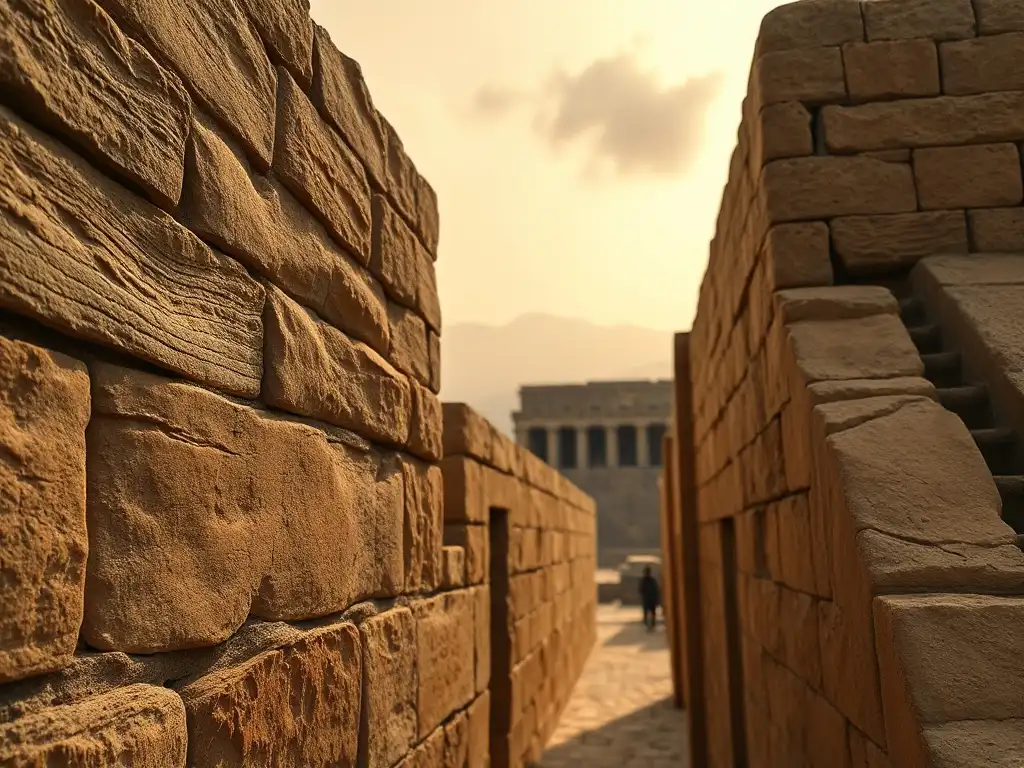
Tiahuanaco's architectural innovations represent a pinnacle of pre-Columbian engineering prowess. The city's structures, built with massive stone blocks and intricate designs, showcase a sophisticated understanding of mathematics, astronomy, and construction techniques far exceeding those of many contemporary civilizations. The sheer scale and precision of the work continue to inspire awe and wonder, leaving researchers grappling with unanswered questions about the methods employed.
Understanding Tiahuanaco's architectural innovations offers a glimpse into the advanced societal organization and technological capabilities of this remarkable civilization. This section delves into some of the most striking examples, highlighting the ingenuity and skill involved in their creation. The city's legacy as a testament to "Tiahuanaco architecture innovations" is undeniable.
The Akapana Pyramid: A Marvel of Earthwork Engineering
The Akapana pyramid, a monumental earthen structure, stands as a testament to the Tiahuanacoans' mastery of earthwork engineering. Unlike many pyramids constructed primarily of stone, Akapana's core is composed of layered earth and fill, meticulously shaped and reinforced. Evidence suggests the use of sophisticated water management systems within the pyramid, possibly for ceremonial purposes or to prevent erosion.
Analysis of the soil composition reveals a complex layering strategy, with materials carefully selected and placed to optimize stability and drainage. The pyramid's terraced structure, with its multiple levels and internal chambers, showcases a complex understanding of structural mechanics and load distribution. Recent research suggests that Akapana may have been more than just a ceremonial mound; its internal channels and sophisticated design indicate a possible role in water storage and distribution for the entire city.
The scale of the project, the precision of the earthworks, and the integration of water management systems all point to a highly organized and technologically advanced society. The Akapana pyramid stands as a prime example of "Tiahuanaco architecture innovations" in earthwork construction.
The Kalasasaya Platform: Precision in Stone Alignment
The Kalasasaya Platform, a massive rectangular structure built from precisely cut and fitted stones, exemplifies the Tiahuanacoans' exceptional skill in stonework. The sheer size of the stones, some weighing many tons, and their incredibly tight fit without the use of mortar, remain a source of wonder. The alignment of the platform with astronomical events, such as solstices and equinoxes, suggests a profound understanding of celestial movements and their significance in the Tiahuanaco worldview.
Careful analysis reveals incredibly precise angles and dimensions, indicating the use of advanced surveying and measurement techniques. The platform's intricate carvings and decorations, featuring stylized figures and geometric patterns, further highlight the artistic and technical capabilities of the builders.
The precision in the stone alignment, the astronomical significance of its orientation, and the intricate details of its carvings all combine to make the Kalasasaya Platform a remarkable example of "Tiahuanaco architecture innovations" in stone construction and astronomical observation. The level of precision achieved is particularly striking, demonstrating a sophisticated understanding of geometry and engineering principles.
Pumapunku's Intricate Stone Blocks: A Testament to Skill
Pumapunku, another remarkable site within the Tiahuanaco complex, is renowned for its intricately carved and precisely fitted stone blocks. These blocks, made from red sandstone and andesite, exhibit an astonishing level of precision, with surfaces smoothed to a remarkable degree and angles cut with exceptional accuracy. Some blocks exhibit complex interlocking shapes and designs, further enhancing their stability and aesthetic appeal.
The methods used to quarry, transport, and assemble these massive stones remain largely unknown, fueling speculation about the advanced technologies possibly employed by the Tiahuanacoans. The precision of the cuts, the complex shapes of the blocks, and the lack of mortar between them all point to a level of engineering and craftsmanship that is truly remarkable. The sheer scale of the project, combined with the technical sophistication demonstrated in the stonework, makes Pumapunku a compelling example of "Tiahuanaco architecture innovations," pushing the boundaries of ancient engineering and leaving behind a legacy of unsurpassed skill.
Further research into the quarrying techniques and construction methods used at Pumapunku is crucial to fully understand the extent of Tiahuanaco's technological achievements. The site continues to challenge our understanding of ancient engineering capabilities.
The Subterranean Temples: Exploring the Underground Realm
The discovery of subterranean structures at Tiahuanaco has significantly altered our understanding of the city's religious and social practices. Unlike the monumental structures visible above ground, these hidden temples offer a glimpse into a more secretive, perhaps ritualistic, aspect of Tiahuanaco life. Archaeological evidence suggests that these underground spaces were not simply storage areas or utilitarian structures, but rather carefully designed and purposefully constructed religious sites. The precise function of these subterranean temples remains a subject of ongoing debate among researchers, but several hypotheses have emerged.
One compelling theory suggests that these underground spaces served as sacred places for specific rituals or ceremonies, perhaps involving water, given the proximity of some to underground water sources. The careful construction, including intricate carvings and the use of specific materials, points towards a deliberate and significant purpose. The limited access to these spaces further reinforces the idea of their sacred nature, possibly reserved for select individuals or during specific times of the year. The darkness and enclosed nature of these spaces could have contributed to a heightened sense of spirituality and mystery, conducive to ritualistic practices.
Further research is needed to fully understand the subterranean temples of Tiahuanaco. Detailed analysis of the artifacts found within these spaces, along with advanced geophysical techniques to map the extent of the underground network, will be crucial in unraveling their secrets. The application of new technologies such as ground-penetrating radar (GPR) and 3D modeling has already yielded promising results, revealing previously unknown chambers and passageways.
This ongoing investigation promises to shed more light on the sophisticated engineering and complex spiritual beliefs of the Tiahuanaco civilization, enriching our understanding of their "Tiahuanaco architecture innovations". The potential for further discoveries in this underground realm underscores the enduring mystery and fascinating complexity of this ancient city.
The subterranean temples stand as a testament to the ingenuity and spiritual depth of the Tiahuanaco people, offering a unique perspective on their architectural and religious practices. Their exploration continues to challenge our assumptions and deepen our appreciation for the innovative engineering and profound cultural significance of this remarkable civilization.
Tiahuanaco's Engineering Solutions: Water Management and Infrastructure
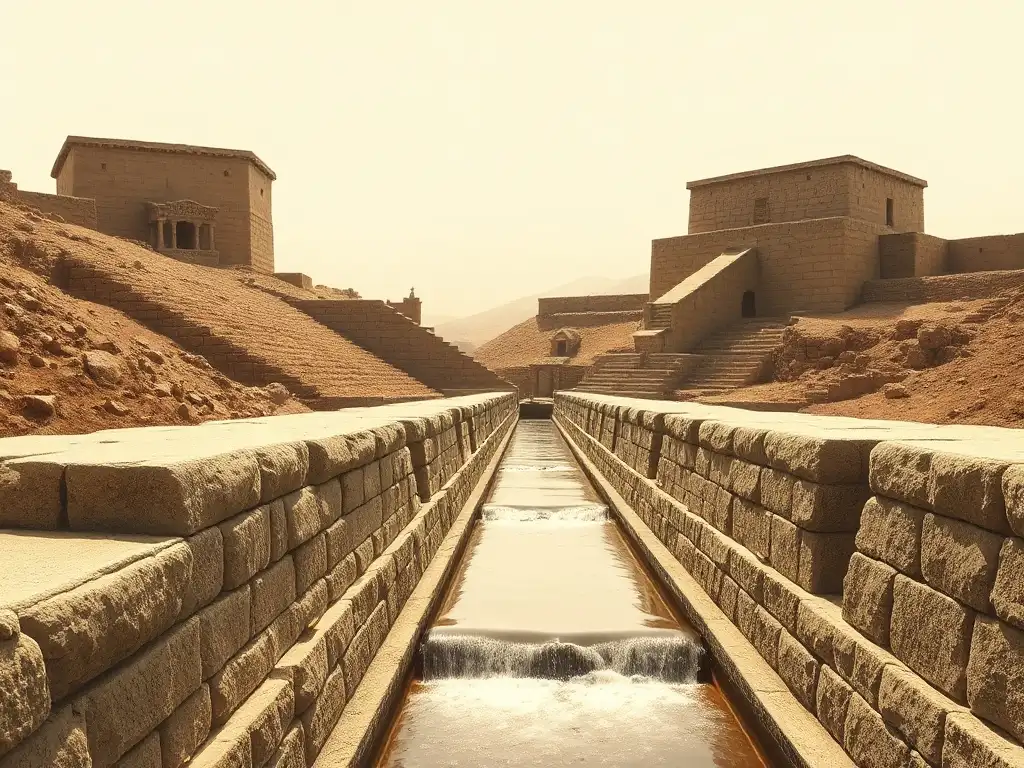
Tiahuanaco's remarkable architectural achievements were inextricably linked to sophisticated engineering solutions, particularly concerning water management. The city's very existence, nestled in the high Andes with its challenging climate and terrain, depended on a mastery of hydraulics and infrastructure far surpassing that of many contemporary societies. Understanding these engineering marvels provides crucial insight into Tiahuanaco's ingenuity and its ability to thrive in a demanding environment.
This section delves into the specific techniques employed, demonstrating the depth of their understanding of water control and its impact on urban planning. The innovations in Tiahuanaco architecture are a testament to their advanced engineering capabilities.
Advanced Hydraulic Systems: Controlling Water Resources
Tiahuanaco's success hinged on its ability to control the unpredictable water supply of the Altiplano. Evidence suggests the use of advanced hydraulic systems, including intricate canals, aqueducts, and sophisticated drainage networks. These weren't simply rudimentary ditches; they were precisely engineered to manage water flow, ensuring a consistent supply for both agricultural needs and the city's inhabitants.
The precision in their construction, evident in the surviving remnants, speaks volumes about their engineering prowess. Analysis of the surviving structures indicates a deep understanding of hydraulic principles, including gradient control and water pressure management, far exceeding what was expected of a pre-Columbian society. The integration of these systems into the urban fabric is a testament to their planning and foresight.
Furthermore, the durability of these systems, which withstood centuries of weathering, highlights the quality of their construction materials and techniques. Some researchers believe that their understanding of water management may have even involved predicting seasonal variations and adapting their systems accordingly, though more research is needed to confirm this hypothesis.
Canals and Reservoirs: Essential for Agriculture and Urban Life
The intricate network of canals and reservoirs played a vital role in supporting Tiahuanaco's agriculture and urban life. Canals, often lined with stone to prevent erosion and maintain water flow, channeled water from distant sources to irrigate fields, ensuring consistent crop yields in a region characterized by aridity. The construction of these canals required a significant labor force and meticulous planning, reflecting a sophisticated level of social organization and engineering expertise.
Researchers have identified specific canal systems that served different purposes, some dedicated to agricultural irrigation and others supplying water to the urban center. The size and scale of these systems suggest a high level of agricultural productivity, which was essential to supporting the city's large population. Reservoirs, constructed to store excess water during periods of high rainfall, further enhanced the resilience of Tiahuanaco's water management system.
This combination of canals and reservoirs provided a reliable source of water throughout the year, enabling the city to flourish even during periods of drought. The strategic placement of reservoirs, often integrated into the landscape, minimized disruption to the urban fabric while maximizing their effectiveness.
The Role of Engineering in Tiahuanaco's Urban Planning
Tiahuanaco's urban planning was intrinsically linked to its engineering capabilities. The city's layout, with its monumental structures and carefully planned streets, reflects a conscious effort to integrate water management into the overall urban design. The placement of buildings, plazas, and other structures was likely influenced by the location of canals, reservoirs, and other water features. This holistic approach to urban planning is a hallmark of Tiahuanaco's advanced civilization.
For example, the Kalasasaya platform, a central feature of the city, is believed to have been strategically positioned to facilitate water management and control. Furthermore, the orientation of streets and buildings may have been influenced by the need to optimize water flow and drainage. The sophisticated integration of engineering principles into urban planning stands as a testament to the interconnectedness of Tiahuanaco's social, political, and technological advancements.
The city's remarkable resilience, despite the challenges of its environment, speaks to the success of this integrated approach. Further research, including detailed mapping and analysis of the city's layout, could reveal even more about the role of engineering in shaping Tiahuanaco's urban landscape. The precise relationship between the city's layout and its hydraulic systems remains an area of ongoing research, promising further fascinating discoveries related to Tiahuanaco architecture innovations.
Tiahuanaco Architecture Innovations: A Legacy of Ingenuity
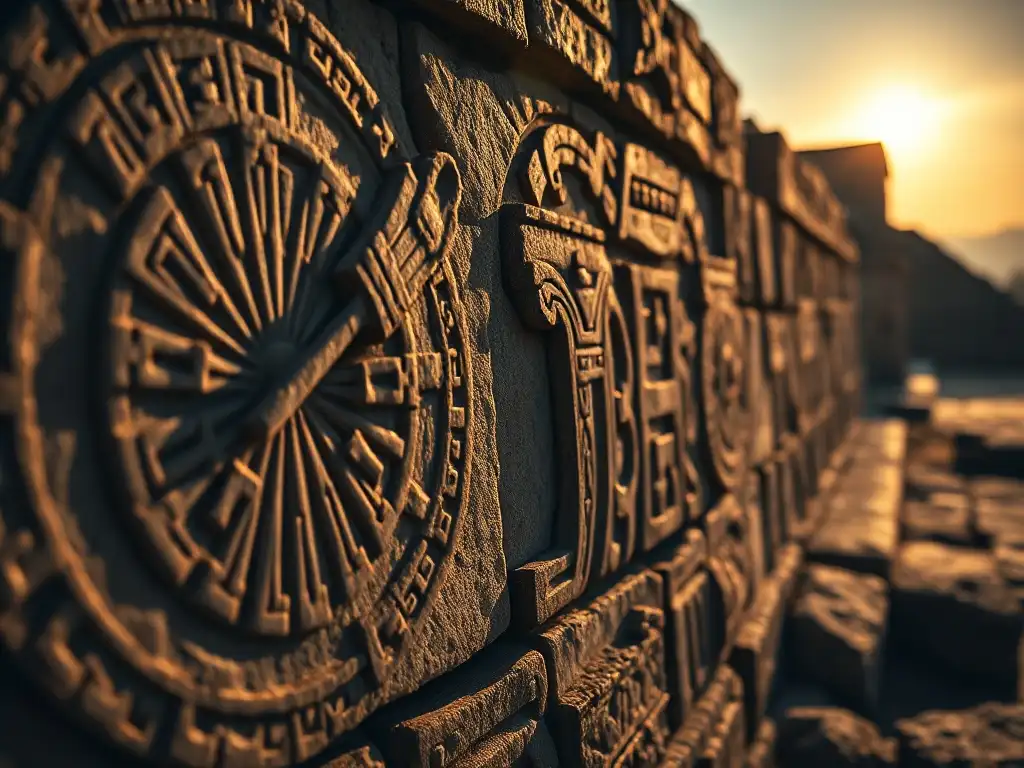
Tiahuanaco's architectural innovations represent a remarkable feat of ancient Andean engineering, pushing the boundaries of what was thought possible with the available technology. The city's monumental structures, precise stonework, and sophisticated water management systems stand as a testament to the ingenuity and advanced knowledge of its builders. Understanding these innovations allows us to appreciate the complexity of Tiahuanaco society and its lasting impact on subsequent Andean cultures.
The precise techniques employed in quarrying, transporting, and assembling massive stone blocks, along with the sophisticated understanding of structural mechanics, continue to fascinate and inspire researchers today. The very scale of the undertaking – moving and precisely placing colossal stones – is a testament to a highly organized and technologically advanced society.
This section will explore some of the key aspects of Tiahuanaco's architectural achievements, focusing on their impact and the ingenuity behind their construction. The term "Tiahuanaco architecture innovations" itself highlights the unique and groundbreaking nature of these accomplishments.
Impact of Tiahuanaco's Architectural Style on Later Andean Cultures
The architectural style of Tiahuanaco exerted a profound and lasting influence on subsequent Andean cultures. Its monumental structures, characterized by massive stone blocks, intricate carvings, and sophisticated layouts, served as a model for later builders. Features like the use of large, precisely cut stones, the incorporation of stepped platforms, and the emphasis on symmetry and geometric patterns can be seen in the architecture of later Andean civilizations, particularly in the Inca Empire.
For instance, the meticulous stonework and the use of massive blocks found in Tiahuanaco are echoed in Inca structures like Sacsayhuamán, demonstrating a clear lineage and continuity in architectural traditions. The impact wasn't merely stylistic; the engineering principles underlying Tiahuanaco's construction likely influenced later builders' approaches to monumental architecture. The city's influence extended beyond the immediate region, demonstrating a widespread dissemination of architectural ideas and techniques throughout the Andes.
This cultural exchange and the adoption of Tiahuanaco's architectural principles showcase the civilization's significant contribution to the development of Andean architectural styles. The legacy of Tiahuanaco's architectural innovations is evident in the enduring influence its style had on shaping the architectural landscape of the Andes for centuries.
Tiahuanaco's Contributions to Ancient Andean Engineering
Tiahuanaco's architectural achievements represent a significant contribution to ancient Andean engineering. The city's builders demonstrated a mastery of stonework, surpassing the capabilities of many other contemporary societies. Their ability to quarry, transport, and precisely fit together massive stone blocks, some weighing many tons, showcases an advanced understanding of engineering principles, including leverage, transportation logistics, and structural mechanics.
The precision with which these stones were cut and placed is remarkable, with minimal mortar used, relying instead on the precise fitting of the blocks themselves. This sophisticated understanding of structural integrity, without the reliance on abundant mortar, is a testament to their advanced engineering skills. Furthermore, the city's sophisticated water management systems, including canals and fountains, demonstrate an understanding of hydraulic engineering.
These systems were crucial for supplying water to the city and for agricultural purposes, highlighting the integration of engineering solutions with the societal needs of Tiahuanaco. The overall planning and execution of the city's construction, encompassing both monumental architecture and vital infrastructure, showcases a high level of organizational skill and engineering expertise. The city stands as a powerful example of ancient Andean engineering prowess.
Use of Metal Clamps in Stone Construction
One of the most intriguing aspects of Tiahuanaco's architecture is the use of metal clamps in stone construction. While the exact metallurgy and techniques are still under investigation, archaeologists have discovered evidence of bronze or copper clamps used to secure massive stone blocks together. These clamps, often inserted into precisely drilled holes, provided additional stability and strength to the structures, demonstrating a sophisticated understanding of material science and engineering.
The use of metal clamps allowed for the creation of incredibly strong and stable structures, even without the extensive use of mortar. This innovative technique reduced reliance on mortar, which was likely less readily available in the high-altitude environment of Tiahuanaco. The precise placement of the holes and the careful fitting of the clamps suggest a high degree of planning and craftsmanship.
Further research is needed to fully understand the manufacturing process of these clamps and their widespread use throughout Tiahuanaco's constructions. The discovery of these metal clamps highlights the advanced technological capabilities of the Tiahuanaco civilization and its innovative approach to stone construction. The ingenious use of these clamps significantly enhanced the structural integrity and longevity of their monumental architecture.
Comparison of Tiahuanaco Techniques with Wari Culture
The Tiahuanaco and Wari cultures, while geographically proximate and contemporaneous to a significant degree, exhibited distinct approaches to architecture and urban planning, reflecting differing societal structures and technological capabilities. While both civilizations constructed impressive stone structures, their techniques and aesthetic preferences diverged considerably. The Wari, for example, favored a more dispersed urban model, with numerous smaller sites connected by a network of roads, suggesting a decentralized political organization.
Their architecture, while using stone, often incorporated adobe brick and other materials, resulting in structures that were less monumental than those at Tiahuanaco. The Wari's architectural style tended towards a more utilitarian and less overtly symbolic aesthetic. They focused on creating functional spaces for administrative and residential purposes, often incorporating large courtyards and less elaborate decorative elements compared to Tiahuanaco's intricate stonework.
Conversely, Tiahuanaco's monumental architecture, characterized by precisely cut and fitted stone blocks, points to a highly centralized and organized society with a sophisticated understanding of engineering and logistics. The sheer scale of projects like the Kalasasaya platform and the Puerta del Sol demonstrates a level of manpower and organizational skill unmatched by the Wari. The Tiahuanaco builders' mastery of stonework, evident in their ability to create intricate carvings and perfectly joined blocks without the use of mortar, represents a significant technological achievement.
This precision suggests a highly specialized workforce, potentially including skilled masons, architects, and engineers, working within a structured hierarchy. The emphasis on monumental structures and elaborate decoration in Tiahuanaco suggests a focus on religious and symbolic expression, indicating a strong centralized power structure that could mobilize resources for large-scale projects. The contrasting approaches of the Wari and Tiahuanaco civilizations highlight the diverse paths of Andean cultural development and the influence of environmental factors and socio-political structures on architectural styles.
Further research comparing the material sourcing strategies of both cultures and analyzing the social organization needed to complete these projects would further illuminate these differences. The contrasting styles also underscore the unique ingenuity of each civilization in adapting to its specific environment and societal needs.
The Enduring Mystery of Tiahuanaco's Construction Methods
The sheer scale and precision of Tiahuanaco's architecture continue to puzzle archaeologists and engineers. How did a civilization, flourishing in the high Andes before the Inca, manage to erect such massive structures with seemingly limited technology? This question forms the core of ongoing research into Tiahuanaco's architectural innovations.
The precise methods employed in quarrying, transporting, and assembling the colossal stones remain largely unknown, sparking numerous theories and debates. Understanding these methods is crucial to appreciating the ingenuity and organizational prowess of the Tiahuanaco people. The precision with which these massive blocks were cut and fitted together is particularly striking; some joints are so tight that even a knife blade cannot be inserted between them.
This level of accuracy suggests a sophisticated understanding of stonework and potentially advanced tools, exceeding what is commonly associated with pre-Columbian societies. The lack of readily available timber in the region further complicates the picture, raising questions about the tools and techniques used to shape and manipulate such immense quantities of stone.
Unanswered Questions about Tiahuanaco's Engineering Capabilities
Several key questions regarding Tiahuanaco's engineering capabilities remain unanswered. For instance, the exact techniques used to quarry the andesite stones, some weighing over 100 tons, are still debated. Did they use rudimentary tools like copper chisels and wooden mallets, or did they employ more sophisticated techniques that are yet to be discovered? The absence of clear evidence of extensive quarries near the city itself suggests potential long-distance transport of the stones, adding another layer of complexity to the puzzle.
Furthermore, the remarkable precision in the stone fitting suggests a deep understanding of geometry and engineering principles. How did the Tiahuanaco builders achieve such accuracy without modern surveying instruments or advanced mathematical knowledge? The absence of wheeled vehicles in pre-Columbian Andean societies also raises the question of how the massive stones were transported across challenging terrain.
Finally, the intricate details and symbolic representations carved into the stones pose questions about the societal organization and specialized labor needed to create such artistry. Further research, including detailed analysis of the stone tools and a broader understanding of the Tiahuanaco social structure, is crucial to shed light on these unanswered questions. The intricate carvings, often depicting deities and symbolic motifs, also point to a high level of artistic skill and sophisticated social organization.
The Legacy and Future Research on Tiahuanaco's Architectural Innovations
The legacy of Tiahuanaco's architectural innovations extends far beyond its physical remains. The city's influence on subsequent Andean cultures is undeniable, with its architectural styles and engineering techniques inspiring later builders. The precise methods used by the Tiahuanaco are still a source of fascination and ongoing research. Future research should focus on several key areas.
First, a more thorough investigation of potential quarries and transport routes is needed. This might involve geophysical surveys, analysis of ancient pathways, and a closer examination of the stone's geological origins. Second, detailed studies of the stone tools and their wear patterns can provide insights into the quarrying and shaping techniques. Third, a deeper understanding of Tiahuanaco's social and political organization is necessary to fully grasp the logistical challenges involved in such monumental construction projects.
This may involve further archaeological excavations, analysis of iconography, and comparative studies with other contemporary Andean societies. Finally, advanced digital modeling and simulation techniques could help reconstruct the construction processes and test different hypotheses about the transport and assembly of the stones. By combining archaeological fieldwork with advanced technologies and interdisciplinary collaboration, researchers can hope to uncover more secrets of Tiahuanaco's remarkable architectural achievements, further solidifying its place as a testament to human ingenuity. The ongoing efforts to understand Tiahuanaco's architecture are not only crucial for understanding the civilization itself but also for broadening our understanding of ancient engineering and construction techniques globally.
Theories about the Transport of Heavy Stones
Several theories attempt to explain how the Tiahuanaco builders transported massive stones across challenging terrain. One prominent theory suggests the use of ramps and rollers, a technique employed in other ancient civilizations. This method would have involved creating inclined planes to move the stones gradually uphill, with rollers reducing friction. However, the exact construction of these ramps and the logistical challenges of their implementation in the high Andean environment remain unclear. Another theory proposes the use of human labor, possibly involving large teams of workers using ropes and levers to move the stones.
This approach is plausible given the evidence of sophisticated social organization in Tiahuanaco society. However, the sheer weight of some stones raises questions about the feasibility of this method without the aid of more advanced technology. A less explored theory involves the use of water-based transport, possibly using rafts or other floating devices to move the stones along rivers or lakes. This theory is supported by the presence of water bodies near potential quarries.
However, the practicality of this method for transporting such heavy stones over long distances remains to be fully investigated. Further research is needed to evaluate the plausibility of each theory, possibly involving experimental archaeology to recreate the transport methods and assess their feasibility. The definitive answer to this question remains elusive, highlighting the enduring mystery surrounding Tiahuanaco's architectural prowess. The continued study of Tiahuanaco's architecture promises to reveal more about this fascinating civilization and its remarkable engineering feats.
Frequently Asked Questions
What makes Tiahuanaco architecture so unique?
Tiahuanaco's architecture is unique due to its monumental scale, precise stonework, and innovative construction techniques. The massive stones, intricate carvings, and complex layouts were far ahead of their time.
What are some examples of Tiahuanaco's architectural innovations?
Examples include the use of massive stones weighing many tons, precisely fitted without mortar, and the development of advanced techniques for cutting, transporting, and erecting these stones. Their unique architectural styles, like the Gate of the Sun, are also noteworthy.
How did the Tiahuanaco people transport such massive stones?
The exact methods remain a mystery, but theories involve sophisticated ramps, levers, and rollers, possibly aided by a large workforce and understanding of physics. The precise organization required is itself a significant achievement.
What materials did Tiahuanaco builders primarily use?
The primary material used was andesite, a very hard volcanic rock. This choice reflects both the availability of resources and the builders' mastery of working with this challenging material to create incredibly precise structures.
What is the significance of Tiahuanaco architecture in the broader context of Andean civilizations?
Tiahuanaco's architecture represents a high point of Andean engineering and artistry, influencing later civilizations. Its monumental scale and sophisticated techniques showcase the advanced knowledge and organizational capabilities of the Tiahuanaco culture.
Final Reflection: The Enduring Legacy of Tiahuanaco's Architectural Brilliance
Tiahuanaco's innovative architectural feats weren't merely feats of engineering; they were statements of cultural power and a testament to human ingenuity that continue to resonate today. The precision of their megalithic constructions, the sophisticated understanding of hydraulics demonstrated in their water management systems, and the sheer scale of their ambition challenge our modern assumptions about ancient civilizations and their capabilities. These weren't simply buildings; they were expressions of a complex society striving for something beyond the practical.
The impact of Tiahuanaco's architectural innovations extends far beyond the physical structures themselves. They represent a pinnacle of Andean ingenuity, a cultural achievement that continues to inspire awe and wonder. The mystery surrounding their construction methods, the enduring questions about their societal organization, and the sheer scale of their accomplishments fuel ongoing research and debate. The past is never dead. It's not even past.
– William Faulkner. This quote perfectly encapsulates the enduring relevance of Tiahuanaco, whose legacy continues to shape our understanding of the past and challenge our perspectives on the present.
Consider the implications of Tiahuanaco's achievements. What can we learn from their mastery of resource management, their understanding of structural integrity, and their ability to mobilize a workforce to achieve such monumental tasks? You, the reader, are now part of this ongoing conversation. Take a moment to reflect on the ingenuity of these ancient builders, and consider how their innovative spirit might inspire your own approach to problem-solving and creativity. Let the legacy of Tiahuanaco inspire you to push your own boundaries and strive for greatness.
**Unveil the Wonders of Ancient Andean Engineering! **
Thank you for exploring the remarkable architectural innovations of Tiahuanaco with us! We hope you've gained a deeper appreciation for the ingenuity and skill of the ancient builders. Now, let's put that inspiration to work!
Here are some ways to delve further into the world of Andean civilizations:
- **Explore Tiahuanaco:** Plan a visit to this fascinating site, or take a virtual tour to experience its grandeur firsthand.
- **Share your discoveries:** Discuss what you've learned about Tiahuanaco's architecture with friends, family, or on social media—sparking curiosity and conversation.
- **Connect with fellow enthusiasts:** Join online forums or local events dedicated to Andean history and culture to connect with others who share your passion.
What aspect of Tiahuanaco's engineering most captivates you, and how do you think its innovative techniques might have influenced modern architectural design?