
Tiahuanaco's Architecture and the Concept of Sacred Space

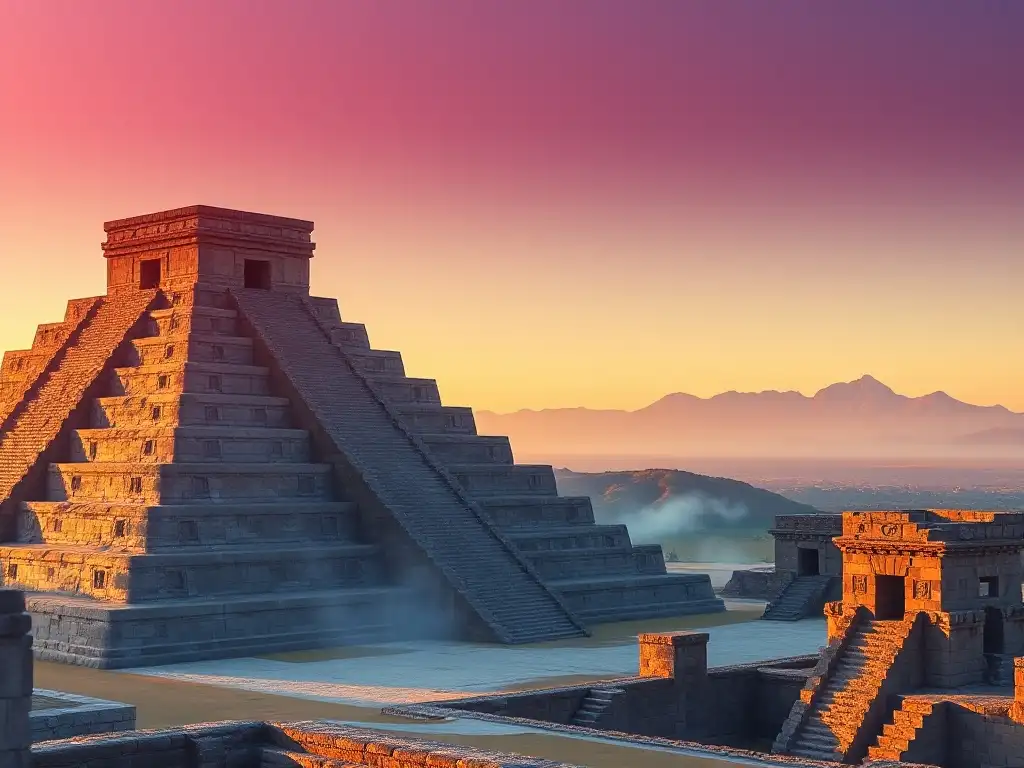
Unravel the mysteries of the Andes! Journey with us into a world of breathtaking landscapes and even more breathtaking civilizations. From the intricate artistry of the Nazca lines to the monumental achievements of the Inca, we delve into the heart of Andean history. But today, we focus on Tiahuanaco's architecture, a testament to ingenuity and spirituality. Prepare to be amazed by the sacred space these ancient builders created – a legacy that continues to inspire awe and wonder. Discover the secrets hidden within the stones… explore the enigma of Tiahuanaco architecture sacred space now!
The city of Tiahuanaco, flourishing in the Bolivian Altiplano between 500 and 1000 CE, stands as a testament to the ingenuity and spiritual depth of the Andean civilization. Its monumental architecture, meticulously crafted from massive stone blocks, isn't merely a display of engineering prowess; it's a carefully orchestrated expression of a deeply held cosmology, a tangible representation of a sacred space interwoven with the natural world.
This article delves into the intricate relationship between Tiahuanaco's architecture and its profound concept of sacred space, exploring how the city's design reflects a sophisticated understanding of the cosmos and the human place within it. We will examine the deliberate placement of structures, the symbolic meaning embedded in their forms, and the overall spatial organization that contributed to the city's powerful spiritual aura.
Understanding Tiahuanaco's architecture requires moving beyond a purely structural analysis to appreciate its profound religious and cosmological significance. This exploration will uncover the intricate ways in which the builders of Tiahuanaco transformed their environment into a sacred landscape, reflecting a worldview profoundly connected to the Andean landscape and its spiritual energies.
Understanding Tiahuanaco's Architectural Significance
Tiahuanaco's architecture is characterized by its monumental scale and precise construction. The use of massive blocks of andesite, transported from significant distances, demonstrates a remarkable mastery of quarrying, transport, and stonework. The precision of the cuts and the near-perfect fit of the stones, without the use of mortar, are evidence of advanced engineering techniques and a deep understanding of geometry. But beyond the technical achievements, the architectural elements themselves hold symbolic meaning.
For example, the recurring use of stepped platforms, often associated with pyramids in other cultures, likely represented the layered cosmos in Tiahuanaco's worldview. The intricate carvings and reliefs found on many structures, often depicting deities, mythical creatures, and symbolic representations of nature, further enrich this sacred dimension. The meticulously planned arrangement of structures, with key buildings aligned with celestial events, reinforces the idea that the city's design was deeply intertwined with astronomical observations and cosmological beliefs. The city itself wasn't just a place of residence; it was a meticulously constructed microcosm of the universe, a sacred space where the earthly and the divine intersected.
The scale of the architecture, the precision of the construction, and the symbolic richness of the ornamentation all contribute to the powerful spiritual atmosphere of Tiahuanaco. Further research is needed to fully understand the complex interplay of astronomical alignments and symbolic representations within the city's layout. [Specific information pending on the precise astronomical alignments of key structures].
The Sacred Landscape of Tiahuanaco
The sacredness of Tiahuanaco extended beyond the city walls, encompassing the surrounding landscape. The city's location, situated on the shores of Lake Titicaca, a body of water considered sacred by Andean cultures, is not accidental. The lake itself, with its vast expanse and its connection to the Andean cosmology, played a crucial role in shaping the city's spiritual significance. The presence of water features within the city, such as canals and fountains, further emphasized the importance of water as a life-giving and sacred element.
The surrounding mountains, with their imposing peaks reaching towards the heavens, also served as powerful visual reminders of the Andean worldview, reinforcing the connection between the earthly and the celestial realms. Moreover, the agricultural terraces that surround Tiahuanaco, a testament to the sophisticated agricultural techniques of the time, also contributed to the sacred nature of the landscape. These terraces weren't simply productive farmland; they were an integral part of the sacred ecosystem, providing sustenance and representing the cyclical nature of life and renewal. The integration of architecture, water, mountains, and agriculture created a holistic sacred landscape, where the city of Tiahuanaco served as the central point of a vast, interconnected spiritual system.
The careful integration of the built environment with the natural environment highlights the nuanced relationship between the people of Tiahuanaco and their understanding of the sacred. Further analysis of the agricultural terraces and their spatial relationship to the city itself is needed to fully grasp the extent of this sacred landscape. [Data on the precise agricultural yields and the social organization related to terrace farming is pending].
- What makes Tiahuanaco architecture unique?
- How did the Tiahuanaco people create such precise stonework?
- What is the significance of the "Gate of the Sun" in Tiahuanaco?
- How did the concept of sacred space influence Tiahuanaco's urban planning?
- What evidence supports the idea that Tiahuanaco was a major religious center?
Key Architectural Features of Tiahuanaco
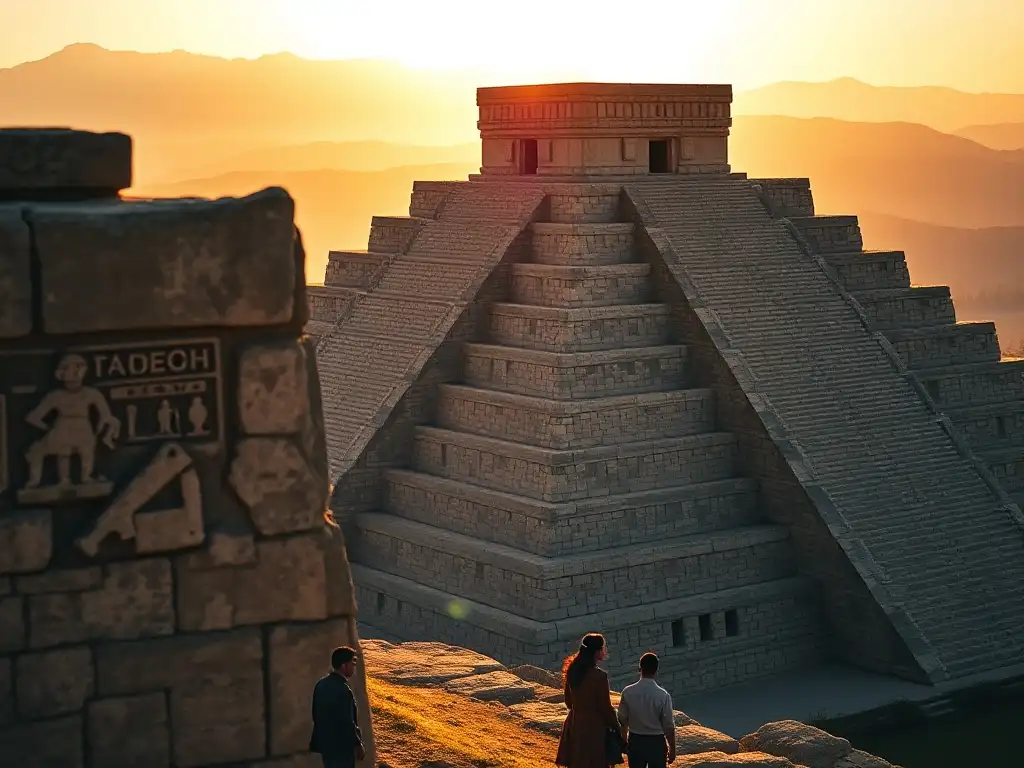
This section delves into the remarkable architectural features of Tiahuanaco, focusing on the unique characteristics that contributed to its designation as a sacred space. The city's layout, construction techniques, and the symbolic meaning imbued in its structures all played crucial roles in establishing its spiritual significance. Understanding these features provides invaluable insight into the worldview and beliefs of the Tiahuanaco culture, highlighting their sophisticated understanding of astronomy, engineering, and symbolic representation.
The careful placement of structures, the meticulous use of stone, and the incorporation of intricate carvings all contributed to the creation of a powerful and awe-inspiring sacred landscape. The enduring legacy of Tiahuanaco architecture continues to fascinate and inspire researchers and visitors alike. The precise techniques employed and the monumental scale of the constructions remain subjects of ongoing study and debate, further cementing its status as a site of significant historical and archaeological importance.
The Akapana Pyramid: A Monumental Structure
The Akapana pyramid, one of the most prominent structures at Tiahuanaco, stands as a testament to the impressive engineering skills of the Tiahuanaco people. Its massive platform, constructed from meticulously cut and fitted stones, likely served as a crucial center for ritual activities. The pyramid's terraced design, with its multiple levels, may have symbolized the different levels of the cosmos or the Andean worldview.
Evidence suggests that the Akapana was not merely a solid earthen mound but incorporated sophisticated internal chambers and water channels, further emphasizing its sacred function. Archaeological excavations have revealed a complex system of water management within the pyramid, possibly related to ritual purification or agricultural practices. The precise purpose of these internal features remains a subject of ongoing research, but their presence undeniably underscores the complex planning and execution involved in the construction of the Akapana.
The scale of the Akapana, combined with its intricate internal features, firmly establishes it as a central element in the Tiahuanaco concept of sacred space. The immense effort required for its construction speaks volumes about the importance placed upon this structure by the Tiahuanaco civilization.
Kalasasaya: The Enclosure of the Standing Stones
The Kalasasaya, meaning "standing stones" in Aymara, is a large rectangular enclosure comprised of massive stone blocks, some intricately carved with intricate designs. This monumental structure likely served as a central plaza for public ceremonies and rituals. The precision with which the stones were cut and fitted is remarkable, demonstrating advanced knowledge of stonework and engineering.
The arrangement of the stones, along with astronomical alignments, suggests a deep understanding of celestial movements and their significance in the Tiahuanaco cosmology. Notable features within the Kalasasaya include the Gateway of the Sun, a large monolithic gateway adorned with intricate carvings depicting a central figure, possibly a deity, surrounded by stylized figures and symbols. The Gateway of the Sun, along with other carved stones within the enclosure, further reinforces the sacred nature of the Kalasasaya.
The careful alignment of the stones with the solstices and equinoxes suggests a deliberate attempt to connect the earthly realm with the celestial sphere. This sophisticated astronomical knowledge contributed significantly to the Kalasasaya's role as a key component of Tiahuanaco's sacred space. The meticulous craftsmanship and astronomical alignments within the Kalasasaya are a testament to the sophisticated understanding of astronomy and engineering possessed by the Tiahuanaco culture.
Puma Punku: Engineering Marvels in Stone
Puma Punku, meaning "the door of the puma," is renowned for its astonishing precision in stonework and its massive, precisely cut blocks of andesite. The construction techniques employed at Puma Punku represent a pinnacle of Andean engineering. The immense scale of the stones and their intricate fit, without the use of mortar, is truly remarkable.
The site features partially constructed platforms and structures, suggesting that the construction project was interrupted, possibly due to a catastrophic event or a shift in the Tiahuanaco civilization. The precise function of Puma Punku remains a subject of much speculation, but its monumental scale and engineering prowess clearly point to its central role within the Tiahuanaco sacred landscape. Some scholars believe that Puma Punku served as a ceremonial center or a place for ritual activities, while others propose that it was a significant administrative or storage complex.
The precise nature of its function remains elusive, but its sophisticated construction techniques and monumental scale firmly establish Puma Punku as a key component of the Tiahuanaco concept of sacred space. The sheer scale and precision of Puma Punku's architecture continue to inspire awe and wonder, highlighting the advanced engineering capabilities of the Tiahuanaco civilization and its unique approach to creating sacred spaces. The unanswered questions surrounding Puma Punku only add to its mystique and enduring fascination.
The Subterranean Temple and its Symbolic Meaning
The Subterranean Temple, also known as the Temple under the Kalasasaya, represents a fascinating enigma within Tiahuanaco's architectural landscape. Its discovery significantly altered our understanding of the site's complexity and the profound symbolic meanings embedded within its design. Archaeological excavations revealed a series of subterranean chambers and passages, meticulously constructed and demonstrating a remarkable level of engineering skill for its time. The precise purpose of this subterranean structure remains debated, but several compelling theories have emerged.
One prominent theory suggests that the Subterranean Temple served as a ritual space, a place of connection between the earthly and spiritual realms. The darkness and seclusion of the underground chambers could have facilitated introspective practices and shamanistic rituals, facilitating communication with the deities or ancestors. The careful placement of the temple beneath the Kalasasaya, the main ceremonial platform, further strengthens this interpretation. It suggests a hierarchical relationship, with the subterranean temple representing a hidden, sacred core, the source of power for the visible, above-ground structures.
Another intriguing aspect of the Subterranean Temple is its potential connection to water symbolism. Tiahuanaco's location near Lake Titicaca, a sacred body of water for the Andean cultures, suggests a strong association with water as a life-giving force and a powerful symbol in their cosmology. The presence of water channels or potentially even underground springs within the temple structure could support this interpretation, highlighting the importance of water in their religious beliefs and the symbolic representation of this element in the sacred architecture. Further investigation and analysis of the subterranean structure are needed to confirm this hypothesis.
The intricate carvings and decorations found within the Subterranean Temple also add to its symbolic complexity. Although many details are fragmented or damaged by time and erosion, the remaining elements provide valuable clues to the beliefs and practices of the Tiahuanaco culture. Analyzing these decorative patterns, including the recurring motifs of stylized figures, animals, and geometric designs, can offer insights into their worldview, cosmology, and the specific rituals performed in this sacred space.
The study of these symbolic elements requires interdisciplinary collaboration between archaeologists, anthropologists, and art historians to fully decipher their meaning. The Subterranean Temple, therefore, serves as a testament to the sophistication of Tiahuanaco's architectural and spiritual understanding, offering a glimpse into the complex religious beliefs and practices of this remarkable civilization. Its enigmatic nature continues to inspire further research and interpretations, enriching our understanding of Tiahuanaco's sacred space.
Sacred Space and Ritual Practices in Tiahuanaco
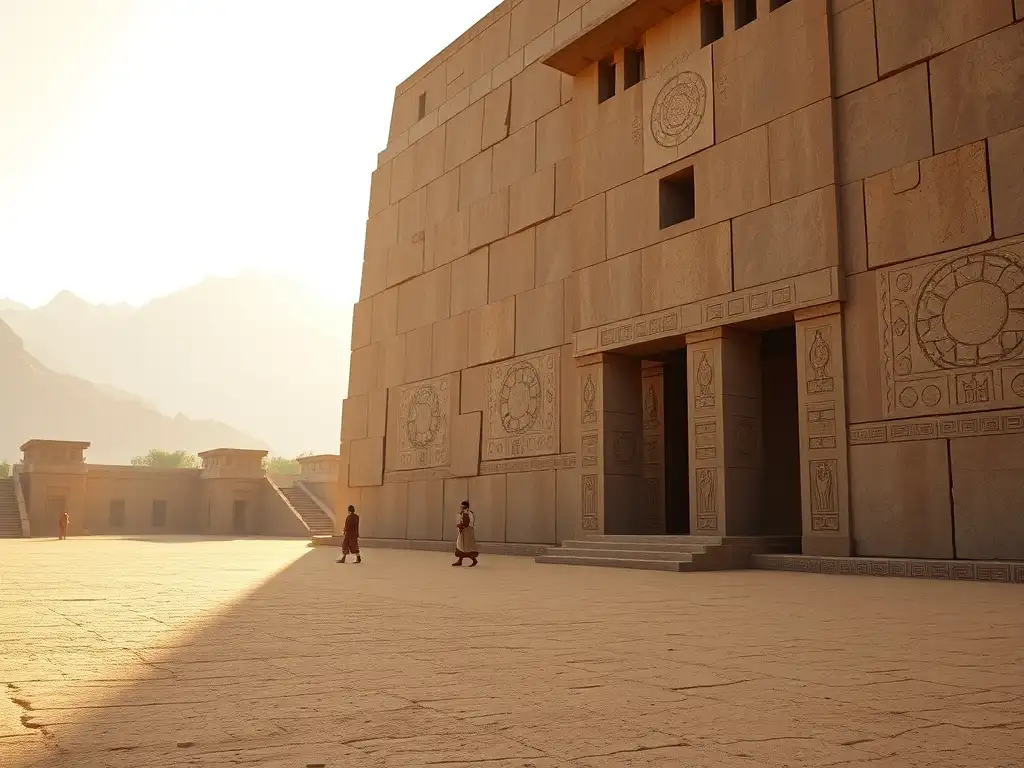
Tiahuanaco's architecture wasn't merely functional; it was meticulously designed to create and reinforce a powerful sense of sacred space, deeply intertwined with the cosmological beliefs and ritual practices of the civilization. The city's layout, the orientation of its structures, and the intricate details of its monumental buildings all contributed to a carefully orchestrated experience intended to connect the earthly realm with the divine. Understanding Tiahuanaco's architecture requires appreciating its role as a stage for complex rituals and ceremonies that shaped the lives of its inhabitants.
The concept of "sacred space" in Tiahuanaco wasn't confined to specific buildings; rather, it permeated the entire urban landscape, transforming the city itself into a vast, sacred precinct. This carefully constructed environment fostered a strong sense of collective identity and reinforced the power and authority of the ruling elite. The precise nature of many rituals remains shrouded in mystery, but archaeological evidence offers tantalizing glimpses into their grandeur and significance.
The careful placement of structures, the use of symbolic motifs, and the sheer scale of the monuments all speak to the importance of ritual within Tiahuanaco society. Analyzing the spatial organization of the city reveals a sophisticated understanding of sacred geometry and cosmology, reflecting a worldview deeply connected to the natural world and the celestial sphere.
The Alignment of Structures with Celestial Events
Many scholars believe that the placement of Tiahuanaco's key structures reflects a deep understanding of astronomy and its relationship to religious beliefs. The alignment of buildings with solstices and equinoxes suggests that celestial events played a crucial role in the city's ritual calendar. For example, the precise orientation of the Kalasasaya Temple, arguably the most significant structure in Tiahuanaco, is thought to be aligned with the rising and setting sun during key astronomical events.
This careful alignment wasn't accidental; it was a deliberate act, reflecting a sophisticated knowledge of astronomy and its integration into the religious practices of the Tiahuanaco culture. Further research is needed to fully elucidate the astronomical significance of other structures, but preliminary findings suggest a complex system of alignments reflecting a sophisticated understanding of the celestial movements and their implications for the ritual cycle. The meticulous planning and execution of these alignments underscore the importance of astronomical observation in the religious life of Tiahuanaco.
This suggests a priestly class with advanced astronomical knowledge, capable of making precise calculations and implementing them in the city's design. The integration of astronomy and religion in Tiahuanaco demonstrates a holistic worldview where the earthly and celestial realms were inextricably linked.
Rituals and Ceremonies within Tiahuanaco's Temples
The monumental temples of Tiahuanaco, such as the Kalasasaya and the Akapana, served as focal points for elaborate rituals and ceremonies. Archaeological evidence suggests that these structures were not simply places of worship, but also centers for social gatherings, political power displays, and possibly even astronomical observations. The presence of large plazas and smaller, enclosed spaces within the temples suggests a complex interplay of public and private rituals. The discovery of numerous artifacts, including intricately carved stones, pottery, and human remains, offers valuable insights into the nature of these rituals.
While the precise meaning of many symbols remains debated, the sheer volume and variety of artifacts point to a rich and complex religious system. For example, the presence of numerous human skulls within the Akapana pyramid has led to speculation about human sacrifice as part of Tiahuanaco's religious practices. However, more research is needed to confirm this hypothesis and to understand the full context of these findings.
The detailed analysis of these artifacts, combined with the study of the architectural features of the temples, is crucial for a deeper understanding of the ritual life of Tiahuanaco. The unique blend of architecture and ritual artifacts provides a compelling window into the belief system of this remarkable civilization. The scale of these rituals, evident in the size of the structures and the quantity of artifacts, speaks to the importance of religion in shaping Tiahuanaco society.
The Role of the Priest Class in Sacred Spaces
The construction and maintenance of Tiahuanaco's sacred spaces, along with the performance of rituals, strongly suggest the existence of a powerful and highly organized priestly class. This class likely held significant political and social influence, controlling access to sacred sites and mediating between the earthly and divine realms. The priests would have possessed specialized knowledge of astronomy, ritual practices, and religious symbolism. Their role extended beyond simply conducting ceremonies; they likely played a crucial role in interpreting divine messages, advising rulers, and maintaining social order.
The intricate carvings and symbolic motifs found throughout Tiahuanaco's architecture might reflect the priests' theological interpretations and their attempts to communicate complex religious concepts to the wider population. The sheer scale of the architectural projects indicates a highly organized workforce, likely directed by the priestly class. Further research into the social structure of Tiahuanaco is needed to fully understand the extent of the priestly class's power and influence.
However, the evidence suggests they played a central role in shaping the religious and political landscape of the city, acting as intermediaries between the divine and the mortal worlds. Their expertise in astronomy, ritual, and symbolism was fundamental to maintaining the social order and reinforcing the authority of the ruling elite within Tiahuanaco's sacred spaces. The role of the priestly class in Tiahuanaco's architecture and religious practices remains a key area of ongoing research, offering fascinating insights into the social and political dynamics of this ancient Andean civilization.
The Symbolic Language of Tiahuanaco Architecture
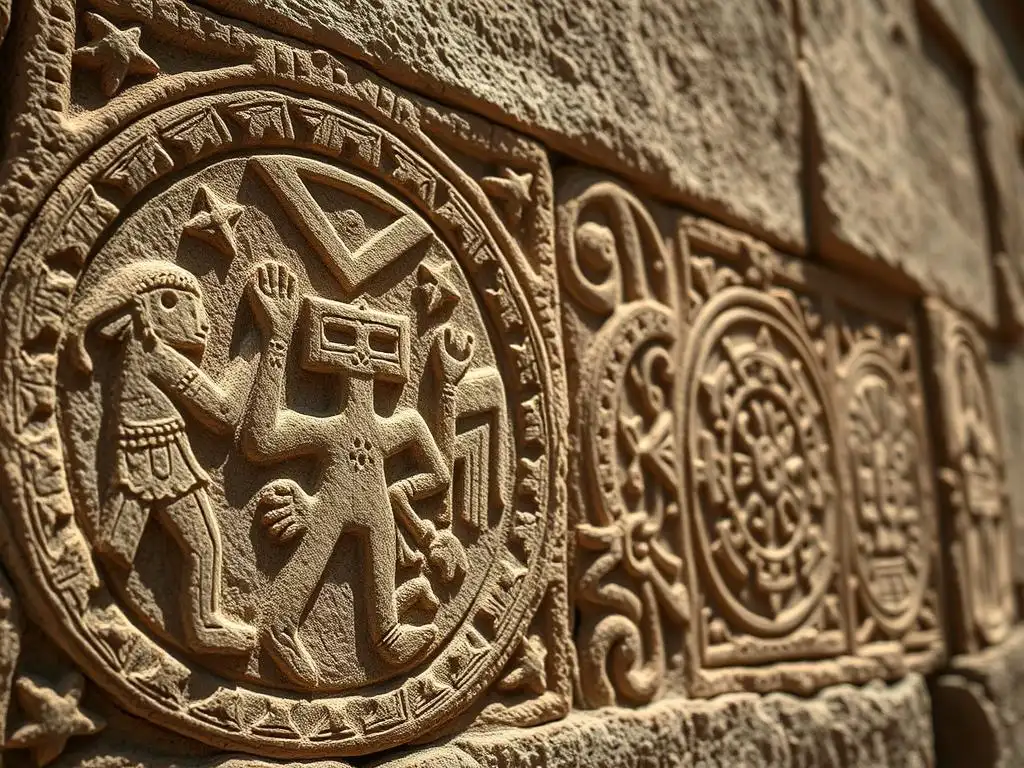
The architecture of Tiahuanaco doesn't simply represent practical structures; it's a complex tapestry woven with symbolic meaning, reflecting the worldview and cosmology of this advanced Andean civilization. Understanding Tiahuanaco architecture requires deciphering its symbolic language, a system deeply embedded in its monumental constructions and intricate details. The careful placement of structures, the choice of materials, and the pervasive use of iconography all contribute to the creation of a sacred space imbued with profound spiritual significance.
This section will delve into the key aspects of this symbolic language, focusing on the powerful interplay between architecture and the expression of religious beliefs. The keyword "Tiahuanaco architecture sacred space" is directly addressed throughout this analysis.
Iconography and Representation in Stone Carvings
The stone carvings adorning Tiahuanaco's structures are not mere decorations; they are powerful visual narratives. Intricate reliefs depict deities, mythical beings, and symbolic motifs that communicate a complex cosmology. The iconic Gateway of the Sun, for example, showcases a central figure, often interpreted as a deity, surrounded by smaller figures and intricate geometric patterns.
These carvings are not randomly placed; their positioning within the architecture reinforces their symbolic weight. The careful selection of materials – the polished andesite – further enhances the visual impact and perceived sacredness of these representations. The meticulous detail in each carving suggests a highly developed artistic tradition, deeply intertwined with religious beliefs and practices.
Analyzing the iconography reveals a rich tapestry of beliefs concerning deities, the cosmos, and the relationship between the human and divine realms, all integral to the concept of sacred space in Tiahuanaco. Further research is needed to fully understand the nuances of every represented figure and symbol; however, current scholarship points toward a complex system of beliefs centered around agriculture, water, and celestial events.
The Use of Geometric Patterns and Their Significance
Geometric patterns are ubiquitous in Tiahuanaco architecture. From the precise arrangement of stones in the walls to the intricate carvings on the monoliths, geometric motifs permeate the city's design. These are not merely aesthetic choices; they hold profound symbolic meaning, reflecting the Tiahuanaco people's understanding of the cosmos and their place within it.
The frequent use of stepped pyramids, for instance, mirrors the layered structure of the Andean landscape and might symbolize the connection between the earthly and celestial realms. Similarly, the repetition of specific geometric patterns – such as stepped frets, triangles, and crosses – may represent cyclical processes, astronomical events, or fundamental principles of their cosmology. The precise execution of these patterns, often achieved with remarkable accuracy, underscores the importance placed on their symbolic representation.
Detailed analysis of the mathematical relationships within these patterns could reveal further insights into the Tiahuanaco worldview and their understanding of sacred geometry. [Specific information pending: Detailed analysis of geometric ratios and their symbolic meaning in Tiahuanaco architecture].
Materials and Construction Techniques in Tiahuanaco
The choice of materials and the sophisticated construction techniques employed in Tiahuanaco are integral to the creation of sacred space. The massive blocks of andesite, meticulously cut and fitted together without mortar, demonstrate remarkable engineering prowess. The precise joinery, often with tolerances of less than a millimeter, speaks to an advanced understanding of stonework and engineering.
This level of precision wasn't just about practicality; it was also a statement of the sacred nature of the space being created. The use of andesite, a hard and durable stone, suggests a desire for permanence and longevity, reflecting the enduring nature of their beliefs and the sacredness of the site. The transportation and placement of these enormous stones, some weighing several tons, also represent a significant undertaking, requiring considerable organizational and engineering skills.
This monumental effort further emphasizes the profound significance of the structures and their role in the religious life of the Tiahuanaco people. The use of specific quarries for the andesite and the potential symbolic meaning associated with the sourcing of these materials remain areas requiring further investigation. [Specific information pending: Detailed analysis of quarry locations and potential symbolic significance of material sourcing].
Tiahuanaco's Architectural Legacy and Influence
The monumental architecture of Tiahuanaco continues to fascinate and inspire researchers and the public alike. Its legacy extends far beyond its physical remains, influencing subsequent Andean cultures and leaving an indelible mark on our understanding of ancient societal structures and beliefs. The city's unique architectural style, characterized by massive stone blocks, intricate carvings, and sophisticated engineering techniques, represents a high point of Andean architectural achievement.
The precise methods used in the construction of these structures, including the transportation and placement of enormous stones, remain partially enigmatic, fueling ongoing debates and research. Understanding Tiahuanaco's architecture is key to comprehending the worldview and societal organization of this powerful civilization. The very placement and design of buildings reflect a deep connection to the sacred, underscoring the integral role of religion in shaping the city's layout and its enduring legacy.
The scale of Tiahuanaco's structures, particularly the Kalasasaya complex and the Akapana pyramid, speaks to the immense resources and organizational capabilities of the society that built them. This level of sophistication wasn't simply a matter of technical prowess; it reflects a complex social hierarchy and a centralized system capable of mobilizing large-scale labor. The lasting impact of Tiahuanaco's architectural achievements is evident in the continued fascination with the site and the ongoing scholarly efforts to decipher its mysteries.
Architectural Similarities with Other Andean Cultures
Tiahuanaco's architectural style, while unique, shares some characteristics with other Andean cultures, suggesting potential influences or shared traditions. For example, the use of massive stone blocks is a common feature in several Andean civilizations. However, the precision and scale of the Tiahuanaco stonework are exceptional.
The intricate carvings and decorative elements found on Tiahuanaco structures also display stylistic similarities with those of other contemporary cultures, although specific motifs and iconography often possess unique characteristics. Analyzing these similarities and differences provides crucial insights into the broader cultural exchange and interaction networks that existed within the Andes during the Tiahuanaco period. Further research is needed to fully understand the extent of these interactions and determine whether the similarities represent shared ancestry, cultural diffusion, or independent development.
Comparative studies of Tiahuanaco architecture with that of the Wari, Huari, and other contemporaneous Andean cultures are essential for a comprehensive understanding of the region's architectural evolution. The meticulous stonework, the use of specific architectural elements like stepped platforms, and even the overall layout of ceremonial centers show subtle variations that hint at both shared influences and individual cultural expressions within the Andean world. This shared vocabulary of architectural forms, coupled with unique regional styles, paints a rich picture of cultural exchange and adaptation within the ancient Andean landscape.
The Impact of Tiahuanaco's Design on Later Societies
The influence of Tiahuanaco's architectural innovations extended far beyond its own lifespan. Later Andean cultures, particularly those in the altiplano region, adopted and adapted elements of Tiahuanaco's architectural style, reflecting the enduring prestige and power associated with the city. Specific features, such as the use of large stone blocks and stepped platforms, were incorporated into later constructions, demonstrating the continued relevance of Tiahuanaco's architectural legacy.
The symbolic significance of Tiahuanaco's structures, particularly the Akapana pyramid and the Kalasasaya complex, likely continued to resonate with subsequent Andean societies, influencing their own religious and cosmological beliefs. This is evident in the incorporation of similar architectural elements and motifs in later sites, suggesting a symbolic continuity that transcended the physical demise of the Tiahuanaco state. The impact of Tiahuanaco's architecture isn't merely stylistic; it also represents a transfer of knowledge and techniques.
The sophisticated engineering principles employed by Tiahuanaco builders likely served as a model for later generations, contributing to the development of Andean architecture. Detailed studies comparing the construction techniques of Tiahuanaco with those of later sites could reveal important information about the transmission of knowledge and the evolution of Andean building practices. The enduring influence of Tiahuanaco's architecture underscores its importance as a cultural and technological center within the Andean region.
The Abandonment of Tiahuanaco and its Architectural Legacy
The reasons behind the abandonment of Tiahuanaco remain a topic of ongoing debate among researchers. Several hypotheses have been proposed, including environmental factors, internal social upheavals, and external pressures. Regardless of the specific causes, the abandonment of the city did not lead to the disappearance of its architectural legacy. The monumental structures of Tiahuanaco, though left to the elements, continued to exert a powerful influence on subsequent Andean societies.
The sheer scale and impressive craftsmanship of the city’s buildings likely fostered a sense of awe and reverence, contributing to its enduring symbolic importance. The remarkable survival of many of Tiahuanaco's structures, despite centuries of weathering and looting, is a testament to the quality of the construction and the enduring power of its architectural design. The ruins themselves became a source of inspiration and a tangible link to a glorious past, influencing the cultural identity and artistic expression of later Andean peoples.
Archaeological evidence suggests that some of the stones from Tiahuanaco were reused in later constructions, reflecting the continued value placed on the materials and the techniques employed in the original structures. Even today, the ruins of Tiahuanaco serve as a powerful reminder of the achievements of this remarkable civilization, attracting visitors and researchers from around the world, and continuing to inspire wonder and fascination. The ongoing study of Tiahuanaco's architecture promises to further illuminate the history, culture, and beliefs of this influential Andean civilization.
Frequently Asked Questions
What makes Tiahuanaco architecture unique?
Tiahuanaco's architecture is unique due to its monumental scale, precise stonework, and complex designs. The use of massive blocks of stone, perfectly fitted together without mortar, is particularly impressive.
How did the Tiahuanaco people create such precise stonework?
The exact methods remain a mystery, but it involved advanced engineering techniques and a deep understanding of stone cutting and fitting. Theories suggest the use of sophisticated tools and possibly pre-fabricated components.
What is the significance of the "Gate of the Sun" in Tiahuanaco?
The "Gate of the Sun" is a key architectural and symbolic element, likely representing cosmological beliefs and perhaps a calendar or astronomical device. Its intricate carvings depict various figures and deities.
How did the concept of sacred space influence Tiahuanaco's urban planning?
Tiahuanaco's urban planning was deeply intertwined with religious beliefs. Sacred sites were strategically placed within the city, reflecting a worldview that integrated the natural and spiritual realms.
What evidence supports the idea that Tiahuanaco was a major religious center?
The monumental architecture, the presence of elaborate religious iconography, and the evidence of pilgrimage routes all point to Tiahuanaco's significance as a major religious center for the Andean region. The sheer scale and sophistication of the site itself are compelling evidence.
Final Reflection: Echoes of the Andes: Tiahuanaco's Enduring Legacy
The meticulous artistry and monumental scale of Tiahuanaco's architecture continue to resonate today, a powerful testament to the ingenuity and spiritual depth of a civilization lost to time. Its carefully planned plazas, precisely cut stones, and enigmatic structures offer a tangible link to a past that profoundly shaped Andean cosmology and continue to inspire awe and wonder in modern viewers. The very stones themselves whisper tales of a sophisticated understanding of astronomy, engineering, and the sacred.
The enduring influence of Tiahuanaco's concept of sacred space is undeniable, shaping not only the physical landscape of the Andes but also the spiritual and cultural identity of its people for millennia. Its impact extends far beyond its geographical location; the echoes of its architectural principles and cosmological beliefs can be traced in subsequent Andean cultures. The past is never dead. It's not even past,
wrote William Faulkner, and this rings profoundly true when considering the lasting legacy of Tiahuanaco. Its influence continues to inspire artists, archaeologists, and spiritual seekers alike, prompting ongoing research and a deeper understanding of the interconnectedness between humanity and the natural world.
Consider, for a moment, the meticulous craftsmanship evident in Tiahuanaco's stones. Imagine the collective effort, the shared vision, the deep spiritual connection that must have fueled the creation of such a magnificent site. This legacy challenges us to reflect on our own relationship with sacred space, both in the physical world and within our own hearts.
How do we create spaces that foster connection, inspire awe, and promote a sense of reverence for the world around us? Let the enduring mystery of Tiahuanaco inspire you to seek your own sacred spaces, to build connections with the past, and to cultivate a deeper appreciation for the enduring power of human creativity and spiritual expression.
Unveil the Spiritual Blueprint of Tiahuanaco!
Thank you for exploring the fascinating world of Tiahuanaco's architecture and its profound connection to sacred space. We hope you gained valuable insights into how this ancient site reflects the beliefs and practices of the Andean civilizations. Now, let's put that knowledge to use!
- Create a personal sanctuary: Whether at home or in nature, designate a space that fosters peace and inspiration.
- Share your discoveries: Discuss this incredible civilization with friends and family who appreciate archaeology and ancient cultures. Let's spark conversations and share our fascination!
- Connect with fellow enthusiasts: Join a local archaeology club or an online forum to connect with others who share your passion for Andean history.
What aspect of sacred space resonates most deeply with you, and how does it influence your daily life?