
Tiahuanaco's Engineering Feats: Pushing the Limits of Ancient Technology

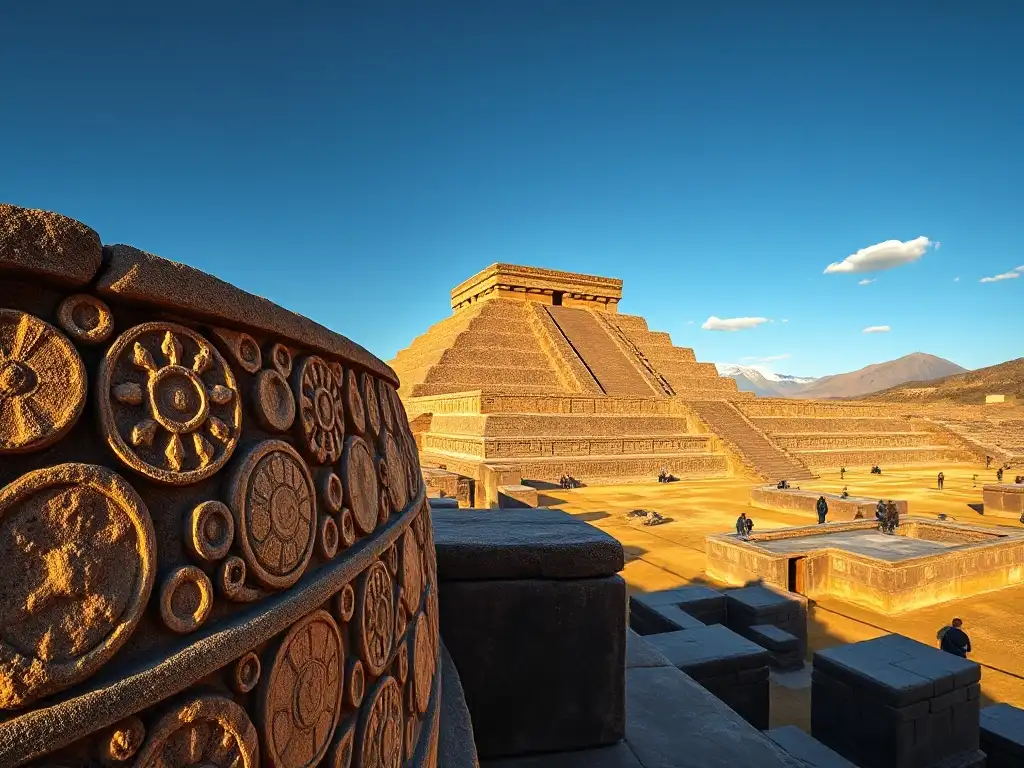
Uncover the secrets of a lost world, where ingenuity defied limitations. Step into the heart of the Andes and witness the breathtaking legacy of the ancient civilizations, from the Incas to the enigmatic Tiahuanaco. Prepare to be amazed by Tiahuanaco's ancient engineering marvels, feats of construction that continue to challenge our understanding of ancient technology. Dare to delve deeper and unravel the mysteries that lie hidden within these monumental achievements.
The city of Tiahuanaco, flourishing in the Bolivian Altiplano between 500 and 1000 CE, stands as a testament to the ingenuity and advanced engineering capabilities of its builders. This ancient civilization, predating the Inca empire, left behind monumental structures that continue to baffle and inspire awe, showcasing sophisticated knowledge of architecture, stonework, and hydraulics far beyond what was previously thought possible for the time period. This article delves into the remarkable engineering marvels of Tiahuanaco, exploring the techniques and innovations that allowed this civilization to construct such impressive structures in a challenging high-altitude environment, ranking among the world's greatest examples of "Tiahuanaco ancient engineering marvels."
We will examine the precise stonework, the sophisticated water management systems, and the sheer scale of the constructions, highlighting the ingenuity and technological prowess of the Tiahuanaco people. Understanding these feats provides invaluable insight into the complexity and sophistication of this fascinating pre-Columbian civilization.
Precise Stonework: A Masterclass in Precision and Planning
The hallmark of Tiahuanaco's architecture is its incredibly precise stonework. Massive blocks of andesite, a remarkably hard volcanic rock, were meticulously cut, shaped, and fitted together with minimal mortar, creating structures of astonishing durability and aesthetic appeal. The level of precision is astounding; many stones fit together so seamlessly that even a thin blade cannot be inserted between them.
This suggests a high degree of technological advancement in stone-cutting tools and techniques, possibly involving advanced knowledge of metallurgy and specialized instruments. The sheer scale of the undertaking is also remarkable, considering the lack of sophisticated machinery available to the Tiahuanaco builders. The transportation of these massive stones across challenging terrain also presents a significant engineering challenge, hinting at a sophisticated understanding of logistics and organization.
The precise fitting of these stones speaks volumes about the architects' understanding of geometry and engineering principles, showcasing a level of skill that rivals the most advanced stonework of other ancient civilizations. The enduring nature of these structures, many of which have survived centuries of weathering and seismic activity, is a testament to the quality and longevity of their construction.
Monumental Structures: Kalasasaya and Akapana
Tiahuanaco boasts several monumental structures that demonstrate the civilization's impressive engineering capabilities. The Kalasasaya, a large open plaza surrounded by impressive stone walls, exemplifies Tiahuanaco's mastery of large-scale construction. Its towering walls, composed of massive, precisely cut stones, are aligned with astronomical events, suggesting a deep understanding of celestial movements.
The Akapana, a massive stepped pyramid, is another striking example of Tiahuanaco engineering. While its original function remains debated, its intricate construction, including internal chambers and complex drainage systems, demonstrates sophisticated architectural planning and hydraulic engineering. The sheer size and complexity of both Akapana and Kalasasaya, combined with the precision of their construction, represent significant achievements in ancient engineering, demanding immense organizational skill and labor.
Archaeological evidence suggests a highly organized society capable of mobilizing large numbers of people for extended periods. Further research is needed to fully understand the construction techniques used and the social organization required for such large-scale projects.
Sophisticated Water Management: Ingenious Hydraulic Systems
The Tiahuanaco civilization thrived in a high-altitude environment where water resources were scarce and unpredictable. Their response to this challenge was the development of sophisticated water management systems, evident in the intricate canals, channels, and reservoirs that crisscross the site. These systems not only provided a reliable source of water for the city but also played a crucial role in agriculture, allowing the Tiahuanaco people to cultivate crops in a challenging environment.
The precise engineering involved in these systems, including the construction of aqueducts and channels capable of diverting water over significant distances, demonstrates a deep understanding of hydraulic principles and engineering. The integration of these systems into the overall urban planning of Tiahuanaco further highlights the civilization's sophisticated understanding of resource management and environmental adaptation.
The ingenuity of these systems continues to inspire modern engineers, offering valuable lessons in sustainable water management. Further study is needed to fully understand the extent and complexity of the Tiahuanaco hydraulic systems.
The Enduring Legacy: Technological Influence and Modern Interpretations
The engineering marvels of Tiahuanaco continue to inspire awe and wonder centuries after their construction. The precision of the stonework, the scale of the monumental structures, and the sophistication of the water management systems all speak to the advanced technological capabilities of this pre-Columbian civilization. The legacy of Tiahuanaco's engineering achievements extends beyond its physical remains, influencing subsequent Andean cultures and providing a rich source of inspiration for modern engineers and architects.
Studying Tiahuanaco's engineering provides valuable insights into the ingenuity and resilience of ancient civilizations, highlighting their ability to overcome environmental challenges and create impressive feats of engineering. The site serves as a powerful reminder of the human capacity for innovation and the enduring power of ancient knowledge. Further research and preservation efforts are crucial to ensure that the legacy of Tiahuanaco's remarkable engineering achievements continues to inspire future generations.
- Precise Stonework: A Masterclass in Precision and Planning
- Monumental Structures: Kalasasaya and Akapana
- Sophisticated Water Management: Ingenious Hydraulic Systems
- The Enduring Legacy: Technological Influence and Modern Interpretations
- What makes Tiahuanaco's architecture so impressive?
- How did the Tiahuanaco people transport such massive stones?
- What is the significance of the Puerta del Sol (Sun Gate)?
- What technology did the Tiahuanaco people possess to achieve such feats?
- How does Tiahuanaco compare to other ancient Andean civilizations in terms of engineering?
The Enigma of Tiahuanaco: A Glimpse into Ancient Andean Ingenuity
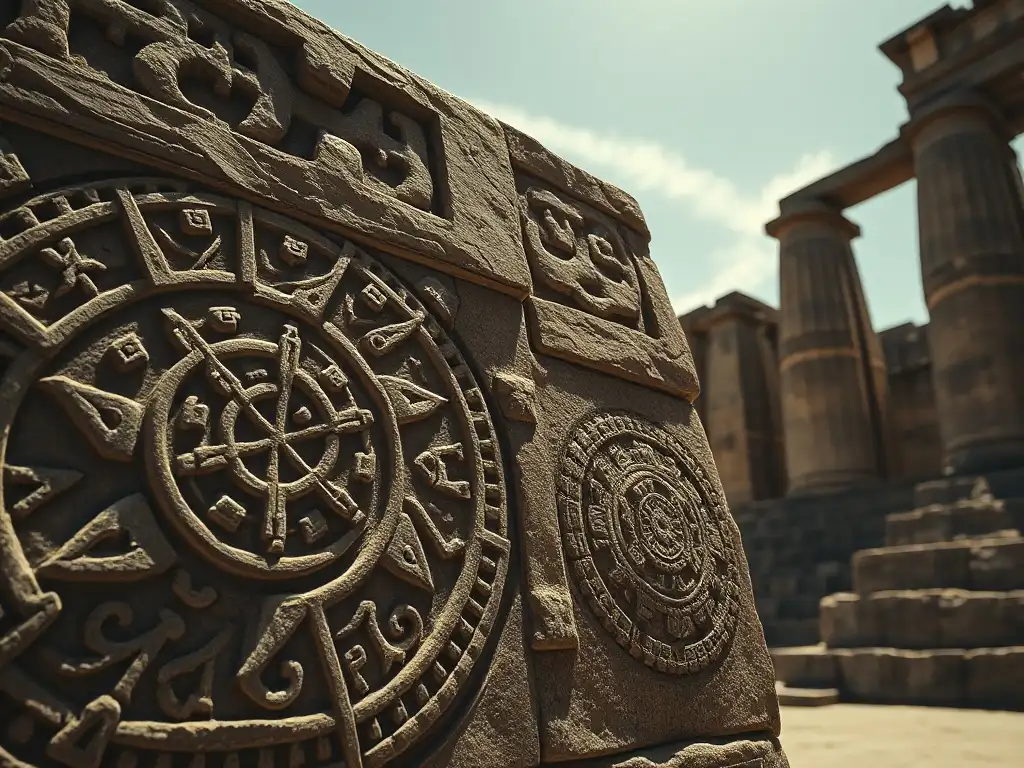
The city of Tiahuanaco, located on the shores of Lake Titicaca in modern-day Bolivia, stands as a testament to the remarkable engineering prowess of the ancient Andean civilizations. Its monumental structures, precise stonework, and sophisticated water management systems continue to baffle and inspire researchers even today. The sheer scale of the undertaking, coupled with the limited technology available at the time, elevates Tiahuanaco's achievements to the realm of truly astonishing ancient engineering marvels.
Understanding the ingenuity behind Tiahuanaco requires delving into the specific challenges faced by its builders and the innovative solutions they employed. This exploration reveals a civilization capable of feats far exceeding the expectations of its era, solidifying its place as a significant contributor to the impressive legacy of Tiahuanaco ancient engineering marvels.
The city’s enduring legacy speaks volumes about the advanced knowledge and organizational capabilities of its creators, pushing the boundaries of what was previously considered possible within the Andean region. The precision and scale of the construction, especially considering the available tools and resources, remain a source of ongoing fascination and study for archaeologists and engineers alike.
Tiahuanaco Civilization: A Cradle of Innovation
The Tiahuanaco civilization flourished between roughly 300 and 1000 CE, leaving behind a complex and awe-inspiring legacy. Their mastery of stonework is particularly noteworthy, demonstrated in the meticulously crafted megalithic structures found throughout the city. The precision with which these massive stones were cut, transported, and assembled is staggering.
Consider, for instance, the "Gateway of the Sun," a monolithic gateway adorned with intricate carvings. The sheer size and precision of the carvings, many only millimeters deep, speaks to an advanced understanding of stone carving techniques and tools, far exceeding what many scholars initially expected from a civilization of this period. Furthermore, the city's sophisticated water management systems, including canals and reservoirs, suggest a deep understanding of hydraulic engineering.
These systems were crucial for irrigation and supplying water to the city's inhabitants, showcasing their ability to adapt their environment to their needs, a vital component of their success as a civilization. The advanced knowledge displayed in their agricultural practices, alongside their engineering feats, contributed significantly to the long-term prosperity and influence of the Tiahuanaco civilization. Their achievements represent a high point of Andean ingenuity and technological advancement, leaving a lasting impact on subsequent cultures.
Location and Environment of the Tiahuanaco Empire
Tiahuanaco's location on the high-altitude Altiplano, near Lake Titicaca, presented unique challenges for its builders. The thin air, harsh climate, and limited access to resources would have made construction incredibly demanding. The high altitude, over 12,500 feet (3800 meters) above sea level, would have presented difficulties in transporting the massive stones used in construction. The precise methods used to move these stones remain a topic of ongoing debate, with various hypotheses suggesting the use of ramps, rollers, and possibly even sophisticated systems of levers and pulleys.
The arid climate of the Altiplano also posed challenges to water management. The Tiahuanaco people overcame these obstacles by developing sophisticated irrigation systems, including canals and reservoirs, that effectively harnessed the limited water resources available. These systems not only provided water for drinking and domestic use but also supported agriculture, essential for the sustenance of the large population. The careful planning and execution of these systems are a testament to their understanding of hydrology and engineering principles, particularly impressive given the environmental constraints.
The ingenuity demonstrated in their adaptation to this challenging environment underscores the depth of their technological capabilities and their ability to thrive in a demanding landscape. The strategic location near Lake Titicaca, while presenting challenges, also provided significant advantages, such as access to water and resources, contributing to the civilization's growth and prosperity. The Tiahuanaco civilization's success in overcoming these environmental obstacles is a key aspect of understanding their remarkable achievements in ancient engineering.
Tiahuanaco Ancient Engineering Marvels: Unveiling the City's Architectural Prowess
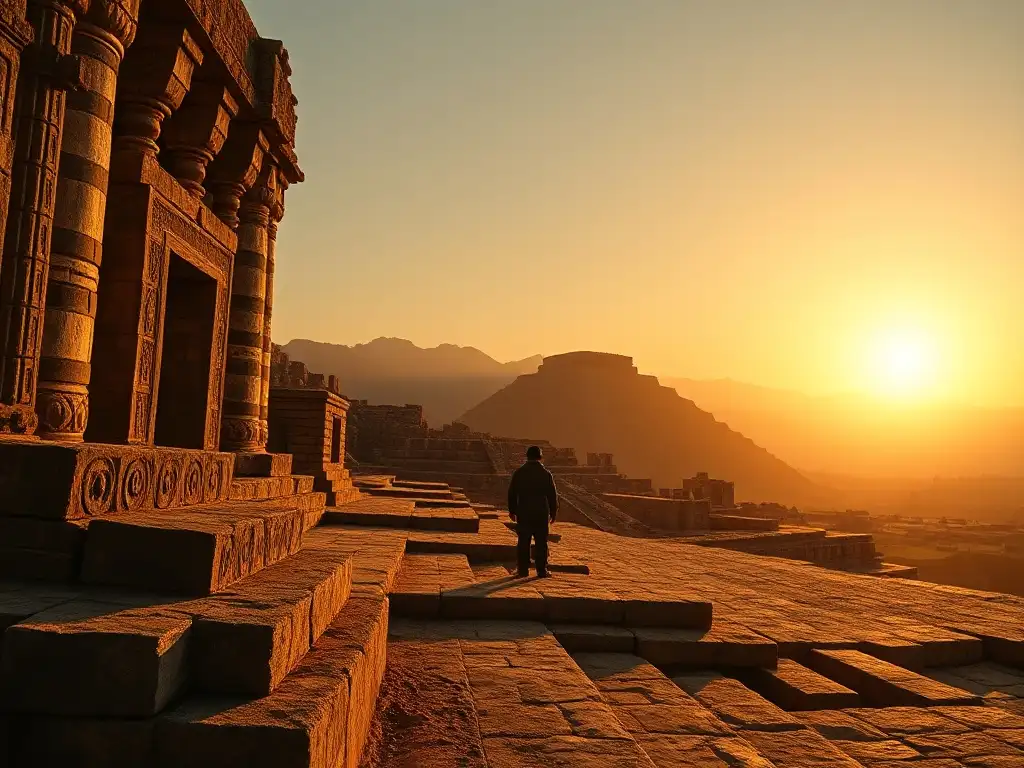
This section delves into the remarkable engineering feats of Tiahuanaco, showcasing the city's impressive architectural prowess and highlighting its status as one of the Tiahuanaco ancient engineering marvels. We will explore the scale of urban planning and the sophisticated stonework techniques employed, revealing the advanced technological capabilities of this ancient Andean civilization. The ingenuity and precision displayed in Tiahuanaco's construction continue to fascinate and inspire researchers today, prompting ongoing investigation into the methods and knowledge utilized by its builders. Understanding these achievements sheds light on the sophisticated societal organization and technological advancement of the Tiahuanaco culture.
The Scale and Complexity of Tiahuanaco's Urban Planning
The sheer scale of Tiahuanaco's urban planning is a testament to its sophisticated engineering capabilities. The city, situated at a high altitude on the Altiplano, was meticulously designed and constructed, demonstrating a remarkable understanding of both geography and engineering principles. Evidence suggests a carefully planned layout, with monumental structures strategically positioned relative to astronomical alignments and surrounding terrain.
Consider the size of the Akapana pyramid, a massive platform mound that dwarfs many other structures within the city. Its precise dimensions and internal layout, including intricate channels and chambers, point to a level of planning and execution rarely seen in other ancient settlements. Furthermore, the city's network of canals and water management systems underscore the importance of resource management in Tiahuanaco's urban design.
These intricate systems ensured a reliable supply of water, crucial for both agriculture and the daily life of its inhabitants. This sophisticated infrastructure speaks volumes about the city’s advanced understanding of hydrology and its ability to harness and control water resources in a challenging high-altitude environment. The successful implementation of such complex systems demonstrates a high level of organizational skill and coordination among the Tiahuanaco population, further solidifying its position as a significant example of Tiahuanaco ancient engineering marvels.
The precise function of several structures remains a mystery, fueling ongoing debate among researchers. However, the sheer scale of the undertaking, coupled with the complexity of the design and construction, leaves no doubt about the impressive engineering achievements of the Tiahuanaco people. The city’s layout, incorporating massive stone structures, intricate water management systems, and potentially astronomical alignments, showcases a remarkable level of technological and organizational sophistication for its time. The city's planning represents a significant advancement in urban design and resource management, adding another layer to its status as one of the Tiahuanaco ancient engineering marvels.
Precision Stone Cutting and Masonry Techniques in Tiahuanaco
The precision displayed in Tiahuanaco's stonework is equally impressive. The builders employed highly advanced techniques in cutting, transporting, and fitting massive blocks of andesite, a very hard volcanic rock. These blocks, some weighing many tons, were precisely shaped and fitted together without the use of mortar, showcasing an exceptional mastery of stone masonry. The tolerances achieved in the joints are astonishing, often measuring less than a millimeter. This level of precision requires not only specialized tools but also a deep understanding of geometry and engineering principles.
The construction of structures like the Gateway of the Sun exemplifies this mastery. The intricate carvings and perfectly fitted stones of this monumental gateway are a testament to the exceptional skill and precision of Tiahuanaco’s artisans. The massive stones, intricately carved with detailed reliefs, were seamlessly joined together, demonstrating a sophisticated understanding of stone cutting and fitting techniques.
The creation of such monumental structures required not only significant technical expertise but also exceptional organization and coordination of labor. The perfectly fitted stones in the Gateway of the Sun and other structures throughout the city are clear indicators of the advanced technology and engineering capabilities of the Tiahuanaco people, further solidifying their place among Tiahuanaco ancient engineering marvels.
Furthermore, the transportation of these enormous stones across considerable distances remains a subject of ongoing research and debate. The methods employed to transport these massive blocks and lift them into place continue to puzzle researchers, highlighting the advanced engineering knowledge and sophisticated technology of the Tiahuanaco civilization. The precision of the stone cutting and the scale of the construction projects clearly demonstrate the advanced engineering capabilities of the culture, making Tiahuanaco a prime example of Tiahuanaco ancient engineering marvels.
Understanding the techniques used provides crucial insights into the technological achievements of this remarkable civilization. The precise methods used for stone cutting, transportation, and placement require further investigation, but the results speak for themselves: a testament to human ingenuity and a remarkable achievement in ancient engineering.
Advanced Tiahuanaco Construction Techniques: Beyond Simple Stone Work
The monumental structures of Tiahuanaco stand as testaments to the advanced engineering capabilities of its builders. While the sheer scale of the constructions is impressive, a closer examination reveals sophisticated techniques that go beyond simple stonework. Understanding these techniques requires analyzing the challenges faced and the innovative solutions implemented by the Tiahuanaco engineers. The mastery displayed in quarrying, transporting, shaping, and assembling these massive blocks represents a significant leap in ancient Andean engineering, solidifying Tiahuanaco's position as a center of technological innovation and a source of wonder for "Tiahuanaco ancient engineering marvels."
The Use of Massive Stone Blocks: Challenges and Solutions
The use of massive stone blocks presents several significant engineering challenges. First, the quarrying of these colossal stones required advanced tools and techniques. Evidence suggests the use of hard stone hammers and chisels, possibly made from andesite or other durable materials, to extract the blocks from their source. The precision with which many blocks were shaped, some weighing over 100 tons, indicates a high level of skill and understanding of stone properties.
Secondly, transporting these immense blocks across significant distances posed a considerable logistical hurdle. The precise routes used remain a subject of debate, but theories involve the use of ramps, rollers, sledges, and possibly even water transport, depending on the source of the stone. The coordination required to move such heavy objects would have demanded a highly organized workforce and sophisticated planning. Further research is needed to fully elucidate the exact methods employed, but the sheer scale of the undertaking underscores the advanced organizational capabilities of the Tiahuanaco society.
Finally, the precise placement of these massive stones required remarkable engineering acumen. The intricate interlocking of many blocks, with minimal mortar used, suggests a deep understanding of weight distribution and structural integrity. The builders clearly possessed advanced knowledge of geometry and engineering principles to achieve such precise alignment. This level of precision is especially evident in structures like the Kalasasaya, where massive stones are fitted together with astonishing accuracy, a testament to the "Tiahuanaco ancient engineering marvels".
Evidence of Sophisticated Transportation and Lifting Methods
While the exact methods remain partly shrouded in mystery, several lines of evidence point towards sophisticated transportation and lifting techniques. Archaeological findings, such as remnants of potential roadways and ramps, suggest a planned approach to moving the massive blocks. The presence of large, flat stones that could have served as rollers or sledges, combined with the potential use of human and animal power, offers a glimpse into the logistical complexities involved.
Moreover, the precision of the stonework itself suggests the use of advanced lifting mechanisms. The incredibly tight fits between stones imply the use of techniques to precisely position and lift them into place. Some researchers propose the use of levers, ramps, and possibly even rudimentary cranes, though concrete evidence of such devices remains elusive.
The development of these lifting mechanisms would have required significant experimentation and innovation, highlighting the advanced technological capabilities of Tiahuanaco's engineers. The ingenuity displayed in overcoming the challenges of transporting and lifting such massive stones continues to inspire awe and contributes to the understanding of "Tiahuanaco ancient engineering marvels".
The Significance of the Gateway of the Sun and its Construction
The Gateway of the Sun stands as a pinnacle of Tiahuanaco's engineering prowess. This monolithic gateway, carved from a single massive andesite block, is adorned with intricate relief carvings depicting various figures and symbols. Its construction presents a unique set of challenges, different from those posed by the Kalasasaya's massive stone blocks. The creation of the Gateway required not only the extraction and transportation of the massive stone but also the extraordinarily precise carving of its complex relief.
The intricate details of the carvings, including the depiction of stylized figures and complex geometric patterns, demonstrate an advanced level of artistic and technical skill. The precision of the carving, especially considering the hardness of the andesite, suggests the use of specialized tools and techniques. The Gateway's creation, therefore, showcases a remarkable combination of artistic vision and engineering mastery.
The Gateway of the Sun serves as a powerful symbol of Tiahuanaco's advanced capabilities, further solidifying its place among the "Tiahuanaco ancient engineering marvels". The precise methods employed in its construction, however, remain a subject of ongoing research and debate among experts.
The scale and precision of the Gateway's construction highlight the advanced level of Tiahuanaco's engineering and artistic capabilities, solidifying its reputation as a site of incredible "Tiahuanaco ancient engineering marvels". Further research and analysis are crucial to fully unveil the secrets behind this remarkable feat of ancient engineering.
Tiahuanaco's Hydraulic Engineering: Mastering Water Management
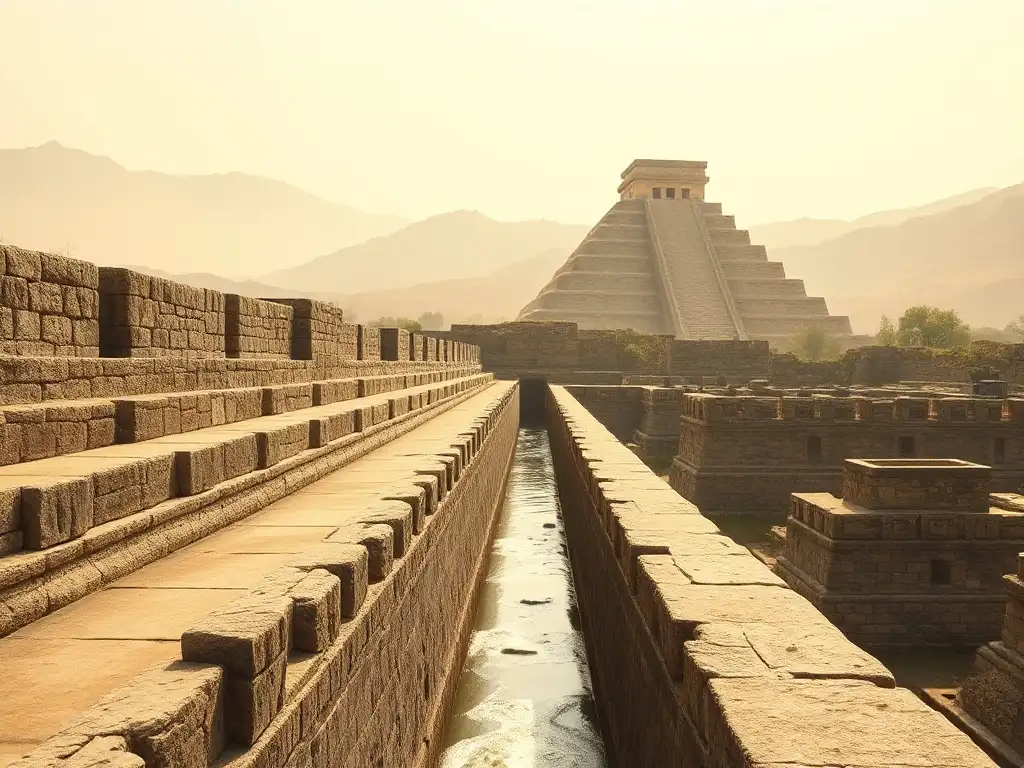
Tiahuanaco's success, as a major urban center in the Andes, was profoundly linked to its sophisticated understanding and masterful control of water resources. This wasn't simply a matter of survival; it was a testament to their advanced engineering capabilities, allowing for intensive agriculture and the support of a large population in a high-altitude, often arid environment.
The ingenuity displayed in their hydraulic systems represents a remarkable achievement in ancient engineering, showcasing a deep knowledge of hydrology and a practical application of complex techniques. The term "Tiahuanaco ancient engineering marvels" truly understates the scale and sophistication of their water management strategies.
Tiahuanaco's Advanced Irrigation Systems
The Tiahuanaco people developed incredibly efficient irrigation systems to maximize agricultural productivity. These systems weren't simple ditches; they involved a complex network of canals, aqueducts, and reservoirs, meticulously designed to channel water from distant sources to the agricultural fields. Evidence suggests the use of sophisticated techniques like terracing and water diversion to optimize water distribution, even across uneven terrain.
The precision involved in these constructions points to a highly organized society with specialized engineers and laborers capable of undertaking large-scale projects. Analysis of surviving remnants indicates that these systems were capable of supplying water to vast areas, supporting a significantly larger population than would have been possible with simpler methods. The longevity of these systems also speaks to the quality of their construction and the durability of their design.
The Remarkable Construction of Raised Fields and Canals
One of the most visually striking aspects of Tiahuanaco's hydraulic engineering is the construction of raised fields and canals. These artificial islands, created by building up earth and enclosing them with canals, served as intensified agricultural plots. The canals not only provided irrigation but also acted as a drainage system, preventing waterlogging and maintaining optimal soil conditions.
The construction of these raised fields required considerable labor and engineering expertise, involving the precise movement of vast quantities of earth. The scale of these projects is truly impressive, demonstrating the ability of the Tiahuanaco people to mobilize and organize large workforces. Furthermore, the choice of materials and the construction techniques were optimized for the specific environmental conditions, showcasing a deep understanding of soil mechanics and hydrology.
The long-term impact of this agricultural innovation was considerable, contributing to the city's stability and prosperity. Archaeological evidence continues to reveal new insights into the complexity of these systems, further solidifying Tiahuanaco's position as a center of ancient engineering innovation.
Water Management for Sustainable Agriculture in Tiahuanaco
The Tiahuanaco hydraulic systems weren't just about maximizing yield; they were designed with sustainability in mind. The careful planning and execution of these projects ensured the efficient use of water resources, minimizing waste and preserving the environment. This sustainable approach to agriculture allowed the Tiahuanaco civilization to thrive for centuries, highlighting their awareness of the long-term consequences of their actions and their commitment to environmental stewardship.
The integration of water management practices into their overall societal structure further underscores their sophisticated understanding of resource management and its importance for long-term societal stability. Studies indicate that the design of their systems incorporated features that mitigated the risks associated with droughts and floods, ensuring a reliable water supply even in challenging climatic conditions. This demonstrates a level of foresight and environmental awareness rarely seen in other ancient civilizations.
The legacy of Tiahuanaco’s sustainable water management practices offers valuable lessons for modern societies facing similar challenges related to water scarcity and sustainable agriculture. The term "Tiahuanaco ancient engineering marvels" is not just a catchy phrase; it's a fitting description of their remarkable achievements.
Tiahuanaco's Architectural Legacy: Lasting Impact and Influence
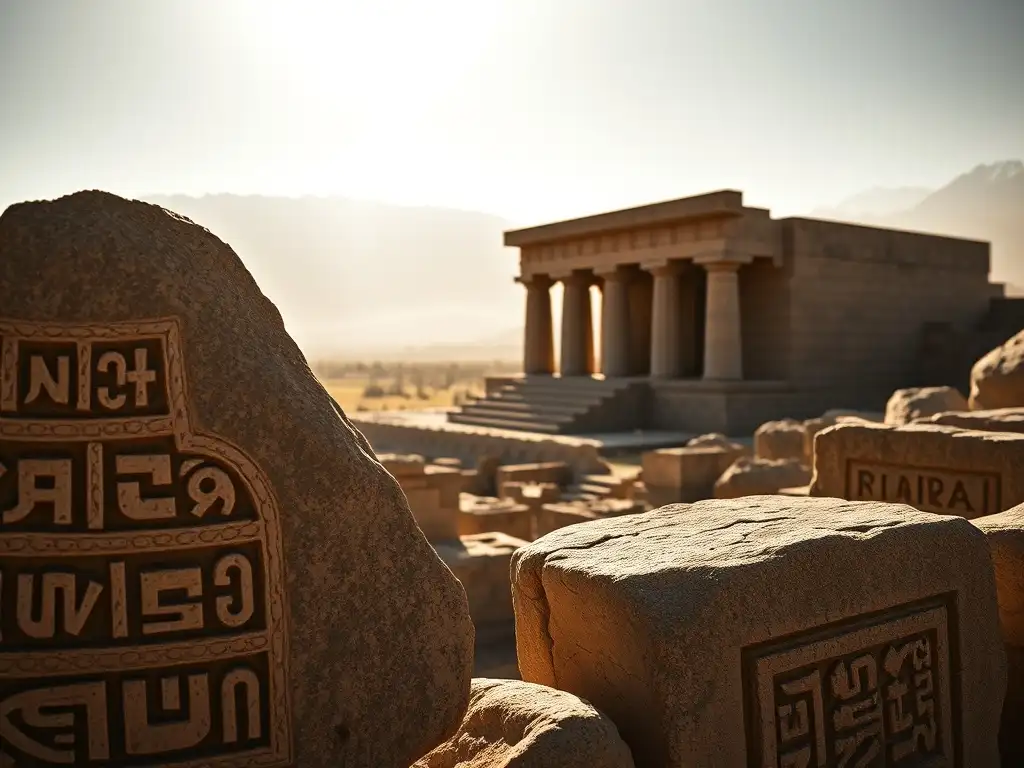
The architectural achievements of Tiahuanaco stand as a testament to the ingenuity and advanced technological capabilities of this pre-Columbian civilization. Their mastery of stonework, particularly in the precise cutting, transport, and placement of massive blocks, continues to fascinate and inspire researchers today. The impact of Tiahuanaco's architectural style is evident in subsequent Andean cultures, demonstrating a lasting influence on regional building techniques and aesthetic sensibilities.
The city's monumental structures weren't merely functional; they were powerful statements of social organization, religious beliefs, and technological prowess, significantly shaping the cultural landscape of the Andes. Understanding Tiahuanaco's architectural legacy offers crucial insights into the complex societal structures and advanced engineering practices of this remarkable civilization. The precise methods employed in their construction remain a subject of ongoing debate and research, highlighting the enduring mystery and sophistication of Tiahuanaco's ancient engineering marvels.
The Kalasasaya Temple: A Testament to Tiahuanaco's Engineering Skills
The Kalasasaya Temple, meaning "standing stones" in Aymara, is arguably the most iconic structure at Tiahuanaco. Its construction showcases the impressive precision of Tiahuanaco's stonework. Massive blocks of andesite, some weighing many tons, were meticulously cut and fitted together with minimal mortar, demonstrating an advanced understanding of geometry and engineering.
The intricate carvings and alignments within the temple suggest a sophisticated astronomical knowledge, possibly used for calendrical purposes or religious rituals. Analyzing the construction techniques reveals a remarkable understanding of load-bearing principles and a capacity for large-scale coordinated labor. The precision of the stonework, even considering the weathering over centuries, continues to amaze modern engineers and archaeologists.
Further research is needed to fully understand the techniques used to transport and place these massive stones, but the Kalasasaya Temple undeniably represents a pinnacle of Tiahuanaco's ancient engineering marvels. The temple's layout and the orientation of its structures suggest a deep understanding of astronomy and its significance in Tiahuanaco society.
The Akapana Pyramid: A Marvel of Tiahuanaco Engineering
The Akapana Pyramid, a monumental earth and stone structure, presents a unique challenge for researchers. Its complex internal structure, featuring a network of chambers and channels, suggests a sophisticated understanding of hydraulic engineering. Some scholars believe the pyramid may have served as a water management system, regulating water flow for agricultural purposes or ritual practices.
The size and scale of the Akapana are truly impressive, demonstrating the capacity of Tiahuanaco to mobilize significant labor forces for large-scale construction projects. The precision in the arrangement of stones, and the evidence of sophisticated water management systems within the pyramid, reveal a level of engineering expertise far beyond what was previously attributed to pre-Columbian civilizations.
The Akapana pyramid, therefore, presents a fascinating case study in Tiahuanaco's ancient engineering marvels, highlighting their expertise in both earthworks and hydraulic engineering. Further study is required to definitively determine the pyramid's function and the exact methods used in its construction.
The Pumapunku Complex: Exploring its Unique Construction
The Pumapunku complex is renowned for its incredibly precise and intricate stonework. The blocks used in its construction are exceptionally large and perfectly fitted together, showcasing an astonishing level of craftsmanship. The precision of the cuts, the absence of mortar in many areas, and the complex shapes of the stones continue to puzzle researchers.
Some blocks exhibit intricate carvings and channels, the purpose of which remains a subject of ongoing debate and speculation. The unique construction techniques employed at Pumapunku suggest a technological sophistication that surpasses many other contemporary civilizations. This complex exemplifies Tiahuanaco's advanced understanding of stone-cutting, shaping, and placement, demonstrating remarkable skills in ancient engineering marvels.
The sheer scale of the project, the precision of the stonework, and the mystery surrounding its function make Pumapunku one of the most fascinating and enigmatic sites within the Tiahuanaco civilization. The exact methods used to transport and position these massive blocks, some weighing over 100 tons, remain a significant area of ongoing research.
Tiahuanaco's Technological Achievements: Beyond Construction
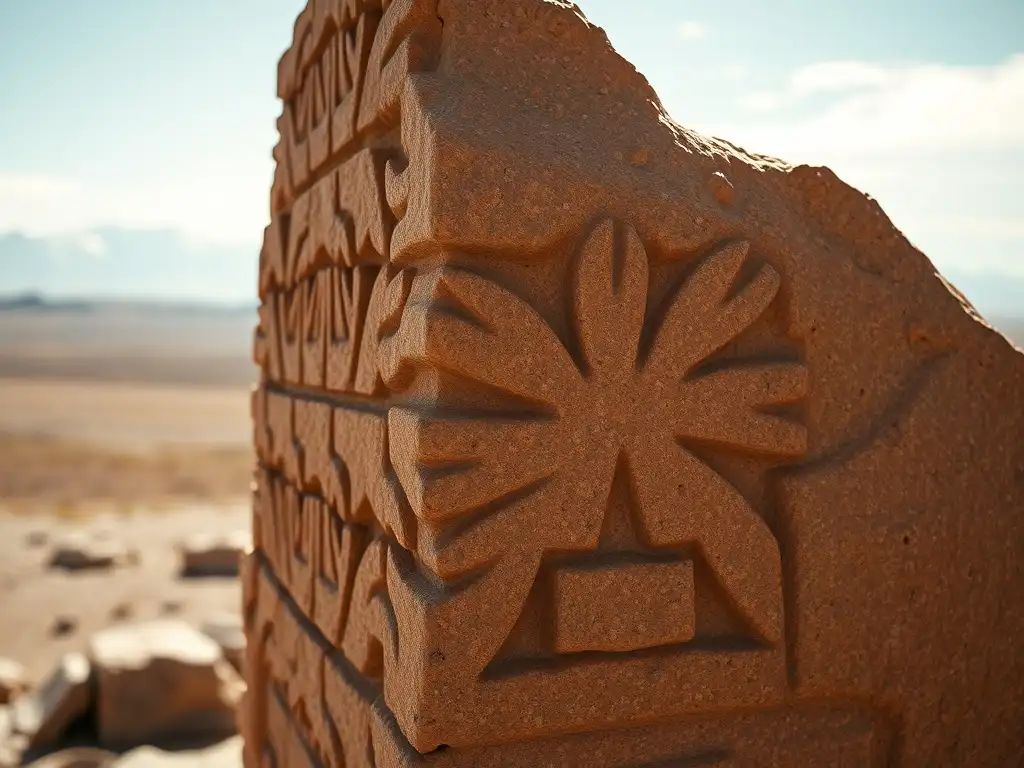
This section delves into the impressive technological prowess of the Tiahuanaco civilization, extending beyond their remarkable construction feats. We'll explore their sophisticated understanding of astronomy, the seamless integration of art and engineering in their structures, and the lasting impact of their advanced techniques. Understanding these achievements provides a richer appreciation for the ingenuity and complexity of this ancient Andean society, solidifying Tiahuanaco's place among the ancient engineering marvels.
The Tiahuanaco's Understanding of Astronomy and its Application
The Tiahuanaco people possessed a surprisingly advanced understanding of astronomy, a knowledge deeply interwoven with their societal structure and religious beliefs. Evidence suggests they meticulously tracked celestial events, using this knowledge to inform their agricultural practices and possibly even their monumental architecture. The precise alignment of certain structures with solstices and equinoxes points to a sophisticated understanding of astronomical cycles. For instance, the Kalasasaya temple's orientation seems to deliberately align with significant astronomical events.
This wasn't merely coincidental; the precision involved implies careful planning and observation over extended periods. Furthermore, the intricate carvings on many Tiahuanaco artifacts depict celestial bodies, constellations, and possibly even calendars, further supporting the idea of a highly developed astronomical tradition. The degree of precision in their astronomical observations suggests advanced instruments, although the exact nature of these instruments remains a topic of ongoing research.
Understanding their astronomical knowledge provides crucial context for interpreting their societal organization and their relationship with the natural world. This sophisticated understanding of the cosmos is a key element of Tiahuanaco's impressive technological achievements, showcasing their intellectual capacity and advanced observation skills. This aspect of their civilization significantly contributes to the overall narrative of Tiahuanaco ancient engineering marvels.
The Integration of Art and Engineering in Tiahuanaco's Structures
Tiahuanaco's engineering marvels aren't solely defined by their scale and precision; they also represent a remarkable fusion of art and engineering. The intricate stone carvings, monumental sculptures, and complex designs adorning their structures weren't mere decorations; they were integral parts of the engineering process. The precise fitting of massive stones, often weighing several tons, required not only sophisticated tools and techniques but also an artistic sensibility.
The meticulous craftsmanship evident in the intricate carvings, which often depict religious iconography and symbolic representations, demonstrates a level of skill and artistry rarely seen in other ancient civilizations. The integration of these artistic elements wasn't arbitrary; they likely served both aesthetic and functional purposes, perhaps contributing to the structural integrity of the buildings or reinforcing their symbolic meaning. For example, the intricate designs on the Puerta del Sol (Sun Gate) may have played a role in distributing the weight of the massive structure.
Analyzing the interplay between art and engineering in Tiahuanaco's structures reveals a nuanced understanding of their technological capabilities and their cultural values. The seamless blend of artistry and engineering is a hallmark of Tiahuanaco ancient engineering marvels, representing a unique approach to construction that transcends mere functionality.
The Lasting Legacy of Tiahuanaco's Ancient Technology
The impact of Tiahuanaco's advanced technology extended far beyond its own lifespan. Their sophisticated techniques in stonework, water management, and possibly even metallurgy influenced subsequent Andean cultures. The precise methods of stone cutting and fitting, for example, were likely passed down through generations, influencing the construction techniques of later civilizations.
The sophisticated irrigation systems they developed likely served as models for later agricultural practices in the region. Moreover, some scholars suggest that Tiahuanaco's advanced metallurgical techniques, though still under investigation, may have played a role in the development of metalworking in the Andes. The enduring legacy of Tiahuanaco's ancient technology is evident in the architectural and engineering achievements of subsequent Andean societies.
The influence of Tiahuanaco's engineering marvels on later cultures underscores the profound and lasting impact of their innovations, solidifying their position as pioneers of ancient Andean technology and contributing to the ongoing discussion surrounding Tiahuanaco ancient engineering marvels. Their achievements serve as a testament to the ingenuity and innovation of this remarkable civilization, leaving an indelible mark on the history of Andean engineering.
Conclusion: Reflecting on the Tiahuanaco's Engineering Brilliance
The sheer scale and sophistication of Tiahuanaco's engineering achievements continue to astound researchers and visitors alike. From the precise stonework of its monumental structures to the intricate hydraulic systems that sustained its population, Tiahuanaco stands as a testament to the ingenuity and advanced technological capabilities of its builders.
The city's impressive infrastructure, developed centuries before the Inca empire, challenges our understanding of ancient Andean capabilities and forces us to reconsider the limitations often attributed to pre-Columbian societies. The meticulous planning, mastery of stone manipulation, and sophisticated understanding of water management showcased at Tiahuanaco represent a high point of ancient Andean engineering, leaving behind a legacy of architectural and technological prowess that resonates even today.
Understanding Tiahuanaco's engineering marvels allows us to appreciate the depth and breadth of ancient Andean technological innovation, challenging preconceived notions and highlighting the complexity of these fascinating civilizations. This remarkable display of "Tiahuanaco ancient engineering marvels" deserves continued study and admiration.
The Importance of Tiahuanaco in Understanding Ancient Andean Civilizations
Tiahuanaco's legacy extends far beyond its impressive architecture. The city's influence radiated across the Andes, impacting the development of subsequent cultures and leaving its mark on artistic styles, religious practices, and technological advancements. Studying Tiahuanaco provides invaluable insights into the broader context of Andean civilizations, revealing intricate networks of cultural exchange and technological diffusion.
Its sophisticated water management systems, for example, likely influenced later Andean societies' approaches to irrigation and agriculture. Similarly, the city's monumental architecture and artistic motifs appear in later Andean cultures, suggesting a continuity of artistic and religious traditions. The advanced metallurgical techniques employed at Tiahuanaco also likely contributed to the development of metalworking in the region.
Analyzing the city's influence allows us to better comprehend the interconnectedness of Andean civilizations and the ways in which technological and cultural innovations spread across vast geographical areas. Understanding Tiahuanaco's role in shaping Andean civilization enriches our understanding of the region's complex and fascinating history.
Further Research and Exploration of Tiahuanaco's Technological Achievements
Despite extensive research, many questions surrounding Tiahuanaco's engineering marvels remain unanswered. Further investigation is needed to fully understand the techniques used in stone quarrying, transportation, and precision cutting. The precise methods employed in constructing the massive structures, the sophisticated hydraulic systems, and the intricate astronomical alignments all demand closer scrutiny.
Advanced technologies like ground-penetrating radar and 3D modeling could reveal hidden features and provide a more comprehensive understanding of the city's layout and infrastructure. Furthermore, interdisciplinary research involving archaeologists, engineers, anthropologists, and astronomers is crucial to unravel the mysteries of Tiahuanaco’s technological prowess. By combining traditional archaeological methods with cutting-edge scientific techniques, we can gain a deeper appreciation for the ingenuity and sophistication of this remarkable ancient civilization.
Continued research into "Tiahuanaco ancient engineering marvels" is essential to unlock the full potential of this invaluable historical site. The potential for new discoveries and a more complete understanding of Tiahuanaco’s technological achievements remains significant.
Frequently Asked Questions
What makes Tiahuanaco's architecture so impressive?
Tiahuanaco's architecture is remarkable due to its precise stonework, massive scale, and sophisticated engineering, showcasing advanced knowledge of construction techniques for its time. The precise fitting of stones without mortar is particularly astounding.
How did the Tiahuanaco people transport such massive stones?
The transportation of massive stones remains a subject of debate. Theories involve sophisticated systems of ramps, rollers, and possibly waterways, taking advantage of existing terrain and human ingenuity. Exact methods are still uncertain.
What is the significance of the Puerta del Sol (Sun Gate)?
The Puerta del Sol is a key architectural and symbolic element of Tiahuanaco. Its intricate carvings are believed to represent cosmological and religious beliefs, providing valuable insights into Tiahuanaco's worldview and advanced artistic capabilities.
What technology did the Tiahuanaco people possess to achieve such feats?
Tiahuanaco's engineering achievements suggest knowledge of advanced stone-cutting techniques, sophisticated surveying methods, and potentially a strong understanding of astronomy for precise alignments of structures. Their mastery of logistics and organization is also significant.
How does Tiahuanaco compare to other ancient Andean civilizations in terms of engineering?
While other Andean civilizations, like the Incas, also displayed impressive engineering, Tiahuanaco's achievements stand out for their scale, precision, and the unique challenges presented by the high-altitude environment. Their stonework techniques were particularly advanced for their time.
Final Reflection: The Enduring Legacy of Tiahuanaco's Ingenuity
The sophisticated engineering of Tiahuanaco continues to challenge our understanding of ancient civilizations and their capabilities, forcing us to reconsider the limitations we often impose on pre-Columbian societies. Its monumental structures, intricate water management systems, and precise stonework stand as a testament to a level of technological advancement previously underestimated, leaving us to wonder what other secrets the Andes still hold.
The impact of Tiahuanaco's achievements resonates far beyond its geographical location. Its influence on subsequent Andean cultures is undeniable, and the very existence of such a complex society challenges Eurocentric narratives of technological progress. The past is never dead. It's not even past.
- William Faulkner. This quote perfectly encapsulates the enduring relevance of Tiahuanaco; its legacy continues to shape our understanding of the past and inspires new avenues of research and interpretation, constantly reminding us of the rich tapestry of human ingenuity across time and cultures.
Consider the implications of Tiahuanaco's ingenuity. What can we learn from their resourcefulness and collaborative efforts in the face of environmental challenges? Take a moment to reflect on the innovative spirit of these ancient builders and how their achievements can inspire us to address the complex challenges of our own time. Let the awe-inspiring legacy of Tiahuanaco fuel your own creativity and problem-solving abilities, reminding you that human potential knows no bounds.
**Unveil the Mysteries of Tiahuanaco! **
Thank you for exploring the incredible engineering feats of Tiahuanaco with us! We hope you've gained a deeper appreciation for the ingenuity of this ancient civilization and its remarkable technology. Now, let's delve even further into this fascinating topic!
- **Expand your knowledge** of Tiahuanaco's history by visiting a local museum with relevant exhibits or exploring the many online resources showcasing artifacts and technological advancements from the site.
- **Share your newfound insights** about Tiahuanaco with friends, family, or fellow history enthusiasts on social media – collaborative discussions are a powerful tool for learning and understanding.
- **Connect with a community** of like-minded individuals by joining an online forum or group dedicated to ancient civilizations. You might be surprised by the engaging conversations and wealth of knowledge you'll discover!
Consider how the innovative engineering techniques employed at Tiahuanaco might inspire modern technological and architectural advancements. What parallels can you draw between their solutions and our current challenges?