
The Geological Context of Tiahuanaco's Building Materials

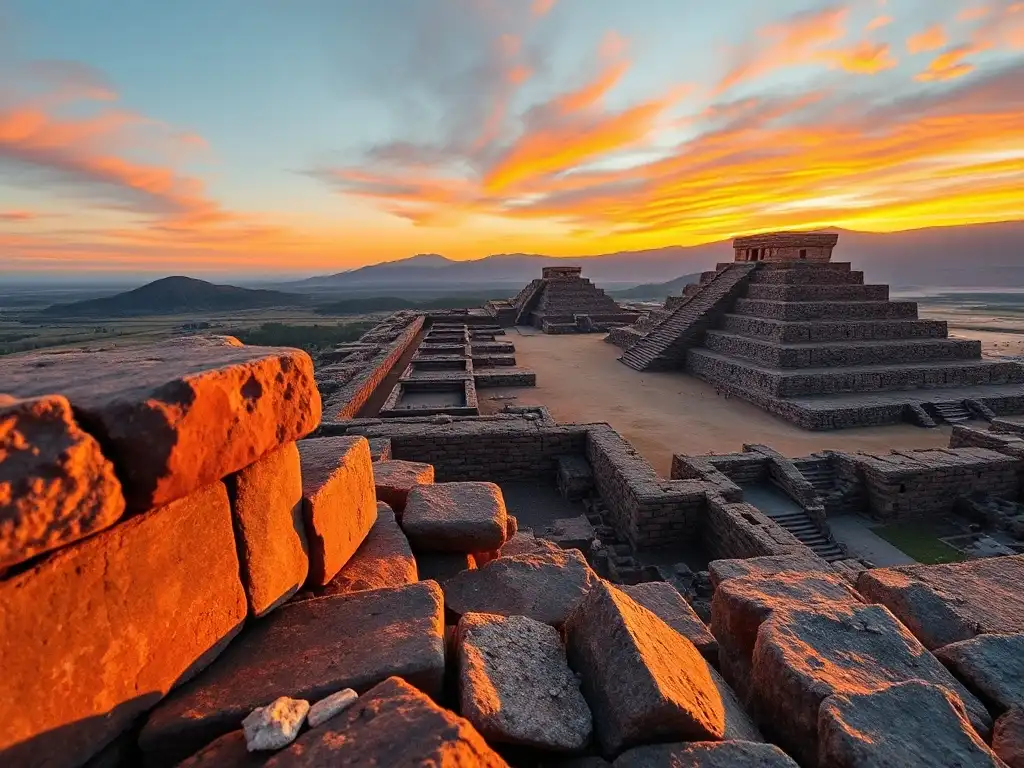
Step into a world lost to time, where towering structures whisper secrets of a vanished empire. Imagine the monumental task of constructing Tiahuanaco, a city that defied the Andes' harsh landscape. But what were its foundations? This journey into the heart of the Andean Civilizations unveils the astonishing story behind Tiahuanaco's building materials geology, revealing the ingenuity and profound understanding of the environment that enabled this remarkable civilization to flourish. Uncover the mysteries and prepare to be amazed.
The remarkable city of Tiahuanaco, a testament to the ingenuity of the pre-Columbian Andean civilizations, stands as a compelling example of sophisticated architecture and engineering. Its monumental structures, intricate carvings, and precise construction techniques have captivated researchers and historians for centuries. Understanding the geological context of the building materials used in Tiahuanaco is crucial to appreciating the scale of the undertaking and the civilization's mastery of resource management and construction.
This article delves into the specific geological origins of the stones used in Tiahuanaco's construction, analyzing their properties and the implications for the city's design and longevity. We will explore how the readily available geological resources shaped the architectural choices and technological innovations of the Tiahuanaco culture, ultimately contributing to the city's enduring legacy.
This exploration will shed light on the sophisticated understanding of geology and engineering possessed by the Tiahuanaco people, highlighting their remarkable achievements in the face of significant logistical and technical challenges. The analysis will focus on the "Tiahuanaco building materials geology" to provide a comprehensive understanding of this fascinating aspect of the civilization.
Sourcing of Andesite and its Properties
The most prominent building material used in Tiahuanaco is andesite, a type of extrusive igneous rock. Extensive quarries located near the city provided a readily available source of this durable material. Andesite's properties—its hardness, resistance to weathering, and relative ease of shaping—made it ideal for constructing the massive structures characteristic of Tiahuanaco.
Detailed analysis of the andesite samples reveals variations in mineralogical composition, suggesting the use of multiple quarries and potentially different geological formations. The selection process involved careful consideration of the rock's qualities, ensuring the structural integrity of the monumental architecture. Further research is needed to pinpoint the exact locations of all the quarries and to fully characterize the geological variations in the andesite used.
This would allow for a more precise understanding of the logistical challenges faced by the builders and their strategies to overcome them. The precise methods of extraction and transport remain a subject of ongoing investigation, adding to the intrigue surrounding this remarkable civilization.
Other Building Materials: Limestone and Sandstone
While andesite dominates the Tiahuanaco landscape, other materials played supporting roles in the city's construction. Limestone, a sedimentary rock, was used for smaller constructions and decorative elements. Its softer nature compared to andesite made it easier to carve and sculpt, allowing for intricate details and decorative features.
Similarly, sandstone, another sedimentary rock, was incorporated into various aspects of the construction, particularly where a less durable, more easily worked material was needed. The sourcing of these materials, while less prominent than the andesite quarries, still presents important questions regarding the logistical operations and resource management strategies employed by the Tiahuanaco builders. A detailed analysis of the provenance of these materials and their specific applications within the city's architecture is crucial to obtain a complete picture of the Tiahuanaco's building practices.
The Impact of Geological Factors on Architectural Design
The availability and properties of the local geological resources significantly influenced the architectural design choices in Tiahuanaco. The abundance of high-quality andesite led to the construction of massive, imposing structures. Conversely, the inclusion of limestone and sandstone reflects a pragmatic approach to material selection, utilizing different materials for different functions based on their respective properties.
The overall design and construction techniques demonstrate a sophisticated understanding of the strengths and weaknesses of each material, showcasing the builders' remarkable engineering skills and their ability to adapt to the available resources. The precise fit of the massive andesite blocks, for instance, indicates a sophisticated understanding of stone cutting and engineering principles, far exceeding what was previously believed possible for a pre-Columbian civilization. Further research is required to fully understand the relationship between the geological context and the overall urban planning of Tiahuanaco.
Technological Advancements in Stoneworking
The monumental structures of Tiahuanaco are a testament to the advanced stoneworking techniques employed by its builders. The precision with which the andesite blocks were cut, shaped, and fitted together suggests a mastery of stone-cutting tools and techniques. While the exact tools used remain a subject of debate, evidence suggests the use of sophisticated techniques involving copper and possibly other materials.
The ability to extract, transport, and precisely work such massive blocks of andesite represents a significant technological achievement, highlighting the advanced understanding of engineering and material science possessed by the Tiahuanaco people. Further investigation into the tools and techniques used in the construction of Tiahuanaco is crucial to fully appreciate the technological capabilities of this remarkable civilization. The ingenuity displayed in overcoming the challenges posed by the available materials and their processing is truly remarkable.
- Sourcing of Andesite and its Properties
- Other Building Materials: Limestone and Sandstone
- The Impact of Geological Factors on Architectural Design
- Technological Advancements in Stoneworking
- The Use of Sandstone and its Geological Origins
- Identifying Specific Sandstone Deposits utilized by Tiahuanaco builders
- The Role of Limestone and its Geological Properties
- Examining the Presence of Volcanic Tuff in Tiahuanaco Structures
- Identifying and Characterizing Other Sedimentary Rocks in Tiahuanaco Architecture
- Evaluating the Role of Limestone in Tiahuanaco Construction: A Preliminary Assessment
- What geological materials were primarily used in Tiahuanaco construction?
- How did the builders of Tiahuanaco acquire and transport these materials?
- What impact did the geology of the region have on Tiahuanaco's architectural style?
- Were there any challenges related to the geological context of the construction?
- How does studying the geology of Tiahuanaco's building materials contribute to our understanding of the civilization?
Understanding Tiahuanaco Architecture Through its Stone Sources
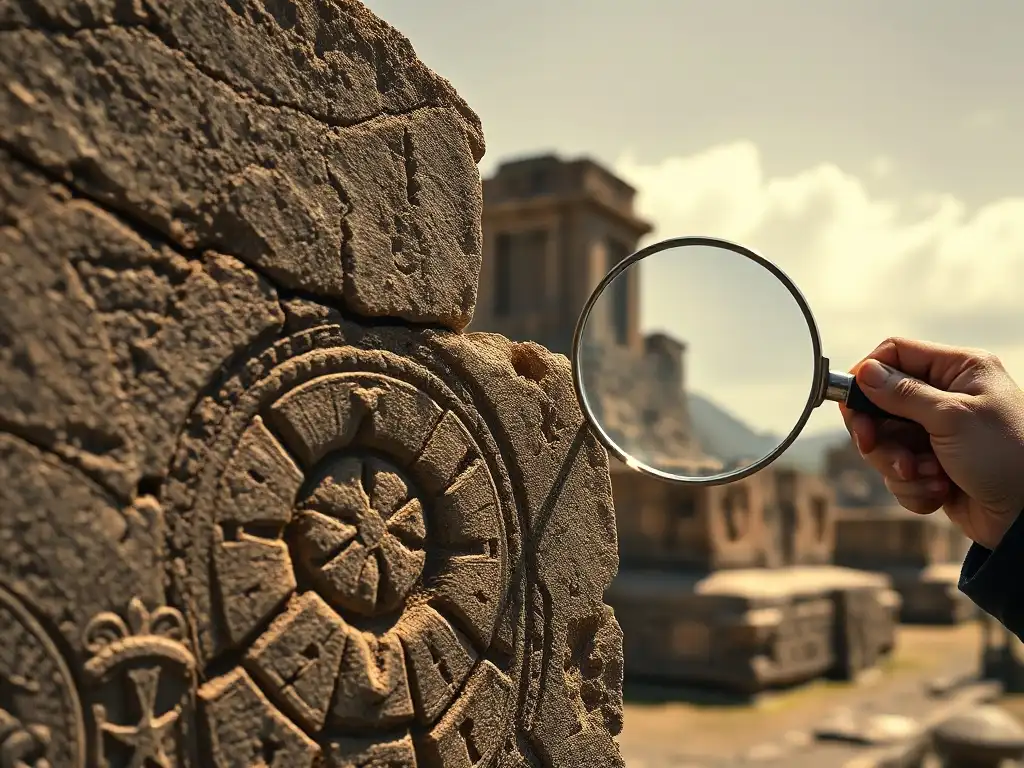
The imposing structures of Tiahuanaco, a pre-Columbian city in Bolivia, stand as a testament to the advanced engineering and architectural skills of its builders. But understanding the Tiahuanaco building materials geology is crucial to appreciating the full scope of their achievements. The city's monumental architecture wasn't simply a matter of design; it was deeply intertwined with the readily available geological resources of the surrounding landscape.
The careful selection and skillful manipulation of these materials reveal a sophisticated understanding of both engineering principles and the local environment. This section delves into the geological context of the stones used in Tiahuanaco's construction, highlighting the ingenuity and resourcefulness of its builders.
The strategic sourcing of these materials, often transported over significant distances, speaks volumes about the societal organization and logistical capabilities of the Tiahuanaco civilization. The very stones themselves whisper tales of the civilization's prowess and ingenuity, offering a unique perspective into their technological capabilities and their intimate connection with their natural surroundings.
The Importance of Geology in Tiahuanaco Construction
The geological context of Tiahuanaco's construction is paramount to comprehending the city's remarkable architecture. The choice of building materials wasn't arbitrary; it was a calculated decision based on the properties of the available stones and their suitability for specific architectural purposes. The builders demonstrated an impressive understanding of the strength, durability, and workability of different stone types.
For instance, the selection of harder stones for load-bearing walls and softer stones for intricate carvings showcases a sophisticated level of planning and execution. Moreover, the transportation of these stones from sometimes considerable distances underscores the logistical capabilities of the civilization, and the importance they placed on the quality and suitability of their building materials. The immense scale of Tiahuanaco's structures, such as the Kalasasaya complex and the Puerta del Sol, would have been impossible without a deep understanding of the geological resources at their disposal and a well-organized system for their acquisition and transport.
This careful consideration of geological factors played a crucial role in the city's longevity and architectural grandeur. Further research could potentially reveal even more nuanced aspects of this relationship between geology and construction.
The precise quantities of each stone type used remain an area requiring further investigation. Detailed analysis of the stone composition within various structures could shed more light on the builders' specific choices and the reasons behind them. Similarly, studying the quarries themselves could reveal valuable insights into the extraction processes and the scale of the operations. This interdisciplinary approach, combining archaeological investigation with geological analysis, offers a powerful method to gain a deeper understanding of Tiahuanaco's remarkable architectural heritage.
Identifying the Primary Stone Types Used in Tiahuanaco
Tiahuanaco's architecture primarily utilized three main types of stone: red sandstone, andesite, and a type of greywacke. The unique properties of each stone dictated its use in different parts of the construction.
- Red Sandstone: This relatively softer stone, readily available in nearby quarries, was frequently used for intricate carvings and decorative elements. Its softer texture made it easier to sculpt, allowing for the creation of the detailed reliefs seen on many Tiahuanaco structures, including the famous Puerta del Sol. The reddish hue also added a distinctive aesthetic element to the city's architecture.
- Andesite: A much harder and more durable volcanic rock, andesite was the primary choice for load-bearing walls and foundations. Its strength and resistance to weathering ensured the stability and longevity of the monumental structures. The use of andesite demonstrates the builders’ awareness of the importance of material strength in supporting the immense weight of the buildings. The precise source of the andesite used in Tiahuanaco's construction is a topic requiring further research to pinpoint the exact quarries used.
- Greywacke: This sedimentary rock, composed of cemented sand and gravel, was also used extensively in the construction of Tiahuanaco. While not as visually striking as the red sandstone or as strong as the andesite, greywacke provided a practical and readily available building material. Its use likely reflects a pragmatic approach to construction, utilizing readily available resources to supplement the other stone types. The proportion of greywacke used relative to the other stone types would benefit from further quantitative analysis.
The skillful combination of these three primary stone types—red sandstone for ornamentation, andesite for structural integrity, and greywacke for general construction—demonstrates a remarkable understanding of material properties and a sophisticated approach to construction techniques. The advanced level of planning and execution evident in Tiahuanaco's architecture highlights the impressive engineering and architectural capabilities of this ancient Andean civilization. Further research into the specific geological origins of these stones and their precise usage within individual structures promises to further enrich our understanding of Tiahuanaco building materials geology.
Andesite: The Predominant Building Material in Tiahuanaco
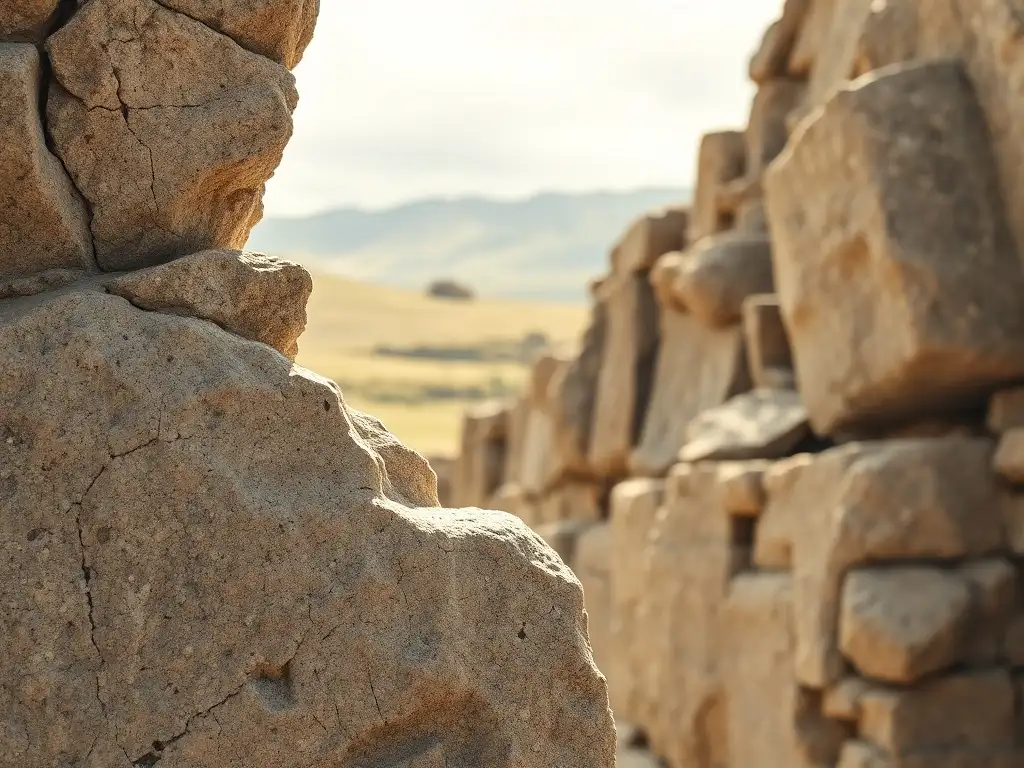
Andesite, a type of extrusive igneous rock, forms the backbone of Tiahuanaco's monumental architecture. Its prevalence in the city's structures—from the Kalasasaya platform to the Gate of the Sun—speaks volumes about its availability, workability, and durability in the challenging Andean environment. The choice of andesite wasn't arbitrary; it reflects a deep understanding of the local geology and its implications for construction by the Tiahuanaco people.
Understanding the geological context of this material is key to appreciating the sophistication of their engineering feats. The abundance of andesite in the region significantly influenced the city's design and scale, allowing for the creation of structures that have stood the test of time, albeit with significant weathering.
The geological properties of andesite directly impacted the construction techniques employed, a testament to the ingenuity of Tiahuanaco builders in adapting their methods to the available resources. This section will delve into the specific geological aspects of andesite's use in Tiahuanaco, focusing on its sourcing, properties, and processing.
Andesite Quarries Near Tiahuanaco: Geological Analysis
Identifying the precise locations of Tiahuanaco's andesite quarries remains a subject of ongoing research. However, geological surveys suggest several potential sources within a relatively close radius of the city. These quarries are likely characterized by specific andesite formations, exhibiting consistent mineralogical and textural properties that match the stones used in the city’s constructions. Petrographic analysis 1 of samples from Tiahuanaco's structures reveals a specific type of andesite, likely sourced from nearby volcanic formations. This analysis often includes identifying the presence of specific minerals like plagioclase feldspar and pyroxene, which are common in Andean andesite deposits. Furthermore, geochemical analysis can help pinpoint the origin of the andesite by comparing the isotopic ratios of various elements in the samples with those found in potential quarry sites. This detailed analysis is crucial for understanding the logistical challenges and resource management strategies employed by the Tiahuanaco civilization. The distance between the quarries and the city would have had significant implications for transportation and the organization of labor. Further research, including geophysical surveys and detailed mapping of the surrounding geology, is needed to fully elucidate the locations and extent of these ancient quarries. The absence of extensive quarrying scars near the city itself suggests sophisticated techniques or the use of already weathered outcrops.
1 Petrographic analysis involves the microscopic examination of thin sections of rock to determine its mineral composition and texture.
Characteristics of Andesite and its Suitability for Construction
The selection of andesite for construction wasn't accidental. Its inherent properties made it ideally suited for the demands of Tiahuanaco's monumental architecture. Andesite possesses several key characteristics that contributed to its widespread use:
- Durability: Andesite is known for its resistance to weathering and erosion, crucial for structures exposed to the harsh Andean climate. Its relatively high density and interlocking mineral structure provide considerable strength and longevity.
- Workability: While hard, andesite is also relatively workable, allowing for shaping and carving with the tools available to the Tiahuanaco people. The specific mineralogical composition and grain size of the Tiahuanaco andesite likely played a role in its ease of carving.
- Availability: The abundance of andesite in the vicinity of Tiahuanaco ensured a readily available supply of building material, minimizing transportation costs and logistical challenges.
- Aesthetics: The dark grey to dark brown color of the andesite, along with its potential for polishing, may have also contributed to its aesthetic appeal to the builders. The uniform color of many of the andesite blocks used adds to the visual impact of Tiahuanaco’s structures.
The combination of these properties made andesite an excellent choice for constructing the large, precisely fitted blocks that characterize Tiahuanaco's architecture. The successful use of this material highlights the builders’ intimate knowledge of the local geology and their ability to leverage its properties to achieve their architectural goals. Further research into the specific properties of the Tiahuanaco andesite, including its compressive strength and resistance to freeze-thaw cycles, would enhance our understanding of its suitability for construction in this environment.
Processing and Shaping Andesite Blocks in Tiahuanaco
The process of extracting, transporting, and shaping the massive andesite blocks used in Tiahuanaco remains a subject of fascination and ongoing research. Evidence suggests a sophisticated understanding of stone-working techniques. The precision of the cuts and the fit of the blocks in structures like the Kalasasaya platform point towards advanced tools and techniques. While the exact tools employed are still debated, it is likely that they included various types of hammers, chisels, and possibly abrasives. The process likely involved several stages:
- Quarrying: Blocks were likely extracted from the quarries using techniques involving wedges and hammers, potentially aided by fire-setting to create fissures in the rock. [Specific techniques used pending further research].
- Transportation: The transportation of these massive blocks over considerable distances required significant logistical planning and manpower. The exact methods of transport remain uncertain, but likely involved rollers, levers, and possibly ramps and sledges. [Detailed analysis of transportation methods pending].
- Shaping: Once transported, the blocks were shaped and finely fitted using advanced stone-working techniques. The precision of the cuts and the minimal use of mortar in many structures suggest a high level of skill and precision. [Further investigation into specific tool types and shaping methods is needed].
The remarkable precision achieved in shaping and fitting these blocks showcases the exceptional skill and organizational capacity of the Tiahuanaco builders. Further research incorporating experimental archaeology and detailed analysis of the stone tools and the wear patterns on the blocks themselves is needed to fully elucidate the techniques employed. The intricate details of these processes are vital to understanding the level of technological advancement within the Tiahuanaco civilization and their remarkable engineering achievements.
Other Lithic Materials Employed in Tiahuanaco Construction
The impressive architecture of Tiahuanaco wasn't solely reliant on the readily available andesite. While andesite formed the backbone of many monumental structures, a closer examination reveals a surprising diversity in the lithic materials employed, reflecting both the ingenuity of the builders and the geological richness of the surrounding landscape. Understanding the geological context of these supplementary materials enhances our appreciation for the sophisticated logistical operations and engineering skills required to construct this remarkable city.
The strategic selection of different stone types, each with unique properties, suggests a nuanced understanding of material science far beyond basic construction techniques. This section will explore some of these lesser-known, yet equally crucial, building materials.
The skillful integration of diverse lithologies showcases the Tiahuanaco builders’ mastery of stonework, contributing significantly to the city's enduring legacy. The study of these materials offers valuable insights into the Tiahuanaco's resource management and the broader geological context influencing their architectural choices.
The Use of Sandstone and its Geological Origins
Sandstone, a sedimentary rock composed primarily of sand-sized mineral grains, played a significant, albeit less prominent, role in Tiahuanaco construction. Unlike the volcanic andesite, sandstone is softer and easier to carve, making it suitable for certain architectural elements requiring more intricate detail or less structural integrity.
The specific geological origins of the sandstone utilized in Tiahuanaco require further investigation [specific information pending], but its presence suggests the builders sourced materials from locations beyond the immediate vicinity of the city, possibly from sedimentary basins located further afield. This necessitates a complex logistical network for the transportation and integration of this material into their construction projects.
The use of sandstone highlights the Tiahuanaco's adaptive approach to construction, demonstrating their capacity to utilize a range of materials to optimize their building techniques. The relatively softer nature of sandstone likely meant it was reserved for non-load-bearing elements, such as decorative panels or less structurally critical components of buildings.
Identifying Specific Sandstone Deposits utilized by Tiahuanaco builders
Pinpointing the exact geological source of the sandstone used in Tiahuanaco construction presents a significant challenge. Detailed petrographic analysis of sandstone samples from Tiahuanaco structures is crucial to identify the specific sedimentary formations from which the material originated. This analysis should focus on identifying the grain size distribution, mineralogical composition (including the presence of feldspars, quartz, and other minerals), and cementing agents.
By comparing these characteristics with known geological maps and sandstone deposits in the surrounding region, researchers can potentially trace the origin of the material. This research is vital for understanding the Tiahuanaco's procurement strategies and the extent of their resource network.
Further research is needed to determine if the sandstone was quarried locally or transported from more distant sources, potentially impacting our understanding of the city's trade networks and resource management practices. The identification of specific sandstone deposits will shed light on the geological landscape that shaped Tiahuanaco's architectural development.
The Role of Limestone and its Geological Properties
Limestone, a sedimentary rock composed primarily of calcium carbonate, represents another notable, though less frequently used, material in Tiahuanaco construction. While less common than andesite or even sandstone, its presence indicates a diversified approach to material selection. The specific geological formations yielding the limestone used by Tiahuanaco builders remain largely undocumented [specific information pending].
However, the presence of limestone suggests access to different geological environments beyond the volcanic formations that dominate the immediate surroundings. Limestone's properties, including its relative softness and its potential for carving intricate designs, might have made it suitable for specific decorative elements or for the creation of lime plaster, a common building material in many ancient civilizations.
The use of limestone in Tiahuanaco, even in limited quantities, expands our understanding of the diverse geological resources utilized by its builders and their sophisticated understanding of material properties and applications. The analysis of limestone samples from Tiahuanaco structures could reveal valuable information about the city's trade networks and the geographical extent of its resource exploitation.
Examining the Presence of Volcanic Tuff in Tiahuanaco Structures
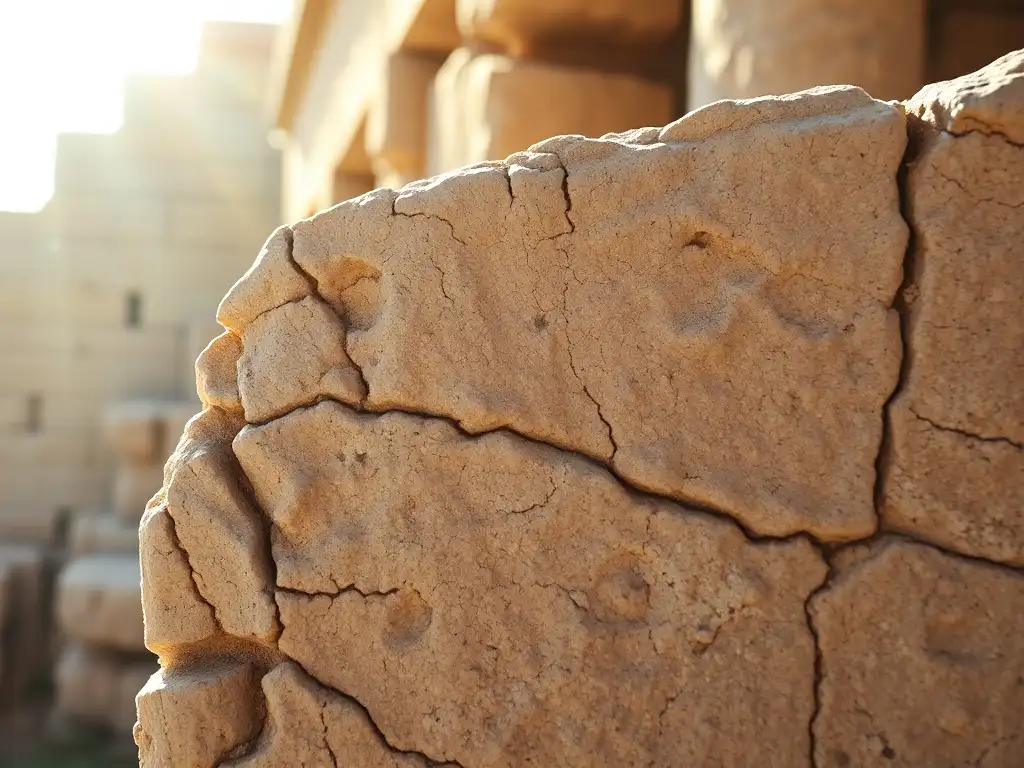
Volcanic tuff, a rock formed from consolidated volcanic ash and other pyroclastic materials, plays a significant, albeit less prominent, role in Tiahuanaco's construction compared to the more readily available andesite. Its use wasn't widespread, but its presence indicates a nuanced understanding of the available geological resources and their potential applications by the Tiahuanaco builders. The tuff likely originated from nearby volcanic formations, requiring transportation, though likely shorter distances than the andesite quarried further afield.
This suggests a tiered system of material selection, prioritizing readily accessible, high-quality andesite for major structures while employing tuff for secondary or less structurally demanding components. The precise geological composition of the tuff used at Tiahuanaco requires further analysis to definitively determine its specific volcanic source and its properties. However, microscopic examination of existing structures suggests a range of compositions, hinting at the possibility of sourcing from multiple, nearby volcanic deposits.
This variability in tuff composition might also explain its less widespread use compared to the more homogenous andesite. Further research focusing on isotopic analysis of the tuff samples could pinpoint its precise origin and contribute significantly to our understanding of Tiahuanaco's resource management strategies. Such analysis could reveal whether the selection of specific tuff deposits was based on factors like ease of access, workability, or specific desired properties.
The use of volcanic tuff also offers insights into the Tiahuanaco builders' technological capabilities. While andesite required sophisticated quarrying and shaping techniques, tuff, being generally softer and easier to work with, may have been chosen for specific applications where precise shaping was less critical. This could include infill material in walls, less visible architectural elements, or even for creating less structurally important features within the city.
The presence of tuff, therefore, is not merely a matter of using readily available materials; it represents a deliberate choice based on a practical understanding of the properties of different geological resources and the need to optimize construction efforts. Analyzing the distribution and application of tuff within various Tiahuanaco structures could reveal valuable information about the construction process and the allocation of labor. For instance, were different groups of workers assigned to handle different materials?
Did the use of tuff indicate a different construction phase or a shift in building priorities? These are all questions that require further investigation.
Identifying and Characterizing Other Sedimentary Rocks in Tiahuanaco Architecture
While andesite dominates Tiahuanaco's monumental architecture, a careful examination reveals the use of other sedimentary rocks, albeit in smaller quantities and often for less prominent elements. These materials, which may include various sandstones, siltstones, and even conglomerates, likely came from sources closer to the city than the andesite quarries. Their presence, though less significant in overall volume, adds to the complexity of Tiahuanaco's building materials and underscores the resourcefulness of its builders. Identifying the precise types of sedimentary rocks used requires detailed petrographic analysis of samples collected from various structures.
This analysis would help determine their provenance, geological origins, and the potential reasons for their selection in specific contexts. For instance, some softer sedimentary rocks might have been preferred for less structurally significant elements, such as decorative features or less exposed areas of walls. Their use could also reflect a strategy of utilizing readily available materials to reduce the transportation costs and effort associated with sourcing materials from more distant locations.
The relative scarcity of these sedimentary rocks compared to andesite suggests that they served a supplementary rather than a primary role in the city's construction. Further research into their distribution and use could shed light on the organization of the Tiahuanaco workforce and the management of different building materials. The integration of these varied materials into the monumental architecture of Tiahuanaco speaks to the sophisticated understanding of the local geology and the builders' ability to adapt construction techniques to the available resources.
Evaluating the Role of Limestone in Tiahuanaco Construction: A Preliminary Assessment
The presence of limestone in Tiahuanaco structures, though less extensively documented than other materials like andesite, deserves attention. While not a primary building material, limestone likely played a supporting role, potentially as a component in mortars or as filler in certain construction elements. Its use might have been dictated by availability and ease of processing. Unlike the harder andesite, limestone is relatively soft and easily workable, making it suitable for applications requiring less structural strength.
The precise geological source of this limestone and its specific applications within Tiahuanaco architecture remain largely unknown. Further investigation, including detailed petrographic analysis and isotopic tracing, is crucial to pinpoint the origin of the limestone and to understand its role in the construction process. This would allow researchers to determine if the limestone was sourced locally or transported from a more distant location.
Identifying the specific applications of limestone would provide insights into the construction techniques employed by the Tiahuanaco builders and their understanding of material properties. This could include its use as a component in plaster, as a filler material in mortar, or as a component in less structurally significant elements of the buildings. The limited evidence currently available suggests a supplementary role for limestone, but further research is needed to fully understand its significance in Tiahuanaco's construction practices.
Geological Analysis of Tiahuanaco's Stone Sourcing Strategies
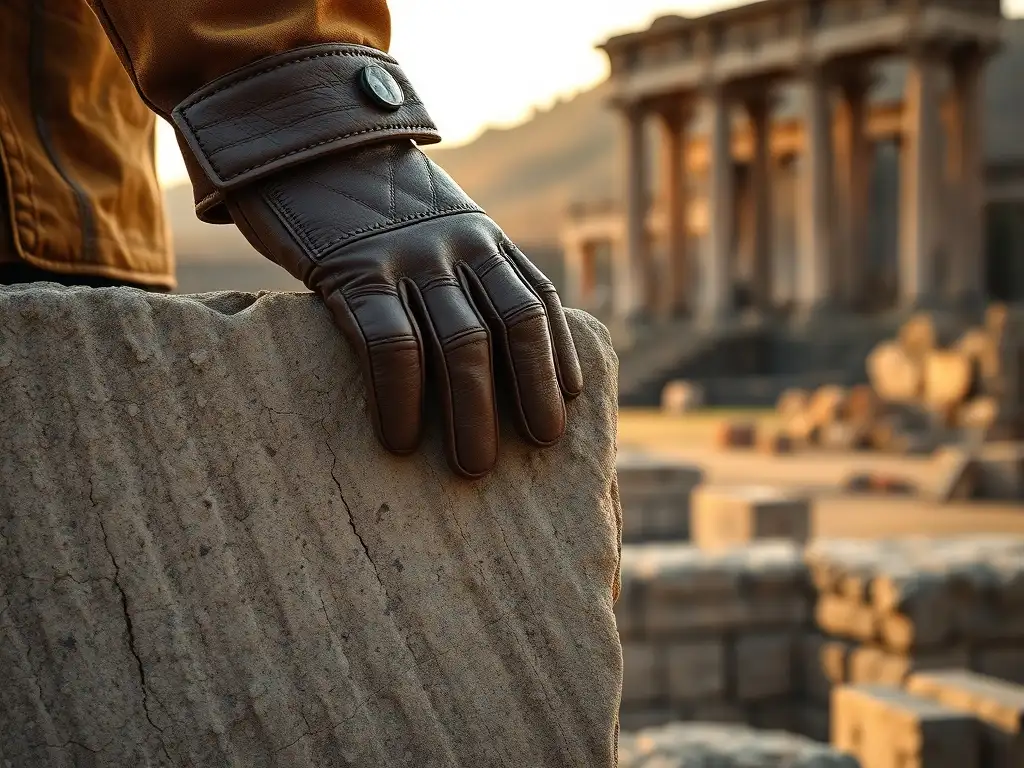
The remarkable architecture of Tiahuanaco stands as a testament to the ingenuity of its builders, but understanding its construction requires examining the geological context of its building materials. Tiahuanaco's structures weren't simply erected; they were meticulously planned, utilizing a diverse range of stones sourced from specific geological locations. This strategic sourcing reflects a sophisticated understanding of the region's geology and its impact on the properties of the stones themselves. The primary building materials—red sandstone, andesite, and various other volcanic rocks—were not uniformly distributed.
Their procurement involved considerable logistical planning and effort, highlighting the advanced organizational capabilities of the Tiahuanaco civilization. The choice of specific stone types wasn't arbitrary; it was dictated by factors such as durability, workability, and aesthetic appeal. Analysis of the stone's mineralogical composition, texture, and weathering patterns provides crucial insights into the selection criteria and the overall construction process.
Further research, including isotopic analysis of the stones, could reveal even more precise sourcing locations and potentially shed light on trade networks and resource management practices. This detailed understanding of the geological origins of Tiahuanaco's building materials significantly enhances our appreciation of the civilization's engineering prowess and societal organization. Understanding the Tiahuanaco building materials geology is key to understanding the civilization itself.
Mapping Stone Quarries and their Distances from Tiahuanaco
Pinpointing the exact locations of Tiahuanaco's stone quarries remains a challenge, hampered by the lack of detailed historical records and the extensive weathering and erosion that has occurred over millennia. However, geological surveys and analysis of the stone types used in Tiahuanaco structures have allowed researchers to identify potential source areas within a relatively circumscribed radius. Preliminary studies suggest that red sandstone, a prominent material in many Tiahuanaco structures, may have been quarried from locations relatively close to the city, possibly within a 10-20 kilometer radius.
This proximity would have reduced transportation costs and time. In contrast, the andesite, a harder and more durable volcanic rock, likely originated from more distant quarries, potentially requiring significantly more effort in transportation. The distances involved varied greatly depending on the specific type of stone.
Future research employing advanced geological mapping techniques, such as remote sensing and geophysical surveys, could significantly improve our understanding of the precise locations and extents of these ancient quarries. This work is crucial to fully appreciate the logistical challenges overcome by Tiahuanaco builders. Mapping these quarries will provide a more complete picture of the Tiahuanaco building materials geology.
Transportation Methods of Building Materials in Ancient Tiahuanaco
The transportation of massive stone blocks over considerable distances presents a significant logistical puzzle. Given the lack of wheeled vehicles in pre-Columbian Andean societies, the Tiahuanaco people relied on human and animal power to move these materials. Evidence suggests the use of llama caravans for shorter distances, while larger stones may have been transported using a combination of rollers, ramps, and levers, possibly aided by systems of ropes and pulleys.
The precise techniques remain debated, but the sheer scale of the construction suggests a highly organized and efficient system. The challenges presented by the terrain, including steep slopes and rough pathways, would have demanded considerable planning and manpower. The presence of well-defined pathways and potential temporary settlements along transport routes could provide further evidence of these logistical strategies.
Understanding these transportation methods is essential to comprehending the engineering and organizational capabilities of the Tiahuanaco civilization. Further research could involve detailed analysis of potential transport routes and examination of archaeological evidence for tools and infrastructure related to stone transportation. This sheds more light on Tiahuanaco building materials geology and its impact on the civilization.
The Impact of Geology on the Scale and Style of Tiahuanaco Architecture
The availability and properties of different stone types significantly influenced the scale and stylistic features of Tiahuanaco architecture. The use of readily available red sandstone for less structurally demanding elements allowed for greater flexibility in design and ornamentation. The incorporation of harder, more durable andesite in key structural components, such as door jambs and corners, reflects a conscious choice to maximize the longevity and stability of the structures.
The contrasting textures and colors of the different stone types also contributed to the aesthetic appeal of Tiahuanaco buildings. The careful selection and placement of stones, based on their geological properties, allowed the builders to create impressive monumental structures. The limitations imposed by the availability of specific stone types may have also constrained certain aspects of architectural design.
For example, the absence of easily quarried large blocks of certain types of stone might have influenced the overall dimensions and proportions of some buildings. This interplay between geology and architecture underscores the close relationship between the natural environment and the cultural achievements of the Tiahuanaco civilization. Analyzing the relationship between material availability and architectural style provides a deeper understanding of the Tiahuanaco building materials geology and its influence on the civilization’s development.
The Geological Context and Preservation of Tiahuanaco's Stone Structures
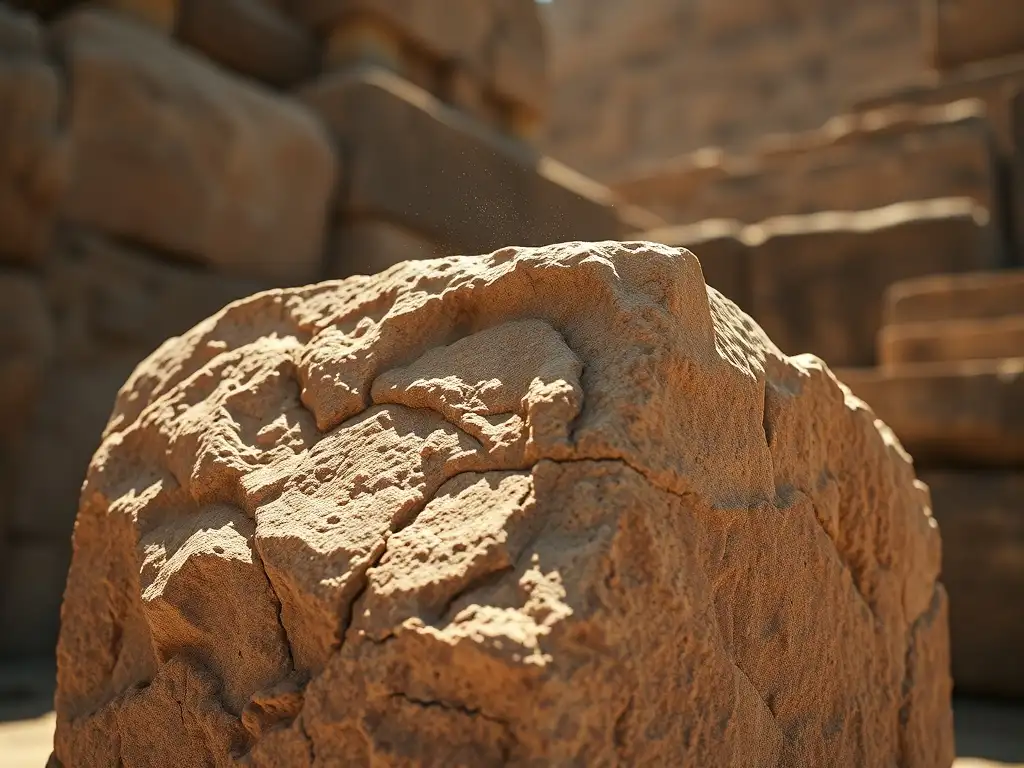
The remarkable architecture of Tiahuanaco stands as a testament to the ingenuity of its builders, but its longevity is inextricably linked to the geological context in which it was constructed. Understanding the geology of the region is crucial to comprehending both the selection of building materials and the ongoing challenges of preservation. Tiahuanaco's monumental structures, primarily constructed from andesite, are a direct product of the readily available geological resources surrounding Lake Titicaca.
The specific type of andesite used, its inherent properties, and the geological processes that shaped it all play a significant role in the site's current state and future conservation efforts. This section will delve into the specific geological factors affecting the preservation of this ancient city, focusing on the interplay between the stone's composition, the local climate, and ongoing conservation strategies. The keyword "Tiahuanaco building materials geology" is central to this analysis.
How Geology Influences the Weathering and Erosion of Tiahuanaco's Monuments
The andesite used in Tiahuanaco's construction, while durable, is not impervious to the effects of weathering and erosion. The high altitude, intense solar radiation, and freeze-thaw cycles characteristic of the Altiplano region contribute significantly to the degradation of the stone. The specific mineralogical composition of the andesite influences its susceptibility to these processes.
For example, the presence of certain minerals can lead to differential weathering, creating weaknesses and fractures in the stone. This is particularly evident in areas exposed to prolonged periods of intense sunlight and rainfall. The combination of physical weathering (freeze-thaw) and chemical weathering (oxidation and dissolution of minerals) leads to gradual surface deterioration, loss of detail in carvings, and potential structural instability.
Detailed petrographic analyses of the andesite samples from different parts of the site would reveal the precise mineralogical composition and its contribution to weathering patterns. Furthermore, understanding the micro-structural properties of the stone, such as porosity and grain size, is essential for predicting future deterioration rates. This information is crucial for developing effective conservation strategies.
The Geological Factors Affecting the Long-Term Stability of Tiahuanaco
The long-term stability of Tiahuanaco's structures is not solely dependent on the properties of the andesite itself. Geological factors such as seismic activity, ground movement, and the presence of groundwater also play a significant role. The Altiplano is a seismically active region, and past earthquakes may have caused subtle shifts and stresses within the foundations of the monuments.
These stresses, combined with the effects of weathering, could contribute to cracking and instability. The presence of groundwater can also be detrimental, especially if it interacts with the minerals in the andesite, leading to chemical changes that weaken the stone. Careful geological surveys, including geophysical investigations and ground-penetrating radar studies, are needed to assess the current state of the foundations and identify potential geological hazards.
Such studies would provide crucial data for developing effective strategies to mitigate these risks and ensure the long-term preservation of Tiahuanaco's architectural heritage. Understanding the subsurface geology is paramount for informed conservation planning.
Modern Geological Studies Contributing to the Conservation of Tiahuanaco
Modern geological studies are increasingly being integrated into the conservation efforts at Tiahuanaco. These studies utilize advanced techniques such as petrographic analysis, geochemistry, and geophysical surveys to provide a detailed understanding of the building materials and the geological context. This information is then used to inform the development of appropriate conservation strategies.
For example, detailed petrographic analyses can help identify the most vulnerable areas of the monuments, guiding targeted interventions. Geochemical studies can help determine the composition of the weathering products and understand the chemical processes involved in the degradation of the stone. This knowledge is essential for developing effective cleaning and consolidation techniques.
Furthermore, geophysical surveys can help identify potential subsurface hazards and inform the design of foundation stabilization measures. The integration of geological expertise in conservation planning is crucial for ensuring the long-term preservation of this invaluable archaeological site. The ongoing research using modern geological techniques provides a scientific basis for informed decision-making in the conservation of Tiahuanaco's unique architectural legacy.
Tiahuanaco Building Materials Geology: A Synthesis
This section delves into the geological context of the materials used in the construction of Tiahuanaco, a remarkable feat of Andean engineering. Understanding the geological sources of these materials is crucial to appreciating the technological prowess and logistical capabilities of the Tiahuanaco culture. The city's builders demonstrated a sophisticated understanding of their environment, strategically sourcing materials optimized for their specific architectural needs.
This analysis explores the connection between the readily available geological resources and the impressive structures that define Tiahuanaco's legacy. The study of Tiahuanaco building materials geology provides invaluable insights into the civilization's resource management, technological innovation, and overall societal organization. This integrated approach allows us to move beyond simply identifying the materials and delve into the complexities of their procurement, processing, and utilization.
Connecting Geological Resources to Tiahuanaco's Technological Prowess
Tiahuanaco's monumental architecture is a testament to the civilization's advanced technological capabilities. The careful selection and skillful manipulation of building materials are key to understanding their engineering achievements. The primary building stone, andesite, was sourced from nearby quarries, requiring significant organizational effort for extraction, transport, and precise cutting.
The availability of high-quality andesite within a reasonable distance of Tiahuanaco facilitated large-scale construction projects. Evidence suggests that the Tiahuanaco people possessed advanced stone-cutting tools and techniques, enabling them to create precisely fitted blocks for their monumental structures. This precision is evident in the intricate joints and minimal mortar used in many structures.
Furthermore, the use of different types of andesite, possibly chosen for specific properties like strength or durability, points to a nuanced understanding of material science. Beyond andesite, other materials like clay for bricks and adobe were locally sourced, reflecting an efficient and sustainable approach to construction. This efficient resource management, coupled with advanced construction techniques, exemplifies Tiahuanaco's remarkable technological prowess.
The Geological Legacy of Tiahuanaco's Architectural Achievements
The enduring legacy of Tiahuanaco's architecture is inextricably linked to the geological properties of its building materials. The choice of andesite, a volcanic rock known for its strength and durability, ensured the longevity of the structures. This selection wasn't arbitrary; it demonstrates a deep understanding of the material's properties and its suitability for resisting the region's climatic conditions.
The meticulous craftsmanship, combined with the inherent strength of the andesite, contributed to the survival of many structures for centuries. The geological composition of the andesite itself—its resistance to weathering and erosion—played a significant role in preserving the architectural marvels of Tiahuanaco. Analyzing the geological composition of the stones provides crucial data for conservation efforts, helping to understand the degradation processes and develop effective preservation strategies.
The geological legacy is not simply about the materials themselves, but also about the knowledge and skill employed in their manipulation, reflecting the civilization's sophisticated understanding of both geology and engineering. This sophisticated understanding is further evidenced by the careful selection of quarries and the management of resource extraction.
Future Research Directions in Tiahuanaco Building Materials Geology
Future research should focus on several key areas to further illuminate the geological context of Tiahuanaco's building materials. Detailed petrographic analysis of the andesite samples from various structures could reveal subtle variations in composition and potentially identify specific quarries used for different parts of the city. Isotopic analysis could trace the origin of the materials with greater precision, clarifying the extent of the Tiahuanaco's resource network.
Furthermore, studying the tools and techniques used in quarrying, transporting, and shaping the stones could shed light on the technological advancements of the civilization. A multidisciplinary approach, incorporating geological, archaeological, and anthropological perspectives, is essential for a comprehensive understanding. Investigating the impact of environmental factors, such as weathering and seismic activity, on the long-term durability of the structures is also crucial.
Finally, comparative studies with other Andean civilizations could provide a broader understanding of the region's building traditions and the unique aspects of Tiahuanaco's approach to material selection and construction. This comprehensive research will significantly enhance our understanding of Tiahuanaco's technological achievements and its place within the broader context of Andean civilization.
Frequently Asked Questions
What geological materials were primarily used in Tiahuanaco construction?
Tiahuanaco structures predominantly utilized andesite, a type of volcanic rock, readily available in the surrounding Altiplano region. Other materials included mud brick and limestone, depending on the specific structure and its purpose.
How did the builders of Tiahuanaco acquire and transport these materials?
The proximity of andesite quarries facilitated acquisition. Transportation likely involved human and animal labor, utilizing various techniques adapted to the challenging Andean terrain. The scale of transport was significant, reflecting the civilization's organizational capabilities.
What impact did the geology of the region have on Tiahuanaco's architectural style?
The availability of andesite significantly influenced the monumental architecture of Tiahuanaco. The stone's durability and workability allowed for the creation of precisely cut and fitted blocks, characteristic of Tiahuanaco's impressive structures.
The high altitude and challenging terrain presented significant obstacles. Quarrying, transporting, and working with large andesite blocks in such conditions required considerable engineering skill and manpower. Weathering and erosion of the materials also posed long-term challenges.
How does studying the geology of Tiahuanaco's building materials contribute to our understanding of the civilization?
Analyzing the source and type of building materials provides insights into Tiahuanaco's resource management, trade networks, and technological capabilities. It also helps us understand the environmental context shaping their development and societal organization.
Final Reflection: Tiahuanaco's Legacy in Stone
The meticulous sourcing and masterful manipulation of Andean geology by the Tiahuanaco civilization remain a testament to their ingenuity and profound understanding of their environment. This sophisticated approach to construction, detailed throughout this article, offers a compelling case study in sustainable building practices and resource management, lessons that resonate powerfully in our current era of environmental concern. The choices made by the Tiahuanaco builders, driven by both practicality and a deep connection to their land, continue to inspire awe and offer valuable insights for modern architects and engineers.
The enduring impact of Tiahuanaco's building techniques extends far beyond the impressive ruins themselves. Their ability to identify, extract, and utilize specific geological formations speaks to a level of societal organization and technological advancement that deserves continued study. The very stones themselves whisper tales of a civilization deeply intertwined with its landscape, a connection that feels increasingly precious in our increasingly disconnected world. The past is never dead. It's not even past.
- William Faulkner. This quote perfectly encapsulates the ongoing relevance of understanding Tiahuanaco's material choices, as they continue to inform our understanding of past societies and challenge our present-day practices.
Consider, for a moment, the implications of Tiahuanaco's resourcefulness. How can we, in our own lives, strive for a more sustainable and responsible approach to resource management, mirroring the ingenuity and foresight of this ancient civilization? Let the legacy of Tiahuanaco's stone inspire you to seek out sustainable solutions in your own sphere of influence, whether it's in your home, your community, or your profession. By understanding the past, we can build a more responsible and resilient future.
Uncover the Mysteries of Tiahuanaco Today!
Thank you for exploring the fascinating world of Tiahuanaco and its remarkable building materials! We hope you've gained valuable insights into the geological factors that shaped this ancient civilization's architecture. Now, let's put that knowledge to good use!
Here are some exciting ways to continue your journey:
- **Deepen your understanding** of Tiahuanaco's history by visiting a local museum or exploring online resources dedicated to Andean civilizations.
- **Connect with fellow enthusiasts** by joining online forums or discussion groups focused on ancient architecture and South American history.
- **Share your newfound knowledge** with friends and family—spark a conversation about the innovative techniques employed by the people of Tiahuanaco!
What aspect of Tiahuanaco's engineering most captivates you, and how might it influence your own creative endeavors?