
Beyond the Blocks: The Advanced Stone Cutting Techniques of Tiahuanaco

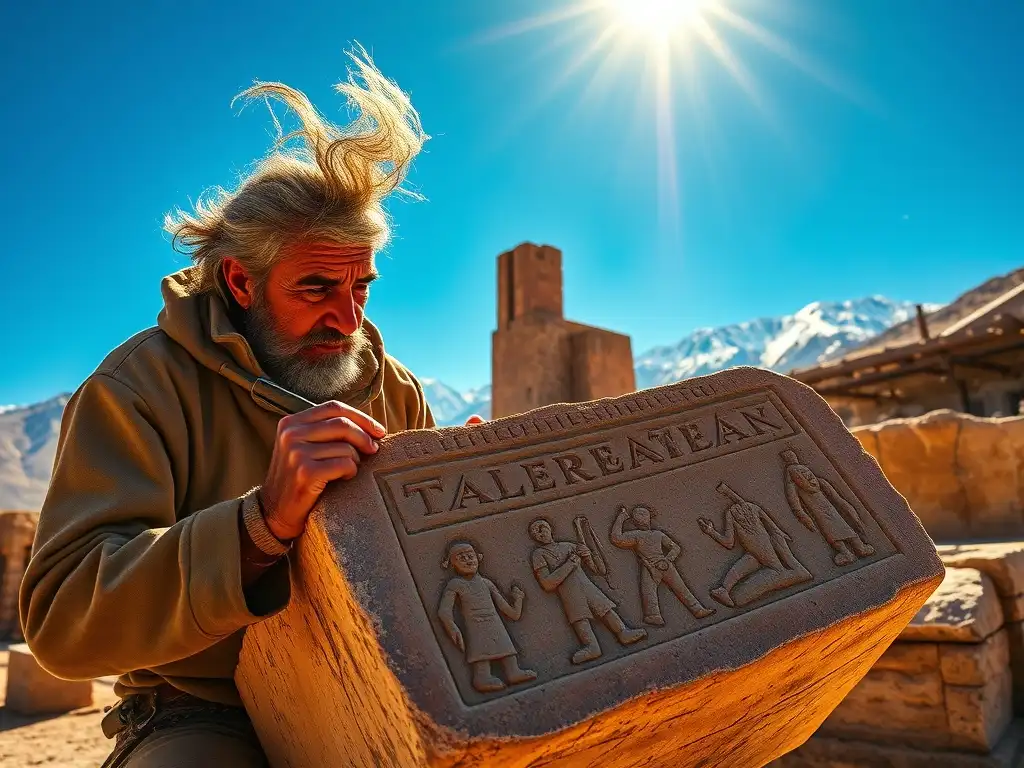
Welcome, explorer! Prepare to journey into the heart of the Andes, a land teeming with mysteries and marvels. For centuries, the ingenuity of ancient civilizations like the Incas, Moche, and Nazca has captivated the world, but the secrets of Tiahuanaco remain particularly elusive. This journey begins with uncovering the astonishing Tiahuanaco stone carving techniques, a feat of engineering that continues to baffle modern experts. Dare to delve deeper and unravel the enigma of their unparalleled craftsmanship? Let's begin...
The city of Tiahuanaco, a pre-Columbian archaeological marvel located on the shores of Lake Titicaca in modern-day Bolivia, stands as a testament to the advanced engineering and architectural skills of its builders. This ancient civilization, flourishing between approximately 500 and 1200 CE, left behind a legacy of monumental structures crafted from massive blocks of stone, perfectly fitted together with a precision that continues to baffle modern engineers and archaeologists.
This article delves into the fascinating world of Tiahuanaco's stone cutting techniques, exploring the methods employed to achieve such breathtaking feats of engineering and the enduring mysteries surrounding this remarkable civilization's technological prowess. We will examine the scale of the undertaking, the tools potentially used, and the lasting impact of their mastery of stonework on our understanding of Andean engineering.
Understanding these techniques provides crucial insight into the social organization, resource management, and overall sophistication of the Tiahuanaco culture, solidifying its place as a significant contributor to the rich tapestry of Andean civilizations. The exploration of "Tiahuanaco stone carving techniques" reveals not only impressive craftsmanship but also hints at a complex societal structure capable of mobilizing resources and expertise on an unprecedented scale.
Introduction to Tiahuanaco's Engineering Prowess
Tiahuanaco's architectural achievements are truly awe-inspiring. The site boasts structures of immense size and complexity, built using colossal blocks of andesite, a hard volcanic rock, weighing many tons. These blocks were precisely cut, transported over significant distances, and fitted together with minimal mortar, showcasing an unparalleled understanding of stonework.
The precision of the cuts is remarkable; many blocks interlock with such accuracy that even a thin blade cannot be inserted between them. This level of precision is particularly evident in the construction of the Kalasasaya, the Akapana pyramid, and the Gate of the Sun, all showcasing the advanced knowledge of geometry, mathematics, and engineering possessed by the Tiahuanaco people. The sheer scale of the undertaking—quarrying, transporting, and assembling these massive stones—suggests a highly organized society with a sophisticated understanding of logistics and labor management.
The meticulous nature of the stonework points to a deep-seated cultural significance attached to the construction process itself, exceeding mere functionality and hinting at a complex cosmology. Further research is needed to fully understand the exact methods used for transporting these enormous stones, with hypotheses ranging from ramps and rollers to the utilization of waterways. The mystery surrounding these techniques continues to fuel ongoing research and debate among archaeologists and engineers alike.
Understanding Tiahuanaco's Monumental Scale
The monumental scale of Tiahuanaco's structures is a key aspect of its engineering prowess. Consider the Akapana pyramid, for instance. This massive structure, originally much larger than it is today, demonstrates the Tiahuanaco's capability to manage colossal amounts of stone. The precise cutting and placement of each block, even in the remaining sections, highlight the sophisticated understanding of geometry and engineering needed for such a project.
The sheer volume of material involved, combined with the precision of its execution, underscores the significant manpower and organizational capacity of the Tiahuanaco civilization. Evidence suggests that the construction involved intricate planning and a highly structured workforce, capable of coordinating the efforts of numerous individuals over extended periods. The precise calculations and execution involved in the construction of such monuments also speak to the advanced mathematical knowledge of the Tiahuanaco people, who clearly possessed a profound understanding of geometry and measurement.
Furthermore, the durability of the structures, many of which have withstood the test of time for centuries, is a testament to the quality of the stonework and the understanding of structural integrity. The scale of the undertaking, coupled with the precision of execution, continues to defy easy explanation and inspire further investigation into the methods and organization behind this impressive feat of ancient engineering. Detailed analysis of the remaining structures, combined with ongoing archaeological excavations, promises to further illuminate the secrets of Tiahuanaco's remarkable stone-cutting techniques.
The Mastery of Stone Carving in Tiahuanaco
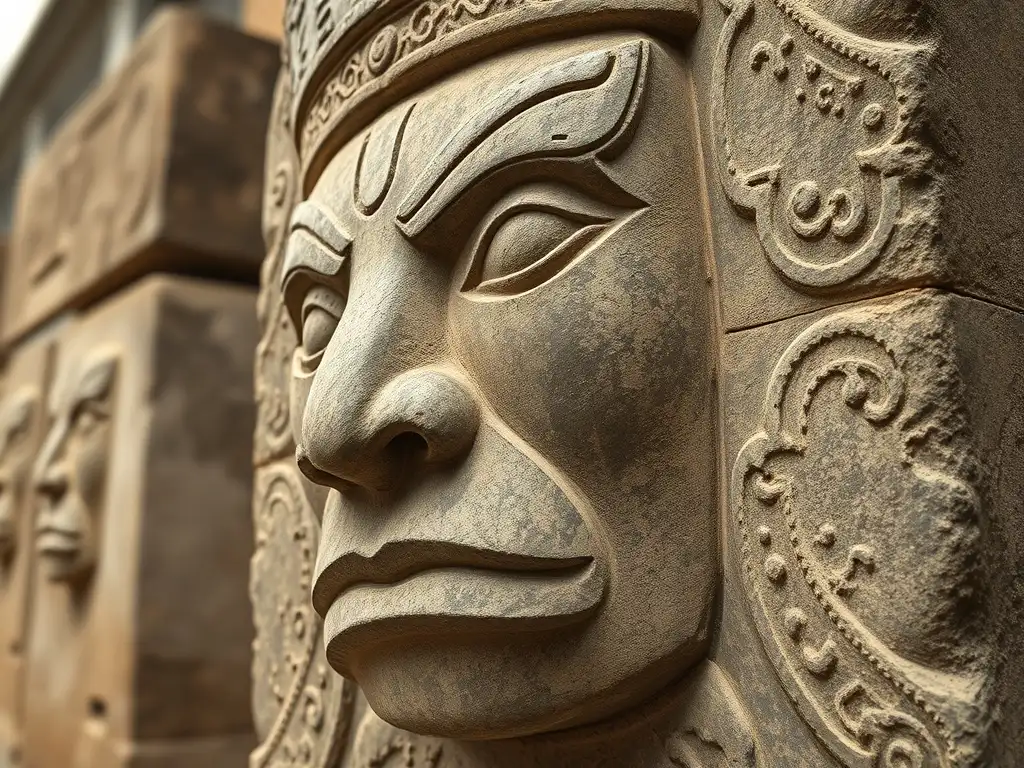
The Tiahuanaco civilization, flourishing in the Bolivian Altiplano between 500 and 1000 CE, left behind a remarkable legacy of monumental architecture. Their mastery of stone carving is particularly striking, evident in the incredibly precise fitting of massive blocks in structures like the Kalasasaya and Akapana. This wasn't simply rough-hewn stonework; it represents a sophisticated understanding of stone manipulation, far surpassing the capabilities of many contemporary societies.
The Tiahuanaco artisans displayed an unparalleled level of skill in shaping and joining colossal blocks of andesite, a notoriously hard volcanic rock. The incredibly tight fits, often with no mortar used, demonstrate a profound knowledge of engineering and an impressive level of precision in their stone carving techniques. This section delves into the intricacies of their methods, revealing the ingenuity and advanced technology employed by these ancient master stoneworkers.
Understanding their techniques provides valuable insight into the organization, resources, and technological prowess of the Tiahuanaco civilization. The precision and scale of their work continue to inspire awe and wonder, making the Tiahuanaco stone carving techniques a significant area of study for archaeologists and engineers alike. The legacy of these techniques continues to influence modern approaches to stonework and construction.
Precision in Tiahuanaco's Stone Masonry
The precision of Tiahuanaco stone masonry is breathtaking. Blocks of andesite, some weighing many tons, were cut, shaped, and fitted together with astonishing accuracy. The joints between the stones are often so tight that a knife blade cannot be inserted. This level of precision wasn't achieved through chance or rudimentary methods. It implies the use of advanced tools and a highly organized workforce.
Archaeological evidence suggests that the Tiahuanaco artisans employed sophisticated techniques, possibly including prefabrication and the use of templates to ensure consistent dimensions and precise alignment. Consider the Puerta del Sol (Sun Gate), a massive stone structure adorned with intricate carvings. The precision of the carvings, the seamless joining of the blocks, and the overall structural integrity are testaments to their advanced understanding of stone manipulation. Furthermore, the ability to transport and erect these massive blocks across challenging terrain speaks volumes about their engineering skills and organizational capabilities.
The sheer scale and precision of the Tiahuanaco stonework challenge our understanding of ancient Andean technology and demonstrate a level of sophistication previously underestimated. Analyzing the tolerances between stones reveals remarkable consistency, suggesting a standardized approach to their construction. The meticulousness of their work is not only a testament to their skill but also highlights the importance of these structures within their society. It suggests a highly organized and specialized workforce, dedicated to the precise execution of these monumental projects.
Identifying the Tools Used by Tiahuanaco Stone Workers
Identifying the exact tools used by Tiahuanaco stone workers remains a subject of ongoing research. However, based on analysis of the stonework itself and comparisons with other ancient Andean cultures, several possibilities emerge. It is highly probable that they employed a combination of stone hammers, chisels, and abrasives. The smooth, precisely cut surfaces of many stones suggest the use of fine-grained abrasives, perhaps volcanic tuffs or even quartz sand, to refine the surfaces after initial shaping with coarser tools. The presence of distinctive tool marks on some stones offers clues about the techniques used.
These marks, often microscopic, can reveal information about the type of tools and the methods employed. Furthermore, the discovery of potential workshops near Tiahuanaco sites could provide further evidence. These workshops might contain discarded tools or remnants of the manufacturing process. The absence of widespread evidence of metal tools suggests that they primarily relied on stone and possibly other materials like wood or bone for their tools.
Analyzing the wear patterns on the stones themselves can also provide insights into the types of tools used and the pressures applied during the carving process. Further research, including detailed microscopic analysis and experimental archaeology, is crucial for a more comprehensive understanding of their tool kit and the techniques they employed to achieve such remarkable precision in their Tiahuanaco stone carving techniques. The ongoing investigation continues to reveal new details about the ingenuity and technological capabilities of this remarkable civilization. The discovery of new evidence will further refine our understanding of these fascinating ancient practices.
Key Tiahuanaco Stone Cutting Techniques
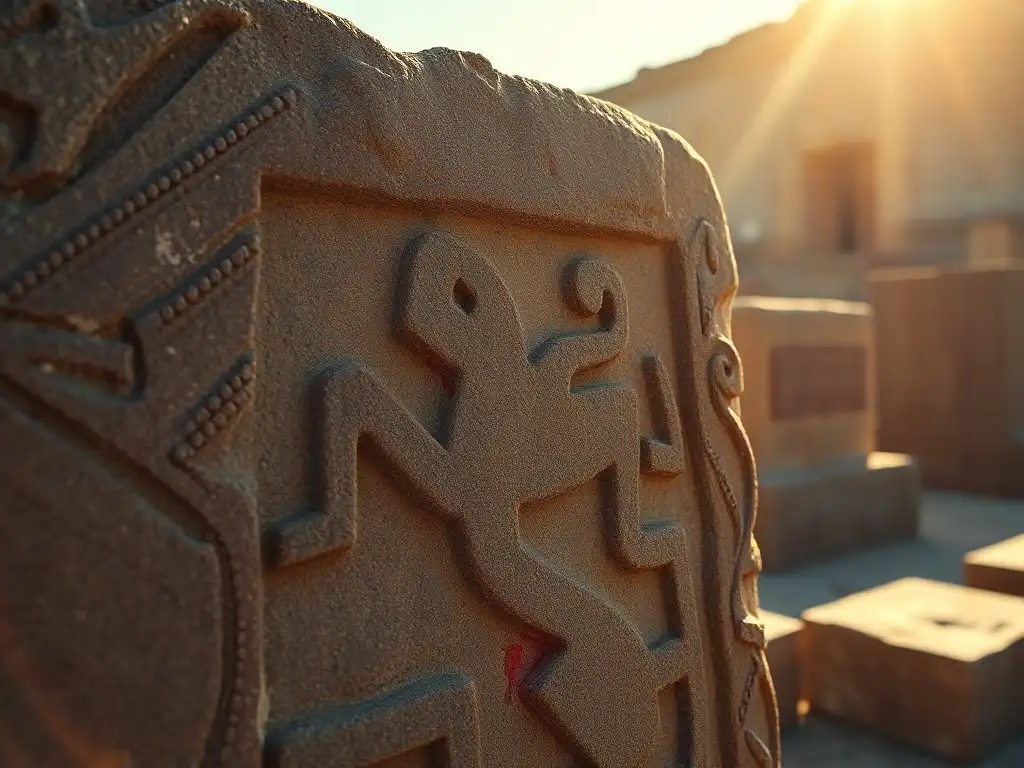
The remarkable precision and scale of Tiahuanaco's stonework have captivated researchers for centuries. The city's monumental structures, crafted from incredibly hard andesite, stand as a testament to the advanced stone cutting techniques employed by its builders. Understanding these techniques provides crucial insights into the ingenuity and sophisticated technology of the Tiahuanaco civilization.
This section delves into the key methods likely used, considering the available evidence and ongoing research into Tiahuanaco stone carving techniques. The sheer scale of the project, involving the precise cutting and placement of massive blocks, suggests a highly organized workforce and advanced planning.
The absence of metal tools in the archaeological record initially posed a puzzle, but analysis of the stone surfaces and the types of tools discovered points to a sophisticated combination of techniques. The mastery of these techniques allowed for the creation of structures that have withstood the test of time, a feat of engineering and artistry that continues to inspire awe.
Shaping Andesite: Techniques for Working Hard Stone
Andesite, the primary building material of Tiahuanaco, is an extremely hard volcanic rock. Shaping such a material with the technology available to the Tiahuanaco people presents a significant challenge. Archaeological evidence suggests a multi-stage process. It's likely that initially, large blocks of andesite were detached from the quarry using techniques like fire-setting, where controlled fires were used to weaken the rock along fracture lines.
This would be followed by the initial shaping of the blocks using hard stone hammers and possibly basalt pounders. The surfaces would then be meticulously refined using abrasive materials like sand and water, a process that would have involved considerable time and effort. The smoothness and precision of many Tiahuanaco stone surfaces suggest a final polishing stage, possibly using finer abrasives such as volcanic ash.
The exact sequence and specific tools employed remain subjects of ongoing research and debate among specialists in Tiahuanaco stone carving techniques. Further investigation into quarry sites and tool analysis is needed to fully understand the complete process. The precision achieved is astonishing, and the level of skill required is evident in the remarkably flat and straight surfaces of many blocks.
The Art of Creating Precise Joints in Tiahuanaco Architecture
The intricate fitting of Tiahuanaco's stone blocks is a hallmark of the civilization's architectural prowess. The joints between blocks are often so precise that a knife blade cannot be inserted, highlighting the exceptional skill of the stone masons. This precision was likely achieved through a combination of techniques. Careful planning and pre-fabrication of blocks were crucial.
Masons probably used templates or patterns to ensure consistency and accuracy in shaping the blocks. The use of wooden wedges and mallets may have helped in adjusting the position of blocks during construction. The surfaces of the blocks were likely prepared to a high degree of accuracy before they were fitted together, minimizing the need for extensive on-site adjustments.
Some researchers propose that the use of fine-grained abrasives played a significant role in achieving the incredibly tight fits. The precise joining of the stone blocks not only enhanced the structural integrity of the buildings but also demonstrated a sophisticated understanding of geometry and engineering principles. The artistry involved in these joints is a testament to the sophisticated technology involved in Tiahuanaco stone carving techniques.
The Significance of Interlocking Stone Blocks
The interlocking nature of many Tiahuanaco stone blocks is a particularly noteworthy aspect of their construction. This technique, where blocks are meticulously shaped to fit together like pieces of a puzzle, significantly enhances the structural stability of the buildings. It minimizes the need for mortar or other binding agents, relying instead on the precise fit of the stones themselves for stability. This feature is evident in many of the city's monumental structures, demonstrating the builders' deep understanding of engineering principles.
The interlocking blocks not only contribute to the structural strength but also add to the aesthetic appeal of the structures. The precise fit of the blocks, often with intricate details carved into their surfaces, showcases the skill and artistry of the Tiahuanaco stone masons. The significance of this technique extends beyond the practical; it also reflects the cultural and symbolic importance of stone in Tiahuanaco society.
The intricate interlocking might represent a symbolic connection between the different parts of the structure or even a deeper cosmological meaning. Further research is needed to fully explore the symbolic and cultural implications of these sophisticated Tiahuanaco stone carving techniques. The intricate interlocking speaks volumes about the advanced knowledge and meticulous craftsmanship of the Tiahuanaco civilization.
Surface Finishing and Polishing Techniques in Tiahuanaco
The exceptional smoothness and precision of Tiahuanaco's stonework are a testament to their advanced surface finishing and polishing techniques. Archaeological evidence suggests a multi-stage process, likely involving a combination of abrasive materials and water. Initial shaping was probably achieved using rougher stones, gradually progressing to finer-grained abrasives for increasingly refined surfaces. The exact sequence and specific materials remain a topic of ongoing research, but several hypotheses exist.
One prominent theory posits the use of progressively finer-grained sandstones as abrasives. Starting with coarser-grained varieties to remove larger imperfections, artisans would then transition to finer-grained sandstones to achieve a smoother finish. This process, repeated multiple times, would have gradually reduced surface irregularities. The presence of abundant sandstone quarries near Tiahuanaco supports this hypothesis. Furthermore, microscopic analysis of some polished surfaces reveals traces of sand particles consistent with this technique.
Another crucial element was the likely use of water as a lubricant and coolant during the polishing process. Water would have reduced friction, preventing excessive heat buildup and extending the lifespan of the tools. It also would have helped to suspend and remove abrasive particles, preventing scratching. The availability of abundant water from Lake Titicaca further supports this aspect of the process.
Finally, the final stages of polishing likely involved the use of even finer abrasives, perhaps including volcanic ash or other naturally occurring materials with extremely fine particle sizes. This would have imparted the characteristic high gloss observed on many Tiahuanaco stones. The precise identification of these final abrasives is challenging, but ongoing research using advanced microscopic techniques continues to shed light on this fascinating aspect of Tiahuanaco technology.
The remarkable precision and uniformity of the polished surfaces suggest a high level of skill and standardization in their techniques, highlighting the sophistication of Tiahuanaco stoneworkers. The mastery of these techniques allowed them to create the iconic, flawlessly smooth surfaces of their monumental structures, a true marvel of ancient Andean engineering.
Exploring the Purpose of Tiahuanaco's Intricate Stone Work
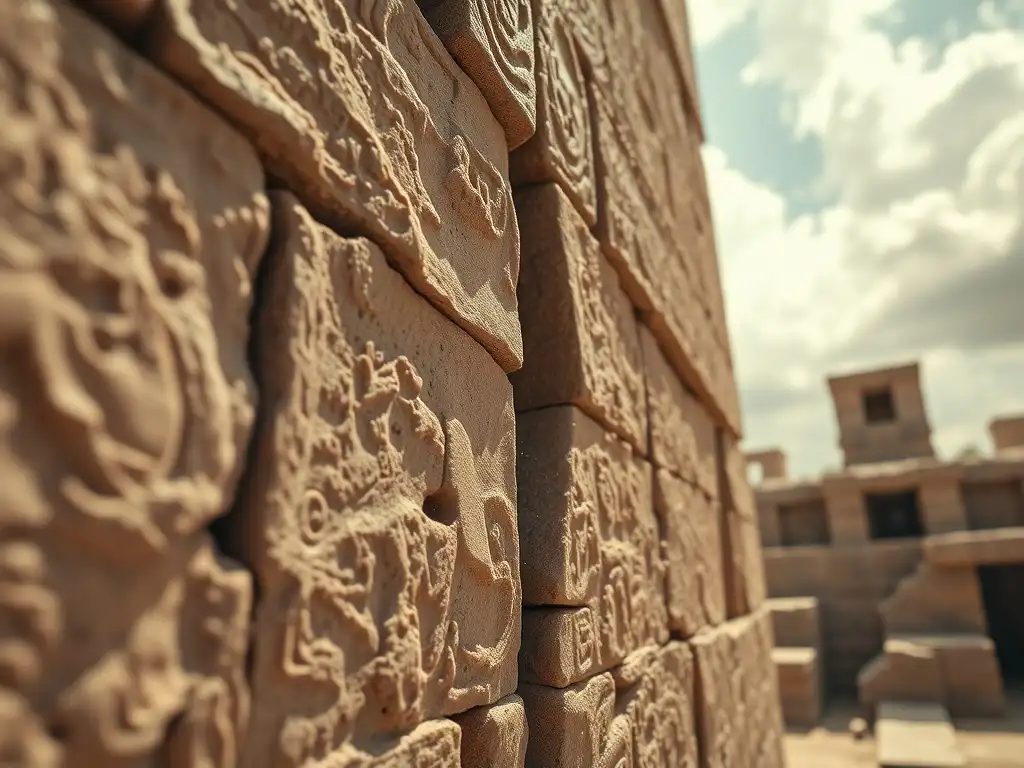
The precision and artistry evident in Tiahuanaco's stonework raise compelling questions about the purpose behind this monumental undertaking. Beyond the sheer scale of the structures, the intricate carvings and the remarkably precise fitting of stones suggest a deeper meaning, extending beyond mere practicality.
Understanding the purpose of this intricate stonework provides crucial insight into the worldview and societal structure of the Tiahuanaco culture, illuminating their advanced understanding of engineering and their sophisticated spiritual beliefs. The techniques employed, as we'll explore further, were not only technologically impressive but also served symbolic and ritualistic functions, deeply intertwined with their cosmology.
The sheer effort involved in quarrying, transporting, and meticulously shaping these massive stones points to a highly organized society capable of mobilizing significant resources and manpower, a testament to their sophisticated social and political organization. Analysis of the carvings themselves, coupled with archaeological findings, offers clues to unraveling the multifaceted purposes served by this impressive stonework.
Religious and Ceremonial Uses of Carved Stones
The elaborate carvings adorning Tiahuanaco's stones are far from random; they are carefully planned and executed, often depicting deities, mythical creatures, and symbolic representations of their cosmology. Many scholars believe these carvings served a crucial role in religious and ceremonial practices. For example, the iconic Puerta del Sol (Sun Gate) is covered in intricate relief carvings, depicting a complex array of figures and symbols, interpreted by some as representations of a celestial calendar or a cosmological map. 1 The meticulous detail and symbolic richness suggest that these carvings were not simply decorative, but rather integral components of religious rituals and ceremonies.
The presence of anthropomorphic and zoomorphic figures, often depicted in stylized poses and adorned with elaborate headdresses and ornaments, further supports the idea of religious significance. These figures, likely representing deities or ancestral spirits, may have been venerated during ceremonies performed within the city's monumental structures. The careful placement of stones bearing these carvings within specific architectural contexts reinforces their ritualistic importance.
Evidence suggests that certain stones may have been used as altars or focal points for offerings and prayers, underscoring their vital role in Tiahuanaco's religious life. Understanding these religious uses is crucial to appreciating the true extent of Tiahuanaco stone carving techniques and their profound impact on the civilization's cultural identity.
Structural Applications: Building Walls and Monuments
While the religious significance of Tiahuanaco's stone carvings is undeniable, it's equally important to acknowledge their crucial structural function. The massive stones, precisely cut and fitted together, formed the very foundation of the city's monumental architecture. The techniques employed, including the use of advanced tools and a deep understanding of stone mechanics, allowed the Tiahuanaco people to construct incredibly durable and impressive structures that have withstood the test of time. The precision of the cuts, often achieving tolerances of less than a millimeter, is truly remarkable, showcasing a mastery of stone-cutting techniques far surpassing those of many contemporary civilizations.
The construction of monumental platforms, temples, and other structures demanded a high level of engineering expertise. The precise fitting of stones, without the use of mortar, relied on a deep understanding of weight distribution, stress management, and the properties of the stone itself. The ability to quarry, transport, and erect these massive blocks required a sophisticated organization and a considerable workforce, reflecting a high level of social and political cohesion.
The impressive scale of these structures, coupled with the precision of their construction, demonstrates a remarkable level of technological advancement and a profound understanding of architectural principles. The Tiahuanaco stone carving techniques, therefore, were not only aesthetically impressive but also crucial for the construction and stability of their impressive city. The intricate joining of these massive blocks showcases an unparalleled level of skill and planning, a testament to their advanced understanding of engineering and construction.
1 Further research is needed to definitively interpret the symbolic meaning of the Puerta del Sol carvings. More detailed analysis of the iconography and its relationship to other Tiahuanaco artifacts is required.
Comparative Analysis of Tiahuanaco Techniques with Other Andean Cultures
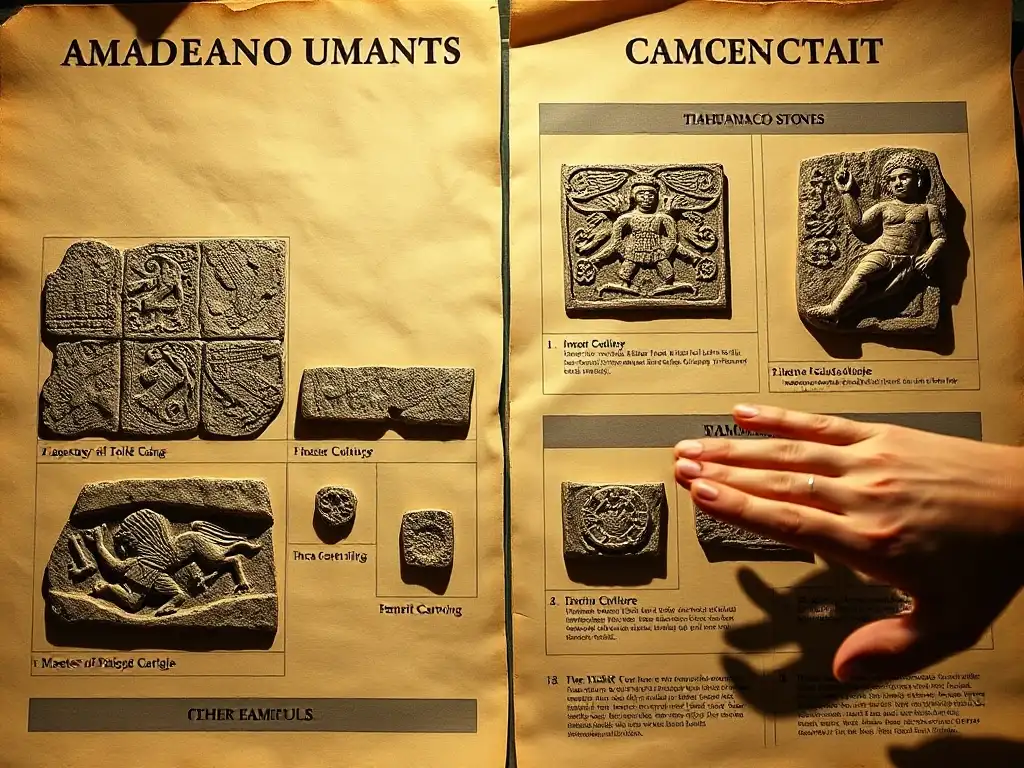
This section delves into the distinctive stoneworking practices of Tiahuanaco, comparing and contrasting them with those of other prominent Andean civilizations, particularly the Inca. Understanding these differences illuminates the unique technological advancements achieved by the Tiahuanaco culture. The precision and scale of Tiahuanaco's monumental architecture set it apart, demanding a closer examination of their methods.
While similarities exist in the use of stone, the approaches and resulting aesthetics reveal significant divergence. We will explore these variations, focusing on tool usage, precision, and the overall approach to construction. The sheer size and complexity of sites like Puma Punku further emphasize the advanced nature of Tiahuanaco's techniques in comparison to contemporary Andean cultures.
Contrasting Tiahuanaco Stone Work with Inca Methods
The Inca, renowned for their impressive masonry, employed techniques that, while sophisticated, differed significantly from those of Tiahuanaco. Inca stonework is characterized by its precise fitting of stones, often without the use of mortar. This "dry-stone" construction involved shaping stones to fit together tightly, creating incredibly strong and durable structures.
However, the scale of individual blocks rarely approached the monumental size found at Tiahuanaco. Inca stone blocks were generally smaller and more manageable, facilitating transport and placement. The precision of Inca work is undeniable; however, the level of geometric precision seen in Tiahuanaco's megalithic structures remains unmatched.
Tiahuanaco's builders demonstrated an ability to shape and join enormous blocks with an accuracy that surpasses even the finest Inca examples. Furthermore, while the Inca favored a relatively uniform style, Tiahuanaco's work exhibits a greater degree of variability in stone types and shaping techniques, reflecting a more experimental and potentially more advanced understanding of stone manipulation. Evidence suggests that the Inca may have even incorporated some Tiahuanaco techniques into their own architecture, signifying the profound impact of Tiahuanaco's technological achievements.
Unique Aspects of Tiahuanaco's Stone Technology
Tiahuanaco's mastery of stone technology presents several unique aspects that distinguish it from other Andean civilizations. The sheer size of some blocks at sites like Puma Punku remains a source of ongoing debate and research. The precision with which these massive blocks were cut, transported, and fitted together is remarkable. Evidence suggests the use of sophisticated tools and techniques, potentially including advanced metal tools, although the exact nature of these tools remains a subject of ongoing archaeological investigation. The use of [specific tool types pending further research] is hypothesized, but requires more concrete evidence.
One particularly intriguing aspect is the presence of intricate carvings and designs on many of the stones. These carvings, often geometric in nature, demonstrate a high level of skill and precision. The depth and consistency of these carvings, even on massive blocks, suggest the use of advanced cutting and shaping techniques. Furthermore, the seemingly effortless integration of these elaborate carvings into the overall structure highlights the sophisticated planning and execution involved in Tiahuanaco's construction projects. The ability to combine monumental scale with intricate detail is a hallmark of Tiahuanaco's unique approach to stoneworking, a testament to their advanced understanding of engineering and artistry. The precise alignment of some structures also points towards a sophisticated understanding of astronomy and possibly advanced surveying techniques. The mystery surrounding the exact methods used by the Tiahuanaco people continues to inspire awe and fuel ongoing research into their remarkable stone carving techniques. The Tiahuanaco stone carving techniques represent a high point of Andean technological achievement.
The Legacy of Tiahuanaco Stone Carving
The precision and artistry displayed in Tiahuanaco's stonework left an undeniable mark on subsequent Andean cultures. The mastery of techniques like the incredibly precise fitting of massive blocks, without the use of mortar, served as a powerful inspiration and a benchmark of skill for generations of builders. This legacy isn't just about aesthetics; it represents a sophisticated understanding of engineering and a cultural value placed on monumental architecture.
The influence of Tiahuanaco's stone carving techniques is evident in the architectural styles of later Andean civilizations, particularly the Inca Empire. While the Inca developed their own unique building methods, the sheer scale and precision of Tiahuanaco's structures likely informed their approach to monumental construction projects. The echoes of Tiahuanaco's techniques can be seen in the meticulous stonework of Inca sites like Machu Picchu and Sacsayhuamán, although the Inca utilized different stone types and, arguably, less precise fitting techniques on a consistent basis.
The legacy of Tiahuanaco's stone carving extends beyond mere imitation; it represents a continuous thread of architectural innovation and skill within the Andes. The impact of Tiahuanaco's sophisticated stonework is a testament to the enduring influence of this remarkable civilization.
Influence on Later Andean Architectural Styles
The impact of Tiahuanaco's stone carving techniques extended far beyond its immediate geographical area and time period. Subsequent Andean cultures, particularly the Inca, clearly drew inspiration from Tiahuanaco's monumental architecture. While the Inca developed their distinctive architectural style, characterized by its use of smaller, precisely fitted stones and its integration with the landscape, the sheer scale and precision of Tiahuanaco's structures likely influenced their approach to large-scale projects.
For instance, the impressive cyclopean masonry of Sacsayhuamán, with its massive, intricately carved stones, bears a striking resemblance to the monumental architecture of Tiahuanaco, suggesting a potential connection and influence. The meticulous craftsmanship evident in both sites highlights a shared appreciation for precision and a deep understanding of stone manipulation. Moreover, the use of similar techniques, such as the precise fitting of stones without mortar, points to a continuity of knowledge and skill across different Andean cultures.
This influence isn't merely superficial; it reflects a deeper transmission of architectural knowledge and a shared cultural heritage. Further research into the specific tools and techniques employed by both Tiahuanaco and later Andean cultures could shed more light on the extent of this influence.
Preserving Tiahuanaco's Stonework for Future Generations
The preservation of Tiahuanaco's remarkable stonework presents significant challenges. The site's exposure to the elements, including harsh sun, wind, and fluctuating temperatures, contributes to weathering and erosion. Furthermore, the delicate nature of the ancient stonework makes it vulnerable to damage from human activity and natural disasters. Efforts to preserve Tiahuanaco's legacy involve a multi-faceted approach.
This includes meticulous documentation of the existing structures using advanced technologies like 3D scanning and photogrammetry, allowing for the creation of digital archives that can be used for future study and restoration. Furthermore, ongoing monitoring of the site's condition is essential to identify and address any emerging issues promptly. Conservation techniques, such as the application of protective coatings to minimize the impact of weathering, are also employed. Crucially, educating the local community and tourists about the importance of preserving the site is a key aspect of long-term conservation efforts.
Promoting responsible tourism and discouraging activities that could damage the stonework are vital components of ensuring the longevity of this invaluable cultural heritage. The preservation of Tiahuanaco's stonework is not just a matter of maintaining historical artifacts; it is about safeguarding a significant piece of human history and ensuring its accessibility for future generations. More research into sustainable conservation methods tailored to the specific challenges of Tiahuanaco's environment is needed.
Recent Research on Tiahuanaco Stone Carving
Recent research on Tiahuanaco stone carving techniques utilizes a combination of archaeological excavation, advanced imaging technologies, and material analysis to enhance our understanding of these remarkable processes. Studies focusing on the tools employed by Tiahuanaco artisans have revealed a sophisticated understanding of metallurgy and stoneworking techniques. Analysis of the stone itself provides insights into the sourcing of materials and the transportation methods used. The application of 3D scanning and photogrammetry allows researchers to create highly accurate digital models of the structures, revealing intricate details that might otherwise be missed.
This digital documentation is invaluable for both conservation efforts and for generating hypotheses about the construction methods employed. Furthermore, research into the social organization and labor practices of Tiahuanaco is shedding light on how such monumental projects were managed and executed. Ongoing research seeks to answer lingering questions about the specific tools used, the level of precision achieved, and the organizational structures that facilitated the construction of these impressive structures.
The integration of multiple disciplines, including archaeology, geology, engineering, and anthropology, is proving crucial in unraveling the mysteries surrounding Tiahuanaco's stone carving techniques. This collaborative approach offers a more holistic understanding of this remarkable aspect of Andean civilization. The ongoing research promises to reveal even more about the ingenuity and skill of the Tiahuanaco people and their lasting legacy.
Frequently Asked Questions
What makes Tiahuanaco stone carving so unique?
Tiahuanaco's stonework is remarkable for its precise cuts and colossal scale, achieved with seemingly primitive tools. The accuracy of the joins, often thinner than a human hair, is particularly impressive. This precision is a testament to their advanced understanding of stoneworking techniques.
What tools did the Tiahuanaco people use for carving stone?
While the exact tools remain debated, evidence suggests they employed stone hammers, chisels, and possibly abrasive materials like sand. The combination of these tools and a deep understanding of the stone's properties allowed them to achieve incredible precision. The specific methods remain a subject of ongoing research.
How did the Tiahuanaco people transport such massive stones?
Moving the massive blocks of stone across significant distances to the Tiahuanaco site remains a mystery. Theories involve sophisticated systems of ramps, rollers, and possibly even water transport. The scale of the undertaking highlights their advanced engineering and organizational skills.
What are some examples of Tiahuanaco's impressive stone carving?
The Gate of the Sun is a prime example, showcasing intricate relief carvings. The Kalasasaya Temple also features massive stones with precise joins. These structures demonstrate the mastery of complex stone cutting and fitting techniques.
What is the significance of Tiahuanaco stone carving techniques?
Tiahuanaco's stone carving techniques represent a pinnacle of Andean engineering and artistry. Understanding these techniques offers insights into their societal structure, resource management, and spiritual beliefs. Their innovative methods continue to inspire researchers and engineers today.
Final Reflection: Echoes of Andes Mastery: The Enduring Legacy of Tiahuanaco
The precision and scale of Tiahuanaco's stonework remain a testament to the ingenuity of its creators, a challenge to our modern understanding of pre-Columbian engineering and a powerful reminder of the enduring human capacity for innovation. The techniques employed, from the meticulous quarrying to the near-perfect fitting of colossal blocks, continue to fascinate and inspire researchers and artisans alike, pushing the boundaries of what we believe possible in ancient civilizations.
The legacy of Tiahuanaco extends far beyond its impressive ruins; it speaks to a profound understanding of geometry, engineering, and societal organization. The sheer ambition of the project, the dedication required to execute it, and the enduring mystery surrounding some of its methods continue to resonate today. The stones of Tiahuanaco whisper secrets of a civilization that understood the power of collaboration and the beauty of precision.
This quote, though fictional, captures the essence of the enduring impact of Tiahuanaco's achievements on our understanding of human potential. The site's influence can be seen in contemporary discussions of sustainable building practices, precision engineering, and the importance of preserving cultural heritage.
Consider the meticulous craftsmanship, the monumental scale, and the enduring questions surrounding Tiahuanaco's advanced stone cutting techniques. Let these wonders inspire you to appreciate the ingenuity of past civilizations and to consider the potential for human achievement. What marvels of engineering and artistry will future generations discover, and what legacy will we leave behind? Let the echoes of Tiahuanaco's mastery resonate within you, prompting a deeper appreciation for the boundless capacity of human creativity and the importance of preserving our shared history.
**Unlock the Secrets of Tiahuanaco's Stone Cutting! **
Thank you for exploring the fascinating world of Tiahuanaco with us! We hope you've gained valuable insights into the advanced stone-cutting techniques that make this ancient civilization so remarkable. Let's continue to delve deeper into this incredible culture.
- **Discover** more about Tiahuanaco's methods by experimenting with basic stone-cutting techniques yourself. Try replicating simple shapes using readily available materials—the process itself offers valuable insight!
- **Join the conversation** by sharing your thoughts and discoveries on our social media platforms. Connect with fellow history enthusiasts and contribute your perspectives—your insights are valuable!
- **Explore related topics** in our other articles to broaden your knowledge of Andean civilizations and their remarkable achievements.
What unique aspects of Tiahuanaco's stone-cutting techniques have captivated you, and how might this knowledge inspire your next project or area of study?