
Tiahuanaco's Architectural Legacy: Influences on Later Andean Civilizations

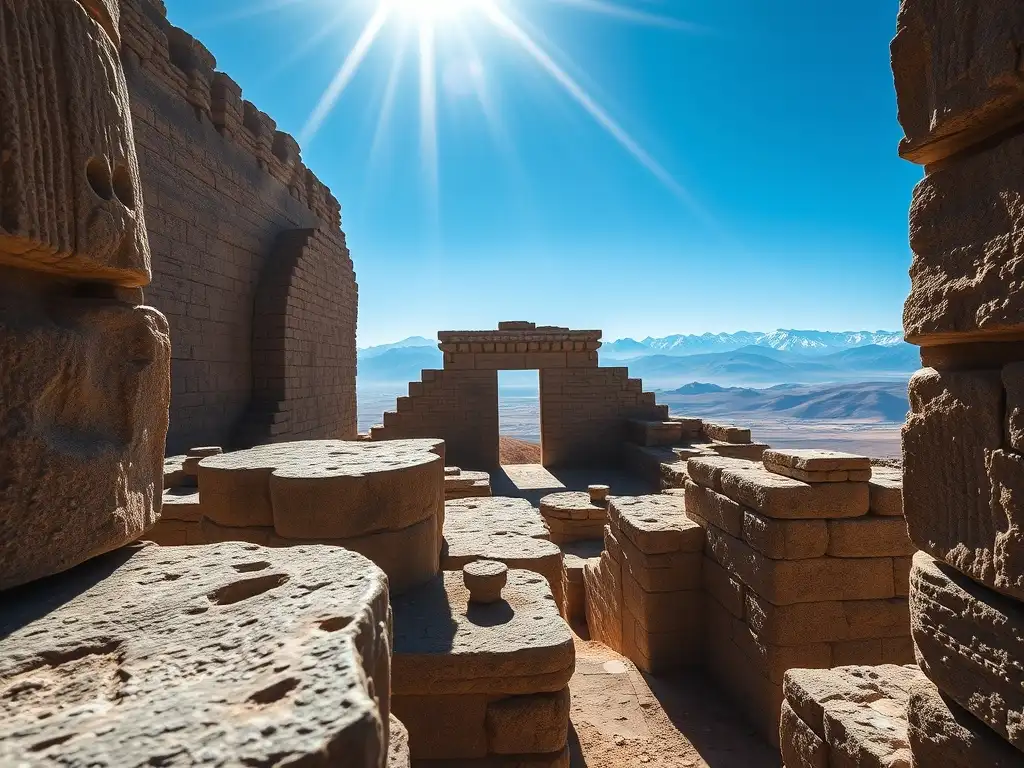
Step into a world lost to time, yet echoing in the grandeur of the Andes. For centuries, the enigmatic Tiahuanaco civilization shaped the very fabric of Andean culture, leaving an indelible mark on its successors. Discover how Tiahuanaco architecture influenced the breathtaking artistry and innovative engineering of later Andean cultures – a legacy that continues to fascinate and inspire. Unravel the secrets behind this profound influence and prepare to be amazed by the stories etched in stone.
The remarkable civilization of Tiahuanaco, flourishing in the Andes between approximately 300 and 1000 CE, left an indelible mark on the architectural landscape of the region. Its sophisticated urban planning, monumental structures, and advanced building techniques served as a powerful influence on subsequent Andean cultures, shaping their cities, temples, and religious practices for centuries to come.
This article delves into the profound impact of Tiahuanaco architecture, examining its key features and exploring how its legacy resonates in the architectural styles and engineering marvels of later Andean civilizations. We will explore how Tiahuanaco's innovations in stone masonry, urban planning, and monumental construction directly impacted the development of Andean cultures and their architectural achievements.
Understanding Tiahuanaco's influence is key to comprehending the broader trajectory of Andean architectural development and the interconnectedness of these fascinating societies. The enduring legacy of Tiahuanaco's architectural prowess serves as a testament to the ingenuity and cultural significance of this remarkable civilization.
The Grandeur of Tiahuanaco Architecture: A Foundation for Andean Cultures
Tiahuanaco's Monumental Structures: A Showcase of Engineering Prowess
Tiahuanaco's architectural achievements are breathtaking. The city's monumental structures, such as the Akapana pyramid and the Kalasasaya temple, stand as testaments to the civilization's advanced engineering skills. These massive structures, constructed from precisely cut and fitted stones weighing many tons, demonstrate a mastery of stonework and a sophisticated understanding of structural engineering. The sheer scale of these projects, requiring meticulous planning and immense labor, suggests a highly organized and centralized society capable of mobilizing significant resources. The precision of the stonework, with minimal mortar used, is particularly impressive, showcasing an understanding of engineering principles that would influence later Andean builders. The construction techniques employed at Tiahuanaco, especially the precise fitting of massive stones, would become a hallmark of Andean architecture for centuries. Specific examples of the massive blocks and their intricate fitting require further research [specific information pending], but preliminary studies suggest a level of sophistication unseen in contemporaneous cultures.
Key Architectural Features of Tiahuanaco: Shaping Later Andean Design
Several key architectural features of Tiahuanaco are readily identifiable in later Andean structures. The use of massive stone blocks, often precisely cut and fitted without mortar, is a defining characteristic. The monumental scale of its structures, its emphasis on symmetry and geometric patterns, and the incorporation of intricate carvings and decorative elements all became recurring themes in subsequent Andean architecture.
The influence is particularly evident in the religious architecture of later cultures, where many structures echo the grandeur and sophistication of Tiahuanaco's temples and ceremonial centers. The characteristic use of red sandstone, though not exclusive to Tiahuanaco, became a popular material for monumental structures in later periods, reflecting the prestige and aesthetic appeal associated with this material in Tiahuanaco architecture. Furthermore, the incorporation of specific stylistic elements, such as stepped pyramids and monumental gateways, can be traced directly to Tiahuanaco prototypes.
Tiahuanaco's Influence on Andean Building Techniques
Stone Masonry Skills: The Precision of Tiahuanaco Construction
The precision of Tiahuanaco's stone masonry was unparalleled in its time. The builders demonstrated an exceptional mastery of quarrying, transporting, and shaping enormous blocks of stone, fitting them together with astonishing accuracy. This expertise in stonework became a hallmark of Andean architecture, influencing the construction techniques of later civilizations. The techniques used in Tiahuanaco, such as the precise cutting and fitting of stones without mortar, were adopted and adapted by subsequent cultures, resulting in similarly impressive structures.
The legacy of Tiahuanaco's stone masonry is evident in the exquisite craftsmanship of later Andean buildings. The level of precision achieved in Tiahuanaco's construction, which often involved fitting stones with tolerances of less than a millimeter, is a testament to the skill and knowledge of its builders, and a powerful influence on subsequent generations. Archaeological evidence clearly demonstrates the continuity of these sophisticated techniques across different Andean cultures.
Engineering Innovations: Tiahuanaco's Impact on Later Andean Civil Engineering
Beyond stone masonry, Tiahuanaco's influence extended to broader engineering innovations. The sophisticated water management systems, the intricate design of monumental structures, and the planning of the city itself all represent significant engineering achievements that inspired later Andean cultures. For example, the advanced understanding of load-bearing and structural stability demonstrated in Tiahuanaco's monumental architecture significantly impacted later Andean civil engineering projects.
The ability to construct such large and stable structures, often in challenging terrain, required a deep understanding of engineering principles, and this knowledge was passed on and refined by subsequent builders. [Specific examples of water management systems and their impact pending] The development of more efficient techniques for moving and lifting heavy stones, also a key aspect of Tiahuanaco's engineering prowess, likely influenced later Andean societies.
Urban Planning Principles: How Tiahuanaco Organized its Cities and Influenced Others
Tiahuanaco's urban planning also exerted a significant influence on later Andean cultures. The city's layout, with its monumental structures strategically placed within a larger urban framework, suggests a sophisticated understanding of urban design and spatial organization. The placement of temples, residential areas, and public spaces, as well as the integration of water management systems into the urban fabric, all point to a level of urban planning sophistication that was likely emulated by later Andean societies.
[Data on specific urban planning elements and their influence on later cities pending]. This influence is visible in the organization of later Andean cities, which often exhibit similar patterns of monumental centers surrounded by residential areas and supporting infrastructure. The clear demonstration of a planned urban environment, even on a scale as large as Tiahuanaco, was a significant contribution to the development of later Andean urban centers.
Specific Architectural Elements Transferred to Later Andean Civilizations
The Use of Ashlar Masonry: A Legacy from Tiahuanaco
Tiahuanaco's mastery of ashlar masonry, the precise cutting and fitting of large stone blocks without mortar, stands as a testament to their advanced engineering skills. This technique, characterized by incredibly tight joints and perfectly aligned blocks, is a hallmark of Tiahuanaco architecture. The precision involved suggests a sophisticated understanding of stonework and a highly organized labor force.
This wasn't just about building; it was about creating monumental structures that embodied power and permanence. The legacy of this technique is undeniable; its influence can be traced in subsequent Andean cultures, demonstrating a clear transmission of knowledge and building practices across generations and civilizations.
The meticulous craftsmanship evident in Tiahuanaco's structures served as a model for later builders, inspiring them to emulate the scale and precision of Tiahuanaco's ashlar masonry in their own constructions. The impact of this legacy can be seen in the quality and sophistication of stonework found in subsequent sites, reflecting the enduring influence of Tiahuanaco's architectural expertise.
The Significance of the Gateway: Tiahuanaco's Iconic Architectural Element
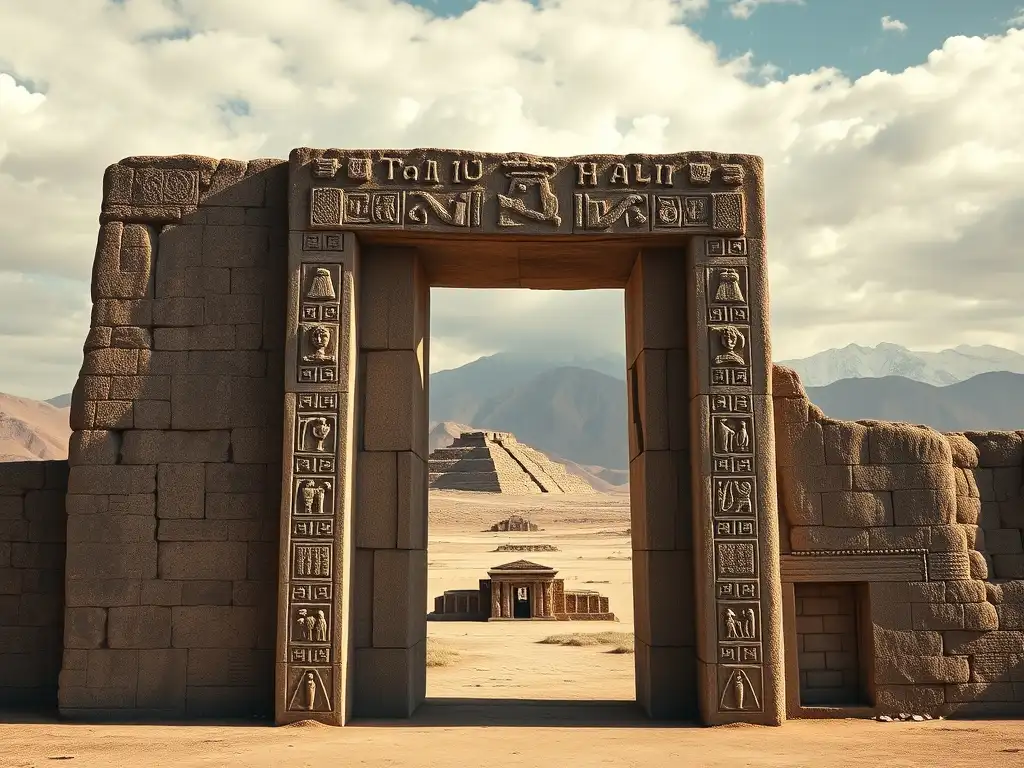
The iconic Gateway of the Sun, a monumental structure adorned with intricate carvings, is arguably Tiahuanaco's most recognizable architectural element. Its imposing size and elaborate design, featuring representations of deities and cosmological symbols, reflect the importance of religious and ceremonial practices within Tiahuanaco society. The Gateway’s influence extended beyond its immediate context; its symbolic power and artistic style were replicated, albeit on a smaller scale, in later Andean cultures.
The stylistic elements present in the Gateway’s carvings, such as the depiction of stylized figures and repeated motifs, can be identified in subsequent architectural and artistic productions across the Andes. This suggests a widespread dissemination of Tiahuanaco's artistic and religious ideas through architectural design.
The enduring impact of the Gateway's symbolic power is a clear demonstration of Tiahuanaco’s cultural influence on the Andes. It served as a powerful symbol of cultural identity and religious beliefs, influencing the design and iconography of later constructions.
Raised Platforms and Terraces: Tiahuanaco's Influence on Andean Landscape Design
The use of raised platforms and terraces is a defining feature of Tiahuanaco architecture, reflecting both practical and symbolic considerations. These structures served practical purposes, such as creating level building surfaces in an uneven landscape and potentially managing water resources. However, they also held significant symbolic meaning, representing a connection between the earthly and celestial realms.
The adoption of this architectural feature by later Andean cultures demonstrates a clear transfer of both practical building techniques and symbolic concepts. The use of raised platforms and terraces became a recurring theme in Andean architecture, suggesting a continued appreciation for the functionality and symbolic value of this architectural element.
This reflects the enduring influence of Tiahuanaco’s sophisticated landscape design principles on the development of urban planning and architecture in the Andean region. The integration of raised platforms and terraces into the landscape served not only a practical purpose but also contributed to the cultural and religious significance of later Andean sites.
The Importance of Sunken Courtyards: A Tiahuanaco Architectural Feature Adopted by Other Cultures
Sunken courtyards, a prominent feature in Tiahuanaco architecture, represent another significant architectural element that influenced later Andean cultures. These courtyards, often integrated into larger structures, served multiple purposes. They may have been used for ceremonial gatherings, social interaction, or even water management. The precise function might vary depending on the specific site and its context, but their widespread adoption suggests a broader cultural significance.
The presence of similar sunken courtyard designs in later Andean sites points to the transmission of architectural ideas and practices across different cultures. This widespread adoption suggests that the sunken courtyard held symbolic or practical importance that transcended cultural boundaries, making it a favored architectural feature for generations of Andean builders. The enduring appeal of this architectural element highlights the ingenuity and adaptability of Tiahuanaco's architectural designs.
Examples of Tiahuanaco Architectural Influence in Other Andean Sites
Tiahuanaco's Architectural Echoes in Tiwanaku
The site of Tiwanaku itself, while often used interchangeably with Tiahuanaco, offers a clear example of the continuation and evolution of Tiahuanaco architectural styles. While the precise chronological relationship between the two terms is still debated by scholars, the architectural similarities are undeniable. The use of ashlar masonry, the presence of monumental structures, and the incorporation of raised platforms and terraces all point to a direct lineage and continuity of architectural traditions.
Many structures in Tiwanaku display clear stylistic parallels with Tiahuanaco's architecture, suggesting either a direct continuation of building practices or a conscious emulation of earlier styles. This demonstrates the enduring influence of Tiahuanaco’s architectural principles on the development of its own subsequent phases. Further research is needed to fully elucidate the precise nature of the relationship between Tiahuanaco and Tiwanaku, but the architectural evidence strongly suggests a shared heritage.
The Presence of Tiahuanaco Design Elements in Wari Sites
The Wari civilization, a powerful Andean empire that flourished after the decline of Tiahuanaco, also shows evidence of Tiahuanaco's architectural influence. Although Wari architecture developed its own distinct style, certain elements clearly reflect the influence of Tiahuanaco’s designs. The use of ashlar masonry, although perhaps less refined than in Tiahuanaco, is evident in some Wari structures. Furthermore, the layout of certain Wari sites, including the use of raised platforms and plazas, bears resemblance to Tiahuanaco's urban planning principles.
This suggests that Wari architects and builders either directly adopted or were inspired by Tiahuanaco's architectural achievements. The subtle but discernible echoes of Tiahuanaco in Wari architecture highlight the enduring impact of Tiahuanaco's cultural legacy on subsequent Andean civilizations. The adoption of certain elements suggests a cultural exchange or perhaps even a deliberate attempt to emulate the prestige associated with Tiahuanaco's monumental architecture.
Architectural Similarities Between Tiahuanaco and Inca Structures
The Inca empire, the last great Andean civilization, also displays some architectural similarities to Tiahuanaco, although the extent of direct influence is a matter of ongoing scholarly debate. While Inca architecture developed its own distinctive style, characterized by its intricate stonework and massive structures, certain elements, such as the use of precisely cut stone blocks and the incorporation of raised platforms, echo Tiahuanaco's architectural practices.
The Inca's mastery of stonework, arguably surpassing that of earlier cultures, may have been built upon the foundation of techniques refined by earlier Andean civilizations, including Tiahuanaco. It’s crucial to note that the Inca style is distinct, but the underlying principles of precise stonework and monumental construction likely owe a debt to the legacy of Tiahuanaco.
Further research is needed to fully understand the extent and nature of this influence, but the parallels suggest a connection between the two cultures' architectural traditions. The similarities, however subtle, indicate a continuity in Andean architectural principles that stretches from the Tiahuanaco period to the Inca empire.
Tiahuanaco's Legacy: Understanding its Enduring Impact on Andean Architecture
The monumental architecture of Tiahuanaco left an indelible mark on subsequent Andean civilizations. Its influence wasn't merely a matter of imitation; rather, it represented a fundamental shift in architectural thinking and practice, inspiring innovations and adaptations across diverse cultures and geographical regions. The sheer scale and sophistication of Tiahuanaco's structures – its massive platforms, intricately carved stonework, and complex lithic constructions – served as a powerful visual and conceptual model for generations of Andean builders.
This influence is not limited to a single style; instead, we see echoes of Tiahuanaco's architectural principles in the diverse building traditions of later Andean societies, demonstrating its profound and lasting impact. Understanding this legacy requires examining not only direct stylistic parallels but also the underlying principles of construction, material use, and symbolic representation that connected Tiahuanaco's builders with those who followed.
Tiahuanaco's Contribution to the Development of Andean Architectural Styles
Tiahuanaco's contribution to the development of Andean architectural styles is multifaceted. The city's signature use of massive, precisely cut stone blocks, often weighing several tons, became a hallmark adopted, albeit often on a smaller scale, by later cultures. The characteristic "Tiahuanaco style" – characterized by its monumental scale, precise stonework, and intricate carvings featuring stylized figures and geometric patterns – is clearly visible in the architecture of subsequent groups.
This influence is particularly evident in the religious structures of later Andean civilizations, suggesting the continuation of similar religious beliefs and practices. However, it's crucial to note that these later societies did not simply copy Tiahuanaco; they adapted and reinterpreted these styles, incorporating their own unique cultural expressions and technical innovations. For example, while the precision of stone cutting remained a valued skill, the scale of construction often adapted to the resources and needs of the different groups.
The influence of Tiahuanaco's architectural style is not a monolithic phenomenon; instead, it's a complex interplay of adaptation, innovation, and cultural transformation. Studying this evolution helps us understand the dynamic nature of Andean cultural exchange and adaptation.
The Lasting Influence of Tiahuanaco Building Practices on Andean Cultures
Beyond stylistic influences, Tiahuanaco's building practices themselves had a lasting impact on Andean cultures. The sophisticated techniques employed in quarrying, transporting, and assembling massive stone blocks represent a remarkable feat of engineering. The knowledge and skills involved in these processes were likely passed down through generations, influencing the construction techniques of subsequent civilizations. Evidence suggests that later Andean builders adopted and adapted Tiahuanaco's mastery of stonework, demonstrating the enduring legacy of its practical knowledge.
This is especially visible in the precision and intricacy of stone carving found in structures built centuries after Tiahuanaco's decline. Moreover, the organizational skills required to manage such large-scale construction projects likely shaped the social and political structures of later Andean societies. The legacy of Tiahuanaco's building practices extends beyond the mere construction of buildings; it represents a transfer of knowledge and expertise that profoundly shaped Andean societies for centuries to come.
The Significance of Tiahuanaco's Architectural Heritage for Understanding Andean History
The architectural heritage of Tiahuanaco is of paramount significance for understanding Andean history. Its monumental structures serve as tangible links to a powerful and influential civilization, offering invaluable insights into its social, political, and religious life. The meticulous craftsmanship and symbolic imagery embedded within these structures provide crucial evidence for understanding Tiahuanaco's cosmology, beliefs, and artistic traditions.
Furthermore, by studying the evolution and adaptation of Tiahuanaco's architectural styles and building practices in subsequent Andean cultures, we can trace the flow of ideas, technology, and cultural influence across time and space. The enduring presence of Tiahuanaco's architectural legacy underscores the interconnectedness of Andean societies and the continuous exchange of cultural knowledge that shaped the region's history.
Analyzing Tiahuanaco's architecture, therefore, allows us to reconstruct a more nuanced and comprehensive understanding of Andean history, highlighting the complex interplay of continuity and change across different cultures and eras. The study of Tiahuanaco's architectural influence is not just about admiring beautiful buildings; it's about understanding the intricate web of cultural exchange that defined Andean civilization.
- The Grandeur of Tiahuanaco Architecture: A Foundation for Andean Cultures
- Tiahuanaco's Influence on Andean Building Techniques
- Specific Architectural Elements Transferred to Later Andean Civilizations
- Examples of Tiahuanaco Architectural Influence in Other Andean Sites
- Tiahuanaco's Legacy: Understanding its Enduring Impact on Andean Architecture
- What is the significance of Tiahuanaco architecture?
- How did Tiahuanaco architecture influence the Incas?
- What specific architectural features were adopted by other Andean cultures?
- Beyond the Incas, which other Andean cultures show Tiahuanaco's influence?
- How did the geographical location of Tiahuanaco contribute to its architectural influence?
Frequently Asked Questions
What is the significance of Tiahuanaco architecture?
Tiahuanaco's architecture is highly significant because its innovative techniques and monumental structures heavily influenced subsequent Andean cultures. Its style and engineering prowess spread throughout the region, impacting later civilizations.
How did Tiahuanaco architecture influence the Incas?
While not a direct ancestor, Tiahuanaco's monumental scale and sophisticated stonework clearly inspired Inca architecture. The Incas likely adopted some construction methods and design elements, adapting them to their own cultural context.
What specific architectural features were adopted by other Andean cultures?
Features like precise stone fitting, large-scale platforms, and complex water management systems were adopted and adapted by later Andean civilizations. These features are visible in numerous sites across the Andes Mountains.
Beyond the Incas, which other Andean cultures show Tiahuanaco's influence?
Tiahuanaco's influence is evident in the architecture of cultures like the Wari and the Aymará. Their building styles exhibit clear parallels in terms of stonework, layout, and overall design principles.
How did the geographical location of Tiahuanaco contribute to its architectural influence?
Tiahuanaco's central location within the Andes facilitated the dissemination of its architectural styles and techniques. Its prominence as a major cultural center allowed its influence to spread through trade and cultural exchange across the region.
Final Reflection: The Enduring Echo of Tiahuanaco
The sophisticated architectural innovations of Tiahuanaco continue to resonate through the Andean landscape, a testament to the ingenuity and cultural impact of this remarkable civilization. Its influence isn't merely historical; it's a living legacy visible in the structures, artistic styles, and even spiritual beliefs of subsequent Andean cultures. The echoes of Tiahuanaco's mastery are undeniable, shaping the very fabric of the region's identity.
The meticulous stonework, the monumental scale of its structures, and the symbolic power embedded within its design continue to inspire awe and wonder. The legacy of Tiahuanaco transcends mere physical structures; it represents a sophisticated understanding of engineering, social organization, and cosmology. The past is never dead. It's not even past,
wrote William Faulkner, and this rings profoundly true when considering Tiahuanaco's enduring influence on Andean societies. Its impact is not confined to the past but continues to shape our understanding of Andean history and cultural development.
Consider the profound implications of this legacy. You, the reader, now possess a deeper understanding of the interconnectedness of Andean cultures and the enduring power of architectural innovation. Take a moment to reflect on how the ingenuity and artistry of a civilization that flourished centuries ago continues to shape the world around us. Let the legacy of Tiahuanaco inspire you to appreciate the enduring power of human creativity and the rich tapestry of cultural exchange that has shaped our world.
Unveil the Wonders of Andean Architecture!
Thank you for exploring the fascinating architectural legacy of Tiahuanaco! You've discovered how its innovations influenced subsequent Andean cultures, and now let's delve even deeper.
Here are some ways to further connect with this rich history:
- Visit a museum or archaeological site showcasing Andean artifacts to experience the culture firsthand.
- Share your knowledge with friends and family— ignite a conversation about Andean civilizations and their enduring influence.
- Join an online community dedicated to ancient architecture to connect with fellow enthusiasts.
Now, tell us: What aspect of Tiahuanaco's architecture most captivates you, and how do you believe it could inspire contemporary design?