
The Influence of Tiahuanaco Architecture on Other Andean Cultures

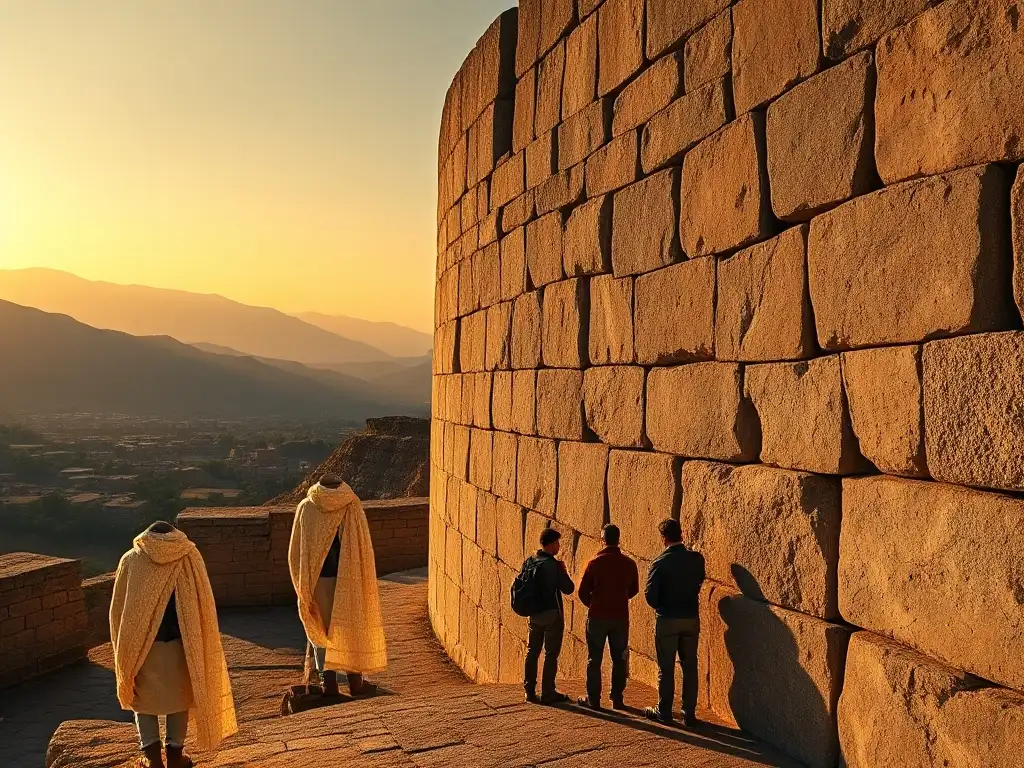
Uncover the secrets whispered across millennia! Journey with us into the heart of the Andes, where towering cities and intricate artistry defied the very mountains themselves. Were the Incas merely inheritors, or did the enigmatic architectural genius of Tiahuanaco shape their empire in ways we're only beginning to understand? Delve into the fascinating story of Tiahuanaco's architectural influence on Inca civilization and discover the breathtaking legacy of these ancient Andean cultures.
The Andean region boasts a rich tapestry of pre-Columbian cultures, each leaving behind a unique architectural legacy. However, the influence of Tiahuanaco, a powerful civilization flourishing between 500 and 1000 CE in what is now Bolivia, stands out as particularly significant. This article explores the profound impact of Tiahuanaco's architectural innovations on subsequent Andean cultures, particularly the Inca, examining its key features, construction techniques, and the lasting legacy of its monumental structures.
We'll delve into how specific elements of Tiahuanaco's architectural style were adopted, adapted, and ultimately transformed the landscape of Andean architecture, leaving an indelible mark on the region's artistic and cultural development. Understanding Tiahuanaco's architectural influence is crucial to comprehending the broader trajectory of Andean civilization and the interconnectedness of its various cultures.
The impact of Tiahuanaco's architectural style on the Inca, in particular, is a testament to the enduring power of cultural exchange and adaptation in shaping the Andes' unique history. This exploration will reveal the subtle and not-so-subtle ways Tiahuanaco’s architectural legacy resonated throughout the region for centuries to come, enriching the architectural vocabulary of cultures that followed.
Introduction to Tiahuanaco's Architectural Legacy
Tiahuanaco's architectural achievements were remarkable for their time. The city's monumental structures, characterized by their precise stonework, sophisticated engineering, and imposing scale, represent a high point of Andean architectural ingenuity. These structures were not merely functional; they served as powerful symbols of the Tiahuanaco's political, religious, and social organization.
The city's influence extended far beyond its geographical boundaries, impacting the artistic and architectural styles of numerous subsequent Andean cultures. The sophisticated techniques employed in the construction of Tiahuanaco's buildings, such as the precise cutting and fitting of massive stone blocks, were adopted and adapted by later civilizations, demonstrating the enduring legacy of Tiahuanaco's architectural prowess.
The scale and grandeur of Tiahuanaco's structures, including the iconic Gate of the Sun, also served as inspiration for later builders, who sought to emulate its power and majesty in their own constructions. This influence is particularly evident in the architecture of the Inca Empire, which incorporated many elements of Tiahuanaco's style into their own imperial designs.
Tiahuanaco's Monumental Architecture: Key Features
Tiahuanaco's architectural style is instantly recognizable due to several key features. The use of massive, precisely cut stone blocks is a defining characteristic, showcasing an advanced understanding of stone masonry. The intricate carvings and decorative elements found on many structures, featuring stylized figures and geometric patterns, also contribute to the unique aesthetic of Tiahuanaco architecture.
The integration of these elements into the overall design created structures that were not only functional but also served as powerful statements of cultural identity and power. The city's layout, though much of it remains buried or obscured, suggests a carefully planned urban design, further highlighting the sophistication of Tiahuanaco's societal organization and engineering capabilities. The impressive scale of the structures, many of which are still partially standing today, attests to the immense labor and resources invested in their construction, underscoring the significance of these buildings within Tiahuanaco society.
Defining Characteristics of Tiahuanaco Architectural Style
Several defining characteristics distinguish Tiahuanaco architecture. The use of massive stone blocks , often weighing several tons, demonstrates exceptional engineering skills and an understanding of load-bearing principles. These blocks were meticulously cut and fitted together with minimal mortar, showcasing a high level of precision and craftsmanship. Another key feature is the presence of intricate carvings and reliefs depicting stylized figures, often associated with religious or mythological themes. These carvings, found on structures like the Gate of the Sun, showcase the advanced artistic capabilities of Tiahuanaco artisans. Finally, the use of specific geometric patterns and motifs, such as stepped pyramids and tiered platforms, is also characteristic of Tiahuanaco architecture, creating a distinctive visual identity. These patterns are often repeated across different structures, suggesting a degree of standardization and perhaps a symbolic meaning related to their cosmology or social structure.
Tiahuanaco's Use of Stone: Techniques and Materials
The construction of Tiahuanaco's monumental architecture relied heavily on the skillful manipulation of stone. The primary material used was andesite, a volcanic rock known for its durability and resistance to weathering. The precision with which these massive blocks were cut and fitted together remains a source of wonder for archaeologists and engineers. Techniques employed included precise quarrying, transport of massive stone blocks across considerable distances, and sophisticated methods of shaping and joining the stones.
The lack of extensive use of mortar suggests a mastery of dry-stone construction techniques, which required exceptional skill and precision to achieve stability and structural integrity. The quality of the stonework is remarkable, indicating a highly organized and skilled workforce capable of undertaking large-scale construction projects. The precise techniques used remain partially enigmatic, with ongoing research trying to fully understand the tools and methods employed by Tiahuanaco builders.
The Significance of Tiahuanaco's Temples and Palaces
The temples and palaces of Tiahuanaco were not merely buildings; they were central to the city's religious and political life. These structures served as focal points for religious ceremonies, political gatherings, and social interactions. Their monumental scale and elaborate decoration reinforced the power and authority of the ruling elite.
The precise function of each structure is not always clear, but their design and layout suggest a complex social and religious organization. The temples, in particular, often featured intricate carvings and reliefs that likely held symbolic meaning related to Tiahuanaco's religious beliefs. The palaces, on the other hand, served as residences for the ruling class and administrative centers for the city.
The careful planning and construction of these structures demonstrate the advanced level of urban planning and engineering achieved by Tiahuanaco civilization. The remains of these monumental buildings continue to inspire awe and wonder, providing valuable insights into the cultural complexity of this ancient Andean civilization. The influence of these structures' design and scale can be seen in later Andean architecture, particularly in the Inca Empire’s adoption of similar monumental styles.
- Introduction to Tiahuanaco's Architectural Legacy
- Tiahuanaco's Monumental Architecture: Key Features
- What is the main focus of this article?
- How did Tiahuanaco architecture influence Inca architecture?
- What specific architectural features show Tiahuanaco influence on the Inca?
- Were the Inca the only Andean culture influenced by Tiahuanaco?
- Where can I find more information about Tiahuanaco architecture?
Tiahuanaco Architectural Influence on Inca Construction
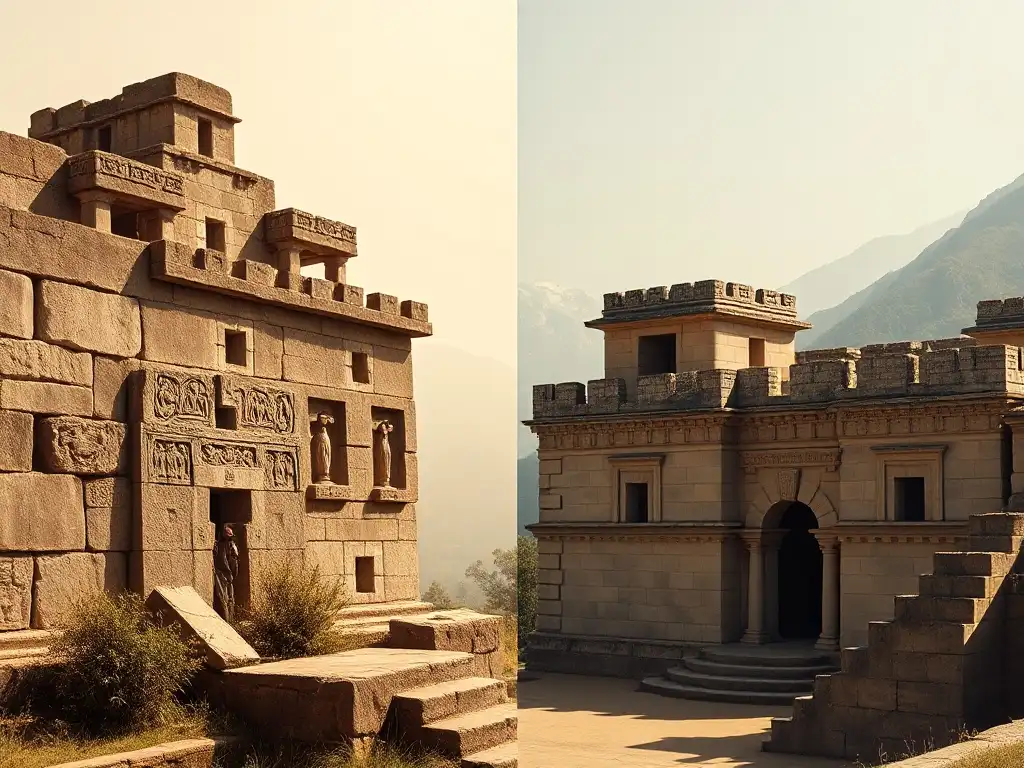
The expansive influence of Tiahuanaco architecture on subsequent Andean cultures, particularly the Inca, is a compelling area of study. While the Inca Empire emerged centuries after the decline of Tiahuanaco, evidence strongly suggests a significant architectural inheritance. This section delves into the specific ways Tiahuanaco's architectural innovations and aesthetics shaped Inca construction, demonstrating a clear lineage in design principles and techniques. The enduring legacy of Tiahuanaco's architectural prowess is undeniable, leaving an indelible mark on the Inca architectural landscape.
Pre-Inca Architectural Influences: Tracing Tiahuanaco's Impact
Before examining the direct Inca adoption of Tiahuanaco styles, it's crucial to understand the broader pre-Inca context. Tiahuanaco's influence wasn't a direct, one-to-one transfer; rather, it permeated regional architectural styles, creating a foundation upon which later cultures, including the Inca, built. The Tiahuanaco architectural vocabulary—characterized by its monumental structures, precise stonework, and symbolic iconography—spread through trade routes and cultural exchange, impacting various Andean societies.
This widespread dissemination ensured that even before direct Inca contact, the stylistic hallmarks of Tiahuanaco were already present in diverse architectural landscapes across the Andes. The meticulous precision in stone cutting and the use of large-scale blocks, for example, were already being emulated, even if not always with the same level of sophistication. This diffusion paved the way for the more direct Inca adoption that would follow.
Tiahuanaco's Influence on Regional Architectural Styles
The influence of Tiahuanaco architecture is demonstrably seen in the architectural styles of several pre-Inca cultures. For example, similarities in stonework techniques and the use of certain decorative motifs have been identified in sites belonging to the Wari and the Pukara cultures. While not direct copies, these styles show a clear connection to Tiahuanaco's aesthetics, suggesting a significant level of cultural exchange and adoption.
This widespread influence highlights the pervasive nature of Tiahuanaco's architectural impact, setting the stage for later Inca adoption. Further research into specific regional variations and their relationship to Tiahuanaco is needed to fully understand the nuances of this cultural transmission. The development of sophisticated techniques like the precise fitting of massive stone blocks, a hallmark of Tiahuanaco, was replicated, albeit with varying degrees of success, in different regions, underscoring its widespread influence.
The Influence at Pukara and Wari Sites
The Pukara and Wari cultures, flourishing before the Inca, provide compelling examples of Tiahuanaco's architectural influence. Pukara sites display a notable stylistic similarity in their use of monumental stone structures, though often on a smaller scale than those found at Tiahuanaco. Similarly, Wari architecture, particularly in its monumental structures, shows echoes of Tiahuanaco's design principles, including the use of large, precisely cut stone blocks and specific architectural layouts.
These similarities are not merely coincidental; they demonstrate the clear transmission of Tiahuanaco architectural knowledge and techniques, suggesting a process of cultural diffusion and adaptation rather than direct imitation. Detailed comparative studies of specific architectural features across these sites would further illuminate the extent and nature of this influence. The presence of similar decorative motifs further strengthens the argument for a significant Tiahuanaco influence on both Pukara and Wari architectural styles.
Tiahuanaco Design Principles Adopted by the Incas
The Inca Empire, known for its impressive architectural achievements, directly inherited and adapted several key design principles from Tiahuanaco. This adoption wasn't simply a matter of imitation; the Inca cleverly integrated Tiahuanaco elements into their own unique architectural vocabulary, resulting in a hybrid style that reflects both traditions. The Inca's mastery of stonework, their urban planning strategies, and their symbolic use of architectural elements all bear the mark of Tiahuanaco's lasting legacy. The sheer scale and complexity of Inca architecture, however, show a significant level of innovation and adaptation beyond simple imitation.
Inca Adaptation of Tiahuanaco Stonework Techniques
One of the most striking aspects of Tiahuanaco's architectural legacy is the Inca's adoption of its sophisticated stonework techniques. The precise fitting of massive stone blocks, a hallmark of Tiahuanaco architecture, is evident in numerous Inca structures. However, the Inca also developed their own innovations, refining and adapting these techniques to suit their own architectural needs and available resources.
For instance, while Tiahuanaco often employed larger blocks, Inca builders sometimes used smaller, more manageable stones, demonstrating adaptability and resourcefulness. This adaptation speaks to the Inca's ability to synthesize and innovate upon existing techniques, creating a unique architectural style that built upon the foundations laid by Tiahuanaco. The precision of Inca stonework, while influenced by Tiahuanaco, also reflects their own advanced understanding of engineering and construction.
Architectural Elements Borrowed from Tiahuanaco by the Inca
Specific architectural elements found in Tiahuanaco were directly adopted and adapted by the Inca. Examples include the use of certain types of doorways, window frames, and decorative motifs. These elements, while adapted to fit Inca aesthetics and building practices, retain clear stylistic links to Tiahuanaco prototypes.
This selective borrowing demonstrates a conscious effort to integrate elements of Tiahuanaco architecture into the Inca imperial style, highlighting the prestige and cultural significance associated with Tiahuanaco's architectural legacy. Further research into specific elements and their variations across different Inca sites is needed to fully understand the extent of this architectural borrowing. The continuity of certain architectural motifs across vast distances within the Inca Empire further suggests a deliberate and conscious effort to maintain and propagate these elements.
The Role of Tiahuanaco Architecture in Inca Urban Planning
The influence of Tiahuanaco architecture extends beyond individual structures to the broader realm of urban planning. The Inca's sophisticated urban design, with its carefully planned cities and interconnected road networks, may have been partly influenced by Tiahuanaco's own urban organization. While the scale and complexity differed significantly, the underlying principles of organized urban layouts and strategic infrastructure development may reflect a conceptual inheritance from Tiahuanaco. This is a complex area of research requiring further investigation into the urban planning practices of both cultures.
A comparative analysis of urban layouts and infrastructure across different Inca and Tiahuanaco sites could reveal more about this potential influence. The symbolic significance of certain architectural layouts and their potential connection to Tiahuanaco cosmology also warrant further study. The precise nature and extent of this influence remain areas for further research, but the possibility of a significant connection is undeniable.
The Spread of Tiahuanaco Architectural Ideas
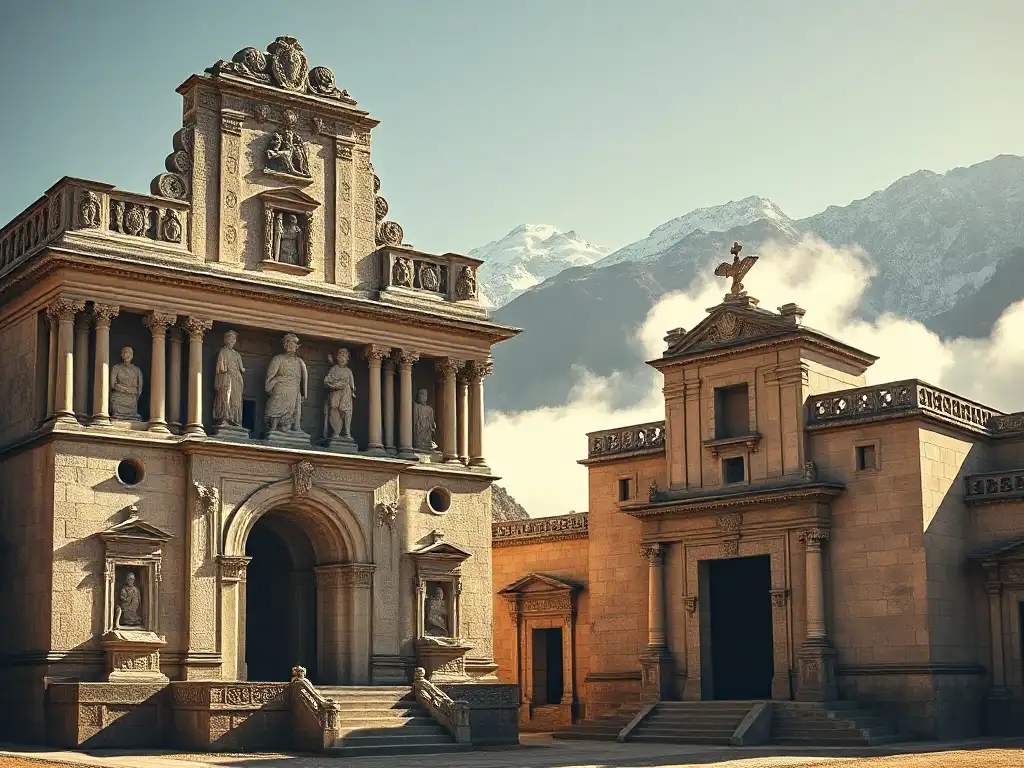
The remarkable architecture of Tiahuanaco exerted a profound influence on subsequent Andean cultures, leaving an indelible mark on the landscape and artistic traditions of the region. Understanding this influence requires examining the mechanisms through which Tiahuanaco's architectural ideas were disseminated and adopted. This wasn't simply a matter of direct imitation; rather, it involved a complex interplay of cultural exchange, political power, and religious beliefs. The Tiahuanaco architectural influence on Inca, for instance, is a prime example of this complex process.
Tiahuanaco's Cultural and Political Reach
Trade and Exchange Networks and Architectural Diffusion
Tiahuanaco's strategic location in the Altiplano, coupled with its sophisticated agricultural techniques, fostered extensive trade networks that extended far beyond its immediate vicinity. These networks weren't limited to the exchange of goods; they facilitated the movement of ideas, including architectural styles and construction techniques. The presence of Tiahuanaco-style ceramics and artifacts in distant sites provides strong evidence of these far-reaching connections. The distribution of these materials suggests that Tiahuanaco’s influence wasn't solely imposed through military conquest, but also through more subtle forms of cultural exchange and trade partnerships.
This diffusion of ideas, including architectural concepts, likely occurred gradually, with local artisans adapting and reinterpreting Tiahuanaco styles to suit their own contexts and needs. Further research is needed to fully understand the specific routes and mechanisms of this dissemination. [Specific data on trade routes and exchanged goods pending].
The Role of Tiahuanaco Religion and Iconography in Architecture
The religious beliefs and iconography of Tiahuanaco played a significant role in shaping its architecture and its subsequent influence on other cultures. The iconic Gate of the Sun, for example, with its intricate carvings and representations of deities, served not only as an architectural feature but also as a powerful symbol of Tiahuanaco's religious authority. The adoption of similar iconographic motifs and architectural elements by other Andean cultures suggests the spread of religious ideas alongside architectural styles.
This suggests a process of religious syncretism, where local beliefs were integrated with aspects of Tiahuanaco's cosmology. The prevalence of stepped platforms and monumental structures in sites influenced by Tiahuanaco architecture points to the adoption not just of aesthetic features but also of ritual practices associated with those structures. [Further research needed on the specific religious beliefs and practices associated with Tiahuanaco architecture].
Manifestations of Tiahuanaco Influence in Other Andean Cultures
The impact of Tiahuanaco architecture is demonstrably visible in the styles and designs adopted by succeeding Andean cultures. The adoption wasn't simply a matter of copying; instead, it involved a process of adaptation and integration within the existing cultural frameworks of these groups.
Similarities in Gateway Constructions and Use of Stepped Designs
One of the most striking examples of Tiahuanaco's architectural influence lies in the construction of monumental gateways. Many sites influenced by Tiahuanaco feature gateways exhibiting similarities in their overall design, including the use of large stone blocks, intricate carvings, and stepped platforms. While these gateways may vary in size and specific details, the underlying architectural principles and symbolic significance appear to have been widely adopted.
The use of stepped designs, a prominent feature of Tiahuanaco architecture, is also evident in various sites across the Andes. These stepped platforms, often incorporated into temples and palaces, likely served both practical and symbolic purposes.
Their presence in sites influenced by Tiahuanaco suggests the adoption of not only a specific architectural style but also the underlying cosmological beliefs associated with these structures. The precise extent of these influences requires further investigation, but the similarities are undeniable and suggest a broad dissemination of Tiahuanaco architectural ideas.
The Tiahuanaco architectural influence on Inca and other Andean cultures is a testament to the enduring power of cultural exchange and the ability of architectural styles to transcend geographical boundaries. The legacy of Tiahuanaco continues to resonate in the Andes, shaping our understanding of the region's rich and complex history.
Comparing Tiahuanaco and Inca Architecture: Similarities and Differences
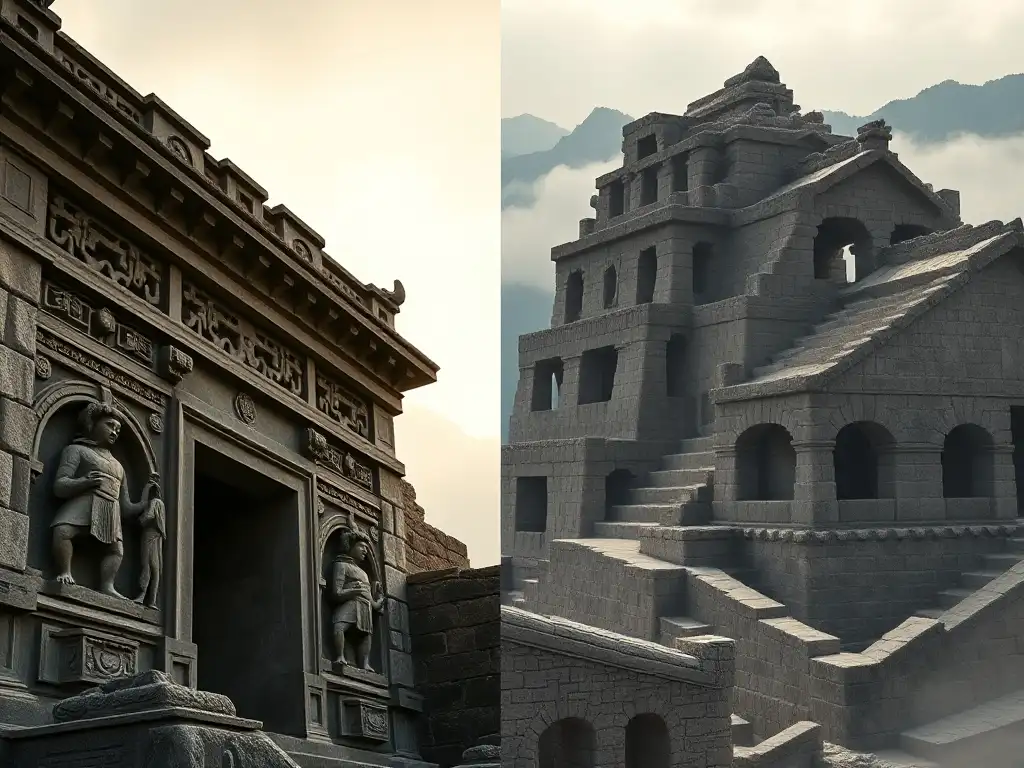
The Tiahuanaco architectural influence on Inca civilization is a topic of ongoing scholarly debate, with evidence suggesting both significant similarities and notable divergences in their respective architectural styles. Understanding these parallels and distinctions provides crucial insights into the transmission of knowledge and the evolution of architectural practices across the Andean region. This section will delve into the key similarities and differences between Tiahuanaco and Inca architecture, focusing on construction techniques, motifs, urban planning, and scale.
Key Architectural Similarities Between Tiahuanaco and Inca
While separated by time and exhibiting unique characteristics, Tiahuanaco and Inca architecture share certain fundamental similarities that hint at a potential lineage or at least a shared architectural vocabulary within the Andean context.
Shared Construction Techniques and Materials
Both Tiahuanaco and Inca builders demonstrated mastery of stonework, employing sophisticated techniques to create precisely fitted structures. The use of large, precisely cut stone blocks is a common thread. While the scale might differ, the precision of the cuts and the fitting of the blocks without mortar, showcasing advanced engineering skills, is evident in both cultures’ monumental architecture.
Both cultures also utilized readily available local materials such as andesite and basalt, adapting their construction techniques to the specific properties of the stone. The meticulous craftsmanship, evident in the intricate details of both Tiahuanaco's Kalasasaya and Inca sites like Machu Picchu, points to a shared appreciation for durable and aesthetically pleasing structures.
Further research is needed to fully quantify the exact overlap in specific techniques, such as the use of specific types of stone dressing or the presence of similar joining methods. [Specific information pending on comparative analysis of stone dressing techniques].
Common Architectural Motifs and Symbolic Representations
Beyond construction, certain architectural motifs and symbolic representations appear in both Tiahuanaco and Inca structures, suggesting a possible cultural continuity or exchange of ideas. For instance, the repeated use of stepped platforms, a hallmark of Tiahuanaco architecture, finds echoes in Inca constructions, albeit often on a smaller scale. Furthermore, the incorporation of geometric patterns, such as stepped friezes and intricate carvings, is observed in both cultures' buildings. While the specific iconography and meanings might differ, the underlying preference for geometric order and symbolic representation is undeniable. The presence of similar decorative elements, such as the use of khipus-inspired designs (though this requires further verification), could indicate a shared symbolic language or cultural influence. [Specific examples of shared symbolic representations pending further research].
Key Architectural Differences Between Tiahuanaco and Inca
Despite the shared elements, significant differences exist between Tiahuanaco and Inca architecture, reflecting the distinct cultural contexts and technological advancements of each civilization.
Divergences in Urban Planning and Design
A prominent difference lies in urban planning and design. Tiahuanaco's architecture is characterized by a more monumental and ceremonial layout, with large plazas and impressive structures arranged around a central axis. In contrast, Inca urban planning often involved a more organic and adaptable approach, with buildings integrated into the landscape and adapted to the terrain.
Tiahuanaco's rigidly planned city contrasts sharply with the Inca's more flexible and context-sensitive approach to urban development. The Inca's mastery of terracing and integration with natural features showcases a different architectural philosophy compared to Tiahuanaco's emphasis on large-scale, centralized structures. This difference reflects varying societal needs and priorities.
Variations in Architectural Scale and Purpose
The scale of architectural projects also differs significantly. Tiahuanaco's structures, like the Akapana pyramid, were massive undertakings, reflecting a centralized power structure and a focus on monumental architecture. While the Inca also built impressive structures like Sacsayhuamán, their architecture, while impressive, generally demonstrates a more human-scaled approach with buildings designed for specific purposes.
The Inca's focus on practical functionality and adaptability is evident in their residential and administrative structures, which are smaller in scale compared to the monumental structures of Tiahuanaco. This difference underscores the distinct priorities and organizational structures of the two civilizations. The sheer scale of Tiahuanaco's projects might suggest a higher level of centralized control and labor mobilization compared to the Inca, who may have relied on a more decentralized system for construction.
The comparison of Tiahuanaco and Inca architecture reveals a complex interplay of continuity and change. While shared techniques and motifs suggest potential influence, significant differences in urban planning, scale, and overall design philosophy highlight the unique cultural and technological trajectories of these two remarkable Andean civilizations. Further research, incorporating advanced techniques like 3D modeling and comparative analysis of construction materials, will offer a deeper understanding of the Tiahuanaco architectural influence on Inca civilization and its broader impact on Andean architectural traditions.
Legacy of Tiahuanaco's Architectural Innovations
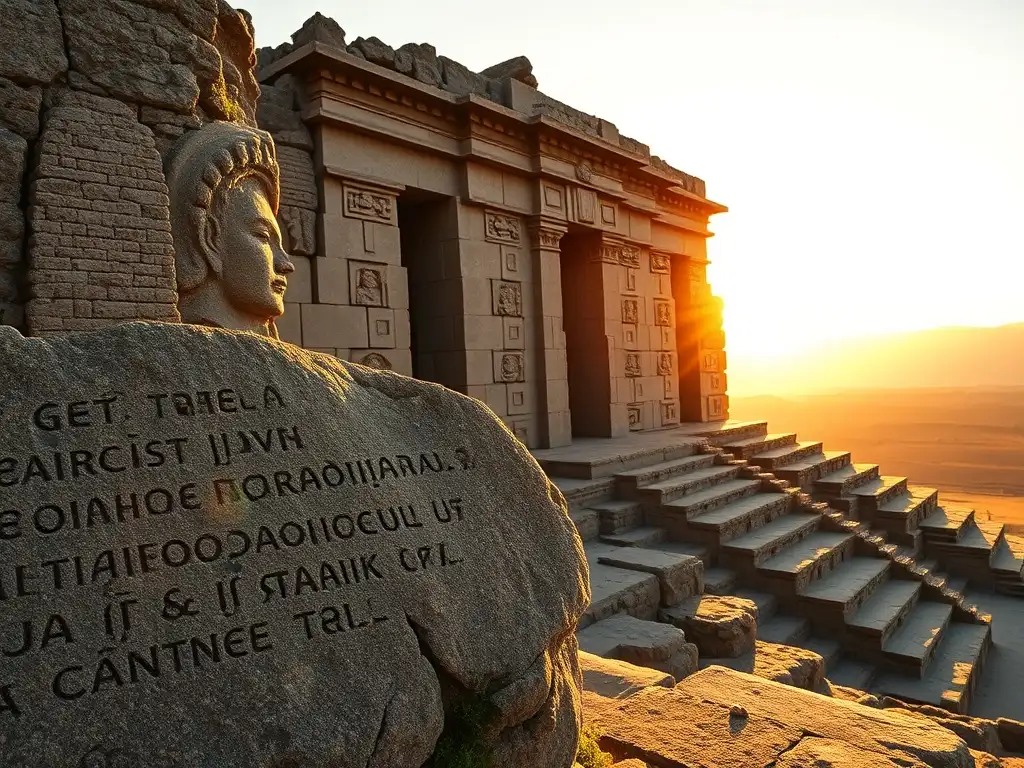
The monumental architecture of Tiahuanaco left an indelible mark on subsequent Andean cultures. Its sophisticated techniques, innovative designs, and imposing scale served as a powerful source of inspiration and emulation for generations of builders. The influence wasn't merely imitative; rather, later cultures adapted and reinterpreted Tiahuanaco's architectural vocabulary, integrating it into their own unique styles and contexts.
This process of cultural transmission and adaptation highlights the enduring legacy of Tiahuanaco's architectural prowess and its profound impact on the development of Andean architectural traditions. The sheer scale of Tiahuanaco's structures, such as the Kalasasaya complex and the Akapana pyramid, likely instilled a sense of awe and reverence, influencing the planning and construction of later ceremonial centers.
The precise stonework, intricate carvings, and monumental proportions served as a benchmark of architectural excellence, inspiring builders to strive for similar levels of craftsmanship and artistry. Understanding this legacy requires examining specific examples of Tiahuanaco's influence across different Andean cultures and time periods.
The Lasting Impact of Tiahuanaco Architecture on Later Andean Societies
Tiahuanaco's architectural influence extended far beyond its immediate geographic vicinity, impacting the development of architectural styles across the Andes. While the direct mechanisms of transmission remain a subject of ongoing research, the similarities in architectural features, construction techniques, and even symbolic motifs strongly suggest a significant cultural exchange. The widespread adoption of certain architectural elements, such as stepped platforms, monumental doorways, and intricate stone carvings, points towards a shared architectural heritage deeply rooted in Tiahuanaco's legacy. The precise nature of this influence varied across different cultures, with some adopting specific Tiahuanaco features more readily than others.
For instance, the Inca Empire, while developing its own unique architectural style, clearly incorporated elements reminiscent of Tiahuanaco's architectural vocabulary, particularly in their ceremonial centers. The use of massive stone blocks, precise joinery, and the incorporation of certain decorative motifs all suggest a clear connection to Tiahuanaco's architectural traditions. This influence wasn't simply a matter of copying; rather, the Inca adapted and reinterpreted Tiahuanaco's styles, integrating them into their own imperial aesthetic.
Further research is needed to fully understand the extent and nature of this cultural exchange, including the role of migration, trade, and political interactions in the transmission of architectural knowledge and practices. The influence of Tiahuanaco's architectural innovations can be seen as a testament to its enduring cultural power and its lasting impact on the shaping of Andean civilization. The sophistication of Tiahuanaco's techniques and the scale of its projects established a high benchmark for subsequent Andean builders.
Architectural Continuity in the Altiplano Region
The Altiplano region, where Tiahuanaco flourished, witnessed a remarkable continuity in architectural styles across different cultural periods. This continuity highlights the enduring impact of Tiahuanaco's architectural legacy on the region's subsequent development. Later cultures, such as the Lupaca and Colla, continued to build upon the foundational principles established by Tiahuanaco architects.
They adapted and refined Tiahuanaco's techniques, incorporating them into their own unique architectural expressions. The use of large, precisely cut stone blocks, the construction of stepped platforms, and the incorporation of monumental doorways are just some examples of the architectural continuity observed in the Altiplano. This continuity wasn't merely a matter of imitation; rather, it reflects a process of cultural adaptation and innovation, with later builders drawing upon and transforming the architectural heritage of Tiahuanaco to create their own distinct architectural identities.
This demonstrates a strong sense of cultural identity and continuity, where the architectural heritage of Tiahuanaco served as a foundational element for subsequent architectural developments in the Altiplano region. Analyzing the specific architectural elements and construction techniques employed by these later cultures helps to illuminate the multifaceted nature of Tiahuanaco's architectural influence and its enduring impact on the region. Further investigation is needed to fully understand the complex interplay between continuity and change in the architectural traditions of the Altiplano.
Preservation and Study of Tiahuanaco Architectural Remains
The preservation and study of Tiahuanaco's architectural remains are crucial for understanding its profound influence on subsequent Andean cultures. The careful excavation and analysis of these sites provide invaluable insights into the construction techniques, architectural styles, and symbolic meanings embedded in Tiahuanaco's structures. This research is essential for unraveling the complex relationship between Tiahuanaco and later Andean cultures, illuminating the processes of cultural transmission and adaptation that shaped the development of Andean architecture. Ongoing archaeological research continues to uncover new information about Tiahuanaco's architectural innovations and their impact on later societies.
Detailed analysis of the stonework, the use of specific materials, and the layout of the structures provides valuable data for understanding the technological capabilities and aesthetic preferences of Tiahuanaco builders. Furthermore, the study of Tiahuanaco's architecture contributes to a broader understanding of the cultural and social dynamics of the Andean region, highlighting the interconnectedness of different cultures and the enduring legacy of Tiahuanaco's architectural achievements. The preservation of these sites is not only crucial for scientific research but also for safeguarding a vital part of Andean cultural heritage.
The ongoing efforts to protect and conserve Tiahuanaco's architectural remains are essential for ensuring that future generations can appreciate and learn from this remarkable legacy. Moreover, collaborative efforts between archaeologists, historians, and local communities are vital for promoting sustainable tourism and ensuring the long-term preservation of this invaluable cultural heritage. The future of Tiahuanaco's legacy depends on continued research, responsible preservation, and a commitment to sharing this remarkable history with the world.
Conclusion: The Enduring Influence of Tiahuanaco Architecture
The monumental architecture of Tiahuanaco left an undeniable mark on subsequent Andean cultures. Its sophisticated techniques, innovative designs, and symbolic power resonated across time and space, influencing the aesthetic and practical aspects of construction for centuries. While the exact mechanisms of transmission remain a subject of ongoing research, the evidence strongly suggests a significant and lasting influence, particularly on the Inca Empire.
Understanding this influence is key to comprehending the broader trajectory of Andean architectural development and the interconnectedness of these remarkable civilizations. The legacy of Tiahuanaco continues to inspire awe and wonder, reminding us of the ingenuity and artistry of its builders.
Recap of Tiahuanaco's Architectural Contributions
Tiahuanaco's architectural prowess is evident in several key aspects. Their mastery of stonework, particularly in the precise cutting and fitting of massive blocks without mortar, remains a testament to their advanced engineering skills. The iconic Gate of the Sun, with its intricate carvings and celestial symbolism, exemplifies their sophisticated artistry and understanding of astronomy.
The use of monolithic structures, like the Kalasasaya platform, demonstrates their ability to manipulate vast quantities of stone, creating impressive and enduring monuments. Furthermore, their understanding of urban planning, evident in the layout of the city itself, showcases a level of societal organization and sophistication rarely seen in contemporary cultures. This combination of technical skill and artistic expression created a unique architectural style that served as a blueprint for later Andean builders.
The precise methods used for quarrying, transporting, and erecting these colossal stones are still being investigated, further highlighting the remarkable nature of their achievements. The scale and precision of Tiahuanaco's architecture continue to fascinate researchers and inspire debate about its construction methods and cultural significance.
The Importance of Understanding Tiahuanaco for Andean History
Understanding Tiahuanaco's architectural influence is crucial for a complete understanding of Andean history. It provides valuable insights into the processes of cultural diffusion and adaptation within the region. The adoption and adaptation of Tiahuanaco architectural styles by later civilizations, especially the Inca, highlight the continuity and evolution of Andean building traditions. By studying these influences, we can trace the development of architectural techniques and identify common threads that connect seemingly disparate cultures.
This interconnectedness challenges simplistic narratives of isolated development, emphasizing the dynamic interplay between different Andean societies. Furthermore, analyzing Tiahuanaco's influence allows us to better appreciate the symbolic and ideological significance of architecture in Andean societies. The continuation of certain motifs, building techniques, and overall aesthetic sensibilities suggests a shared cultural heritage and a deep respect for the achievements of their predecessors.
Ignoring Tiahuanaco's impact would be to overlook a crucial element in the complex tapestry of Andean civilization. Further research, particularly focusing on comparative analysis of Tiahuanaco and Inca architecture, is needed to fully unlock the secrets of this profound influence and its implications for our understanding of Andean history. The Tiahuanaco architectural influence on Inca construction practices, for example, warrants more detailed investigation.
Frequently Asked Questions
What is the main focus of this article?
This article explores the architectural influence of the Tiahuanaco civilization on other Andean cultures, particularly the Inca Empire. It examines how Tiahuanaco's distinctive styles and techniques were adopted and adapted.
How did Tiahuanaco architecture influence Inca architecture?
Tiahuanaco's monumental stonework, precise construction techniques, and use of specific motifs significantly impacted Inca architecture. Inca builders likely learned from and incorporated these elements into their own structures.
What specific architectural features show Tiahuanaco influence on the Inca?
Features like large stone blocks, precisely fitted joints, and similar decorative patterns in both Tiahuanaco and Inca structures strongly suggest a direct link. The use of red sandstone is another example.
Were the Inca the only Andean culture influenced by Tiahuanaco?
No, while the Inca are a key example, other Andean cultures, such as the Wari, also showed evidence of Tiahuanaco influence in their architecture, demonstrating its widespread impact.
Where can I find more information about Tiahuanaco architecture?
You can find more detailed information through academic journals, books on Andean archaeology, and museum exhibits focusing on pre-Columbian Andean civilizations. Many online resources also exist.
Final Reflection: Echoes of Tiahuanaco: A Legacy in Stone
The sophisticated architectural innovations of Tiahuanaco continue to resonate throughout Andean history, profoundly shaping the Inca Empire and leaving an undeniable mark on the region's cultural landscape. Understanding this influence is not merely an academic exercise; it's crucial to appreciating the interconnectedness of Andean civilizations and the enduring power of cultural exchange. The legacy of Tiahuanaco's masterful stonework, intricate designs, and monumental structures serves as a testament to the ingenuity and resilience of ancient Andean societies.
The impact of Tiahuanaco's architectural style extends far beyond mere imitation; it represents a transmission of knowledge, a shared understanding of engineering principles, and a powerful symbol of cultural continuity. The imposing structures of Tiahuanaco, with their precise stone fitting and monumental scale, clearly inspired later Andean builders. The Inca, like their predecessors, were masters of stonework, and their achievements were built upon the foundations laid by earlier cultures, including Tiahuanaco.
This quote highlights the undeniable lineage connecting Tiahuanaco's architectural prowess to the subsequent flourishing of Inca architecture. The echoes of Tiahuanaco's influence can be heard in the very stones of Machu Picchu and other Inca sites.
Consider the implications of this shared heritage. How does understanding the influence of Tiahuanaco enrich our appreciation of Inca achievements? What other hidden connections might exist between seemingly disparate Andean cultures? I urge you to delve deeper, to explore the intricate details of Andean architecture, and to recognize the enduring power of cultural exchange in shaping the vibrant tapestry of Andean civilization. Let the legacy of Tiahuanaco inspire you to seek out the interconnectedness of history and to appreciate the enduring impact of past civilizations on our present world.
**Discover the Enduring Legacy of Tiahuanaco! **
Thank you for exploring the fascinating world of Tiahuanaco architecture with us! You've uncovered the profound influence this civilization had on subsequent Andean cultures. Now, let's put your newfound knowledge into practice!
- **Explore local examples of Andean architecture:** Visit a museum or historical site showcasing Andean architecture, and identify the connections to Tiahuanaco's innovative designs and techniques.
- **Engage with online communities or local groups** dedicated to Andean studies. Share your insights on Tiahuanaco and its architectural innovations, and learn from others' perspectives.
- **Share your discoveries:** Write a blog post, share on social media, or simply tell your friends about what you've learned about Tiahuanaco's significant role in shaping architectural styles in the Andes.
As you reflect on these activities, consider this important question: **How does understanding the architectural achievements of civilizations like Tiahuanaco deepen our appreciation for the vibrant cultures of the contemporary Andes? ** Let's discuss!