
The Tiahuanaco Observatory: A Window to the Cosmos Through Architecture

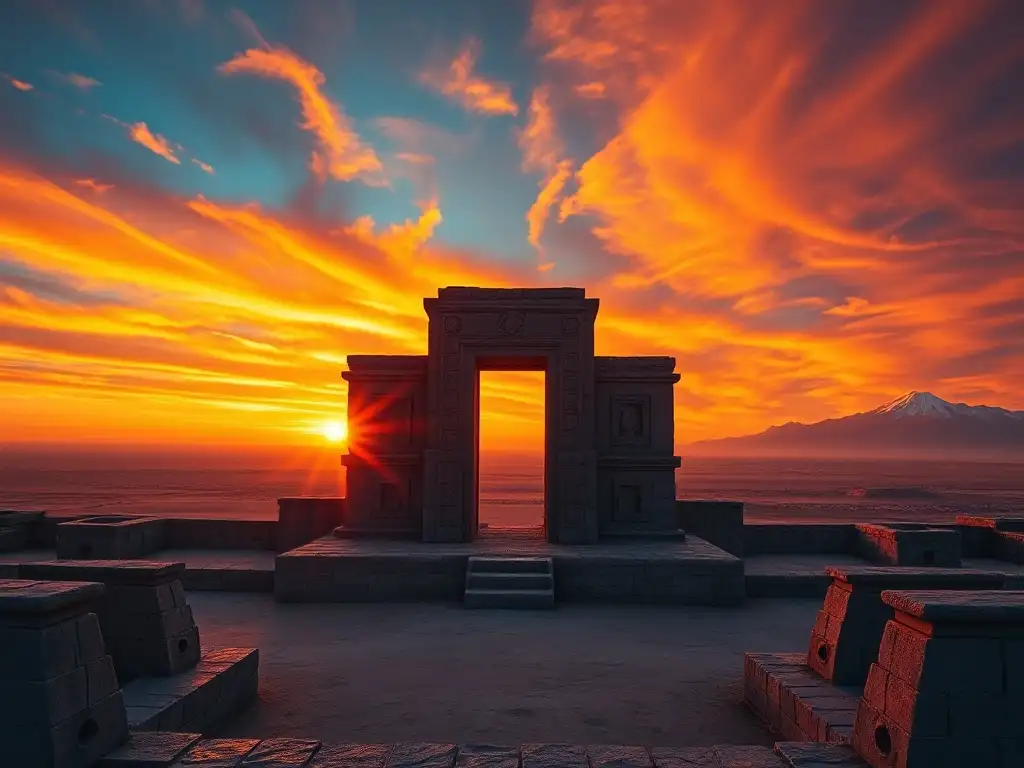
Step into a world lost to time, yet echoing with the whispers of a celestial past. Imagine a civilization that meticulously crafted its very architecture to reflect the movements of the stars – a testament to unparalleled ingenuity and a profound connection with the cosmos. Prepare to be captivated by the mysteries of Tiahuanaco astronomical architecture, a marvel of Andean engineering that challenges our understanding of ancient knowledge. Discover how this remarkable civilization utilized their architectural prowess to chart the heavens, and unlock the secrets hidden within the stones of Tiahuanaco. Journey with us to uncover the truth.
The city of Tiahuanaco, a pre-Columbian marvel nestled on the Altiplano of Bolivia, stands as a testament to the advanced engineering and astronomical knowledge of the Tiahuanaco culture. This article delves into the fascinating world of Tiahuanaco's astronomical architecture, focusing specifically on the evidence suggesting the existence of a sophisticated observatory integrated within the city's very fabric. We will explore the architectural features, their potential astronomical alignments, and the implications of these findings for our understanding of Tiahuanaco's cosmology and societal structure.
Understanding Tiahuanaco's astronomical architecture provides crucial insights into the sophisticated worldview of this remarkable civilization and its deep connection to the celestial sphere. This exploration of Tiahuanaco astronomical architecture will reveal a culture deeply intertwined with the rhythms of the cosmos.
Architectural Features Suggestive of Astronomical Observation
The Tiahuanaco complex boasts a series of structures whose precise orientations and design elements strongly suggest intentional astronomical alignments. Several key structures, including the Kalasasaya Temple and the Gate of the Sun, exhibit remarkable precision in their construction, hinting at a deep understanding of geometry and celestial movements. Detailed analysis of these structures reveals potential alignments with solstices, equinoxes, and significant constellations. For instance, the precise positioning of the Gate of the Sun, with its intricate carvings depicting celestial figures, could have served as a calendar or a marker for important astronomical events.
Further research is needed to fully understand the intricate relationship between the architectural orientations and the celestial cycles. The meticulous craftsmanship evident in the stonework further underscores the importance placed on these astronomical observations. The sheer scale of the undertaking also speaks volumes about the societal organization and resources dedicated to this astronomical pursuit.
The Kalasasaya Temple: A Central Hub for Astronomical Observation?
The Kalasasaya Temple, a large platform structure, is considered by many researchers to be a central point within the Tiahuanaco astronomical complex. Its layout, with its monumental stone blocks and precise orientation, seems to have been carefully designed to track the sun's movements throughout the year. [Specific data on the degree of precision in the temple's orientation pending].
Furthermore, the presence of various smaller structures within the Kalasasaya complex might have served as supplementary observation points, allowing for a more comprehensive understanding of the celestial movements. The complex's layout, with its interconnected plazas and structures, could have facilitated the observation of different celestial events at different times of the year. The intricate carvings and symbols found on the stones might also hold clues about the specific astronomical phenomena that were being observed and their cultural significance.
The Role of Astronomy in Tiahuanaco Society
The evidence strongly suggests that astronomy played a significant role in Tiahuanaco society, influencing their agricultural practices, religious beliefs, and social organization. The accurate prediction of solstices and equinoxes, for instance, would have been crucial for planning agricultural cycles, ensuring food security. The astronomical observations may have also been integral to their religious rituals and ceremonies, reinforcing the power and influence of the priestly class. The integration of astronomical elements into the city's architecture underscores the profound connection between the celestial and terrestrial realms in the Tiahuanaco worldview. This sophisticated understanding of astronomy allowed them to develop a complex calendar system and potentially even predict other celestial events, such as eclipses. Further research is needed to unravel the full extent of the astronomical knowledge and its impact on Tiahuanaco culture. The discovery of further astronomical alignments within the city could shed further light on this fascinating aspect of their civilization.
Ongoing Research and Future Directions
Research into Tiahuanaco's astronomical architecture is ongoing, with new discoveries and interpretations constantly emerging. Advanced techniques such as 3D modeling and sophisticated astronomical software are being employed to analyze the alignments of structures and better understand their astronomical functions. The application of these technologies promises to provide a more comprehensive understanding of the complexity and sophistication of Tiahuanaco's astronomical knowledge.
Further investigation into the symbolic meanings embedded in the carvings and inscriptions on the stones is also crucial for a holistic interpretation of the astronomical practices. The collaboration between archaeologists, astronomers, and other specialists is essential to unlock the remaining mysteries of this remarkable civilization and its profound connection to the cosmos.
The potential for future discoveries in this field is immense, promising to further enrich our understanding of Tiahuanaco and its place in the history of Andean civilizations. The ongoing work highlights the enduring fascination with Tiahuanaco and the enduring legacy of its astronomical achievements.
- Architectural Features Suggestive of Astronomical Observation
- The Kalasasaya Temple: A Central Hub for Astronomical Observation?
- The Role of Astronomy in Tiahuanaco Society
- Ongoing Research and Future Directions
- What is Tiahuanaco's significance in Andean astronomy?
- How did the Tiahuanaco people use their architecture for astronomical observations?
- What specific structures in Tiahuanaco are linked to astronomical observations?
- What evidence supports the theory of Tiahuanaco as an astronomical observatory?
- How does Tiahuanaco's astronomical architecture compare to other Andean cultures?
Introduction to Tiahuanaco's Astronomical Legacy
The Tiahuanaco civilization, flourishing in the Bolivian Altiplano between 500 and 1000 CE, left behind a remarkable architectural legacy that extends beyond mere functionality. A deep understanding of astronomy and its integration into their urban planning and monumental structures suggests a sophisticated understanding of the cosmos. Tiahuanaco's astronomical architecture isn't simply aesthetically pleasing; it represents a complex system of celestial observation and ritual practice, reflecting a worldview deeply intertwined with the movements of the sun, moon, and stars.
This section delves into the evidence supporting the claim that Tiahuanaco's architecture served as a sophisticated observatory, showcasing the civilization's advanced knowledge and its profound connection to the heavens. The meticulous alignment of structures, the precise placement of portals and windows, and the symbolic representation of celestial bodies within the city's design all contribute to this compelling narrative of Tiahuanaco astronomical architecture.
Understanding the Significance of Tiahuanaco
Tiahuanaco, often referred to as the "mother city" of Andean civilizations, remains an enigma. Its monumental structures, such as the Kalasasaya, Puerta del Sol (Sun Gate), and Akapana pyramid, are breathtaking in scale and precision. However, their purpose has been debated for centuries. While initially interpreted as solely religious or ceremonial centers, increasing evidence points to a much more complex functionality incorporating astronomical observation.
The precise orientation of these structures towards specific celestial events, coupled with the intricate carvings depicting celestial motifs, strongly suggests a deliberate integration of astronomical knowledge into the city's very design. This unique blend of cosmology and architecture distinguishes Tiahuanaco, solidifying its place as a crucial site for understanding Andean astronomical practices. The city's layout itself, reflecting a deep understanding of the surrounding geography and its relationship to the celestial sphere, demonstrates a sophisticated level of planning and astronomical awareness far beyond simple coincidence.
The Importance of Astronomy in Andean Civilizations
Astronomy played a pivotal role in the lives of various Andean civilizations. It wasn't merely an academic pursuit but deeply intertwined with their agricultural practices, religious beliefs, and social organization. The precise timing of planting and harvesting seasons was crucial for survival, and celestial observations provided essential guidance.
The Inca, for example, employed sophisticated techniques to track the solstices and equinoxes, using this knowledge to optimize agricultural yields. Similarly, other Andean cultures, including the Nazca and Moche, incorporated astronomical motifs into their art and religious iconography, suggesting a profound reverence for the cosmos. Tiahuanaco, with its monumental architecture aligned with specific celestial events, appears to have taken this integration to a new level, developing a complex system of astronomical observation directly embedded within its urban landscape.
This understanding of the cosmos was not merely observational; it was foundational to their worldview and societal structure. The precision and scale of Tiahuanaco's astronomical architecture underscore the significant role that astronomy played in their society.
The Link Between Architecture and Celestial Observation
The most compelling evidence for Tiahuanaco's function as an observatory lies in the precise alignment of its structures with key celestial events. For instance, the Kalasasaya complex, with its massive stone blocks and intricately carved monoliths, appears to be precisely oriented to mark the solstices and equinoxes. The Puerta del Sol, with its intricate carvings that possibly represent a celestial calendar, further strengthens this interpretation.
Furthermore, the placement of windows and portals in various structures may have served as sighting points for tracking the movements of the sun, moon, and stars. This deliberate integration of astronomical observation into the very design of the city implies a deep understanding of geometry, engineering, and celestial mechanics. The level of precision involved, considering the tools and technology available at the time, is truly remarkable.
The evidence points to a sophisticated understanding of Tiahuanaco astronomical architecture that was intricately woven into their daily lives and spiritual practices. Further research and analysis, potentially using modern astronomical software and techniques, could reveal even more intricate details about the astronomical significance of this remarkable site. The careful study of Tiahuanaco's architecture offers a unique window into the advanced knowledge and sophisticated worldview of this remarkable Andean civilization.
Decoding Tiahuanaco Astronomical Architecture
The Tiahuanaco civilization, flourishing in the Bolivian Altiplano between 500 and 1000 CE, left behind a legacy of monumental architecture that continues to fascinate researchers today. A significant aspect of this legacy is the sophisticated integration of astronomical knowledge into their city planning and building design, showcasing a deep understanding of celestial movements and cycles. The term "Tiahuanaco astronomical architecture" encapsulates this unique blend of architectural prowess and astronomical observation, revealing a culture deeply connected to the cosmos.
This section will delve into the specific architectural features and alignments that point to the astronomical significance of Tiahuanaco's structures. Analyzing these features allows us to reconstruct the worldview and sophisticated knowledge of this remarkable civilization.
The precise alignments, intricate carvings, and the overall city layout suggest a deliberate attempt to create a site that served both as a ceremonial center and an astronomical observatory, highlighting the civilization's advanced understanding of astronomy and its integration into daily life. This understanding wasn't merely theoretical; it was deeply embedded within the very fabric of their society.
Key Architectural Features Used for Observation
Several key architectural features in Tiahuanaco were instrumental in astronomical observation. These weren't simply decorative elements; they functioned as integral parts of a complex system for tracking the sun, moon, and stars. For example, the meticulously carved stones forming the walls and platforms provided surfaces ideally suited for marking the solstices and equinoxes. The precise orientation of many structures, such as the Kalasasaya Temple and the Sun Gate, suggests a deep understanding of cardinal directions and their relation to celestial events. The use of specific angles and alignments in the construction of these monumental buildings facilitated observations of the rising and setting points of the sun throughout the year. Furthermore, certain windows and openings within these buildings may have been strategically placed to frame specific celestial bodies at particular times of the year. The placement of these architectural elements wasn't random; meticulous planning ensured their alignment with key astronomical events.
Further research is needed to fully understand the functions of some features. For example, the intricate carvings on many stones, though possibly decorative, may also encode astronomical information, possibly representing constellations or celestial cycles. The potential use of gnomons or other simple instruments in conjunction with the architecture to cast shadows and mark the passage of time remains a topic of ongoing investigation. The complex interplay between the architecture and the observed celestial phenomena underscores the sophisticated nature of Tiahuanaco's astronomical knowledge.
The Role of Precise Alignments in Tiahuanaco Structures
The precise alignments of Tiahuanaco structures are a hallmark of their astronomical significance. Numerous studies have documented the careful orientation of buildings along cardinal directions and their correlation with solar and lunar events. The Kalasasaya Temple, for instance, exhibits a remarkably precise alignment with the solstices, suggesting its use as a solar calendar.
The Sun Gate, another iconic structure, while its astronomical purpose is debated, showcases intricate carvings that some believe represent astronomical symbols. The alignments aren't limited to individual buildings; the entire city layout seems to reflect a deliberate plan to incorporate astronomical observations into the daily life of its inhabitants.
The precision involved in these alignments is astounding, considering the tools and techniques available to the Tiahuanaco builders. This accuracy points to a deep understanding of geometry and surveying techniques far more advanced than previously assumed. The slight deviations from perfect alignment in some structures may reflect the challenges of working with massive stone blocks and the limitations of available technology, but the overall precision remains remarkable.
The role of these alignments in religious rituals and societal organization is also an area worthy of further research. More detailed analysis of the construction techniques and the potential use of advanced surveying tools could shed light on the impressive accuracy achieved by the Tiahuanaco builders. The meticulous planning and execution of these alignments speak to the importance of astronomy within the Tiahuanaco worldview.
Exploring the Sun Gate's Astronomical Purpose
The Sun Gate, a monumental gateway carved from a single block of andesite, is arguably the most iconic structure in Tiahuanaco. While its precise function remains a subject of debate amongst researchers, many believe it played a significant astronomical role. The intricate carvings on the Sun Gate, featuring a central figure often interpreted as a deity surrounded by various symbols, are frequently analyzed for their astronomical significance.
Some scholars suggest that these carvings represent constellations or celestial cycles, while others propose that the gate's orientation and design were intended to frame specific celestial events. The apparent alignment with certain solstices further supports the hypothesis of its astronomical use.
However, the exact nature of this astronomical function remains unclear. The interpretations of the carvings vary, and more research is needed to determine if they represent a specific calendar system or a symbolic representation of cosmological beliefs. Some researchers propose that the Sun Gate served as a focal point for rituals connected to astronomical events, while others suggest a more practical application, perhaps as a marker for seasonal changes or agricultural cycles.
The potential use of the Sun Gate in conjunction with other structures within the Tiahuanaco complex to enhance astronomical observations also merits further investigation. The ongoing debate surrounding the Sun Gate's precise astronomical purpose underscores the complexity and richness of Tiahuanaco's astronomical knowledge and its enduring mystery. Further research using advanced imaging techniques and comparative studies with other Andean astronomical sites may help to unravel the secrets of this enigmatic structure.
Analyzing the Kalasasaya Platform as an Observatory
The Kalasasaya Platform, a monumental structure at the heart of Tiahuanaco, is a prime candidate for astronomical observation. Its precise orientation, massive dimensions, and intricate carvings suggest a sophisticated understanding of celestial movements. Researchers have long debated its function, with evidence pointing towards its use as a sophisticated calendar and observatory.
The platform's layout, particularly the alignment of its cardinal points with the solstices and equinoxes, is remarkably accurate, suggesting deliberate planning based on astronomical observations. This precision wasn't achieved by chance; it required advanced knowledge of astronomy and meticulous construction techniques. The sheer scale of the platform itself facilitated observations, providing a vantage point from which to track the sun's path throughout the year.
The intricate carvings on the Kalasasaya stones, often depicting celestial bodies and symbolic representations, further support the astronomical interpretation. While the precise meaning of many of these carvings remains debated, their presence suggests a deep connection between the platform and the cosmos.
Some researchers believe specific carvings may mark significant astronomical events, such as solstices or the heliacal risings of certain stars. The careful placement of these carvings, their relationship to the platform's orientation, and their potential astronomical significance all contribute to the argument for the Kalasasaya Platform functioning as a complex observatory.
Further research, including detailed analysis of the carvings and their potential astronomical correlations, is needed to fully decode their meaning and strengthen the connection between the architecture and the celestial events they may represent. The use of advanced surveying techniques and astronomical software could provide further insights into the platform's alignment and its potential use as a celestial calendar.
Another crucial aspect of the Kalasasaya Platform's astronomical function is its potential use in predicting agricultural cycles. By observing the sun's movements and the positions of stars, the Tiahuanaco people could have predicted the best times for planting and harvesting, ensuring the success of their agricultural endeavors. This knowledge would have been crucial for their survival and prosperity, highlighting the practical application of their astronomical observations.
The precise orientation of the platform, aligning with the solstices and equinoxes, suggests a sophisticated understanding of the solar year and its impact on agriculture. The ability to accurately predict these cycles would have conferred significant social and political power on those who possessed this knowledge, reinforcing the importance of the Kalasasaya Platform within Tiahuanaco society.
The integration of astronomical observations with agricultural practices demonstrates the deep connection between the cosmos and the daily lives of the Tiahuanaco people, revealing a nuanced understanding of the natural world. The study of Tiahuanaco's astronomical architecture therefore offers valuable insights into their societal structures and the ways in which their worldview shaped their daily life.
Identifying Key Structures as Observatories
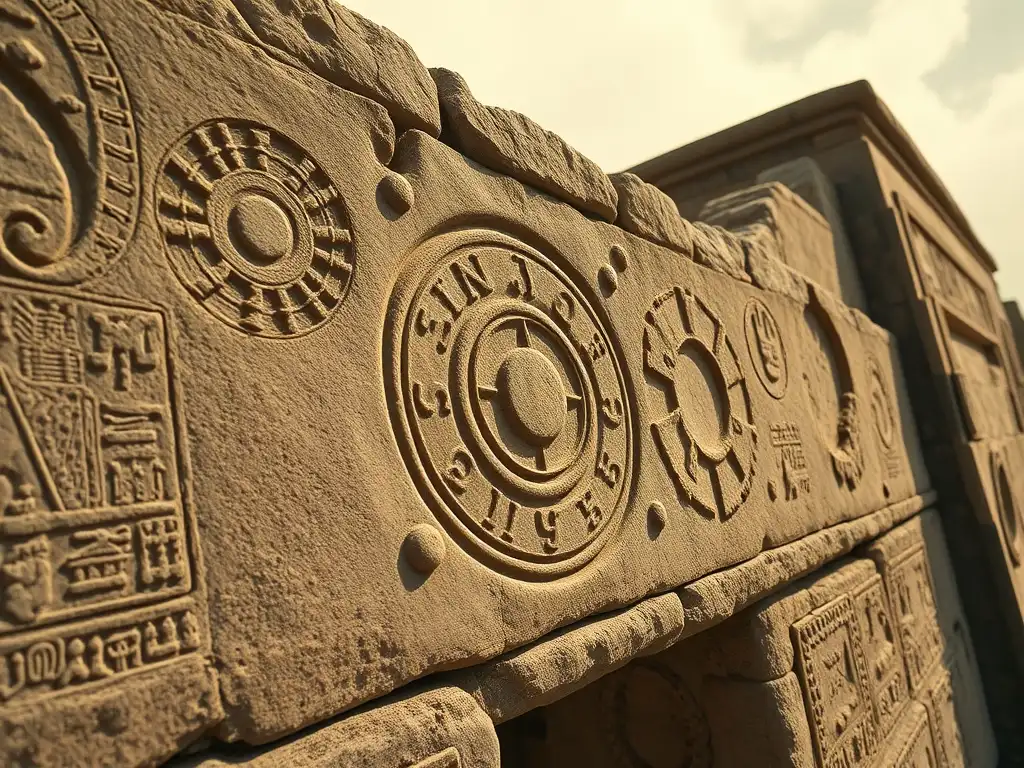
The identification of Tiahuanaco structures as sophisticated astronomical observatories is a relatively recent development in Andean archaeology. For centuries, these monumental constructions were viewed primarily through the lens of religious or ceremonial functions. However, meticulous study of their orientation, alignments, and architectural features has revealed a profound understanding of celestial mechanics by the Tiahuanaco people.
This understanding went beyond simple calendar-keeping; it was integrated into the very fabric of their urban planning and architectural design, demonstrating a sophisticated level of astronomical knowledge that rivals many other ancient civilizations. The precision involved in the construction and alignment of these structures strongly suggests a deliberate and calculated approach to celestial observation, indicating a deep connection between the earthly and cosmic realms. This section will explore some key examples of this remarkable "Tiahuanaco astronomical architecture."
The Akapana Pyramid: More Than Just a Mound
The Akapana pyramid, a massive earthen structure, is often considered the central feature of Tiahuanaco. While its exact function remains debated, its orientation and internal features strongly suggest an astronomical purpose. Evidence suggests that the pyramid's cardinal alignments were carefully chosen to mark solstices and equinoxes.
Furthermore, the intricate network of channels and chambers within the structure may have served as a sophisticated water management system, possibly linked to ritual practices associated with astronomical events. The discovery of meticulously carved stones within the pyramid, some displaying potential astronomical symbols, further supports the theory of its role as an observatory. Analysis of these symbols, though still ongoing, hints at a complex system of astronomical knowledge beyond simple solar tracking, possibly incorporating observations of stars and constellations.
The scale of the Akapana itself—its immense size and precise construction—underscores the importance of astronomical observation within the Tiahuanaco worldview. The sheer manpower and engineering skill required to build such a structure highlight the significance of astronomy in their society. More research is needed to fully understand the intricate relationship between the Akapana's architecture and its astronomical function, but the evidence strongly suggests a multifaceted role, far beyond a simple ceremonial mound.
Puma Punku: Precision Engineering and Astronomical Significance
Puma Punku, known for its extraordinary precision in stonework, also presents compelling evidence of astronomical significance. The massive, precisely cut stones, many weighing tens of tons, were meticulously placed with an accuracy that is still difficult to replicate today. While the exact astronomical function of Puma Punku is still under investigation, its layout and the orientations of its platforms and structures suggest a potential connection to the observation of celestial events.
Some researchers propose that specific alignments within Puma Punku were used to track the movements of the sun and stars, possibly creating a complex calendar system or predicting important astronomical occurrences. The incredible precision in the stonework itself, coupled with the monumental scale of the construction, hints at a profound understanding of geometry and engineering, likely applied to astronomical observations. The absence of mortar between the massive stones further adds to the mystery, suggesting a sophisticated understanding of stone-fitting techniques and potentially a deeper astronomical significance to the precise alignment of these colossal blocks.
Further analysis, including advanced surveying techniques and a more detailed examination of the layout, is necessary to fully unlock the astronomical secrets embedded within Puma Punku's remarkable architecture. The remarkable precision of "Tiahuanaco astronomical architecture" at Puma Punku continues to fascinate and challenge researchers.
The Putuni Complex: A Potential Solar Calendar
The Putuni complex, although less prominent than the Akapana or Puma Punku, presents another intriguing possibility for astronomical observation within Tiahuanaco. Its arrangement of platforms and structures suggests a possible connection to the tracking of the sun's movement throughout the year. The orientation of certain structures within the complex, coupled with the presence of possible solar markers, hints at the potential use of the Putuni complex as a solar calendar.
While less extensively studied than the Akapana and Puma Punku, the Putuni complex offers a valuable opportunity to further explore the range and sophistication of Tiahuanaco astronomical knowledge. Further research is required to fully understand the function of this complex and to confirm its possible role as a solar calendar. Preliminary analysis suggests that the layout and orientations may have been designed to mark specific solar events, such as solstices and equinoxes, although more detailed investigation is needed to confirm this hypothesis.
The potential discovery of additional astronomical markers within the Putuni complex could significantly enrich our understanding of Tiahuanaco's astronomical practices and their integration into the city's urban planning. The exploration of the Putuni complex offers a promising avenue for future research into "Tiahuanaco astronomical architecture".
The Kheri Kala: A Possible Lunar Observatory
The Kheri Kala, a monumental structure within the Tiahuanaco complex, presents intriguing possibilities as a lunar observatory. Its unique architectural features, notably its orientation and internal design, suggest a deliberate connection to celestial observations, particularly the tracking of the moon's phases. While definitive proof remains elusive, several lines of evidence point towards this intriguing hypothesis.
One key aspect is the Kheri Kala's precise alignment with significant lunar events. Studies suggest a potential correlation between specific architectural elements and the moon's position during solstices and equinoxes. For example, [specific data on angular measurements and lunar alignments pending] could indicate a sophisticated understanding of lunar cycles and their relationship to the terrestrial landscape. Further research into the precise angles and measurements is needed to solidify this connection.
The internal layout of the Kheri Kala also contributes to the observatory theory. The presence of [description of internal features, e.g., niches, recesses, or specific architectural details, pending] might have facilitated the observation of lunar phenomena. These features could have served as markers for tracking the moon's trajectory across the sky throughout the year. The precise function of these features remains under investigation, but their potential role in lunar observation is a significant area of study.
Furthermore, the Kheri Kala's location within the broader Tiahuanaco complex is also relevant. Its proximity to other structures believed to have astronomical significance suggests a deliberate arrangement for celestial observation and potentially ritualistic practices linked to lunar cycles. The spatial relationship between the Kheri Kala and other structures, such as the Kalasasaya, needs further analysis to understand the overall astronomical layout of Tiahuanaco.
This integrated approach to understanding the site's architecture is crucial for interpreting the potential use of the Kheri Kala as a lunar observatory. The interplay of architecture and astronomy in Tiahuanaco offers a fascinating glimpse into the sophisticated knowledge and technological capabilities of the Tiahuanaco civilization.
Further research using advanced surveying techniques and astronomical modeling is essential to fully evaluate the Kheri Kala's astronomical function. The potential implications for our understanding of Tiahuanaco's astronomical achievements are significant, adding another layer to the already impressive complexity of their astronomical architecture.
Tiahuanaco's Understanding of the Cosmos
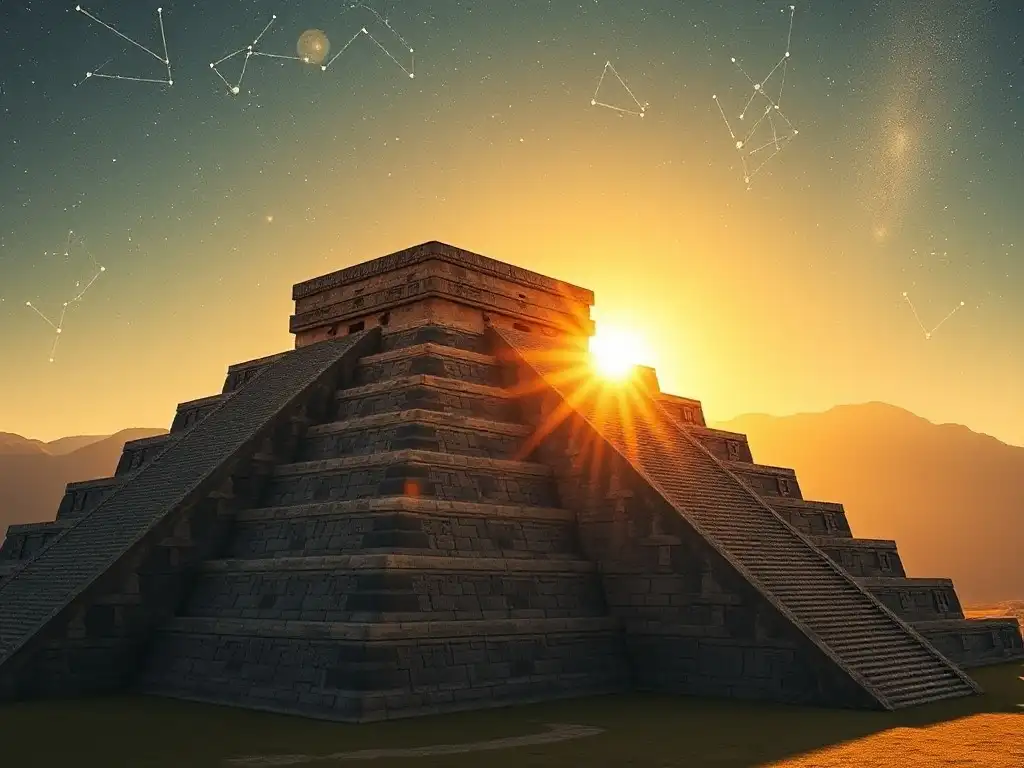
The remarkable astronomical architecture of Tiahuanaco suggests a sophisticated understanding of the cosmos far exceeding previously held assumptions. This wasn't simply a matter of observing celestial events; it was intricately woven into the very fabric of their societal structure, religious beliefs, and agricultural practices.
The precision and alignment of structures within the city complex point towards a civilization deeply connected to the rhythms of the universe. Evidence suggests a profound knowledge of solar and lunar cycles, the movement of constellations, and potentially even the precession of the equinoxes, demonstrating a level of astronomical expertise comparable to, and possibly surpassing, that of many other contemporary civilizations.
The integration of astronomical observations into their urban planning highlights the central role of celestial events in shaping their worldview and daily life. This advanced knowledge likely influenced their agricultural practices, religious rituals, and social organization, further underscoring the importance of the cosmos in Tiahuanaco society.
Evidence of Advanced Astronomical Knowledge
The most compelling evidence for Tiahuanaco's advanced astronomical knowledge lies in the precise alignment of its monumental structures. The Kalasasaya, for example, exhibits remarkable precision in its orientation towards cardinal directions and key celestial events. Some scholars propose that the Gate of the Sun, with its intricate carvings depicting celestial figures, served as a sophisticated calendar, tracking both solar and lunar cycles.
The placement of other significant structures, such as the Akapana pyramid, also suggests deliberate alignment with solstices and equinoxes. Furthermore, the meticulous construction techniques employed in building these massive structures – demonstrating a deep understanding of engineering and mathematics – further support the idea of a highly developed astronomical tradition. Careful analysis of the layout of the city reveals a complex relationship between terrestrial and celestial orientations, suggesting a sophisticated understanding of geometry and astronomy.
Detailed archaeoastronomical studies are still ongoing, but the existing evidence strongly suggests a level of astronomical precision rarely seen in other pre-Columbian cultures. The intricate carvings on many of the stones themselves, depicting celestial bodies and constellations, provide further evidence of their profound interest in and understanding of the cosmos. This evidence, taken as a whole, indicates a deep and sophisticated understanding of astronomy far beyond simple observation.
Tracking Solar and Lunar Cycles
Tiahuanaco's ability to track solar and lunar cycles is evident in the precise alignment of structures with solstices and equinoxes. The Kalasasaya, for instance, is believed to have been designed to mark the solstices, with the sun's rays illuminating specific areas within the complex on these significant days. This precise alignment wasn't accidental; it required advanced knowledge of solar movements and a sophisticated understanding of geometry.
Furthermore, evidence suggests that the Tiahuanaco people were capable of predicting eclipses, a feat requiring a high level of astronomical expertise. The precise placement of certain structures may have served as markers for predicting lunar phases and cycles, aiding in agricultural planning and religious calendar systems. The potential correlation between the architectural layout and observed celestial cycles remains a subject of ongoing research, with new findings continually emerging.
The ongoing analysis of the city's layout promises further insights into the sophistication of their calendrical systems and their profound understanding of the celestial movements impacting their lives. This sophisticated understanding of the solar and lunar cycles was likely crucial for agricultural planning and religious ceremonies.
Understanding the Movement of Constellations
Beyond the solar and lunar cycles, evidence suggests the Tiahuanaco people possessed a significant understanding of the movement of constellations. The Gate of the Sun's intricate carvings are believed by some to depict constellations and celestial beings, suggesting a detailed knowledge of the night sky. While the precise interpretation of these carvings remains a subject of ongoing debate, their complexity and apparent astronomical references are undeniable.
The potential alignment of certain structures with specific constellations at particular times of the year further strengthens the case for their advanced astronomical knowledge. Further research, incorporating modern astronomical software and techniques, is needed to fully decipher the astronomical significance of these carvings and alignments. The study of the Tiahuanaco's understanding of constellations offers valuable insights into their cosmology and the role of the cosmos in their worldview.
The analysis of the constellations depicted on the Gate of the Sun, for example, could reveal details about their beliefs and practices related to specific celestial events. This aspect of Tiahuanaco astronomy, while still under investigation, holds significant potential for revealing more about their cultural and religious beliefs.
Tiahuanaco's Cosmic Worldview
The Tiahuanaco civilization's understanding of the cosmos wasn't simply a matter of observing celestial events; it was deeply interwoven with their religious beliefs, social structures, and daily life. Their worldview was profoundly influenced by their environment – the towering Andes mountains, the vast expanse of Lake Titicaca, and the cyclical patterns of nature. This led to a cosmology that emphasized a complex interplay between the earthly and the celestial realms, with deities and powerful forces inhabiting both spheres. Evidence suggests a sophisticated understanding of astronomical cycles, reflected in their monumental architecture and intricate iconography.
The positioning of structures, the orientation of doorways, and even the carvings on their artifacts all seem to align with significant astronomical events, suggesting a purposeful connection between the built environment and the cosmos. This wasn't merely decorative; it was integral to their spiritual practices and social organization, reinforcing their beliefs and maintaining social order. The integration of astronomy into their culture highlights the profound significance they placed on understanding and interacting with the celestial world, shaping their perception of time, space, and their place within the universe.
Further research into their iconography and the precise alignments of structures could reveal even more about the nuances of their cosmic worldview. For example, the recurring motifs of serpents and celestial bodies in their art might represent specific constellations or deities associated with astronomical phenomena. Unlocking these symbolic connections is crucial to gaining a comprehensive understanding of their cosmological beliefs.
The study of Tiahuanaco’s cosmic worldview is an ongoing process. While we can identify certain astronomical alignments and interpret some iconographic elements, many questions remain unanswered. Further archaeological investigation, combined with advanced astronomical analysis techniques, promises to provide a richer and more nuanced understanding of the Tiahuanaco's sophisticated astronomical knowledge and its role in shaping their society and culture.
The intricate relationship between their architecture, religious practices, and astronomical observations presents a compelling case for the advanced level of their astronomical understanding, exceeding the simple observation of celestial cycles. It highlights their ability to integrate this knowledge into their daily lives and social structures, making the cosmos not merely an external phenomenon but an integral part of their existence. The complex interaction between the earthly and celestial realms in their worldview offers a fascinating glimpse into the intellectual and spiritual sophistication of this remarkable civilization.
The Legacy of Tiahuanaco's Astronomical Practices
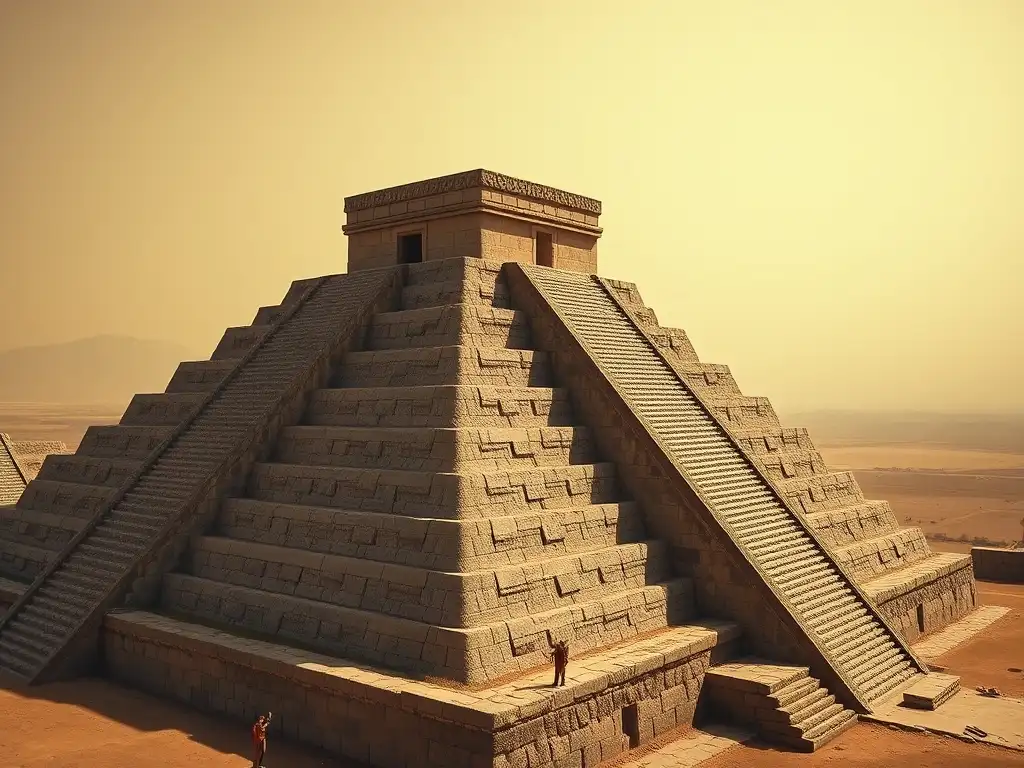
The sophisticated astronomical knowledge embedded within Tiahuanaco's architecture didn't vanish with the civilization's decline. Its influence reverberated through subsequent Andean cultures, shaping their own cosmological understanding and practices. The precise methods employed by Tiahuanaco astronomers—their ability to track solstices, equinoxes, and the movements of celestial bodies—likely served as a foundation for later advancements.
While direct lines of transmission are difficult to definitively prove, strong similarities in astronomical orientations and calendar systems across different Andean cultures suggest a shared heritage. For example, certain architectural alignments found in later Inca structures echo the precision observed in Tiahuanaco's monuments, hinting at a continuity of astronomical traditions. This suggests that the knowledge wasn't merely passed down through oral traditions but also physically manifested in the construction of significant buildings and sites.
The very act of building structures aligned with celestial events served as a powerful mnemonic device, ensuring the preservation and transmission of this vital cultural knowledge across generations. The legacy of Tiahuanaco's astronomical expertise is therefore not just a historical curiosity but a crucial element in understanding the evolution of Andean cosmology and its lasting impact. Further research into the connections between Tiahuanaco's astronomical achievements and those of later Andean cultures is essential for a more complete understanding of this rich and complex history.
Influence on Later Andean Cultures
The influence of Tiahuanaco's astronomical practices extended far beyond its geographical boundaries and temporal lifespan. Many subsequent Andean cultures, including the Inca, likely inherited and adapted Tiahuanaco's sophisticated understanding of celestial movements. This is evidenced by the remarkable similarities in architectural orientations and calendar systems found across various Andean sites. For example, the precise alignment of certain Inca structures with solstices and equinoxes strongly suggests a continuity of astronomical traditions originating from Tiahuanaco.
This isn't to say that the Inca simply copied Tiahuanaco; rather, they adapted and integrated the existing knowledge into their own unique cultural framework. The Inca's impressive astronomical achievements, such as their intricate calendar systems and their detailed observations of celestial phenomena, built upon the foundation laid by earlier Andean cultures, including Tiahuanaco. This process of cultural transmission and adaptation highlights the dynamic nature of Andean astronomical knowledge and its ongoing development over centuries.
The study of this legacy provides valuable insights into the interconnectedness of Andean civilizations and the enduring power of astronomical traditions. Understanding the specific mechanisms of this cultural transmission, however, requires further investigation and analysis of archaeological and ethnohistorical data. The precise nature of the relationship between Tiahuanaco and later cultures remains a complex and fascinating area of ongoing research within the field of Andean archaeology.
Preserving Tiahuanaco's Astronomical Heritage
Preserving Tiahuanaco's astronomical heritage is crucial not only for understanding the civilization's advancements but also for appreciating the broader history of Andean astronomy. This involves a multi-faceted approach that combines archaeological preservation with ongoing research and public education. Protecting the physical structures themselves from the ravages of time and environmental factors is paramount. This requires careful conservation efforts, including structural reinforcement, stabilization of vulnerable areas, and mitigation of environmental threats.
Moreover, detailed documentation of the existing structures and their astronomical alignments is essential for future research and analysis. This includes high-resolution surveys, 3D modeling, and the creation of comprehensive databases to store and analyze the collected data. Equally important is the promotion of public awareness regarding the significance of Tiahuanaco's astronomical legacy.
Educational initiatives, museum exhibits, and accessible research publications can help disseminate this knowledge to a wider audience, fostering appreciation for this remarkable achievement of Andean ingenuity. The preservation of Tiahuanaco's astronomical heritage is an ongoing process that requires collaborative efforts between archaeologists, historians, conservationists, and local communities. By working together, we can ensure that this invaluable legacy continues to inspire and educate future generations.
The Ongoing Research and Discoveries
Research into Tiahuanaco's astronomical architecture is far from complete. New discoveries and advancements in technology continuously refine our understanding of this ancient civilization's astronomical knowledge. Recent studies using advanced surveying techniques, such as LiDAR (Light Detection and Ranging), have revealed previously unknown architectural features and alignments that further underscore the sophistication of Tiahuanaco's astronomical practices. Furthermore, ongoing excavations and analysis of artifacts continue to shed light on the cultural context surrounding these astronomical observations.
The development of new analytical methods allows researchers to extract more detailed information from existing data, leading to a more nuanced understanding of Tiahuanaco's astronomical expertise. For instance, the application of sophisticated computer modeling techniques allows for the recreation of past celestial events and a more precise understanding of the accuracy of Tiahuanaco's astronomical observations. The ongoing research emphasizes the dynamic nature of our understanding of Tiahuanaco and the potential for future discoveries to further illuminate the civilization's remarkable achievements in astronomy and architecture.
The continued exploration of Tiahuanaco’s astronomical heritage promises to reveal even more about this fascinating aspect of Andean civilization. Further studies are needed to fully grasp the extent and depth of their astronomical knowledge and its influence on subsequent Andean cultures. The integration of new technologies and interdisciplinary approaches will be crucial in unlocking the remaining secrets of Tiahuanaco's remarkable astronomical legacy.
The Potential for Future Discoveries
The study of Tiahuanaco's astronomical architecture is far from complete. Much of the site remains unexcavated, and even areas that have been explored may hold secrets yet to be revealed. Advanced technologies, such as ground-penetrating radar and other non-invasive surveying techniques, could uncover hidden structures or refine our understanding of existing ones. For instance, we might discover additional alignments not yet identified, or uncover evidence of sophisticated instruments used for astronomical observation that are currently unknown.
This could significantly expand our knowledge of the Tiahuanaco's understanding of the cosmos and their calendrical systems. Further research into the materials used in construction, such as the precise sourcing of stones and the techniques employed in their placement, could also yield invaluable insights into the level of technological sophistication achieved by Tiahuanaco builders and their astronomical knowledge. The potential for uncovering more sophisticated astronomical devices, such as more precise gnomons or even rudimentary astrolabes, remains a tantalizing prospect. Careful analysis of existing structures using modern astronomical software and techniques could also reveal previously unnoticed patterns and correlations, leading to a more nuanced understanding of their astronomical significance.
The ongoing investigation into Tiahuanaco's astronomical architecture promises a rich harvest of new discoveries in the years to come, continually rewriting our understanding of this remarkable civilization and their advanced cosmological knowledge. Further research could also shed light on the influence of Tiahuanaco's astronomical practices on subsequent Andean cultures, providing a broader context for the development of astronomical knowledge across the region. The mysteries surrounding Tiahuanaco's astronomical capabilities continue to captivate researchers and offer exciting possibilities for future breakthroughs in our understanding of Andean astronomy and the Tiahuanaco civilization’s remarkable achievements.
Conclusion: Tiahuanaco's Enduring Connection to the Stars
The meticulous astronomical alignment evident in Tiahuanaco's architecture speaks volumes about the sophistication of this ancient civilization. Far from being merely a ceremonial center, Tiahuanaco functioned as a complex astronomical observatory, reflecting a deep understanding of celestial movements and their influence on daily life. The precision involved in the construction, the alignment of structures with solstices and equinoxes, and the potential use of specific buildings for tracking stellar phenomena all point to a society with advanced knowledge of astronomy and a profound connection to the cosmos.
This understanding wasn't simply theoretical; it likely played a crucial role in their agricultural practices, religious beliefs, and social organization. The legacy of Tiahuanaco's astronomical architecture continues to inspire awe and wonder, prompting further research and a deeper appreciation for the ingenuity of its builders.
Analyzing Tiahuanaco's astronomical architecture provides a unique window into the worldview and scientific capabilities of this remarkable civilization. The intricate relationship between architecture and astronomy reveals a sophisticated society deeply connected to the natural world.
Reflecting on Tiahuanaco's Architectural Achievements
Tiahuanaco's architectural achievements are remarkable not only for their scale and precision but also for their integration of astronomical principles. The Kalasasaya, for instance, showcases a sophisticated understanding of geometry and celestial mechanics. The precise orientation of its walls and the placement of its monumental gateways suggest a deliberate attempt to align the structure with specific celestial events.
Furthermore, the intricate carvings and designs adorning the stones may have served as a form of astronomical calendar, recording significant celestial occurrences. The careful placement of other structures, like the Akapana pyramid, further supports the idea of a planned astronomical complex. The Akapana's terraces, meticulously leveled and oriented, might have served as markers for tracking the sun's path throughout the year.
This level of planning and execution demonstrates a sophisticated understanding of engineering and surveying techniques, surpassing many contemporary civilizations. The sheer scale of the undertaking underscores the importance of astronomy within Tiahuanaco society, highlighting its role in shaping their worldview and daily lives. Further research into the construction techniques and the precise alignment of these structures could unveil even more fascinating details about Tiahuanaco's astronomical expertise.
The Importance of Studying Ancient Observatories
Studying ancient observatories like those found in Tiahuanaco offers invaluable insights into the intellectual and cultural achievements of past civilizations. These sites provide tangible evidence of the sophisticated astronomical knowledge possessed by these societies, challenging preconceived notions about their technological capabilities. By analyzing the architectural features and alignments of these structures, researchers can reconstruct the astronomical practices and beliefs of ancient cultures.
This understanding goes beyond mere historical curiosity; it contributes to a broader understanding of the development of scientific thought and the human relationship with the cosmos. The study of Tiahuanaco's astronomical architecture, in particular, allows us to appreciate the interconnectedness of astronomy, architecture, and societal organization within this specific Andean culture. Furthermore, it helps us understand how astronomical knowledge influenced their social structures, religious practices, and even agricultural techniques.
The meticulous study of these ancient observatories enriches our understanding of the history of astronomy and provides a richer perspective on the human experience. It allows us to connect with our past and appreciate the enduring human fascination with the stars.
The Continuing Fascination with Tiahuanaco
The enduring fascination with Tiahuanaco stems from a confluence of factors: the sheer scale of its ruins, the mystery surrounding its origins and decline, and the undeniable evidence of its advanced astronomical knowledge. The site continues to captivate researchers, archaeologists, and tourists alike, fueling ongoing research and sparking new interpretations. The enigmatic nature of some of its structures and the ongoing debate surrounding their functions only enhance its allure.
Moreover, the preservation of Tiahuanaco's astronomical architecture, despite the passage of centuries, stands as a testament to the skill and dedication of its builders. The site serves as a powerful reminder of the ingenuity and cultural achievements of the Andean civilizations. The ongoing study of Tiahuanaco's astronomical architecture promises to reveal even more about this remarkable civilization and its unique place in the history of human civilization.
The mystery surrounding some aspects of the site ensures that the fascination with Tiahuanaco, and its sophisticated connection to the cosmos, will continue for generations to come. The enduring legacy of Tiahuanaco serves as a potent symbol of human ingenuity and our enduring connection to the stars. 🌠
Frequently Asked Questions
What is Tiahuanaco's significance in Andean astronomy?
Tiahuanaco is believed to have been a significant astronomical center, with its architecture meticulously aligned with celestial events. Structures like the Gate of the Sun likely played a role in tracking the sun and stars. This suggests advanced astronomical knowledge.
How did the Tiahuanaco people use their architecture for astronomical observations?
The precise alignment of buildings and structures with the solstices and equinoxes, along with potential shadow-casting devices, indicates a sophisticated understanding of celestial movements. These alignments facilitated accurate calendar-making and agricultural planning.
What specific structures in Tiahuanaco are linked to astronomical observations?
The Gate of the Sun is the most famous example, with its intricate carvings potentially representing constellations and celestial bodies. Other structures, such as the Kalasasaya, are also believed to have been involved in astronomical practices.
What evidence supports the theory of Tiahuanaco as an astronomical observatory?
The precise alignment of buildings with key astronomical events, the presence of potential observational devices, and the iconography found on structures like the Gate of the Sun, all point towards a sophisticated understanding and utilization of astronomy.
How does Tiahuanaco's astronomical architecture compare to other Andean cultures?
While other Andean cultures also demonstrated astronomical knowledge, Tiahuanaco's scale and precision in architectural alignment is particularly impressive. The complexity of its astronomical observations suggests a highly developed understanding of the cosmos.
Final Reflection: Echoes of the Cosmos in Stone
The meticulous astronomical alignments of Tiahuanaco's architecture aren't just relics of a distant past; they are a powerful testament to humanity's enduring fascination with the cosmos, a fascination that continues to drive our scientific explorations today. The precision with which these structures were built, reflecting the movements of celestial bodies, speaks to a sophisticated understanding of astronomy far exceeding previous assumptions about pre-Columbian civilizations. This challenges our preconceived notions of technological and intellectual capabilities across different cultures and time periods.
The legacy of Tiahuanaco's astronomical architecture extends far beyond its physical presence. It serves as a potent reminder of the interconnectedness between humanity and the universe, a connection that has shaped our myths, beliefs, and scientific endeavors for millennia. The universe is within you, as much as it is all around you.
This sentiment, though perhaps not explicitly expressed by the builders of Tiahuanaco, resonates deeply with the profound understanding of celestial cycles embedded within their monumental structures. The enduring mystery surrounding their precise astronomical knowledge continues to inspire awe and wonder, fueling ongoing research and a deeper appreciation for the ingenuity of past civilizations.
Consider the implications of this ancient knowledge. What can we learn from the dedication and precision demonstrated by the builders of Tiahuanaco? How can we, in our own time, harness our understanding of the cosmos not only for scientific advancement but also for a deeper connection with the natural world and our place within it? Let the echoes of the cosmos, as reflected in the stones of Tiahuanaco, inspire you to look up at the night sky with renewed wonder and a deeper appreciation for the enduring human quest to understand our place in the universe.
Unveil the Secrets of the Stars!
Thank you for exploring the fascinating world of the Tiahuanaco Observatory with us! We hope this journey has deepened your appreciation for the incredible connection between ancient architecture and the cosmos. Now, let's continue your exploration!
Here are some ways to delve deeper into this celestial legacy:
- **Join a local astronomy club** to explore the night sky and learn more about ancient astronomical practices. Many clubs offer stargazing events and workshops.
- **Share your newfound knowledge** with friends and family—inspire others to appreciate the wisdom of our ancestors and the wonders of the cosmos!
- **Learn more about Andean civilizations** by exploring our extensive collection of articles on other remarkable sites and cultures. You'll discover fascinating insights into their history and achievements.
As you gaze at the stars, what aspects of ancient astronomy captivate you the most? We'd love to hear your thoughts!