
The Power of Partnership: Collaborative Efforts in Andean Heritage Conservation

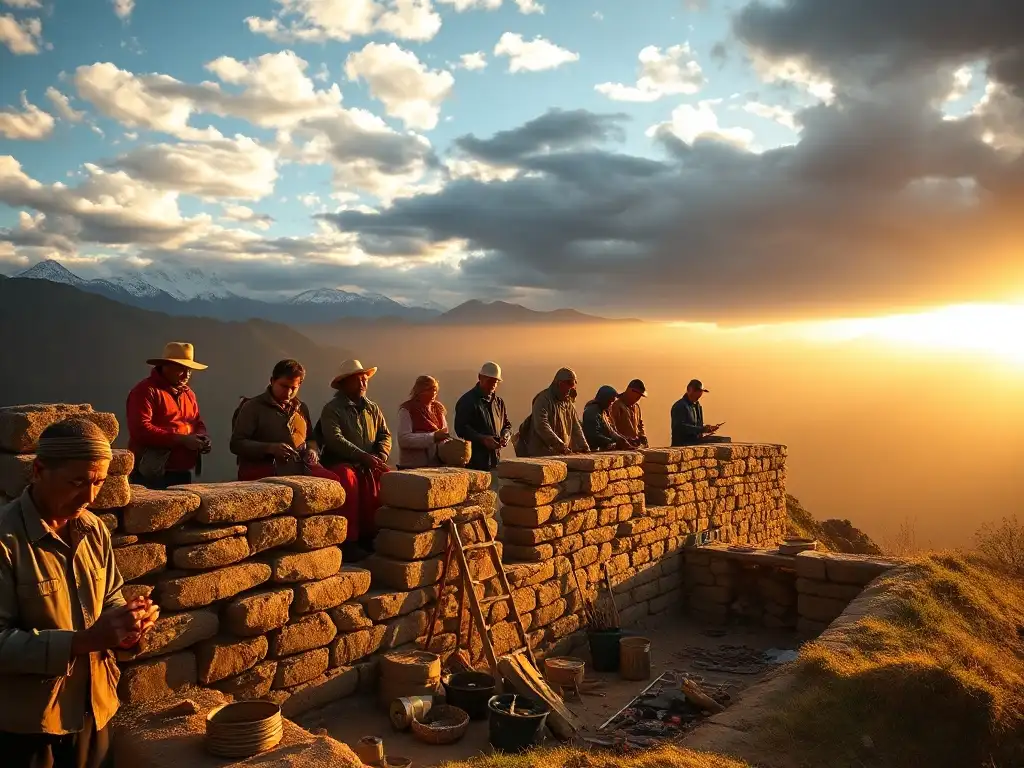
Step into a world lost to time, yet echoing with the power of a legacy that endures. Imagine the breathtaking artistry of the Nazca lines, the intricate engineering of Machu Picchu, the sophisticated culture of the Incas… This is the heart of Andean civilization. But how do we protect this extraordinary heritage for future generations? Discover the crucial role of Andean heritage conservation partnerships and the collaborative efforts shaping the future of this remarkable past. Dive in and uncover the fascinating story.
The breathtaking landscapes of the Andes Mountains hold a legacy of remarkable civilizations—the Incas, Moche, Nazca, and Tiahuanaco, among others—whose intricate artistry, sophisticated engineering, and profound spiritual beliefs continue to captivate and inspire. Understanding and preserving this rich Andean heritage is not merely an academic pursuit; it's a crucial endeavor for safeguarding cultural identity, fostering sustainable development, and ensuring that future generations can appreciate the ingenuity and resilience of these ancient societies.
This article explores the vital role of collaborative partnerships in Andean heritage conservation, examining the challenges involved and highlighting successful examples of joint efforts that are preserving this invaluable legacy for years to come. The preservation of these sites is not just about protecting physical structures; it’s about safeguarding the stories, knowledge, and cultural practices embedded within them, ensuring their continued relevance and meaning in a rapidly changing world.
We will delve into the intricacies of these partnerships, analyzing their effectiveness and exploring the future of collaborative efforts in the preservation of Andean heritage.
Understanding the Importance of Andean Heritage Conservation
Andean heritage is incredibly diverse, encompassing monumental architecture like Machu Picchu, intricate textiles, sophisticated agricultural techniques, and a complex system of beliefs and rituals. Protecting this heritage is paramount for several reasons:
- Cultural Identity: These sites and artifacts are fundamental to the identity and cultural pride of Andean communities. Their preservation strengthens community bonds and provides a sense of continuity with the past.
- Tourism and Economic Development: Well-preserved sites attract tourists, generating revenue that can be reinvested in local communities and conservation efforts. This sustainable tourism model benefits both the environment and the local population.
- Scientific Knowledge: Studying Andean ruins provides invaluable insights into ancient technologies, social structures, and environmental adaptations. This knowledge can inform contemporary practices and inspire innovation.
- Environmental Protection: Many Andean heritage sites are located in fragile ecosystems. Conservation efforts often involve protecting these ecosystems as well, contributing to biodiversity preservation.
The sheer scale and complexity of the task, however, necessitates a collaborative approach. The challenges are significant, ranging from the impact of climate change and looting to the pressures of uncontrolled tourism and inadequate funding. Successfully addressing these requires a multi-faceted strategy that integrates the expertise and resources of diverse stakeholders.
Why Collaborative Efforts are Crucial for Andean Preservation
Effective Andean heritage conservation demands a collaborative approach involving a diverse range of partners:
- Government Agencies: Provide crucial funding, legislation, and regulatory frameworks for protection. They also play a vital role in coordinating efforts and ensuring compliance with international standards.
- Local Communities: Possess invaluable traditional knowledge and a deep connection to the heritage sites. Their active participation is essential for ensuring culturally sensitive and sustainable preservation strategies.
- Academic Institutions and Researchers: Conduct vital research, providing crucial insights into the history, significance, and conservation needs of the sites. They also train future generations of heritage professionals.
- Non-Governmental Organizations (NGOs): Often play a crucial role in raising awareness, providing technical expertise, and supplementing government funding. Many NGOs focus on specific aspects of conservation, such as community engagement or sustainable tourism development.
- Private Sector: Can contribute through financial support, technological expertise, and sustainable tourism initiatives. Collaborations with the private sector can lead to innovative and effective preservation strategies.
The success of Andean heritage conservation hinges on the effective collaboration of these diverse partners. A collaborative model ensures a holistic approach, leveraging the unique strengths of each stakeholder to overcome the challenges and achieve sustainable preservation. This collaborative spirit is essential for not only preserving the physical remains but also for safeguarding the living culture and knowledge associated with these remarkable civilizations. The future of Andean heritage depends on it.
- Understanding the Importance of Andean Heritage Conservation
- Why Collaborative Efforts are Crucial for Andean Preservation
- What is the focus of Andean heritage conservation partnerships?
- Why are partnerships crucial for Andean heritage conservation?
- What types of organizations participate in these partnerships?
- What are some examples of successful Andean heritage conservation projects?
- How can I get involved in Andean heritage conservation partnerships?
Defining Andean Heritage Conservation Partnerships
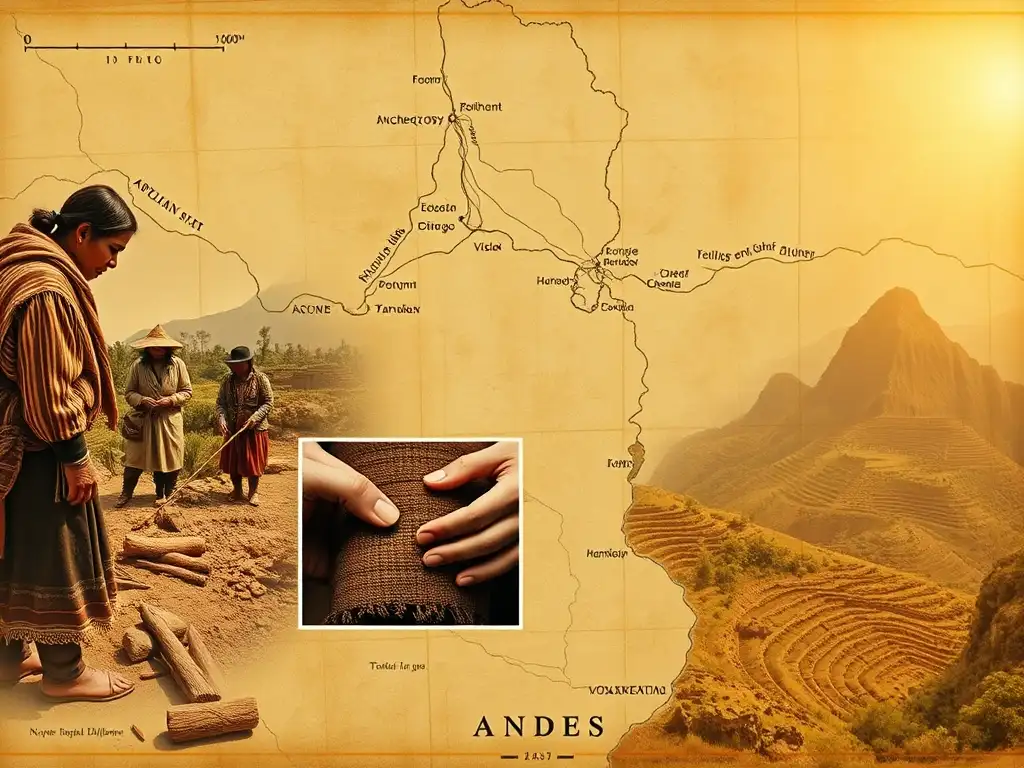
Andean heritage conservation partnerships represent a crucial strategy for safeguarding the invaluable cultural and natural legacy of the Andean region. These partnerships are collaborative arrangements involving diverse stakeholders, working together towards a shared goal: the preservation and protection of Andean heritage sites, artifacts, and traditions. Effective partnerships leverage the unique strengths and resources of each participating entity, maximizing impact and ensuring long-term sustainability.
The success of these initiatives hinges on a well-defined vision, clear communication, equitable resource distribution, and a commitment to mutual respect and understanding. The complexity of Andean heritage, encompassing archaeological sites, textiles, oral traditions, and ecological systems, necessitates a multifaceted approach, emphasizing the interconnectedness of these elements. Understanding the various facets of these partnerships is essential for effective preservation.
This collaborative approach distinguishes itself from isolated efforts, offering a more resilient and comprehensive strategy for the long-term protection of Andean heritage. A key element is the recognition of the inherent value of Andean heritage, not just as historical artifacts but as living cultures and ecosystems.
What Constitutes a Successful Conservation Partnership?
A successful Andean heritage conservation partnership is characterized by several key elements. Firstly, clear objectives are crucial. Partners must agree on specific, measurable, achievable, relevant, and time-bound (SMART) goals. For example, a partnership might aim to restore a specific Inca site to a certain level of structural integrity within five years. Secondly, equitable resource allocation is essential.
Resources, including funding, expertise, and labor, must be distributed fairly among partners, reflecting their contributions and responsibilities. Thirdly, effective communication and collaboration are paramount. Open communication channels and regular meetings are necessary to ensure everyone is informed and engaged. Fourthly, shared decision-making empowers all participants and promotes a sense of ownership.
Fifthly, conflict resolution mechanisms should be in place to address disagreements proactively and constructively. Finally, monitoring and evaluation are critical to assess progress, identify challenges, and make necessary adjustments. Without a robust evaluation process, it's impossible to gauge the true impact of the partnership's efforts and make informed decisions for the future. The success of these partnerships can be measured not only by the preservation of physical sites but also by the empowerment of local communities and the increased understanding and appreciation of Andean heritage among a wider audience.
Key Stakeholders in Andean Heritage Preservation
Effective Andean heritage preservation relies on the coordinated efforts of various stakeholders, each contributing unique skills and resources. The success of conservation initiatives hinges on the synergistic collaboration of these groups. A breakdown of the primary players highlights the intricate web of relationships necessary for successful preservation. The following sections delve into the specific roles and contributions of each key stakeholder group.
Local Communities: The Foundation of Conservation
Local communities are the bedrock of Andean heritage conservation. Their intimate knowledge of the land, traditions, and history is invaluable. Their active participation ensures that preservation efforts are culturally sensitive and sustainable. Many initiatives involve community-based tourism, empowering locals economically while fostering pride in their heritage.
This approach ensures that conservation is not merely a top-down imposition but a collaborative effort that benefits the community directly. For example, successful projects often involve training local people in conservation techniques, archaeological fieldwork, and sustainable tourism management. This approach not only protects heritage but also creates economic opportunities and strengthens community bonds. Involving local communities fosters a sense of ownership and responsibility, ensuring the long-term sustainability of conservation efforts.
Governmental Agencies: Setting the Framework
Governmental agencies at both national and regional levels play a critical role in setting the legal and regulatory framework for Andean heritage conservation. They are responsible for enacting and enforcing laws protecting archaeological sites, cultural artifacts, and traditional knowledge. Furthermore, they often provide funding and resources for conservation projects. Their involvement ensures that preservation efforts are aligned with national priorities and policies.
Effective collaboration between governmental agencies and other stakeholders is crucial for the success of conservation initiatives. This includes clear communication, coordinated planning, and transparent resource allocation. The development of comprehensive national heritage management plans, incorporating community participation, is a key aspect of effective governmental involvement.
International Organizations: Providing Support and Expertise
International organizations contribute significantly to Andean heritage conservation by providing financial and technical support. They often possess specialized expertise in areas such as archaeological preservation, museum management, and community development. Their involvement can bridge gaps in resources and expertise, strengthening the capacity of local and national stakeholders. Many international organizations also play a crucial role in raising awareness about the importance of Andean heritage on a global scale. This can lead to increased funding and support for conservation initiatives. The presence of these organizations often fosters collaboration between different stakeholders, encouraging knowledge sharing and best practice exchange.
Academic Institutions: Fostering Research and Understanding
Academic institutions contribute to Andean heritage conservation through research, education, and training. Archaeologists, anthropologists, and other scholars conduct research to better understand Andean civilizations and their cultural heritage. Their findings inform conservation strategies and contribute to a deeper appreciation of Andean history and culture. Universities and research centers also play a crucial role in training the next generation of conservation professionals.
This includes providing education and skills development in areas such as archaeological preservation, museum studies, and sustainable tourism. Academic research provides the crucial scientific basis for informed decision-making in conservation, ensuring that interventions are based on sound evidence and best practices. Furthermore, academic engagement can help to translate complex research findings into accessible formats for wider audiences, fostering public awareness and appreciation.
Case Studies: Successful Andean Heritage Conservation Partnerships
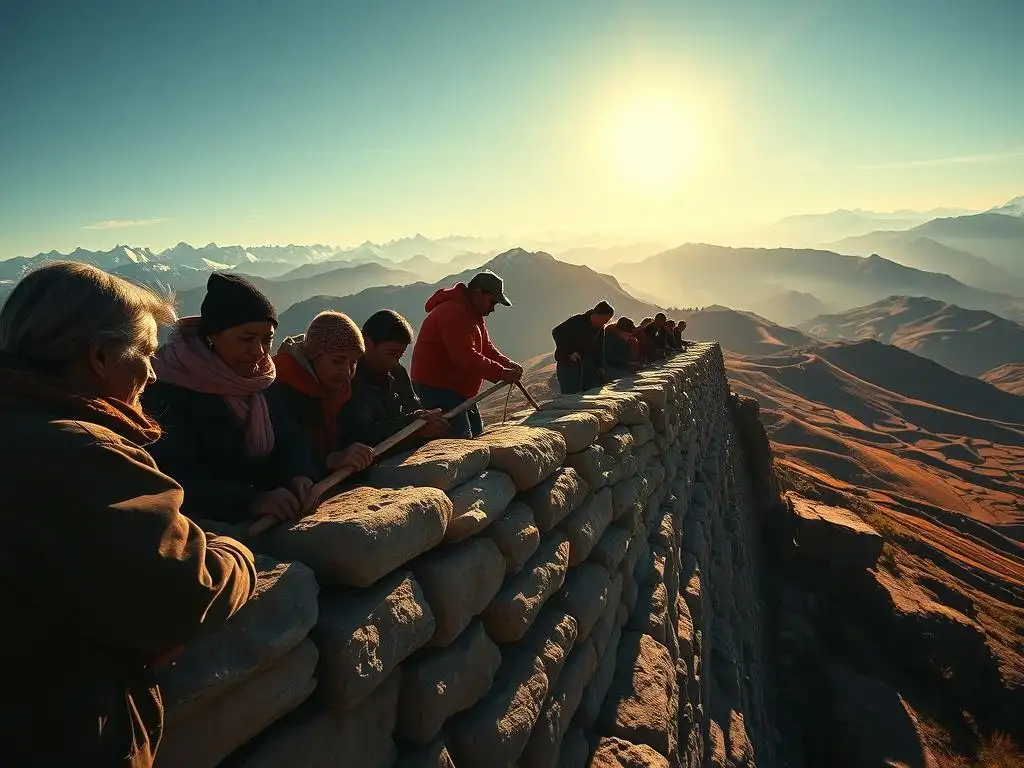
This section showcases successful examples of collaborative efforts in Andean heritage conservation, highlighting the crucial role of partnerships in preserving invaluable cultural and natural resources. These case studies illustrate diverse approaches, from community-led initiatives to large-scale international collaborations, all contributing significantly to Andean heritage conservation partnerships. The success of these projects underscores the importance of inclusivity, shared responsibility, and sustainable practices in safeguarding Andean cultural heritage for future generations.
Case Study 1: The Potato Park, Peru: A Community-Led Initiative
The Potato Park, located in the Andes of Cusco, Peru, exemplifies a successful community-based approach to Andean heritage conservation. This initiative focuses on the preservation of native potato varieties and traditional agricultural practices, intrinsically linked to the Andean cultural identity. The project's success stems from the active participation of local communities, who are the primary stewards of their ancestral knowledge and biodiversity.
The Role of Local Knowledge in the Project's Success
The Potato Park’s success hinges on the profound understanding and respect for indigenous knowledge. Farmers, possessing centuries of experience in cultivating diverse potato varieties adapted to the challenging Andean environment, play a central role in the project's management and decision-making processes. This ensures that conservation efforts are culturally sensitive and ecologically sustainable. Their deep understanding of soil types, planting cycles, and pest control methods is invaluable, leading to effective conservation strategies.
They actively participate in seed saving, exchange, and research, ensuring the preservation of genetic diversity and traditional farming techniques. This community-driven approach is vital for long-term sustainability, as it fosters a sense of ownership and responsibility among the local population. The project demonstrates that effective Andean heritage conservation partnerships necessitate the integration of indigenous perspectives and knowledge.
Key Achievements and Lessons Learned
The Potato Park has achieved remarkable success in conserving over 700 native potato varieties, significantly contributing to global food security and biodiversity. The project has also revitalized traditional agricultural practices, strengthening the cultural identity of the participating communities. Key lessons learned include the importance of empowering local communities, respecting indigenous knowledge systems, and fostering participatory decision-making.
The project’s success demonstrates the effectiveness of community-led initiatives in Andean heritage conservation partnerships, highlighting the need for sustainable and culturally sensitive approaches. The long-term sustainability of the Potato Park serves as a model for other Andean communities seeking to protect their heritage and natural resources.
Case Study 2: UNESCO and the Qhapaq Ñan: An International Collaboration
The Qhapaq Ñan, or Andean Road System, is a remarkable example of an international collaboration focused on Andean heritage conservation. Recognized as a UNESCO World Heritage Site, this ancient network of roads, bridges, and settlements stretches across six Andean countries. Its preservation requires a coordinated, multi-national effort, demonstrating the power of international Andean heritage conservation partnerships.
How Collaboration Overcame Challenges
Preserving the Qhapaq Ñan presented significant challenges, including the vast geographical area, diverse cultural contexts, and varying levels of resources across participating nations. UNESCO's role has been crucial in facilitating collaboration, providing technical assistance, promoting research, and coordinating international efforts. The success of this initiative highlights the importance of strong international partnerships, effective communication, and shared commitment to preserving a shared cultural heritage. Overcoming logistical hurdles and ensuring consistent standards across different countries demanded substantial diplomatic efforts and a shared vision for the project.
Impact on the Preservation of Andean Heritage
The collaborative efforts focused on the Qhapaq Ñan have resulted in significant advancements in the preservation of this invaluable Andean heritage. The project has led to improved infrastructure, enhanced tourism management, and increased awareness of the historical and cultural significance of the Qhapaq Ñan. Furthermore, it has fostered a sense of shared identity and pride among the Andean communities that are directly connected to the road system.
The project showcases the transformative potential of international Andean heritage conservation partnerships in preserving significant cultural landscapes and fostering intercultural dialogue. The sustained efforts in the preservation of the Qhapaq Ñan serve as a testament to the enduring power of collaboration in safeguarding globally significant heritage sites.
Case Study 3: University of Cusco and the Community of Ollantaytambo: An Academic-Community Partnership
This case study showcases a powerful example of Andean heritage conservation partnerships, highlighting the successful collaboration between the University of Cusco and the community of Ollantaytambo. The partnership, forged in 2010, focuses on the preservation of Ollantaytambo's remarkable Inca ruins and the surrounding agricultural terraces, vital components of the region's cultural and agricultural heritage.
This initiative exemplifies a sustainable approach to Andean heritage conservation, demonstrating how academic research can directly benefit local communities while simultaneously advancing knowledge about Inca engineering and agricultural practices. The project's success stems from a mutual understanding and respect between academic researchers and local stakeholders, ensuring the project's relevance and longevity.
The initial stages involved extensive community consultations to understand local priorities and concerns, a crucial step in building trust and fostering collaborative spirit, a cornerstone of effective Andean heritage conservation partnerships. This participatory approach ensured that the conservation efforts were aligned with the community's vision for the future of their heritage.
Integrating Research with Conservation Practices
The partnership between the University of Cusco and Ollantaytambo integrates academic research directly into conservation practices. University researchers, specializing in archaeology, anthropology, and agricultural engineering, conduct ongoing studies on the Inca terraces' construction techniques, irrigation systems, and agricultural yields. This research informs the development of sustainable conservation strategies.
For instance, studies on soil erosion patterns led to the implementation of innovative terracing techniques, improving soil stability and minimizing further degradation. Furthermore, research into traditional Inca farming methods provides valuable insights for enhancing agricultural productivity while respecting the historical integrity of the landscape. The integration of scientific knowledge with traditional practices is a key element of this successful Andean heritage conservation partnership, showcasing a holistic approach to preservation.
Data collected by the university is shared with the community, allowing them to participate actively in the decision-making process. This transparency fosters a sense of ownership and commitment to the long-term sustainability of the project. The university also provides training workshops for the community members on conservation techniques and sustainable agriculture, empowering them to actively participate in the preservation of their heritage.
Benefits for both the Academic and Local Partners
The Ollantaytambo-University of Cusco partnership demonstrates mutual benefits. The community of Ollantaytambo directly benefits from improved infrastructure, enhanced agricultural practices, and increased tourism revenue generated by the preservation efforts. The improved infrastructure includes better irrigation systems, reinforced terraces, and improved access roads, which directly improves the lives of the community members. Moreover, the preservation of the Inca ruins attracts more tourists, boosting the local economy and creating new employment opportunities.
The enhanced agricultural practices, informed by the university's research, result in increased crop yields and improved food security. For the University of Cusco, the partnership provides unique research opportunities, access to a rich historical site, and a chance to contribute directly to community development. The collaboration facilitates access to invaluable primary data for research publications and enhances the university's reputation as a leader in Andean studies.
This reciprocal relationship underlines the importance of strong, equitable partnerships in Andean heritage conservation. The success of this partnership serves as a model for other communities and academic institutions seeking to collaborate effectively on heritage preservation initiatives, offering a powerful example of how effective Andean heritage conservation partnerships can benefit both academic institutions and local communities alike. The long-term sustainability of the project is ensured by the ongoing collaboration and mutual commitment to preserving Ollantaytambo's unique cultural and natural heritage for future generations.
Challenges in Forming Andean Heritage Conservation Partnerships
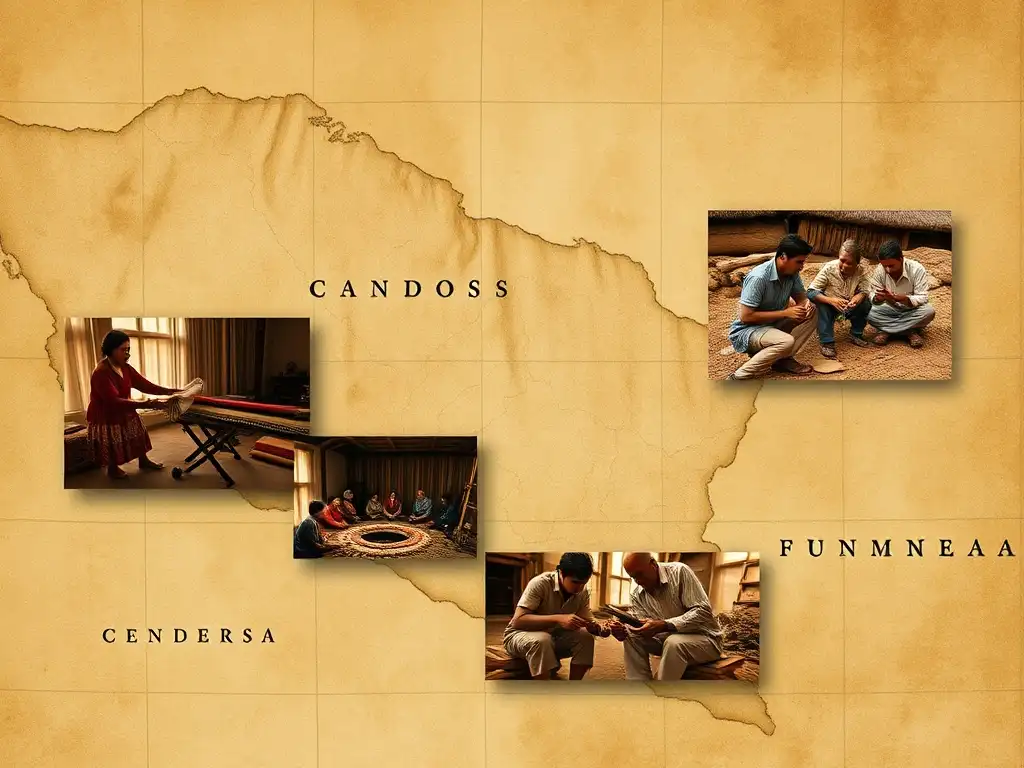
The preservation of Andean heritage is a complex undertaking, requiring significant collaborative efforts. While partnerships are crucial for effective conservation, forming and maintaining them presents unique challenges. These obstacles often stem from a confluence of cultural, political, and economic factors specific to the Andean region.
Successfully navigating these hurdles is paramount to ensuring the long-term protection of invaluable archaeological sites, artistic treasures, and traditional knowledge. The success of Andean heritage conservation partnerships hinges on addressing these challenges proactively and strategically. Effective strategies must account for the diverse stakeholders involved, ranging from local communities and government agencies to international organizations and private entities.
Overcoming Cultural and Language Barriers
Effective Andean heritage conservation partnerships necessitate bridging cultural and linguistic divides. The Andean region boasts a rich tapestry of indigenous cultures, each with its own unique worldview, communication styles, and decision-making processes. For example, negotiating conservation strategies with Quechua-speaking communities requires skilled translators and a deep understanding of their traditional land management practices. Simply translating documents isn't sufficient; genuine cross-cultural communication is key.
This requires patience, respect, and a willingness to adapt to different communication styles. Ignoring these nuances can lead to misunderstandings, mistrust, and ultimately, the failure of collaborative initiatives. Successful partnerships often involve employing bilingual personnel, using culturally appropriate communication methods, and prioritizing community engagement.
Furthermore, incorporating traditional ecological knowledge (TEK) into conservation plans is vital, ensuring the long-term viability of projects and respecting the deep connection indigenous communities have with their ancestral lands. This active inclusion fosters a sense of ownership and stewardship, significantly enhancing the chances of project success. A collaborative approach that values and integrates diverse perspectives is essential for sustainable Andean heritage conservation.
Bureaucratic hurdles and political instability pose significant challenges to Andean heritage conservation partnerships. Navigating complex regulatory frameworks, obtaining necessary permits, and securing government approvals can be time-consuming and frustrating. Political instability, often characterized by changes in government priorities and funding allocations, can abruptly disrupt ongoing projects.
The lack of transparency and accountability within some governmental structures further exacerbates these difficulties. For instance, securing permits for archaeological excavations might involve navigating multiple layers of bureaucracy, with delays caused by conflicting regulations or a lack of coordination between different agencies. In regions with political instability, project continuity is threatened by potential changes in government policies or even armed conflict.
To mitigate these risks, partnerships must establish clear communication channels with relevant government bodies, build strong relationships with key officials, and develop flexible project plans that can adapt to changing circumstances. A robust legal framework that protects cultural heritage and facilitates international collaboration is also essential. Moreover, engaging with local communities and securing their support can provide a buffer against political shifts, as local buy-in can influence government decisions.
Ensuring Long-Term Funding and Sustainability
Securing sustainable funding is a critical challenge for Andean heritage conservation partnerships. Many projects rely on short-term grants, creating uncertainty and hindering long-term planning. Developing diverse funding streams, including government support, private donations, and international grants, is crucial for sustainability. Furthermore, fostering local economic benefits through tourism or other sustainable development initiatives can help secure long-term community support and reduce reliance on external funding.
For example, a successful partnership might involve training local communities in tourism management, enabling them to generate income while simultaneously protecting their cultural heritage. This approach ensures the project's long-term viability by creating a vested interest in its success within the community. Developing effective fundraising strategies, creating transparent financial reporting mechanisms, and building trust among donors are essential for attracting and retaining funding.
Long-term sustainability also requires capacity building within local communities and institutions, empowering them to manage and protect their heritage independently in the future. Diversification of funding sources and empowerment of local communities are key to achieving sustainable Andean heritage conservation. This approach ensures that conservation efforts are not only effective but also economically viable and environmentally responsible.
Best Practices for Building Effective Andean Conservation Partnerships
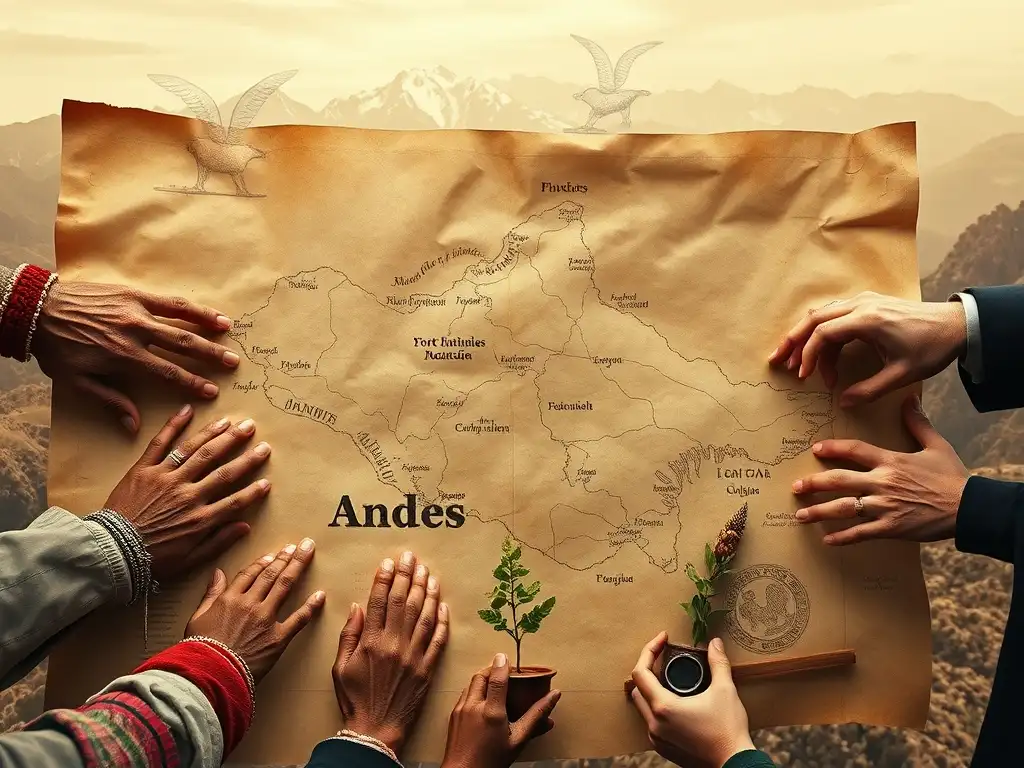
This section delves into the crucial elements for forging successful partnerships dedicated to Andean heritage conservation. Effective collaboration is paramount for the long-term preservation of these invaluable cultural treasures, demanding a structured approach focusing on clear goals, mutual respect, and transparent communication. The success of any Andean heritage conservation project hinges on the strength and effectiveness of these partnerships. Understanding and implementing these best practices is vital for ensuring the sustainable safeguarding of Andean cultural legacy for future generations.
Establishing Clear Goals and Objectives
The foundation of any successful partnership lies in clearly defined, measurable, achievable, relevant, and time-bound (SMART) goals. Ambiguity breeds conflict and inefficiency. Before embarking on any collaborative project, partners must meticulously outline their individual contributions and shared objectives.
This involves identifying specific heritage sites or aspects of Andean culture requiring preservation, establishing quantifiable targets (e.g., number of artifacts conserved, hectares of land protected, community members trained), and setting realistic timelines. For example, a partnership focused on preserving ancient textile techniques might aim to train 50 artisans in traditional dyeing methods within two years, resulting in the creation of 200 preserved textile pieces. A project focused on archaeological site preservation, on the other hand, might target the stabilization of 100 meters of vulnerable wall sections within a year, using specific conservation techniques.
Without these clearly articulated goals, efforts become fragmented and progress difficult to measure. Furthermore, regular progress reviews, perhaps quarterly or semi-annually, are crucial to ensure the partnership stays on track and adapts to unforeseen challenges.
Building Trust and Mutual Respect
Trust and mutual respect are the cornerstones of any enduring partnership, especially within the sensitive context of Andean heritage conservation. This necessitates an understanding of each partner’s unique perspectives, expertise, and priorities. Open dialogue and active listening are paramount in fostering these essential elements. Respecting diverse cultural backgrounds and traditional knowledge systems is critical. For instance, a partnership involving local communities must prioritize their participation and ownership of the project, ensuring their traditional practices and knowledge are valued and integrated into the conservation strategy.
Ignoring local perspectives can lead to resentment and ultimately jeopardize the project's success. Building trust also involves transparent financial management, ensuring accountability and equitable distribution of resources. Regular meetings, informal discussions, and opportunities for social interaction between partners can strengthen relationships and build a collaborative spirit. Conflict resolution mechanisms should also be established proactively to address disagreements constructively.
Promoting Transparency and Open Communication
Transparency and open communication are vital for maintaining the integrity and effectiveness of Andean heritage conservation partnerships. All partners should have access to relevant information, including project budgets, progress reports, and decision-making processes. Regular communication channels, such as shared online platforms or regular meetings, should be established to facilitate the flow of information. This open communication fosters accountability and allows partners to proactively address potential issues. For instance, regular updates on the project’s financial status, including expenditure reports and audits, can build trust and ensure transparency. Similarly, documenting the decision-making process, including minutes from meetings and rationale behind key decisions, promotes accountability and allows all parties to understand the project's direction. Furthermore, actively soliciting feedback from all stakeholders—including local communities, government agencies, and academic institutions—enhances participation and ensures that the partnership remains responsive to evolving needs and challenges. This collaborative approach is essential for the sustainable preservation of Andean heritage.
Fostering Capacity Building and Local Empowerment
Effective Andean heritage conservation hinges on empowering local communities. It's not enough to simply implement preservation projects; true success requires building the capacity of local people to manage and protect their own cultural heritage for generations to come. This involves a multifaceted approach that goes beyond simply providing funding. Meaningful capacity building initiatives should focus on several key areas.
Firstly, training programs are crucial. These programs should be tailored to the specific needs of the communities involved, encompassing practical skills in areas such as archaeological site management, museum curation, tourism management, and sustainable resource management. For example, a program might train local guides in responsible tourism practices, ensuring that visitors respect the delicate archaeological sites while simultaneously generating economic benefits for the community.
The curriculum should be developed collaboratively, incorporating traditional knowledge alongside modern conservation techniques to ensure relevance and cultural sensitivity. Furthermore, these training programs should not be one-off events; ongoing mentorship and support are vital for long-term success.
Secondly, knowledge transfer is paramount. This goes beyond formal training and includes facilitating the exchange of information and best practices between different communities and experts. This could involve workshops, conferences, and the establishment of networks that connect local communities with researchers, conservationists, and other stakeholders. Sharing successful strategies and lessons learned from other Andean heritage preservation projects can significantly accelerate progress and avoid repeating mistakes. The emphasis should be on building a collaborative learning environment where everyone feels empowered to contribute their knowledge and expertise.
Thirdly, financial sustainability is key to long-term conservation. Simply providing grants is insufficient; communities need to develop sustainable income-generating activities that are linked to their cultural heritage. This could involve developing community-based tourism initiatives, establishing craft workshops that utilize traditional techniques, or creating opportunities for the sale of culturally significant products. However, it is important to ensure that these activities are managed responsibly and do not compromise the integrity of the heritage sites themselves. Careful planning and monitoring are necessary to prevent unintended consequences.
Finally, local ownership and leadership must be at the heart of every initiative. Projects should not be imposed upon communities; rather, they should be collaboratively designed and implemented, ensuring that local voices are heard and respected. This involves actively involving community members in every stage of the process, from planning and implementation to monitoring and evaluation.
By fostering a sense of ownership and responsibility, we can ensure that Andean heritage conservation efforts are sustainable and effective for years to come. This approach ensures that the protection of Andean heritage is not merely a top-down initiative, but a truly participatory and empowering process.
The Future of Andean Heritage Conservation Through Partnership
The future of Andean heritage conservation hinges on the continued development and strengthening of collaborative partnerships. Success isn't solely dependent on individual nations or organizations; it requires a multifaceted approach involving governments, local communities, international organizations, academic institutions, and private sector actors. Only through a shared commitment and coordinated strategies can we effectively safeguard this invaluable legacy for generations to come.
The preservation of Andean sites, artifacts, and intangible cultural heritage demands a long-term vision and a willingness to adapt to evolving challenges. This necessitates a robust framework for collaboration, built on mutual respect, transparent communication, and shared responsibility. The effective management of resources, both human and financial, is crucial for achieving sustainable results in Andean heritage conservation partnerships.
The Importance of Sustained Collaborative Efforts
Sustained collaborative efforts are the cornerstone of successful Andean heritage conservation. Short-term projects, while valuable, often lack the longevity needed to address the complex and multifaceted challenges involved. Long-term partnerships foster a deeper understanding between stakeholders, leading to more effective strategies and better resource allocation.
For example, a long-term partnership between a national government and a local community can result in the sustainable management of a significant archaeological site, ensuring its preservation while also empowering the community economically through responsible tourism initiatives. This contrasts with a short-term project that might achieve immediate results but leaves the site vulnerable in the long run. The commitment to sustained collaboration requires a formal agreement outlining roles, responsibilities, and funding mechanisms, ensuring transparency and accountability.
Furthermore, regular monitoring and evaluation are essential to track progress, identify challenges, and adapt strategies as needed. The success of these partnerships can be measured through various metrics, including the improved condition of heritage sites, increased community engagement, and the development of sustainable tourism models. Without sustained commitment, the impressive achievements in Andean heritage conservation risk being undone.
New Technologies and Innovative Approaches to Conservation
The application of new technologies and innovative approaches is vital in advancing Andean heritage conservation partnerships. Traditional methods of conservation, while still relevant, are increasingly complemented by cutting-edge technologies that offer greater precision, efficiency, and effectiveness. For instance, the use of drones for site surveying and monitoring provides a less intrusive and more comprehensive assessment of site conditions than traditional methods.
Similarly, 3D scanning and modeling techniques allow for the creation of detailed digital records of artifacts and sites, facilitating their study and preservation even in the event of damage or loss. Furthermore, advanced materials science is contributing to the development of new conservation materials and techniques, offering better protection against environmental degradation and damage. The integration of these new technologies into collaborative partnerships enhances the capacity of conservation efforts, enabling a more proactive and informed approach to preservation.
This collaborative sharing of technological advancements and expertise is crucial for maximizing the impact of conservation initiatives across different regions and organizations involved in Andean heritage conservation partnerships. The development of open-source databases and knowledge-sharing platforms can further facilitate the dissemination of information and best practices.
Empowering Future Generations to Protect Andean Heritage
Empowering future generations to protect Andean heritage is paramount for the long-term success of conservation efforts. This requires a multifaceted approach that includes educational initiatives, capacity building programs, and community engagement strategies. Educational programs should incorporate Andean heritage into school curricula, fostering a sense of pride and responsibility among young people. Capacity-building programs can provide training opportunities for local communities in conservation techniques, sustainable tourism management, and heritage interpretation.
This equips them with the skills and knowledge needed to actively participate in the preservation of their cultural heritage. Community engagement is crucial; involving local communities in decision-making processes ensures that conservation efforts are culturally sensitive and sustainable. By empowering local communities, we not only preserve heritage but also foster economic opportunities and social development.
This participatory approach is essential for building long-lasting partnerships and ensuring the continued protection of Andean heritage for future generations. The active involvement of youth in conservation initiatives ensures the legacy of Andean heritage conservation partnerships continues to thrive. The development of youth-led conservation projects and initiatives is a crucial aspect of this empowerment strategy.
Frequently Asked Questions
What is the focus of Andean heritage conservation partnerships?
Andean heritage conservation partnerships focus on preserving the unique cultural and natural heritage of the Andes region. This includes sites, artifacts, and traditional knowledge, often through collaborative efforts between governments, communities, and organizations.
Why are partnerships crucial for Andean heritage conservation?
Partnerships are crucial because they bring together diverse expertise and resources. This collaborative approach is essential to tackle the complex challenges of conservation, ensuring long-term sustainability and community involvement.
What types of organizations participate in these partnerships?
A wide range of organizations participate, including governmental agencies, NGOs, academic institutions, local communities, and international organizations. Each contributes unique skills and resources to conservation projects.
What are some examples of successful Andean heritage conservation projects?
Many successful projects exist, often involving community-based tourism, sustainable agriculture, and archaeological site management. These initiatives demonstrate the power of collaborative approaches to protecting Andean heritage.
How can I get involved in Andean heritage conservation partnerships?
You can support these efforts by donating to relevant organizations, volunteering your time, or raising awareness about the importance of preserving Andean heritage. Many organizations offer opportunities for engagement.
Final Reflection: Weaving a Future for Andean Heritage
The collaborative conservation of Andean heritage is not merely a historical endeavor; it is a vital necessity for the future. The interconnectedness of cultural preservation, environmental sustainability, and community empowerment, as explored throughout this article, highlights the urgent need for continued and strengthened partnerships. Ignoring this interconnectedness risks the irreversible loss of invaluable traditions, knowledge, and landscapes.
The impact of collaborative efforts on Andean heritage extends far beyond the preservation of physical artifacts; it revitalizes cultural identities and fosters a sense of shared responsibility. These partnerships are breathing new life into ancient practices, ensuring their continuity for generations to come. The past is never dead. It's not even past.
– William Faulkner. This quote resonates deeply, reminding us that the legacy of the Andes is not static; it is a living, evolving entity that requires our active participation to thrive.
Consider the power you hold. You, the reader, are now part of a larger conversation surrounding Andean heritage conservation. What steps can you take, however small, to contribute to this crucial work? Perhaps it's supporting organizations dedicated to this cause, sharing this article with others, or simply deepening your own understanding and appreciation of Andean culture. Let us collectively weave a future where the rich tapestry of Andean heritage continues to inspire and enrich us all.
**Join Forces to Preserve Our Andean Heritage! **
Thank you for recognizing the crucial role of collaboration in protecting our rich Andean heritage. Your understanding of partnership marks a significant step towards becoming a champion for this vital cause. Let's work together to make a real difference!
Here are some impactful ways you can contribute:
- **Volunteer** with local organizations dedicated to Andean heritage preservation. Your skills and time can directly benefit both communities and the environment.
- **Spread the word! ** Share the importance of Andean heritage with friends and family. Encourage them to learn more and get involved.
- **Support sustainable tourism** in the Andes. Your travels can bolster local economies and conservation efforts while enriching your understanding of this unique culture.
What collaborative projects or partnerships do you envision to further Andean heritage conservation? We welcome your ideas!