
The Hidden World: Protecting Andean Caves and Rock Shelters

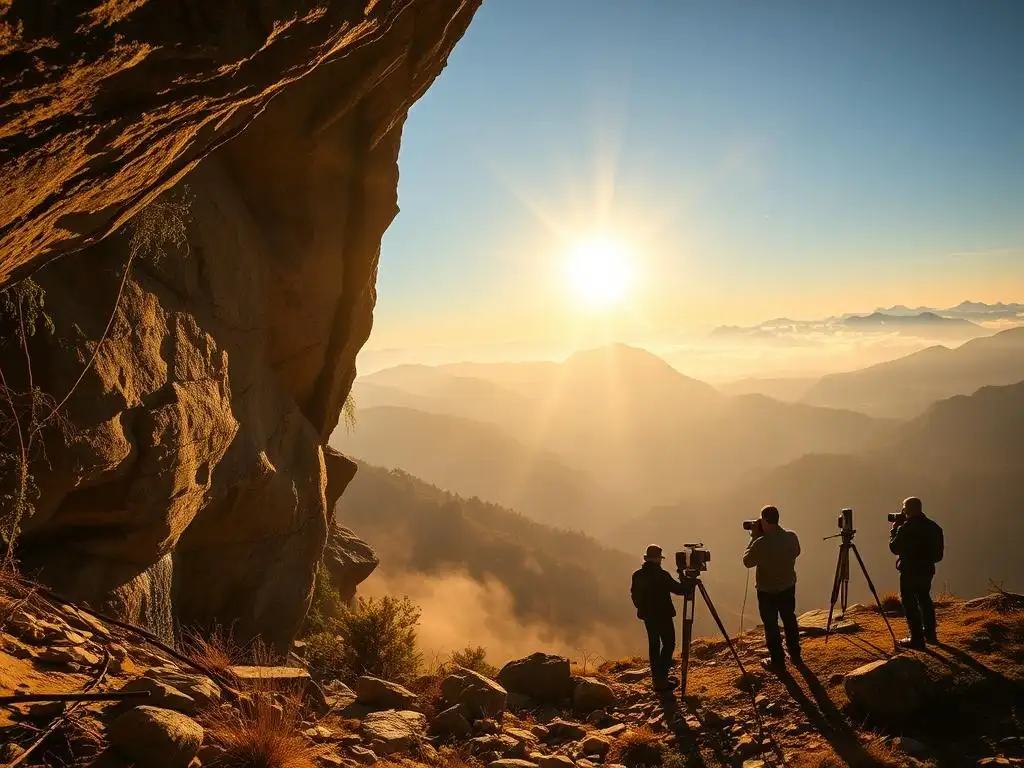
Step into a world lost to time, where echoes of ancient empires reverberate through the mountains. Discover the incredible legacy of the Andean civilizations, from the Incas' majestic cities to the enigmatic artistry of the Nazca. But there's a mystery waiting to be unveiled – a hidden world within the very rocks themselves. Our exploration of Andean cave preservation reveals the urgent need to protect these fragile sites, holding secrets that could rewrite history. Dare to delve deeper and uncover the breathtaking truths hidden within these sacred spaces?
The Andes Mountains, a spine of towering peaks stretching along the western edge of South America, are not only a breathtaking spectacle of nature but also a repository of invaluable historical and cultural heritage. For millennia, the diverse Andean civilizations—from the Incas to the Moche, Nazca, and Tiahuanaco—utilized the intricate network of caves and rock shelters nestled within these mountains. These spaces served as sacred sites, burial grounds, shelters, and sources of vital resources.
Understanding and protecting these fragile ecosystems is crucial for preserving the legacy of Andean civilizations and ensuring the survival of irreplaceable archaeological and paleontological treasures. This article delves into the critical issues surrounding Andean cave preservation, exploring the challenges, the ongoing efforts, and the future of safeguarding this hidden world.
We will examine the specific threats these sites face and highlight the importance of collaborative, multidisciplinary approaches to Andean cave preservation. The effective preservation of these sites is not merely an act of conservation; it is a vital step in preserving our shared human history and understanding the complex interactions between ancient cultures and their environment.
Threats to Andean Caves and Rock Shelters
Andean caves and rock shelters face a multitude of threats, many stemming from human activity and environmental changes. These threats are often interconnected and exacerbate each other, creating a complex challenge for preservation efforts. Some of the most significant threats include:
- Looting and Vandalism: Illegal excavations and the removal of artifacts for the black market significantly damage the integrity of these sites and erase invaluable historical information. The clandestine nature of these activities often makes detection and prevention extremely difficult. This illicit activity not only destroys artifacts but also disrupts the delicate ecosystem within the cave environments.
- Natural Degradation: Geological processes such as erosion, rockfalls, and seismic activity can cause significant damage to cave structures and their contents. The harsh Andean climate, characterized by extreme temperature fluctuations, freeze-thaw cycles, and intense solar radiation, also contributes to deterioration.
- Tourism Impacts: While tourism can generate revenue for conservation, uncontrolled access can lead to damage from trampling, graffiti, and the introduction of pollutants. The sheer number of visitors, especially in popular sites, can overwhelm the delicate ecosystem and accelerate degradation.
- Climate Change: Rising temperatures, changing precipitation patterns, and increased frequency of extreme weather events are posing significant threats to Andean cave ecosystems. Changes in humidity and temperature can affect the preservation of artifacts and alter the cave microclimate, potentially leading to the growth of harmful organisms.
- Lack of Resources and Funding: Effective preservation requires significant resources, including funding for research, monitoring, conservation, and community engagement. Limited funding often hinders the implementation of effective protection strategies and prevents the development of long-term conservation plans. The remote locations of many Andean caves further complicate access and resource allocation.
Conservation Strategies and Initiatives
Despite the numerous challenges, significant efforts are underway to protect Andean caves and rock shelters. These efforts involve a range of strategies focusing on research, preservation, and community engagement. Key strategies include:
- Scientific Research and Documentation: Thorough documentation through archaeological surveys, geological assessments, and environmental monitoring is vital for understanding the condition of the caves and developing appropriate conservation strategies. This includes detailed mapping, artifact cataloging, and environmental data collection.
- Protective Measures: This includes implementing access restrictions, installing protective barriers, and developing strategies to mitigate the impact of tourism. Implementing controlled access and visitor management plans is crucial in minimizing disturbance to fragile cave environments.
- Community Engagement: Local communities often possess invaluable traditional knowledge about the caves and their significance. Collaborating with these communities is crucial for ensuring the long-term protection of these sites. Community-based conservation programs empower locals to become active participants in preservation efforts.
The Future of Andean Cave Preservation
The long-term protection of Andean caves and rock shelters requires a multi-faceted approach that integrates scientific research, robust conservation strategies, and effective community engagement. The implementation of sustainable tourism practices, increased funding for conservation programs, and strengthened legal frameworks are crucial steps in safeguarding this invaluable cultural and natural heritage for future generations. The collaborative efforts of researchers, government agencies, local communities, and international organizations are essential to ensure that the hidden world of Andean caves continues to reveal its secrets and enrich our understanding of human history.
The future of Andean cave preservation depends on a concerted and sustained commitment to protecting these unique and irreplaceable sites. The preservation of these sites is not just about protecting physical structures; it's about safeguarding the memories, stories, and cultural legacy embedded within these ancient spaces.
- Threats to Andean Caves and Rock Shelters
- Conservation Strategies and Initiatives
- The Future of Andean Cave Preservation
The Significance of Andean Caves and Rock Shelters
Andean cave preservation is crucial for understanding the rich tapestry of Andean civilizations. These subterranean spaces and rock shelters, often overlooked, offer invaluable insights into the past and hold significant cultural and ecological importance. Their protection is paramount, not just for historical reasons, but also for the unique biodiversity they harbor and the ongoing spiritual significance they hold for many communities. This section will delve into the specific importance of these sites, highlighting their archaeological, cultural, and ecological value. The multifaceted nature of Andean cave preservation requires a multi-pronged approach that considers all these aspects.
Archaeological Importance of Caves in the Callejón de Huaylas
The Callejón de Huaylas, a dramatic valley in the Peruvian Andes, boasts numerous caves that have yielded remarkable archaeological discoveries. These caves served various purposes throughout different periods of Andean history. Some served as temporary shelters for nomadic groups, providing protection from the elements and predators.
Evidence suggests the use of these caves for storage, as indicated by the discovery of preserved textiles and agricultural products in several sites. More significantly, some caves in the Callejón de Huaylas have revealed evidence of ritual practices, with the discovery of artifacts such as ceramic vessels, offerings, and even human remains. The careful excavation and analysis of these sites have provided crucial information about the daily life, religious beliefs, and social structures of past Andean communities.
For example, a recent excavation in a cave near Huaraz unearthed a collection of intricately woven textiles, offering new insights into pre-Inca textile techniques and artistic styles. This underscores the critical need for Andean cave preservation in this region, as these sites continue to hold the potential for uncovering further significant archaeological findings. The delicate nature of these artifacts necessitates careful preservation techniques, minimizing disturbance and ensuring their long-term survival for future research and understanding.
Cultural and Spiritual Significance of Rock Shelters in the Sacred Valley
Beyond their archaeological value, Andean rock shelters in the Sacred Valley hold profound cultural and spiritual significance for indigenous communities. These shelters, often adorned with ancient rock art, are considered sacred places, imbued with ancestral power. The rock art itself, consisting of intricate designs and geometric patterns, provides valuable insights into the cosmology and worldview of the ancient inhabitants.
Many of these rock shelters are still used today for ceremonial purposes, reflecting a continuous connection between past and present. The preservation of these sites is therefore not merely a matter of historical preservation but also of respecting the living cultural heritage of Andean communities. The ongoing use of these sites for ceremonies and rituals necessitates a sensitive approach to preservation, balancing the need for protection with the community's right to practice their traditions.
For instance, uncontrolled tourism can lead to damage to the rock art and disturbance of sacred sites. Sustainable tourism initiatives and community-based conservation efforts are crucial for balancing preservation with cultural continuity. Careful documentation and respectful engagement with local communities are essential aspects of Andean cave preservation in this context.
Unique Biodiversity Found in the Caves of the Cordillera Blanca
The Cordillera Blanca, a majestic mountain range in the Peruvian Andes, is home to a remarkable array of caves that harbor unique biodiversity. These caves provide specialized habitats for various species of bats, insects, and other invertebrates, many of which are endemic to the region. The caves themselves create microclimates that support a unique ecosystem. Andean cave preservation in this context is vital for safeguarding this biodiversity, which plays a crucial role in the overall health of the Andean ecosystem.
The impact of human activities, such as mining and tourism, can significantly threaten this delicate ecosystem. Pollution, habitat destruction, and the introduction of invasive species pose significant challenges to the conservation of these cave ecosystems. Careful monitoring of cave environments, coupled with educational programs aimed at raising awareness about the importance of cave biodiversity, is crucial for effective Andean cave preservation.
Research efforts focusing on the unique species found in these caves are also vital for understanding their ecological role and informing conservation strategies. Moreover, the potential for the discovery of new species within these unexplored caves further emphasizes the importance of their protection for future scientific research and ecological understanding. The delicate balance of these ecosystems underscores the urgency and complexity of Andean cave preservation initiatives in this region.
Threats to Andean Cave and Rock Shelter Sites
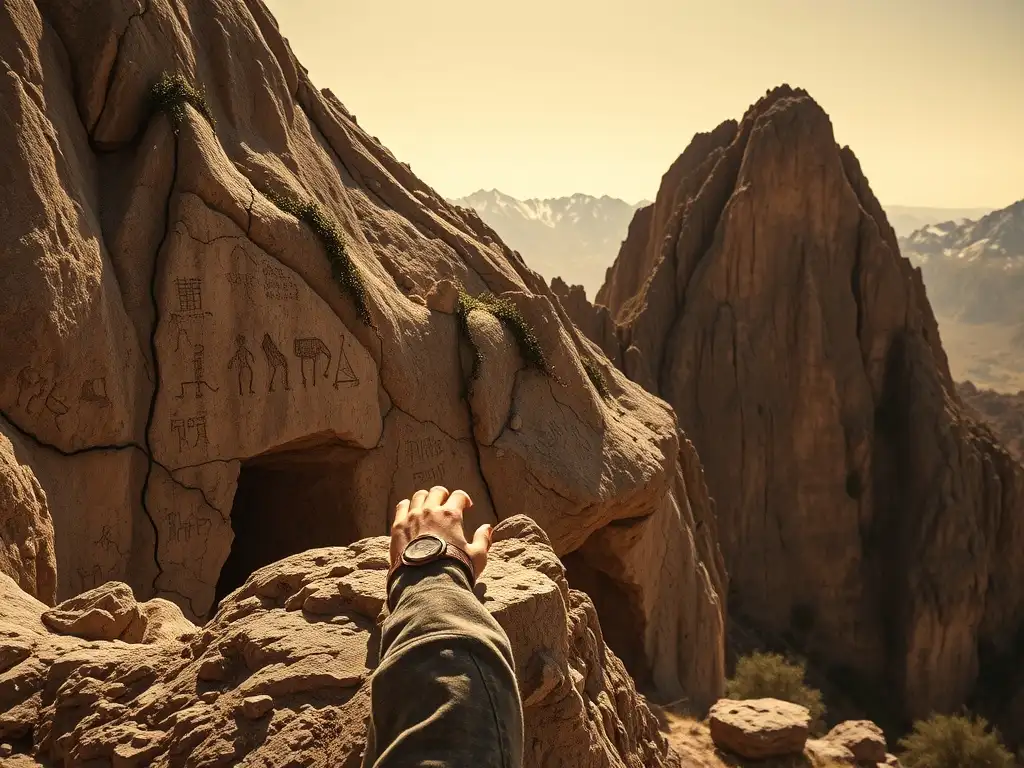
The preservation of Andean cave and rock shelter sites faces numerous challenges, demanding urgent and comprehensive conservation strategies. These threats stem from both human activities and the relentless forces of nature. Effective Andean cave preservation requires a multifaceted approach, addressing these issues simultaneously to safeguard this invaluable cultural heritage for future generations. Understanding the specific threats is crucial for developing targeted solutions. The following sections detail some of the most pressing concerns for Andean cave preservation.
Human Impact on Andean Cave Systems
Human activity poses a significant threat to the integrity and survival of Andean cave systems. These impacts range from deliberate acts of vandalism to the unintended consequences of development and tourism. The delicate balance of these fragile ecosystems is easily disrupted, leading to irreversible damage to invaluable archaeological and paleontological resources. The scale of the problem necessitates a collaborative effort between governments, local communities, and international organizations committed to Andean cave preservation.
Vandalism and Looting of Cave Paintings in Toquepala
The Toquepala caves in southern Peru, renowned for their vibrant pre-Columbian paintings, have suffered significant damage from vandalism and looting. Reports indicate the intentional defacement of cave paintings, with pigments scraped away and surfaces damaged. Looting of artifacts found within the caves has also been documented, resulting in the loss of irreplaceable cultural objects.
This criminal activity not only destroys the aesthetic value of the paintings but also compromises the integrity of the archaeological record, hindering research and our understanding of Andean artistic traditions. Strengthening security measures and implementing stricter penalties for such crimes are crucial for Andean cave preservation in this specific location.
Uncontrolled Tourism at the Caves of Lapa
The Caves of Lapa, known for their impressive formations and ancient pictographs, are facing the adverse effects of uncontrolled tourism. The sheer number of visitors, often lacking guidance or awareness of the fragility of the site, contributes to environmental degradation and damage to the cave paintings. Foot traffic compacts the soil, leading to erosion, while the improper use of lighting can accelerate the deterioration of the pigments.
The implementation of sustainable tourism practices, including visitor limits, guided tours, and educational programs, are essential for mitigating these impacts and ensuring the long-term preservation of the Caves of Lapa for future generations. The careful management of tourism is a key aspect of Andean cave preservation.
Impact of Mining near the Caves of Lauricocha
The proximity of mining operations to the Caves of Lauricocha, a significant archaeological site in central Peru, presents a serious threat to its preservation. Mining activities can cause ground vibrations that destabilize the cave structure, potentially leading to collapses. Runoff from mining operations can contaminate groundwater and soil, affecting the integrity of the cave environment and any artifacts within.
The implementation of strict environmental regulations and monitoring programs is crucial to mitigate the negative impacts of mining on the Caves of Lauricocha and other similar sites. This requires a balance between economic development and the protection of invaluable cultural heritage, essential for responsible Andean cave preservation.
Natural Degradation of Andean Rock Art
Beyond human intervention, natural processes also contribute to the degradation of Andean rock art. These natural threats, often slow and insidious, can gradually erode and damage these precious sites over time. Understanding these processes is crucial for developing effective preservation strategies. The challenge lies in finding a balance between intervention and allowing natural processes to unfold, ensuring the long-term survival of these sites.
Erosion and Weathering at the Toro Muerto Petroglyphs
The Toro Muerto petroglyphs in southern Peru are subject to significant erosion and weathering. The arid climate, combined with wind and rain, gradually wears away the rock surface, eroding the petroglyphs and making them increasingly difficult to decipher. The accumulation of dust and debris can also obscure the images.
Implementing protective measures, such as the construction of shelters or the application of protective coatings, might help mitigate these effects. Careful monitoring and documentation of the deterioration are essential for understanding the rate of loss and guiding future conservation efforts. This highlights the importance of ongoing monitoring within Andean cave preservation initiatives.
Seismic Activity and its Consequences in the Andes
The Andes Mountains are a seismically active region, and earthquakes pose a significant threat to Andean cave and rock shelter sites. Earthquakes can cause ground shaking, landslides, and rockfalls, leading to damage or complete destruction of these fragile sites. The unpredictable nature of seismic activity makes it difficult to implement preventative measures.
However, thorough geological surveys and hazard assessments can help identify high-risk areas and inform decisions about site management and emergency preparedness. This proactive approach is vital for effective Andean cave preservation in regions prone to seismic activity. The unpredictable nature of earthquakes underscores the need for robust contingency planning.
Climate Change and its Effects on the Caves of Ayacucho
The Ayacucho region of Peru, renowned for its rich archaeological heritage, including numerous caves and rock shelters, is particularly vulnerable to the escalating impacts of climate change. Rising temperatures are leading to increased rates of erosion and deterioration of the cave walls, impacting the preservation of ancient paintings and artifacts. The unique microclimates within these caves, carefully maintained for millennia, are being disrupted, leading to shifts in humidity and temperature that can damage fragile organic materials like textiles and bone fragments often found within these sites. For example, the Q'ero cave system, known for its intricate pre-Inca murals, is experiencing increased water infiltration due to more intense rainfall events, causing the pigments to fade and the rock surfaces to weaken.
This poses a significant threat to the long-term preservation of this invaluable cultural heritage. Furthermore, the melting of Andean glaciers, a direct consequence of climate change, is altering water runoff patterns, potentially leading to increased flooding in some areas and severe drought in others, both of which can negatively impact the stability of cave systems and the surrounding landscape. The delicate balance of these ecosystems, crucial for the preservation of these sites, is being drastically upset, demanding urgent and innovative conservation strategies. Detailed studies are needed to fully assess the extent of damage and to develop tailored preservation plans for each site, considering the specific vulnerabilities presented by the changing climate.
This requires collaboration between archaeologists, climatologists, and local communities to ensure the long-term survival of these irreplaceable sites for future generations. The challenge lies not only in mitigating the immediate threats but also in developing adaptive management strategies that can account for the ongoing and evolving impacts of climate change on these fragile Andean ecosystems. Failure to do so risks the irreversible loss of significant cultural and historical information.
Andean Cave Preservation Strategies and Initiatives
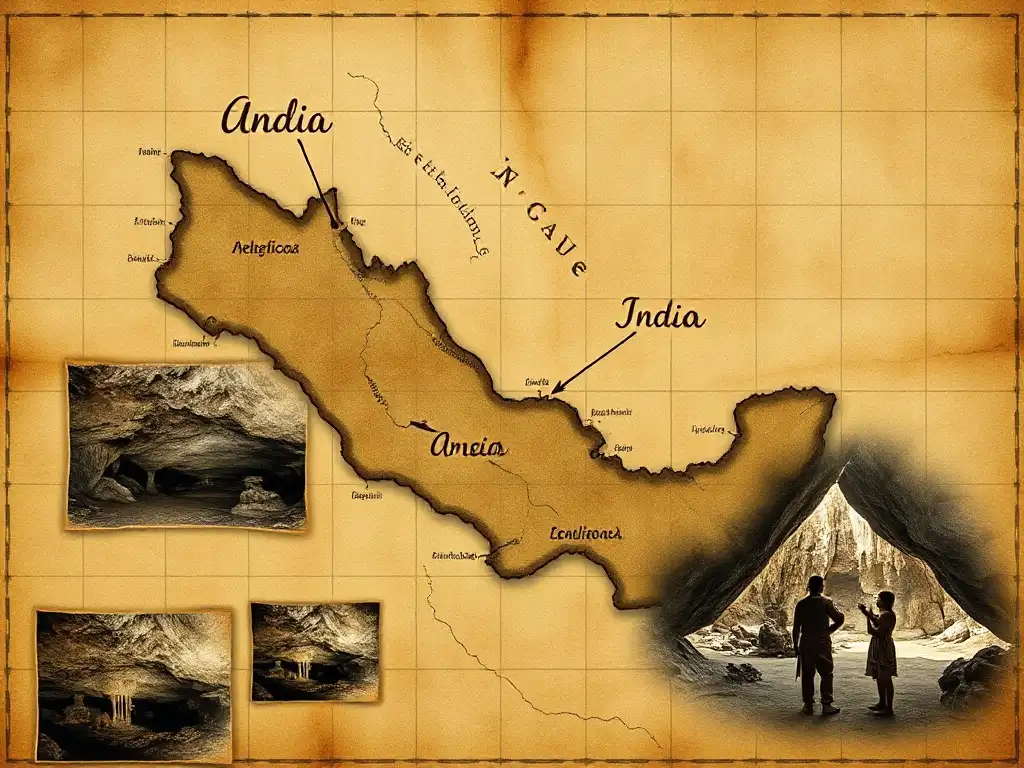
The preservation of Andean caves and rock shelters is a complex undertaking, demanding a multi-faceted approach that blends legal frameworks, community engagement, and sustainable practices. The fragility of these sites, coupled with the immense historical and cultural significance they hold, necessitates a robust and proactive strategy for their long-term protection. This section delves into some key strategies and initiatives currently being implemented to safeguard this invaluable part of Andean heritage. Effective Andean cave preservation requires a holistic approach, addressing both immediate threats and long-term vulnerabilities.
Legal Framework for Protecting Archaeological Sites in Peru
Peru, home to a significant number of Andean caves containing invaluable archaeological remains, has established a legal framework aimed at protecting its cultural heritage. This framework, however, faces challenges in implementation and enforcement, particularly in remote areas. The primary legislation focuses on the classification of archaeological sites, restricting unauthorized access and excavation. Penalties for violations are outlined, ranging from fines to imprisonment.
However, the effectiveness of these legal measures is often hampered by limited resources for monitoring and enforcement, especially in geographically challenging regions. Furthermore, the increasing encroachment of human activities, such as illegal mining and agriculture, continues to pose a significant threat. Strengthening the legal framework requires increased funding for surveillance and enforcement, alongside community education programs to raise awareness of the legal protections in place.
Improved collaboration between government agencies, local communities, and international organizations is also crucial for effective implementation. The effectiveness of the current legal framework could be significantly improved by incorporating more stringent penalties for violations and by streamlining reporting mechanisms for suspected illegal activities. This would empower local communities to play a more active role in protecting their heritage.
Community Involvement in Cave Conservation
Community participation is paramount to successful Andean cave preservation. Local communities are often the first line of defense against threats such as looting, vandalism, and environmental degradation. Their intimate knowledge of the caves and surrounding landscape provides invaluable insights for conservation efforts. Successful initiatives often involve empowering local communities through economic opportunities linked to sustainable tourism or craft production based on cave-related themes.
This approach fosters a sense of ownership and responsibility towards the preservation of their cultural heritage. Furthermore, involving communities in monitoring and reporting activities helps to ensure the long-term protection of the sites. Active participation in decision-making processes related to cave management also strengthens the sense of ownership and responsibility within the community. For example, the development of community-based management plans, incorporating traditional ecological knowledge alongside modern conservation techniques, can be highly effective.
Education and Awareness Programs in Cusco
Cusco, a region rich in Andean archaeological sites, including numerous caves, has seen a rise in community-based education programs aimed at raising awareness about the importance of cave preservation. These programs often target school children and local communities, employing interactive workshops, storytelling, and traditional performances to convey the historical and cultural significance of the caves. The integration of local languages and cultural narratives helps to connect the information with the community's identity and values. The success of these programs is often measured by changes in community attitudes and behaviors towards cave protection.
Data on program participation and subsequent changes in local practices are crucial for evaluating effectiveness. [Specific data on program participation and impact in Cusco pending]. The long-term sustainability of these programs depends on continued funding and collaboration between educational institutions, government agencies, and local communities.
Sustainable Tourism Practices in the Caves of Quio
The caves of Quio present a compelling case study in sustainable tourism’s role in Andean cave preservation. Careful management of tourist access, including regulated entry numbers and guided tours, helps to minimize environmental damage and protect the fragile cave ecosystems. The implementation of strict guidelines on photography and touching artifacts ensures that the sites remain undisturbed.
Revenue generated from sustainable tourism can then be reinvested in further conservation efforts, creating a positive feedback loop. The success of this model depends on balancing the economic benefits of tourism with the imperative of protecting the caves. [Specific data on tourist numbers, revenue generated, and conservation measures implemented in Quio caves pending].
Careful monitoring and evaluation of the environmental impact of tourism are essential to ensure the sustainability of this approach. The development of clear guidelines for tourist behavior and the establishment of a robust monitoring system are critical components of successful sustainable tourism management in this context. The long-term viability of this approach relies on ongoing community engagement and adaptive management strategies.
Scientific Research and Monitoring of Andean Caves
Scientific research plays a crucial role in Andean cave preservation. Understanding the geological formation, the ecological systems within the caves, and the impact of human activity is paramount to developing effective conservation strategies. This involves multidisciplinary approaches, bringing together geologists, biologists, archaeologists, and climatologists. Researchers meticulously study cave formations, analyzing mineral composition and dating techniques to understand the caves' age and evolution.
Furthermore, they investigate the delicate balance of the cave ecosystems, including the unique species of flora and fauna that often thrive in these environments. This research informs decisions on access management, environmental controls, and the development of sustainable tourism practices. For example, studies on airflow patterns within a cave can help determine the best location for ventilation systems to minimize damage caused by moisture and temperature fluctuations.
Understanding the impact of human presence, whether through tourism or past activities, allows for the implementation of mitigation strategies to minimize further degradation. The long-term monitoring of environmental parameters, such as temperature, humidity, and air quality, is essential to detect any significant changes and implement timely interventions. The data collected contribute to predictive models that help anticipate potential threats and inform proactive conservation measures.
Archaeological Surveys and Documentation in the Region of Ancash
The Ancash region, known for its rich archaeological heritage, requires extensive surveys to identify and document caves with significant archaeological remains. These surveys involve careful mapping of cave locations, using GPS technology to create precise records. Archaeologists meticulously document the findings within each cave, creating detailed inventories of artifacts, human remains, and rock art.
This detailed documentation is crucial for understanding the past use of these caves, whether for ritual purposes, habitation, or burial sites. The process also includes the careful removal and preservation of fragile artifacts, using advanced techniques to minimize damage. For example, the use of specialized resins and consolidants helps stabilize delicate pottery shards and other materials found within the caves.
Photography, videography, and 3D scanning are increasingly used to create comprehensive digital records, allowing for detailed analysis and future research without the need for repeated physical access, thus minimizing further disturbance. The information gathered through these surveys helps to prioritize conservation efforts and inform the development of site management plans. This meticulous approach ensures that the archaeological significance of Ancash’s caves is preserved for future generations.
Environmental Monitoring and Assessment of the Caves of Junin
The caves of Junin, often located at high altitudes and characterized by unique microclimates, require specific environmental monitoring strategies. The assessment focuses on several key factors, including air quality, temperature and humidity fluctuations, and the presence of pollutants. Researchers utilize specialized sensors and data loggers to continuously monitor these parameters, providing real-time data on the cave's environmental conditions.
This data is crucial for identifying any potential threats, such as the introduction of pollutants or changes in temperature and humidity that could damage the cave's formations or artifacts. The studies also focus on the impact of external factors, such as climate change and human activity, on the cave environment. For instance, changes in precipitation patterns can lead to increased water infiltration, causing damage to the cave walls and potentially leading to the loss of archaeological remains.
By understanding these environmental factors, researchers can develop targeted interventions to mitigate potential threats and ensure the long-term preservation of the Junin caves. This proactive approach is crucial for the preservation of these fragile ecosystems and their significant cultural heritage.
Innovative Conservation Techniques for Rock Art
The preservation of Andean rock art, often delicate and vulnerable to environmental factors and human interaction, requires innovative conservation techniques. These techniques go beyond traditional methods and utilize advancements in materials science and digital technologies. For example, the use of biocides and consolidants, specifically designed for rock art, helps protect the paintings from biological growth and physical degradation.
These materials are carefully selected to minimize any negative impact on the artwork's integrity. Furthermore, researchers are exploring the use of protective coatings that provide a barrier against environmental factors without obscuring the artwork's visual qualities. The development of these coatings involves extensive testing to ensure compatibility with the specific materials of the rock art and its surrounding environment.
The implementation of these techniques requires specialized training and expertise, ensuring that the application is precise and effective. Moreover, the development of sustainable tourism strategies, including controlled access and educational programs, is crucial to minimizing further damage caused by human interaction.
Stabilization and Restoration Methods at the Paintings of Cueva de las Manos
The paintings of Cueva de las Manos, renowned for their age and artistic significance, require careful stabilization and restoration. This involves a multi-stage process, beginning with a thorough assessment of the artwork's condition. This assessment identifies areas of damage, such as cracks, flaking paint, and biological growth.
Based on this assessment, conservators develop a tailored treatment plan, using minimally invasive techniques to stabilize the artwork. This might include the consolidation of loose paint, the removal of biological growth using specialized cleaning methods, and the careful repair of cracks. The process involves the use of specialized materials, such as consolidants and adhesives, selected to ensure compatibility with the original pigments and the rock surface.
The conservators meticulously document each step of the process, creating detailed records of the interventions and their impact on the artwork. This documentation is crucial for future reference and allows for the monitoring of the artwork's condition over time. The entire process emphasizes a cautious and ethical approach, prioritizing the long-term preservation of this invaluable cultural heritage.
Digital Preservation and 3D Modeling of the Petroglyphs of Miculla
Digital preservation techniques offer a powerful tool for safeguarding the petroglyphs of Miculla. High-resolution photography, photogrammetry, and laser scanning are used to create detailed 3D models of the petroglyphs. These models provide a virtual record of the artwork, allowing for detailed study and analysis without the need for physical access.
This is particularly important for fragile petroglyphs that are vulnerable to damage from human interaction or environmental factors. The 3D models can be used to create accurate replicas for educational purposes or to display in museums, reducing the need to handle the original artifacts. Furthermore, the digital records allow for the monitoring of changes in the petroglyphs' condition over time, enabling early detection of any degradation and the implementation of timely interventions.
The digital preservation of the Miculla petroglyphs ensures that this important cultural heritage is accessible to researchers and the public for generations to come, while minimizing the risk of damage to the original artwork. This innovative approach combines the best of traditional preservation methods with the power of modern technology to safeguard cultural heritage.
Case Studies of Successful Andean Cave Conservation
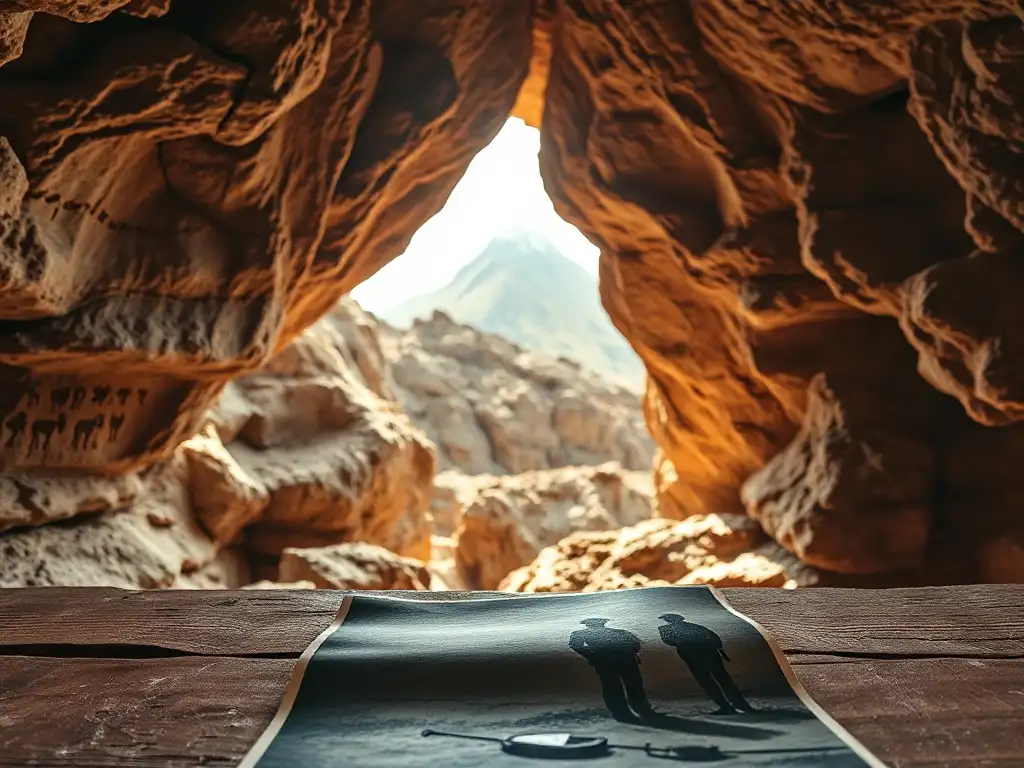
This section details specific examples of successful Andean cave preservation initiatives, highlighting the diverse approaches and challenges involved in protecting these fragile archaeological sites. Understanding these case studies is crucial for developing effective strategies for Andean cave preservation and ensuring the long-term safeguarding of invaluable cultural heritage. The focus here will be on showcasing practical applications and quantifiable results, illustrating the tangible impact of conservation efforts.
The Cave of Quilcapampa
The Cave of Quilcapampa, located in [Specific Region of Peru pending], presents a compelling case study in Andean cave preservation. This site, known for its significant pre-Inca pictographs and artifacts, faced threats from both natural processes (erosion, water damage) and human activity (vandalism, looting). A multi-faceted approach was implemented to address these challenges.
Preservation Methods Applied
The preservation strategy for Quilcapampa involved a combination of techniques:
- Stabilization of the cave walls: This involved the careful application of consolidants to strengthen weakened rock surfaces and prevent further deterioration. Specific consolidants used included [Specific Consolidant Names pending]. Regular monitoring and analysis of the effectiveness of these consolidants are ongoing.
- Microclimate control: A system was implemented to regulate temperature and humidity within the cave, minimizing the impact of environmental fluctuations on the cave paintings and artifacts. This included [Specific details of the microclimate control system pending, e.g., ventilation systems, humidity sensors].
- Security measures: Enhanced security measures were put in place to deter vandalism and looting. This involved [Specific security measures pending, e.g., improved fencing, surveillance cameras, increased patrol frequency].
- Visitor management: Strict visitor management protocols were established to limit the number of visitors and minimize their impact on the cave environment. This included guided tours, designated pathways, and restrictions on photography.
Results and Ongoing Efforts
The implementation of these preservation methods has yielded positive results. [Quantifiable data on improvement pending, e.g., reduction in erosion rates, improved condition of the pictographs]. However, ongoing monitoring and maintenance are essential for long-term preservation. Current efforts focus on [Specific ongoing efforts pending, e.g., research into new conservation techniques, community education programs]. The success of the Quilcapampa project demonstrates the importance of a holistic approach to Andean cave preservation, combining scientific expertise with community engagement. The careful balance between accessibility and protection is a key element of its success.
The Rock Shelter of Pikimachay
The Rock Shelter of Pikimachay, situated in [Specific Region of Peru pending], offers a different perspective on Andean cave preservation, emphasizing the crucial role of community involvement. This site, renowned for its Paleolithic artifacts, faced threats primarily from agricultural activities and uncontrolled access.
Community Involvement Strategies
The preservation strategy for Pikimachay prioritized community engagement from the outset. This involved:
- Educational workshops: Local communities were actively involved in workshops on the importance of the site and the threats it faced. This fostered a sense of ownership and responsibility for its protection.
- Economic incentives: Alternative income-generating activities were promoted to reduce reliance on activities that threatened the site. This included [Specific examples of alternative income-generating activities pending, e.g., ecotourism, sustainable agriculture].
- Community monitoring: Local residents were trained to monitor the site for signs of damage or illegal activity, providing an effective early warning system. This participatory approach significantly reduced the occurrence of vandalism and looting.
Long-Term Conservation Plans
Long-term conservation plans for Pikimachay involve the establishment of a community-managed reserve. This will ensure the ongoing protection of the site while providing economic benefits to the local community. The success of Pikimachay's preservation hinges upon the sustainable integration of conservation efforts with the needs and aspirations of the local population.
This model underscores the importance of community participation in Andean cave preservation, demonstrating that effective conservation is not just about scientific intervention, but also about social responsibility and empowerment. The Pikimachay project serves as a powerful example of how collaborative efforts can lead to long-term success in Andean cave preservation.
The Future of Andean Cave Preservation
The preservation of Andean caves and rock shelters is a multifaceted challenge requiring a long-term, holistic approach. Successful conservation hinges on a delicate balance between protecting these fragile ecosystems and making their cultural and scientific significance accessible to researchers and the public. This section explores the key challenges and opportunities that lie ahead in ensuring the continued survival of these invaluable sites, critical for understanding Andean cave preservation.
Challenges and Opportunities in Conservation
Andean cave preservation faces numerous hurdles. One significant challenge is the accessibility of many sites. Many are located in remote, high-altitude regions, making access difficult and expensive. This often limits the frequency and scope of monitoring and maintenance efforts. Furthermore, the fragility of cave environments is a major concern. Even seemingly minor disturbances, such as human presence or changes in microclimate, can cause irreversible damage to delicate rock art, archaeological deposits, and unique ecosystems.
Another crucial challenge is the threat of looting and vandalism. The unique artifacts and potential treasures within Andean caves make them attractive targets for illegal activities. Effective surveillance and community engagement are vital to deter these threats. However, there are also significant opportunities. Improved collaboration between governmental agencies, research institutions, local communities, and international organizations can lead to more effective and sustainable preservation strategies. Increased funding for research, monitoring, and conservation projects is crucial. Finally, innovative education and outreach programs can raise public awareness of the importance of these sites and encourage responsible stewardship.
The successful integration of these strategies will be key to the long-term success of Andean cave preservation. For example, a collaborative project in the Colca Canyon involving local communities in monitoring and guiding tourism has proven successful in balancing access and protection. Similarly, the use of non-invasive monitoring techniques has allowed for the assessment of cave conditions without causing further damage. These successful initiatives can serve as models for future projects. However, more data is needed on the specific challenges faced in different regions to develop tailored strategies for Andean cave preservation. [Specific regional data pending].
The Role of Technology in Future Preservation Efforts
Technology plays a vital role in enhancing Andean cave preservation efforts. Non-invasive techniques such as 3D laser scanning and photogrammetry allow for the creation of detailed digital records of cave interiors and artifacts without physical contact. This is crucial for monitoring changes over time and creating virtual tours for educational purposes, thereby reducing the need for physical visits and minimizing disturbance.
Furthermore, environmental sensors can monitor temperature, humidity, and air quality within caves, providing early warning signs of potential damage or deterioration. This real-time data enables proactive interventions to mitigate threats before they become irreversible. Advanced imaging techniques, like multispectral and hyperspectral imaging, can reveal hidden details in rock art and artifacts, providing valuable insights into their creation and age. The use of drones for aerial surveys allows for the mapping of cave entrances and surrounding landscapes, aiding in the identification of previously unknown sites and assessing potential threats.
The integration of these technological advancements into a comprehensive management strategy will significantly improve Andean cave preservation efforts. For instance, a digital archive of 3D scans of significant cave paintings could provide invaluable data for future research and conservation planning. However, the implementation of these technologies requires specialized training and financial resources, highlighting the ongoing need for increased investment in Andean cave preservation.
Ensuring the Legacy of Andean Caves for Future Generations
Protecting Andean caves and rock shelters is not just about preserving physical structures; it's about safeguarding a vital part of human history and cultural heritage. This requires a multi-pronged approach encompassing education, community engagement, and sustainable tourism. Education plays a critical role in fostering a sense of responsibility towards these sites. Educational programs targeting local communities and schools can instill a sense of pride in Andean heritage and promote responsible behavior around caves. This includes teaching about the fragility of cave environments and the importance of avoiding vandalism and looting.
Community engagement is crucial for successful long-term conservation. Involving local communities in monitoring and management efforts not only ensures their active participation but also creates a sense of ownership and responsibility. Sustainable tourism initiatives can provide economic incentives for local communities to participate in conservation efforts, while simultaneously ensuring that tourism does not negatively impact the delicate cave ecosystems. This requires careful planning and management, limiting visitor numbers, and providing clear guidelines for responsible behavior.
Ultimately, ensuring the legacy of Andean caves for future generations requires a concerted effort from governments, researchers, local communities, and tourists alike. By combining technological advancements with strong educational initiatives and collaborative partnerships, we can safeguard these invaluable sites and ensure that their rich history and cultural significance continue to inspire and enrich lives for generations to come. The continued success of Andean cave preservation depends on the commitment of all stakeholders to prioritize the protection of these irreplaceable resources.
Frequently Asked Questions
What is the significance of Andean caves and rock shelters?
Andean caves and rock shelters hold significant archaeological value, providing invaluable insights into the lives and cultures of ancient Andean civilizations. They often contain artefacts, paintings, and other evidence of past human activity.
Why is the preservation of Andean caves crucial?
Preservation is crucial to protect these fragile sites from degradation and looting. Maintaining their integrity ensures future generations can learn from these unique historical records.
What are the main threats to Andean cave preservation?
The main threats include natural erosion, human activity (e.g., tourism, looting), and the effects of climate change. These factors can irrevocably damage or destroy important archaeological evidence.
How are Andean cave preservation efforts currently being undertaken?
Efforts involve monitoring sites for deterioration, implementing protective measures, and promoting responsible tourism practices. Archaeological research and documentation are also critical aspects of preservation.
What role can individuals play in Andean cave preservation?
Individuals can contribute by supporting responsible tourism initiatives, respecting designated areas, and reporting any suspicious activity near these sites. Educating themselves and others about the importance of preservation is also crucial.
Final Reflection: Echoes of the Past, Guardians of the Future
The urgent need to protect Andean caves and rock shelters is not merely an archaeological concern; it's a fight to preserve irreplaceable windows into humanity's past and safeguard the fragile ecosystems they harbor. These ancient sites, silent witnesses to millennia of human history and biodiversity, are facing unprecedented threats from climate change, looting, and unsustainable tourism. Their preservation is crucial for understanding our shared heritage and ensuring the survival of unique species.
The impact of neglecting these invaluable sites extends far beyond the loss of artifacts and scientific data. It represents a severing of our connection to the past, a disconnection from the rich tapestry of human experience that these caves and rock shelters represent. The past is never dead. It's not even past.
– William Faulkner. This quote rings profoundly true when considering the ongoing cultural and spiritual significance of these sites for indigenous communities, whose traditions and identities are deeply intertwined with these sacred spaces. Their protection is not just a matter of preserving stones and bones; it's about respecting living cultures and their ancestral heritage.
Consider the echoes of history whispering from the cave walls, the stories etched in ancient pigments, the delicate balance of life within these hidden ecosystems. You, the reader, hold a vital role in this preservation effort. Learn more about the challenges facing Andean cave preservation, support organizations dedicated to their protection, and advocate for responsible tourism practices. By raising awareness and taking action, you can help ensure that these invaluable sites continue to resonate with the stories of our past, enriching the lives of future generations.
**Join the Movement to Safeguard Andean Wonders! **
Thank you for exploring the fascinating world of Andean caves and rock shelters. Your interest helps preserve these sites for future generations. Now, let's turn your passion into action!
Here are some impactful ways you can make a difference:
- **Become an advocate:** Join a local or international conservation organization dedicated to protecting Andean heritage. Your voice is crucial.
- **Educate yourself and others:** Share what you've learned about Andean sites through social media or community outreach. Inspire others to appreciate and protect these invaluable treasures.
- **Visit responsibly:** Plan trips to Andean sites that support sustainable tourism and local conservation initiatives, ensuring your visit benefits the environment and community.
What steps will you take to become a guardian of Andean civilization and its remarkable natural heritage?