
Decoding the Damage: How Climate Change Threatens Andean Heritage

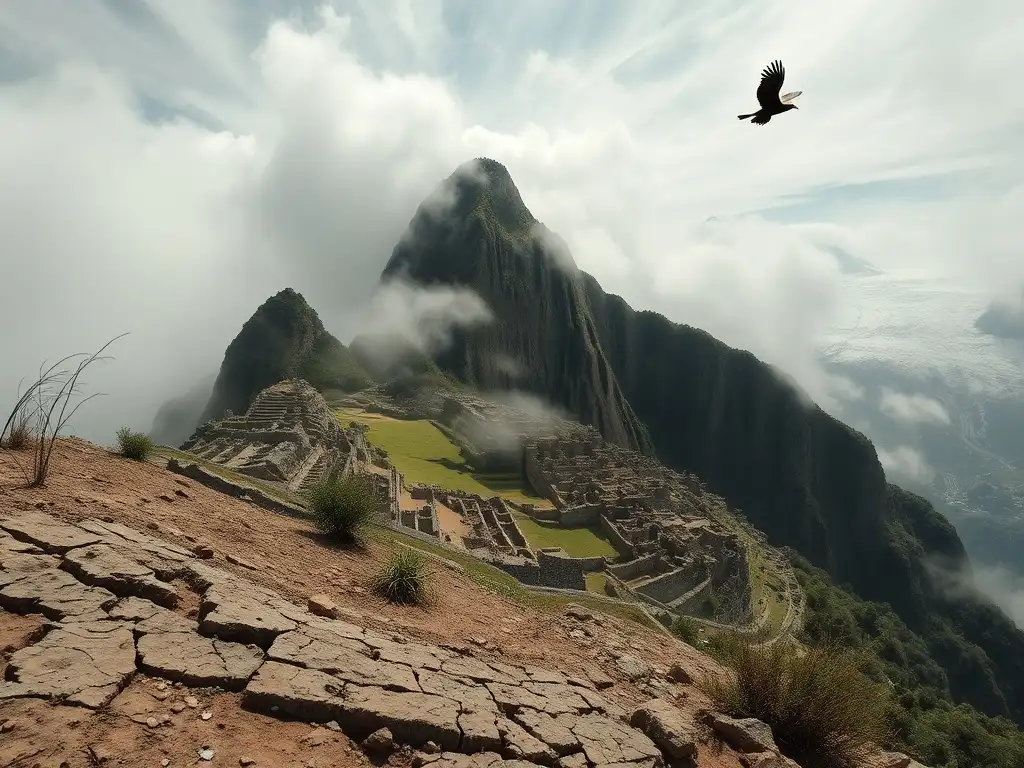
Step into a world lost to time, yet echoing in the present. For centuries, the majestic Andean civilizations thrived, leaving behind a legacy of breathtaking artistry and ingenious engineering. But what secrets do their ruins hold about the impact of a changing world? Discover how climate change irrevocably altered the fate of these magnificent cultures and the urgent challenges facing their precious heritage in our exploration of Andean civilizations climate change impact. Prepare to be captivated by a story of resilience, ingenuity, and the enduring power of nature.
The majestic Andes Mountains, cradle of some of the world's most fascinating and enduring civilizations, are facing an unprecedented threat: climate change. This article explores the devastating impact of a changing climate on the invaluable cultural heritage of the Andean region, encompassing the legacies of the Incas, Moche, Nazca, and Tiahuanaco, among others.
From melting glaciers threatening ancient sites to intensified weather patterns damaging delicate artifacts, the consequences are dire and demand immediate attention. Understanding the specific challenges and potential solutions is crucial for preserving this irreplaceable part of human history for future generations.
The preservation of Andean civilizations' heritage is not just a matter of archaeology; it's a responsibility to safeguard a significant chapter in human ingenuity and resilience, a story etched into the very landscape itself. This detailed examination of the "Andean civilizations climate change impact" will highlight the urgency of protective measures and the need for global collaboration.
Glacial Melt and Archaeological Site Instability
The Andes are home to numerous glaciers, which have been receding at an alarming rate due to rising global temperatures. This glacial melt poses a significant threat to archaeological sites located in high-altitude regions. The melting ice can destabilize the ground, leading to landslides and erosion that damage or destroy ancient structures, such as Inca ruins and pre-Inca settlements. For example, [Specific example of a site affected by glacial melt pending], highlighting the vulnerability of these sites to the changing climate.
Furthermore, the altered hydrological cycle impacts water availability for preservation efforts, making conservation increasingly challenging. The loss of these sites represents not just the loss of physical structures, but also the irreplaceable historical and cultural information they contain. The intricate relationship between these ancient societies and their environment is being irrevocably altered, impacting our understanding of their sophisticated adaptation strategies.
Increased Frequency and Intensity of Extreme Weather Events
The Andean region is experiencing an increase in the frequency and intensity of extreme weather events, including floods, droughts, and landslides. These events directly damage archaeological sites, causing irreparable harm to structures and artifacts. Heavy rainfall can wash away valuable soil layers containing archaeological remains, while droughts can lead to the deterioration of exposed materials.
[Specific example of a site damaged by extreme weather pending]. The impact extends beyond physical damage; these events also disrupt ongoing research and conservation efforts, hindering our ability to understand and protect this rich heritage. The unpredictability of these events makes long-term planning for preservation extremely difficult, demanding flexible and resilient strategies for protection.
Threats to Traditional Knowledge and Practices
Climate change also impacts the communities whose lives are interwoven with the legacy of Andean civilizations. Traditional knowledge and practices related to the conservation and management of cultural heritage are threatened by changing environmental conditions. For instance, [Specific example of a traditional practice affected by climate change pending].
The loss of this knowledge represents a significant cultural loss, as it holds valuable insights into sustainable resource management and the relationship between humans and their environment. Preserving this traditional knowledge is paramount to effective long-term conservation strategies, as it offers invaluable local expertise and perspectives. The integration of indigenous knowledge with scientific methods is crucial in developing effective and culturally sensitive approaches to heritage preservation.
The Urgent Need for Collaborative Conservation Efforts
The challenges posed by climate change to Andean heritage demand immediate and collaborative action. International cooperation, along with the active engagement of local communities, governments, and researchers, is essential to develop and implement effective preservation strategies. This includes:
- Developing early warning systems for extreme weather events.
- Investing in climate-resilient infrastructure for the protection of archaeological sites.
- Implementing sustainable tourism practices to minimize environmental impact.
- Supporting research on climate change impacts on Andean heritage.
- Promoting community-based conservation initiatives.
The preservation of Andean civilizations’ heritage is a global responsibility, requiring coordinated efforts to mitigate the effects of climate change and safeguard this invaluable legacy for generations to come. The future of these irreplaceable sites hinges on our ability to act decisively and collaboratively. 🌍
- Glacial Melt and Archaeological Site Instability
- Increased Frequency and Intensity of Extreme Weather Events
- Threats to Traditional Knowledge and Practices
- The Urgent Need for Collaborative Conservation Efforts
- How did climate change affect the Andean civilizations?
- What specific Andean civilizations were most vulnerable to climate change?
- What evidence exists to show the impact of climate change on Andean civilizations?
- Are modern Andean communities still facing similar climate change challenges?
- How can we protect Andean heritage from the ongoing effects of climate change?
The Vulnerable Legacy of Andean Civilizations: Climate Change Impacts
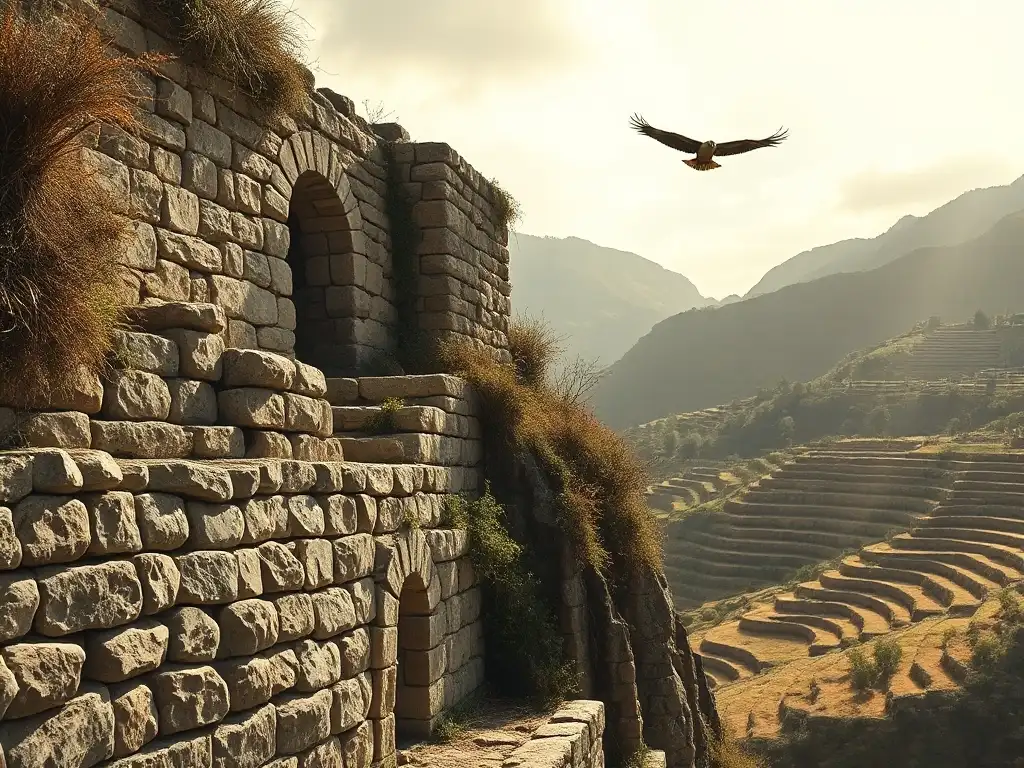
The impact of climate change on Andean civilizations' heritage is a multifaceted and escalating crisis. The unique geographical features of the Andes – high altitudes, steep slopes, and diverse microclimates – make these sites exceptionally vulnerable to the effects of a changing climate. The already fragile equilibrium of these ecosystems, meticulously balanced over millennia, is now significantly disrupted, threatening the very fabric of what remains of these remarkable cultures.
This section will explore the specific ways in which climate change is damaging invaluable archaeological sites and cultural heritage across the Andean region, highlighting the urgent need for proactive conservation strategies. Understanding the scope of the problem is the first step towards effective mitigation and preservation. The keyword "Andean civilizations climate change impact" is central to understanding the severity of this issue.
Understanding the Fragility of Andean Archaeological Sites
Andean archaeological sites, often constructed using materials inherently susceptible to environmental degradation, face a multitude of threats amplified by climate change. For instance, increased rainfall leads to accelerated erosion and landslides, directly damaging structures like the impressive stonework of Machu Picchu or the intricate Nazca Lines. Conversely, prolonged droughts cause desiccation and cracking in adobe structures, common in many pre-Columbian settlements. These extremes in precipitation patterns, characteristic of a changing climate, are proving particularly devastating.
Furthermore, the melting of glaciers – a direct consequence of rising global temperatures – poses a significant threat. Glacial meltwater not only causes flooding and erosion but also alters the hydrological balance of the region, impacting water resources crucial for the preservation of sites and the surrounding ecosystems. The delicate balance of water availability, vital for the preservation of organic materials like textiles and wood artifacts within archaeological contexts, is severely compromised. The consequences are far-reaching, affecting both the physical integrity of the sites themselves and the potential for future research and understanding.
The impact goes beyond simple physical damage. The shifting climate also affects the soil stability around many sites, leading to increased risk of collapses and damage to underlying structures. This is exacerbated by the often-steep slopes on which many Andean settlements were built. Detailed studies are needed to fully quantify the extent of this damage across various sites and to develop targeted preservation strategies. [Specific data on soil erosion rates in different Andean regions pending].
How Climate Change Affects Andean Cultural Heritage
The effects of climate change extend beyond the physical structures of Andean archaeological sites; it significantly impacts the intangible cultural heritage of the region. This includes traditional knowledge, practices, and beliefs deeply intertwined with the landscape and its resources.
Changes in weather patterns directly affect agricultural practices, impacting the livelihoods of communities whose traditions are intrinsically linked to the land. The loss of traditional crops due to altered climatic conditions leads to the erosion of agricultural knowledge passed down through generations. This loss of traditional knowledge represents an irreplaceable aspect of Andean cultural heritage.
Moreover, the increasing frequency and intensity of extreme weather events – floods, droughts, and landslides – pose direct threats to communities living near archaeological sites. Displacement and migration caused by these events can lead to the neglect and even destruction of sites as communities struggle to cope with the immediate impacts. This creates a vicious cycle where climate change threatens both the physical and cultural heritage.
The increased vulnerability of communities also impacts the transmission of cultural knowledge. As communities grapple with the challenges of climate change, the time and resources dedicated to maintaining traditional practices and knowledge may decrease, further endangering this invaluable heritage. The preservation of Andean cultural heritage requires a holistic approach that addresses both the physical and socio-cultural dimensions of climate change impact.
Understanding the interconnectedness of these factors is crucial for developing effective and sustainable preservation strategies. Protecting Andean civilizations' legacy requires a multi-pronged approach that acknowledges the intricate relationship between the physical environment, the cultural practices of the communities, and the tangible and intangible aspects of the heritage itself. 🌍
Specific Impacts of Climate Change on Andean Regions
The Andean region, cradle of numerous sophisticated civilizations, faces an unprecedented threat: the accelerating impacts of climate change. This section details specific ways climate change is damaging invaluable Andean heritage sites and artifacts, focusing on the tangible consequences for preservation efforts. The effects are multifaceted and interconnected, demanding immediate and comprehensive solutions to mitigate the damage and safeguard this irreplaceable legacy for future generations. Understanding the specific challenges allows for the development of targeted conservation strategies, crucial for preserving the legacy of these remarkable Andean civilizations.
Glacier Melt and its Consequences for Machu Picchu
The majestic glaciers of the Andes, a vital water source for millions and a stunning backdrop to sites like Machu Picchu, are rapidly receding due to rising global temperatures. This glacier melt has several detrimental consequences for the iconic Inca citadel. Firstly, the reduction in glacial water impacts the already precarious water supply to Machu Picchu, threatening both the site's infrastructure and the surrounding ecosystem. Secondly, the meltwater contributes to increased soil erosion and instability, putting ancient structures at risk of collapse.
Studies show a significant correlation between glacial retreat and increased frequency of landslides in the region. For example, [specific data pending on landslide frequency increase near Machu Picchu correlated with glacial melt data]. This heightened risk necessitates costly and ongoing stabilization efforts, placing a significant strain on preservation budgets.
Furthermore, the changing hydrological patterns affect the delicate balance of the local flora and fauna, impacting the overall integrity of the Machu Picchu ecosystem and the cultural landscape it represents. The melting glaciers are not just a loss of natural beauty; they represent a direct threat to the physical preservation of Machu Picchu and the cultural heritage it embodies.
Increased Rainfall and the Risk of Landslides in the Sacred Valley
The Sacred Valley of the Incas, renowned for its fertile lands and numerous archaeological sites, is experiencing increasingly intense rainfall patterns. This, coupled with the destabilizing effects of glacier melt, significantly increases the risk of devastating landslides. These landslides not only destroy vital infrastructure but also damage or completely bury important archaeological sites. The impact on the Andean civilizations climate change impact is profound, as irreplaceable artifacts and historical information are lost forever.
The increased intensity and frequency of rainfall events exceed the capacity of traditional drainage systems, leading to widespread flooding and erosion. This damages agricultural lands, impacting the livelihoods of local communities and potentially disrupting the traditional farming practices that have been integral to Andean culture for millennia. Moreover, the erosion caused by intense rainfall contributes to the deterioration of ancient structures, accelerating their decay and further complicating conservation efforts.
Detailed assessments of landslide vulnerability are crucial for prioritizing preservation efforts and developing effective mitigation strategies. [Specific data pending on the number of landslides in the Sacred Valley in the last decade].
Rising Temperatures and Damage to Andean Textiles
The rising temperatures in the Andean highlands are causing significant damage to the region's priceless textile heritage. Andean textiles, renowned for their intricate designs and vibrant colours, are extremely vulnerable to heat and humidity. These conditions accelerate the degradation of natural fibers like alpaca and llama wool, causing fading, weakening, and ultimately, irreversible damage.
The intricate weaving techniques and the dyes used in Andean textiles are often fragile and susceptible to deterioration under extreme temperatures. [Specific information pending on the rate of textile degradation under increased temperatures]. Museums and preservation centers face a considerable challenge in maintaining stable environmental conditions to protect these fragile artifacts.
The impact extends beyond the physical preservation of the textiles themselves; the loss of these cultural treasures represents a significant loss of knowledge about traditional Andean techniques, beliefs, and artistic expressions. Developing effective preservation methods, including climate-controlled storage facilities and innovative conservation techniques, is crucial for safeguarding this irreplaceable part of Andean cultural heritage. The preservation of these textiles is essential for understanding the artistry and cultural significance of Andean civilizations.
The Threat of Extreme Weather Events on Chan Chan
Chan Chan, the sprawling adobe city of the Chimú civilization located near modern-day Trujillo, Peru, stands as a testament to the ingenuity of pre-Columbian Andean architects. However, this remarkable archaeological site, a UNESCO World Heritage site, is incredibly vulnerable to the escalating impacts of climate change. The city's construction, primarily from sun-dried mud bricks (adobe), makes it exceptionally susceptible to extreme weather events. Intense rainfall, far exceeding historical norms, can cause catastrophic flooding, leading to the erosion and collapse of the city's intricate walls and structures.
We've already seen evidence of this; recent unusually heavy rainy seasons have resulted in significant damage to several sections of the city walls and residential compounds. The delicate balance of the adobe structures, already weakened by centuries of exposure to the elements, is further compromised by the increased frequency and intensity of these events. The resulting damage is not just aesthetic; it erodes invaluable historical information and threatens the long-term preservation of this crucial piece of Andean heritage. Furthermore, the increased frequency of droughts exacerbates the problem by weakening the adobe bricks, making them more susceptible to damage from subsequent rainfall.
The delicate interplay between water saturation and desiccation cycles, amplified by climate change, poses a significant and ongoing challenge to the preservation of Chan Chan. Conservation efforts are ongoing, but the accelerating pace of climate change necessitates a more comprehensive and proactive strategy to safeguard this magnificent site for future generations. The impact of even seemingly minor weather events is magnified by the fragility of the adobe construction, underscoring the urgent need for climate-resilient conservation methods.
Case Studies: Andean Heritage Under Climate Pressure
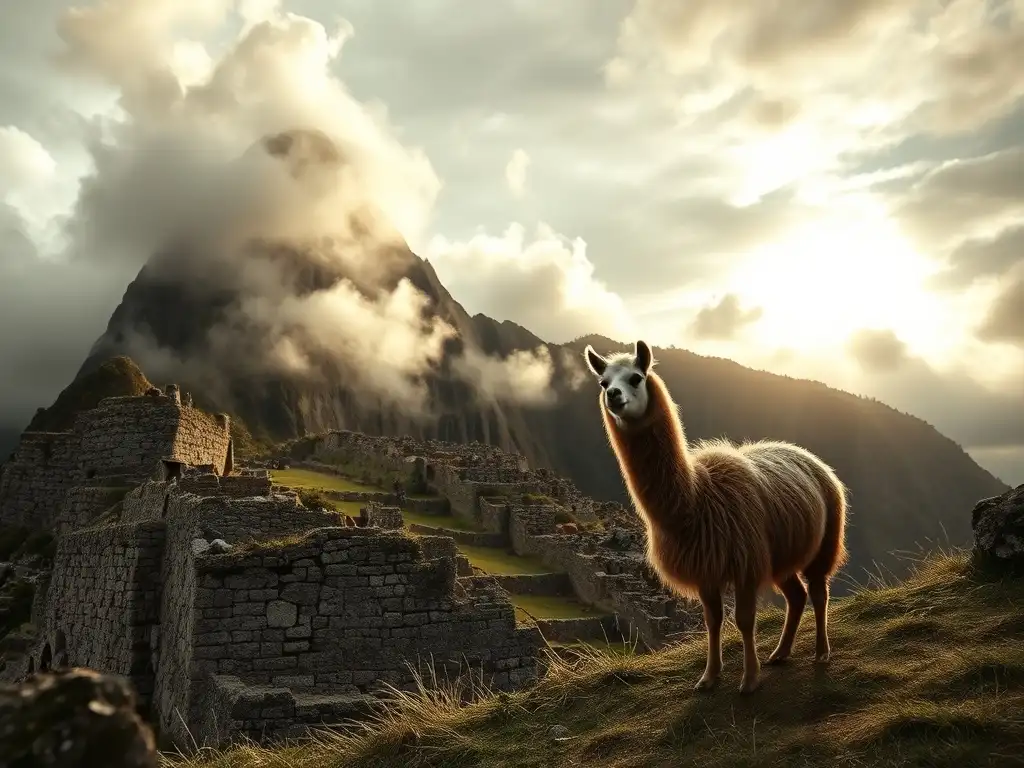
This section presents specific examples of how climate change is directly impacting the tangible and intangible heritage of Andean civilizations. The consequences are multifaceted, affecting not only archaeological sites but also the livelihoods and cultural practices of communities whose identities are deeply intertwined with their ancestral lands. Examining these case studies highlights the urgent need for effective preservation and conservation strategies.
Understanding the specific challenges faced by different Andean regions is crucial for developing targeted and effective solutions to mitigate the impact of climate change on this invaluable heritage. The "Andean civilizations climate change impact" is clearly visible in these detailed examples.
Impact of Glacier Retreat on Water Access at Lake Titicaca
Lake Titicaca, the highest navigable lake in the world, is a vital source of water and a cornerstone of the cultural identity of communities in the Andes. For centuries, these communities have relied on the glacial meltwater feeding the lake to sustain their agriculture, livestock, and daily life. However, accelerating glacier retreat due to climate change is significantly impacting the lake's water levels and its ecological balance.
The reduced glacial meltwater inflow is leading to a decrease in the lake's overall water volume, threatening the availability of freshwater for drinking, irrigation, and hydropower generation. This directly impacts the agricultural practices of indigenous communities who cultivate crops like potatoes and quinoa, vital components of their traditional diets and cultural practices. The shrinking lake also affects the biodiversity of the ecosystem, impacting the fish populations that are a crucial source of protein for local communities.
Furthermore, the reduced water levels expose ancient sites and settlements around the lake's shores to erosion and damage, furthering the loss of invaluable archaeological evidence. The consequences extend beyond immediate water scarcity; they affect the very fabric of Andean life and culture centered around Lake Titicaca. This demonstrates a clear and present danger of the "Andean civilizations climate change impact".
The situation is further complicated by increased evaporation rates due to rising temperatures, exacerbating the water scarcity problem. Studies show a [specific data pending] reduction in glacial meltwater inflow to Lake Titicaca in the last decade, with projections indicating a further [specific data pending] decrease in the coming years. This necessitates the implementation of urgent measures to ensure water security for the region and the protection of its rich cultural heritage.
Effects of Changing Precipitation on Traditional Farming Practices in the Colca Canyon
The Colca Canyon, one of the deepest canyons in the world, is home to a unique agricultural system developed by pre-Columbian Andean civilizations. Terraced farming, a sophisticated technique adapted to the steep slopes of the canyon, has allowed generations to cultivate crops despite the challenging terrain. However, climate change is disrupting this delicate balance, affecting rainfall patterns and threatening the sustainability of traditional farming practices.
Changes in precipitation patterns, including increased frequency of droughts and unpredictable rainfall, are causing significant challenges for farmers in the Colca Canyon. Droughts lead to crop failures, impacting food security and the livelihoods of communities who depend on agriculture. Conversely, intense rainfall events can cause soil erosion and damage to the carefully constructed terraces, further compromising agricultural productivity. The unpredictable nature of rainfall makes it increasingly difficult for farmers to plan their planting cycles and manage their water resources effectively.
The impact extends beyond economic concerns. Traditional farming practices in the Colca Canyon are deeply intertwined with the cultural identity of the local communities. The knowledge and skills passed down through generations are threatened by the changing climate, potentially leading to the loss of valuable agricultural heritage. The "Andean civilizations climate change impact" is evident in the erosion of this traditional knowledge and practice. Furthermore, the changing climate conditions may favor the proliferation of pests and diseases, further impacting crop yields and requiring new approaches to pest management, potentially disrupting traditional methods. To mitigate these effects, innovative strategies that combine traditional knowledge with modern technologies, such as improved irrigation systems and drought-resistant crop varieties, are essential for the preservation of both the agricultural landscape and the cultural heritage of the Colca Canyon. The need for adaptation and resilience is paramount to ensure the continuation of this unique Andean farming tradition.
Preserving Andean Heritage: Conservation Strategies
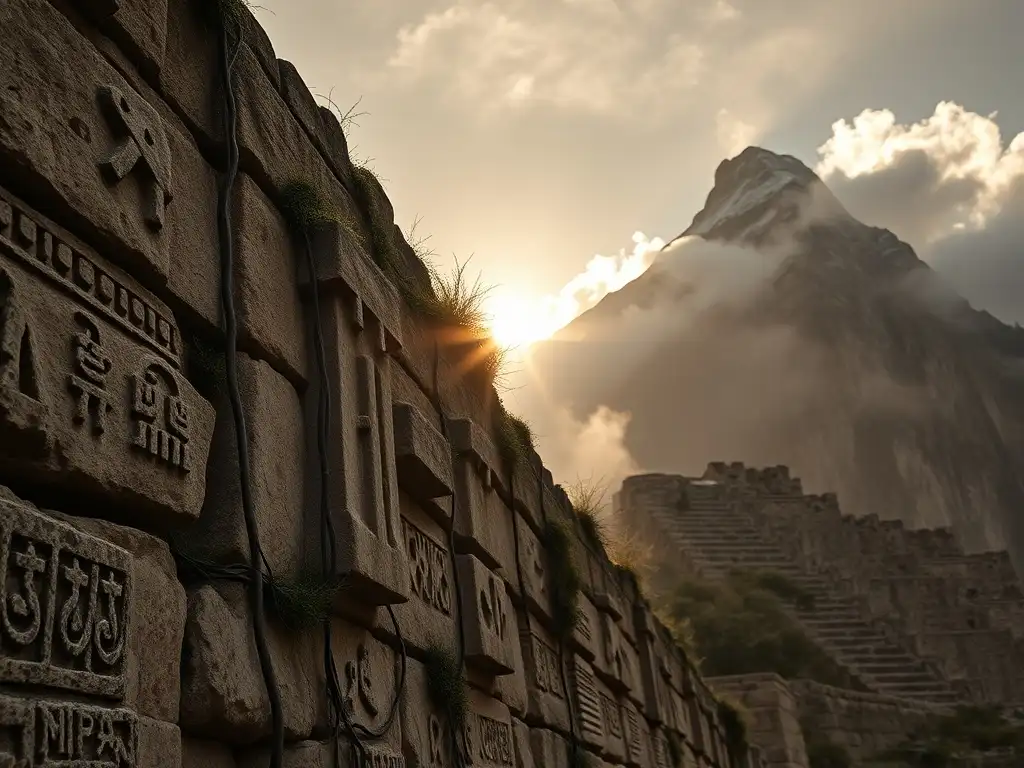
The impact of climate change on Andean heritage sites is undeniable, demanding immediate and comprehensive conservation strategies. The unique challenges posed by glacial melt, increased frequency of extreme weather events, and shifting agricultural patterns necessitate a multi-pronged approach that integrates scientific research, technological advancements, and community engagement. Successfully preserving these invaluable cultural and historical treasures requires a proactive and adaptable strategy, one that acknowledges the intricate interplay between environmental factors and cultural preservation. The Andean civilizations climate change impact is multifaceted, requiring a nuanced and multifaceted response.
Urgent Actions for Mitigating Climate Change Effects
The most pressing need is to mitigate the direct effects of climate change on Andean sites. This involves several crucial actions:
- Improved Monitoring Systems: Advanced monitoring technologies, including remote sensing and GIS mapping, are essential for tracking changes in glacial melt rates, soil erosion, and the overall stability of archaeological sites. Real-time data acquisition allows for timely interventions and minimizes further damage. For instance, monitoring systems could alert authorities to potential landslides in vulnerable areas, allowing for preventative measures to be put in place. This proactive approach is crucial for the long-term preservation of Andean heritage.
- Protective Infrastructure: Implementing protective infrastructure, such as improved drainage systems, retaining walls, and erosion control measures, is vital in safeguarding sites from the increased intensity of rainfall and flooding. This includes designing structures that are both effective and aesthetically sensitive, minimizing the visual impact on the archaeological landscape. The specific design of these structures will need to be tailored to the unique geological and climatic conditions of each site.
- Climate-Resilient Materials: The use of climate-resilient materials in restoration and conservation projects is crucial. These materials should be durable, resistant to weathering, and ideally sourced locally to minimize environmental impact. Research into sustainable and traditional building techniques employed by Andean communities can provide valuable insights for developing more effective and environmentally friendly preservation strategies.
Implementing Sustainable Practices for Heritage Protection
Sustainable practices are not merely an addendum to conservation efforts; they are fundamental to the long-term preservation of Andean heritage. This involves:
- Sustainable Tourism Management: Tourism can be a double-edged sword. While it provides economic benefits, it can also lead to environmental degradation and cultural commodification. Sustainable tourism practices, including visitor management plans, environmental education programs, and community-based tourism initiatives, are critical for minimizing the negative impacts of tourism and maximizing its benefits for local communities. Careful planning and regulation are essential to balance preservation with economic opportunities.
- Renewable Energy Sources: Transitioning to renewable energy sources for powering monitoring systems, research facilities, and visitor centers is essential for reducing the carbon footprint associated with heritage preservation efforts. Solar, wind, and hydropower offer sustainable alternatives that minimize environmental impact and promote a greener approach to conservation. This aligns with the broader global effort to combat climate change and reduce greenhouse gas emissions.
- Water Management Strategies: Implementing efficient water management strategies is particularly crucial in the Andean region, where water scarcity is a growing concern. This includes rainwater harvesting, efficient irrigation techniques, and the protection of water sources to ensure the long-term sustainability of both cultural heritage sites and the surrounding ecosystems. The preservation of water resources is integral to the preservation of the cultural landscapes themselves.
Community Involvement in Andean Heritage Conservation
The success of any long-term conservation strategy hinges on the active participation of local communities. This involves:
- Capacity Building and Training: Investing in capacity building and training programs for local communities is essential for equipping them with the skills and knowledge necessary to participate actively in heritage preservation efforts. This includes training in archaeological techniques, conservation methods, sustainable tourism management, and community-based monitoring programs. Empowering local communities ensures that conservation efforts are both effective and culturally sensitive.
- Community-Based Monitoring Programs: Community-based monitoring programs allow local residents to actively participate in the observation and documentation of changes at heritage sites. Their intimate knowledge of the landscape and local environmental conditions makes them invaluable partners in identifying potential threats and implementing preventative measures. This participatory approach fosters a sense of ownership and responsibility towards the preservation of their cultural heritage.
- Economic Incentives: Providing economic incentives for community participation in conservation efforts can significantly enhance engagement. This could include opportunities for employment in tourism, conservation projects, or the development of sustainable crafts related to Andean heritage. A sustainable economic model ensures the long-term viability of conservation efforts and promotes community ownership. This creates a virtuous cycle where economic benefits are directly linked to the preservation of Andean heritage. The integration of economic incentives ensures the sustainability of the conservation efforts themselves.
The Future of Andean Civilizations in a Changing Climate
The future of Andean civilizations' tangible and intangible heritage is inextricably linked to the trajectory of climate change. Understanding and mitigating the impact of this global phenomenon is paramount for preserving the legacy of these remarkable cultures for future generations. The Andean region's unique geography, characterized by high altitudes, diverse ecosystems, and fragile archaeological sites, makes it particularly vulnerable to the effects of a warming planet. We're not just talking about the physical damage to sites; we're discussing the potential loss of invaluable knowledge, traditions, and cultural practices deeply intertwined with the Andean landscape.
The challenge lies in proactively developing strategies that address both immediate threats and long-term sustainability. This requires a multi-faceted approach encompassing scientific research, technological advancements, international collaboration, and community engagement. Failure to act decisively will result in irreparable damage, erasing significant aspects of human history and cultural diversity.
Adapting to Climate Change: Future Challenges and Opportunities
Adapting to climate change in the Andes presents both significant challenges and unforeseen opportunities. One major challenge is the increasing frequency and intensity of extreme weather events. Mudslides, floods, and droughts pose immediate threats to archaeological sites, causing erosion, damage to structures, and the loss of artifacts.
For example, increased rainfall in the past decade has accelerated erosion at several significant Moche sites along the northern Peruvian coast, leading to the loss of valuable wall paintings and intricate carvings. Another challenge is the melting of glaciers, which not only threatens water resources crucial for local communities but also destabilizes mountain slopes, increasing the risk of landslides impacting pre-Columbian settlements high in the Andes.
Conversely, the challenges also present opportunities for innovation and collaboration. The need for effective adaptation strategies is driving advancements in archaeological preservation techniques and disaster risk reduction. For instance, the development of new, more resilient building materials and the implementation of early warning systems for extreme weather events can significantly mitigate the damage to vulnerable sites.
Furthermore, the growing awareness of the climate change threat is fostering greater collaboration between researchers, local communities, and international organizations, leading to more comprehensive and effective preservation strategies. This collaborative approach is essential for ensuring the long-term sustainability of Andean heritage in the face of a changing climate.
The Role of Technology in Monitoring Andean Sites
Technology plays a pivotal role in monitoring and protecting Andean sites from the impacts of climate change. Remote sensing technologies, such as satellite imagery and LiDAR (Light Detection and Ranging), provide invaluable tools for assessing the condition of sites, detecting early signs of damage, and monitoring environmental changes.
For instance, satellite imagery can be used to track changes in vegetation cover, soil moisture, and glacial melt, providing early warnings of potential threats to archaeological sites. LiDAR, on the other hand, can penetrate dense vegetation, creating high-resolution 3D models of sites, allowing for detailed assessments of structural integrity and the detection of previously unknown features.
Beyond remote sensing, other technologies are proving increasingly valuable. Drone technology enables cost-effective and efficient site monitoring, providing high-resolution imagery and videos that can be used to track erosion, assess structural damage, and document changes over time. Furthermore, the development of advanced materials and techniques for conservation and restoration is crucial in mitigating the impacts of climate change.
For example, the use of bio-based materials for stabilizing structures and the application of innovative coating techniques to protect artifacts from the elements are crucial steps in preserving Andean heritage. The integration of these technologies into comprehensive monitoring and management strategies is essential for safeguarding Andean civilizations' legacy.
The Importance of International Collaboration for Andean Heritage Preservation
Preserving the Andean cultural heritage threatened by climate change requires a concerted international effort. The scale of the challenge necessitates collaboration between governments, research institutions, international organizations, and local communities. International collaboration fosters the sharing of knowledge, resources, and expertise, enabling the implementation of more effective and sustainable preservation strategies. This collaborative approach is crucial because climate change transcends national boundaries, requiring a unified global response.
For example, international collaborations can facilitate the development and implementation of standardized monitoring protocols, ensuring data consistency and comparability across different sites and countries. Joint research projects can lead to a deeper understanding of the specific impacts of climate change on Andean heritage, informing the development of targeted preservation strategies. Furthermore, international funding mechanisms are essential for supporting long-term preservation efforts in countries with limited resources.
The sharing of best practices and the development of joint training programs can enhance the capacity of local communities and professionals to manage and protect their cultural heritage. Without robust international collaboration, the fight against climate change's devastating impact on the Andean region's rich history and cultural identity will be significantly hampered. The collaborative preservation of Andean heritage serves as a model for global efforts to protect cultural treasures from the consequences of climate change.
Frequently Asked Questions
How did climate change affect the Andean civilizations?
Climate change, including droughts and floods, significantly impacted Andean societies. These events caused agricultural failures, leading to societal instability and even collapse in some cases. The shift in weather patterns also affected water resources crucial for survival.
What specific Andean civilizations were most vulnerable to climate change?
Many Andean civilizations were vulnerable, but those reliant on specific agricultural practices or located in ecologically fragile regions were particularly at risk. For example, the Nazca's reliance on irrigation made them susceptible to drought.
What evidence exists to show the impact of climate change on Andean civilizations?
Archaeological evidence such as abandoned settlements, changes in agricultural techniques, and shifts in settlement patterns strongly suggest climate change's influence. Analysis of past climate data further corroborates these findings.
Are modern Andean communities still facing similar climate change challenges?
Yes, modern Andean communities continue to grapple with the effects of changing weather patterns, including more frequent and intense droughts and floods. These challenges threaten their livelihoods and cultural heritage.
How can we protect Andean heritage from the ongoing effects of climate change?
Protecting Andean heritage requires a multifaceted approach. This includes sustainable land management practices, improved water resource management, and community-based initiatives focused on climate change adaptation and mitigation.
Final Reflection: A Legacy Under Threat: Protecting Andean Heritage in a Changing Climate
The melting glaciers of the Andes are not just a geographical phenomenon; they are a ticking clock for the irreplaceable cultural heritage of Andean civilizations. The intricate tapestry woven by these ancient societies, their traditions, and their very existence, are inextricably linked to the fragile ecosystems they inhabited. The accelerating pace of climate change poses an existential threat, demanding immediate and concerted action.
The impact of climate change on Andean heritage is profoundly unsettling, forcing us to confront the fragility of our shared human history. The loss of archaeological sites due to glacial melt, the disruption of traditional agricultural practices, and the displacement of communities are not abstract concepts; they are tangible realities with devastating consequences. The past is never dead. It's not even past.
– William Faulkner. This quote resonates deeply, reminding us that the destruction of Andean heritage is not merely a loss of the past, but a severing of a vital connection to our collective human story.
The future of Andean heritage rests in our hands. We must move beyond passive observation and actively engage in solutions. This means supporting sustainable development initiatives in the Andes, advocating for stronger climate action policies, and fostering a deeper understanding and appreciation of the rich cultural legacy of these remarkable civilizations. You have the power to make a difference. Learn more, share this information, and support organizations working to protect this invaluable heritage for future generations. Let us ensure that the stories of the Andes continue to resonate for centuries to come.
Protect and Preserve Our Andean Heritage Today!
Thank you for your interest in the crucial issue of climate change and its devastating effects on the rich heritage of Andean civilizations. Your concern is a vital first step towards positive change. By working together, we can ensure these remarkable traditions thrive for generations to come.
Here's how you can help:
- Support our campaign to protect Andean heritage sites: Sign our petition and let your voice be heard in the fight against climate change. Your action directly impacts preservation efforts.
- Share this information: Spread awareness by sharing this important information with your friends and family on social media. Every share helps raise crucial awareness.
- Get involved locally: Research local organizations dedicated to preservation and consider volunteering your time or donating resources. Many communities are actively working to safeguard their cultural heritage.
Are you ready to join us in supporting Andean civilizations and ensuring their legacy endures? We encourage you to consider innovative ways to promote the preservation of these invaluable cultures. Even small actions can have a significant impact.