
Guardians of the Andes: The Fight to Preserve Ancient Sites

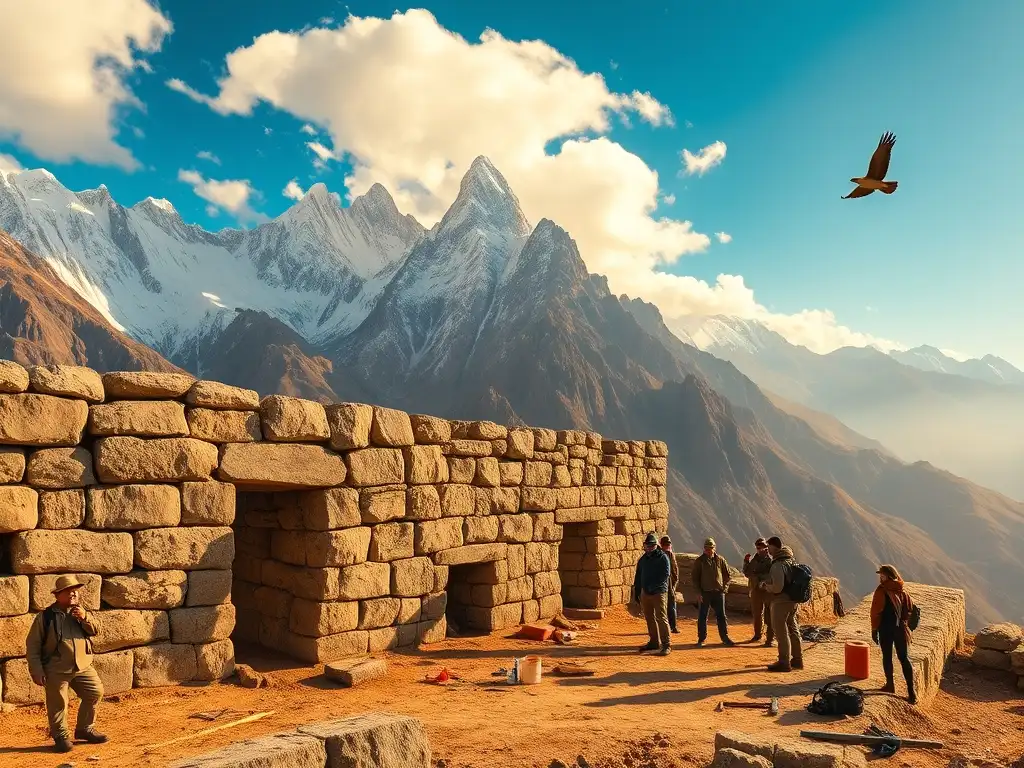
Step into a world lost to time, yet echoing with the whispers of empires past. Discover the breathtaking legacy of the Andean civilizations, from the intricate artistry of the Nazca lines to the architectural marvels of Machu Picchu. But time, and the elements, are relentless foes. This is the story of Andean ancient site preservation, a crucial battle to safeguard these wonders for future generations. Dare to delve deeper and uncover the challenges and triumphs in the ongoing fight to protect these irreplaceable treasures.
The Andes Mountains, a spine of towering peaks running down the western coast of South America, are not just a breathtaking natural wonder; they are also a treasure trove of ancient civilizations. For millennia, cultures like the Incas, Moche, Nazca, and Tiahuanaco thrived in this challenging landscape, leaving behind an extraordinary legacy of architectural marvels, intricate artwork, and sophisticated technologies.
However, this invaluable heritage is under constant threat. This article delves into the urgent need for Andean ancient site preservation, exploring the multifaceted challenges faced by archaeologists and conservationists in their tireless efforts to protect these irreplaceable remnants of the past.
We will examine the various threats to these sites, from the relentless forces of nature to the destructive impact of human activity, and highlight the crucial work being undertaken to safeguard them for future generations. Understanding the complexities of Andean ancient site preservation is paramount to ensuring that these incredible sites continue to inspire awe and teach us about the ingenuity and resilience of past Andean societies.
The Urgency of Andean Ancient Site Preservation
The preservation of Andean archaeological sites is not merely an academic pursuit; it's a critical responsibility. These sites represent a unique and irreplaceable window into the past, offering invaluable insights into the social structures, religious beliefs, and technological advancements of ancient Andean cultures. The loss of these sites would represent an immeasurable loss to humanity, silencing the voices of these remarkable civilizations and eroding our collective understanding of the human experience.
The urgency stems from the increasing rate of deterioration due to a combination of natural and human-induced factors. Many sites are fragile, susceptible to erosion, and vulnerable to looting and the destructive impact of development. The need for proactive and comprehensive preservation strategies is therefore paramount.
Without concerted efforts, these precious historical legacies will continue to vanish, leaving future generations with a diminished understanding of their heritage. The fight to preserve these sites is a race against time, requiring collaboration between governments, researchers, local communities, and international organizations.
Threats to Andean Archaeological Heritage
The Andean archaeological heritage faces a multitude of threats, demanding a multi-pronged approach to effective preservation. These threats can be broadly categorized into natural processes and human activities. Each poses unique challenges that require tailored solutions. The interconnectedness of these threats further complicates conservation efforts, highlighting the need for holistic and integrated strategies.
Natural Deterioration of Andean Sites
The harsh Andean environment itself poses a significant threat to the longevity of ancient sites. High altitude, extreme temperature fluctuations, intense UV radiation from the sun, and frequent freeze-thaw cycles contribute to the deterioration of stone structures, murals, and other artifacts. Erosion from wind, rain, and snow further exacerbates this damage.
For example, the ancient terraces built by the Inca, while remarkably resilient, are slowly succumbing to the relentless forces of nature, requiring constant monitoring and maintenance to prevent irreversible damage. Furthermore, seismic activity poses an ever-present risk, capable of causing significant destruction in a single event. Understanding the specific environmental challenges faced by each site is crucial for developing appropriate conservation techniques.
Looting and Illegal Trafficking of Andean Artifacts
Looting and the illegal trafficking of Andean artifacts represent a significant and insidious threat. Driven by the lucrative international antiquities market, grave robbers and smugglers systematically plunder archaeological sites, removing priceless artifacts from their context and destroying irreplaceable historical information. This illicit activity not only deprives future generations of the opportunity to learn from these objects but also severely damages the integrity of the sites themselves.
The removal of artifacts disrupts the archaeological record, hindering our ability to understand the past. Combating this requires strengthening laws, improving law enforcement, and raising public awareness about the importance of protecting these cultural treasures. International cooperation is crucial to prevent the flow of looted artifacts across borders.
Impact of Modern Development on Andean Ruins
The expansion of infrastructure, agriculture, and tourism poses a significant threat to Andean archaeological sites. Construction projects, road building, and agricultural activities can directly damage or destroy sites, while uncontrolled tourism can lead to erosion, pollution, and vandalism. The pressure to develop land for economic reasons often conflicts with the need to protect these invaluable cultural assets.
Finding a balance between economic development and heritage preservation requires careful planning, environmental impact assessments, and community engagement. Sustainable tourism practices, which prioritize the long-term protection of sites over short-term economic gains, are crucial for mitigating the negative impacts of tourism. Investing in alternative economic opportunities for local communities can also help reduce the pressure on archaeological sites.
Community-Led Initiatives in Andean Site Conservation
Indigenous Communities as Guardians of Andean Heritage
Indigenous communities hold invaluable traditional ecological knowledge (TEK) and a deep spiritual connection to Andean archaeological sites. Their ancestral ties often predate the arrival of the Inca Empire, providing a unique perspective on site history and significance. For generations, they have practiced sustainable land management techniques that inadvertently protected these sites. This inherent understanding of the landscape and its cultural importance is crucial for effective preservation.
Many communities actively participate in monitoring sites for looting and damage, reporting illegal activities to authorities, and implementing preventative measures. Their intimate knowledge of the surrounding environment allows them to identify subtle signs of deterioration or illicit activity, something often missed by external professionals. Recognizing and supporting this indigenous stewardship is paramount for successful Andean site preservation. Their participation should not be limited to simply reporting issues; instead, their knowledge should be integrated into management plans and decision-making processes.
Community Participation in Archaeological Site Management
The active involvement of local communities in the management of Andean archaeological sites is essential for long-term preservation. This participation should extend beyond simply employing local people in site maintenance; it must involve genuine collaboration in decision-making. Community-based tourism initiatives, for example, can provide both economic benefits and a sense of ownership over the sites, encouraging responsible behavior among visitors. This collaborative approach fosters a sense of collective responsibility and ensures the sustainability of preservation efforts.
For example, successful models involve community-run museums showcasing local artifacts and providing educational programs on the site's history and significance. Furthermore, participatory management strategies empower local populations, leading to increased pride in their cultural heritage and a commitment to its long-term protection. This contrasts sharply with top-down approaches that often lack local support and, consequently, lead to less effective preservation. Effective engagement necessitates open communication, transparent decision-making, and equitable benefit-sharing agreements.
Sustainable Tourism and Local Economic Development
Sustainable tourism presents a double-edged sword in Andean site preservation. While it can generate much-needed revenue for local communities and contribute to site maintenance, uncontrolled tourism can also lead to significant damage. A well-managed tourism strategy, however, can be instrumental in fostering both preservation and economic development. This requires limiting visitor numbers, implementing strict guidelines on visitor behavior, and ensuring that tourism revenue directly benefits the local community and is reinvested in site protection and infrastructure improvements.
Examples of successful initiatives include community-run guesthouses, locally-sourced craft sales, and guided tours led by community members, all of which contribute to economic diversification and alleviate pressure to exploit sites for unsustainable profit. The key is to create a balance between the economic benefits of tourism and the protection of the fragile archaeological resources. Careful planning and monitoring are crucial to prevent the negative impacts that often accompany unchecked tourism growth.
Technological Advances in Andean Site Preservation
Remote Sensing and Mapping of Andean Archaeological Sites
Remote sensing technologies, such as aerial photography, LiDAR (Light Detection and Ranging), and satellite imagery, are revolutionizing the study and preservation of Andean archaeological sites. These technologies allow archaeologists to map extensive areas quickly and efficiently, identifying previously unknown sites and assessing the overall condition of existing ones. LiDAR, in particular, can penetrate dense vegetation, revealing hidden structures and features that would be impossible to detect using traditional ground-based surveys.
This detailed mapping provides a crucial baseline for monitoring changes over time, detecting signs of erosion or damage, and developing effective preservation strategies. Furthermore, the data collected through remote sensing can be integrated into Geographic Information Systems (GIS), creating detailed digital models of the landscape and facilitating more effective management. This technological advancement is particularly valuable in remote or difficult-to-access areas of the Andes.
Digital Documentation and 3D Modeling of Andean Ruins
Digital documentation techniques, including 3D modeling and photogrammetry, are increasingly used to create detailed virtual records of Andean archaeological sites. These digital models provide a non-destructive way to record the condition of sites, allowing for detailed analysis and monitoring of deterioration over time. This digital record serves as an invaluable resource for future research and restoration efforts.
Moreover, these 3D models can be used to create virtual tours and educational resources, making the sites accessible to a wider audience and fostering a greater appreciation for Andean heritage. The creation of digital archives safeguards against the loss of information due to natural disasters, looting, or other forms of damage. Furthermore, the ability to virtually reconstruct damaged or destroyed sections of a site offers significant potential for future restoration projects.
Innovative Materials for Andean Site Restoration
The restoration of Andean archaeological sites requires the use of materials that are both compatible with the original structures and environmentally sustainable. Traditional methods often employed materials that accelerated deterioration, while modern approaches prioritize the use of biocompatible and environmentally friendly materials. This includes the development of innovative mortars and consolidants that strengthen and protect fragile stonework without altering the original material’s composition.
Researchers are exploring the use of natural materials, such as locally sourced clay and lime, to ensure compatibility with the existing structures and minimize environmental impact. The focus is shifting towards minimally invasive techniques that prioritize the preservation of original materials and minimize the use of synthetic materials. The development and implementation of these innovative materials and techniques are crucial for ensuring the long-term stability and preservation of these invaluable sites.
Government and International Efforts for Andean Heritage Protection
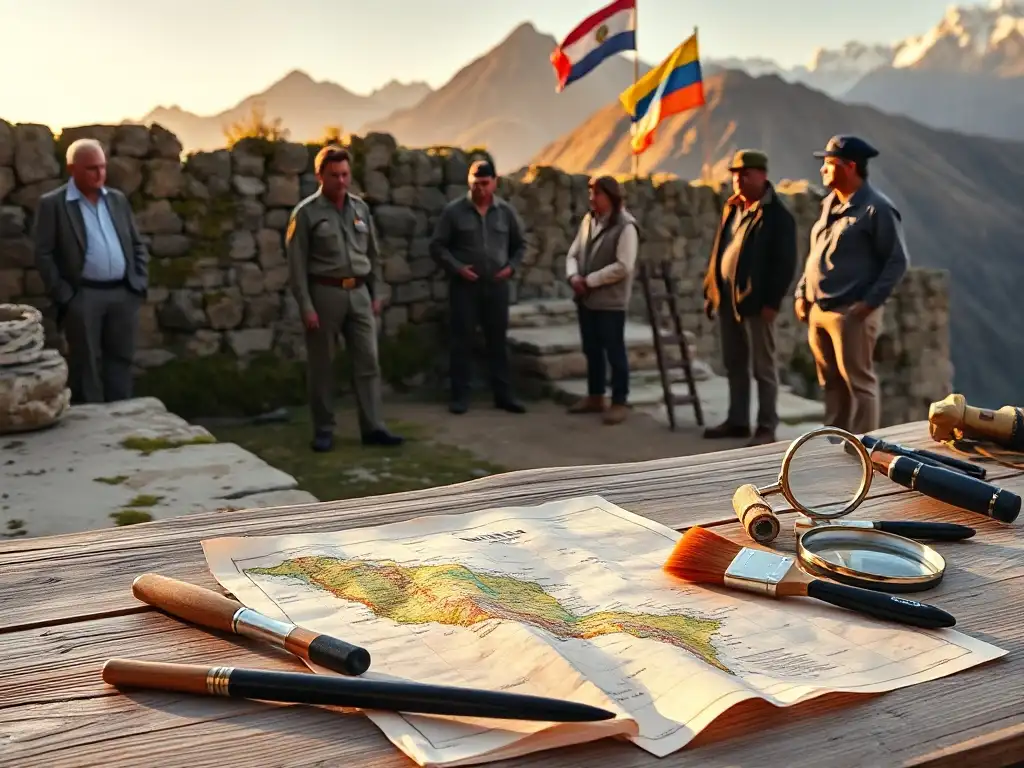
The preservation of Andean ancient sites is a multifaceted challenge requiring a concerted effort from various stakeholders. Governmental initiatives play a crucial role, establishing legal frameworks and allocating resources for conservation. International collaboration further amplifies these efforts, providing crucial funding and expertise. Successful preservation hinges on a comprehensive approach that integrates legal protection, sustainable tourism management, and community engagement.
The delicate balance between accessibility for researchers and tourists and the need for protection from deterioration and looting is a constant concern. Effective strategies often involve a combination of strict regulations, technological advancements in monitoring and preservation, and community education programs to foster a sense of shared responsibility. Without a strong legal and financial foundation, the physical preservation of these irreplaceable sites is significantly hampered. Furthermore, governmental commitment must extend beyond simply enacting laws; it requires ongoing investment in monitoring, research, and the training of professionals dedicated to Andean heritage.
National Laws and Regulations for Andean Archaeological Sites
Many Andean nations have established robust legal frameworks to protect their archaeological heritage. These laws typically criminalize the looting and illegal trafficking of artifacts, and they establish protected zones around significant sites. Enforcement, however, remains a significant challenge in many areas due to limited resources and the vast, often remote, locations of these sites.
Peru, for example, has a comprehensive legal system governing the protection of its archaeological sites, including provisions for fines and imprisonment for offenders. However, the sheer scale of the country's archaeological wealth and the persistent threat of looting require continuous vigilance and investment in enforcement. Similarly, Bolivia and Ecuador have implemented laws aimed at safeguarding their rich Andean heritage, but challenges related to funding and enforcement remain.
These legal frameworks are crucial for deterring illegal activities and providing a basis for international collaboration in combating the illicit trade of artifacts. Furthermore, effective legislation should not only prohibit destructive activities but also promote sustainable development and community involvement in the preservation of these sites.
International Conventions and Funding for Andean Conservation
International organizations and conventions play a vital role in supporting Andean site preservation. UNESCO's World Heritage program, for example, designates certain sites of outstanding universal value, providing recognition and, often, funding for their conservation. Machu Picchu's designation as a World Heritage site is a prime example of this positive impact. Other international bodies, such as the World Monuments Fund and various bilateral agreements between countries, contribute funding and technical assistance for preservation projects. These international initiatives are crucial because they often provide resources that national governments may lack.
Furthermore, international collaboration allows for the sharing of best practices and expertise, leading to more effective preservation strategies. Funding is often channeled through collaborative projects involving local communities, governmental agencies, and international organizations. This ensures that the resources are used effectively and sustainably, aligning with local needs and priorities. However, securing consistent and sufficient funding remains a constant challenge.
Collaboration between Governments and Research Institutions
Effective Andean site preservation relies heavily on the collaboration between governments and research institutions. Universities and research centers provide essential expertise in archaeology, conservation science, and sustainable tourism management. They conduct research to inform preservation strategies, train professionals, and contribute to public education initiatives. This collaboration often involves joint research projects, the development of conservation plans, and the creation of educational materials.
The partnership between the Peruvian government and various international universities on the preservation of Machu Picchu serves as a successful example of this collaboration. However, ensuring ongoing and effective collaboration requires clear communication, shared goals, and a commitment from both sides to invest in long-term partnerships. This type of collaboration is essential for advancing knowledge, developing innovative preservation techniques, and effectively managing these sites for future generations.
Case Studies in Successful Andean Site Preservation
Examining successful preservation efforts offers valuable insights into effective strategies and best practices. Several Andean sites showcase how careful planning, community engagement, and international collaboration can lead to long-term protection. These case studies highlight the importance of tailored approaches that consider the specific challenges and opportunities presented by each site.
By analyzing these successes, we can identify key factors that contribute to effective preservation and apply these lessons to other sites facing similar challenges. Focusing on specific examples allows for a deeper understanding of the practical applications of different preservation techniques and the importance of adapting strategies to suit individual contexts.
Machu Picchu: A Testament to Incan Engineering and Preservation
Machu Picchu stands as a remarkable example of successful Andean site preservation. The meticulous restoration efforts, coupled with sustainable tourism management, have protected this iconic Incan site while making it accessible to visitors. The implementation of strict regulations, coupled with ongoing monitoring and maintenance, has minimized the impact of tourism and environmental factors. The site's UNESCO World Heritage designation has also facilitated international funding and collaboration.
However, challenges remain in balancing the needs of tourism with the preservation of the site's integrity. The careful management of visitor numbers and the implementation of environmentally friendly practices are crucial for the long-term preservation of Machu Picchu. The success of Machu Picchu's preservation serves as a model for other Andean sites, demonstrating the importance of a multi-pronged approach involving government, international organizations, and local communities.
Chan Chan: A Mud City Preserved Through Community Efforts
Chan Chan, the largest pre-Columbian city in the Americas, presents unique preservation challenges due to the fragility of its adobe structures. The successful preservation efforts at Chan Chan illustrate the importance of community involvement. Local communities play a crucial role in monitoring the site, educating visitors, and participating in restoration projects.
This collaborative approach has fostered a sense of ownership and responsibility, leading to more effective protection. Furthermore, innovative conservation techniques have been developed to address the specific challenges posed by the adobe structures. However, challenges remain in securing sufficient funding for long-term maintenance and addressing the impacts of climate change.
The preservation of Chan Chan highlights the significant role of community engagement in ensuring the long-term survival of fragile ancient sites. It demonstrates that sustainable preservation requires not only technical expertise but also a deep understanding of the cultural significance of the site and the needs of the local community.
The Future of Andean Ancient Site Preservation
The future of Andean ancient site preservation hinges on a multi-pronged approach that integrates technological advancements, community involvement, and robust legal frameworks. Successfully safeguarding these invaluable sites requires a shift from reactive measures to proactive strategies. This involves not only addressing immediate threats like looting and erosion, but also anticipating future challenges posed by climate change, population growth, and tourism pressures.
We need to move beyond simply reacting to damage and instead focus on preventative conservation, implementing sustainable practices that minimize future impact. This proactive approach necessitates long-term planning and significant financial investment, demanding collaborative efforts between governments, NGOs, local communities, and international organizations. The successful implementation of such strategies will ensure that future generations can continue to appreciate and learn from the rich legacy of Andean civilizations.
Challenges and Opportunities in Andean Heritage Conservation
Andean heritage conservation faces numerous significant challenges. Looting remains a persistent threat, fueled by the high value placed on ancient artifacts on the black market. The fragility of many sites, exacerbated by environmental factors like erosion and extreme weather events, further complicates preservation efforts.
Moreover, the increasing pressure of tourism, while offering economic benefits, can also lead to site degradation if not properly managed. Balancing economic development with the imperative of preservation requires careful planning and sustainable tourism strategies. However, these challenges also present opportunities.
Advances in technologies like remote sensing, GIS mapping, and 3D modeling offer powerful tools for monitoring site condition, detecting illicit activities, and creating accurate digital records. Furthermore, engaging local communities in conservation efforts fosters a sense of ownership and stewardship, promoting sustainable practices and protecting sites from within. This participatory approach is crucial, ensuring that conservation efforts are culturally sensitive and respect the traditions and knowledge of the communities who live near these sites.
The Importance of Education and Awareness for Site Protection
Education and awareness are paramount in securing the long-term preservation of Andean ancient sites. Raising public awareness about the significance of these sites and the threats they face is crucial in fostering a sense of responsibility and encouraging responsible behavior. Educational programs targeting both local communities and tourists can promote responsible visitation practices and discourage looting and vandalism.
By educating younger generations about the importance of preserving their cultural heritage, we can cultivate a future generation of responsible stewards who actively participate in protecting these irreplaceable sites. This requires a multifaceted approach, incorporating educational materials into school curriculums, developing engaging museum exhibits, and creating accessible information resources for the public.
Furthermore, highlighting the economic benefits of responsible tourism and heritage preservation can incentivize communities to actively participate in conservation efforts. Effective communication strategies are essential to translate complex conservation issues into accessible and engaging narratives that resonate with a broad audience.
Securing a Lasting Legacy for Future Generations
Securing a lasting legacy for future generations demands a holistic approach to Andean ancient site preservation. This requires not only the physical protection of sites but also the preservation of the knowledge and cultural traditions associated with them. This necessitates collaboration between archaeologists, historians, anthropologists, and local communities to ensure that preservation efforts are informed by a deep understanding of the cultural significance of these sites.
Long-term funding mechanisms are essential to sustain these efforts, and innovative approaches to financing, such as community-based tourism initiatives and public-private partnerships, should be explored. The integration of traditional knowledge with modern scientific techniques can lead to more effective and culturally sensitive conservation strategies.
Ultimately, the success of Andean ancient site preservation depends on the collective commitment of individuals, communities, governments, and international organizations to protect this invaluable heritage for generations to come. It is a shared responsibility, a testament to our collective commitment to preserving the cultural tapestry of the Andes for future generations to appreciate and learn from.
- The Urgency of Andean Ancient Site Preservation
- Threats to Andean Archaeological Heritage
- Community-Led Initiatives in Andean Site Conservation
- Technological Advances in Andean Site Preservation
- Government and International Efforts for Andean Heritage Protection
- Case Studies in Successful Andean Site Preservation
- The Future of Andean Ancient Site Preservation
- What challenges do Andean ancient sites face in terms of preservation?
- How are governments and organizations working to preserve these sites?
- What role does technology play in Andean site preservation?
- What is the significance of preserving these Andean ancient sites?
- How can individuals contribute to the preservation of Andean ancient sites?
Frequently Asked Questions
What challenges do Andean ancient sites face in terms of preservation?
Andean sites face numerous challenges, including natural erosion, looting and vandalism, and the impact of tourism. Climate change also poses a significant threat.
How are governments and organizations working to preserve these sites?
Governments and organizations employ various strategies, such as implementing stricter laws against looting, funding archaeological research and conservation projects, and promoting sustainable tourism practices. International collaborations are also crucial.
What role does technology play in Andean site preservation?
Technology plays a vital role, enabling 3D modeling and digital documentation of sites, remote sensing for monitoring erosion, and advanced conservation techniques for artifacts and structures. This helps in preservation and understanding.
What is the significance of preserving these Andean ancient sites?
Preserving these sites is crucial for understanding the rich history and cultural heritage of Andean civilizations. It allows future generations to learn from the past and appreciate the achievements of these societies. It also supports sustainable tourism.
How can individuals contribute to the preservation of Andean ancient sites?
Individuals can contribute by supporting organizations dedicated to preservation, respecting site rules and regulations during visits, and educating others about the importance of these sites and the threats they face. Responsible tourism is key.
Final Reflection: Echoes of the Andes: A Legacy Worth Protecting
The fight to preserve the ancient sites of the Andes is not a battle of the past; it is a crucial struggle for our collective future. The intricate network of archaeological wonders, from Machu Picchu's breathtaking terraces to the enigmatic Nazca Lines, are not merely historical relics, but living testaments to human ingenuity, resilience, and connection to the natural world. Their continued existence is vital for understanding our shared history and shaping a sustainable future.
The impact of unchecked development and climate change on these fragile sites is deeply concerning, a stark reminder of our responsibility as stewards of this planet's heritage. These places whisper stories of civilizations past, offering invaluable insights into human adaptation and societal structures. The past is never dead. It's not even past.
– William Faulkner. This quote resonates profoundly, highlighting the enduring relevance of Andean archaeology and the urgent need to safeguard its legacy for generations to come. The ongoing efforts of archaeologists, local communities, and conservationists are vital, but require increased global support and awareness.
Consider the echoes of the Andes – the whispers of ancient wisdom carried on the wind, the stories etched into stone, the lessons embedded in the very landscape. You have a role to play in preserving this invaluable heritage. Learn more about the challenges facing these sites, support organizations dedicated to their protection, and advocate for sustainable tourism practices. Let us ensure that the legacy of the Andes continues to inspire and educate for centuries to come, a testament to our commitment to preserving the past for a brighter future.
Join the Fight to Preserve Our Andean Heritage!
Thank you for exploring the rich history of the Andes and recognizing the crucial role we all play in protecting these invaluable cultural treasures. Your interest empowers the movement to safeguard our shared legacy. Now, let's translate that passion into meaningful action!
Here’s how you can make a difference today:
- Support local preservation efforts: Many organizations are dedicated to conserving Andean heritage. Consider donating to a reputable group or volunteering your time and skills.
- Share your newfound knowledge: Discuss the importance of preserving these ancient sites with friends, family, and colleagues. Use social media to spread awareness and inspire others to get involved.
- Explore responsibly: Discover the breathtaking beauty of lesser-known Andean sites firsthand. Remember to practice responsible tourism, respecting the environment and local communities.
What specific action will you take today to help ensure the ongoing protection of these irreplaceable ancient sites? Share your ideas with us!