
Beyond the Ruins: CommunityLed Initiatives Protecting Andean Culture

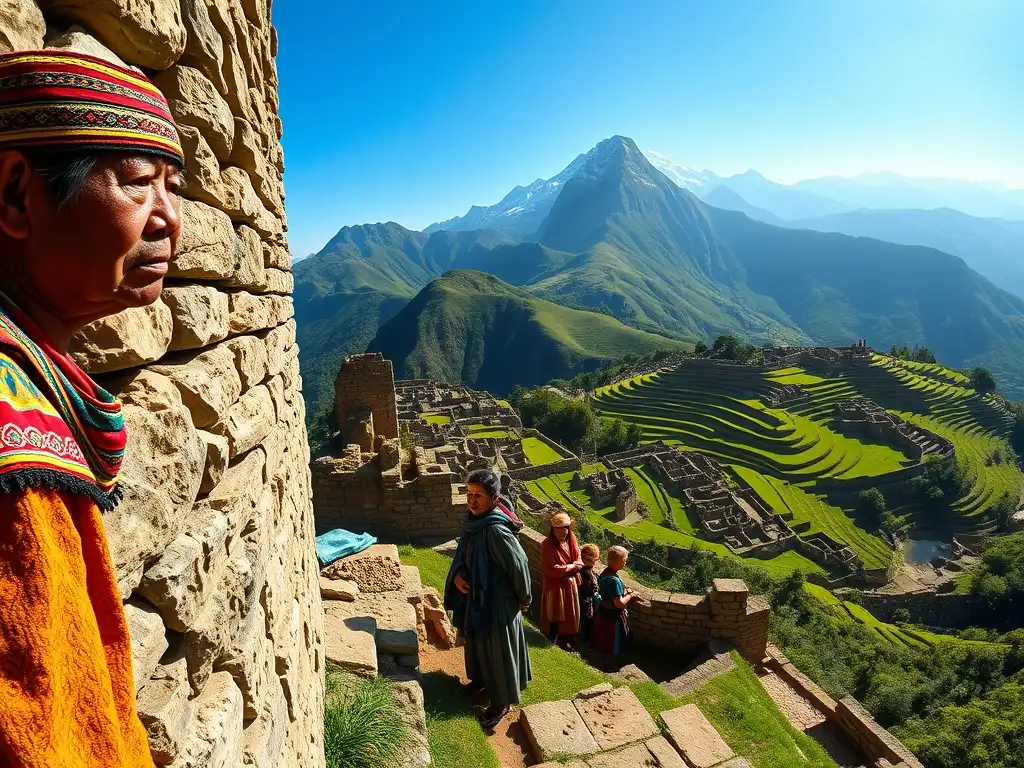
Step into a world lost to time, yet vibrantly alive. Imagine the echoes of Inca builders, the artistry of Moche potters, the mysteries of Nazca lines… This is the legacy of the Andes, a tapestry woven from ingenuity and resilience. But what happens when history fades? Discover the crucial role of Andean cultural preservation initiatives in safeguarding this extraordinary heritage and learn how communities are working to keep the spirit of these ancient civilizations burning bright. Explore the fascinating story of their success and the challenges they face in "Beyond the Ruins: Community-Led Initiatives Protecting Andean Culture."
The breathtaking ruins of Machu Picchu, the enigmatic Nazca Lines, and the intricate textiles of the Andes – these iconic symbols represent only a fraction of the rich tapestry of Andean civilization. While archaeological sites offer a tangible glimpse into the past, the true heart of Andean cultural heritage beats within its vibrant communities. This article delves into the crucial role of community-led initiatives in preserving this invaluable legacy, exploring the challenges they face and the innovative strategies employed to safeguard Andean traditions for future generations.
Understanding the multifaceted approaches to Andean cultural preservation is not only vital for appreciating the past but also for ensuring the continued flourishing of these unique cultures in the present and future. We will examine specific examples of successful community-based projects, showcasing the power of collective action in protecting and promoting Andean cultural heritage, a crucial aspect of "Andean cultural preservation initiatives".
The Vital Role of Community in Andean Cultural Heritage Preservation
The preservation of Andean cultural heritage is far more than just protecting physical artifacts; it's about safeguarding living traditions, languages, knowledge systems, and artistic expressions. For centuries, Andean communities have been the custodians of their ancestral legacies, transmitting knowledge and practices through generations. However, facing rapid globalization, economic pressures, and the impacts of climate change, these communities are increasingly challenged in their efforts.
Community involvement is therefore paramount. Their intimate understanding of their own heritage provides an unparalleled foundation for effective preservation strategies. This intimate knowledge, often passed down orally for centuries, often includes crucial details about traditional practices, the significance of specific sites, and the nuanced meanings embedded within their art and rituals.
Ignoring this indigenous knowledge base would be a critical oversight in any conservation effort. The success of any preservation initiative hinges on genuine collaboration, empowering communities to take ownership of the process and actively participate in shaping its direction. This ensures the preservation efforts are both culturally sensitive and sustainable.
Understanding the Challenges to Andean Cultural Preservation
Andean cultural preservation faces numerous complex challenges. These range from the tangible, such as the deterioration of archaeological sites due to environmental factors and tourism pressures, to the intangible, such as the erosion of traditional languages and the loss of traditional skills and knowledge. Furthermore, economic disparities often force younger generations to migrate to urban centers, weakening the transmission of cultural practices within communities. The lack of adequate funding and resources also significantly hampers preservation efforts. Specific challenges include:
- Tourism Impact: While tourism can generate revenue for preservation, uncontrolled tourism can damage sites and disrupt traditional ways of life.
- Climate Change: Extreme weather events, such as droughts and floods, threaten both cultural sites and the livelihoods of communities.
- Economic Inequality: Poverty often compels communities to exploit their cultural heritage unsustainably.
- Lack of Access to Education and Resources: Limited access to educational opportunities and resources hinders the transmission of traditional knowledge.
- Land Rights Issues: Conflicts over land ownership can impede preservation efforts.
Community-Based Approaches to Safeguarding Andean Traditions
Despite these challenges, Andean communities are demonstrating remarkable resilience and innovation in their efforts to protect their heritage. Community-based tourism initiatives, for example, allow communities to directly benefit from tourism while preserving their culture. This participatory model ensures that the profits generated are reinvested in the community, supporting local initiatives and cultural projects. Other successful strategies include:
- The establishment of community museums and cultural centers: These spaces showcase local artifacts, traditions, and history, strengthening community identity and providing educational opportunities.
- The revival of traditional crafts and arts: Supporting local artisans and promoting traditional crafts helps to preserve valuable skills and knowledge.
- The documentation and preservation of traditional languages: Initiatives aimed at revitalizing indigenous languages ensure the survival of vital cultural knowledge and expression.
- The creation of protected areas and heritage sites: The designation of protected areas helps to preserve important archaeological sites and natural landscapes.
- Community-based monitoring and management of cultural resources: This ensures the sustainable use and protection of cultural heritage.
The success of these initiatives underscores the transformative power of community engagement in Andean cultural preservation. By empowering communities, providing them with the necessary resources, and fostering collaboration, we can ensure that the rich heritage of the Andes continues to thrive for generations to come. These examples highlight the crucial role of "Andean cultural preservation initiatives" in safeguarding this invaluable legacy.
- The Vital Role of Community in Andean Cultural Heritage Preservation
- Understanding the Challenges to Andean Cultural Preservation
- Community-Based Approaches to Safeguarding Andean Traditions
- What are some examples of community-led initiatives preserving Andean culture?
- How are these initiatives funded?
- What challenges do these community-led initiatives face?
- How can I support Andean cultural preservation initiatives?
- What is the long-term impact of these initiatives on the Andean region?
Empowering Local Communities for Andean Heritage Conservation
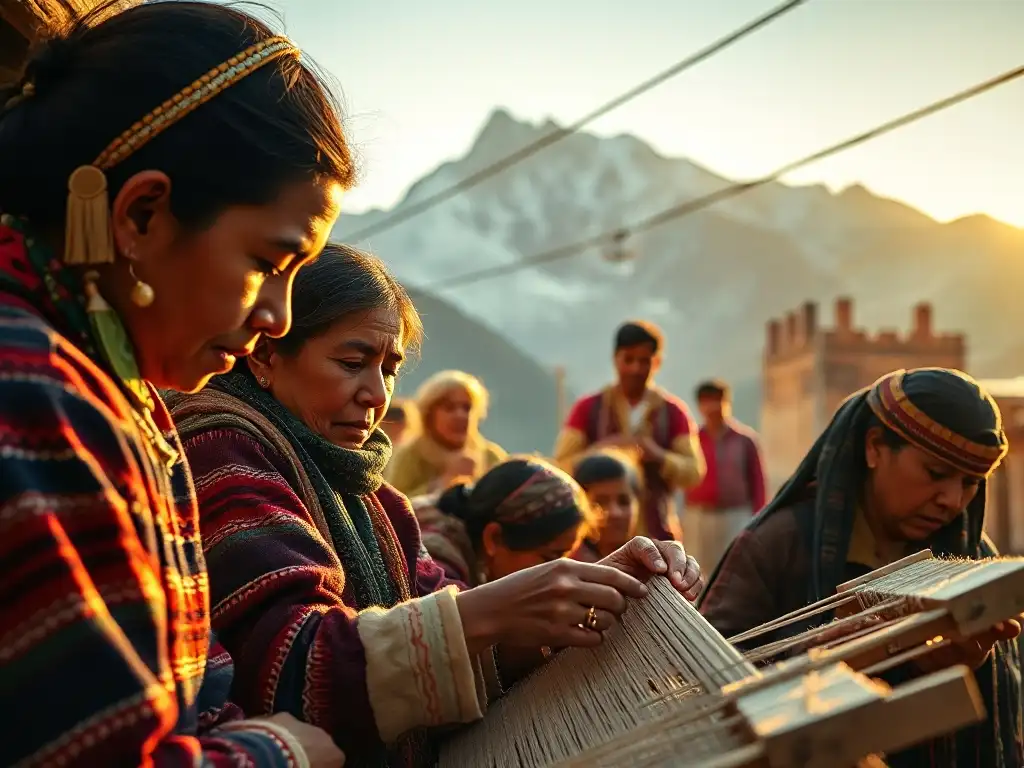
This section explores the crucial role of local communities in safeguarding Andean cultural heritage. Effective Andean cultural preservation initiatives must prioritize the active participation and leadership of the descendants of these ancient civilizations. By empowering these communities, we not only ensure the preservation of tangible artifacts but also the intangible aspects of their rich cultural legacy, which are often overlooked.
This approach moves beyond the traditional top-down models of preservation, recognizing the inherent knowledge and vested interest of the communities themselves. The success of any initiative hinges on genuine collaboration and respect for indigenous perspectives and practices. The following sections delve deeper into specific strategies that highlight this community-centric approach.
Indigenous Knowledge and Traditional Practices as Pillars of Preservation
Indigenous communities possess a deep and nuanced understanding of their ancestral heritage, accumulated over millennia. This knowledge, often transmitted orally through generations, encompasses not only historical narratives and artistic techniques but also sustainable land management practices and ecological wisdom intimately linked to their cultural identity. For example, the Quechua communities in the Peruvian Andes maintain traditional agricultural techniques that have ensured food security for centuries, while simultaneously preserving biodiversity.
These practices are not merely historical relics; they are living traditions that are vital for both cultural and environmental sustainability. Ignoring this invaluable indigenous knowledge base would be a critical oversight in any Andean cultural preservation initiative. The integration of traditional knowledge with modern preservation techniques is crucial for a holistic and effective approach.
Understanding and respecting these practices forms the bedrock of any successful conservation effort. We must actively seek to document, understand, and support the continuation of these traditions, recognizing their intrinsic value and their contribution to the broader understanding of Andean civilizations. Failure to do so risks losing irreplaceable aspects of Andean cultural identity.
Community-Driven Projects: Examples of Successful Andean Cultural Initiatives
Several successful Andean cultural preservation initiatives demonstrate the power of community-led approaches. One notable example is [Specific community project name pending] in [Specific Andean region pending], where local artisans are actively involved in the restoration and preservation of ancient textiles using traditional techniques. This project not only safeguards a significant aspect of Andean material culture but also provides economic opportunities for the community, fostering a sense of ownership and pride in their heritage.
Another example focuses on [Specific type of cultural practice pending], such as [Specific example pending], where community members are working collaboratively to protect and revitalize this aspect of their heritage. These initiatives often involve careful documentation of traditional practices, training of younger generations, and the establishment of community-managed museums or cultural centers. These projects showcase how economic empowerment and cultural preservation can be mutually reinforcing, creating a sustainable model for long-term success.
Data on the economic impact of these projects [Specific data pending], clearly demonstrating their potential as drivers of sustainable development. The key to their success lies in the community's active participation in all stages, from planning and implementation to monitoring and evaluation.
Promoting Cultural Tourism to Support Local Andean Communities
Sustainable cultural tourism offers a powerful mechanism to support Andean communities and their preservation efforts. By directly involving local communities in tourism activities, such as guiding, crafting, and providing hospitality, we create economic opportunities that incentivize heritage preservation. This approach contrasts sharply with exploitative tourism models, ensuring that the benefits of tourism directly reach the communities whose heritage is being showcased. This could involve community-owned and operated accommodations, guided tours led by local experts, and the sale of authentic handicrafts produced by community members.
Furthermore, a portion of tourism revenue can be directly channeled into supporting community-led conservation projects. This approach not only preserves the cultural heritage but also improves the quality of life for the people who are its custodians. The development of responsible tourism guidelines is crucial, ensuring that tourism does not negatively impact the environment or the cultural integrity of the communities.
Careful planning and monitoring are essential to maintain the balance between economic development and cultural preservation, ensuring a sustainable future for Andean communities and their invaluable heritage. The success of this strategy depends on collaboration between tourism operators, local communities, and governmental agencies to ensure equitable benefits and responsible tourism practices. The implementation of [Specific tourism management strategy pending] could further enhance the positive impact of cultural tourism.
Specific Andean Cultural Preservation Initiatives: Case Studies

This section delves into specific examples of community-led initiatives focused on Andean cultural preservation, showcasing the tangible impact of grassroots efforts in safeguarding the rich heritage of the Andes. These case studies highlight the diverse approaches employed to protect and revitalize various aspects of Andean culture, from traditional crafts to agricultural practices. Understanding these initiatives provides valuable insight into successful strategies for Andean cultural preservation initiatives and offers inspiration for future projects.
Case Study 1: Community-Led Textile Revitalization in the Sacred Valley, Peru
The Sacred Valley of the Incas, a region renowned for its breathtaking landscapes and rich history, is also a hub for vibrant textile traditions. However, the encroachment of mass-produced textiles and the loss of traditional knowledge threatened this crucial aspect of Andean cultural identity. To counteract this, several community-based initiatives have emerged, focusing on the revitalization of traditional weaving techniques and the empowerment of local artisans.
The Importance of Traditional Weaving Techniques
Traditional Andean weaving is more than just a craft; it's a repository of knowledge, symbolism, and cultural memory. Each pattern, color, and fiber tells a story, reflecting the community's history, beliefs, and connection to the land. The intricate designs often depict mythological figures, agricultural cycles, or significant historical events.
For example, the use of specific dyes derived from natural sources, like cochineal insects or plant extracts, is not merely a technical process but a deeply ingrained cultural practice passed down through generations. Loss of these techniques represents a significant loss of cultural heritage and a diminished connection to the past. The preservation of these techniques is crucial for maintaining Andean cultural identity and ensuring its continuity.
Community Workshops and Knowledge Transmission
To address the decline in traditional weaving, community-led workshops have become instrumental. Experienced artisans mentor younger generations, passing on their expertise and ensuring the continuity of these invaluable skills. These workshops are not merely technical training sessions; they are spaces for knowledge exchange, cultural transmission, and community building. Participants learn not only the technical aspects of weaving but also the cultural significance of the patterns, colors, and materials used.
This holistic approach ensures that the revival of traditional weaving is not merely an economic endeavor but a process of cultural reaffirmation and strengthening community bonds. The success of these workshops is evident in the increasing number of young people actively participating and contributing to the revitalization of Andean textile traditions. The increased demand for authentic, hand-woven textiles also provides a sustainable economic opportunity for the community, further incentivizing the preservation of this vital aspect of Andean heritage.
Case Study 2: Reviving Ancestral Agricultural Practices in the Colca Canyon, Peru
The Colca Canyon, one of the deepest canyons in the world, is home to a unique agricultural system developed by pre-Columbian Andean cultures. This system, characterized by terraced farming and a diverse range of crops adapted to the high-altitude environment, is not only crucial for food security but also a fundamental element of Andean cultural identity. However, modern agricultural practices and climate change have threatened the sustainability of this ancestral knowledge.
The Significance of Andean Agriculture for Cultural Identity
Andean agriculture is deeply intertwined with the region's cultural identity. The intricate terracing systems, developed over centuries, represent a remarkable feat of engineering and a testament to the Andean people's ingenuity and deep understanding of their environment. The diverse range of crops cultivated, including potatoes, quinoa, and maize, are not just sources of food but also hold symbolic and ritualistic significance.
Traditional agricultural practices, such as the use of indigenous seeds and organic farming techniques, are integral to the preservation of this unique cultural heritage. The loss of these practices would not only impact food security but also erode a vital aspect of Andean cultural identity and knowledge. The preservation of these techniques is essential for maintaining biodiversity, ensuring food security, and safeguarding a vital part of Andean heritage.
Community Seed Banks and Sustainable Farming
To counter the threats to traditional Andean agriculture, community-led initiatives have focused on establishing seed banks and promoting sustainable farming practices. These seed banks safeguard the genetic diversity of indigenous crops, ensuring their availability for future generations. By promoting organic farming techniques and minimizing the use of chemical fertilizers and pesticides, these initiatives contribute to the preservation of both biodiversity and cultural heritage.
Furthermore, the revival of traditional irrigation systems and water management techniques enhances the sustainability of agricultural practices and strengthens community resilience in the face of climate change. These initiatives not only contribute to food security but also empower local communities to protect and revitalize a crucial element of their cultural identity.
The success of these efforts relies on the active participation and collective effort of community members, demonstrating the power of collaborative action in preserving invaluable Andean cultural heritage. The long-term goal is not just to maintain existing practices but to adapt and innovate, ensuring the sustainability of Andean agriculture for generations to come.
Case Study 3: Language Preservation Programs in the Quechua-Speaking Communities of Bolivia
The Link Between Language and Cultural Heritage
The preservation of the Quechua language in Bolivia is intrinsically linked to the safeguarding of its rich cultural heritage. Quechua, spoken by a significant portion of the Bolivian population, is not merely a means of communication; it's the vessel carrying centuries of Andean knowledge, traditions, and worldview. Losing Quechua would mean losing a profound understanding of Andean cosmology, social structures, and artistic expressions. Stories passed down through generations, traditional songs celebrating harvests and ancestral spirits, and intricate knowledge of medicinal plants and agricultural practices—all are embedded within the Quechua language.
Its decline represents a direct threat to the vibrant tapestry of Andean cultural identity. The intricate relationship between language and cultural heritage is undeniable; the vitality of one directly impacts the other. The loss of a language often leads to the erosion of cultural practices, traditional knowledge, and a sense of collective identity within a community.
This is particularly true in the Andean context, where oral traditions have historically played a crucial role in transmitting knowledge and maintaining social cohesion. Therefore, efforts to preserve Quechua are not merely linguistic endeavors, but essential components of a broader Andean cultural preservation strategy. Understanding this connection is paramount to the success of any language revitalization program.
Community-Based Language Education Initiatives
Numerous community-based initiatives are actively working to revitalize Quechua in Bolivia. These initiatives recognize the importance of empowering local communities to lead the preservation efforts. One such example involves the creation of bilingual (Quechua-Spanish) educational programs in rural schools. These programs aim not to replace Spanish but rather to enhance the students' proficiency in Quechua while simultaneously providing them with the tools to navigate the broader societal context. This approach promotes linguistic diversity and fosters a sense of pride in their cultural heritage.
Furthermore, community-led workshops and language immersion programs are gaining popularity. These programs often involve elders sharing traditional stories, songs, and knowledge in Quechua, creating intergenerational learning opportunities. The active participation of community members is central to these initiatives' success. These aren't top-down impositions; they are organically grown from within the communities themselves, reflecting a deep-seated commitment to preserving their linguistic and cultural legacy.
The use of technology also plays a significant role, with the development of Quechua language apps and online resources aiming to reach a wider audience, both within and outside Bolivia. These initiatives demonstrate a multifaceted and community-centric approach to Andean cultural preservation, highlighting the powerful role of language in safeguarding cultural identity. The success of these programs hinges on continued community support and engagement, ensuring the vibrant future of Quechua and the rich cultural heritage it embodies. 📈 The future of Andean cultural preservation relies heavily on the success of these grassroots efforts.
Challenges and Future Directions for Andean Cultural Heritage
The preservation of Andean cultural heritage faces numerous complex challenges, demanding innovative and sustainable solutions. While significant strides have been made in archaeological research and site preservation, safeguarding the intangible aspects of Andean culture – its traditions, knowledge systems, and languages – requires a multifaceted approach. This includes addressing the socio-economic disparities that often hinder preservation efforts, fostering collaboration with external organizations, and ensuring the long-term financial and logistical sustainability of initiatives. The successful implementation of "Andean cultural preservation initiatives" hinges on a holistic strategy that recognizes the interconnectedness of these factors.
Addressing Socioeconomic Factors Affecting Preservation Efforts
Many Andean communities directly involved in preserving their cultural heritage face significant socioeconomic challenges. Poverty, lack of access to education and resources, and limited employment opportunities often force individuals to prioritize immediate survival needs over cultural preservation. This can lead to the abandonment of traditional practices, the sale of artifacts, and the deterioration of cultural sites due to neglect.
For example, in certain communities, the traditional craft of weaving, a vital aspect of Andean cultural identity, is declining due to the lack of market access and competition from mass-produced goods. Addressing this requires a strategic approach that integrates economic development initiatives with cultural preservation efforts. This might involve supporting fair trade initiatives for traditional crafts, providing training and skill development programs, and creating sustainable tourism models that benefit local communities directly.
Data from [specific economic impact study pending] would further illustrate the correlation between economic stability and the preservation of cultural practices in the Andes. A successful approach must empower communities economically, enabling them to actively participate in and benefit from the preservation of their own heritage. This is crucial for ensuring the long-term viability of Andean cultural preservation initiatives.
The Importance of Collaboration with External Organizations
Effective Andean cultural preservation requires collaboration between local communities, governmental agencies, academic institutions, and international organizations. External organizations can provide crucial resources, expertise, and technical support that local communities may lack. This support can range from funding for restoration projects and archaeological research to capacity-building programs for community members involved in preservation efforts.
However, it's crucial that this collaboration is mutually beneficial and respects the cultural sovereignty of the communities involved. Collaboration should be grounded in principles of transparency, accountability, and shared decision-making. For example, a successful partnership might involve an international NGO providing financial assistance for a community-led museum project, while simultaneously training local artisans in museum curation and management.
This ensures that the project is sustainable beyond the initial funding period and that local communities retain ownership and control over their cultural heritage. Furthermore, collaborative efforts should prioritize the dissemination of knowledge and the sharing of best practices, contributing to a wider network of support for Andean cultural preservation initiatives.
Ensuring the Long-Term Sustainability of Andean Cultural Preservation Initiatives
The long-term sustainability of Andean cultural preservation initiatives depends on several interconnected factors. These include securing consistent funding, developing effective governance structures, and building the capacity of local communities to manage and maintain their cultural heritage. Diversifying funding sources beyond reliance on external grants is crucial. This could involve exploring sustainable tourism models, establishing endowments, and developing innovative fundraising strategies.
Furthermore, strong governance structures are needed to ensure transparency, accountability, and equitable distribution of resources. This may involve establishing community-based organizations or trusts that are responsible for overseeing preservation projects. Finally, investing in capacity building is essential to ensure that local communities possess the skills and knowledge to manage and maintain their cultural heritage for generations to come. This includes training in areas such as archaeology, museum management, tourism development, and traditional crafts.
Without a comprehensive strategy that addresses these aspects, the long-term sustainability of Andean cultural preservation initiatives will remain precarious. The ultimate goal is to build resilient communities that are empowered to protect and celebrate their rich cultural heritage for years to come. This requires a holistic approach encompassing socioeconomic empowerment, collaborative partnerships, and sustainable practices.
Frequently Asked Questions
What are some examples of community-led initiatives preserving Andean culture?
Many communities are actively involved in preserving their heritage. Examples include reviving traditional textiles, restoring ancient sites, and promoting indigenous languages and ceremonies. These efforts ensure cultural continuity.
How are these initiatives funded?
Funding often comes from a mix of sources, including local fundraising, government grants, tourism revenue, and international organizations dedicated to cultural preservation. Community participation is also crucial.
What challenges do these community-led initiatives face?
Challenges include limited funding, lack of government support, land disputes, and the impact of modernization on traditional ways of life. Preserving cultural practices requires ongoing effort and resources.
How can I support Andean cultural preservation initiatives?
You can support these efforts through responsible tourism, donations to relevant organizations, and by raising awareness about the importance of preserving Andean culture and heritage. Educating yourself on the issues is key.
What is the long-term impact of these initiatives on the Andean region?
Successful initiatives foster cultural pride, economic opportunities, and sustainable development within Andean communities. They contribute to a richer, more vibrant cultural landscape for future generations. Protecting heritage secures a legacy.
Final Reflection: Weaving a Future from the Threads of the Past
The vibrant tapestry of Andean culture, once threatened by the relentless march of time and globalization, is now being meticulously rewoven by the very communities it sustains. These community-led initiatives are not merely preserving artifacts; they are safeguarding a living heritage, a dynamic expression of identity that continues to evolve and inspire. The fight for cultural preservation is far from over, but the resilience and ingenuity demonstrated by these communities offer a beacon of hope for the future.
The impact of these initiatives extends far beyond the preservation of physical objects; they are fostering a renewed sense of pride and ownership within Andean communities. They are empowering individuals to become active participants in shaping their own cultural narrative, reclaiming traditions that were once marginalized or forgotten. Culture is not just a collection of artifacts; it is a living, breathing entity that shapes our identities and connects us to our past.
This quote encapsulates the profound significance of these community-led efforts, highlighting their role in not just preserving the past but also in building a stronger, more vibrant future.
Consider the stories shared within this article – the tireless efforts, the innovative solutions, the unwavering commitment to preserving a rich legacy. You too can be a part of this ongoing narrative. Support these initiatives, learn more about Andean culture, and share the stories of resilience and hope that emerge from these communities. Let us all work together to ensure that the vibrant threads of Andean culture continue to enrich the global tapestry for generations to come.
Ignite Cultural Resilience: Step Forward Today!
Thank you for exploring the vital role community-led initiatives play in safeguarding Andean culture. Your interest provides a powerful opportunity to make a real difference. Let's work together to contribute to this rich heritage!
Here's how you can get involved:
- Join a local cultural organization: Find and participate in groups that support Andean cultural preservation in your area. Your contribution will help keep traditions alive and vibrant.
- Spread the word: Share what you've learned with friends, family, and on social media to raise awareness. Encourage others to appreciate and support Andean culture.
- Volunteer at a cultural event: Look for opportunities to help at festivals or workshops celebrating Andean traditions. Your participation will enrich the experience for everyone involved!
How will you help preserve and celebrate Andean culture in your community?