The Legacy of Andean Civilizations

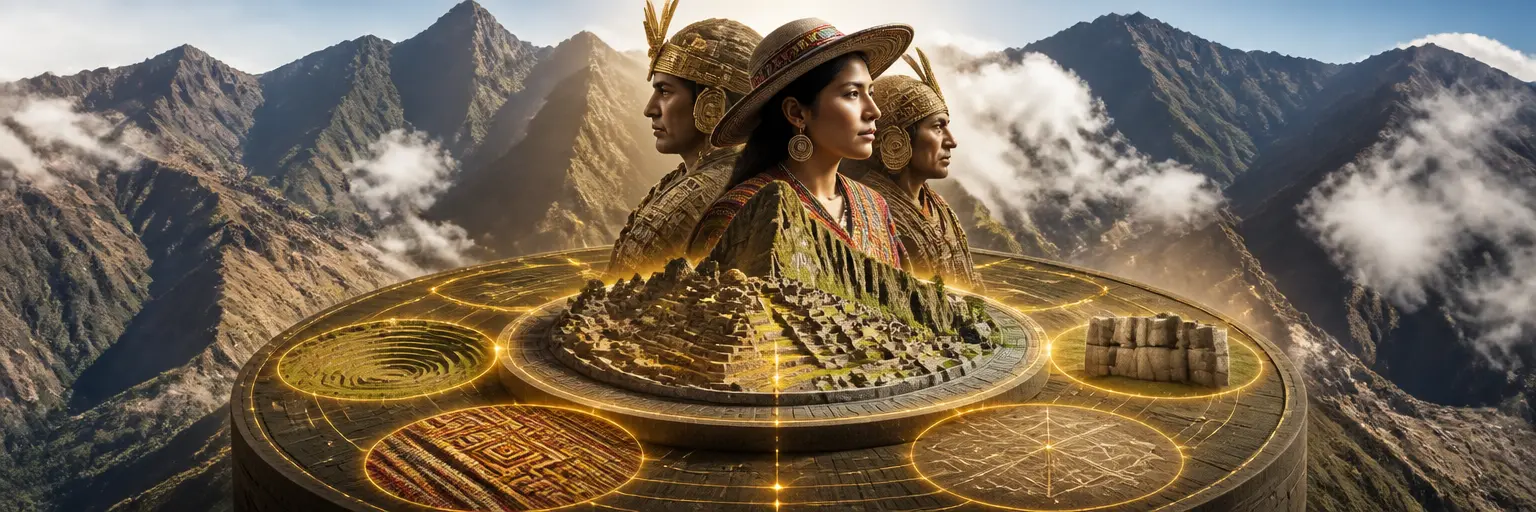
Explore the legacy of Andean civilizations through remarkable archaeological discoveries, ongoing research, and efforts to preserve ancient heritage. Discover how the achievements of the Incas, Moche, Nazca, and Tiahuanaco continue to shape modern Andean culture, inspiring traditions, art, identity, and innovation across the region.
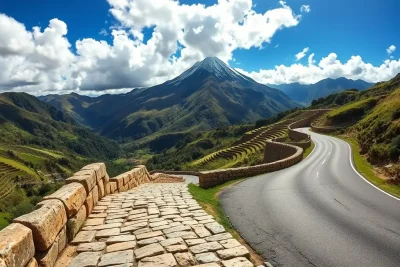
The legacy of Andean civilizations continues to shape archaeology, cultural identity, heritage protection, and daily life across South America. From the achievements of the Inca Empire to the artistic traditions of the Moche, the mysterious Nazca geoglyphs, and the monumental architecture of Tiahuanaco, ancient Andean societies left behind an extraordinary record of innovation, belief, and resilience.
This category explores how the history, technology, art, architecture, and traditions of ancient Andean civilizations continue to influence the modern world. Discover new archaeological discoveries, learn how Peru and Bolivia protect fragile heritage sites, and explore the enduring influence of Andean culture on language, food, textiles, music, festivals, and community life.
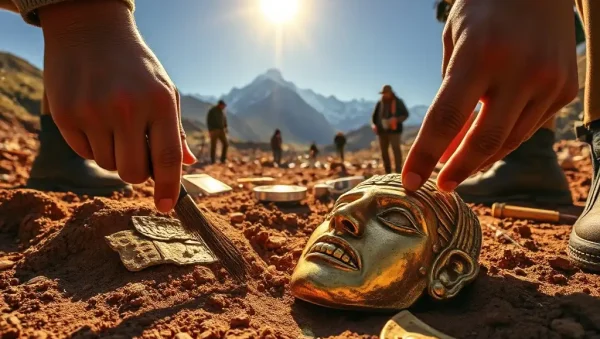
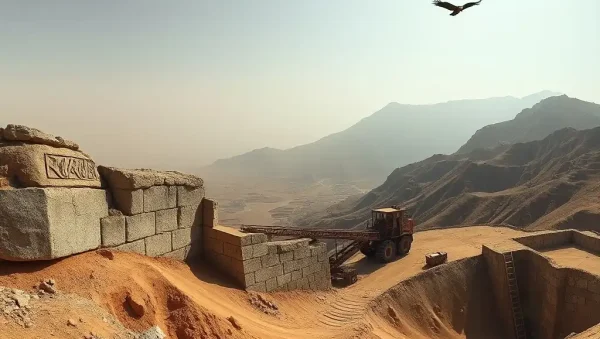
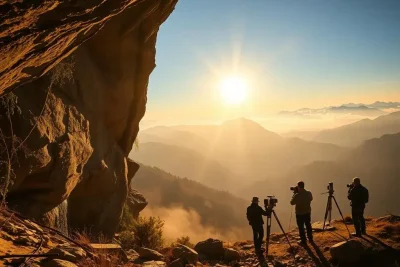
Explore the latest archaeological discoveries and research into the Inca, Moche, Nazca, and Tiahuanaco civilizations. Readers can expect informative coverage of excavations, ancient settlements, burial sites, temples, ceramics, textiles, agricultural systems, and other evidence that reveals how Andean societies lived and developed.
This subcategory also examines modern archaeological methods, including satellite imaging, digital mapping, radiocarbon dating, DNA analysis, and non-invasive fieldwork. Ongoing research continues to transform our understanding of Andean history, uncovering new details about trade networks, religious practices, social organization, engineering, and the relationships between ancient cultures.
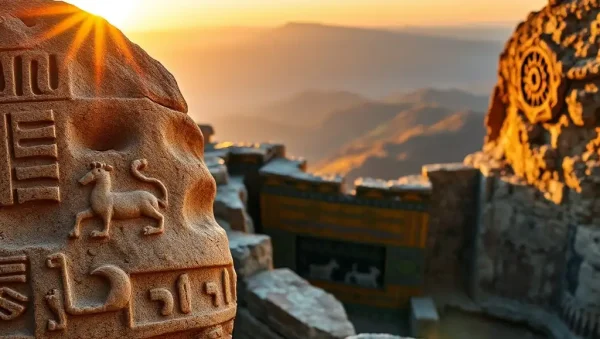
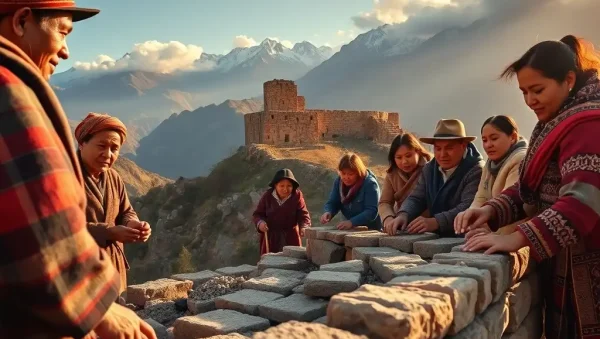
Learn how archaeologists, local communities, governments, and international organizations work to preserve Andean archaeological sites and cultural treasures. Topics include the conservation of Machu Picchu, Nazca Lines, Tiahuanaco monuments, Moche temples, ancient textiles, ceramics, metalwork, and fragile architectural remains.
Readers will also discover the challenges facing Andean heritage, such as climate change, erosion, tourism pressure, looting, urban expansion, and natural disasters. Sustainable conservation combines scientific expertise with community participation, helping protect sacred landscapes and historic sites while making them accessible for responsible cultural tourism and education.
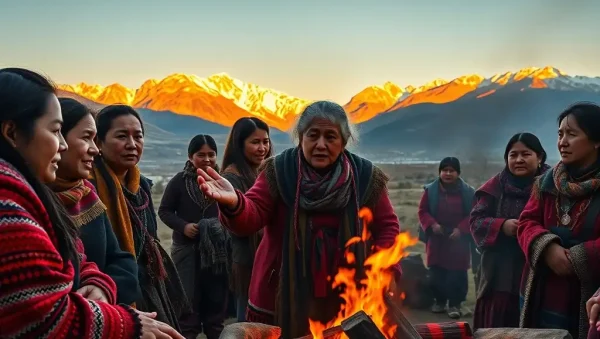
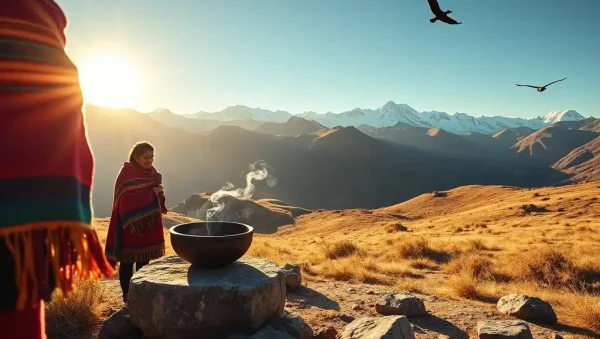
Discover how ancient Andean civilizations continue to influence modern identity and cultural expression. This section explores the survival and adaptation of traditional weaving, agricultural knowledge, indigenous languages, music, dance, cuisine, spiritual practices, festivals, and community customs throughout the Andes.
From ancestral farming techniques to contemporary Andean art and fashion, the past remains an important part of everyday life. Modern Andean culture reflects both continuity and change, connecting ancient knowledge with present-day communities in Peru, Bolivia, Ecuador, Chile, Colombia, and Argentina.
The legacy of Andean civilizations includes remarkable achievements in architecture, agriculture, engineering, astronomy, textiles, ceramics, governance, and social organization. Their traditions continue to influence modern Andean culture, identity, art, food, language, and community life.
This category focuses on major cultures such as the Incas, Moche, Nazca, and Tiahuanaco. It also considers the wider development of Andean societies, their regional connections, and the cultural traditions that existed before and after the rise of the Inca Empire.
Archaeological discoveries provide physical evidence about ancient Andean life, including settlements, temples, tombs, tools, artwork, food remains, and trade goods. New research can challenge older interpretations and reveal more accurate information about technology, religion, economy, and social structure.
Preservation efforts include structural restoration, environmental monitoring, digital documentation, controlled tourism, museum conservation, and protection from looting and development. Successful projects often involve local communities, whose knowledge and participation are essential to long-term heritage protection.
Ancient Andean influence can be seen in traditional textiles, indigenous languages, crops such as potatoes and quinoa, terrace farming, music, religious celebrations, art, architecture, and community cooperation. These traditions continue to evolve while maintaining strong connections to ancestral knowledge and identity.