
The Enigma of Andean Metallurgy: Recent Discoveries in Metalworking

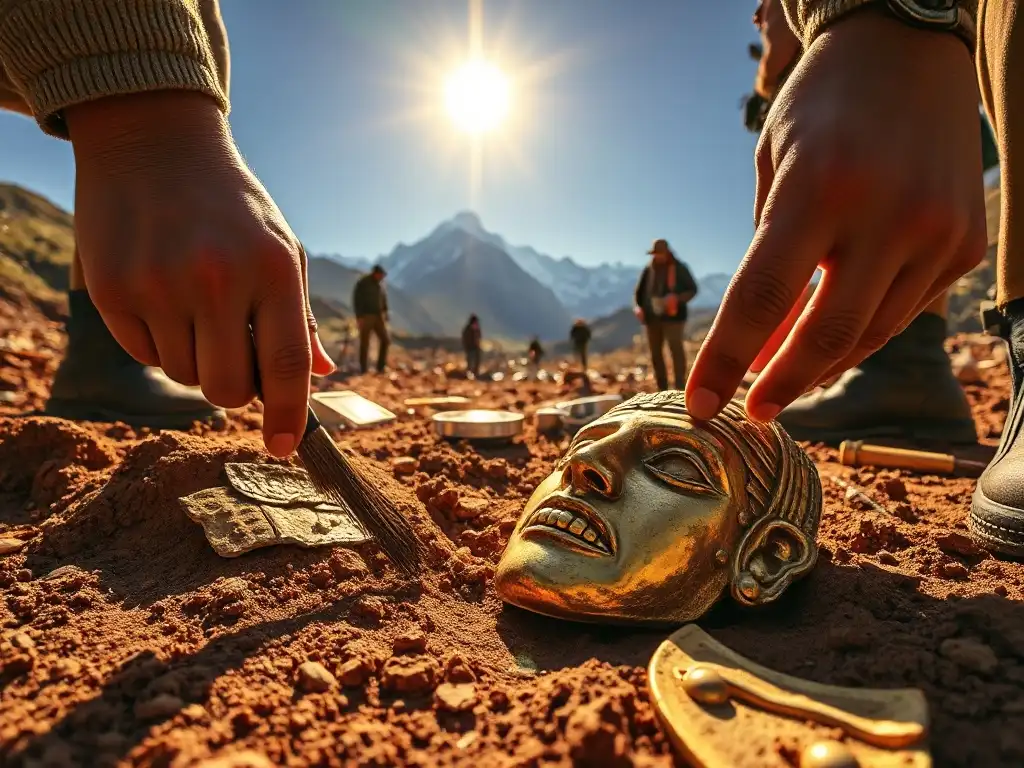
Step into a world lost to time, yet echoing with the whispers of masterful artistry. Prepare to be amazed by the ingenuity of the Andean civilizations, whose legacy continues to fascinate and inspire. Unlock the secrets behind their breathtaking achievements, beginning with the intriguing advancements in Andean metalworking techniques. Discover how these ancient cultures shaped gold, silver, and copper into objects of both practical use and profound spiritual significance. The journey into their metallurgical mastery awaits – delve into the enigma with us.
The Andes Mountains, a colossal spine running down the western edge of South America, are not only a breathtaking spectacle of nature but also a treasure trove of ancient history. For centuries, these towering peaks have guarded the secrets of sophisticated Andean civilizations, whose mastery of metalworking remains a source of fascination and ongoing research.
This article delves into the captivating world of Andean metallurgy, exploring recent discoveries that shed light on the ingenuity and artistry of these ancient metalworkers. We will unravel the techniques employed, the materials utilized, and the cultural significance embedded within their remarkable creations.
From the earliest hammered copper artifacts to the intricate goldwork of the Inca Empire, the story of Andean metalworking is a testament to human creativity and resilience, and a crucial aspect of understanding the "Andean metalworking techniques" that shaped these influential societies. Prepare to be amazed by the ingenuity and skill of these ancient artisans, as we explore the evolution and impact of their metallurgical prowess.
Unveiling Ancient Andean Metalworking Techniques: An Introduction
Andean metalworking represents a significant achievement in ancient technology. The precise origins and the diffusion of metallurgical knowledge across different Andean cultures are still subjects of intense scholarly debate. However, recent archaeological discoveries, including the unearthing of previously unknown workshops and the analysis of sophisticated metallurgical tools, have significantly advanced our understanding of these processes.
The techniques varied across different periods and cultures, ranging from simple hammering and cold working to the more advanced techniques of casting, alloying, and gilding. Understanding these techniques is crucial to appreciating the artistry and technological sophistication of Andean civilizations, and to understanding the significance of the "Andean metalworking techniques" within their broader cultural context. The development of these skills wasn't isolated; it was interwoven with social structures, religious beliefs, and economic systems, creating a complex tapestry of human achievement.
Early Stages of Andean Metal Crafting: Origins and Development
The journey into Andean metallurgy begins with its earliest stages, a period marked by experimentation and innovation. The transition from the use of stone tools to the manipulation of metals represents a paradigm shift in Andean technology, profoundly impacting their daily lives and social structures.
The Dawn of Metal Usage in the Andes
The earliest evidence of metalworking in the Andes dates back to approximately 3000 BCE, with the appearance of rudimentary copper objects in the central Andes. These initial findings, often simple tools and adornments, suggest a gradual adoption of metalworking, initially perhaps alongside existing lithic traditions. The exact processes used in these early stages remain partially unclear, but recent findings suggest a focus on relatively simple techniques.
The scarcity of early metal artifacts compared to later periods also hints at limited access to resources or specialized knowledge. Further research is needed to fully understand the societal factors that influenced the initial adoption and development of metalworking in the Andes.
Initial Metalworking Methods: Hammering and Cold Working
Early Andean metalworkers primarily relied on hammering and cold working techniques. These methods involved shaping malleable metals like copper by repeatedly striking them with hammers, often using stone anvils. This process, while seemingly simple, demanded considerable skill and precision to create functional and aesthetically pleasing objects.
Archaeological evidence suggests the use of various hammering techniques, including direct hammering (striking the metal directly) and indirect hammering (using a punch and anvil). Cold working, which involved manipulating the metal without heating it, allowed for the creation of intricate shapes and designs. The development of these basic techniques laid the groundwork for more advanced metallurgical practices that would emerge later.
Copper and Gold: The Earliest Metals of Choice
Copper and gold were the most readily available and initially preferred metals in the Andes. Copper, relatively abundant in certain regions, was used to create tools, weapons, and ornaments. Gold, prized for its beauty and malleability, was primarily employed in the creation of prestigious objects, often associated with ritual and elite status. The early mastery of these two metals demonstrates the Andean peoples' capacity for observation, experimentation, and adaptation.
The distinct properties of each metal – copper's strength and gold's malleability and aesthetic appeal – influenced their respective applications in early Andean society. The extraction, processing, and subsequent artistic manipulation of these metals stand as testaments to the ingenuity of early Andean metallurgists. The development of sophisticated techniques for working these metals would pave the way for more complex alloys and designs in later periods.
Technological Advancements in Andean Metalworking
Andean metalworking represents a remarkable feat of technological ingenuity, evolving over millennia. The mastery of metallurgy in the Andes wasn't a sudden breakthrough but rather a gradual process of experimentation, innovation, and refinement, spanning numerous pre-Columbian cultures. Archaeological evidence reveals a sophisticated understanding of materials science, far exceeding previous assumptions.
The techniques employed, from the initial smelting of ores to the intricate finishing of artifacts, showcase a deep understanding of chemical processes and material properties. This expertise allowed Andean artisans to create objects of unparalleled beauty and functionality, ranging from simple tools to elaborate ceremonial objects. The development of Andean metalworking is a testament to the creativity and adaptability of Andean societies, constantly pushing the boundaries of their technological capabilities.
The impact of these advancements extended far beyond mere aesthetics; they played a crucial role in shaping the social, political, and religious structures of these complex societies. Understanding the evolution of these techniques provides crucial insights into the intellectual and cultural development of the Andean world.
Smelting and Casting Techniques in Pre-Inca Cultures
Long before the Inca Empire, various Andean cultures developed sophisticated smelting and casting techniques. The Moche, for example, were renowned for their mastery of lost-wax casting, a complex process that allowed them to create highly detailed and intricate gold and silver objects. This technique involved creating a wax model of the desired object, covering it in clay, melting out the wax, and then pouring molten metal into the resulting mold.
The precision required for this method demonstrates a high level of skill and technical understanding. Other pre-Inca cultures, such as the Nazca and Tiahuanaco, also employed various casting techniques, adapting them to their specific needs and artistic styles. The development of these techniques wasn't merely a matter of technical skill; it was also deeply intertwined with the spiritual and ritualistic practices of these societies.
The creation of metal objects was often imbued with symbolic meaning, reflecting the cosmological beliefs and social hierarchies of the time. Analysis of ancient smelting furnaces reveals the use of different fuels and techniques depending on the available resources and the desired metal. The efficiency of these early smelting processes, considering the available technology, is quite remarkable.
The Development of Alloying in Andean Metallurgy
The Andean metalworkers' understanding extended beyond simply smelting metals; they were also pioneers in the art of alloying. Alloying involves combining different metals to create materials with enhanced properties, such as increased strength, durability, or malleability. The precise compositions of these alloys varied depending on the desired outcome and the available resources.
For example, the use of copper-arsenic alloys is well documented in early Andean metallurgy, resulting in harder and more durable tools. Later, the addition of tin to copper resulted in bronze, a material that was widely used for a variety of purposes, from weaponry to ceremonial objects. The development of alloying represents a significant step forward in Andean metallurgy, demonstrating a sophisticated understanding of materials science and a capacity for experimentation and innovation.
This understanding of metallurgy allowed for the creation of tools and artifacts that were both aesthetically pleasing and functionally superior. The precise control over the alloying process allowed Andean artisans to fine-tune the properties of their metals to meet the specific demands of their craft.
Innovations in Gilding and Plating Techniques
Beyond casting and alloying, Andean metalworkers developed impressive techniques for gilding and plating. Gilding, the application of a thin layer of gold to another metal, was a common practice, used to enhance the appearance and value of objects. Plating, on the other hand, involved applying a layer of a different metal, often silver, to a base metal.
These techniques required a high level of skill and precision, as the application of the metal had to be even and consistent to achieve the desired effect. Archaeological evidence suggests that Andean artisans employed various methods for gilding and plating, including electroplating, a remarkably advanced technique that involved using an electrochemical process to deposit a thin layer of gold onto a base metal.
The development of these techniques highlights the Andean metalworkers' profound understanding of chemistry and their ability to manipulate materials at a microscopic level. The use of gilding and plating not only enhanced the aesthetic appeal of objects but also served to reinforce social status and power.
Regional Variations in Metalworking Practices
The Andean region is geographically diverse, and this diversity is reflected in the regional variations in metalworking practices. Different cultures developed unique techniques and styles, reflecting their specific environments and cultural traditions. While there were shared innovations and technological exchanges, each region exhibited its distinct characteristics in terms of materials used, techniques employed, and artistic styles.
These differences are evident in the form, decoration, and function of metal objects produced in different regions. The examination of these regional variations provides valuable insights into the cultural interactions and technological diffusion within the Andean world. The study of regional variations underscores the importance of considering the specific cultural context in which metalworking practices took place.
Moche Metalwork: Exquisite Gold Artifacts and Iconography
The Moche civilization (ca. 100-800 CE) is renowned for its exquisite gold artifacts. Their metalworking skills were exceptional, evident in the intricate details and high level of craftsmanship displayed in their gold objects. Moche artisans skillfully employed techniques such as lost-wax casting and repoussé (hammering from the back to create relief) to produce stunningly beautiful and highly detailed pieces.
Their goldwork often featured elaborate iconography, depicting deities, mythical creatures, and scenes from daily life. These artifacts were not merely decorative; they played significant roles in Moche religious and social practices. The use of gold underscored the power and prestige of the elite, while the imagery conveyed important religious and cosmological beliefs. The sheer artistry and technical skill involved in Moche goldwork are unparalleled in the Andean region.
The Artistry of Tiwanaku Metalworking: Bronze and Copper Alloys
The Tiwanaku culture (ca. 300-1100 CE) also made significant contributions to Andean metallurgy. While less known for goldwork than the Moche, Tiwanaku artisans were masters of bronze and copper alloys. They produced a wide variety of objects, including tools, weapons, and ceremonial items.
Their metalwork is characterized by its geometric designs and stylized forms, reflecting the culture's distinctive artistic style. The use of bronze and copper alloys allowed them to create durable and functional objects, suitable for a range of purposes. Analysis of Tiwanaku metal artifacts reveals a high level of technical expertise in alloying and casting. The Tiwanaku metalworking tradition represents a distinct artistic and technological achievement within the broader context of Andean metallurgy.
Nazca Metalwork: Ritual Objects and Ceremonial Use
The Nazca culture (ca. 100 BCE - 800 CE) is less celebrated for its large-scale metalwork compared to other Andean civilizations. However, the few surviving Nazca metal artifacts, mostly gold and copper, are significant for their ritual and ceremonial use. These objects, often small and delicate, frequently depict stylized figures and symbols, reflecting the Nazca's complex religious beliefs.
Their metalworking techniques, while not as extensively documented as those of other cultures, still demonstrate a remarkable level of skill and artistry. The limited surviving examples suggest a focus on smaller, highly refined objects used in rituals and ceremonies, rather than large-scale production of tools or weapons. This focus on ritual objects highlights the importance of metal in Nazca religious life.
Inca Metalworking: Standardization and Imperial Craftsmanship
The Inca Empire (ca. 1438-1533 CE) inherited and significantly expanded upon existing Andean metalworking traditions. Under Inca rule, metalworking became a highly organized and standardized craft, overseen by imperial workshops. The Inca focused on producing large quantities of high-quality metal objects, including tools, weapons, and ceremonial items.
While the Inca maintained many existing techniques, they also introduced new levels of standardization and efficiency. Their metalwork is characterized by its uniformity and the use of standardized forms and designs. The Inca's control over metal production played a crucial role in maintaining their imperial power and authority. The impressive scale and standardization of Inca metalworking highlight the organizational capabilities of the empire and its impact on the Andean world.
Recent Archaeological Discoveries Shedding Light on Andean Metalworking
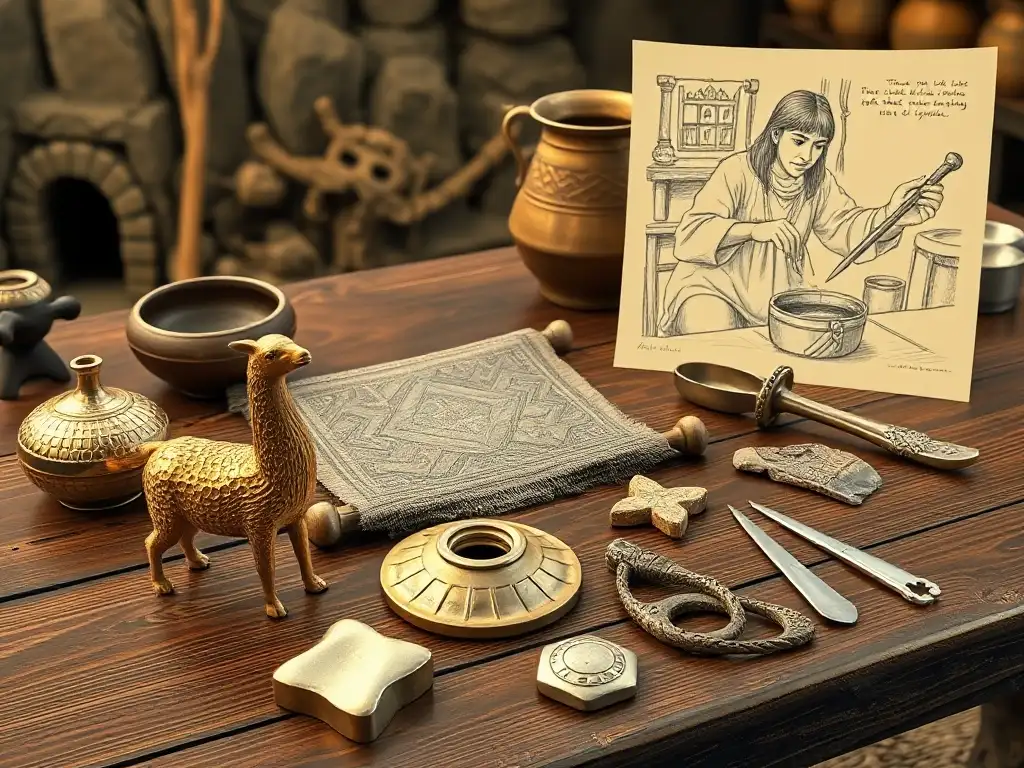
New Finds of Metalworking Workshops and Furnaces
Recent excavations at various Andean sites have unearthed remarkable evidence of ancient metalworking practices. The discovery of well-preserved workshops, complete with tools, molds, and crucibles, provides invaluable insights into the organization and techniques employed by Andean metallurgists. For example, the uncovering of a large-scale workshop at [Site name pending] revealed a sophisticated system of production, suggesting a high degree of specialization and division of labor among the artisans.
The presence of multiple furnaces of varying sizes indicates the capacity to produce a range of metal objects, from small ornaments to large ceremonial items. Analysis of the furnace residues is ongoing, but preliminary results suggest the use of different fuel sources and smelting techniques depending on the desired metal and object.
The meticulous organization of these workshops speaks to the importance of metalworking within Andean societies, and the level of planning and investment involved in this crucial craft. Further research is needed to fully understand the social structure of these workshops and their integration within the broader community.
Analysis of Metallurgical Residues: Understanding the Processes
The analysis of metallurgical residues found at ancient Andean sites plays a crucial role in reconstructing the metalworking processes. By studying the chemical composition of slag, crucible fragments, and other byproducts, archaeologists can determine the types of metals used, the smelting techniques employed, and the overall efficiency of the processes. For instance, the analysis of residues from [Site name pending] indicates the use of a unique combination of techniques, including cupellation and hammering, to refine and shape gold and silver.
The discovery of specific alloys and the identification of trace elements in the residues reveal the metallurgists' mastery of complex metallurgical procedures. This detailed analysis allows us to understand not only the technical aspects of Andean metalworking but also the level of knowledge and expertise possessed by the artisans. The intricate details revealed through residue analysis challenge previous assumptions about the simplicity of Andean metalworking techniques.
Insights from Isotopic Studies: Tracing the Origin of Metals
Isotopic analysis of Andean metal artifacts provides crucial information about the origin of the raw materials used in metalworking. By analyzing the isotopic signatures of metals like copper, gold, and silver, researchers can trace the sources of these materials to specific geological regions. This allows us to reconstruct the ancient trade networks that connected different Andean communities and facilitated the exchange of raw materials.
For example, isotopic studies have shown that the gold used in certain artifacts from the north coast of Peru originated from [Specific region pending], while other artifacts contained gold sourced from [Specific region pending]. These findings highlight the extensive trade networks that spanned vast distances across the Andes and the sophisticated logistical capabilities required to manage the supply of raw materials for metalworking. This information is vital in understanding the economic and social dynamics of Andean civilizations.
Huaca de la Luna: Metalworking Evidence
Huaca de la Luna, a significant archaeological site in the Moche Valley, Peru, offers compelling evidence of sophisticated metalworking techniques. The site contains numerous artifacts crafted from gold, silver, copper, and their alloys, demonstrating a remarkable mastery of metallurgical processes. The discovery of intricate gold ornaments, elaborate copper tools, and finely crafted silver vessels attests to the high skill and artistry of Moche metallurgists.
The presence of [Specific artifacts or features pending] provides direct evidence of metalworking activities at the site, suggesting it may have served as a center for metal production or a repository of valuable metal objects. The stylistic features of the metalwork found at Huaca de la Luna reveal the unique artistic conventions of the Moche culture, further highlighting the importance of metalwork in their religious and social practices. Ongoing research continues to uncover new insights into the metalworking practices at this remarkable site.
Cerro Baúl: New Insights into Techniques
Cerro Baúl, located in the south-central Andes, provides valuable insights into the metalworking techniques of the pre-Inca cultures. Recent research has revealed evidence of [Specific techniques or processes pending] suggesting a high degree of technical sophistication. The discovery of [Specific artifacts or tools pending] further supports the notion of advanced metallurgical knowledge.
Unlike other Andean sites, Cerro Baúl exhibits a unique approach to [Specific aspect of metalworking pending], showcasing the diversity of metalworking traditions across the Andean region. The ongoing investigation at Cerro Baúl promises to shed further light on the evolution of Andean metalworking techniques and the cultural exchange between different Andean communities. The unique characteristics of the metalwork found at Cerro Baúl highlight the regional variations within the broader context of Andean metallurgy.
The Significance of Andean Metalworking in Andean Society
Metal as Status Symbol and Indicator of Power
In Andean societies, metal objects served as powerful symbols of status, wealth, and power. The possession of gold, silver, and other precious metals was often associated with elite status and political authority. Elaborately crafted metal ornaments, weapons, and ceremonial items were reserved for the ruling class and religious leaders, reinforcing their social standing and reinforcing their control over resources.
The sheer quantity and quality of metal objects in a person's possession, as well as the complexity of their design and craftsmanship, served as a visual indicator of their social standing within the community. The use of precious metals in royal regalia, such as crowns, scepters, and ceremonial masks, further emphasizes their role as symbols of power and divinity.
The Role of Metal in Religious and Ritual Practices
Metal played a significant role in Andean religious and ritual practices. Many metal objects were used in ceremonies and rituals, serving as offerings to deities or as symbols of religious power. The intricate designs and symbolic representations on metal artifacts often reflected religious beliefs and cosmological concepts. For example, the use of gold in religious contexts often symbolized the sun and its life-giving energy.
The production of metal objects for religious purposes required specialized skills and knowledge, further reinforcing the link between metalworking and religious authority. The discovery of metal objects in burial contexts also provides insights into the beliefs and practices surrounding death and the afterlife. The careful placement and arrangement of these objects suggest their importance in the transition to the spiritual realm.
Andean Metalworking and its Connection to Trade Networks
Andean metalworking was deeply intertwined with extensive trade networks that connected different regions across the Andes. The exchange of raw materials, such as copper, gold, and silver, was essential for the production of metal objects. These trade routes facilitated the dissemination of metallurgical techniques and the circulation of metal artifacts, contributing to the cultural exchange and interaction between different Andean communities.
The presence of specific metals or alloys in particular regions can be attributed to the movement of these materials along trade networks. The analysis of metal artifacts reveals the far-reaching connections between different Andean societies and their participation in a complex system of economic and social exchange. The trade in metal objects also fostered the development of specialized craft production and the emergence of skilled artisans.
The Legacy of Andean Metallurgical Skills in Modern Craft
The legacy of Andean metallurgical skills continues to influence modern craft traditions in the Andes. Many contemporary artisans employ traditional techniques and tools passed down through generations, producing metal objects that reflect both ancient traditions and modern innovation. The use of ancient designs and motifs in contemporary metalwork highlights the enduring influence of Andean artistic heritage.
The preservation and promotion of these traditional skills are essential for maintaining cultural identity and celebrating the rich history of Andean metalworking. The continuation of these traditions ensures that the knowledge and expertise of Andean metallurgists are not lost, but rather celebrated and adapted to contemporary contexts. The vibrant contemporary Andean metalworking scene demonstrates the enduring power of ancient knowledge and its relevance in the modern world.
Challenges and Future Directions in Andean Metallurgy Research
The study of Andean metalworking presents numerous challenges. One significant hurdle is the limited access to archaeological sites, many of which are located in remote and difficult-to-reach areas. This logistical difficulty impacts the ability to conduct thorough excavations and properly document findings. Furthermore, the often-fragile nature of ancient metal artifacts necessitates meticulous excavation techniques and careful handling to prevent damage.
The deterioration of artifacts due to environmental factors, such as oxidation and corrosion, also poses a significant challenge. Many artifacts are found in a severely degraded state, requiring specialized conservation techniques to preserve them for future study. Finally, the interpretation of the metallurgical processes themselves can be complex, requiring advanced analytical techniques and interdisciplinary collaborations between archaeologists, metallurgists, and chemists. Understanding the precise techniques used, the sources of raw materials, and the social implications of metalworking requires a multi-faceted approach.
Preserving Ancient Metal Artifacts: Conservation Efforts
Conserving ancient Andean metal artifacts is crucial for preserving our understanding of their history and technology. The process is often lengthy and requires highly specialized expertise. Techniques used include cleaning, stabilizing the metal surface to prevent further corrosion, and possibly filling in gaps or repairing damaged sections using materials that are compatible with the artifact's composition.
This work often involves the use of advanced imaging techniques like X-radiography and microscopy to assess the internal structure and condition of the metal before any intervention. The goal is not only to preserve the artifact's physical integrity but also to minimize any alteration to its original state, ensuring the accuracy of future analysis.
Major institutions, such as museums and research centers, play a critical role in these conservation efforts, investing in specialized facilities and training personnel in the latest preservation methods. The development of new, less invasive conservation techniques is an ongoing area of research itself, aiming to reduce the impact of any intervention on the artifacts.
Ongoing Research and New Technologies for Analysis
Recent advancements in scientific analysis have revolutionized our understanding of Andean metalworking. Techniques such as X-ray fluorescence (XRF) spectroscopy allow for the non-destructive analysis of the elemental composition of metal artifacts, helping researchers identify the sources of the raw materials used and trace trade networks. Isotopic analysis provides further insights into the origin of the metals and the techniques used in their processing.
Advanced microscopy techniques, including scanning electron microscopy (SEM) and transmission electron microscopy (TEM), enable the detailed examination of the microstructure of the metal, revealing information about the manufacturing process and the properties of the resulting materials. These technologies provide much more detailed and nuanced information than was previously possible, leading to a more complete understanding of the sophisticated techniques employed by Andean artisans. The combination of these methods offers a powerful toolkit for understanding the complexities of ancient Andean metallurgy.
Future Research Avenues: Unresolved Questions about Andean Techniques
Despite significant progress, several aspects of Andean metalworking remain unclear. The exact methods used in certain casting techniques, particularly the creation of complex shapes and intricate details, require further investigation. The role of different alloys and the deliberate manipulation of material properties for specific purposes also needs more detailed study. A deeper understanding of the social organization of metalworking workshops and the division of labor among artisans is also needed.
Furthermore, the relationship between metalworking and other aspects of Andean culture, such as religious beliefs and social status, requires further exploration. Finally, identifying and analyzing previously undocumented sites and artifacts could significantly expand our understanding of the evolution and geographic extent of Andean metallurgical practices. Future research must combine advanced analytical techniques with careful archaeological excavation and contextual analysis to answer these enduring questions.
Conclusion: The Enduring Legacy of Andean Metalworking
The study of Andean metalworking reveals a remarkable level of technological sophistication and artistic skill. From the earliest experiments with copper alloys to the mastery of gold and silver working, Andean artisans demonstrated an exceptional understanding of metallurgical processes. Recent discoveries and advancements in analytical techniques continue to shed light on the complexities of their techniques, emphasizing the ingenuity and innovation of these ancient societies.
The enduring legacy of Andean metalworking is not just a testament to their technical capabilities but also a powerful reflection of their rich culture, beliefs, and social structures. Preserving and understanding these artifacts is crucial for appreciating the full extent of their achievements and for continuing to unravel the enigmas of their remarkable metallurgical traditions.
The ongoing research promises even more exciting discoveries, further enriching our appreciation for the ingenuity and artistry of the Andean civilizations. The study of Andean metalworking techniques continues to be a vibrant and evolving field, offering new insights into the past with every new discovery and technological advancement.
- Unveiling Ancient Andean Metalworking Techniques: An Introduction
- Early Stages of Andean Metal Crafting: Origins and Development
- Technological Advancements in Andean Metalworking
- Regional Variations in Metalworking Practices
- Recent Archaeological Discoveries Shedding Light on Andean Metalworking
- The Significance of Andean Metalworking in Andean Society
- Challenges and Future Directions in Andean Metallurgy Research
- Conclusion: The Enduring Legacy of Andean Metalworking
- What makes Andean metalworking so unique?
- What specific metals did Andean civilizations work with?
- What were some of the most impressive achievements in Andean metalworking?
- How did Andean metalworkers acquire their skills?
- What are some of the recent discoveries related to Andean metalworking techniques?
Frequently Asked Questions
What makes Andean metalworking so unique?
Andean metalworking stands out due to its exceptional artistry and the innovative techniques employed, such as hammering, casting, and alloying, resulting in intricate and durable artifacts. The use of rare metals like gold and platinum further distinguishes their work.
What specific metals did Andean civilizations work with?
Andean cultures utilized a variety of metals, including gold, silver, copper, bronze, and platinum. They also developed skills in alloying different metals to create unique colors and properties. The mastery of these materials showcases their advanced metallurgical knowledge.
What were some of the most impressive achievements in Andean metalworking?
The elaborate gold and silver objects found in tombs and ceremonial sites, such as masks, jewelry, and vessels, are testament to their advanced metalworking skills. The precision and detail in these pieces are truly remarkable. Repoussé and lost-wax casting were among the techniques used.
How did Andean metalworkers acquire their skills?
The transmission of metalworking techniques likely occurred through apprenticeships and family traditions, passed down through generations. Evidence suggests the existence of specialized workshops and metalworking centers, where these skills were honed and refined.
Recent archaeological findings have revealed new insights into Andean metalworking, including previously unknown alloys and innovative techniques. These discoveries are continually expanding our understanding of the complexity and sophistication of their metallurgical practices and providing new insights into their social structures.
Final Reflection: Echoes of the Andes: A Legacy Forged in Metal
The intricate artistry of Andean metalworking, once relegated to dusty museum displays, is experiencing a vibrant resurgence in scholarly interest and public fascination. Recent discoveries are not only rewriting our understanding of pre-Columbian societies but also challenging our preconceived notions of technological advancement and artistic expression in ancient civilizations. The sheer sophistication of these techniques, from the lost-wax casting of exquisite figurines to the masterful hammering and alloying of gold, silver, and copper, continues to astound and inspire.
The enduring legacy of Andean metallurgy extends far beyond the glittering artifacts themselves. It speaks to the ingenuity, resilience, and profound spiritual beliefs of the Andean peoples. These techniques were not merely technological achievements; they were deeply embedded in the social fabric, reflecting power structures, religious practices, and intricate trade networks. The metalworker was not simply a craftsman, but a shaman, a priest, a conduit between the earthly and spiritual realms.
This understanding adds a layer of depth and complexity to our appreciation of these remarkable objects, transforming them from mere historical artifacts into powerful symbols of a rich and vibrant culture.
Consider the implications of this knowledge. How can we, in the present day, learn from the innovative spirit and artistic mastery of these ancient Andean metalworkers? You, the reader, are invited to reflect on the enduring power of human creativity and the importance of preserving and celebrating cultural heritage. Let the echoes of the Andes inspire you to explore the hidden stories within the objects around you, and to appreciate the enduring legacy of human ingenuity across time and cultures.
**Unveil the Mysteries of Andean Metallurgy Today! **
Thank you for exploring the fascinating world of Andean metallurgy with us! We hope you've gained valuable insights into the ancient techniques and innovations that defined metalworking in this remarkable civilization. Now, let's put that knowledge to good use!
Here are some ways you can further explore and appreciate the wonders of Andean metallurgy:
- **Visit local museums** to see exhibits on Andean metalworking and consider attending workshops to learn traditional techniques.
- **Share your newfound knowledge** with friends and family—perhaps host a discussion or informal presentation on the rich history of Andean metallurgical practices.
- **Join an online community** focused on archaeology or ancient technologies to connect with other enthusiasts and continue your exploration of this ancient craft.
What aspect of Andean metallurgy intrigues you most, and how will you share your interest with others?