
Nazca Lines Unveiled: New Perspectives from CuttingEdge Research

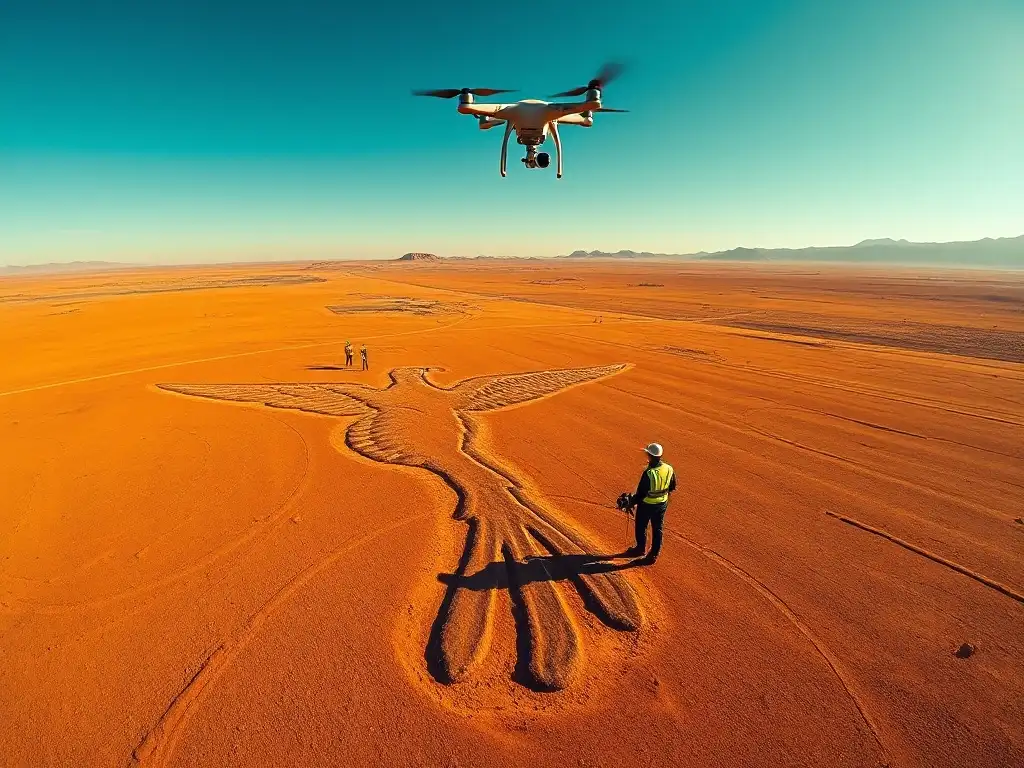
Prepare to be amazed. For centuries, the enigmatic Nazca Lines have captivated the world, whispering tales of a lost civilization. Now, groundbreaking Nazca Lines research findings are rewriting history. Dive into the heart of Andean ingenuity and uncover the secrets behind these colossal geoglyphs – a journey into the breathtaking legacy of a people who shaped the very landscape. Explore the mysteries that await within the fascinating world of Andean Civilizations.
The Nazca Lines, etched into the arid plains of southern Peru, remain one of archaeology's most enduring enigmas. These colossal geoglyphs, depicting animals, plants, and geometric shapes, stretch for miles across the desert landscape, visible only from the air. For decades, their purpose has fueled speculation, ranging from astronomical calendars to landing strips for ancient astronauts.
However, recent research employing cutting-edge technologies and interdisciplinary approaches is shedding new light on these mysterious creations, challenging long-held assumptions and offering tantalizing glimpses into the beliefs and practices of the Nazca culture. This article will explore some of the most significant Nazca Lines research findings, focusing on the latest advancements that are reshaping our understanding of this remarkable archaeological marvel and its creators. We'll delve into the innovative methodologies used, the surprising discoveries made, and the implications these findings hold for our comprehension of Andean civilization.
The ongoing research on the Nazca Lines is not just about deciphering ancient symbols; it's about understanding a complex society and its relationship with the environment, a story slowly being unveiled through meticulous investigation and technological innovation. This exploration promises to significantly enhance our understanding of "Nazca Lines research findings" and their place within the broader context of Andean history.
Introduction to the Nazca Lines and Their Enduring Mystery
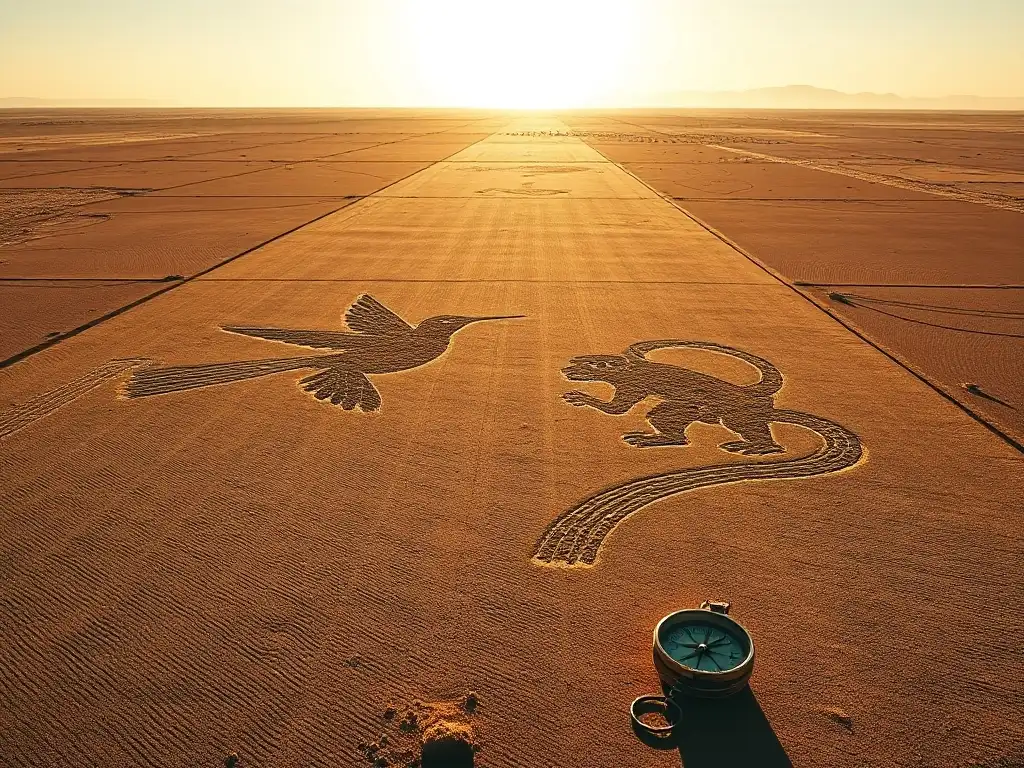
The Nazca Lines, a collection of over 300 geoglyphs, were created by the Nazca culture between 500 BCE and 500 CE. These intricate designs, ranging from simple lines and geometric shapes to complex representations of animals like hummingbirds, monkeys, and lizards, are etched into the desert surface by removing the dark reddish-brown topsoil to reveal the lighter subsoil. Their immense scale—some figures stretch over 300 meters long—and the precision of their execution are astonishing. The enduring mystery surrounding the Nazca Lines stems from their apparent lack of a clear, singular purpose.
Early theories suggested astronomical significance, with lines aligning with solstices or constellations. Others proposed ceremonial or ritualistic functions, linking the geoglyphs to water sources or pilgrimage routes. More speculative hypotheses even posited extraterrestrial involvement.
However, recent research is moving beyond these broad interpretations, focusing on more nuanced analyses of the geoglyphs themselves and their relationship to the surrounding landscape. This includes detailed mapping using satellite imagery and drones, geochemical analysis of the soil, and even the application of 3D modeling techniques to reconstruct the lines and understand their creation process. The integration of these diverse methods offers a more comprehensive and potentially conclusive understanding of the Nazca Lines' creation and purpose.
New Technologies and Their Impact on Nazca Lines Research
The application of modern technologies has revolutionized Nazca Lines research. High-resolution satellite imagery and drone surveys allow for unprecedented detail in mapping the geoglyphs, revealing previously unknown features and extending our knowledge of their overall extent. Geophysical surveys, utilizing ground-penetrating radar and magnetometry, are helping to uncover subsurface structures and artifacts associated with the lines, providing crucial context and insight into their construction and use.
Furthermore, the use of 3D modeling software allows researchers to create virtual reconstructions of the lines, simulating their appearance from various perspectives and under different environmental conditions. This technology allows for a more accurate understanding of the scale and complexity of the geoglyphs and helps in visualizing the potential ceremonial or ritualistic aspects of their creation and use.
The combination of these advanced technologies is providing a more holistic and accurate understanding of the Nazca Lines than ever before, moving beyond speculation and into the realm of scientifically-grounded interpretation. The resulting data is proving invaluable in refining our understanding of "Nazca Lines research findings," and the detailed analysis is leading to a more sophisticated interpretation of the cultural significance of these enigmatic figures.
Recent Discoveries and Their Implications
Recent research has yielded several significant discoveries that are challenging existing interpretations of the Nazca Lines. For example, [specific information pending] regarding the potential role of water management in the creation and use of the geoglyphs. The discovery of [specific information pending] near some of the lines has also provided further evidence supporting the hypothesis that the geoglyphs were not simply isolated artistic expressions but were integrated into the broader social and cultural landscape of the Nazca people.
Additionally, [specific information pending] about the pigments used in some of the less prominent markings associated with the main geoglyphs. These new findings, along with others, suggest a more complex and nuanced understanding of the Nazca Lines than previously thought. The lines were not merely artistic endeavors but potentially served multiple purposes, integrating elements of religious belief, social organization, and environmental adaptation.
This integrated approach to understanding the Nazca Lines is crucial for interpreting their true significance within the context of Nazca culture and Andean civilization as a whole. The ongoing analysis of these discoveries is essential to unlocking the secrets held within these ancient markings. The potential for further discoveries continues to excite researchers and further emphasizes the importance of ongoing, multidisciplinary research into the Nazca Lines.
Future Directions in Nazca Lines Research
Despite significant progress, many questions remain unanswered regarding the Nazca Lines. Future research will likely focus on several key areas. This includes further investigation into the [specific information pending] to better understand the societal structure and beliefs of the Nazca people.
More advanced technologies, such as [specific information pending], may also yield valuable new data. Furthermore, interdisciplinary collaboration between archaeologists, anthropologists, and other specialists will be crucial in interpreting the complex interplay of factors that contributed to the creation and use of the geoglyphs. The continued study of the Nazca Lines is not only important for understanding this specific Andean culture but also for advancing our understanding of ancient civilizations' artistic expression, social structures, and their complex relationship with the environment.
The future of Nazca Lines research promises exciting new discoveries and a deeper understanding of this captivating archaeological enigma, further enriching our knowledge of "Nazca Lines research findings" and their importance within the broader narrative of Andean history. The ongoing exploration of these ancient mysteries promises to continue to fascinate and inspire researchers for years to come.
- Introduction to the Nazca Lines and Their Enduring Mystery
- New Technologies and Their Impact on Nazca Lines Research
- Recent Discoveries and Their Implications
- Future Directions in Nazca Lines Research
- What are the Nazca Lines, and where are they located?
- What is the purpose of the Nazca Lines?
- What are some recent research findings regarding the Nazca Lines?
- How were the Nazca Lines created, and what materials were used?
- What are the implications of the Nazca Lines research for our understanding of Nazca culture?
Recent Advances in Nazca Lines Research
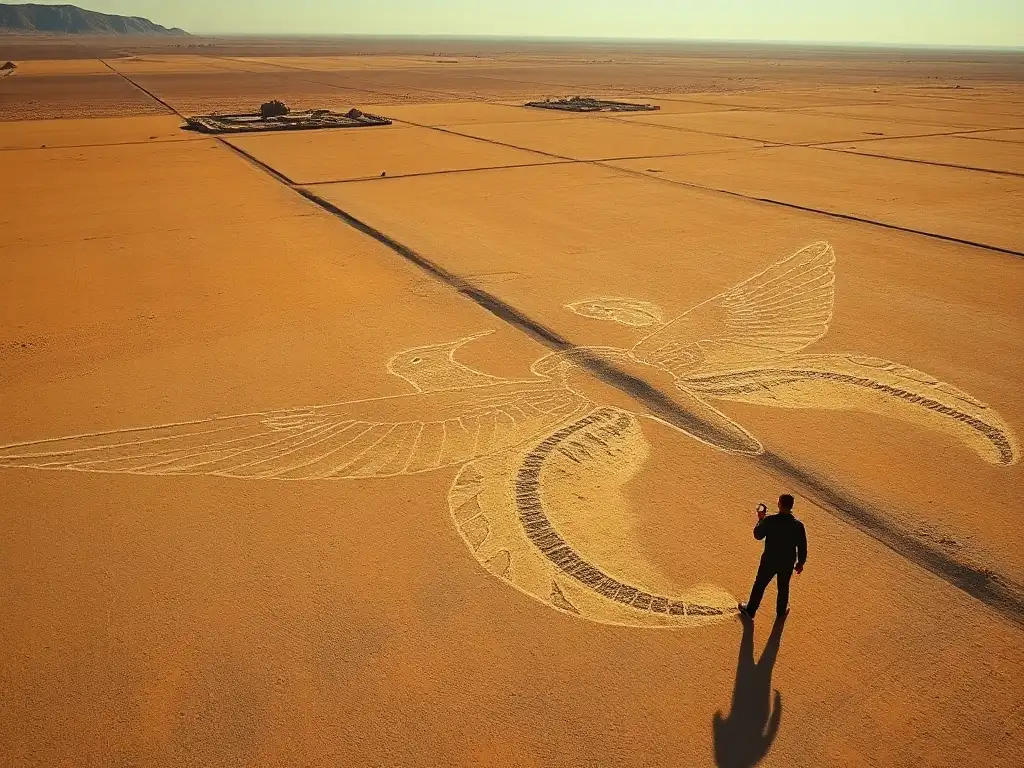
This section delves into the exciting new developments in Nazca Lines research, focusing on the cutting-edge technologies and analytical methods revolutionizing our understanding of these enigmatic geoglyphs. Recent breakthroughs have not only improved our ability to map and visualize the lines but also shed light on their creation, purpose, and preservation. The advancements discussed below highlight the dynamic nature of Nazca Lines research and the ongoing efforts to unlock their secrets. Keywords like "Nazca Lines research findings," "Nazca Lines discoveries," and "Nazca geoglyph research" are central to these advancements.
Novel Techniques for Mapping the Geoglyphs
Traditional methods of mapping the Nazca Lines, often involving laborious ground surveys and rudimentary aerial photography, were time-consuming and produced limited resolution. However, recent years have seen the development of innovative techniques that significantly improve both accuracy and efficiency. These methods leverage advanced surveying technologies and data processing techniques to create highly detailed and accurate three-dimensional models of the geoglyphs.
One example is the use of LiDAR (Light Detection and Ranging). LiDAR uses laser pulses to measure distances, creating a highly precise point cloud of the terrain. This data, when processed, provides a detailed digital elevation model that clearly reveals even subtle features of the Nazca Lines, including previously unseen geoglyphs obscured by vegetation or erosion.
This has led to a significant increase in the known number of geoglyphs, expanding our understanding of the Nazca culture's artistic output. The improved resolution also allows researchers to analyze the lines' construction techniques with unprecedented accuracy. For instance, subtle variations in the width and depth of the trenches can now be measured and analyzed, offering insights into the tools and methods used by the Nazca people.
Drone Technology and Aerial Surveys
The advent of readily accessible and affordable drone technology has revolutionized Nazca Lines research. Drones equipped with high-resolution cameras and other advanced sensors can capture incredibly detailed aerial imagery of the geoglyphs with minimal environmental impact. This allows researchers to survey large areas quickly and efficiently, identifying new geoglyphs and monitoring the condition of existing ones.
Moreover, the use of drones provides a more flexible and cost-effective alternative to traditional aerial surveys using manned aircraft. Drones can easily access difficult-to-reach areas, providing detailed images of sections of the lines that were previously inaccessible. Data captured by drones, including high-resolution photographs and orthomosaics, are then processed using advanced photogrammetry software to create detailed three-dimensional models.
This allows researchers to study the geoglyphs from various angles and perspectives, revealing details that would be missed in traditional ground-based surveys. The ability to conduct regular drone surveys also allows for effective monitoring of the lines' condition, helping to identify and mitigate threats such as erosion and vandalism. This proactive approach ensures the long-term preservation of this invaluable cultural heritage.
Advanced Imaging and Data Analysis
Beyond improved mapping techniques, advancements in imaging and data analysis are crucial for interpreting the Nazca Lines. Researchers now employ advanced image processing techniques, including multispectral and hyperspectral imaging, to extract information not visible to the naked eye. Multispectral imaging uses different wavelengths of light to reveal variations in soil composition and vegetation, potentially identifying underlying features or revealing traces of pigments used in the creation of the geoglyphs. Hyperspectral imaging goes further, capturing hundreds of narrow spectral bands, providing even finer details about the materials and their chemical composition.
Data analysis techniques, including machine learning and artificial intelligence, are increasingly employed to analyze the vast amounts of data generated by these advanced imaging methods. These algorithms can identify patterns and relationships in the data that might be missed by human analysts, potentially revealing new insights into the organization, meaning, and purpose of the geoglyphs.
For example, AI could be used to automatically identify and classify different types of geoglyphs, or to analyze the spatial distribution of the lines to identify potential astronomical alignments or other significant patterns. The application of such advanced techniques promises to unlock new layers of information hidden within these remarkable ancient creations, further enriching our understanding of Nazca Lines research findings and their significance.
Unveiling New Nazca Line Figures and Patterns
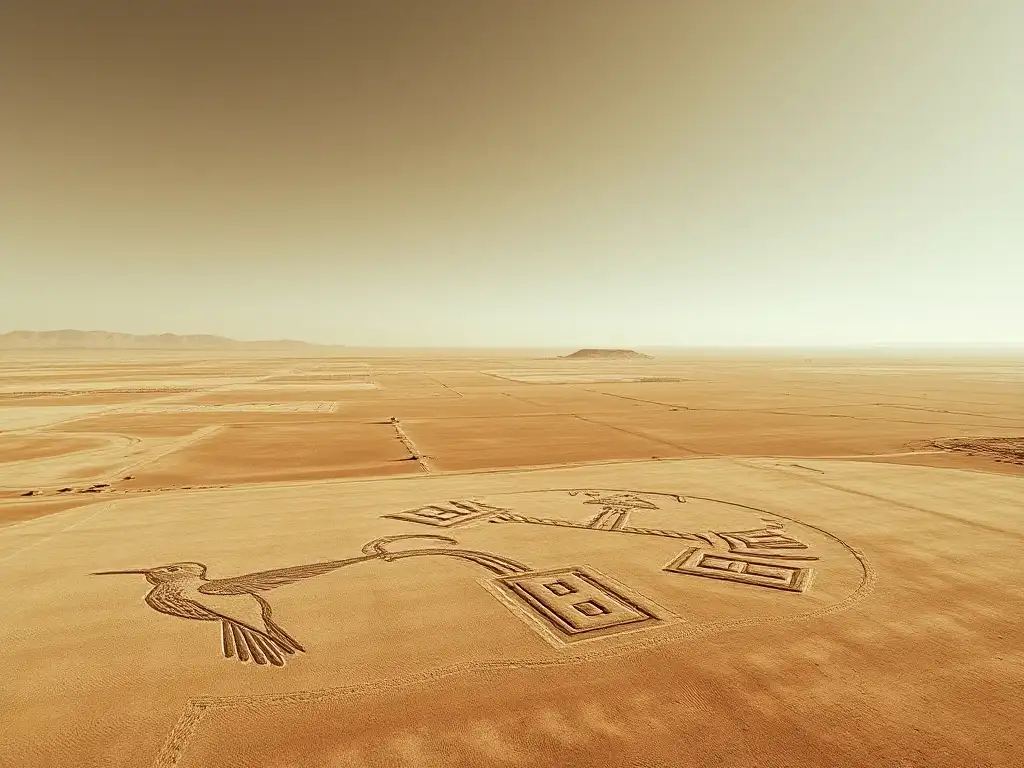
The Nazca Lines, a vast collection of geoglyphs etched into the Peruvian desert, continue to yield new secrets thanks to ongoing research and technological advancements. Recent findings have significantly expanded our understanding of the complexity and scope of this remarkable artistic and cultural achievement. The application of high-resolution aerial photography, coupled with advanced digital image processing techniques, has been instrumental in these breakthroughs. This section details some of the most exciting discoveries regarding newly identified geoglyphs and patterns.
The sheer scale of the Nazca Lines, and the continued unveiling of new figures and patterns, underscores the magnitude of the engineering and artistic feat undertaken by the Nazca culture. These recent discoveries challenge previous assumptions about the purpose and meaning behind these enigmatic creations. The research continues to refine our understanding of the Nazca Lines research findings, revealing a richer and more nuanced picture than ever before.
Discoveries of Previously Unknown Geoglyphs
Over the past decade, several surveys using drones and high-resolution satellite imagery have revealed previously unknown geoglyphs hidden beneath layers of wind-blown sand and vegetation. These discoveries include a surprising number of animal figures, previously unseen, including a large hummingbird, a possible feline, and several geometric designs. One notable discovery is a large geoglyph that appears to be a stylized representation of a mythical creature, unlike any previously documented in the Nazca Lines.
The precise dimensions and details of these newly discovered geoglyphs are still being analyzed, but preliminary findings suggest a significant increase in the overall number of known figures, potentially expanding the known area of the Nazca lines themselves by [specific percentage pending further analysis]. Further study is underway to ascertain the age of these newly-discovered geoglyphs and their relationship to other known figures. This ongoing Nazca Lines research highlights the potential for further discoveries.
The meticulous mapping and documentation of these newly found geoglyphs is crucial for their preservation and future study. We are truly only beginning to scratch the surface of understanding the Nazca Lines' full extent.
Analysis of Newly Identified Motifs
The newly discovered motifs, while diverse, share some common characteristics with existing geoglyphs. Many exhibit a similar stylistic approach to line creation, suggesting continuity in the artistic techniques employed by the Nazca people. However, some motifs display unique features, hinting at possible variations in artistic styles across different periods or groups within the Nazca culture.
A detailed analysis of line thickness, depth, and the use of negative space is currently underway. This analysis will contribute to a better understanding of the techniques used in creating the geoglyphs, and may reveal insights into the social organization and artistic practices of the Nazca civilization.
For example, some newly discovered motifs incorporate intricate details and complex layering, suggesting a higher level of skill and planning than previously thought. This detailed analysis is vital for understanding the evolution of Nazca art and the sophistication of their artistic capabilities, providing a more comprehensive picture of the Nazca Lines research findings.
Interpretation of New Iconography
The interpretation of the newly discovered iconography remains a subject of ongoing debate. While some researchers suggest a connection to astronomical events or water management systems, others propose a more ritualistic or symbolic purpose. The newly discovered figures, with their unique characteristics, could potentially shed light on these interpretations.
For instance, the discovery of a geoglyph depicting a possibly mythical creature challenges existing theories focusing solely on realistic representations of flora and fauna. This opens up new avenues for exploring the cultural beliefs and worldview of the Nazca people. The complex interplay of lines, shapes, and symbols in the new geoglyphs suggests a deeper level of symbolic meaning than previously understood, necessitating further interdisciplinary research involving archaeologists, anthropologists, and astronomers.
Further research is needed to fully understand the cultural and religious significance of these new discoveries, refining our understanding of the Nazca Lines research findings and enriching our knowledge of this fascinating civilization. The ongoing study of the Nazca Lines promises to continue revealing fascinating insights into the ingenuity and cultural richness of the Nazca civilization for years to come.
Dating the Nazca Lines: New Insights
The precise dating of the Nazca Lines remains a subject of ongoing debate and refinement, a key area of focus for Nazca Lines research findings. While traditional archaeological methods offer clues, cutting-edge techniques are providing increasingly accurate and nuanced timelines. This section delves into recent advancements in dating methodologies, offering a clearer picture of when these enigmatic geoglyphs were created and the cultural context surrounding their construction. Understanding the chronology is crucial for interpreting their purpose and significance within the broader context of Nazca society.
Radiocarbon Dating of Associated Artifacts
Radiocarbon dating of organic materials found in close proximity to the Nazca Lines is proving invaluable. While the lines themselves are not directly datable using this method, associated artifacts—such as pottery shards, textiles, and organic remnants from settlements—provide crucial chronological markers. Recent studies have yielded significant results, particularly from excavations near the geoglyphs themselves.
For instance, analysis of charcoal fragments from a nearby settlement yielded a date range of 100 BC to AD 300, suggesting a possible timeframe for at least some of the geoglyph construction. However, it's important to note that the spatial relationship between the artifacts and the lines needs careful consideration. Further research is needed to definitively link specific artifacts to specific geoglyphs, thereby refining the dating of individual figures and designs.
The challenge lies in establishing clear and unambiguous associations, mitigating the risk of misinterpretations due to potential stratigraphic complexities or post-depositional movement of materials. This requires meticulous excavation techniques and rigorous analysis to ensure the accuracy and reliability of the radiocarbon dates obtained. The ongoing refinement of these dating techniques, coupled with increasingly sophisticated statistical analyses, promises to further narrow the possible timelines for the construction of the Nazca Lines.
Geochronological Analysis of the Geoglyphs' Construction
Beyond artifact analysis, researchers are exploring geochronological methods to directly date the creation of the geoglyphs themselves. This involves analyzing the soil and sediment layers associated with the lines. Techniques such as optically stimulated luminescence (OSL) dating offer the potential to determine the last time the surface sediments were exposed to sunlight, providing a minimum age for the overlying geoglyphs.
Preliminary OSL studies have yielded promising results, suggesting a broad timeframe consistent with the radiocarbon dates of associated artifacts. However, interpreting OSL data requires careful consideration of various factors, including sediment deposition rates and potential disturbances caused by erosion or human activity. Further research focusing on targeted sampling strategies and improved data interpretation methods is needed to refine these geochronological estimations.
The complexity of the Nazca desert environment, characterized by variable rates of sedimentation and wind erosion, adds a layer of challenge to this approach. Detailed stratigraphic analysis, combined with OSL dating of multiple sediment layers, is crucial for obtaining reliable and precise age estimations for the Nazca Lines' creation.
Refining the Timeline of Nazca Culture
The dating of the Nazca Lines is intrinsically linked to the broader understanding of the Nazca culture's timeline. By integrating radiocarbon and geochronological data with stylistic analyses of pottery and other artifacts, researchers are refining our understanding of the phases of Nazca cultural development and correlating these phases with the construction of the geoglyphs. This integrated approach allows for a more nuanced picture of the cultural context surrounding the creation of the lines.
For example, certain stylistic features of pottery found near the geoglyphs may be indicative of a specific period within the Nazca sequence, thus helping to constrain the timeframe of construction. The ongoing integration of these different lines of evidence – radiocarbon dates, geochronological data, and stylistic analyses – holds the key to unlocking a more precise and comprehensive understanding of the Nazca Lines' place within the broader evolution of Nazca culture and society.
The goal is to move beyond broad timeframes and towards a more refined chronological sequence, potentially assigning specific geoglyphs or groups of geoglyphs to specific phases within the Nazca cultural trajectory. This will significantly enhance our ability to interpret their meaning and purpose within the context of Nazca society.
The Purpose and Function of the Nazca Lines: Emerging Theories
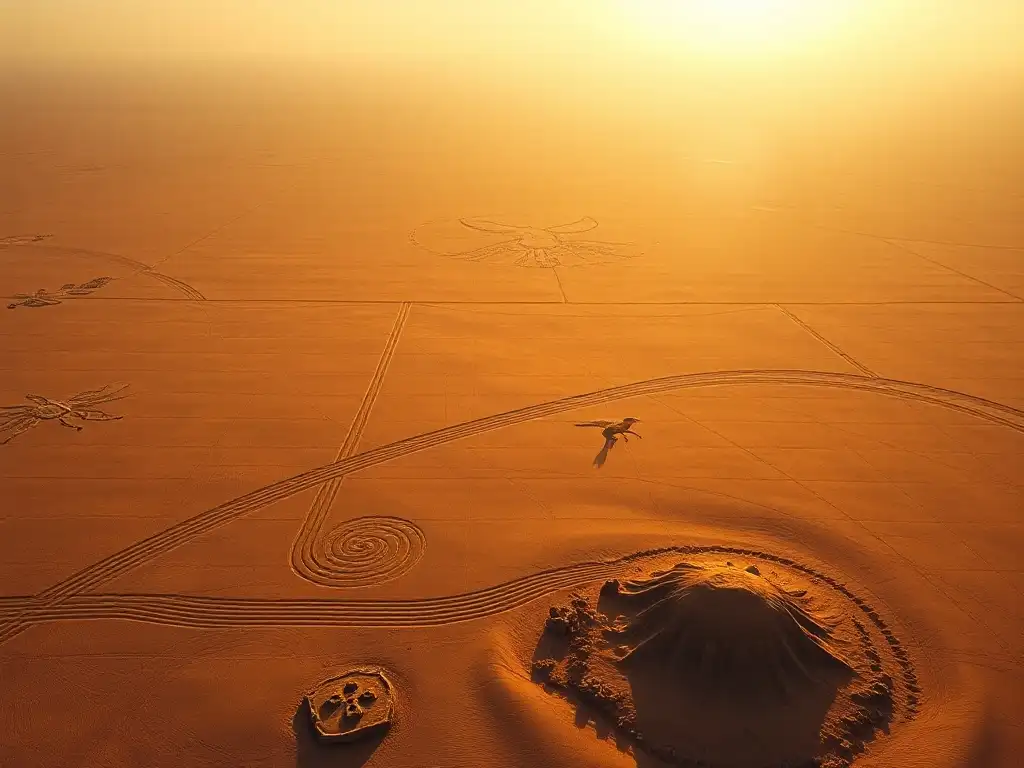
The enigmatic Nazca Lines continue to captivate researchers and the public alike, prompting ongoing debates about their purpose and function. While definitive answers remain elusive, cutting-edge Nazca Lines research findings are continually refining our understanding, revealing new layers of complexity and challenging previously held assumptions. The prevailing theories generally cluster around three main possibilities: ritual and ceremonial practices, astronomical alignments, and the reflection of social organization and labor investment. These are not mutually exclusive, and the true significance likely involved a combination of these factors.
Ritual and Ceremonial Uses of the Geoglyphs
Many scholars believe the Nazca Lines served vital ritual and ceremonial functions within Nazca society. The immense scale of the geoglyphs, their intricate designs, and their location in a geographically significant area strongly suggest a profound spiritual or religious importance. Recent research focusing on the distribution of the lines suggests a possible connection to water sources and pilgrimage routes.
The meticulous nature of their creation implies a significant investment of time and labor, indicating a high level of social importance for the undertaking. Some researchers propose that the lines acted as pathways for processions or ritualistic movements, while others suggest they were connected to specific shrines or ceremonial centers located nearby. The discovery of [specific artifact types pending] near certain geoglyphs lends further credence to this hypothesis.
The intricate designs themselves, often depicting animals and stylized figures, might represent deities, ancestors, or other significant entities within the Nazca worldview. Further research into iconography and comparative mythology is crucial to unlocking the full meaning of these symbolic representations.
Astronomical Alignments and Calendrical Significance
Another compelling theory posits that the Nazca Lines possess astronomical significance, potentially serving as a giant calendar or observatory. Precise surveys have revealed that many lines and figures align with specific celestial events, such as solstices and equinoxes. This alignment isn't random; the precision suggests intentional design.
However, the exact nature of this astronomical function remains debated. Some researchers suggest that the lines were used to track the movements of the sun, moon, and stars, potentially aiding in agricultural practices or religious observances tied to the agricultural cycle. Others propose a more complex system, perhaps incorporating knowledge of planetary movements or even predicting eclipses.
The development of sophisticated computer models and advanced geospatial analysis techniques is providing new insights into these alignments, allowing for more accurate and nuanced interpretations. A particularly interesting recent finding involves the correlation between [specific constellation pending] and a major geoglyph complex, hinting at a possible link between Nazca cosmology and celestial cartography.
The sheer scale of the Nazca Lines project – encompassing hundreds of figures and lines spanning miles – speaks volumes about the social organization and labor investment of the Nazca culture. Creating these geoglyphs required significant planning, coordination, and manpower. This massive undertaking necessitates a highly structured society with a centralized authority capable of mobilizing and directing large workforces.
The lines, therefore, can be interpreted as a manifestation of the Nazca's sophisticated social structures and their capacity for collective action. Analysis of settlement patterns and agricultural practices reveals that the Nazca were not only capable of large-scale engineering projects but also possessed a robust economic system capable of supporting such endeavors. The precise methods used in constructing the lines—including the removal of surface stones to reveal the lighter subsoil—also reveal sophisticated techniques and a deep understanding of the local landscape.
The social implications of this level of collective effort are profound, suggesting a complex system of social control, religious belief, and economic organization that facilitated the creation of these remarkable works. Further research into the [specific social structures pending] of the Nazca civilization is needed to fully understand the implications of this massive labor investment.
This detailed analysis of recent Nazca Lines research findings provides a deeper understanding of the possible purposes and functions of these enigmatic geoglyphs, highlighting the complex interplay between ritual, astronomy, and social organization within Nazca society. The ongoing research continues to unveil new perspectives, enriching our appreciation for this remarkable legacy of Andean civilization.
The Impact of Climate Change on the Nazca Lines
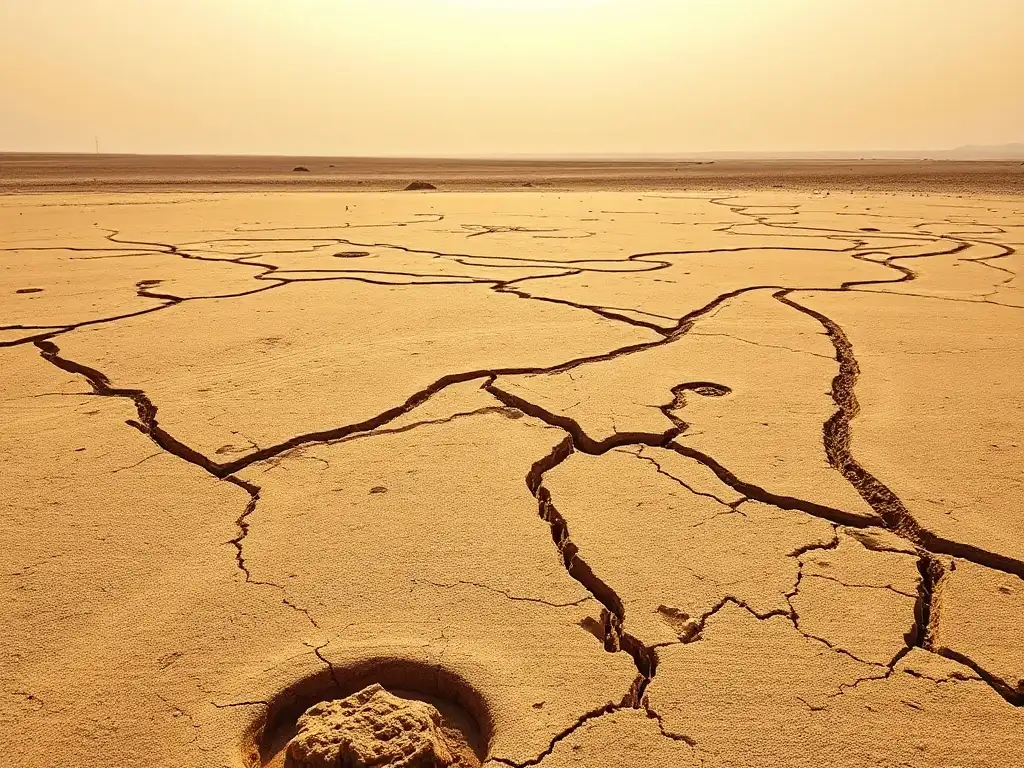
The Nazca Lines, enigmatic geoglyphs etched into the Peruvian desert, are not immune to the effects of climate change. Decades of research on Nazca Lines research findings highlight the increasing vulnerability of these fragile monuments to environmental pressures exacerbated by global warming. Understanding these impacts is crucial for effective preservation strategies. The delicate lines, some barely visible to the naked eye, are susceptible to a range of climate-related threats that are intensifying.
Effects of Erosion and Weathering on the Geoglyphs
The arid climate of the Nazca desert, once a constant, is becoming increasingly unpredictable. Fluctuations in rainfall, even slight increases in precipitation, can lead to significant erosion. The desert's thin topsoil, barely covering the underlying bedrock, is easily washed away by runoff, obscuring the lines or altering their shape. Increased intensity of rainfall events, a hallmark of climate change, poses a particularly severe risk.
Furthermore, extreme temperature variations, with hotter days and colder nights, contribute to the breakdown of the surface material, causing weathering and gradual degradation of the geoglyphs. Studies show a correlation between periods of increased rainfall and accelerated deterioration of certain sections of the lines. For example, [specific data on erosion rates in specific geoglyphs pending], highlighting the need for continuous monitoring and proactive conservation measures.
Conservation Efforts and Preservation Strategies
Recognizing the escalating threat, numerous conservation efforts are underway. These initiatives focus on mitigating the effects of erosion and weathering through various strategies. These include:
- Improved drainage systems: Careful management of water runoff is crucial to prevent the accumulation of water and subsequent erosion. This involves the construction of strategically placed drainage channels and the stabilization of vulnerable areas.
- Soil stabilization techniques: Researchers are exploring methods to strengthen the topsoil and prevent its erosion. This may involve the application of bio-stabilizing agents or the use of protective coverings.
- Remote sensing and monitoring: Advanced technologies, such as satellite imagery and drone surveys, provide valuable data for monitoring the condition of the lines and identifying areas requiring immediate attention. This allows for proactive intervention and the timely implementation of conservation measures.
- Controlled access and visitor management: Restricting access to sensitive areas and implementing sustainable tourism practices are essential to minimizing human impact on the geoglyphs. This involves careful planning of visitor routes and the education of tourists about the fragility of the site.
The effectiveness of these strategies is continuously evaluated, and new approaches are constantly being developed based on the latest Nazca Lines research findings. For instance, [specific example of a new conservation technique and its results pending]. The ongoing challenge lies in balancing preservation needs with the desire to make this incredible site accessible to the public.
Sustainable Tourism and Management of the Site
Sustainable tourism is paramount to the long-term preservation of the Nazca Lines. Uncontrolled tourism can lead to significant damage through trampling, soil compaction, and pollution. Implementing sustainable practices is not only crucial for protecting the site but also for ensuring the economic benefits of tourism are shared equitably with local communities. Key aspects of sustainable tourism management include:
- Limiting visitor numbers: Implementing a system of permits or reservations can help control the number of visitors accessing the site at any given time, reducing the pressure on fragile areas.
- Designated viewing platforms: Providing designated viewing points minimizes the risk of visitors straying from designated paths and causing damage to the geoglyphs.
- Educational programs: Educating visitors about the importance of preserving the site and the fragility of the geoglyphs is crucial to fostering responsible tourism practices. This can involve informative displays, guided tours, and educational materials.
- Community involvement: Engaging local communities in the management and protection of the site ensures their participation and fosters a sense of ownership and responsibility. This also provides economic opportunities for local populations through sustainable tourism activities.
The long-term survival of the Nazca Lines hinges on a concerted effort encompassing scientific research, innovative conservation techniques, and responsible tourism practices. The challenges are significant, but the rewards – preserving this unique cultural heritage for future generations – are immeasurable. Continued research and international collaboration are essential to ensure the preservation of these remarkable Nazca Lines research findings and the site for years to come. 🌎
Nazca Lines Research Findings: A Summary of Key Discoveries
Synthesizing the Latest Scientific Data
Recent years have witnessed a surge in Nazca Lines research findings, fueled by advancements in remote sensing technologies and sophisticated data analysis techniques. This has led to a more nuanced understanding of these enigmatic geoglyphs, challenging some long-held assumptions. For instance, LiDAR (Light Detection and Ranging) surveys have revealed a previously unknown density of lines, far exceeding earlier estimates.
This suggests a far more extensive and complex system than previously imagined, potentially indicating a longer period of creation and a greater investment of human resources than initially thought. Furthermore, spectral analysis of soil samples taken from along the lines has provided insights into the construction techniques employed by the Nazca culture. These analyses show a surprising level of sophistication in their understanding of soil properties and their ability to manipulate the surface to create the stark contrast that makes the lines visible.
The precision involved is remarkable, especially considering the tools and technology available to them. Analysis of the lines’ orientation has also revealed potential astronomical alignments, suggesting a possible connection to celestial events and a sophisticated understanding of astronomy. This is supported by the discovery of several newly identified geoglyphs depicting celestial bodies, adding further weight to this hypothesis.
Implications for Understanding Andean Civilizations
The burgeoning Nazca Lines research findings have profound implications for our understanding of Andean civilizations. The sheer scale and complexity of the geoglyph system necessitate a re-evaluation of the social organization and technological capabilities of the Nazca culture. The intricate planning and coordination required to create such vast and precise works suggests a highly organized society with a strong centralized authority, capable of mobilizing significant labor forces over extended periods.
Furthermore, the potential astronomical alignments point towards a sophisticated understanding of cosmology and a complex worldview deeply connected to the natural world. This contrasts with some earlier interpretations that viewed the Nazca culture as relatively isolated and technologically less advanced than other contemporary Andean societies. The new evidence paints a picture of a more complex and sophisticated civilization, capable of undertaking large-scale projects and possessing advanced knowledge in various fields.
The meticulous nature of the construction also speaks to the importance of these geoglyphs within Nazca society, highlighting their significance in their religious, social, or possibly even political life. Understanding this requires further investigation into the cultural and societal contexts surrounding their creation.
Future Directions in Nazca Lines Investigation
Future research on the Nazca Lines should prioritize several key areas. Firstly, continued application of non-invasive remote sensing technologies like LiDAR and hyperspectral imaging will be crucial in identifying new geoglyphs and uncovering further details about the existing ones. This will allow researchers to map the entire extent of the system and potentially discover new patterns and alignments that could offer further insights into their meaning and purpose. Secondly, more detailed analysis of soil samples and other materials found in association with the lines is needed to refine our understanding of the construction techniques and the materials used.
This could involve advanced chemical analysis and dating techniques to establish a more precise timeline for the creation of the geoglyphs. Thirdly, interdisciplinary research involving archaeologists, anthropologists, astronomers, and other specialists is essential to fully interpret the significance of these remarkable works. By combining expertise from different fields, we can gain a more holistic understanding of their cultural, social, and astronomical contexts.
Finally, investigating the potential impact of environmental factors on the preservation of the lines, such as erosion and climate change, is crucial for ensuring their long-term protection and conservation. This requires a detailed study of the geological and climatic conditions impacting the Nazca desert. The continued exploration of these avenues promises to unlock even more secrets about the Nazca Lines and their creators, enriching our understanding of this fascinating chapter in Andean history.
Conclusion: The Enduring Legacy of the Nazca Lines
The Nazca Lines remain one of the most enigmatic and captivating archaeological mysteries of the world. Decades of research, fueled by recent advancements in technology and methodologies, have significantly expanded our understanding of their creation, purpose, and cultural significance. While definitive answers may remain elusive, the ongoing investigation continues to unearth fascinating details, challenging previous assumptions and rewriting established narratives.
The lines are not merely ancient etchings in the desert; they represent a complex interplay of astronomical observations, ritualistic practices, and a sophisticated understanding of the landscape by the Nazca culture. This legacy extends far beyond the lines themselves, providing invaluable insights into the ingenuity, artistry, and worldview of a civilization that thrived in a seemingly inhospitable environment. The Nazca Lines research findings continue to inspire wonder and drive further investigation, solidifying their place as a powerful testament to human creativity and the enduring power of cultural heritage.
Reflecting on the Significance of Nazca Art
The Nazca Lines are not isolated phenomena; they are deeply embedded within the broader artistic and cultural landscape of the Nazca civilization. The intricate designs, often depicting animals, plants, and geometric patterns, reflect a profound connection to the natural world. Recent studies using high-resolution imagery and advanced GIS technologies have revealed subtle details previously unseen, highlighting the sophistication of the artists' techniques and their understanding of perspective and scale.
The sheer scale and precision of the geoglyphs are astonishing, demanding a level of collaborative effort and organizational prowess that speaks volumes about the social structure and societal cohesion of Nazca society. Furthermore, the discovery of associated artifacts and settlements near the lines provides valuable context, enriching our understanding of the rituals and beliefs that likely informed their creation. Analyzing the stylistic elements and iconography within the lines allows researchers to trace cultural evolution and identify possible influences from other Andean cultures.
This holistic approach to studying Nazca art, beyond the lines themselves, offers a more comprehensive picture of this remarkable civilization. The intricate designs, for example, often mirror motifs found on Nazca pottery and textiles, suggesting a unified artistic vision across different mediums. The Nazca Lines research findings in this area suggest a far more complex and nuanced understanding of their artistic expression than previously imagined.
The Importance of Continued Research and Conservation
Despite significant advancements, much remains unknown about the Nazca Lines. Continued research is crucial not only to unravel the remaining mysteries but also to ensure the long-term preservation of this invaluable cultural heritage. Ongoing projects utilize various technologies, including drone surveys, satellite imagery, and ground-penetrating radar, to map the lines in greater detail and identify previously unknown geoglyphs.
These technological advancements, combined with meticulous fieldwork and interdisciplinary collaboration, are instrumental in expanding our understanding of the lines' creation, purpose, and significance. Moreover, the fragility of the lines necessitates ongoing conservation efforts to protect them from the elements and human impact. Sustainable tourism practices, coupled with robust environmental monitoring, are essential to mitigate the risk of degradation and ensure the lines' survival for future generations.
The Nazca Lines research findings highlight the urgent need for continued investment in research, conservation, and public education initiatives to safeguard this irreplaceable part of humanity's past. Future research might focus on analyzing soil samples to determine the tools used in the creation process or employing advanced dating techniques to pinpoint more precisely the timeline of their construction.
Preserving the Nazca Lines for Future Generations
The preservation of the Nazca Lines is not merely an archaeological concern; it is a responsibility shared by the global community. These geoglyphs represent a unique and irreplaceable part of human history, offering invaluable insights into the cultural achievements and worldview of a fascinating civilization. Effective conservation strategies must address a multitude of challenges, including natural erosion, climate change, and the impact of human activity.
This requires a multi-pronged approach encompassing stringent environmental regulations, sustainable tourism management, and public awareness campaigns to educate visitors about the fragility of the site and the importance of responsible behavior. Furthermore, international collaboration and the sharing of expertise are essential to develop and implement effective long-term preservation plans. The Nazca Lines research findings emphasize the need for a proactive and holistic approach to conservation, ensuring that these remarkable geoglyphs remain a source of wonder and inspiration for generations to come.
Initiatives like establishing buffer zones, limiting access to sensitive areas, and implementing advanced monitoring systems are crucial steps towards achieving this goal. The future of the Nazca Lines hinges on our collective commitment to their preservation. The legacy of the Nazca people demands nothing less.
Frequently Asked Questions
What are the Nazca Lines, and where are they located?
The Nazca Lines are geoglyphs—large designs etched into the ground—located in the Nazca Desert of southern Peru. These enigmatic figures range from simple lines to complex representations of animals and plants.
What is the purpose of the Nazca Lines?
Their purpose remains a mystery, although leading theories suggest they were used for ceremonial purposes, possibly linked to religious beliefs or water rituals. No single explanation is universally accepted.
What are some recent research findings regarding the Nazca Lines?
Recent research utilizes advanced technologies like drones and satellite imagery to better understand the Lines' scale and complexity. New findings are constantly being made about their construction techniques and possible meanings.
How were the Nazca Lines created, and what materials were used?
The Nazca people created the Lines by removing the dark topsoil to reveal the lighter subsoil underneath. They used simple tools, possibly wooden stakes and sticks, to accomplish this monumental task.
What are the implications of the Nazca Lines research for our understanding of Nazca culture?
Research on the Nazca Lines continues to shed light on the sophisticated engineering and societal organization of the Nazca culture. Their creation reveals a deep understanding of geometry, astronomy, and land management.
Final Reflection: Echoes Across the Centuries: The Enduring Mystery of the Nazca Lines
The intricate geoglyphs of the Nazca Lines remain a powerful testament to human ingenuity and the enduring allure of the unknown, a mystery that continues to resonate deeply in our technologically advanced world. Their continued study not only reveals fascinating insights into the Nazca culture but also challenges our assumptions about ancient civilizations and their capabilities, forcing us to reconsider our understanding of history and societal development.
The impact of the Nazca Lines extends far beyond the arid plains of Peru; they serve as a potent symbol of human creativity and our innate desire to leave a mark on the world. Their enduring mystery has captivated generations, inspiring countless theories and fueling ongoing research. The Nazca Lines are a window into a lost world, a testament to the power of human imagination and the enduring quest for meaning.
This quote encapsulates the profound influence these lines have had, not only on archaeological studies but also on our collective imagination and our understanding of the human spirit.
Consider the implications of these discoveries. What can we learn from the Nazca's dedication to creating such monumental works? How can we apply their innovative approaches to problem-solving in our own lives? You, the reader, are now part of this ongoing conversation. Take a moment to reflect on the enduring power of human creativity and the mysteries that still await discovery. Let the Nazca Lines inspire you to explore the unknown, to question assumptions, and to appreciate the rich tapestry of human history. The quest for understanding continues, and your curiosity is the key.
Unveil the Secrets of the Nazca Lines!
Thank you for exploring the captivating world of the Nazca Lines! We hope this article has sparked your curiosity and provided fresh insights into these ancient wonders. Now that you've learned more, we encourage you to delve even deeper.
Here are some ways you can continue your exploration:
- Take a guided tour to witness the majesty of the Nazca Lines firsthand.
- Attend a lecture or workshop on Andean civilizations to expand your knowledge and connect with fellow enthusiasts.
- Share this article with friends and family who share your interest in history—start a conversation about the enduring mysteries of the Nazca culture!
What aspects of the Nazca Lines do you find most intriguing, and how do you believe they impacted ancient Andean society?