
The Sacred Landscape: Exploring the Spiritual Significance of Andean Sites

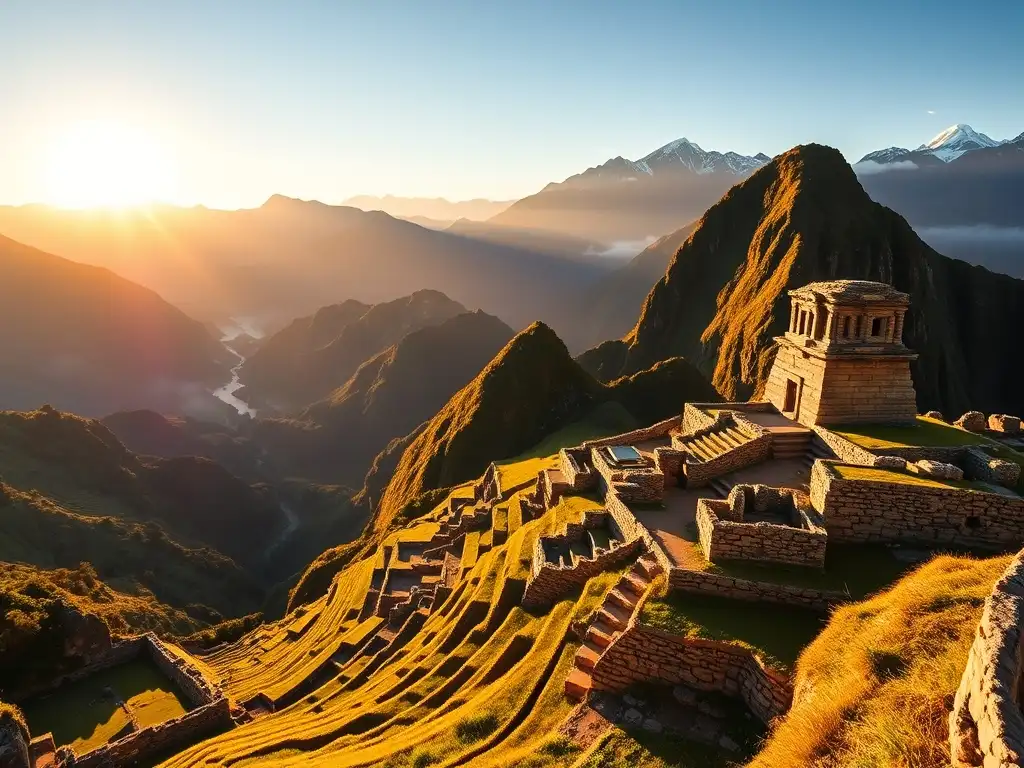
Step into a world lost to time, yet echoing with the whispers of ancient spirits. Discover the enigma of the Andean civilizations, their breathtaking artistry, and the profound legacy they left behind. This journey begins with exploring the Andean spiritual sites significance, revealing how these sacred landscapes shaped the beliefs and practices of the Incas, Moche, Nazca, and more. Prepare to be captivated by a story far older – and more intriguing – than you ever imagined.
The Andes Mountains, a spine of towering peaks stretching along the western edge of South America, were far more than just a geographical feature to the ancient civilizations that thrived there. For the Incas, Moche, Nazca, Tiwanaku, and countless other Andean cultures, the landscape itself was imbued with profound spiritual meaning. This article delves into the fascinating world of Andean spiritual sites, exploring their significance within the context of these remarkable societies.
We will uncover how these sites, from monumental stone structures to seemingly humble natural formations, played vital roles in Andean cosmology, religious practices, and daily life, revealing a deep connection between the people and their environment. Understanding this sacred landscape provides a crucial key to unlocking the complexities and richness of Andean civilizations and their enduring legacy.
This exploration will examine both well-known sites and lesser-known locations, highlighting the diverse ways in which the Andean peoples interacted with and venerated their sacred world. The significance of these sites extends beyond mere archaeological interest; they represent a powerful testament to the enduring spiritual beliefs and practices that shaped these ancient societies.
Cosmovision and the Andean Landscape
The Andean worldview, or cosmovision, was deeply intertwined with the physical landscape. Mountains were not simply geographical barriers; they were considered apu, powerful deities inhabiting the peaks and influencing the lives of those living in the valleys below. Rivers, too, held immense spiritual importance, often seen as life-giving forces connecting the earthly realm to the supernatural.
Archaeological evidence reveals elaborate rituals and offerings performed at sacred springs and along riverbanks, highlighting the reverence for these vital water sources. The intricate relationship between the people and their environment is reflected in the careful selection of sites for settlements, agricultural terraces, and religious structures, all strategically placed within the context of the surrounding landscape. Further research into specific sites, such as [specific site name pending], could illuminate the precise methods used to determine site locations and the significance of specific geographic features.
Sacred Sites and Ritual Practices
Andean spiritual sites served as focal points for a wide range of rituals and ceremonies. These practices varied across different cultures and time periods, but common themes emerge. For example, the Inca utilized huacas, sacred objects or places, which could range from mountains and rocks to springs and caves. These huacas were often the sites of elaborate ceremonies involving offerings of food, drink, textiles, and even human sacrifices (although the extent and nature of human sacrifice are still debated among scholars).
The Moche, known for their sophisticated artistry, left behind stunning depictions of ritual activities in their pottery, providing valuable insights into their religious beliefs and practices. [Specific examples of Moche pottery depicting rituals pending]. The Nazca lines, though their purpose remains a subject of ongoing debate, are also likely linked to religious rituals and astronomical observations, further emphasizing the integration of spirituality into daily life.
The Role of Astronomy in Andean Spirituality
The Andean peoples had a deep understanding of astronomy, and celestial events played a significant role in their spiritual beliefs. Many sacred sites were strategically positioned to align with specific astronomical phenomena, such as solstices and equinoxes. This suggests a sophisticated knowledge of astronomy and its application in religious practices.
For example, [specific example of an astronomically aligned site and its significance pending]. The precise methods used for astronomical observations and their integration into religious rituals are still being investigated, but ongoing research continues to reveal the intricate connections between the Andean cosmovision and the celestial sphere. The integration of astronomical knowledge into the design and orientation of sacred sites underscores the sophisticated understanding of the cosmos held by Andean cultures.
Ongoing Research and Future Discoveries
The study of Andean spiritual sites is a dynamic and evolving field. New archaeological discoveries and advanced research techniques continue to shed light on the complexities of Andean spirituality. The use of [specific research techniques pending] is revolutionizing our understanding of these sites, revealing previously unknown details about their construction, use, and significance. Future research promises to further illuminate the rich tapestry of Andean spiritual beliefs and practices, offering a deeper appreciation for the profound connection between these ancient cultures and their sacred landscape.
The ongoing exploration of these sites helps us better understand the enduring legacy of Andean civilizations and their impact on our world today. The study of Andean spirituality is a testament to the enduring power of human belief and the enduring mystery of the past. 🎁
- Cosmovision and the Andean Landscape
- Sacred Sites and Ritual Practices
- The Role of Astronomy in Andean Spirituality
- Ongoing Research and Future Discoveries
Understanding the Andean Spiritual Worldview
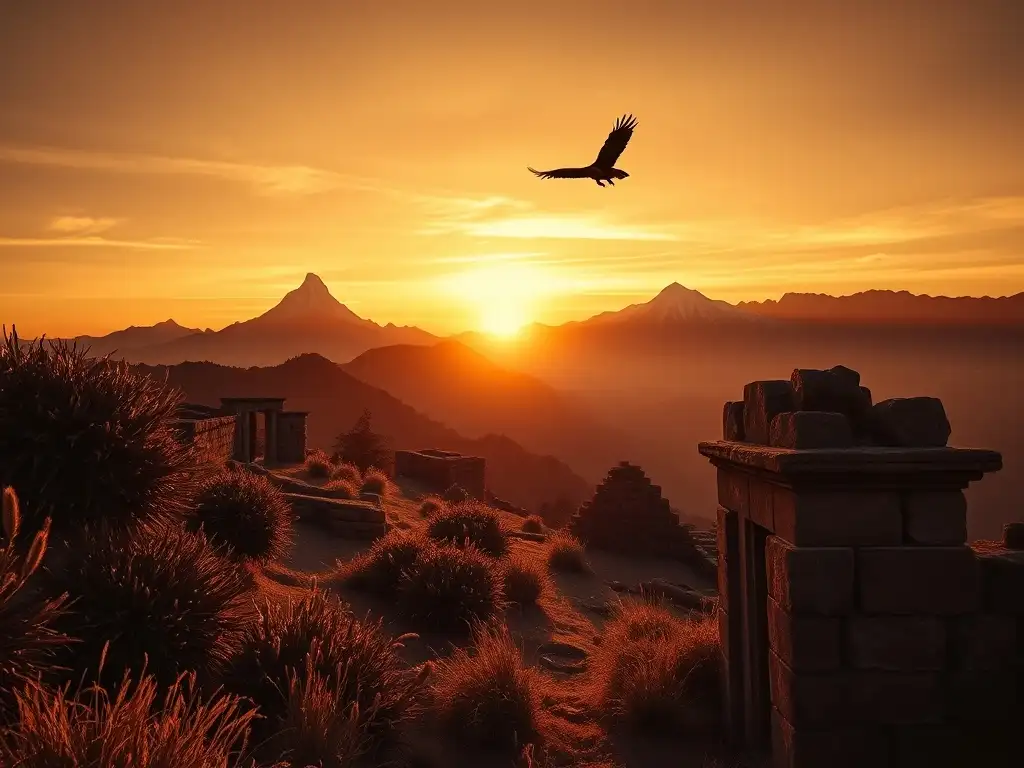
This section delves into the core beliefs that shaped the Andean understanding of the world and their profound connection to specific landscapes, ultimately informing the significance of their spiritual sites. The Andean worldview wasn't simply a belief system; it was a lived experience, intricately woven into their daily lives, agricultural practices, and social structures. Understanding this interconnectedness is crucial to appreciating the profound significance of Andean spiritual sites.
The Andean people did not see themselves as separate from nature but rather as an integral part of a living, breathing cosmos. This holistic perspective is fundamental to deciphering the meaning behind the numerous archaeological discoveries found across the Andes.
The Concept of Sacred Space in Andean Beliefs
The Andean concept of sacred space wasn't confined to designated temples or ceremonial centers alone. Instead, sacredness permeated the entire landscape. Mountains, rivers, caves, and even specific rocks were imbued with spiritual power, often associated with specific deities or ancestors. These places weren't just visually striking; they were considered portals to the supernatural realm, where the living could interact with the spirit world.
This belief system is evidenced by the careful selection of sites for settlements, agricultural terraces, and monumental constructions, all strategically positioned within this sacred geography. The placement of these sites wasn't arbitrary; rather, it reflects a deep understanding of the energetic flow within the landscape, aligning human activity with the natural rhythms of the cosmos. Archaeological excavations often reveal intricate patterns and alignments that underscore this deep connection between the physical world and the spiritual realm.
The Importance of Mountains and Water in Andean Cosmology
Mountains and water held paramount importance in Andean cosmology. Mountains were considered the dwelling places of powerful deities, often associated with fertility, protection, and ancestral spirits. Their towering peaks represented the connection between the earthly and celestial realms, acting as intermediaries between the human and divine worlds.
Water, equally crucial, was viewed as a life-giving force, representing purity, renewal, and the continuous cycle of life and death. Rivers, springs, and lakes were considered sacred, often serving as sites for ritual offerings and ceremonies. The intricate network of canals and aqueducts constructed by Andean civilizations not only served practical purposes but also reflected their deep respect for water and its spiritual significance.
The precise engineering of these systems underscores the profound importance attributed to the careful management and veneration of this vital resource. Analysis of the location of settlements near water sources further emphasizes the deeply intertwined relationship between water, sacred space, and human life in the Andes.
The Role of the Sun and Moon in Andean Rituals
The sun and moon played pivotal roles in Andean rituals and ceremonies. The sun, often associated with the supreme deity Inti, was worshipped as the source of life and energy, responsible for the growth of crops and the well-being of the community. The moon, also a significant deity, was associated with fertility, cycles of nature, and the feminine principle.
Many Andean sites are oriented towards the sun and moon, indicating the importance of celestial events in their religious calendar. For example, the precise alignment of structures with solstices and equinoxes suggests a sophisticated understanding of astronomy and its integration into their spiritual practices.
The discovery of numerous artifacts depicting solar and lunar imagery reinforces the central role of these celestial bodies in Andean religious beliefs and the significance of their observation in shaping the Andean understanding of time and the cosmos. The meticulous recording and interpretation of celestial cycles demonstrates a sophisticated level of astronomical knowledge intertwined with their spiritual practices, further highlighting the profound significance of Andean spiritual sites.
Key Andean Spiritual Sites and Their Significance
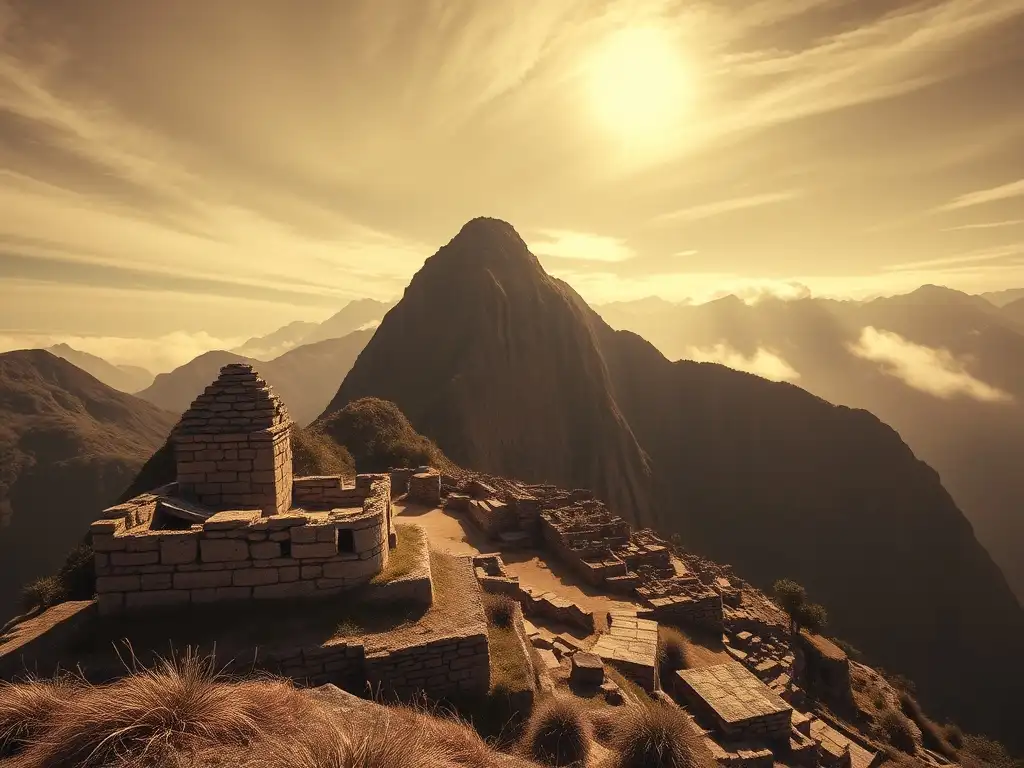
This section delves into the profound spiritual significance of several key Andean sites, exploring their roles beyond their apparent practical functions. Understanding the interwoven nature of the Andean worldview – where the sacred permeated daily life – is crucial to appreciating these locations. The careful consideration of astronomical alignments, agricultural practices, and the intricate architecture all point to a sophisticated cosmology deeply embedded within the landscape itself. The term "Andean spiritual sites significance" encapsulates the rich tapestry of beliefs and practices reflected in these remarkable places.
Machu Picchu: A Royal Estate and Sacred Sanctuary
Machu Picchu, famously known as the "Lost City of the Incas," transcends its image as a simply impressive architectural feat. While undoubtedly a royal estate, evidence suggests a much deeper spiritual purpose. Its location, perched high in the Andes Mountains, strategically aligned with significant celestial events, reinforces its sacred nature. The precise placement of buildings, terraces, and water features wasn't merely for practical reasons; they were carefully orchestrated to harness the power of the sun, moon, and stars.
The Intihuatana stone, a prominent feature, is believed to have been used for solar observations and ritualistic ceremonies. Its carefully carved surfaces and strategic positioning suggest a sophisticated understanding of astronomy and its connection to the Inca worldview. Furthermore, the intricate agricultural terraces, though serving a practical purpose, were likely also imbued with spiritual significance, representing the Inca's connection to the earth and its bounty.
The very act of cultivating the land was a sacred act, a way of interacting with the divine forces that sustained life. The abundance of evidence of religious iconography further supports the notion of Machu Picchu as a place of profound spiritual importance, a royal sanctuary interwoven with sacred practices.
Sacsayhuaman: A Fortress with Ritualistic Purposes
Sacsayhuaman, a colossal fortress located near Cusco, presents a compelling case study of the integration of military and religious functions. While its imposing walls and strategic location undoubtedly served defensive purposes, closer examination reveals a far more complex role. The massive, precisely fitted stones, some weighing over 100 tons, are a testament to the Inca's engineering prowess. However, their arrangement and orientation also suggest a deliberate alignment with celestial events and the surrounding landscape.
The three distinct terraces of Sacsayhuaman might represent a symbolic representation of the three worlds in Inca cosmology: the upper world (Hanan Pacha), the middle world (Kay Pacha), and the underworld (Ukhu Pacha). Further research is needed to fully understand the intricate astronomical alignments [specific information pending], but the sheer scale and precision of the construction strongly suggest a deeply symbolic and ritualistic purpose beyond simple fortification.
The presence of water channels and other features further suggests the integration of water, a vital element in Andean spirituality, into the sacred landscape of Sacsayhuaman. The fortress's significance is not solely military; it was a powerful symbol of Inca power and a site of religious ceremonies and rituals.
Ollantaytambo: A Town with Agricultural and Spiritual Significance
Ollantaytambo, a remarkably well-preserved Inca town located in the Sacred Valley, stands as a testament to the interconnectedness of agriculture and spirituality in the Andean world. The town's layout, with its intricate agricultural terraces cascading down the mountainside, showcases the Inca's mastery of water management and agricultural techniques. However, these terraces weren't merely practical; they were integral to the town's spiritual life.
The terraces, meticulously constructed and aligned with the surrounding landscape, were believed to be a direct link to the earth's fertility and abundance. The careful cultivation of crops was not simply a means of subsistence; it was a sacred ritual, a way of honoring the Pachamama (Mother Earth) and ensuring a bountiful harvest.
The town itself, with its imposing stone structures, likely served as a center for religious ceremonies and festivals celebrating the agricultural cycle and the interconnectedness of the community with the natural world. Ollantaytambo's significance lies in its demonstration of the holistic Andean worldview, where spiritual practices were deeply embedded in daily life, particularly in the vital act of agriculture.
The very act of farming was a spiritual practice, ensuring harmony between humanity and the natural world. Further research into the specific rituals performed at Ollantaytambo is needed [specific information pending], but the evidence strongly supports its sacred status beyond its practical functions.
Lake Titicaca: The Birthplace of the Inca Empire and its Spiritual Underpinnings
Lake Titicaca, situated high in the Andes Mountains on the border of Peru and Bolivia, holds immense spiritual significance for numerous Andean cultures, most notably the Inca. The lake's vastness, its elevation, and its unique ecosystem contributed to its sacred status. Inca mythology identifies Lake Titicaca as the birthplace of the Inca civilization. Legends tell of the emergence of Manco Cápac and Mama Ocllo, the founders of the Inca empire, from the lake's depths.
This origin story cemented the lake's importance as a site of creation and imperial legitimacy. The lake's waters were considered sacred, imbued with life-giving power, and essential to the Inca worldview. Rituals and offerings were frequently made to the lake, seeking blessings for harvests, fertility, and the well-being of the empire.
The islands within Lake Titicaca, such as the Uros floating islands and the Isla del Sol (Island of the Sun), further enhance its spiritual importance. The Uros people, known for their unique floating islands constructed from reeds, maintain a strong connection to the lake and its spiritual energies. Their traditions and way of life reflect a deep reverence for the lake's life-sustaining properties. The Isla del Sol, meanwhile, is considered a particularly sacred site.
Inca ruins and ceremonial sites dot the island, attesting to its importance as a pilgrimage destination and a center of religious activity during the Inca empire. Archaeological evidence reveals the presence of elaborate temples and shrines, suggesting complex religious practices associated with sun worship and fertility rites. The island's breathtaking landscape, combined with its rich history, further underscores its profound spiritual significance. The sheer scale of the lake and the islands, coupled with the dramatic Andean scenery, creates an awe-inspiring environment that fostered a profound sense of the sacred.
The reverence for Lake Titicaca continues to this day, with many Andean communities maintaining their traditional beliefs and practices related to the lake's spiritual power. The lake remains a vital part of their cultural identity, demonstrating the enduring legacy of Andean spirituality. Understanding the spiritual significance of Lake Titicaca provides invaluable insight into the core beliefs and practices of the Inca and other Andean cultures. The lake's enduring influence on Andean spirituality highlights its central role in shaping the region's cultural landscape.
Analyzing the Spiritual Significance of Andean Architecture
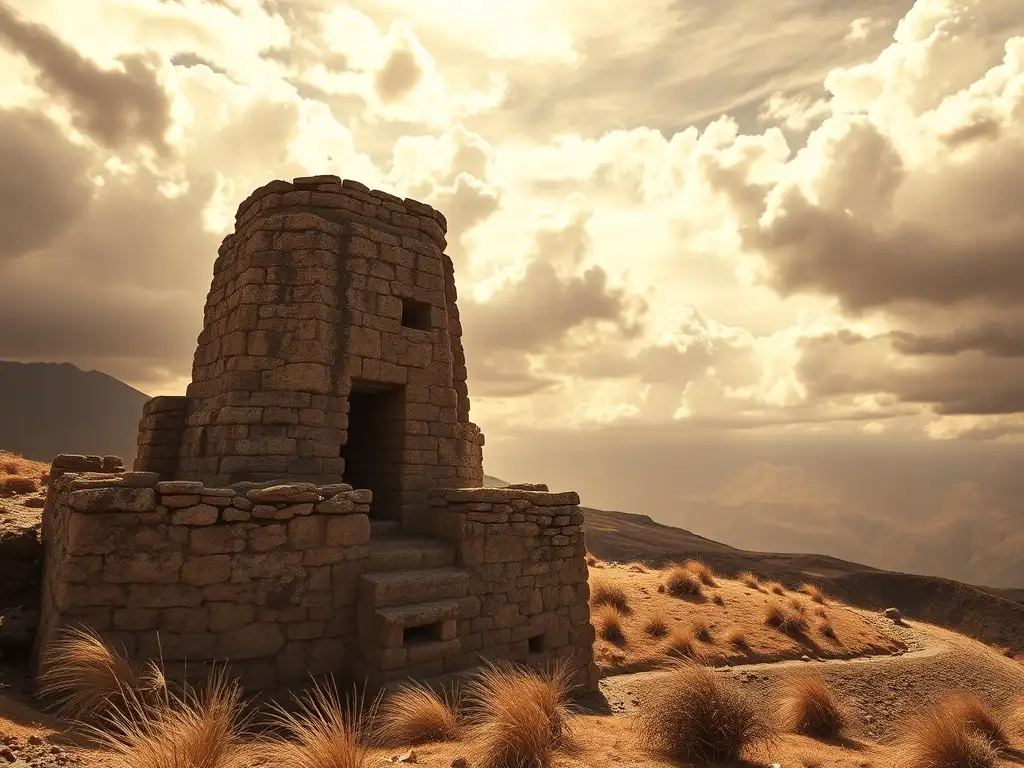
The Andean civilizations imbued their architecture with profound spiritual meaning, creating structures that were not merely functional but served as powerful conduits to the supernatural realm. Understanding this spiritual significance requires examining the intricate relationship between their built environment and their cosmology, a complex system of beliefs centered around the interplay of celestial bodies, ancestral spirits, and the forces of nature. This section delves into key aspects of Andean architecture, revealing how seemingly mundane architectural choices held deep symbolic weight, reflecting a sophisticated understanding of the cosmos and their place within it. The careful alignment of structures with celestial events, the purposeful use of Intihuatana stones, and the pervasive application of sacred geometry all contribute to a comprehensive understanding of the Andean concept of sacred space. This analysis will focus on the Andean spiritual sites significance, highlighting the unique ways in which these cultures expressed their beliefs through their buildings.
Architectural Alignment with Celestial Events
Many Andean structures, from monumental complexes like Machu Picchu to smaller ceremonial sites, exhibit a striking alignment with celestial events. This wasn't accidental; meticulous astronomical observations informed the placement and orientation of buildings. For instance, the precise positioning of the sun during solstices and equinoxes played a crucial role in the design of several structures. The rising and setting sun on these specific days often marked significant points within the architecture, perhaps illuminating a specific niche or creating a dramatic shadow play on a particular wall.
The meticulous nature of these alignments suggests a deep understanding of astronomy and its relationship to their spiritual beliefs. This wasn't simply a matter of practical timekeeping; the sun, moon, and stars were believed to be powerful deities, and aligning buildings with their movements was a way of symbolically connecting the earthly realm with the celestial one. This connection was vital for maintaining cosmic balance and ensuring the prosperity of the community.
Further research is needed to fully understand the specific astronomical events targeted in various sites, but existing data strongly suggests a sophisticated level of astronomical knowledge far beyond simple observation. Detailed studies of specific sites, such as [specific site data pending], could shed more light on this fascinating aspect of Andean architecture.
The Use of Intihuatana Stones and Their Symbolic Meaning
Intihuatana stones, often found at the highest points of Andean ceremonial centers, are enigmatic monoliths whose purpose remains a subject of ongoing debate. The name itself, meaning "where the sun is tied," hints at their likely function in rituals related to the sun's yearly cycle. While their precise use is still unclear, archaeological evidence suggests they served as focal points for ceremonies marking solstices and equinoxes. These events were believed to be times of heightened spiritual energy, and the Intihuatana stones likely played a crucial role in harnessing and directing this energy.
The symbolic meaning of Intihuatana stones extends beyond their astronomical function. Their shape, often resembling a truncated pyramid or a stylized mountain, reflects the Andean worldview, connecting the earthly realm with the sacred mountains believed to be the dwelling places of powerful deities. The stones' placement at the highest points of the sites further emphasizes this connection, literally placing them at the apex of the sacred landscape. The intricate carvings found on some Intihuatana stones, while often difficult to interpret, likely added another layer of symbolic meaning, perhaps representing specific deities or cosmological concepts.
More detailed analysis of these carvings, using advanced imaging techniques, could potentially reveal previously hidden information about their significance. The complex interplay of astronomy, cosmology, and symbolism surrounding these stones underscores the profound spiritual weight they held within Andean society. 🗺️
The Importance of Sacred Geometry in Andean Construction
The application of sacred geometry in Andean architecture is another significant indicator of its spiritual significance. The use of precise measurements, geometric patterns, and symbolic shapes wasn't merely aesthetic; it reflected a deep understanding of the underlying order of the universe.
Many structures incorporate elements of sacred geometry, such as repeating patterns, symmetrical layouts, and the use of specific angles and proportions. This intentional use of geometric principles suggests a belief that the cosmos itself was governed by mathematical laws, and by mirroring these laws in their architecture, the Andeans sought to create spaces that harmonized with the universe's underlying order.
The prevalence of specific geometric shapes, such as squares, circles, and triangles, likely held symbolic meaning related to cosmological concepts. For example, the square might have represented the earth, while the circle could have symbolized the sun or the cosmos itself. The integration of these shapes into the overall design of buildings created a complex tapestry of symbolic meaning, reflecting a sophisticated understanding of the relationship between geometry, cosmology, and spirituality.
Further research, including detailed analysis of architectural plans and the incorporation of [specific geometric data pending], is needed to fully elucidate the meaning behind this pervasive use of sacred geometry in Andean architecture. The meticulous precision and symbolic richness of this geometric application continue to fascinate researchers and highlight the profound spiritual dimension of Andean architectural design. 📐
Rituals and Practices at Andean Spiritual Sites
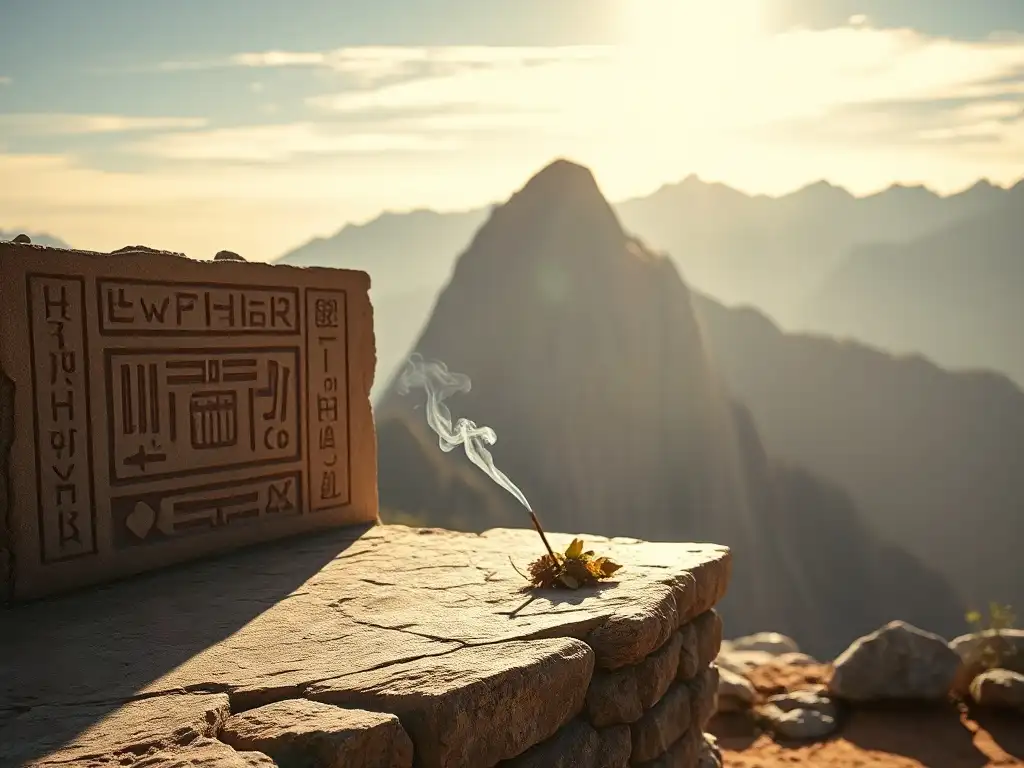
This section delves into the diverse rituals and practices performed at Andean spiritual sites, highlighting their importance in the daily lives and cosmological beliefs of these ancient societies. Understanding these rituals provides crucial insight into the deeply intertwined relationship between the Andean peoples and their sacred landscapes. The significance of these practices extended beyond mere ceremony; they were integral to maintaining cosmic balance, ensuring agricultural prosperity, and securing the well-being of the community.
The sheer variety of rituals across different Andean cultures underscores the richness and complexity of their spiritual world. We'll explore some key aspects of these practices, focusing on offerings, the role of religious specialists, and the pervasive use of music and dance.
Offerings and Ceremonies Performed at Sacred Places
Offerings constituted a central aspect of Andean religious life. These weren't simply gifts; they were acts of reciprocity, aimed at appeasing deities, ancestors, and the powerful forces of nature. The types of offerings varied considerably depending on the specific context and the nature of the deity or spirit being addressed. Common offerings included:
- Llama and alpaca sacrifices: These animals, crucial to Andean economies, were considered sacred and their sacrifice a highly significant act. The quality of the animal, its age, and the manner of sacrifice all held symbolic meaning.
- Agricultural products: Maize, potatoes, coca leaves, and other crops formed a significant part of offerings, reflecting the deep connection between Andean spirituality and agriculture. The abundance of these offerings underscores the importance of agricultural success in their worldview.
- Textiles and pottery: Elaborately crafted textiles and finely decorated pottery were often included in offerings, showcasing the high level of artistic skill and the value placed on these artifacts. These items often bore intricate designs that held further symbolic meanings related to the specific ceremony.
- Precious metals and stones: Gold, silver, and various semi-precious stones were used in offerings, particularly in contexts associated with high-ranking individuals or important deities. The use of these materials highlights the value placed on these resources within Andean societies.
The ceremonies themselves varied in scale and complexity. Some involved small, private rituals performed by individuals or families, while others were large-scale public events involving entire communities. The timing of these ceremonies was often linked to the agricultural calendar, with major festivals coinciding with planting and harvest seasons. Accurate data on the frequency and specifics of these ceremonies is still emerging from ongoing archaeological research, but it's clear that they were woven into the fabric of Andean life.
The Role of Priests and Shamans in Andean Spirituality
The Andean spiritual world was not a disorganized collection of beliefs; rather, it was carefully structured and maintained by specialized religious practitioners. Priests and shamans played crucial roles in mediating between the human and supernatural worlds. Their expertise included:
- Conducting rituals and ceremonies: Priests and shamans were responsible for performing the complex rituals described above, ensuring the proper execution of procedures and the correct interpretation of omens. Their knowledge of ritual practices was passed down through generations, maintaining the continuity of religious traditions.
- Interpreting omens and prophecies: These religious specialists possessed skills in interpreting natural phenomena, such as the flight of birds or the patterns of stars, to predict future events or understand the will of the gods. This ability was crucial for decision-making within the community.
- Healing the sick: Shamans, in particular, were often skilled healers, using herbal remedies, rituals, and other techniques to treat illnesses. Their knowledge of medicinal plants and their spiritual understanding of disease were essential to community health.
- Maintaining social order: By acting as intermediaries between the human and supernatural realms, priests and shamans played a vital role in maintaining social order and resolving conflicts. Their authority derived from their spiritual knowledge and their ability to interact with the supernatural world.
The precise social standing and power dynamics between priests and shamans varied across different Andean cultures, requiring further research to fully understand the nuances of their roles and interactions. Nevertheless, their presence in Andean spiritual life was undeniable, shaping religious practices and influencing societal structures.
The Significance of Music and Dance in Andean Rituals
Music and dance were not mere forms of entertainment in Andean cultures; they were integral components of religious rituals, serving both practical and symbolic functions. The rhythmic sounds and movements were believed to have the power to:
- Connect with the supernatural: Music and dance were used to invoke deities, ancestors, and other spiritual entities, creating a conduit for communication between the human and supernatural worlds. The specific melodies and dance steps often held symbolic meanings relating to the specific deity or occasion.
- Maintain cosmic balance: The structured movements and rhythmic patterns of Andean dances were believed to mirror the cosmic order, helping to maintain harmony and balance in the universe. Disruptions in these patterns were believed to have negative consequences.
- Enhance agricultural fertility: Many dances were directly related to agricultural cycles, with movements mimicking the growth of crops or the natural rhythms of the land. These rituals served to ensure the fertility of the land and the success of the harvest.
- Strengthen community bonds: Ritual dances often involved large groups of people, fostering a sense of community and shared identity. The collaborative nature of these performances reinforced social cohesion and strengthened communal ties.
Archaeological evidence, including depictions on pottery and textiles, suggests the widespread use of musical instruments such as panpipes, drums, and flutes in Andean rituals. The specific musical styles and dance forms varied across different regions and cultures, reflecting the diversity of Andean spiritual traditions. Further research is needed to fully understand the complex relationship between music, dance, and Andean spirituality, but their importance is clearly evident in the archaeological record.
The Enduring Legacy of Andean Spiritual Beliefs
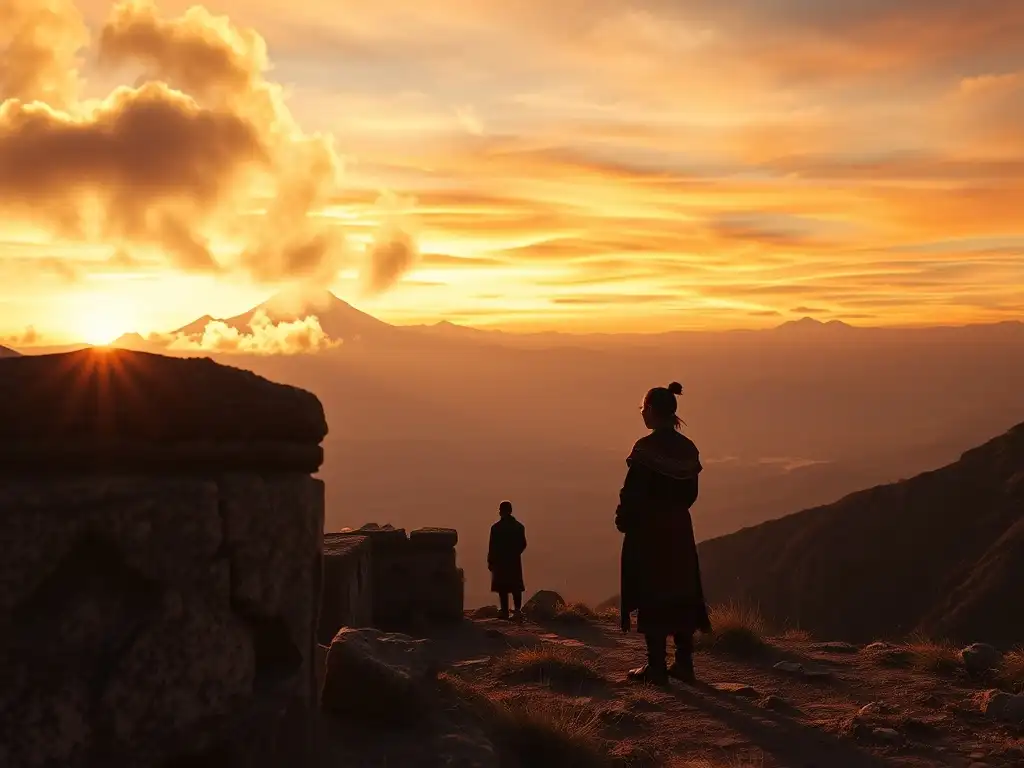
The Andean worldview, deeply intertwined with the physical landscape, continues to resonate in contemporary Andean societies. For centuries, the mountains, rivers, and celestial bodies weren't merely geographical features; they were living entities, imbued with spiritual power and directly influencing the lives of Andean peoples. This animistic perspective, where spirits inhabit the natural world, profoundly shaped their social structures, agricultural practices, and artistic expressions.
The legacy of these beliefs is not a relic of the past; it's a vibrant, evolving force shaping Andean identities and cultural practices today. Understanding this enduring legacy requires acknowledging the complex interplay between ancient traditions and modern interpretations. The continued reverence for apus (mountain spirits) and pachamama (Mother Earth), for example, demonstrates the enduring strength of these ancient beliefs.
We can see evidence of this in continued offerings and ceremonies performed throughout the Andes, even in urban settings. The persistence of these practices highlights the enduring power of Andean spiritual beliefs and their profound influence on the region's cultural identity.
Modern Interpretations of Andean Spirituality
Modern interpretations of Andean spirituality are diverse and often blend ancient traditions with contemporary influences. While some communities maintain strictly traditional practices, others have adapted their beliefs to incorporate elements of Christianity and other world religions. This syncretism, the blending of different religious beliefs, is a defining characteristic of Andean spirituality today.
For instance, the veneration of Catholic saints often overlaps with the worship of indigenous deities, reflecting a complex and nuanced religious landscape. This integration isn't necessarily a dilution of Andean beliefs; instead, it represents an ongoing process of cultural adaptation and negotiation. Furthermore, the rise of neo-indigenismo, a movement promoting indigenous rights and cultural revitalization, has led to a renewed interest in traditional Andean spiritual practices.
This resurgence has fostered the creation of new spiritual communities and the dissemination of knowledge about ancient Andean beliefs, contributing to a richer and more complex understanding of Andean spirituality in the 21st century. The continued study and interpretation of ancient texts, archaeological findings, and oral traditions are crucial in understanding the evolution of these beliefs and their contemporary expressions. The ongoing research into Andean spiritual practices also helps to counter inaccurate or stereotypical representations, ensuring a more accurate and respectful portrayal of this complex and dynamic spiritual tradition.
The Impact of Andean Beliefs on Contemporary Andean Culture
Andean spiritual beliefs continue to profoundly influence various aspects of contemporary Andean culture. From artistic expressions to agricultural practices, the legacy of these beliefs is undeniable. In art, for instance, traditional motifs and iconography reflecting Andean cosmology are frequently incorporated into contemporary works, showcasing the enduring relevance of these spiritual themes. The vibrant textiles, ceramics, and other art forms often depict apus, celestial bodies, and other spiritual beings, illustrating their continued importance in Andean artistic traditions.
Furthermore, agricultural practices in many Andean communities still incorporate rituals and ceremonies aimed at ensuring a bountiful harvest. These practices, deeply rooted in Andean spirituality, demonstrate a profound connection between humans and the natural world, echoing ancient traditions. Even in urban settings, many Andean people maintain connections to their ancestral spiritual beliefs, often adapting traditions to fit modern lifestyles.
The persistence of these beliefs in the face of globalization and modernization underscores their resilience and their crucial role in shaping Andean identities and cultural practices. This continued influence highlights the deep-rooted nature of Andean spirituality and its enduring impact on the region's cultural landscape. The strong connection between spirituality and daily life in Andean communities illustrates the dynamic interplay between tradition and modernity.
Preserving Andean Spiritual Sites for Future Generations
Preserving Andean spiritual sites is crucial for safeguarding the region's cultural heritage and ensuring the continuity of Andean spiritual traditions for future generations. These sites, often located in remote and ecologically sensitive areas, face numerous threats, including tourism pressures, looting, and environmental degradation. Sustainable tourism practices, respectful of local communities and their traditions, are essential for mitigating the negative impacts of tourism. Moreover, collaborative efforts between local communities, governments, and international organizations are critical for implementing effective conservation strategies.
These strategies should prioritize community participation in decision-making processes, respecting indigenous knowledge and traditional management practices. Furthermore, archaeological research and documentation play a crucial role in understanding the significance of these sites and informing conservation efforts. The preservation of these sites isn't merely about protecting physical structures; it's about safeguarding the living cultural heritage embodied within them. Effective preservation strategies must therefore address the spiritual and cultural significance of these places, recognizing their importance for the continued vitality of Andean spiritual traditions.
This preservation effort requires a multi-faceted approach that combines scientific research, community engagement, and sustainable development initiatives. The challenge lies in finding a balance between protecting these sacred sites and making them accessible for education and appreciation, ensuring their legacy for years to come. The future of Andean spiritual sites depends on a commitment to collaborative conservation and respectful engagement with local communities.
Challenges in Understanding Andean Spiritual Practices
The study of Andean spiritual practices presents significant challenges due to the inherent complexities of interpreting ancient cultures. Unlike civilizations that left behind extensive written records, the Andean societies relied heavily on oral traditions, and much knowledge was transmitted through ritual practices and material culture. This leaves archaeologists and researchers with a fragmented picture, requiring careful and nuanced interpretation to avoid misrepresentation. Understanding the "Andean spiritual sites significance" requires a multi-faceted approach.
The Complexities of Interpreting Archaeological Evidence
Interpreting archaeological evidence related to Andean spirituality is fraught with difficulties. The very nature of religious practices – often ephemeral and involving perishable materials – leaves limited physical traces. For instance, while we find evidence of ritual offerings in the form of ceramics, textiles, and even human sacrifices at sites like Cerro Blanco (Moche culture), the precise meaning and context of these offerings are often debated. Were they appeasements of deities, offerings to ancestors, or expressions of social status?
The absence of clear written explanations necessitates relying on comparative analysis with similar findings across different Andean cultures and careful consideration of the spatial arrangement of artifacts within the sites. Furthermore, the preservation of organic materials is often poor in the Andean climate, leading to incomplete datasets. This lack of complete data creates significant hurdles in reconstructing a comprehensive understanding of Andean religious beliefs.
The challenge is further compounded by the potential for misinterpretations due to biases and preconceived notions. Careful consideration of these limitations is essential for responsible and accurate interpretations of the "Andean spiritual sites significance." For example, the interpretation of certain structures as solely religious sites might overlook their potential multi-purpose nature, impacting our understanding of the holistic integration of spirituality into daily life.
The Influence of Colonialism on Andean Spiritual Traditions
The Spanish conquest profoundly impacted Andean spiritual traditions, resulting in the suppression of indigenous beliefs and practices. Many sacred sites were destroyed or repurposed, and the oral traditions that held the key to understanding these practices were actively undermined. The imposition of Catholicism led to a syncretism, a blending of indigenous and Christian beliefs, making the disentangling of pre-Columbian spiritual practices from later influences a significant challenge.
Identifying the genuine pre-colonial elements within the surviving traditions necessitates careful analysis of both historical records and ethnographic data. The deliberate destruction of sacred places and the suppression of indigenous knowledge created a significant gap in our understanding. For example, the conversion efforts often involved reinterpreting indigenous deities within a Christian framework, creating a complex overlay of meaning that requires careful scrutiny.
The legacy of colonialism continues to influence our understanding of Andean spirituality, underscoring the importance of decolonizing our research methods and interpretations to achieve a more accurate and respectful understanding of the "Andean spiritual sites significance." This requires acknowledging the inherent biases in historical sources and actively seeking out indigenous perspectives.
Ongoing Research and Discoveries in Andean Spirituality
Despite the challenges, ongoing research is steadily enhancing our understanding of Andean spirituality. New archaeological discoveries, advanced analytical techniques, and collaborations with indigenous communities are leading to a more nuanced and comprehensive picture. For example, the use of geophysical surveys and remote sensing technologies allows for the non-destructive exploration of sites, revealing previously unknown structures and features that shed light on ritual practices.
Ethnoarchaeological studies, which combine archaeological data with the study of contemporary Andean communities, help bridge the gap between past and present, providing valuable insights into the continuity and evolution of spiritual beliefs. Furthermore, the increasing involvement of indigenous communities in research projects ensures that their knowledge and perspectives are incorporated, leading to more accurate and culturally sensitive interpretations. The ongoing research is crucial to a more complete understanding of the "Andean spiritual sites significance."
This collaborative approach not only enhances our understanding but also promotes the preservation and respect of Andean cultural heritage. The future of this research relies on continuous collaboration and a commitment to ethical and responsible practices.
Frequently Asked Questions
What is the significance of Andean spiritual sites?
Andean spiritual sites held immense religious and cosmological importance. They were places of worship, pilgrimage, and connection to the ancestors and the gods, reflecting a deep-rooted spiritual worldview. These sites shaped the social and political structures of Andean civilizations.
How did the Incas use sacred sites?
The Incas utilized sacred sites for ceremonies, rituals, and offerings, often involving human sacrifice in specific cases. These sites were integrated into their complex religious system, reinforcing their power and legitimacy. Huacas, or sacred places, were vital to Inca society.
What role did mountains play in Andean spirituality?
Mountains were considered sacred entities, often the abodes of powerful deities. They were integral to Andean cosmology, shaping their understanding of the universe and their place within it. Apus, or mountain spirits, were revered and appeased through offerings and rituals.
How did Andean spiritual beliefs influence their art and architecture?
Andean art and architecture reflected their spiritual beliefs, often incorporating religious symbols and motifs. Temples, pyramids, and other structures were carefully positioned and designed to align with cosmological principles. This connection is visible in the intricate details of their artwork.
Were all Andean cultures' spiritual beliefs the same?
While sharing some common threads, Andean cultures displayed diverse spiritual practices and beliefs. The Inca, Moche, Nazca, and Tiahuanaco civilizations each had their unique systems of worship and sacred spaces, although certain motifs and beliefs overlapped. Regional variations were significant.
Final Reflection: Echoes of the Apus: A Legacy of Andean Spirituality
The enduring power of Andean spiritual sites resonates deeply with contemporary concerns about environmental stewardship and cultural preservation. These sacred landscapes, far from being relics of a bygone era, offer vital lessons for navigating the complexities of the 21st century, reminding us of the interconnectedness of humanity and nature. Their continued significance underscores the urgent need to protect these fragile ecosystems and the rich cultural heritage they embody.
The profound impact of Andean spirituality on the lives of millions, past and present, is undeniable. Its influence continues to shape artistic expression, social structures, and environmental ethics. The reverence for the apus (mountain spirits) and pachamama (Mother Earth) is not merely a historical curiosity; it's a living tradition that offers a powerful alternative to anthropocentric worldviews. The mountains are not just rocks; they are living beings, full of power and spirit.
– This sentiment, echoed across generations, highlights the deep spiritual connection that underpins the Andean worldview and its enduring relevance.
Consider the profound wisdom embedded within these ancient practices. How can we, in our modern world, reconnect with the earth and find a deeper sense of belonging? I invite you to reflect on the lessons learned from the sacred landscapes of the Andes, and to consider how you can integrate a greater respect for nature and a deeper appreciation for cultural diversity into your own life. Let the echoes of the apus inspire you to become a steward of the earth, a protector of cultural heritage, and a champion of sustainable living.
Unveil the Spiritual Mysteries of the Andes!
Thank you for joining us on this journey exploring the rich spiritual significance of Andean sites. You've discovered the profound connection between landscape and spirituality, and now it's time to delve even deeper. The Andes offer far more than history—they are a source of inspiration and profound transformation.
Here's how you can continue your adventure and strengthen your connection with these sacred landscapes:
- Deepen your understanding of Andean traditions: Engage with indigenous practices and beliefs through research or a local workshop. Immerse yourself fully in the cultural wisdom of the Andes.
- Share your discoveries: Discuss your thoughts and insights from this article with others online or within your community. Your perspective can inspire others to explore the cultural significance of these sites.
- Plan a visit: Consider a pilgrimage to an Andean site! Whether it's the iconic Machu Picchu, the vast expanse of Lake Titicaca, or a lesser-known hidden gem, experiencing these landscapes firsthand will profoundly enhance your understanding and appreciation.
What aspect of the Andean spiritual landscape resonates most with you, and how will you explore it further? Share your thoughts in the comments below!