
Lost Cities of the Andes: Archaeological Expeditions Uncover Hidden Settlements

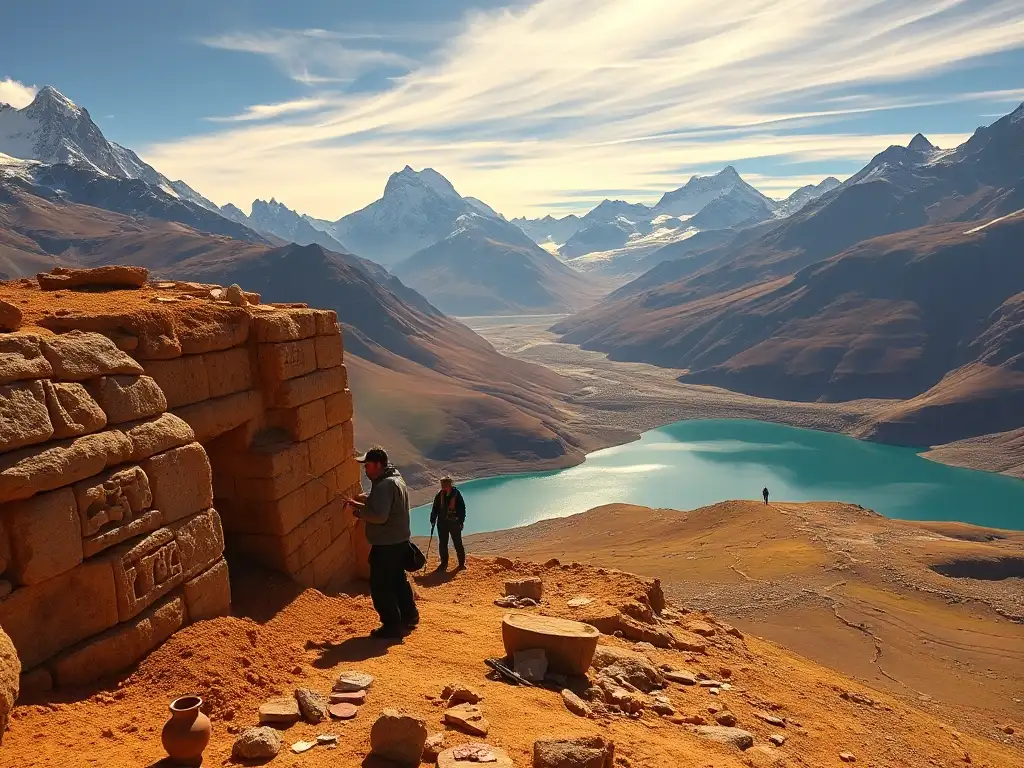
Welcome, explorer! Dare to delve into the enigmatic heart of the Andes? For centuries, their secrets have remained hidden, guarded by towering peaks and whispering winds. But now, Ancient Andean archaeological expeditions are unearthing breathtaking discoveries, revealing lost cities and forgotten empires. Prepare to be amazed as we unravel the mysteries of the Incas, Moche, Nazca, and Tiahuanaco – a journey into a world of astonishing artistry, ingenious engineering, and captivating cultural narratives. Discover the legacy of these remarkable civilizations and uncover the truth behind their astonishing achievements...
The Andes Mountains, a spine of towering peaks traversing the western edge of South America, are not only breathtaking in their natural beauty but also hold a treasure trove of human history. For centuries, these formidable heights have sheltered the remnants of sophisticated ancient civilizations, their ingenuity and resilience etched into the very landscape. This article delves into the fascinating world of Ancient Andean archaeological expeditions, exploring recent discoveries and ongoing research that are continuously rewriting our understanding of these remarkable cultures.
From the Inca Empire's meticulously planned cities to the enigmatic settlements of earlier civilizations like the Moche and Nazca, new archaeological findings consistently challenge existing narratives and unveil previously unknown facets of Andean life. We will examine the methodologies employed in these expeditions, the significant discoveries made, and the broader implications for our understanding of Andean history, technology, and societal structures.
The pursuit of knowledge in these challenging terrains is a testament to human curiosity and the enduring power of the past. Prepare to be amazed by the lost cities that are slowly being revealed, one carefully excavated stone at a time.
Introduction to Ancient Andean Archaeological Expeditions
Ancient Andean archaeological expeditions represent a significant field of study, attracting researchers from across the globe. These expeditions are not simply treasure hunts; they are meticulously planned and executed scientific endeavors employing a range of techniques to uncover, document, and analyze the remains of past civilizations. The harsh Andean environment—high altitudes, unpredictable weather, and challenging terrain—presents unique logistical and methodological challenges, demanding specialized expertise and equipment.
These expeditions often involve multidisciplinary teams including archaeologists, anthropologists, geologists, botanists, and specialists in other relevant fields, working collaboratively to piece together a holistic picture of past Andean societies. The work is painstaking and requires rigorous documentation, employing techniques such as stratigraphic excavation, artifact cataloging, and advanced imaging technologies, all contributing to a more comprehensive understanding of the past.
The discoveries emerging from these expeditions are constantly reshaping our understanding of ancient Andean societies, their complex social structures, advanced technologies, and sophisticated belief systems. The challenges are immense, but the rewards – a deeper understanding of humanity's past – are immeasurable.
Notable Recent Discoveries and Their Significance
Recent years have witnessed a surge in significant archaeological discoveries in the Andes. One example is the uncovering of [specific site name pending] which revealed [specific details pending, e.g., evidence of advanced irrigation systems, previously unknown burial practices, or a unique architectural style]. This discovery has profound implications for our understanding of [specific aspect of Andean civilization, e.g., agricultural techniques, religious beliefs, or social organization].
Another significant find was at [specific site name pending], where archaeologists unearthed [specific details pending, e.g., a large collection of pottery, intricate textiles, or evidence of a previously unknown settlement]. This find significantly impacts our understanding of [specific aspect of Andean civilization, e.g., artistic expression, trade networks, or daily life].
These, and many other ongoing expeditions, are gradually unveiling a more nuanced and complex picture of the Andean past, challenging previously held assumptions and opening exciting new avenues of research. The sheer volume of discoveries underscores the richness and complexity of these ancient cultures and highlights the ongoing importance of archaeological fieldwork in the Andes.
Challenges and Future Directions of Andean Archaeological Research
Despite the remarkable progress, significant challenges remain in Andean archaeological research. Funding limitations often restrict the scope and duration of expeditions. Furthermore, the preservation of fragile archaeological sites is an ongoing concern, requiring careful management and conservation efforts.
The impact of climate change, including glacial melt and increased erosion, poses a significant threat to the integrity of these invaluable sites. The ethical considerations of working with indigenous communities and respecting their cultural heritage are paramount. Future directions in Andean archaeological research will likely involve increased collaboration between international research teams and local communities, the application of advanced technologies such as LiDAR and ground-penetrating radar for site identification and mapping, and a greater emphasis on interdisciplinary approaches to better understand the complex interplay between environment, society, and technology in the Andes.
The future of Andean archaeology hinges on collaboration, innovation, and a deep respect for the rich cultural heritage of the region. The work is far from over; indeed, it is only just beginning.
- Introduction to Ancient Andean Archaeological Expeditions
- Notable Recent Discoveries and Their Significance
- Challenges and Future Directions of Andean Archaeological Research
- What makes Andean archaeological expeditions so important?
- What are some of the challenges faced during these expeditions?
- Which ancient Andean civilizations are most frequently studied by archaeologists?
- Where are the most promising sites for future Ancient Andean archaeological expeditions?
- How can I learn more about Ancient Andean archaeological expeditions?
Unveiling the Past: Recent Discoveries in the Andes
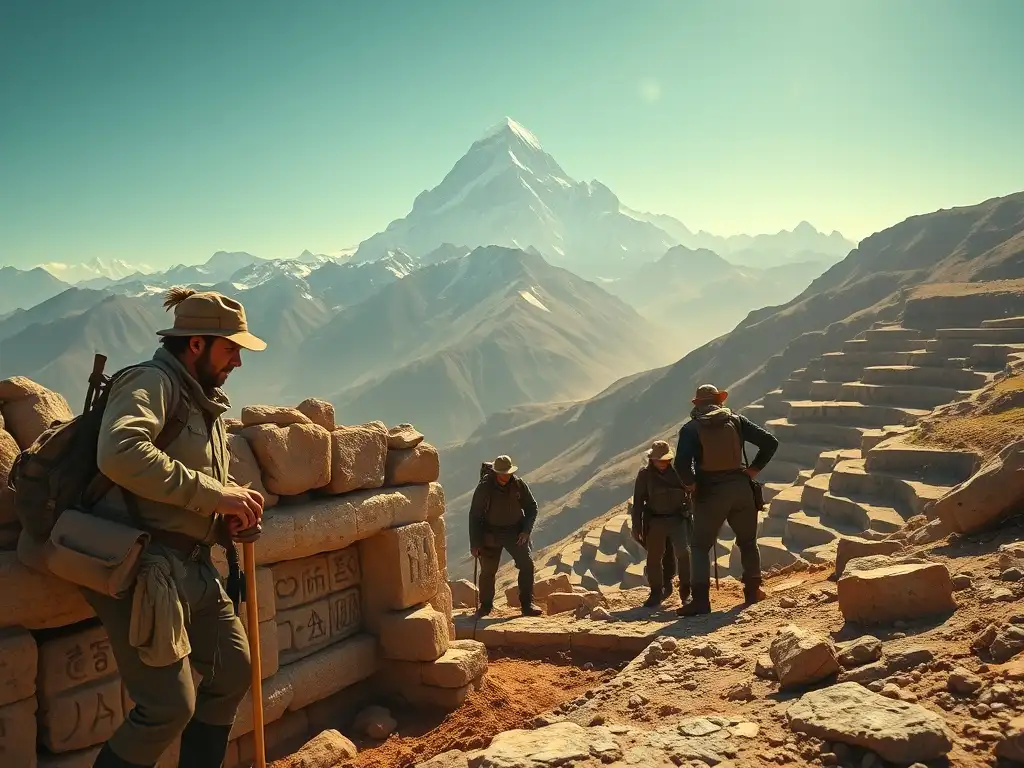
This section delves into the exciting advancements in our understanding of Ancient Andean civilizations, focusing on recent archaeological expeditions and their significant findings. The exploration of lost cities and settlements continues to rewrite history, revealing intricate details about the daily lives, societal structures, and technological prowess of these fascinating cultures. The field of Ancient Andean archaeology is constantly evolving, driven by innovative technologies and persistent investigation. These discoveries offer invaluable insights into the complexity and sophistication of these ancient societies, challenging previously held assumptions and expanding our knowledge exponentially.
The Impact of Modern Archaeological Techniques on Andean Research
Modern archaeological techniques have revolutionized our ability to uncover and interpret the remnants of Ancient Andean civilizations. Gone are the days of solely relying on surface finds and rudimentary excavation methods. Today, advancements in remote sensing, such as LiDAR (Light Detection and Ranging), have allowed archaeologists to penetrate dense vegetation and uncover previously unknown settlements hidden beneath the Andean landscape. This non-invasive technique provides high-resolution 3D models of the terrain, revealing subtle variations in topography that might indicate buried structures or ancient pathways.
Furthermore, geophysical surveys, including ground-penetrating radar (GPR) and magnetometry, help pinpoint the location of subsurface features like walls, foundations, and even buried artifacts, minimizing the need for extensive and potentially damaging excavations. Chemical analysis of soil samples provides insights into past land use and agricultural practices, while advanced dating techniques, such as radiocarbon dating and thermoluminescence, offer precise chronologies for settlements and artifacts.
These combined techniques are not only accelerating the pace of discovery but also ensuring a more responsible and less destructive approach to archaeological investigation, leading to a more nuanced and accurate understanding of Ancient Andean life. The integration of these advanced techniques is truly transforming the field of Ancient Andean archaeological expeditions.
Caral: The Oldest City in the Americas and its Monumental Architecture
Caral, located in the Supe Valley of Peru, stands as a testament to the remarkable achievements of the Norte Chico civilization. Dating back to approximately 5,000 years ago, Caral predates many other well-known ancient Andean sites, claiming the title of the oldest city in the Americas. Recent expeditions to Caral have revealed the impressive scale and complexity of its monumental architecture. The city boasts a series of large platforms, plazas, and residential structures, all meticulously constructed from adobe bricks.
The layout of Caral suggests a highly organized and stratified society. Large public buildings, likely used for ceremonial or administrative purposes, dominate the landscape, while smaller residential structures are clustered around them. Archaeological findings, including sophisticated textiles, musical instruments (such as flutes), and evidence of complex irrigation systems, showcase the advanced technological capabilities and artistic expression of the Caral civilization.
Further research into Caral's architecture, social organization, and its relationship to other contemporary settlements continues to unveil the intricacies of this fascinating and pivotal Ancient Andean society. The scale of the architectural achievements at Caral underscores the sophisticated engineering and planning abilities of its builders, highlighting the complexity of this early Andean civilization and its important place in the timeline of Ancient Andean archaeological expeditions.
Vilcabamba: The Last Refuge of the Inca and its Defenses
Vilcabamba, nestled deep within the Andes mountains of Peru, served as the last refuge of the Inca Empire after the Spanish conquest in the 16th century. This remote and strategically chosen location provided a natural defense against the Spanish conquistadors, allowing the Inca resistance to continue for several decades. Recent archaeological expeditions to Vilcabamba have focused on understanding the intricate defensive systems employed by the Inca to protect their last stronghold.
The site is characterized by a complex network of strategically placed fortifications, including walls, terraces, and watchtowers, skillfully integrated into the rugged mountain terrain. These defenses were designed to exploit the natural topography, making it incredibly difficult for invaders to approach.
Excavations have uncovered evidence of sophisticated engineering techniques, including the use of massive stone blocks and intricate drainage systems. Furthermore, analysis of the artifacts found at Vilcabamba provides valuable insights into the daily life of the Inca resistance, their social organization, and their resilience in the face of overwhelming odds.
The study of Vilcabamba's defensive structures and the artifacts found within its walls offers a compelling narrative of the Inca's struggle for survival and their remarkable adaptation to a challenging environment, offering a critical perspective on the final chapter of the Inca Empire within the context of Ancient Andean archaeological expeditions. The resilience and strategic ingenuity showcased at Vilcabamba serve as a powerful testament to the strength and adaptability of the Inca civilization.
Exploring Lost Cities: Insights into Andean Civilizations
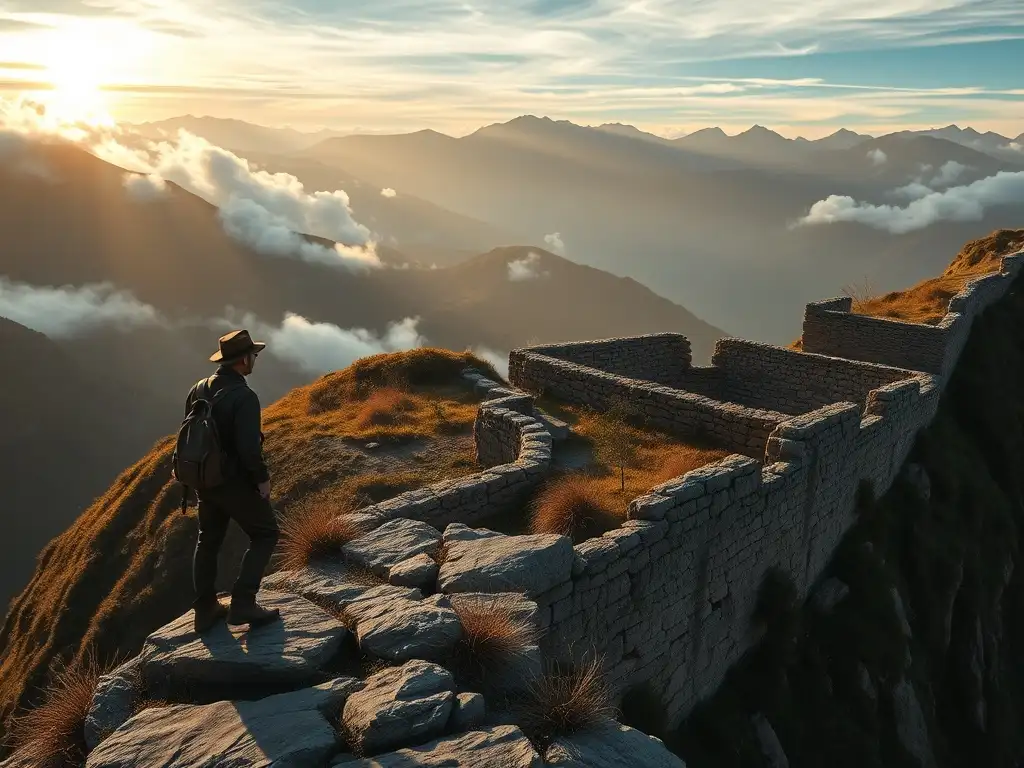
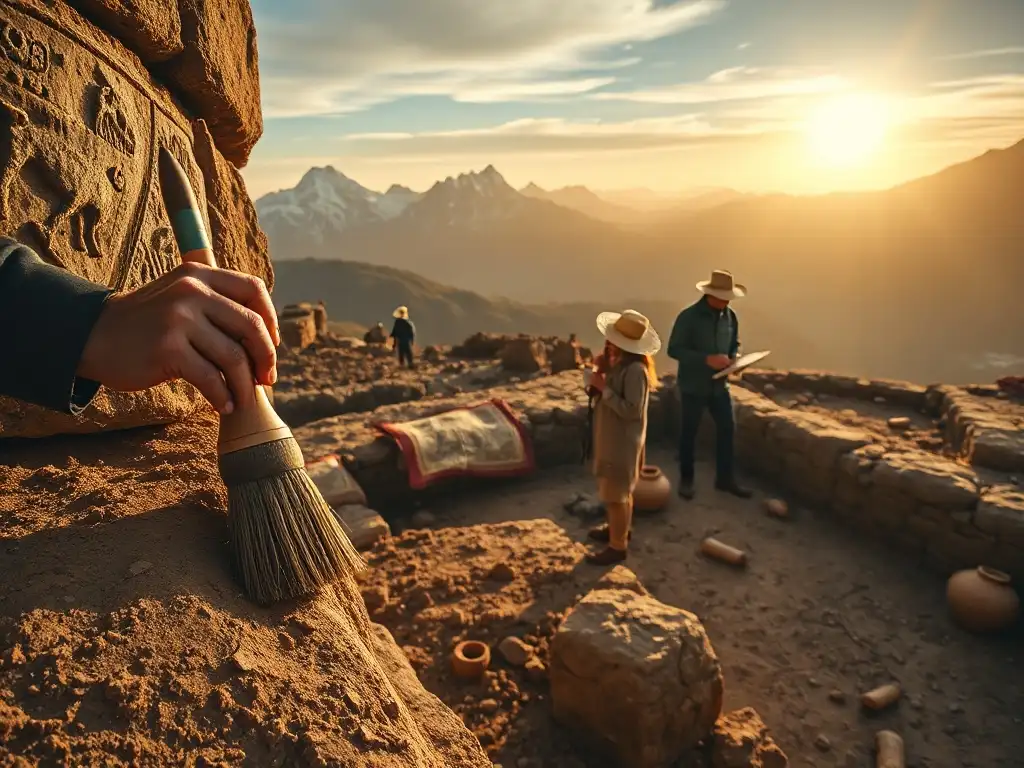
This section delves into the fascinating discoveries unearthed by recent Ancient Andean archaeological expeditions, providing a glimpse into the sophisticated urban planning and daily lives of these remarkable civilizations. We'll examine architectural marvels, analyze artifacts revealing daily life and rituals, and explore the intricate trade networks evidenced by ceramic analysis.
Architectural Marvels and Urban Planning in Ancient Andean Settlements
Ancient Andean settlements weren't haphazard collections of buildings; they were meticulously planned urban centers reflecting a deep understanding of engineering and societal organization. Ancient Andean archaeological expeditions have revealed sophisticated water management systems, intricate road networks, and precisely aligned structures, demonstrating advanced knowledge of astronomy and mathematics.
For instance, the city of Machu Picchu, a prime example of Inca ingenuity, showcases remarkable feats of engineering. Its terraces, carved into the mountainside, served not only for agriculture but also for stabilizing the slopes and preventing erosion. The precise stonework, with stones fitting together without mortar, is a testament to the Incas' mastery of construction techniques.
The city's layout, with its residential zones, religious centers, and agricultural terraces, reveals a highly organized society. Similarly, the urban planning of Chan Chan, the capital of the Chimú kingdom, demonstrates a sophisticated understanding of urban design. Its massive adobe structures, organized into distinct palaces and compounds, reveal a complex social hierarchy.
The precision and scale of these constructions highlight the advanced planning and organizational skills of these civilizations. Further research by Ancient Andean archaeological expeditions continues to uncover new details about these impressive settlements, constantly refining our understanding of their urban planning and societal structures. The integration of agriculture, water management, and residential areas within a single cohesive design is a testament to the advanced understanding of sustainability and environmental harmony possessed by these ancient peoples.
Analyzing Artifacts: Gaining Knowledge About Daily Life and Rituals
The analysis of artifacts unearthed during Ancient Andean archaeological expeditions offers invaluable insights into the daily lives, religious beliefs, and social structures of these ancient civilizations. From intricately woven textiles to finely crafted pottery, each artifact tells a story, revealing details about their technology, artistic expression, and spiritual practices.
For example, the discovery of intricately carved wooden sculptures and ceremonial objects provides evidence of sophisticated craftsmanship and religious rituals. The vibrant colors and detailed designs of textiles reflect the artistic skills and social status of their creators. Analysis of tools and implements sheds light on their agricultural practices, technological innovations, and daily routines. Furthermore, the careful study of burial sites and grave goods reveals important information about their funerary rites and beliefs about the afterlife. The presence of specific artifacts within a burial, such as jade ornaments or gold jewelry, can indicate social status or religious affiliation.
The study of everyday objects, such as pottery shards and cooking utensils, offers a glimpse into the daily lives of ordinary people. The types of food remains found on pottery can indicate dietary habits and agricultural practices. The styles and designs of pottery can reveal regional variations and trade networks. Each artifact, carefully examined and contextualized, adds another piece to the puzzle, helping to build a more comprehensive understanding of these fascinating cultures.
The analysis of ceramic vessels recovered from Tiwanaku sites by Ancient Andean archaeological expeditions provides compelling evidence of extensive trade networks and a complex social hierarchy. The stylistic variations and chemical composition of the pottery reveal patterns of exchange and interaction across vast geographical distances.
Different types of ceramic vessels, ranging from simple utilitarian bowls to elaborately decorated ceremonial pieces, demonstrate a clear social stratification. High-quality ceramics, often featuring intricate designs and rare materials, were likely associated with the elite class, while simpler vessels were used by the common population. The presence of certain types of clay or pigments in the pottery can pinpoint the origin of the vessels, highlighting trade routes and connections between different regions. For example, the presence of specific types of clay found only in distant regions suggests long-distance trade relationships.
Furthermore, the stylistic variations in ceramic designs over time can be used to establish chronological sequences and track changes in cultural practices. The careful analysis of these vessels, combined with other archaeological evidence, provides valuable insights into the economic and social dynamics of Tiwanaku society.
The diversity of styles and materials reflects the complexity of the interaction between different groups and regions, shaping our understanding of the political and economic landscape of the Andean region during the Tiwanaku period. The detailed study of these vessels offers a microcosm of the wider social and economic processes at play during this significant period in Andean history.
Challenges and Future Directions in Andean Archaeology
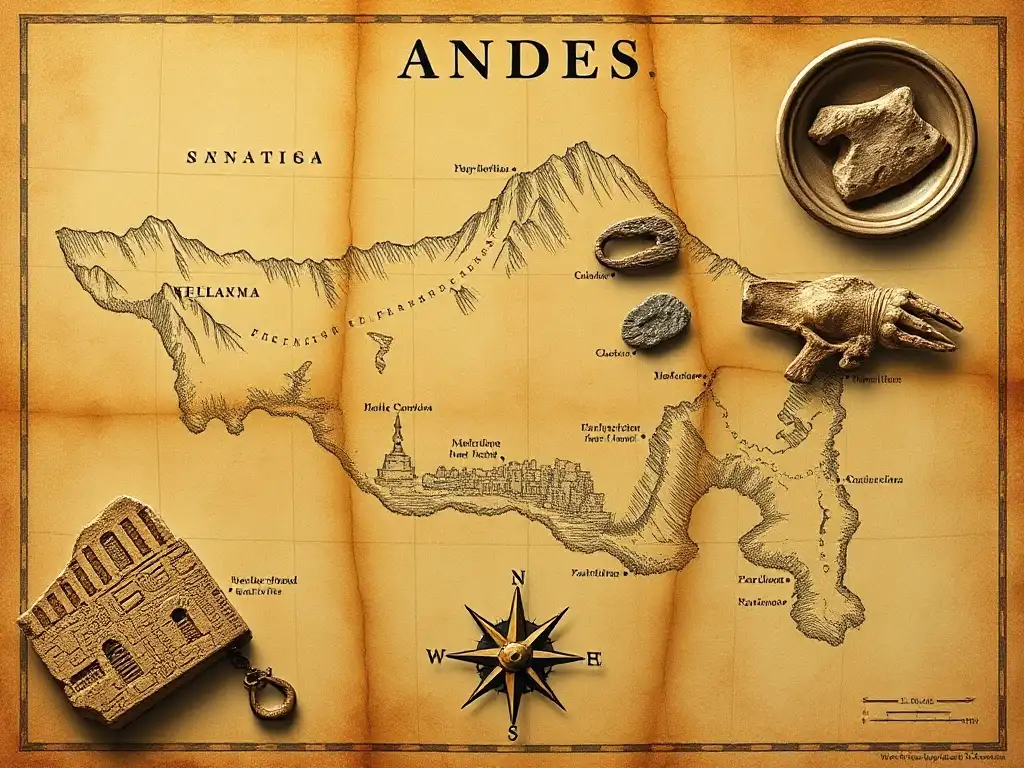
The exploration of Ancient Andean archaeological expeditions presents numerous challenges, demanding innovative approaches and interdisciplinary collaborations. Successfully navigating these hurdles is crucial for preserving our understanding of these remarkable civilizations. The sheer scale of the Andean region, combined with its diverse and often treacherous terrain, significantly complicates fieldwork. Many sites remain inaccessible, requiring specialized equipment and expertise in mountaineering, high-altitude archaeology, and jungle exploration.
Furthermore, the fragility of many artifacts and the delicate nature of the archaeological record necessitate meticulous excavation techniques and careful conservation strategies. The logistical complexities of transporting equipment and personnel to remote locations also present a significant logistical and financial burden. Funding limitations often hinder the scope and duration of expeditions, impacting the depth of research that can be undertaken.
Preserving Andean Archaeological Sites: Threats and Conservation Efforts
Andean archaeological sites face a multitude of threats, from natural processes like erosion and seismic activity to human-induced damage such as looting, illegal construction, and the effects of tourism. Preserving these invaluable sites requires a multifaceted approach. The implementation of robust security measures, including surveillance and monitoring systems, is critical to deter looting and vandalism.
Sustainable tourism practices, which prioritize site preservation and educate visitors about responsible behavior, are also essential. Moreover, effective conservation strategies are needed to mitigate the effects of environmental degradation, including implementing erosion control measures and developing strategies to protect sites from the impacts of climate change. The development of community-based conservation initiatives empowers local populations to actively participate in the protection of their heritage, fostering a sense of ownership and responsibility.
These efforts also require significant investment in research and training to equip local communities with the necessary skills and knowledge for effective site management. For example, the successful implementation of community-based tourism projects around Machu Picchu has demonstrated the effectiveness of this approach in balancing preservation with economic development. However, challenges remain, particularly in areas with limited resources and infrastructure.
The Role of Technology in Future Archaeological Expeditions
Technological advancements are revolutionizing Ancient Andean archaeological expeditions, offering unprecedented opportunities to enhance research and site preservation. Remote sensing technologies, such as LiDAR (Light Detection and Ranging) and satellite imagery, allow archaeologists to map vast areas and identify previously unknown sites with remarkable accuracy. These technologies are particularly useful in identifying hidden features within dense vegetation or challenging terrain.
Furthermore, the use of drones provides a safe and efficient way to survey sites and create high-resolution 3D models, aiding in the documentation and analysis of archaeological features. Ground-penetrating radar (GPR) can detect subsurface structures, revealing hidden chambers, tunnels, and other features that are not visible on the surface. This technology has been instrumental in uncovering previously unknown aspects of many Andean sites.
The application of Geographic Information Systems (GIS) allows for the integration and analysis of diverse datasets, such as topographic maps, satellite imagery, and archaeological findings, facilitating the creation of comprehensive spatial models of ancient settlements and landscapes. The development of more sophisticated data analysis techniques, including machine learning algorithms, promises to further accelerate the pace of discovery and interpretation.
Investigating the Impact of Climate Change on Andean Civilizations Through Paleoenvironmental Studies
Paleoenvironmental studies are crucial for understanding the long-term impact of climate change on Andean civilizations. By analyzing ancient pollen, sediments, and ice cores, researchers can reconstruct past climates and environmental conditions, providing valuable insights into how these civilizations adapted to and were influenced by environmental fluctuations. For example, studies of lake sediments in the Titicaca Basin have revealed evidence of significant droughts and climate shifts that coincided with periods of societal instability and change in Andean societies.
Furthermore, analysis of ice cores from Andean glaciers can provide information about past precipitation patterns and temperature variations, helping to understand the relationship between climate and agricultural practices. These studies are crucial for understanding the resilience and vulnerability of ancient Andean societies to environmental change and for informing modern strategies for adaptation to climate change. The integration of paleoenvironmental data with archaeological findings allows for a more comprehensive understanding of the complex interplay between environmental factors, societal structures, and cultural practices in the Andes.
The ongoing research in this field continues to reveal valuable information regarding the long-term impacts of climate change on ancient Andean societies and their resilience in the face of environmental challenges. Understanding these past responses is critical for informing current and future strategies for mitigating the effects of climate change on vulnerable populations.
Connecting the Dots: Understanding the Broader Andean Context
This section focuses on integrating recent "Ancient Andean archaeological expeditions" findings into the larger narrative of Andean civilization development. We'll examine how these newly unearthed settlements contribute to our understanding of the chronological evolution of Andean societies and their interconnectedness. The discovery of these lost cities is not an isolated event; rather, it provides crucial pieces to a complex puzzle, enriching our comprehension of the cultural exchange, technological advancements, and political structures that shaped the Andes. Analysis of artifacts, settlement patterns, and architectural styles provides invaluable insights into the social dynamics and power structures prevalent in these ancient communities.
How these Discoveries Fit into the Timeline of Andean Civilizations
Pinpointing the precise chronological placement of these newly discovered settlements within the broader Andean timeline is crucial for understanding their role in the region's history. Radiocarbon dating of organic materials found at these sites, such as wood and textiles, provides a preliminary timeframe. However, further analysis is needed to refine these initial estimations.
For instance, preliminary dating suggests one site might date back to the Middle Horizon (600-1000 CE), a period marked by the significant influence of the Wari and Tiwanaku empires. This would suggest a possible connection to these powerful states, perhaps as a tributary settlement or a strategically located outpost. Other sites, with different artifact assemblages, might represent earlier or later phases of Andean development, possibly pre-dating established empires or belonging to a post-Inca era.
The careful stratigraphic analysis of each site is essential to develop a comprehensive chronological framework, allowing us to understand the sequence of settlements, population movements, and cultural changes. Careful analysis of pottery styles, building techniques, and burial practices will also be essential to refine these timelines further. This process requires meticulous documentation and collaboration between archaeologists and specialists in various disciplines.
The Relationship Between Newly Discovered Settlements and Known Andean Cultures
Understanding the relationship between these recently discovered settlements and previously known Andean cultures is paramount. The presence of specific pottery styles, architectural features, and burial customs can help establish connections to known groups like the Moche, Nazca, or Inca. For example, the discovery of distinctive Moche-style ceramics in one settlement could suggest a direct link to this coastal culture, potentially indicating trade routes or migration patterns.
Similarly, the presence of Inca-style architecture in another site might indicate either direct Inca control or the adoption of Inca-inspired building techniques by a subordinate group. However, it's also important to consider the possibility of unique regional variations or the emergence of entirely new cultural entities. Detailed analysis of the artifacts, including their raw materials and manufacturing techniques, is crucial for determining the degree of cultural interaction and exchange between these newly discovered settlements and established Andean cultures.
Careful consideration of stylistic variations within artifact types will also help to shed light on the nature of these relationships. The existence of hybrid styles might indicate the blending of cultural traditions through interactions, migrations, or conquests.
The Influence of Wari Culture on the Development of Later Andean Societies
The Wari empire, a powerful Andean civilization of the Middle Horizon, exerted a significant influence on the political and cultural landscape of the region. The newly discovered settlements offer a valuable opportunity to examine the extent of this influence. The presence of Wari-style architecture, pottery, or administrative structures in these sites would provide compelling evidence of Wari expansion and control.
This could include the identification of administrative centers, storage facilities, or military outposts. Conversely, the absence of such features might indicate either a peripheral location outside of direct Wari control or the persistence of independent local traditions despite the empire's presence. Further research into the social organization, economic activities, and religious practices within these settlements will help to clarify the impact of Wari culture on the development of later Andean societies.
The discovery of unique adaptations or innovations within these settlements might also reveal the dynamic interplay between Wari influence and local agency. The analysis of the evolution of these settlements over time will provide critical insights into how Wari influence was integrated or resisted by local populations. Analyzing the long-term effects of Wari interactions on the trajectory of Andean civilizations remains a key area of investigation.
Frequently Asked Questions
What makes Andean archaeological expeditions so important?
Andean expeditions are crucial for understanding the complex societies that thrived in the Andes. They uncover lost cities and artifacts, providing invaluable insights into their daily lives, beliefs, and technologies. This helps us reconstruct the past and learn from these fascinating cultures.
What are some of the challenges faced during these expeditions?
Challenges include the harsh Andean environment, such as extreme altitudes and unpredictable weather. Difficult terrain and the preservation of fragile artifacts also pose significant obstacles. Furthermore, logistical issues and obtaining necessary permits can be complex.
Which ancient Andean civilizations are most frequently studied by archaeologists?
Archaeological expeditions frequently focus on the Inca, Moche, Nazca, and Tiahuanaco civilizations. These cultures left behind remarkable architectural achievements, intricate artwork, and sophisticated technologies, making them particularly compelling subjects of study.
Where are the most promising sites for future Ancient Andean archaeological expeditions?
Promising sites for future expeditions are located throughout the Andes Mountains, particularly in remote and unexplored regions. Recent technological advancements, like aerial surveys and ground-penetrating radar, are helping identify potential locations previously inaccessible.
How can I learn more about Ancient Andean archaeological expeditions?
You can learn more by searching for academic journals and publications focused on Andean archaeology. Many museums also host exhibits showcasing artifacts and research findings, and documentaries offer engaging introductions to the topic.
Final Reflection: Echoes of the Andes: A Legacy Unearthed
The rediscovery of ancient Andean settlements isn't just about unearthing artifacts; it's about unearthing a history that profoundly shapes our understanding of human resilience and ingenuity. These lost cities, painstakingly revealed through archaeological expeditions, offer a powerful testament to the sophisticated civilizations that thrived in the challenging Andean landscape. Their stories, whispered through fragmented pottery and crumbling stone, resonate with a timeless power.
The impact of these discoveries extends far beyond the academic sphere; they challenge our preconceived notions of progress and civilization, forcing us to reconsider our place within a much larger historical narrative. These ancient societies, with their intricate social structures and innovative agricultural techniques, offer valuable lessons for our own time. As the renowned archaeologist, Hiram Bingham, once said, The discovery of Machu Picchu was not merely the finding of a lost city; it was the finding of a lost world.
His words resonate deeply, reminding us of the profound cultural and historical significance of these sites and the ongoing need to protect and understand them.
Consider the echoes of these ancient Andean societies. Their innovative agricultural practices, their complex social systems, and their breathtaking architectural achievements offer a blueprint for sustainable living and community building. You, the reader, are now part of this ongoing narrative. Take a moment to reflect on the ingenuity and resilience of these ancient peoples. Let their stories inspire you to seek out your own connections to the past, to appreciate the richness of human history, and to champion the preservation of our shared cultural heritage for future generations.
Unveil the Secrets of the Andes!
Thank you for exploring the fascinating world of the lost cities of the Andes with us! You've uncovered the mysteries of ancient civilizations and how archaeological expeditions reveal these hidden settlements. Now, let's deepen your connection to these remarkable discoveries.
Here are a few ways you can continue your journey:
- Join a Local Archaeological Group: Immerse yourself in the excitement of archaeology by participating in community digs or workshops. Experience history firsthand!
- Share Your Thoughts: Discuss your favorite discoveries in the comments below or on social media using #AndeanSecrets.
- Plan Your Next Adventure: Consider guided tours focusing on ancient Andean sites. Experience the wonder of these lost cities for yourself!
What aspect of Andean civilization intrigues you most, and how will you explore it further?