
Preserving the Past: Challenges and Innovations in Andean Archaeology

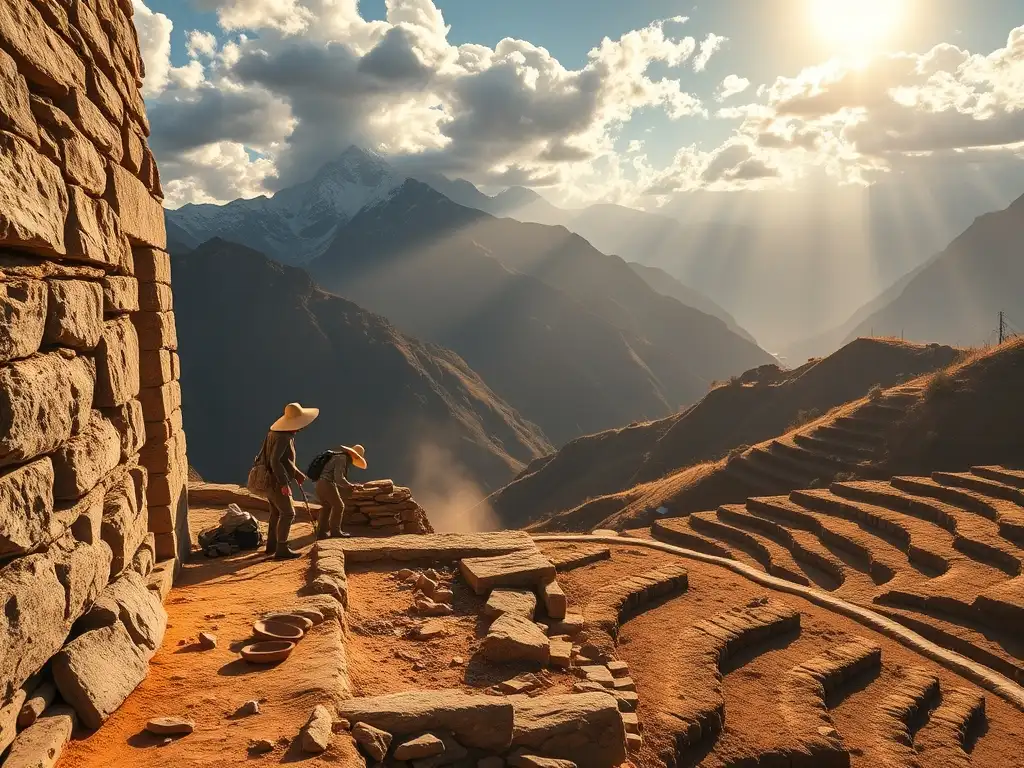
Step into a world lost to time, yet echoing with the whispers of empires. Journey through the breathtaking landscapes and remarkable achievements of the Andean civilizations, from the intricate artistry of the Nazca Lines to the sophisticated engineering of the Incas. But what secrets do these ancient wonders still hold? Discover the cutting-edge solutions and persistent challenges in Andean archaeology preservation techniques, a crucial endeavor to safeguard this invaluable legacy for future generations. Unravel the mysteries and explore the innovations that are shaping the future of Andean archaeology— the past awaits your discovery.
The Andes Mountains, a spine of towering peaks and breathtaking valleys stretching along the western coast of South America, are home to a rich tapestry of ancient civilizations. From the sophisticated Inca Empire to the enigmatic Nazca Lines and the masterful artistry of the Moche, the Andean region boasts a legacy of unparalleled cultural and technological achievement.
However, this remarkable heritage faces significant threats from both natural forces and human intervention. This article explores the unique challenges encountered in preserving Andean archaeological sites and examines the innovative techniques employed to safeguard this invaluable part of our shared human history.
Understanding the delicate balance between conservation and research is crucial to ensuring that future generations can appreciate and learn from the remarkable achievements of Andean civilizations. We will delve into the specific challenges posed by the Andean environment and the innovative solutions being developed to protect these irreplaceable sites for years to come, focusing on the keyword "Andean archaeology preservation techniques" and its semantic variations.
Introduction to Andean Archaeology and its Preservation Imperative
Andean archaeology encompasses the study of the numerous pre-Columbian societies that flourished in the Andes region for millennia. These cultures left behind a remarkable array of archaeological remains, including monumental architecture (like Machu Picchu), intricate textiles, sophisticated irrigation systems, and stunning ceramic artistry. Preserving these sites is not merely a matter of historical preservation; it's a responsibility to understand our collective past and learn from the ingenuity and resilience of these ancient societies.
The fragility of many Andean sites, coupled with the pressures of climate change and human encroachment, necessitates a proactive and multi-faceted approach to preservation. This includes not only the physical protection of sites but also the careful documentation and analysis of artifacts to ensure the long-term accessibility and understanding of this invaluable heritage. The urgency of Andean archaeology preservation is underscored by the accelerating pace of environmental degradation and the ever-present threat of looting and vandalism.
The Unique Challenges of Andean Archaeological Sites
The preservation of Andean archaeological sites presents a unique set of difficulties unlike those faced in other parts of the world. The high altitude, varied climates, and unique geological features all contribute to the deterioration of these invaluable historical resources. The challenges can be broadly categorized into environmental factors and threats from human activities.
Environmental Factors Affecting Andean Ruins
The Andean environment is characterized by extreme variations in temperature, humidity, and solar radiation. High-altitude sites are particularly vulnerable to freeze-thaw cycles, which cause significant damage to stone structures. Intense UV radiation accelerates the degradation of organic materials like textiles and wood. Rainfall and seismic activity also pose significant threats, leading to erosion, landslides, and structural collapse.
Furthermore, the unique geological formations of the Andes, such as steep slopes and unstable terrain, add to the difficulty of site stabilization and protection. The impact of these environmental factors is exacerbated by climate change, which is leading to more frequent and intense extreme weather events. For example, increased rainfall in some areas is accelerating erosion rates, while increased drought in others is causing desiccation and cracking of ancient structures.
Threats from Human Activities to Andean Heritage
Beyond environmental challenges, human activities pose a significant threat to Andean archaeological sites. Illegal looting and the illicit trade in artifacts represent a constant danger, leading to the loss of irreplaceable historical information. Unsustainable tourism practices can also cause damage through physical contact with artifacts, erosion from foot traffic, and the introduction of pollutants. Construction projects and agricultural expansion often encroach upon archaeological sites, leading to their destruction or damage.
Furthermore, the lack of awareness and understanding of the importance of these sites among local communities can lead to unintentional damage or neglect. A concerted effort is needed to educate communities about the value of their heritage and to involve them in preservation initiatives. This includes providing alternative livelihood options that do not rely on the exploitation of archaeological resources.
The Complexities of Preserving High-Altitude Sites
Preserving high-altitude sites presents even greater challenges. The extreme conditions at these elevations make access difficult and expensive, hindering the implementation of effective conservation measures. The logistical challenges of transporting materials and personnel to remote sites are substantial. Furthermore, the harsh climate accelerates the deterioration of materials, requiring specialized conservation techniques.
Innovative solutions, such as the use of drones for monitoring and the development of environmentally friendly stabilization materials, are crucial for the effective preservation of these vulnerable sites. The unique challenges of high-altitude preservation necessitate a collaborative approach involving archaeologists, engineers, and local communities. Careful planning and resource allocation are essential to ensure the long-term survival of these remarkable cultural treasures. The development of sustainable tourism practices is also vital to ensure that the economic benefits of these sites are shared equitably while minimizing their environmental impact.
- Introduction to Andean Archaeology and its Preservation Imperative
- The Unique Challenges of Andean Archaeological Sites
- What are the biggest challenges in preserving Andean archaeological sites?
- What preservation techniques are used for Andean artifacts?
- How are Andean sites protected from looting and vandalism?
- What role does technology play in Andean archaeology preservation?
- How can I contribute to the preservation of Andean archaeological heritage?
Traditional Andean Archaeology Preservation Techniques
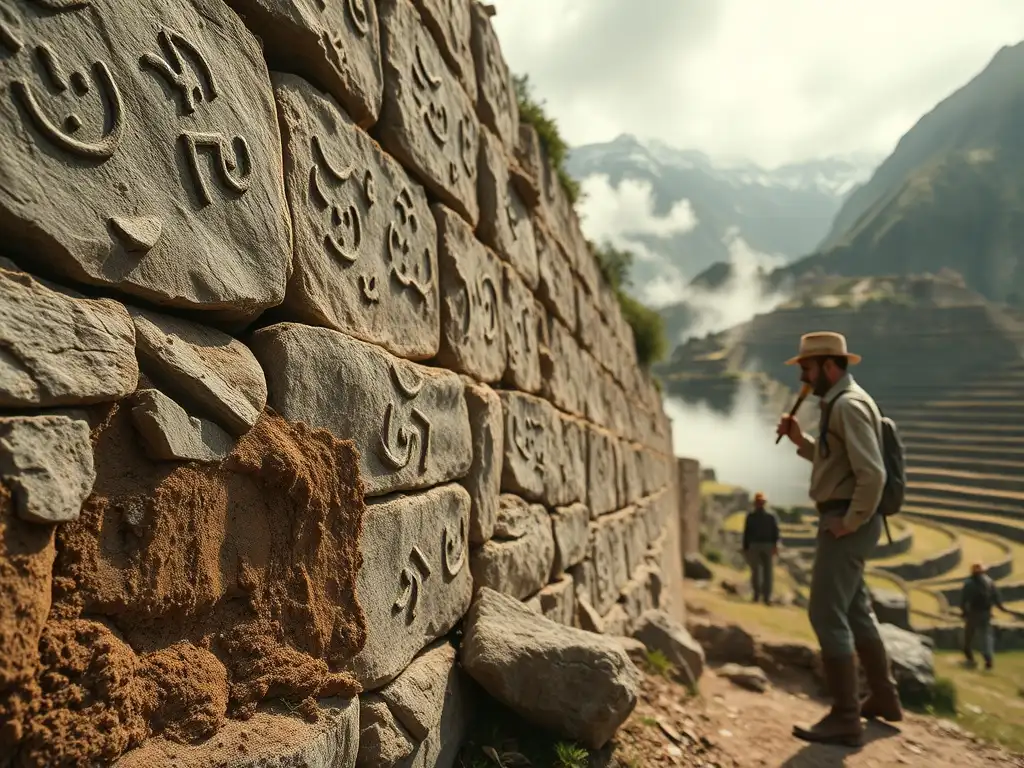
This section delves into the fascinating world of traditional Andean archaeology preservation techniques, exploring both the ingenuity of ancient Andean societies in safeguarding their heritage and the challenges faced by modern archaeologists in understanding and applying these methods. The preservation of archaeological sites and artifacts in the Andes presents unique difficulties due to the region's diverse and often harsh climate, ranging from arid deserts to high-altitude mountains and humid rainforests. Understanding the traditional approaches is crucial for developing effective, sustainable, and culturally sensitive conservation strategies for the future.
Ancient Andean Methods of Site Conservation
Pre-Columbian Architectural Techniques for Longevity
Ancient Andean builders demonstrated remarkable skill in adapting their construction techniques to the challenging Andean environment. Their understanding of local materials and climate played a crucial role in the longevity of their structures. For example, the use of adobe (sun-dried bricks) was widespread, but the techniques varied significantly depending on the region and the availability of materials. In drier climates, like those found in the Nazca region, the use of carefully selected clays and precise brick-laying techniques ensured exceptional durability.
In contrast, Inca stonework, particularly evident in Machu Picchu, showcases an astonishing mastery of precision cutting and fitting, creating structures that have withstood centuries of earthquakes and weathering. This meticulous approach, combined with the use of mortar made from locally sourced materials, contributed significantly to the sites' remarkable preservation. Analysis of these techniques reveals a deep understanding of structural engineering principles, far exceeding what was previously assumed.
Further research is needed to fully quantify the long-term effectiveness of different pre-Columbian building techniques across various Andean climates and geological settings. Understanding these methods can inform contemporary preservation strategies, allowing us to replicate their success in modern conservation efforts. The precise composition of ancient mortars, for instance, remains an area of active investigation, with the potential to yield valuable insights for developing more durable and environmentally friendly materials for modern conservation projects.
Indigenous Practices for Material Preservation
Beyond architectural techniques, indigenous Andean communities developed various methods for preserving artifacts and other cultural materials. These practices, often passed down through generations, involved careful handling, storage, and ritualistic treatments. For instance, textiles were frequently stored in carefully sealed containers, sometimes using natural materials like woven bags or clay pots to protect them from the elements. The use of natural dyes and preservatives, derived from plants and minerals found in the Andean region, is also well documented.
However, detailed information on the specific compositions and applications of these materials is often scarce, requiring further investigation through interdisciplinary collaboration with communities and experts in ethnobotany and material science. The preservation of mummies, a significant aspect of Andean culture, involved elaborate processes, often including desiccation through natural means and the use of shrouds and containers. Understanding these techniques is vital not only for conserving existing mummies but also for understanding the cultural significance of these practices.
The application of traditional knowledge in contemporary conservation efforts is crucial for maintaining the cultural integrity of Andean heritage. This involves respectful collaboration with indigenous communities to ensure that modern techniques complement and enhance, rather than replace, traditional knowledge. This collaborative approach is vital for developing culturally sensitive and effective preservation strategies.
Documenting and Analyzing Traditional Conservation Methods
Documenting and analyzing these traditional Andean archaeology preservation techniques is crucial for developing effective, sustainable, and culturally sensitive conservation strategies. This involves a multi-faceted approach, combining archaeological fieldwork with ethnoarchaeological research and the analysis of ancient materials. Detailed records of construction techniques, material composition, and preservation methods need to be compiled and analyzed. This requires careful observation and documentation during excavations, as well as the study of surviving structures and artifacts.
Furthermore, collaboration with indigenous communities is essential to gather oral histories and traditional knowledge on preservation practices. This participatory approach ensures that the voices and perspectives of the communities who are the rightful custodians of this heritage are central to the preservation process. The meticulous documentation of traditional Andean practices will not only provide valuable insights into the past but also inform the development of innovative and sustainable conservation methods for the future. This holistic approach, combining scientific analysis with cultural sensitivity, is vital for ensuring the long-term preservation of Andean archaeological heritage and promoting the sustainable management of cultural resources.
The development of a comprehensive database of traditional techniques, coupled with ongoing research into their effectiveness and applicability to contemporary challenges, is a crucial step in securing the future of Andean archaeology. This involves the creation of accessible resources for both researchers and heritage managers, facilitating the sharing of knowledge and promoting best practices. The ultimate goal is to develop a robust and sustainable framework for preserving Andean cultural heritage for generations to come.
Modern Innovations in Andean Archaeology Preservation
The preservation of fragile Andean archaeological sites and artifacts presents unique challenges due to the region's diverse climates, geological instability, and the inherent degradation of organic materials. However, advancements in technology and conservation science are revolutionizing the field of Andean archaeology, offering innovative solutions to these age-old problems. This section will explore some of the most impactful modern techniques employed in the preservation of this invaluable cultural heritage. Effective Andean archaeology preservation techniques are critical for understanding and sharing these ancient civilizations.
Advanced Imaging and Mapping Technologies for Site Documentation
The accurate and comprehensive documentation of Andean archaeological sites is crucial for preservation efforts. Traditional methods, while valuable, are often limited in their ability to capture the full complexity of a site. Modern imaging and mapping technologies provide detailed, non-invasive data that enhances understanding and facilitates informed conservation strategies. This detailed approach is vital for the long-term preservation of these irreplaceable sites.
Remote Sensing for Archaeological Discovery and Monitoring
Remote sensing techniques, including aerial photography, LiDAR (Light Detection and Ranging), and satellite imagery, are increasingly used in Andean archaeology. LiDAR, in particular, penetrates dense vegetation, revealing previously unknown features like buried structures, irrigation canals, and roadways. This technology allows archaeologists to map large areas quickly and efficiently, identifying potential sites for excavation and monitoring existing sites for signs of deterioration or looting.
The data collected provides a baseline for future comparisons, helping to track changes over time and inform preservation planning. For instance, the use of LiDAR in the Sacred Valley of the Incas has revealed previously unknown agricultural terraces and settlement patterns, significantly expanding our understanding of Inca land management.
3D Modeling for Virtual Reconstruction of Andean Sites
3D modeling offers a powerful tool for visualizing and interpreting Andean sites. Using techniques like photogrammetry and laser scanning, archaeologists can create incredibly detailed digital models of structures, artifacts, and entire landscapes. These models allow for virtual exploration of sites that are inaccessible or too fragile for physical visitation, facilitating research and educational outreach. Furthermore, 3D modeling allows for the creation of virtual reconstructions of damaged or destroyed sites, providing a lasting record of their former glory. The ability to virtually reconstruct lost Andean cities, for example, offers a powerful way to disseminate knowledge and inspire future generations.
Cutting-Edge Materials and Techniques for Conservation
The conservation of Andean artifacts requires specialized expertise and the utilization of cutting-edge materials and techniques. The unique challenges posed by the environment and the materials themselves demand innovative approaches to ensure the long-term preservation of these precious objects. The effective application of these techniques is crucial for the long-term survival of Andean cultural heritage.
Stabilization of Adobe Structures in Andean Regions
Adobe, a sun-dried brick material commonly used in Andean architecture, is highly susceptible to damage from water and seismic activity. Modern preservation techniques focus on improving the structural integrity of adobe buildings through methods like consolidation using lime-based mortars and the application of protective coatings. These methods help to prevent further deterioration and extend the lifespan of these historically significant structures.
Careful monitoring of soil conditions and implementation of drainage systems are also crucial aspects of preserving adobe architecture in earthquake-prone regions. The development of new, biocompatible consolidants is an active area of research, aiming to improve the effectiveness and longevity of these stabilization techniques.
Innovative Treatments for Textile and Organic Artifacts
Textiles and organic materials, such as wood, bone, and plant fibers, are particularly vulnerable to degradation. The arid climate of some Andean regions can lead to desiccation, while humid conditions promote microbial growth and decay. Modern conservation methods employ techniques like controlled environmental storage, the use of specialized cleaning agents, and the application of protective coatings to stabilize these delicate artifacts.
Innovative techniques, such as the use of polyethylene glycol (PEG) for the treatment of waterlogged wood, are increasingly employed to prevent further damage and allow for the careful preservation of these unique and often irreplaceable objects. Careful analysis of the materials and targeted treatments are crucial for the successful preservation of these fragile artifacts, ensuring their longevity for future generations to appreciate.
Community Engagement in Andean Archaeological Preservation
Community engagement is paramount for the long-term success of Andean archaeology preservation. The Andean region boasts a rich tapestry of cultures, each with its own unique relationship to the past. Ignoring the perspectives and active participation of local communities risks not only damaging cultural heritage but also undermining the very foundations of respectful and sustainable archaeological practice. A successful preservation strategy must integrate local knowledge, traditional practices, and the concerns of those who are most directly affected by archaeological discoveries and preservation efforts.
This approach fosters a sense of ownership and responsibility within communities, ensuring that preservation initiatives are relevant, effective, and culturally sensitive. Furthermore, it prevents the potential for conflict and misunderstanding that can arise from top-down, externally driven preservation projects. By embracing community engagement, Andean archaeology moves beyond a purely academic pursuit to become a collaborative endeavor that benefits both the scientific community and the Andean people.
The Importance of Local Knowledge and Participation
Indigenous communities in the Andes possess centuries of accumulated knowledge about their ancestral lands and sites. This knowledge, often passed down through oral traditions and practical experience, provides invaluable insights into the location, significance, and proper handling of archaeological remains. For instance, local communities may possess detailed knowledge of previously unknown sites, the location of significant artifacts, or the traditional methods for preserving certain types of materials.
Ignoring this vital knowledge base is a grave mistake. Furthermore, the active participation of community members ensures the ethical and responsible treatment of sacred sites and artifacts. Their involvement in the decision-making process guarantees that preservation projects align with community values and priorities, fostering a sense of respect and mutual understanding.
This active participation also safeguards against the exploitation and commodification of cultural heritage, ensuring that preservation efforts serve the best interests of the community. The integration of local knowledge and participation is not merely a matter of ethical responsibility; it's essential for the development of effective and sustainable preservation strategies.
Collaborative Projects Between Archaeologists and Andean Communities
Numerous successful collaborative projects exemplify the benefits of partnering with Andean communities. These partnerships often involve joint research efforts, where archaeologists work alongside community members to document, analyze, and preserve archaeological sites. This collaborative approach goes beyond simple consultation; it involves shared decision-making, shared responsibility, and shared benefits.
For example, collaborative projects might involve training community members in archaeological techniques, establishing community-managed museums or heritage centers, or developing sustainable tourism initiatives that generate economic benefits for the community while preserving the archaeological sites. This participatory approach not only safeguards cultural heritage but also empowers local communities, fostering economic development and cultural revitalization. The success of these collaborative ventures underscores the importance of viewing Andean archaeology as a shared endeavor, rather than a purely academic pursuit.
The resulting preservation efforts are not only more effective but also more sustainable and ethically sound, reflecting a deeper commitment to cultural respect and community empowerment. The development of such projects often requires significant investment in community education and capacity building, but the long-term rewards are immeasurable.
Case Studies in Andean Archaeology Preservation
This section delves into specific examples of Andean archaeology preservation, highlighting both the challenges encountered and the innovative solutions implemented to protect these invaluable cultural heritage sites. We'll examine successful strategies and areas needing further development in the field of Andean archaeology preservation techniques. The focus will be on the practical application of preservation methods and their long-term impact.
Chan Chan, Peru: A Case of Coastal Site Preservation
Chan Chan, the largest pre-Columbian city in South America, presents unique preservation challenges due to its location on the arid northern coast of Peru. The adobe structures, vulnerable to both natural and anthropogenic factors, require specialized preservation strategies.
Challenges Faced at Chan Chan
The primary challenges in preserving Chan Chan stem from its inherent fragility and harsh environmental conditions. The adobe bricks, susceptible to erosion from wind, rain, and salt spray, are constantly deteriorating. Furthermore, the site's proximity to the ocean leads to significant damage from humidity and salt crystallization. Illegal looting and urban encroachment also pose significant threats.
Detailed assessments have revealed that significant portions of the city's walls and palaces are crumbling, necessitating urgent intervention. The sheer scale of the site, coupled with limited resources, makes comprehensive preservation a monumental task. Accurate data on the rate of deterioration in specific areas is [specific information pending], hindering the prioritization of preservation efforts.
Innovative Solutions Implemented for Chan Chan Preservation
Several innovative solutions are being implemented to combat the deterioration of Chan Chan. These include the application of protective coatings to the adobe walls, aimed at reducing water absorption and salt crystallization. Archaeologists are also experimenting with consolidating weakened structures using modern materials while maintaining historical integrity. Furthermore, community engagement programs are crucial in preventing looting and promoting responsible tourism.
Sustainable tourism initiatives aim to balance the economic benefits for local communities with the preservation of the site. The implementation of modern surveying techniques, including 3D laser scanning and photogrammetry, provides detailed documentation of the site's condition, allowing for more effective monitoring and preservation planning. This allows for precise tracking of deterioration and provides valuable data for future preservation strategies. The use of [specific information pending] in the consolidation of adobe structures shows promising results.
Machu Picchu, Peru: Balancing Tourism and Preservation
Machu Picchu, a UNESCO World Heritage site, faces a different set of challenges, primarily stemming from the massive influx of tourists. Balancing the economic benefits of tourism with the preservation of this iconic site is a delicate act.
Lessons Learned from Machu Picchu Preservation
Machu Picchu's preservation efforts serve as a valuable case study in managing the impact of tourism on archaeological sites. Early preservation strategies focused primarily on stabilization and consolidation of structures. However, lessons learned emphasize the importance of integrated management plans that encompass visitor management, infrastructure development, and community involvement. The implementation of a reservation system for access to the site, while initially controversial, has proven effective in controlling visitor numbers and reducing the wear and tear on the trails and structures.
The successful integration of local communities into preservation efforts has also been vital. This approach recognizes that sustainable preservation requires the participation and support of the local population. Careful monitoring of the site's condition, using both traditional and advanced monitoring techniques, remains a crucial element of ongoing preservation efforts. The impact of foot traffic on the trails is constantly assessed and mitigation measures are implemented as needed.
Impact of Preservation Efforts on Local Communities
The preservation of Machu Picchu has had a profound impact on the surrounding communities. Tourism has generated significant economic opportunities, leading to improvements in infrastructure, education, and healthcare. However, it's crucial to ensure that the benefits of tourism are equitably distributed and that the local communities are not displaced or marginalized. The development of sustainable tourism practices, which prioritize environmental protection and community participation, is essential for long-term success.
Careful planning and management are needed to ensure that the preservation of Machu Picchu benefits both the site itself and the communities that depend on it. The long-term economic sustainability of the region is directly linked to the successful preservation of this invaluable cultural heritage site. Careful consideration of the social and economic impacts of preservation efforts is paramount. The ongoing monitoring of these impacts ensures that preservation efforts are truly sustainable and benefit all stakeholders.
The Future of Andean Archaeology Preservation
The preservation of Andean archaeological sites faces numerous challenges, from natural erosion and looting to the impacts of climate change and unsustainable tourism. However, the field is evolving rapidly, incorporating innovative techniques and a more holistic approach to ensure the long-term survival of these invaluable cultural legacies. Understanding the complexities of Andean environments and the specific vulnerabilities of each site is paramount for developing effective preservation strategies. This requires a multidisciplinary approach, integrating expertise from archaeology, geology, climatology, and engineering, among others.
The future of Andean archaeology preservation hinges on proactive measures and a commitment to sustainable practices. This commitment extends beyond simply protecting physical remains; it encompasses the preservation of intangible cultural heritage, the empowerment of local communities, and the fostering of responsible tourism. Success demands a collaborative effort, bringing together governments, researchers, local communities, and international organizations.
Sustainable Practices for Long-Term Site Management
Sustainable site management is crucial for the long-term preservation of Andean archaeological sites. This goes beyond basic site security and encompasses a range of strategies designed to minimize environmental impact and promote the long-term viability of the site. For example, the implementation of controlled access systems, limiting visitor numbers and directing foot traffic to minimize soil erosion, is vital. Furthermore, the use of bio-degradable materials in any conservation or restoration projects is essential.
Careful consideration of water management is also crucial, particularly in arid and semi-arid regions where water scarcity is a major concern. This might involve the implementation of water harvesting systems to minimize the impact of rainfall and irrigation on delicate structures. Regular monitoring of environmental conditions, including temperature, humidity, and soil composition, is critical to detect early signs of deterioration and implement preventative measures.
This requires a long-term commitment, with regular assessments and adaptive management strategies to respond to changing conditions. The development of detailed management plans, incorporating long-term monitoring and maintenance schedules, is key to ensuring the sustainability of preservation efforts. These plans should involve local communities, providing them with the skills and resources to participate actively in site management.
The Role of Technology in Future Conservation Efforts
Technological advancements are revolutionizing Andean archaeology preservation. Non-destructive techniques, such as ground-penetrating radar (GPR) and LiDAR (Light Detection and Ranging), allow archaeologists to survey sites without causing damage, creating detailed 3D models that aid in understanding site layouts and identifying areas requiring intervention. Furthermore, advanced materials science is providing new solutions for the conservation of artifacts. The development of new adhesives and consolidants, tailored to the specific needs of Andean materials, is improving the stabilization and preservation of fragile artifacts.
Digital archiving and virtual reconstruction are also gaining importance. Creating high-resolution digital models of artifacts and sites allows for their study and dissemination without the risk of damage to the originals. This also facilitates collaboration among researchers worldwide.
The use of drones for aerial photography and site monitoring offers a cost-effective and efficient way to monitor large areas and detect signs of deterioration or illegal activity. However, the adoption of these technologies requires adequate training and funding, ensuring that these advancements are accessible to researchers and institutions working in the Andean region. The ethical implications of using these technologies also need careful consideration, ensuring data security and responsible data sharing.
Integrating Archaeology and Tourism for Economic Development and Preservation
Sustainable tourism can play a vital role in both preserving Andean archaeological sites and fostering economic development in local communities. The challenge lies in balancing the economic benefits of tourism with the need to protect fragile sites. This necessitates carefully planned and managed tourism strategies. This can include the development of well-maintained visitor centers, providing educational information about the sites and their significance.
The creation of well-marked trails and controlled access points helps to minimize environmental impact and protect sensitive areas. Furthermore, empowering local communities by training them as guides and providing them with opportunities to participate in tourism-related businesses can generate income and foster a sense of ownership and responsibility for the preservation of their cultural heritage. The development of community-based tourism initiatives can ensure that the benefits of tourism are shared equitably and that local communities are directly involved in the decision-making process. However, careful monitoring is crucial to ensure that tourism remains sustainable and that the sites are not overwhelmed by visitors.
A balance must be struck between economic benefits and the preservation of the cultural and environmental integrity of the sites. This requires ongoing dialogue and collaboration between archaeologists, tourism operators, and local communities. The success of this approach hinges on a collaborative and responsible approach, prioritizing the long-term preservation of the sites and the well-being of local communities.
The Importance of Ethical and Responsible Andean Archaeology
Ethical considerations are paramount in Andean archaeology. The sites we excavate represent not just ancient ruins, but the ancestral homes and sacred spaces of Indigenous communities. Respect for these communities and their cultural heritage must guide every aspect of our work, from the initial planning stages to the final publication of research findings.
This involves meaningful consultation and collaboration with descendant communities, ensuring their voices are heard and their perspectives integrated into research projects. Ignoring this crucial element risks perpetuating a history of colonialism and exploitation, where archaeological discoveries have been used to reinforce dominant narratives rather than to understand and celebrate the diversity of Andean cultures. The ethical implications extend beyond the immediate community to encompass broader issues of repatriation of artifacts, the protection of sensitive sites from looting, and the equitable distribution of benefits derived from archaeological research.
A truly responsible approach prioritizes the long-term well-being of the communities and landscapes we study, recognizing that the past is not merely a collection of objects but a living heritage that continues to shape the present. Ignoring ethical considerations not only undermines the integrity of the research but also damages the trust and relationships crucial for successful collaboration with Indigenous communities, hindering future research and preservation efforts. This is especially crucial in the Andes, a region with a rich and complex history of cultural diversity and ongoing struggles for self-determination.
The development of ethical guidelines and best practices in Andean archaeology is an ongoing process. International organizations, such as UNESCO and ICOMOS, provide frameworks, but their application requires adaptation to the specific social and political contexts of each Andean nation. This demands a nuanced understanding of local customs, traditions, and legal frameworks, as well as a commitment to open dialogue and mutual respect.
Failing to adapt universal standards to local realities risks imposing external values and potentially harming the very communities the research aims to understand and protect. For example, the respectful handling of human remains, a sensitive issue across many cultures, requires careful consideration of local beliefs and practices.
Similarly, the process of repatriation of artifacts must be guided by the wishes and needs of descendant communities, ensuring that the return of ancestral objects is conducted with dignity and respect. The future of Andean archaeology depends not only on technological advancements but also on a profound commitment to ethical and responsible practices.
Frequently Asked Questions
What are the biggest challenges in preserving Andean archaeological sites?
The biggest challenges include environmental factors like erosion and earthquakes, looting and illegal trafficking of artifacts, and the lack of funding and resources for proper conservation efforts. Effective preservation requires a multi-pronged approach.
What preservation techniques are used for Andean artifacts?
Conservation labs employ various techniques, including cleaning, stabilization, and restoration using specialized materials and methods. Digital documentation also plays a crucial role in preserving fragile artifacts.
How are Andean sites protected from looting and vandalism?
Strategies include increased security patrols, community engagement to foster a sense of ownership, and international collaboration to combat the illegal antiquities trade. Stricter laws and penalties are also vital.
What role does technology play in Andean archaeology preservation?
3D scanning and modeling create detailed digital records of sites and artifacts, allowing for virtual preservation and study. Remote sensing techniques help locate and monitor sites, aiding in preventative conservation.
How can I contribute to the preservation of Andean archaeological heritage?
You can support organizations dedicated to archaeological preservation through donations and volunteering. Educating yourself and others about the importance of these sites is also crucial.
Final Reflection: Echoes of the Andes: A Legacy to Preserve
The delicate balance between uncovering the past and safeguarding its future is more critical than ever in Andean archaeology. The sheer volume of invaluable sites, coupled with the accelerating effects of climate change and human encroachment, presents an unprecedented challenge. We are not merely excavating artifacts; we are preserving the very essence of a rich and complex civilization, a legacy that deserves our utmost respect and proactive intervention.
The enduring power of Andean cultures continues to resonate in contemporary society, shaping our understanding of human resilience, innovation, and spiritual connection. Their intricate weaving techniques, sophisticated agricultural practices, and awe-inspiring architectural feats continue to inspire artists, engineers, and scientists alike. The past is never dead. It's not even past.
– William Faulkner. This quote rings profoundly true when considering the ongoing relevance of Andean heritage, not just as historical data, but as a living source of inspiration and knowledge that can inform our present and future.
The future of Andean archaeology hinges on collaborative efforts. You, the reader, hold a vital role in this preservation. Consider how you can support ethical and sustainable archaeological practices, whether through advocating for responsible tourism, supporting organizations dedicated to heritage preservation, or simply educating yourself and others about the importance of protecting these irreplaceable sites. Let us work together to ensure that the echoes of the Andes continue to resonate for generations to come, a testament to the enduring power of human ingenuity and cultural heritage.
Unveil the Treasures of Andean Archaeology!
Thank you for exploring the fascinating world of Andean archaeology with us! Your interest not only deepens your understanding but also directly supports the crucial work of preserving our shared past. Now, let's consider how you can actively contribute.
Here are some ways you can help preserve and promote this rich heritage:
- Get Involved: Join a local archaeological society or volunteer at a museum to learn about preservation efforts firsthand. Participating in community dig events or workshops is another excellent way to contribute.
- Share Your Knowledge: Spread the word about Andean archaeology! Use social media, write blog posts, or simply tell your friends and family about this incredible history. Your enthusiasm can inspire others to appreciate this remarkable legacy.
- Support Sustainable Practices: Consider donating to organizations dedicated to archaeological preservation and education in the Andes. Your contribution will help fund vital research, conservation, and educational initiatives.
Reflecting on your exploration of Andean archaeology, how will you continue to engage with and learn more about these important efforts? We'd love to hear your thoughts in the comments!