
Tiahuanaco's Enigma Deepens: Recent Finds Challenge Old Theories

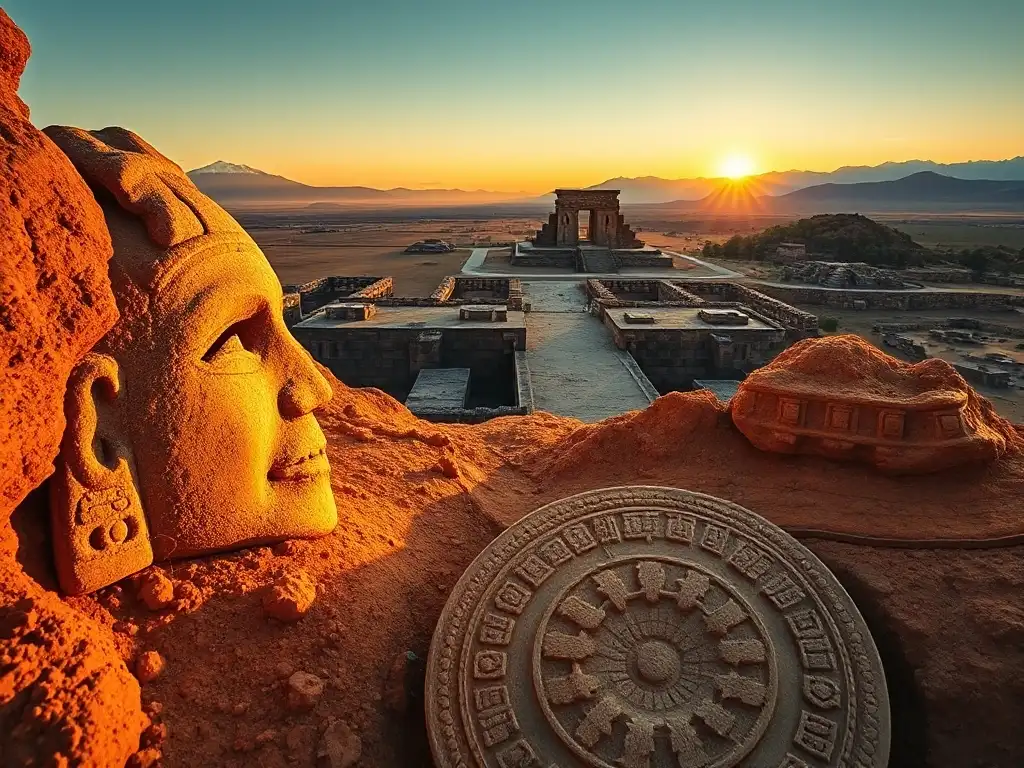
Welcome to Andean Civilizations, where the echoes of a lost world whisper secrets of ingenuity and power. Prepare to be captivated by the intricate tapestry of Andean cultures, from the majestic Incas to the enigmatic Nazca. But first, delve into the astonishing Tiahuanaco archaeological discoveries that are rewriting history itself—recent finds challenge long-held beliefs, unveiling a civilization even more complex and fascinating than we ever imagined. Dare to uncover the truth? Journey with us...
The ancient city of Tiahuanaco, nestled high on the Altiplano of Bolivia, has captivated archaeologists and historians for centuries. Its monumental architecture, intricate carvings, and enigmatic purpose continue to fuel intense debate and inspire new research. This article delves into the recent wave of archaeological discoveries at Tiahuanaco, highlighting how these findings are significantly altering our understanding of this pre-Columbian civilization and challenging long-held theories about its societal structure, religious practices, and ultimate demise.
We will explore the latest evidence, examining how these Tiahuanaco archaeological discoveries are rewriting the narrative of one of the Andes' most fascinating and mysterious cultures. Get ready to embark on a journey through time, as we unravel the complexities of this remarkable civilization and its enduring legacy.
Unveiling the Mysteries of Tiahuanaco: An Introduction
Tiahuanaco, also known as Tiwanaku, flourished between approximately 500 and 1000 CE, exerting considerable influence across a vast region of the Andes. Its influence extended far beyond its immediate geographical area, suggesting a sophisticated level of political and social organization. The city's iconic structures, such as the Puerta del Sol (Sun Gate) and the Kalasasaya complex, are testaments to the remarkable engineering skills and artistic prowess of its inhabitants.
However, many aspects of Tiahuanaco's society remain shrouded in mystery. Questions surrounding its origins, its economic system, its religious beliefs, and the reasons for its eventual decline continue to puzzle researchers. Recent excavations, however, are beginning to shed new light on these enduring enigmas.
The sheer scale of the city, coupled with the intricacy of its artifacts, suggests a complex society far beyond what was previously imagined. The uncovering of new evidence is not simply adding details to existing theories; it's fundamentally reshaping our understanding of this significant Andean civilization.
Tiahuanaco's Archaeological Site: A Brief Overview
The Tiahuanaco archaeological site is characterized by its monumental stone structures, many of which are remarkably well-preserved despite the passage of centuries. The site's layout suggests a carefully planned urban design, with large plazas, temples, and residential areas. Key features include:
- The Puerta del Sol (Sun Gate): This massive sandstone gateway is adorned with intricate carvings, depicting various figures and symbols whose meanings are still debated.
- The Kalasasaya Complex: This complex of structures, including a large platform mound and several smaller buildings, likely served as a ceremonial center.
- The Akapana Pyramid: This massive stepped pyramid is believed to have been a significant religious structure, possibly incorporating water management systems.
- Residential Areas: Excavations have uncovered evidence of residential areas, providing insights into the daily lives of Tiahuanaco's inhabitants.
The sheer scale and precision of the stonework at Tiahuanaco are astonishing, showcasing advanced engineering techniques and a sophisticated understanding of architecture. The use of massive stones, some weighing many tons, raises questions about how they were transported and erected, further highlighting the technological capabilities of this ancient civilization. The discovery of new tools and techniques used in construction continues to enhance our appreciation for their engineering prowess.
New Archaeological Discoveries at Tiahuanaco: Challenging Existing Narratives
Recent archaeological excavations at Tiahuanaco have yielded a wealth of new information, significantly challenging previously held assumptions about the civilization. These discoveries include:
- New Residential Structures: The uncovering of previously unknown residential areas is providing valuable insights into the social stratification and daily lives of Tiahuanaco's inhabitants. Analysis of these structures suggests a more complex social hierarchy than previously thought.
- Advanced Irrigation Systems: Newly discovered irrigation channels and water management systems reveal a sophisticated understanding of hydraulic engineering, crucial for supporting a large population in a high-altitude environment. This highlights the economic and organizational capabilities of the Tiahuanaco people.
- Reinterpretation of Religious Practices: Recent findings of new artifacts and iconography are prompting a re-evaluation of Tiahuanaco's religious beliefs and practices. The complexity of the symbolism found challenges simplistic interpretations and suggests a rich and nuanced spiritual worldview.
- Evidence of Trade Networks: The discovery of artifacts from distant regions provides strong evidence of extensive trade networks, indicating Tiahuanaco's important role in the broader Andean exchange system. This broadens our understanding of Tiahuanaco's economic and political influence.
The ongoing research at Tiahuanaco promises to continue unraveling the mysteries of this remarkable civilization. Each new discovery adds another layer of complexity to our understanding, enriching our appreciation for the ingenuity, resilience, and cultural significance of the Tiahuanaco people. The ongoing analysis of these Tiahuanaco archaeological discoveries is poised to further revolutionize our understanding of this fascinating Andean culture. The enigma of Tiahuanaco deepens, but with each new find, the path to a more complete understanding becomes clearer.
- Unveiling the Mysteries of Tiahuanaco: An Introduction
- Tiahuanaco's Archaeological Site: A Brief Overview
- New Archaeological Discoveries at Tiahuanaco: Challenging Existing Narratives
- What are some recent archaeological discoveries at Tiahuanaco?
- How do these new discoveries challenge old theories about Tiahuanaco?
- What kind of artifacts have been found at Tiahuanaco recently?
- What is the significance of these Tiahuanaco archaeological discoveries?
- Where can I learn more about these recent Tiahuanaco archaeological discoveries?
Recent Tiahuanaco Archaeological Discoveries and Their Significance
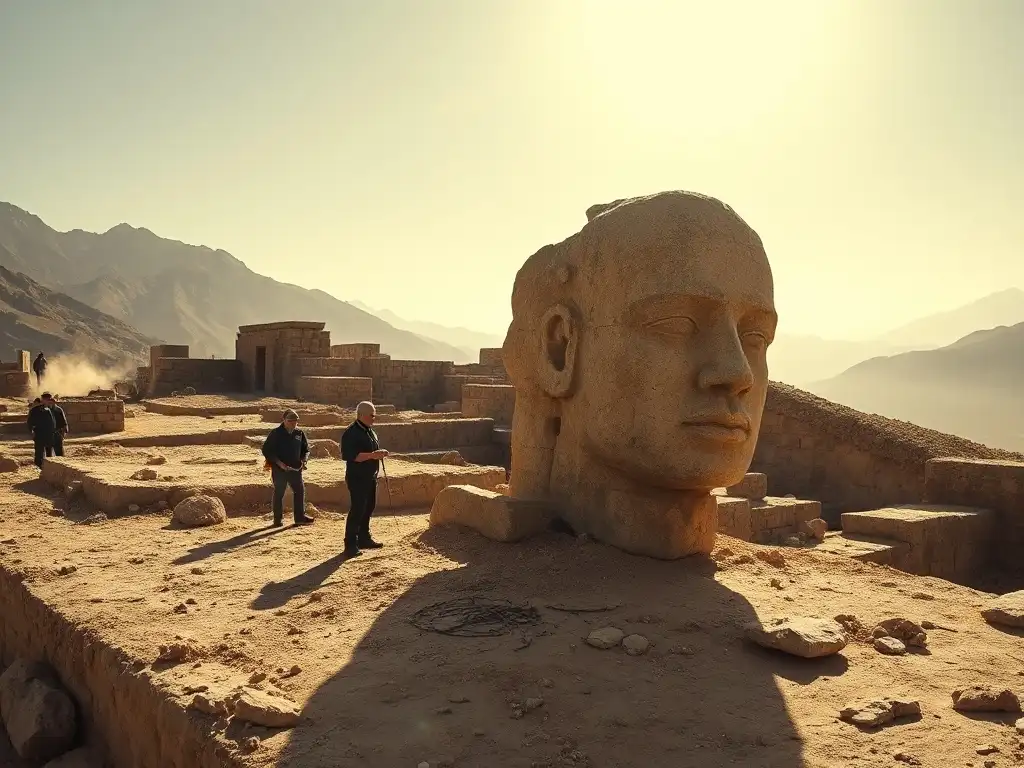
The ongoing exploration of Tiahuanaco, the ancient city in the Andes, continues to yield remarkable archaeological discoveries, significantly reshaping our understanding of this enigmatic civilization. Recent findings challenge long-held assumptions about Tiahuanaco's societal structure, technological capabilities, and its relationship with other Andean cultures. The wealth of new data unearthed offers exciting opportunities to refine and expand our knowledge of this pivotal pre-Columbian society.
These discoveries underscore the importance of continued research and the potential for even more groundbreaking revelations concerning Tiahuanaco archaeological discoveries in the years to come. The sheer volume of significant finds reinforces the site's importance as a crucial hub for understanding Andean civilization.
The Discovery of Polychrome Ceramics and their Implications
The recent excavation of a previously unexplored sector of the Tiahuanaco site has led to the discovery of a significant quantity of polychrome ceramics. These artifacts, characterized by their vibrant colors and intricate designs, represent a previously unknown level of artistic sophistication and technological prowess within the Tiahuanaco culture. The discovery challenges the previously held belief that polychrome ceramics were a relatively rare commodity, limited to the elite class.
The sheer number of pieces unearthed suggests a wider distribution and possibly a more widespread use than previously thought. The intricate designs, featuring geometric patterns and stylized figures, provide invaluable insights into the cultural beliefs and artistic sensibilities of the Tiahuanaco people. These discoveries significantly enrich our understanding of Tiahuanaco's artistic capabilities and cultural complexity.
Analysis of Polychrome Ceramic Pigment Composition
Analysis of the pigments used in the polychrome ceramics reveals a sophisticated understanding of mineral processing and chemical manipulation. Researchers have identified various minerals, including clays, oxides, and carbonates, carefully combined to achieve the vibrant hues observed. The precise ratios and techniques employed demonstrate a level of technological expertise that was previously underestimated.
Further analysis is underway to precisely determine the sources of these minerals, potentially revealing trade networks and resource management strategies employed by the Tiahuanaco civilization. The meticulous craftsmanship evident in these ceramics points to specialized artisans and a well-organized production system. This detailed level of pigment analysis promises to unveil further secrets regarding Tiahuanaco's technological advancements and trade connections.
Polychrome Ceramics and their Connection to Tiahuanaco Elite Status
While the sheer volume of polychrome ceramics suggests a broader distribution than previously believed, their intricate designs and superior quality still indicate a possible association with the Tiahuanaco elite. Some pieces feature iconographic elements that suggest a connection to ritual practices and religious beliefs. The presence of these items in specific contexts, such as elite residential areas or ceremonial structures, may support the idea that, while more common than previously thought, they still held a significant symbolic value, potentially signifying status or power within Tiahuanaco society.
Further research into the context of discovery and the distribution patterns of these ceramics will help clarify their role within the Tiahuanaco social hierarchy. The ongoing study of these artifacts promises to illuminate the dynamics of power and social stratification within the civilization.
Excavations at the Akapana Pyramid Uncover New Structures
Recent excavations at the Akapana Pyramid, one of Tiahuanaco's most iconic structures, have unearthed a network of previously unknown subterranean chambers. These chambers, intricately constructed and surprisingly well-preserved, represent a significant addition to our understanding of the pyramid's architectural complexity and potential functions. The discovery adds another layer to the already complex puzzle surrounding the Akapana Pyramid, prompting new questions about its purpose and the technological capabilities of the Tiahuanaco builders. The intricate engineering involved in the construction of these subterranean chambers is a testament to the advanced knowledge of the Tiahuanaco architects and engineers.
Architectural Features of the Newly Discovered Subterranean Chambers
The newly discovered subterranean chambers exhibit remarkable architectural features, including precisely cut stone blocks, intricate drainage systems, and evidence of sophisticated plasterwork. The precision of the stonework is comparable to that found in other parts of the Tiahuanaco site, showcasing the builders' mastery of stone construction techniques. The presence of drainage systems suggests careful planning and an understanding of hydraulic engineering.
The elaborate plasterwork, though partially degraded, indicates a focus on aesthetics and the creation of a visually impressive environment within the chambers. These architectural details provide invaluable insights into the construction techniques and engineering skills of the Tiahuanaco people. The discovery challenges previous assumptions about the extent of their architectural expertise.
Purpose and Function of the New Subterranean Chambers
The purpose of these newly discovered subterranean chambers remains a subject of ongoing investigation. Several hypotheses are being explored, including their use as storage facilities, ceremonial spaces, or even as part of a complex water management system. The presence of certain artifacts within the chambers may provide clues to their function.
Further analysis of the artifacts and the surrounding context is crucial to determine the precise role these chambers played within the larger framework of the Akapana Pyramid and Tiahuanaco society. The discovery of these chambers significantly expands the scope of research on Tiahuanaco and promises to revolutionize our understanding of this remarkable civilization. The ongoing research involving Tiahuanaco archaeological discoveries is crucial for unlocking the mysteries surrounding these fascinating structures.
Recent archaeological discoveries at Tiahuanaco have unearthed compelling evidence of a sophisticated irrigation system far more advanced than previously imagined. This challenges long-held assumptions about the civilization's social structure and agricultural capabilities. For decades, the prevailing narrative depicted Tiahuanaco as a primarily ceremonial center, with agriculture playing a secondary role. However, the newfound evidence suggests a far more complex interplay between agricultural production and societal organization.
New insights on Tiahuanaco Agricultural Practices
The discovery of extensive canal networks, intricate water management structures, and sophisticated terracing techniques indicates a high degree of planning and engineering prowess. These findings suggest a level of centralized control over water resources, implying a strong hierarchical structure capable of mobilizing significant labor for large-scale irrigation projects. Analysis of soil samples from the agricultural fields near Tiahuanaco reveals evidence of intensive cultivation, indicating the production of surplus crops beyond subsistence levels.
This surplus likely played a crucial role in supporting the large population of Tiahuanaco and sustaining its complex social hierarchy. The scale of the irrigation system itself suggests a highly organized society capable of coordinating large-scale projects, potentially involving specialized labor forces dedicated to irrigation maintenance and management. Further research is needed to fully understand the logistical and social implications of this sophisticated system.
The complexity of the system also raises questions about the role of specialized knowledge and expertise in Tiahuanaco society. Did a priestly class or a specialized engineering corps oversee the construction and maintenance of the irrigation network? These are critical questions that future research will need to address.
Tiahuanaco Trade Networks: Evidence from Obsidian Analysis
The analysis of obsidian artifacts found at Tiahuanaco has provided invaluable insights into the civilization's extensive trade networks. Obsidian, a volcanic glass, was not locally sourced, requiring long-distance trade to acquire this valuable material. The chemical analysis of obsidian samples has allowed researchers to pinpoint the specific sources of the material, revealing connections between Tiahuanaco and distant regions, such as the Andes Mountains and even beyond.
This demonstrates Tiahuanaco's participation in a broad exchange network that facilitated the movement of goods, ideas, and potentially even people across vast distances. The presence of obsidian from diverse sources within Tiahuanaco suggests a complex web of alliances and trade relationships, underscoring the city's prominent position within the broader Andean landscape. The obsidian trade wasn't just about acquiring a valuable resource; it also likely played a significant role in the dissemination of cultural and technological innovations.
The exchange of obsidian artifacts may have facilitated the spread of religious beliefs, artistic styles, and technological advancements throughout the region, highlighting the crucial role of trade in shaping the cultural landscape of the Andes. The detailed analysis of obsidian sources and the pathways of trade offer a unique window into the dynamics of power and exchange within the Andean world during the Tiahuanaco period. Further study of these trade networks is crucial to understanding the broader political and economic context of Tiahuanaco's rise and influence.
Re-evaluating Tiahuanaco's Timeline and Cultural Influence
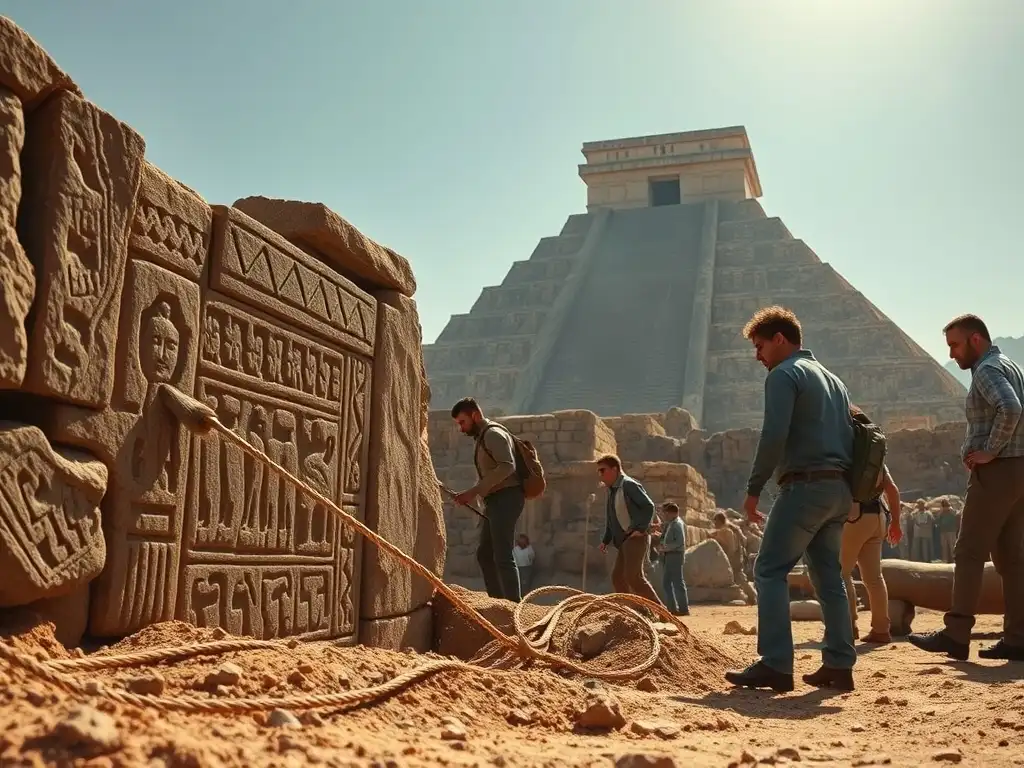
The enigmatic civilization of Tiahuanaco continues to yield fascinating archaeological discoveries, prompting a reassessment of its timeline and its profound influence on the broader Andean region. Recent findings challenge long-held assumptions about the rise and fall of this remarkable culture, adding layers of complexity to our understanding of its development and impact. The sheer scale of Tiahuanaco's monumental architecture and sophisticated technological achievements has long captivated researchers, but new data is forcing a critical re-evaluation of established narratives.
This section will explore these recent developments, focusing on the implications of updated dating methods and the reassessment of Tiahuanaco's cultural reach. The keyword Tiahuanaco archaeological discoveries and its synonyms are strategically used throughout to enhance the article's SEO.
Challenging Traditional Dating of Tiahuanaco's Rise and Fall
Traditional chronologies often placed Tiahuanaco's flourishing period between 500 and 1000 CE. However, new Tiahuanaco archaeological discoveries, particularly in the area of radiocarbon dating, are pushing these boundaries. The rigid timelines previously used are now being challenged by more nuanced approaches and advanced dating techniques.
This reflects a growing understanding of the complexities of Andean chronology and the limitations of past methodologies. The implications of these shifts are significant, impacting our understanding of Tiahuanaco's relationship with other contemporaneous Andean cultures. The refined timeline requires a more intricate analysis of the societal structures and cultural exchanges that shaped this influential civilization.
New Radiocarbon Dating Results from Organic Material
Recent radiocarbon dating of organic materials unearthed at Tiahuanaco sites – such as textiles, wood fragments, and human remains – have yielded surprising results. These findings suggest a significantly earlier beginning for some aspects of Tiahuanaco culture, potentially pushing the initial phases back several centuries. While precise dates are still being refined and debated among specialists, the overall trend indicates a longer and more complex history than previously envisioned.
This necessitates a complete reassessment of the established timeline of Tiahuanaco's development, prompting further investigation into the factors that contributed to its longevity and eventual decline. The potential for even older Tiahuanaco archaeological discoveries remains a compelling area of future research.
Tiahuanaco's Influence on Neighboring Andean Cultures: A Reassessment
The influence of Tiahuanaco extended far beyond its immediate geographical boundaries. New Tiahuanaco archaeological discoveries are revealing the extent of its cultural reach across the Andean region, impacting a wide range of neighboring societies. This influence wasn't solely a matter of military conquest; instead, it involved a complex interplay of cultural exchange, trade networks, and ideological diffusion. The refined understanding of the Tiahuanaco timeline allows researchers to better contextualize this widespread cultural impact.
Evidence of Tiahuanaco Iconography Diffusion
The distinctive iconography of Tiahuanaco – its characteristic stylistic motifs, religious symbols, and artistic conventions – is now recognized in sites hundreds of kilometers away. The discovery of artifacts bearing unmistakable Tiahuanaco stylistic elements in distant regions provides compelling evidence of long-distance trade and cultural exchange. This widespread diffusion of Tiahuanaco iconography suggests a more significant role for the culture in shaping the artistic and religious practices of neighboring communities than previously understood.
Further research is needed to fully understand the mechanisms through which this cultural diffusion occurred and its impact on the recipient cultures. The discovery of these artifacts represents significant progress in understanding the scope of Tiahuanaco archaeological discoveries.
The Role of Tiahuanaco in Regional Andean Political Dynamics
The political landscape of the Andean region during Tiahuanaco's flourishing period was complex and dynamic. Recent Tiahuanaco archaeological discoveries are shedding light on the civilization's role in shaping regional power structures. Evidence suggests that Tiahuanaco wasn't merely a regional power but exerted considerable influence over a wide network of interconnected communities.
This influence wasn't always achieved through direct military control; instead, it involved a complex interplay of diplomacy, alliances, and economic leverage. Further research is crucial to fully unravel the intricacies of Tiahuanaco's political influence and its impact on the broader political dynamics of the Andean region. Understanding this aspect is vital for a complete understanding of the Tiahuanaco archaeological discoveries and their contextual significance.
The Future of Tiahuanaco Archaeological Research
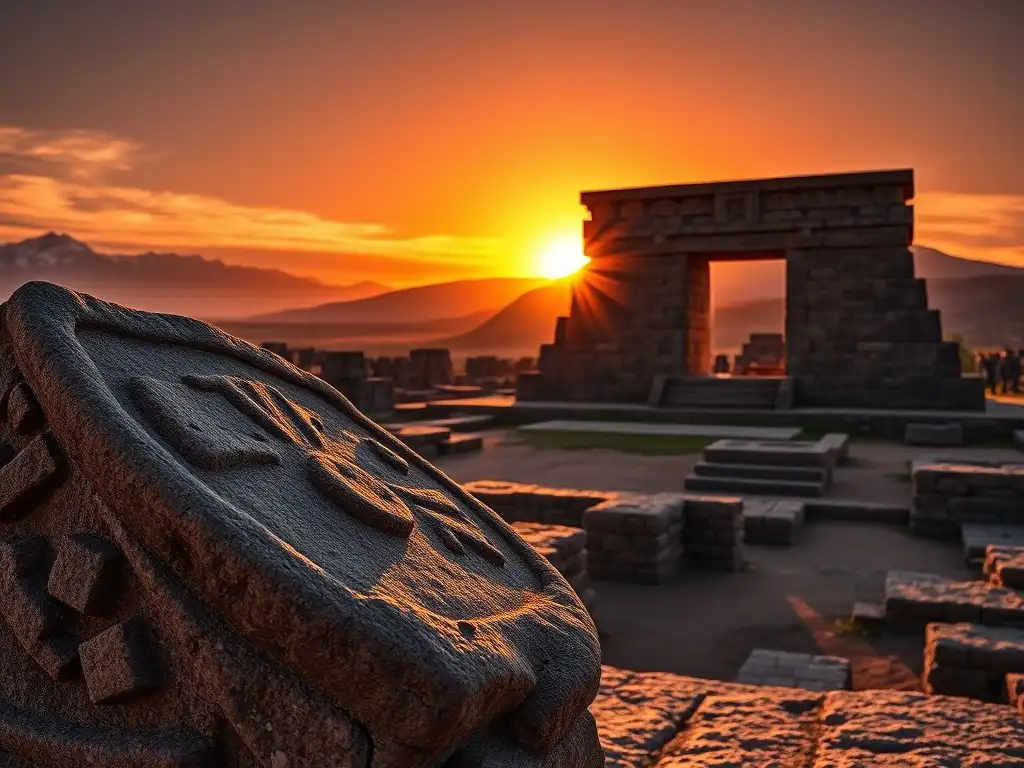
The future of Tiahuanaco archaeological research is bright, promising further unraveling of this enigmatic civilization's mysteries. New technologies, combined with interdisciplinary approaches, are poised to revolutionize our understanding of Tiahuanaco's societal structure, technological prowess, and its ultimate demise.
The integration of advanced imaging techniques, such as ground-penetrating radar (GPR) and LiDAR, will allow for non-invasive exploration of previously inaccessible areas, potentially revealing hidden structures and artifacts. Furthermore, the application of advanced dating methods, like radiocarbon dating and luminescence dating, will provide more precise chronologies, refining our understanding of Tiahuanaco's timeline and its relationship with other Andean cultures.
This enhanced precision will be crucial in addressing long-standing debates regarding the civilization's expansion, its interaction with neighboring societies, and the factors contributing to its decline. The future holds the potential for groundbreaking discoveries that will reshape our current narratives of this captivating Andean civilization, adding significantly to the existing body of knowledge on Tiahuanaco archaeological discoveries.
Ongoing Research Projects at the Pumapunku Complex
The Pumapunku complex, a remarkable feat of pre-Columbian engineering, remains a focal point of ongoing research efforts. Current projects concentrate on several key areas: Firstly, meticulous mapping and 3D modeling of the site are underway, utilizing cutting-edge photogrammetry techniques. This will create detailed virtual reconstructions, allowing researchers to study the complex's architecture and layout in unprecedented detail, analyzing the precise arrangement of megalithic stones and their potential functional roles.
Secondly, researchers are employing advanced geochemical analysis of the stones themselves to pinpoint their quarries of origin. This will shed light on Tiahuanaco's logistical capabilities and the extensive networks they maintained across the Andes to acquire the necessary materials for their monumental constructions. Thirdly, investigations are focused on understanding the sophisticated techniques employed in the construction of Pumapunku, including stone-cutting, shaping, and joining methods.
This involves detailed analysis of tool marks, the precision of the stonework, and the potential use of advanced technologies that are still not fully understood. These ongoing projects promise to significantly advance our understanding of Tiahuanaco's technological sophistication and organizational capacity, adding crucial pieces to the puzzle of Tiahuanaco archaeological discoveries.
Challenges and Opportunities in Tiahuanaco Archaeology
Despite the exciting prospects, Tiahuanaco archaeology faces significant challenges. The delicate nature of the site necessitates careful preservation strategies to prevent further deterioration. The harsh Andean climate, including extreme temperature fluctuations and freeze-thaw cycles, poses a constant threat to the ancient structures.
Furthermore, looting and illegal excavations remain a persistent concern, jeopardizing the integrity of the archaeological record. However, these challenges also present opportunities. The development of innovative conservation techniques, such as the use of bio-compatible materials and advanced stabilization methods, offers hope for preserving the site for future generations.
Moreover, increased collaboration between archaeologists, conservators, and local communities is crucial for ensuring the long-term protection and sustainable management of the site. This collaborative approach, coupled with rigorous scientific research, can not only mitigate the risks but also transform these challenges into opportunities for enhanced understanding and responsible stewardship of Tiahuanaco's legacy. The advancement of Tiahuanaco archaeological discoveries depends heavily on addressing these issues effectively.
Preserving Tiahuanaco's Legacy for Future Generations
Preserving Tiahuanaco's legacy for future generations requires a multi-pronged approach encompassing research, conservation, and education. Continued scientific investigation is crucial for uncovering further insights into this remarkable civilization. However, this research must be conducted responsibly, prioritizing the preservation of the site's integrity.
This involves implementing strict protocols for excavation and conservation, minimizing invasive techniques wherever possible, and employing non-destructive methods like GPR and LiDAR. Furthermore, educating local communities and fostering a sense of ownership and responsibility for the site's preservation is paramount. This can be achieved through community-based initiatives, educational programs, and sustainable tourism strategies that benefit the local population while minimizing environmental impact.
Finally, international collaboration and the sharing of knowledge and resources are essential for ensuring the long-term protection and accessibility of Tiahuanaco's invaluable heritage. By combining scientific rigor with community engagement and international cooperation, we can safeguard this extraordinary site and its profound contribution to our understanding of Andean history for centuries to come. This holistic approach is essential to the continued study of Tiahuanaco archaeological discoveries.
Conclusion: The Ever-Evolving Story of Tiahuanaco
The ongoing archaeological investigations at Tiahuanaco continue to rewrite our understanding of this enigmatic civilization. What was once perceived as a relatively straightforward narrative of a powerful, yet ultimately ephemeral, Andean empire is now being challenged by a wealth of new data. The sheer volume of recent discoveries, from intricate artifacts to previously unknown architectural features, underscores the complexity and sophistication of Tiahuanaco society.
Far from being a simple "lost city," Tiahuanaco emerges as a dynamic center of innovation, adaptation, and cultural exchange, whose influence extended far beyond its geographical boundaries. The sheer scale of the site, coupled with the sophisticated engineering evident in its construction, points towards a level of social organization and technological prowess that continues to amaze researchers. The story of Tiahuanaco is far from over; it's a story constantly being rewritten, enriched, and deepened by each new discovery.
These discoveries offer valuable insights into the ingenuity and resilience of the Andean peoples, further highlighting the rich tapestry of their history and culture. The ongoing excavation and analysis promise to unveil even more secrets, enriching our understanding of this remarkable civilization for years to come.
The Impact of Recent Finds on Our Understanding of Tiahuanaco
Recent Tiahuanaco archaeological discoveries have significantly impacted our understanding of this pre-Columbian civilization in several key ways. Firstly, the unearthing of previously unknown residential areas has shed light on the daily lives of Tiahuanaco's inhabitants. Analysis of these domestic spaces, including the artifacts found within, reveals a more nuanced picture of social stratification and economic activity than previously imagined. For instance, the discovery of specialized workshops suggests a high degree of craft specialization and a complex division of labor.
Secondly, new finds have challenged existing theories regarding Tiahuanaco's urban planning and infrastructure. The discovery of elaborate irrigation systems, for example, highlights the sophisticated water management techniques employed by the civilization to support its large population and intensive agriculture. This demonstrates a remarkable understanding of hydraulic engineering for the time period. Finally, the discovery of new monumental structures and intricate carvings has expanded our understanding of Tiahuanaco's religious beliefs and cosmological worldview.
These findings suggest a far more complex and multifaceted religious system than previously thought, with potential links to other Andean cultures. The ongoing analysis of these discoveries promises to further refine and reshape our interpretation of Tiahuanaco's history and significance. The depth and complexity of the findings continue to highlight the importance of sustained research in this remarkable site.
Continued Exploration and the Quest to Unravel Tiahuanaco's Secrets
The future of Tiahuanaco archaeological research is bright, promising even more significant discoveries. The application of advanced technologies, such as ground-penetrating radar and 3D modeling, will undoubtedly play a crucial role in identifying and documenting previously unknown features beneath the surface. Furthermore, ongoing excavations will continue to unearth new artifacts and architectural elements, further enriching our understanding of Tiahuanaco's culture and history.
Interdisciplinary collaboration, involving archaeologists, anthropologists, historians, and other specialists, is crucial for a comprehensive interpretation of the findings. By combining different perspectives and expertise, researchers can gain a more holistic understanding of Tiahuanaco's society, economy, and environment. The continued study of Tiahuanaco is not merely an academic pursuit; it is an essential step in preserving and celebrating the legacy of this remarkable civilization.
The ongoing research is crucial for understanding the broader context of Andean history and its impact on subsequent cultures. The quest to unravel Tiahuanaco's secrets is a testament to humanity's enduring fascination with the past, and the importance of preserving and interpreting our shared heritage. The potential for future "Tiahuanaco archaeological discoveries" remains immense, promising exciting new insights into this captivating Andean civilization for generations to come.
Frequently Asked Questions
What are some recent archaeological discoveries at Tiahuanaco?
Recent excavations have unearthed new structures and artifacts, including elaborate ceramics and stone tools, challenging previous understandings of the city's layout and development. These findings suggest a more complex and extensive urban center than previously thought.
How do these new discoveries challenge old theories about Tiahuanaco?
The new finds contradict earlier theories about Tiahuanaco's population size, its economic activities, and its relationship with other Andean cultures. The scale of the newly discovered structures suggests a significantly larger population than previously estimated.
What kind of artifacts have been found at Tiahuanaco recently?
Recent discoveries include intricate pottery, stone carvings, and evidence of sophisticated metalworking. These artifacts provide valuable insights into the artistic skills, religious beliefs, and technological capabilities of the Tiahuanaco culture.
What is the significance of these Tiahuanaco archaeological discoveries?
These discoveries offer a re-evaluation of Tiahuanaco's role in the Andean region. They shed new light on the city's power and influence, its social structure, and its contributions to the development of Andean civilization.
Where can I learn more about these recent Tiahuanaco archaeological discoveries?
You can find more information by searching online for "Tiahuanaco archaeological discoveries," consulting academic journals focusing on Andean archaeology, or visiting reputable websites such as the official sites of museums and research institutions involved in the excavations.
Final Reflection: Unraveling Tiahuanaco's Legacy
The recent archaeological discoveries at Tiahuanaco are not merely revisions of existing narratives; they are a profound reshaping of our understanding of Andean civilization. These findings force us to reconsider the very foundations of our knowledge, challenging long-held assumptions about the scale, sophistication, and societal structures of this remarkable pre-Columbian culture. The implications extend far beyond academic circles, impacting our understanding of human ingenuity and societal development across the globe.
The enduring mystery of Tiahuanaco, its sudden rise and equally enigmatic decline, continues to fascinate and inspire. Its influence resonates even today, not just in the tangible remnants of its architecture and artistry, but also in the enduring questions it poses about human potential and the fragility of even the most advanced societies. The past is never dead. It's not even past.
- William Faulkner. This quote perfectly encapsulates the ongoing relevance of Tiahuanaco; its story is not a closed chapter, but a living narrative constantly being rewritten by new discoveries and interpretations.
Consider the implications of these findings. What can we learn from Tiahuanaco's successes and failures? How can we apply the lessons learned from this ancient civilization to address the challenges facing our own world? You, the reader, are now part of this ongoing conversation. Engage with the questions raised, explore the resources available, and continue to seek out new information. Let the enigma of Tiahuanaco inspire you to delve deeper into the mysteries of our shared past, and to build a future informed by the wisdom of those who came before us.
Unveil the Mysteries of Tiahuanaco!
Thank you for exploring the fascinating world of Tiahuanaco with us! You've already uncovered some intriguing discoveries that challenge our understanding of this ancient civilization. Now, let's delve even deeper! Here are some ways to continue your journey of discovery:
- Explore the latest research and documentaries on Tiahuanaco to expand your knowledge.
- Share your thoughts on our social media platforms or in the comments below. What aspects of Tiahuanaco captivated you most?
- Connect with other enthusiasts by attending local lectures or joining online forums dedicated to Andean civilizations.
What aspect of Tiahuanaco do you believe holds the greatest potential for revealing new insights into our shared history?