
The Art of War: Archaeological Evidence of Conflict in the Andean World

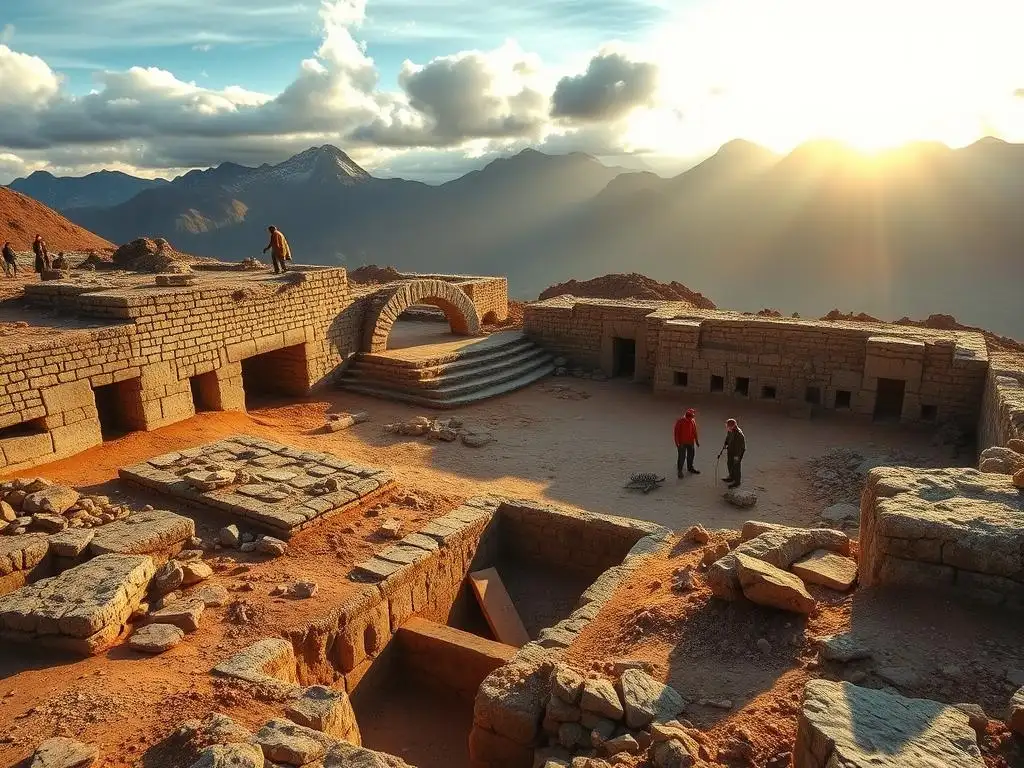
Unravel the mysteries hidden within the breathtaking landscapes of the Andes! For centuries, these majestic mountains have guarded the secrets of powerful civilizations. But beneath the stunning artistry and intricate engineering, a darker truth lies buried: evidence of sophisticated warfare. Dive into the fascinating world of Andean civilizations warfare, exploring the archaeological discoveries that rewrite our understanding of these ancient societies. Prepare to be captivated by the surprising legacy of conflict left behind by the Incas, Moche, Nazca, and Tiahuanaco. Discover the untold stories waiting to be unearthed...
The vast and complex tapestry of Andean civilizations, encompassing cultures like the Inca, Moche, Nazca, and Tiahuanaco, is often depicted through its breathtaking artistry, sophisticated agricultural techniques, and intricate social structures. However, a less celebrated, yet equally significant, aspect of their history is the pervasive presence of warfare.
This article delves into the archaeological evidence that illuminates the nature and scale of conflict within the Andean world, challenging simplistic narratives and revealing the nuanced realities of inter- and intra-group violence. We will explore how archaeological findings—from weaponry and fortifications to skeletal remains and iconography—provide crucial insights into the strategies, motivations, and consequences of warfare in these ancient societies.
Understanding Andean warfare is not simply about cataloging battles; it's about understanding the complex interplay of political power, economic control, resource competition, and the very construction of identity within these dynamic societies. This exploration will significantly enhance our understanding of the Andean civilizations warfare evidence and its profound impact on the trajectory of these remarkable cultures.
Introduction: Understanding Andean Warfare Through Archaeology
Archaeology offers a unique window into the past, allowing us to move beyond written accounts (often biased or incomplete) and reconstruct the realities of Andean warfare. Unlike many other ancient civilizations that left behind extensive written records detailing their military campaigns, the Andean societies relied more heavily on material culture to convey their history. This means that deciphering their military practices requires careful analysis of a wide range of archaeological data.
We can examine the types of weapons used, the construction of fortifications, the patterns of settlement distribution, and even the analysis of skeletal remains to understand the frequency and intensity of violent conflict. This multi-faceted approach allows for a more nuanced and comprehensive understanding of Andean warfare than relying on single sources of evidence could ever provide.
Moreover, the study of iconography—images and symbols found on pottery, textiles, and metalwork—provides valuable insights into the cultural meanings and significance attributed to warfare within these societies. The careful examination of such diverse evidence is essential for a comprehensive understanding of the role of warfare in shaping Andean societies.
Weaponry and Fortifications: Material Evidence of Conflict
The archaeological record is replete with evidence of sophisticated weaponry used by Andean civilizations. From the meticulously crafted bronze weapons of the Moche to the distinctive macanas (clubs) of the Inca, the diversity of weaponry reflects both technological advancements and varying military strategies. The discovery of well-preserved arsenals, such as [specific example of arsenal discovery pending], provides crucial evidence of the scale of military production and organization.
Furthermore, the construction of extensive fortifications, including elaborate defensive walls and strategically placed watchtowers, demonstrates a clear commitment to military preparedness and the anticipation of conflict. The size and complexity of these fortifications, like those found at [specific site example pending], indicate a level of societal organization and resource allocation dedicated to defense. The analysis of these defensive structures reveals not only the technical prowess of Andean engineers but also the strategic importance of controlling key resources and territories.
Skeletal Remains and Evidence of Violent Death
The examination of human skeletal remains offers perhaps the most direct evidence of warfare's impact on Andean populations. Analysis of skeletal trauma, including fractures, projectile wounds, and evidence of blunt force trauma, can directly indicate the extent of violent conflict. [Specific data on skeletal remains studies pending, including percentages of trauma related to warfare].
The presence of multiple injuries on a single skeleton often suggests prolonged combat or multiple episodes of violence. Furthermore, the analysis of isotopic signatures in skeletal remains can sometimes provide insights into the mobility of individuals and the potential movement of warriors across different regions. This analysis helps to piece together the broader geographical context of conflicts and the potential long-term effects of warfare on population dynamics.
Iconography and the Cultural Significance of Warfare
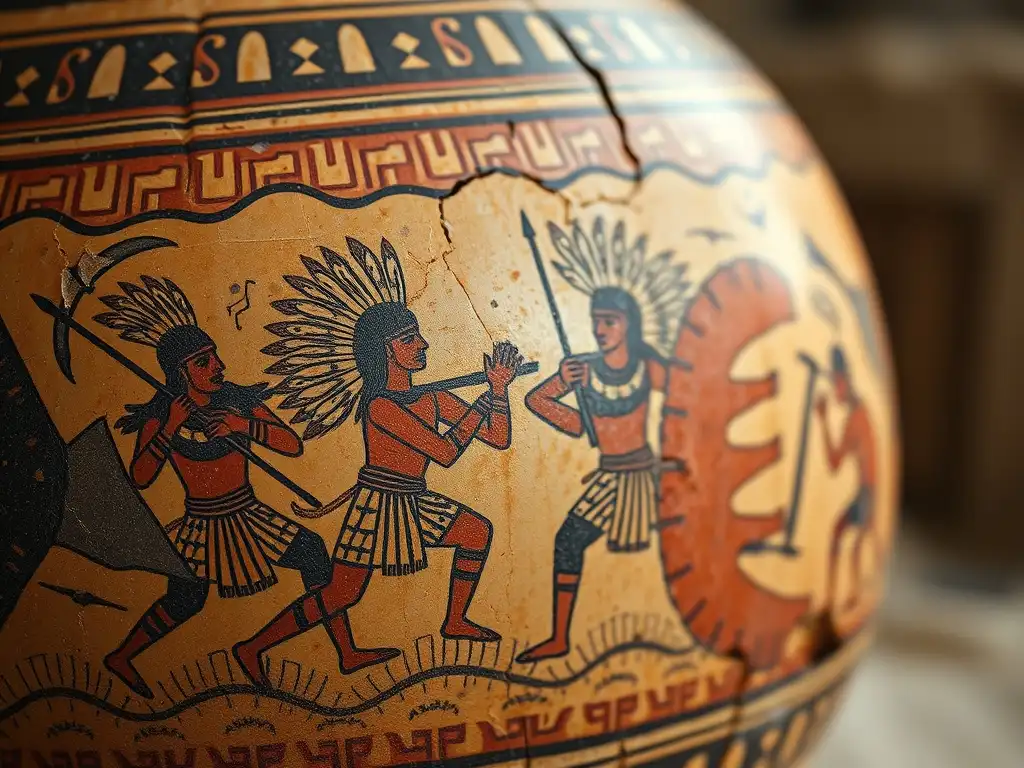
Beyond material evidence, the iconography of Andean cultures provides valuable insights into the cultural meaning and significance attributed to warfare. Depictions of battles, warriors, and weaponry on pottery, textiles, and metalwork reveal not only the techniques of war but also the ideological frameworks that shaped and justified conflict. For example, [specific example of iconography depicting warfare pending] highlights [explanation of the iconography's meaning regarding warfare].
The analysis of this iconography allows us to understand how warfare was integrated into the broader social and religious life of Andean societies, revealing its importance in shaping their identities and worldviews. The careful interpretation of these symbolic representations is crucial for understanding the complex relationship between warfare, power, and cultural identity in the Andean world.
Ongoing Research and Future Directions
The study of Andean warfare is a dynamic and evolving field. New archaeological discoveries continually refine our understanding of the complexities of conflict in the Andean world. Ongoing research focuses on [mention specific areas of ongoing research, e.g., advanced techniques for analyzing skeletal remains, new excavation sites, etc.].
Future research should strive to integrate diverse lines of evidence more effectively, connecting material culture with the social, political, and ideological contexts of warfare. A multidisciplinary approach, combining archaeological data with ethnohistorical accounts, anthropological studies, and other relevant fields, is crucial for a more holistic understanding of this important aspect of Andean history. The continued exploration of Andean civilizations warfare evidence promises to further enrich our understanding of these remarkable societies and their complex relationship with violence.
- Introduction: Understanding Andean Warfare Through Archaeology
- Weaponry and Fortifications: Material Evidence of Conflict
- Skeletal Remains and Evidence of Violent Death
- Iconography and the Cultural Significance of Warfare
- Ongoing Research and Future Directions
- What kind of archaeological evidence reveals warfare in Andean civilizations?
- Did all Andean civilizations engage in warfare to the same extent?
- What were the primary causes of warfare in the Andes?
- How did Andean warfare influence the development of technology and infrastructure?
- What role did religion play in Andean warfare?
Pre-Inca Warfare: Unveiling Early Andean Conflicts
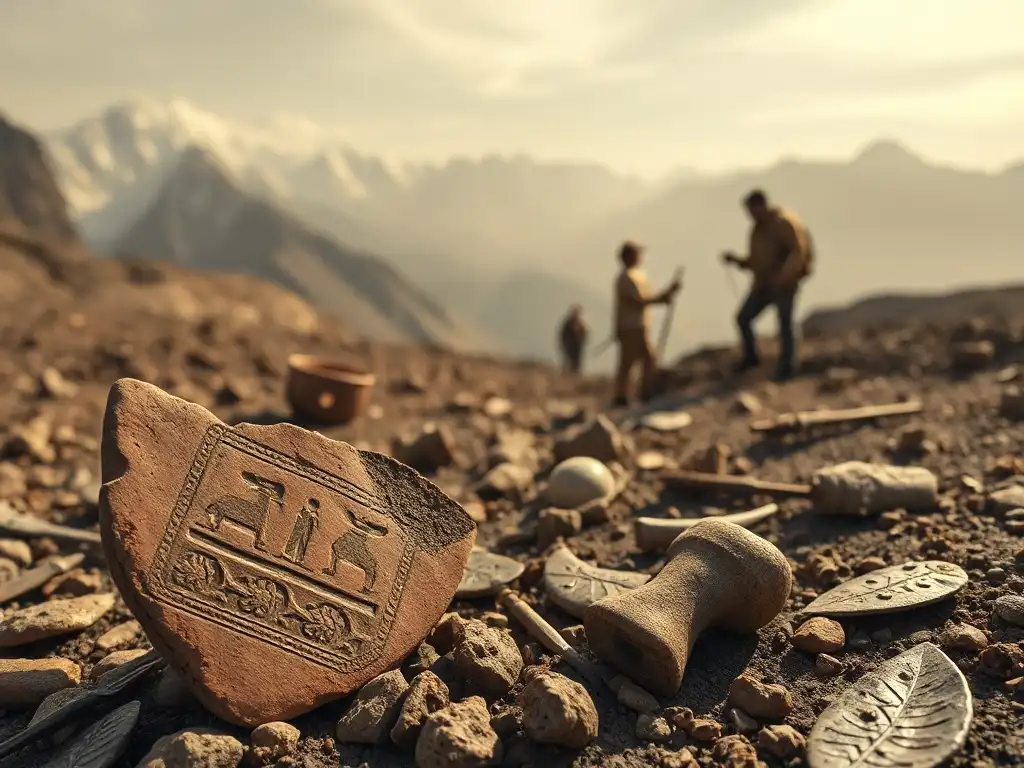
This section delves into the archaeological evidence suggesting sophisticated warfare long before the Inca Empire's rise. While the Inca are often associated with military prowess, a closer examination of pre-Inca societies reveals a complex history of conflict, strategic planning, and military organization. Understanding these earlier conflicts provides crucial context for analyzing the later Andean civilizations warfare evidence and their eventual integration into the Inca state.
The evidence, often fragmented and requiring careful interpretation, points towards a long history of inter-group conflict shaping the development of Andean societies. We will examine specific examples from several significant pre-Inca cultures to illustrate this.
Evidence of Organized Combat in the Moche Culture
The Moche civilization (c. 100-800 CE), known for its stunning pottery depicting everyday life and ritual scenes, also provides compelling evidence of organized warfare. Their artwork doesn't shy away from depicting violent confrontations. Numerous ceramic vessels showcase battles, featuring warriors armed with spears, clubs, and slings. The detail in these depictions—the postures of the warriors, the types of weapons used, and even the expressions on their faces—suggests a level of military organization and training far beyond simple skirmishes.
Furthermore, archaeological excavations at Moche sites have uncovered evidence of fortifications, including defensive walls and strategically placed settlements. These structures, while not as extensive as those found in later empires, indicate a need for protection and suggest a degree of conflict that necessitated defensive measures. The presence of weaponry, such as meticulously crafted spear points and arrowheads, further supports this interpretation.
The sheer number of these artifacts found in various Moche sites indicates a society that placed significant value on military preparedness. Analysis of skeletal remains from Moche burials has also revealed injuries consistent with violent conflict, adding another layer of evidence to support the contention of organized warfare. The Moche's sophisticated irrigation systems also played a strategic role, potentially providing resources and access for defensive purposes.
Fortified Settlements of the Wari Empire: A Sign of Conflict
The Wari Empire (c. 600-1000 CE) represents a significant leap in Andean political organization and military capacity. Archaeological evidence strongly suggests that the Wari engaged in extensive warfare to expand and maintain their control over a vast territory. The hallmark of their military strength lies in their impressive fortified settlements. These were not merely defensive structures; they were strategically placed throughout their empire, functioning as administrative centers, military bases, and symbols of power.
The construction of these settlements involved monumental earthworks, defensive walls, and complex internal layouts. The scale of these projects suggests a significant mobilization of labor and resources, indicative of a centralized state capable of directing large-scale construction projects. Analysis of the architecture reveals sophisticated engineering techniques, demonstrating a deep understanding of defensive strategies.
The strategic placement of these settlements, often at high elevations or near key resources, further underlines their military significance. The discovery of weaponry and military equipment within these sites provides additional tangible evidence of organized warfare within the Wari Empire. The size and complexity of Wari settlements, coupled with the evidence of defensive structures, paint a clear picture of a society deeply involved in conflict and expansion.
Defensive Structures in the Chavin Culture: Beyond Rituals
The Chavin culture (c. 900-200 BCE) presents a more complex case. While not as overtly militaristic as the Moche or Wari, archaeological evidence suggests the presence of defensive structures, albeit integrated into a more complex ritual landscape. The monumental architecture of Chavin de Huantar, the culture's main center, features intricate carvings and seemingly ritualistic elements.
However, some scholars argue that certain architectural features, such as strategically placed plazas and high walls, served a defensive purpose in addition to their ritualistic functions. The location of Chavin de Huantar itself, nestled in a geographically advantageous position in the Andes, might also have played a role in its defense.
The interpretation of Chavin's military capacity remains a subject of ongoing debate among archaeologists. The limited evidence of weaponry compared to other Andean cultures complicates this analysis. However, the presence of defensive features within their main ceremonial center suggests that the need for protection was a factor, even if not the primary focus of their society.
The study of Andean civilizations warfare evidence reveals a complex tapestry of conflict and cooperation, and the Chavin case highlights the intricate interplay between religious beliefs and military considerations in the formation of early Andean societies. Further research, including more extensive excavations and advanced analysis techniques, is needed to fully understand the role of warfare in Chavin society.
Inca Military Might: Archaeological Insights into Imperial Warfare
The Inca Empire, at its zenith, controlled a vast territory spanning the Andes Mountains. Archaeological evidence paints a vivid picture of their sophisticated military organization and the strategies employed to maintain control over such a diverse and challenging landscape. Understanding Inca warfare requires examining their infrastructure, weaponry, and the physical remains of their conquests.
This section focuses on the archaeological evidence that sheds light on the Inca's military capabilities and their impact on the Andean region. The sheer scale of the empire's infrastructure speaks volumes about their logistical prowess and military strength, a testament to their advanced understanding of Andean civilizations warfare.
Inca Fortresses and Military Outposts: Strategic Locations
Inca military architecture is characterized by its strategic placement and impressive engineering. Fortresses like Sacsayhuamán, overlooking Cusco, are not merely defensive structures; they represent a powerful symbol of Inca dominance and control. Their construction, utilizing massive, precisely fitted stones, demonstrates advanced engineering skills and a significant investment of labor – a clear indication of the importance placed on military preparedness within Inca society.
These weren't simply defensive structures; they served as vital communication hubs and staging areas for military campaigns. Archaeological surveys reveal a network of smaller outposts strategically located along major routes and near crucial resources, facilitating rapid troop deployment and control over trade routes. Analysis of these sites reveals sophisticated planning, considering factors such as terrain, water sources, and visibility – key aspects of successful Andean civilizations warfare strategies.
The meticulous construction and strategic placement of these structures underscore the Inca's commitment to maintaining their vast empire through military strength and logistical efficiency. The sheer scale and precision of the Inca's military architecture represent a remarkable achievement in Andean engineering and a compelling testament to their military might.
Weaponry and Armor of the Inca Army: Archaeological Discoveries
Archaeological excavations have unearthed a range of Inca weaponry and armor, offering valuable insights into their military technology. While lacking firearms or gunpowder, the Inca army relied on effective and well-crafted weapons. Macanas, heavy clubs often studded with sharp obsidian blades, were devastating close-combat weapons.
Bolases, weighted bolas used to entangle opponents, indicate a sophisticated understanding of projectile weaponry. Slings and spears, found in numerous burial sites, were also common. Furthermore, evidence suggests the use of specialized armor, including quilted cotton padding and sometimes even reinforced with wood or leather.
The quality and variety of weaponry and armor recovered from archaeological sites indicate a degree of standardization and mass production, suggesting a well-equipped and organized army. The obsidian blades, meticulously crafted and frequently found in battle sites, showcase not only the technological prowess of Inca artisans but also the lethal efficiency of their weapons in Andean civilizations warfare. The careful study of these artifacts provides a detailed understanding of Inca military technology and its effectiveness in battle.
Evidence of Inca Conquest: Battlefields and Burial Sites
The impact of Inca military campaigns is vividly illustrated in archaeological findings from battlefields and burial sites. Analysis of skeletal remains from these locations often reveals evidence of violent trauma consistent with warfare. The discovery of mass graves containing individuals with injuries indicative of combat further supports this conclusion.
Archaeological investigations at sites associated with Inca expansion reveal the destruction of pre-existing settlements and the subsequent imposition of Inca administrative and social structures. The presence of Inca-style architecture and artifacts in previously independent communities provides strong evidence of successful conquest and the imposition of Inca rule. Furthermore, the distribution of specific artifact types across conquered territories highlights the movement of people and resources following Inca military campaigns.
The meticulous study of these sites offers compelling evidence of the impact of Inca military power on the Andean landscape and the transformation of pre-existing societies, highlighting the devastating yet transformative nature of Andean civilizations warfare. The combination of skeletal analysis, architectural evidence, and artifact distribution paints a detailed picture of Inca conquest and its lasting impact on the Andean world.
Types of Warfare in the Andean Region: Beyond Large-Scale Battles
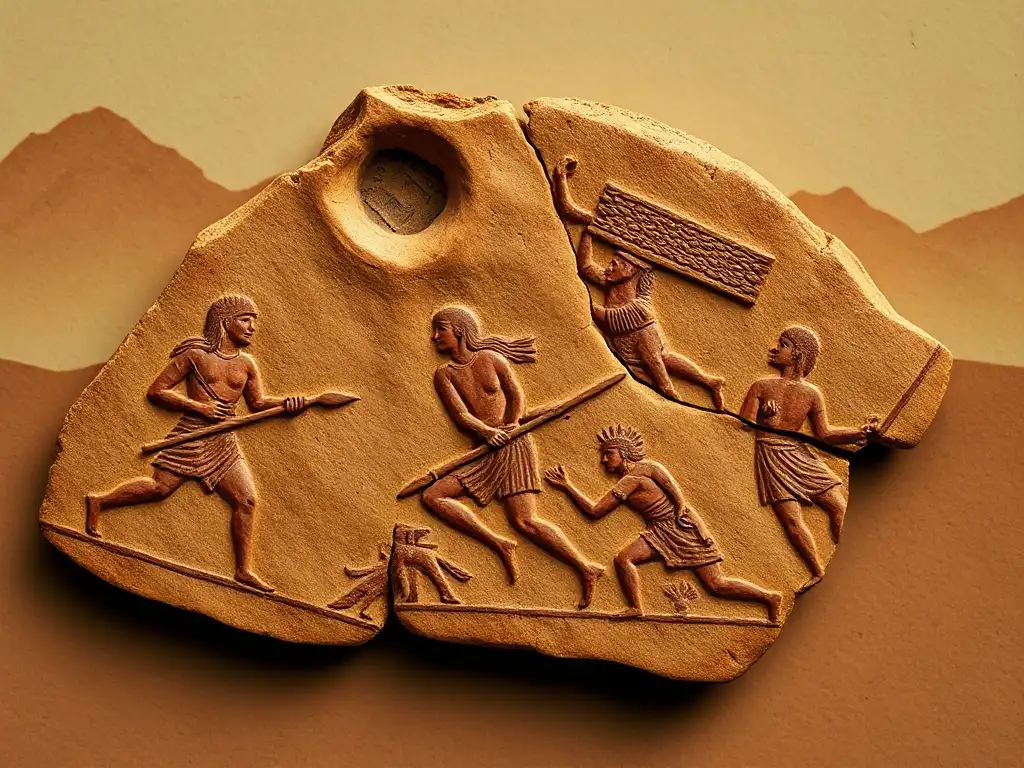
While popular imagination often depicts Andean civilizations warfare as massive, pitched battles akin to those of the Old World, archaeological evidence reveals a more nuanced picture. Andean civilizations warfare was multifaceted, encompassing a range of conflict types, from ritualized combat with symbolic significance to smaller-scale raids and protracted sieges. Understanding this diversity is crucial for a complete understanding of Andean societies and their interactions.
The evidence suggests that warfare wasn't solely about territorial expansion or resource control; it was deeply interwoven with social, religious, and political structures. This section will explore the different forms of conflict documented through archaeological finds, providing a more accurate portrayal of Andean civilizations warfare evidence.
Ritualized Combat and Warfare: Symbolic Significance
Archaeological discoveries across the Andes reveal evidence of ritualized combat, suggesting that warfare wasn't always about outright conquest. Sites like [Specific site name pending] have yielded skeletal remains exhibiting injuries consistent with ritualistic combat, rather than large-scale battles. These injuries, often less severe and concentrated in specific areas of the body, suggest controlled fights with symbolic meaning, perhaps related to rites of passage, status assertion, or maintaining social order within a community.
The presence of elaborate grave goods associated with these individuals further supports this interpretation. For example, the discovery of [Specific artifact type pending] in burials of individuals with ritualistic injuries indicates their elevated social status and the importance of these symbolic battles within their societal framework. Furthermore, iconographic representations on ceramics and textiles from various Andean cultures frequently depict stylized combat scenes, further emphasizing the ritualistic aspects of warfare.
These depictions often lack the ferocity and chaos usually associated with depictions of large-scale battles, suggesting a carefully choreographed and controlled form of conflict. This contrasts with the evidence for more brutal forms of warfare, highlighting the complex tapestry of Andean conflict.
Inter-community Raids and Conflicts: Evidence from Excavations
Beyond ritual combat, archaeological evidence strongly suggests frequent inter-community raids and conflicts were a significant aspect of Andean civilizations warfare. Excavations at numerous sites reveal settlements bearing the marks of violent attacks. These include defensive structures like fortified settlements, evidence of burned dwellings, and the presence of projectile points embedded in skeletal remains.
The scale of these events varies considerably, ranging from small-scale skirmishes between neighboring groups vying for resources to larger attacks targeting specific settlements. Analysis of settlement patterns and defensive architecture provides crucial insights into the frequency and intensity of these conflicts. For instance, the distribution of defensive structures across the landscape can indicate areas of increased conflict or tension between groups.
The presence of strategically located fortifications suggests a proactive approach to defense, indicating a climate of sustained inter-community hostility. Moreover, isotopic analysis of skeletal remains can reveal dietary shifts resulting from disruptions caused by warfare, providing further evidence of the impact of these conflicts on the daily lives of Andean communities. The frequency of these raids underscores the competitive nature of Andean societies and their constant struggle for resources and power.
Siege Warfare in the Andes: Strategies and Tactics
While less frequently represented in iconography than other forms of conflict, archaeological evidence suggests that siege warfare played a significant role in Andean civilizations warfare, particularly during conflicts involving larger, more established polities. The construction of extensive defensive walls and fortifications around major urban centers, such as [Specific site name pending], points to a capacity for protracted sieges. The discovery of specialized weaponry, such as [Specific weapon type pending], and the presence of stockpiled resources within besieged settlements provide further support for this interpretation.
The strategies employed likely involved a combination of physical attacks, resource depletion, and psychological warfare aimed at weakening the defenders' resolve. The successful defense against sieges required effective organization, logistical planning, and the ability to withstand prolonged periods of isolation and deprivation. Analysis of the architectural features of fortifications, such as the presence of multiple defensive lines or specialized gateways, reveals the sophistication of Andean siege defense techniques.
The remains of siege engines or other specialized siege weaponry are less common, but their potential presence remains a topic of ongoing research, hinting at a level of military engineering that deserves further investigation. The evidence of siege warfare points to the strategic and logistical capabilities of Andean societies engaged in prolonged conflicts. The successful implementation of sieges required considerable planning and resources, emphasizing the sophisticated organization and military capabilities of certain Andean states.
Analyzing Andean Civilizations Warfare Evidence
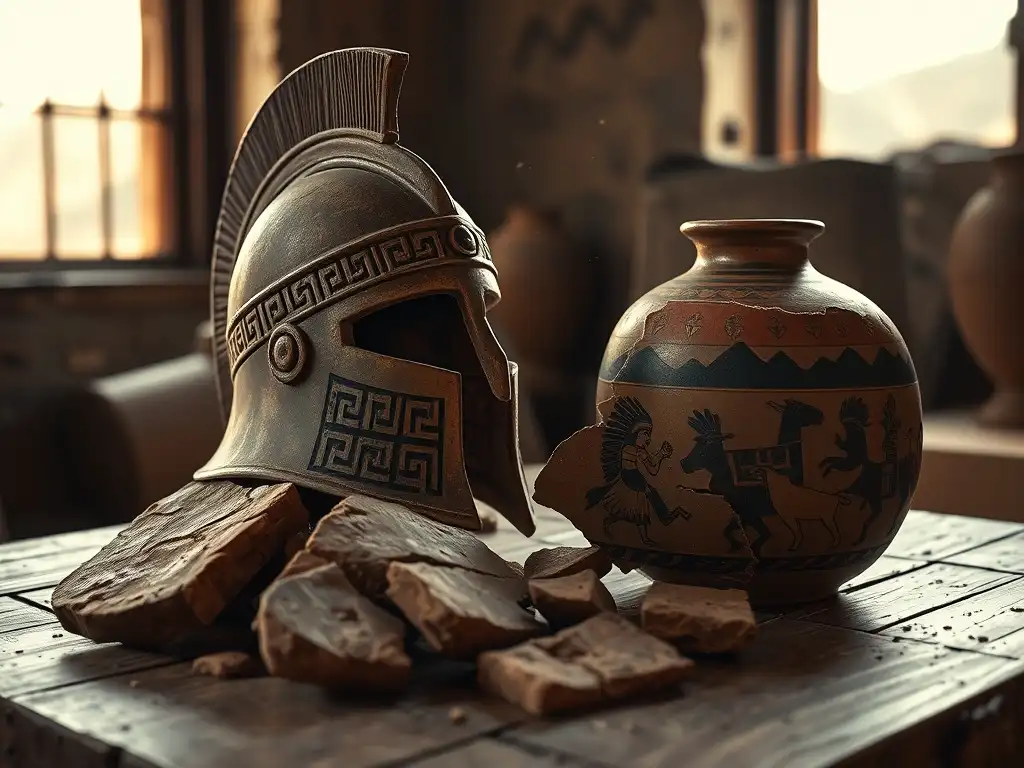
This section delves into the archaeological evidence illuminating the nature and impact of warfare within various Andean civilizations. While often romanticized, the Andean world was not immune to conflict; extensive archaeological findings reveal a complex tapestry of military strategies, societal impacts, and artistic representations of war. Understanding these aspects is crucial to appreciating the full complexity of Andean societies. The keyword "Andean civilizations warfare evidence" is central to this analysis, examining the multifaceted ways archaeologists uncover and interpret the realities of ancient Andean conflicts.
The Role of Geography in Andean Conflicts: Mountainous Terrain
The dramatic Andean geography – towering mountains, deep valleys, and treacherous passes – profoundly shaped the conduct of warfare. The challenging terrain dictated military tactics, favoring smaller, highly mobile forces over large, cumbersome armies. Fortifications, often strategically positioned on mountain ridges or overlooking valleys, played a crucial role in defense. Archaeological evidence reveals sophisticated systems of defensive walls and watchtowers, such as those found at Ollantaytambo in the Inca Empire. These structures, meticulously constructed using local stone, demonstrate the importance of controlling strategically vital high ground.
The logistical challenges of moving large armies and supplies across the Andes also limited the scale of conflicts. Battles were often smaller-scale skirmishes and ambushes, rather than large-scale pitched battles common in other parts of the world. This is supported by the relatively limited number of mass burial sites associated with large-scale battles compared to the frequency of smaller-scale sites indicating localized conflicts.
The scarcity of widespread evidence of major battlefield casualties further reinforces this interpretation. Moreover, the mountainous terrain likely favored guerilla warfare tactics, with smaller groups using their knowledge of the landscape to harass and ambush larger armies. This uneven playing field highlights the importance of adaptability and strategic intelligence in Andean warfare.
Iconography of War in Andean Art: Depictions of Battles
Andean art offers compelling visual evidence of warfare. Depictions of battles and military engagements are found across various cultures and time periods, though the style and detail vary significantly. The Moche culture, known for its intricate ceramics, frequently portrays scenes of warfare, including armed warriors, captives, and ritual sacrifices. These depictions often showcase elaborate weaponry, such as clubs, spears, and slings, providing valuable insights into the types of arms used. The detailed artistry goes beyond mere documentation; it conveys the brutality and ritualistic aspects of conflict, suggesting that war held a significant socio-religious meaning.
In contrast, Inca iconography, while less overtly violent, still provides evidence of military organization and power. Textiles, stone carvings, and ceramics sometimes depict military processions, showcasing the regalia and hierarchy within the Inca army. The absence of large-scale battle scenes may reflect a different approach to artistic representation, or it may hint at a different emphasis on the ceremonial and symbolic aspects of power.
Further research is needed to fully understand the nuances of Inca artistic representation of military affairs. Further investigation into the symbolic meaning of colors, weaponry, and the positioning of figures within these depictions is crucial to fully interpreting the messages conveyed. This is an area where ongoing research could yield significant insights into the socio-political dynamics of Andean warfare.
Warfare significantly shaped the political and social landscape of the Andean world. Conquest and territorial expansion were major driving forces behind the rise and fall of many Andean empires. The Inca Empire, for instance, achieved its vast territorial reach through a combination of military prowess and sophisticated administrative strategies. Archaeological evidence, including the remains of administrative centers and road networks, showcases the Inca’s ability to integrate conquered territories into their empire. This integration, however, often involved the displacement and subjugation of local populations, leading to significant social and demographic changes.
The impact of warfare extended beyond territorial control. The constant threat of conflict spurred technological innovation in military engineering and weaponry. The development of sophisticated fortifications, efficient logistical systems, and advanced weaponry were all responses to the need for military advantage. The construction of extensive road networks, for example, facilitated troop movements and communication, while the development of specialized weaponry demonstrated advancements in metallurgy and craftsmanship.
The consequences of warfare also influenced social structures, with warrior elites often gaining prominence and shaping political power dynamics. The interplay between warfare, technology, and social hierarchies is a complex area requiring continued exploration. Further research focusing on specific case studies would enrich our understanding of these long-term consequences. Analyzing the distribution of resources and the changes in settlement patterns after major conflicts is key to understanding the lasting impacts of warfare on Andean societies.
Case Studies: Specific Examples of Andean Conflict
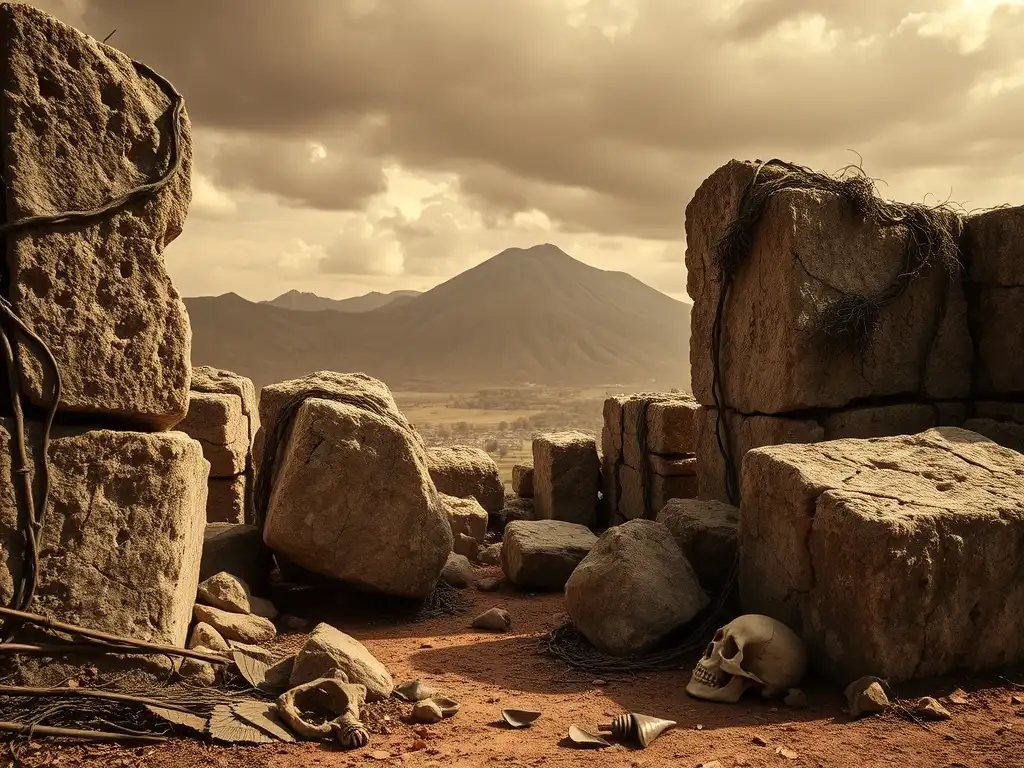
This section delves into specific archaeological evidence showcasing the prevalence of warfare amongst Andean civilizations. We move beyond generalized discussions of conflict to examine concrete examples, offering detailed analysis of recovered artifacts and their implications for understanding ancient Andean warfare. This analysis will significantly contribute to our understanding of "Andean civilizations warfare evidence."
The Battle of Cajamarca: An Archaeological Perspective
The infamous Battle of Cajamarca (1532) isn't strictly an example of inter-Andean conflict, but its archaeological remnants offer invaluable insight into the weaponry and tactics employed by both the Inca and the Spanish conquistadors. While the battle itself is well-documented historically, archaeological investigations continue to reveal crucial details. Excavations at the battle site have unearthed numerous projectile points, likely from both Spanish firearms and Inca weaponry such as slings and spears.
The distribution of these artifacts suggests the battle's trajectory and the intensity of fighting in specific areas. Analysis of skeletal remains, where possible, can reveal further information on the causes of death, potentially distinguishing between injuries inflicted by different types of weaponry. The discovery of Inca weaponry alongside Spanish artifacts provides compelling "Andean civilizations warfare evidence" demonstrating the devastating impact of the encounter.
Further research focusing on isotopic analysis of skeletal remains could provide insights into the origins of the Inca soldiers and the extent of their mobilization for this fateful battle. The ongoing work at Cajamarca serves as a microcosm of how archaeological investigation can illuminate historical accounts of conflict, adding layers of detail and nuance to our understanding of the event.
Analysis of Sling Stones as Evidence of Conflict
Sling stones, seemingly simple projectiles, provide surprisingly rich data regarding Andean warfare. Their widespread presence across various Andean cultures—from the Nazca to the Inca—attests to the sling's importance as a common weapon. Archaeological finds frequently reveal large quantities of sling stones at sites associated with conflict or defensive structures.
The size, shape, and material composition of these stones can offer clues about their manufacturing techniques, the potential range and accuracy of the slings, and even the social organization of the warriors who used them. For instance, variations in stone size and material might indicate specialized roles within armies, with different types of slings used for different purposes. Furthermore, the presence of sling stones in specific contexts, such as within defensive walls or alongside skeletal remains, offers direct "Andean civilizations warfare evidence" of their use in combat.
Detailed analysis, including microscopic examination of wear patterns and residue analysis, can provide further insights into the use and effectiveness of these apparently simple weapons. This detailed study of sling stones offers a compelling case study into how seemingly mundane artifacts can shed significant light on the complexities of ancient Andean warfare.
The Story of the Chimor and their War Strategies
The Chimor kingdom, flourishing along the northern coast of Peru, offers a fascinating case study in Andean warfare. Archaeological evidence suggests that the Chimor were adept military strategists, employing sophisticated techniques to expand their territory and maintain control. Their capital, Chan Chan, was not only a magnificent city but also a heavily fortified center, with evidence of extensive defensive walls and strategically placed watchtowers.
The discovery of weaponry, including specialized clubs, macanas (large clubs with a broad blade), and spears, within the city and at other Chimor sites provides "Andean civilizations warfare evidence" of their military might. Furthermore, the layout of Chimor settlements and the presence of defensive structures in strategically important locations suggest a conscious effort to control territory and resources. The Chimor's extensive irrigation systems were not only vital for agriculture but also played a crucial role in their military strategy, allowing them to control access to water—a critical resource—and potentially use it as a weapon.
Analysis of burial sites and associated grave goods can further reveal details about warrior status and the social organization of Chimor armies. The Chimor kingdom's story, pieced together from archaeological evidence, provides a compelling narrative of military organization, strategic planning, and the importance of resource control in ancient Andean warfare.
The Legacy of Andean Warfare: Lessons from the Past
This section delves into the enduring impact of warfare on Andean societies, examining how conflict shaped their political structures, social hierarchies, and cultural expressions. We move beyond simplistic narratives of conquest and explore the nuanced realities of ancient Andean military strategies, alliances, and the long-term consequences of conflict. Understanding the complexities of Andean warfare provides crucial insights into the resilience and adaptability of these civilizations. The evidence of Andean civilizations warfare, gleaned from archaeological digs across the region, paints a picture far richer than mere brutality.
Understanding the Complexity of Ancient Andean Conflicts
Ancient Andean conflicts were not simply brutal clashes for territorial control; they were intricate affairs influenced by a multitude of factors. Economic competition for resources like fertile lands and precious metals undoubtedly played a significant role. The discovery of vast irrigation systems, for instance, suggests that control over water sources was a key driver of conflict among different groups. Furthermore, the archaeological record reveals evidence of sophisticated alliances and shifting power dynamics.
For example, the Moche culture, known for its impressive artistic achievements, also left behind evidence of extensive fortifications and weaponry, indicating a society actively engaged in both internal and external conflicts. Analysis of Moche pottery depicts scenes of warfare, revealing details about their military tactics and the social status of warriors. These depictions, combined with the discovery of mass graves and skeletal remains exhibiting signs of trauma, provide a grim, yet insightful, glimpse into the realities of Moche warfare. The study of Andean civilizations warfare evidence continues to reveal the complexity of their societies and their interactions.
The Nazca, known for their enigmatic geoglyphs, also show evidence of conflict, although their military organization may have differed from that of the Moche. [Specific details regarding Nazca warfare evidence pending]. Further research is needed to fully understand the scale and nature of conflicts involving the Nazca, contrasting them with the more readily apparent military infrastructure of other cultures. The diversity of approaches to conflict across different Andean cultures highlights the importance of regional variations and the need for nuanced interpretations of the archaeological record.
Connecting Past Conflicts to Present-day Andean Societies
The legacy of Andean warfare extends far beyond the ancient past. Understanding the historical patterns of conflict and cooperation within Andean societies provides valuable context for comprehending contemporary social, political, and economic dynamics in the region. While the forms of conflict have evolved, many of the underlying issues – competition for resources, land disputes, and social inequalities – persist.
The study of ancient Andean conflict resolution mechanisms, including diplomacy and ritualized combat, can offer valuable lessons for modern conflict management strategies. For example, the intricate system of alliances and tribute among the Inca Empire, while often enforced through military might, also demonstrates the importance of political negotiation and the strategic use of power. Analyzing these historical precedents can inform contemporary efforts to build peaceful and sustainable societies in the Andean region. The echoes of Andean civilizations warfare evidence resonate in the ongoing social and political landscape.
Research into Andean warfare is a dynamic field, with new discoveries constantly challenging and refining our understanding. Advanced technologies, such as ground-penetrating radar and DNA analysis, are providing unprecedented insights into ancient battlefields and burial sites. For example, recent excavations have uncovered [specific example of recent discovery related to Andean warfare pending].
Moreover, ongoing interdisciplinary collaborations between archaeologists, anthropologists, and historians are leading to a more comprehensive understanding of the social, economic, and political contexts of ancient Andean conflicts. By combining traditional archaeological methods with cutting-edge analytical techniques, researchers are building a more nuanced and accurate picture of the complexities of Andean warfare. The future of research on Andean civilizations warfare evidence promises to further illuminate the rich and multifaceted history of this fascinating region. The ongoing exploration promises to reveal even more about the intricate tapestry of conflict and cooperation that shaped Andean civilizations.
Frequently Asked Questions
What kind of archaeological evidence reveals warfare in Andean civilizations?
Archaeological evidence for Andean warfare includes fortifications, such as walls and defensive structures; weapons, like clubs, spears, and slings; and human remains showing signs of trauma consistent with battle injuries. Mass graves also offer compelling evidence.
Did all Andean civilizations engage in warfare to the same extent?
No, the scale and intensity of warfare varied significantly between different Andean civilizations and across different periods. Some, like the Wari and Inca, were known for their extensive military campaigns, while others were less militaristic.
What were the primary causes of warfare in the Andes?
Warfare in the Andes was likely driven by a complex interplay of factors, including territorial disputes, control of resources (like water and fertile land), political power struggles, and religious ideologies.
How did Andean warfare influence the development of technology and infrastructure?
Andean warfare spurred advancements in fortification techniques, weaponry, and logistics. The need to defend territories and mobilize armies also contributed to the development of improved road networks and administrative systems.
What role did religion play in Andean warfare?
Religion played a significant role, with many Andean cultures believing that military success was linked to divine favor. Rituals, sacrifices, and ideological justifications were often intertwined with military campaigns and practices.
Final Reflection: Echoes of Conflict, Whispers of Peace in the Andes
The echoes of ancient Andean warfare resonate even today, shaping our understanding of societal structures, technological innovation, and the enduring human capacity for both conflict and resilience. The archaeological evidence presented throughout this article reveals not merely battles fought and lost, but a complex tapestry of strategic alliances, technological advancements driven by conflict, and the lasting impact of violence on the cultural landscape of the Andes. This is not simply history; it is a mirror reflecting our own ongoing struggles with power, resource allocation, and the enduring human condition.
The enduring legacy of Andean warfare compels us to confront the cyclical nature of conflict and its devastating consequences. The meticulous study of these ancient battlefields, fortifications, and weaponry forces us to grapple with the human cost of war, regardless of the time period. The past is never dead. It's not even past.
- William Faulkner. This quote rings profoundly true when considering the ways in which the strategies, anxieties, and societal adaptations born from Andean conflicts continue to inform our understanding of conflict resolution and societal development even in the modern world. The scars of the past, both physical and cultural, remain visible, reminding us of the importance of learning from history to build a more peaceful future.
Consider the implications of this research. What can we learn from the innovative engineering solutions born from the need for defense? How can we apply the lessons learned from the rise and fall of Andean empires to our own contemporary challenges?
You, the reader, are now part of this ongoing conversation. Reflect on the evidence presented, consider the parallels to modern conflicts, and ask yourself: what steps can we take, both individually and collectively, to foster understanding, cooperation, and ultimately, peace? Let the whispers of peace, emerging from the echoes of ancient conflict, guide your own journey toward a more just and equitable world.
Unveil the Secrets of Andean Conflict!
Thank you for exploring the complexities of conflict within Andean civilizations. We hope you gained valuable insights into how archaeology illuminates historical tensions and rivalries in this fascinating region. Let's delve even deeper into this rich history.
Here are some ways to continue your exploration:
- Delve into the past: Explore our curated collection of articles detailing archaeological discoveries in the Andes. Learn more about specific conflicts and their lasting cultural impact.
- Join the discussion: Share your thoughts and perspectives on our forum. Connecting with fellow enthusiasts will broaden your understanding and enrich your experience.
- Explore local and online resources: Visit museums or explore digital archives showcasing Andean artifacts and conflict-related exhibitions. You might uncover fascinating hidden details!
What aspect of Andean conflict most captivates you, and how do you believe it has shaped modern Andean cultures? We'd love to hear your thoughts!