
Ancient Trade Routes: Archaeological Evidence of Exchange in the Andes

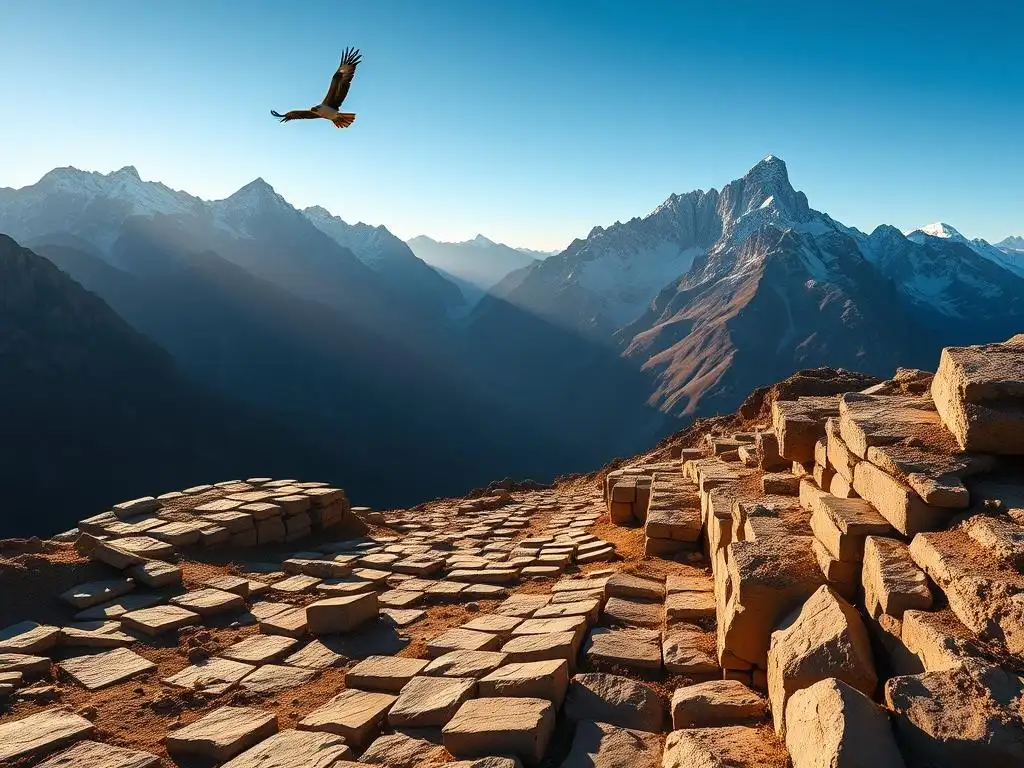
Step into a world lost to time, yet whispering secrets through the sands. Imagine the bustling markets, the intricate textiles, and the sheer ingenuity of the Andean civilizations. This journey into the heart of the Andes unveils the astonishing story of their interconnectedness, revealed through the fascinating archaeology of their Andean trade routes. Prepare to be amazed by the scale and sophistication of their exchange networks – a legacy that continues to resonate today. Discover more about this captivating history...
The Andes Mountains, a formidable yet breathtaking landscape, served as both a barrier and a facilitator for the vibrant ancient civilizations that flourished within its shadow. This article delves into the fascinating world of Andean trade routes, exploring the archaeological evidence that illuminates the extensive networks of exchange that connected disparate cultures across vast distances.
Understanding these trade routes is crucial to comprehending the complex social, economic, and political structures of pre-Columbian Andean societies, from the intricate artistry of the Nazca to the sophisticated engineering of the Inca. We will examine the archaeological discoveries that reveal the nature, extent, and significance of these ancient trade networks, showcasing how the movement of goods, ideas, and people shaped the development of Andean civilizations.
The analysis will focus on the tangible evidence unearthed by archaeologists, providing insights into the materials traded, the routes utilized, and the societal impact of this vital aspect of Andean life. This exploration will reveal how the seemingly impassable Andes fostered, rather than hindered, remarkable cultural exchange and interaction.
Introduction to Andean Trade Networks and Archaeological Significance
The study of Andean trade routes relies heavily on archaeological findings. Evidence comes in many forms, from the direct discovery of traded goods at distant sites to the indirect identification of stylistic influences and technological innovations spread across different cultures. Archaeologists employ various methods to uncover this evidence, including:
- Excavation of settlements and burial sites: These excavations often yield artifacts from distant regions, demonstrating the movement of goods along trade routes. For example, the discovery of coastal ceramics in highland settlements, and vice-versa, clearly indicates extensive interaction and exchange.
- Analysis of ceramic styles and technologies: Slight variations in pottery styles and manufacturing techniques can be traced across geographical areas, providing evidence of cultural exchange and the diffusion of ideas. The unique styles of Nazca pottery, for example, have been found far from their place of origin, demonstrating the reach of their trade networks.
- Metallurgical analysis: The study of metals and alloys reveals the sources of raw materials and the routes they took to reach artisans. The presence of specific metals, like copper from particular Andean regions, in artifacts found elsewhere, provides direct evidence of trade connections.
- Paleobotanical and zooarchaeological studies: The analysis of plant and animal remains found in archaeological contexts can reveal the movement of agricultural products and livestock along trade routes. The discovery of exotic plants or animals in unexpected locations points to long-distance trade.
The significance of these archaeological discoveries lies in their ability to reconstruct the intricate networks that bound Andean societies. These findings reveal not just the movement of goods, but also the complex social relationships, political alliances, and cultural exchanges that shaped the trajectory of Andean history. The evidence suggests a sophisticated system of trade, far more complex than previously imagined.
The Importance of Trade in Pre-Columbian Andean Societies
Trade wasn't merely an economic activity in pre-Columbian Andean societies; it was a fundamental pillar of their social and political structures. The exchange of goods fostered alliances, facilitated cultural diffusion, and contributed to the rise and fall of various empires. The control of trade routes often translated into political power and economic dominance.
- Economic Power: Control over the flow of essential resources, such as metals, textiles, and agricultural products, conferred significant economic power. Societies strategically located along important trade routes often prospered, accumulating wealth and influence.
- Social Stratification: Trade networks often supported the development of specialized labor and social hierarchies. Artisans, traders, and elites played crucial roles in these networks, leading to a more stratified social structure.
- Political Alliances: The exchange of goods served as a mechanism for establishing and maintaining political alliances between different groups. Gifts, tribute, and trade partnerships helped forge connections between seemingly disparate societies.
- Cultural Exchange: The movement of people and goods along trade routes facilitated the diffusion of ideas, technologies, and religious beliefs. This cultural exchange led to the development of shared traditions and practices across vast geographical regions.
The scale and sophistication of Andean trade networks are truly remarkable. Archaeological evidence shows that these networks extended across diverse ecological zones, connecting coastal regions with the highlands, and spanning hundreds, even thousands, of kilometers. The meticulous organization and efficient management of these networks demonstrate the advanced level of societal organization and planning achieved by pre-Columbian Andean civilizations. Further research and archaeological discoveries promise to further illuminate the intricacies of these ancient trade routes and their profound impact on Andean history and culture.
Early Andean Exchange Systems: Pre-Ceramic Period Evidence
The Andean region's vibrant exchange networks weren't a sudden phenomenon; they possessed deep roots extending far back into the pre-ceramic period (before 3000 BCE). Archaeological evidence, though less abundant than from later periods, suggests a complex web of interactions. The careful analysis of lithic tools, particularly obsidian and other exotic materials found in settlements far from their sources, points to established exchange systems.
These weren't simply bartering systems; the presence of standardized tool types and the consistent distribution of specific materials across vast distances indicate a level of social organization and communication far beyond simple opportunistic trade. The distribution patterns of these early artifacts suggest established pathways and possibly even specialized individuals or groups acting as intermediaries in these exchanges. Understanding these early systems is crucial to grasping the evolutionary trajectory of Andean trade and its profound influence on the later, more complex societies.
The careful study of settlement patterns and the distribution of resources in the pre-ceramic period is an active area of research, constantly refining our understanding of these early interactions. Further research on the social organization of these early communities is crucial to fully understanding the mechanisms of exchange.
Archaeological Discoveries Unveiling Early Trade Dynamics
The Andes, a geographically diverse region characterized by high mountains, arid coastal deserts, and fertile valleys, presented both challenges and opportunities for trade. The very need to access resources not readily available locally fueled the development of sophisticated exchange networks. Archaeological digs have unearthed compelling evidence of these dynamics, revealing not just the what and where of trade, but also providing valuable insights into the how and why.
The discovery of artifacts from distant regions within seemingly isolated settlements speaks volumes about the interconnectedness of Andean societies. These discoveries often involve painstaking analysis of material culture, including pottery styles, textile techniques, and metallurgical advancements, to trace the movement of goods and ideas across vast distances.
The meticulous cataloging and comparison of these artifacts allows researchers to reconstruct ancient trade routes and understand the social and economic forces that drove them. This interdisciplinary approach, combining archaeology, anthropology, and geology, is essential for a comprehensive understanding of early Andean trade.
Evidence of Obsidian Trade in the Andes
Obsidian, a volcanic glass prized for its sharpness, played a crucial role in early Andean exchange. Sources of high-quality obsidian were geographically limited, creating a demand that fueled trade across significant distances. Archaeological excavations have revealed obsidian artifacts in sites hundreds of kilometers from the nearest obsidian source. The analysis of obsidian using geochemical techniques allows archaeologists to pinpoint the precise source of the material, thereby tracing trade routes with remarkable accuracy.
The distribution patterns of obsidian artifacts reveal not only the extent of trade networks but also offer insights into the social structures that facilitated these exchanges. For instance, the presence of high-quality obsidian tools in elite burials suggests that control over obsidian resources may have conferred significant social status. The study of obsidian trade in the Andes provides a compelling case study of how the control and distribution of valued resources shaped social hierarchies and political power.
Spondylus Shell Exchange: Tracing Long-Distance Networks
The spondylus shell, a vibrant red mollusk found only in the coastal waters of Ecuador and Peru, became a highly valued commodity in the Andean world. Its use in ceremonial objects and elite burials points to its symbolic significance. The presence of spondylus shells far inland, in locations like the highlands of Peru and Bolivia, demonstrates the existence of extensive long-distance trade networks connecting the coast and the interior.
The intricate carvings and decorations found on spondylus shell artifacts suggest specialized craftsmanship and possibly the existence of specialized workshops or artisans involved in their production. The study of spondylus shell exchange reveals fascinating insights into the cultural exchange and symbolic meaning associated with these objects, providing a window into the beliefs and practices of ancient Andean societies. The distribution patterns of spondylus shells also offer valuable clues about the political and economic power structures of the time.
Early Ceramic Evidence of Trade and Cultural Diffusion
The emergence of ceramic technology in the Andes marks a significant turning point in the development of exchange networks. The stylistic similarities in pottery found across vast geographical areas attest to the widespread dissemination of ideas and technologies. The analysis of ceramic styles, including decorative motifs and manufacturing techniques, allows archaeologists to trace the movement of pottery and identify potential trade routes and cultural interactions.
The presence of specific ceramic styles in remote locations suggests the existence of established trade connections, facilitating the exchange of not only goods but also cultural practices and beliefs. The study of early Andean ceramics provides a rich tapestry of evidence illustrating the complex interplay between trade, technology, and cultural diffusion in the formation of Andean societies. Further, the varying levels of refinement in ceramic techniques across different regions suggest varying levels of involvement in trade and the development of specialized craft production.
The Rise of Complex Andean Trade Routes: The Formative Period

The Formative Period (roughly 1500 BCE – 200 CE) in the Andes witnessed a significant shift towards increasingly complex social structures and economic systems. This period saw the development of sophisticated agricultural techniques, leading to surplus production and the emergence of specialized craft production. These factors laid the groundwork for the expansion of trade networks, initially localized but gradually extending across larger regions. The need to exchange surplus goods, specialized crafts, and potentially even raw materials fueled the development of Andean trade routes.
Early trade likely relied on existing kinship networks and reciprocal exchange systems, but as societies grew larger and more complex, more formalized trade mechanisms likely evolved. The increasing standardization of certain artifacts, such as pottery styles and obsidian tools, points towards the existence of well-established trade connections during this crucial era of Andean development. Archaeological evidence suggests that the exchange of prestige goods, such as exotic feathers, shells, and certain types of stone, played a vital role in establishing social hierarchies and political power.
The development of these early trade routes wasn't just an economic phenomenon; it also played a crucial role in the spread of ideas, technologies, and cultural practices across the Andean region. This early period laid the foundation for the even more extensive trade networks that would characterize later Andean civilizations. The understanding of these early routes is vital to fully grasp the complex interplay of economic and social forces that shaped Andean societies.
Key Archaeological Sites Revealing Formative Trade Practices
Several key archaeological sites across the Andes provide compelling evidence of the burgeoning trade networks during the Formative Period. These sites reveal not only the goods being exchanged but also offer insights into the organization and logistics of trade, shedding light on the social and political implications of this economic activity.
The analysis of these sites allows researchers to reconstruct the geographical reach of trade routes, identify key exchange points, and understand the role of specific communities in the regional exchange systems. The distribution patterns of artifacts, the presence of exotic materials, and the stylistic variations in craft production all contribute to a richer understanding of the dynamic nature of Andean trade during this formative period.
The meticulous study of these sites helps us piece together the puzzle of early Andean integration, highlighting the complexity and sophistication of their economic systems long before the rise of the Inca Empire. The evidence uncovered challenges previous assumptions about the relatively isolated nature of early Andean societies, revealing a far more interconnected and dynamic world.
Chavín de Huántar: Trade Goods and Their Significance
Chavín de Huántar, located in the central Andes of Peru, stands as a pivotal site for understanding Formative Period trade. Its iconic architecture and unique artistic style, characterized by distinctive feline imagery, have long captivated researchers. However, the discovery of numerous artifacts from distant regions within Chavín de Huántar reveals its crucial role as a central hub in a vast trade network.
Obsidian tools from sources hundreds of kilometers away, exotic marine shells from the coast, and vibrant feathers from the Amazonian rainforest were all found within the site. The presence of these materials indicates a complex system of exchange, where Chavín de Huántar acted as a significant distribution center.
The analysis of these trade goods suggests that Chavín's influence extended far beyond its immediate surroundings, establishing a powerful connection between geographically disparate communities. The exchange wasn't simply economic; it likely played a role in the dissemination of Chavín religious beliefs and artistic styles across the Andes, highlighting the synergistic relationship between trade and cultural dissemination.
Garagay: Analyzing Trade Patterns and Routes
Garagay, another significant site in the Peruvian Andes, provides valuable insights into the specific trade routes and patterns during the Formative Period. Archaeological excavations at Garagay have uncovered a wide array of artifacts, including pottery, textiles, and metal objects, many of which originated from regions far removed from the site.
By analyzing the distribution of these artifacts and comparing them to materials found at other sites, researchers can trace the pathways of trade and identify key exchange points along these routes. The analysis of stylistic variations in pottery and the presence of specific types of stone tools helps to pinpoint the origin of these traded goods and reconstruct the networks that connected different Andean communities.
This detailed analysis helps to understand not just the what of trade (the goods exchanged), but also the how (the routes and mechanisms) and the why (the social and economic drivers) of this crucial economic activity in the development of Andean societies. The evidence from Garagay contributes significantly to our understanding of the complex interplay between trade and social organization during the Formative Period.
Sechín Alto: Regional Interconnections and Exchange
Sechín Alto, situated on the north coast of Peru, offers a unique perspective on the relationship between trade and the development of complex societies. The site's impressive architecture, featuring monumental carvings and intricate stonework, suggests a high degree of social organization and centralized power. Archaeological discoveries at Sechín Alto reveal extensive trade connections with other regions, evidenced by the presence of exotic materials such as obsidian, spondylus shells, and various types of stone.
The analysis of these materials, combined with stylistic comparisons of artifacts found at Sechín Alto and other sites, provides evidence of significant regional interconnections and exchange networks. The presence of these imported goods suggests that Sechín Alto played a significant role in the regional economy, possibly acting as a center for the distribution of resources and the exchange of prestige goods.
The study of Sechín Alto thus provides valuable insights into the complex relationship between trade, social complexity, and the development of powerful regional centers during the Formative Period in the Andes. The site's importance lies in its demonstration of the interconnectedness of Andean societies, even at relatively early stages of societal development.
Andean Trade Route Archaeology: The Impact of the Middle Horizon
The Middle Horizon (c. 600-1000 CE) represents a pivotal period in Andean history, significantly impacting the development and expansion of trade networks across the vast region. This era witnessed the rise of powerful empires, most notably the Wari and Tiahuanaco, whose influence extended far beyond their immediate territories, largely facilitated by sophisticated trade systems.
The archaeological evidence strongly suggests a dramatic increase in the volume and range of exchanged goods during this period, reflecting a more integrated and interconnected Andean world. This integration was not merely economic; it also facilitated the exchange of ideas, religious beliefs, and artistic styles, contributing to a shared cultural landscape across diverse regions.
The standardization of certain pottery styles and the widespread distribution of specific artifacts are key indicators of this intensified exchange, revealing a complex web of interactions between different Andean societies. The impact of this period on subsequent Andean civilizations is undeniable, laying the groundwork for the Inca Empire's later dominance and expansive trade networks.
The Expansion of Trade Networks in the Middle Horizon
The expansion of trade networks during the Middle Horizon was a direct consequence of the political and military power wielded by the Wari and Tiahuanaco states. These empires actively promoted trade, both to consolidate their power and to acquire essential resources from distant regions. Control over key trade routes provided significant economic and strategic advantages, allowing for the efficient movement of goods and the collection of tribute.
The construction of extensive road systems, though not as elaborate as the Inca qhapaq ñan, played a crucial role in facilitating trade. These routes connected distant settlements, enabling the transportation of goods over long distances. Furthermore, the standardization of weights and measures, evidenced by the discovery of uniform weights in archaeological contexts, suggests a centralized system of economic control.
This level of organization and control was unprecedented in earlier Andean societies and demonstrates the sophisticated nature of the Middle Horizon trade systems. The sheer scale of the trade networks during this period is a testament to the organizational capacity and logistical prowess of the Wari and Tiahuanaco empires.
Evidence of Wari Trade and Influence
Archaeological evidence of Wari trade and influence is abundant, showcasing the reach of this powerful empire. The distinctive Wari style of pottery, characterized by its intricate designs and standardized forms, has been found in sites across a vast territory, extending far beyond the empire's core region.
This widespread distribution of Wari pottery demonstrates the empire’s extensive trade networks and its ability to control the flow of goods. Further supporting this evidence are the discovery of Wari administrative centers and storage facilities in peripheral regions, indicating a systematic effort to manage and control trade within the empire.
The presence of Wari-style architecture and administrative structures in these outlying areas points to a deliberate policy of integration and the imposition of Wari political and economic structures on conquered or allied populations. The consistent presence of Wari-style artifacts in diverse archaeological contexts across the Andes provides compelling evidence of their extensive trading partnerships and influence.
Tiahuanaco Trade and its Spread Across the Andes
Tiahuanaco, another major power of the Middle Horizon, also possessed extensive trade networks that reached across the Andes. Unlike the Wari, who focused on a more centralized control of trade, Tiahuanaco's influence was perhaps more indirect, relying on a network of alliances and exchange rather than direct military conquest in many areas.
The distribution of Tiahuanaco-style textiles, ceramics, and other artifacts across vast distances provides strong evidence of this extensive trade. The iconic Tiahuanaco keros (ceremonial vessels) have been found in sites far from the Tiwanaku capital, indicating their use in ritual and exchange activities across a wide range of Andean societies.
The presence of Tiahuanaco-style architecture in distant regions, while less extensive than the Wari's, further supports the existence of extensive trade and cultural interaction facilitated by Tiahuanaco's influence. The spread of Tiahuanaco religious beliefs and iconography, evidenced by the widespread presence of similar religious motifs across different cultures, also highlights the role of trade in the dissemination of cultural ideas.
Archaeological Evidence of Increased Commercial Activity
The archaeological evidence for increased commercial activity during the Middle Horizon is multifaceted. The sheer volume of artifacts found in archaeological sites reflects a significant increase in the production and exchange of goods. The discovery of large quantities of standardized weights and measures further supports this conclusion, indicating a well-organized and efficient system of trade.
The presence of specialized craft workshops producing goods for exchange, as evidenced by the discovery of large-scale ceramic workshops and textile production centers, underscores the growth of a specialized economy focused on trade. The construction of large-scale storage facilities and administrative centers suggests a centralized system of control over the flow of goods and resources.
Moreover, the presence of exotic materials, such as obsidian from distant sources, in multiple archaeological sites across the Andes demonstrates the extensive reach of the trade networks and the importance of long-distance exchange. The combination of these factors provides compelling evidence of a significant surge in commercial activity during the Middle Horizon.
Inca Road System and Its Impact on Trade
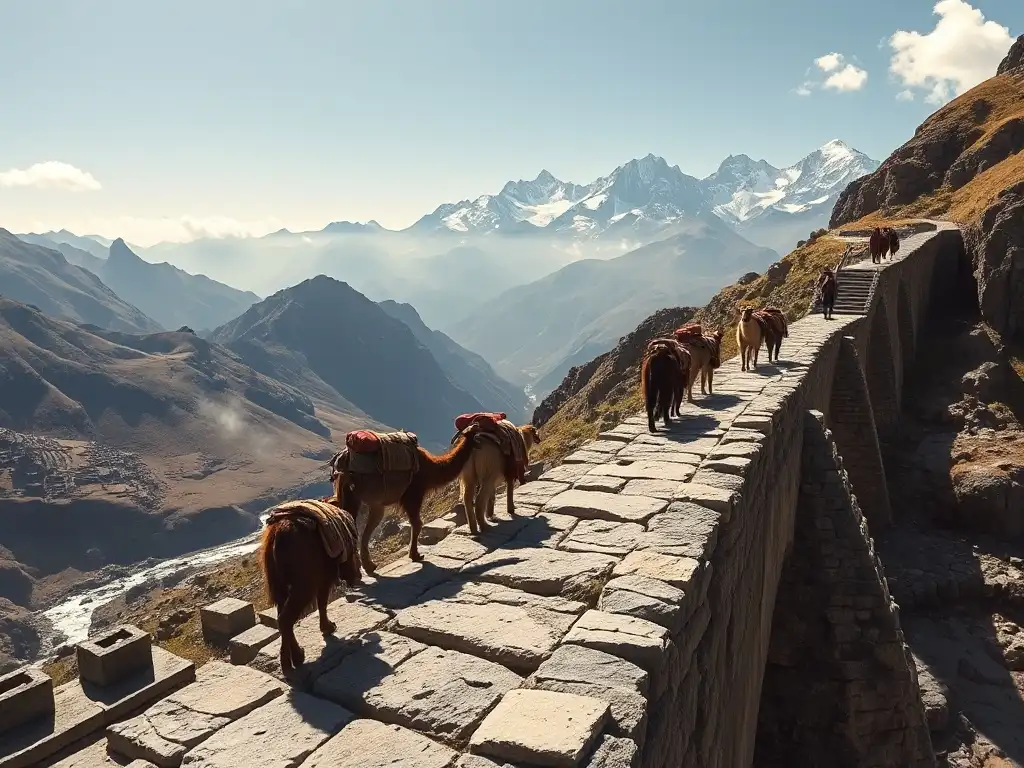
The Inca road system, a marvel of ancient engineering, played a crucial role in facilitating trade across the vast Andean empire. Spanning thousands of miles, this intricate network of pathways connected distant regions, enabling the efficient movement of goods, people, and information. The strategic placement of tambos, or roadside inns, provided resting places and logistical support for travelers, further enhancing the system's effectiveness.
This infrastructure wasn't merely a logistical achievement; it was a powerful tool for consolidating political power and fostering economic integration within the empire. The standardization of weights and measures, along with the implementation of a sophisticated system of record-keeping, further streamlined trade practices and ensured fair exchanges. The impact on Andean economies was transformative, leading to increased specialization and the development of vibrant regional markets.
The Qhapaq Ñan: An Extensive Trade Network
The Qhapaq Ñan, or "Royal Road," is often used synonymously with the Inca road system, though it encompasses a broader network of paths that predate the Inca empire. Archaeological evidence suggests that various pre-Columbian cultures contributed to the development of this extensive trade route, with the Incas later expanding and improving upon existing infrastructure.
The Qhapaq Ñan wasn't simply a single highway; it was a complex network of roads, trails, and bridges that traversed diverse terrains, from coastal deserts to high-altitude mountain passes. This extensive network facilitated the exchange of a wide array of goods, including agricultural products, textiles, precious metals, and ceramics, fostering economic interconnection among diverse Andean communities.
The sheer scale of the Qhapaq Ñan underscores the importance of trade and communication in the Andean world. Its construction and maintenance required a significant investment of labor and resources, reflecting the high value placed on these activities by Andean societies.
Archaeological Evidence of the Inca Road System
Archaeological excavations along the Qhapaq Ñan have yielded a wealth of information about the construction techniques and organizational strategies employed by the Inca. Researchers have uncovered meticulously engineered stone pavements, suspension bridges, and strategically placed tambos that demonstrate the advanced engineering skills of the Inca. The use of standardized stone blocks, carefully fitted together without mortar, is a testament to their precise craftsmanship.
Furthermore, the discovery of artifacts along the road, such as pottery shards, tools, and textiles, provides insights into the types of goods transported and the cultural exchanges that took place along the route. These findings not only illuminate the technical aspects of the road system but also shed light on the social and economic dynamics of the Inca empire. The meticulous nature of the archaeological evidence reinforces the significant investment and planning involved in the creation and maintenance of this remarkable infrastructure.
Impact of the Inca System on Andean Economic Exchange
The Inca road system significantly impacted Andean economic exchange by reducing transaction costs and expanding market access. The efficient movement of goods and people fostered specialization and economic interdependence among different regions. Coastal communities could easily trade fish and salt for highland agricultural products, while artisans in the highlands could distribute their wares across a wider market. This integrated economy fostered prosperity and contributed to the stability of the Inca empire.
The standardization of weights and measures, as mentioned previously, further facilitated fair and efficient trade practices. Moreover, the control exerted by the Inca state over the road system allowed them to regulate trade and collect taxes, further strengthening their economic and political power. The impact extended beyond mere economic benefits; it facilitated cultural exchange and the dissemination of Inca ideology throughout the empire.
Huanuco Pampa: Examples of Trade Along the Network
Huanuco Pampa, an Inca administrative center located in the central Andes, serves as a compelling example of the role of the road system in facilitating trade. Archaeological investigations at Huanuco Pampa have revealed evidence of extensive storage facilities, indicating the presence of a significant trade hub.
The discovery of diverse artifacts from various regions of the empire suggests that Huanuco Pampa served as a central point for the collection and redistribution of goods. The presence of specialized workshops producing textiles and metalwork further highlights the economic specialization that thrived within the region, facilitated by the efficient transport network.
The sheer scale of the administrative center and the variety of artifacts discovered demonstrate the significant role of Huanuco Pampa in the Inca economy, showcasing the impact of the Qhapaq Ñan on the flow of goods and the integration of the Andean economy. The site's strategic location along major trade routes underscores its importance as a vital link in the Inca's vast trading network.
Specific Goods Traded Along Andean Routes: Archaeological Analysis
Archaeological evidence reveals a complex network of trade routes crisscrossing the Andes, facilitating the exchange of a diverse range of goods. The sheer variety of artifacts unearthed at different sites across the Andes Mountains paints a vivid picture of extensive commercial interactions between different Andean cultures. These interactions were not limited to geographically proximate groups; instead, they spanned vast distances, connecting coastal regions with highland settlements and even reaching into the Amazon basin.
This intricate web of exchange was crucial for the survival and flourishing of these ancient societies, underpinning their economic, social, and political structures. The nature of the traded goods themselves provides valuable insights into the sophistication of Andean trade systems and the level of organization required to manage such extensive networks.
The presence of non-local materials in archaeological contexts provides undeniable proof of long-distance trade, showcasing the advanced logistical capabilities of these civilizations. Further research into the distribution patterns of specific goods can help us better understand the dynamics of these ancient trade networks and the relationships between different Andean societies.
Analyzing Trade Items Through Archaeological Findings
The analysis of trade items recovered from archaeological sites offers crucial insights into the nature and extent of Andean trade. Researchers meticulously examine the materials, manufacturing techniques, and stylistic features of artifacts to determine their origin and trace their movement across the Andes. This careful analysis often involves sophisticated scientific techniques such as isotopic analysis, which can identify the geographical source of materials like obsidian or metals.
By combining this scientific data with stylistic analyses, archaeologists can reconstruct the flow of goods and identify key trade routes. The distribution patterns of specific goods often reveal the existence of intermediary trading centers and the strategic locations of these hubs in facilitating the exchange of commodities across vast distances.
Furthermore, the presence of certain goods at specific sites can provide clues about the social and political relationships between different groups, shedding light on the complex dynamics of Andean societies. The careful study of these trade items, therefore, offers a powerful lens through which to understand the ancient Andean world.
The Significance of Textiles in Andean Trade
Textiles represent a significant category of goods exchanged along Andean trade routes. The exquisite craftsmanship and diverse materials used in Andean textiles demonstrate a high level of skill and artistry. The discovery of fine textiles at sites far from their presumed origin points to long-distance trade networks reaching into remote areas.
The use of exotic fibers, such as vicuña or alpaca wool, further underscores the economic importance of these textiles and the social status associated with possessing them. Analysis of textile fragments reveals intricate weaving techniques and distinctive stylistic features, allowing archaeologists to trace the origins of specific textiles and map their distribution patterns.
The trade in textiles was not just about the exchange of material goods; it also involved the transfer of knowledge and technology, contributing to the cultural exchange and interaction between different Andean societies. The enduring legacy of Andean textile traditions is a testament to the enduring value placed on these finely crafted goods.
Metal Artifacts and Their Distribution Patterns
Metal artifacts, particularly those made of gold, silver, and copper, played a crucial role in Andean trade. The presence of these precious metals at various sites signifies their high value and their use as prestigious goods in both economic and ritual contexts. The distribution patterns of metal artifacts often correlate with the location of metal sources, revealing the importance of mining and metallurgy in Andean economies.
However, the presence of finished metal objects far from known mining sites indicates the existence of sophisticated trade networks that facilitated the movement of raw materials and finished products across vast distances. The stylistic analysis of metal artifacts helps archaeologists identify different metalworking traditions and trace the movement of these traditions across the Andes.
The distribution of specific metal alloys and techniques provides further insights into the interconnectedness of different Andean societies and the exchange of knowledge and technology. The study of metal artifacts, therefore, offers a window into the economic and technological sophistication of Andean civilizations.
Agricultural Products and Their Exchange
While less readily preserved in the archaeological record than textiles or metal artifacts, evidence suggests that agricultural products formed a significant part of Andean trade. The cultivation of diverse crops in different ecological zones created opportunities for exchange and specialization. Archaeological evidence, such as storage facilities and the discovery of plant remains at different sites, supports the theory of extensive agricultural trade.
The exchange of staple crops like maize, potatoes, and beans would have been essential for the sustenance of populations in different regions, particularly in areas with limited arable land or specific environmental conditions. The movement of agricultural products likely followed existing trade routes, and their distribution patterns would have been influenced by factors such as environmental conditions, population density, and political organization.
Further research into ancient agricultural practices and the analysis of plant remains from archaeological sites are crucial to understanding the full extent of agricultural trade in the Andes. The exchange of agricultural products was not merely an economic activity; it also contributed to the spread of agricultural knowledge and practices, enriching the agricultural diversity of the region.
Challenges and Future Directions in Andean Trade Route Archaeology

Andean trade route archaeology faces several significant challenges. One major hurdle is the fragmented nature of the archaeological record. Many sites are located in remote, difficult-to-access areas, hindering comprehensive investigation. Furthermore, looting and the degradation of sites due to environmental factors pose ongoing threats to the preservation of valuable evidence. The sheer scale of the Andean region, coupled with the vast temporal span of its civilizations, also presents a logistical nightmare for researchers. Coordinating large-scale projects and integrating findings across diverse geographical locations requires significant resources and collaboration.
Another key challenge lies in the interpretation of archaeological data. While the presence of exotic goods at a site suggests trade, determining the precise mechanisms of exchange – whether direct or indirect, reciprocal or exploitative – remains complex. The limited written records available for many Andean cultures necessitate careful analysis of material culture, including ceramics, textiles, and metalwork, to reconstruct past trade networks. This interpretive complexity is further compounded by the potential for biases in sampling and the ongoing need to refine dating techniques.
Future research must focus on addressing these issues through a more nuanced and interdisciplinary approach. This includes integrating environmental data, such as paleoclimate reconstructions, to better understand the influence of environmental factors on trade patterns. It also requires a more critical examination of existing interpretations and a move towards more inclusive and collaborative research practices, engaging with local communities and incorporating Indigenous perspectives.
Current Research and New Discoveries in Andean Exchange Studies
Recent decades have witnessed a surge in research on Andean exchange networks, fueled by technological advancements and a shift towards more holistic approaches. Scholars are increasingly employing sophisticated analytical techniques to refine our understanding of trade routes and their impact on Andean societies. For instance, studies focusing on the distribution of specific types of ceramics or metalwork are providing insights into the geographic reach of different cultural groups and the intensity of exchange relationships.
The discovery of new sites, particularly those located along previously unknown or poorly understood routes, is also contributing significantly to this field. These discoveries often reveal previously unknown connections between different Andean cultures and provide crucial new data points for reconstructing trade networks. Furthermore, the application of advanced dating techniques, such as radiocarbon dating and luminescence dating, is helping to more precisely establish the chronology of trade activities and to refine existing models of cultural interaction.
This refined chronological framework allows researchers to better understand the evolution of trade networks over time, and how they responded to changing environmental and social conditions. The integration of this chronological data with spatial analysis is proving particularly fruitful in identifying key nodal points within these networks.
Isotopic Analysis: Advanced Technologies in Trade Route Analysis
Isotopic analysis, particularly strontium isotope analysis, is revolutionizing our understanding of Andean trade routes. By analyzing the strontium ratios in human skeletal remains and artifacts, researchers can trace the movement of people and goods across vast distances.
This technique provides a powerful means of identifying individuals who migrated from different regions, revealing patterns of long-distance trade and migration that may not be evident through other archaeological methods. For example, the analysis of strontium isotopes in ceramic vessels found at coastal sites has helped to confirm the importation of specific clay types from highland regions, demonstrating the significant role of long-distance exchange in the production and distribution of these essential goods.
Similarly, the application of this technique to the study of metal artifacts is helping to pinpoint the sources of precious metals such as gold and silver, illuminating the complex networks that facilitated the movement of these highly valued resources across the Andes. The continued refinement of isotopic analysis techniques promises to further enhance our understanding of Andean exchange systems.
Social Stratification: Studying the Social Impact of Trade
The impact of trade on social stratification in Andean societies is a complex and increasingly important area of research. Archaeological evidence suggests that the control of trade routes and access to exotic goods played a significant role in shaping social hierarchies and political power. For example, the elite burials found at many sites often contain a profusion of imported goods, highlighting the privileged access to these resources enjoyed by the ruling classes.
The study of craft specialization and the distribution of specialized goods also sheds light on the social organization of production and exchange. By analyzing the production techniques, the distribution patterns, and the social contexts of these goods, researchers are gaining valuable insights into the relationships between trade, social inequality, and political power.
Further research is needed to better understand the extent to which trade contributed to the development of complex social hierarchies and the emergence of state-level societies in the Andes. This requires a more nuanced approach, considering the diverse ways in which trade affected different social groups and how its impact varied across different regions and time periods.
Site Management: Preservation and Conservation of Archaeological Trade Sites
The preservation and conservation of archaeological sites associated with Andean trade routes are paramount for future research. Many of these sites are vulnerable to looting, natural erosion, and the impacts of development. Effective site management strategies are essential to protect these invaluable resources and to ensure that future generations can benefit from their study.
This includes implementing robust security measures to deter looting, developing sustainable management plans that balance preservation with access for research and tourism, and engaging local communities in the protection and interpretation of these sites. Furthermore, the development of innovative conservation techniques, such as the use of remote sensing technologies and digital documentation methods, can help to mitigate the impact of environmental factors and to create detailed records of these sites for future generations.
The establishment of protected areas and the integration of archaeological preservation into broader cultural heritage management strategies are vital for the long-term sustainability of Andean trade route archaeology. This collaborative approach, involving archaeologists, government agencies, local communities, and international organizations, is essential for ensuring the continued preservation of these irreplaceable resources.
Conclusion: The Enduring Legacy of Andean Trade
The archaeological evidence overwhelmingly supports a vibrant and extensive network of Andean trade routes, profoundly shaping the development and interactions of various civilizations. From the meticulously crafted textiles of the Nazca to the intricate metalwork of the Moche, the exchange of goods wasn't merely a commercial transaction; it was a powerful catalyst for cultural exchange and technological innovation. The persistence of certain trade practices and the enduring impact of these exchanges on Andean societies highlight the remarkable adaptability and resilience of these ancient cultures.
The legacy of these trade routes continues to resonate today, informing our understanding of pre-Columbian societies and their remarkable achievements. Further research, including advanced techniques like geochemical analysis of artifacts, promises to reveal even more about the complexity and sophistication of these ancient trade networks. The study of Andean trade routes provides a compelling example of how interconnectedness fostered innovation and shaped the trajectory of entire civilizations.
Understanding this intricate web of exchange enriches our appreciation for the multifaceted nature of Andean history and the enduring impact of its ancient past. The meticulous record-keeping, albeit often indirect, left behind by these cultures, combined with the ongoing efforts of archaeologists, paints a vivid picture of a dynamic and interconnected world.
The Role of Ancient Trade in Shaping Andean Civilizations
Ancient Andean trade routes played a pivotal role in shaping the trajectory of these remarkable civilizations in several key ways. Firstly, the exchange of essential resources, such as obsidian for tools and llama wool for textiles, ensured the survival and prosperity of communities. Access to materials not readily available locally fostered specialization and interdependence between different groups. This interconnectedness fostered a sense of shared cultural identity and facilitated the spread of ideas and innovations.
For example, the widespread adoption of particular agricultural techniques or artistic styles can often be traced to the movement of people and goods along these established pathways. Secondly, trade fostered economic growth and social stratification. Control over key resources and trade routes often led to the rise of powerful elites and the development of complex socio-political structures. The accumulation of wealth through trade contributed to the construction of monumental architecture and the support of specialized craftspeople.
Finally, the constant interaction facilitated by trade routes led to cultural exchange and the diffusion of technologies. This cross-cultural fertilization resulted in a dynamic interplay of ideas and practices, enriching the diversity of Andean societies. The spread of religious beliefs, artistic styles, and technological innovations across vast distances showcases the profound impact of trade on the cultural landscape of the Andes. The complex interplay between trade, technology, and social organization within the Andes highlights the interconnectedness of these seemingly disparate aspects of ancient Andean civilizations.
- Introduction to Andean Trade Networks and Archaeological Significance
- The Importance of Trade in Pre-Columbian Andean Societies
- Early Andean Exchange Systems: Pre-Ceramic Period Evidence
- Archaeological Discoveries Unveiling Early Trade Dynamics
- The Rise of Complex Andean Trade Routes: The Formative Period
- Key Archaeological Sites Revealing Formative Trade Practices
- Andean Trade Route Archaeology: The Impact of the Middle Horizon
- The Expansion of Trade Networks in the Middle Horizon
- Inca Road System and Its Impact on Trade
- The Qhapaq Ñan: An Extensive Trade Network
- Specific Goods Traded Along Andean Routes: Archaeological Analysis
- Analyzing Trade Items Through Archaeological Findings
- Challenges and Future Directions in Andean Trade Route Archaeology
- Current Research and New Discoveries in Andean Exchange Studies
- Conclusion: The Enduring Legacy of Andean Trade
- The Role of Ancient Trade in Shaping Andean Civilizations
- What role did trade routes play in the development of Andean civilizations?
- What archaeological evidence supports the existence of these trade routes?
- Which goods were most commonly traded along these routes?
- How did the geography of the Andes influence the development of trade routes?
- What are some of the key archaeological sites that shed light on Andean trade routes?
Frequently Asked Questions
What role did trade routes play in the development of Andean civilizations?
Andean trade routes were essential for the development of these civilizations. They facilitated the exchange of vital resources, leading to economic growth and cultural interaction between different groups. This exchange fostered innovation and the spread of ideas.
What archaeological evidence supports the existence of these trade routes?
Archaeologists have uncovered extensive evidence, including road networks, storage facilities, and the widespread distribution of similar artifacts across vast distances. The presence of exotic materials in distant sites further confirms the existence of trade networks.
Which goods were most commonly traded along these routes?
Common traded goods included metals (gold, silver, copper), textiles, ceramics, agricultural products, and luxury items. The specific goods varied depending on the region and the time period, reflecting the diverse economies of the Andes.
How did the geography of the Andes influence the development of trade routes?
The challenging Andean geography, with its mountains and valleys, shaped the development of trade routes. Routes often followed river valleys and mountain passes, adapting to the natural landscape. This geography also impacted the types of goods traded.
What are some of the key archaeological sites that shed light on Andean trade routes?
Sites like Machu Picchu, Chan Chan, and various coastal settlements offer significant insights. The discovery of exotic materials in these locations provides compelling evidence of extensive trade networks across the Andes.
Final Reflection: Echoes of Exchange Across the Andes
The intricate network of Andean trade routes, meticulously revealed through archaeological evidence, remains a powerful testament to the ingenuity and interconnectedness of ancient societies. These weren't simply paths; they were arteries of cultural exchange, economic prosperity, and technological innovation, whose impact resonates even today in the diverse tapestry of Andean cultures. Understanding these routes offers a crucial lens through which to view the complexities of pre-Columbian societies and their enduring legacy.
The enduring influence of these ancient trade networks is palpable, shaping not only the material culture but also the social and political landscapes of the Andes. The exchange of goods, ideas, and technologies fostered a sense of shared identity and facilitated the rise and fall of powerful empires. As the archaeologist Michael E. Moseley eloquently stated, The Andes were not a collection of isolated villages, but a complex web of interacting communities.
This interconnectedness, forged through centuries of trade, continues to inform the region's identity and its rich cultural heritage. It reminds us of the power of collaboration and the enduring strength of human connection across vast distances and diverse environments.
Consider the implications of this ancient legacy. What can we learn from the ingenuity and resilience of these ancient traders? How can we apply their understanding of interconnectedness to address the challenges of our globalized world? Let the echoes of exchange across the Andes inspire you to explore the connections in your own life, to appreciate the value of collaboration, and to recognize the enduring power of human interaction to shape our world. Let the past illuminate the path towards a more interconnected and understanding future.
Uncover the Secrets of Ancient Andean Trade!
Thank you for exploring the fascinating world of ancient Andean trade routes with us! We hope you've gained valuable insights into how these routes shaped past cultures and economies. Now, let's put that knowledge to work!
- Dive deeper: Explore the remarkable artifacts discovered along these routes and learn how they illuminate Andean civilizations. Discover the stories they tell about ancient Andean life and ingenuity.
- Share your thoughts: Join our community forums and discuss your insights into ancient Andean trade. Let's continue the conversation and learn from each other's perspectives.
- Plan a visit: Immerse yourself in history by visiting museums or archaeological sites showcasing Andean trade artifacts. Witness firsthand the tangible evidence of these remarkable trade networks.
What most surprised you about the ways ancient Andean peoples connected through trade?