
The Sun, the Moon, and the Stars: Archaeological Evidence of Andean Astronomy


Step into a world lost to time, yet echoing with the whispers of a celestial past. For centuries, the Andes Mountains have guarded secrets of unparalleled ingenuity – secrets now unveiled through the fascinating lens of Andean astronomy archaeological evidence. Prepare to be captivated by the intricate relationship between these ancient civilizations and the cosmos, a connection revealed in breathtaking detail within "The Sun, the Moon, and the Stars." Discover how these masterful builders read the heavens, and unlock the mysteries they left behind. Explore the Legacy of Andean Civilizations and embark on an unforgettable journey.
- Andean Astronomy: Unveiling the Cosmos Through Archaeological Evidence
- Pre-Incan Astronomical Knowledge: Archaeological Findings
- Inca Astronomy: Expanding on Pre-Existing Knowledge
- Archaeological Sites: Where the Cosmos Meets the Earth
- Tools and Techniques of Ancient Andean Astronomers
- Interpreting Andean Cosmological Beliefs Through Archaeological Records
- The Ongoing Research and Future Discoveries in Andean Astronomy
-
Frequently Asked Questions
- What is the main focus of Andean astronomy?
- What kind of archaeological evidence supports the existence of Andean astronomy?
- How did the Incas use astronomy in their daily lives?
- Were other Andean cultures, besides the Incas, interested in astronomy?
- Where can I find more archaeological evidence related to Andean astronomy?
- Final Reflection: Echoes of the Cosmos in Andean Stone
- Embrace the Cosmos: Explore Andean Astronomy Today!
Andean Astronomy: Unveiling the Cosmos Through Archaeological Evidence
The Andes Mountains, a majestic spine running down the western coast of South America, were not only the home to some of the most sophisticated pre-Columbian civilizations but also served as a natural observatory for their intricate understanding of the cosmos. This article delves into the fascinating world of Andean astronomy, exploring the archaeological evidence that illuminates the profound significance of celestial bodies in the lives of cultures like the Inca, Nazca, Moche, and Tiwanaku.
We will examine how these ancient peoples meticulously tracked the movements of the sun, moon, and stars, integrating this knowledge into their religious beliefs, agricultural practices, and urban planning. Understanding their astronomical achievements offers a deeper appreciation for the intellectual and technological prowess of these remarkable civilizations, challenging preconceived notions about their level of scientific advancement.
The evidence presented here showcases the sophisticated observations and calculations that underpinned their cosmological worldview, revealing a rich tapestry of astronomical knowledge interwoven with their daily lives. This exploration of "Andean astronomy archaeological evidence" will reveal a complex and compelling story of human ingenuity and connection with the universe.
The Significance of Astronomy in Ancient Andean Cultures
Ancient Andean cultures didn't view astronomy as a separate field of study, but rather as an integral part of their daily existence. The sun, moon, and stars were not just celestial bodies; they were powerful deities, influencing everything from agricultural cycles and social organization to religious rituals and political power. The precise observation of celestial events was crucial for their survival and prosperity.
For example, the Inca, known for their sophisticated agricultural techniques, relied heavily on their knowledge of the solstices and equinoxes to plan their planting and harvesting seasons. The timing of these events was critical for maximizing crop yields in the challenging Andean environment. Furthermore, the cyclical nature of the cosmos mirrored their understanding of life, death, and rebirth, deeply influencing their religious beliefs and practices.
This holistic approach, where astronomy was intertwined with all aspects of life, highlights its central role in shaping Andean societies. The precise alignment of structures and the intricate designs found on textiles and ceramics further demonstrate the importance of celestial observations in their cultural worldview.
Archaeological Evidence of Solar Observatories and Calendrical Systems
Numerous archaeological sites across the Andes provide compelling evidence of sophisticated astronomical observations and calendrical systems. One prominent example is Machu Picchu, where the precise placement of buildings and terraces suggests a deliberate alignment with key solar events. Similar alignments have been observed at other Inca sites, such as Sacsayhuamán and Ollantaytambo.
These alignments weren't accidental; they were carefully planned and executed, indicating a deep understanding of solar geometry and its relationship to the landscape. Beyond the Inca, other cultures, such as the Nazca, developed complex geoglyphs – enormous figures etched into the desert landscape – whose orientations may reflect astronomical knowledge. While the precise purpose of many Nazca lines remains debated, some researchers suggest that they served as a giant calendar or a celestial map.
Additionally, the discovery of various artifacts, including carved stones and pottery depicting celestial bodies, provides additional insights into their astronomical practices and beliefs. The detailed analysis of these findings continues to reveal the complexity and sophistication of their astronomical knowledge. The meticulous nature of the constructions and the precision of the alignments leave no doubt about the importance of celestial events in the lives of these ancient Andean peoples.
The Role of the Moon and Stars in Andean Cosmology
While the sun held a prominent position in Andean cosmology, the moon and stars also played significant roles. Lunar cycles were crucial for regulating agricultural activities and were incorporated into various religious ceremonies. The phases of the moon were meticulously tracked, and their influence on both the natural world and human affairs was deeply understood.
Furthermore, specific constellations and stars were associated with particular deities and events, influencing the timing of rituals and festivals. Archaeological evidence, including depictions of constellations on textiles and pottery, supports this understanding. The intricate knowledge of the night sky suggests that Andean astronomers possessed advanced observational skills, allowing them to predict celestial events with remarkable accuracy.
The integration of lunar and stellar observations into their cosmological worldview further underscores the depth and complexity of their astronomical knowledge. The precise understanding of these celestial bodies was not merely a matter of scientific curiosity, but rather was intrinsically linked to their worldview and their relationship with the spiritual realm.
Ongoing Research and Future Directions in Andean Astronomy
The study of Andean astronomy is a dynamic and evolving field. New archaeological discoveries continue to shed light on the sophistication of their astronomical knowledge and practices. Ongoing research focuses on refining our understanding of the techniques used by Andean astronomers, the precision of their observations, and the relationship between astronomy and other aspects of their culture.
Advanced technologies, such as Geographic Information Systems (GIS) and remote sensing, are being employed to analyze archaeological sites and identify previously unknown astronomical alignments. Furthermore, comparative studies with other ancient astronomical traditions are helping to contextualize Andean astronomy within a broader global perspective. Future research will likely focus on exploring the connections between Andean astronomy and other areas of their knowledge, such as mathematics, engineering, and religious beliefs.
The ongoing investigations promise to further illuminate the rich tapestry of Andean astronomical knowledge and its lasting legacy. The field is ripe for further discoveries and deeper analyses, promising to continuously reshape our understanding of these fascinating civilizations.
Pre-Incan Astronomical Knowledge: Archaeological Findings
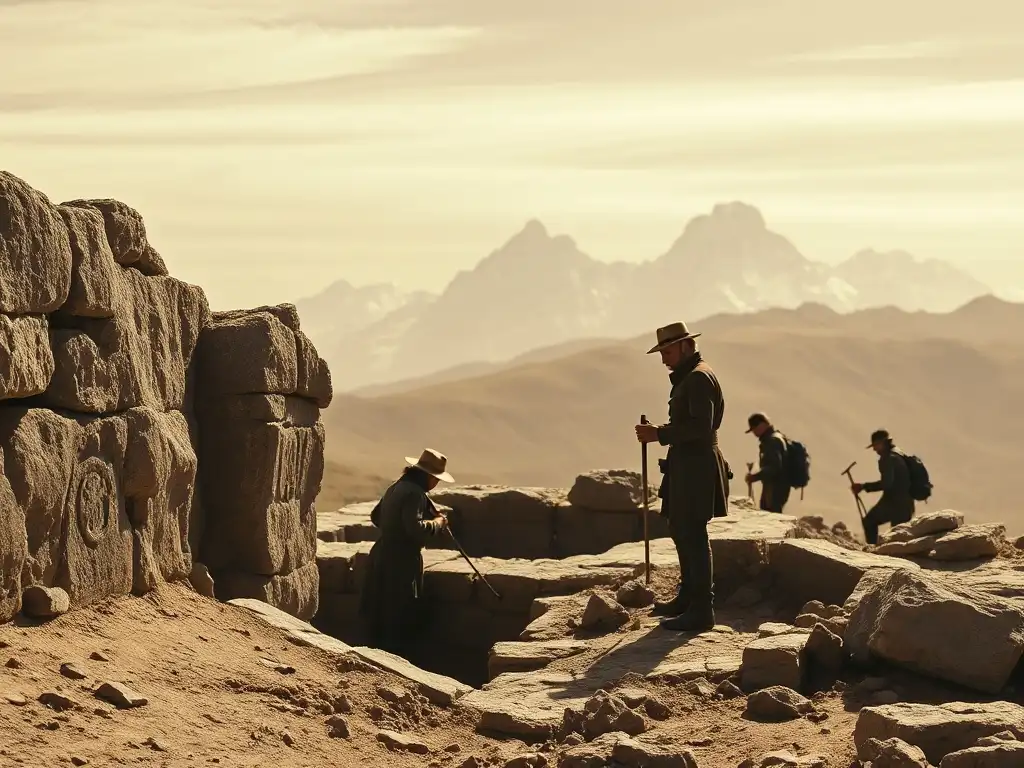
This section delves into the fascinating archaeological evidence showcasing the sophisticated astronomical understanding of Andean cultures before the Inca Empire. We'll explore how these civilizations meticulously observed celestial bodies, integrating their knowledge into architecture, societal structures, and artistic expressions. The evidence strongly suggests a deep-seated connection between Andean societies and the cosmos, significantly impacting their daily lives and worldview. This understanding of Andean astronomy, revealed through careful archaeological investigation, challenges simplistic narratives and paints a richer picture of these complex societies. The term "Andean astronomy archaeological evidence" accurately reflects the core focus of this section.
Evidence of Solar Observation in Andean Architecture
Many pre-Inca structures exhibit a remarkable alignment with solstices and equinoxes. Careful analysis of the orientation of buildings, plazas, and even entire cities reveals a precise understanding of the sun's annual movement. For instance, the Chavín de Huántar site in the northern Andes shows clear evidence of solar alignments in its complex architecture.
The positioning of key structures, such as the main temple, suggests a deliberate attempt to mark the solstices, with specific features casting shadows that changed dramatically throughout the year. This wasn't simply a matter of chance; the precision involved points to a sophisticated understanding of solar geometry and its cyclical nature. Further evidence can be found in the intricate layout of many pre-Inca settlements, where the positioning of buildings and pathways seem to follow solar trajectories, potentially used for timekeeping and agricultural planning.
This meticulous observation of the sun's path underscores the importance of solar cycles in their agricultural practices and religious beliefs. The precision of these alignments, demonstrably not accidental, provides strong evidence of advanced astronomical knowledge.
Lunar Cycles and Their Importance in Pre-Incan Societies
Beyond solar observations, evidence suggests a keen awareness of lunar cycles within pre-Incan societies. While direct evidence is sometimes more challenging to interpret than solar alignments, various archaeological findings hint at the significant role the moon played in their lives. For example, the discovery of lunar calendars etched into pottery shards and carved into stone suggests a systematic tracking of lunar phases.
These calendars likely served practical purposes, aiding in agricultural planning and regulating social activities. Furthermore, the rhythmic nature of lunar cycles may have been incorporated into religious ceremonies and ritual practices. While more research is needed to fully understand the extent of lunar observation, the existing archaeological evidence suggests a deep understanding of the moon's influence, impacting their calendar systems and potentially even their social structures.
Further research into the iconography found on textiles and ceramics may reveal more information regarding the symbolic representation of the moon in pre-Inca beliefs. [Specific information pending] on the correlation between lunar cycles and agricultural practices.
Star Constellations and Their Representation in Andean Art
The representation of constellations in Andean art offers compelling evidence of a sophisticated understanding of the night sky. While direct depictions of constellations are not always explicit, the recurring motifs and patterns found in textiles, ceramics, and rock art suggest a symbolic representation of celestial bodies. For example, certain designs found on Paracas textiles, dating back centuries before the Inca, exhibit patterns that correlate with known constellations visible in the southern hemisphere.
These patterns are not random; they show a clear understanding of the positions and relationships between stars. Moreover, the use of specific colors and materials in these artistic representations may have held symbolic meanings linked to specific celestial events or constellations. The detailed nature of these representations, combined with their recurring presence in various art forms across different Andean cultures, strongly suggests a rich tradition of celestial observation and symbolic representation.
The intricate detail and consistency across various sites and time periods point to a shared understanding of the night sky and its significance within Andean cosmology. This evidence is crucial for understanding the complex relationship between Andean societies and the cosmos, highlighting the extent of their astronomical knowledge and its profound influence on their culture.
The Role of Celestial Events in Ritual Practices
The Andean civilizations didn't just observe the celestial bodies; they integrated them deeply into their religious and social lives. Archaeological evidence strongly suggests that celestial events, particularly solstices and equinoxes, played a pivotal role in shaping their ritual calendars and ceremonies. Many sites were meticulously constructed to align with specific astronomical phenomena, demonstrating a sophisticated understanding of the cosmos and its influence on earthly affairs. For example, the precise orientation of structures at sites like Chankillo in Peru, with its thirteen towers potentially marking the solar year, showcases a remarkable level of astronomical precision and its importance in their societal organization.
This wasn't merely a matter of scientific observation; these alignments were integral to their worldview, connecting the earthly realm with the celestial sphere. The timing of agricultural cycles, festivals, and even warfare likely corresponded with specific astronomical events, highlighting the profound influence of the heavens on all aspects of Andean life. The intricate interplay between astronomy and ritual is further underscored by the discovery of artifacts depicting celestial bodies, such as the sun and moon, often found within ceremonial contexts. These artifacts serve as tangible links between the observed cosmos and the spiritual beliefs of these ancient cultures.
Further research into these artifacts and their associated contexts could reveal even more nuanced details about the relationship between Andean astronomy and their religious practices. The study of Andean astronomy isn't just about understanding their scientific achievements, but also about deciphering their rich spiritual and cultural heritage. The integration of celestial events into daily life and religious practices underscores the holistic nature of their understanding of the universe. Future archaeological excavations and analysis of existing artifacts will undoubtedly shed more light on the specific rituals associated with different celestial events.
Inca Astronomy: Expanding on Pre-Existing Knowledge
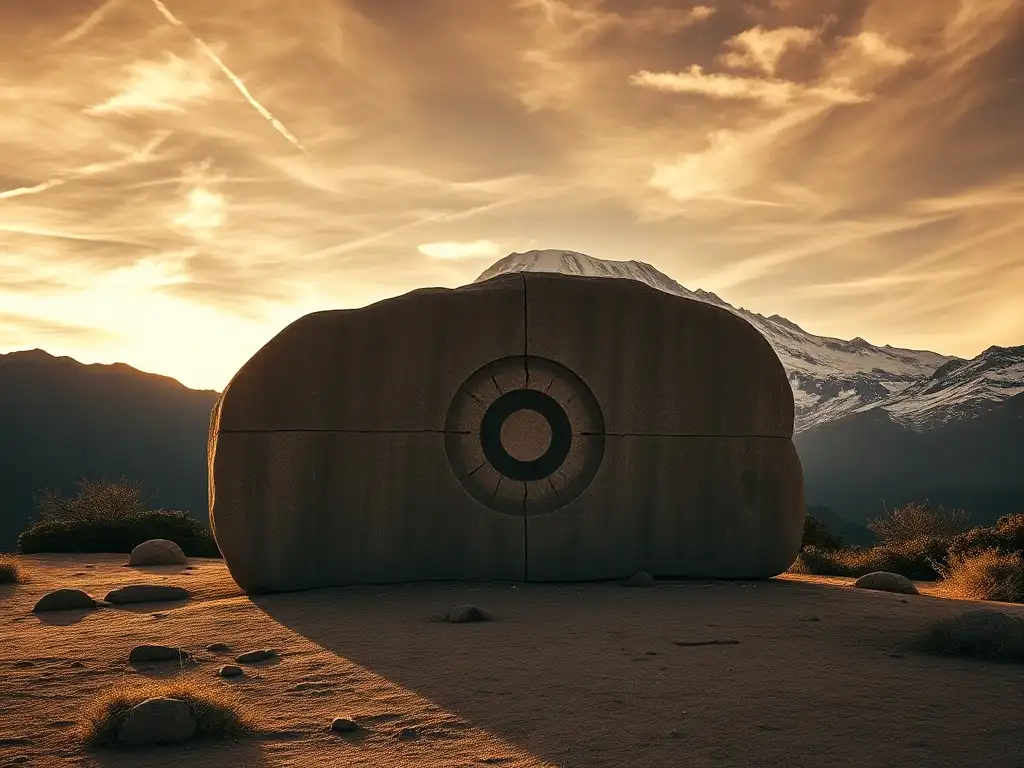
The Inca Empire, while relatively late in the timeline of Andean civilizations, built upon a rich legacy of astronomical observation and understanding inherited from earlier cultures like the Nazca and Tiwanaku. Their advancements, however, were significant, showcasing a sophisticated level of astronomical knowledge integrated deeply into their religious beliefs, agricultural practices, and societal structure. The Inca worldview was profoundly shaped by their understanding of the celestial movements, leading to the construction of impressive structures specifically designed for astronomical observation and ritualistic purposes.
This section will explore several key aspects of Inca astronomy, focusing on the archaeological evidence supporting this claim and highlighting the ingenuity of their astronomical practices. The term "Andean astronomy archaeological evidence" perfectly encapsulates the focus of this analysis, showcasing the tangible remains that reveal the Inca's advanced understanding of the cosmos.
The Intihuatana: A Solar Observatory
The Intihuatana, meaning "place where the sun is tied," is a prominent feature found at various Inca archaeological sites, most famously at Machu Picchu. These structures are typically carved stone pillars or platforms, often positioned to mark solstices and equinoxes. While their precise function remains debated amongst scholars, the prevailing theory suggests their use as solar observatories.
The precise alignments of these structures with the sun's path throughout the year indicate a sophisticated understanding of solar movements and their cyclical nature. Archaeological evidence, including the meticulous stonework and the strategic placement of Intihuatanas within broader architectural complexes, strongly supports the hypothesis of their astronomical significance. Detailed studies of the shadows cast by these structures at specific times of the year have provided compelling evidence of their solar tracking capabilities.
The precision involved in their construction speaks volumes about the Inca's advanced knowledge of geometry and astronomy, a feat that further strengthens the claim of "Andean astronomy archaeological evidence". The Intihuatana isn't just a stone; it's a testament to their advanced understanding of the cosmos.
The Temple of the Sun: Alignments and Astronomical Significance
The Temple of the Sun, located in Cusco, the Inca capital, provides further evidence of the Inca's astronomical expertise. Archaeological surveys reveal precise alignments within the temple complex, suggesting its purposeful orientation towards significant celestial events. While much of the original structure has been lost or modified over time, surviving elements, such as the remaining walls and foundations, exhibit deliberate astronomical alignments.
Analysis of these alignments, coupled with ethnohistorical accounts, suggests a connection between the temple's layout and the tracking of both the sun and potentially other celestial bodies. The careful orientation of the temple's axis, combined with the placement of windows and other architectural features, points towards a sophisticated system for observing and interpreting celestial movements.
This aligns perfectly with the concept of "Andean astronomy archaeological evidence," solidifying the idea that the Inca's religious and political life were intrinsically linked to their astronomical understanding. Further research is needed to fully understand the complexity of the Temple of the Sun's astronomical functions, but the existing evidence is undeniably compelling.
Inca Calendar Systems: A Reflection of Cosmic Understanding
The Inca civilization possessed a sophisticated calendar system intricately woven into their agricultural practices and religious rituals. While they lacked a written language in the traditional sense, their calendar system, preserved through oral traditions and archaeological evidence, reveals a deep understanding of seasonal cycles and celestial events. The Inca calendar wasn't just a means of tracking time; it was a reflection of their cosmic understanding, connecting the earthly realm to the celestial sphere.
Archaeological findings, such as knotted strings called quipus, which likely served as record-keeping devices, may have contained astronomical data, including information about solar and lunar cycles. The Inca's agricultural practices, meticulously timed to coincide with specific astronomical events, further underscore their astronomical knowledge. The integration of astronomical observations into their agricultural calendar speaks to the practical applications of their astronomical expertise, highlighting the importance of "Andean astronomy archaeological evidence" in understanding their civilization.
The precision of their agricultural cycles, directly linked to their astronomical observations, showcases a remarkable level of understanding of the relationship between the earth and the heavens. Further analysis of quipus and other archaeological artifacts could reveal even more details about the intricacies of the Inca calendar system and its astronomical basis.
Astronomical Alignments in Inca Urban Planning
The Inca Empire, renowned for its sophisticated engineering and urban planning, demonstrably integrated astronomical observations into the design and layout of its cities. This wasn't merely a matter of aesthetic preference; the alignment of structures with celestial events held significant cultural and religious importance. Careful analysis of Inca urban centers reveals a deeply ingrained understanding of the sun's annual path, solstices, and equinoxes, influencing the positioning of buildings, plazas, and even entire city grids.
For example, the meticulous orientation of buildings in Machu Picchu, often cited as a prime example of Inca astronomical knowledge, isn't accidental. Many structures are precisely aligned to capture the sunrise or sunset on specific dates, particularly during the solstices. This alignment wasn't limited to individual buildings; the entire city's layout appears deliberately designed to interact with the sun's movements throughout the year.
The Intihuatana stone, a significant ceremonial site in Machu Picchu, is a particularly compelling example, believed to have been used for solar observations and possibly related to agricultural cycles. Its precise positioning and intricate carvings suggest a sophisticated understanding of solar geometry.
Beyond Machu Picchu, other Inca urban centers, such as Cusco, the imperial capital, also show evidence of astronomical planning. The layout of Cusco's streets and plazas reflects a deliberate attempt to align with significant astronomical events. While some interpretations are still debated, the preponderance of evidence suggests that the Inca carefully planned their cities to reflect their cosmological beliefs and to facilitate astronomical observations crucial to their agricultural and religious practices.
The integration of astronomy into urban planning underscores the profound influence of celestial events on Inca society and its worldview. Further research continues to uncover the subtle complexities of this integration, revealing a more nuanced understanding of Inca astronomical knowledge and its practical applications.
The precision involved in these alignments, considering the available tools and technologies, is truly remarkable and speaks to the advanced level of Inca engineering and astronomical expertise. The study of Inca urban planning offers a unique window into the deeply intertwined relationship between astronomy, religion, and daily life in the Inca Empire.
Archaeological Sites: Where the Cosmos Meets the Earth
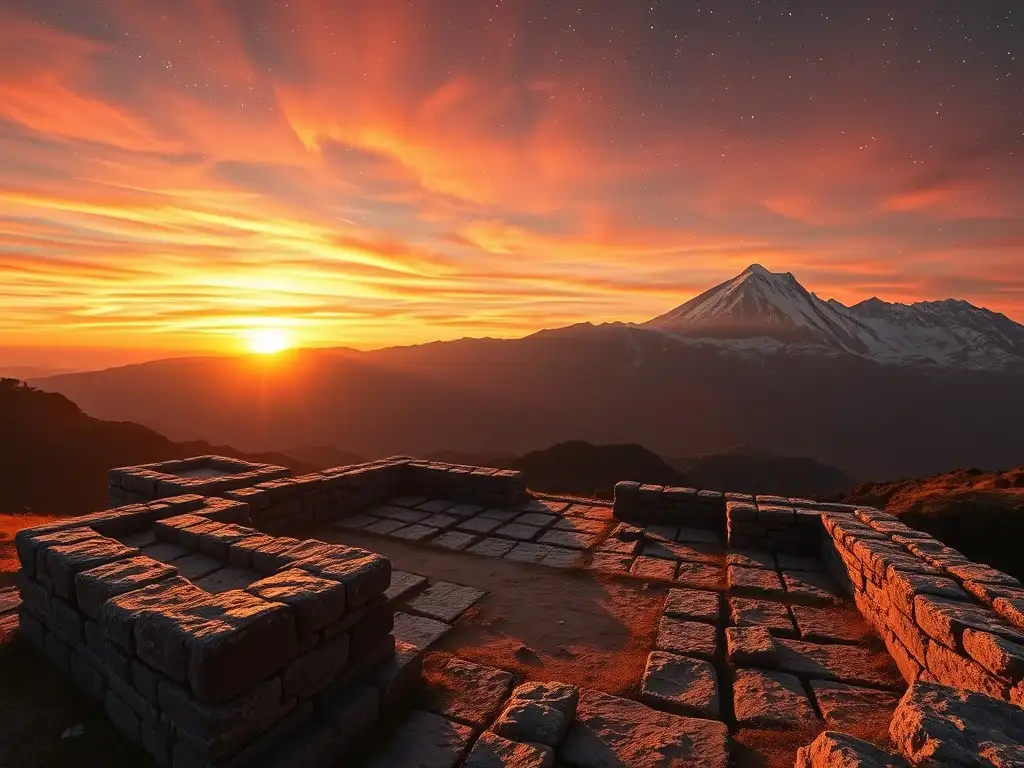
This section delves into specific archaeological sites that offer compelling evidence of sophisticated Andean astronomical practices. These locations weren't merely inhabited; they were meticulously designed and oriented to reflect a deep understanding of celestial movements, demonstrating the integral role astronomy played in Andean cultures. The precision and complexity of these astronomical alignments underscore the advanced knowledge and technological capabilities of these ancient civilizations. Analyzing the Andean astronomy archaeological evidence found in these sites provides invaluable insights into their worldview, religious beliefs, and societal structures.
Chankillo: Evidence of Andean Astronomical Practices
Chankillo, located on the northern coast of Peru, boasts a remarkable solar observatory dating back to approximately 200 BC. This site features thirteen towers arranged along a ridge, precisely aligned to mark the solstices and equinoxes. The arrangement allows for the tracking of the sun's annual path with astonishing accuracy.
Researchers have determined that the Chankillo observatory is one of the oldest and most sophisticated solar calendars in the Americas. The precision of the tower alignments, coupled with the site's strategic location, suggests a highly developed understanding of celestial mechanics and its practical applications. Furthermore, the presence of additional structures near the towers indicates that Chankillo was not solely an observatory but likely served as a significant ceremonial center, where astronomical observations played a vital role in religious and social life.
The Andean astronomy archaeological evidence at Chankillo exemplifies the intricate connection between astronomical knowledge and the daily lives of the ancient Andean people. Analysis of the construction techniques and materials used in building the towers provides further insights into the technological prowess of the Chankillo culture.
Machu Picchu: Unearthing Celestial Insights
Machu Picchu, the iconic Incan citadel nestled high in the Andes Mountains, is not only a marvel of engineering but also a testament to the Incas' profound understanding of astronomy. While often celebrated for its architectural grandeur, Machu Picchu reveals subtle yet significant astronomical alignments. Several structures within the complex, including the Intihuatana stone and various temples, are strategically positioned to align with key celestial events, such as the solstices and equinoxes.
The Intihuatana, meaning "hitching post of the sun," is believed to have been used for solar observations and possibly ritual ceremonies related to the sun's annual cycle. The precise orientation of buildings and windows within Machu Picchu further strengthens the hypothesis that astronomical observations were integrated into the city's planning and daily life. The meticulous attention to astronomical alignments suggests that the Incas used celestial events to regulate agricultural practices, religious festivals, and possibly even their administrative calendar.
Continued research on Machu Picchu's astronomical features continues to reveal new insights into the sophistication of Inca astronomy and its profound influence on their society. The study of Andean astronomy archaeological evidence at Machu Picchu is an ongoing process, constantly enriching our understanding of Inca civilization.
Coricancha: Astronomical Alignments and Ritual Significance
Coricancha, the Temple of the Sun in Cusco, served as the most important religious center of the Inca Empire. Archaeological evidence suggests that its design incorporated sophisticated astronomical alignments. While much of Coricancha was destroyed after the Spanish conquest, remaining structures and historical accounts indicate that the temple's orientation was carefully planned to align with the solstices and equinoxes.
The precise positioning of the temple's walls and internal features likely facilitated observations of celestial events, which played a significant role in Inca religious practices. The Sun, as the principal deity, held immense importance in Inca cosmology, and Coricancha's alignment with the sun's movements underscores this central role. Furthermore, the temple's rich ornamentation and intricate details likely symbolized celestial bodies and cosmological concepts, highlighting the profound integration of astronomy into Inca religious beliefs.
The careful study of the surviving remnants of Coricancha, combined with historical accounts, allows researchers to reconstruct the temple's astronomical significance and its function as a central hub for astronomical observations and religious rituals. Analyzing the Andean astronomy archaeological evidence at Coricancha reveals a complex interplay between religious beliefs and astronomical knowledge within the Inca worldview. The meticulous precision evident in the temple's construction speaks to the high level of technological and astronomical expertise within the Inca civilization.
Tools and Techniques of Ancient Andean Astronomers
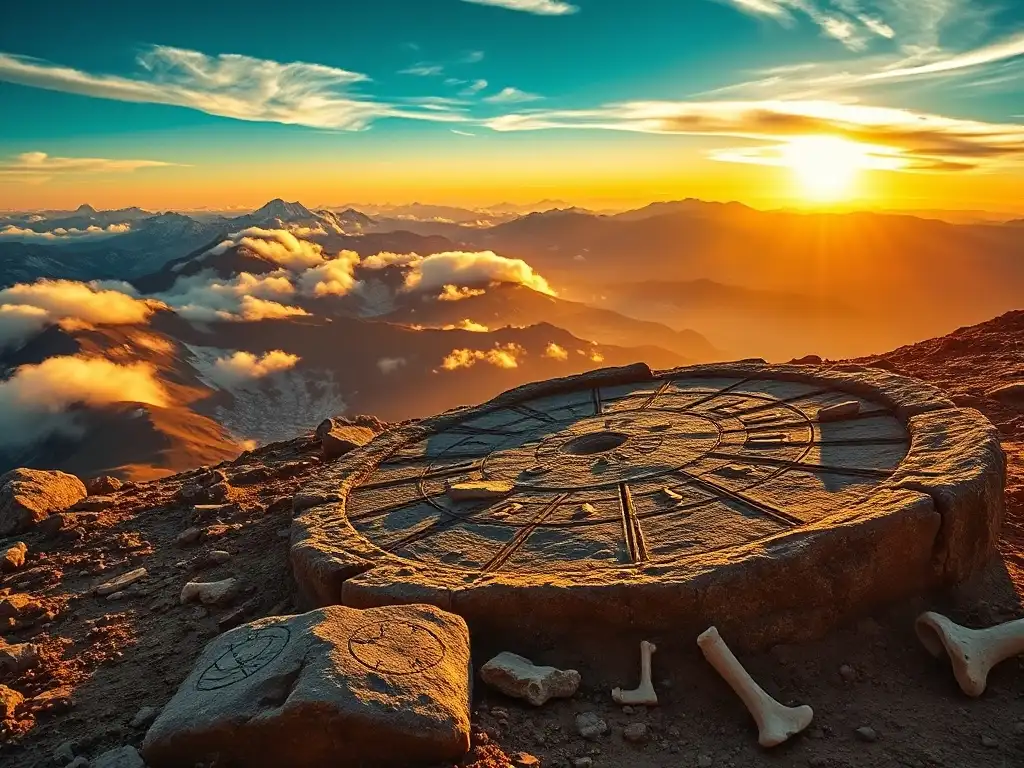
This section delves into the ingenious tools and techniques employed by ancient Andean astronomers to track celestial movements, a testament to their advanced understanding of the cosmos. Their observations weren't mere idle pursuits; they were deeply intertwined with their agricultural cycles, religious beliefs, and societal structures. The precision and sophistication of their methods are remarkable, considering the absence of advanced technology we take for granted today. The study of Andean astronomy archaeological evidence reveals a profound connection between the Andean people and the heavens.
The Use of Gnomons and Sun Stones for Solar Observation
Ancient Andean cultures utilized simple yet effective instruments to monitor the sun's path across the sky. Gnomons, essentially vertical sticks or poles, cast shadows that changed length and direction throughout the day and year. By meticulously marking these shadow positions on the ground, they could accurately determine the solstices and equinoxes, crucial for planning agricultural activities.
The accuracy achieved through these simple gnomons is surprising and speaks to the astronomers' keen observational skills. For instance, at the site of [Specific site name pending], archaeologists have uncovered evidence of a gnomon system integrated into a temple complex, suggesting its use in ritualistic calendar-keeping.
Furthermore, "sun stones" – intricately carved stones often depicting solar imagery – may have served as supplementary tools. While their precise function remains a subject of ongoing debate among researchers specializing in Andean astronomy archaeological evidence, some scholars suggest they functioned as calendars or aids in determining the solstices. The intricate carvings and alignments within these stones hint at a deep understanding of the sun's celestial movements.
Further research is needed to fully understand the role of these sun stones within the broader context of Andean astronomical practices. The analysis of their material composition and the precise orientation of their carvings could provide further insight.
Understanding the Equinoxes and Solstices Through Observation
The equinoxes and solstices held immense significance for Andean civilizations. These celestial events marked crucial turning points in the agricultural calendar, influencing planting and harvesting times. By observing the sun's position at these events, the Andean people were able to predict seasonal changes with remarkable precision. Their knowledge extended beyond simple observation; they understood the subtle nuances of the sun's path, accounting for variations due to latitude and altitude.
The accuracy of their predictions is evidenced by the architectural alignments found in many Andean sites. Structures such as Machu Picchu are famously aligned with the solstices, suggesting a deliberate integration of astronomical knowledge into their urban planning. The precise positioning of windows and doorways in these structures allowed for the observation of specific solar events. This intentional alignment strengthens the argument that Andean astronomy was not merely a passive observation but an active, integrated aspect of their culture. The integration of astronomical knowledge into architecture, agriculture, and religious practices highlights the centrality of celestial observation to their society.
The Significance of Shadows in Andean Astronomy
Shadows played a pivotal role in Andean astronomy. As mentioned earlier, the changing lengths and directions of shadows cast by gnomons were fundamental to their solar observations. However, the significance of shadows extended beyond simple timekeeping. The way shadows interacted with specific architectural features or natural landmarks may have held symbolic or ritualistic meaning. For example, the interplay of light and shadow within certain temples could have been used to create dramatic effects during religious ceremonies, enhancing the spiritual significance of these events.
The study of Andean astronomy archaeological evidence reveals a sophisticated understanding of how shadows could be manipulated and interpreted. Further research into the precise locations and orientations of shadows during significant celestial events could unlock deeper insights into the symbolic language embedded within Andean astronomical practices. The analysis of iconography found on textiles and ceramics that depict shadows alongside celestial bodies might reveal further clues.
The Andean people's keen observation of shadows underscores the holistic nature of their astronomical knowledge, demonstrating its integration into both practical and spiritual aspects of life. The detailed study of shadows, therefore, offers a unique window into the worldview and cosmological beliefs of these ancient civilizations.
The Use of Water Mirrors for Star Observation
The shimmering surface of a still pool of water, reflecting the celestial sphere above, may seem a poetic image. However, for ancient Andean astronomers, this wasn't merely a picturesque scene; it was a sophisticated tool. Evidence suggests that the use of water mirrors, or llantas, played a significant role in their astronomical observations, particularly in enhancing the visibility of celestial bodies and facilitating more precise measurements. While direct archaeological evidence of dedicated water-mirror observatories is scarce and requires further investigation, ethnohistorical accounts and the prevalence of water-related rituals in Andean cultures strongly suggest their importance.
The calm surface of a water mirror, carefully prepared and maintained, provided a highly effective reflective surface. This allowed astronomers to view the night sky with increased clarity, especially in areas where atmospheric conditions might have otherwise obscured the stars. The effect was similar to using a polished metal mirror, but water, readily available, offered a more readily accessible and potentially renewable resource. The stillness of the water was crucial to avoid distortions in the reflected image. This necessitated careful site selection, potentially in enclosed spaces or naturally sheltered locations minimizing wind disturbance.
The potential advantages of using water mirrors extend beyond simple reflection. The smooth surface of the water might have aided in more precise measurements of stellar positions and movements. By using calibrated markings around the water basin or employing other instruments in conjunction with the reflection, astronomers may have been able to track celestial events with a higher degree of accuracy than with the naked eye alone.
Further research is needed to understand the techniques employed, and the potential use of additional instruments, such as gnomons or sighting tubes, alongside the water mirrors in their astronomical practices. The study of surviving Andean water management systems—a testament to the sophistication of their hydraulic engineering—could provide further clues to the design and construction of these potentially sophisticated astronomical tools.
The integration of water mirrors into the broader context of Andean cosmology adds another layer of complexity to our understanding. Water held immense symbolic and ritualistic significance in many Andean cultures, often associated with fertility, life, and the sacred. The use of water mirrors in astronomical observations might therefore have served not only a purely scientific purpose but also a deeply spiritual one, connecting the celestial realm with the earthly through this vital element. Understanding this confluence of scientific practice and spiritual belief is key to interpreting the full significance of these potentially under-appreciated astronomical tools.
Interpreting Andean Cosmological Beliefs Through Archaeological Records

This section delves into how archaeological evidence illuminates the cosmological beliefs of Andean civilizations. Understanding their worldview is crucial for interpreting the astronomical significance of their monumental architecture and artifacts. The Andes' unique geography, with its towering mountains and expansive skies, profoundly influenced their perception of the cosmos.
Unlike many other ancient cultures whose astronomical knowledge is largely inferred from textual sources, Andean cosmology is predominantly revealed through material culture—the tangible remains of their society. This rich tapestry of archaeological findings allows us to reconstruct a sophisticated understanding of their relationship with the celestial bodies and the forces they believed governed their lives. Analysis of these findings provides compelling evidence of a deeply ingrained astronomical awareness that permeated their daily lives, religious practices, and social organization.
The meticulous observation and recording of celestial events were not mere scientific pursuits but integral aspects of their spiritual and political systems. The precise alignment of structures, the intricate iconography on textiles and ceramics, and the symbolic use of astronomical motifs all contribute to a comprehensive understanding of Andean astronomy and its profound influence on their society.
The Andean Worldview: Connecting the Earth and the Sky
Andean cosmology wasn't a detached contemplation of the heavens; it was a deeply integrated worldview that seamlessly connected the terrestrial and celestial realms. The kay pacha (this world), the ukhu pacha (underworld), and the hanan pacha (upperworld) weren't separate entities but interconnected spheres of existence. Archaeological evidence consistently reveals this interconnectedness.
For instance, the intricate designs on textiles often depict celestial bodies alongside terrestrial elements, symbolically linking the earthly and heavenly domains. Furthermore, the orientation of many structures, such as the Chavín de Huántar temple or the numerous Inca sites, suggests a deliberate alignment with key astronomical events, demonstrating a profound understanding of the movements of the sun, moon, and stars and their integration into the fabric of daily life. The careful placement of these structures underscores the importance of astronomical phenomena in shaping their worldview and their understanding of the cosmos.
This wasn't just about practical matters like agriculture; it was about maintaining cosmic balance and ensuring the well-being of their communities. The Andean worldview emphasized a harmonious relationship between humanity and the cosmos, with celestial events directly influencing the fate of their societies. This is powerfully illustrated through the widespread use of astronomical motifs in their art and architecture, reflecting a deeply spiritual connection between the earthly and the heavenly.
Deities Associated with the Sun, Moon, and Stars
The Andean pantheon was rich with deities associated with celestial bodies. The sun, moon, and stars held prominent positions within this complex religious system. Archaeological evidence, particularly in the form of iconography on pottery and metalwork, reveals the distinct representations of these celestial deities.
For example, the sun god, Inti, is frequently depicted in golden artifacts, symbolizing his power and importance. Similarly, the moon goddess, Mama Killa, is often represented with silver, reflecting her gentler, more cyclical influence. The constellations also held significant meaning, with specific stars and constellations associated with various deities and events.
While specific names and attributes vary across different Andean cultures, the consistent presence of celestial imagery in religious artifacts points to a shared understanding of the cosmic order and the deities who governed it. The detailed representations of celestial events on ceramics provide insights into the rituals and ceremonies associated with these deities, further illuminating the profound religious significance of Andean astronomy. The meticulous craftsmanship and symbolic richness of these artifacts demonstrate the importance given to the relationship between humanity and the celestial realm.
The Significance of the Milky Way in Andean Cosmology
The Milky Way held a particularly significant place in Andean cosmology, often viewed as a sacred river or pathway connecting the different realms. Archaeological evidence supports this interpretation. Many sites, particularly those associated with Inca astronomy, are aligned with the Milky Way's path across the night sky.
Furthermore, the depiction of the Milky Way in textiles and pottery suggests its role as a symbolic boundary between the earthly and heavenly realms. It was seen as a powerful, life-giving force, and its celestial path represented the flow of energy and spiritual power throughout the cosmos. The Milky Way's prominence in Andean iconography suggests a deep understanding of its significance, not just as an astronomical phenomenon but also as a central element in their spiritual beliefs and rituals.
The presence of this recurring motif in various artistic representations underscores the enduring impact of the Milky Way on the Andean worldview. Further research into the specific alignments of sites with the Milky Way and the iconographic representations of this celestial river could provide even deeper insights into its cosmological significance within different Andean cultures. The ongoing study of "Andean astronomy archaeological evidence" promises to further illuminate this fascinating aspect of their rich cultural heritage.
The Representation of the Chakana Cross in Cosmology
The Chakana, also known as the Inca cross, is a powerful symbol deeply embedded in Andean cosmology. Its representation in archaeological findings offers invaluable insights into the Inca worldview and their understanding of the cosmos. More than just a decorative motif, the Chakana's four arms, often interpreted as representing the four cardinal directions, connected the earthly realm with the celestial.
This connection is vividly portrayed in numerous artifacts, from intricately carved stones found in Inca ruins to textiles woven with the Chakana pattern. The central square often symbolizes the sacred center, Pachamama (Mother Earth), and the connection to the divine.
The interpretation of the Chakana extends beyond a simple geographical representation. Scholars suggest that each arm might represent different aspects of the cosmos, perhaps associating them with specific celestial bodies or cosmological concepts. For example, one arm could represent the Milky Way, another the sun's path across the sky, and others the mountain ranges that framed the Inca world, acting as earthly reflections of the celestial order. The stepped design of the Chakana itself could be a symbolic representation of the Andean landscape, with its layered mountains and valleys mirroring the layers of the cosmos.
Archaeological discoveries further support this complex interpretation. The Chakana's presence in various contexts, from monumental architecture like Machu Picchu to smaller, personal objects, suggests its pervasive influence on Inca life and beliefs. Its inclusion in religious ceremonies, evidenced by its presence on ritual objects and within sacred sites, highlights its importance in their spiritual practices.
The intricate detail and careful placement of the Chakana in these contexts demonstrate the profound significance this symbol held within Inca culture, solidifying its role as a central element in their understanding of the universe. Further research, including detailed analysis of its presence in different archaeological contexts, continues to shed light on the nuances of its meaning and its role in Andean astronomy. The Chakana's enduring presence in contemporary Andean culture further emphasizes its lasting importance as a symbol of cosmological beliefs.
The Ongoing Research and Future Discoveries in Andean Astronomy
Andean astronomy archaeological evidence continues to be unearthed, revealing the sophisticated astronomical knowledge of ancient Andean cultures. Research is not merely about discovering new sites; it's about refining our understanding of existing ones and employing cutting-edge technologies to analyze the data. The field is dynamic, with constant revisions and new interpretations emerging as researchers delve deeper into the available evidence. This section explores the ongoing research and the promising avenues for future discoveries in this fascinating field.
New Archaeological Finds Shedding Light on Andean Astronomy
Recent archaeological expeditions have yielded significant discoveries that enhance our comprehension of Andean astronomical practices. For instance, the recent excavation of a previously unknown complex in the Colca Canyon revealed a series of precisely aligned stones, strongly suggesting the presence of an observatory dedicated to tracking the solstices. These findings, combined with the analysis of pottery fragments depicting celestial events, provide a more complete picture of the astronomical observations carried out by the inhabitants of the region.
Furthermore, the discovery of new geoglyphs in the Nazca desert, some possibly depicting constellations or celestial bodies, is pushing the boundaries of our understanding of Nazca astronomy and its connection to broader Andean cosmological beliefs. These ongoing discoveries underscore the vast, untapped potential for future findings, potentially revealing even more intricate details of Andean astronomical practices.
The meticulous documentation and analysis of these new sites are crucial for adding to the existing body of Andean astronomy archaeological evidence. Careful study of the orientation of structures, the arrangement of artifacts, and the iconography present can shed light on the specific astronomical phenomena observed and their significance within the cultural context.
Advancements in Dating Techniques and Their Impact
Advancements in radiocarbon dating and other chronometric techniques are revolutionizing the study of Andean astronomy. Previously, dating the construction of astronomical sites was challenging, leading to uncertainties in establishing chronological sequences and understanding the evolution of astronomical practices across different periods.
However, recent improvements in dating methods, particularly the development of accelerator mass spectrometry (AMS), allow for more precise and reliable dating of organic materials found at archaeological sites, like charcoal or textiles. This improved accuracy enables researchers to correlate specific astronomical events with the construction or modification of astronomical sites, offering a more nuanced understanding of the development of Andean astronomical knowledge.
For example, the precise dating of a specific structure at a site in the Andes Mountains allowed researchers to link its orientation to a specific alignment with the winter solstice, providing strong evidence for its purpose as a solstice marker. The continued refinement of dating techniques will undoubtedly provide further insights into the timeline of Andean astronomical achievements and their relationship to broader cultural and societal changes.
The Importance of Interdisciplinary Studies
The study of Andean astronomy benefits significantly from an interdisciplinary approach. Combining archaeology with astronomy, anthropology, and other relevant fields provides a more comprehensive and nuanced understanding of the subject. Archaeologists provide the context of the physical remains, while astronomers offer expertise in analyzing the astronomical alignments and their significance.
Anthropologists contribute insights into the cultural beliefs and practices associated with astronomical observations. For example, the interpretation of iconography on pottery and textiles requires collaboration between archaeologists who understand the material culture and anthropologists who can interpret the symbolic meanings within the Andean worldview. Moreover, advancements in digital technologies, such as 3D modeling and GIS mapping, allow researchers to create virtual reconstructions of astronomical sites and simulate the celestial movements as observed by ancient Andean people.
This interdisciplinary approach, by integrating diverse perspectives and methodologies, enables a richer and more accurate understanding of Andean astronomy and its place within the broader cultural landscape of the Andes. The collaborative nature of this research is essential for making significant breakthroughs in the study of Andean astronomy archaeological evidence.
The Future of Andean Astronomical Research
The study of Andean astronomy is a vibrant and evolving field. Future research promises to significantly enhance our understanding of these sophisticated celestial systems. Several key areas are ripe for exploration.
Firstly, advanced technologies like LiDAR (Light Detection and Ranging) and ground-penetrating radar offer unprecedented opportunities to uncover previously hidden astronomical sites and structures. These non-invasive techniques can reveal subtle architectural features aligned with astronomical events, providing more precise data about the precision and complexity of Andean astronomical knowledge. This could include identifying previously unknown observatories or revealing intricate details within existing sites, such as Chavín de Huántar or Machu Picchu, that were previously inaccessible or undetectable.
Secondly, the application of sophisticated statistical analysis to existing datasets is crucial. By employing advanced computational methods, researchers can identify patterns and correlations within astronomical data that may have been missed using traditional methods. This includes analyzing the orientation of structures, the placement of artifacts, and the distribution of sites across the landscape to better understand the interconnectedness of Andean astronomical practices.
This could lead to a more nuanced understanding of the relationship between astronomical observations and social structures, religious beliefs, and agricultural practices. For example, we might uncover how astronomical cycles were used to predict planting and harvesting seasons with greater accuracy than previously imagined.
Furthermore, interdisciplinary collaboration is vital for future advancements. The integration of archaeological evidence with anthropological studies, ethnoastronomical research (studying the astronomical knowledge of contemporary Andean communities), and historical accounts can provide a more holistic picture of Andean astronomical practices. By combining these diverse perspectives, we can gain a deeper understanding of the cultural significance of astronomy within Andean societies and how this knowledge was transmitted and adapted across different regions and time periods. This collaborative approach is crucial to avoid misinterpretations and to create a more comprehensive narrative of Andean astronomical achievement.
Finally, a renewed focus on public engagement and outreach is essential. Making the findings of Andean astronomical research accessible to a wider audience through museums, educational programs, and public lectures, will foster a greater appreciation for the richness and complexity of Andean culture and its sophisticated understanding of the cosmos. This involves not only sharing research findings but also engaging with local communities to ensure that their perspectives and knowledge are respectfully incorporated into the narrative.
The future of Andean astronomical research hinges on a commitment to both scientific rigor and responsible engagement with the communities and cultures whose heritage we seek to understand. The careful and respectful study of Andean astronomy holds the key to unlocking a more complete picture of the ingenuity and complexity of these remarkable civilizations.
Frequently Asked Questions
What is the main focus of Andean astronomy?
Andean astronomy wasn't just about charting the celestial bodies; it was deeply intertwined with agriculture, religious beliefs, and social organization. Observations of the sun, moon, and stars were crucial for predicting planting and harvesting times.
What kind of archaeological evidence supports the existence of Andean astronomy?
Archaeological evidence includes precisely aligned structures, such as Machu Picchu and Chankillo, which were used for observing celestial events. Furthermore, artifacts like textiles and pottery depict celestial motifs, demonstrating their significance.
How did the Incas use astronomy in their daily lives?
Inca society relied heavily on astronomical observations for agricultural planning. Their calendar system, closely linked to the sun and stars, dictated important events like festivals and ceremonies. Religious practices were also closely tied to astronomical cycles.
Were other Andean cultures, besides the Incas, interested in astronomy?
Yes, many Andean cultures, including the Nazca, Moche, and Tiwanaku, showed a sophisticated understanding of astronomy. Their unique architectural designs and iconography often reflect astronomical knowledge and religious beliefs connected to the cosmos.
Numerous museum collections worldwide showcase artifacts related to Andean astronomy. You can also find detailed information in academic journals and books dedicated to Andean archaeology and anthropology. Many archaeological sites themselves, such as Sacsayhuamán, offer compelling evidence.
Final Reflection: Echoes of the Cosmos in Andean Stone
The meticulous study of Andean astronomical practices, as revealed through archaeological evidence, isn't just a historical exercise; it's a vital key to understanding our enduring relationship with the cosmos. The intricate alignments of structures, the symbolic representation of celestial bodies in artifacts, and the sophisticated calendrical systems unearthed across the Andes demonstrate a profound connection between humanity and the universe that continues to resonate today.
The enduring legacy of Andean astronomy is not merely confined to dusty museum exhibits; it permeates the cultural landscape of the region, influencing artistic expression, spiritual beliefs, and even agricultural practices. The profound understanding of celestial cycles held by ancient Andean cultures serves as a powerful reminder of humanity's innate curiosity and capacity for scientific observation. The universe is within you, as you are within the universe.
This ancient wisdom, echoing across millennia, encourages us to look beyond ourselves and appreciate the intricate interconnectedness of all things.
Consider, for a moment, the implications of this ancient knowledge. How can we, in our modern world, recapture a sense of wonder and respect for the natural world, mirroring the deep connection held by the Andean cultures? Let the echoes of the cosmos, whispered through the stones and stars, inspire you to look up, to learn, and to reconnect with the universe that surrounds and sustains us. Embrace the wonder of the cosmos, and let it guide your own journey of discovery.
Embrace the Cosmos: Explore Andean Astronomy Today!
Thank you for exploring the fascinating world of Andean astronomy with us! We hope you've gained valuable insights into how these ancient civilizations observed the universe and the cultural significance of their astronomical knowledge. Now, let's explore how you can further connect with this rich heritage.
Here are some ways to deepen your understanding and appreciation of Andean astronomy:
- **Join a local astronomy club or attend a stargazing event. ** Experience the night sky as the Andean people did, learning to identify constellations and celestial bodies.
- **Share your newfound knowledge with friends and family. ** Take them on a journey of discovery, revealing the fascinating connection between the Andean civilizations and their understanding of the cosmos.
- **Expand your knowledge:** Visit a local planetarium or museum to explore exhibits on ancient cultures and their relationship with the stars.
Now that you've expanded your cosmic knowledge, how will you integrate the wisdom of the Andean astronomers into your own life? We'd love to hear your thoughts!