
The Ethical Dimension: Navigating the Complexities of Archaeological Research in the Andes

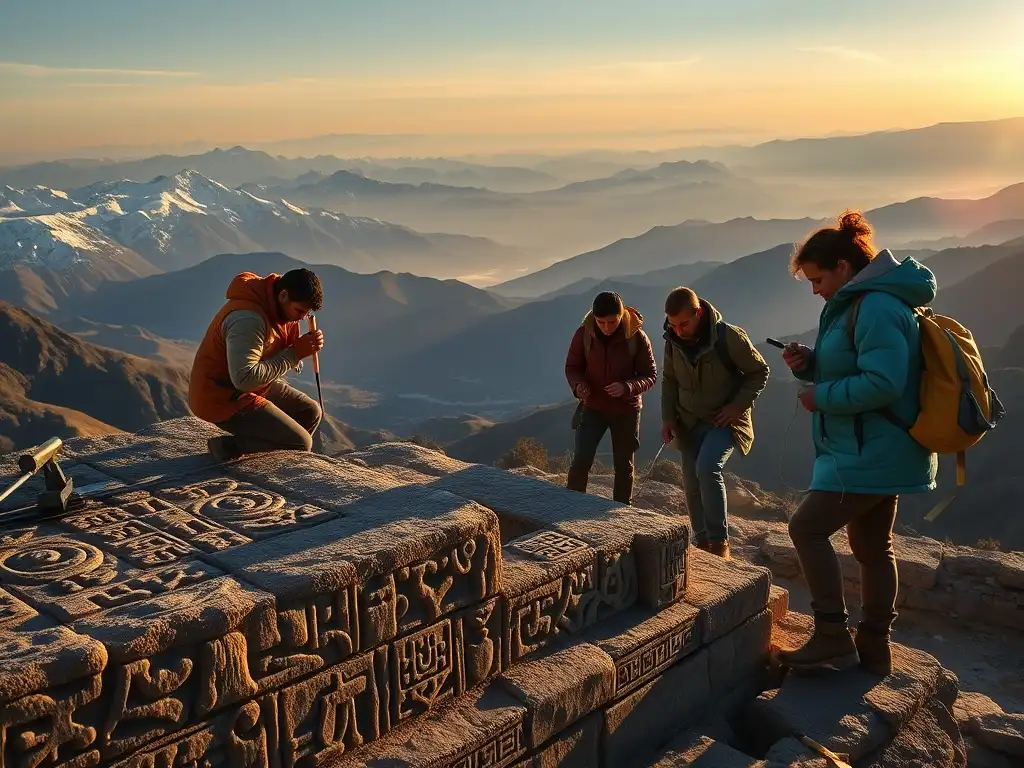
Step into a world lost to time, yet echoing with untold stories. For centuries, the majestic Andes have guarded the secrets of remarkable civilizations – the Incas, Moche, Nazca, and more. But unearthing their past isn't without its complexities. Discover the fascinating intricacies of Andean archaeology ethical considerations and explore the thrilling, yet morally challenging, quest to understand these ancient cultures. Prepare to question everything you thought you knew about the legacy of the Andes.
The exploration of the Andes' rich archaeological heritage presents a fascinating, yet ethically complex, undertaking. Uncovering the remnants of ancient civilizations like the Incas, Moche, Nazca, and Tiahuanaco offers invaluable insights into human history and cultural evolution.
However, this pursuit necessitates a rigorous ethical framework to ensure the responsible stewardship of these irreplaceable sites and the respect for the descendants of these remarkable cultures. This article delves into the crucial ethical considerations that must guide Andean archaeological research, addressing issues of repatriation, community engagement, and the preservation of cultural heritage for future generations.
Understanding these complexities is paramount to ensuring that archaeological work in the Andes is not only scientifically rigorous but also morally responsible and contributes positively to the communities whose ancestors created this incredible legacy. We will examine the specific challenges and best practices that underpin ethical Andean archaeology, highlighting the importance of collaboration and respect in this sensitive field.
Introduction to Ethical Challenges in Andean Archaeology
Andean archaeology faces unique ethical challenges due to the region's diverse indigenous populations, the often contested nature of land ownership, and the enduring spiritual significance of many archaeological sites. The legacy of colonialism and its impact on indigenous communities continues to shape the current landscape of archaeological research. Many sites hold deep cultural and religious meaning for contemporary communities, making the process of excavation and research potentially disruptive and even offensive if not approached with sensitivity and respect.
For example, the looting and illegal trafficking of artifacts from Andean sites not only deprives communities of their heritage but also disrupts the archaeological record, making accurate interpretations and historical reconstructions more difficult. Furthermore, the unequal power dynamics between researchers (often from outside the region) and local communities can lead to exploitation and a disregard for indigenous knowledge and perspectives.
The need for transparent and equitable collaborations is therefore crucial. This necessitates a shift away from extractive research models towards collaborative and community-based approaches that prioritize the needs and perspectives of local stakeholders.
The Importance of Ethical Guidelines in Archaeological Research
Ethical guidelines are not merely suggestions; they are essential frameworks for conducting responsible archaeological research in the Andes. These guidelines should address various crucial aspects, including:
- Repatriation of ancestral remains and cultural artifacts: The return of human remains and significant artifacts to their communities of origin is a paramount ethical concern. This process requires careful consultation and collaboration with descendant communities to ensure that repatriation is carried out in a culturally sensitive and respectful manner. The development of clear protocols for repatriation is crucial, acknowledging the diverse perspectives and practices among different Andean communities.
- Community engagement and participation: Meaningful engagement with local communities is critical throughout the research process, from initial planning and excavation to the dissemination of research findings. This includes obtaining informed consent from communities, actively involving them in research decisions, and sharing research results in accessible and understandable ways. This participatory approach ensures that research benefits the communities whose heritage is being studied.
- Preservation and protection of archaeological sites: Archaeological sites in the Andes are often fragile and vulnerable to damage from natural processes and human activities. Ethical research prioritizes the long-term preservation of these sites, implementing non-destructive research methods whenever possible and employing appropriate conservation techniques to protect them from deterioration. The implementation of sustainable tourism practices is also vital to mitigate the negative impacts of visitor traffic.
- Transparency and accountability: Researchers have an ethical obligation to be transparent about their research methods, funding sources, and collaborations. This includes clearly articulating the goals and objectives of their research, disclosing any potential conflicts of interest, and making research data and findings publicly accessible (while respecting the sensitivity of certain information). Accountability mechanisms should be in place to address any ethical breaches or violations.
The adoption and rigorous implementation of these ethical guidelines are not merely a matter of good practice; they are fundamental to ensuring that Andean archaeology contributes to a deeper understanding of the region's rich past while upholding the dignity and rights of its present-day communities. Failure to prioritize ethical considerations risks perpetuating the harms of past exploitative practices and undermining the potential for collaborative and mutually beneficial research partnerships.
- Introduction to Ethical Challenges in Andean Archaeology
- The Importance of Ethical Guidelines in Archaeological Research
- What ethical considerations are paramount in Andean archaeology?
- How do archaeologists ensure the protection of Andean cultural heritage sites?
- What role does community engagement play in Andean archaeological research?
- How are the interests of descendant communities balanced against the needs of archaeological research?
- What are the challenges of repatriation of Andean artifacts?
Understanding the Stakeholders in Andean Archaeological Sites
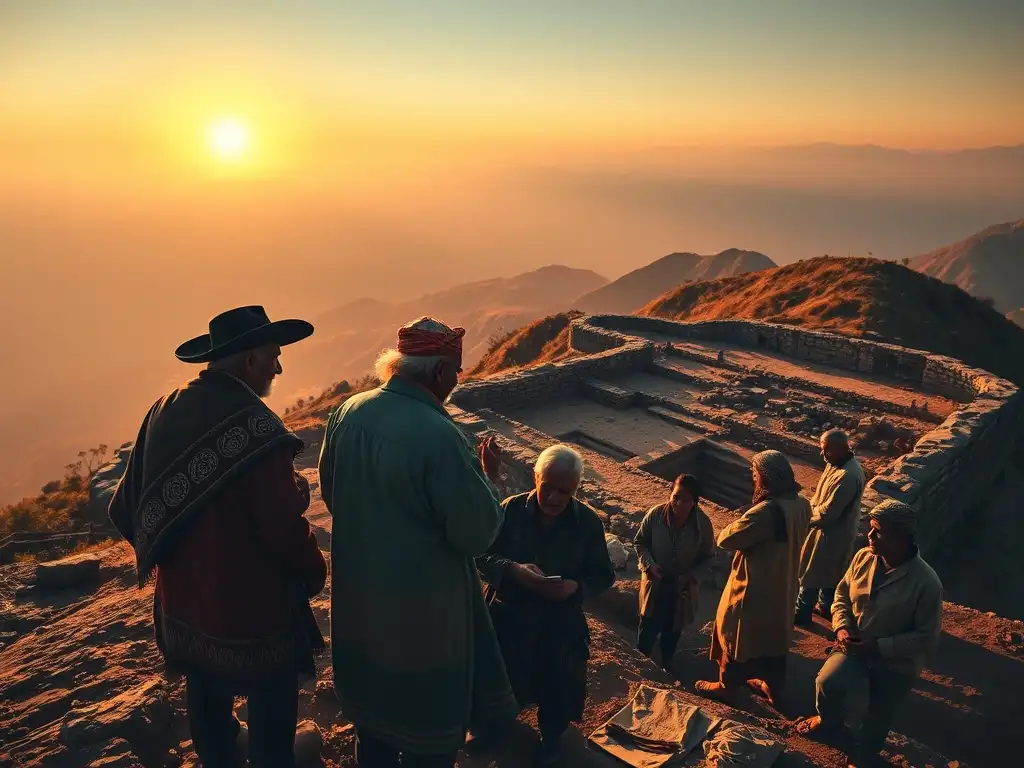
The ethical conduct of Andean archaeology hinges on a nuanced understanding of all stakeholders invested in the preservation and interpretation of the region's rich past. Ignoring or minimizing the perspectives of any group undermines the integrity of the research and can inflict lasting harm on communities and cultural heritage. This section focuses on the crucial roles played by various actors in Andean archaeological endeavors, highlighting the ethical considerations inherent in their engagement. Effective Andean archaeology ethical considerations must prioritize respectful collaboration and equitable benefit-sharing amongst all involved.
Local Communities and Their Ancestral Heritage
Local communities are the primary stakeholders in Andean archaeological sites. These sites are not merely historical locations; they are often deeply interwoven with the living cultures and spiritual beliefs of present-day communities. Their ancestral heritage is intrinsically linked to these locations, often holding significant religious, social, and cultural meaning. Therefore, any archaeological research must prioritize the rights and perspectives of these communities.
Ignoring their concerns can lead to the desecration of sacred sites, the disruption of traditional practices, and the erosion of cultural identity. Ethical Andean archaeology necessitates free, prior, and informed consent (FPIC) from local communities before any excavation or research begins. This requires a transparent and respectful dialogue, ensuring that communities understand the research goals and potential impacts, and have the opportunity to participate in decision-making processes.
Furthermore, benefit-sharing mechanisms should be established to ensure that communities directly benefit from the research, whether through economic opportunities, educational initiatives, or the repatriation of cultural artifacts. Successfully navigating these complexities requires a commitment to cultural sensitivity and a genuine respect for the enduring connection between Andean communities and their ancestral lands. For example, the collaborative management of archaeological sites, involving community members in preservation efforts and tourism development, can foster a sense of ownership and pride, while also providing sustainable economic benefits.
The Role of Indigenous Knowledge in Andean Archaeology
Indigenous knowledge systems hold invaluable insights into the past, offering a unique perspective that complements and enriches Western archaeological methodologies. For centuries, Andean communities have preserved oral traditions, narratives, and practices that offer crucial contextual information about archaeological sites and artifacts. Integrating this indigenous knowledge into the research process is not merely a matter of ethical responsibility; it is crucial for achieving a holistic and accurate understanding of Andean civilizations. Ethnoarchaeology, a subfield that combines archaeological methods with ethnographic studies of living communities, provides a powerful framework for incorporating indigenous knowledge.
By collaborating with indigenous experts, researchers can gain access to invaluable information about the use and meaning of artifacts, the social structures of past societies, and the environmental context of archaeological sites. This collaboration also fosters mutual respect and understanding, strengthening the relationship between researchers and communities. However, it's critical to acknowledge the power dynamics inherent in such collaborations.
Researchers must ensure that indigenous knowledge is treated with respect and not exploited for academic gain without proper acknowledgment and benefit-sharing. The ethical application of indigenous knowledge demands genuine partnership and reciprocity, recognizing indigenous expertise as an essential component of Andean archaeology. Ignoring this crucial perspective leads to an incomplete and potentially biased understanding of the past.
Researchers and Their Responsibilities in Archaeological Excavations
Researchers bear a significant ethical responsibility in conducting archaeological excavations in the Andes. Their actions directly impact the preservation of cultural heritage and the well-being of local communities. Ethical considerations extend beyond simply adhering to legal regulations; they encompass a broader commitment to responsible research practices. This includes meticulous documentation of findings, the avoidance of destructive excavation techniques where less invasive methods are available, and the proper storage and conservation of artifacts.
Furthermore, researchers must prioritize the long-term preservation of archaeological sites, advocating for policies that protect these sites from looting, development, and environmental degradation. Transparency and accountability are paramount. Researchers should openly share their findings with the relevant communities and the wider academic community, avoiding any attempts to control or restrict access to information. Publication of research should prioritize clear and accessible language, making the findings understandable to a wider audience, including the communities directly connected to the sites.
The ethical conduct of Andean archaeology demands a commitment to responsible stewardship, ensuring that research contributes to the preservation and understanding of Andean cultural heritage for generations to come. A commitment to open access publications and data sharing further promotes the integrity and wider benefit of archaeological research. The responsible researcher actively participates in broader discussions surrounding ethical practices in Andean archaeology and strives to continually improve their approach.
Key Ethical Issues in Andean Archaeological Research
Andean archaeology, with its rich tapestry of ancient civilizations, presents unique ethical challenges. The delicate balance between scientific advancement and the respect for ancestral cultures requires careful consideration. Navigating this complex landscape demands a deep understanding of the cultural significance of the findings and a commitment to responsible research practices.
The ethical dimensions of Andean archaeology are multifaceted, encompassing the treatment of human remains, the preservation of artifacts, and the management of tourism at archaeological sites. Ignoring these considerations can lead to irreparable damage, both materially and culturally. This section will delve into some of the key ethical issues that must be addressed to ensure the responsible stewardship of Andean heritage.
Cultural Sensitivity in Handling Human Remains
The discovery of human remains is an unavoidable aspect of Andean archaeological research. However, these remains are not simply objects of scientific study; they represent individuals who were once part of vibrant communities. Therefore, the ethical handling of human remains necessitates a deep respect for the cultural beliefs and practices of descendant communities.
This includes engaging in meaningful consultation with indigenous groups to understand their perspectives on the excavation, analysis, and repatriation of ancestral remains. The principle of free, prior, and informed consent (FPIC) is paramount. Ignoring this principle can lead to significant cultural disrespect and damage to trust between researchers and communities.
For instance, the reburial of remains according to traditional practices, if desired by descendant communities, should be prioritized over the indefinite storage of remains in museums or research institutions. Furthermore, researchers must be mindful of the spiritual significance attached to human remains in many Andean cultures. The use of respectful terminology and the avoidance of exploitative or disrespectful practices are essential.
The ongoing debate surrounding the repatriation of human remains highlights the ongoing need for dialogue and collaboration between researchers and indigenous communities. Failure to prioritize cultural sensitivity can lead to accusations of biopiracy and neocolonial practices, undermining the credibility of research and damaging relationships with local communities. The ethical handling of human remains is not merely a matter of compliance with regulations; it is a fundamental aspect of respectful and responsible archaeology.
Preservation and Conservation of Andean Artifacts
The preservation and conservation of Andean artifacts present another significant ethical challenge. Many artifacts are made from delicate materials susceptible to deterioration due to environmental factors and improper handling. The ethical responsibility of archaeologists extends beyond the excavation process to encompass the long-term preservation and accessibility of these irreplaceable objects. This involves employing state-of-the-art conservation techniques and establishing robust storage facilities that protect artifacts from damage. The use of appropriate materials and methods is crucial, as improper handling can cause irreversible damage.
Furthermore, the ethical considerations extend to the accessibility of these artifacts. While museums play an important role in showcasing these objects to the public, the ethical implications of displaying potentially sacred artifacts must be carefully considered. This requires collaboration with descendant communities to ensure that the display and interpretation of artifacts are respectful and do not misrepresent their cultural significance.
The balance between public access and the protection of fragile cultural heritage remains a critical challenge. It is essential to prioritize the preservation of these artifacts for future generations, ensuring their integrity and accessibility while respecting their cultural value. This requires careful planning, adequate funding, and ongoing collaboration between archaeologists, conservators, and community representatives.
The Impact of Tourism on Archaeological Sites
The increasing popularity of Andean archaeological sites as tourist destinations presents both opportunities and challenges. While tourism can generate revenue for local communities and raise awareness about Andean heritage, it can also lead to significant damage to the sites themselves. The ethical responsibility of managing tourism at these sites involves balancing the economic benefits with the preservation of the archaeological resources. This requires the implementation of sustainable tourism practices that minimize environmental impact and protect the integrity of the sites.
For example, limiting the number of visitors, providing educational materials about the sites' significance, and employing trained guides who respect the cultural sensitivity of the locations are crucial. The uncontrolled influx of tourists can lead to erosion, damage to artifacts, and the disturbance of delicate archaeological features. Therefore, responsible tourism management involves careful planning, effective regulation, and community involvement. The ethical consideration here is to ensure that the long-term preservation of these sites is not compromised by the short-term economic benefits of tourism.
This requires a nuanced approach that prioritizes the protection of heritage over immediate economic gains. A balance must be struck to ensure the sites remain accessible while mitigating the negative impact of tourism. This requires a collaborative effort between government agencies, local communities, and tourism operators.
Intellectual Property Rights and Traditional Knowledge
The excavation and study of Andean archaeological sites often unearth artifacts and knowledge deeply intertwined with the intellectual property rights and traditional knowledge of Indigenous communities. Respecting these rights is paramount for ethical Andean archaeology. Many artifacts hold significant cultural and spiritual value, representing ancestral heritage and embodying stories passed down through generations. The unauthorized appropriation of these objects or the knowledge associated with them constitutes a profound violation of cultural integrity.
Ethical researchers must engage in meaningful consultation and collaboration with descendant communities from the outset of any project. This involves obtaining free, prior, and informed consent (FPIC) before undertaking any research that might affect their heritage. Furthermore, researchers have a responsibility to share their findings respectfully, ensuring that knowledge is disseminated in a way that benefits the communities involved and doesn't further marginalize them. This might involve co-authorship of publications, community-based museums, or the repatriation of artifacts.
Failure to adhere to these principles not only undermines the ethical conduct of research but also perpetuates historical injustices and hinders the potential for mutually beneficial collaborations. The very act of studying Andean civilizations should contribute to the empowerment and self-determination of Indigenous communities, not their further exploitation. Several successful examples exist of collaborative projects that have successfully navigated these complex issues, demonstrating the feasibility and importance of prioritizing community engagement in Andean archaeology.
Avoiding Looting and Illegal Trade of Andean Antiquities
The illegal looting and trafficking of Andean antiquities represent a significant threat to the preservation of cultural heritage and pose a major ethical challenge for archaeologists. These illicit activities not only deprive communities of their ancestral past but also destroy invaluable contextual information crucial for understanding the past. The removal of artifacts from their original context severely limits the ability of researchers to accurately interpret their significance and meaning. Furthermore, the clandestine nature of looting often leads to damage or destruction of sites and surrounding environments.
Ethical archaeologists actively combat this issue by supporting legislation that protects cultural heritage, collaborating with law enforcement agencies to track and recover stolen artifacts, and educating the public about the devastating consequences of looting. The demand for these objects fuels the illegal trade, highlighting the importance of public awareness campaigns to discourage the acquisition of artifacts of questionable provenance. Moreover, researchers must be vigilant in ensuring that their own research does not inadvertently contribute to the problem.
This includes carefully documenting the location and context of all finds, adhering to strict excavation protocols, and ensuring that all recovered materials are properly preserved and stored in secure facilities. Combating looting requires a multi-pronged approach involving international cooperation, stricter penalties for traffickers, and a commitment from researchers, institutions, and collectors to uphold the highest ethical standards. The preservation of Andean cultural heritage is a collective responsibility, and ethical archaeologists play a vital role in its protection.
The exploration of Andean archaeological sites presents unique ethical challenges, demanding careful consideration beyond the typical academic framework. The rich history intertwined with the present-day lives of Andean communities necessitates a nuanced approach that prioritizes respect, collaboration, and the long-term preservation of cultural heritage. Successfully navigating these complexities requires a deep understanding of the cultural sensitivities and the potential impacts of research on descendant communities.
Ignoring these considerations can lead to irreparable damage to cultural integrity and erode trust between researchers and the communities whose ancestors built these remarkable civilizations. This section delves into key ethical dilemmas faced in Andean archaeology, focusing on practical solutions and best practices.
Balancing Research Interests with Community Needs
Andean archaeology ethical considerations often center on balancing the pursuit of scientific knowledge with the needs and desires of local communities. Researchers must acknowledge that archaeological sites are not merely objects of study; they are often sacred places deeply connected to the identity and heritage of living people. Striking a balance requires a shift from an extractive research model—where information is gathered and removed from the community—to a collaborative one that integrates community perspectives and prioritizes benefit-sharing.
For example, the excavation of a burial site might yield valuable insights into ancient Andean burial practices. However, the process could also deeply disrupt the spiritual beliefs and traditions of a descendant community who consider the site sacred. A responsible approach would involve extensive consultation with community leaders, elders, and representatives to gain a thorough understanding of their concerns and incorporate their perspectives into the research design.
This might involve modifying excavation techniques, limiting access to certain areas, or collaborating on the repatriation of artifacts. A successful balance ensures that research contributes positively to the community's well-being and cultural preservation, rather than causing harm or disruption. This approach fosters mutual respect and builds trust, essential for long-term, sustainable research in the region.
Obtaining Informed Consent from Local Communities
Informed consent is paramount in Andean archaeology ethical considerations. It's not enough to simply obtain permission; the process must be transparent, culturally sensitive, and ensure that community members fully understand the implications of the research. This involves employing culturally appropriate communication methods, using interpreters as necessary, and providing information in accessible formats, considering varying levels of literacy. The language used should be clear, avoiding jargon, and the potential benefits and risks of the research should be explained thoroughly.
Furthermore, the process of obtaining informed consent should involve a broad range of community members, not just a select few. This ensures that diverse perspectives are heard and that the consent obtained is truly representative of the community's wishes. It is crucial to understand that consent is not a one-time event, but an ongoing process that requires continuous communication and engagement throughout the research project.
Researchers must be prepared to adapt their plans based on community feedback and prioritize their concerns. Failure to obtain truly informed consent can lead to legal challenges, reputational damage, and the erosion of trust, significantly hindering future research efforts. The ethical obligation rests on researchers to ensure that participation is voluntary and that communities retain control over their heritage.
Collaborative Approaches to Andean Archaeological Projects
The most effective way to address Andean archaeology ethical considerations is through collaborative research projects. This involves establishing genuine partnerships with local communities, incorporating their knowledge and expertise into all stages of the research process, from planning and excavation to analysis and dissemination. Collaborative projects foster a sense of ownership and shared responsibility, ensuring that the research benefits both the academic community and the descendant communities.
Implementing collaborative projects necessitates a significant shift in power dynamics. Researchers must move away from a position of authority and embrace a more egalitarian approach, valuing the perspectives and knowledge of community members. This might involve training community members in archaeological techniques, allowing them to participate in excavations, and involving them in the interpretation and presentation of findings. The benefits extend beyond ethical considerations: community participation can enrich the research process, providing valuable insights and context that might otherwise be missed.
The resulting research becomes more comprehensive, accurate, and culturally sensitive, contributing significantly to a deeper understanding of Andean civilizations. A truly collaborative approach ensures the long-term protection and celebration of Andean cultural heritage, benefiting both research and the communities whose heritage it represents. This model promotes sustainability and mutual respect, fostering a more just and equitable approach to archaeological research in the Andes.
Transparency and Accountability in Research Processes
Transparency and accountability are paramount in Andean archaeology, given the sensitive nature of the research and the often-fragile relationship between researchers and local communities. The ethical conduct of Andean archaeological research necessitates open communication and collaboration throughout the entire research process. This includes clearly outlining research objectives, methodologies, and expected outcomes to all stakeholders, including local communities, government agencies, and fellow researchers.
Researchers must proactively engage with community members, seeking their informed consent and actively involving them in decision-making processes that directly impact their heritage. This participatory approach fosters trust and mutual respect, ensuring the research is conducted in a manner that benefits all involved.
Furthermore, the dissemination of research findings should be equally transparent. This means making research data and publications readily accessible to both academic and non-academic audiences, including the communities where the research was conducted. This open access policy encourages broader engagement with the past and helps to counter narratives that may misrepresent or exploit Andean heritage.
This also includes acknowledging and addressing any limitations or uncertainties inherent in the research process, thereby promoting a more nuanced and responsible understanding of the past. Finally, mechanisms for accountability must be in place to address any ethical violations or breaches of trust. This might involve independent review boards, clear reporting procedures, and readily available avenues for redress.
The goal is to create a system where ethical conduct is not only expected but also actively monitored and enforced. Failure to adhere to these principles could lead to the alienation of communities, the misappropriation of cultural heritage, and the undermining of the credibility of the entire field.
Addressing Power Imbalances in Archaeological Research
Andean archaeology is inherently entangled with complex power dynamics. For centuries, the study of Andean civilizations has been dominated by external researchers, often from wealthier nations, who have historically held disproportionate power in defining narratives and controlling access to cultural resources. This historical imbalance necessitates a critical examination of the researcher-community relationship. Ethical research in the Andes demands a conscious effort to address and mitigate these power imbalances. This requires a shift away from extractive research models, where knowledge and artifacts are primarily collected and analyzed by external researchers for their own benefit, towards collaborative and participatory approaches.
One crucial step is ensuring equitable partnerships between researchers and local communities. This involves actively seeking the perspectives and knowledge of local communities, recognizing their expertise as custodians of their own heritage. Meaningful consultation and collaboration should extend beyond simply obtaining informed consent; it should encompass shared decision-making regarding all aspects of the research project, from research design to the dissemination of findings.
Furthermore, researchers must actively work to decolonize their methodologies and interpretations, challenging Eurocentric biases that have long shaped our understanding of Andean civilizations. This includes critically examining existing frameworks and actively incorporating Indigenous perspectives and knowledge systems into the research process. Power imbalances are also reflected in the unequal distribution of resources and benefits derived from archaeological research.
Ethical practices require researchers to ensure that the benefits of their research are shared equitably with local communities, through mechanisms such as community-based tourism initiatives, educational programs, or direct financial contributions to community projects. Ultimately, addressing power imbalances in Andean archaeology is an ongoing process that requires continuous self-reflection, critical engagement, and a commitment to fostering genuinely equitable partnerships. This commitment is essential to ensuring that archaeological research contributes to the empowerment and well-being of Andean communities, rather than perpetuating historical injustices.
Case Studies: Ethical Challenges in Andean Archaeological Research
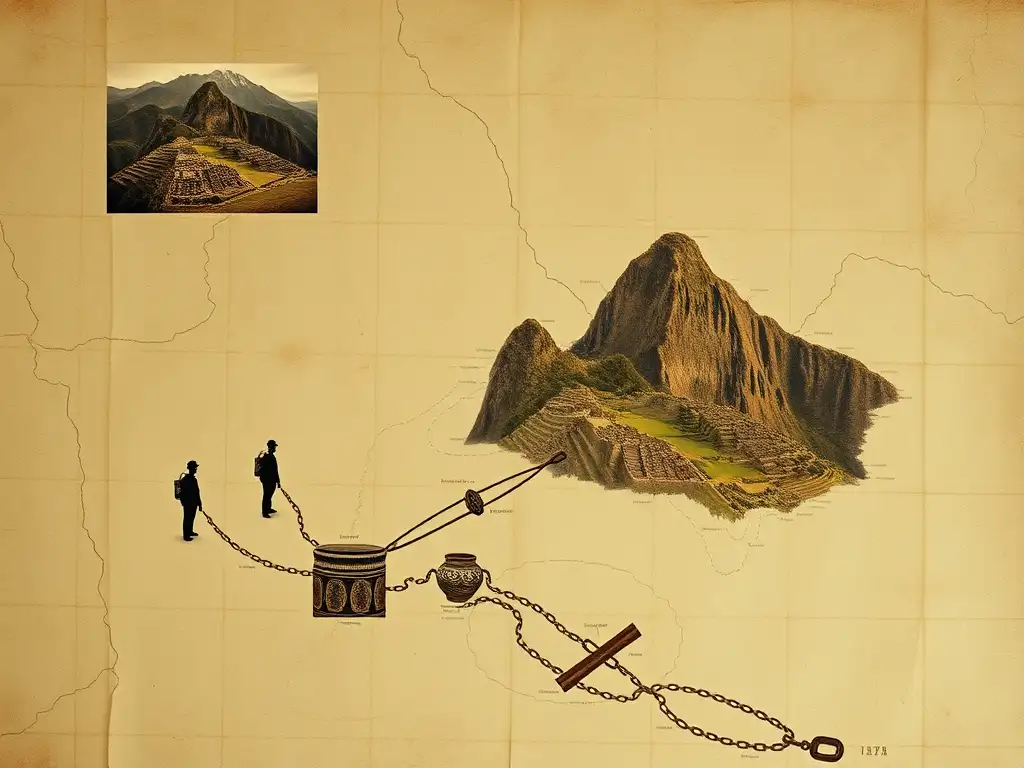
This section delves into specific instances highlighting the ethical complexities inherent in Andean archaeological research. Understanding these case studies provides crucial context for developing responsible and respectful practices in the field, ultimately contributing to the preservation of Andean heritage for future generations. The analysis focuses on the impact of archaeological projects on local communities, emphasizing the importance of collaboration and informed consent in mitigating potential negative consequences. The goal is to showcase both successful and unsuccessful approaches to ethical considerations in Andean archaeology, fostering a more nuanced understanding of the subject.
Case Study 1: The Controversy at Machu Picchu and its Impact on Local Communities
Machu Picchu, a UNESCO World Heritage site, presents a unique set of ethical challenges. The immense popularity of the site has led to a surge in tourism, placing significant strain on the local infrastructure and environment. The influx of visitors, while generating economic benefits, has also raised concerns regarding the preservation of the historical integrity of the site and the well-being of the Quechua communities living nearby.
Balancing the needs of tourism with the protection of the cultural heritage and the rights of local communities remains a significant ongoing challenge. For example, the limited access granted to local communities to certain areas within Machu Picchu, alongside the lack of meaningful participation in decision-making processes concerning the site's management, has fueled resentment and conflict. This highlights the critical need for inclusive and participatory approaches to managing significant archaeological sites, ensuring that the benefits of tourism are equitably distributed and that the cultural heritage remains protected.
Furthermore, the environmental impact of increased tourism, such as pollution and erosion, necessitates a more sustainable approach to managing visitor numbers and minimizing the site's ecological footprint. The Machu Picchu case underscores the ethical imperative to prioritize community needs and environmental sustainability alongside the preservation of the archaeological record itself. Failure to address these intertwined issues risks not only damaging the site but also alienating the very communities whose heritage it represents.
Case Study 2: The Successful Collaboration of the Moche Project with Local Communities in Northern Peru
In contrast to the challenges presented by Machu Picchu, the Moche Project offers a positive example of ethical practice in Andean archaeology. This project, focused on the Moche civilization in northern Peru, prioritized collaboration with local communities from its inception. Through open dialogue and a commitment to community participation, the project successfully integrated local knowledge and perspectives into its research design and implementation.
This collaborative approach not only fostered trust and mutual respect but also enriched the research itself, providing valuable insights into the cultural significance of the archaeological sites being excavated. The project implemented specific measures to ensure that local communities benefited directly from the research, including job creation, training opportunities, and the establishment of community museums to showcase the artifacts discovered. Furthermore, the project actively involved local communities in the decision-making processes, ensuring that their concerns and interests were taken into account.
This participatory approach stands as a model for responsible archaeological practice in the Andes, demonstrating that ethical considerations and high-quality research can be mutually reinforcing. The successful outcomes of the Moche Project highlight the importance of investing time and resources in building strong relationships with local communities, demonstrating a commitment to equitable partnerships and long-term sustainability. The project serves as a compelling example of how ethical considerations can lead to more meaningful and impactful archaeological research.
Case Study 3: The Ethical Failures in the Early Excavations of the Sipán Tombs and the Lessons Learned
The early excavations of the Sipán tombs in northern Peru, while yielding remarkable discoveries, also highlight significant ethical failures. The initial excavations, characterized by a lack of transparency and limited community involvement, led to controversies surrounding the ownership and control of the artifacts unearthed. These early excavations, lacking proper documentation and conservation practices, resulted in the loss or damage of valuable archaeological materials. The lack of consultation with local communities led to feelings of dispossession and resentment, undermining the relationship between archaeologists and the communities whose heritage was being studied.
However, subsequent excavations have learned from these past mistakes, adopting more ethical and collaborative approaches. The Sipán case serves as a stark reminder of the potential consequences of ignoring ethical considerations in archaeological research. The experience underscores the importance of transparency, community engagement, and the adherence to rigorous scientific standards in all stages of the archaeological process.
The lessons learned from Sipán have been instrumental in shaping current best practices in Andean archaeology, emphasizing the need for collaborative partnerships and a respect for cultural heritage. The Sipán case, despite its early failings, offers a valuable lesson in the importance of continuous learning and adaptation in the pursuit of ethical archaeological research. The evolution of practices at Sipán exemplifies the ongoing development of ethical frameworks within Andean archaeology.
Best Practices for Ethical Andean Archaeological Research
Ethical considerations are paramount in Andean archaeology, demanding a nuanced approach that respects the cultural heritage and rights of Andean communities. The legacy of past exploitative practices necessitates a paradigm shift towards collaborative and respectful research methodologies. This section outlines best practices to ensure ethical conduct in Andean archaeological investigations, focusing on culturally sensitive research protocols, community-based participatory research, and educational outreach. The goal is to promote a sustainable and mutually beneficial relationship between researchers and the descendants of the Andean civilizations. Understanding and addressing these "Andean archaeology ethical considerations" is crucial for responsible scholarship.
Developing Culturally Sensitive Research Protocols
Developing culturally sensitive research protocols requires a deep understanding of the social, political, and spiritual significance of archaeological sites and artifacts within Andean communities. This necessitates extensive consultation with indigenous groups and local communities before, during, and after any research activity. Simple questionnaires are insufficient; genuine dialogue and engagement are key. Researchers must be prepared to adapt their research plans based on community feedback and concerns.
For example, the excavation of burial sites might require specific rituals or permissions from community leaders, and the handling of sacred objects demands utmost respect and adherence to traditional practices. Ignoring these considerations can lead to significant cultural damage and mistrust, undermining the very foundation of responsible research. Protocols should explicitly address:
- Prior Informed Consent: Obtaining freely given, informed consent from all relevant stakeholders, including community leaders and individuals directly affected by the research.
- Repatriation of Artifacts: Establishing clear procedures for the repatriation of human remains and culturally significant artifacts to their communities of origin.
- Data Sharing and Access: Defining protocols for data sharing and access, ensuring that communities have the opportunity to review and contribute to research findings.
- Respect for Sacred Sites: Implementing measures to protect the sanctity of sacred sites and avoid any actions that could be perceived as disrespectful or damaging.
- Language and Communication: Ensuring effective communication through appropriate translation and interpretation services.
Failure to adhere to these protocols can lead to accusations of cultural appropriation and damage the researcher's credibility, ultimately hindering future research endeavors. Careful planning and ongoing dialogue are essential for successful and ethical projects.
Implementing Community-Based Participatory Research
Community-Based Participatory Research (CBPR) represents a powerful approach to conducting ethical research in Andean contexts. CBPR emphasizes collaboration and shared decision-making throughout the research process, empowering communities to actively participate in shaping research questions, methodologies, and outcomes. This approach not only ensures the ethical treatment of cultural heritage but also generates richer and more meaningful research findings. Instead of researchers imposing their own agendas, CBPR fosters a genuine partnership where local knowledge and perspectives are integrated into the research design and interpretation.
Consider the example of a project studying ancient agricultural practices. A CBPR approach would involve collaborating with local farmers and community members who possess traditional ecological knowledge. Their insights into ancient farming techniques, land management practices, and crop varieties would enrich the research significantly, providing a deeper understanding than a purely academic approach could achieve.
Furthermore, the active involvement of the community ensures that research findings are relevant, useful, and directly benefit the community. This creates a sustainable cycle of knowledge exchange and mutual benefit, fostering long-term relationships between researchers and the communities they study. The successful implementation of CBPR requires trust, patience, and a commitment to shared ownership of the research process.
Promoting Education and Awareness about Andean Heritage
Ethical Andean archaeology is not solely about research methodologies; it also encompasses a commitment to educating and raising awareness about Andean heritage. This involves disseminating research findings to both academic and broader audiences, in a way that is accessible, respectful, and avoids perpetuating harmful stereotypes. Collaboration with local communities in educational initiatives is crucial. This might include developing museum exhibits in partnership with community members, creating educational materials in local languages, or supporting community-led tourism projects that highlight the cultural significance of archaeological sites.
For instance, an educational program could focus on the intricate textile traditions of the Andean cultures. By working with local artisans and weaving communities, researchers can create engaging exhibits and workshops that showcase traditional techniques and their historical context. This not only educates the public but also provides economic opportunities for communities.
The goal is to foster a sense of pride and ownership in Andean heritage, countering the legacy of colonial exploitation and promoting the sustainable preservation of cultural resources. By actively promoting education and awareness, researchers contribute to a more just and equitable future for Andean communities and their rich cultural legacy. This proactive approach is essential for responsible engagement with Andean archaeology and demonstrates a genuine commitment to ethical research practices.
Fostering Dialogue and Collaboration Among Stakeholders
Ethical Andean archaeology necessitates a robust and ongoing dialogue among all stakeholders. This includes not only archaeologists and researchers but also local communities, indigenous groups, government agencies, and other relevant parties. Open communication is paramount to ensuring that research respects the cultural heritage and sensitivities of those most directly affected. This collaborative approach goes beyond simple consultation; it requires active participation and shared decision-making throughout the research process.
For example, a project studying pre-Columbian textiles in the Peruvian highlands should not only inform the local community about the research goals but also actively involve them in the process, potentially through the establishment of a community advisory board. This board could provide invaluable insights into local traditions, cultural interpretations of the artifacts, and appropriate methods for handling and preserving them. Furthermore, incorporating local knowledge and perspectives into research methodologies can enrich the understanding of the past and ensure that the research remains relevant and meaningful to the community. Ignoring or minimizing the voices of local stakeholders risks perpetuating harmful stereotypes and undermining the very heritage the research aims to protect.
The ultimate goal is a truly participatory approach where all stakeholders feel respected, heard, and empowered to contribute to the preservation and interpretation of their shared cultural heritage. This collaborative model fosters trust, ensures cultural sensitivity, and ultimately leads to more robust and ethically sound research outcomes. Failure to prioritize this collaboration risks not only damaging relationships with local communities, but also compromising the integrity and validity of the archaeological research itself. The Andean region's rich and complex history demands a respectful and collaborative approach to its study.
The Future of Ethical Archaeological Practices in the Andes
The ethical landscape of Andean archaeology is constantly evolving, demanding a proactive and adaptable approach to research and preservation. The future hinges on our ability to integrate cutting-edge technologies with a renewed commitment to community engagement and indigenous rights. This requires a multi-faceted strategy addressing several key areas.
Ignoring these ethical considerations risks further damaging already fragile sites and cultural heritage, and potentially perpetuating historical injustices. Successfully navigating these challenges requires a collaborative, inclusive, and forward-thinking approach that prioritizes the long-term well-being of both the archaeological record and the Andean communities whose heritage it represents. Failure to do so will undoubtedly compromise the integrity and value of future Andean archaeological research.
Advancing Ethical Frameworks for Andean Research
Current ethical guidelines, while helpful, often fall short in addressing the unique challenges presented by Andean archaeology. Many frameworks were developed in different contexts and may not fully encompass the complexities of indigenous knowledge systems, land rights, and community involvement crucial to Andean research. Therefore, a significant advancement requires the development of region-specific ethical codes.
These codes must be created in collaboration with Andean communities and scholars, ensuring that indigenous perspectives are central to the process. This necessitates a paradigm shift away from solely Western-centric research methodologies towards a more inclusive, collaborative model. For example, a revised framework might explicitly address issues such as:
- Data sovereignty: Who owns and controls the data generated from Andean archaeological research? Should indigenous communities have greater say in how this data is used and disseminated?
- Repatriation of artifacts: Developing clearer guidelines on the repatriation of artifacts to their rightful communities, including processes for determining rightful ownership and managing repatriation efforts.
- Benefit-sharing: Ensuring that the benefits of archaeological research, including economic opportunities and educational initiatives, are shared equitably with Andean communities.
These revised frameworks should not be static documents but rather living documents, regularly reviewed and updated to reflect evolving societal values and new understandings. Regular audits of research projects against these updated frameworks would ensure accountability and transparency.
Integrating Indigenous Perspectives in Archaeological Interpretation
The interpretation of Andean archaeological findings has historically been dominated by Western perspectives, often overlooking or misrepresenting indigenous knowledge and worldviews. Moving forward, it's crucial to prioritize indigenous voices in the interpretation of archaeological discoveries. This means actively seeking out and incorporating indigenous perspectives into all stages of the research process, from the initial research design to the dissemination of findings. This includes:
- Community-based participatory research: Engaging Andean communities as active partners in the research process, allowing them to shape research questions, methodologies, and interpretations.
- Oral histories and traditional knowledge: Integrating oral histories and traditional knowledge into archaeological interpretations, recognizing their value as primary sources of information.
- Language and terminology: Using appropriate and culturally sensitive language and terminology in all communications and publications related to Andean archaeology.
For instance, instead of imposing external narratives onto discovered artifacts, researchers should work with community members to understand the significance of these objects within their cultural traditions. This collaborative approach will yield richer, more nuanced, and ultimately more accurate interpretations of Andean history and culture, fostering greater respect for indigenous knowledge and heritage.
Ensuring the Long-Term Sustainability of Andean Heritage
The long-term preservation of Andean heritage requires a multi-pronged approach that encompasses both physical preservation and cultural revitalization. This necessitates a shift from a purely extractive model of research to one that prioritizes the long-term well-being of archaeological sites and the communities they represent. Key strategies include:
- Sustainable tourism practices: Developing sustainable tourism models that benefit local communities while minimizing the negative impacts on archaeological sites.
- Community-based conservation: Empowering Andean communities to take ownership of the conservation of their heritage through training and capacity building.
- Climate change adaptation: Developing strategies to mitigate the impact of climate change on Andean archaeological sites, including implementing measures to protect sites from erosion and other environmental threats.
A concrete example is the implementation of community-managed visitor centers near significant sites. These centers, staffed and operated by local community members, can generate income for the community while educating visitors about the site's history and importance, promoting responsible tourism. This model fosters sustainable economic development while actively engaging the community in the preservation of their heritage. The long-term sustainability of Andean heritage is inextricably linked to the well-being of Andean communities; protecting one necessitates protecting the other.
Conclusion: The Ongoing Commitment to Ethical Andean Archaeology
The ethical considerations surrounding Andean archaeology are not merely academic exercises; they are fundamental to the preservation of cultural heritage and the fostering of respectful relationships with descendant communities. The future of Andean archaeological research hinges on a sustained commitment to principles of collaboration, reciprocity, and transparency. This means actively engaging with indigenous communities throughout all phases of research, from initial planning and excavation to the dissemination of findings. Ignoring these principles risks perpetuating a history of exploitation and disrespect, undermining the very purpose of archaeological inquiry—to understand and appreciate the past.
The ongoing dialogue between archaeologists and indigenous communities is crucial. This dialogue should not be a token gesture, but rather a genuine effort to understand differing perspectives and find common ground. This requires a willingness to listen, learn, and adapt research methodologies to reflect the concerns and priorities of those most directly affected by archaeological work.
Furthermore, the repatriation of artifacts and the equitable sharing of research benefits are paramount. These actions demonstrate a commitment to justice and demonstrate respect for the cultural heritage that is being studied. This commitment extends beyond mere compliance with regulations; it represents a fundamental shift in the power dynamics that have historically characterized archaeological research.
Ultimately, the ethical conduct of Andean archaeology is not a checklist to be completed, but a continuous process of reflection, learning, and adaptation. It requires a constant reassessment of practices in light of evolving understandings of cultural heritage and indigenous rights. The field must embrace a future where collaboration, reciprocity, and respect are not merely ideals, but the guiding principles that shape every aspect of archaeological investigation in the Andes.
Only then can we truly contribute to a more just and equitable understanding of these remarkable civilizations and their enduring legacy. The challenge—and the opportunity—lies in forging a new path, one guided by ethical principles and a genuine commitment to the well-being of both the past and the present. The rich tapestry of Andean history deserves nothing less.
Frequently Asked Questions
What ethical considerations are paramount in Andean archaeology?
Answer: Respect for indigenous communities and their ancestral remains is crucial. Archaeological work must prioritize community engagement and consent, ensuring that research benefits the descendants of those studied. Repatriation of artifacts is also a key ethical concern.
How do archaeologists ensure the protection of Andean cultural heritage sites?
Answer: Ethical practices involve minimizing site impact, employing non-destructive techniques whenever possible, and adhering to strict preservation protocols. Collaboration with local communities and authorities is essential for long-term site protection.
What role does community engagement play in Andean archaeological research?
Answer: Meaningful collaboration with local communities is fundamental. This involves informed consent, sharing research findings, and providing opportunities for community participation in the research process. It ensures that research respects local knowledge and perspectives.
How are the interests of descendant communities balanced against the needs of archaeological research?
Answer: Balancing these interests requires prioritizing community needs and rights. This often necessitates adjusting research plans to accommodate community concerns and ensuring that research directly benefits descendant communities, not just researchers.
What are the challenges of repatriation of Andean artifacts?
Answer: Repatriation faces challenges like establishing clear lines of descent, navigating complex legal frameworks, and securing funding for the return and care of artifacts. International cooperation is vital to overcome these hurdles.
Final Reflection: Unearthing Ethics in Andean Archaeology
The ethical dilemmas inherent in Andean archaeological research remain profoundly relevant today, demanding a constant reevaluation of our practices and a commitment to responsible stewardship of the past. The sheer volume of undiscovered sites, coupled with increasing pressures from tourism, development, and illicit looting, underscores the urgency of fostering a truly ethical approach to excavation and preservation. Ignoring these complexities risks not only the destruction of invaluable cultural heritage but also the perpetuation of historical injustices.
The impact of past archaeological practices, often characterized by extractive methodologies and a disregard for indigenous perspectives, continues to resonate deeply within Andean communities. This legacy necessitates a shift towards collaborative research models that prioritize community engagement and knowledge sharing. As archaeologist Ruth Shady Solis eloquently stated, Archaeology is not just about digging up the past; it's about understanding the present through the lens of the past, and building a better future together.
Her words highlight the crucial role of respecting indigenous voices and ensuring that archaeological discoveries benefit the descendants of those who created them.
Consider the implications of this discussion for your own life. How can you, as an individual, contribute to a more ethical and responsible approach to engaging with the past? Whether it's supporting ethical tourism initiatives, advocating for stronger protections of archaeological sites, or simply educating yourself and others about the importance of cultural heritage, your actions can make a difference. Let us strive to ensure that future generations inherit not only the tangible remnants of Andean civilizations but also a legacy of ethical and respectful engagement with their rich history.
Explore the Ethical Landscape of Archaeological Research!
Thank you for exploring the complexities of Andean archaeological research with us! We hope you gained valuable insights into the ethical considerations that shape our understanding and preservation of these ancient cultures. Now, it's your turn to contribute!
Here are a few impactful actions you can take:
- Join the Conversation: Share your thoughts and connect with other passionate advocates for ethical archaeology in our online forums. Your perspective is invaluable.
- Spread the Word: Share this article with your network to raise awareness about the importance of ethical practices in archaeology.
- Get Creative: Express your insights through a blog post, artwork, or other creative medium inspired by the ethical challenges in archaeological research. Your creativity can illuminate this crucial topic.
What measures do you believe are most important to ensure ethical practices in archaeological research today?