
Weaving the Past: Archaeological Finds Illuminate Textile Traditions

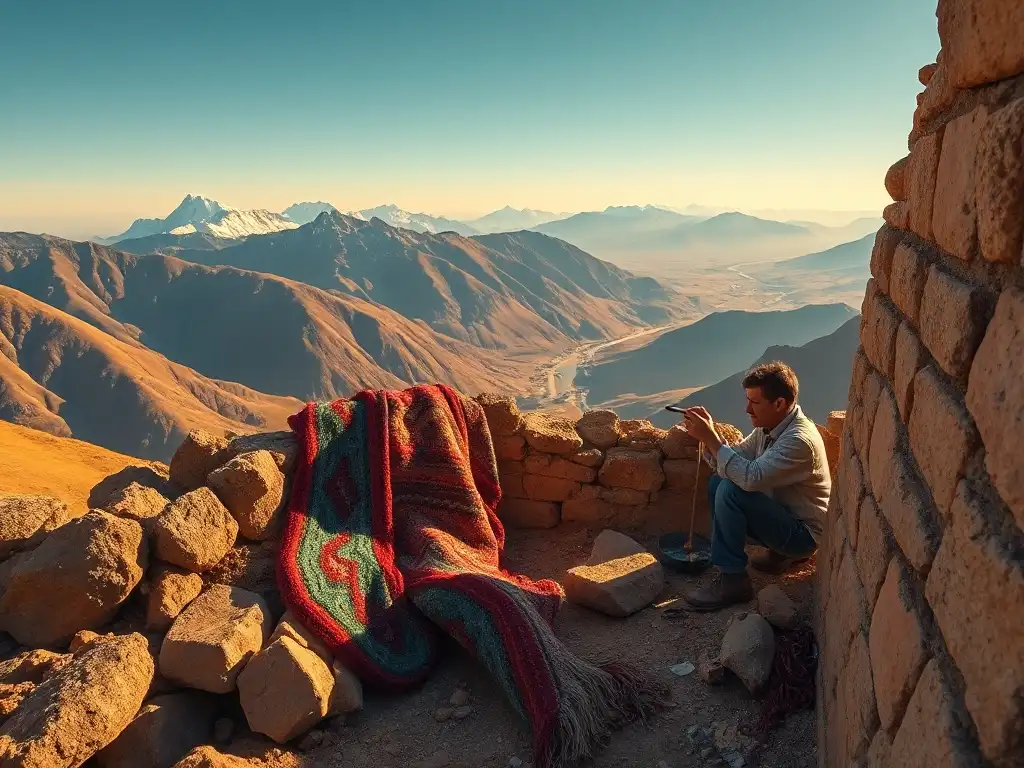
Unravel the mysteries of a lost world. For centuries, the Andean civilizations have captivated imaginations with their breathtaking artistry and ingenuity. But few secrets are as richly woven as their ancient Andean textile traditions. Journey with us through time as we explore the remarkable craftsmanship and cultural significance of these incredible fabrics, revealing stories hidden within every thread in our exploration of "Weaving the Past: Archaeological Finds Illuminate Textile Traditions." Prepare to be amazed.
The Andes Mountains, a spine of towering peaks running down the western coast of South America, were home to a dazzling array of pre-Columbian civilizations. For centuries, these cultures—including the Incas, Moche, Nazca, and Tiahuanaco—developed sophisticated societies marked by remarkable achievements in agriculture, architecture, and, importantly, textile production.
This article delves into the fascinating world of ancient Andean textile traditions, exploring recent archaeological discoveries that shed light on the techniques, materials, and cultural significance of these remarkable artifacts. We will uncover the secrets embedded within the threads themselves, revealing the stories woven into the very fabric of Andean history and showcasing the ingenuity and artistry of these ancient peoples.
Understanding these ancient Andean textile traditions provides a crucial window into the social structures, religious beliefs, and technological prowess of these remarkable civilizations, enriching our comprehension of their complex and enduring legacy. This exploration will illuminate how textile production was not merely a craft, but a deeply interwoven aspect of Andean life, reflecting power structures, spiritual beliefs, and everyday practices.
Unearthing Ancient Andean Textile Production
Archaeological excavations across the Andes continue to yield astonishing textile finds, offering invaluable insights into ancient production methods. Recent discoveries in [Specific location pending] have unearthed intricately woven textiles dating back to [Specific date pending], revealing a sophisticated understanding of spinning, dyeing, and weaving techniques. These textiles often incorporate a variety of materials, including alpaca, llama, and vicuña wool, showcasing the mastery of these ancient Andean artisans in selecting and processing fibers to achieve specific textures and colors.
The process itself was likely a complex one, involving multiple stages from shearing and cleaning the wool to spinning the yarn and weaving it on backstrap looms. Evidence suggests the use of specialized tools, such as spindle whorls and loom weights, which have been found in association with textile fragments. Furthermore, the discovery of dye plants at various archaeological sites indicates a deep understanding of natural dyes and their application, resulting in a vibrant palette of colors seen in surviving textiles. Analysis of these dyes provides further clues about the availability of resources and trade networks across the Andes.
The complexity of some textiles, featuring intricate patterns and multiple colors, points to a highly specialized workforce. It’s likely that textile production was not solely a domestic activity but also involved specialized workshops, perhaps even guilds, where skilled artisans created elaborate garments and textiles for elite members of society or religious purposes. Further research is needed to fully understand the organization of textile production and the social roles of those involved. The discovery of [Specific type of textile tool pending] at [Specific archaeological site pending] further supports this hypothesis.
The Significance of Textiles in Andean Cultures
Beyond their technical brilliance, ancient Andean textiles held profound cultural significance. Textiles were not merely clothing; they were powerful symbols of status, identity, and spirituality. Elaborate garments, often adorned with intricate designs and symbolic motifs, were worn by elite members of society, marking their rank and power within the community. The use of particular colors, patterns, and materials could signify specific social groups or affiliations. For example, the use of [Specific color/pattern pending] in textiles from the [Specific culture pending] civilization is believed to have been associated with [Specific meaning pending].
Religious beliefs were also deeply embedded in textile production and use. Textiles were incorporated into rituals and ceremonies, often serving as offerings to deities or used as adornments for religious figures. The discovery of [Specific type of textile artifact pending] in [Specific religious context pending] underscores the importance of textiles in Andean religious practices.
Furthermore, the use of specific iconography in textile designs suggests a connection to mythology and cosmology. These designs were not merely decorative; they were imbued with meaning, telling stories and conveying beliefs about the world and the afterlife.
The intricate tapestry of designs often reflects astronomical knowledge, agricultural cycles, and spiritual beliefs, making each textile a rich source of information about the worldview of the ancient Andean peoples. The study of these ancient Andean textile traditions continues to reveal the multifaceted significance of textiles in Andean societies, highlighting their importance in understanding the social, religious, and political landscape of these fascinating cultures.
Discoveries Revealing Ancient Andean Weaving Techniques
This section delves into the fascinating world of ancient Andean weaving techniques, illuminated by recent archaeological discoveries. We'll explore the preserved fabrics themselves, the tools and technologies used in their creation, and the remarkable dyes and fibers employed by these skilled artisans. Understanding these aspects provides crucial insight into the sophisticated textile traditions that flourished across various Andean cultures. The analysis of these ancient Andean textile traditions reveals a complex interplay of artistry, innovation, and cultural significance.
Preserved Fabrics: A Window into the Past
The arid climate of the Andes Mountains has proven remarkably beneficial for textile preservation. Many examples of ancient Andean textiles have survived, offering unparalleled glimpses into their techniques. Archaeological excavations at sites like Paracas Necropolis in Peru have yielded remarkably well-preserved textiles, including intricate tapestries, finely woven cloths, and elaborately embroidered garments.
These fabrics often feature complex designs, showcasing a mastery of weaving techniques such as tapestry weaving, brocade, and sumptuary textiles. The vibrant colors and intricate patterns are testament to the advanced skills of ancient Andean weavers. Analysis of these preserved fabrics reveals not only the techniques used but also the social and religious significance of the textiles.
For instance, the use of specific colors or motifs might indicate social status or religious affiliation. Studying the condition and degradation of these fabrics also provides valuable information about the materials used and the environmental conditions they were subjected to over centuries. The remarkable preservation of these ancient Andean textile traditions allows us to appreciate the artistry and skill of these ancient craftspeople.
Textile Tools and Technology: Insights from Archaeological Evidence
Archaeological digs have unearthed a wealth of tools used in ancient Andean textile production. Spindles, whorls, and looms of various types have been discovered, providing concrete evidence of the technology employed. The complexity of some of these tools suggests a high degree of sophistication in textile production.
For example, the discovery of backstrap looms indicates a technique requiring considerable skill and precision. These looms allowed for the creation of finely woven fabrics with intricate patterns. Furthermore, the discovery of specialized tools, such as bone needles and metal shears, highlights the specialized nature of textile production within Andean societies.
The analysis of these tools, alongside the textiles themselves, allows researchers to reconstruct the entire process of textile production, from fiber preparation to the final stages of finishing. This detailed understanding of ancient Andean textile traditions contributes significantly to our broader comprehension of Andean technology and societal organization. The meticulous craftsmanship evident in both the tools and the finished products underscores the high value placed on textiles within these societies.
Dyes and Fibers: Analyzing the Materials of Ancient Andean Textiles
The materials used in ancient Andean textiles are as remarkable as the techniques employed. A diverse range of fibers were utilized, including cotton, camelid fibers (alpaca, llama, vicuña), and even human hair in certain instances. The choice of fiber would have been dictated by factors such as availability, quality, and intended use of the textile. The analysis of these fibers allows researchers to trace the origins of the materials and understand the trade networks that existed across the Andes.
Equally fascinating are the dyes used to create the vibrant colors characteristic of ancient Andean textiles. Analysis has revealed the use of natural dyes derived from plants, insects, and minerals. These dyes were often meticulously prepared and applied, resulting in colors that have remarkably endured the passage of time. The range of colors achieved is impressive, showcasing a deep understanding of the properties of different dyes and their application techniques.
The use of specific dyes may also have held symbolic or ritualistic significance, further enriching our understanding of ancient Andean textile traditions. The study of these dyes and fibers helps us understand not only the technical aspects of textile production but also the cultural and environmental contexts in which it occurred. The vibrant hues and diverse materials used contribute to the enduring beauty and historical significance of these remarkable textiles.
Specific Archaeological Sites and Their Textile Contributions
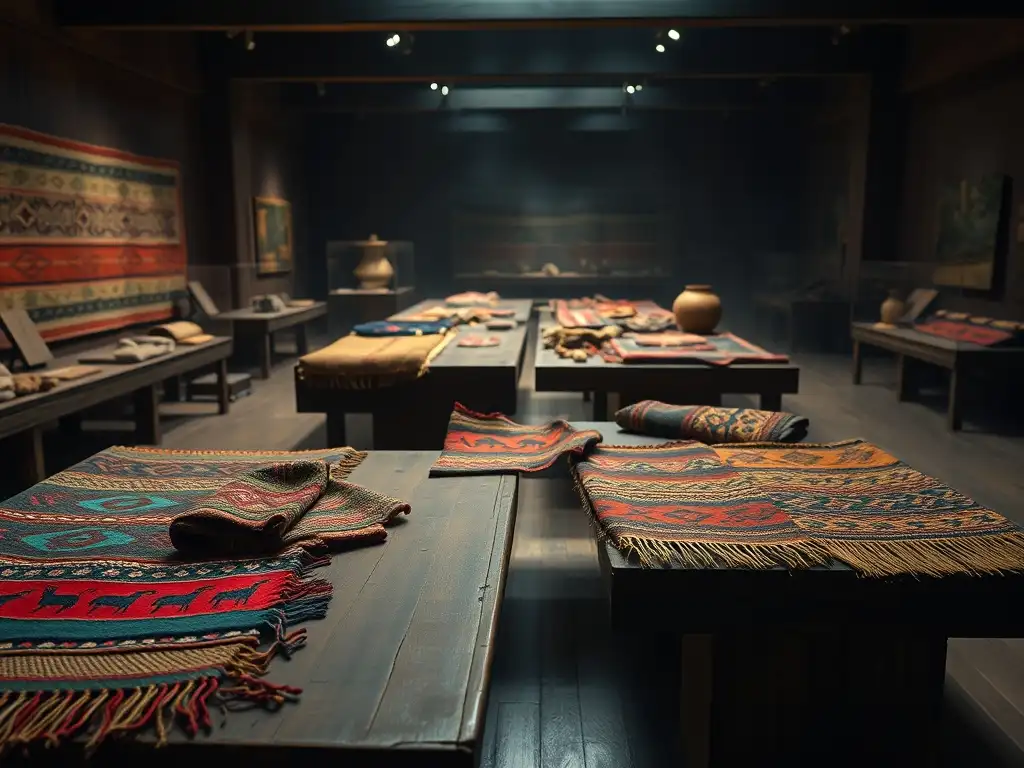
This section delves into the remarkable textile discoveries from specific Andean archaeological sites, highlighting the unique characteristics of each civilization's weaving techniques and artistic expressions. These finds offer invaluable insights into the sophisticated textile traditions of ancient Andean cultures, enriching our understanding of their social structures, religious beliefs, and daily lives. The analysis of these ancient Andean textile traditions reveals a complex interplay of artistry, technology, and cultural significance.
Huaca Prieta: Unveiling the Textile Legacy
Huaca Prieta, located on the north coast of Peru, is renowned for its incredibly early evidence of textile production. Excavations at this site have unearthed fragments of textiles dating back to approximately 6,000 years ago, pushing back the timeline of Andean textile traditions significantly. These are some of the oldest known textiles in the Americas.
The textiles, primarily composed of cotton and other plant fibers, are surprisingly well-preserved, considering their age. While often fragmented, they reveal sophisticated techniques, including plain weaving, and the use of various natural dyes. The discovery of these early textiles at Huaca Prieta challenges previous assumptions about the development of Andean textile technology, suggesting a much earlier and more complex origin than previously imagined.
Further research is needed to fully understand the social and economic implications of this early textile production, but it's clear that weaving played a vital role in the daily life of the Huaca Prieta people. Analysis of the fiber types and dye components also provides clues regarding their agricultural practices and access to resources. The simplicity of some of the designs, however, does not diminish their significance; they represent the foundational steps in a long and rich tradition.
Paracas Necropolis: The Art of Weaving in the Paracas Civilization
The Paracas Necropolis, located in southern Peru, is famous for its elaborate burial practices and the exquisite textiles found within the tombs. The Paracas culture (circa 800-200 BCE), known for its vibrant and intricate textiles, produced some of the most stunning examples of ancient Andean textile artistry. These textiles are characterized by their incredibly detailed embroidery, complex designs featuring mythological creatures and intricate geometric patterns, and the use of a vast array of colors derived from natural dyes.
The vibrant hues, often including deep reds, blues, yellows, and greens, are remarkably preserved, even after centuries underground. The techniques employed, such as tapestry weaving, embroidery, and gauze, showcase an advanced level of skill and mastery.
The sheer quantity and quality of the textiles discovered at the Necropolis suggest that weaving held a paramount position within Paracas society. The textiles were not merely utilitarian; they served as elaborate burial shrouds and garments, indicating a high social status for the deceased. The intricate designs likely held symbolic meaning, representing religious beliefs, social hierarchies, or mythological narratives.
Moreover, the sheer size of some of the textiles indicates a significant collaborative effort, suggesting the involvement of skilled artisans and potentially specialized workshops. The discovery of these textiles at the Necropolis provides a window into the worldview and artistic sensibilities of the Paracas people, demonstrating the powerful role that weaving played in their cultural identity.
Tiwanaku: Textile Patterns and Iconography
The Tiwanaku culture (circa 500-1000 CE), flourishing in the altiplano region of the Andes, is known for its sophisticated urban planning and complex religious beliefs. Textile fragments unearthed at Tiwanaku sites reveal a distinctive style characterized by geometric patterns, stylized figures, and the frequent use of camelid fibers (llama and alpaca). Unlike the more flamboyant styles of Paracas, Tiwanaku textiles reflect a more restrained aesthetic, with a focus on precise execution and symbolic representation. The use of camelid fiber, common to the Andean highlands, reflects the culture's adaptation to the challenging environment.
The recurring motifs found in Tiwanaku textiles often relate to their complex religious iconography, with stylized depictions of deities, animals, and other symbolic elements. These patterns likely held significant meaning within the context of Tiwanaku religious rituals and social structures. The precision and regularity of the geometric designs suggest a high degree of standardization and possibly specialized workshops dedicated to textile production.
The analysis of these textiles contributes to our understanding of Tiwanaku cosmology and social organization. Furthermore, the discovery of textile fragments in various contexts—from domestic settings to ceremonial sites—indicates the widespread use of textiles in various aspects of daily life and religious practices. The durability of the camelid fibers and the relatively simple yet powerful designs suggest that Tiwanaku textiles served both practical and symbolic purposes, reflecting the culture's sophisticated understanding of textile production and its integration into all aspects of society.
Interpreting the Symbolism of Andean Textile Designs
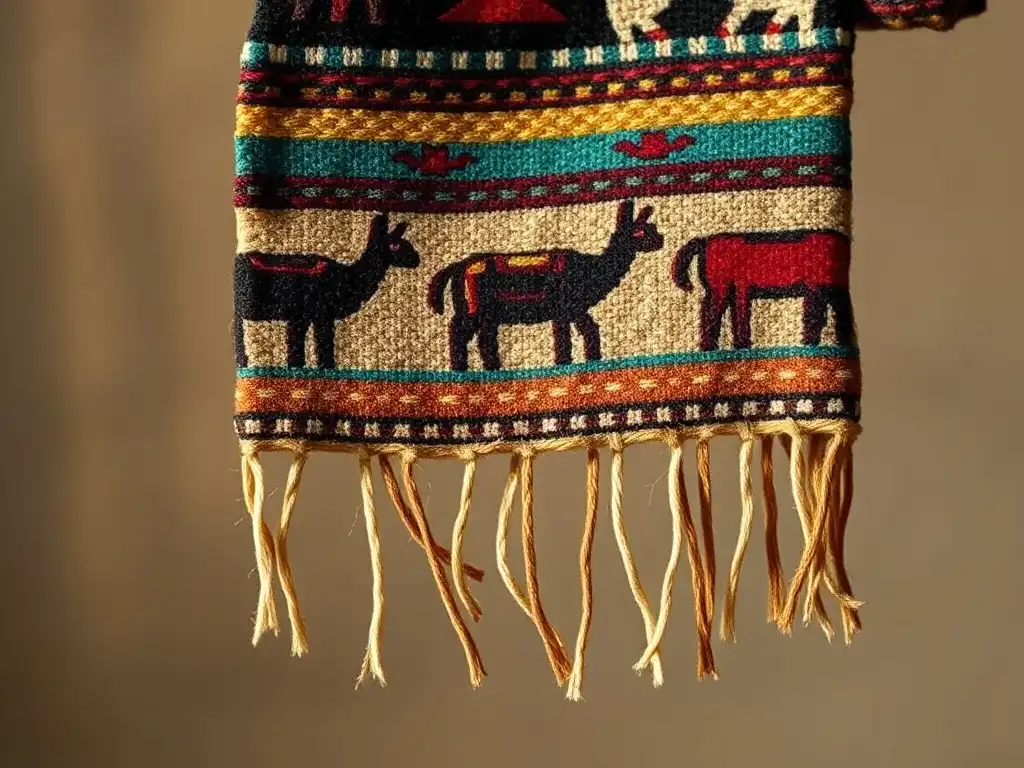
The vibrant and intricate textiles unearthed from ancient Andean sites offer a captivating window into the worldview and societal structures of these remarkable civilizations. More than mere clothing or adornment, these textiles served as powerful mediums for communication, conveying complex narratives through carefully chosen colors, patterns, and techniques. Understanding the symbolism encoded within these designs is crucial to unlocking a deeper appreciation for ancient Andean textile traditions.
Analyzing these artifacts requires a multi-faceted approach, combining archaeological context with anthropological interpretations to decipher the messages woven into the fabric of their history. The enduring legacy of these traditions is evident in the continued use of similar motifs and techniques in contemporary Andean communities, highlighting the unbroken thread connecting the past to the present.
Geometric Patterns and Their Meanings
Geometric patterns, ubiquitous in ancient Andean textiles, were far from simple decorative elements. Researchers have identified specific shapes and their combinations as carrying significant symbolic weight. For instance, the frequent appearance of stepped trapezoids, often associated with Andean architecture, suggests a connection between textile design and the built environment, possibly reflecting social hierarchy or cosmological beliefs. Similarly, the use of interlocking spirals or frets could represent cyclical processes like the agricultural calendar or the continuous cycle of life and death.
The precise meaning, however, often varied depending on the specific cultural group and the context in which the textile was found. Careful analysis of color combinations further enhances our understanding. For example, the pairing of red and black might symbolize duality, while the predominance of yellow could signify royalty or divinity.
Detailed studies of textiles from various sites – such as those discovered at Paracas Necropolis or the Nazca cemeteries – reveal remarkable consistency in the use of certain geometric motifs across different time periods and geographical locations, suggesting a shared symbolic language across diverse Andean cultures. However, regional variations also exist, emphasizing the importance of considering the specific archaeological context when interpreting these designs.
Further research is needed to fully understand the subtle nuances in the use of geometric patterns and their variations across different Andean societies. The sheer variety of geometric designs found in ancient Andean textiles points towards a sophisticated system of visual communication, capable of expressing complex ideas and beliefs.
Figurative Representations in Ancient Andean Weavings
Beyond geometric abstractions, ancient Andean weavers skillfully incorporated figurative representations into their textiles, depicting animals, humans, and mythical beings. These depictions often served as powerful narratives, reflecting myths, legends, and social structures. Camelids, such as llamas and alpacas, frequently appear, highlighting their economic and spiritual importance.
Depictions of birds, particularly condors, might symbolize power, altitude, or connection to the celestial realm. Human figures, often stylized and symbolic rather than realistic, can represent deities, ancestors, or individuals holding specific social roles. Careful observation reveals intricate details within these representations – the posture of a figure, the tools they wield, or the animals they are accompanied by – all contributing to the narrative complexity of the textile.
The use of color in these figurative representations also contributes significantly to their meaning. For example, a specific color might denote a particular deity or a social class. The size and placement of the figures within the overall design also hold clues, with larger, centrally located figures often suggesting greater importance.
The discovery of textiles depicting scenes of daily life, rituals, or mythical events provides invaluable insight into the social and religious practices of ancient Andean societies. The level of detail and the stylistic choices employed by the weavers demonstrate a remarkable artistic skill and a deep understanding of visual communication techniques. The ongoing study of these figurative representations is crucial to unraveling the rich tapestry of Andean mythology and belief systems.
The social and religious significance of textile motifs in ancient Andean cultures is deeply intertwined with their use in various aspects of life. Textiles served not only as clothing but also as ritual objects, grave goods, and status markers. The complexity of a textile, the materials used, and the motifs depicted could all indicate the social standing of the wearer or the importance of the occasion. Elaborately woven textiles, adorned with intricate designs and precious materials, were often associated with elite individuals or religious figures. These textiles served as powerful symbols of authority, prestige, and spiritual connection.
The use of specific motifs in funerary contexts suggests a belief in the afterlife and the importance of providing the deceased with necessary items for their journey. Similarly, textiles used in ceremonies and rituals played a vital role in religious practices, acting as intermediaries between the human and spiritual worlds. The intricate designs and symbolic representations found on these textiles offer valuable clues about the religious beliefs, rituals, and cosmological views of the ancient Andean people.
Furthermore, the techniques used in weaving – such as the intricate backstrap loom techniques – were themselves imbued with symbolic meaning, reflecting the skills and knowledge passed down through generations. The study of ancient Andean textile traditions thus offers a multifaceted approach to understanding the complex interplay between social organization, religious practices, and artistic expression in these fascinating civilizations.
The Evolution of Andean Textile Art Over Time
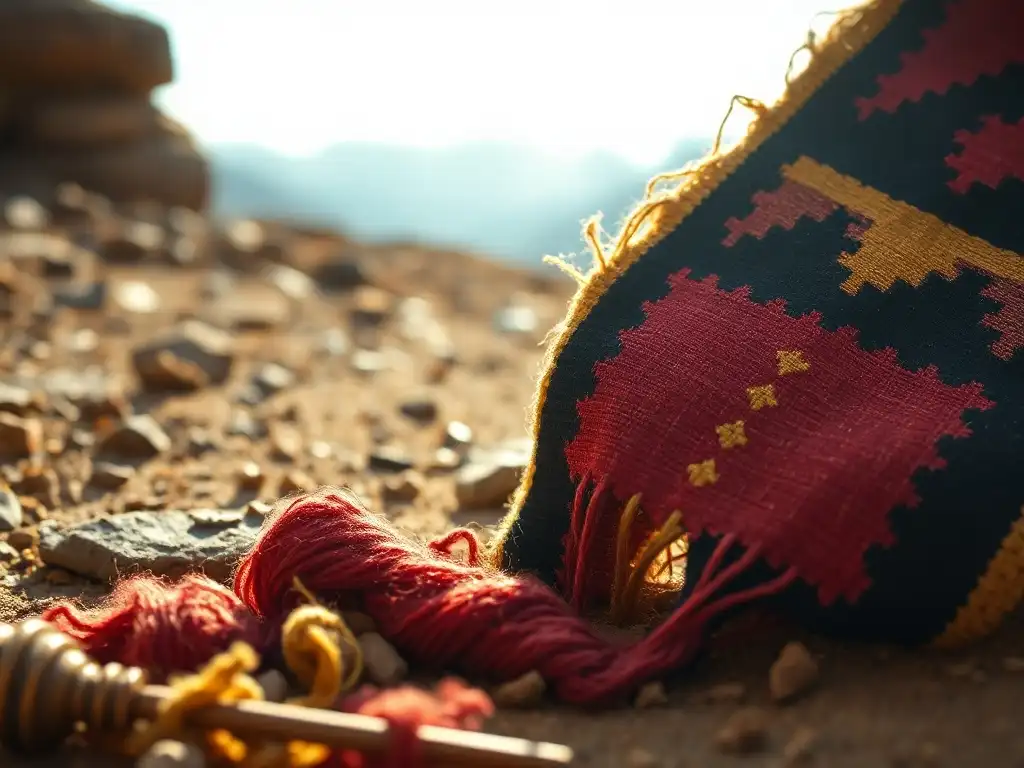
The study of ancient Andean textile traditions reveals a captivating narrative of artistic evolution, technological innovation, and cultural expression spanning millennia. From the intricate designs of pre-Inca cultures to the standardized artistry of the Inca Empire and the subsequent blending of indigenous techniques with European influences, Andean textiles offer a unique window into the complexities of these societies. Understanding this evolution requires examining the distinct characteristics of each period, highlighting the continuity and change in techniques, materials, and symbolic representation. This intricate tapestry of textile history showcases the remarkable ingenuity and resilience of Andean peoples.
Pre-Inca Textile Traditions: Tracing the Origins
Pre-Inca textile traditions, dating back to the early centuries BCE, are characterized by remarkable diversity and regional variations. Archaeological finds from various cultures, such as the Paracas, Nazca, and Moche, reveal distinct stylistic preferences and technical innovations. The Paracas culture, known for their elaborate mummy bundles, employed intricate embroidery and complex weaving techniques, often using vibrant hues derived from natural dyes.
Their textiles frequently depict stylized figures, mythical creatures, and geometric patterns, reflecting a rich cosmology and spiritual worldview. The Nazca culture, famed for their geoglyphs, produced equally impressive textiles, often featuring intricate representations of their distinctive fauna and flora. Their mastery of tapestry weaving allowed for the creation of large-scale, finely detailed designs.
The Moche, on the other hand, incorporated their sophisticated metalworking skills into their textiles, using gold and silver threads to embellish their garments and ceremonial objects. These early examples of ancient Andean textile traditions laid the foundation for subsequent developments, showcasing a remarkable level of artistry and technical proficiency that predates the Inca Empire. The use of camelid fibers, such as alpaca and llama wool, was already established, demonstrating a deep understanding of animal husbandry and fiber processing.
Inca Textile Craftsmanship: Mastery and Standardization
The Inca Empire (1438-1533 CE) witnessed a significant shift in Andean textile production. While building upon pre-existing techniques, the Inca implemented a system of standardization and centralized control over textile production. This resulted in a remarkable consistency in style and quality across the vast empire. Imperial workshops, employing skilled artisans, produced textiles for the elite, the military, and religious institutions.
The Inca perfected techniques like tapestry weaving, brocade, and sumptuary weaving, using a wide range of colors and intricate designs. Specific patterns and colors became associated with different social classes and roles within the empire. For example, certain types of cloth were reserved exclusively for the Inca royalty, while others were designated for specific administrative or religious purposes. The Inca's mastery of textile production is evident in the exceptional quality and durability of their surviving textiles.
The use of quipus, knotted cords used for record-keeping, also extended to the organization and management of textile production, highlighting the sophisticated administrative systems of the empire. This period represents a pinnacle of ancient Andean textile traditions, showcasing a remarkable blend of artistic expression and administrative control. Archaeological evidence, including the discovery of well-preserved textiles in royal tombs and temple sites, continues to illuminate the intricacies of Inca textile craftsmanship.
Post-Conquest Influences on Andean Weaving
The Spanish conquest of the Inca Empire in the 16th century marked a profound turning point in Andean weaving. While indigenous traditions persisted, European influences gradually infiltrated textile production. The introduction of new dyes, fibers (like cotton from Europe), and weaving techniques led to a hybrid style that blended traditional Andean motifs with European patterns. The demand for textiles in the colonial economy spurred the growth of workshops and the production of textiles for both local and international markets.
However, this period also saw the suppression of certain aspects of indigenous textile production, as the Spanish attempted to impose their own aesthetic preferences and cultural values. Despite these challenges, Andean weavers demonstrated remarkable resilience and adaptability, incorporating new elements into their existing traditions. They cleverly integrated European motifs and techniques, resulting in a unique fusion of styles.
This resulted in a new chapter in ancient Andean textile traditions, one characterized by both continuity and dramatic change. The study of post-conquest textiles offers valuable insights into the cultural exchange and adaptation that occurred during this turbulent period, revealing the enduring power of indigenous artistic traditions in the face of colonial pressures. Further research is needed to fully document the specific changes and transformations that occurred in different Andean regions during this complex historical period.
The Enduring Legacy of Ancient Andean Textile Traditions
The vibrant tapestry of ancient Andean textile traditions continues to fascinate and inspire researchers and enthusiasts alike. From the intricate designs of Paracas mantles to the sophisticated techniques employed by Inca artisans, these textiles offer invaluable insights into the social structures, religious beliefs, and technological prowess of these remarkable civilizations. The sheer artistry and complexity of the work, often created with limited tools and materials, stand as a testament to the ingenuity and dedication of the ancient Andean weavers.
The survival of these fragile artifacts, many unearthed from arid desert tombs, is itself a remarkable feat, allowing us to connect with the past in a tangible and deeply moving way. The study of these textiles provides a unique lens through which to understand the cultural evolution and interconnectedness of various Andean societies. Their enduring presence in museums and private collections serves as a powerful reminder of the rich cultural heritage of the Andes.
Analyzing the fibers, dyes, and weaving techniques reveals significant information about trade networks, agricultural practices, and even climatic conditions prevailing during different periods. The remarkable preservation of certain textiles allows for detailed examination using modern scientific methods, providing a wealth of information unavailable through other archaeological sources. These ancient textiles are not simply beautiful objects; they are crucial primary sources that continue to reshape our understanding of ancient Andean civilizations.
Modern Andean Weaving: Carrying on the Heritage
The legacy of ancient Andean textile traditions is not confined to the past. Modern Andean communities continue to practice these ancient crafts, albeit often with the incorporation of modern tools and materials. This continuity represents a powerful link to the past, demonstrating the enduring relevance of these techniques and designs. Many communities maintain traditional weaving techniques passed down through generations, producing textiles for both ceremonial and everyday use.
The vibrant colors and intricate patterns found in contemporary Andean textiles often reflect the stylistic influences of their ancestors, demonstrating a remarkable cultural continuity. This preservation of traditional weaving practices is crucial for maintaining cultural identity and supporting local economies. Organizations and initiatives dedicated to the preservation and promotion of these traditions play a vital role in supporting Andean weavers and ensuring the survival of these invaluable skills for future generations.
The economic benefits of preserving these traditions are significant, offering alternative income streams to communities that might otherwise struggle. Furthermore, the continued use of traditional techniques provides valuable opportunities for research and documentation, allowing scholars to study the evolution and adaptation of these skills over time. The ongoing practice of ancient Andean weaving is a testament to the resilience and adaptability of Andean cultures, demonstrating the enduring power of tradition in a constantly changing world.
The Importance of Preserving Textile Heritage
The preservation of ancient Andean textile traditions is not merely an academic pursuit; it is a crucial endeavor with far-reaching implications. These textiles represent an irreplaceable part of the world's cultural heritage, offering invaluable insights into the lives and beliefs of ancient societies. Their deterioration due to environmental factors and the passage of time underscores the urgent need for conservation efforts. Museums and research institutions are at the forefront of these efforts, employing advanced conservation techniques to protect these fragile artifacts for future generations.
These efforts include careful storage in climate-controlled environments, the use of specialized cleaning methods, and the development of new materials for textile restoration. The preservation of these textiles also plays a vital role in promoting cultural understanding and appreciation. By showcasing these remarkable artifacts, museums and educational institutions can engage wider audiences with the rich history and cultural significance of ancient Andean civilizations.
The ethical considerations surrounding the acquisition, ownership, and repatriation of these artifacts are also increasingly important, requiring careful consideration of the rights and interests of indigenous communities. The ongoing dialogue concerning the ethical treatment and preservation of Andean textile heritage is crucial for ensuring the responsible stewardship of this irreplaceable legacy. Ultimately, the preservation of these textiles is essential for safeguarding a significant part of human history and cultural identity.
Future Research Directions in Andean Textile Archaeology
Future research in Andean textile archaeology holds immense potential for furthering our understanding of these ancient civilizations. Advanced scientific techniques, such as fiber analysis using microscopy and spectroscopy, can provide detailed information about the origin of materials, the dyeing processes used, and the social and economic implications of textile production. DNA analysis of the textiles may also reveal information about the plants used to create the fibers and the geographic origin of the raw materials.
Further investigation into the iconography and symbolism depicted in Andean textiles can offer invaluable insights into the religious beliefs, social structures, and worldviews of these societies. The use of digital technologies, such as 3D scanning and modeling, offers exciting possibilities for documenting and preserving these fragile artifacts, while also allowing for detailed study without risking damage to the original pieces. Comparative studies of textile traditions across different Andean cultures can help to illuminate trade networks, cultural exchange, and the spread of technological innovations.
Moreover, interdisciplinary collaborations between archaeologists, textile specialists, anthropologists, and other researchers can lead to a more holistic and nuanced understanding of these complex civilizations. The integration of ethnoarchaeological studies, focusing on contemporary Andean weaving practices, can provide crucial contextual information for interpreting ancient textile production. The future of Andean textile archaeology promises exciting discoveries and a deeper appreciation for the ingenuity and artistry of ancient Andean weavers.
Frequently Asked Questions
What makes Andean textile traditions so unique?
Andean textile traditions are unique due to their exceptional craftsmanship, using a wide variety of vibrant natural dyes and intricate techniques like double-faced weaving and knotting. These techniques allowed for complex designs and durable textiles.
What materials were used in ancient Andean textiles?
Ancient Andean textiles primarily used alpaca, llama, vicuña, and guanaco fibers. Cotton was also important, particularly in warmer coastal regions. These fibers were carefully selected and processed for optimal quality.
How did ancient Andean weavers create such intricate designs?
The intricate designs were achieved through various techniques including backstrap loom weaving, spinning, dyeing, and embroidery. Highly skilled artisans passed down these techniques through generations, resulting in stunningly complex patterns.
What can archaeological finds tell us about ancient Andean textile traditions?
Archaeological finds, such as mummies and grave goods, provide invaluable insights into ancient Andean textile traditions. These finds reveal details about dyeing techniques, fiber types, and social status indicated by textile complexity.
How did textiles function within Andean societies?
Textiles served multiple crucial functions in Andean societies. They were used for clothing, religious ceremonies, trade, and status markers. The complexity and design of textiles often reflected social standing and political power.
Final Reflection: Unraveling the Threads of Andean Heritage
The vibrant tapestry of ancient Andean textile traditions continues to resonate today, a testament to the ingenuity and artistry of past civilizations. These intricate designs, painstakingly recreated through archaeological discoveries, offer not just glimpses into ancient lives but also a powerful connection to our shared human heritage. The meticulous craftsmanship and symbolic richness unearthed from these finds challenge our modern perspectives on art, technology, and the enduring power of cultural expression.
The enduring influence of these ancient textile traditions is undeniable, shaping contemporary Andean art, fashion, and cultural identity. Their intricate patterns and symbolic meanings continue to inspire artists and designers, reminding us of the deep-rooted connection between past and present. The past is never dead. It's not even past.
– William Faulkner. This quote perfectly encapsulates the enduring legacy of these textiles; they are not simply relics of a bygone era, but living threads woven into the fabric of Andean culture, constantly reinterpreted and reimagined.
Consider the stories whispered by these ancient threads. Imagine the hands that wove them, the lives they adorned, and the beliefs they represented. You too can become a part of this ongoing narrative. By appreciating the artistry and cultural significance of ancient Andean textiles, you not only deepen your understanding of the past but also contribute to the preservation and celebration of a rich and vibrant heritage for future generations. Let the threads of history inspire you to connect with your own cultural roots and appreciate the enduring power of human creativity.
Unveil the Rich Tapestry of Textile Traditions!
Thank you for exploring the fascinating world of ancient Andean textiles with us! Your interest in how archaeological discoveries illuminate our understanding of these civilizations is truly enriching. Now, let's put that knowledge into action and delve deeper into this vibrant cultural heritage.
- Visit local museums or online exhibits showcasing Andean textiles to see these incredible artifacts firsthand.
- Share your knowledge with friends, family, or online communities to help spread awareness of these invaluable traditions.
- Participate in workshops or discussions focused on textile arts to learn new skills and connect with fellow enthusiasts.
What aspect of Andean textile traditions has captivated you most, and how will you integrate this into your life or community?