
The Power of the Shaman: Ritual Objects and Practices Uncovered in the Andes

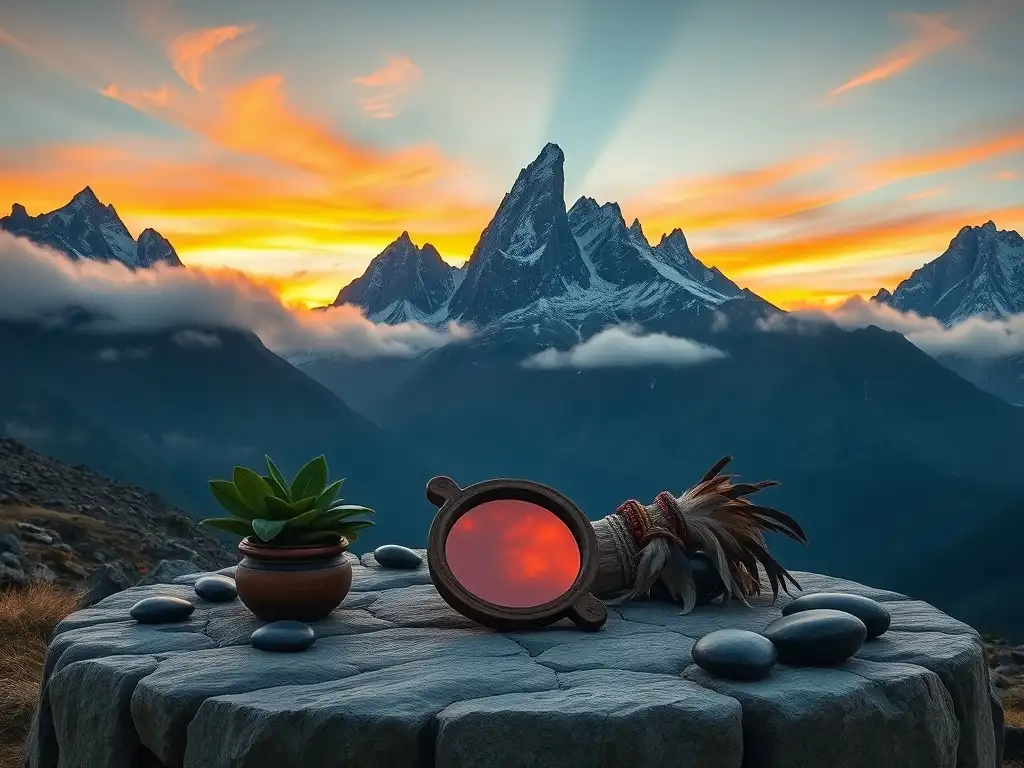
Step into a world lost to time, yet echoing with power. Imagine the intricate artistry and profound spiritual significance of Andean shamanistic ritual objects, artifacts whispering tales of ancient Andean civilizations. This journey through the Legacy of Andean Civilizations unveils the secrets held within these enigmatic objects, revealing a captivating glimpse into the rituals and beliefs that shaped these remarkable cultures. Dare to uncover the mysteries that await you...
The Andes Mountains, a spine of towering peaks running down the western coast of South America, are not only a breathtaking spectacle of nature but also a treasure trove of ancient history. For millennia, sophisticated civilizations flourished in this challenging terrain, developing unique cultures, technologies, and spiritual beliefs. Central to the understanding of these Andean societies is the role of the shaman – a spiritual leader wielding significant power and influence within their communities.
This article delves into the fascinating world of Andean shamanism, exploring the archaeological discoveries that illuminate their ritual practices and the significance of the objects they used. We will examine the evidence unearthed from various Andean cultures, focusing on the artifacts that reveal the intricate relationship between the shaman, the spiritual world, and the daily lives of their people. Understanding these ritual objects is crucial to grasping the complex spiritual landscape of the Andes and the enduring legacy of its ancient inhabitants.
The power of the Andean shaman, as revealed through archaeological finds, offers a captivating glimpse into a rich and often mysterious past, providing insights into their beliefs, rituals, and social structures. Prepare to journey through time and uncover the secrets held within these remarkable artifacts, unlocking a deeper understanding of "Andean shamanistic ritual objects".
Unveiling Andean Shamanism Through Archaeological Finds
Archaeological excavations across the Andes have yielded a wealth of information regarding shamanistic practices. From the coastal deserts to the high-altitude plains, numerous sites have revealed artifacts directly linked to shamanic rituals. These discoveries offer tangible evidence of the centrality of shamanism in Andean societies, ranging from the early formative periods to the Inca Empire. The sheer diversity of objects discovered – intricately carved figurines, meticulously crafted textiles, ornate pottery, and enigmatic metalwork – speaks volumes about the complexity and sophistication of Andean spiritual beliefs.
Many objects exhibit clear symbolic representations, often linked to nature spirits, deities, and the cosmos. For example, the discovery of numerous kero (ceremonial drinking vessels) decorated with zoomorphic and anthropomorphic figures in various sites provides concrete evidence of ritualistic practices involving communal drinking and possibly altered states of consciousness. The careful craftsmanship and the use of precious materials in these objects highlight their importance within the ritual context.
Furthermore, the discovery of burial sites containing elaborate grave goods, including shamanistic paraphernalia, provides insights into the status and role of shamans within their communities. These findings demonstrate that Andean shamanism was not a monolithic practice, but rather a diverse expression shaped by regional variations and cultural interactions. The study of these objects, therefore, allows us to reconstruct a more nuanced and comprehensive understanding of Andean spiritual life.
The Role of the Andean Shaman in Ancient Societies
The Andean shaman occupied a pivotal position within their respective societies. They were not merely religious figures but also played crucial roles in healing, divination, and maintaining social order. Their expertise in manipulating the spiritual realm was vital to the well-being of the community, acting as intermediaries between the human and supernatural worlds. Archaeological evidence suggests that shamans were often highly respected members of society, sometimes holding significant political or social influence.
The elaborate burial rituals associated with some shamanic figures indicate their elevated status. For instance, [specific information pending] detailing the elaborate grave goods found in [specific location] demonstrates the high regard in which these individuals were held. Their ability to communicate with spirits, predict the future, and cure illnesses made them essential figures in Andean communities. Furthermore, the shaman's role extended beyond the purely spiritual realm; they often participated in important societal events, such as ceremonies related to agriculture, warfare, and political affairs.
The presence of shamanistic paraphernalia in contexts related to these events suggests their involvement in these spheres. This multifaceted role emphasizes the crucial contribution of the shaman to the social fabric of Andean societies. Their influence extended to all aspects of life, reflecting the deep integration of the spiritual and material worlds in the Andean worldview.
Understanding the Significance of Shamanic Practices
The significance of shamanic practices in Andean cultures cannot be overstated. These practices were integral to maintaining social harmony, ensuring successful harvests, and navigating the complexities of life and death. Ritual objects served as crucial tools in these practices, facilitating communication with the spirit world and channeling spiritual power. The use of hallucinogenic plants, such as San Pedro cactus and yopo, played a significant role in shamanic rituals, inducing altered states of consciousness and allowing shamans to access the spirit world.
Archaeological evidence, such as the discovery of paraphernalia associated with these plants, supports this understanding. The interpretation of dreams, the use of divination techniques, and the performance of healing ceremonies were all central to shamanic practices. The intricate designs and symbols found on many ritual objects likely held profound spiritual meanings, representing deities, spirits, or cosmological concepts. [Specific information pending] regarding the iconography found on certain artifacts could provide crucial insights into these meanings.
The study of shamanic practices, therefore, offers a window into the worldview and belief systems of Andean civilizations, revealing the profound interconnectedness between humans, nature, and the spiritual realm. The significance of these practices is reflected not only in their ritualistic contexts but also in their lasting impact on Andean art, mythology, and cultural identity. The legacy of Andean shamanism continues to resonate today, influencing contemporary Andean cultures and inspiring ongoing research and scholarly inquiry.
- Unveiling Andean Shamanism Through Archaeological Finds
- The Role of the Andean Shaman in Ancient Societies
- Understanding the Significance of Shamanic Practices
Andean Shamanistic Ritual Objects: An Overview
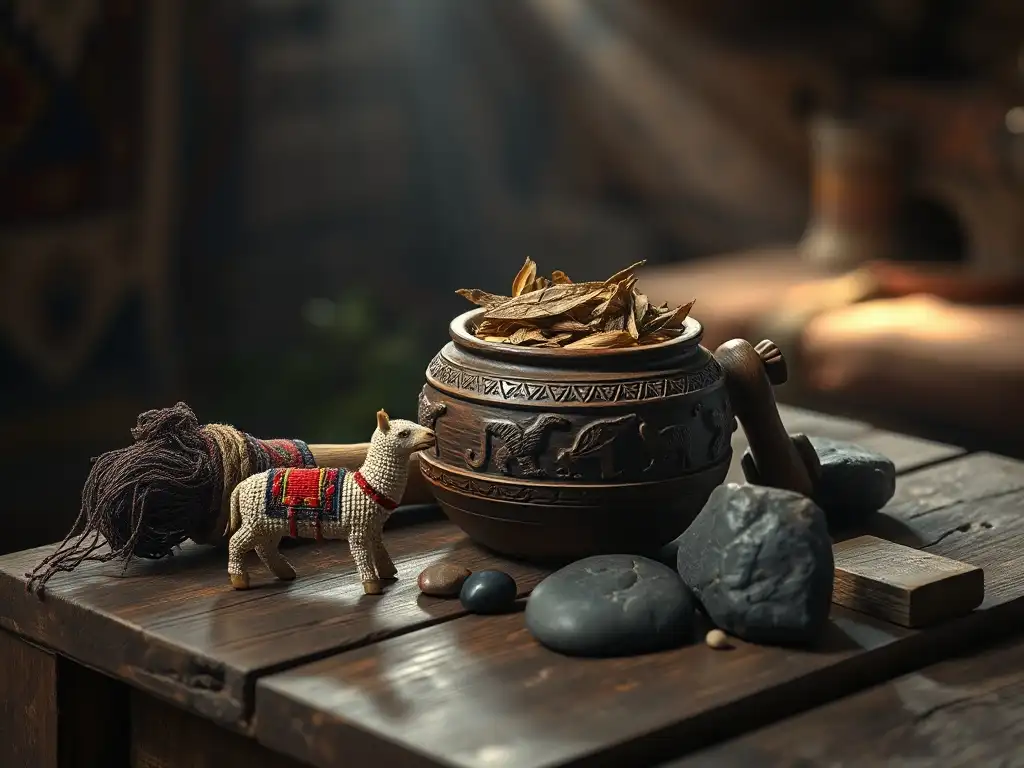
This section delves into the fascinating world of Andean shamanistic ritual objects, exploring their diversity, materials, and symbolic significance. Understanding these artifacts provides crucial insight into the complex religious beliefs and practices of ancient Andean cultures. The sheer variety of objects unearthed underscores the richness and sophistication of their spiritual world, a world where the line between the physical and spiritual realms was often blurred.
Analyzing these objects allows us to reconstruct, albeit partially, the intricate rituals and ceremonies that were central to Andean life. The study of these "Andean shamanistic ritual objects" offers a unique window into the beliefs and practices of these remarkable civilizations.
The Variety of Ritual Artifacts Used by Andean Shamans
Andean shamans utilized a wide array of ritual artifacts, reflecting the diverse nature of their spiritual practices. These objects weren't merely tools; they were imbued with power, acting as conduits between the shaman and the supernatural world. Some common examples include:
- Ceremonial Vessels: These ranged from simple bowls used for offerings to intricately carved and painted vessels depicting deities or mythological scenes. The size and decoration often indicated the importance of the ritual. For example, large, elaborately decorated vessels might have been used in major community ceremonies, while smaller, simpler ones might have been used for private rituals.
- Textiles: Textiles played a significant role in Andean shamanistic practices. Woven fabrics, often adorned with intricate designs and symbolic motifs, were used in rituals, possibly to represent different deities or spiritual forces. The quality of the textiles, and the effort expended in their creation, could indicate the importance of the ritual.
- Figurines: Small figurines, often depicting deities, animals, or humans, were commonly used in rituals. These figurines, sometimes made of precious metals like gold or silver, likely represented powerful spiritual entities or served as intermediaries between the shaman and the supernatural. Variations in style and material could reflect regional differences or changing beliefs over time.
- Feathers and Bones: Feathers, particularly those of exotic birds, and animal bones were frequently incorporated into shamanistic rituals. These materials, often associated with specific animals or spirits, held symbolic significance and were believed to possess magical properties. The careful selection and preparation of these materials highlight the reverence with which they were treated.
- Musical Instruments: Instruments like flutes, drums, and rattles played a crucial role in shamanistic ceremonies, used to induce altered states of consciousness and connect with the spirit world. The sounds produced were believed to possess the power to influence the supernatural. The specific instruments used could vary depending on the nature of the ritual.
Common Materials Used in the Creation of Shamanic Objects
The materials used in the creation of Andean shamanistic objects were carefully chosen, often reflecting their symbolic importance. Some commonly used materials include:
- Precious Metals (Gold and Silver): These were highly valued and associated with the sun and other powerful deities. Their use in ritual objects underscored the importance of the ceremony and the power of the shaman.
- Stone: Various types of stone, including obsidian, turquoise, and jade, were used, each carrying its own symbolic meaning. Obsidian, for example, was often associated with power and magic.
- Clay: Clay was a readily available material used to create a wide range of objects, from vessels to figurines. The careful shaping and decoration of these clay objects demonstrated the skill and artistry of the creators.
- Textiles (Cotton, Alpaca, Llama wool): The textiles used were often intricately woven and dyed, showcasing the advanced textile techniques of Andean cultures. The colors and patterns used likely held symbolic meaning.
- Wood: Wood, often from specific trees considered sacred, was used in the creation of various ritual objects. The type of wood used might have been significant, reflecting the specific purpose of the object.
The Symbolic Meaning Behind Andean Ritual Objects
The symbolic meaning of Andean shamanistic ritual objects is multifaceted and often deeply intertwined with Andean cosmology. Many objects were imbued with power through rituals and offerings, transforming them into potent tools for communication with the spirit world. Interpreting these symbols requires careful consideration of context, including the object's material, form, and the location where it was found.
| Object Type | Material | Potential Symbolic Meaning |
|---|---|---|
| Ceremonial Vessel | Gold, Clay, Stone | Fertility, Abundance, Connection to the Gods |
| Figurine | Stone, Clay, Metal | Representation of deities, ancestors, or spirits |
| Textile | Alpaca wool | Protection, Status, Connection to the ancestors |
| Feathers | Condor, Hummingbird | Power, speed, connection to the upper world |
| Musical Instrument | Wood, Bone | Communication with the spirit world, inducing trance states |
The symbolic meaning often extended beyond individual objects to the entire ritual context. The arrangement of objects, the actions of the shaman, and the environment all contributed to the overall meaning and efficacy of the ceremony. Further research and careful analysis of archaeological findings are needed to fully unravel the complex symbolism embedded within these remarkable artifacts. The study of these objects continues to reveal the sophisticated understanding of the cosmos and the intricate spiritual practices of the Andean civilizations.
Specific Andean Shamanic Ritual Objects: Detailed Analysis
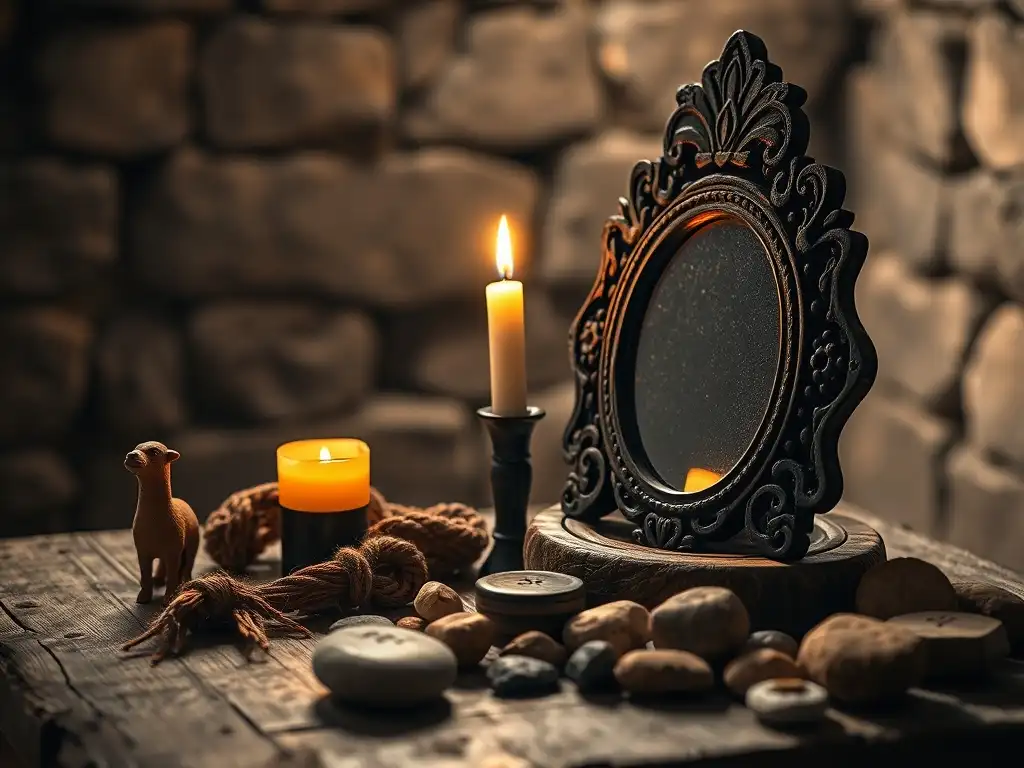
This section delves into the specifics of several key ritual objects integral to Andean shamanistic practices, focusing on their material composition, symbolic meaning, and archaeological context. Understanding these objects provides crucial insight into the complex belief systems and ritual practices of ancient Andean cultures. The analysis will highlight the significance of these artifacts in reconstructing the vibrant spiritual landscape of the Andes.
Tumi Knives: Its Function and Significance
The tumi, a crescent-shaped ceremonial knife, stands as one of the most iconic and recognizable Andean shamanistic ritual objects. Its distinctive shape and intricate decoration speak volumes about its importance within pre-Columbian Andean societies.
Archaeological Context of Tumi Knives
Tumi knives have been unearthed across various archaeological sites throughout the Andes, most notably associated with the Moche culture (100-800 CE). Their presence in elite burials and ceremonial contexts strongly suggests their use in ritual sacrifices and offerings. Archaeological evidence indicates that the meticulous craftsmanship involved in creating these knives points to specialized artisans and a high degree of social stratification.
The sheer number of tumi discovered, along with their variations in size and decoration, further underscores their widespread use and significance across different Andean societies and time periods. Further research is needed to fully understand the geographical distribution of specific tumi styles and their correlation with particular cultural groups. [Specific geographic distribution data pending]
Symbolic Interpretation of Tumi Knives
The symbolic interpretation of the tumi is multifaceted and complex. Its crescent shape has been linked to the moon, suggesting connections to lunar cycles and fertility rituals. The often-elaborate decoration, frequently featuring feline imagery, serpents, or stylized human figures, adds another layer of meaning.
These decorative elements likely represented deities, ancestral spirits, or other important symbolic figures within the Andean cosmology. The act of using the tumi in ritual ceremonies – whether for bloodletting, sacrifice, or other symbolic actions – further imbued the object with potent spiritual significance, making it more than just a tool; it was a conduit to the supernatural world. The precise symbolic meaning, however, can vary depending on the specific iconography and the cultural context of discovery.
Coca Leaves: Use in Andean Shamanic Ceremonies
Coca leaves ( Erythroxylum coca) hold a central position in Andean shamanistic rituals and continue to play a significant role in contemporary Andean cultures. Their use transcends mere recreational consumption; they are deeply integrated into spiritual practices, acting as a sacrament and a facilitator of altered states of consciousness.
Material Composition of Coca Leaves
Coca leaves themselves are the primary material. However, the preparation and presentation of the leaves for ritual use can vary. They might be chewed alone, mixed with an alkaline substance (like lime) to enhance the effects, or incorporated into offerings and bundles. The leaves’ properties, particularly their stimulating and mildly euphoric effects, are believed to facilitate communication with the spirit world and enhance divination abilities. [Specific chemical compounds and their effects pending further analysis].
Regional Variations in the Use of Coca Leaves
The use of coca leaves in Andean shamanic ceremonies wasn’t monolithic. Regional variations existed, influenced by specific cultural practices and beliefs. For instance, the Incas incorporated coca leaves into their elaborate ceremonies and offerings to their deities, while other Andean cultures may have utilized them in different contexts, such as healing rituals or divination sessions. The specific rituals and accompanying ceremonies varied greatly depending on the geographic location and the specific cultural group.
This diversity underscores the rich tapestry of Andean spiritual traditions and highlights the importance of understanding the contextual nuances of coca leaf use. A detailed comparative study of coca leaf use across different Andean cultures would provide a more comprehensive understanding of its role in shamanistic practices. [Comparative data on regional variations pending further research].
Ceramic vessels represent a significant category of Andean shamanistic ritual objects. Their ubiquity across different Andean cultures, from the Nazca to the Inca, points to their crucial role in religious and spiritual practices. These weren't simply utilitarian containers; they were imbued with power, acting as conduits between the earthly and spiritual realms.
The meticulous craftsmanship, often involving intricate designs and unique forms, speaks to the sacred nature of these artifacts. Archaeologists have unearthed thousands of these vessels, providing invaluable insights into the beliefs and practices of Andean shamans. The diversity in styles, materials, and decorations reflects the diverse range of shamanic traditions across the Andes.
The study of ceramic vessels provides a window into the cosmology, mythology, and social structures of these ancient societies. The careful analysis of their context of discovery – whether in tombs, ritual sites, or domestic settings – further illuminates their significance. For example, the presence of specific types of vessels in elite burials suggests their association with power and status within shamanic hierarchies.
Iconography and Symbolism Found on Ceramic Vessels
The iconography adorning Andean ceramic vessels is rich with symbolism, often depicting deities, mythical creatures, and scenes from the shaman's world. Common motifs include stylized animals (such as condors, jaguars, and snakes), anthropomorphic figures (often representing shamans themselves or deities), and geometric patterns that may represent celestial bodies or cosmological concepts. For instance, the Nazca culture is renowned for its incredibly detailed and intricate ceramic vessels, often featuring complex narratives and depictions of supernatural beings involved in ritualistic ceremonies.
The Moche culture, on the other hand, displayed a more naturalistic style, depicting scenes of warfare, hunting, and ritual sacrifices with remarkable realism. Interpreting this iconography requires a nuanced understanding of Andean cosmology and a careful consideration of the context in which the vessels were found.
Scholars continue to debate the exact meaning of many symbols, but ongoing research, combining archaeological findings with ethnohistorical accounts, gradually clarifies their significance. The use of specific colors also holds symbolic weight, with certain pigments potentially representing specific deities or spiritual forces.
The Role of Ceramic Vessels in Healing Practices
Many Andean ceramic vessels were used in healing rituals performed by shamans. These vessels often contained medicinal substances, either ingested or applied topically, to treat illnesses or injuries. The shape and decoration of the vessel might have been specifically chosen to enhance its therapeutic properties, perhaps based on beliefs about the vessel's ability to channel healing energy.
Some vessels exhibit traces of psychoactive substances, suggesting their use in shamanic trance rituals aimed at diagnosing and treating illnesses. The careful preparation and presentation of these medicinal substances within the vessels further emphasizes the ritualistic aspect of Andean healing. The vessels themselves could also serve as symbolic representations of the healing process, acting as a focus for the shaman's power and the patient's faith.
Analysis of residue found within these vessels is crucial in understanding the exact composition of the medicinal concoctions used. This interdisciplinary approach, combining archaeological analysis with botanical and chemical studies, helps reconstruct the ancient Andean pharmacopoeia and its role in shamanic healing practices. The discovery of such vessels in association with other ritual objects further strengthens their significance within a broader context of Andean shamanistic healing.
Andean Shamanic Ritual Practices: A Glimpse into Ancient Ceremonies
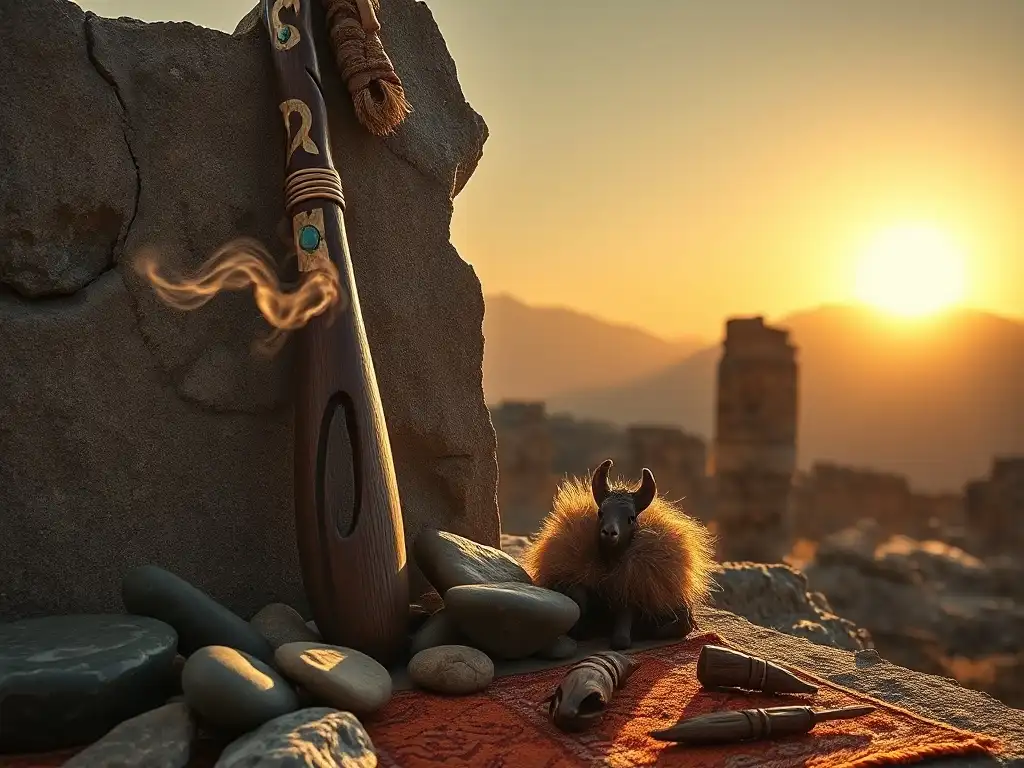
This section delves into the fascinating world of Andean shamanic ritual practices, exploring the intricate ceremonies and objects used to connect with the spirit world. Understanding these practices provides crucial insight into the cosmology and beliefs of ancient Andean cultures, illuminating the profound role of the shaman within their societies. The study of Andean shamanistic ritual objects offers a tangible link to these often-mysterious ceremonies. We will examine key elements, revealing the complexity and sophistication of these ancient rituals.
The Use of Psychoactive Substances in Andean Rituals
The use of psychoactive substances, such as coca leaves, san pedro cactus, and ayahuasca, was integral to many Andean shamanic rituals. These substances weren't simply recreational; they were believed to facilitate altered states of consciousness, allowing shamans and participants to communicate with the spirit world and access divine knowledge. Archaeological evidence, including the discovery of paraphernalia associated with the preparation and consumption of these substances, supports this understanding.
For example, ceramic vessels depicting scenes of ritual consumption, often found in burial contexts, provide visual representations of these practices. The intricate designs on these vessels frequently depict figures in altered states, suggesting the importance of these substances in achieving a connection to the supernatural. The specific effects of each substance varied, shaping the nature of the ritual experience.
Coca leaves, for instance, provided a more subtle stimulation, promoting alertness and facilitating prolonged ceremonies, while san pedro cactus could induce more intense visionary experiences. The careful selection and preparation of these substances highlight the shaman's expertise and the sacred nature of the ritual itself. Further research is needed to fully understand the specific dosages and combinations used, [specific information pending] regarding precise chemical analysis of archaeological samples.
Music and Dance as Part of Andean Shamanic Ceremonies
Music and dance were essential components of Andean shamanic ceremonies, serving as powerful tools for inducing altered states of consciousness and communicating with spirits. The rhythmic sounds of drums, flutes, and other instruments, combined with the hypnotic movements of dancers, created an atmosphere conducive to spiritual transcendence. Archaeological discoveries of musical instruments, such as bone flutes and ceramic drums, demonstrate their widespread use in ritual contexts.
The types of instruments used often varied depending on the specific ceremony and the Andean culture involved. For example, the Incas might have favored certain types of panpipes, while the Moche culture may have emphasized percussion instruments. Moreover, the music itself held symbolic meaning, with different rhythms and melodies associated with specific deities or spiritual entities.
Similarly, dance played a pivotal role, with elaborate choreographies often mirroring the movements of animals or celestial bodies, symbolically representing the interaction between the human and spiritual realms. Detailed descriptions of these dances are scarce in surviving historical accounts, leaving room for ongoing research and interpretations based on iconography found on textiles and ceramics. More research is needed to fully understand the specific musical scales and dance forms of different Andean cultures, [specific information pending] regarding decipherment of musical notation found on some artifacts.
The Shaman's Role in Connecting with the Spirit World
The shaman occupied a central position in Andean societies, serving as a bridge between the human and spirit worlds. Their expertise in ritual practices, including the use of psychoactive substances, music, and dance, allowed them to access and manipulate spiritual energies. They were not simply religious leaders; they were also healers, diviners, and mediators, playing a crucial role in maintaining the social and spiritual harmony of their communities.
Shamanic power was often viewed as an inherited or acquired ability, with rigorous training and initiation rituals required to achieve mastery. The shaman's role extended beyond the performance of ceremonies; they were also responsible for interpreting dreams, diagnosing illnesses, and predicting the future. The prestige and power of shamans are evident in their burial practices, which often included elaborate grave goods, including Andean shamanistic ritual objects such as ceremonial staffs, adorned textiles, and finely crafted tools, reflecting their high status within their societies.
Further research into the social structures of various Andean cultures will help us to better understand the specific roles and responsibilities of shamans within different societies, [specific information pending] regarding detailed ethnographic studies of contemporary Andean spiritual practices. The continued study of Andean shamanistic ritual objects remains crucial to unraveling the complexities of their beliefs and practices.
Ongoing Research on Andean Shamanic Traditions
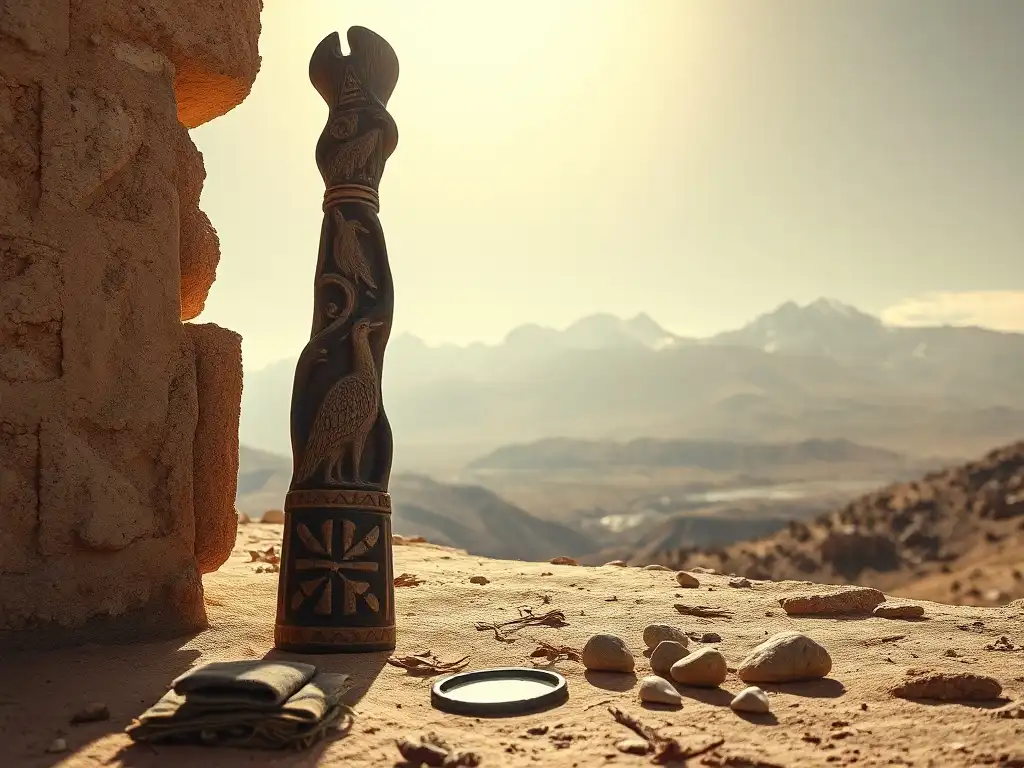
This section delves into the current state of research surrounding Andean shamanistic practices, focusing on recent discoveries and their implications for our understanding of these complex belief systems. The study of Andean shamanism is a dynamic field, constantly evolving as new archaeological evidence emerges and existing interpretations are refined. Researchers employ a multidisciplinary approach, integrating archaeology, anthropology, ethnohistory, and even biochemistry to unravel the mysteries of these ancient spiritual traditions.
The goal is not just to catalog artifacts but to understand their significance within the broader context of Andean cosmology and society. The keyword, "Andean shamanistic ritual objects," is central to this ongoing investigation, with each new discovery offering valuable insights into the beliefs and practices of Andean shamans.
New Archaeological Discoveries and their Impact on Understanding Andean Shamanism
Recent excavations in various Andean regions have yielded a wealth of new data significantly impacting our understanding of Andean shamanism. For example, the discovery of a previously unknown burial site in the highlands of Peru revealed a complex array of ritual objects, including intricately carved wooden staffs, ceramic vessels depicting shamanistic figures, and bundles of coca leaves and other psychoactive plants. These findings suggest a more sophisticated and nuanced understanding of shamanistic practices than previously thought.
The careful analysis of these objects, coupled with isotopic studies of human remains found in the same context, allows researchers to reconstruct aspects of the shamans' lives, their diets, and their possible interactions with different ecological zones. This interdisciplinary approach provides a more holistic picture, moving beyond simple descriptions of artifacts to understand their role within the broader social and environmental context. The discovery also challenges some existing theories about the social organization of Andean communities and the role of shamans within them.
Further analysis of the artifacts is underway, promising even more detailed insights into the complex rituals and beliefs of Andean shamans in the coming years. The meticulous documentation of these findings is crucial for preserving and interpreting this invaluable cultural heritage.
Modern Interpretations of Ancient Shamanic Practices
Interpreting ancient shamanistic practices requires careful consideration of both material culture and ethnographic parallels. While direct observation of ancient practices is impossible, studying contemporary Andean communities that maintain shamanistic traditions offers valuable insights. These living traditions, while not identical to those of the past, provide a framework for understanding the symbolic meaning of ritual objects and the social contexts in which they were used.
For instance, the use of coca leaves in ancient Andean rituals, evidenced by their presence in numerous archaeological contexts, is still relevant in contemporary Andean communities. Analyzing the symbolic use of coca in modern shamanistic practices illuminates its potential role in ancient rituals, particularly in divination and healing ceremonies. Similarly, the iconography found on ceramic vessels and textiles can be compared to contemporary shamanistic art, providing clues about the beliefs and cosmological views of ancient Andean shamans.
However, it's crucial to avoid imposing modern interpretations onto the past. Researchers must carefully navigate the delicate balance between using contemporary parallels for understanding and avoiding anachronistic interpretations. The careful contextualization of archaeological findings remains paramount in generating accurate and nuanced interpretations of ancient Andean shamanistic traditions.
The Importance of Preserving Andean Shamanic Heritage
The preservation of Andean shamanic heritage is not merely an academic endeavor; it is a crucial task for safeguarding cultural diversity and promoting intercultural understanding. Many ancient sites and artifacts are vulnerable to looting, environmental damage, and the erosion of traditional knowledge. Therefore, collaborative efforts between archaeologists, local communities, and governmental institutions are essential for the long-term preservation of this invaluable heritage.
This preservation involves not only the physical protection of archaeological sites and artifacts but also the documentation and dissemination of knowledge about Andean shamanistic traditions. Ethnographic research plays a vital role in documenting living traditions, ensuring that the knowledge and practices of contemporary Andean shamans are preserved for future generations. Furthermore, public education initiatives are crucial for raising awareness about the importance of protecting Andean cultural heritage and promoting respectful engagement with this rich and complex history.
The effective preservation of Andean shamanic heritage requires a multifaceted approach that integrates scientific research, community engagement, and public education to ensure the continuity of this important cultural legacy for years to come. This holistic approach is vital for the continued study of "Andean shamanistic ritual objects" and their significance in the broader context of Andean culture.
Conclusion: The Enduring Legacy of Andean Shamanism
The study of Andean shamanistic ritual objects provides a captivating window into the spiritual beliefs and practices of ancient Andean cultures. These artifacts, unearthed from meticulously excavated sites across the Andes Mountains, offer tangible evidence of a complex and sophisticated worldview deeply intertwined with the natural world and the spiritual realm.
From intricately carved wooden figures to meticulously crafted gold and silver adornments, each object speaks volumes about the power and prestige held by shamans within their communities. The enduring legacy of Andean shamanism is not merely an academic pursuit; it's a vital key to understanding the rich tapestry of Andean civilizations and their lasting influence on South American culture.
The careful analysis of these objects, alongside archaeological contexts and ethnographic parallels, helps us reconstruct the rituals, beliefs, and social structures that shaped these remarkable societies. Further research promises to reveal even more about the intricacies of Andean shamanism and its profound impact on the development of Andean culture.
The Influence of Shamanism on Andean Culture and Beliefs
Shamanism permeated nearly every aspect of Andean life, profoundly influencing their culture and beliefs. The shaman, acting as a conduit between the human and spiritual realms, played a pivotal role in daily life, from agricultural cycles to healing practices. Their rituals, often involving the use of ritual objects like hallucinogenic plants, textiles with intricate symbolism, and intricately carved figurines, aimed to maintain cosmic harmony and ensure community well-being.
For example, the use of coca leaves, evidenced by the discovery of coca pouches in numerous burials, highlights the plant's importance not only as a stimulant but also as a sacred element in shamanistic rituals. The vibrant textiles, often adorned with intricate designs representing deities and celestial bodies, served not only as clothing but also as powerful symbolic representations of the shaman's connection to the spiritual world. Similarly, the discovery of numerous ceramic vessels depicting shamanistic figures engaging in rituals further emphasizes the centrality of shamanism in Andean belief systems.
The intricate details depicted on these vessels provide valuable insights into the specific rituals and practices employed by these spiritual leaders. The Andean worldview, deeply interconnected with the natural world and the cyclical nature of life and death, was consistently reinforced and mediated through shamanistic practices. This pervasive influence is evident in the art, architecture, and social structures of the various Andean civilizations.
The Importance of Studying Andean Shamanic Ritual Objects and Practices
The study of Andean shamanistic ritual objects and practices is of paramount importance for several reasons. Firstly, it provides invaluable insights into the cognitive processes and belief systems of past Andean societies. By analyzing the materials, forms, and contexts of these objects, researchers can reconstruct the rituals and ceremonies in which they were used, shedding light on the social, political, and religious structures of these civilizations. Secondly, this research contributes to a more complete understanding of the broader history and development of shamanism across different cultures and time periods.
The unique characteristics of Andean shamanism, shaped by the specific ecological and geographical conditions of the Andes, offer a rich comparative framework for understanding shamanistic traditions worldwide. Thirdly, the careful preservation and study of these artifacts are crucial for safeguarding cultural heritage and promoting intercultural understanding. The objects themselves represent not only the material culture of the past but also the enduring legacy of a rich and complex spiritual tradition.
Finally, ongoing research into Andean shamanistic ritual objects continues to reveal new insights and challenges existing interpretations, highlighting the dynamic and evolving nature of our understanding of these ancient cultures. The meticulous documentation and analysis of these finds are essential for the advancement of Andean archaeology and the preservation of this invaluable cultural heritage for future generations. This ongoing work underscores the importance of continued research and collaboration among scholars to unlock the full potential of these extraordinary discoveries.
Frequently Asked Questions
What were Andean shamanistic ritual objects used for?
Andean shamanistic ritual objects were crucial for ritual practices and communication with the spirit world. They facilitated healing ceremonies, divination, and accessing altered states of consciousness. Many objects were imbued with spiritual power.
What types of materials were used to create these objects?
A wide variety of materials were utilized, including precious metals like gold and silver, stones such as obsidian and jade, textiles, feathers, and bone. The choice of material often held symbolic significance.
How did shamans use these objects in their rituals?
Shamans employed these objects in diverse ways, from incantations and offerings to healing rituals and divination. Objects might be used to focus energy, represent deities, or act as conduits for spiritual power. Specific objects were associated with specific rituals.
Were all Andean cultures' ritual objects similar?
While there were commonalities, significant variations existed among different Andean cultures. The Moche, Nazca, Inca, and Tiahuanaco cultures, for example, each developed unique styles and forms reflecting their distinct beliefs and practices.
Where can I learn more about Andean shamanistic ritual objects?
You can explore museums with collections of Andean artifacts, academic journals specializing in Andean archaeology, and reputable websites like this one dedicated to Andean civilizations. Books on Andean shamanism and religious practices also offer valuable insights.
Final Reflection: Echoes of the Andes: A Legacy of Ritual and Power
The enduring legacy of Andean shamanism continues to resonate today, a powerful testament to the enduring human need for spiritual connection and healing. The intricate ritual objects and practices we've explored are not merely relics of a bygone era; they represent a living tradition, a vibrant tapestry woven from ancient threads that continue to inform contemporary spiritual practices and artistic expressions worldwide. The intricate craftsmanship and symbolic power embedded within these objects speak volumes about the profound relationship between humans and the natural world, a relationship that remains critically important in our increasingly disconnected age.
The exploration of Andean shamanistic ritual objects has profoundly impacted my understanding of the interconnectedness of spirituality, art, and social structures. These objects are not simply decorative; they are active participants in a complex system of belief, embodying the shaman's power and facilitating communication with the spirit world. The shaman is not merely a healer, but a bridge between worlds, a conduit for the sacred.
This understanding underscores the importance of respecting and preserving these cultural treasures, recognizing their significance beyond their material value. Their continued existence serves as a powerful reminder of the enduring human quest for meaning and connection.
Consider the profound implications of this journey into the heart of Andean shamanism. What resonates most deeply with you? How can we, in our own lives, cultivate a deeper connection with the natural world and the spiritual dimensions of existence? Let the echoes of the Andes inspire you to explore your own inner landscape, to seek meaning and purpose, and to appreciate the enduring power of ritual and tradition in shaping human experience. Embrace the wisdom of the past to illuminate your path forward.
Unleash the Mystic Within: Embrace Shamanic Wisdom
Thank you for exploring the captivating world of Andean shamanism with us! You've discovered the significance of ritual objects and practices that have shaped ancient cultures for millennia. Now, let's deepen your spiritual journey.
Here are some powerful steps you can take:
- Attend a local shamanic workshop or ceremony to experience these ancient traditions firsthand. Many communities offer introductory sessions and ongoing practices.
- Share this article with your network to spread awareness of Andean shamanism and inspire meaningful conversations.
- Create your own ritual object inspired by Andean practices. This could be anything from a simple handcrafted item to a carefully selected natural object, imbued with personal meaning. Let your creativity guide you!
What aspect of Andean shamanism resonates most deeply with you, and how will you integrate its wisdom into your daily life?