
The Voices of the Ancestors: Interpreting Inscriptions and Hieroglyphs in the Andes

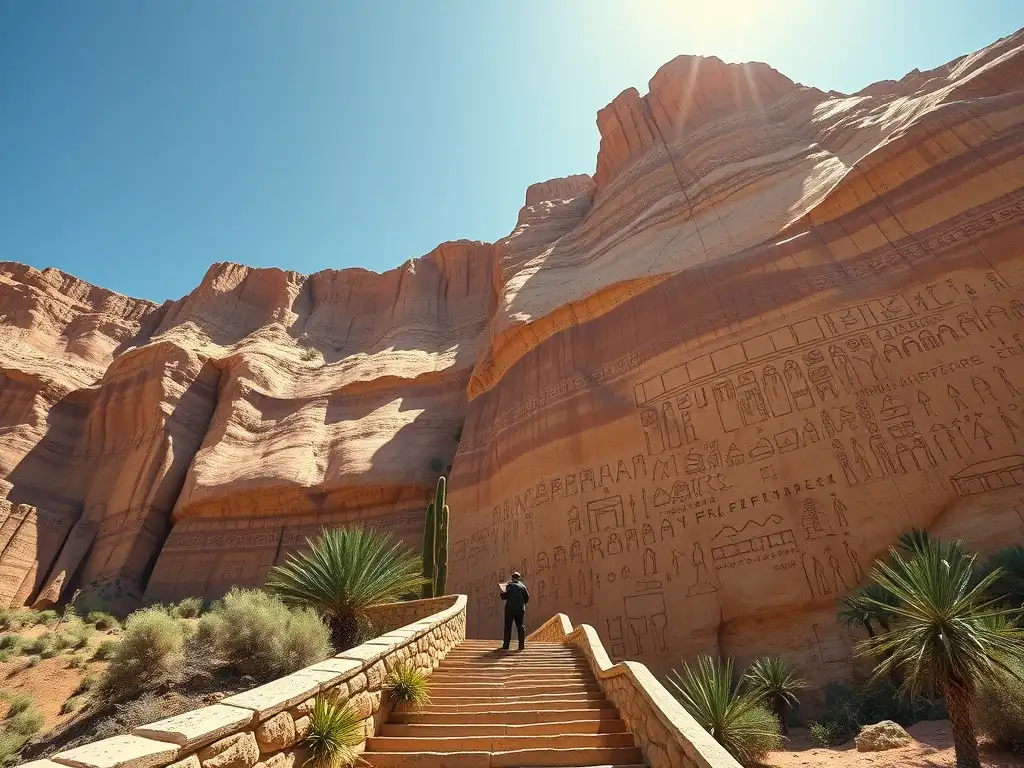
Unravel the mysteries of a lost world. For centuries, the Andean mountains have guarded secrets whispered on stone – secrets now within your grasp. Journey with us as we delve into the intricate world of Andean hieroglyphs meaning, deciphering the ancient scripts that hold the key to understanding these remarkable civilizations. Prepare to be captivated by the ingenuity and artistry of the Incas, Moche, Nazca, and Tiahuanaco – their stories are waiting to be discovered. Dare to explore the Legacy of Andean Civilizations and unlock the voices of the ancestors.
The Andes Mountains, a spine of towering peaks stretching along the western coast of South America, are not only a breathtaking spectacle of nature but also a repository of rich and complex ancient cultures. For centuries, these civilizations—including the Incas, Moche, Nazca, and Tiahuanaco—left behind a legacy etched in stone, woven into textiles, and painted onto pottery. Understanding this legacy requires deciphering their intricate writing systems, a challenging but rewarding endeavor that offers a glimpse into the minds and lives of these fascinating ancestors.
This article delves into the fascinating world of Andean inscriptions and hieroglyphs, exploring ongoing research and the ongoing efforts to understand their meaning. We will unpack the complexities of these ancient scripts, examining both the progress made and the enduring mysteries that continue to captivate researchers and enthusiasts alike.
Unlocking the secrets of these “voices of the ancestors” is key to a deeper understanding of Andean history, culture, and the ingenuity of these remarkable civilizations. The quest to decipher Andean hieroglyphs meaning is a journey of discovery, continually revealing new facets of these ancient societies and their sophisticated worldview.
Unveiling the Secrets of Andean Writing Systems
The Andean region boasts a diverse array of writing systems, each with its unique characteristics and challenges for modern interpretation. Unlike the alphabetic systems familiar to many, Andean scripts often employed a combination of pictorial representations, symbolic motifs, and potentially phonetic elements. The Inca quipus, for example, were complex systems of knotted strings used for record-keeping, but their precise meaning remains a subject of ongoing debate.
Other cultures, like the Nazca, left behind elaborate geoglyphs—vast designs etched into the desert floor—whose purpose continues to intrigue researchers. The Moche, known for their exquisite pottery, often included inscriptions that may represent names, events, or perhaps even narratives. Understanding these systems requires a multidisciplinary approach, combining archaeological findings with linguistic analysis and a deep understanding of the cultural context in which these scripts were created.
Many of these scripts are still largely undeciphered, presenting a significant challenge to researchers. However, recent advancements in technology and collaborative research efforts have yielded promising results, gradually shedding light on the complexities of these ancient communication systems. The quest to understand these systems is not just about deciphering words; it is about understanding the worldviews, social structures, and beliefs of the people who created them.
The Enigma of Andean Hieroglyphs: Beyond Pictorial Representation
While many Andean inscriptions appear primarily pictorial, the simplistic interpretation of these as mere illustrations is misleading. Many scholars believe that Andean "hieroglyphs," even those appearing purely pictorial, held deeper symbolic meaning, often layered with multiple levels of interpretation. For instance, a seemingly simple depiction of a bird might represent a deity, a clan symbol, or a specific event depending on the context and surrounding imagery. The complexity arises from the lack of a known Rosetta Stone-like key to directly translate the symbols.
Researchers often rely on comparing recurring motifs across different artifacts, analyzing their placement within larger contexts, and considering the cultural and religious beliefs of the time. This process is painstakingly slow, requiring meticulous documentation and cross-referencing of countless artifacts. The challenge is compounded by the fragmentary nature of many surviving inscriptions, with only portions of larger texts remaining. Furthermore, the meaning of certain symbols might have varied across different regions and time periods, adding another layer of complexity to the interpretation.
Despite these difficulties, dedicated researchers continue to make progress, piecing together fragments of information to reveal the rich tapestry of knowledge hidden within these enigmatic Andean hieroglyphs. The ongoing research is a testament to the enduring fascination with these ancient civilizations and the enduring mysteries they leave behind. The quest to fully understand the meaning of Andean hieroglyphs is far from over, but each new discovery brings us closer to understanding the voices of these ancient ancestors.
Exploring the Diversity of Inscribed Media in the Andes
The Andes Mountains are a treasure trove of ancient inscriptions, showcasing the remarkable communication skills of various Andean civilizations. Understanding these inscriptions is key to unlocking a deeper understanding of Andean hieroglyphs meaning. The sheer variety of media used for inscription is striking, ranging from monumental stone carvings to delicate textiles, each presenting unique challenges and opportunities for interpretation.
These diverse mediums reflect the ingenuity and cultural richness of the Andean peoples. The longevity of these inscriptions, defying the ravages of time and the elements, speaks volumes about the importance placed upon preserving their cultural heritage. These inscriptions are not merely decorative; they are tangible expressions of belief systems, social structures, and historical events.
Their study offers a window into the minds and lives of people who lived centuries ago, connecting us to their rich and complex world. The preservation and study of these diverse media are critical to understanding the full scope of Andean culture and its enduring legacy.
Rock Art and Petroglyphs: Early Forms of Andean Communication
Rock art and petroglyphs represent some of the earliest forms of Andean communication, predating many of the more complex writing systems. These often enigmatic images, etched or painted onto rock surfaces, convey a wealth of information about the beliefs, rituals, and daily lives of early Andean communities. The styles and motifs vary considerably across different regions and time periods, reflecting the unique cultural identities of individual groups.
For example, the petroglyphs found in the Paracas region often depict stylized figures and geometric patterns, while those in the Tiwanaku area frequently feature stylized animals and human-like beings. Researchers painstakingly document these images, analyzing their composition, location, and context to decipher their meaning. The interpretation of these ancient symbols often requires a multidisciplinary approach, combining archaeological evidence with anthropological insights and linguistic analysis.
While many symbols remain enigmatic, ongoing research steadily sheds light on their deeper meaning, revealing fascinating aspects of Andean prehistory. The study of rock art and petroglyphs is therefore crucial for reconstructing the early history of Andean communication and understanding the evolution of writing systems in the region.
Ceramic Inscriptions: Decoding Symbols on Pottery
Ceramic inscriptions offer a rich source of information for understanding Andean hieroglyphs meaning, particularly concerning daily life and religious practices. Pottery shards, often found in abundance at archaeological sites, frequently bear intricate designs and symbols that provide valuable insights into the culture's beliefs and social structures. The styles of decoration and the types of symbols used vary significantly depending on the time period and the specific cultural group.
For instance, Moche pottery is renowned for its highly detailed depictions of scenes from daily life, warfare, and religious ceremonies, whereas Nazca pottery is characterized by its intricate geometric patterns and stylized figures. Researchers carefully analyze the iconography on ceramic vessels, comparing them to other artifacts and inscriptions to identify patterns and recurring motifs.
The development of sophisticated techniques in ceramic analysis, such as 3D scanning and digital imaging, has greatly enhanced the ability to study and interpret these fragile artifacts. The meticulous work of deciphering these inscriptions offers valuable clues about the social, political, and religious organization of Andean societies.
Textiles as Text: Woven Messages from the Past
Textiles from the Andes are not merely beautiful artifacts; they are also rich sources of information, acting as visual texts that convey complex narratives and cultural meanings. Woven into the fabric are intricate designs, geometric patterns, and symbolic representations that offer a glimpse into the lives and beliefs of Andean communities. The use of color, fiber type, and weaving techniques all contribute to the meaning of the textile, creating a complex visual language.
For example, the intricate designs found in Paracas textiles often depict mythological figures and scenes from religious rituals, while those from the Inca period frequently feature geometric patterns and symbolic representations of authority and power. The study of Andean textiles requires a deep understanding of textile production techniques and the symbolism embedded within the designs. Researchers analyze the composition of the fibers, the weaving techniques, and the iconography to understand the cultural significance of the textiles.
The study of textiles helps us to understand how Andean cultures encoded information and transmitted knowledge through generations. This unique form of communication reveals valuable insights into Andean social structures, religious beliefs, and artistic traditions.
Deciphering the Meaning of Andean Hieroglyphs: Challenges and Methodologies
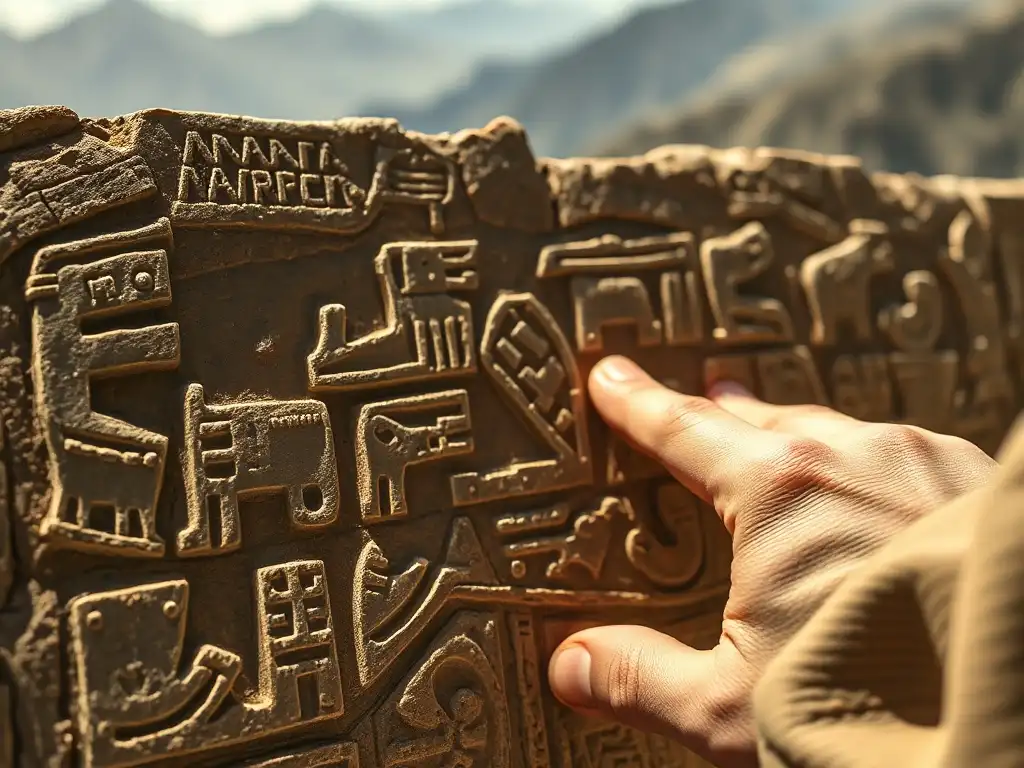
Deciphering the meaning of Andean hieroglyphs presents significant challenges, demanding a multi-faceted approach that combines linguistic analysis, archaeological context, and interdisciplinary collaboration. The task is formidable given the fragmented nature of the surviving inscriptions and the lack of a Rosetta Stone-like key to unlock the meaning of the symbols. Many inscriptions are incomplete or damaged, and the languages they represent are largely extinct, making the process of interpretation all the more difficult. However, recent advancements in technology and methodology have opened up new possibilities for researchers.
The Challenges of Interpreting Lost Languages
One of the most significant hurdles in deciphering Andean hieroglyphs is the loss of the languages to which they correspond. Many of the ancient Andean languages are extinct, leaving researchers with only fragmented texts and limited linguistic data to work with. This makes the process of identifying and interpreting the symbols exceedingly complex. Linguistic experts must often rely on comparative analyses of related languages, searching for clues to decipher the meaning of the symbols.
Furthermore, the limited number of surviving inscriptions makes it difficult to establish a comprehensive understanding of the grammar and syntax of these lost languages. The lack of bilingual texts presents a substantial obstacle, rendering the process of translating the inscriptions incredibly challenging. The complexities of reconstructing lost languages highlight the importance of preserving and documenting existing inscriptions.
Comparative Analysis: Tracing Connections Across Cultures
Comparative analysis plays a crucial role in deciphering Andean hieroglyphs meaning. Researchers compare the Andean symbols and writing systems with those of other cultures in the region and beyond, searching for commonalities and patterns that might shed light on their meaning. By identifying similarities and differences in iconography and writing styles, researchers can trace cultural connections and influences, potentially revealing the origins and evolution of Andean writing systems.
Comparative analyses often reveal surprising links between seemingly disparate cultures, providing valuable insights into the processes of cultural exchange and diffusion in the Andes. The collaborative efforts of scholars specializing in various fields, such as archaeology, linguistics, and anthropology, are vital to this comparative approach. The results of these comparative studies offer valuable clues for interpreting the meaning of otherwise obscure symbols.
Contextual Interpretation: Understanding the Cultural Landscape
Contextual interpretation is paramount in deciphering Andean hieroglyphs meaning. The location, surrounding artifacts, and overall cultural landscape in which an inscription is found significantly influence its interpretation. Researchers painstakingly document the context of each inscription, considering factors such as the type of site (temple, dwelling, burial ground), the associated artifacts, and the broader cultural practices of the time period. Understanding the social, political, and religious context in which an inscription was created is essential to deciphering its meaning.
For example, an inscription found on a temple wall might have a different meaning than one found on a domestic ceramic vessel. The meticulous study of the cultural context surrounding an inscription is therefore crucial for its accurate and meaningful interpretation. This approach helps researchers to avoid misinterpretations by considering the holistic context of the inscription within the broader cultural landscape.
Key Symbols and Motifs in Andean Inscriptions
Andean inscriptions, while diverse across different cultures and time periods, share some recurring symbols and motifs that offer crucial insights into their worldview and beliefs. Understanding these recurring elements is key to deciphering the meaning behind these ancient texts. The complexity of these symbols ranges from relatively straightforward representations of natural elements to more abstract concepts reflecting intricate cosmological beliefs.
Scholars continue to debate the exact meaning of many symbols, but the overall patterns reveal fascinating aspects of Andean societies. The process of interpretation involves careful analysis of the context in which the symbols appear, considering their placement in relation to other symbols and the overall artistic style. Cross-cultural comparisons with other Andean societies also contribute significantly to a more comprehensive understanding.
The Importance of the Sun and Moon in Andean Cosmology
The sun and moon frequently appear in Andean inscriptions, reflecting their central role in Andean cosmology. These celestial bodies were not merely astronomical phenomena but powerful deities, deeply interwoven with the lives and beliefs of Andean peoples. The sun, often depicted as a radiant disc or a stylized human face, symbolized power, vitality, and kingship. The moon, frequently represented as a crescent or a full disc, was associated with femininity, fertility, and cyclical processes.
The interplay between the sun and moon in various inscriptions suggests a complex understanding of the relationship between these celestial bodies and the earthly realm. Detailed studies of these representations across different Andean cultures reveal subtle variations in their depiction and symbolic meaning, adding layers to the ongoing research into Andean cosmology. For example, the precise angles and positions of the sun and moon in certain inscriptions might indicate specific astronomical events or rituals.
Animal Representations: Understanding the Andean Worldview
Animals feature prominently in Andean inscriptions, reflecting the close relationship between humans and the natural world. Condor, puma, serpent, and llama frequently appear, each carrying symbolic weight within the Andean worldview. The condor, a majestic bird of prey, often symbolized power and altitude, connecting the earthly and spiritual realms. The puma, a powerful feline, represented strength, agility, and earthly power.
The serpent, frequently associated with water and fertility, represented the life-giving forces of nature. The llama, a domesticated animal crucial to Andean life, symbolized wealth, prosperity, and social status. The specific meaning of animal representations often depended on the context and the accompanying symbols. A detailed study of these representations reveals the rich tapestry of Andean beliefs about the interconnectedness of the human and natural worlds, highlighting the deep respect for the animal kingdom.
Geometric Patterns: Exploring Symbolic Meanings
Geometric patterns, such as triangles, squares, stepped pyramids, and zigzags, are ubiquitous in Andean inscriptions. These patterns are not merely decorative but carry profound symbolic meanings, often reflecting Andean concepts of order, balance, and cosmology. Triangles, for example, frequently symbolize mountains, a significant feature in the Andean landscape and often associated with deities and ancestors. Squares and stepped pyramids might represent architectural structures or social hierarchies.
Zigzags could represent lightning, water, or the meandering paths of rivers. The intricate interplay of these geometric patterns in different inscriptions suggests a complex system of symbolic communication, requiring careful analysis to unravel their intended meanings. The precise arrangement and the specific combinations of geometric shapes in Andean inscriptions often hold the key to understanding their symbolic significance.
Notable Examples of Andean Hieroglyphs and Their Significance
Several remarkable examples of Andean inscriptions offer valuable insights into the lives and beliefs of these ancient civilizations. These inscriptions, found on various materials ranging from stone carvings to textiles, provide glimpses into their complex social structures, religious practices, and cosmological views. The variety in materials and styles reflects the diversity of Andean cultures and their artistic expressions. Careful study of these inscriptions, along with their historical and archaeological contexts, is crucial to understanding their significance.
The Carved Stones of Chavín de Huántar: A Case Study
The carved stones of Chavín de Huántar, a pre-Inca archaeological site in the Andes, are renowned for their intricate carvings, including numerous depictions of stylized jaguars, serpents, and other creatures. These carvings, often found on monumental structures and ceremonial objects, are believed to represent religious and mythological themes. The complex iconography, characterized by a combination of realistic and abstract representations, continues to challenge scholars, prompting ongoing research and interpretations.
The specific arrangement of symbols and the relationship between different figures within the carvings suggest a complex narrative structure. Careful analysis of these stones reveals a rich tapestry of Andean symbolism, highlighting the importance of religious beliefs and practices in the Chavín culture.
Inscribed Textiles from Paracas: Unraveling the Narrative
The textiles from the Paracas culture, known for their vibrant colors and intricate designs, often include inscriptions woven into the fabric. These inscriptions, usually composed of geometric patterns and stylized figures, are believed to relate to narratives, rituals, or social structures. The use of textiles as a medium for inscription reflects the importance of weaving in Paracas society and the symbolic value embedded in the textiles themselves.
The intricate weaving techniques, combined with the symbolic imagery, reveal a high level of artistic skill and a deep understanding of symbolic representation. The colors and materials used in the textiles also play a significant role in understanding the meaning of the inscriptions.
The Kero Cups: Insights into Andean Rituals
Kero cups, ceremonial vessels crafted from various materials such as wood, stone, and metal, are often adorned with inscriptions. These inscriptions, frequently depicting stylized figures, animals, and geometric patterns, provide valuable insights into Andean rituals and social practices. The specific symbols and their arrangement on the kero cups often reveal the context of their use, suggesting their role in religious ceremonies, feasts, or other important social events.
The materials used in crafting the kero cups and the level of ornamentation often indicate their social status and significance. The variations in style and iconography across different kero cups reflect the diverse traditions and artistic styles across various Andean cultures.
Advances in Andean Hieroglyph Interpretation: Ongoing Research and Discoveries
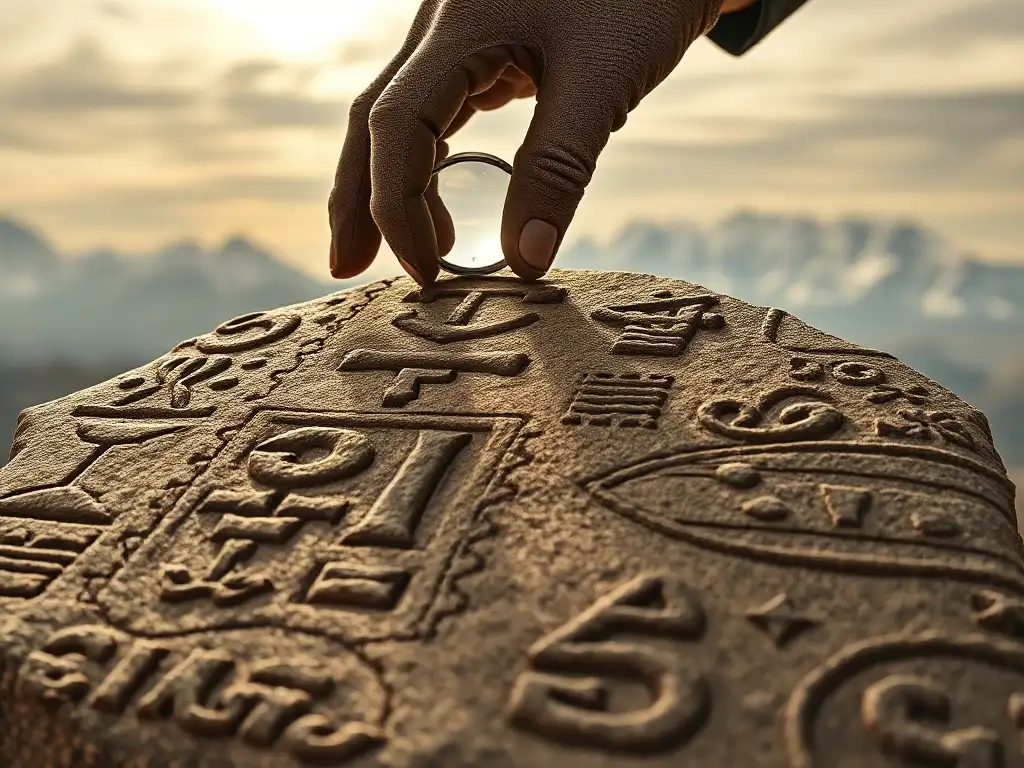
The study of Andean hieroglyphs is a dynamic field, constantly evolving with new discoveries and advancements in research methodologies. While complete decipherment remains elusive for many scripts, significant progress has been made in recent decades. Scholars are increasingly employing sophisticated analytical techniques to uncover patterns and meanings within these ancient writings. For example, the use of computational linguistics and statistical analysis has helped identify recurring motifs and potential phonetic elements within the glyphs, offering valuable clues to their interpretation.
This is particularly crucial for understanding the complex systems of the Wari and Tiwanaku cultures, whose scripts remain largely undeciphered. Researchers are also focusing on contextual analysis, examining inscriptions within their archaeological settings to better understand their purpose and meaning. By studying the artifacts, architecture, and human remains associated with inscriptions, researchers can gain a richer understanding of the cultural context in which these writings were created.
This holistic approach is proving crucial in piecing together the fragmented narratives embedded within these ancient texts. The ongoing excavations at sites like Cerro Baúl and Pikillacta are yielding new inscriptions, further enriching the data available for analysis and potentially leading to breakthroughs in our understanding of Andean writing systems. The meticulous documentation and preservation of these findings are paramount to future research.
New Technologies and Their Role in Decipherment
Modern technology plays a crucial role in advancing the understanding of Andean hieroglyphs. High-resolution digital imaging allows for the detailed study of inscriptions that are difficult or impossible to access directly. Techniques like multispectral imaging can reveal hidden details or faded inscriptions, enhancing the visibility of glyphs and revealing previously unseen elements.
Furthermore, 3D modeling and digital reconstruction are increasingly used to create virtual replicas of archaeological sites and artifacts, allowing scholars to study inscriptions in a controlled environment and share their findings globally. This is particularly beneficial for fragile or inaccessible sites. The application of Artificial Intelligence (AI) and machine learning algorithms is also showing promise in identifying patterns and relationships within large datasets of glyphs, potentially accelerating the decipherment process.
AI can analyze vast amounts of data far more quickly than a human, identifying subtle connections that might otherwise be missed. However, it's important to note that technology serves as a tool to assist human interpretation; the human element, with its critical thinking and nuanced understanding of historical context, remains essential.
Interdisciplinary Approaches to Understanding Andean Writing
Understanding Andean writing systems requires a collaborative approach that transcends the boundaries of traditional disciplines. Archaeologists, linguists, anthropologists, and computer scientists work together, bringing their unique expertise to bear on the challenges of deciphering these ancient texts. Archaeologists provide the context—the physical location, associated artifacts, and the broader cultural setting—within which the inscriptions were created.
Linguists analyze the formal structure of the glyphs, looking for patterns of syntax and grammar, while anthropologists offer insights into the social, political, and religious beliefs of the Andean cultures that created these inscriptions. Computer scientists develop and apply sophisticated analytical techniques to process and interpret the vast amounts of data involved.
This collaborative, interdisciplinary approach is vital for moving beyond isolated interpretations of individual glyphs and towards a comprehensive understanding of the entire writing system. The complexity of Andean writing demands this multi-faceted approach, and the collaborative spirit is essential to unlocking the secrets held within these ancient texts.
The Future of Andean Hieroglyphs Research
The future of Andean hieroglyphs research is bright, fueled by ongoing discoveries, technological advancements, and an increasingly interdisciplinary approach. As new sites are excavated and existing sites are re-examined with advanced technologies, more inscriptions are likely to be discovered, providing a wealth of new data for analysis. The application of AI and machine learning will continue to play a significant role in accelerating the decipherment process, allowing researchers to identify patterns and relationships that might otherwise be missed.
Further development of sophisticated analytical techniques, combined with a deeper understanding of Andean languages and cultures, will pave the way for more accurate and complete interpretations. Continued international collaboration and the sharing of data and findings are essential for accelerating progress in this field.
The ultimate goal—a comprehensive understanding of these ancient writing systems—requires sustained effort and a commitment to interdisciplinary collaboration. The ongoing research holds the potential to dramatically reshape our understanding of Andean civilizations and their rich cultural heritage.
The Importance of Preserving and Protecting Andean Inscriptions
The preservation of Andean inscriptions is crucial for understanding the past and safeguarding cultural heritage for future generations. These inscriptions represent a direct connection to the voices of ancient Andean societies, offering invaluable insights into their beliefs, practices, and daily lives. The loss of these inscriptions would represent an irreplaceable loss of knowledge and cultural memory. Protecting these fragile records requires a multifaceted approach encompassing various strategies and stakeholders. This includes not only the physical protection of the sites where inscriptions are located, but also the preservation of the knowledge and expertise required to interpret and understand their meaning.
Threats to Andean Archaeological Sites
Andean archaeological sites, including those with valuable inscriptions, face numerous threats, many stemming from human activity. Looting and illegal trafficking of artifacts are significant concerns, leading to the destruction of sites and the loss of irreplaceable information. Natural disasters, such as earthquakes and floods, also pose a serious risk to the preservation of these delicate inscriptions. Climate change is exacerbating these threats, leading to increased erosion and instability in many archaeological sites.
Furthermore, uncontrolled development and tourism can damage sites and inscriptions if not properly managed. These threats necessitate a comprehensive strategy of preservation and protection that addresses both natural and human-induced causes of damage. The delicate balance between allowing access for research and tourism and protecting these sites from damage is a constant challenge.
The Role of Local Communities in Preservation Efforts
Local communities play a vital role in the preservation of Andean inscriptions and archaeological sites. Their traditional knowledge, passed down through generations, often provides valuable insights into the significance of these sites and the best methods for their protection. Involving local communities in preservation efforts ensures that the work is carried out in a culturally sensitive manner, respecting the beliefs and traditions associated with these sites. Moreover, their participation fosters a sense of ownership and responsibility towards the preservation of their cultural heritage.
By working closely with local communities, researchers and authorities can leverage their knowledge and engagement to develop effective and sustainable preservation strategies. This collaborative approach is essential for ensuring the long-term protection of Andean cultural heritage. Empowering local communities is not just ethical; it's also essential for the success of preservation efforts.
Promoting Awareness of Andean Cultural Heritage
Raising public awareness of the importance of Andean cultural heritage is essential for securing its long-term preservation. Education and outreach programs can play a significant role in fostering appreciation for the richness and diversity of Andean civilizations and their unique writing systems. Museums, educational institutions, and cultural organizations can collaborate to create engaging exhibits and educational materials that highlight the significance of Andean inscriptions and the ongoing efforts to protect them.
Public awareness campaigns can help to combat looting and illegal trafficking by educating people about the importance of respecting archaeological sites. By promoting a greater understanding and appreciation of Andean cultural heritage, we can inspire future generations to protect these invaluable resources for the benefit of all humankind. This increased awareness will not only safeguard the physical sites but also ensure the survival and vitality of Andean cultural traditions.
Understanding Andean Hieroglyphs: A Window into the Past
Andean hieroglyphs, a complex system of symbols used by various pre-Columbian cultures, offer a unique window into the past. Unlike the well-known Egyptian hieroglyphs, Andean writing systems varied considerably across different cultures and time periods. The Inca, for example, primarily used a system of knotted strings called quipus for record-keeping, while other civilizations, such as the Nazca and Moche, developed distinct forms of glyphs etched into pottery, textiles, and stone.
Deciphering these glyphs is a monumental task, requiring meticulous analysis of their context, stylistic variations, and potential links to other cultural artifacts. Scholars painstakingly compare and contrast different inscriptions, searching for patterns and recurring motifs that might reveal their meaning. This process involves not only linguistic expertise but also a deep understanding of Andean cosmology, social structures, and religious beliefs.
The challenge is compounded by the fragmented nature of many surviving inscriptions, the lack of a Rosetta Stone-like key, and the inherent ambiguity of symbolic representation. Despite these hurdles, significant progress has been made in recent years, thanks to advancements in digital imaging, comparative linguistics, and collaborative research efforts. The ongoing quest to decipher these ancient writings promises to unlock profound insights into the lives, beliefs, and achievements of Andean societies.
Reconstructing Andean Society and Beliefs
The interpretation of Andean hieroglyphs is crucial for reconstructing the complex social and belief systems of these ancient cultures. By analyzing the imagery and symbols found on pottery, textiles, and monumental structures, researchers can gain insights into social hierarchies, religious practices, and daily life. For example, the Moche culture's pottery often depicts scenes of warfare, rituals, and everyday activities, providing valuable information about their societal organization and values.
Similarly, Nazca lines, although not strictly hieroglyphs, offer clues about their astronomical knowledge and ritual practices. The study of these glyphs allows scholars to piece together fragments of information, revealing intricate details about marriage customs, political structures, and economic practices. The glyphs often depict figures with specific attributes, suggesting a complex social hierarchy with specialized roles and responsibilities.
Religious beliefs, including ancestor veneration and the importance of specific deities, are also reflected in the iconography. The careful study of these symbols provides a glimpse into the rich tapestry of Andean spiritual life and its impact on their daily existence. The more we understand these symbols, the more complete our picture of Andean society becomes.
Connecting with the Ancestral Voices of the Andes
Connecting with the ancestral voices of the Andes through the interpretation of their hieroglyphs is a powerful way to foster a deeper understanding and appreciation of their legacy. These inscriptions are not merely abstract symbols; they are tangible links to the thoughts, experiences, and aspirations of past generations.
Each glyph holds the potential to transport us back in time, allowing us to engage with the cultural and spiritual worlds of these ancient civilizations. The process of deciphering these writings is not just an academic exercise; it is an act of cultural preservation and a tribute to the ingenuity and resilience of the Andean people.
By understanding their worldview, their beliefs, and their struggles, we can gain a richer appreciation for the diversity of human experience and the enduring power of cultural heritage. The interpretation of these glyphs allows us to bridge the gap between past and present, fostering a sense of connection with our shared human history.
The Enduring Legacy of Andean Civilizations
The enduring legacy of Andean civilizations is profoundly intertwined with the ongoing efforts to decipher their hieroglyphs and inscriptions. Understanding their writing systems offers a pathway to appreciating the sophistication of their knowledge, technology, and artistic expression. The insights gleaned from interpreting these symbols contribute to a more nuanced and comprehensive understanding of their achievements in astronomy, agriculture, architecture, and social organization.
This knowledge challenges Eurocentric narratives, highlighting the remarkable intellectual and technological advancements of these societies. The ongoing research into Andean hieroglyphs not only enriches our understanding of the past but also serves as a vital tool for cultural preservation and the promotion of cultural pride among Andean communities.
The deciphering of these glyphs allows us to reclaim and celebrate the rich cultural heritage of the Andes, ensuring that the voices of their ancestors continue to resonate through time. The legacy of Andean civilization is not simply a collection of artifacts; it is a living testament to the ingenuity and resilience of the human spirit, forever intertwined with the stories encoded within their ancient writings.
- Unveiling the Secrets of Andean Writing Systems
- The Enigma of Andean Hieroglyphs: Beyond Pictorial Representation
- Exploring the Diversity of Inscribed Media in the Andes
- Deciphering the Meaning of Andean Hieroglyphs: Challenges and Methodologies
- Key Symbols and Motifs in Andean Inscriptions
- Notable Examples of Andean Hieroglyphs and Their Significance
- Advances in Andean Hieroglyph Interpretation: Ongoing Research and Discoveries
- The Importance of Preserving and Protecting Andean Inscriptions
- Understanding Andean Hieroglyphs: A Window into the Past
Frequently Asked Questions
What are Andean hieroglyphs?
Andean hieroglyphs are graphic symbols used by various pre-Columbian Andean cultures, including the Inca, Nazca, and Moche, to record information. They weren't a single, unified system, but varied across different cultures and time periods.
How different were the writing systems across different Andean cultures?
The writing systems differed significantly. While some, like the Nazca lines, may have had symbolic meaning, a fully developed hieroglyphic system comparable to Egyptian hieroglyphs is not confirmed for all cultures. The Inca quipus (knotted cords) also played a significant role in record-keeping.
What is the current understanding of Andean hieroglyph meaning?
Our understanding is still limited. Scholars are actively working to decipher these symbols, but many remain undeciphered due to the lack of extensive inscriptions and the fragmented nature of the surviving artifacts.
Are there any well-known examples of Andean hieroglyphs?
While complete decipherment is lacking, examples include the Nazca lines' potential symbolic representations and various inscriptions found on pottery and textiles from different Andean cultures. Further research continues to uncover new examples.
Where can I learn more about Andean hieroglyphs and their meaning?
You can find more information through academic journals specializing in Andean archaeology and epigraphy, as well as museum exhibits and books focusing on pre-Columbian Andean cultures. Many universities also offer relevant courses.
Final Reflection: Unearthing the Whispers of the Andes
The decipherment of Andean inscriptions isn't just an academic pursuit; it's a vital key to understanding a rich and complex past that continues to shape the present. These ancient glyphs, far from being mere decorations, hold the potential to rewrite narratives, challenge existing assumptions, and reveal the vibrant cultural tapestry of Andean civilizations. Their meaning, once unlocked, offers a powerful connection to the ingenuity and resilience of our ancestors.
The ongoing effort to interpret these hieroglyphs is more than just a scholarly endeavor; it's a journey of rediscovery, a process of reclaiming lost voices and perspectives. It's a humbling experience to confront the sheer volume of information encoded in these seemingly simple marks, each one a testament to the sophisticated systems of knowledge developed in the Andes. The past is never dead. It's not even past.
– William Faulkner. This quote resonates deeply, as the more we understand these inscriptions, the more we realize how profoundly the past informs our present understanding of Andean cultures and their enduring legacy.
Consider the implications of this work. What stories are waiting to be told? What perspectives are waiting to be heard? You, the reader, are now part of this ongoing conversation. I urge you to delve deeper, to explore the resources available, and to engage with the ongoing research into Andean hieroglyphs. Let the voices of the ancestors inspire you to seek understanding, to appreciate the diversity of human experience, and to contribute to the preservation and interpretation of this invaluable cultural heritage.
**Unveil the Wisdom of the Ancestors! **
Thank you for exploring the fascinating world of Andean inscriptions and hieroglyphs. This article offers valuable insights into how ancient Andean civilizations continue to speak to us across time, revealing a rich and complex history. Now, let's explore ways to deepen your understanding.
**Here's how you can connect more deeply:**
- **Participate in a local Andean archaeology workshop or community event. ** This hands-on approach provides a unique learning experience and allows you to connect with other enthusiasts.
- **Share your favorite discoveries from this article on social media. ** Spark a conversation and engage others in a discussion about the significance of these ancient messages.
- **Utilize online interactive maps and resources. ** These tools will help you visualize the historical context of the inscriptions and further enhance your understanding.
What resonated most with you about the perspectives of our ancestors, and how do you see their enduring influence shaping our world today?