
Life in the Highlands: Archaeological Insights into Daily Life in Andean Villages

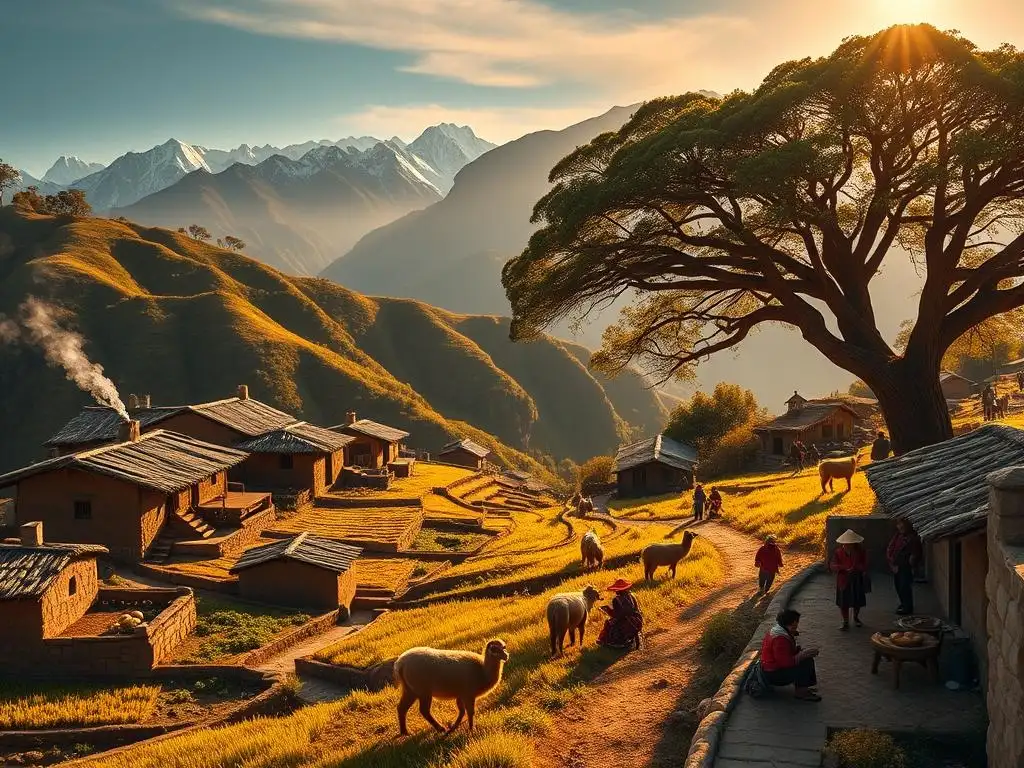
Step into a world lost to time, yet echoing with vibrant life. Imagine the bustling marketplaces, the intricate weaving, the breathtaking ceremonies… This is the world of the ancient Andes, and we invite you to explore it. Discover the secrets hidden within the highlands, as we delve into the fascinating details of Andean village daily life, uncovering the rich tapestry of existence in these remarkable civilizations. Prepare to be amazed by what awaits you in The Legacy of Andean Civilizations.
- Life in the Highlands: Archaeological Insights into Andean Village Daily Life
- Andean Highland Settlements: A Glimpse into the Past
- Material Culture as Evidence of Daily Activities
- Social Organization and Community Dynamics in Andean Villages
- Case Studies: Exploring Specific Andean Village Sites
- The Impact of Environmental Factors on Andean Village Life
- Conclusion: Reconstructing Andean Village Daily Life
-
Frequently Asked Questions
- What was a typical day like for someone living in an Andean village?
- What kind of houses did people in Andean villages live in?
- What role did religion play in daily life in Andean villages?
- What were some important social structures in Andean villages?
- What kinds of technology did Andean villagers use?
- Final Reflection: Echoes of the Andes: A Legacy of Resilience
- **Unveil the Rich Tapestry of Andean Life! **
Life in the Highlands: Archaeological Insights into Andean Village Daily Life
Understanding the daily lives of people in ancient Andean villages offers a captivating glimpse into the ingenuity and resilience of these remarkable civilizations. This article delves into the archaeological evidence that unveils the routines, challenges, and triumphs of daily existence in the highlands, focusing on the diverse societies that thrived in this demanding environment.
From the meticulous agricultural practices that sustained entire communities to the intricate social structures that governed their lives, we will explore the fascinating details revealed by archaeological digs and ongoing research, painting a vivid picture of Andean village life. This exploration will specifically focus on the insights gleaned from archaeological findings, shedding light on aspects often overlooked in broader historical narratives.
We will examine how the unique environmental conditions shaped daily routines and social organization, ultimately revealing the remarkable adaptability and cultural richness of these ancient Andean communities. The keyword "Andean village daily life" will be explored through specific examples and detailed analysis of archaeological evidence.
Introduction to Andean Village Life Through Archaeology
Archaeological investigations have significantly enhanced our understanding of Andean village life, moving beyond generalized narratives to reveal nuanced details of daily existence. Excavations across various sites, such as those in the Sacred Valley of the Incas and the coastal regions inhabited by the Moche and Nazca, have unearthed compelling evidence. These discoveries include remarkably well-preserved artifacts, including pottery depicting daily activities, tools reflecting agricultural practices, and even the remnants of dwellings themselves. The analysis of these findings provides valuable insights into various aspects of life, including:
- Housing and Settlement Patterns: Archaeological evidence reveals diverse housing styles adapted to the varied topography and climates of the Andes. From simple, single-room structures to more complex multi-room dwellings, the size and design of houses reflect social status and family size. The arrangement of houses within a settlement also provides clues about social organization and community structures. For instance, some villages showed a clear hierarchical structure, with larger, better-constructed houses positioned in more prominent locations.
- Agriculture and Food Production: The Andes presented significant agricultural challenges, including steep slopes, unpredictable weather, and limited arable land. However, Andean communities developed sophisticated agricultural techniques, including terracing, irrigation systems, and the cultivation of diverse crops like potatoes, maize, and quinoa. Archaeological evidence, such as irrigation canals and the remains of agricultural tools, demonstrates the ingenuity and labor-intensive nature of their farming practices. Analysis of plant remains found in settlements further elucidates their dietary habits and the importance of agriculture in their daily routines.
- Textiles and Clothing: Textiles played a crucial role in Andean societies, serving both practical and symbolic functions. Archaeological discoveries of intricate woven fabrics, including those made from alpaca and llama wool, showcase the advanced textile technologies and artistic skills of Andean communities. The style and decoration of clothing likely indicated social status and identity. The discovery of spindles, looms, and other weaving tools provides further insights into the production process and its integration into daily life.
Understanding Daily Routines in Ancient Andean Communities
Reconstructing the daily routines of ancient Andean villagers requires careful interpretation of a range of archaeological data. While we lack written records for many of these societies, the material culture they left behind offers invaluable clues. A typical day likely involved a combination of agricultural tasks, household chores, and social interactions. Let's delve deeper into some key aspects:
- Agricultural Cycle and Seasonal Variations: The agricultural cycle dictated the rhythm of daily life, with different tasks emphasized throughout the year. The planting and harvesting seasons would have involved significant communal effort, requiring coordination and collaboration among villagers. Archaeological evidence suggests a strong connection between religious practices and the agricultural cycle, with rituals performed to ensure bountiful harvests.
- Household Activities and Gender Roles: Archaeological finds suggest a division of labor based on gender, though the extent of this division varies across different Andean cultures. Women likely played a crucial role in food preparation, textile production, and childcare, while men may have been more involved in farming and herding. However, this is a simplification, and further research is needed to fully understand the complex interplay of gender roles in Andean villages. The discovery of tools and artifacts associated with specific activities helps to shed light on these roles.
- Social Interactions and Community Life: Archaeological evidence, such as the layout of settlements and the presence of communal spaces, suggests that social interaction was a vital part of daily life. Festivals, religious ceremonies, and trade likely brought villagers together, fostering a sense of community and shared identity. The discovery of pottery depicting social gatherings and the presence of ceremonial objects provides insights into these communal activities. Further research is needed to fully understand the social dynamics and networks within these communities.
The study of Andean village daily life is an ongoing process, with new discoveries continually refining our understanding. Future research promises to reveal even more details about the fascinating lives of these ancient communities, enriching our appreciation for their remarkable cultural achievements.
Andean Highland Settlements: A Glimpse into the Past
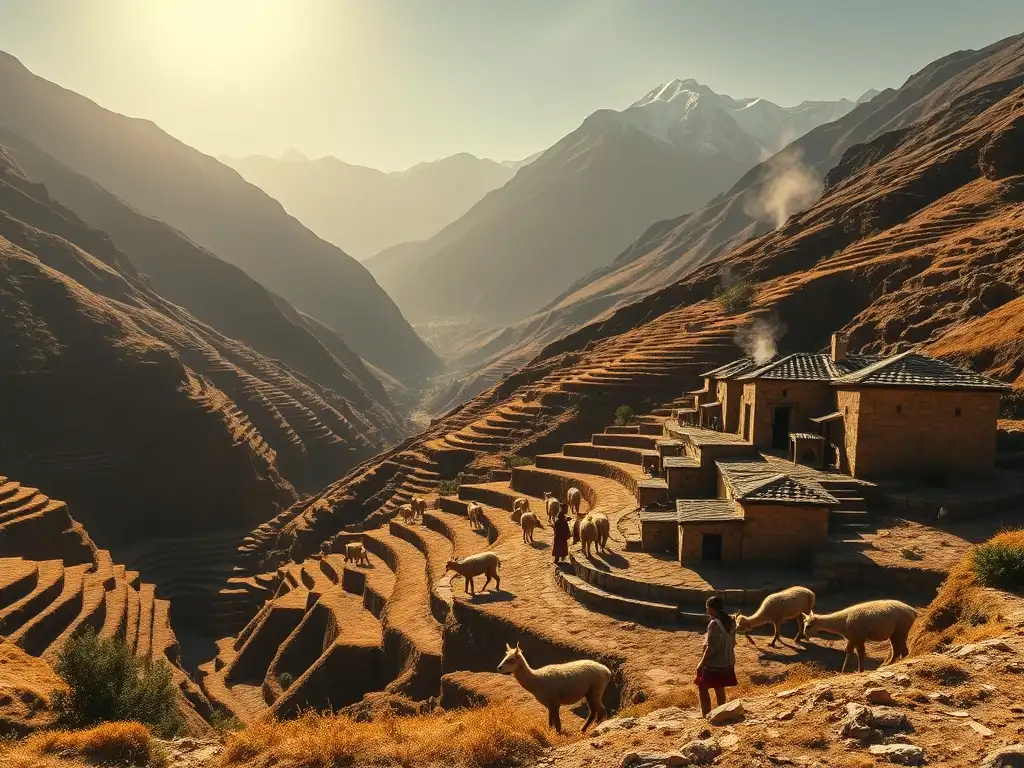
This section delves into the fascinating world of Andean highland settlements, offering a glimpse into the daily lives of the people who inhabited these remarkable villages. We will explore the ingenuity and resilience demonstrated in their architectural choices, agricultural practices, and craft production, all crucial elements in understanding their complex societal structures and adaptation to the challenging Andean environment. The keyword "Andean village daily life" is central to this exploration, revealing the intricate tapestry of their existence.
The Architecture of Andean Villages: Homes and Community Spaces
Andean village architecture wasn't just about shelter; it reflected a deep understanding of the environment and social organization. Houses, often built from locally sourced materials like stone and adobe brick, were typically clustered together, forming compact settlements. The design varied depending on the specific culture and altitude. For instance, Moche villages might exhibit different architectural styles compared to those of the later Inca Empire. The integration of agricultural terraces into the village layout is a common feature, highlighting the crucial role of agriculture in their daily lives.
Many villages featured communal spaces, such as plazas or ceremonial centers, which served as focal points for social gatherings, religious ceremonies, and markets. These spaces often incorporated significant architectural features, such as canchas (large open areas) or usnu platforms (raised structures used for religious or political purposes). The size and complexity of these communal areas often correlated with the size and power of the village itself.
Archaeological evidence suggests a strong relationship between the spatial organization of the village and its social hierarchy. Further research is needed to fully understand the nuances of this relationship in different Andean cultures, particularly regarding the distribution of resources and social status within the village. Analysis of house sizes and locations, alongside the presence of elite burials, provides valuable insights into these social dynamics.
Agricultural Practices in Andean Highland Life: Sustaining Communities
Sustaining life in the challenging Andean highlands demanded innovative agricultural techniques. The development of sophisticated irrigation systems, such as canals and terraces, allowed for efficient water management and increased agricultural yields. These systems were meticulously engineered to harness scarce water resources, adapting to the steep slopes and variable rainfall patterns. The ingenuity of these systems is evident in their longevity; some terraced fields remain in use even today.
The crops cultivated varied depending on altitude and climate. Potatoes, quinoa, and maize were staples, supplemented by a diverse range of other crops such as beans, squash, and coca. Archaeological evidence, including plant remains found in settlements and storage facilities, provides a detailed picture of the agricultural diversity and resilience of Andean communities.
Detailed analysis of pollen and soil samples helps to reconstruct past agricultural practices and environmental conditions. Furthermore, the discovery of tools such as digging sticks and irrigation implements underscores the labor-intensive nature of Andean agriculture and the community effort required for its success. This highlights the importance of cooperative labor in maintaining the agricultural base of Andean village life.
Craft Production and Trade in Andean Village Life
Craft production played a vital role in Andean village life, providing both necessities and luxury goods. Textiles, pottery, and metalwork were prominent crafts, each with its own distinct regional styles and techniques. The production of these goods involved specialized skills and knowledge, passed down through generations. Evidence of specialized workshops and craft production centers has been discovered in numerous Andean villages.
Trade networks facilitated the exchange of goods between villages and across wider regions. This exchange was not limited to material goods; it also involved the transfer of knowledge, ideas, and cultural practices. The distribution of specific types of pottery and textiles across large geographical areas indicates the extent and importance of these trade networks. The analysis of isotopic signatures in human remains can provide further insight into dietary habits and the movement of people across these networks.
The discovery of exotic materials in Andean villages, such as obsidian and shells, points to long-distance trade connections and the integration of Andean communities into wider regional exchange systems. This vibrant exchange enriched the lives of Andean villagers and helped to shape their culture and society. Further research into these trade routes and their impact on Andean village life is crucial for a comprehensive understanding of Andean village daily life.
Material Culture as Evidence of Daily Activities
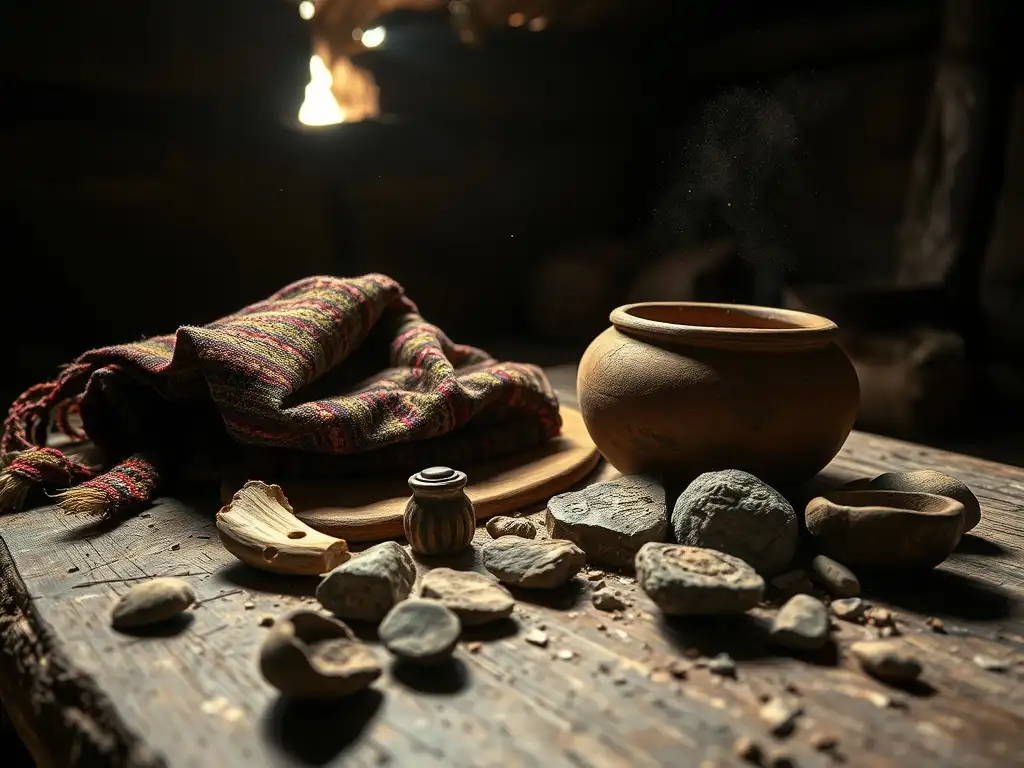
Archaeological excavations provide invaluable insights into the daily lives of Andean villagers, revealing details often overlooked in historical accounts. The study of material culture – the objects people made, used, and discarded – offers a tangible connection to the past, allowing us to reconstruct routines, social structures, and belief systems. By analyzing pottery shards, tools, textiles, and other artifacts, researchers can paint a vibrant picture of Andean village life, shedding light on everything from dietary habits to social hierarchies.
Understanding these aspects allows us to better grasp the complexities and nuances of Andean village daily life. The meticulous work of archaeologists, painstakingly piecing together fragmented remains, provides a crucial window into this rich and fascinating past.
Pottery and Ceramics: Insights into Andean Village Diet and Rituals
Pottery shards are ubiquitous in Andean archaeological sites, serving as a primary source of information about diet and ritual practices. The types of clay used, the shapes of the vessels, and the decorative motifs all offer clues. For example, the presence of numerous large storage jars suggests a focus on preserving agricultural surpluses, indicative of settled agricultural communities.
Analysis of residue found inside pottery vessels, using techniques like gas chromatography-mass spectrometry, reveals traces of food and drink, providing direct evidence of dietary components. This analysis often reveals a diet rich in maize, potatoes, quinoa, and various other Andean crops, alongside animal products like llama and alpaca.
Furthermore, the decoration on pottery provides insights into ritual practices. Specific motifs or symbols might represent deities, ancestors, or important events. The discovery of intricately decorated vessels in elite contexts suggests their use in ceremonial contexts, while simpler, utilitarian pottery likely served everyday needs. The variations in pottery styles across different regions and time periods also reflect cultural diversity and changes over time. For instance, the Moche culture is renowned for its elaborate, figurative pottery depicting scenes of daily life, warfare, and mythology, offering a unique visual record of their society.
| Pottery Type | Function | Associated Culture | Decorational Style |
|---|---|---|---|
| Large Jars | Food Storage | Various | Often plain, sometimes geometric |
| Small Bowls | Food Consumption | Various | Varied, often depicting animals |
| Ceremonial Vessels | Ritual Use | Moche, Nazca | Highly detailed and figurative |
Tools and Implements: Revealing Everyday Tasks in Andean Life
Stone tools, bone implements, and metal objects unearthed in Andean villages offer compelling evidence of the diverse tasks performed in daily life. The types of tools found reflect the economic activities prevalent in the region. For example, the abundance of grinding stones (metates and manos) indicates the importance of processing grains and tubers – a cornerstone of the Andean diet.
The discovery of weaving tools, like spindle whorls and loom weights, points towards textile production as a significant activity. Similarly, the presence of specialized tools for agriculture, such as digging sticks and hoes, highlights the crucial role of farming in sustaining Andean communities.
Analysis of wear patterns on tools can provide even more detailed information about their use. Microscopic examination can reveal traces of plant or animal residues, offering further insights into the tasks performed. The presence of specialized tools associated with metalworking, such as crucibles and bellows, suggests the development of sophisticated metallurgical techniques in some Andean societies.
The variation in tool types and materials across different sites and time periods reflects the adaptability of Andean villagers to their diverse environments and the changing demands of their lifestyles. Studying these tools allows us to understand the craftsmanship and ingenuity of Andean peoples, illustrating their ability to adapt their technologies to their environment and needs.
Textiles and Weaving: Decoration and Status in Andean Villages
Textiles recovered from Andean archaeological sites demonstrate the advanced weaving techniques and artistic skills of Andean villagers. The intricate designs and vibrant colors found on fabrics reflect the importance of textiles in both daily life and social status. The use of different fibers, such as alpaca and llama wool, cotton, and even camelid hair, reflects the availability of resources and the specialized knowledge required for processing these materials.
The complexity of weaving techniques varied greatly. Some textiles feature simple plain weaves, while others exhibit highly sophisticated techniques like tapestry weaving and brocade. The types of designs and motifs used also provide clues about social status and cultural identity. Elaborately decorated textiles, often found in elite burials, suggest their use as markers of social rank or prestige.
Moreover, the presence of specific designs or symbols might represent clan affiliations or religious beliefs. The discovery of textile fragments in everyday contexts, however, indicates their widespread use in clothing, blankets, and other household items. The study of Andean textiles offers a rich tapestry of information, revealing both the artistic and technological achievements of these communities and the complex social dynamics that shaped their lives.
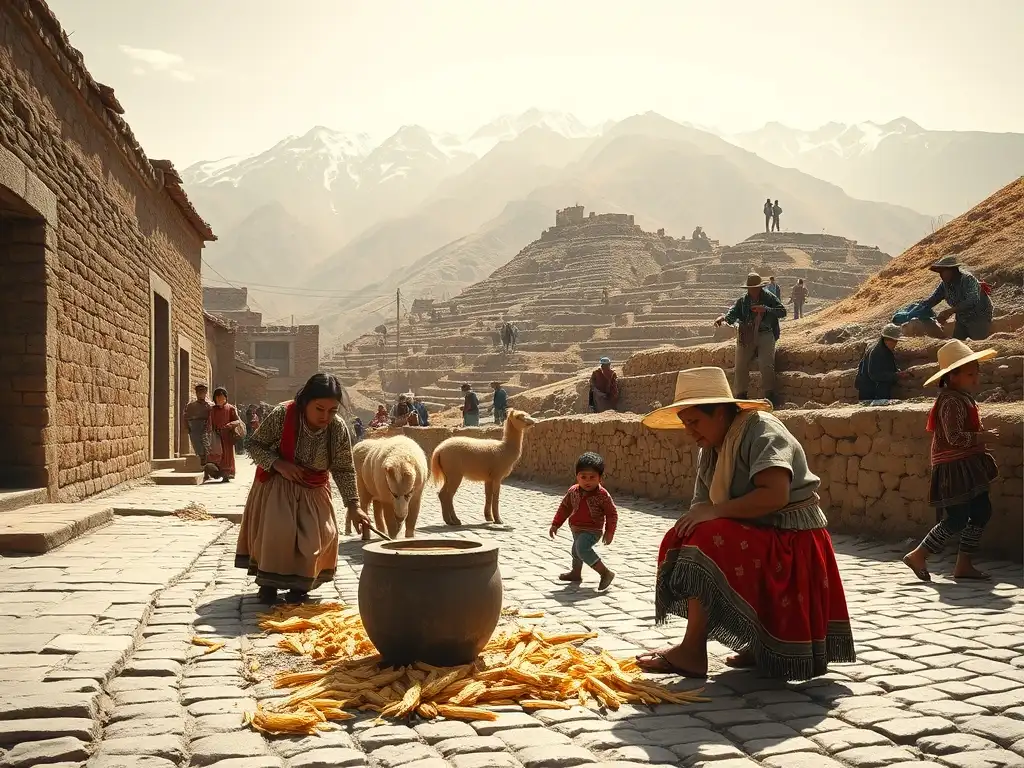
This section delves into the intricate social fabric of Andean villages, examining the interplay between family structures, community governance, and the pervasive influence of ritual and belief on daily life. Understanding these dynamics is crucial to grasping the complexity of Andean civilizations beyond their monumental architecture and impressive technological achievements. The keyword "Andean village daily life" is central to this exploration, providing a nuanced perspective on the lived experiences of these ancient peoples.
Family Structures and Household Organization in Andean Daily Life
Andean family structures varied across different cultures and time periods, but certain common threads emerge from archaeological evidence. Extended family units, often including multiple generations living together, were prevalent. This arrangement fostered cooperation in agricultural tasks and resource management, crucial for survival in the challenging Andean environment. Household organization reflected this extended family structure, with dwellings often designed to accommodate numerous individuals.
Excavations reveal evidence of communal spaces within households, suggesting shared activities and a strong sense of collective identity. The size and layout of houses, coupled with the presence of specific artifacts, provide insights into the roles and responsibilities of different family members. For instance, the presence of specialized tools or storage containers might indicate specific crafts or economic activities within a household.
Further research is needed to fully understand the nuances of household dynamics, particularly regarding gender roles and social stratification within the family unit. [Specific information pending: detailed analysis of household artifact assemblages from various Andean sites]. The diversity of family structures across different Andean societies highlights the importance of avoiding generalizations and acknowledging regional variations in social organization.
Archaeological evidence points to a complex system of community governance in Andean villages. While the specifics varied depending on the culture and time period, the concept of reciprocity and collective responsibility played a central role. Community leaders, often identified through burial practices or the presence of distinctive artifacts, likely played a key role in organizing labor, managing resources, and resolving conflicts.
The construction of communal structures, such as irrigation systems or storage facilities, demonstrates the capacity for coordinated effort and collective decision-making. Social interactions were likely shaped by kinship ties, reciprocal obligations, and shared religious beliefs. Analysis of settlement patterns and the distribution of artifacts suggests a degree of social stratification, although the nature and extent of inequality remains a subject of ongoing debate.
[Specific information pending: more detailed studies on the role of community leaders and the mechanisms of conflict resolution in different Andean societies]. Understanding the mechanisms of social control and the dynamics of power within Andean villages is crucial for a complete picture of their social organization. The study of Andean village daily life is enriched by exploring the ways in which social structures impacted individual lives and fostered community cohesion.
Rituals and Beliefs Reflected in Daily Life of Andean Communities
Religion and ritual permeated daily life in Andean villages. Archaeological findings, including the discovery of ceremonial objects within domestic settings, demonstrate the close integration of religious practices into the everyday routines of the inhabitants. The presence of shrines, associated with specific deities or ancestral figures, suggests a significant role for religious beliefs in shaping social interactions and community cohesion.
Evidence of ritual offerings, such as food, textiles, or precious metals, suggests the importance of appeasing supernatural forces and ensuring the prosperity of the community. The use of specific symbols and iconography in textiles, pottery, and other artifacts provides further insights into the beliefs and worldview of these ancient societies. [Specific information pending: a comprehensive analysis of the iconography found in Andean village artifacts].
The study of Andean village daily life necessitates an appreciation for the profound influence of religious beliefs on all aspects of community life, from social organization to economic activities. Religious practices were not separate from daily life but rather integral to the social fabric of Andean villages. The integration of ritual into everyday routines underscores the holistic nature of Andean societies and their close relationship with the natural world.
Case Studies: Exploring Specific Andean Village Sites
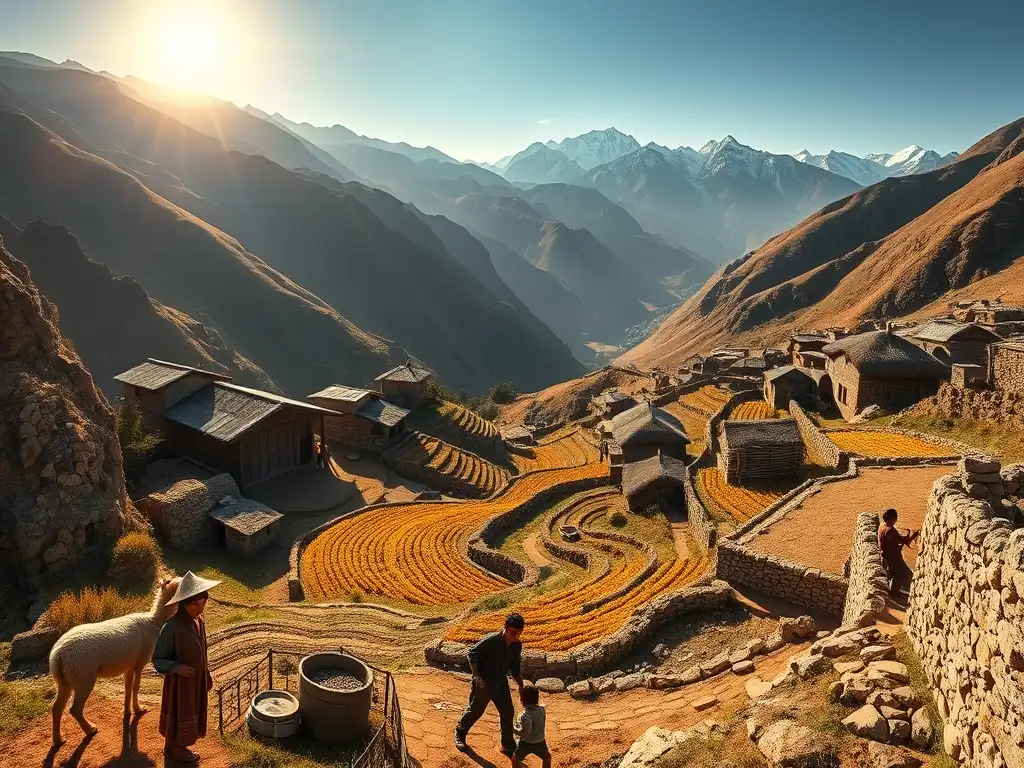
This section delves into the daily lives of Andean villagers across different time periods and societal structures, using archaeological evidence to paint a vivid picture of their routines, beliefs, and challenges. We'll examine specific sites to highlight the diversity and complexity of Andean village life, moving beyond generalizations to reveal nuanced details. Understanding these specifics is crucial for a comprehensive grasp of "Andean village daily life."
Chiripa: Insights into Early Formative Period Daily Life
Chiripa, located on the shores of Lake Titicaca in Bolivia, offers a fascinating glimpse into the daily lives of people during the Early Formative Period (circa 1500-500 BCE). Archaeological excavations have unearthed evidence of sophisticated social organization and surprisingly complex daily routines for a pre-ceramic society.
The discovery of numerous carefully constructed houses, varying in size and design, suggests a stratified social structure, possibly with specialized roles within the village. The presence of large storage facilities points to a system of food surplus management, indicating organized agriculture and likely communal practices. Furthermore, the meticulous crafting of tools from stone and bone, along with the presence of elaborate textiles, points to specialized crafts and a developed division of labor.
Analysis of plant and animal remains from the site reveals a diet predominantly based on locally grown crops like quinoa and potatoes, supplemented by fish from the lake and livestock. This suggests a relatively stable and resilient food system adapted to the challenging high-altitude environment.
Analysis of burial practices at Chiripa reveals insights into their beliefs and social structures. Grave goods, though not uniformly distributed, often include tools, ornaments, and food offerings, suggesting beliefs about the afterlife and social status reflected in burial rituals. The meticulous arrangement of the skeletal remains and the presence of specific artifacts offer valuable information about their worldview and social hierarchies. Further research is needed to fully unravel the complexities of Chiripa's social dynamics, but the existing evidence offers a rich tapestry of information about daily life in an early Andean village.
Tiwanaku: Comparative Analysis of Urban and Rural Life
Tiwanaku, a powerful civilization flourishing between 500 and 1000 CE, presents a unique opportunity to compare and contrast the daily lives of people in urban and rural settings. While the monumental architecture of the city itself is well-known, archaeological research focusing on surrounding villages reveals a more complex picture of daily life in the Tiwanaku state.
Urban Tiwanaku: A Center of Power
Urban Tiwanaku was a center of religious and political power, with evidence of specialized crafts, monumental architecture, and a complex social hierarchy. Daily life for urban dwellers likely revolved around religious ceremonies, state-sponsored projects, and specialized craft production. Dietary analysis suggests access to a wider variety of food sources compared to rural areas.
Rural Tiwanaku: Agricultural Communities
Rural settlements surrounding Tiwanaku show evidence of intensive agriculture, with sophisticated irrigation systems and terraced farming practices adapted to the high-altitude environment. Daily life in these villages likely centered around agricultural production, with a greater emphasis on subsistence farming. Dietary analysis suggests a more limited, but still diverse, range of food sources compared to the urban center.
Comparing urban and rural Tiwanaku reveals the interconnectedness of these settlements within the broader Tiwanaku state. The urban center likely served as a hub for the distribution of resources and the organization of labor, while rural communities provided agricultural goods and raw materials. However, the exact nature of the interactions between urban and rural populations remains an area of ongoing research. Further analysis of artifacts, settlement patterns, and isotopic data will help clarify the economic and social relationships within the Tiwanaku state.
Machu Picchu: Unique Aspects of Inca Royal Estate Life
Machu Picchu, often referred to as the "Lost City of the Incas," offers a unique insight into the daily lives of the Inca elite. While not strictly a village in the traditional sense, the site functioned as a royal estate and administrative center, revealing aspects of Inca daily life that differ significantly from those of commoners.
The meticulously planned layout of the site, with its distinct residential areas, agricultural terraces, and religious structures, suggests a highly organized and hierarchical society. Evidence of sophisticated water management systems, advanced agricultural techniques, and elaborate stonework points to the specialized skills and labor available to the Inca elite. The presence of numerous storage facilities suggests the accumulation of surplus goods, reflecting the economic power of the Inca state.
Unlike many Andean villages focusing primarily on agriculture, Machu Picchu shows a more diverse range of activities. Archaeological evidence suggests the presence of specialized craftspeople, such as metalworkers and textile producers, who catered to the needs of the Inca elite. The discovery of numerous finely crafted objects, such as gold and silver jewelry, further supports this.
The relatively small number of residential structures, compared to the extensive agricultural terraces, suggests that the estate served primarily as a center for administration and royal residence, rather than a self-sufficient village. Further research is needed to fully understand the daily routines and social dynamics within this unique Inca site, but the available evidence provides a valuable window into the lives of the Inca elite. The contrast between Machu Picchu and other Andean village sites highlights the significant social stratification within Inca society and the varied experiences of its inhabitants.
The Impact of Environmental Factors on Andean Village Life
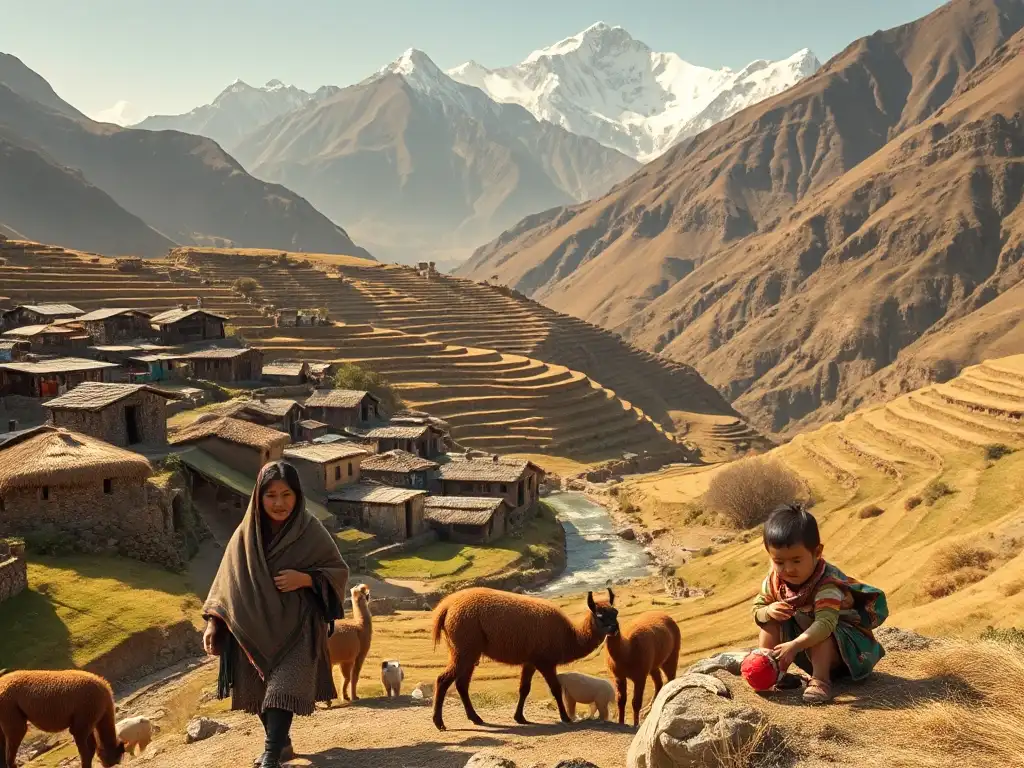
The harsh environmental conditions of the Andes Mountains profoundly shaped the daily lives of Andean villagers. Understanding these environmental pressures is crucial to interpreting archaeological findings and reconstructing a complete picture of their existence. The challenges posed by altitude, climate variability, and limited resources necessitated ingenious adaptations and innovative technologies, leaving behind a legacy visible in the archaeological record.
This section will delve into how these factors influenced various aspects of Andean village daily life, focusing on adaptation strategies, resource management, and the impact of climate change. The term "Andean village daily life" encompasses far more than just routine tasks; it reflects a complex interplay between humans and their environment.
Adaptation to Highland Conditions in Andean Communities
Life at high altitudes presented significant physiological challenges. Reduced atmospheric pressure, lower oxygen levels (hypoxia), and intense solar radiation impacted health and daily activities. Andean communities developed remarkable adaptations to overcome these difficulties.
Archaeological evidence suggests the use of coca leaves, not only as a stimulant but also as a means to alleviate altitude sickness. The construction of settlements at specific altitudes, often taking advantage of microclimates, minimized exposure to harsh weather conditions. Furthermore, the design of houses, with thick walls and strategic orientation, contributed to thermal regulation and protection from the elements.
Dietary adaptations, including the cultivation of high-altitude crops like potatoes and quinoa, provided essential nutrients and calories necessary for survival in these demanding environments. The selection and breeding of these crops over millennia demonstrate a deep understanding of agricultural techniques suited to the specific challenges of Andean highland agriculture. The study of skeletal remains provides further insight into the physical adaptations of these populations to their environment over generations.
Water Management and Resource Use in Andean Villages
Water scarcity was a constant concern in many Andean villages. The availability of water dictated settlement patterns, agricultural practices, and even social structures. Archaeological evidence reveals sophisticated water management systems, including canals, terraces, and reservoirs, designed to capture and distribute water efficiently.
These systems, often integrated with agricultural terraces (andenes), maximized water use for irrigation and domestic purposes. The remarkable ingenuity in water management is evident in the intricate network of channels found in sites like Moray, suggesting a deep understanding of hydraulic engineering and its importance to the survival and prosperity of the village. Beyond water, the management of other resources, like timber and stone, shaped the daily routines of Andean villagers.
The careful selection and use of building materials, often reflecting local availability and resource limitations, provide valuable insights into their resourcefulness and environmental awareness. Detailed analysis of tool use and waste disposal patterns further illuminate their resource management strategies.
Climate Change and its Effect on Past Andean Village Daily Life
Climate change significantly impacted Andean village daily life throughout history. Fluctuations in temperature and precipitation patterns directly affected agricultural yields, leading to periods of abundance and scarcity. Archaeological studies analyzing pollen and sediment cores reveal shifts in vegetation patterns and agricultural practices in response to climatic variations.
For example, evidence suggests that periods of drought led to changes in crop cultivation, migrations, and even societal reorganization. The impact of El Niño events, characterized by heavy rainfall and flooding, are also recorded in the archaeological record, showcasing the vulnerability of Andean communities to extreme weather events. Analyzing the resilience of past Andean communities to these climatic challenges offers valuable lessons for understanding the effects of contemporary climate change and developing effective adaptation strategies in the region.
Understanding the responses of past Andean villagers to climate variability is crucial for informed planning and mitigation efforts today. The study of past climate-related societal shifts provides a vital framework for modern-day climate change adaptation and resilience building in the Andes.
Conclusion: Reconstructing Andean Village Daily Life
This exploration of archaeological insights into Andean village daily life reveals a complex tapestry of human experience interwoven with the challenges and opportunities presented by the high-altitude environment. From the meticulous construction of houses adapted to harsh climates to the sophisticated agricultural techniques employed to cultivate the land, the ingenuity and resilience of Andean villagers are strikingly evident. Understanding their daily routines – from food preparation and textile production to religious practices and social interactions – offers a powerful lens through which to appreciate the richness and complexity of Andean civilizations.
The meticulous work of archaeologists continues to unearth valuable information, gradually painting a more complete picture of life in these remarkable communities. Further research promises to deepen our understanding of the intricate dynamics of Andean village society and its enduring legacy.
The Significance of Archaeological Research for Understanding Andean Society
Archaeological research plays a pivotal role in reconstructing Andean village daily life, providing invaluable data that textual sources often fail to capture. Excavations of village sites yield concrete evidence of daily routines, revealing details about housing construction, agricultural practices, and even dietary habits. For example, the discovery of meticulously crafted irrigation systems in the Nazca region provides compelling evidence of their advanced understanding of water management, crucial for survival in the arid coastal landscape.
Similarly, the analysis of pottery shards, textile fragments, and bone remains offers insights into food preparation, textile production techniques, and the prevalence of certain diseases. The careful study of these artifacts, alongside the analysis of spatial organization within villages, allows researchers to reconstruct social structures, economic systems, and religious beliefs.
This multi-faceted approach is crucial for gaining a comprehensive understanding of Andean society, moving beyond simplistic narratives and embracing the nuances of daily life. The ongoing analysis of isotopic ratios in human remains, for instance, promises to reveal further insights into dietary diversity and mobility patterns within and between villages.
The Enduring Legacy of Andean Village Life and its Traditions
The enduring legacy of Andean village life is palpable even today. Many traditions and practices observed in contemporary Andean communities find their roots in the ancient past. The intricate knowledge of agriculture, for example, passed down through generations, demonstrates the continuity of practices honed over millennia.
Similarly, the vibrant textile traditions, characterized by complex weaving techniques and symbolic designs, reflect a long and unbroken history of artistic expression. The architectural styles and community structures observed in modern Andean villages often echo those found in archaeological sites, highlighting the enduring influence of ancestral patterns. While modernization has undeniably impacted Andean life, the legacy of ancient village practices remains profoundly embedded in the cultural fabric of the region, serving as a testament to the resilience and adaptability of Andean communities across time.
Understanding this continuity is crucial for appreciating the full extent of Andean heritage and for fostering effective strategies for cultural preservation. The study of Andean village life, therefore, transcends mere historical inquiry; it offers valuable insights into the dynamics of cultural transmission and the enduring power of tradition.
Frequently Asked Questions
What was a typical day like for someone living in an Andean village?
A typical day involved agricultural labor, such as planting, harvesting, or tending livestock, alongside household chores and community obligations. The specifics varied depending on the season and social standing.
What kind of houses did people in Andean villages live in?
Andean villagers lived in houses made from locally sourced materials, such as adobe bricks, stone, and thatch. The designs varied across different cultures and altitudes, but often featured simple, functional layouts.
What role did religion play in daily life in Andean villages?
Religion permeated daily life, with rituals and ceremonies integrated into agricultural cycles and community events. Ancestor veneration and the worship of various deities were central aspects of Andean belief systems.
Andean villages were often structured around kinship ties and reciprocal labor systems. Ayllu, a community-based organization, played a vital role in social organization and resource management.
What kinds of technology did Andean villagers use?
Andean villagers were skilled craftspeople and innovators, utilizing technologies like terracing, irrigation systems, and sophisticated weaving techniques to survive and thrive in challenging environments. They also developed advanced metallurgy in some regions.
Final Reflection: Echoes of the Andes: A Legacy of Resilience
The echoes of Andean village life, as revealed through archaeological insights, resonate powerfully in today's world. Understanding their daily struggles and triumphs offers a crucial perspective on the enduring human spirit and the importance of sustainable living, particularly in the face of climate change and resource scarcity. The challenges faced by these ancient communities—navigating harsh terrains, adapting to environmental shifts, and fostering intricate social structures—are strikingly similar to those faced by many communities globally today.
The ingenuity and resilience demonstrated by Andean villagers throughout history continue to inspire. Their sophisticated agricultural techniques, intricate social networks, and deeply spiritual connection to the land offer invaluable lessons for contemporary societies. The past is never dead. It's not even past.
- William Faulkner. This quote perfectly encapsulates the enduring relevance of understanding Andean village life; their experiences inform our present and shape our future. Their story is not just a historical account; it's a living testament to human adaptability and the power of community.
Consider the intricate balance these communities maintained with their environment. Reflect on the innovative solutions they developed to overcome adversity. Let the legacy of Andean village life inspire you to seek sustainable practices in your own life, to foster stronger community bonds, and to appreciate the profound connection between humanity and the natural world. By understanding their past, we can build a more resilient and sustainable future for all.
**Unveil the Rich Tapestry of Andean Life! **
Thank you for exploring the fascinating world of daily life in Andean villages! Your interest in the archaeological insights presented here enriches your understanding and celebrates the vibrant Highland cultures. Let's delve even deeper.
- **Expand your knowledge** of Andean history with our comprehensive articles, each filled with unique stories and discoveries.
- **Share your insights** with friends and family. Discuss what resonated most with you—your enthusiasm is contagious!
- **Join our community! ** Connect with fellow enthusiasts by following us on social media and participating in discussions about Andean civilizations.
Reflecting on what you've learned, consider this: **How do the daily practices of ancient Andean villagers continue to shape the region's modern culture? **