
Grave Goods and Glory: What Burial Sites Tell Us About Andean Beliefs

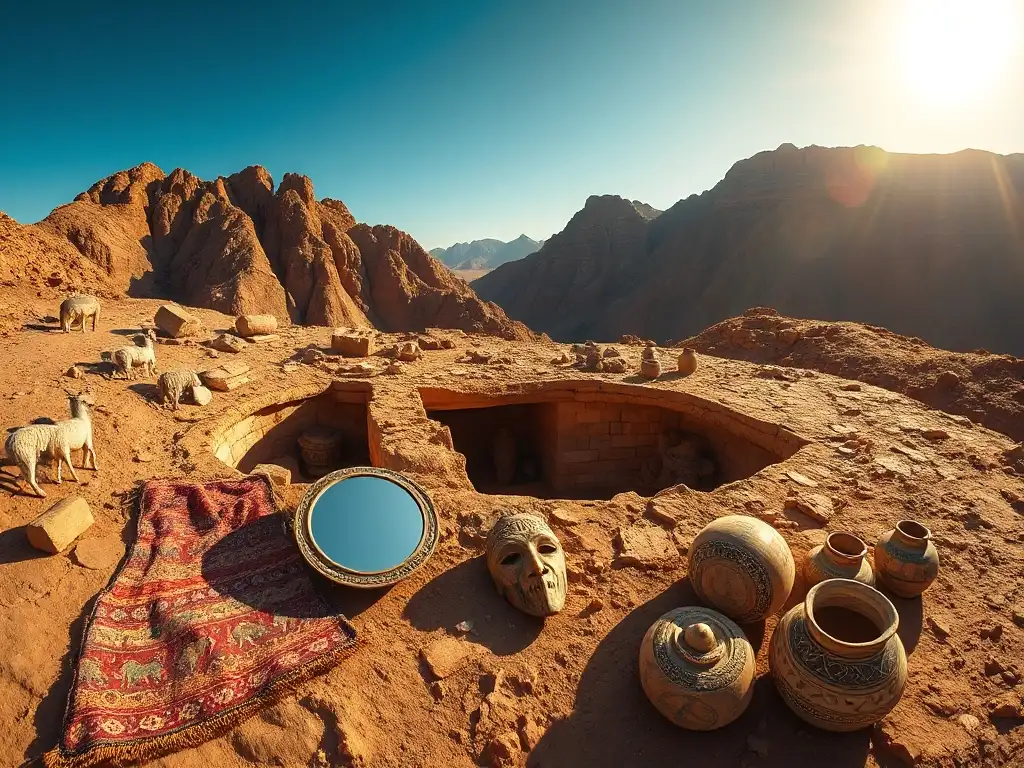
Dive into the enigmatic world of the Andes, where towering mountains hold secrets whispered through time. For centuries, these majestic peaks have guarded the legacies of incredible civilizations – the Incas, Moche, Nazca, and more. But what truly lies beneath the surface? Prepare to be captivated by the astonishing stories revealed by Andean burial site artifacts, uncovering clues to their complex beliefs and rituals in our exploration of "Grave Goods and Glory: What Burial Sites Tell Us About Andean Beliefs." The mysteries await – dare to uncover them?
The discovery and careful excavation of Andean burial sites offer a unique and invaluable window into the complex belief systems and social structures of the ancient civilizations that thrived in the Andes Mountains. More than just repositories of the deceased, these sites function as intricate time capsules, preserving not only human remains but also a wealth of artifacts that reveal profound insights into their cosmology, rituals, and social hierarchies.
By analyzing the Andean burial site artifacts, we can piece together a richer understanding of their worldview, uncovering the nuanced beliefs surrounding life, death, and the afterlife. This exploration delves into the significance of grave goods, the diversity of burial practices across different Andean cultures, and what these discoveries reveal about their societal values and spiritual beliefs.
The careful study of these sites continues to challenge and refine our understanding of these fascinating ancient societies, constantly revealing new layers of complexity. We will examine specific examples to illustrate the power of these archaeological finds in illuminating Andean culture and belief.
Andean burial sites frequently contain a diverse array of grave goods, ranging from simple pottery shards to elaborately crafted gold ornaments and intricate textiles. The types and quantity of these artifacts are not randomly distributed; instead, they reveal a sophisticated system reflecting the social status of the deceased and their beliefs about the afterlife. For example, elite burials often contain lavish treasures indicating high social standing and access to resources.
These might include finely woven textiles, gold and silver jewelry, ceramic vessels, and even human sacrifices, showcasing the power and prestige of the deceased within their community. In contrast, less elaborate burials suggest a lower social standing, with simpler grave goods reflecting their place in the social hierarchy. The presence of specific items, like certain types of pottery or tools, can also indicate specific roles or affiliations within the society.
The careful analysis of these items allows archaeologists to reconstruct social structures and the distribution of wealth and power within these ancient communities. The intricate detail and craftsmanship displayed in many of these artifacts further highlights the advanced technological skills and artistic sensibilities of these cultures.
Diverse Burial Practices Across Andean Cultures: A Tapestry of Rituals and Beliefs
The Andean region wasn't a monolith; rather, it was home to a diverse array of cultures, each with its unique burial practices. The Inca, for instance, practiced elaborate mummification rituals and often interred their rulers in elaborate tombs filled with lavish grave goods. The Moche, on the other hand, were known for their elaborate tomb architecture and the inclusion of sacrificial victims alongside the deceased.
The Nazca culture, famous for their geoglyphs, had distinct burial customs that included the use of textiles and elaborate grave goods reflecting their artistic talents. These variations in burial practices reflect the diverse beliefs and rituals of different Andean societies. Some cultures emphasized elaborate tomb structures, while others preferred simpler burials.
Some included sacrifices, while others focused on the inclusion of items representing the deceased's life and social standing. This diversity highlights the richness and complexity of Andean spiritual beliefs and the multitude of ways they expressed their understanding of the afterlife. Further research continues to uncover more about the unique practices of smaller, less-studied groups, enriching our understanding of the region's cultural diversity.
Ongoing Research and New Discoveries: Unraveling the Mysteries of Andean Burial Sites
The study of Andean burial sites is a dynamic field, with ongoing research constantly revealing new information and challenging existing interpretations. New archaeological excavations continue to unearth previously unknown burial sites, providing fresh insights into Andean cultures and beliefs. Advanced technologies, such as 3D scanning and DNA analysis, are enabling researchers to study artifacts and human remains with unprecedented detail, unlocking secrets previously hidden within the earth.
These advancements are not only refining our understanding of existing sites but also leading to new discoveries and hypotheses about Andean life and death. The ongoing analysis of Andean burial site artifacts promises to further enrich our understanding of these fascinating civilizations and their enduring legacy.
The collaborative efforts of archaeologists, anthropologists, and other specialists are vital in unraveling the intricate mysteries of these ancient sites and providing a more complete picture of Andean history and culture. The future holds immense potential for further discoveries and a deeper appreciation of the richness of Andean civilization.
- The Significance of Grave Goods: Reflecting Social Status and Spiritual Beliefs
- Diverse Burial Practices Across Andean Cultures: A Tapestry of Rituals and Beliefs
- Ongoing Research and New Discoveries: Unraveling the Mysteries of Andean Burial Sites
- What types of artifacts are commonly found in Andean burial sites?
- How did the burial practices of different Andean cultures differ?
- What can Andean burial site artifacts tell us about their beliefs?
- Why were certain artifacts included in Andean burials?
- Where are some of the most significant Andean burial sites located?
Unearthing Andean Ancestral Practices Through Burial Sites
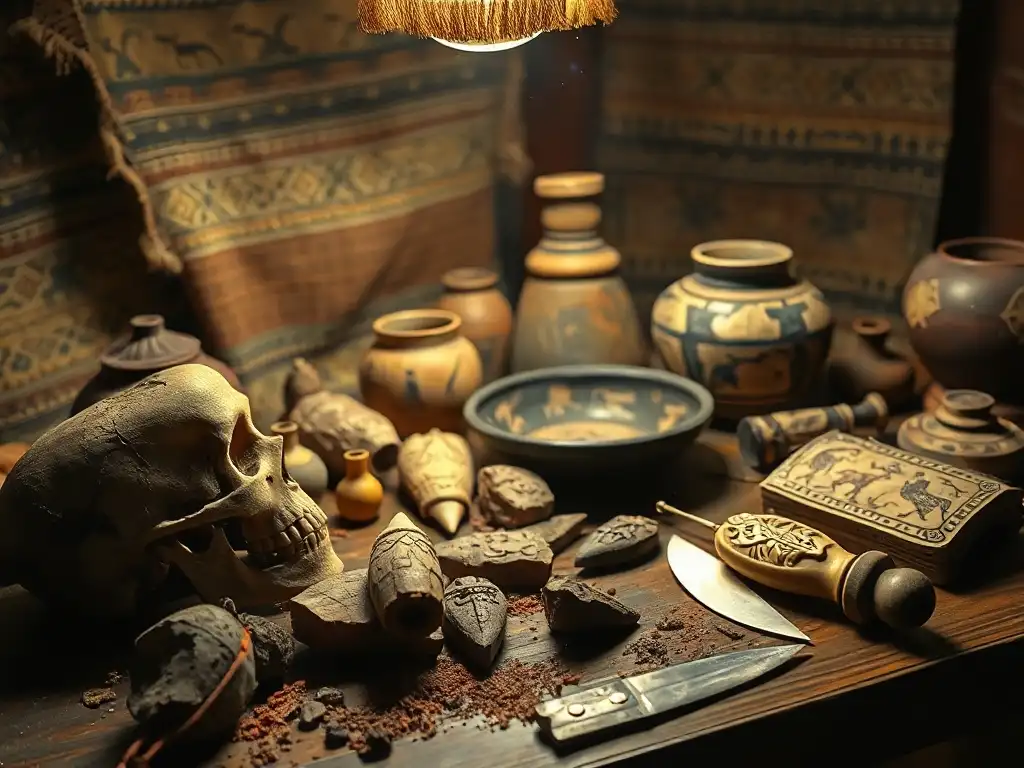
This section delves into the fascinating world of Andean burial sites and the invaluable insights they offer into the beliefs and practices of ancient Andean cultures. Analyzing the contents of these sites—the grave goods and their arrangement—provides a window into their complex cosmology, social structures, and daily life. Understanding the context of these discoveries is crucial to interpreting the significance of the artifacts themselves.
The careful excavation and meticulous documentation of these sites are paramount in reconstructing the rich tapestry of Andean history. The study of Andean burial site artifacts allows researchers to piece together fragments of a lost world, revealing intricate details about their beliefs regarding the afterlife and the relationship between the living and the dead.
The Significance of Andean Burial Rituals
Andean burial rituals were far from uniform, varying significantly across different cultures and time periods. However, several common threads emerge. The meticulous preparation of the deceased, often involving mummification or other preservation techniques, highlights the importance placed on the body's continued existence, even after death.
The inclusion of grave goods, ranging from simple pottery shards to elaborate gold ornaments, reflects the belief in an afterlife where material possessions retained their value. The positioning of the body, the orientation of the tomb, and the arrangement of the artifacts within the burial chamber all contribute to a complex narrative surrounding death and the transition to the spirit world.
For example, the Nazca culture, known for their intricate geoglyphs, practiced a variety of burial customs. Some individuals were interred in simple pits, while others received elaborate treatment, including the inclusion of textiles, ceramics, and even food offerings. The presence of these items suggests a belief in providing the deceased with necessities for their journey to the afterlife.
This contrasts with the Moche culture, who often buried their elite in elaborate tombs filled with rich grave goods, reflecting a hierarchical social structure and a belief in the continuation of power and status in the afterlife. The sheer variety in Andean burial practices underscores the cultural diversity of the region and the nuanced beliefs surrounding death. Further research into these unique burial rituals continues to uncover new details about the lives and beliefs of these ancient peoples.
Archaeological Insights from Andean Tombs
Archaeological excavations of Andean tombs have yielded a wealth of information regarding Andean beliefs and practices. The meticulous analysis of grave goods—ranging from simple tools and pottery to elaborate gold and silver artifacts—provides invaluable insights into the social, economic, and religious aspects of these societies. The presence of certain artifacts, such as intricately carved ceremonial objects or finely woven textiles, can indicate the social status of the deceased. Similarly, the types and quantities of food and drink offerings can reveal aspects of their dietary practices and beliefs about sustenance in the afterlife.
Consider the discovery of a well-preserved tomb containing numerous examples of Andean burial site artifacts, including finely crafted pottery depicting scenes of daily life, intricate textiles showcasing advanced weaving techniques, and adornments made from precious metals. This discovery would not only provide insights into the artistic skills and technological capabilities of the culture but also offer glimpses into their social hierarchy and religious beliefs.
The careful study of the arrangement of these artifacts within the tomb could reveal information about the deceased's role in society and their beliefs about the afterlife. The careful recording of the location and context of these findings within the larger archaeological landscape is crucial for interpreting these clues and building a more complete picture of Andean civilization.
Ongoing research continues to refine our understanding of these ancient societies by analyzing the context, composition, and cultural significance of these invaluable finds. Analyzing these Andean burial site artifacts helps us to better understand the complexities of Andean life and beliefs.
Andean Burial Customs and Their Symbolic Meanings
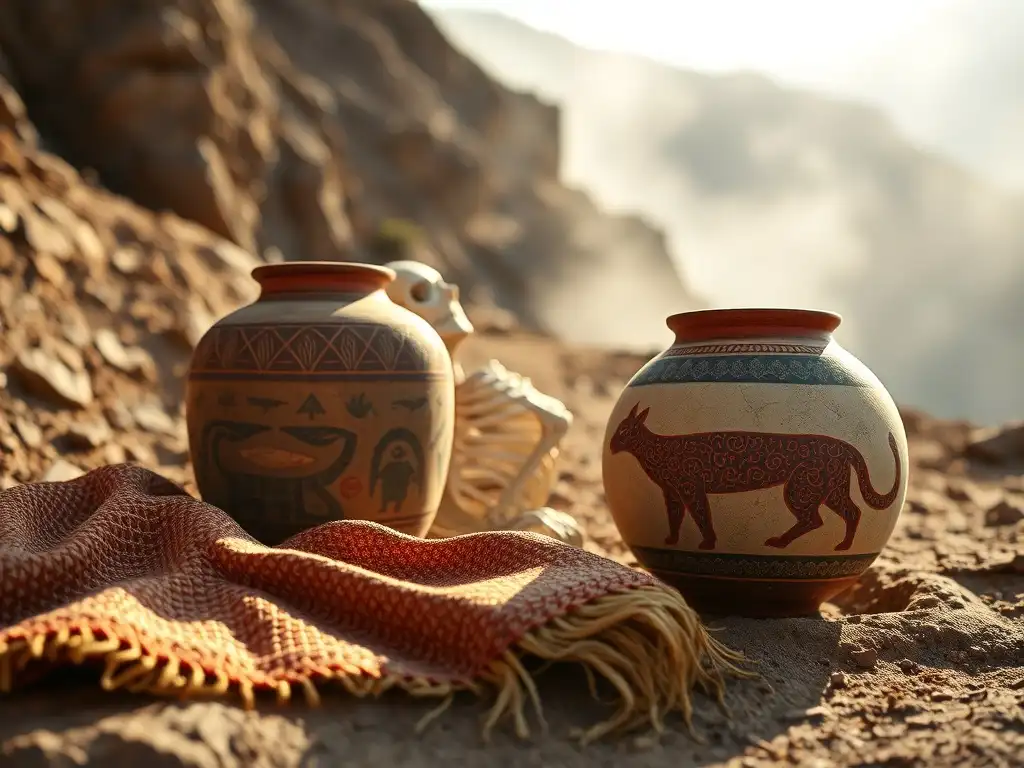
This section delves into the diverse burial practices and the symbolic meanings embedded within Andean funerary rituals. Understanding these customs provides crucial insights into the belief systems and social structures of these fascinating ancient societies. The careful analysis of Andean burial site artifacts reveals a complex tapestry of spiritual beliefs and societal hierarchies.
The meticulous placement of grave goods, the orientation of bodies, and the construction of tombs themselves all contribute to a richer understanding of Andean cosmology and worldview. Our understanding of these practices is constantly evolving as new archaeological discoveries are made and existing data is re-evaluated, shedding more light on the nuances of Andean funerary rites.
Diverse Burial Practices Across Andean Cultures
Andean burial practices weren't monolithic; they varied significantly across different cultures and time periods. For example, the Nazca culture, known for their intricate geoglyphs, often interred their dead in simple pit graves, sometimes accompanied by minimal offerings. In contrast, the Moche, renowned for their sophisticated metalwork and pottery, practiced elaborate burials, often placing individuals in elaborate tombs with rich grave goods reflecting their social status.
The Incas, known for their vast empire, utilized a range of burial methods, from simple cremations to elaborate mausoleums, with the complexity often reflecting the social standing of the deceased. Even within a single culture, variations existed depending on factors such as geographic location and temporal context. The diversity of these practices underscores the rich complexity of Andean societies and their evolving beliefs.
The type of tomb itself held symbolic meaning. Simple pit graves might suggest a relatively egalitarian society or a specific ritual practice for a particular group, while elaborate subterranean structures or elevated mausoleums clearly indicated social hierarchy and the importance placed on the deceased within their community. The orientation of the body, the presence or absence of shrouds, and the inclusion of specific grave goods all added layers of complexity to the funerary ritual, reflecting beliefs about the afterlife and the individual's journey beyond death.
The Role of Grave Goods in Andean Afterlife Beliefs
The inclusion of grave goods in Andean burial sites is a testament to the belief in an afterlife and the provision of necessities for the deceased's journey. These artifacts, ranging from simple pottery vessels to elaborate gold ornaments, weren't merely possessions; they were imbued with symbolic meaning, representing the deceased's social status, personal achievements, and spiritual beliefs. The quantity and quality of grave goods often correlated with the social standing of the individual. Elite burials frequently contained lavish treasures, including finely crafted textiles, precious metals, and intricately decorated ceramics, while those of commoners contained more modest offerings.
The types of grave goods also provide insights into Andean beliefs. For instance, the inclusion of food and drink offerings suggests a belief in the sustenance of the spirit in the afterlife. Tools and weapons could represent the deceased's occupation or social role, while religious artifacts suggest a connection to the spiritual world.
The presence of miniature figurines or models of houses might indicate a belief in the continuation of life in a similar form to the earthly existence. Analyzing the context in which these objects were placed—their arrangement, proximity to the body, and relationship to other artifacts—further enhances our understanding of their symbolic significance. The careful study of Andean burial site artifacts, therefore, allows us to reconstruct a detailed picture of Andean afterlife beliefs and their nuanced relationship with the material world.
Examining the Material Culture of Andean Funerary Contexts
The study of Andean burial site artifacts extends beyond individual objects to encompass the entire funerary context. This involves considering the location of the burial, the construction of the tomb, and the arrangement of grave goods within the burial chamber. The materials used in tomb construction, such as stone, adobe, or textiles, also hold symbolic significance, reflecting the resources available and the cultural values of the society. For instance, the use of specific types of stone could indicate a connection to sacred sites or the belief in the protective properties of certain minerals.
Furthermore, the arrangement of grave goods within the tomb is crucial. Were the objects placed systematically around the body, or were they scattered haphazardly? Did the arrangement reflect a specific ritual or cosmological belief? The analysis of spatial relationships between artifacts and the body itself can provide valuable insights into the funerary practices and beliefs of the culture.
The study of Andean burial site artifacts provides a window into the beliefs and practices of these ancient cultures, offering a rich and nuanced understanding of their worldview. Understanding these intricacies is crucial to a complete understanding of Andean civilizations and their enduring legacy. Further research, particularly detailed analysis of newly discovered sites and advanced dating techniques, will continue to refine our understanding of Andean burial customs and their significance.
Deciphering Andean Beliefs Through Burial Artifacts
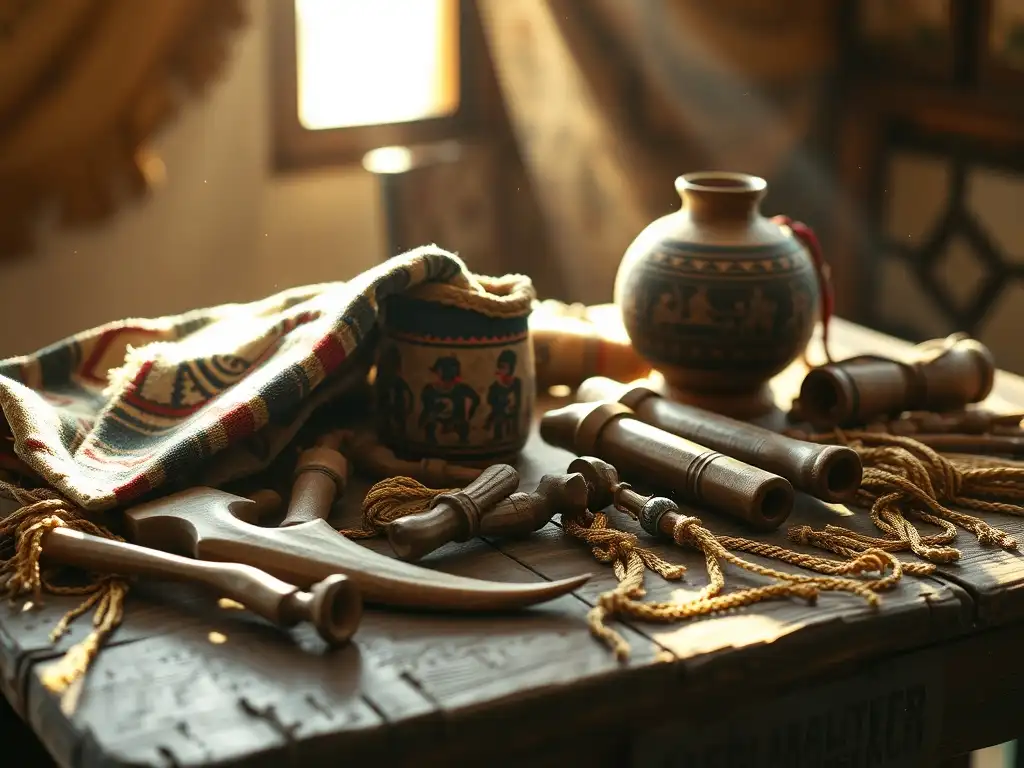
Andean burial sites are treasure troves of information, offering invaluable insights into the complex belief systems of the ancient Andean civilizations. The careful study of Andean burial site artifacts provides a unique window into their spiritual world, social structures, and technological advancements.
By examining the types of objects interred with the deceased, their arrangement, and the context of their discovery, archaeologists can reconstruct a more complete picture of Andean funerary practices and the beliefs that underpinned them. The sheer variety and sophistication of these artifacts highlight the rich cultural tapestry of these societies and their enduring legacy.
Understanding these artifacts requires a multidisciplinary approach, combining archaeological techniques with anthropological interpretations to avoid misinterpretations and appreciate the nuanced meanings embedded within these objects. This meticulous approach allows us to move beyond simple descriptions of the artifacts and delve into the profound spiritual and social significance they held for the ancient Andean peoples.
Analyzing Andean Burial Site Artifacts: A Window into the Past
The analysis of Andean burial site artifacts is a complex process requiring careful consideration of several factors. Archaeologists meticulously document the location, stratigraphy (the layering of earth and artifacts), and the spatial arrangement of each object within the burial context. This detailed recording is crucial because the position and association of objects can reveal important information about their symbolic meaning and the individual's status within society.
For instance, the presence of certain artifacts clustered together might suggest a specific ritual or belief related to the afterlife. Moreover, the condition of the artifacts—whether intact or damaged—can also provide valuable clues. Damage might indicate intentional acts of ritual destruction or simply the effects of time and environmental factors.
The careful study of these details allows researchers to move beyond simple inventorying and to begin interpreting the complex narratives encoded within these ancient grave goods. The scientific analysis of the materials used in the artifacts, such as metal composition or textile fibers, further enriches our understanding of technological capabilities and trade networks. This multifaceted approach ensures a comprehensive understanding of the significance of these Andean burial site artifacts.
Specific Examples of Grave Goods and Their Interpretations
The diversity of grave goods found in Andean burial sites is astonishing. From intricately woven textiles to finely crafted pottery and precious metal ornaments, these objects offer tangible evidence of the sophisticated skills and beliefs of these ancient societies. The consistent presence of certain types of artifacts across different sites and cultures suggests shared beliefs and practices, while variations in style and materials can reveal regional differences and social hierarchies.
The meticulous documentation and analysis of these objects are crucial for understanding the complex interplay of cultural, social, and religious factors that shaped Andean funerary practices. The sheer volume of data gathered from these sites underscores the importance of collaborative research and the ongoing need for careful excavation and preservation efforts. The insights gained from this research constantly challenge and refine our understanding of these fascinating civilizations.
Textiles and Their Significance in Andean Funerary Rites
Textiles represent a significant category of Andean burial site artifacts. The intricate weaving techniques, vibrant colors, and symbolic motifs found on these textiles reveal a deep understanding of textile arts and their symbolic importance. Many textiles display complex iconography, often depicting deities, mythical creatures, or scenes from Andean mythology. The quality and intricacy of the textiles often correlated with the social status of the deceased.
Elaborately woven garments and tapestries were typically found in the burials of elite individuals, while simpler textiles were associated with commoners. The presence of specific textile motifs in multiple burials suggests shared beliefs and possibly common ancestral lineages. For example, the recurring use of specific bird or feline imagery could indicate a belief in animalistic deities or shamanistic practices. Further research into the dyes and fibers used in these textiles might reveal information about trade routes and the economic significance of textile production.
Pottery as a Reflection of Andean Cosmology
Pottery constitutes another significant category of Andean burial site artifacts, reflecting the Andean worldview and cosmology. The shapes, designs, and iconography on the pottery vessels often depict scenes from Andean mythology, rituals, or everyday life. Some vessels were clearly made for ceremonial purposes, while others were intended for practical use. The presence of specific motifs, such as celestial bodies or stylized figures, suggests a deep connection between the earthly and spiritual realms.
The quality of the pottery, the materials used, and the intricacy of the decoration often correlated with the social status of the individual. For instance, highly decorated pottery vessels were often found in elite burials, indicating their importance in religious ceremonies or as markers of social status. Furthermore, the analysis of the contents of pottery vessels can reveal information about diet, rituals, and the use of certain substances, such as coca leaves or hallucinogens.
Precious Metals and Status in Andean Burials
The use of precious metals, such as gold, silver, and copper, in Andean burials highlights the importance of these materials in their culture. Elaborately crafted ornaments, jewelry, and tools made of these metals were often found in the tombs of elite individuals, emphasizing their social status and power. The techniques used to work these metals reveal a high level of technological skill and artistic sophistication.
The presence of specific metal alloys or decorative techniques can provide information about regional styles and trade networks. The symbolic meaning of certain metals also varied across different Andean cultures. For example, gold might have been associated with the sun or a particular deity, while silver might have held different symbolic significance.
The analysis of these Andean burial site artifacts provides crucial insights into the social hierarchy, religious beliefs, and technological advancements of these ancient Andean societies. The sheer quantity and quality of the precious metal artifacts found in certain burials underscore the wealth and power of the elite classes.
Exploring Regional Variations in Andean Burial Traditions
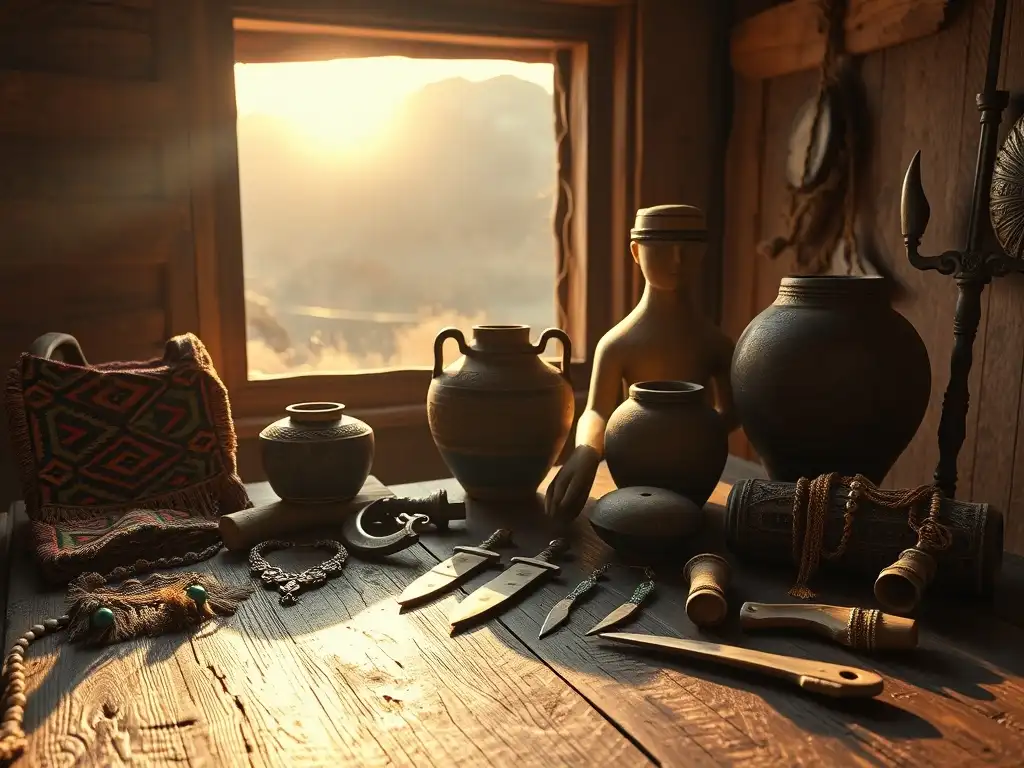
The diverse geography and cultural landscapes of the Andes Mountains profoundly impacted the burial practices of the various civilizations that thrived there. While a common thread of ancestor veneration unites many Andean cultures, the specific rituals, grave goods, and burial site construction varied significantly across regions and time periods. Examining these regional differences provides invaluable insights into the nuanced beliefs and social structures of each civilization. Understanding the specific contents of Andean burial site artifacts is crucial to unlocking these mysteries.
Comparing Moche, Nazca, and Inca Burial Practices
The Moche, Nazca, and Inca, while geographically proximate, developed distinct burial traditions reflecting their unique cultural identities and beliefs. Analyzing the differences in their burial practices reveals a fascinating tapestry of Andean mortuary customs. The careful study of Andean burial site artifacts from each culture allows for a deeper understanding of their worldview and social hierarchy.
Moche Royal Tombs and Their Lavish Offerings
Moche burials, particularly those of the elite, were characterized by elaborate tomb construction and an abundance of grave goods. Royal tombs, often located in pyramids or monumental structures, contained an astonishing array of artifacts reflecting the power and prestige of the deceased. These included intricately crafted gold and silver ornaments, finely woven textiles, elaborate pottery depicting scenes of daily life and mythology, and even human sacrifices.
The sheer quantity and quality of the grave goods highlight the Moche belief in an afterlife mirroring earthly status. The careful arrangement of these Andean burial site artifacts within the tombs suggests a highly ritualized burial process. For instance, the discovery of complete sets of ceremonial paraphernalia alongside the remains of high-ranking individuals indicates the importance of maintaining social order even in death.
Nazca Burials and Their Distinctive Ceramics
In contrast to the opulent Moche burials, Nazca burial practices were often simpler, though no less significant. While large-scale tombs existed, many Nazca individuals were interred in simpler graves, sometimes accompanied by only a few ceramic vessels. These ceramics, however, are remarkably distinctive, featuring intricate polychrome designs and often depicting supernatural beings and deities. The style and iconography of the pottery provide valuable clues about Nazca cosmology and religious beliefs.
The presence of specific types of ceramics in certain graves may also indicate social status or membership in particular clans. The analysis of Andean burial site artifacts, particularly the Nazca ceramics, helps us understand their unique artistic expressions and the beliefs they sought to convey. The detailed iconography offers a window into their worldview, revealing a complex system of religious beliefs and ritual practices.
Inca Burial Sites and the Concept of Ancestor Veneration
Inca burial practices revolved heavily around ancestor veneration. While the Inca elite were often interred in elaborate tombs, sometimes with significant grave goods, the focus was less on material wealth and more on maintaining a connection with the deceased. The Inca believed that ancestors played a crucial role in the well-being of the living, and their continued presence was essential.
Andean burial site artifacts found in Inca tombs often included everyday objects, suggesting a desire to provide the deceased with the essentials for their continued existence in the afterlife. The careful placement of these items within the tombs, along with evidence of mummification and offerings, reveals the deep respect and reverence the Inca held for their ancestors.
The scale of Inca imperial endeavors is reflected even in their mortuary practices, with elaborate sites built to house royal and elite mummies, showcasing a sophisticated understanding of engineering and architectural design. The study of Andean burial site artifacts from Inca sites provides compelling evidence of their ancestor veneration beliefs.
The Impact of Geography on Andean Mortuary Practices
The dramatic Andean geography – soaring mountains, arid coastal deserts, and lush valleys – profoundly shaped burial practices. High-altitude burials often involved simpler grave goods due to the challenges of transporting materials, whereas coastal sites frequently yielded artifacts reflecting the region's maritime resources. For example, the scarcity of certain materials in high-altitude regions is reflected in the simpler grave goods found in these locations, in contrast to the abundant and diverse offerings discovered in coastal or valley sites.
The variation in Andean burial site artifacts across different geographical zones underscores the adaptability and resourcefulness of Andean cultures in adapting their burial traditions to their environment. This interplay between environment and culture is a key theme in understanding the complexity of Andean mortuary practices.
Further research is needed to fully explore the nuanced relationships between specific geographical features and the types of Andean burial site artifacts discovered in those locations. [Specific information pending on detailed comparative analysis of artifact types across different altitudes and climates].
The Ongoing Research and Future of Andean Burial Site Studies
The study of Andean burial sites remains a vibrant and evolving field, constantly reshaped by new discoveries and technological advancements. Understanding these ancient burial practices offers invaluable insight into the complex belief systems, social structures, and daily lives of Andean civilizations. The sheer diversity of burial practices across different cultures and time periods within the Andes presents a fascinating puzzle for researchers.
From the elaborate tombs of the Moche elite, overflowing with exquisite gold and silver artifacts, to the simpler, yet equally significant, burials of commoners, each site holds clues to a richer understanding of Andean societies. The ongoing research focuses not only on unearthing new sites but also on re-examining previously excavated areas using updated methodologies and technologies.
This allows archaeologists to glean new information from existing data, adding layers of complexity to our understanding of Andean burial rituals and their evolution over time. The volume of data being generated necessitates a multidisciplinary approach, bringing together archaeologists, anthropologists, historians, and other specialists to analyze the wealth of information emerging from these explorations.
New Discoveries and Their Contribution to Our Understanding
Recent discoveries continue to challenge and refine our understanding of Andean burial practices. For example, the unearthing of a previously unknown Nazca cemetery revealed a surprising diversity in burial goods, suggesting a more nuanced social hierarchy than previously assumed. The artifacts found — intricately woven textiles, ceramic vessels depicting unique iconography, and even organic remains offering insights into diet and health — have significantly expanded our knowledge of Nazca society and its beliefs concerning the afterlife.
Similarly, discoveries in the highlands have shed light on the burial customs of pre-Inca cultures, revealing intricate relationships between material culture and spiritual beliefs. The careful analysis of these newly discovered Andean burial site artifacts, including their context within the burial site itself, is crucial for interpreting their significance and building a more complete picture of Andean history and culture.
Further research is needed to understand the spatial distribution of these sites, and their relationship to settlements and other important locations. This will help to answer questions regarding the social and political organization of these societies.
Technological Advances in Andean Archaeological Research
Technological advancements are revolutionizing the study of Andean burial sites. Non-invasive techniques like ground-penetrating radar (GPR) and LiDAR (Light Detection and Ranging) allow researchers to map burial sites without disturbing the delicate archaeological context. This minimizes damage to the site and allows for a more comprehensive understanding of the spatial layout and features of the burial grounds, including the identification of previously unknown tombs and structures.
Furthermore, advanced imaging techniques, such as X-ray fluorescence (XRF) spectroscopy and 3D scanning, provide detailed analyses of artifacts without the need for destructive sampling. This allows researchers to study the composition of materials, identify pigments and manufacturing processes, and create accurate digital models for analysis and preservation. The application of these technologies to already excavated sites allows for a re-evaluation of previous interpretations, often leading to new discoveries and insights.
This continuous refinement of our understanding underscores the dynamic and ever-evolving nature of Andean archaeological research. The development of new technologies promises even greater breakthroughs in the future, allowing researchers to explore Andean burial sites with unprecedented precision and detail.
Preserving and Interpreting Andean Burial Sites for Future Generations
The preservation of Andean burial sites is paramount to ensuring that future generations can benefit from the knowledge these sites hold. Ethical considerations are central to this process, prioritizing the respect of indigenous communities and their ancestral heritage. Many sites are vulnerable to looting and environmental degradation, necessitating proactive conservation efforts.
These efforts include implementing stricter regulations to prevent unauthorized excavation, promoting sustainable tourism practices, and investing in site stabilization and preservation techniques. Creating accurate records and digital archives of artifacts and sites is crucial for future research and education. This ensures the preservation of information even if the physical sites themselves are damaged or inaccessible.
The interpretation of Andean burial site artifacts must also be approached with sensitivity and awareness of the potential for misrepresentation. Collaboration with descendant communities and incorporation of their perspectives are essential for ensuring a respectful and accurate interpretation of these sites and their significance for Andean cultures. This collaborative approach will help to avoid perpetuating harmful stereotypes and ensure that these invaluable cultural resources are understood and appreciated within their proper historical and cultural context.
Frequently Asked Questions
What types of artifacts are commonly found in Andean burial sites?
Andean burial sites yield a diverse range of artifacts, including textiles, ceremonial objects, jewelry made of gold, silver, and precious stones, and pottery. The specific items vary depending on the culture and the status of the deceased.
How did the burial practices of different Andean cultures differ?
Burial practices varied significantly across different Andean cultures. While some, like the Incas, employed elaborate mausoleums, others practiced simple inhumations or mummification. The social standing of the deceased also influenced burial rituals.
What can Andean burial site artifacts tell us about their beliefs?
Artifacts found in Andean burial sites offer invaluable insights into their beliefs. The inclusion of specific items suggests beliefs about the afterlife, ancestor veneration, and the importance of social status. Grave goods often reflect the deceased's role in society.
Why were certain artifacts included in Andean burials?
Artifacts included in Andean burials served various purposes. Some were seen as essential for the afterlife, others represented the deceased's status or achievements, and still others held religious or symbolic significance. The specific meaning varied greatly depending on the context and culture.
Where are some of the most significant Andean burial sites located?
Significant Andean burial sites are scattered throughout the Andes Mountains. Some notable examples include sites associated with the Moche culture on the north coast of Peru and the Inca sites in the Cusco region. Many more sites are yet to be fully excavated and studied.
Final Reflection: Unearthing the Echoes of Andean Belief
The meticulous study of Andean burial sites offers not just a glimpse into the past, but a powerful lens through which to understand the enduring human need for meaning and connection beyond mortality. These carefully curated graves, filled with artifacts reflecting intricate social structures and spiritual beliefs, continue to resonate deeply with us today, challenging our assumptions about death and the afterlife.
The sheer artistry and complexity of the grave goods unearthed—from intricately woven textiles to dazzling gold ornaments—speak volumes about the sophistication of Andean cultures and their profound respect for the deceased. These weren't simply places of disposal; they were sacred spaces, meticulously prepared to ensure a successful transition into the next world. The dead are never truly gone, but live on in memory and in the objects that surround them.
This sentiment, though not explicitly Andean, echoes the profound significance placed on these burial sites and the objects within them. The enduring power of these artifacts to move and inspire us centuries later is a testament to the enduring human need to connect with our ancestors and grapple with the mysteries of existence.
Consider the implications of these findings. What does the careful placement of specific objects within a grave tell us about the individual's life, social standing, and beliefs? How can we use this knowledge to better understand our own relationship with death and legacy? You, the reader, are now part of this ongoing conversation. Take the time to reflect on the enduring power of these ancient practices, and consider how the stories unearthed from these Andean burial sites can enrich your understanding of human history and the enduring human spirit.
Unearth Your Curiosity: Explore Andean Beliefs Today!
Thank you for exploring the fascinating world of Andean burial sites with us! Uncovering the stories behind the grave goods and the beliefs of these ancient civilizations is a significant step towards understanding the rich history that shapes our world.
Now, let's build on that curiosity! Here are some excellent ways to continue your exploration:
- Deepen your knowledge: Select a specific Andean burial site that captures your imagination and research its historical context. A wealth of fascinating information awaits discovery!
- Join a community of like-minded individuals: Connect with fellow enthusiasts! Participate in online forums or social media groups dedicated to Andean civilizations to share your insights and learn from others.
- Share your discoveries: Tell your friends and family about what you've learned, or share this article on social media. Engage others in a conversation about Andean beliefs and history to help keep this fascinating subject alive.
What aspect of Andean beliefs most fascinates you, and how will you share your newfound knowledge?