
The Puzzle of Andean Art: New Discoveries Illuminate Iconography and Meaning

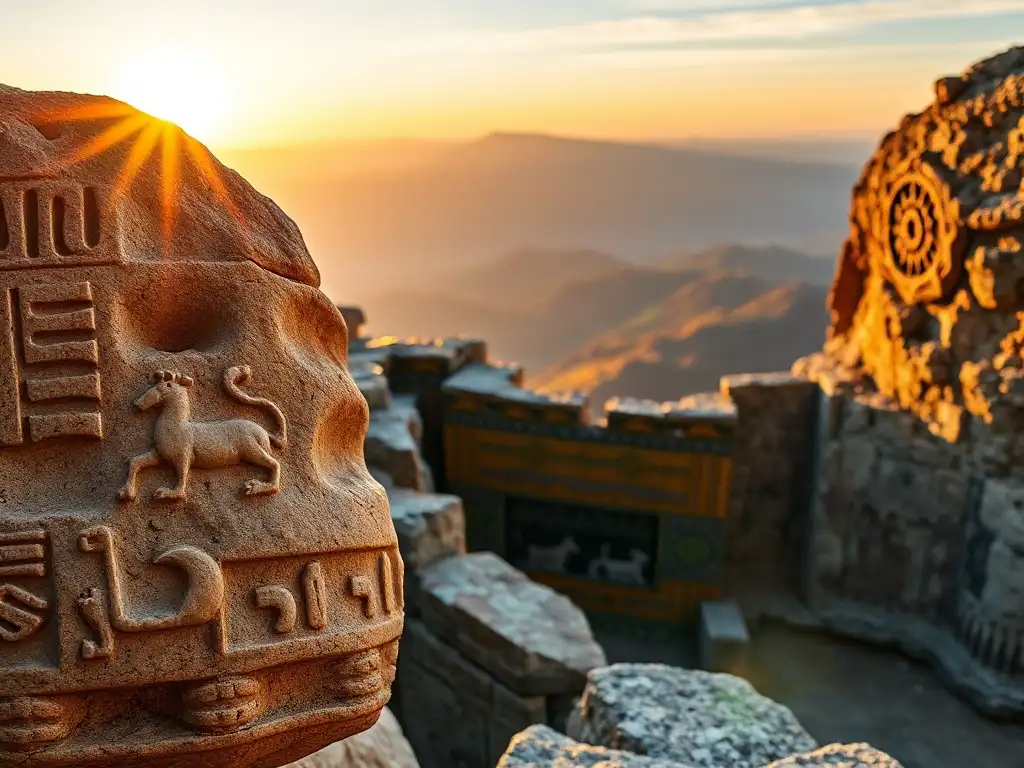
Unravel the mysteries of a lost world. For centuries, the breathtaking artistry of the Andean civilizations has captivated the world, leaving behind a legacy of enigmatic symbols and breathtaking craftsmanship. But what truly lies hidden within the intricate designs? Dive into the fascinating world of Andean art iconography meaning and discover the newly unearthed secrets that illuminate the beliefs and practices of the Incas, Moche, Nazca, and Tiahuanaco. Prepare to be amazed as we unlock the puzzle of their extraordinary legacy.
The Andes Mountains, a spine of towering peaks running down the western coast of South America, are home to a rich tapestry of ancient civilizations. For centuries, these cultures – including the Incas, Moche, Nazca, and Tiahuanaco – created a breathtaking array of artistic expressions, leaving behind a legacy of intricate textiles, stunning ceramics, and monumental architecture.
However, deciphering the meaning behind the vibrant iconography that adorns these artifacts remains a significant challenge for archaeologists and art historians. This article explores recent discoveries that are shedding new light on Andean art iconography meaning, offering tantalizing glimpses into the beliefs, rituals, and social structures of these fascinating societies.
We will delve into the enduring mysteries surrounding the symbolism embedded within Andean art, examining both established interpretations and emerging theories based on new archaeological evidence. Understanding Andean art iconography meaning is crucial to unlocking a deeper understanding of the complex societies that created it, enriching our appreciation of their remarkable cultural heritage.
Unveiling the Secrets of Andean Visual Culture
Andean art is renowned for its intricate detail and symbolic complexity. From the geometric patterns of Nazca textiles to the anthropomorphic figures depicted in Moche pottery, the visual language employed by these cultures is both captivating and enigmatic. Recent discoveries, particularly in the form of newly excavated sites and advanced analytical techniques, are helping researchers unravel the meaning behind these visual representations. For example, the application of spectroscopic analysis to ancient pigments has revealed previously unknown details about the materials used and their potential symbolic significance. The discovery of previously unknown burial sites containing elaborate grave goods has also provided valuable context for understanding the role of art in Andean funerary rituals. These discoveries are not only adding to our understanding of individual artistic styles but also revealing connections and influences between different Andean cultures, challenging earlier assumptions about cultural isolation. The study of Andean art iconography is a dynamic field, constantly evolving as new evidence emerges and analytical techniques improve.
The Enduring Mystery of Andean Iconography
Despite significant advancements, many aspects of Andean iconography remain shrouded in mystery. The interpretation of specific symbols and motifs often relies on contextual clues, comparative analysis with similar artifacts, and informed speculation. For example, the recurring motif of the feline in various Andean cultures continues to spark debate.
Is it a representation of a specific deity, a symbol of power, or a reflection of the Andean landscape? Similarly, the meaning of certain geometric designs, such as the intricate spirals and stepped patterns found on textiles and ceramics, remains partially unresolved. The lack of written records from many Andean cultures further complicates the task of interpretation, forcing researchers to rely on painstaking analysis of material culture and the careful reconstruction of social and religious practices.
However, ongoing research, utilizing a combination of traditional archaeological methods and cutting-edge technologies, offers hope that many of these enduring mysteries will eventually be solved, revealing a more complete picture of the rich and complex world of Andean visual culture. The quest to understand Andean art iconography meaning is an ongoing journey of discovery, constantly evolving as new evidence comes to light. 🧐
Recent Archaeological Breakthroughs in Andean Art
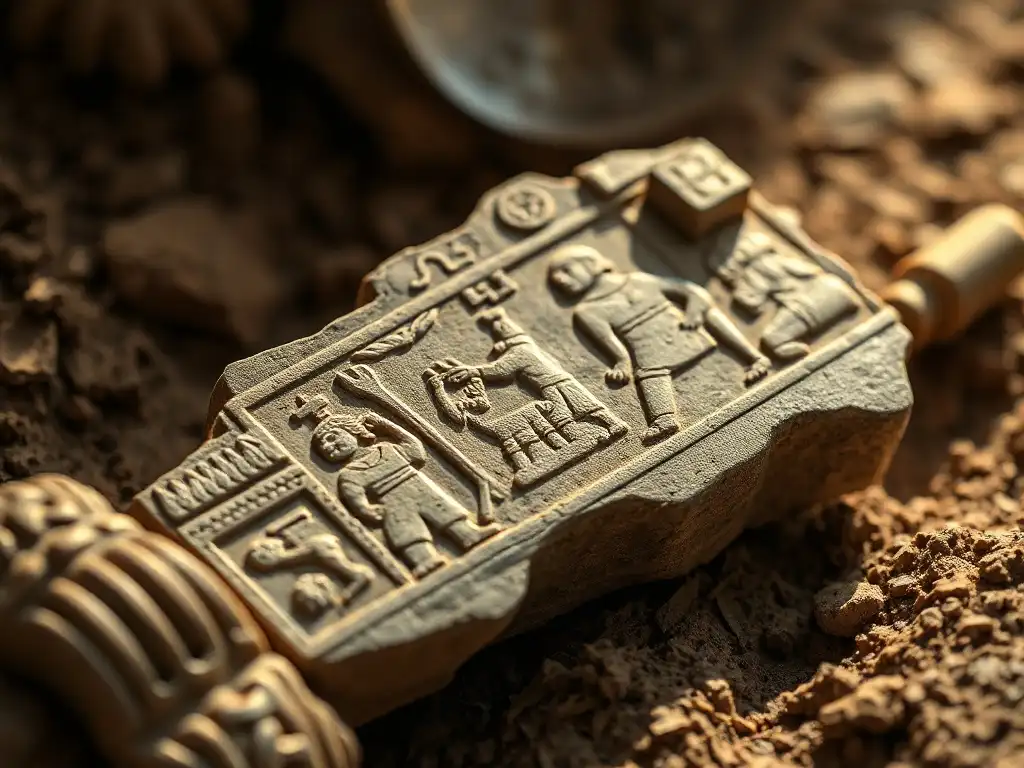
This section delves into recent archaeological discoveries that have significantly reshaped our understanding of Andean art iconography and meaning. We will explore specific sites and their contributions to deciphering the complex symbolism embedded within these captivating artifacts. The analysis will focus on newly discovered motifs, their potential interpretations, and the impact these findings have on the established chronology of Andean artistic styles. Understanding the context of these discoveries is crucial for appreciating the nuanced narratives conveyed through Andean art.
New Findings at Huaca de la Luna and their Impact on Understanding Moche Art
The Huaca de la Luna, a significant Moche archaeological site, has yielded a wealth of new information in recent years. Excavations have unearthed numerous artifacts, including intricately decorated ceramics, stunning gold ornaments, and remarkably preserved murals. These discoveries have provided invaluable insights into Moche religious beliefs, social structures, and artistic techniques. The newly discovered murals, in particular, depict scenes of ritual sacrifice, warfare, and daily life with unprecedented detail. These vivid depictions provide a more comprehensive understanding of Moche iconography, revealing previously unknown nuances in their symbolic language.
For instance, the recurring motif of a feline deity, previously interpreted as solely representative of power and authority, now appears, through newly discovered contextual evidence, to also symbolize fertility and abundance. This revised interpretation is supported by the discovery of associated artifacts depicting agricultural scenes and fertility symbols. The vibrant colors and dynamic compositions of the murals also challenge previous assumptions about Moche artistic capabilities, highlighting their mastery of perspective and narrative storytelling.
Furthermore, the discovery of previously unknown pigments used in the murals opens up new avenues for research into Moche material culture and technological advancements. Analysis of these pigments might reveal information about trade networks and resource management within Moche society.
Discoveries at Caral Reveal Previously Unknown Iconographic Motifs
The Caral-Supe site, one of the oldest known urban centers in the Americas, has recently yielded intriguing discoveries that are pushing back the timeline of complex Andean iconography. Excavations have unearthed artifacts featuring previously unknown motifs, challenging existing theories about the development of Andean artistic expression. These motifs, often etched into pottery fragments or carved into stone tools, appear to be abstract representations of celestial bodies, geometric patterns, and possibly stylized plant life.
The significance of these findings lies in their potential to illuminate the earliest stages of Andean artistic development. Unlike the more figurative styles of later Andean cultures, the Caral iconography is characterized by its abstract and symbolic nature. This suggests that the development of Andean art was a gradual process, evolving from abstract representations to more narrative and figurative styles over time.
Researchers are currently employing advanced imaging techniques, such as 3D scanning and spectral analysis, to further examine these artifacts and decipher their meaning. The analysis of these motifs, in conjunction with radiocarbon dating of associated organic materials, is expected to provide a more accurate understanding of the chronological development of Andean art. Preliminary findings suggest a complex system of symbolism far exceeding previous expectations for such an early civilization.
Radiocarbon Dating and its Role in Redefining Andean Art Chronology
The application of advanced radiocarbon dating techniques has revolutionized our understanding of the chronology of Andean art. Previously, the dating of artifacts relied heavily on stylistic comparisons and stratigraphic analysis, which often resulted in imprecise and sometimes conflicting timelines. However, the use of Accelerator Mass Spectrometry (AMS) radiocarbon dating has allowed researchers to obtain more precise dates for a wide range of artifacts, significantly refining our understanding of the evolution of Andean artistic styles.
This has led to a reassessment of the timelines for several major Andean cultures. For example, the application of AMS dating to organic materials found in association with certain ceramic styles has pushed back the estimated dates for the emergence of certain artistic traditions by several centuries. This has important implications for our understanding of cultural exchange and technological diffusion within the Andean region.
Furthermore, the precision of AMS dating has allowed researchers to identify periods of stylistic innovation and cultural interaction with greater accuracy. The results have challenged many previously held assumptions and have opened up new avenues of research into the complex interplay of Andean art, culture, and technology.
The continued application of these sophisticated dating techniques promises to further refine our understanding of the rich tapestry of Andean art history and its evolution over time. This ongoing refinement of dating methodologies provides a more robust and nuanced framework for interpreting the meaning and significance of Andean art iconography.
Decoding Andean Art: Iconographic Analysis and Interpretation
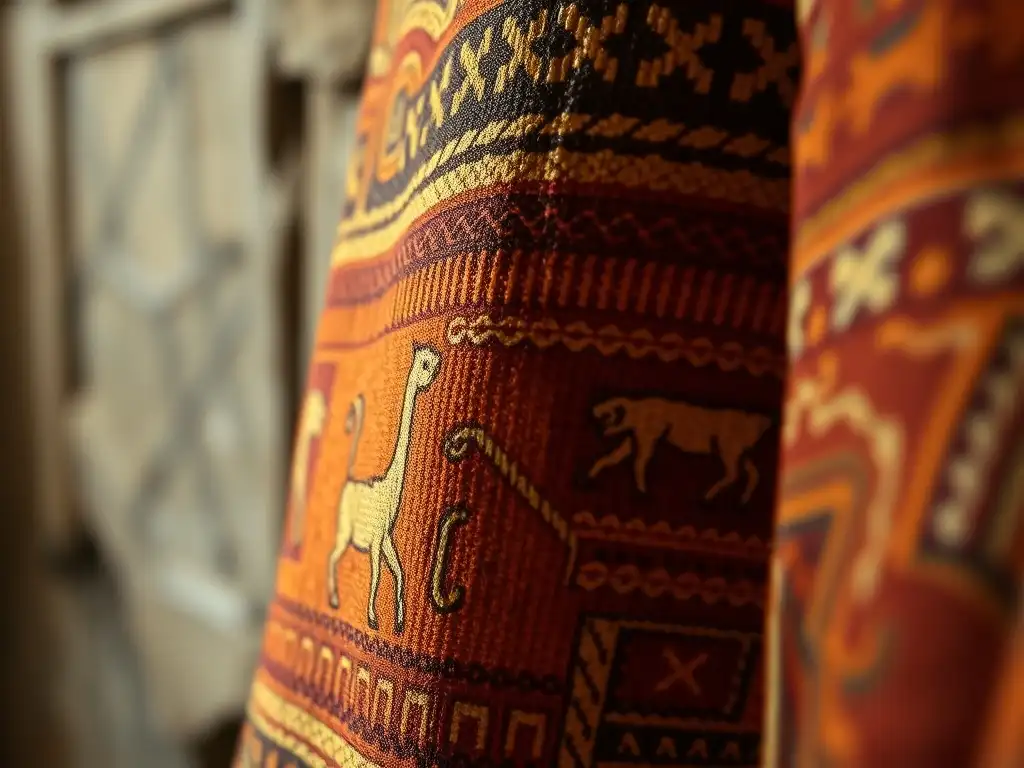
This section delves into the fascinating world of Andean art iconography, exploring the methods used to analyze and interpret the symbolic language embedded within these captivating artifacts. Understanding Andean art requires moving beyond mere aesthetic appreciation; it necessitates a deep dive into the cultural context, religious beliefs, and societal structures that shaped their artistic expressions. The vibrant colors, intricate designs, and recurring motifs are not random; they are carefully chosen elements communicating complex narratives and beliefs.
By examining the prevalent symbols and their contextual placement, researchers attempt to unravel the secrets hidden within these ancient works, shedding light on the worldview of the Andean civilizations. This process involves careful observation, comparative analysis across different cultures and time periods, and a nuanced understanding of the archaeological context in which the artifacts were found.
The challenge lies in bridging the gap between the physical object and the intangible meaning it conveyed to its creators and viewers. Successfully deciphering this ancient language provides invaluable insights into the complexities of Andean societies.
Exploring Recurring Symbols in Andean Art: The Feline and the Serpent
The feline and the serpent are two of the most prominent and recurring symbols found throughout Andean art, spanning various cultures and time periods. Their significance is multifaceted and deeply rooted in Andean cosmology. The feline, often depicted as a jaguar or puma, represents power, strength, and predatory prowess – qualities associated with both earthly and supernatural realms. It is frequently associated with rulers and elite figures, symbolizing their authority and connection to the divine.
In contrast, the serpent embodies duality – it is both a symbol of fertility and life-giving waters, and also a representation of danger, chaos, and the underworld. The intertwined representations of the feline and serpent often suggest a complex interplay between order and chaos, power and vulnerability, the earthly and the spiritual. The precise interpretation can vary depending on the specific context – the size, position, and accompanying symbols within a given artifact.
For example, a small serpent depicted on a textile might symbolize fertility, while a large serpent depicted on a monumental stone carving might represent a powerful deity of the underworld. Further research focusing on the specific stylistic variations of these depictions across different Andean cultures will help to clarify the nuances of their meanings. The intricate details in the artistry itself – the textures, the colors, the positions of the bodies – all contribute to a richer understanding of these symbolic representations.
The Significance of Animal Representations in Andean Iconography: The Condor and the Llama
Beyond the feline and the serpent, other animal representations hold significant weight in Andean iconography. The condor, a majestic bird of the Andes, symbolizes power, height, and a connection to the celestial realm. Its soaring flight and sharp vision were often associated with the sun god and other powerful deities. Depictions of condors frequently appear in royal contexts, further reinforcing their association with power and authority.
In contrast, the llama, a crucial domesticated animal for Andean societies, represents domesticity, fertility, and the earthly realm. Its importance in Andean life is reflected in its frequent depiction in textiles, ceramics, and other forms of art. The juxtaposition of the condor and the llama often symbolizes the relationship between the celestial and terrestrial realms, highlighting the interconnectedness of the divine and the mundane in Andean cosmology. The specific treatment of each animal – the level of detail, the accompanying symbols, and the overall context – provides invaluable clues to deciphering the intended meaning.
For instance, a stylized llama might represent fertility, while a highly realistic depiction could denote a specific event or ritual. Analyzing these subtleties reveals a deeper understanding of Andean worldview and social structures. Detailed studies comparing the variations in the artistic representation of these animals across different regions and time periods are crucial for a comprehensive understanding of their symbolic significance.
Understanding the Role of Supernatural Beings in Andean Visual Narratives
Andean art frequently portrays a diverse pantheon of supernatural beings, reflecting a complex religious system deeply intertwined with the natural world. These beings are not simply decorative elements; they are active participants in the narratives depicted in the art. Their portrayal often involves specific iconographic features – clothing, headdresses, and accompanying symbols – that help to identify their specific roles and functions within the Andean cosmology. For example, deities associated with the sun, moon, and stars are often depicted with specific attributes that reflect their celestial nature.
Similarly, deities associated with the earth, agriculture, and fertility are often depicted with symbols related to the natural world. Understanding the specific attributes associated with each deity requires careful examination of numerous artifacts and a comparative analysis of different artistic styles. The complexity of these visual narratives necessitates a multidisciplinary approach, combining art historical analysis with anthropological and archaeological insights to unravel the intricate tapestry of Andean beliefs and rituals.
Further research is needed to fully understand the relationships between these supernatural beings, and the ways in which their representations evolved over time. This would involve studying the evolution of iconography, the changing social contexts, and the shifting religious practices of Andean societies. A clear understanding of these narratives will enhance our appreciation of the sophistication and complexity of Andean religious thought.
The Meaning and Function of Andean Art in Ancient Societies
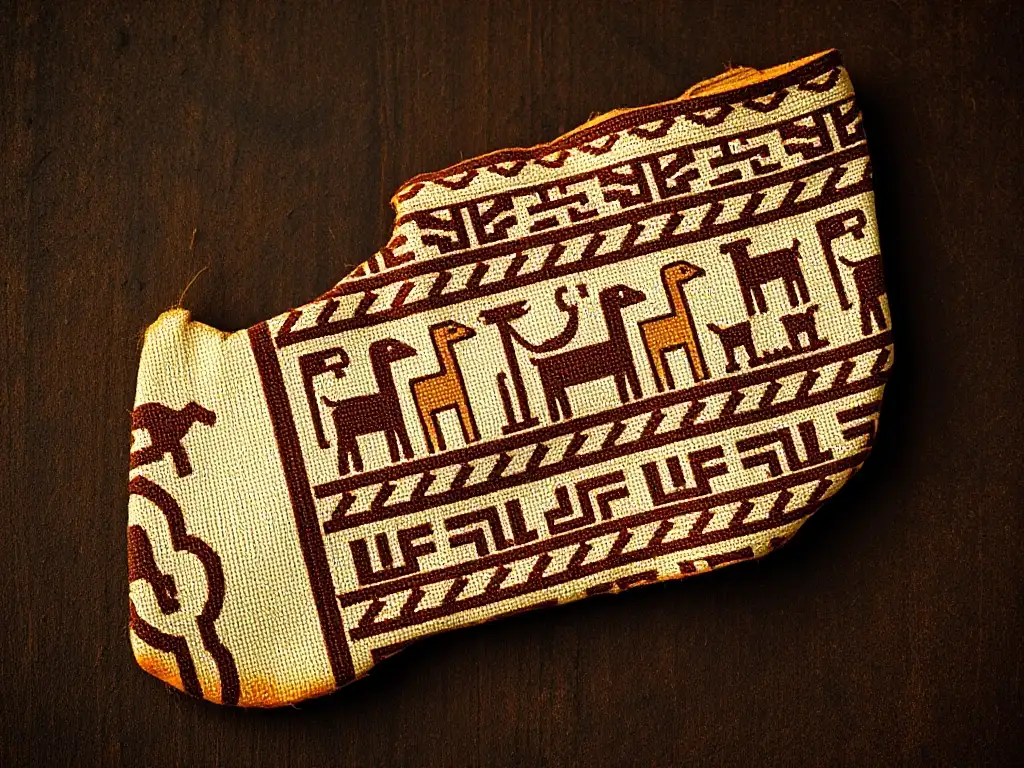
Andean art, far from being merely decorative, served crucial roles in the social, political, and religious lives of ancient Andean societies. Understanding its meaning requires moving beyond aesthetics and delving into the intricate web of beliefs and practices that shaped its creation and use. The vibrant colors, complex iconography, and diverse materials employed all held profound significance, reflecting a sophisticated worldview deeply connected to the natural world and the spiritual realm.
Recent archaeological discoveries continue to shed light on these multifaceted functions, challenging previous interpretations and enriching our understanding of Andean cultures. This section will explore the diverse meanings and functions of Andean art, focusing on its religious, social, and cosmological dimensions.
Andean Art as a Form of Religious Expression and Ritual Practice
Religious practices were central to the lives of Andean peoples, and art played an integral role in these rituals. Textiles, ceramics, and metalwork often depicted deities, mythical beings, and scenes from religious ceremonies. For example, the Moche culture's elaborate ceramic vessels frequently portray ritual sacrifices, shamanistic practices, and scenes from the mythological world.
These weren't simply artistic representations; they were active participants in religious rituals, used in offerings and ceremonies to connect with the supernatural. The intricate details and vibrant colors served to enhance the power and efficacy of these rituals. Analysis of chemical residues on some artifacts even reveals evidence of offerings of chicha (a fermented maize beverage) and coca leaves, further linking art to religious practices.
The use of specific colors, such as red (associated with blood and fertility) and gold (associated with the sun and power), further reinforces the religious significance of these objects. The meticulous craftsmanship involved also suggests a deep reverence for the divine and the sacred.
Andean art also served critical social and political functions. Elaborate textiles, for instance, were not just clothing but powerful symbols of status and social hierarchy. The complexity of the weaving techniques, the use of rare materials like vicuña wool, and the intricate designs all signaled the wearer's position within society.
Similarly, monumental architecture, such as the impressive stone structures at Machu Picchu, served as powerful statements of Inca imperial power and control. The precision of the stonework, the strategic location of the structures, and the grandeur of the designs all communicated the Inca's dominance and authority. Furthermore, the creation of art itself could be a highly regulated activity, controlled by the elite and used to reinforce social structures.
The specialized knowledge and skills required for certain artistic techniques may have been restricted to specific groups, granting them prestige and power within the society. Studies of ancient workshops and the distribution of artistic goods offer valuable insights into the social organization of artistic production.
How Andean Art Reflects the Cosmology and Worldview of Ancient Cultures
Andean art provides invaluable insights into the cosmology and worldview of ancient Andean cultures. The recurring motifs found across different cultures and time periods—such as the condor, the puma, and the serpent—suggest a shared understanding of the world and its forces. These animals often represented powerful deities or forces of nature, reflecting the Andean peoples' deep connection to the environment.
For instance, the representation of celestial bodies, such as the sun and moon, is frequently found in Andean art, indicating the importance of astronomical observations in their daily lives and religious practices. The depiction of mountains, rivers, and other landscape features also emphasizes the fundamental role of the natural world in their spiritual and material existence. The intricate iconography, often interpreted as narratives or symbolic representations, helps us understand their complex relationship with the cosmos and their place within it.
Further research into the symbolism and meaning of these motifs continues to reveal the richness and depth of the Andean worldview. The ongoing decipherment of Andean iconography promises to further illuminate these fascinating cultural beliefs. Analyzing the spatial arrangements of elements within artworks also helps to understand the hierarchical relationships between the different components of their worldview.
Andean Art Across Different Cultures: A Comparative Perspective
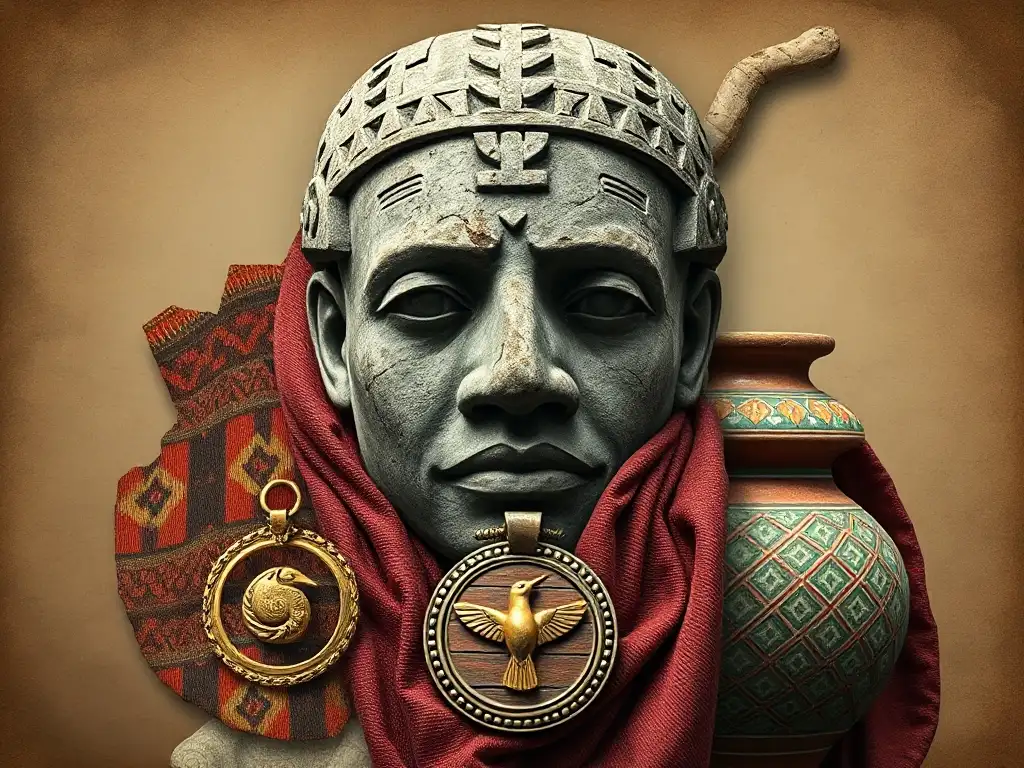
This section delves into the fascinating diversity and interconnectedness of Andean art across various cultures, focusing on iconographic similarities and differences. Understanding these nuances is crucial to deciphering the meaning and significance embedded within these ancient works. We will explore the unique artistic expressions of the Moche, Nazca, Tiahuanaco, and Inca civilizations, highlighting the evolution and continuity of artistic traditions across time and geography. The study of Andean art iconography meaning reveals a complex tapestry of beliefs, rituals, and social structures.
Comparing Moche Art with Nazca Art: Iconographic Similarities and Differences
The Moche (100-800 CE) and Nazca (100 BCE – 600 CE) cultures, while geographically proximate, developed distinct artistic styles. However, some intriguing similarities exist in their iconography, suggesting potential cultural exchange or shared symbolic systems.
Both cultures utilized ceramics extensively, although their styles differed dramatically. Moche pottery is renowned for its realistic depictions of humans, animals, and scenes of daily life, often portraying violent rituals or elaborate ceremonies. These narratives, rich in detail, offer invaluable insights into Moche society and beliefs.
For instance, the frequent portrayal of decapitations and sacrifices underscores the importance of these rituals in their worldview. Conversely, Nazca pottery is characterized by its intricate geometric patterns, stylized figures, and vibrant colors. While less overtly narrative than Moche art, the complex designs likely held symbolic meaning, reflecting a sophisticated understanding of mathematics and cosmology.
| Feature | Moche Art | Nazca Art |
|---|---|---|
| Style | Realistic, detailed, narrative | Geometric, stylized, abstract |
| Medium | Primarily ceramics, also metalwork | Primarily ceramics, textiles |
| Themes | Daily life, rituals, warfare, mythology | Geometric patterns, stylized creatures, possibly astronomical themes |
| Color Palette | Earthy tones, often vibrant reds and yellows | Highly vibrant, often including reds, blacks, and whites |
Despite their stylistic differences, both Moche and Nazca art share a focus on depicting the natural world, albeit with varying degrees of realism. Further research into the specific symbolic meaning of recurring motifs – such as certain animal representations or geometric patterns – is needed to fully understand the extent of shared iconography and its implications for understanding the relationship between these two cultures. The subtle yet significant differences in their artistic expressions may reflect unique social structures, religious beliefs, or environmental adaptations.
Analyzing Tiahuanaco Iconography and its Influence on Later Andean Art
Tiahuanaco (c. 300-1100 CE), located on the shores of Lake Titicaca, exerted considerable cultural and artistic influence throughout the Andes. Their iconography, characterized by distinctive stylistic features, is recognizable in later Andean art forms. The iconic "Gateway of the Sun," for example, showcases intricate carvings of stylized figures and symbols that continue to inspire debate among scholars regarding their meaning.
One key element of Tiahuanaco art is the prominent use of anthropomorphic figures, often depicted with elongated heads, wide eyes, and elaborate headdresses. These figures frequently hold staffs or scepters, suggesting roles of authority or religious importance. The repeated use of specific symbols, such as stepped pyramids or condor motifs, further points to a complex system of religious beliefs and social organization. The prevalence of these motifs in later Andean art forms, especially in the art of the Inca, strongly suggests cultural transmission and artistic continuity.
The influence of Tiahuanaco art extended far beyond its immediate geographical area, impacting artistic styles and iconography across vast regions of the Andes. The precise mechanisms of this transmission – whether through direct contact, migration, or the dissemination of ideas – remain subjects of ongoing research. However, the clear stylistic similarities between Tiahuanaco art and later Andean traditions provide compelling evidence of a lasting artistic legacy.
Inca Art and the Integration of Previous Artistic Traditions
Inca art (1438-1533 CE) represents a culmination of preceding Andean artistic traditions. Rather than establishing a completely novel style, the Inca integrated elements from earlier cultures, adapting and reinterpreting existing iconographic motifs to reflect their own imperial ideology. Their artistic production was largely functional, focusing on textiles, ceramics, and metalwork serving practical and ritualistic purposes.
The Inca skillfully synthesized stylistic elements from the Moche, Nazca, and Tiahuanaco cultures, creating a distinctly imperial artistic language. They adopted and modified existing motifs, adapting them to suit their own political and religious needs. For example, the use of stylized animal figures, inherited from earlier traditions, frequently appeared in Inca textiles and ceramics, but often with altered meanings reflecting the Inca worldview.
This integration of previous artistic traditions is a testament to the Inca's sophisticated understanding of Andean history and their ability to leverage existing cultural resources to consolidate their power. The study of Inca art iconography meaning reveals a complex interplay of cultural continuity and imperial innovation. Further research is needed to fully understand the subtle nuances of this integration and its significance in constructing Inca identity and imperial power.
The Future of Andean Art Research: Ongoing Projects and Challenges
The study of Andean art iconography meaning is a vibrant and ever-evolving field. New discoveries constantly challenge existing interpretations and push the boundaries of our understanding. Several ongoing projects highlight the dynamism of this research. One such project focuses on the application of advanced technologies to analyze artifacts, while another emphasizes the crucial role of community engagement in ethical and responsible research practices.
These initiatives underscore the multifaceted nature of Andean art research, demanding not only sophisticated analytical techniques but also a deep respect for the cultural heritage and the communities who are its custodians. The future of Andean art research depends on the successful integration of these diverse approaches. Without such a holistic approach, the full potential of understanding Andean art's complex iconography and meaning will remain unrealized.
Innovative Techniques for Analyzing Andean Art: 3D Modeling and Chemical Analysis
Recent advancements in technology have revolutionized the study of Andean art. 3D modeling, for instance, allows researchers to create incredibly detailed virtual replicas of artifacts, enabling meticulous examination without the risk of damaging the originals. This is particularly crucial for fragile ceramics and textiles.
By digitally reconstructing broken or incomplete pieces, researchers can gain a more complete understanding of the original artwork and its intended design. Furthermore, chemical analysis, such as pigment analysis using techniques like X-ray fluorescence (XRF) and gas chromatography-mass spectrometry (GC-MS), provides invaluable insights into the materials used by Andean artisans. This information sheds light on trade networks, artistic techniques, and the symbolic significance of certain colors and materials.
For example, recent analysis of pigments from Moche pottery revealed the use of rare minerals sourced from distant regions, highlighting the sophisticated trade routes and the immense value placed on certain artistic materials. The combination of 3D modeling and chemical analysis empowers researchers to delve deeper into the technical aspects of Andean art production, enriching our understanding of the artists' skills and the cultural context of their work. This interdisciplinary approach ensures a more comprehensive understanding of Andean art iconography meaning, moving beyond mere visual interpretation to encompass the material and technical aspects of its creation.
The Importance of Community Engagement in Archaeological Research
Ethical considerations are paramount in Andean art research. The importance of community engagement cannot be overstated. Indigenous communities possess invaluable traditional knowledge and perspectives on the meaning and significance of their ancestral art.
Collaborating with these communities ensures that research is conducted responsibly and respectfully, avoiding the pitfalls of cultural appropriation. By actively involving local communities in the research process – from excavation and documentation to interpretation and dissemination of findings – researchers can foster a sense of ownership and stewardship. This participatory approach not only enriches the research itself but also promotes the preservation of cultural heritage and empowers communities to protect their own history.
For example, collaborative projects involving Quechua communities in Peru have yielded significant insights into the meaning of specific motifs and symbols, demonstrating the crucial role of indigenous knowledge in deciphering Andean art iconography meaning. Ignoring this vital perspective risks misinterpreting or even misrepresenting the very essence of Andean artistic expression. True understanding requires a dialogue, not a monologue.
Protecting and Preserving Andean Art for Future Generations
The preservation of Andean art is crucial for safeguarding cultural heritage and ensuring that future generations can appreciate its beauty and significance. Many Andean artifacts are vulnerable to deterioration due to factors like environmental conditions and human interaction. Therefore, implementing effective preservation strategies is vital. This includes establishing climate-controlled storage facilities, utilizing conservation techniques, and educating the public about responsible handling and viewing practices.
Furthermore, combating the illegal trafficking of artifacts is paramount. Stronger international cooperation and stricter regulations are needed to prevent the loss of irreplaceable pieces. Digital preservation initiatives, such as high-resolution 3D scanning and online databases, offer a valuable safeguard against physical damage and loss.
These digital archives allow researchers and the public to access and study Andean art safely and remotely, ensuring its accessibility for generations to come. A concerted effort involving governments, museums, researchers, and local communities is needed to create a sustainable framework for the long-term protection and preservation of Andean art, ensuring that the rich tapestry of Andean art iconography meaning remains accessible and appreciated for centuries to come. 🌎
Frequently Asked Questions
What is Andean art iconography?
Andean art iconography refers to the visual symbols and motifs found in the art of the Andean civilizations. These images, often repeated, carry religious, social, and political meanings, providing insights into their beliefs and society. Understanding this iconography unlocks a deeper understanding of their culture.
How did Andean artists create their art?
Andean artists used a variety of techniques and materials, including pottery, textiles, metalwork, and stone carving. They employed sophisticated methods like lost-wax casting for metals and intricate weaving techniques for textiles, demonstrating advanced technological skills. Their artistic choices reflected both available resources and cultural beliefs.
What are some common symbols in Andean art?
Common symbols include the condor, representing power and the puma, symbolizing strength. Other frequent motifs are geometric patterns which often have religious significance, and depictions of mythological creatures and deities. The specific meaning often varied between cultures and even within a single culture over time.
How has the meaning of Andean art iconography been interpreted?
Scholars interpret Andean art iconography through analysis of style, context, and comparison with other sources. New discoveries constantly refine our understanding, challenging previous interpretations and offering new perspectives on the complex symbolism present in the art. Archaeological findings play a crucial role in contextualizing the art.
Where can I learn more about Andean art iconography meaning?
You can explore museums with Andean collections, academic journals, and books dedicated to Andean art and archaeology. Websites like the one you're currently viewing offer valuable information and resources. Further research will allow you to delve deeper into the fascinating world of Andean iconography.
Final Reflection: Unraveling the Threads of Andean Legacy
The vibrant tapestry of Andean art, once shrouded in mystery, is now revealing its intricate threads of meaning through groundbreaking discoveries. These new interpretations not only reshape our understanding of pre-Columbian civilizations but also offer profound insights into the enduring power of human expression and the cyclical nature of cultural renewal. The puzzle, though far from complete, is slowly yielding its secrets, enriching our appreciation for the ingenuity and spiritual depth of these ancient societies.
The impact of Andean art extends far beyond the museum walls; its influence resonates in contemporary Andean cultures, informing artistic practices, spiritual beliefs, and even political discourse. The enduring power of these ancient symbols speaks volumes about the enduring human need for connection to the past and the search for meaning in the present. The past is never dead. It's not even past.
- William Faulkner. This quote perfectly encapsulates the ongoing relevance of Andean art and its continued ability to inspire and challenge our perspectives. The vibrant colors, intricate designs, and symbolic narratives continue to speak to us across millennia, reminding us of the shared human experience and the enduring power of artistic expression.
Consider the intricate details, the bold colors, the symbolic narratives woven into each piece of Andean art. Let these discoveries inspire you to delve deeper into your own cultural heritage, to seek meaning in the symbols and stories that surround you. Embrace the power of art to connect us across time and space, and allow the legacy of Andean artistry to ignite your own creative spirit and deepen your understanding of the human experience. The puzzle of Andean art continues to unfold; your engagement with its mysteries is crucial to its ongoing revelation.
Unveil the Richness of Andean Art Today!
Thank you for exploring the captivating world of Andean art and its vibrant iconography! We hope you've gained a deeper appreciation for these incredible civilizations. Let's continue to explore and celebrate this rich cultural heritage.
- Begin your journey by visiting andeancivilizations.com and exploring our extensive collection of articles, galleries, and resources on Andean artistry.
- Share your discoveries with friends and on social media. Inspire others by highlighting your favorite aspects of Andean art!
- Join our community forum to discuss the latest findings and share your interpretations of Andean art.
What aspect of Andean art most intrigues you, and why do you find it relevant today?