
The Coastal Connection: Exploring Interactions Between Highland and Coastal Cultures

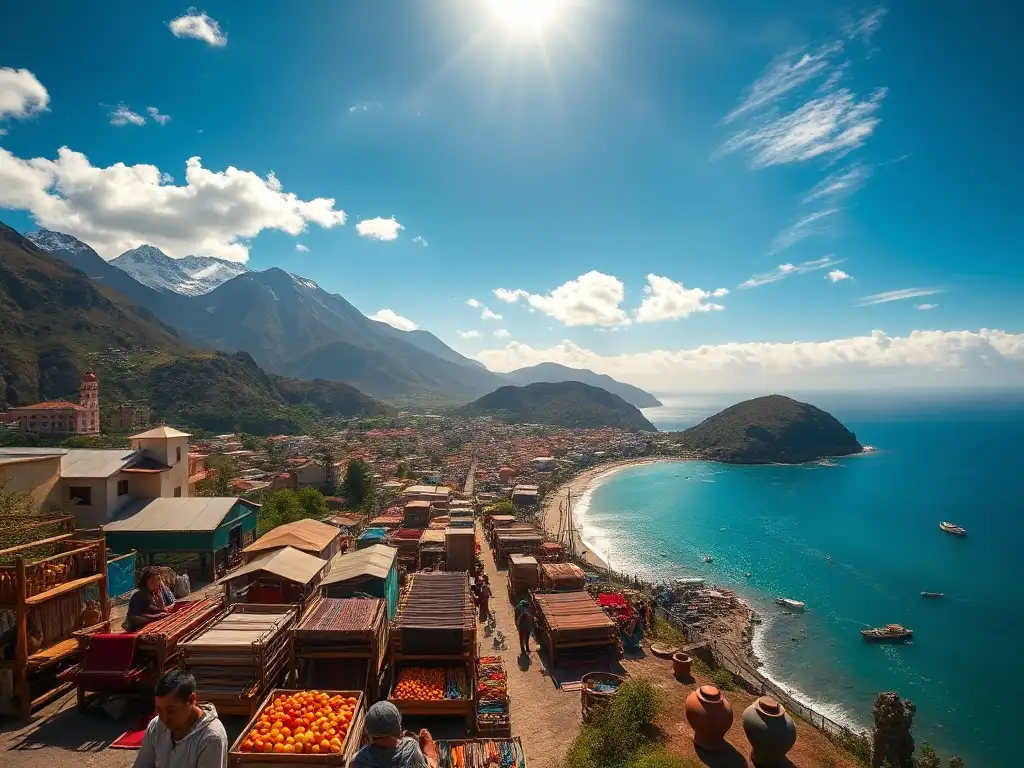
Unravel the mysteries of a lost world where mountains meet the sea. For centuries, the towering Andes and the vibrant Pacific coast were not isolated entities, but rather a dynamic tapestry of interaction. Dive into the fascinating world of Andean coastal cultures interaction, where the ingenuity of the Incas, Moche, Nazca, and Tiahuanaco intertwined, shaping a legacy that continues to captivate and inspire.
Prepare to be amazed as we explore the intricate connections that forged one of history's most remarkable civilizations. Discover how these diverse cultures shaped each other and left an indelible mark on the world. Continue reading to uncover the secrets held within this remarkable coastal connection.
- The Interplay Between Highland and Coastal Societies in the Andes
- Archaeological Evidence of Highland-Coastal Exchange
- The Impact of Interaction on Coastal Cultures
- The Influence of Coastal Cultures on Highland Societies
- Case Studies of Highland-Coastal Cultural Integration
- The Significance of Understanding Andean Coastal Cultures Interaction
-
Frequently Asked Questions
- What role did the coast play in the development of Andean civilizations?
- How did highland and coastal cultures interact economically?
- What evidence reveals the interaction between coastal and highland Andean cultures?
- Did the Inca Empire influence coastal Andean cultures significantly?
- How did geographic factors affect the interaction between highland and coastal Andean cultures?
- Final Reflection: Echoes Across the Andes: A Legacy of Coastal Connection
- Unveil the Cultural Tapestry: Take Action Today!
The Interplay Between Highland and Coastal Societies in the Andes
The Andes Mountains, a spine of towering peaks stretching along the western coast of South America, have long served as a dramatic backdrop to a complex tapestry of human interaction. This article delves into the fascinating interplay between the highland and coastal cultures of the Andes, exploring the intricate networks of exchange, conflict, and cultural fusion that shaped the region's history.
From the sophisticated irrigation systems of the coastal valleys to the monumental architecture of the highland cities, the Andean world showcases remarkable adaptability and innovation, driven in large part by the dynamic relationship between these distinct yet interconnected geographical zones. Understanding this interaction is crucial to comprehending the rise and fall of powerful Andean civilizations like the Inca, Moche, Nazca, and Tiahuanaco, and appreciating the enduring legacy of their achievements.
We will examine the geographical factors that facilitated or hindered interaction, define the key characteristics of highland and coastal cultural zones, and explore the evidence of exchange in various forms, including material goods, religious beliefs, and technological innovations. This exploration will shed light on the multifaceted nature of Andean coastal cultures interaction, a topic of ongoing archaeological research and debate.
Geographical Context of Andean Interactions
The Andes' geography played a pivotal role in shaping the interactions between highland and coastal communities. The towering mountains presented significant challenges to movement and communication, creating distinct ecological zones with unique resources and lifestyles. The steep slopes and deep canyons made overland travel difficult and time-consuming, while the Pacific Ocean offered a potentially easier, albeit risky, route for maritime exchange.
Coastal communities, often located in fertile river valleys, relied heavily on marine resources and agriculture, developing sophisticated irrigation systems to maximize their productivity. Highland societies, on the other hand, adapted to the harsher conditions of higher altitudes, focusing on agriculture at varying elevations and utilizing the abundant resources of the mountains, including minerals and timber. This geographical diversity fostered specialized economies, creating a strong incentive for interaction and exchange between the highland and coastal populations.
The availability of specific resources in one zone and their scarcity in another fueled trade networks, leading to complex economic relationships and cultural exchange. However, geographical barriers also created periods of isolation and independent development, resulting in distinct cultural trajectories that occasionally converged through conflict or cooperation.
Defining Highland and Coastal Cultural Zones
Defining distinct “Highland” and “Coastal” cultural zones is a simplification, as the reality was far more nuanced. However, broad generalizations can be made based on dominant characteristics. Coastal cultures, such as the Moche and Nazca, were known for their sophisticated irrigation systems, their mastery of ceramics and metallurgy, and their elaborate religious iconography often centered around marine deities and fertility. Their art, particularly their pottery, vividly depicts aspects of their daily lives, religious rituals, and warfare.
They developed complex social structures, with evidence suggesting the presence of powerful elites and specialized craft production. In contrast, highland cultures, such as the Tiahuanaco and later the Inca, were characterized by their monumental architecture, mastery of stonework, and their extensive road networks connecting different parts of their empires. Their religious beliefs often centered on Andean deities associated with mountains, weather, and agriculture.
They developed advanced agricultural techniques adapted to the high-altitude environment, including terracing and sophisticated water management systems. While these are broad generalizations, they highlight the distinct adaptations and achievements of these two major cultural zones, setting the stage for exploring the specific interactions between them. The extent of interaction varied over time and between different groups, but the exchange of goods, ideas, and technologies undoubtedly played a significant role in shaping the development of Andean civilizations.
Archaeological Evidence of Highland-Coastal Exchange
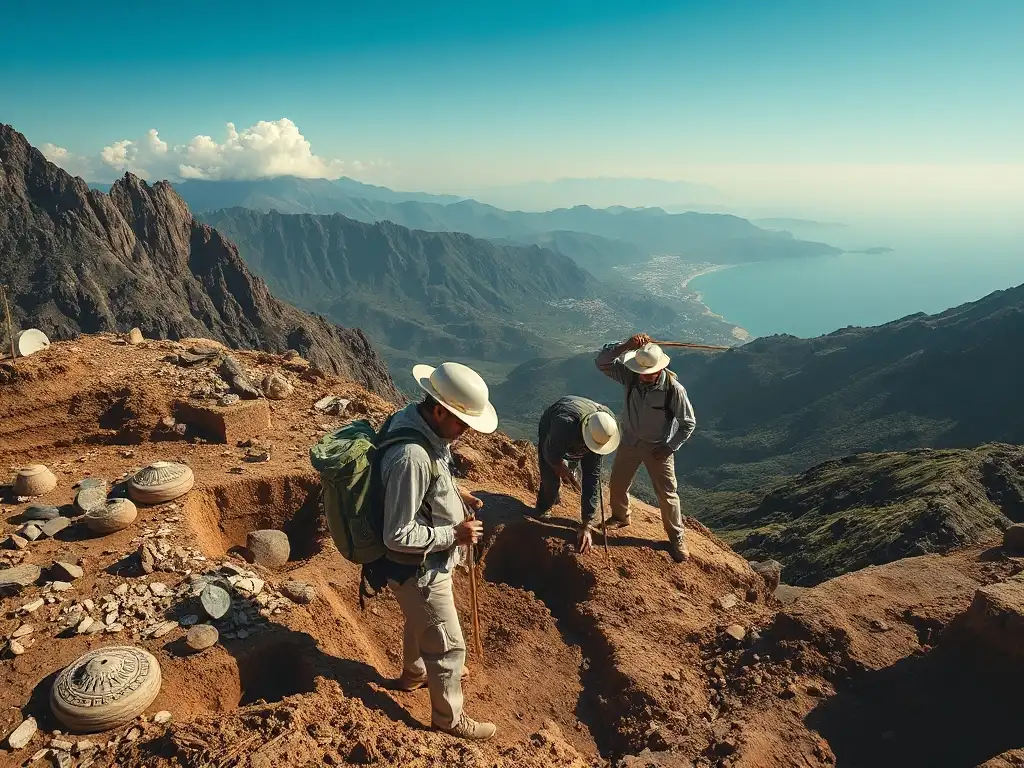
This section delves into the compelling archaeological evidence demonstrating the intricate interactions between the highland and coastal cultures of the Andes. The Andean coastal cultures interaction wasn't a simple, one-way street; rather, it was a complex web of exchange, influence, and adaptation. Analyzing material culture, trade routes, and significant sites like Huaca de la Luna reveals the sophisticated networks that connected these distinct regions. The vibrant exchange of goods and ideas fundamentally shaped the development of Andean civilizations. Understanding this interaction is key to appreciating the full complexity of Andean history.
Material Culture Exchange: Pottery, Textiles, and Metals
The most direct evidence of highland-coastal interaction comes from the exchange of material culture. Pottery styles, textile techniques, and metalworking technologies reveal a fascinating interplay of influences. For example, the distinctive Nazca polychrome pottery, renowned for its intricate designs and vibrant colors, has been found in highland sites, demonstrating its widespread circulation and prestige. Conversely, highland ceramic styles, often simpler in design, appear in coastal settlements, showcasing the reciprocal nature of this exchange.
Furthermore, the analysis of textile fragments unearthed at various sites reveals similar patterns. Highland camelid fibers, like alpaca and llama wool, were highly valued on the coast, while coastal cotton textiles found their way into highland contexts. This exchange wasn't merely about raw materials; it also involved the transfer of weaving techniques and styles, resulting in unique hybrid textile traditions that reflected the blending of cultures. The presence of coastal spondylus shell ornaments in highland burials further emphasizes the movement of luxury goods across the Andes.
Metalworking, particularly in gold and silver, provides another compelling example. While both coastal and highland cultures developed their own distinct metalworking traditions, the exchange of precious metals and alloys is evident in the stylistic similarities and the use of specific metallurgical techniques found across different regions. The presence of coastal gold objects in highland tombs, and vice versa, highlights the significance of these materials in interregional exchange networks. The exchange of these precious metals, often associated with elite status, reinforces the idea of strong political and economic ties between the highland and coastal regions.
Trade Routes and Networks in the Ancient Andes
The movement of goods across vast distances necessitates well-established trade routes and networks. Reconstructing these ancient pathways is challenging, but archaeological evidence, including the distribution of specific materials and the location of settlements, provides valuable insights. The presence of coastal resources, such as fish, shellfish, and salt, in highland settlements, and the discovery of highland agricultural products, such as potatoes and maize, in coastal sites, point towards established trade routes connecting these disparate environments.
Evidence suggests a multi-modal transportation system. Coastal routes, using boats and rafts, would have been crucial for transporting goods along the Pacific coast. Highland routes, likely involving pack animals such as llamas, would have facilitated the movement of goods across the challenging Andean terrain.
The strategic placement of settlements along these routes, often at key passes or near water sources, indicates a well-organized system for facilitating trade and facilitating the Andean coastal cultures interaction. The discovery of waystations and storage facilities further supports the existence of extensive and organized trade networks. Further research is needed to fully understand the logistics and organization of these ancient trade systems, including [specific information pending] about the use of specific technologies and infrastructure.
The Role of Huaca de la Luna in Interregional Trade
Huaca de la Luna, a significant archaeological site located on the north coast of Peru, serves as a compelling example of a center facilitating interregional trade and interaction. Its strategic location, its impressive architecture, and the artifacts unearthed there all point towards its role as a major hub in the Andean trade networks. The site's association with the Moche civilization highlights the importance of this culture in managing and profiting from the exchange of goods between the highlands and the coast.
The diverse range of artifacts discovered at Huaca de la Luna, including ceramics, textiles, and metalwork from both coastal and highland regions, confirms its role as a central point of exchange. The presence of exotic materials and luxury goods suggests that Huaca de la Luna served not only as a trading center but also as a center of power and prestige.
The elaborate murals and the sophisticated architecture of the site further reflect the wealth and power accumulated through trade and control over regional resources. Analyzing the stylistic features of the artifacts found at Huaca de la Luna, and comparing them to those found in other sites across the Andes, will help further illuminate the complex dynamics of the Andean coastal cultures interaction.
Further research into the site's administrative structures and its relationship with other Moche centers is crucial to fully understanding its role in the broader Andean exchange networks. 🧐
The Impact of Interaction on Coastal Cultures
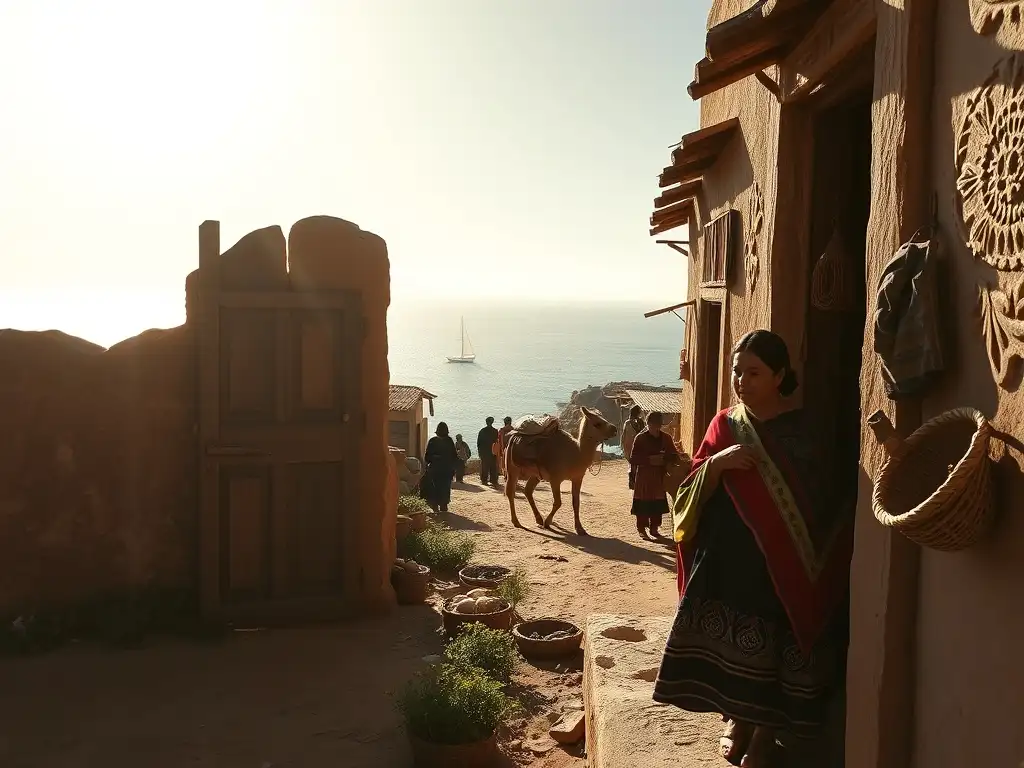
The vibrant tapestry of Andean civilization wasn't woven solely in the highlands. The coastal regions, with their unique environments and resources, played a crucial, often overlooked, role in the complex interplay of cultures. Understanding the Andean coastal cultures interaction requires examining the multifaceted ways highland and coastal societies influenced each other, leading to significant transformations in coastal lifestyles, beliefs, and social structures. This section delves into the specific impacts of this interaction on coastal communities, revealing a dynamic exchange that shaped the course of Andean history.
Influence of Highland Religious Beliefs in Coastal Societies
The spread of highland religious beliefs along the Andean coast wasn't a simple imposition; rather, it was a process of syncretism, where coastal traditions blended with those from the Andes. Evidence suggests that the worship of Andean deities, such as the sun god Inti and the creator god Viracocha, gradually integrated into pre-existing coastal belief systems. For example, coastal cultures, like the Moche, known for their elaborate iconography depicting powerful figures and mythical creatures, may have incorporated elements of highland cosmology into their artistic representations.
This is evidenced by the appearance of certain motifs and symbols previously associated primarily with highland cultures. Further research is needed to fully understand the extent of this fusion, specifically in analyzing the iconographic changes over time within coastal art. The adoption of highland religious practices, such as ritual sacrifices or specific ceremonial rites, also requires further investigation.
While some evidence exists, more detailed archaeological studies are needed to fully quantify and qualify the extent of this religious exchange. The extent to which these beliefs influenced social structures, political power, and daily life along the coast remains a subject of ongoing debate among Andean archaeologists.
Adaptation of Highland Agricultural Techniques on the Coast
The arid coastal regions presented unique challenges to agriculture. Highland agricultural innovations, however, offered solutions. The adoption of terraced farming, a technique perfected in the highlands to maximize land use on steep slopes, allowed coastal communities to cultivate more land.
Similarly, the introduction of irrigation systems, initially developed in the highlands to manage water resources efficiently, significantly increased agricultural productivity in the coastal valleys. While the coast had its own indigenous agricultural practices, the incorporation of highland techniques demonstrably enhanced food production and contributed to the growth and prosperity of coastal settlements. This can be seen in the increased density of coastal populations in areas where evidence of highland-style irrigation systems exists.
Quantifying this increase requires further analysis of settlement patterns and population density in different coastal regions. Furthermore, the introduction of new crops from the highlands, possibly through trade or migration, also enriched the coastal agricultural landscape. The specific timeline and the exact mechanisms of this technological transfer remain areas of ongoing research.
The interaction between highland and coastal cultures wasn't merely a matter of exchanging goods and ideas; it profoundly impacted social structures along the coast. The expansion of highland empires, such as the Inca, led to significant political and administrative changes in coastal societies. The establishment of administrative centers, the imposition of tribute systems, and the integration of coastal elites into the highland power structures dramatically reshaped coastal social hierarchies.
This integration wasn't always peaceful; evidence suggests resistance and conflict in some areas. However, the overall effect was a significant shift in power dynamics, with highland influences permeating coastal governance. Detailed analysis of coastal burial sites, for example, can reveal changes in social stratification and the emergence of new elite classes reflecting the influence of highland power structures.
The adoption of highland administrative practices, such as record-keeping systems, also contributed to the transformation of coastal social organization. More research into the specifics of these changes is needed to fully grasp the complex social dynamics that resulted from this interaction. Further study focusing on the long-term effects of highland influence on coastal social structures is crucial for a complete understanding of Andean coastal cultures interaction.
The Influence of Coastal Cultures on Highland Societies
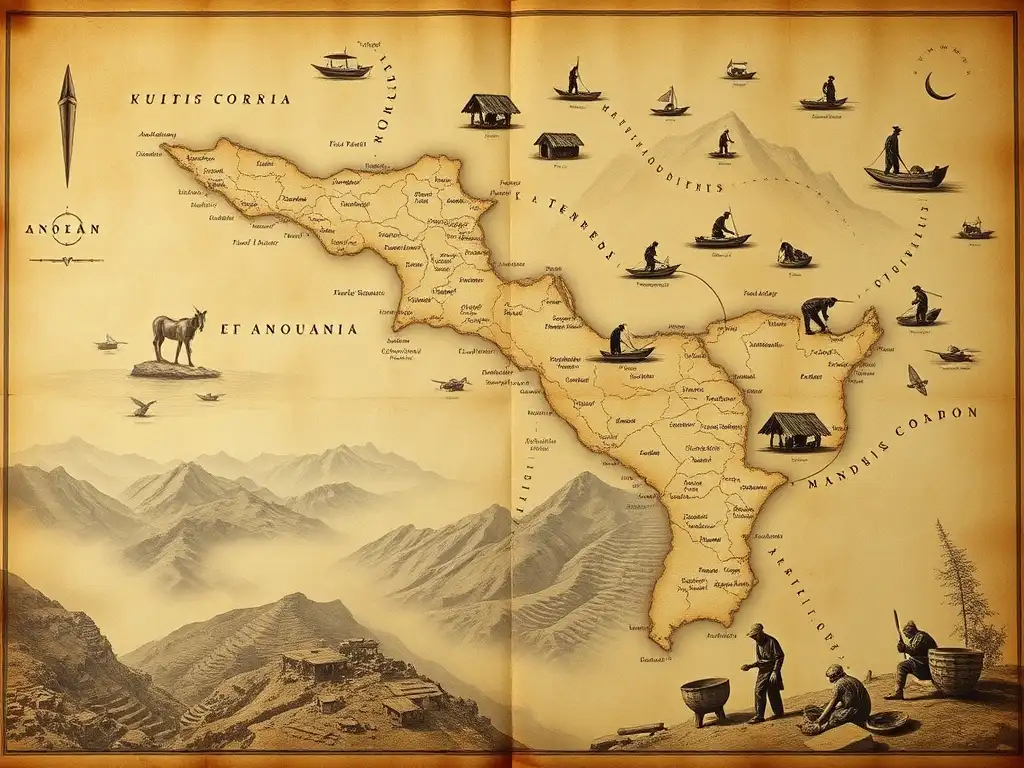
The Andean region, far from being a collection of isolated societies, witnessed vibrant interaction between highland and coastal cultures. This exchange wasn't merely a matter of trade; it profoundly impacted the development of both regions, shaping their artistic styles, economies, and belief systems. Understanding the nature and extent of this interaction is crucial to a complete understanding of Andean civilization's complexity.
Analyzing the flow of goods, ideas, and artistic motifs reveals a dynamic relationship where coastal societies, with their access to marine resources and unique artistic traditions, played a significant role in shaping the development of their highland counterparts. The "Andean coastal cultures interaction" wasn't a one-way street; it was a complex network of reciprocal influences, albeit with varying degrees of power dynamics throughout different periods.
Coastal Art Motifs in Highland Archaeological Sites
The presence of coastal art motifs in highland archaeological sites provides compelling evidence of cultural exchange. For example, the distinctive iconography of the Moche culture, characterized by its intricate depictions of deities, warriors, and everyday life, is found in several highland sites, albeit often adapted and integrated into the existing highland artistic traditions. This isn't simply a matter of imitation; the adaptation suggests a process of cultural negotiation and synthesis.
The Moche's vibrant ceramics, known for their realistic depictions and use of color, influenced the ceramic styles of highland cultures like the Wari, resulting in hybrid forms that blended coastal realism with highland stylistic elements. This fusion demonstrates the active integration of coastal artistic ideas into the highland visual landscape.
Further research into the specific distribution patterns of these motifs, along with stylistic analysis, would provide a more precise understanding of the routes and intensity of this cultural exchange. Detailed studies comparing the stylistic variations of coastal motifs found in highland sites with their coastal counterparts would further illuminate the nature of this interaction.
Exchange of Marine Resources and Coastal Products
The exchange of marine resources and coastal products was a vital component of the interaction between highland and coastal Andean cultures. Highland societies lacked access to the abundant marine life of the coast, making coastal resources highly valuable commodities. Fish, shellfish, and seabirds provided essential protein sources, while salt was crucial for food preservation.
The presence of shell middens and coastal fish remains in highland archaeological sites provides concrete evidence of this exchange. The scale of this exchange is still under investigation, but evidence suggests that it was significant enough to influence the dietary habits and economic strategies of highland communities. Moreover, the distribution of specific types of shellfish and fish across different highland sites might reveal important information about trade routes and network structures.
Further research is needed to quantify the volume of marine resources exchanged and the impact this had on the nutrition and economic development of highland societies. For instance, isotopic analysis of human remains in highland sites could help determine the proportion of marine protein in their diets.
The Role of Chavín de Huántar in Coastal Trade
Chavín de Huántar, a major ceremonial center located in the central Andes, played a crucial role in facilitating interaction between highland and coastal cultures. While its exact influence on trade networks remains a subject of ongoing debate among researchers, its strategic location and the widespread distribution of Chavín-style art suggest its importance as a hub for the exchange of goods and ideas. The presence of coastal artifacts, such as spondylus shells, at Chavín de Huántar, alongside highland products, supports this hypothesis.
The distinctive Chavín artistic style, characterized by its highly stylized depictions of feline and other zoomorphic figures, spread widely across both coastal and highland regions, suggesting a strong influence on religious beliefs and artistic practices. The extent to which Chavín actively controlled or mediated trade remains uncertain and requires further investigation. A thorough analysis of the distribution patterns of Chavín-style artifacts, combined with radiocarbon dating, could offer a clearer picture of the chronology and extent of Chavín's impact on the coastal-highland interaction.
Moreover, understanding the political and economic structures of Chavín is essential for a complete understanding of its role in facilitating this crucial exchange. The exact mechanisms of this exchange – whether through direct trade, tribute, or other forms of interaction – require further investigation.
Case Studies of Highland-Coastal Cultural Integration
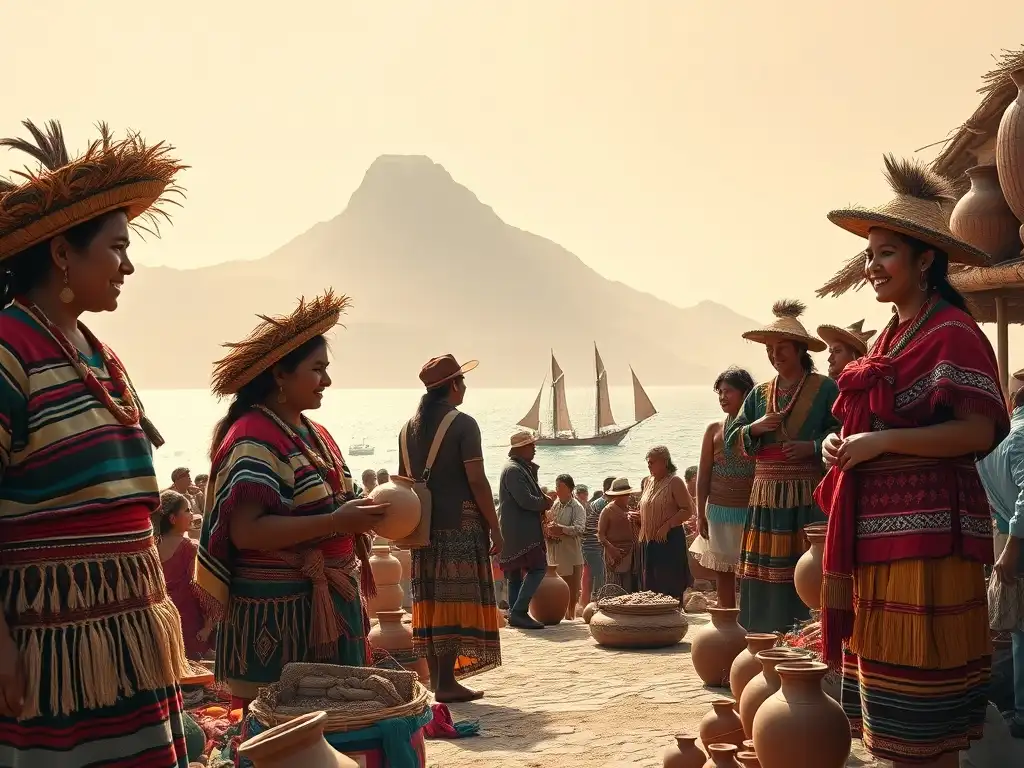
This section delves into specific examples of interaction between Andean highland and coastal cultures, demonstrating the complex interplay of exchange, influence, and sometimes, conflict. The evidence showcases not merely trade relationships, but a deeper integration of cultural practices, technologies, and belief systems. Examining these case studies reveals the dynamic nature of Andean societal development and the crucial role of coastal resources in shaping highland civilizations, and vice versa. Understanding this intricate network is key to grasping the full scope of Andean history and the meaning of "Andean coastal cultures interaction".
The Moche and Their Highland Connections
The Moche culture (c. 100-800 CE), renowned for its elaborate ceramics and sophisticated irrigation systems, maintained significant ties with the Andean highlands. Archaeological evidence suggests a robust exchange network, with obsidian from highland sources found in Moche coastal sites. This obsidian, a prized material used for tools and ceremonial objects, indicates a direct trade relationship, possibly facilitated by specialized intermediaries or even direct interactions between coastal and highland communities.
Furthermore, analysis of Moche iconography reveals potential depictions of highland landscapes and deities, suggesting a shared symbolic language or, at the very least, a familiarity with highland beliefs and practices. This cultural exchange wasn't unidirectional. The Moche's advanced agricultural techniques, particularly their mastery of irrigation, may have influenced highland farming practices, contributing to increased agricultural productivity in both regions.
The precise mechanisms of this cultural diffusion remain a subject of ongoing research, but the archaeological evidence strongly points towards a substantial degree of integration between Moche coastal society and its highland counterparts. Further research into metallurgical analysis of Moche artifacts could reveal the sourcing of metals, providing more precise information on the extent of highland-coastal exchange.
The Wari Empire: A Model of Integration
The Wari Empire (c. 600-1000 CE) presents a compelling example of large-scale integration between highland and coastal regions. Unlike the Moche's seemingly less centralized interaction, the Wari actively expanded their influence along the coast, establishing administrative centers and integrating coastal communities into their imperial structure. This resulted in a more formalized and systematic exchange of resources and ideas.
The Wari controlled vital coastal resources, including fish, salt, and cotton, which were essential to their economy. In return, the highlands provided agricultural products, metals, and other raw materials. This exchange was facilitated by a sophisticated road network, connecting highland administrative centers with coastal settlements.
The standardization of pottery styles and architectural designs across both highland and coastal regions further underscores the extent of Wari integration. This suggests a conscious policy of cultural homogenization, aimed at solidifying political control and forging a unified Andean identity. The Wari's success in integrating diverse coastal and highland populations offers a valuable case study for understanding the dynamics of imperial power and its impact on Andean coastal cultures interaction.
The Inca Expansion and Its Impact on Coastal Regions
The Inca Empire (c. 1438-1533 CE) represents the culmination of Andean imperial power, encompassing vast swathes of both highland and coastal territories. The Inca's highly centralized administrative system facilitated a systematic integration of coastal regions into their empire, resulting in significant changes in the political, economic, and social landscapes of the coastal communities.
The Inca implemented a system of mita, a form of labor tax, which compelled coastal communities to contribute to imperial projects, such as road construction and agricultural production. This system, while exploitative, also facilitated the integration of coastal populations into the Inca economy. Simultaneously, the Inca introduced their own administrative structures, religious practices, and architectural styles, leaving a lasting imprint on coastal societies.
However, it's crucial to note that this integration wasn't always seamless. Resistance to Inca rule was reported in several coastal areas, highlighting the complexities of imperial control and the resilience of pre-existing cultural identities.
The Inca's influence on coastal Andean cultures interaction is undeniable, but the nature of that influence – a blend of assimilation, resistance, and adaptation – remains a subject of ongoing scholarly debate. Further research, particularly focusing on local perspectives through careful analysis of archaeological remains and ethnohistorical accounts, is needed to fully understand the nuanced impacts of Inca rule on coastal communities.
The Significance of Understanding Andean Coastal Cultures Interaction
Understanding the intricate web of interactions between highland and coastal Andean cultures is crucial for a complete understanding of the region's rich and complex history. This interaction wasn't simply a matter of trade; it was a dynamic exchange of ideas, technologies, resources, and even religious beliefs that shaped the development of numerous Andean societies. Ignoring this interconnectedness risks a fragmented and ultimately inaccurate portrayal of Andean civilizations. The Andean coastal cultures interaction wasn't a one-way street; rather, it was a complex, multi-directional flow of goods and ideas that fostered innovation and adaptation across diverse environments. This exchange significantly impacted the political structures, social hierarchies, and artistic expressions of both highland and coastal communities. By analyzing the evidence of this interaction, we gain valuable insights into the resilience, adaptability, and ingenuity of Andean peoples. The sheer scale and complexity of this exchange highlight the sophisticated organizational capabilities of these ancient societies.
Insights into Andean Economic Systems
The interplay between highland and coastal Andean cultures offers profound insights into their economic systems. The Andes' diverse geography—from the fertile valleys of the coast to the high-altitude plains—created a system of complementary resource exchange. Coastal communities, with access to marine resources like fish, shellfish, and guano (bird excrement, a valuable fertilizer), traded these goods for highland products like maize, potatoes, and llama wool.
This reciprocal exchange formed the backbone of Andean economies, fostering specialization and interdependence. Archaeological evidence, including the discovery of coastal artifacts in highland sites and vice-versa, supports this model of interconnected economies. For example, the presence of large quantities of coastal fish remains in inland settlements suggests well-established trade routes and sophisticated transport systems.
Analysis of ceramic styles and metalwork further supports the idea of extensive economic interaction, showcasing the shared artistic influences and the movement of skilled artisans between highland and coastal regions. This economic interdependence fostered a degree of political stability, as communities relied on each other for essential resources.
The Importance of Interregional Relationships in Andean History
The Andean coastal cultures interaction is not just an economic phenomenon; it's deeply embedded in the political and social fabric of Andean history. The control and management of resources, particularly those from the coast, often played a significant role in the rise and fall of powerful Andean states. Access to coastal resources, including fish, salt, and guano, could translate into significant economic and political power.
Many highland states actively sought to control coastal territories to gain access to these vital resources, leading to periods of conflict and alliance-building. The Inca Empire, for example, strategically incorporated coastal regions into its vast territory, demonstrating the importance of these regions to the empire's economic and political stability. Furthermore, interregional interactions facilitated the dissemination of ideas, technologies, and religious beliefs.
The spread of agricultural techniques, religious iconography, and architectural styles across the Andes highlights the significant cultural exchange that accompanied economic and political interactions. The development of sophisticated irrigation systems, for instance, might have involved a sharing of knowledge and practices between highland and coastal communities.
Ongoing Research and Future Directions in Andean Archaeology
The study of Andean coastal cultures interaction remains a vibrant area of ongoing research. New archaeological discoveries constantly refine our understanding of these complex relationships. Advances in scientific techniques, such as isotopic analysis of human remains and ceramic materials, offer unprecedented opportunities to trace the movement of people and goods across the Andes.
For example, isotopic studies can reveal the dietary habits of individuals, indicating their origins and potential migratory patterns. Similarly, advanced imaging techniques can provide detailed analyses of artifacts, revealing subtle clues about their origins and production methods. Future research should focus on more detailed analysis of existing data, particularly on the role of smaller, less powerful communities in the broader network of interactions.
There’s a need for more interdisciplinary approaches, combining archaeological data with ethnohistorical sources and anthropological studies to develop a more nuanced understanding of the social, political, and cultural implications of these interactions. Understanding the long-term effects of climate change and environmental fluctuations on these interactions is another critical area for future research. By combining these different approaches, we can paint a richer and more comprehensive picture of the vibrant and dynamic history of the Andean civilizations, highlighting the crucial role of the Andean coastal cultures interaction.
Frequently Asked Questions
What role did the coast play in the development of Andean civilizations?
The coast provided essential resources like fish, shellfish, and guano (bird droppings used as fertilizer), significantly impacting the agricultural output and economic strength of Andean societies. Coastal trade routes also facilitated cultural exchange.
How did highland and coastal cultures interact economically?
Reciprocal exchange systems were crucial. Highland communities traded agricultural products (potatoes, maize) for marine resources from the coast, fostering interdependence and economic stability between distinct regions.
What evidence reveals the interaction between coastal and highland Andean cultures?
Archaeological findings, such as similar pottery styles and shared architectural techniques, across different geographical areas demonstrate extensive interaction. The presence of coastal goods in highland sites further supports this.
Did the Inca Empire influence coastal Andean cultures significantly?
Yes, the Inca expanded their empire to encompass the coast, integrating coastal communities into their vast administrative system. This resulted in the standardization of certain practices and the spread of Inca influence on coastal cultures.
How did geographic factors affect the interaction between highland and coastal Andean cultures?
Mountainous terrain presented challenges to communication and transportation, but the presence of valleys and rivers provided routes for interaction. The varied climates of the coast and highlands also spurred trade and exchange of resources.
Final Reflection: Echoes Across the Andes: A Legacy of Coastal Connection
The intricate tapestry woven between Andean highland and coastal cultures remains a vibrant thread in the fabric of modern Peru and beyond. Understanding this historical interplay is not merely an academic exercise; it's crucial for comprehending the complexities of contemporary social structures, economic disparities, and cultural preservation efforts in the region. The legacy of this exchange continues to shape identities, economies, and political landscapes, demanding our continued attention and careful study.
The enduring influence of coastal-highland interaction is profoundly evident in the rich diversity of Andean art, cuisine, and religious practices. The fusion of distinct traditions, often born from necessity and exchange, has created a unique cultural landscape unlike any other. The mountain and the sea, though seemingly disparate, have always been intertwined in the destiny of the Andean people.
This quote encapsulates the profound interconnectedness that shaped, and continues to shape, the region's identity. From the intricate textiles reflecting both highland alpaca wool and coastal dyes to the fusion of agricultural practices, the evidence of this historical exchange is undeniable and continues to inspire awe and wonder.
Consider, for a moment, the impact of this historical exchange on your own life. Perhaps you've tasted the flavors of the coast blended with the hearty staples of the highlands, or admired the artistry that reflects this unique cultural fusion.
I urge you to delve deeper into this fascinating history, to explore the museums, the archaeological sites, and the vibrant communities that continue to embody this rich legacy. By understanding the past, we can better appreciate the present and work towards a future where the unique contributions of both highland and coastal cultures are celebrated and preserved for generations to come.
Unveil the Cultural Tapestry: Take Action Today!
Thank you for joining us on this journey exploring the rich interplay between Highland and Coastal cultures. We hope you gained valuable insights into how these diverse communities have shaped each other's histories. Now, it's your turn to delve deeper and forge your own connections!
Here’s how you can engage further with this vibrant cultural tapestry:
- Share Your Thoughts: Share your favorite aspect of Highland or Coastal culture in the comments below! Let's spark a meaningful conversation about these fascinating interactions.
- Explore Further: Visit local museums or cultural centers that showcase Highland and Coastal heritage. Discover the artifacts and stories that illuminate their interwoven histories.
- Join the Community: Connect with online forums or social media groups dedicated to these cultures. Share your experiences and insights, and learn from others who share your passion!
What aspect of the Highland and Coastal connection resonates most with you, and how will you explore it further? Your insights could inspire others!