
The Challenge of Conservation: Protecting Andean Archaeological Sites for Future Generations

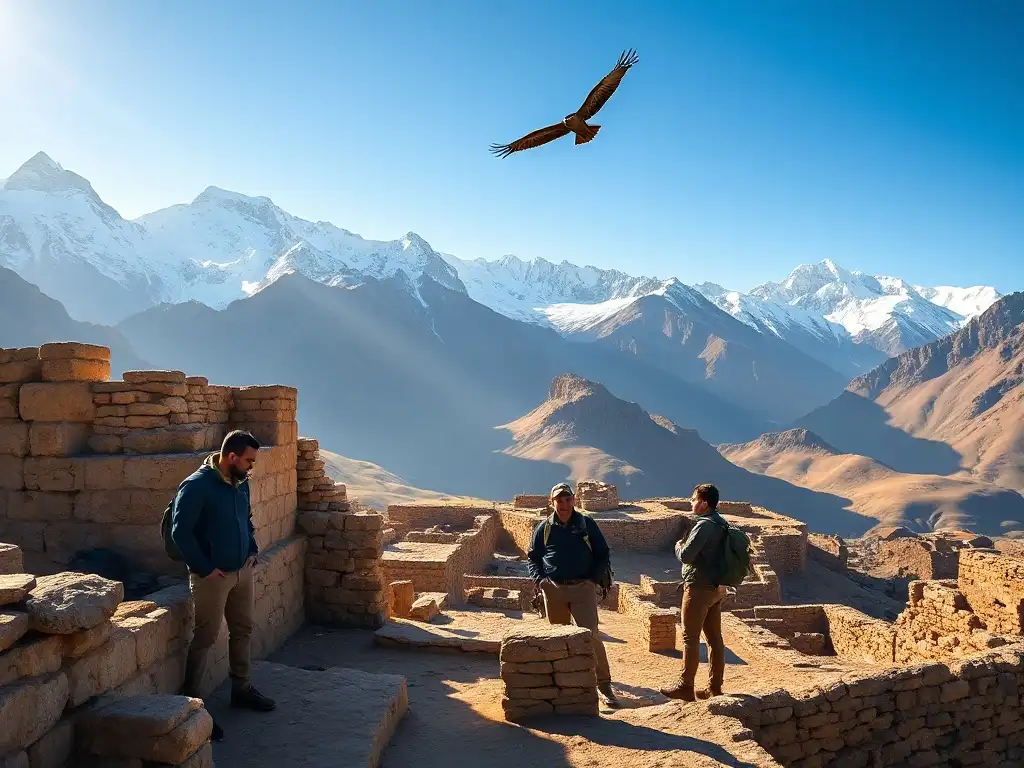
Step into a world lost to time, yet echoing with the whispers of empires past. Imagine the towering heights of Machu Picchu, the intricate artistry of Nazca lines, the enigmatic power of Tiahuanaco. This is the realm of the Andean civilizations – a tapestry woven with vibrant cultures and breathtaking ingenuity. But how do we safeguard this incredible legacy? Discover the critical challenges and innovative solutions facing Andean archaeological site conservation in our in-depth exploration of this vital topic. Unravel the mysteries and the urgency of preservation – your journey begins now.
The Andes Mountains, a spine of towering peaks running down the western coast of South America, are home to a rich tapestry of ancient civilizations. From the intricate textiles of the Nazca to the sophisticated urban planning of the Inca, the Andean region boasts a legacy of remarkable cultural achievements. However, this invaluable heritage faces an unprecedented challenge: the preservation of its archaeological sites.
This article delves into the critical issue of Andean archaeological site conservation, exploring the multifaceted threats these sites face and the crucial steps needed to safeguard them for future generations. We will examine the importance of preservation, the various threats – both natural and human-induced – and highlight the ongoing efforts to protect this irreplaceable part of our global heritage.
Understanding the complexities of Andean archaeological site conservation is paramount to ensuring that the stories these sites tell continue to resonate for centuries to come. This is a vital task, not just for Andean nations, but for the entire world, as these sites offer unparalleled insights into human history and ingenuity.
Understanding the Importance of Andean Archaeological Site Preservation
The Rich Heritage of Andean Civilizations
The Andean region is a treasure trove of archaeological wonders. For millennia, diverse cultures flourished in this challenging landscape, leaving behind a legacy of monumental architecture, intricate artwork, and sophisticated agricultural techniques. From the monumental structures of Tiahuanaco to the intricate geoglyphs of the Nazca, these sites offer unparalleled glimpses into the lives, beliefs, and advancements of these remarkable societies. These sites are not merely collections of stones and artifacts; they are living testaments to human resilience, innovation, and cultural expression.
Their preservation is crucial for understanding the complexities of Andean history and the development of human civilization itself. The insights gained from studying these sites are invaluable for understanding broader historical trends, technological advancements, and societal structures. The loss of even a single site represents an irreplaceable loss to humanity's collective knowledge.
Why Conserving Archaeological Sites Matters
Conserving Andean archaeological sites is vital for several compelling reasons. Firstly, it ensures the preservation of our shared human heritage. These sites are not just relics of the past; they are windows into the past, providing invaluable information about the lives, cultures, and achievements of ancient civilizations.
Secondly, preservation supports tourism and economic development in the Andean region. Well-preserved sites attract visitors from around the globe, generating revenue and creating employment opportunities for local communities. Thirdly, conservation plays a crucial role in fostering cultural pride and identity.
These sites are integral parts of the cultural heritage of Andean nations, and their preservation strengthens the sense of community and belonging. Finally, the scientific knowledge gained through the careful study and preservation of these sites contributes to our overall understanding of human history, adaptation, and societal evolution. The loss of these sites represents a loss of potential knowledge that could illuminate our understanding of the human experience.
Threats to Andean Archaeological Sites
Natural Deterioration of Ancient Structures
The harsh Andean environment poses significant challenges to the preservation of archaeological sites. Extreme weather conditions, including intense sun, freezing temperatures, and heavy rainfall, contribute to the deterioration of ancient structures. Erosion from wind and water steadily erodes the surfaces of buildings and artifacts, causing significant damage over time. Seismic activity, common in the Andes, presents another major threat, causing structural damage and even complete collapse of vulnerable sites.
Furthermore, the natural processes of weathering and biological growth (e.g., plant roots penetrating stonework) can gradually weaken and damage these fragile structures. Understanding and mitigating these natural threats requires ongoing monitoring and proactive conservation strategies. For example, specialized coatings can help protect against water damage, while structural reinforcement can enhance the resilience of vulnerable sites.
Human-Induced Threats to Andean Archaeological Sites
Human activity poses perhaps the greatest threat to Andean archaeological sites. Unsustainable tourism practices, such as inappropriate touching of artifacts or the creation of unauthorized trails, can cause significant damage. Looting and illegal excavation are serious problems, resulting in the loss of irreplaceable artifacts and the destruction of archaeological contexts. Furthermore, the expansion of agriculture, urbanization, and infrastructure development often encroaches upon archaeological sites, leading to their destruction or degradation.
Finally, climate change exacerbates existing threats, increasing the frequency and intensity of extreme weather events and accelerating erosion. Addressing these human-induced threats requires a multi-pronged approach, including stricter regulations, community engagement, sustainable tourism initiatives, and effective law enforcement. Public awareness campaigns are also crucial in changing attitudes and behaviors towards these invaluable sites.
Strategies for Andean Archaeological Site Conservation
Effective Andean archaeological site conservation requires a multifaceted approach, combining preventative measures with active interventions and robust community engagement. The delicate balance between preserving the integrity of these ancient sites and making them accessible for research and tourism necessitates a nuanced and adaptive strategy. Successful conservation initiatives must consider the unique environmental challenges faced by each site, ranging from seismic activity and extreme weather patterns to the pervasive threat of looting and illegal excavations.
A comprehensive strategy prioritizes long-term preservation over immediate gains, understanding that the true value of these sites lies in their enduring legacy for future generations. This necessitates a commitment to sustainable practices and a holistic understanding of the interconnectedness of the archaeological record with its surrounding environment and the communities who live nearby. Failure to account for any of these factors risks irreparable damage and the loss of invaluable historical and cultural information.
Preventive Conservation Measures for Archaeological Sites
Preventive conservation focuses on minimizing deterioration before it occurs. This involves implementing measures to protect sites from environmental damage and human interference. For example, the construction of protective shelters and barriers can shield sites from the elements, such as harsh sunlight, rain, and wind erosion. Careful site management practices, including controlled access and visitor restrictions in sensitive areas, are vital.
Regular monitoring, using techniques like ground-penetrating radar to detect subsurface changes and drone imagery for surface assessment, is crucial for early detection of potential problems. Furthermore, the implementation of effective security measures, including surveillance systems and trained personnel, helps deter looting and vandalism. The Nazca Lines, for instance, benefit greatly from controlled access and ongoing monitoring to prevent erosion and damage from unauthorized activities. These preventive measures are cost-effective in the long run, preventing the need for more extensive and expensive restoration work later.
Active Restoration and Intervention Techniques
Active restoration involves direct intervention to repair or stabilize damaged areas of a site. This might include consolidating crumbling walls using appropriate materials, carefully removing vegetation that is causing damage, or stabilizing loose stones and artifacts. The techniques used must be minimally invasive and reversible, ensuring that future generations have the option to re-evaluate and potentially adjust conservation strategies as our understanding of preservation techniques evolves. For instance, the use of bio-compatible consolidants for masonry is increasingly favored over traditional methods that may harm the original material.
Active restoration often requires specialized knowledge and expertise, and projects should be carefully planned and executed by experienced archaeologists and conservators. Detailed documentation of all interventions is essential for maintaining a clear record of the site's history and the conservation work undertaken. Improper techniques can cause more damage than they repair, highlighting the need for rigorous scientific approaches.
Community Involvement in Andean Site Conservation
Engaging local communities is paramount for the long-term success of Andean archaeological site conservation. Their intimate knowledge of the sites, their history, and the surrounding environment is invaluable. Furthermore, their active participation fosters a sense of ownership and responsibility, creating a powerful deterrent against looting and vandalism. Successful conservation efforts recognize the importance of working with communities, not just for them.
This collaborative approach ensures that conservation strategies are culturally sensitive and sustainable. Ignoring the needs and perspectives of local communities can lead to resentment and conflict, undermining conservation efforts. Involving them in decision-making processes builds trust and ensures that conservation initiatives respect local traditions and values.
The Role of Local Communities in Site Protection
Local communities can play a crucial role in protecting Andean archaeological sites through active monitoring and reporting of any suspicious activity. They can also assist in the implementation of preventive measures, such as controlling visitor access and maintaining site boundaries. Training local people as site guardians or guides not only provides employment opportunities but also strengthens their connection to their cultural heritage.
This fosters a sense of pride and responsibility towards the preservation of the sites, encouraging them to actively protect these valuable assets. By empowering local communities, we create a sustainable model for conservation that relies on the active participation of those who live closest to the sites.
Educating and Empowering Local Populations
Education is a key component of community involvement. By educating local populations about the importance of the sites, their history, and the threats they face, we can foster a sense of appreciation and responsibility. This can involve educational programs in schools, community workshops, and the creation of informative materials such as brochures and signage.
Empowering local communities through capacity building initiatives, such as training programs in archaeology, conservation, and tourism management, ensures that they have the skills and knowledge to participate effectively in conservation efforts. Providing economic opportunities linked to the sites, such as sustainable tourism initiatives, can further incentivize community involvement and create a positive feedback loop for conservation.
Collaborative Conservation Projects
Successful Andean archaeological site conservation relies on collaborative projects that bring together archaeologists, conservators, government agencies, local communities, and international organizations. These partnerships leverage diverse expertise and resources, ensuring a comprehensive and sustainable approach. Collaborative projects can involve joint research initiatives, the sharing of best practices, and the development of comprehensive management plans.
International collaborations can provide access to funding, technology, and expertise that may not be available locally. However, it's crucial that these collaborations are equitable and respectful of local knowledge and priorities, ensuring that the benefits of conservation are shared fairly among all stakeholders. Transparency and accountability are essential to the success of such partnerships.
Technological Advancements in Archaeological Conservation
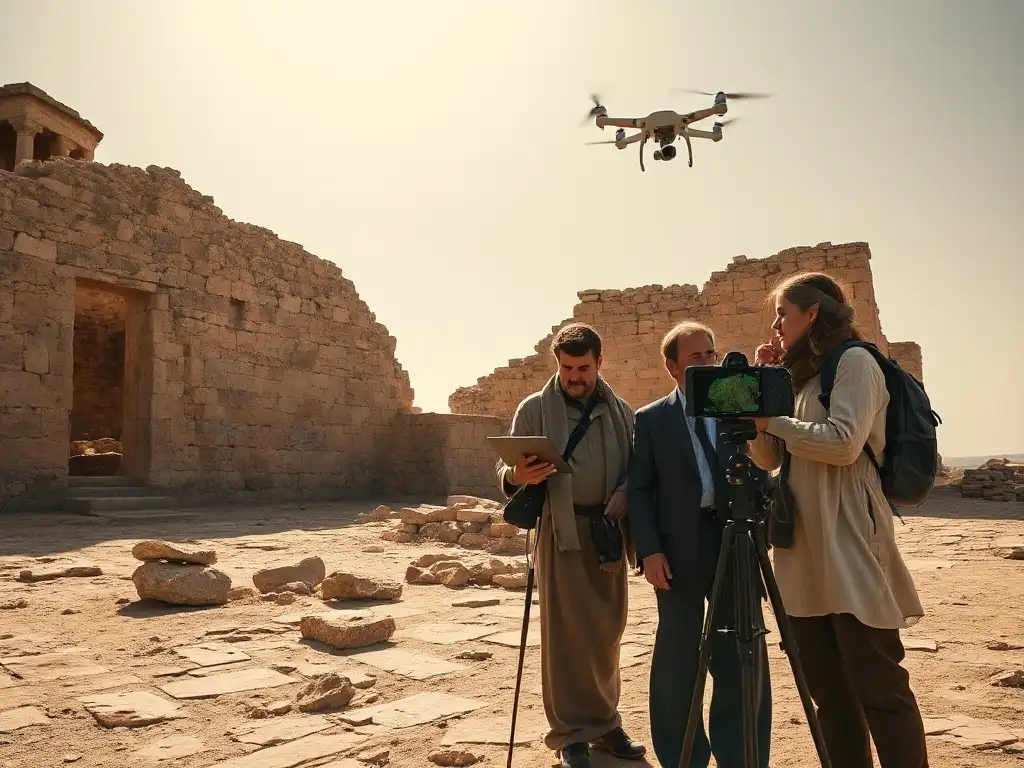
Technological advancements have revolutionized Andean archaeological site conservation, offering innovative solutions to age-old challenges. Sophisticated tools and techniques allow for more precise analysis, less invasive interventions, and more effective long-term preservation strategies. The integration of technology not only improves the quality of conservation efforts but also enhances our understanding of these invaluable sites.
This integration is crucial for sustainable management and the responsible stewardship of these irreplaceable cultural heritage assets. The careful application of technology ensures that conservation efforts are both effective and respectful of the historical integrity of the sites. This approach allows archaeologists to preserve the sites for future generations while still allowing for ongoing research and understanding.
The Use of Remote Sensing and GIS
Remote sensing technologies, such as satellite imagery and aerial photography, provide a non-invasive way to monitor large areas and detect subtle changes in the landscape, crucial for identifying potential threats to Andean archaeological sites. GIS (Geographic Information Systems) then allows archaeologists to organize, analyze, and visualize this data, creating detailed maps that pinpoint areas of erosion, vegetation encroachment, or illegal activity. For instance, GIS mapping can precisely identify areas of water runoff that are eroding ancient terraces or pathways.
This data can then inform targeted conservation efforts, optimizing resource allocation and maximizing the impact of interventions. The use of remote sensing and GIS is not only cost-effective but also allows for proactive conservation, addressing threats before they cause significant damage. The detailed mapping capabilities are particularly useful in monitoring remote or difficult-to-access sites.
3D Modeling and Virtual Reconstruction
3D modeling and virtual reconstruction techniques are transforming the way archaeologists document, analyze, and preserve Andean archaeological sites. By creating digital replicas of structures and artifacts, researchers can study them in detail without risking further damage to the originals. This is particularly important for fragile or unstable features.
Furthermore, these 3D models can be used to create virtual tours, making these sites accessible to a wider audience and fostering a greater appreciation for Andean cultural heritage. For example, 3D scanning allows for the precise documentation of intricate stone carvings or delicate pottery fragments, preserving details that might be lost through traditional methods. The creation of virtual reconstructions also allows researchers to hypothesize about the original appearance and function of structures that have been significantly damaged by time and the elements.
Advanced Materials for Preservation
The development of advanced materials has provided archaeologists with new tools to combat the deterioration of Andean archaeological sites. These materials offer improved durability, enhanced protection against environmental factors, and increased longevity compared to traditional methods. Researchers are constantly exploring new materials and techniques, adapting them to the specific challenges presented by the Andean environment and the unique composition of the archaeological materials.
For example, the use of biocompatible consolidants strengthens fragile stonework without altering its chemical composition. Similarly, innovative coatings offer protection against water damage, UV radiation, and biological growth, extending the life of vulnerable artifacts and structures. The careful selection and application of these materials is vital to ensure the long-term preservation of these invaluable sites.
Case Studies: Successful Andean Archaeological Site Conservation Projects
Several successful Andean archaeological site conservation projects highlight the effectiveness of integrated approaches combining traditional preservation techniques with modern technologies. These projects demonstrate the importance of community involvement, sustainable tourism management, and the ongoing application of research to ensure the preservation of these vital cultural heritage sites. The lessons learned from these projects can inform future conservation strategies and promote best practices in the field of Andean archaeology. The long-term success of these projects relies on ongoing monitoring, adaptive management strategies, and the continuous engagement of stakeholders.
Machu Picchu: Balancing Tourism and Preservation
Machu Picchu presents a unique challenge: balancing the immense popularity of this iconic site with the need for its preservation. The sheer number of visitors poses significant risks to the ancient structures and delicate environment. Successful conservation efforts at Machu Picchu involve strict visitor management strategies, including regulated access, controlled pathways, and careful monitoring of the site's condition.
Restoration projects carefully employ traditional techniques and modern materials to stabilize structures and mitigate the effects of weathering. The site's conservation is a continuous process that requires ongoing investment and a commitment to sustainable tourism practices. The delicate balance between preserving this incredible site and providing access for visitors remains a constant challenge requiring innovative solutions and ongoing evaluation.
Chan Chan: Addressing Erosion and Urban Encroachment
Chan Chan, the largest pre-Columbian city in South America, faces significant threats from erosion, looting, and urban encroachment. Conservation efforts focus on addressing these challenges through a multi-faceted approach. This includes stabilizing adobe structures using traditional and modern techniques, managing water runoff to prevent further erosion, and working with local communities to raise awareness and discourage illegal activities.
The implementation of sustainable development plans addresses the pressures of urban growth while protecting the archaeological integrity of the site. The successful conservation of Chan Chan requires a long-term commitment from local authorities, researchers, and the community, highlighting the importance of community-based conservation strategies.
The Future of Andean Archaeological Site Conservation
The future of Andean archaeological site conservation hinges on a multi-pronged approach that integrates scientific advancements, community engagement, and sustainable practices. Sophisticated technologies, such as ground-penetrating radar and LiDAR, are increasingly used to map sites, identify vulnerable areas, and monitor environmental changes. This allows for proactive conservation measures, minimizing the risk of damage from natural disasters or human activity.
Furthermore, the development of new, bio-compatible materials for restoration and preservation is crucial in mitigating the effects of weathering and decay on delicate artifacts and structures. These advancements are not only improving the accuracy and efficiency of conservation efforts but also extending the lifespan of these invaluable historical resources. The integration of these technologies requires skilled personnel, highlighting the need for ongoing training and education programs.
Sustainable Tourism and Site Management
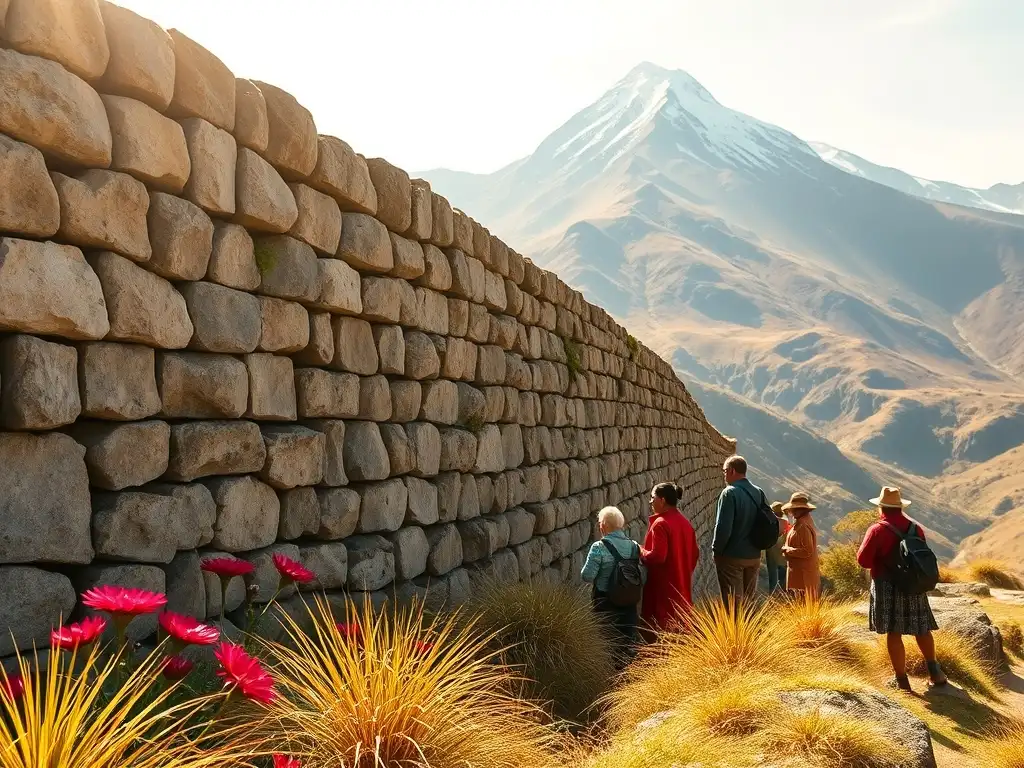
Sustainable tourism is paramount to the long-term preservation of Andean archaeological sites. Uncontrolled tourism can lead to significant damage through erosion, vandalism, and pollution. Implementing effective site management strategies, such as limiting visitor numbers, establishing clearly defined pathways, and providing educational materials, is essential. Successfully balancing the economic benefits of tourism with the need for conservation requires careful planning and collaboration between governmental agencies, local communities, and tourism operators.
Innovative approaches such as community-based tourism initiatives, where local people are actively involved in managing and guiding tours, can foster a sense of ownership and responsibility, promoting the preservation of their cultural heritage. Successful examples include [specific example of a community-based tourism initiative in the Andes pending]. This model not only generates income for local communities but also ensures that tourism benefits are directly tied to the preservation of the sites.
The Importance of International Collaboration
The preservation of Andean archaeological sites is a global responsibility. These sites are not only significant to the countries in which they are located but are also part of the world's shared cultural heritage. International collaboration is therefore crucial for sharing best practices, securing funding, and coordinating research efforts. Organizations such as UNESCO play a vital role in providing technical assistance, promoting international standards for conservation, and facilitating the exchange of knowledge and expertise.
Joint research projects, involving archaeologists and specialists from different countries, help to ensure a comprehensive and multidisciplinary approach to conservation. For example, [specific example of an international collaboration project focused on Andean archaeological site conservation pending] demonstrates the effectiveness of this collaborative approach. This international cooperation is vital for the long-term survival and understanding of these irreplaceable sites.
Ensuring the Legacy of Andean Civilizations for Future Generations
Protecting Andean archaeological sites is not merely about preserving physical structures and artifacts; it's about safeguarding the rich cultural legacy of these ancient civilizations for future generations. This requires a holistic approach that encompasses not only physical preservation but also the dissemination of knowledge and the fostering of cultural understanding. Educational programs, museums, and digital archives play a vital role in making this legacy accessible to a wider audience.
By engaging younger generations and promoting cultural awareness, we ensure that the stories and achievements of the Andean civilizations continue to inspire and educate people worldwide. Moreover, the preservation of indigenous languages and traditions is integral to this process, as these are intrinsically linked to the cultural context of the archaeological sites. The ultimate goal is to create a lasting legacy, ensuring that the knowledge and wisdom of the Andean civilizations are not lost to time but continue to enrich our understanding of human history and culture.
This requires sustained commitment and a continuous effort to integrate conservation with education and cultural preservation initiatives. 🌍
- Understanding the Importance of Andean Archaeological Site Preservation
- Threats to Andean Archaeological Sites
- Strategies for Andean Archaeological Site Conservation
- Community Involvement in Andean Site Conservation
- Technological Advancements in Archaeological Conservation
- Case Studies: Successful Andean Archaeological Site Conservation Projects
- The Future of Andean Archaeological Site Conservation
- Sustainable Tourism and Site Management
- The Importance of International Collaboration
- Ensuring the Legacy of Andean Civilizations for Future Generations
- What are the biggest threats to Andean archaeological sites?
- How is conservation of Andean sites funded?
- What role does technology play in Andean archaeological site conservation?
- What are some examples of successful Andean archaeological site conservation projects?
- How can I contribute to Andean archaeological site conservation?
Frequently Asked Questions
What are the biggest threats to Andean archaeological sites?
The biggest threats include natural erosion, looting and illegal trafficking of artifacts, and the impact of tourism and development. These factors contribute to significant and irreversible damage.
How is conservation of Andean sites funded?
Funding comes from a variety of sources, including government agencies, international organizations, private foundations, and tourism revenue. Securing adequate and sustainable funding remains a major challenge.
What role does technology play in Andean archaeological site conservation?
Technology plays a vital role, with remote sensing, 3D modeling, and GIS mapping enabling better monitoring, documentation, and preservation strategies. These tools aid in understanding the sites and their vulnerabilities.
What are some examples of successful Andean archaeological site conservation projects?
Successful projects often involve community participation, sustainable tourism initiatives, and collaborative research. Examples include initiatives focusing on site stabilization, visitor management, and the training of local professionals.
How can I contribute to Andean archaeological site conservation?
You can contribute by supporting reputable organizations working in the region, respecting site regulations during visits, and educating others about the importance of preserving these invaluable cultural heritage sites. Responsible tourism is key.
Final Reflection: A Legacy Etched in Stone: Securing the Future of Andean Heritage
The urgent need to protect Andean archaeological sites is not merely an academic pursuit; it is a moral imperative for safeguarding humanity's shared past. The sheer scale of looting, environmental degradation, and unsustainable tourism impacting these invaluable sites demands immediate and concerted action. Failure to act decisively risks the irreversible loss of irreplaceable knowledge and cultural heritage for generations to come.
The enduring power of Andean civilizations continues to resonate in our modern world, shaping our understanding of societal structures, technological innovation, and spiritual beliefs. Their legacy is not confined to dusty museum exhibits; it lives on in the very fabric of the Andes themselves. The past is never dead. It's not even past.
– William Faulkner. This quote powerfully encapsulates the ongoing relevance of these sites, reminding us that their preservation is not just about preserving stones and artifacts, but about preserving the living memory of a vibrant and complex history. Their stories, etched into the landscape, deserve to be heard and understood by future generations.
Consider the profound impact these sites have had on your own life, even indirectly. Perhaps you've been inspired by their artistry, their resilience, or their enduring mystery. Now, it's your turn to act. Engage with organizations dedicated to Andean archaeological site conservation, support ethical tourism practices, and advocate for stronger protective legislation. Let us collectively ensure that the echoes of these ancient civilizations continue to inspire awe and wonder for centuries to come, leaving a legacy of responsible stewardship for those who will inherit this precious heritage.
**Join the Movement to Protect Andean Heritage! **
Thank you for engaging in this crucial conversation about preserving our invaluable Andean archaeological sites. Understanding their importance is a significant step towards ensuring these treasures remain for generations to come. Now, let's turn your passion into action!
- Take action now: Learn about a specific Andean archaeological site that interests you, researching its history and the challenges it faces. Consider becoming a site advocate or supporter.
- Spread the word: Share this information with your friends and family to raise awareness about the vital importance of preservation and the fascinating stories these sites hold.
- Engage with your community: Seek out local conservation groups or initiatives that you can support, whether through volunteering your time or donating to organizations dedicated to protecting cultural heritage.
What steps will you take today to help safeguard the rich Andean legacy for future generations?