
The Role of the Community: Engaging Local Populations in Archaeological Research

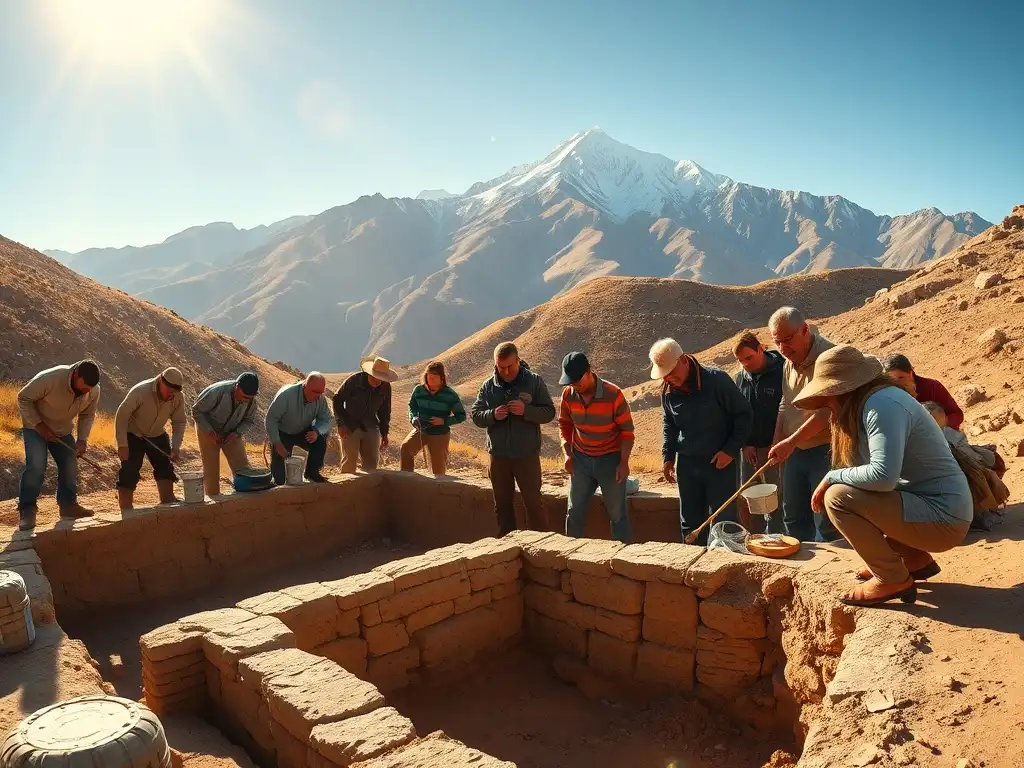
Step into a world lost to time, yet echoing with the whispers of empires. Uncover the secrets of the Andes, where ingenious civilizations like the Incas, Moche, and Nazca flourished. But their legacy is more than just ruins; it's a living tapestry woven through generations. This is where you'll discover the crucial role of Andean archaeology community engagement, a story of collaboration and rediscovery that will rewrite your understanding of these magnificent cultures. Dive in and explore the untold narratives waiting to be unearthed.
-
The Role of the Community: Engaging Local Populations in Andean Archaeological Research
- Understanding the Importance of Community Involvement in Andean Archaeology
- Benefits of Engaging Local Communities in Archaeological Projects
- Challenges and Considerations for Effective Community Engagement in Andean Archaeology
- Successful Examples of Community-Based Archaeological Research in the Andes
- Strategies for Implementing Community Engagement in Andean Archaeological Projects
- Future Directions for Andean Archaeology and Community Collaboration
- The Impact of Community Engagement on the Future of Andean Archaeology
- Challenges and Opportunities in Implementing Community-Based Archaeology in the Andes
- Case Studies: Successful Examples of Community Engagement in Andean Archaeology
-
Frequently Asked Questions
- What is the importance of community engagement in Andean archaeology?
- How does community engagement benefit archaeological research in the Andes?
- What are some examples of successful community engagement in Andean archaeology?
- What challenges are faced when engaging Andean communities in archaeological research?
- How can researchers ensure ethical and responsible community engagement in Andean archaeology?
- Final Reflection: Weaving the Threads of the Past into the Present
- **Engage and Transform Your Community with Archaeology! **
The Role of the Community: Engaging Local Populations in Andean Archaeological Research
The exploration of Andean civilizations relies heavily on the archaeological record, but a truly comprehensive understanding requires more than just excavating artifacts and analyzing data. Successfully uncovering the complexities of ancient Andean societies—from the Incas to the Nazca—demands a collaborative approach that actively engages local populations. This article delves into the crucial role of community involvement in Andean archaeology, highlighting its benefits for research, cultural preservation, and sustainable tourism.
By prioritizing community engagement, we can ensure that archaeological projects not only yield valuable scientific insights but also contribute positively to the lives and well-being of the communities whose ancestors shaped these remarkable civilizations. This approach is vital for responsible and ethical Andean archaeology, ensuring that the legacy of these cultures is preserved and celebrated in a way that respects the present-day descendants.
We'll examine how incorporating local knowledge enhances research, fosters cultural preservation, and promotes sustainable tourism development around significant archaeological sites. This is key to understanding the term "Andean archaeology community engagement" and its impact on the field.
Understanding the Importance of Community Involvement in Andean Archaeology
For too long, archaeological research in the Andes has been characterized by a top-down approach, with researchers largely operating independently of the communities living near or on archaeological sites. This approach often overlooked the invaluable knowledge and perspectives held by these communities, who are often direct descendants of the ancient cultures being studied. Modern Andean archaeology is shifting towards a more participatory model, recognizing that local populations possess a deep understanding of their ancestral heritage, including oral traditions, place names, and family histories that can significantly enrich archaeological interpretations.
This shift acknowledges that archaeological sites are not just scientific data points but also deeply significant places with cultural and spiritual meaning for contemporary communities. The integration of this local knowledge is not merely an ethical imperative but also a crucial element for achieving more complete and nuanced understandings of the past.
Benefits of Engaging Local Communities in Archaeological Projects
Engaging local communities offers a multitude of benefits, enriching the archaeological process and fostering a more sustainable and equitable approach to heritage management. These benefits extend beyond ethical considerations, impacting the quality of research, the preservation of cultural heritage, and the development of sustainable tourism initiatives.
Enhanced Research Outcomes Through Community Knowledge
Community involvement directly enhances the quality of archaeological research. Local knowledge, often passed down through generations, can provide crucial insights into the function of sites, the use of artifacts, and the social structures of past societies. This knowledge can fill gaps in the archaeological record, leading to more accurate and comprehensive interpretations. For example, local knowledge about traditional farming practices can shed light on agricultural techniques used by ancient Andean civilizations, while oral histories can illuminate social hierarchies and power structures. This collaboration is crucial for a holistic understanding of Andean archaeology.
Fostering Cultural Preservation and Heritage Management
Engaging local communities is paramount for the long-term preservation and protection of archaeological sites and cultural heritage. By working collaboratively with community members, archaeologists can help develop sustainable management plans that respect local customs and traditions while safeguarding these important sites from looting, damage, and inappropriate development. This shared responsibility ensures that heritage preservation is not solely the responsibility of archaeologists but also a collective endeavor involving those most deeply connected to the sites. The active participation of local communities fosters a sense of ownership and pride in their cultural heritage, encouraging long-term stewardship.
Promoting Sustainable Tourism Based on Archaeological Sites
Sustainable tourism can provide significant economic benefits for local communities while simultaneously protecting archaeological sites. By collaborating with communities to develop tourism initiatives, archaeologists can ensure that tourism is managed responsibly, minimizing environmental impact and maximizing benefits for local populations. This approach can create employment opportunities, support local businesses, and foster a sense of cultural pride, all while protecting the archaeological resources that attract tourists in the first place. This balanced approach is a key component of successful "Andean archaeology community engagement" strategies.
Challenges and Considerations for Effective Community Engagement in Andean Archaeology
Engaging local populations in Andean archaeology presents unique challenges and requires careful consideration. Successful projects hinge on building trust, respecting cultural sensitivities, and ensuring equitable partnerships. The complex history of colonialism and extractive practices in the Andes necessitates a radically different approach to archaeological research, one that prioritizes community needs and perspectives. This shift requires a paradigm change, moving away from a model where archaeologists extract data and knowledge, to one where research is conducted with communities, not on them. This collaborative approach demands a long-term commitment, demanding patience and adaptability from researchers.
Overcoming Language and Cultural Barriers
Effective communication is paramount. Language barriers between researchers and community members can significantly hinder collaboration. Simply translating research materials into the local language is insufficient; a deeper understanding of cultural nuances and communication styles is crucial. This necessitates employing bilingual and bicultural research teams, and investing in culturally sensitive communication strategies. For example, using visual aids, storytelling, and participatory methods can bridge communication gaps more effectively than relying solely on written or verbal translation. Furthermore, understanding and respecting local customs regarding decision-making and consensus-building is vital for successful engagement.
Ensuring Equitable Participation and Benefit Sharing
Equitable participation and benefit-sharing are fundamental to building trust and fostering long-term collaborations. This involves ensuring that community members are not merely informants, but active participants in all stages of the research process, from project design to dissemination of findings. This means providing opportunities for local employment, training, and skill development in archaeological techniques and methods.
Equally important is establishing clear mechanisms for sharing the benefits of the research, which might include financial compensation, improved infrastructure, or access to educational opportunities. Transparency in resource allocation and decision-making processes is key to establishing mutual respect and preventing exploitation. The benefits must be demonstrably tangible and directly benefit the community.
Addressing Potential Conflicts and Misunderstandings
Conflicts can arise from differing perspectives on land ownership, resource access, or the interpretation of archaeological findings. Preemptive measures, such as thorough community consultations and transparent communication, can help mitigate these conflicts. Establishing clear protocols for addressing disagreements and resolving disputes is also vital. Active listening and a willingness to compromise are crucial.
It’s vital to acknowledge that differing interpretations of the past are possible and valid, and to work collaboratively to find common ground. Involving community leaders and elders in the decision-making process can help prevent misunderstandings and ensure that the research aligns with community values and priorities. Mediation and conflict resolution training for research teams can be invaluable in navigating sensitive situations.
Successful Examples of Community-Based Archaeological Research in the Andes
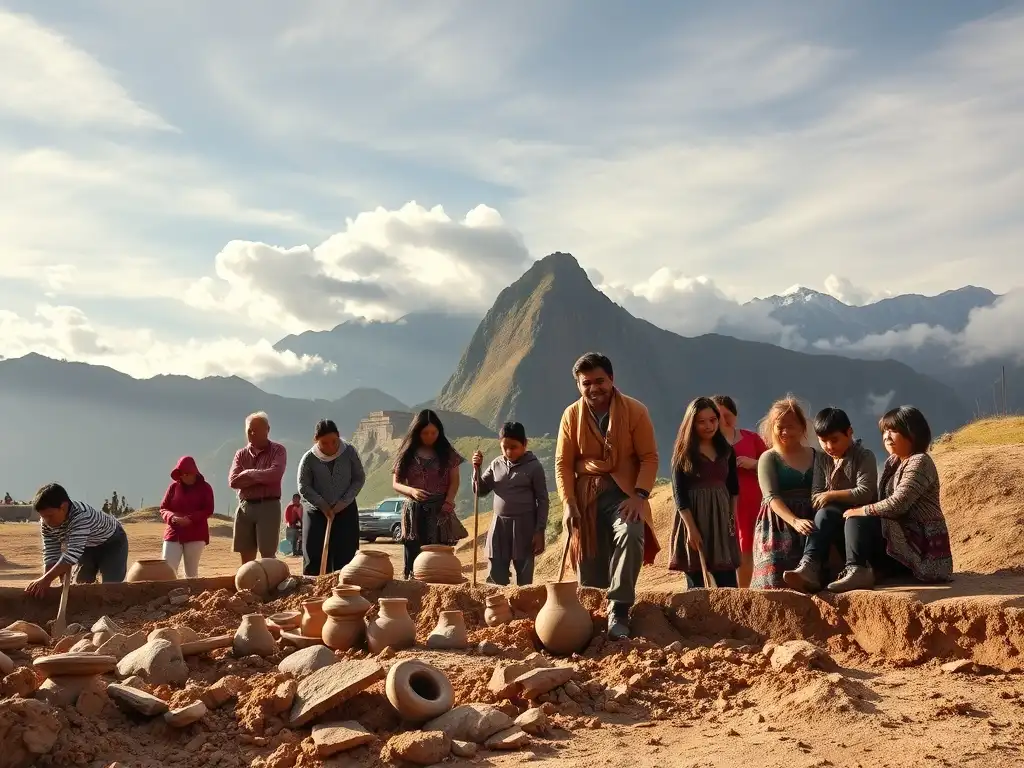
Several projects demonstrate the potential of community-based approaches to Andean archaeology. These initiatives highlight the benefits of collaborative research, both for the advancement of archaeological knowledge and for the empowerment of local communities. The successful integration of local knowledge and perspectives enriches the understanding of the past, while the community benefits from the economic and educational opportunities generated by the research.
Community-Led Excavation at Kuelap, Peru
The excavation and preservation efforts at the Kuelap fortress in northern Peru exemplify a community-led archaeological project. Local communities have played a central role in the discovery, excavation, and interpretation of the site, contributing crucial local knowledge and ensuring the protection of their cultural heritage. This initiative not only advanced archaeological understanding of Kuelap but also created economic opportunities for local residents and fostered a sense of ownership and pride in their cultural heritage. The project's success demonstrates the transformative potential of community engagement in archaeological research.
Collaborative Management of the Ollantaytambo Site, Peru
The management of the Ollantaytambo archaeological site in the Sacred Valley of the Incas showcases a successful model of collaborative management between archaeologists, local communities, and government agencies. By incorporating the perspectives and needs of the local population into the site's management plan, this collaborative approach has ensured the site’s preservation while also benefiting the community through sustainable tourism and economic development initiatives. The ongoing collaboration ensures that both the site and the community thrive.
Integrating Oral Histories in the Interpretation of Tiwanaku, Bolivia
The integration of oral histories in the interpretation of the Tiwanaku site in Bolivia exemplifies the importance of incorporating local knowledge and perspectives into archaeological research. By working closely with local communities, archaeologists have gained valuable insights into the site's history and significance, enriching the understanding of Tiwanaku beyond the limitations of material remains.
This approach demonstrates the complementary nature of archaeological and oral historical data in understanding the past. The incorporation of local narratives has led to a more nuanced and complete interpretation of Tiwanaku, reflecting the complexity of its history and its enduring significance for the Aymara people.
Strategies for Implementing Community Engagement in Andean Archaeological Projects
Implementing successful community engagement in Andean archaeological projects requires a multifaceted approach. It's not simply about informing local populations; it's about building genuine partnerships based on mutual respect and shared benefits. This necessitates a long-term commitment, going beyond the typical timeframe of a research project. Effective strategies must prioritize open communication, transparency, and active listening.
Archaeologists must demonstrate a genuine interest in the community's perspectives and concerns, acknowledging their intimate connection to the land and its history. This approach fosters a sense of ownership and collaboration, transforming the community from passive observers into active participants in the research process. Ignoring this crucial aspect risks alienating communities and hindering the success of archaeological endeavors. The Andean region's diverse cultural landscape demands tailored approaches, recognizing the unique histories and perspectives of each community involved.
Building Trust and Establishing Partnerships
Building trust is paramount. It requires consistent and reliable communication, demonstrating respect for local customs and traditions, and actively involving community members in all stages of the project. This includes incorporating feedback during the planning phase, ensuring that research questions are relevant to community interests, and involving community members in data collection and interpretation. For instance, a project in the Cusco region might involve collaborating with local community leaders to establish a joint steering committee to oversee the project's implementation.
This ensures that the research aligns with the community's priorities and values, fostering a sense of shared ownership and responsibility. The formation of strong partnerships necessitates patience, understanding, and a willingness to work through potential conflicts or disagreements in a respectful manner. Building relationships takes time and sustained effort. The long-term benefits, however, are significant, leading to more meaningful and impactful research outcomes.
Developing Culturally Sensitive Communication Methods
Effective communication is vital, but it must be culturally sensitive. This means employing communication strategies that are appropriate to the linguistic and cultural contexts of the communities involved. Simple translations are insufficient; archaeologists need to engage with community members using methods that resonate with their cultural norms and values. This might involve using storytelling, community meetings, or other forms of participatory communication that prioritize dialogue and understanding.
For example, in a Quechua-speaking community, the use of Quechua language materials and employing Quechua-speaking archaeologists or translators is essential. Furthermore, understanding and respecting different communication styles – some communities may prefer direct and open communication, while others may favor a more indirect or subtle approach – is crucial for effective engagement. Ignoring these nuances can lead to misunderstandings and mistrust, undermining the research process.
Providing Training and Capacity Building Opportunities
Community engagement is not a one-way street. Providing training and capacity building opportunities empowers local communities to participate actively in the research process and develop their own skills and knowledge. This could involve training in archaeological techniques, data management, or museum curation. Such initiatives not only enhance the research process but also create long-term benefits for the community by providing valuable skills and employment opportunities.
For example, a project in the highlands of Peru might involve training local residents in archaeological survey techniques, enabling them to contribute directly to the excavation and documentation of archaeological sites. This fosters a sense of ownership and pride, while simultaneously enhancing the quality and scope of the research. Investing in capacity building initiatives is a vital investment in the future of Andean archaeology and community development.
Future Directions for Andean Archaeology and Community Collaboration
The future of Andean archaeology rests heavily on the success of community engagement initiatives. Moving forward, a stronger emphasis on collaborative, participatory research methodologies is crucial. This involves shifting away from extractive research models, where archaeologists collect data and leave the community with little benefit, towards models that prioritize community empowerment and benefit-sharing. This requires a fundamental change in the way archaeological research is conducted and the relationships between archaeologists and communities are fostered.
Integrating Indigenous Knowledge into Archaeological Practice
Indigenous knowledge systems hold immense value for understanding the past. Integrating this knowledge into archaeological practice enriches our understanding of Andean civilizations and provides a more holistic and nuanced perspective. This involves actively seeking out and incorporating local perspectives and interpretations of archaeological sites and artifacts.
For example, collaborating with local healers or storytellers can provide valuable insights into the use and meaning of specific artifacts or sites. This approach recognizes the importance of indigenous knowledge as a legitimate source of information and challenges the traditional dominance of Western scientific paradigms in archaeological research. It fosters a more equitable and respectful partnership between archaeologists and indigenous communities.
Promoting Ethical and Responsible Research Practices
Ethical and responsible research practices are essential. This involves ensuring that research is conducted with the free, prior, and informed consent of the community, that benefits are shared equitably, and that research findings are disseminated in a way that is accessible and understandable to the community. This necessitates transparency in all aspects of the research process and a commitment to addressing any potential negative impacts of the research on the community.
Clear protocols for handling sensitive cultural materials and information are vital, and mechanisms for addressing grievances or concerns should be established and readily accessible. This commitment to ethical principles is not merely a matter of compliance; it is fundamental to building trust and fostering long-term, productive relationships with Andean communities.
Empowering Communities to Become Stewards of Their Heritage
Ultimately, the goal is to empower communities to become stewards of their own heritage. This means supporting community-led initiatives for the preservation, interpretation, and management of archaeological sites and cultural resources. This might involve providing training and resources to establish community museums, develop tourism initiatives, or implement site management plans. Empowering communities to take ownership of their heritage ensures its long-term protection and ensures that the benefits of archaeological research are shared equitably.
This approach recognizes the importance of local knowledge and expertise in preserving and interpreting the rich cultural heritage of the Andes. It promotes sustainable development and fosters a sense of pride and ownership amongst community members. This collaborative approach is vital for the long-term preservation and understanding of Andean cultural heritage.
The Impact of Community Engagement on the Future of Andean Archaeology
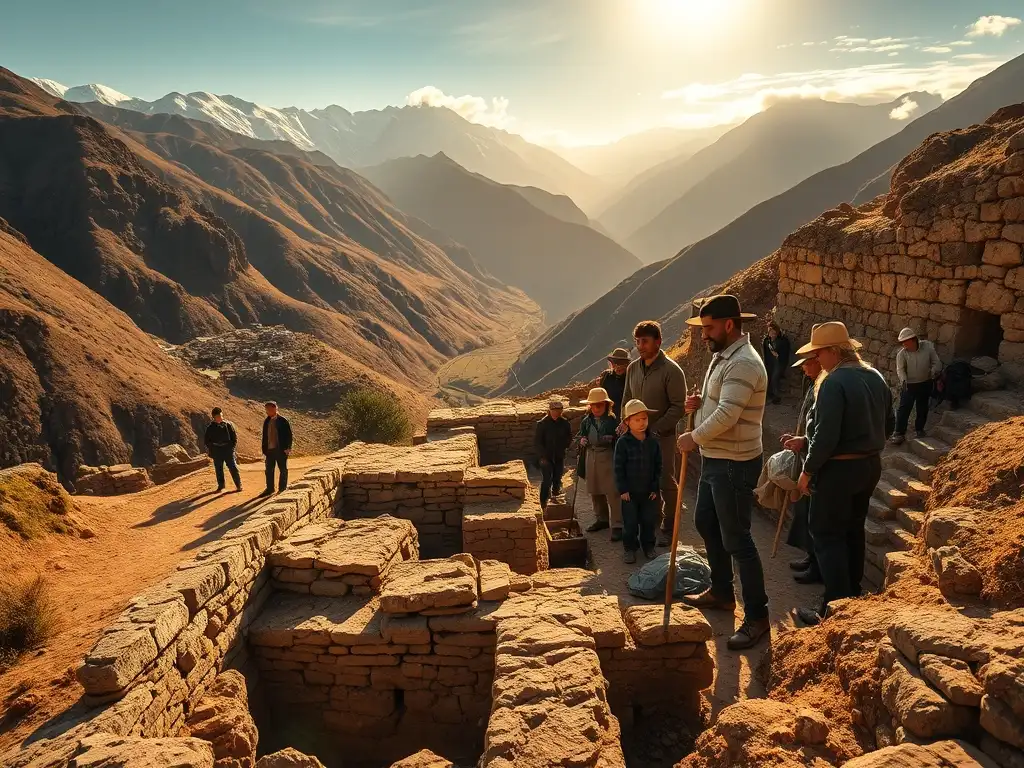
Engaging local populations in Andean archaeological research is not merely a matter of ethical responsibility; it's crucial for the long-term sustainability and success of the field. The traditional model of archaeology, often characterized by external researchers descending upon a site, extracting data, and then leaving with little to no reciprocal benefit for the community, is increasingly unsustainable and ethically problematic. This approach often leads to resentment, mistrust, and the obstruction of future research.
By contrast, community engagement fosters a collaborative environment where local knowledge, perspectives, and participation are valued and integrated into the research process. This leads to more comprehensive and nuanced understandings of the past, enriching the archaeological record beyond what could be achieved through solely academic approaches.
The benefits extend beyond the immediate research project. Community engagement cultivates a sense of ownership and pride in the local heritage. This can lead to increased protection of archaeological sites from looting and damage, as community members become active stewards of their shared past.
Furthermore, involving local communities in the interpretation and dissemination of archaeological findings can generate economic opportunities through tourism and cultural heritage initiatives. This creates a positive feedback loop, where the success of archaeological research directly contributes to the well-being and development of the communities involved. The long-term preservation of Andean archaeological sites and the continued study of these invaluable resources depend heavily on fostering strong and mutually beneficial relationships with local populations.
This collaborative approach ensures that the past informs and empowers the future, creating a legacy of both archaeological discovery and community empowerment. Ultimately, a future of Andean archaeology that is both robust and ethical hinges on a commitment to genuine and sustained community engagement. The benefits are multifaceted, encompassing enhanced research quality, site protection, economic development, and a deeper appreciation for the rich cultural heritage of the Andes.
Challenges and Opportunities in Implementing Community-Based Archaeology in the Andes
Implementing community-based archaeology in the Andes presents a unique set of challenges and opportunities. One major hurdle is the diverse range of cultural contexts and community structures across the Andean region. What works effectively in one community might not be suitable for another, requiring a flexible and adaptive approach to engagement strategies.
Language barriers, differing levels of education, and varying degrees of pre-existing trust in external researchers all need to be carefully considered and addressed. For instance, in remote communities with limited access to information and technology, the communication and dissemination of research findings require innovative and accessible methods. This might involve utilizing local languages, employing visual aids, and adapting communication strategies to suit different learning styles.
However, these challenges are also fertile ground for innovation and the development of best practices in community-based archaeology. The rich oral traditions and extensive local knowledge of Andean communities offer invaluable insights that can complement and enhance academic research. By actively incorporating this indigenous knowledge into the research process, archaeologists can achieve a more holistic and nuanced understanding of the past.
Furthermore, the involvement of local communities can lead to the identification of previously unknown or undocumented sites, expanding the scope of archaeological research and contributing to a more comprehensive picture of Andean history. Moreover, successful community-based projects can serve as models for other regions, demonstrating the potential for mutually beneficial collaborations between archaeologists and local populations.
The key to overcoming the challenges lies in building trust, fostering open communication, and prioritizing the needs and priorities of the community throughout the research process. This necessitates a long-term commitment to collaboration, rather than a short-term, extractive approach.
Case Studies: Successful Examples of Community Engagement in Andean Archaeology
Several successful case studies illustrate the transformative power of community engagement in Andean archaeology. [Specific examples of successful community-based archaeological projects in the Andes pending]. These projects showcase the positive impacts of integrating local knowledge, perspectives, and participation into the research process.
[Details on the specific methodologies, outcomes, and long-term impacts of these projects pending]. These examples demonstrate that a collaborative approach is not only ethically responsible but also leads to more comprehensive and impactful research outcomes. The successes achieved in these projects highlight the importance of building strong relationships with local communities, fostering open communication, and ensuring that the benefits of archaeological research are shared equitably.
By learning from these positive examples and adapting best practices to different contexts, the field of Andean archaeology can move towards a more sustainable and ethically sound future. Further research and documentation of these successful projects are crucial to disseminating best practices and fostering wider adoption of community-based approaches. The sharing of lessons learned, successes, and challenges will be instrumental in promoting the widespread integration of community engagement within Andean archaeology.
Frequently Asked Questions
What is the importance of community engagement in Andean archaeology?
Community engagement is crucial for ethical and impactful research. It ensures that archaeological projects respect local knowledge, heritage, and perspectives, fostering collaboration and mutual benefit. Ignoring communities can lead to damage and mistrust.
How does community engagement benefit archaeological research in the Andes?
Engaging local populations provides valuable insights into the past, including oral histories, traditional knowledge, and local interpretations of archaeological sites. This enriches research and ensures a more holistic understanding.
What are some examples of successful community engagement in Andean archaeology?
Many projects involve community members in fieldwork, research, and interpretation. Examples include collaborative museum exhibits, training programs, and joint research projects that share benefits with local populations.
What challenges are faced when engaging Andean communities in archaeological research?
Challenges include language barriers, differing perspectives on heritage management, and potential conflicts over access to sites or resources. Building trust and establishing open communication are key to overcoming these obstacles.
How can researchers ensure ethical and responsible community engagement in Andean archaeology?
Ethical engagement requires respectful dialogue, informed consent, and benefit-sharing with communities. Researchers should prioritize transparency, and actively involve communities in all stages of the research process.
Final Reflection: Weaving the Threads of the Past into the Present
The vibrant tapestry of Andean culture is not solely woven from the threads of ancient artifacts; it's intricately bound with the stories and perspectives of the communities who are its living legacy. Ignoring this fundamental truth diminishes not only our understanding of the past but also the potential for meaningful and ethical archaeological practice. The active participation of local populations is not merely a desirable addition to research; it is absolutely essential for its validity and lasting impact.
The ongoing influence of community engagement in Andean archaeology is profound, shifting the power dynamic from a solely extractive model to one of collaborative discovery. This shift fosters a deeper understanding of the archaeological record, enriching interpretations and ensuring that narratives are not imposed but co-created. As the renowned archaeologist, Ruth Shady Solis, eloquently stated, Archaeology is not just about digging up the past; it's about understanding the present through the lens of the past, and working together to build a better future.
Her words resonate deeply, highlighting the transformative potential of genuine community partnership.
Consider the implications of this collaborative approach in your own life. How can you engage with the history and heritage of your own community? What stories remain untold, and how can you help bring them to light? Let the spirit of collaborative discovery, so vital in Andean archaeology, inspire you to seek out and amplify the voices often unheard, weaving together the threads of the past and present to create a more inclusive and informed future.
**Engage and Transform Your Community with Archaeology! **
Thank you for exploring the world of archaeology and recognizing the crucial role communities play in preserving our shared past. Your interest strengthens our collective efforts to connect people with their rich heritage. Now, let's put that passion into action!
Here are some impactful ways you can contribute to archaeological research and engage your community:
- **Form a local archaeology group:** Bring together individuals who share your interest to discuss, learn, and participate in hands-on archaeological projects. This could involve anything from researching local history to participating in a dig.
- **Host a community archaeology event:** Organize a day where residents can tour archaeological sites, learn about their local history, and even participate in the research process. Consider inviting local experts to give presentations or demonstrations.
- **Share your knowledge:** Use social media, local newsletters, or community bulletin boards to spread the word about your discoveries or upcoming archaeological events. Consider creating engaging content, such as photos or short videos, to capture people's attention.
How do you see your community actively participating in uncovering its own unique history?