
The Unwritten History: Revealing the Stories of the Andean People Through Archaeology

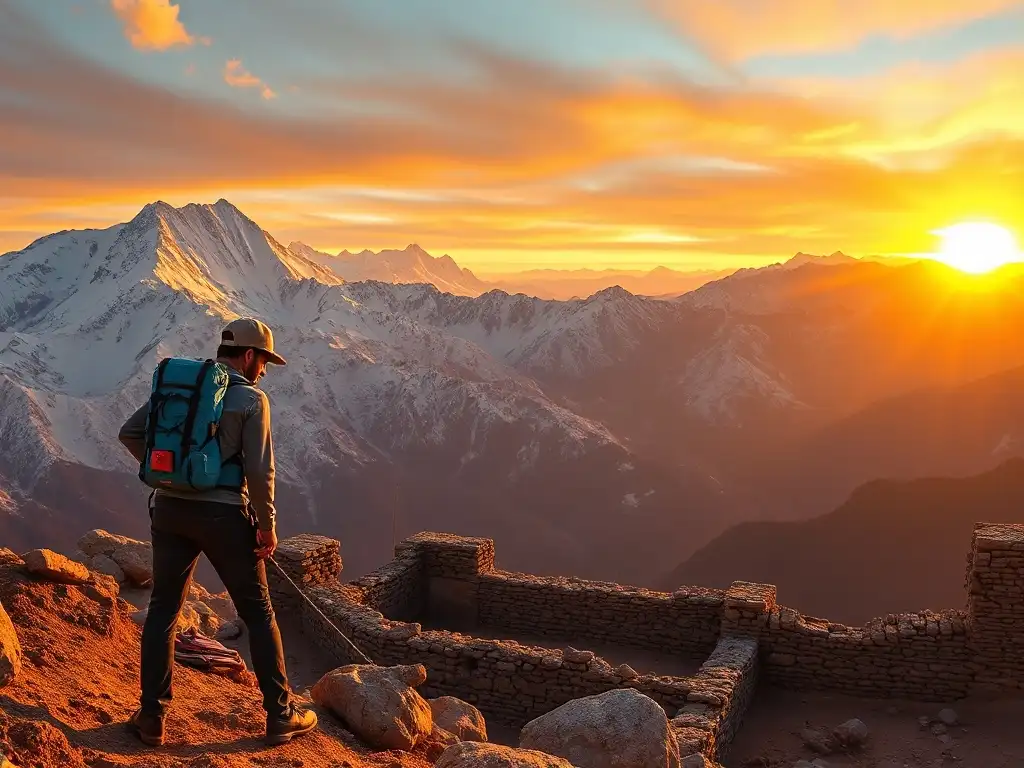
Step into a world lost to time, yet whispering secrets through the sands. Imagine uncovering the mysteries of the Andes, where Andean civilizations archaeology reveals a breathtaking tapestry of ingenuity and innovation. From the soaring heights of Machu Picchu to the enigmatic Nazca Lines, prepare to be captivated by the intricate legacy of the Incas, Moche, Nazca, and Tiahuanaco. This is more than just history; it's a journey into the heart of a civilization that defied the elements and continues to fascinate us today. Dive in and discover the unwritten history – the story is waiting to be unearthed.
The Andes Mountains, a majestic spine running down the west coast of South America, are home to a rich tapestry of ancient civilizations. For centuries, these cultures—the Incas, Moche, Nazca, Tiahuanaco, and many others—thrived in this challenging landscape, leaving behind a legacy that continues to fascinate and inspire. This article delves into the crucial role of archaeology in uncovering the unwritten history of these Andean people, exploring the methods employed, the significant discoveries made, and the ongoing research that continues to reshape our understanding of their complex societies.
We will examine how archaeological findings illuminate their daily lives, beliefs, social structures, and technological advancements, offering a glimpse into the vibrant and sophisticated societies that flourished in the Andes long before the arrival of Europeans. By exploring "Andean civilizations archaeology," we gain a deeper appreciation for the ingenuity and resilience of these remarkable cultures.
Unearthing the Past: Archaeological Methods in the Andes
Archaeological research in the Andes presents unique challenges due to the region's diverse geography and climate. The high altitude, rugged terrain, and unpredictable weather conditions demand specialized techniques and meticulous planning. Archaeologists employ a multifaceted approach, combining meticulous excavation techniques with advanced scientific analyses. This includes:
- Systematic Excavation: Carefully removing layers of sediment to reveal artifacts and structures in their original context. This painstaking process allows archaeologists to reconstruct the chronological sequence of events and understand the development of settlements over time.
- Geophysical Surveys: Utilizing non-invasive techniques like ground-penetrating radar (GPR) and magnetometry to identify buried features and structures before excavation begins. This helps to minimize damage to fragile sites and optimize excavation strategies.
- Ceramic Analysis: Studying the styles, shapes, and decorations of pottery shards to determine chronology, trade networks, and cultural affiliations. The intricate designs and diverse forms of Andean ceramics provide invaluable insights into artistic expression and social organization.
- Paleobotany and Zooarchaeology: Analyzing plant and animal remains to understand ancient diets, agricultural practices, and environmental conditions. These studies shed light on the resource management strategies employed by Andean societies and their adaptation to the challenging environment.
- DNA Analysis: The application of modern genetic techniques to human and animal remains is providing groundbreaking information about population movements, kinship structures, and disease patterns.
Monumental Discoveries: Highlights of Andean Archaeology
The field of Andean archaeology has yielded a wealth of remarkable discoveries over the years, continuously rewriting our understanding of these ancient societies. Some noteworthy examples include:
- Machu Picchu: The iconic Inca citadel, rediscovered in the early 20th century, reveals the sophisticated urban planning and architectural prowess of the Inca Empire. Ongoing research continues to uncover new details about its function and the lives of its inhabitants.
- The Nazca Lines: These enigmatic geoglyphs etched into the desert landscape remain a source of mystery and debate. Archaeological investigations are attempting to unravel their purpose and the methods used to create them.
- Chavín de Huántar: This monumental religious center, dating back to the Early Horizon period, demonstrates the early development of complex societies in the Andes. Its intricate stone carvings and unique artistic style have captivated researchers for decades.
- The Royal Tombs of Sipán: The discovery of these richly adorned tombs in northern Peru revealed the elaborate burial practices and the power of the Moche elite. The exquisite gold and silver artifacts unearthed provide a stunning glimpse into their wealth and beliefs.
Ongoing Research and Future Directions in Andean Archaeology
The study of Andean civilizations is far from complete. Ongoing research continues to refine our understanding of these fascinating cultures, utilizing new technologies and interdisciplinary approaches. Current research focuses on:
- Climate Change and Andean Societies: Investigating the impact of climate variability on the development and decline of Andean civilizations. This research is crucial for understanding the resilience and adaptability of these societies in the face of environmental challenges.
- Social Complexity and Inequality: Exploring the dynamics of power, social stratification, and inequality within Andean societies. Archaeological data is being used to challenge traditional narratives and offer nuanced perspectives on social organization.
- The Role of Women in Andean Societies: Re-evaluating the contributions and roles of women in Andean societies, challenging patriarchal biases in historical interpretations. This involves analyzing burial practices, artifacts, and iconography to uncover a more inclusive understanding of their lives and influence.
- Technological Innovations: Further analysis of Andean technology, such as irrigation systems, metallurgy, and textile production, to understand their innovative approaches to problem-solving and resource management. This involves detailed studies of manufacturing processes and the distribution of finished goods.
The study of Andean civilizations archaeology offers a captivating journey through time, revealing the remarkable achievements and enduring legacy of these ancient peoples. As new discoveries are made and research continues, our understanding of these fascinating societies will undoubtedly continue to evolve.
- Unearthing the Past: Archaeological Methods in the Andes
- Monumental Discoveries: Highlights of Andean Archaeology
- Ongoing Research and Future Directions in Andean Archaeology
- What is the focus of Andean civilizations archaeology?
- How do archaeologists learn about Andean civilizations without written records?
- What are some key discoveries in Andean civilizations archaeology?
- How does Andean archaeology contribute to our understanding of human history?
- Where can I learn more about Andean civilizations archaeology?
Unearthing Andean Civilizations: An Archaeological Perspective
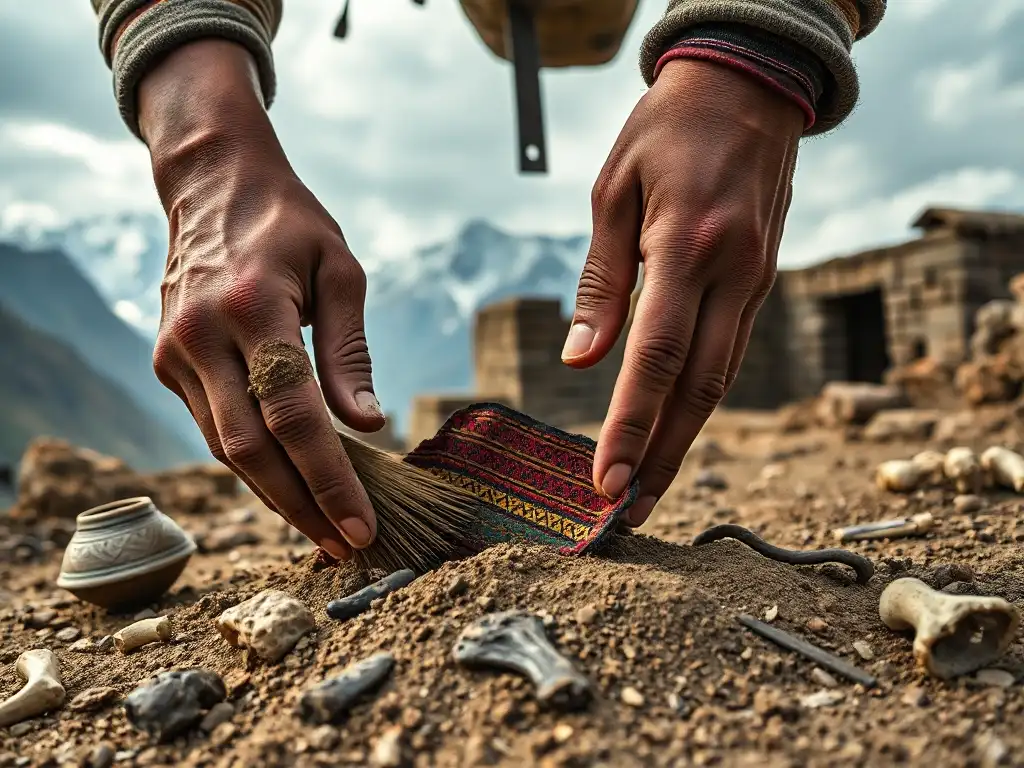
This section delves into the crucial role of archaeology in reconstructing the narratives of Andean civilizations, often lost to the passage of time and the limitations of written records. We will explore the significance of archaeological research in unveiling the complexities of these societies and the inherent challenges faced by researchers in this demanding field. Understanding Andean civilizations archaeology requires a multi-faceted approach, integrating diverse methodologies to piece together a comprehensive picture of their past. The keyword "Andean civilizations archaeology" is central to this exploration.
The Importance of Archaeological Research in Understanding Andean Cultures
Archaeological research is paramount in understanding Andean cultures because written historical accounts are often incomplete or biased. Many Andean societies, particularly those predating the Inca Empire, lacked widespread literacy, leaving their histories largely unwritten. Archaeology, therefore, provides an invaluable window into their daily lives, social structures, religious beliefs, and technological advancements.
For example, the discovery of sophisticated irrigation systems in the Nazca region offers compelling evidence of their advanced engineering skills and their ability to manage water resources in a desert environment. Similarly, the intricate textiles found in various Andean sites reveal a deep understanding of textile production and its symbolic significance within their societies. The study of these artifacts, alongside the analysis of settlement patterns and burial practices, allows researchers to paint a richer and more nuanced picture of these fascinating civilizations than would be possible through textual sources alone.
The meticulous excavation and analysis of artifacts, from pottery shards to monumental structures, allow us to understand the evolution of Andean cultures over millennia, revealing patterns of continuity and change. This process is fundamental to our understanding of the broader development of Andean civilizations archaeology.
Challenges and Methodologies in Andean Archaeology
Andean archaeology presents unique challenges due to the region's diverse geography and climate. The high altitude, rugged terrain, and often unstable environmental conditions can complicate fieldwork and data collection. Furthermore, the looting and illegal trafficking of artifacts pose a significant threat to the preservation of the archaeological record and hamper research efforts. To overcome these challenges, Andean archaeologists employ a range of sophisticated methodologies. This includes:
- Remote Sensing Techniques: These technologies, such as satellite imagery and LiDAR, allow researchers to identify potential archaeological sites even in heavily vegetated or inaccessible areas. This is particularly useful in locating previously unknown settlements and mapping extensive infrastructure such as roads and irrigation canals.
- Geophysical Surveys: These methods, including ground-penetrating radar and magnetometry, help detect subsurface features like foundations, burials, and other structures without the need for extensive excavation. This minimizes damage to the site and allows for a more strategic excavation approach.
- Detailed Excavation and Stratigraphic Analysis: Careful excavation techniques, coupled with meticulous recording of stratigraphy (the layering of deposits), are crucial for understanding the chronological sequence of events at a site. This allows researchers to establish timelines and trace the evolution of settlements and cultural practices over time.
- Scientific Analysis: The use of scientific techniques such as radiocarbon dating, archaeobotany (the study of ancient plants), and zooarchaeology (the study of ancient animals) provides crucial chronological and environmental context for archaeological findings. This helps to reconstruct past diets, agricultural practices, and environmental conditions.
The combination of these methodologies, along with interdisciplinary collaboration between archaeologists, anthropologists, and other specialists, is essential for advancing our understanding of Andean civilizations archaeology and ensuring the responsible preservation of this invaluable cultural heritage. The ongoing development and refinement of these techniques continue to revolutionize our understanding of the Andean past, revealing ever more intricate details of these remarkable societies.
Key Archaeological Sites and Discoveries in the Andes
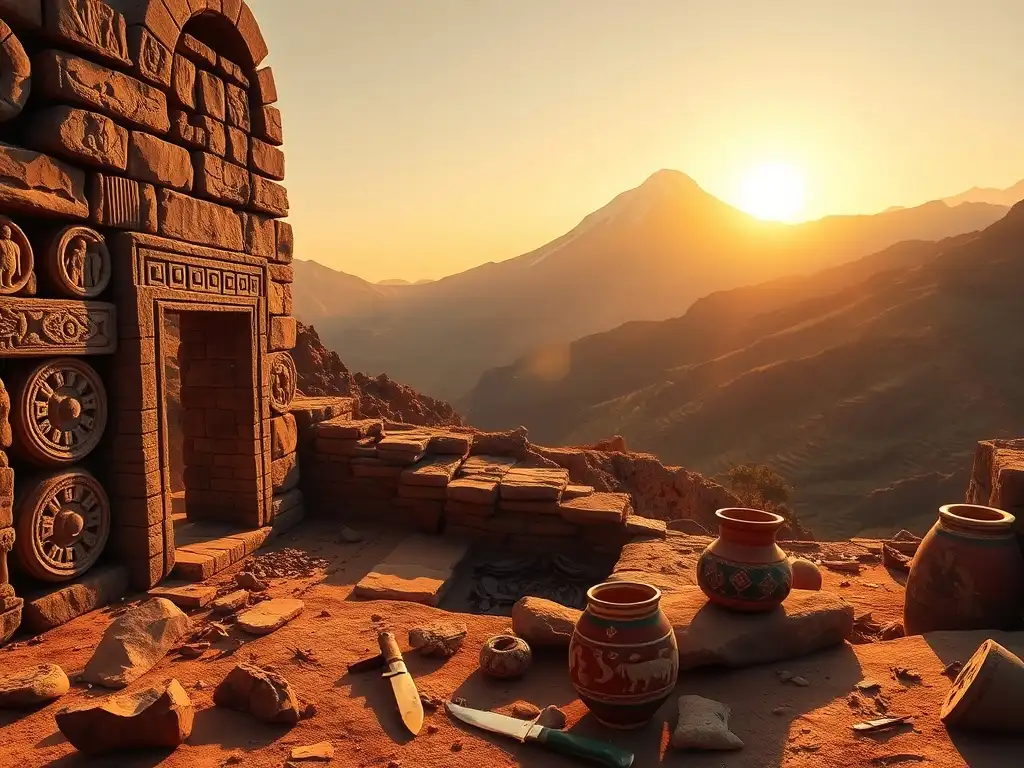
This section delves into the significant archaeological sites across the Andes Mountains, offering insights into the diverse Andean civilizations and their remarkable achievements. The Andes, a geographically challenging region, fostered a remarkable array of cultures, each leaving behind a unique legacy deciphered through painstaking archaeological work. Understanding these discoveries is crucial to appreciating the complexity and sophistication of Andean civilizations archaeology.
Exploring the Pre-Inca Civilizations Through Archaeological Finds
The pre-Inca period witnessed the flourishing of numerous powerful and innovative cultures. Archaeological digs have unearthed breathtaking artifacts and architectural marvels, painting a vivid picture of their societal structures, religious beliefs, and daily lives. The meticulous excavation and analysis of these sites continue to reshape our understanding of Andean history.
Moche Culture: Insights from Huacas and Tombs
The Moche civilization (circa 100-800 CE) left behind a rich legacy, particularly evident in the elaborate huacas (pyramidal structures) and tombs found along the northern coast of Peru. Archaeological excavations at sites like Huaca del Sol and Huaca de la Luna have revealed intricate murals depicting scenes of warfare, religious rituals, and daily life, offering invaluable insights into Moche society. The discovery of exquisitely crafted gold and silver artifacts, along with intricately decorated pottery, further illuminates their artistic prowess and sophisticated metalworking techniques.
Analysis of Moche burials has provided crucial data on their social hierarchy and burial rituals, suggesting a complex social structure with a powerful elite. The sheer scale and artistry of the Moche sites continue to amaze archaeologists and underscore the civilization's advanced technological capabilities for its time.
Nazca Lines: Decoding the Ancient Geoglyphs
The Nazca Lines, a collection of massive geoglyphs etched into the desert plains of southern Peru, remain one of the most enigmatic archaeological mysteries. These enormous figures of animals, plants, and geometric shapes, visible only from the air, have sparked countless theories regarding their purpose. Archaeological studies focusing on the surrounding settlements and the methods used to create the lines are ongoing.
While their precise meaning remains debated, the lines demonstrate the Nazca's advanced understanding of surveying, engineering, and potentially astronomical observation. The scale of this undertaking is truly awe-inspiring, highlighting the sophisticated planning and organization necessary for such a monumental project. Further research into soil samples and nearby settlements may shed more light on the creation and significance of these fascinating geoglyphs.
Tiahuanaco: Unveiling the Mysteries of Lake Titicaca
Located near Lake Titicaca in present-day Bolivia, Tiahuanaco (c. 1500-1100 BCE) stands as a testament to the ingenuity of a powerful pre-Inca civilization. Archaeological excavations have unearthed monumental stone structures, intricate carvings, and sophisticated irrigation systems. The precise purpose of the site remains a subject of ongoing debate amongst Andean civilizations archaeology experts, with theories ranging from a ceremonial center to a major urban hub.
The precise techniques used to move and erect the massive stone blocks are still being investigated, highlighting the advanced engineering and organizational skills of the Tiahuanaco people. The discovery of artifacts and human remains continues to provide new clues about their culture, beliefs, and interactions with other Andean communities. The ongoing research at Tiahuanaco promises to further illuminate the role this civilization played in the broader context of Andean history.
The Inca Empire: Archaeological Evidence of Power and Innovation
The Inca Empire, at its zenith in the 15th and 16th centuries CE, left an undeniable mark on the Andes. Archaeological evidence showcases their impressive engineering feats, sophisticated administrative systems, and extensive road networks. Their legacy is visible in numerous sites across the Andes region, providing tangible evidence of their power and influence.
Machu Picchu: More Than Just a Lost City
Machu Picchu, nestled high in the Andes Mountains, is perhaps the most iconic symbol of Inca civilization. While often described as a "lost city," archaeological evidence suggests it served a more complex function, possibly as a royal estate or religious center. Ongoing research continues to uncover new details about its layout, its inhabitants, and its role within the broader Inca Empire.
The precision of Inca stonework, evident in the perfectly fitted stones of Machu Picchu, showcases their advanced engineering skills and understanding of architecture. The discovery of agricultural terraces and water management systems further highlights their mastery of environmental engineering.
Sacsayhuaman: A Marvel of Inca Engineering
Sacsayhuaman, located near Cusco, is a breathtaking example of Inca military architecture and engineering prowess. The massive cyclopean walls, constructed from enormous, precisely fitted stones, are a testament to the Inca’s ability to organize labor and harness resources on a grand scale. The precise methods used to transport and assemble these colossal stones remain a source of fascination and debate among researchers specializing in Andean civilizations archaeology.
The site's strategic location and impressive fortifications suggest its importance as a defensive stronghold and a symbol of Inca power. Ongoing studies are focused on understanding the construction techniques and the social organization required to build such a monumental structure.
Inca Road System: Tracing the Pathways of an Empire
The extensive Inca road system, spanning thousands of kilometers across challenging terrain, is a remarkable feat of engineering and logistical planning. Archaeological research has revealed the sophisticated design of these roads, including bridges, tunnels, and resting places, which facilitated communication, trade, and military movement throughout the empire. The Inca’s ability to construct and maintain this vast network is a testament to their advanced organizational skills and their understanding of road building in mountainous regions.
The discovery and analysis of road markers and associated settlements along the routes provide valuable information about the empire's administrative structure and its interaction with diverse populations. The Inca road system stands as a powerful symbol of the empire's reach and its ability to integrate disparate communities.
Recent Advances in Andean Civilizations Archaeology
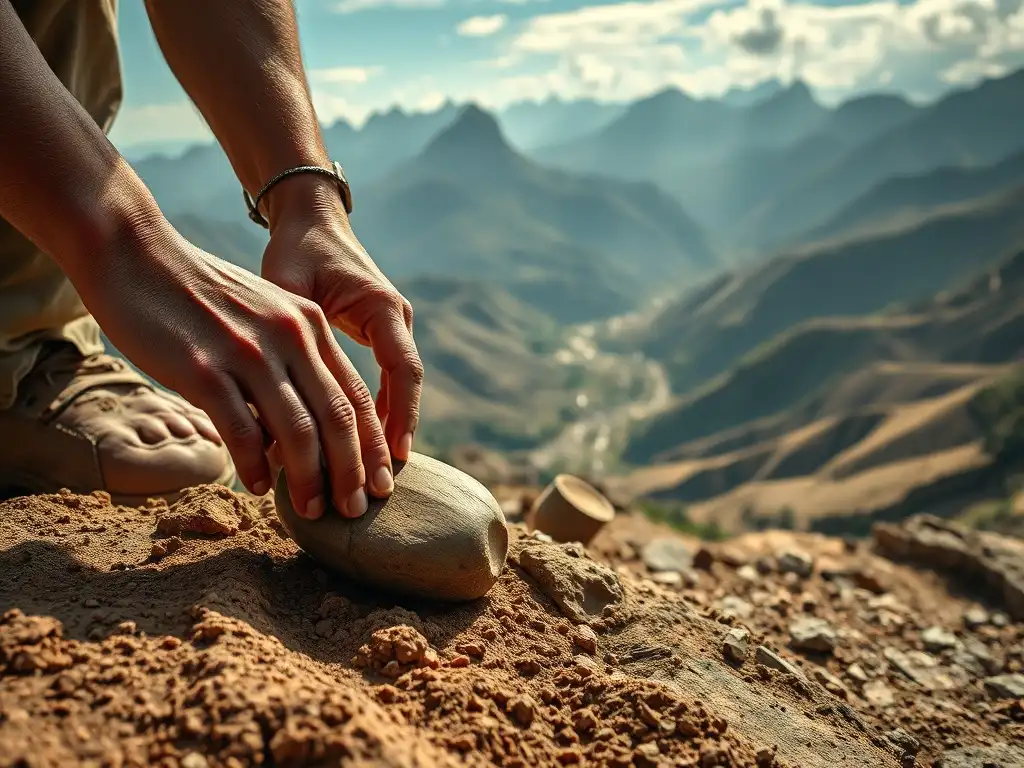
This section delves into the exciting recent advancements shaping our understanding of Andean civilizations through archaeological investigation. We'll explore how technological innovations, refined dating methods, and remote sensing techniques are revolutionizing the field, uncovering hidden layers of history and challenging established narratives. This detailed look at current research highlights the dynamism of Andean civilizations archaeology and its potential for future discoveries.
The ongoing work in this field continues to rewrite our understanding of these fascinating cultures, revealing intricate details of their daily lives, societal structures, and interactions with their environment. The keyword "Andean civilizations archaeology" is central to this exploration.
Technological Innovations in Archaeological Excavation
Technological advancements have dramatically improved the precision and efficiency of archaeological excavation in Andean regions. Gone are the days of solely relying on hand tools and painstaking manual labor. Modern techniques now allow for minimally invasive approaches, preserving fragile artifacts and contextual data with greater accuracy.
For instance, the use of ground-penetrating radar (GPR) allows archaeologists to map subsurface features without disturbing the site itself. This is particularly crucial in densely populated areas or sites with delicate structures. GPR has revealed previously unknown subterranean networks in several Inca sites, including intricate irrigation systems and hidden chambers. This non-destructive method provides a detailed "blueprint" of the site before any excavation begins, allowing for strategic planning and minimizing damage.
Furthermore, the application of 3D scanning and photogrammetry has revolutionized the documentation and analysis of archaeological finds. These technologies create highly accurate digital models of artifacts and sites, allowing for detailed study without the risk of handling fragile objects. This is especially beneficial for preserving delicate textiles, ceramics, and even human remains. The digital models can then be shared globally, facilitating collaborative research and disseminating findings to a wider audience. The increased precision of these methods allows for more nuanced interpretations of the artifacts and their cultural significance.
New Dating Techniques and their Impact on Andean Studies
The development of more precise dating techniques has significantly impacted our understanding of the chronology of Andean civilizations. Previously, reliance on relative dating methods often led to imprecise timelines. However, advancements in radiocarbon dating and other absolute dating methods have allowed for a more refined chronological framework.
Specifically, the improved precision of accelerator mass spectrometry (AMS) radiocarbon dating has proven invaluable. AMS allows for dating of smaller samples, providing more precise dates for organic materials like textiles, wood, and plant remains. This has led to a more accurate understanding of the timelines of different Andean cultures and their interactions. For example, recent studies using AMS have refined the dating of certain Nazca geoglyphs, providing insights into their creation and purpose.
Beyond radiocarbon dating, the application of luminescence dating has proven crucial in dating sediments and pottery shards. This technique measures the energy trapped within mineral grains, providing an independent check on radiocarbon dates and helping to establish a more complete chronological picture. The combined use of various dating techniques minimizes the margin of error, allowing for a more robust chronological framework for Andean archaeological research. This enhanced precision is crucial for understanding cultural transitions, technological advancements, and the complex interactions between different Andean groups.
Remote sensing technologies, such as aerial photography, satellite imagery, and LiDAR (Light Detection and Ranging), are proving invaluable in locating previously unknown Andean archaeological sites. These technologies allow archaeologists to survey vast areas quickly and efficiently, identifying subtle features that are invisible from the ground.
For example, LiDAR uses laser pulses to penetrate vegetation and create detailed three-dimensional models of the terrain. This has revealed previously hidden agricultural terraces, roads, and settlements in remote areas of the Andes. By removing the visual clutter of vegetation, LiDAR provides a clear view of the underlying landscape, revealing patterns and features that were previously obscured. This has led to the discovery of numerous previously unknown settlements and infrastructure, significantly expanding our understanding of the spatial organization and population density of Andean societies.
Furthermore, the use of multispectral and hyperspectral imagery allows archaeologists to identify subtle variations in soil composition and vegetation that may indicate the presence of buried structures or features. These techniques are particularly useful in identifying areas that may have been altered by human activity, such as irrigation canals or building foundations.
By combining these remote sensing techniques with ground-truthing fieldwork, archaeologists can efficiently target their excavation efforts, maximizing the impact of their research. The ongoing application of these technologies promises to unveil many more hidden sites and offer a more comprehensive understanding of the spatial distribution and complexity of Andean civilizations.
Preserving the Archaeological Heritage of the Andes
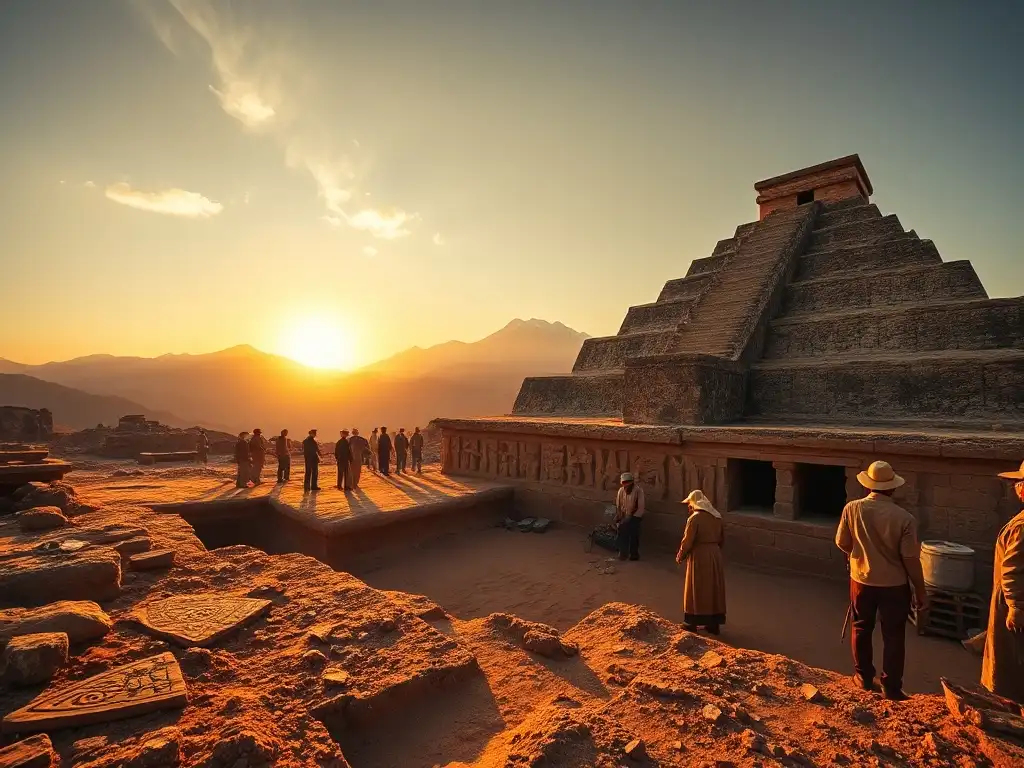
The Andes Mountains, a spine of towering peaks stretching along the western coast of South America, are home to a rich tapestry of ancient civilizations. From the intricate Nazca Lines to the monumental structures of Machu Picchu, the archaeological legacy of the Andean region is unparalleled. However, this invaluable heritage faces numerous challenges, demanding careful preservation strategies and a deep understanding of the ethical implications of archaeological research.
Understanding the threats and implementing effective conservation methods are crucial for safeguarding this irreplaceable history for future generations. The study of Andean civilizations archaeology requires a holistic approach, balancing scientific investigation with cultural sensitivity and sustainable practices.
Threats to Andean Archaeological Sites
Andean archaeological sites are vulnerable to a variety of threats, both natural and human-induced. Natural disasters, such as earthquakes, landslides, and floods, can cause significant damage to fragile structures and artifacts. Erosion from wind and rain gradually wears away ancient walls and carvings, while fluctuating temperatures and humidity contribute to deterioration. Furthermore, the harsh Andean climate itself accelerates the decay process.
Human activities pose even greater risks. Illegal looting and trafficking of artifacts are rampant, driven by a global market for antiquities. This illicit activity not only deprives the region of its cultural heritage but also destroys invaluable contextual information crucial for understanding the past. Unsustainable tourism, while beneficial to local economies, can also lead to site degradation through trampling, vandalism, and pollution. Uncontrolled urbanization and agricultural expansion encroach upon archaeological sites, destroying valuable remains.
Finally, the lack of adequate funding and resources often hampers effective preservation efforts, leaving sites exposed to the elements and human interference. For example, the delicate textiles found in many Andean tombs are extremely susceptible to light and humidity changes, requiring specialized storage and environmental controls. Many sites lack even basic protection against these factors. The consequences are devastating, as evidenced by the increasing rate of deterioration in numerous sites across the region.
Conservation Efforts and Community Involvement
Preserving the archaeological heritage of the Andes requires a multi-faceted approach that combines scientific expertise with community engagement. Conservation efforts focus on stabilizing vulnerable structures, mitigating environmental damage, and preventing further deterioration. This involves employing advanced techniques like laser scanning and 3D modeling to create detailed digital records of sites, allowing for virtual reconstruction and preservation even in cases of significant damage. Furthermore, meticulous documentation and cataloging of artifacts are essential for future research and understanding.
Crucially, successful conservation projects emphasize community involvement. Local communities are often the first custodians of their archaeological heritage, and their knowledge and participation are invaluable. By engaging local people in conservation efforts, projects not only benefit from their traditional knowledge but also foster a sense of ownership and responsibility for protecting their heritage.
Training programs empower community members to actively participate in site monitoring, artifact preservation, and sustainable tourism initiatives. This approach not only protects archaeological sites but also contributes to local economic development and empowers communities to become active participants in preserving their cultural heritage. For instance, some communities are now involved in guiding tours, producing craft items inspired by ancient designs, and developing sustainable tourism strategies that benefit both the community and the sites themselves.
The Ethical Considerations of Archaeological Research
Ethical considerations are paramount in Andean civilizations archaeology. Respect for the cultural heritage of indigenous communities is fundamental. Archaeological research should not be conducted in a manner that disrespects or exploits the ancestral remains and beliefs of the people who lived in these regions. This requires collaboration with indigenous communities, ensuring that research projects align with their values and priorities. The repatriation of artifacts to their communities of origin is another crucial ethical consideration. Many artifacts found in Andean sites hold immense spiritual significance for indigenous communities and their return can be a powerful symbol of reconciliation and respect.
Furthermore, the commercialization of archaeological discoveries must be carefully monitored to prevent the exploitation of cultural heritage for profit. Strict regulations are needed to control the illegal trade of artifacts and ensure that archaeological research is conducted for academic purposes rather than for commercial gain. Transparency and accountability in archaeological research are essential.
Results should be shared openly with the community and the wider academic community, promoting open access and collaborative research. This approach contributes to a more equitable and respectful approach to the study and preservation of Andean cultural heritage. The ethical principles guiding Andean civilizations archaeology must always be centered on respect, collaboration, and the long-term preservation of this invaluable legacy.
The Future of Andean Civilizations Archaeology
The field of Andean civilizations archaeology is vibrant and constantly evolving. New technologies, innovative research methods, and a growing global interest in understanding these fascinating cultures ensure a bright future for uncovering the secrets of the Andes. The ongoing work promises not only to fill in gaps in our current knowledge but also to reshape our understanding of these societies and their legacies. This section will explore some key aspects of this exciting future.
Ongoing Research and Emerging Discoveries
Numerous archaeological projects are currently underway across the Andes, yielding fascinating new insights into various aspects of Andean life. For example, research in the highlands of Peru is revealing more about the sophisticated agricultural techniques employed by pre-Inca civilizations, including intricate irrigation systems and terracing methods that allowed them to thrive in challenging environments. These discoveries are challenging previously held assumptions about Andean agricultural practices and their capacity for innovation.
Furthermore, ongoing excavations in coastal regions are uncovering evidence of complex trade networks that connected different Andean societies, showcasing a level of societal interconnectedness previously underestimated. The analysis of newly discovered textiles, ceramics, and metalwork is providing crucial data on social organization, religious beliefs, and artistic expression, enriching our understanding of Andean cultural complexity. The meticulous study of ancient settlements, including their layout, architecture, and associated artifacts, provides valuable context, giving us glimpses into daily life, social structures, and the evolution of these societies over time.
The sheer volume of ongoing research ensures that our knowledge of Andean civilizations will continue to expand exponentially, potentially revealing entirely new cultures and challenging existing paradigms. The meticulous documentation of these findings, coupled with advanced analytical techniques, ensures that the insights gained contribute significantly to the broader understanding of Andean civilizations archaeology.
The Role of Technology in Future Investigations
Technological advancements are revolutionizing Andean civilizations archaeology. Techniques like LiDAR (Light Detection and ranging), ground-penetrating radar (GPR), and hyperspectral imaging are providing non-invasive methods for mapping sites, identifying buried structures, and analyzing artifacts without causing damage. These non-destructive methods are particularly crucial for preserving fragile archaeological sites and minimizing environmental impact.
Additionally, the application of GIS (Geographic Information Systems) allows researchers to integrate data from various sources, creating comprehensive digital models of ancient landscapes and settlements. This enables a more holistic understanding of the spatial relationships between different sites and features, providing insights into settlement patterns, resource management, and regional interactions. Furthermore, advancements in DNA analysis and isotopic studies are offering new possibilities for tracing migration patterns, understanding kinship structures, and reconstructing ancient diets.
These technological tools are not just accelerating the pace of discovery but also improving the accuracy and precision of archaeological interpretations, leading to a more nuanced and comprehensive understanding of Andean history. The integration of these technologies promises to unlock even more deeply buried secrets of these fascinating cultures.
Fostering a Deeper Understanding of Andean History Through Archaeology
The ultimate goal of Andean civilizations archaeology is to foster a deeper understanding of the history, culture, and societies of the Andean region. By meticulously excavating sites, analyzing artifacts, and interpreting the data using advanced technologies, archaeologists are reconstructing the lives, beliefs, and achievements of the Andean people. This understanding is not only academically enriching but also crucial for promoting cultural preservation and fostering a sense of identity and pride within Andean communities.
By engaging in collaborative research with local communities and incorporating Indigenous knowledge into the research process, archaeologists can ensure that the narratives emerging from these investigations are inclusive and respectful of the cultural heritage they represent. This collaborative approach not only enriches the research but also promotes a sense of ownership and stewardship among local communities, contributing to the long-term preservation of these invaluable sites and the stories they hold.
The ongoing research actively contributes to a more complete and nuanced narrative of Andean history, moving beyond simplistic generalizations to reveal the richness and complexity of these ancient civilizations. The collaborative spirit of modern Andean civilizations archaeology is crucial to ensuring that its insights benefit both the academic community and the descendants of the ancient cultures it studies.
Frequently Asked Questions
What is the focus of Andean civilizations archaeology?
Andean civilizations archaeology focuses on uncovering the material culture and daily lives of ancient Andean societies like the Incas, Moche, Nazca, and Tiahuanaco. It uses excavation and analysis of artifacts to reconstruct their history.
How do archaeologists learn about Andean civilizations without written records?
Archaeologists rely on excavating sites, studying artifacts like pottery and textiles, and analyzing environmental data to understand these civilizations. Interpreting iconography on objects also provides valuable insights.
What are some key discoveries in Andean civilizations archaeology?
Significant discoveries include the Machu Picchu citadel, intricate Nazca Lines, and sophisticated irrigation systems of various cultures. These discoveries reveal advanced engineering and social organization.
How does Andean archaeology contribute to our understanding of human history?
Andean archaeology demonstrates the diversity and complexity of ancient societies, challenging Eurocentric narratives. It highlights innovative technologies and social structures developed independently in the Americas.
Where can I learn more about Andean civilizations archaeology?
You can explore museums with Andean collections, research academic journals and books, and visit archaeological sites. Many online resources and documentaries also offer valuable information.
Final Reflection: Unearthing the Past, Shaping the Future
The meticulous excavation of Andean archaeological sites isn't just about unearthing ancient artifacts; it's about reclaiming a narrative, a history deliberately suppressed or overlooked for centuries. The stories whispered from the earth challenge dominant historical narratives and offer a powerful counterpoint to the often-incomplete, Eurocentric view of the past. This rediscovery is crucial in a world grappling with issues of representation and the ongoing struggle for social justice.
The enduring legacy of Andean civilizations continues to resonate in the vibrant cultures of the Andes today. Their sophisticated agricultural techniques, intricate social structures, and breathtaking artistry remain a testament to human ingenuity and resilience. The echoes of their past are found in the textiles, the music, and the spiritual practices that persist. The past is never dead. It's not even past.
– William Faulkner. This quote perfectly encapsulates the enduring power of Andean history and its relevance to understanding the present. The ongoing research and preservation efforts are not merely academic exercises; they are vital acts of cultural reclamation and a recognition of the inherent worth of these often-marginalized voices.
Consider the impact of these discoveries. How does unearthing the complex history of the Andean people challenge your own understanding of the past? What stories have been left untold in your own community, and how can you help to bring them to light? Let the intricate artistry, the innovative engineering, and the enduring spirit of the Andean civilizations inspire you to seek out the hidden narratives in your own world, to listen to the voices often unheard, and to work towards a future where all histories are valued and celebrated.
Thank you for exploring the rich tapestry of Andean history through archaeology. Your curiosity is key to understanding the past and appreciating the richness of our shared human experience.
Now, let's turn that inspiration into action!
- Delve deeper into Andean archaeology by exploring the detailed guides and resources on our website.
- Join our community and share your insights and personal stories related to Andean culture in the comments below.
- Support local Andean archaeological projects to help preserve these vital narratives for future generations.
What aspects of the Andean past resonate most with you, and how do you believe they shape our understanding of history today?