
The Legacy of the Ancestors: Connecting Past and Present Through Archaeology

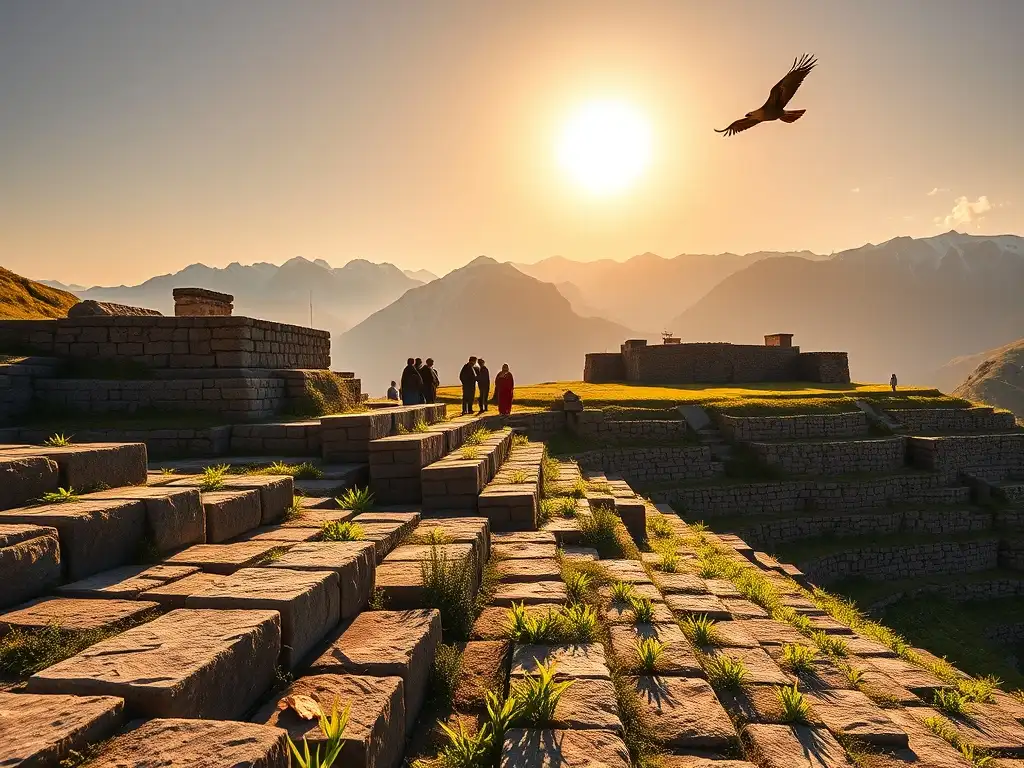
Uncover the secrets whispered on the wind across the Andes! Journey back in time to a world of breathtaking artistry, ingenious engineering, and deeply spiritual beliefs. Prepare to be amazed by the Ancient Andean civilizations archaeology that reveals the astonishing legacy of the Incas, Moche, Nazca, and Tiahuanaco. What mysteries do their lost cities and intricate artifacts still hold? Dive into the captivating story of these remarkable cultures and discover the enduring connections to our present day.
-
The Legacy of the Ancestors: Connecting Past and Present Through Ancient Andean Civilizations Archaeology
- Unearthing the Past: An Introduction to Andean Archaeological Research
- The Significance of Archaeological Discoveries in Understanding Ancient Andean Societies
- Key Archaeological Sites of Ancient Andean Civilizations
- Archaeological Methods and Techniques in the Andes
- Ongoing Archaeological Projects and Research in the Andes
- The Role of Archaeology in Preserving Andean Cultural Heritage
- Connecting the Past to the Present: The Relevance of Ancient Andean Civilizations Archaeology
- Conclusion: Continuing the Journey of Discovery in Ancient Andean Archaeology
-
Frequently Asked Questions
- What makes the archaeology of the Andean civilizations so significant?
- How did the different Andean cultures interact with each other?
- What are some of the most important archaeological sites related to Ancient Andean civilizations?
- What role did religion play in the daily lives of the Andean people?
- How does modern archaeology contribute to our understanding of Ancient Andean civilizations?
- Final Reflection: Unearthing Our Shared Humanity
- Unleash the Wisdom of the Ancients!
The Legacy of the Ancestors: Connecting Past and Present Through Ancient Andean Civilizations Archaeology
The Andes Mountains, a spine of towering peaks running down the western coast of South America, have borne witness to millennia of human civilization. From the sophisticated irrigation systems of the Nazca to the intricate stonework of Machu Picchu, the ancient Andean civilizations left behind a breathtaking legacy of ingenuity and cultural complexity. This article delves into the fascinating world of Ancient Andean civilizations archaeology, exploring how archaeological discoveries are illuminating our understanding of these remarkable societies and their enduring impact on the modern world.
We will examine the key findings that reshape our perception of their social structures, technological advancements, religious beliefs, and artistic expressions, highlighting the crucial role archaeology plays in connecting the past with the present. Understanding these ancient cultures not only enriches our historical knowledge but also offers valuable insights into human resilience, adaptation, and the enduring power of cultural heritage.
This exploration will focus on significant archaeological sites and ongoing research, revealing the ongoing process of uncovering the secrets held within the Andean soil. The rich tapestry of Andean history, woven through meticulous excavation and analysis, continues to unfold, offering a captivating narrative of human achievement and cultural evolution.
Unearthing the Past: An Introduction to Andean Archaeological Research
Archaeological research in the Andes presents unique challenges and rewards. The high altitude, diverse terrains, and often fragile nature of the archaeological remains necessitate specialized techniques and expertise. From meticulous excavation of delicate artifacts to the sophisticated analysis of ancient DNA and isotopic signatures, modern archaeology employs a multidisciplinary approach to unravel the complexities of Andean societies. This involves:
- Systematic Excavation: Carefully removing layers of earth to reveal artifacts and structures in their original context.
- Artifact Analysis: Studying the form, function, and material composition of objects to understand their purpose and significance.
- Environmental Archaeology: Examining the relationship between ancient societies and their environment, including climate change and resource management.
- Bioarchaeology: Analyzing human remains to understand diet, health, and social status.
- Ethnoarchaeology: Studying contemporary Andean communities to gain insights into past practices and behaviours.
The meticulous nature of this research is crucial. For example, the careful excavation of a Nazca burial site might reveal intricate textiles, revealing details about their weaving techniques and social hierarchies. Similarly, the analysis of ancient agricultural terraces can provide crucial data about water management strategies and the sustainability of their farming practices. The interpretation of these findings requires a deep understanding of Andean geography, climate, and cultural practices. The ongoing efforts of archaeologists are continually adding new layers to our understanding of these ancient civilizations.
The Significance of Archaeological Discoveries in Understanding Ancient Andean Societies
Archaeological discoveries have revolutionized our understanding of Ancient Andean societies, challenging previous assumptions and revealing unexpected complexities. For instance, the discovery of sophisticated irrigation systems in the Nazca region demonstrated a level of technological and organizational prowess previously underestimated. Similarly, findings at sites like Chavín de Huántar have illuminated the development of complex religious beliefs and iconography that influenced later Andean cultures.
The importance of these discoveries cannot be overstated. They provide concrete evidence to support and expand upon historical accounts, often revealing details previously unknown or misunderstood. For example, the discovery of well-preserved mummies with intricate burial goods has provided invaluable insights into funerary rites, social structures, and daily life in various Andean societies. The analysis of ancient textiles, ceramics, and metalwork has revealed intricate artistic styles and technological innovations, showcasing the creativity and skill of Andean artisans.
Furthermore, ongoing research continues to refine and expand our knowledge. New technologies, such as remote sensing and advanced imaging techniques, are enabling archaeologists to locate and analyze sites with unprecedented precision. This allows for a more comprehensive understanding of settlement patterns, trade networks, and the interactions between different Andean groups. The study of Ancient Andean civilizations archaeology is a dynamic and evolving field, constantly revealing new insights into the rich and complex history of this remarkable region. 🌍
Key Archaeological Sites of Ancient Andean Civilizations
The study of Ancient Andean civilizations archaeology hinges on the remarkable preservation of numerous key sites across the Andes Mountains. These locations offer invaluable insights into the daily lives, social structures, religious beliefs, and technological advancements of these fascinating cultures. The sheer scale and complexity of some of these sites continue to amaze archaeologists and inspire further research.
The diverse range of sites, spanning different cultures and time periods, provides a rich tapestry of information, allowing for nuanced comparisons and a more comprehensive understanding of Andean development. Careful excavation and preservation efforts are crucial to ensure these invaluable resources remain available for future generations of researchers and visitors alike. The ongoing research at these sites constantly refines our understanding of the region's past, revealing new details about the ingenuity and resilience of the Andean people.
Machu Picchu: Unveiling Inca Architectural Mastery
Machu Picchu, the iconic "Lost City of the Incas," stands as a testament to Inca architectural prowess. Its precise stonework, intricate water management systems, and strategically chosen location on a mountain ridge showcase a sophisticated understanding of engineering and planning. Archaeological investigations continue to uncover new aspects of this remarkable site, revealing details about its function as a royal estate, a religious center, or perhaps both.
The meticulous arrangement of buildings, terraces, and pathways reflects a deep connection between the Incas and their environment, demonstrating a remarkable ability to adapt their constructions to the challenging Andean terrain. The ongoing study of Machu Picchu's architecture helps us understand Inca societal organization, religious practices, and their relationship with the natural world. Analyzing the materials used in construction, the tools employed, and the techniques implemented provides invaluable insights into Inca technology and craftsmanship.
Chan Chan: Exploring the Moche Metropolis
Chan Chan, the largest pre-Columbian city in South America, serves as a crucial site for understanding the Moche civilization. This sprawling adobe city, located on the northern coast of Peru, showcases the Moche's advanced urban planning and sophisticated social hierarchy. Archaeological excavations have revealed intricate residential complexes, monumental pyramids, and extensive irrigation systems, demonstrating the Moche's mastery of hydraulic engineering and their capacity for large-scale construction projects.
The discovery of richly decorated tombs and elaborate artifacts provides insights into Moche religious beliefs, burial rituals, and artistic expression. The ongoing research at Chan Chan helps us understand the complex social and political organization of the Moche, their economic systems, and their interaction with the surrounding environment. The sheer scale of Chan Chan continues to challenge archaeologists and presents exciting opportunities for future discoveries.
The Nazca Lines: Deciphering Ancient Geoglyphs
The Nazca Lines, a collection of enormous geoglyphs etched into the desert plains of southern Peru, remain one of the most enigmatic archaeological mysteries of the Americas. These vast figures of animals, plants, and geometric shapes, visible only from the air, continue to puzzle researchers. Archaeological investigations focus on understanding their creation, purpose, and cultural significance. Theories range from astronomical alignments to ritualistic practices, but a definitive explanation remains elusive.
The scale of the project and the precision of the lines are astounding, showcasing the Nazca's advanced understanding of surveying and engineering. Ongoing research combines ground-level surveys, aerial photography, and advanced imaging techniques to reveal new details about these iconic geoglyphs and the people who created them. Understanding the Nazca Lines is crucial for comprehending the cultural beliefs and practices of the Nazca civilization.
Tiwanaku: Investigating the Pre-Inca Urban Center
Tiwanaku, a pre-Inca urban center located on the shores of Lake Titicaca, represents a sophisticated civilization that flourished centuries before the Inca Empire. Archaeological excavations at Tiwanaku have revealed monumental architecture, including massive stone structures, intricate carvings, and sophisticated water management systems. These findings highlight the advanced engineering skills and social organization of the Tiwanaku people.
The site's influence extended across a vast region, demonstrating Tiwanaku's power and importance in the Andean world. Ongoing research aims to understand the city's role as a political, religious, and economic center, as well as its collapse and subsequent influence on later Andean cultures. The intricate carvings and unique artistic style of Tiwanaku continue to inspire researchers and provide valuable insights into the beliefs and practices of this remarkable civilization.
Archaeological Methods and Techniques in the Andes
The study of Ancient Andean civilizations archaeology employs a wide range of sophisticated methods and techniques, adapted to the unique challenges and opportunities presented by the Andean environment. The high altitude, diverse climates, and unique preservation conditions require specialized approaches to excavation, analysis, and interpretation. These advancements are crucial in ensuring accurate and comprehensive understanding of the past.
Excavation Strategies in Andean Contexts
Excavation in the Andes often requires careful consideration of the fragile nature of the archaeological remains and the challenging environmental conditions. Strategies often involve meticulous removal of soil and sediment layers to reveal delicate artifacts and structures. The use of specialized tools and techniques, such as micro-excavation, ensures the preservation of fragile materials.
Careful documentation, including photography, mapping, and detailed recording of context, is crucial for accurate interpretation. The environmental context of the site is also carefully considered, taking into account factors such as altitude, climate, and soil composition. These tailored approaches ensure the responsible and effective recovery of data from the Andean archaeological record.
Radiocarbon Dating and Chronological Analysis
Radiocarbon dating plays a vital role in establishing the chronology of Andean civilizations. By analyzing organic materials found at archaeological sites, researchers can determine the age of artifacts and structures, providing a framework for understanding the sequence of cultural developments. However, the application of radiocarbon dating in the Andes needs to account for regional variations in atmospheric carbon-14 levels and potential contamination issues.
This often involves cross-referencing radiocarbon dates with other dating methods, such as dendrochronology (tree-ring dating), to improve accuracy and refine chronological sequences. Sophisticated statistical methods are employed to analyze and interpret the resulting data, providing a more refined understanding of the timing and duration of Andean cultural phases.
Remote Sensing and Mapping Technologies
Remote sensing technologies, such as aerial photography, satellite imagery, and LiDAR (Light Detection and Ranging), are increasingly used in Andean archaeology to identify and map archaeological sites. These technologies allow researchers to survey vast areas quickly and efficiently, identifying features that may be invisible or difficult to detect on the ground. LiDAR, in particular, is proving invaluable for mapping hidden structures and features under dense vegetation or obscured by erosion.
The data collected through remote sensing can then be used to plan targeted excavations, maximizing the efficiency and effectiveness of field research. These technological advancements help create detailed maps and 3D models of sites, providing valuable insights into the spatial organization and layout of Andean settlements and landscapes.
Artifact Analysis: Pottery, Textiles, and Metalwork
The analysis of artifacts, such as pottery, textiles, and metalwork, provides crucial insights into the daily lives, social structures, and artistic traditions of Ancient Andean civilizations. Pottery styles, for example, can help identify different cultural groups and periods. Textiles reveal information about weaving techniques, raw materials, and social status.
Metalwork, often made from gold, silver, and copper alloys, provides evidence of advanced metallurgical skills and symbolic meanings. Detailed stylistic analysis, technological studies (e.g., identifying clay types or metal alloys), and chemical analysis of artifacts contribute to a more comprehensive understanding of Andean cultures. By combining this information with data from other sources, such as architecture and burials, archaeologists build a more nuanced picture of these fascinating societies.
Ongoing Archaeological Projects and Research in the Andes
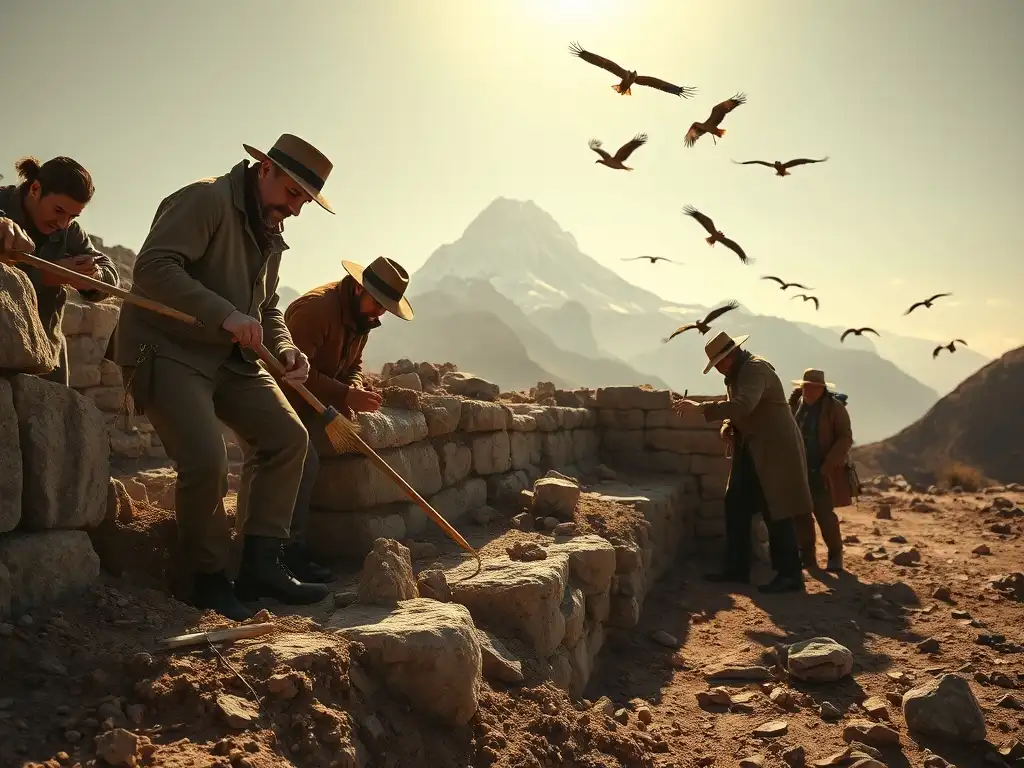
The Andes Mountains are a treasure trove of archaeological sites, attracting researchers from around the globe. Numerous projects are underway, focusing on various aspects of ancient Andean civilizations. These range from large-scale excavations of major urban centers to smaller, more focused studies of specific artifacts or technologies.
The scale and scope of these projects vary considerably, depending on funding, available resources, and the specific research questions being addressed. Some projects utilize cutting-edge technologies like LiDAR and ground-penetrating radar to map sites and uncover hidden features before any excavation even begins, minimizing damage to delicate archaeological contexts. Others employ traditional methods, carefully excavating layer by layer to gain a detailed understanding of site chronology and occupation.
This diversity of approaches ensures a comprehensive understanding of the complexities of ancient Andean societies. The ongoing nature of these projects means that our understanding of these civilizations is constantly evolving, with new discoveries regularly reshaping our perspectives. Many projects also actively involve local communities, fostering a sense of shared ownership and responsibility for the preservation of their cultural heritage.
Recent Discoveries and Their Impact on Andean History
Recent archaeological discoveries in the Andes have significantly impacted our understanding of ancient Andean history. For instance, the uncovering of previously unknown settlements has shed light on the extent and complexity of ancient trade networks. The discovery of new types of artifacts, such as intricate textiles and unique pottery styles, has enriched our knowledge of Andean craftsmanship and artistic expression.
Furthermore, the analysis of ancient DNA has helped researchers trace population movements and migration patterns, providing valuable insights into the genetic heritage of Andean peoples. These discoveries challenge long-held assumptions and force archaeologists to reconsider existing theories about social structures, political organization, and cultural interactions.
The ongoing analysis of these findings continues to reveal new facets of Andean civilizations, pushing the boundaries of our understanding of these fascinating societies. The implications of these discoveries extend beyond the academic realm, influencing museum exhibits, educational materials, and public perceptions of ancient Andean cultures.
The Proyecto Arqueológico Lambayeque: Uncovering the Secrets of the Sican Culture
The Proyecto Arqueológico Lambayeque (PAL) exemplifies the significant contribution of ongoing archaeological research in the Andes. This long-term project, focused on the Sican culture of northern Peru, has yielded extraordinary results. The Sican, known for their mastery of goldsmithing and elaborate funerary practices, have been the subject of intensive study by PAL archaeologists. The project has uncovered numerous monumental sites, including impressive pyramids and elaborate tombs filled with stunning gold artifacts.
These finds have not only expanded our understanding of Sican art and technology but also provided crucial insights into their social hierarchy, religious beliefs, and economic systems. Furthermore, the project emphasizes careful documentation and preservation of the sites, ensuring that future generations can benefit from this invaluable archaeological record. The meticulous work of PAL showcases the importance of long-term, sustained archaeological research in revealing the intricate details of ancient Andean civilizations.
Challenges and Opportunities in Andean Archaeology
Andean archaeology faces unique challenges. The harsh environmental conditions of the Andes, including high altitudes, unpredictable weather, and difficult terrain, can significantly hamper fieldwork. Furthermore, the preservation of archaeological materials can be problematic due to factors such as soil acidity and the effects of climate change. Looting and the illegal trafficking of artifacts pose a constant threat to the integrity of archaeological sites. However, these challenges also present opportunities.
Advances in technology, such as remote sensing and 3D modeling, offer new ways to study and document sites. Collaborative research involving international teams and local communities fosters a more comprehensive and respectful approach to archaeological investigation. The development of effective strategies to combat looting and illegal trafficking is also crucial for the long-term preservation of Andean cultural heritage. Overcoming these challenges will require a multidisciplinary approach, combining archaeological expertise with technological innovation and effective collaboration.
The Role of Archaeology in Preserving Andean Cultural Heritage
Archaeology plays a vital role in preserving Andean cultural heritage. By carefully excavating, documenting, and analyzing archaeological sites, archaeologists contribute to a deeper understanding of the past. This knowledge is crucial for informing conservation efforts and ensuring the protection of these invaluable resources. Moreover, archaeology helps to connect past and present, fostering a sense of cultural identity and pride among Andean communities.
The preservation of ancient ruins, artifacts, and cultural landscapes not only protects tangible heritage but also safeguards intangible aspects of Andean culture, such as traditional knowledge, beliefs, and practices. By revealing the richness and complexity of Andean civilizations, archaeology helps to promote cultural tourism and sustainable development, contributing to the economic well-being of Andean communities. This holistic approach to heritage preservation recognizes the intrinsic value of the past and its ongoing relevance to the present and future.
Community Engagement in Archaeological Conservation
Engaging local communities is paramount for successful archaeological conservation in the Andes. By involving communities in all stages of the archaeological process, from planning and excavation to interpretation and dissemination, archaeologists can ensure that projects are culturally sensitive and benefit local populations. This collaborative approach fosters a sense of ownership and responsibility for the preservation of cultural heritage, empowering communities to actively participate in protecting their ancestral past.
Community-based tourism initiatives can provide economic opportunities while promoting responsible cultural heritage management. Furthermore, the involvement of local communities enhances the accuracy and depth of archaeological research, as their traditional knowledge and perspectives provide valuable insights that might otherwise be overlooked. This collaborative approach builds trust and mutual respect, ensuring the long-term sustainability of conservation efforts.
Combating Looting and Illegal Trafficking of Artifacts
The illegal looting and trafficking of Andean artifacts pose a significant threat to the preservation of cultural heritage. These activities not only destroy invaluable archaeological sites but also deprive communities of their cultural heritage. Combating this illicit trade requires a multi-pronged approach involving law enforcement, international cooperation, and public awareness campaigns. Strengthening legislation, improving border controls, and enhancing collaboration between law enforcement agencies are crucial steps in disrupting trafficking networks.
Educating communities about the importance of protecting archaeological sites and the consequences of looting is equally vital. Moreover, promoting ethical collecting practices and supporting museums and cultural institutions that engage in responsible acquisition and repatriation of artifacts are essential for preserving Andean cultural heritage for future generations. The fight against looting and trafficking requires a sustained and collaborative effort involving governments, researchers, communities, and international organizations.
The Importance of Archaeological Education and Outreach
Archaeological education and outreach are essential for fostering appreciation and understanding of Andean civilizations. By engaging the public through museum exhibits, educational programs, and public lectures, archaeologists can share their research findings and promote responsible cultural heritage management. These initiatives help to raise awareness of the importance of preserving Andean cultural heritage and combating illegal activities such as looting and trafficking. Education and outreach programs can also promote sustainable tourism, creating economic opportunities for local communities while protecting archaeological sites.
By fostering a sense of shared responsibility for the preservation of the past, archaeological education and outreach contribute to the long-term protection and appreciation of Andean cultural heritage. Furthermore, engaging younger generations in archaeology can inspire future generations of researchers and conservationists, ensuring the continued study and protection of these remarkable civilizations. The dissemination of knowledge is key to ensuring the lasting legacy of Andean civilizations.
Connecting the Past to the Present: The Relevance of Ancient Andean Civilizations Archaeology
The study of ancient Andean civilizations offers invaluable insights into human adaptation, resilience, and societal development. Understanding the ingenuity of past Andean societies, their sophisticated agricultural techniques, and their complex social structures provides a crucial lens through which to examine contemporary challenges. Archaeological discoveries illuminate sustainable practices, innovative technologies, and intricate social organizations that can inform and inspire solutions to modern problems.
For example, the study of ancient Andean water management systems can offer valuable lessons for addressing water scarcity in modern contexts. Furthermore, understanding the complexities of ancient Andean social structures can help us better understand and address inequalities in our own societies. The legacy of these civilizations is not merely historical; it holds practical and ethical significance for the present day.
By studying their successes and failures, we can gain a deeper understanding of our own place in the world and potentially improve our future. Ancient Andean civilizations archaeology is not just about the past; it's about building a more sustainable and equitable future.
Lessons from the Past: Sustainable Practices of Ancient Andean Societies
Ancient Andean societies developed remarkably sustainable practices, particularly in agriculture and resource management. Their understanding of environmental limitations led to innovative farming techniques like terracing, which prevented soil erosion and maximized crop yields in challenging mountainous terrain. The intricate network of canals and aqueducts used for irrigation demonstrates an advanced understanding of water management, crucial for survival in arid and semi-arid regions. Furthermore, their use of organic fertilizers and crop rotation techniques ensured soil fertility and minimized environmental impact.
These practices are particularly relevant today, as we grapple with climate change and the need for sustainable agriculture. The resilience of these ancient societies in the face of environmental challenges offers valuable lessons for modern agricultural practices and resource management strategies. Studying these practices can help us develop more sustainable and environmentally friendly methods of food production. 🌎
Cultural Identity and the Legacy of the Ancestors
The archaeological record of ancient Andean civilizations is inextricably linked to the cultural identity of contemporary Andean communities. The discovery and preservation of ancient artifacts, sites, and traditions strengthens a sense of continuity and pride in their heritage. Archaeological research plays a crucial role in fostering cultural understanding and reconciliation, particularly in regions marked by historical conflict and social injustice.
The recovery and repatriation of cultural heritage materials helps to reclaim the narrative of these communities and restore a sense of ownership over their past. Moreover, the study of ancient Andean art, textiles, and religious practices provides valuable insights into the worldview and spiritual beliefs of these societies, enriching our understanding of human diversity and cultural expression. Ancient Andean civilizations archaeology is, therefore, not just an academic pursuit but a vital component of cultural preservation and identity formation.
Andean Irrigation Techniques: A Model for Modern Water Management
The sophisticated irrigation systems developed by ancient Andean cultures represent a remarkable feat of engineering and a testament to their deep understanding of hydrology. Techniques such as canals, aqueducts, and subterranean channels allowed for the efficient distribution of water across vast areas, supporting intensive agriculture in challenging environments. The ingenuity of these systems, particularly their ability to manage water resources sustainably in arid and semi-arid regions, continues to inspire modern water management strategies. These ancient systems, often adapted to specific topographic conditions, provide valuable case studies for the design and implementation of sustainable irrigation systems in contemporary contexts.
Their resilience and efficiency offer valuable lessons for addressing the challenges of water scarcity and ensuring sustainable water resource management in the face of climate change. Analyzing these techniques can help us develop more efficient and environmentally friendly irrigation practices for the future. 💦
Conclusion: Continuing the Journey of Discovery in Ancient Andean Archaeology
Ancient Andean civilizations archaeology continues to reveal remarkable insights into the ingenuity, resilience, and cultural complexity of these fascinating societies. Ongoing research, utilizing advanced technologies and interdisciplinary approaches, is constantly expanding our understanding of their achievements and challenges. The study of ancient Andean civilizations is not merely an academic exercise; it is a vital endeavor that contributes to our understanding of human history, cultural diversity, and sustainable practices.
By connecting the past to the present, archaeology illuminates the enduring legacy of these ancestors and offers valuable lessons for addressing contemporary challenges. The journey of discovery in Ancient Andean archaeology is far from over; it is a dynamic and evolving field that promises to continue enriching our understanding of the human experience for generations to come.
Frequently Asked Questions
What makes the archaeology of the Andean civilizations so significant?
The archaeology of the Andean civilizations is significant because it reveals the remarkable achievements of these societies, including their advanced agricultural techniques, complex social structures, and stunning artistic creations. It offers crucial insights into human adaptation and innovation.
How did the different Andean cultures interact with each other?
Andean cultures interacted through a complex web of trade, warfare, and cultural exchange. Some periods saw peaceful integration and shared technologies, while others were characterized by conflict and territorial disputes. Intercultural relations shaped the development of these societies.
Important sites include Machu Picchu (Inca), Chan Chan (Chimu), Nazca Lines (Nazca), and Tiahuanaco (Tiahuanaco). These sites provide substantial evidence of the unique cultures and technologies of these civilizations.
What role did religion play in the daily lives of the Andean people?
Religion played a central role, influencing all aspects of life, from agriculture and governance to art and architecture. Rituals and ceremonies were essential, often tied to the worship of deities associated with nature and fertility.
How does modern archaeology contribute to our understanding of Ancient Andean civilizations?
Modern archaeology, using advanced techniques like DNA analysis and remote sensing, continually refines our understanding. It helps us reconstruct past environments, understand social structures, and reassess previously held assumptions about these fascinating civilizations.
The meticulous excavation of ancient Andean civilizations reveals not just artifacts, but a profound connection to our shared human experience, a connection that resonates powerfully in the present day. Understanding their sophisticated agricultural techniques, intricate social structures, and breathtaking artistic achievements offers invaluable lessons in resilience, innovation, and the enduring power of community – lessons desperately needed in our increasingly complex world. The echoes of their ingenuity still reverberate, shaping our understanding of civilization itself.
The enduring legacy of the Andean civilizations transcends mere historical significance; it speaks to the fundamental human drive for creativity, connection, and survival. Their stories, painstakingly pieced together from fragmented pottery shards and crumbling city walls, remind us of our shared past and the interconnectedness of all humanity. The past is never dead. It's not even past.
– William Faulkner. This quote perfectly encapsulates the ongoing relevance of Andean archaeology, demonstrating how the past continues to inform and shape our present understanding of ourselves and the world around us. The challenges they faced – climate change, social upheaval, and the constant struggle for resources – mirror many of our own contemporary concerns, offering a poignant perspective on the cyclical nature of human history.
Consider the intricate details uncovered by archaeologists: the sophisticated irrigation systems that sustained vast populations, the vibrant textiles that tell stories of their beliefs and traditions, the monumental structures that stand as testaments to their collective effort. These are not just relics of a bygone era; they are powerful symbols of human potential, resilience, and the enduring strength of the human spirit. You, the reader, are now part of this ongoing conversation. Take a moment to reflect on the parallels between the ingenuity of the Andean civilizations and the challenges we face today.
What can we learn from their triumphs and their failures? How can we apply their wisdom to build a more sustainable and equitable future? Let the legacy of the ancestors inspire you to action.
Unleash the Wisdom of the Ancients!
Thank you for exploring the fascinating legacy of our ancestors with us. You've discovered the profound connections between archaeology and our modern world, uncovering insights that can shape a better future. Now, let's put those insights into action!
Here are some ways you can continue to explore and celebrate this rich heritage:
- **Visit a local historical site or museum. ** Immerse yourself in the stories and artifacts of your region's past.
- **Share this article with others. ** Spark conversations about how history shapes our identity and influences our present.
- **Volunteer at an archaeological dig. ** Gain hands-on experience and develop a deeper understanding and appreciation of the past.
What aspect of our ancestors' achievements inspires you to make a difference today?