
The Ongoing Quest: Unanswered Questions and New Frontiers in Andean Archaeology

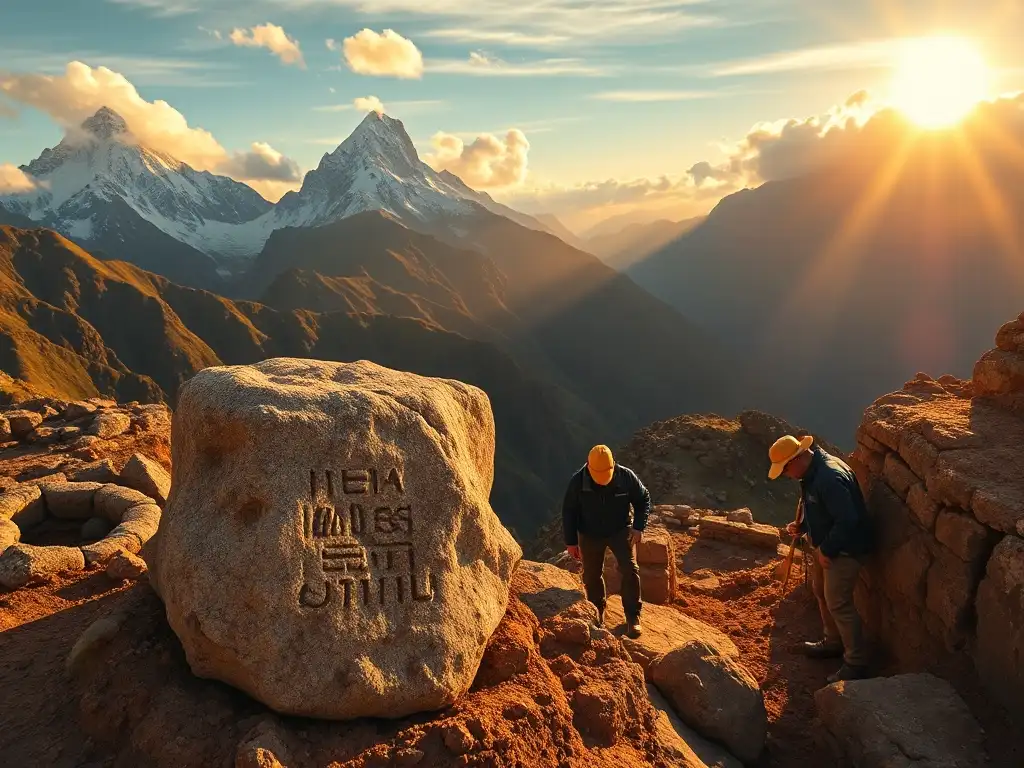
Step into a world lost to time, yet whispering secrets through the mountains. For centuries, the Andes have held their breath, guarding the mysteries of civilizations that thrived millennia ago. But even today, Andean archaeology unanswered questions continue to tantalize and inspire. Join us as we delve into the legacy of the Incas, Moche, Nazca, and Tiahuanaco, exploring the fascinating enigmas that remain and the groundbreaking discoveries that are reshaping our understanding of these remarkable cultures. Dare to uncover the truth…
The Andes Mountains, a spine of towering peaks stretching along the western coast of South America, have yielded a wealth of archaeological treasures, revealing the sophisticated cultures that thrived there for millennia. From the intricate textiles of the Nazca to the monumental architecture of the Incas, the Andean region presents a captivating tapestry of human ingenuity and resilience.
Yet, despite decades of dedicated research, numerous enigmas remain, beckoning archaeologists to continue their tireless quest for understanding. This article delves into some of the most pressing unanswered questions in Andean archaeology, highlighting recent discoveries and exploring the exciting new frontiers of research that promise to shed light on these enduring mysteries.
The sheer scale and complexity of Andean civilizations, coupled with the challenging environmental conditions and the often fragmented nature of the archaeological record, ensure that the quest for knowledge will continue for generations to come. We will explore the mysteries surrounding monumental construction, complex social structures, and the ultimate demise of these remarkable societies, emphasizing the ongoing efforts to unravel their captivating stories.
Exploring the Mysteries of Andean Civilizations
The Andean region boasts a diverse range of ancient cultures, each with its unique characteristics and contributions to human history. However, many fundamental questions about their origins, development, and interactions remain unanswered. For example, the precise origins of the Chavín culture, known for its iconic temple complexes and widespread influence, are still debated. Was it a single, centralized power, or a network of interconnected communities sharing similar religious beliefs and artistic styles?
The intricacies of their sophisticated iconography, often depicting hybrid creatures and complex symbolic systems, continue to puzzle researchers. Furthermore, the exact mechanisms of power and social organization within these societies remain unclear. Archaeologists are constantly seeking new evidence to understand the roles of elites, priests, and commoners, and how these groups interacted to shape the social fabric of Andean life.
The development of advanced technologies, such as sophisticated irrigation systems and intricate metalworking techniques, also requires further investigation. How did these technologies evolve, and what were the social and economic implications of their widespread adoption? These questions drive ongoing research, leading to new discoveries and reinterpretations of the past.
Unraveling the Secrets of Machu Picchu
Machu Picchu, the iconic "Lost City of the Incas," continues to captivate the world with its breathtaking beauty and mysterious history. Despite extensive research, many questions surrounding its purpose and function remain unanswered. Was it a royal estate, a religious center, a military stronghold, or a combination of these?
The precise timing of its construction and abandonment also remains uncertain, as well as the size and nature of the population that inhabited it. Recent technological advancements, such as LiDAR (Light Detection and Ranging) and ground-penetrating radar, are providing new insights into the site's layout and hidden structures, potentially revealing previously unknown features and offering clues to its enigmatic past. The ongoing analysis of artifacts recovered from the site, including pottery, textiles, and agricultural remains, is also contributing to a more comprehensive understanding of daily life and the social dynamics of this remarkable settlement.
The intricate network of terraces and water management systems suggests a level of engineering prowess that still impresses modern engineers. Further investigation is needed to fully understand the challenges faced and the ingenuity employed in constructing and maintaining this incredible site.
The Collapse of Andean Empires: A Multifaceted Puzzle
The decline and eventual collapse of major Andean empires, such as the Wari and Tiwanaku, present another significant area of ongoing research. While environmental factors, such as droughts and climate change, undoubtedly played a role, the full picture is far more complex. Internal conflicts, social unrest, and external pressures likely contributed to their decline.
Archaeologists are investigating evidence of warfare, population shifts, and economic instability to understand the interplay of these factors. The analysis of isotopic data from human remains can reveal dietary changes and migration patterns, providing valuable insights into the social and environmental pressures faced by these populations. The study of abandoned settlements and the gradual transformation of landscapes offers further clues to the processes of societal collapse and the subsequent adaptation of surviving communities.
Understanding these collapses is not only crucial for comprehending the past but also for informing contemporary discussions about environmental sustainability and societal resilience. The lessons learned from these past societal shifts hold profound implications for our own time.
New Technologies and Future Directions in Andean Archaeology
The field of Andean archaeology is constantly evolving, with new technologies and methodologies offering exciting possibilities for future research. Advanced imaging techniques, such as 3D modeling and photogrammetry, are allowing archaeologists to create detailed virtual reconstructions of sites and artifacts, facilitating analysis and interpretation. The application of Geographic Information Systems (GIS) helps researchers map and analyze spatial patterns in settlement distribution and resource management.
The use of ancient DNA analysis promises to provide insights into population movements, kinship structures, and the spread of diseases. These advancements are not only transforming our understanding of the past but also opening up new avenues of research, leading to a more holistic and nuanced perspective on Andean civilizations.
The continued development and application of these technologies will undoubtedly lead to further breakthroughs in our understanding of these remarkable cultures. The future of Andean archaeology is bright, promising a deeper and more comprehensive understanding of these fascinating societies.
- Exploring the Mysteries of Andean Civilizations
- Unraveling the Secrets of Machu Picchu
- The Collapse of Andean Empires: A Multifaceted Puzzle
- New Technologies and Future Directions in Andean Archaeology
- What are some of the biggest unanswered questions in Andean archaeology?
- How do archaeologists approach these unanswered questions?
- What role did climate change play in the rise and fall of Andean civilizations?
- Are there any recent breakthroughs in Andean archaeology?
- Where can I learn more about ongoing research in Andean archaeology?
Unresolved Enigmas in Andean Archaeology
This section delves into some of the most persistent mysteries surrounding Andean archaeology, focusing on areas where ongoing research continues to yield exciting, albeit sometimes frustrating, results. The field is constantly evolving, with new discoveries challenging established theories and opening up fresh avenues of inquiry. These unanswered questions fuel the passion of Andean archaeologists and keep the study of these fascinating civilizations vibrant and compelling. The pursuit of answers deepens our understanding of Andean ingenuity, resilience, and societal complexities.
The Collapse of Tiwanaku: A Lingering Puzzle
The sudden decline of the Tiwanaku civilization, a powerful Andean empire flourishing between 300 and 1000 CE, remains a significant enigma in Andean archaeology. While environmental factors such as drought and climate change are often cited as contributing factors, the exact sequence of events leading to its collapse is still debated. Did internal strife, overextension of resources, or external pressures play a more significant role?
Several theories attempt to explain this complex event. Some researchers point to a gradual weakening of the centralized state, possibly due to internal political instability or economic difficulties. Others emphasize the impact of environmental changes, suggesting that prolonged droughts severely strained agricultural production, leading to widespread famine and social unrest. Evidence of increased warfare in the late Tiwanaku period also suggests that external conflicts might have exacerbated the situation.
The lack of a single, universally accepted narrative highlights the complexity of deciphering the past. Further research, including detailed analysis of archaeological sites, isotopic studies of human remains to track migration patterns, and sophisticated climate modeling, is crucial to unraveling the intricacies of Tiwanaku's demise. Understanding this collapse is key to comprehending the broader dynamics of societal change and resilience in the Andean region. The ongoing excavations and interdisciplinary approaches promise to shed more light on this fascinating, yet unresolved, puzzle in Andean archaeology.
The Purpose of the Nazca Lines: Beyond the Surface
The Nazca Lines, a series of immense geoglyphs etched into the Peruvian desert, are arguably one of the most iconic and mysterious archaeological sites in the world. While their creation by the Nazca culture (100 BCE – 800 CE) is undisputed, their purpose continues to spark intense debate among researchers. Were they astronomical calendars, ceremonial pathways, or perhaps something far more enigmatic?
The prevailing theories range from the practical to the spiritual. Some researchers suggest an astronomical connection, proposing that the lines align with celestial events, serving as a sophisticated observation system. Others argue that they were part of complex rituals and ceremonies, potentially related to water management or fertility rites. The intricate designs, often depicting animals and plants, further complicate the interpretation, suggesting a deeper symbolic meaning.
Recent technological advancements, such as high-resolution aerial photography and 3D modeling, are providing new insights into the lines' complexity and scale. However, the lack of conclusive evidence continues to fuel speculation. The debate highlights the challenges of interpreting ancient symbolism and the need for multidisciplinary approaches, combining archaeological data with insights from anthropology, astronomy, and even ethnobotany, to fully grasp their significance. The mystery of the Nazca Lines remains a powerful testament to the enduring allure of Andean archaeology unanswered questions.
Inca Road System: Unexplored Pathways and Functions
The Inca road system, a marvel of ancient engineering, stretched thousands of kilometers across the Andes Mountains, connecting the vast Inca Empire. While its strategic importance for communication, trade, and military movement is well-established, many aspects of this remarkable infrastructure remain unexplored. Many sections of the network are still buried beneath vegetation or obscured by erosion, leaving significant gaps in our understanding of its full extent and function.
The Inca's mastery of road construction, including their innovative techniques for overcoming challenging terrain and their use of durable materials, is well-documented. However, the precise organization and management of this vast system, the role of local communities in its maintenance, and the extent of its integration with other aspects of Inca society require further investigation. Archaeological excavations along lesser-known routes, coupled with analysis of historical records and oral traditions, could reveal much about the day-to-day operation and impact of the Inca road system.
Furthermore, the social and cultural significance of the roads extends beyond mere practicality. The roads likely served as important pathways for the movement of people, goods, and ideas, playing a crucial role in the integration and cultural homogenization of the empire. Understanding the full extent of this impact requires a comprehensive investigation, integrating archaeological findings with anthropological and historical perspectives.
The continuing exploration of the Inca road system promises to yield significant insights into the Inca's organizational capacity, technological prowess, and the social dynamics of their vast empire. Uncovering more of these pathways will undoubtedly deepen our understanding of this remarkable feat of ancient engineering and its role in shaping Andean history.
New Frontiers in Andean Archaeological Research
The field of Andean archaeology is experiencing a renaissance, fueled by innovative technologies and interdisciplinary collaborations that are reshaping our understanding of these fascinating ancient societies. This section explores some of the most promising new avenues of research, highlighting how advancements are helping to answer long-standing questions and uncover previously unknown aspects of Andean life. The quest to understand these civilizations is ongoing, and these advancements are crucial in piecing together a more complete picture of their remarkable achievements. The application of cutting-edge techniques is revolutionizing our approach to "Andean archaeology unanswered questions," leading to exciting new discoveries.
Advanced Technologies in Andean Site Exploration
The application of advanced technologies is revolutionizing the way archaeologists explore Andean sites, allowing for non-invasive investigation and the uncovering of features previously hidden beneath the surface. This significantly reduces the impact of traditional excavation methods, while simultaneously expanding the scope of research.
Remote Sensing and LiDAR for Uncovering Hidden Structures
Remote sensing techniques, particularly LiDAR (Light Detection and Ranging), are proving invaluable in mapping extensive areas with unprecedented detail. LiDAR uses laser pulses to create highly accurate 3D models of the terrain, penetrating vegetation and revealing subtle changes in elevation that indicate buried structures or features. This technology has already led to the discovery of previously unknown settlements, irrigation systems, and ceremonial centers in various Andean regions.
For example, LiDAR surveys in the Amazon basin have revealed extensive networks of roads and settlements, significantly altering our understanding of pre-Columbian occupation patterns. The detailed maps generated by LiDAR provide a crucial foundation for subsequent, targeted excavations, maximizing the efficiency and impact of archaeological fieldwork. The potential for future discoveries using this technology in the vast and varied Andean landscape is immense.
DNA Analysis and Insights into Ancient Andean Populations
Genetic analysis is providing unprecedented insights into the population dynamics, migration patterns, and relationships between different Andean groups. Ancient DNA (aDNA) extracted from skeletal remains offers a powerful tool for reconstructing the genetic history of these populations. Studies are revealing the complex interplay between genetic exchange and cultural interaction, shedding light on the processes of population movement and cultural diffusion across the Andes.
For instance, recent studies have uncovered unexpected genetic links between seemingly disparate Andean groups, challenging previously held assumptions about their origins and relationships. Further research into aDNA, combined with isotopic analysis of skeletal remains, promises to provide a much clearer picture of ancient Andean diets, health, and social structures. This approach is directly addressing many "Andean archaeology unanswered questions" surrounding population movements and interactions.
Interdisciplinary Approaches to Andean Archaeology
The most significant advancements in Andean archaeology are emerging from collaborative efforts that bring together experts from diverse fields. This interdisciplinary approach is essential for fully understanding the complexity of these ancient societies.
Ethnohistorical Data and Archaeological Interpretation
Ethnohistory, the study of indigenous cultures using historical documents and oral traditions, provides invaluable context for interpreting archaeological findings. By combining archaeological data with ethnohistorical sources, researchers can gain a richer understanding of the social, political, and religious practices of Andean societies. For example, ethnohistorical accounts of Inca road systems can be correlated with archaeological evidence of road construction and maintenance, providing a more complete picture of the Inca empire's logistical capabilities.
This integrated approach allows for more nuanced interpretations of archaeological remains, moving beyond simple descriptions of material culture to a deeper understanding of the social and cultural contexts in which they were produced and used. The collaborative effort between archaeologists and ethnohistorians is crucial for answering many previously intractable "Andean archaeology unanswered questions."
Environmental Studies and the Impact on Andean Societies
Environmental studies, including paleoclimatology and paleobotany, are essential for understanding the relationship between Andean societies and their environment. By analyzing pollen, plant remains, and climate data, researchers can reconstruct past environmental conditions and assess their impact on agricultural practices, settlement patterns, and social organization. For instance, studies of past climate variability have revealed how droughts and other environmental events influenced the rise and fall of different Andean civilizations.
Understanding these environmental factors is crucial for interpreting the archaeological record and gaining a holistic understanding of the factors that shaped Andean societies. The incorporation of environmental data into archaeological research is vital for addressing many unanswered questions concerning the sustainability and resilience of Andean societies over time. This multi-faceted approach offers a powerful tool for understanding the complex interplay between humans and their environment in the Andes.
The Future of Andean Archaeological Studies

The field of Andean archaeology is constantly evolving, driven by new technologies, shifting research priorities, and a growing understanding of the ethical responsibilities inherent in studying ancient cultures. While significant progress has been made in uncovering the secrets of civilizations like the Inca, Moche, Nazca, and Tiahuanaco, numerous unanswered questions remain, fueling ongoing research and promising exciting discoveries in the years to come.
This section explores some key areas shaping the future of Andean archaeological studies, focusing on the crucial aspects of preservation, community engagement, and ethical considerations. The pursuit of knowledge must always be balanced with respect for the past and the needs of present-day communities.
Preservation and Conservation of Andean Heritage Sites
The fragile nature of Andean archaeological sites, many located in high-altitude, environmentally sensitive regions, presents a significant challenge. Factors such as erosion, looting, and climate change pose constant threats to the preservation of irreplaceable cultural heritage. Effective preservation strategies are therefore crucial for the long-term survival of these sites. This requires a multi-pronged approach:
- Improved monitoring technologies: Utilizing advanced remote sensing techniques, such as LiDAR and satellite imagery, can help identify vulnerable areas and track changes over time, allowing for proactive interventions. This proactive approach is significantly more cost-effective than reactive repairs.
- Sustainable tourism management: While tourism can provide crucial economic benefits to local communities, it also presents risks to site integrity. Implementing sustainable tourism practices, including limiting visitor numbers, providing adequate infrastructure, and educating tourists about responsible behavior, is essential. This includes educating tourists on the importance of not touching or removing artifacts.
- Community-based conservation: Engaging local communities in the preservation process is vital. Their knowledge of the landscape, cultural significance of sites, and traditional practices can be invaluable in developing effective conservation strategies. This collaborative approach fosters a sense of ownership and responsibility.
- Climate change adaptation: The impact of climate change on Andean heritage sites is undeniable. Developing strategies to mitigate the effects of extreme weather events, such as increased rainfall and glacial melt, is crucial. This might involve building protective structures or implementing soil stabilization techniques.
Community Engagement in Archaeological Research
The traditional, often extractive, approach to archaeological research has been increasingly challenged in recent years. A more ethical and sustainable approach emphasizes community engagement, recognizing the importance of local knowledge and perspectives in understanding the past. This collaborative model offers several advantages:
- Increased accuracy and depth of interpretation: Local communities often possess invaluable oral traditions, historical knowledge, and insights into the significance of archaeological sites that are often overlooked by researchers. Their participation enhances the accuracy and depth of interpretations.
- Greater respect for cultural heritage: Involving communities in research ensures that their cultural heritage is treated with respect and sensitivity. It allows them to participate in the decision-making process regarding the management and interpretation of their ancestral sites.
- Sustainable economic development: Archaeological research can generate economic opportunities for local communities through employment and tourism. This can create a more sustainable model of research that benefits both researchers and communities.
- Enhanced public understanding: By working collaboratively with communities, archaeologists can increase public awareness and understanding of Andean cultures and heritage. This approach fosters a sense of shared ownership and responsibility for preserving the past.
Addressing the Ethical Considerations of Andean Archaeology
Ethical considerations are paramount in Andean archaeology. The legacy of past exploitative practices underscores the need for a responsible and respectful approach to research and preservation. Key ethical considerations include:
- Repatriation of cultural artifacts: The question of returning cultural artifacts to their countries of origin remains a complex and sensitive issue. Ethical guidelines must be developed to ensure the fair and equitable repatriation of artifacts.
- Protection of human remains: The treatment of human remains found at archaeological sites requires careful consideration. Ethical protocols should be established to ensure that these remains are treated with respect and dignity. This includes respectful reburial or repatriation, where appropriate.
- Balancing research and preservation: The pursuit of knowledge must be balanced with the need to preserve archaeological sites for future generations. Non-destructive research methods should be prioritized wherever possible.
- Informed consent and community participation: Researchers must obtain informed consent from communities before conducting research on their lands and must ensure that community members participate meaningfully in the research process. This includes transparent communication and shared decision-making.
The future of Andean archaeology hinges on addressing these challenges and embracing a more collaborative, ethical, and sustainable approach to research and preservation. By prioritizing community engagement, incorporating advanced technologies, and upholding the highest ethical standards, we can ensure that the rich legacy of Andean civilizations is preserved and understood for generations to come. The ongoing quest for knowledge demands a responsible and respectful approach, ensuring that the past informs the future and that the stories of Andean civilizations continue to resonate for years to come.
Key Unanswered Questions in Andean Archaeology: A Summary
Andean archaeology, despite significant advancements, continues to present a wealth of unanswered questions that challenge our understanding of these fascinating civilizations. The sheer scale and complexity of Andean societies, coupled with the challenges of environmental preservation and the ethical considerations surrounding archaeological excavation, leave many aspects of their history shrouded in mystery. This section focuses on three key areas where ongoing research strives to illuminate the shadowy corners of Andean past.
The persistent pursuit of answers to these questions fuels the dynamism of Andean archaeology, constantly refining our understanding of these remarkable cultures and their legacies. The keywords "Andean archaeology unanswered questions" are central to this ongoing exploration.
The Role of Warfare in Andean Societies
The extent and nature of warfare in Andean societies remain a subject of intense debate among archaeologists. While evidence of conflict exists – from fortifications and weaponry to skeletal remains bearing trauma – the interpretation of this evidence varies significantly. Was warfare a constant state, a sporadic occurrence, or something else entirely? Some scholars argue that warfare was pervasive, driving the rise and fall of empires and shaping social structures. They point to the impressive fortifications found at sites like Sacsayhuamán, suggesting a constant need for defense.
However, others propose a more nuanced perspective. They argue that while conflict undoubtedly occurred, its scale and significance may have been overestimated. The interpretation of weaponry, for example, is sometimes debated; certain objects might have had ceremonial or symbolic functions rather than purely military ones.
Furthermore, the evidence of trauma on skeletal remains needs careful contextualization; not all injuries were necessarily caused by warfare. The development of sophisticated agricultural techniques and extensive trade networks suggests a degree of cooperation and interdependence between different Andean groups, potentially mitigating the impact of constant warfare.
Further research, including detailed analysis of weaponry, settlement patterns, and skeletal remains, coupled with interdisciplinary approaches incorporating anthropological and historical perspectives, is crucial to understanding the true role of warfare in shaping Andean societies. A more complete picture requires a move beyond simple narratives of constant conflict to a more nuanced understanding of the complex interplay of cooperation, competition, and violence.
The Nature of Andean Religious Beliefs and Practices
Unraveling the intricacies of Andean religious beliefs and practices presents another significant challenge. The absence of written records, except for the relatively late appearance of Quechua script, necessitates a reliance on archaeological evidence – often fragmented and open to multiple interpretations. While we have a reasonable understanding of some aspects, such as the importance of ancestor veneration and the role of certain deities like Viracocha, a comprehensive understanding remains elusive.
The variety of religious practices across different Andean cultures and time periods further complicates the picture. The iconography found on textiles, ceramics, and monumental architecture provides valuable insights, but its precise meaning remains frequently debated. For example, the intricate designs found on Nazca pottery and the massive geoglyphs of the Nazca Lines continue to inspire speculation about their religious significance.
Similarly, the meaning and function of the numerous ritual sites scattered throughout the Andes, from small domestic shrines to vast temple complexes, are still subjects of ongoing research. Advances in archaeobotany and zooarchaeology are proving invaluable in determining the role of specific plants and animals in religious rituals. However, a deeper understanding requires careful contextual analysis of these diverse forms of religious expression, integrating archaeological, anthropological, and ethnohistorical perspectives to create a richer and more nuanced interpretation of Andean spirituality.
Understanding the Rise and Fall of Andean States: A Continuing Debate
The rise and fall of Andean states – from the Wari and Tiwanaku empires to the Inca – remains a topic of ongoing investigation. While various theories exist, a universally accepted explanation remains elusive. Environmental factors, such as climate change and resource scarcity, are often cited as contributing factors, alongside internal conflicts, social inequalities, and external pressures from rival groups.
However, the precise interplay of these factors, and their relative importance in causing state collapse, requires further investigation. For example, the collapse of the Tiwanaku state has been linked to both prolonged drought and internal political instability. Similarly, the Inca empire's rapid expansion and subsequent conquest by the Spanish involved a complex interplay of military might, political maneuvering, and disease.
Further research is needed to refine our understanding of these processes. This includes detailed analysis of environmental data, coupled with investigations into political structures, economic systems, and social hierarchies.
The use of advanced modeling techniques, such as agent-based modeling, could help simulate the dynamics of these complex systems and test different hypotheses regarding the factors that contributed to their rise and fall. A more comprehensive understanding will require a multidisciplinary approach, integrating archaeological, historical, and environmental data to create a more complete picture of the factors that shaped the trajectories of Andean states.
Frequently Asked Questions
What are some of the biggest unanswered questions in Andean archaeology?
Many mysteries remain! Key among them are the origins of certain Andean cultures, the exact nature of societal collapse in some empires, and the full extent of technological advancements like sophisticated irrigation systems. Much work is still needed.
How do archaeologists approach these unanswered questions?
Archaeologists use a multi-faceted approach, combining excavation, analysis of artifacts, and study of ancient texts (where available). They also increasingly utilize advanced technologies like LiDAR and DNA analysis to uncover new clues.
What role did climate change play in the rise and fall of Andean civilizations?
Climate shifts, including droughts and floods, significantly impacted Andean societies. These changes often exacerbated existing societal stresses, contributing to both periods of prosperity and decline in various cultures. Research continues to refine our understanding of this complex relationship.
Are there any recent breakthroughs in Andean archaeology?
Yes! Recent discoveries through advanced imaging techniques and improved excavation methods are continually revealing new information about settlement patterns, ritual practices, and daily life in ancient Andean societies. This expands our understanding of these fascinating cultures.
Where can I learn more about ongoing research in Andean archaeology?
You can find updated information through academic journals, museum websites, and archaeological society publications. Many universities also host research projects focusing on Andean civilizations, offering valuable insights into ongoing work.
Final Reflection: Echoes of the Past, Whispers of the Future
The mysteries of the Andes continue to resonate today, challenging our understanding of human ingenuity and societal development. The sheer scale of unanswered questions—from the precise mechanisms of Inca road construction to the reasons behind the collapse of pre-Inca civilizations—highlights the enduring power of the past to shape our present. These aren't merely academic puzzles; they are keys to understanding complex societal dynamics, resilience in the face of adversity, and the enduring human spirit.
The impact of Andean archaeology extends far beyond the academic sphere; it shapes our understanding of cultural diversity, environmental adaptation, and the very nature of civilization. The legacy of the Andes, with its breathtaking monuments and intricate social structures, continues to inspire artists, writers, and thinkers alike. The past is never dead. It's not even past.
– William Faulkner. This quote perfectly encapsulates the ongoing relevance of Andean archaeology, reminding us that the echoes of these ancient societies reverberate through our world, influencing our perspectives and shaping our future.
Consider the implications of these unanswered questions. What can we learn from the successes and failures of past Andean societies? How can their innovative approaches to agriculture, engineering, and social organization inform our own efforts to build sustainable and equitable futures? You, the reader, hold the power to engage with this legacy. Explore the resources available, support ongoing research, and most importantly, cultivate a sense of wonder and curiosity about the rich tapestry of human history woven into the very fabric of the Andes. Let the unanswered questions fuel your own quest for knowledge and understanding.
**Unveil the Mysteries of Andean Archaeology! **
Thank you for joining us on this exploration of the fascinating world of Andean archaeology! We hope you're inspired by the enduring mysteries and the remarkable discoveries yet to be made. Now, let's delve deeper into your passion for this field!
Here are some **exciting ways** to further your knowledge:
- **Join a Local Archaeological Society:** Network with fellow enthusiasts and participate in community digs or lectures to expand your understanding of Andean cultures.
- **Explore the Rich Literature on Andean Civilizations:** Delve into our recommended reading list, covering captivating theories, past discoveries, and future research directions.
- **Visit a Museum Featuring Andean Archaeology:** Examine artifacts firsthand and gain valuable insights from leading experts.
As you begin your journey into this captivating field, consider this: **What unsolved puzzles of Andean civilizations captivate you most, and how might you contribute to their solution? **