
The Power of Symbols: How Ancient Andean Iconography Influences Modern Art

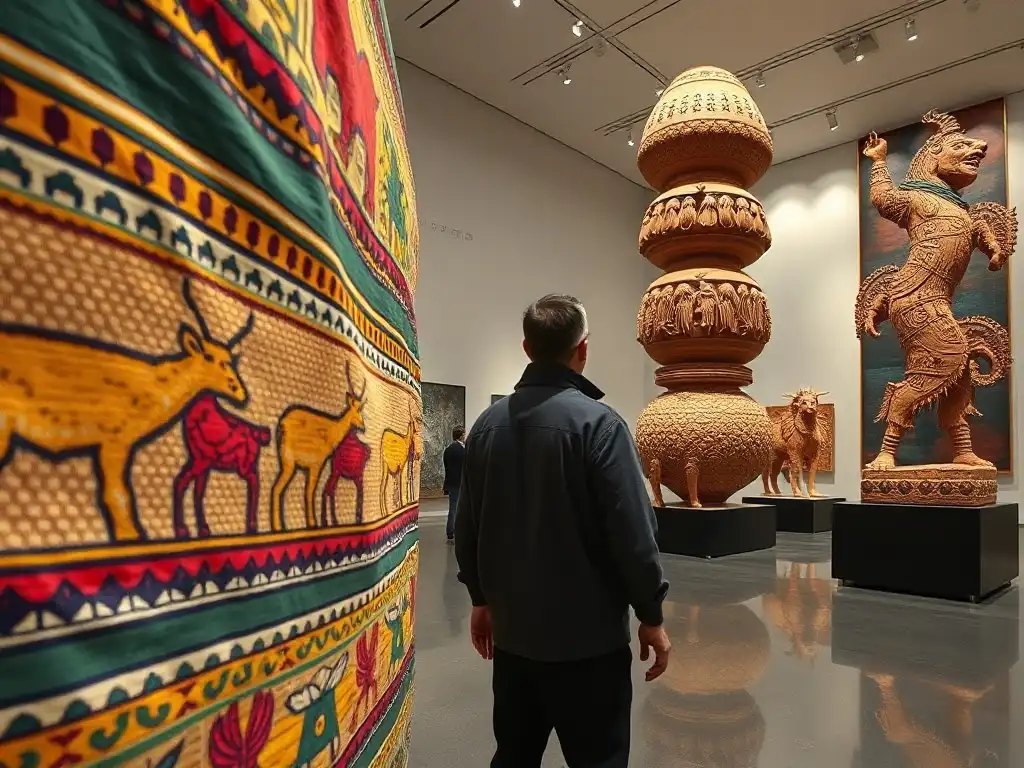
Unravel the mysteries of a lost world where vibrant symbols whispered secrets across millennia. Dive into the captivating legacy of the Andean civilizations—Incas, Moche, Nazca, and Tiahuanaco—and discover how their breathtaking artistry continues to resonate today. Prepare to be amazed as we explore the profound impact of Ancient Andean iconography on modern art. What hidden connections will you uncover? Journey with us to understand the enduring power of these ancient symbols.
- The Power of Symbols: Ancient Andean Iconography's Influence on Modern Art
- Decoding Ancient Andean Iconography: A Visual Language
- The Enduring Legacy: How Ancient Andean Motifs Resurface in Contemporary Art
- Transformations and Interpretations: The Evolution of Ancient Symbols
- The Cultural Significance of Preserving and Reimagining Andean Iconography
- Ancient Andean Iconography: A Source of Inspiration and Identity
-
Frequently Asked Questions
- How did ancient Andean iconography influence modern art?
- What specific Andean cultures most influenced modern art?
- Can you give examples of modern artists influenced by Andean iconography?
- What specific symbols or motifs from Andean iconography are commonly seen in modern art?
- Where can I learn more about the influence of Andean iconography on modern art?
- Final Reflection: Echoes of the Andes in Contemporary Canvas
- Unveil the Power of Ancient Andean Symbols!
The Power of Symbols: Ancient Andean Iconography's Influence on Modern Art
The vibrant tapestry of Andean civilizations, encompassing the Incas, Moche, Nazca, and Tiahuanaco, left behind a legacy far exceeding their monumental architecture and sophisticated agricultural techniques. Their intricate iconography, a powerful system of visual communication laden with symbolic meaning, continues to resonate deeply within modern art. This article delves into the profound influence of Ancient Andean iconography on contemporary artistic expression, exploring how these ancient symbols are reinterpreted, reimagined, and celebrated in the 21st century.
We will examine specific examples, showcasing the enduring power and artistic versatility of these ancient motifs, and their continued relevance in a globally connected world. Understanding this influence provides a richer appreciation for both the ancient Andean cultures and the contemporary art scene that draws inspiration from them. This exploration will reveal how the legacy of these civilizations transcends time, impacting artistic trends and inspiring new creative avenues.
The Enduring Allure of Andean Motifs: From Ancient Textiles to Contemporary Canvas
Ancient Andean textiles, ceramics, and metalwork are replete with recurring motifs: stylized animals (condors, jaguars, llamas), geometric patterns (zigzags, stepped frets), and anthropomorphic figures. These weren't merely decorative elements; they conveyed complex narratives, religious beliefs, and social structures. Modern artists are captivated by the inherent beauty and symbolic depth of these motifs.
Many contemporary artists directly incorporate these ancient designs into their work, sometimes using traditional techniques like weaving or pottery, while others reinterpret them through painting, sculpture, or digital media. The repetition of these forms creates a visual rhythm and echoes the cyclical nature of Andean cosmology. Consider, for example, the recurring use of the khipu knot system in contemporary art, representing not only a historical record-keeping method but also a complex system of communication and storytelling that continues to fascinate and inspire.
Reinterpreting Andean Symbolism: A Modern Lens on Ancient Beliefs
The symbolic language of ancient Andean iconography is rich and multifaceted. For instance, the serpent, often depicted in Nazca ceramics, might symbolize fertility, water, or the underworld. Modern artists don't necessarily adhere to the original interpretations.
Instead, they engage in a dialogue with the past, using these symbols to express contemporary themes and concerns. Some artists might use the serpent to represent environmental issues or the cyclical nature of life and death, while others might explore the power dynamics inherent in ancient Andean social structures through reinterpretations of anthropomorphic figures. This process of reinterpretation allows for a dynamic exchange between past and present, enriching both our understanding of ancient Andean culture and the artistic expression of today.
The Impact of Andean Aesthetics on Contemporary Design
Beyond fine art, the influence of Andean iconography extends to contemporary design. The striking geometric patterns found in ancient textiles, for example, have inspired countless designs in fashion, interior design, and product packaging. The bold colors, intricate details, and symbolic depth of these patterns lend a unique aesthetic appeal to modern creations.
This influence reflects a growing appreciation for indigenous art and design, and a recognition of the timeless beauty and cultural significance of Andean artistic traditions. The use of these patterns demonstrates a conscious and often celebrated appropriation, rather than a mere imitation, demonstrating a deep engagement with the cultural source material. This demonstrates a shift towards a more culturally inclusive and globally informed design aesthetic.
Challenges and Considerations: Respectful Appropriation vs. Cultural Misappropriation
The increasing popularity of Andean iconography in modern art necessitates a careful consideration of ethical implications. It's crucial to differentiate between respectful appropriation, which involves acknowledging the source and engaging thoughtfully with the cultural context, and cultural misappropriation, which involves the unauthorized use of cultural elements for personal gain without proper understanding or respect. Contemporary artists must be mindful of the potential for misrepresentation and strive to engage with Andean traditions in a way that honors their significance and avoids perpetuating harmful stereotypes.
This requires research, collaboration with indigenous communities where appropriate, and a deep appreciation for the rich cultural heritage they represent. The line between respectful engagement and appropriation is a complex one, requiring careful consideration and nuanced understanding. This requires an ongoing dialogue and critical self-reflection by artists and consumers alike.
Decoding Ancient Andean Iconography: A Visual Language
Understanding the Symbolic World of Andean Cultures
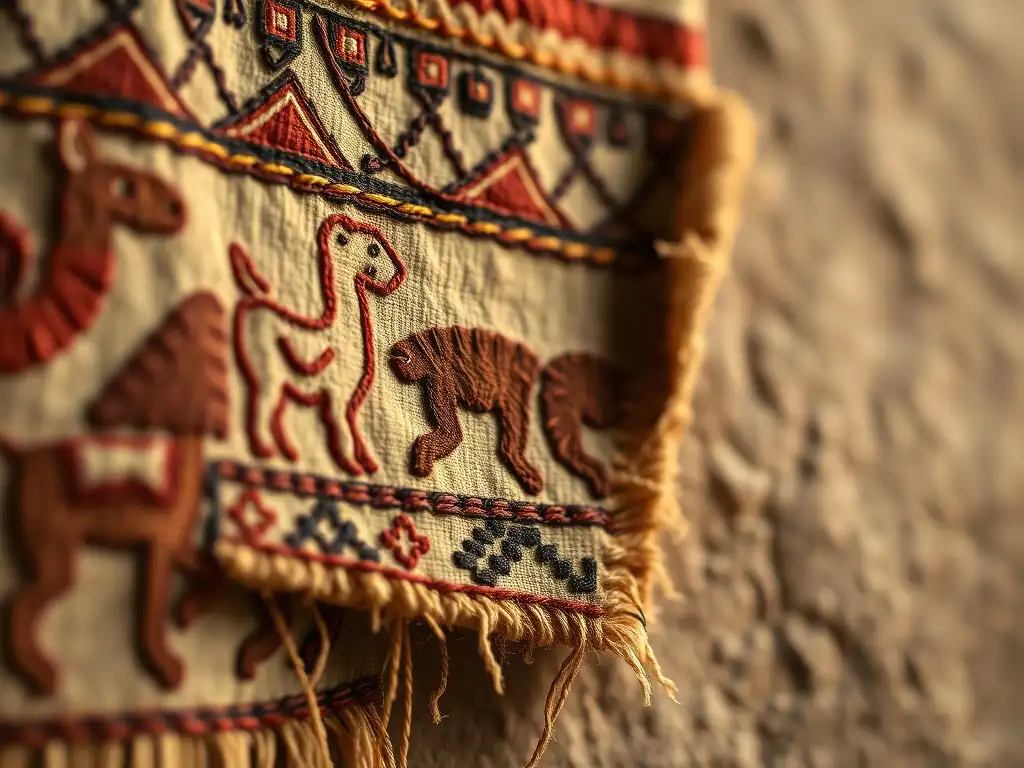
Ancient Andean iconography wasn't merely decorative; it was a complex system of communication, deeply intertwined with the spiritual beliefs, social structures, and daily lives of these sophisticated societies. Understanding this visual language requires acknowledging the holistic worldview of Andean cultures, where the natural and supernatural worlds were inextricably linked. Mountains, celestial bodies, animals, and even abstract forms carried profound symbolic weight, often representing powerful deities, ancestral spirits, or cosmological principles.
For example, the recurring motif of the chakana, or Andean cross, symbolizes the four cardinal directions, the cosmos, and the interconnectedness of all things. This intricate system of symbols provided a framework for understanding the world and their place within it, shaping their rituals, beliefs, and artistic expressions. The pervasive use of these symbols in textiles, ceramics, and architecture showcases their importance in daily life and highlights their significance in transmitting knowledge across generations.
Analyzing these visual representations provides invaluable insights into their worldview, social organization, and artistic genius. The study of Ancient Andean iconography reveals a sophisticated symbolic system far surpassing mere ornamentation; it's a window into the minds and hearts of a civilization that profoundly shaped the Andean region.
Key Motifs in Ancient Andean Art: The Condor, Puma, and Serpent
Several key motifs dominate Ancient Andean art, each carrying specific cultural and symbolic significance. Among the most prominent are the condor, the puma, and the serpent. These powerful creatures represent different aspects of the Andean worldview, often embodying divine attributes or embodying specific forces of nature.
The condor, a majestic bird soaring high above the Andes, frequently symbolizes power, strength, and the connection between the earthly and celestial realms. Its depiction in art often indicates a link to the sun god, Inti, and its ability to fly high above the mountains reflects the aspiration for spiritual elevation and transcendence.
The puma, a stealthy and powerful feline, represents strength, cunning, and the earthly realm. Often associated with the underworld and nocturnal forces, the puma's presence in iconography could also signify fertility, protection, and the ability to navigate both visible and hidden aspects of existence. The careful observation of its representation in different Andean cultures reveals nuanced variations in its symbolism.
The serpent, a symbol found across many cultures, represents fertility, water, and the life-giving force of nature in Andean iconography. Its sinuous form often represents the cyclical nature of life, death, and rebirth, reflecting the Andean understanding of the interconnectedness of all living things. Specific types of serpents, like the Amaru, held significant religious importance.
The frequency and context in which these motifs appear—sometimes together, sometimes independently—provide a rich tapestry of meaning and offer valuable clues to understanding the complexities of Ancient Andean beliefs and practices. Further research into regional variations of these symbols is crucial to fully grasping their significance within each distinct Andean culture.
The Significance of Iconography in Andean Society
Ancient Andean iconography played a crucial role in shaping Andean societies. It served as a powerful tool for:
- Religious Expression: Symbols were integral to religious practices, representing deities, spirits, and cosmological concepts. Ceremonial objects, textiles, and architecture were richly adorned with iconography, reflecting the profound importance of religion in daily life. The intricate designs were not merely aesthetically pleasing; they served as visual reminders of religious beliefs and aided in the performance of sacred rituals.
- Social Organization: Iconography also played a role in marking social status and power. Specific symbols, colors, and designs were associated with particular social groups, elites, or lineages. The use of these symbols in clothing, jewelry, or architecture served to visually communicate social hierarchy and reinforce social structures.
- Historical Transmission: The consistent use of particular symbols across different periods and regions allowed for the transmission of knowledge and cultural memory. The iconography acted as a visual language, carrying meaning and historical information across generations, long before the development of written languages. The persistence of certain motifs across different Andean cultures underscores the enduring power of this visual communication system.
- Political Control: Rulers utilized iconography to project power and legitimacy. Royal imagery and symbols of authority were strategically employed to consolidate political control and reinforce the ruler's divine right to govern. The careful use of symbolic language in architecture and public spaces served as a tool for consolidating political power and ensuring social order.
The study of Ancient Andean iconography, therefore, offers a multifaceted lens through which to analyze the complexities of Andean societies, revealing the interwoven nature of their religious beliefs, social structures, and political systems. The enduring influence of this visual language on modern Andean art is a testament to its lasting power and significance. Further investigation into the nuances of specific symbols and their contextual use is essential to fully appreciate the richness and depth of this fascinating aspect of Andean culture.
The Enduring Legacy: How Ancient Andean Motifs Resurface in Contemporary Art
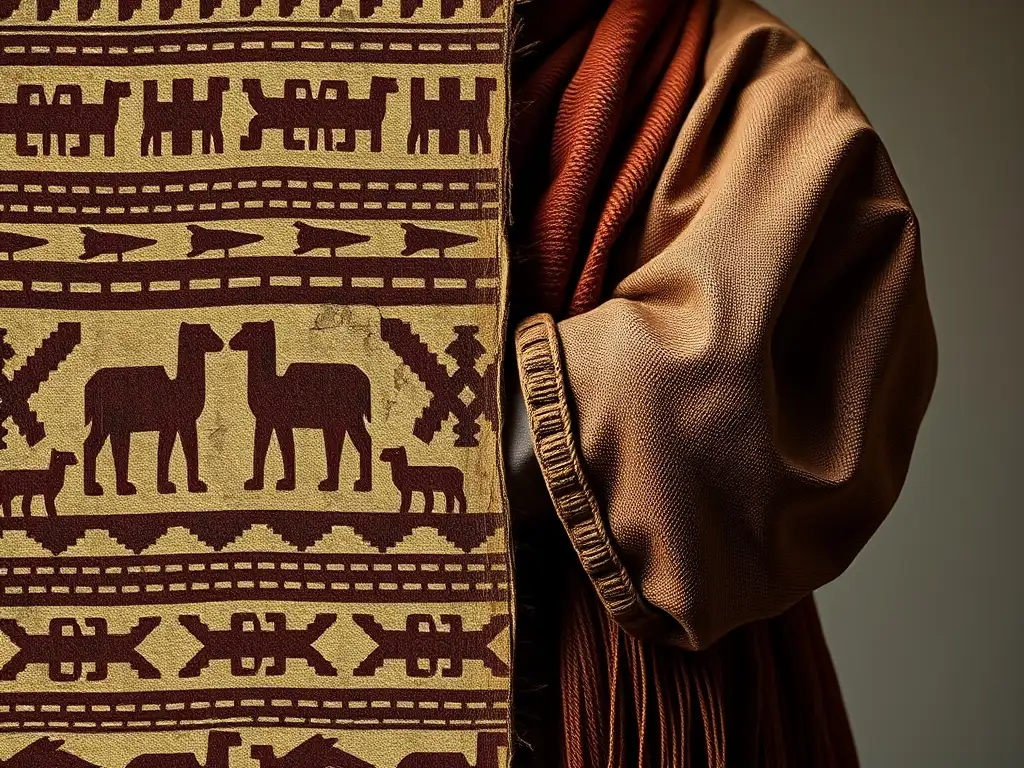
The vibrant tapestry of Ancient Andean iconography continues to resonate deeply within contemporary artistic expressions. From the intricate textiles of the Nazca to the monumental stone carvings of the Inca, the symbolic language of these civilizations provides a powerful wellspring of inspiration for modern artists. This enduring legacy isn't merely a superficial imitation; rather, it represents a profound engagement with a rich cultural heritage, a reimagining of ancient motifs within a contemporary context.
This section will explore how these ancient symbols are reinterpreted and recontextualized, demonstrating the ongoing influence of Ancient Andean iconography on modern art. The power of these images lies not only in their aesthetic appeal but also in their ability to connect contemporary audiences with a distant past, fostering a sense of continuity and cultural identity. Understanding this influence requires examining both the historical context and the creative processes of modern Andean artists.
Tracing the Influence: From Pre-Columbian Art to Modern Expressions
The impact of Pre-Columbian art on modern Andean artistic movements is undeniable. The stylistic elements, thematic concerns, and symbolic meanings inherent in Ancient Andean iconography have been meticulously studied and reinterpreted by contemporary artists. Consider, for instance, the recurring motifs of jaguars, condors, and serpents – powerful symbols representing both earthly and spiritual realms in ancient Andean cultures. These creatures, depicted with remarkable detail and dynamism in ancient textiles and ceramics, reappear in modern works, albeit with updated artistic techniques and interpretations.
Sometimes, the imagery is directly adapted, a clear homage to the ancestral forms. Other times, the influence is more subtle, a lingering echo of ancient aesthetics informing the artist's choices of color palette, composition, or symbolic language. This evolution demonstrates a dynamic interplay between tradition and innovation, where the past informs the present, creating a vibrant and ever-evolving artistic dialogue.
The persistence of these motifs highlights the enduring cultural significance of Ancient Andean iconography and its capacity to transcend time and adapt to new artistic expressions. Analyzing specific examples of this evolution reveals a nuanced understanding of this ongoing artistic conversation. For example, [Specific examples of artistic evolution pending].
Modern Andean Artists Reinterpreting Ancient Symbols
Many contemporary Andean artists actively engage with Ancient Andean iconography, not as mere replication, but as a starting point for exploring contemporary themes. They use these ancient symbols to express their own unique perspectives, addressing issues of identity, colonialism, environmental concerns, and social justice. This isn't a passive borrowing; instead, it's a critical engagement with the past, using ancient forms to articulate modern realities.
The process often involves a deconstruction and reconstruction of the original imagery, stripping away layers of meaning to reveal new interpretations. Some artists might utilize traditional Andean techniques, such as weaving or pottery, to create works that directly engage with ancestral forms. Others might employ more contemporary mediums, like painting or digital art, to reinterpret ancient symbols in a fresh and innovative way.
This diversity of approaches underscores the richness and complexity of the relationship between Ancient Andean iconography and contemporary art. The use of ancient symbols is not simply decorative; it's a powerful tool for expressing complex social and cultural narratives. For instance, [Specific examples of artists and their works pending].
The Use of Andean Iconography in Contemporary Painting and Sculpture
The influence of Ancient Andean iconography is particularly evident in contemporary Andean painting and sculpture. Painters often incorporate ancient motifs into their compositions, blending them with modern styles and techniques. This results in works that are both aesthetically striking and deeply meaningful, bridging the gap between past and present. The bold colors, geometric patterns, and symbolic representations characteristic of ancient Andean art find new expression in contemporary canvases.
Similarly, sculptors use ancient forms as inspiration, creating three-dimensional representations of ancient deities, animals, and objects. These sculptures often incorporate traditional materials like stone and wood, further strengthening the connection to the past. However, the execution may involve contemporary techniques and interpretations, adding a layer of complexity and nuance to the final product. The combination of traditional materials and modern artistic approaches creates a fascinating interplay between ancient and contemporary aesthetics.
The overall effect is a powerful visual statement that speaks to both the enduring legacy of Ancient Andean culture and the innovative spirit of contemporary Andean artists. The impact extends beyond mere visual appeal; it's a potent expression of cultural identity and a testament to the continuous evolution of artistic expression. For example, [Specific examples of paintings and sculptures pending]. The use of bold colors 🎨 and intricate designs 🧵 is often a key element in these works, reflecting the vibrancy and complexity of Ancient Andean iconography.
Transformations and Interpretations: The Evolution of Ancient Symbols
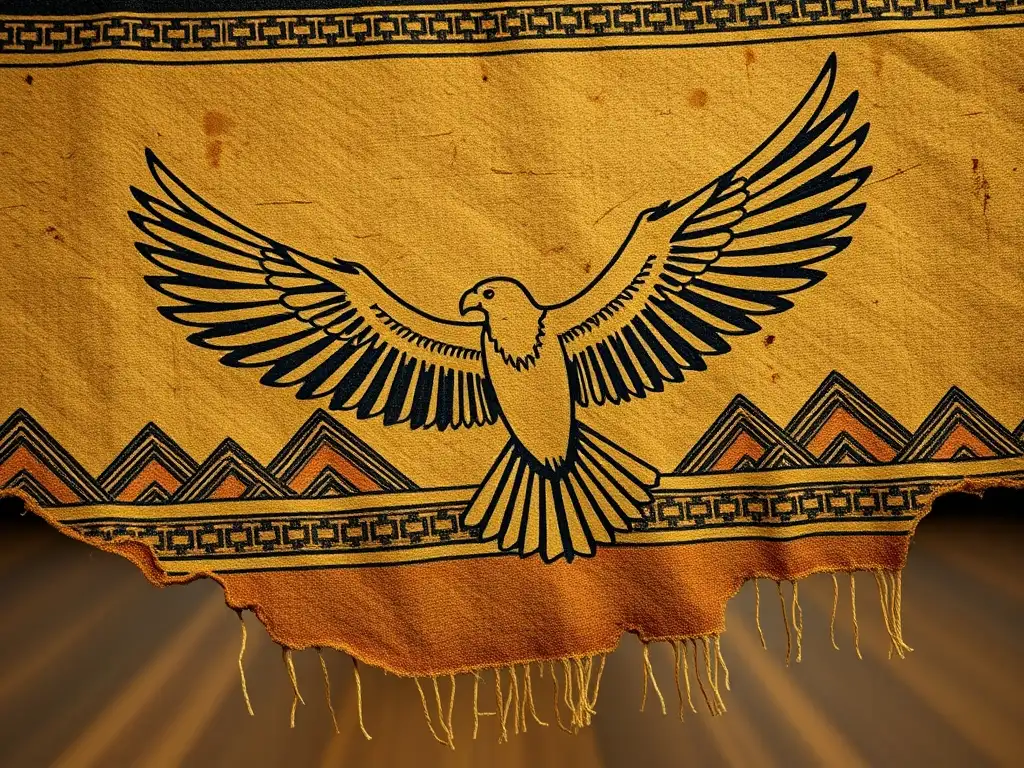
This section delves into the fascinating journey of Ancient Andean iconography as it transitions from its origins in ancient civilizations to its vibrant presence in contemporary Andean art. We'll explore how artists adapt and reinterpret these powerful symbols, considering the impact of cultural context and examining specific examples of this transformative process. The enduring influence of Ancient Andean iconography on modern art is a testament to the enduring power and beauty of these symbolic forms.
Understanding this evolution requires examining both the conscious choices of artists and the unconscious cultural currents that shape their interpretations. The keyword "Ancient Andean iconography modern art influence" is central to this exploration.
How Artists Adapt and Modernize Andean Iconographic Elements
Contemporary Andean artists don't simply copy ancient designs; they engage in a dynamic process of adaptation and modernization. This involves several key strategies. One common approach is to recontextualize the symbols. A traditional motif depicting a deity, for example, might be reimagined within a completely new narrative, perhaps representing environmental concerns or social justice. The meaning shifts, but the visual power remains.
Another strategy is abstraction. Artists might take the core elements of an ancient design—a specific geometric pattern, a stylized animal form—and simplify or fragment it, creating a more modern and minimalist aesthetic. This allows the symbol to resonate on a subconscious level while appealing to contemporary tastes. Think of the way a traditional Inca knot design might be reinterpreted as a repeating pattern in a textile, maintaining its inherent elegance but losing its overtly religious significance.
Furthermore, many artists integrate ancient Andean iconography with other artistic styles and techniques. A painter might blend traditional motifs with elements of surrealism or pop art, creating a unique and compelling fusion. This blending reflects the multifaceted nature of modern Andean identity and the globalized world in which it exists. The deliberate use of modern materials also contributes to this evolution – ancient symbols rendered in acrylics on canvas, or incorporated into digital prints, demonstrate a conscious engagement with both tradition and innovation.
The Impact of Cultural Context on the Interpretation of Symbols
The interpretation of Ancient Andean iconography is never static; it's deeply influenced by the cultural context in which it's viewed and used. A symbol that held a specific religious meaning in Inca times might carry a completely different significance for a contemporary artist working in a post-colonial context. For instance, the depiction of a condor, a powerful symbol in Inca mythology, could be interpreted in contemporary art as a symbol of freedom, resilience, or even environmental protection, depending on the artist’s intent and the broader cultural conversation.
Furthermore, the geographical location of the artist significantly impacts the interpretation. An artist in the Andes might use these symbols to connect with ancestral heritage and reaffirm indigenous identity. Meanwhile, an artist in a different region might use them to explore themes of cultural exchange and hybridity. The same symbol can therefore evoke vastly different responses depending on the viewer's background and understanding of Andean history and culture. This underscores the dynamic and multifaceted nature of "Ancient Andean iconography modern art influence."
Examples of Symbol Transformation in Contemporary Andean Art
Let's consider some concrete examples. Many contemporary textile artists use traditional Andean weavings techniques to incorporate ancient symbols into their work, often reinterpreting them in ways that reflect contemporary social and political issues. These textiles might incorporate ancient designs alongside modern imagery, creating a powerful dialogue between past and present.
Another example can be found in contemporary painting. Some artists focus on recreating ancient murals using modern techniques, while others selectively incorporate specific motifs into their compositions to create a sense of cultural continuity. This reflects a conscious effort to reclaim and reinterpret ancient Andean aesthetics within a contemporary framework. The use of vibrant colors, often echoing the palette of ancient pottery, further enhances this connection to the past.
Finally, the use of ancient symbols in sculpture demonstrates another aspect of the transformative process. Sculptors might reinterpret ancient figures, altering their posture, expression, or context to reflect contemporary concerns. This adds new layers of meaning to these ancient forms, transforming them into potent expressions of modern Andean identity. The ongoing engagement with ancient symbols in diverse artistic mediums highlights the persistent and evolving power of "Ancient Andean iconography modern art influence."
The Cultural Significance of Preserving and Reimagining Andean Iconography
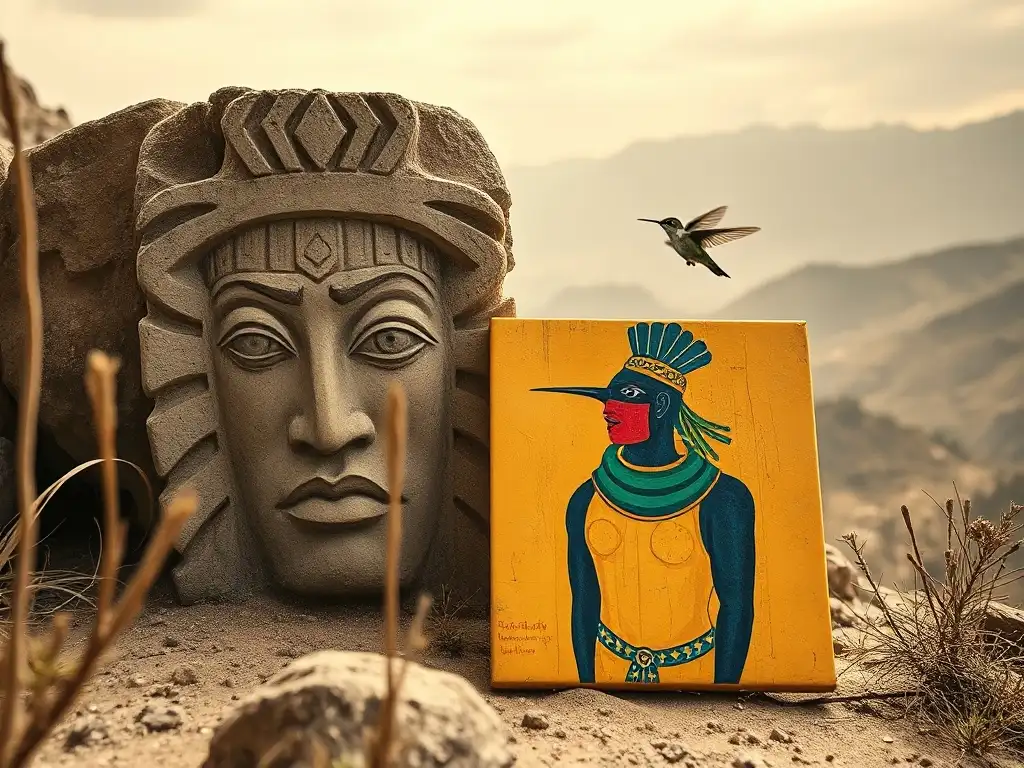
The preservation and reimagining of Ancient Andean iconography holds profound cultural significance, extending far beyond mere aesthetic appreciation. It's a vital process of maintaining cultural memory, fostering identity, and ensuring the continuity of Andean traditions in a rapidly changing world. The intricate designs, imbued with deep symbolic meaning, represent a complex tapestry of beliefs, rituals, and social structures that characterized these remarkable civilizations.
Their continued relevance in modern art speaks volumes about the enduring power of these ancient symbols and their capacity to resonate with contemporary audiences. Understanding this significance requires acknowledging the historical context and the ongoing efforts to reclaim and reinterpret these powerful visual narratives.
The Role of Art in Maintaining Andean Cultural Heritage
Art serves as a powerful conduit for transmitting cultural heritage across generations. Ancient Andean iconography, with its diverse motifs—from the stylized representations of deities and animals to geometric patterns and intricate textiles—offers a tangible link to the past. Modern artists, often drawing inspiration from archaeological finds and ethnographic studies, reinterpret these symbols, breathing new life into ancient narratives while simultaneously engaging in a process of cultural reclamation.
This isn't merely imitation; it's a dynamic dialogue between past and present, where ancient forms are recontextualized to address contemporary concerns. For example, the use of traditional Andean weaving techniques combined with modern materials and themes allows for the creation of art that both honors the past and speaks to the present.
This ensures that the knowledge and skill associated with these ancient art forms are not lost, but rather, are adapted and preserved for future generations. The continued use of these traditional techniques, such as knotting, dyeing with natural pigments, and specific weaving patterns, is a testament to the enduring influence of Andean craftsmanship.
Empowering Indigenous Voices Through Artistic Expression
The revival and reinterpretation of Ancient Andean iconography are also intrinsically linked to the empowerment of Indigenous voices. For too long, the narratives surrounding these civilizations have been dominated by external perspectives, often overlooking or misrepresenting the rich cultural nuances embedded within their art. Modern Andean artists are actively reclaiming this narrative, using their art to challenge colonial representations and assert their cultural identity.
Their work often incorporates contemporary social and political themes, weaving them into the fabric of ancient symbolism, creating powerful statements about identity, resistance, and the ongoing struggle for self-determination. This artistic expression becomes a form of cultural resistance, a powerful tool for reclaiming agency and challenging dominant narratives.
The use of vibrant colors, bold designs, and the incorporation of traditional materials in contemporary settings powerfully communicate this message. This is not simply about preserving the past; it's about shaping the future through a lens of cultural pride and self-representation.
The Future of Ancient Andean Iconography in Modern Art
The future of Ancient Andean iconography in modern art is bright, promising a continued evolution of its interpretation and application. As new archaeological discoveries are made and further research sheds light on the intricacies of these ancient cultures, artists will have access to a richer and more nuanced understanding of their symbolic language. This, coupled with the ongoing efforts to promote intercultural dialogue and collaboration, will undoubtedly lead to new and innovative expressions of Andean art.
We can anticipate a surge in collaborative projects between Indigenous artists and non-Indigenous artists, fostering a more inclusive and respectful approach to the interpretation and representation of this rich cultural heritage. The fusion of traditional techniques with modern artistic sensibilities will continue to push creative boundaries, resulting in artworks that are both visually stunning and deeply meaningful.
The increasing global interest in Ancient Andean cultures will also contribute to a wider appreciation and understanding of their iconography, ensuring its continued relevance and influence for generations to come. The legacy of Ancient Andean iconography is not merely a historical artifact; it's a living, breathing testament to the enduring power of cultural expression, constantly being reinterpreted and reimagined in the vibrant tapestry of modern art.
Ancient Andean Iconography: A Source of Inspiration and Identity
Ancient Andean iconography, a vibrant tapestry woven from centuries of cultural expression, continues to resonate deeply within contemporary art. The intricate designs, symbolic motifs, and powerful imagery found in ceramics, textiles, and metalwork of civilizations like the Inca, Moche, Nazca, and Tiahuanaco provide a rich wellspring of inspiration for artists today. This isn't mere imitation; rather, it's a dynamic engagement with a legacy that speaks to enduring themes of life, death, nature, and spirituality.
The enduring appeal of these ancient symbols lies in their ability to transcend time, connecting modern artists with a profound historical narrative and offering a unique lens through which to explore contemporary issues. Understanding this connection is key to appreciating the profound influence of Ancient Andean iconography on modern art. The use of these symbols isn't simply decorative; it's a powerful statement about cultural identity, heritage, and the enduring power of artistic expression across millennia.
The Continuing Relevance of Andean Symbols in the 21st Century
The enduring presence of Andean symbols in 21st-century art demonstrates their continued cultural relevance. Artists aren't simply replicating ancient designs; they're reinterpreting them, infusing them with new meanings and contexts. For example, the recurring motif of the condor, a symbol of power and strength in Andean mythology, frequently appears in contemporary paintings, sculptures, and textiles, often imbued with new symbolic weight.
Similarly, the chakana, the Andean cross, continues to be a powerful symbol of unity and balance, finding its way into contemporary artwork as a potent representation of cultural identity and spiritual connection. This isn't just a superficial borrowing; it's a conscious act of reclaiming and reinterpreting a powerful heritage. The use of these symbols often serves as a powerful statement against cultural appropriation, highlighting the importance of respectful engagement with Indigenous cultures and their artistic traditions.
The persistence of these ancient symbols speaks to their inherent power and their capacity to resonate across vast temporal and cultural divides. The continued use of these symbols by artists of Andean descent and those inspired by Andean culture shows the vital role they play in maintaining a connection to the past and shaping a vibrant contemporary artistic landscape.
Exploring the Interconnection Between Past and Present Through Art
Contemporary artists use Ancient Andean iconography to bridge the gap between past and present, creating works that simultaneously celebrate ancient traditions and engage with contemporary concerns. This interconnectivity is manifested in various ways. Some artists directly incorporate ancient motifs into their work, using techniques and materials inspired by ancient practices.
Others reinterpret ancient symbols, imbuing them with new meanings reflecting modern experiences and perspectives. For instance, an artist might depict the puma, another significant Andean symbol, in a contemporary context, exploring themes of environmentalism or social justice. This blending of the ancient and the modern fosters a dialogue between different eras, allowing for a richer and more nuanced understanding of both.
The deliberate juxtaposition of ancient imagery with contemporary themes creates a powerful visual language that transcends simple historical representation. It becomes a tool for social commentary, cultural preservation, and the exploration of complex issues within the framework of a rich and enduring artistic legacy. The result is artwork that is both historically grounded and deeply relevant to the present.
The Power of Ancient Art to Influence Contemporary Creativity
The influence of Ancient Andean iconography on contemporary art is undeniable. It's a testament to the enduring power of artistic expression and its capacity to transcend time and cultural boundaries. The sophisticated techniques employed by ancient Andean artists, such as intricate weaving, precise pottery, and masterful metalwork, continue to inspire modern practitioners.
The vibrant color palettes, the symbolic richness, and the sheer artistry of ancient Andean artifacts serve as a constant source of renewal and innovation. The impact extends beyond mere aesthetic inspiration; it fuels a deeper engagement with cultural identity, historical memory, and the ongoing dialogue between past and present. The study of ancient Andean art provides contemporary artists with a unique vocabulary, a set of tools, and a rich source of inspiration for creating meaningful and impactful artwork.
This influence is evident in various art forms, from painting and sculpture to textiles and digital art, demonstrating the pervasive and enduring power of Ancient Andean iconography. The legacy continues to shape and inspire the artistic landscape of today.
Frequently Asked Questions
How did ancient Andean iconography influence modern art?
Ancient Andean iconography, with its vibrant colors, stylized figures, and symbolic motifs, directly inspired many modern artists. These elements found their way into various art forms, impacting artistic styles and thematic explorations. The inherent spiritual and narrative power of these symbols continues to resonate today.
What specific Andean cultures most influenced modern art?
The Inca, Moche, Nazca, and Tiahuanaco cultures all significantly impacted modern art. Their unique artistic styles, including pottery, textiles, and metalwork, provided a rich source of inspiration for contemporary artists seeking to explore ancient aesthetics and cultural narratives.
Can you give examples of modern artists influenced by Andean iconography?
Many artists draw inspiration from Andean iconography. While a comprehensive list is extensive, some notable examples include artists working with textile art, ceramics, and painting who explicitly reference Andean motifs and styles in their works. Researching contemporary Latin American art will reveal many more.
What specific symbols or motifs from Andean iconography are commonly seen in modern art?
Commonly seen motifs include geometric patterns, stylized animals (like condors and llamas), and anthropomorphic figures. These symbols often represent spiritual beliefs, social structures, and cosmological concepts from the ancient Andean world, adding layers of meaning to modern artistic expressions.
Where can I learn more about the influence of Andean iconography on modern art?
You can explore this topic further through museum exhibitions focusing on pre-Columbian art and contemporary Latin American art. Academic journals and books specializing in art history and Andean studies offer in-depth analyses of these influences. Online resources, such as museum websites and scholarly databases, provide additional information.
Final Reflection: Echoes of the Andes in Contemporary Canvas
The vibrant tapestry of Ancient Andean iconography continues to resonate deeply within the modern artistic landscape, a testament to the enduring power of symbolic expression. Its influence isn't merely stylistic; it represents a profound connection to history, spirituality, and the enduring human need to communicate through visual storytelling. This enduring legacy challenges us to reconsider the boundaries of artistic inspiration and the timeless nature of human creativity.
The enduring presence of Andean motifs in contemporary art speaks volumes about our ongoing fascination with the past and its ability to inform the present. These symbols, imbued with layers of meaning and rich cultural history, offer a powerful lens through which to examine our own beliefs and values. As the artist and writer Eduardo Galeano eloquently stated, Memory is the only paradise from which we cannot be expelled.
The persistence of Andean iconography in modern art serves as a vibrant reminder of this enduring paradise, a testament to the power of cultural memory to shape and inspire.
Consider the intricate details, the bold colors, the profound symbolism you've encountered throughout this exploration of Ancient Andean iconography. Now, I invite you to look at the world around you with fresh eyes. Seek out the echoes of these ancient symbols in your own surroundings, in the art you encounter, and even in the stories you tell. Let the enduring power of Andean art inspire your own creative expression and deepen your appreciation for the rich tapestry of human experience woven across time and cultures.
Unveil the Power of Ancient Andean Symbols!
Thank you for exploring the fascinating world of ancient Andean iconography with us! We hope you've discovered how these powerful symbols continue to inspire modern artists and creative expression. Now, it's your chance to put your newfound knowledge into practice!
Here are some ways you can get involved:
- Visit a local art gallery or museum to see modern artworks inspired by ancient Andean symbols—reflect on how these pieces affect you and what emotions they evoke.
- Share your favorite examples of Andean-inspired art on social media, using the hashtag #AndeanArtInfluence to connect with others who appreciate the rich beauty of Andean culture.
- Create your own artwork inspired by Andean iconography—whether it's a painting, a piece of jewelry, a digital design, or any other creative medium, express your unique interpretation of these timeless symbols!
What ancient Andean symbol resonates most with you, and how would you use it in your own creative work? Let's discuss in the comments!