
The Cycle of Renewal: How Andean Rituals Inspire Modern Spiritual Practices

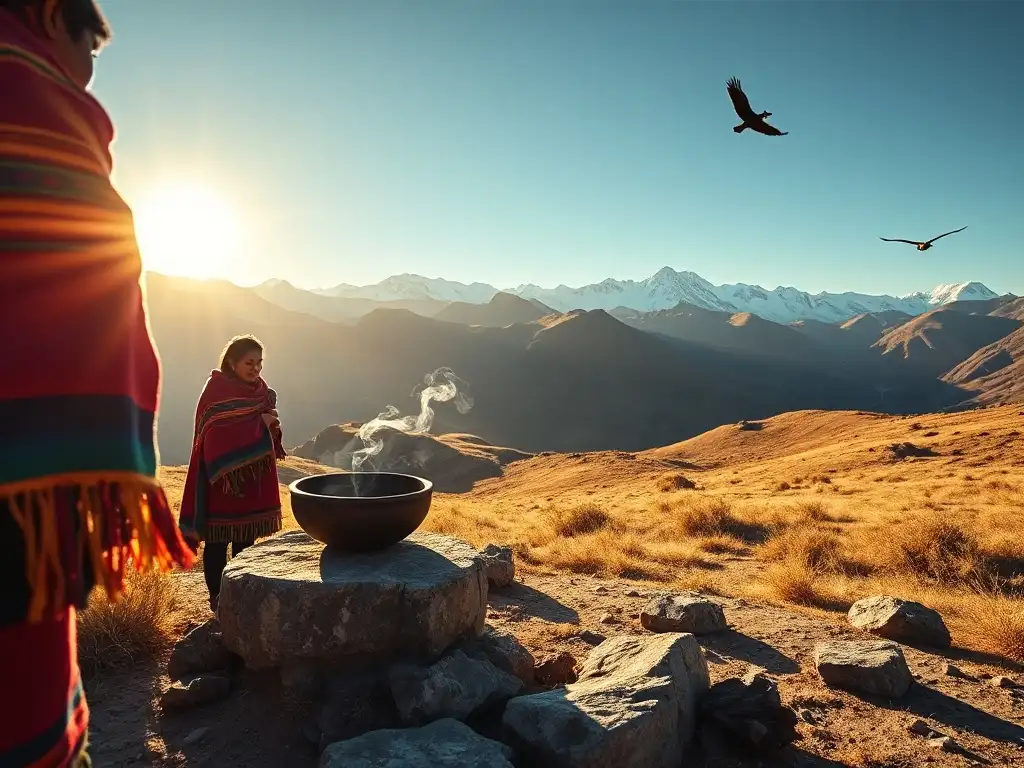
Step into a world lost to time, yet echoing powerfully in the present. Imagine the breathtaking heights of the Andes, echoing with the whispers of ancient rituals. For centuries, these civilizations shaped a profound understanding of the cosmos, leaving a legacy that continues to inspire. Discover how the intricate tapestry of Andean rituals informs modern spiritual practices in our exploration of "The Cycle of Renewal: How Andean Rituals Inspire Modern Spiritual Practices"—a journey into the heart of Andean spirituality and its enduring relevance. Prepare to be amazed.
The Andes Mountains, a spine of towering peaks running down the western edge of South America, have witnessed the rise and fall of countless civilizations. For millennia, these cultures—including the Incas, Moche, Nazca, and Tiahuanaco—developed intricate belief systems deeply intertwined with the natural world. Their spiritual practices, far from being relics of a distant past, continue to resonate powerfully in modern spirituality, offering a compelling blend of ancient wisdom and contemporary relevance.
This article explores the enduring influence of Andean rituals, examining how their cyclical understanding of life, death, and rebirth inspires contemporary spiritual seekers and practitioners worldwide. We will delve into specific examples of Andean rituals and their modern echoes, highlighting the surprising ways in which these ancient practices are being adapted and reinterpreted for a contemporary audience interested in Andean rituals and modern spirituality.
The Importance of Pachamama in Andean Cosmology
Andean spirituality centers around the concept of Pachamama, the Earth Mother. Pachamama is not merely the physical earth; she is a living, breathing entity, a source of life and sustenance, demanding respect and reciprocity. Ancient Andean rituals, often involving offerings of coca leaves, food, and drink, were performed to maintain harmony with Pachamama and ensure bountiful harvests. These offerings weren't simply acts of appeasement; they were expressions of gratitude and a recognition of the interconnectedness of all living things.
This deep respect for the natural world is mirrored in many modern earth-based spiritualities, which emphasize ecological consciousness and sustainable living. Modern practitioners often incorporate elements of Pachamama veneration into their practices, acknowledging the Earth as a sacred entity worthy of reverence and protection. The concept of reciprocity, central to Andean cosmology, finds echoes in contemporary discussions of environmental stewardship and social justice.
Ayni: The Principle of Reciprocity and its Modern Applications
The principle of Ayni, meaning reciprocity or mutual exchange, is fundamental to Andean social and spiritual life. It emphasizes the importance of balance and cooperation, the idea that giving and receiving are interconnected aspects of a healthy relationship—not just between humans, but also between humans and the natural world, and even between the living and the dead. Ayni wasn't just a social contract; it was a spiritual practice, ensuring the smooth flow of energy and maintaining harmony within the community and the cosmos.
This concept resonates deeply with contemporary movements promoting collaborative economics, community building, and fair trade practices. Many modern spiritual practitioners embrace Ayni as a guiding principle, striving to live in balance with others and contribute to the well-being of their communities and the planet. The emphasis on mutual support and shared responsibility clearly connects to the contemporary focus on social justice and collective action.
Rituals of Death and Rebirth: Their Continuing Influence
Andean cultures held complex beliefs surrounding death and the afterlife. Death was not viewed as an end but as a transition, a passage into another realm. Elaborate burial rituals, often involving the inclusion of grave goods and elaborate mummification techniques, demonstrate the importance placed upon ensuring a smooth transition for the deceased.
These rituals reflect a cyclical understanding of life, where death is not a negation but an integral part of a continuous process of renewal. This cyclical perspective is reflected in many modern spiritual practices, which emphasize the impermanence of all things and the cyclical nature of life, death, and rebirth.
Contemporary spiritual practices such as some forms of shamanism draw heavily on Andean traditions, incorporating elements of ritual death and rebirth into their ceremonies. The focus on transformation and renewal is a powerful theme that resonates with modern spiritual seekers seeking meaning and purpose in the face of life's inevitable changes.
Modern Adaptations and Interpretations of Andean Rituals
It is crucial to acknowledge the ethical considerations surrounding the appropriation of Andean spiritual practices. Respectful engagement requires understanding the historical context, avoiding superficial mimicry, and prioritizing the voices and perspectives of indigenous communities. Modern adaptations of Andean rituals should be approached with sensitivity and a commitment to cultural preservation.
However, the enduring power of Andean spirituality lies in its capacity to inspire and inform contemporary spiritual seekers. The principles of Pachamama, Ayni, and the cyclical view of life continue to offer valuable insights into creating a more harmonious and sustainable world. The enduring legacy of Andean rituals provides a rich tapestry of wisdom that can enrich and deepen modern spiritual practices, fostering a deeper connection with nature and a more profound understanding of our place within the cosmos.
- The Importance of Pachamama in Andean Cosmology
- Ayni: The Principle of Reciprocity and its Modern Applications
- Rituals of Death and Rebirth: Their Continuing Influence
- Modern Adaptations and Interpretations of Andean Rituals
Understanding the Roots: Ancient Andean Spirituality
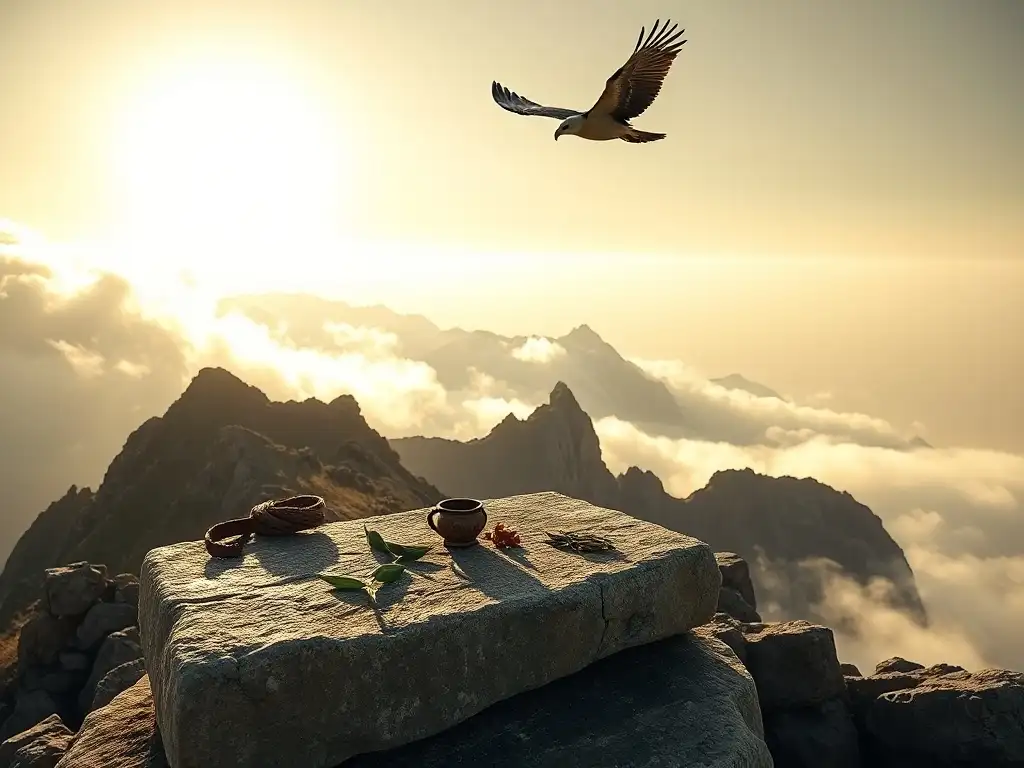
This section delves into the core beliefs and practices that shaped Andean spirituality, providing a foundation for understanding its enduring influence on modern spiritual practices. We'll explore the complex worldview, the significance of rituals, and the profound connection with the natural world that characterized these ancient societies. The understanding of Andean rituals modern spirituality hinges on grasping this rich tapestry of beliefs and customs.
The Cosmovision of Andean Civilizations
The Andean cosmovision, a holistic worldview encompassing the cosmos, nature, and humanity, was central to their spiritual life. It wasn't a belief system in the Western sense, but rather a lived experience interwoven with daily life. The Andes themselves were considered sacred, a living entity with powerful energies. Mountains ( apus), rivers, and other natural features were revered as deities or intermediaries between the human and spiritual realms.
This deep interconnectedness fostered a profound respect for nature and a cyclical understanding of time, marked by renewal and regeneration. This concept, far from being simply a philosophical idea, directly impacted their agricultural practices, social structures, and ritualistic observances. For example, the Inca's agricultural calendar was intricately aligned with the celestial movements and the rhythms of nature, demonstrating the practical application of their cosmovision.
The Andean worldview also emphasized a vertical axis connecting the upper world ( hanan pacha), the human world ( kay pacha), and the underworld ( ukhu pacha). This three-tiered structure represented a dynamic interaction between different realms, influencing their understanding of life, death, and the continuity of existence. This concept is reflected in their art, architecture, and even in the layout of their cities, which often mirrored this vertical structure. Many modern Andean spiritual practices still draw upon this fundamental understanding of the interconnectedness of these three worlds.
Key Elements of Pre-Columbian Andean Rituals
Andean rituals were not merely ceremonial acts; they were vital mechanisms for maintaining balance and harmony within the cosmos. These rituals served various purposes, including ensuring agricultural success, appeasing deities, celebrating important life events, and strengthening community bonds. They involved a diverse range of practices, from elaborate ceremonies with offerings and sacrifices to simpler, everyday rituals embedded in daily life. The use of coca leaves, for instance, played a significant role in many rituals, not just as a stimulant, but also as a sacred offering and a tool for communication with the spiritual world.
Several key elements characterized these rituals:
- Offerings: These ranged from simple agricultural products to precious metals and intricately crafted artifacts. The act of offering was seen as a way to express gratitude, seek favor, or maintain equilibrium.
- Music and Dance: Music and dance played a crucial role in rituals, creating a sacred space and facilitating communication with the spiritual world. The rhythmic movements and sounds were believed to have the power to influence the cosmos.
- Shamans ( paqos): These spiritual leaders played a vital role in mediating between the human and spiritual worlds. They possessed specialized knowledge and skills, including healing, divination, and communicating with spirits. Their role in Andean rituals was paramount, influencing the course and effectiveness of the ceremony.
The Role of Nature in Andean Spiritual Practices
Nature was not merely a backdrop to Andean life; it was an integral part of their spiritual existence. Mountains, rivers, stars, and animals were all considered sacred entities, each possessing unique powers and energies. This deep connection with the natural world influenced their agricultural practices, their social structures, and their spiritual beliefs.
The Pachamama, or Mother Earth, was a central figure in their cosmology, representing the life-giving force of the planet. Rituals were often performed to honor and appease Pachamama, ensuring the fertility of the land and the well-being of the community. The careful observation of natural cycles, particularly the agricultural seasons, determined the timing and nature of many rituals.
This profound respect for the natural world continues to influence modern Andean spirituality, emphasizing sustainability and a harmonious relationship with the environment. The cyclical nature of Andean life, mirrored in agricultural practices and spiritual observances, highlights the enduring importance of respecting the rhythms of the earth. This cyclical perspective, which emphasizes renewal and regeneration, provides a powerful framework for understanding the enduring influence of Andean spirituality on modern practices.
Andean Rituals and Their Echo in Modern Spirituality
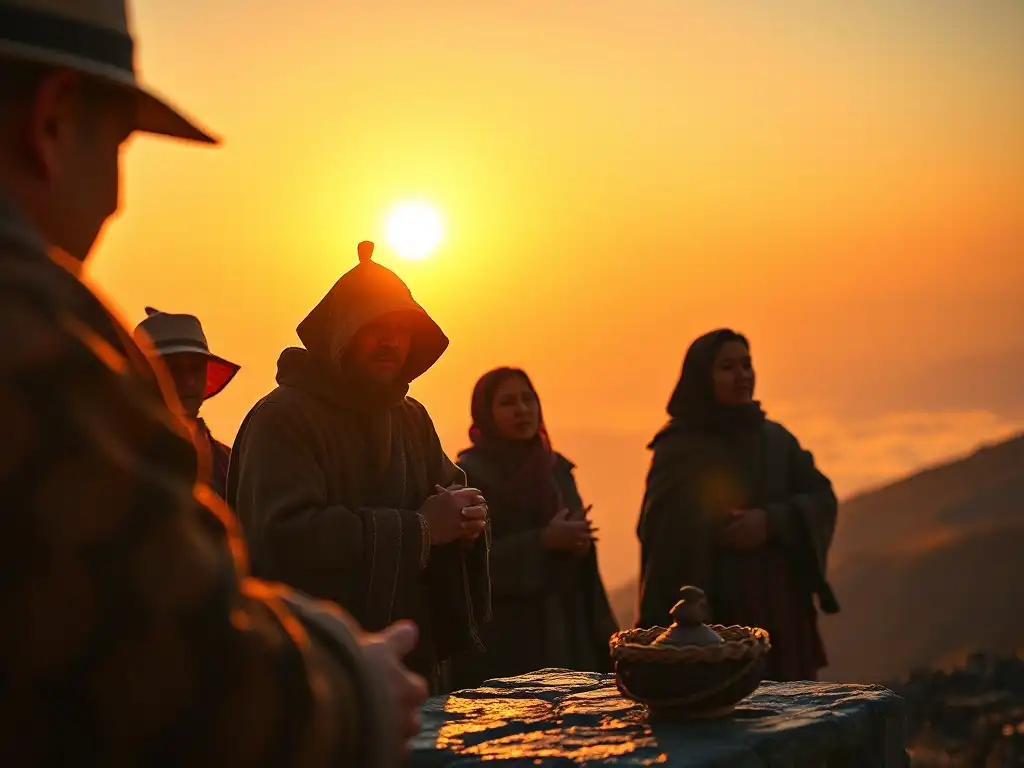
This section delves into the profound influence of ancient Andean rituals on contemporary spiritual practices. We'll explore how the core beliefs and practices of civilizations like the Inca, Moche, and Nazca continue to resonate in modern spiritual approaches, demonstrating the enduring power of Andean cosmovision. Understanding this connection offers a unique perspective on the evolution of spirituality and the enduring relevance of ancient traditions. The enduring appeal of Andean rituals in modern spirituality stems from their emphasis on interconnectedness, respect for nature, and a cyclical understanding of life and death.
The Influence of Andean Cosmovision on Contemporary Practices
The Andean worldview, or cosmovision, profoundly shaped their rituals. This holistic perspective, which viewed the universe as an interconnected web of energy and relationships, is a key element influencing modern spiritual practices. Ancient Andean beliefs centered on the Pachamama (Mother Earth) and the Apus (mountain spirits), emphasizing a deep reverence for nature and a reciprocal relationship with the environment.
This resonates powerfully with contemporary eco-spiritual movements, which prioritize environmental stewardship and harmonious coexistence with the natural world. Many modern spiritual seekers find solace and guidance in adopting elements of this ancient cosmovision, integrating practices like despacho offerings and connecting with natural landscapes to foster a sense of belonging and spiritual grounding.
The cyclical nature of Andean life, marked by celebrations like Inti Raymi (Inca festival of the sun), also finds echoes in modern spiritual practices that emphasize the cyclical nature of life, death, and rebirth. This understanding allows for a more accepting and less fearful approach to life's transitions.
Seeking Harmony with Nature: A Modern Andean Spiritual Approach
Contemporary interpretations of Andean spirituality often focus on practical applications of their ancient wisdom. This includes a renewed emphasis on ayni, the principle of reciprocity, and a deep connection with the natural world. Many modern practitioners engage in practices such as:
- Connecting with the elements: Spending time in nature, performing ceremonies outdoors, and engaging in mindful observation of natural phenomena.
- Practicing gratitude: Regularly acknowledging the abundance provided by the earth and expressing gratitude for its gifts.
- Creating despachos: These offerings, often composed of natural materials, are a powerful way to express gratitude and make requests to the Pachamama. The creation itself is a meditative practice, fostering connection and intention-setting.
- Participating in Andean-inspired ceremonies: These ceremonies, often led by experienced practitioners, provide a structured approach to connecting with Andean spirituality. They may involve chanting, music, and offerings.
The emphasis on living in harmony with nature is not merely symbolic; it's a practical guide for sustainable living and mindful consumption. This approach contrasts sharply with the often exploitative relationship modern societies have with the environment, showcasing the enduring wisdom of Andean traditions. The increasing popularity of eco-tourism, focused on respectful engagement with Andean landscapes, further highlights the growing interest in this holistic and sustainable spiritual approach.
Andean Rituals and the Concept of Reciprocity (Ayni) Today
The concept of ayni, reciprocal exchange, is fundamental to Andean culture and its rituals. It wasn't simply a system of bartering; it was a deeply ingrained spiritual principle emphasizing balance and mutual support within the community and between humans and nature. This concept translates powerfully into modern contexts. Modern interpretations of ayni encourage:
- Community engagement: Active participation in community projects and initiatives that benefit others and the environment.
- Fair trade practices: Supporting businesses and organizations committed to ethical and sustainable practices.
- Mindful consumption: Making conscious choices about consumption patterns, minimizing waste, and prioritizing sustainability.
- Giving back to the community: Volunteering time and resources to support those in need.
The principle of ayni offers a powerful antidote to the often individualistic nature of modern life. It promotes a sense of interconnectedness and shared responsibility, encouraging collaboration and mutual support. By embracing ayni, individuals can actively contribute to a more just and sustainable world, reflecting the enduring wisdom of Andean traditions in the quest for a more balanced and harmonious existence.
The application of ayni in modern spirituality underscores the timeless relevance of Andean values in building stronger, more ethical communities. The concept continues to inspire modern spiritual seekers to cultivate more meaningful relationships, both within their communities and with the natural world.
Specific Andean Rituals and Their Modern Adaptations
This section delves into the specific Andean rituals that continue to resonate in modern spiritual practices, exploring their historical significance and contemporary adaptations. We'll examine how these ancient ceremonies, deeply rooted in the Andean worldview, have transcended time and continue to offer valuable insights into connecting with nature, spirituality, and community. The enduring power of these rituals lies in their ability to foster a sense of balance, harmony, and respect for the interconnectedness of all things – a message particularly relevant in our modern world. Understanding these practices provides a deeper appreciation for the "Andean rituals modern spirituality" connection.
The Despacho Ceremony: A Modern Interpretation
The despacho ceremony, a central ritual in Andean spirituality, is a powerful offering made to the apus (mountain spirits) and other sacred entities. It involves meticulously arranging a variety of natural elements – coca leaves, flowers, herbs, grains, sweets, miniature figurines representing desires and intentions, and other symbolic objects – on a meticulously prepared surface. The arrangement itself is a complex and symbolic act, representing the balance and harmony sought in the offering. Traditionally, the despacho was burned or left as an offering in a sacred location.
Today, the despacho ceremony has experienced a resurgence in popularity, adapted and reinterpreted for modern spiritual seekers. While the core principles remain the same – gratitude, intention, and offering – the modern interpretations often incorporate elements reflective of contemporary life. For example, instead of solely relying on traditional Andean elements, some practitioners include items representing personal goals, such as photos, written intentions, or small objects symbolizing aspirations. The act of creating the despacho itself becomes a meditative practice, a process of reflection and intention-setting.
The emphasis remains on expressing gratitude to the Earth and the universe for its abundance. Many practitioners find the ritual incredibly grounding and helpful in manifesting their intentions. The careful selection and arrangement of objects foster mindfulness and a deeper connection to the spiritual realm. The burning of the despacho symbolizes the release of intentions into the universe, trusting in the power of the offering.
Pachamama Rituals: Honoring Mother Earth in Contemporary Times
Pachamama, the Andean goddess of Earth, represents the life-giving force of nature. Honoring Pachamama has been a central aspect of Andean culture for millennia, encompassing rituals of gratitude, respect, and reciprocity. Traditional offerings included coca leaves, chicha (a fermented corn beverage), food, and other gifts placed on the earth as a demonstration of respect and a plea for abundance. These rituals were often performed during significant agricultural cycles, ensuring a bountiful harvest and expressing gratitude for the earth's provisions.
In contemporary times, Pachamama rituals continue to thrive, albeit with adaptations reflective of modern life. While some communities maintain traditional practices, others have integrated elements of modern spirituality and environmental consciousness. For example, some individuals might incorporate meditation or mindfulness practices alongside their offerings to Pachamama, deepening their connection with the earth's energy. Others focus on sustainable practices and environmental activism as a form of honoring Pachamama, recognizing the interconnectedness between spiritual well-being and the health of the planet.
The core principle remains the same: recognizing the earth as a sacred entity deserving of respect and gratitude. This resonates deeply with the growing global movement towards eco-consciousness and environmental stewardship. The modern interpretation emphasizes a holistic approach, connecting spiritual practices with tangible actions that benefit the planet.
The Significance of the Sun and Moon in Andean and Modern Spiritual Practices
The sun and moon hold immense symbolic significance in Andean cosmology, representing duality, balance, and the cyclical nature of life. The sun, Inti, is associated with masculine energy, strength, and power, while the moon, Killa, represents feminine energy, intuition, and cycles of growth and decay. Andean cultures observed and revered the celestial bodies, incorporating their movements into their agricultural practices and spiritual rituals. The Inca, for instance, built their cities and temples aligned with the solstices and equinoxes, demonstrating their deep understanding of celestial cycles.
The sun and moon's influence continues to inspire modern spiritual practices. Many individuals find solace and inspiration in observing the celestial rhythms, using them as a guide for personal growth and spiritual development. The cyclical nature of the sun and moon mirrors the cyclical nature of life, reminding us of the constant process of change, renewal, and transformation.
This resonates with modern spiritual seekers who embrace the concept of impermanence and the ongoing journey of self-discovery. Furthermore, the duality represented by the sun and moon encourages a balanced approach to life, integrating both masculine and feminine energies for a more holistic and harmonious existence. The continued reverence for these celestial bodies highlights the enduring power of ancient Andean wisdom in shaping contemporary spiritual perspectives, showcasing the enduring relevance of "Andean rituals modern spirituality".
The Power of Andean Symbolism in Contemporary Spirituality
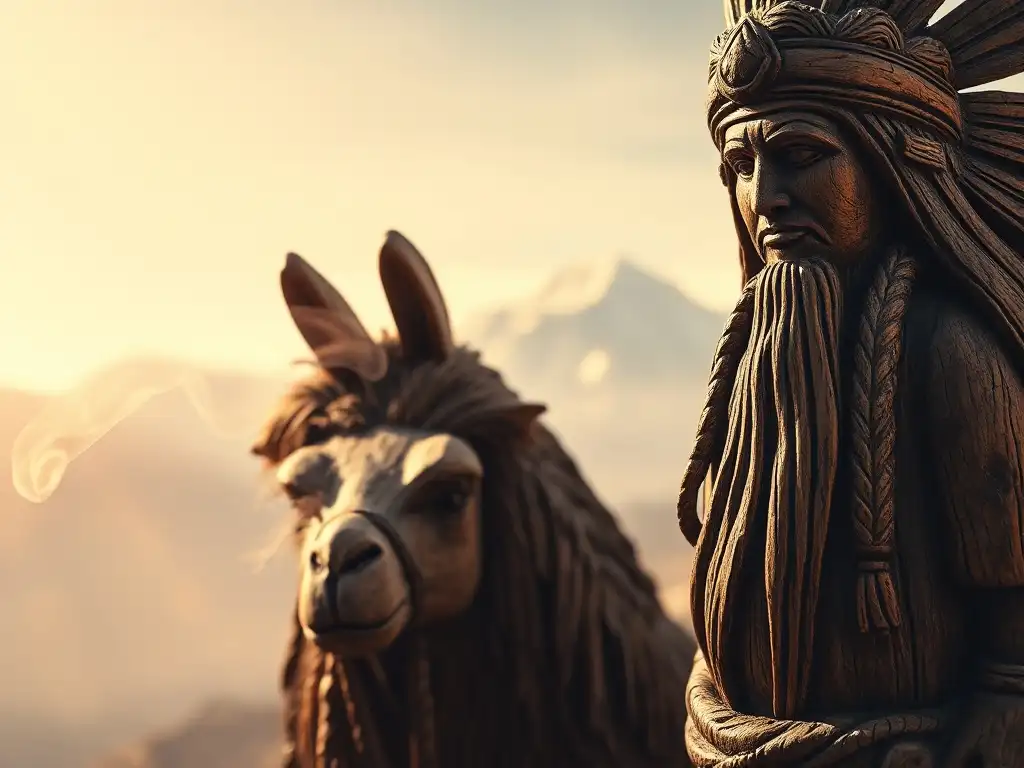
Andean symbolism, deeply rooted in the cosmology and worldview of ancient civilizations, continues to resonate powerfully in modern spiritual practices. The intricate designs, vibrant colors, and profound meanings embedded in Andean artifacts and rituals offer a rich tapestry of inspiration for those seeking deeper connections with nature, community, and the spiritual realm. Understanding this symbolism provides a key to unlocking the enduring relevance of Andean traditions in contemporary life.
The enduring legacy of these symbols speaks volumes about the enduring power of Andean spirituality and its ability to transcend time and geography. The appeal of Andean symbolism in modern spirituality stems from its inherent connection to the earth, its emphasis on balance and harmony, and its capacity to foster introspection and personal growth. This section will delve into specific examples of how this symbolism manifests in modern spiritual contexts.
The Andean Cross (Chakana) and its Modern Spiritual Meaning
The Chakana, also known as the Inca cross, is perhaps the most recognizable symbol of Andean spirituality. Far from a simple religious icon, the Chakana represents a complex cosmology encompassing four cardinal directions, the three worlds (upper, middle, and lower), and the interconnectedness of all things. Its four arms, often depicted with stepped or notched edges, symbolize the four elements (earth, air, fire, water) or the four seasons, mirroring the cyclical nature of Andean life and the cosmos. The central square represents the intersection of these forces, a point of balance and harmony.
The Chakana's modern spiritual meaning is multifaceted. For some, it represents a pathway to spiritual enlightenment, a guide on the journey towards self-discovery. Others use it as a meditation tool, focusing on its geometry and symbolism to achieve a state of inner peace. Its enduring presence in contemporary Andean art and jewelry speaks to its continued relevance and power.
The Chakana's continued use demonstrates its adaptability and enduring resonance with modern spiritual seekers. Its simple yet profound design allows for individual interpretation, making it a powerful symbol for a diverse range of spiritual practices. Many modern spiritual practitioners adopt the Chakana as a personal symbol of balance and harmony, representing their own spiritual journey.
The Use of Sacred Plants in Traditional and Modern Andean Rituals
Sacred plants have played a central role in Andean rituals for millennia. Plants like coca, ayahuasca, and various cacti were not merely consumed for their physical effects but were integral to spiritual ceremonies, offering pathways to altered states of consciousness and facilitating communication with the spirit world. These plants were, and remain, deeply intertwined with Andean cosmology, embodying specific energies and spiritual properties.
In modern Andean spirituality, the use of sacred plants continues, albeit often with nuanced approaches. While some traditional practices persist, many contemporary practitioners incorporate elements of these traditions into their own spiritual journeys, often emphasizing ethical sourcing, sustainable harvesting, and respectful integration into personal practices. The responsible use of sacred plants remains paramount, ensuring the preservation of both the plants and the traditions surrounding them.
The integration of these plants into modern spirituality highlights a continued respect for the wisdom and knowledge of ancestral practices. However, it is crucial to acknowledge and address the potential risks and ethical considerations associated with the use of these plants, advocating for responsible and informed practices.
Andean Textiles and their Symbolism in Modern Spiritual Practices
Andean textiles are renowned for their intricate designs and vibrant colors, but beyond their aesthetic appeal lies a rich tapestry of symbolism. Each pattern, color, and fiber holds specific meaning, often conveying narratives, beliefs, and spiritual concepts. From the geometric designs of the Nazca to the intricate weavings of the Inca, textiles served as powerful mediums for communicating with the divine and transmitting cultural knowledge across generations.
In modern spiritual practices, Andean textiles continue to inspire and inform. Many individuals utilize these textiles in meditation or spiritual practices, drawing upon their inherent symbolism and energy. The use of traditional Andean textile patterns in contemporary art and design reflects a growing appreciation for the cultural and spiritual significance embedded within these creations.
The intricate details and vibrant colors of these textiles serve as visual reminders of the interconnectedness of life and the power of nature's rhythms. Furthermore, the act of creating or wearing these textiles can be a meditative practice in itself, fostering a sense of connection to Andean traditions and their enduring spiritual wisdom. The continued appreciation for Andean textiles demonstrates the enduring power of their symbolism in the modern world.
Integrating Andean Wisdom into Your Spiritual Path
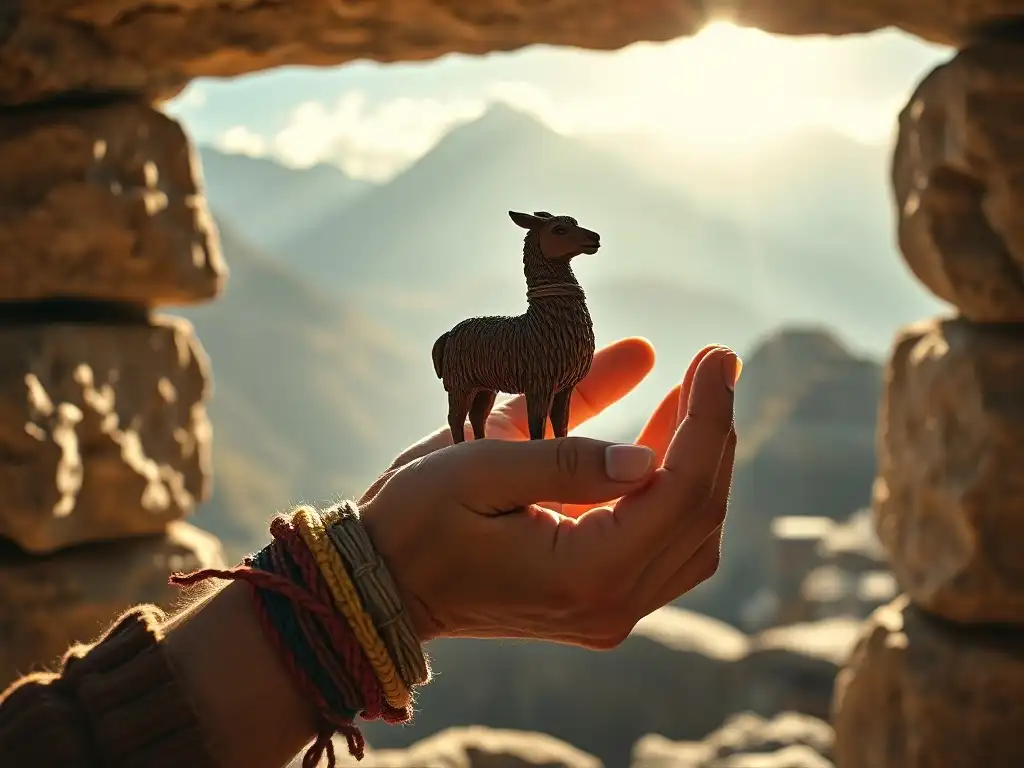
This section explores how the core principles of Andean rituals can enrich modern spiritual practices. We'll move beyond a superficial understanding of ancient ceremonies and delve into the practical applications of this rich spiritual heritage for contemporary life. Understanding the Ayni principle – reciprocity and balance – is fundamental.
This concept, central to Andean worldview, emphasizes the interconnectedness of all things and the importance of giving back to the community and the earth. Modern spiritual seekers can interpret Ayni as a call to mindful living, encouraging sustainable practices and responsible engagement with the world around us. Similarly, the reverence for Pachamama, Mother Earth, translates to a deep ecological awareness and a commitment to environmental stewardship – crucial aspects of many modern spiritual paths.
The cyclical nature of Andean life, reflected in their agricultural practices and religious festivals, offers a powerful model for understanding the rhythms of life, death, and rebirth. This cyclical perspective can provide a comforting framework for navigating life's transitions and embracing change. The integration of Andean wisdom isn't about adopting a specific religion, but rather about incorporating its profound insights into your existing spiritual journey, leading to a more holistic and balanced approach to life.
How to Approach Andean Spirituality with Respect and Understanding
Approaching Andean spirituality requires sensitivity and respect. It's crucial to avoid appropriation and instead engage with these traditions in a mindful and ethical manner. This means understanding that Andean spirituality is not a monolithic entity; diverse cultures and practices existed across the Andes. Respectful engagement begins with education.
Thorough research into the specific traditions you're interested in is essential, going beyond simplistic generalizations. Seek out resources created by Indigenous Andean communities and scholars, prioritizing authentic voices and perspectives. Remember that many sacred sites and practices are deeply personal and hold significant meaning for contemporary Andean communities. Avoid engaging in practices that could be considered disrespectful or intrusive, such as unauthorized access to sacred sites or the appropriation of ceremonial objects.
Instead, focus on learning from the principles and philosophies underlying Andean spirituality and integrating those insights into your personal spiritual practice. This could involve incorporating elements like gratitude for the earth, meditation connected to nature, or a focus on living in harmony with the cyclical rhythms of life. The key is mindful engagement, seeking knowledge and understanding rather than superficial imitation.
Connecting with Andean Wisdom through Meditation and Mindfulness
Andean spirituality offers fertile ground for meditation and mindfulness practices. The concept of Pachamama itself lends itself to grounding meditations, connecting with the earth's energy and appreciating its bounty. Visualizing the Andean landscape – the towering mountains, the vast plains, the flowing rivers – can be a powerful tool for centering and finding inner peace.
Similarly, focusing on the cyclical nature of life, as reflected in the Andean agricultural calendar and festivals, can help cultivate acceptance of change and the natural rhythm of life and death. Mindfulness practices, such as paying attention to the senses – the feel of the earth beneath your feet, the sound of the wind, the scent of the mountains – can enhance your connection with the Andean spirit. Incorporating elements of Andean cosmology into your meditation, such as visualizing the celestial bodies or reflecting on the interconnectedness of all living things, can deepen your practice and provide a unique perspective.
Many modern mindfulness techniques already align with Andean principles, emphasizing presence, gratitude, and a deep appreciation for the natural world. By consciously integrating these principles into your meditation practice, you can enrich your spiritual journey and gain a deeper understanding of both your inner self and the interconnectedness of all things.
The Benefits of Connecting with Andean Spiritual Traditions
Connecting with Andean spiritual traditions offers numerous benefits for modern spiritual seekers. Beyond the inherent richness and depth of this ancient wisdom, incorporating Andean principles into your life can lead to increased mindfulness, a stronger connection with nature, and a greater sense of peace and balance. The emphasis on reciprocity ( Ayni) encourages a more ethical and sustainable lifestyle, fostering a sense of responsibility towards the community and the environment.
The reverence for Pachamama cultivates a deep appreciation for the earth and its resources, promoting environmental awareness and responsible stewardship. The cyclical worldview provides a framework for understanding life's transitions and accepting change with grace. Moreover, the focus on community and interconnectedness can foster a stronger sense of belonging and purpose.
By embracing the wisdom of Andean spiritual traditions, individuals can develop a more holistic and fulfilling spiritual path, enriching their lives with meaning, purpose, and a deeper connection to the world around them. The integration of Andean perspectives can provide a unique lens through which to view modern challenges, offering valuable insights into sustainable living, community building, and the pursuit of a more balanced and harmonious existence. The resulting spiritual growth can be profoundly transformative.
Challenges and Considerations in Adapting Andean Rituals
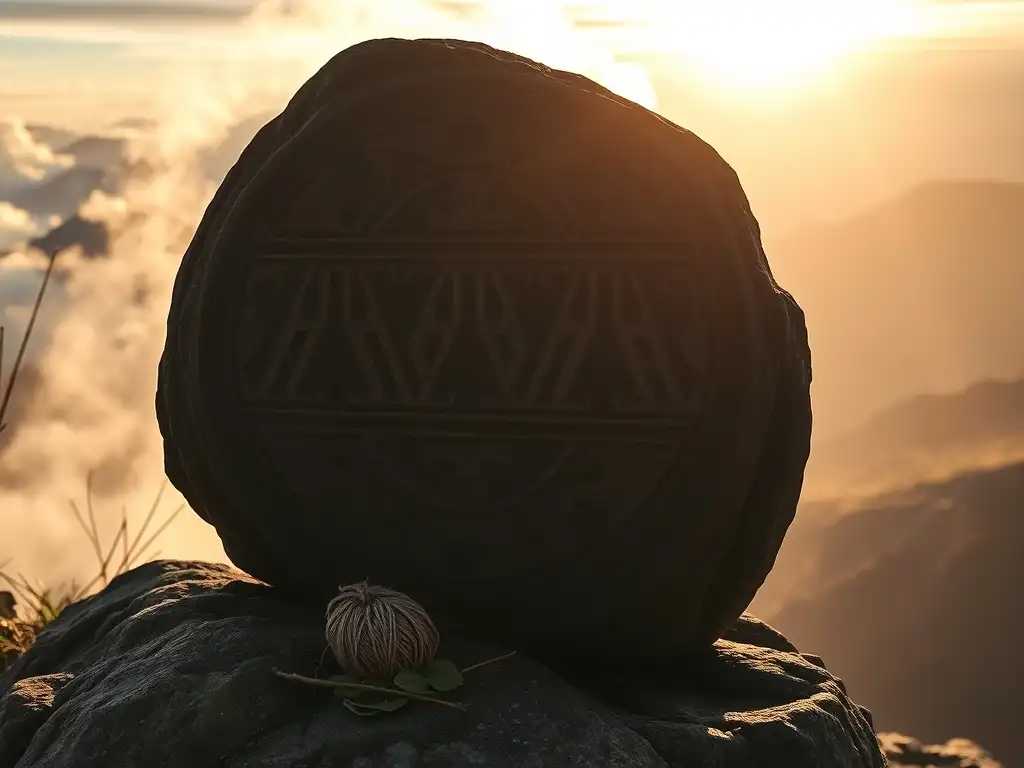
Adapting ancient Andean rituals for modern spiritual practices presents a complex tapestry of challenges. Successfully navigating this requires deep respect, rigorous research, and a commitment to ethical engagement. The inherent risk of misinterpretation and misrepresentation is significant, demanding a nuanced understanding of the historical context and cultural sensitivities surrounding these practices.
Furthermore, the process of translation – moving from a pre-Columbian worldview to a contemporary context – necessitates careful consideration to avoid trivializing or distorting the original meaning and significance of these rituals. Successfully integrating Andean spiritual traditions into modern life requires a delicate balance between honoring the past and adapting it for the present.
Avoiding Cultural Appropriation: A Responsible Approach
Cultural appropriation, the adoption of elements of a minority culture by members of the dominant culture, is a significant concern when adapting Andean rituals. It's crucial to move beyond superficial adoption and engage in genuine learning and understanding. This means actively seeking knowledge from indigenous communities and experts, rather than simply extracting elements for personal gain. It's not enough to appreciate the aesthetics; a deep dive into the meaning behind the rituals is necessary.
This includes understanding the specific beliefs, cosmology, and social structures that shaped these practices. For example, simply wearing traditional Andean clothing without understanding its symbolic significance constitutes appropriation. Instead, responsible engagement involves supporting indigenous artisans and learning about the cultural context of the clothing's creation and use.
The key is reciprocal respect and a commitment to giving back to the communities whose traditions are being explored. This could involve supporting indigenous-led initiatives, donating to relevant causes, or actively working towards social justice for Andean communities. Approaching Andean rituals with humility and a commitment to genuine learning is paramount in avoiding cultural appropriation and fostering respectful engagement.
The Importance of Authenticity in Modern Andean Spiritual Practices
Authenticity in the practice of modern Andean spirituality is not about strict adherence to historical practices, but rather about maintaining the spirit and intention behind them. This means understanding the core values and principles underlying the rituals, rather than simply mimicking their outward forms. For example, a modern practitioner might adapt a Pachamama offering ceremony to suit a contemporary urban setting, but the underlying principle of gratitude and reciprocity towards the Earth remains crucial.
The emphasis should be on creating a meaningful connection with the Andean worldview, rather than on achieving perfect historical accuracy. Authenticity also involves acknowledging the limitations of our understanding and seeking continuous learning. There will inevitably be gaps in our knowledge, and it's important to acknowledge these and avoid making assumptions or presenting incomplete information as definitive.
This requires a commitment to ongoing education and a willingness to engage with Andean perspectives respectfully and critically. The pursuit of authenticity in modern Andean spiritual practices is an ongoing journey of learning, reflection, and respectful engagement.
Ethical Considerations When Practicing Andean Rituals
Ethical considerations are paramount when engaging with Andean rituals. Practitioners must be mindful of the potential for harm, both to themselves and to the communities whose traditions they are engaging with. This necessitates a commitment to responsible research and a willingness to seek guidance from indigenous experts. For instance, some rituals involve the use of sacred plants or substances.
Without proper understanding and guidance, the use of these can be dangerous or even fatal. Moreover, it's vital to avoid exploiting or commodifying Andean traditions for personal profit. Respecting the sacred nature of these practices is crucial, and this means avoiding their trivialization or reduction to mere trends or fads. The ethical practice of Andean rituals involves a deep commitment to respect, responsibility, and a sustained effort towards understanding and honoring the rich cultural heritage they represent.
This is an ongoing process of learning and self-reflection, ensuring that our engagement benefits both ourselves and the communities whose traditions we are exploring. Failing to engage ethically risks perpetuating harmful stereotypes and undermining the very traditions we seek to appreciate and learn from. Therefore, ethical considerations should always be at the forefront of any engagement with Andean rituals.
The Enduring Legacy of Andean Spirituality
Andean spirituality, far from being a relic of the past, continues to resonate deeply within contemporary society. Its enduring power lies in its holistic approach to life, integrating the spiritual with the practical, the human with the natural world. This interconnectedness, so central to Andean cosmology, offers a compelling alternative to the often fragmented nature of modern life. The intricate relationship between humans and the apus (mountain spirits), the reverence for Pachamama (Mother Earth), and the cyclical understanding of time all contribute to a worldview that fosters balance, respect, and a profound sense of interconnectedness.
This section will explore how these core tenets of Andean spirituality continue to inspire and inform modern spiritual practices. The enduring legacy is not merely historical; it's a living tradition, constantly evolving and adapting while retaining its essential core values. The impact of Andean rituals on modern spirituality is significant and growing.
The Continuing Relevance of Andean Wisdom in Today's World
The challenges of the modern world—environmental degradation, social inequality, and a pervasive sense of disconnection—have led many to seek alternative spiritual paths. Andean wisdom, with its emphasis on harmony with nature and community, offers a powerful antidote to these modern ills. The concept of ayni, reciprocal exchange and balance, provides a framework for ethical living and sustainable practices.
This principle, central to Andean society, encourages cooperation and mutual support, offering a valuable counterpoint to the often individualistic ethos of contemporary culture. Furthermore, the Andean emphasis on living in accordance with the rhythms of nature—the agricultural cycles, the changing seasons—provides a grounding influence in a world increasingly dominated by technology and artificial constructs.
Many modern spiritual seekers find solace and meaning in aligning their lives with these natural rhythms, practicing mindful living and a deeper connection to the earth, reflecting the core principles of Andean spirituality. This resonates particularly strongly with those seeking a more holistic approach to well-being.
The Growing Interest in Andean Spirituality Globally
Interest in Andean spirituality is experiencing a global surge. This isn't simply a matter of academic curiosity; it reflects a genuine desire for authentic spiritual connection and a more meaningful life. The increasing popularity of Andean practices like despacho ceremonies (offerings to the spirits) and the incorporation of Andean symbols and rituals into contemporary spiritual practices demonstrate this growing interest.
This trend highlights a growing dissatisfaction with traditional religious structures and a yearning for a spiritual path that emphasizes community, nature, and personal transformation. The appeal is broad, encompassing individuals from diverse backgrounds and belief systems. The rise of eco-spirituality and indigenous wisdom traditions globally has certainly contributed to this phenomenon.
Data on participation in Andean-inspired workshops and retreats, while [specific information pending], strongly suggests a significant and rapidly expanding global audience for these practices. The accessibility of information through online resources also plays a crucial role in spreading awareness and facilitating participation. This global interest underscores the universal appeal of Andean spirituality's core message of balance, harmony, and respect for the sacredness of life.
Andean Rituals: A Source of Inspiration for a More Holistic Approach to Life
Andean rituals, with their profound emphasis on connection with the natural world and the spiritual realm, provide a rich source of inspiration for a more holistic approach to life. The practice of pago a la tierra (payment to the earth), for example, emphasizes the importance of giving back to the earth and expressing gratitude for its bounty. This simple yet profound act fosters a sense of responsibility and interconnectedness with the environment.
Similarly, the use of sacred plants in Andean ceremonies reflects a deep understanding of the healing power of nature and the interconnectedness of body, mind, and spirit. These rituals are not merely symbolic; they are practical tools for cultivating inner peace, fostering community, and promoting well-being. The integration of these practices into modern spiritual routines can offer a pathway towards more mindful living, greater self-awareness, and a deeper appreciation for the interconnectedness of all things.
The increasing adoption of these practices reflects a search for meaning and purpose beyond the confines of materialistic pursuits. The holistic nature of Andean rituals—incorporating physical, emotional, and spiritual elements—makes them particularly appealing to those seeking a more balanced and integrated approach to life. The enduring power of Andean rituals lies in their ability to connect individuals to something larger than themselves, fostering a sense of belonging, purpose, and deep spiritual connection.
Frequently Asked Questions
How did Andean rituals relate to the natural world?
Andean rituals were deeply connected to the natural world, reflecting a profound respect for cyclical processes like the seasons and the agricultural calendar. Many ceremonies aimed to ensure fertility and a bountiful harvest.
What role did shamanism play in Andean rituals?
Shamans played a crucial role as intermediaries between the human and spirit worlds. They led ceremonies, interpreted omens, and used various techniques like divination and healing to connect with the supernatural.
Are any Andean rituals still practiced today?
Yes, many Andean traditions persist in modern communities. While practices may have evolved, the core beliefs and spiritual connection to nature remain vital parts of their cultural identity.
How do modern spiritual practices incorporate Andean rituals?
Modern spiritual seekers often draw inspiration from Andean traditions, incorporating elements like Pachamama veneration, meditation techniques, and a focus on living in harmony with nature. This creates a unique blend of ancient wisdom and contemporary spirituality.
What is the significance of Pachamama in Andean rituals and modern spirituality?
Pachamama, the Earth Mother, is a central figure. In both ancient and modern contexts, she represents fertility, abundance, and the interconnectedness of all life. Honoring Pachamama is a fundamental aspect of many Andean-inspired spiritual practices.
Final Reflection: Echoes of the Andes in the Modern Soul
The ancient wisdom woven into Andean rituals continues to resonate deeply in our modern world, offering a powerful antidote to the frenetic pace of contemporary life. These practices, far from being relics of a distant past, provide a vital framework for understanding our connection to nature, community, and the cyclical nature of existence itself. Their enduring relevance speaks to a fundamental human need for meaning and spiritual grounding that transcends time and culture.
The enduring power of Andean rituals lies in their ability to foster a sense of interconnectedness – a feeling often lost in our increasingly individualistic societies. They remind us that we are not isolated beings, but integral parts of a larger, vibrant ecosystem. This profound understanding, so central to Andean cosmology, offers a potent counterpoint to the alienation and disconnection many experience today. The earth is our mother, and we are her children. We must treat her with respect and care.
This simple yet profound sentiment encapsulates the core philosophy underpinning Andean spiritual practices and offers a powerful message for our times.
Consider the lessons embedded within these rituals. How can you incorporate the principles of cyclical renewal, reverence for nature, and community connection into your own life? Embrace the wisdom of the Andes, and discover the transformative power of honoring the rhythms of life, both within yourself and the world around you. Let the echoes of these ancient practices inspire you to cultivate a deeper sense of purpose, connection, and belonging in your own journey.
Embrace Your Journey of Renewal Today!
Thank you for exploring the profound insights of Andean rituals and their relevance to modern spiritual practices. You've discovered powerful ways to connect with your inner self and the world around you. Now, let's translate that inspiration into action!
Here are a few steps to deepen your practice and embrace renewal:
- Start a Daily Ritual: Begin each day with a simple, meaningful ritual—perhaps meditation, journaling, or expressing gratitude. Consistency is key.
- Connect with Nature: Spend time in nature—a park, a garden, even your backyard—to reflect on your spiritual journey and feel the rejuvenating power of the natural world.
- Share Your Experience: Join a supportive online community focused on spiritual growth or Andean traditions. Sharing your journey can be incredibly rewarding and inspire others.
What new ritual will you incorporate into your life to begin your journey of renewal?