
Weaving the Past: How Ancient Textile Designs Inspire Modern Andean Art

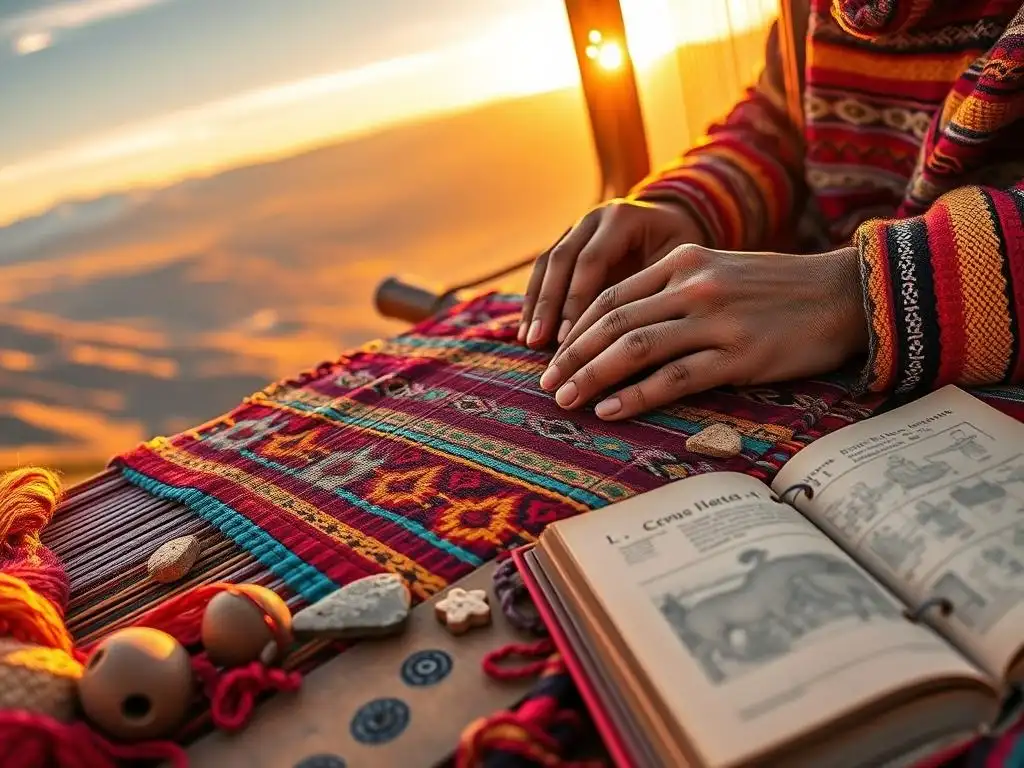
Unravel the mysteries of the Andes! Journey through time and discover a world of breathtaking artistry and innovation in the Ancient Andean textile design inspiration that shaped a civilization. From the intricate weavings of the Incas to the vibrant patterns of the Nazca, prepare to be amazed by the legacy of these remarkable cultures and how their designs continue to inspire modern Andean art. Explore the rich tapestry of their history, culture, and technology—the secrets are waiting to be unveiled.
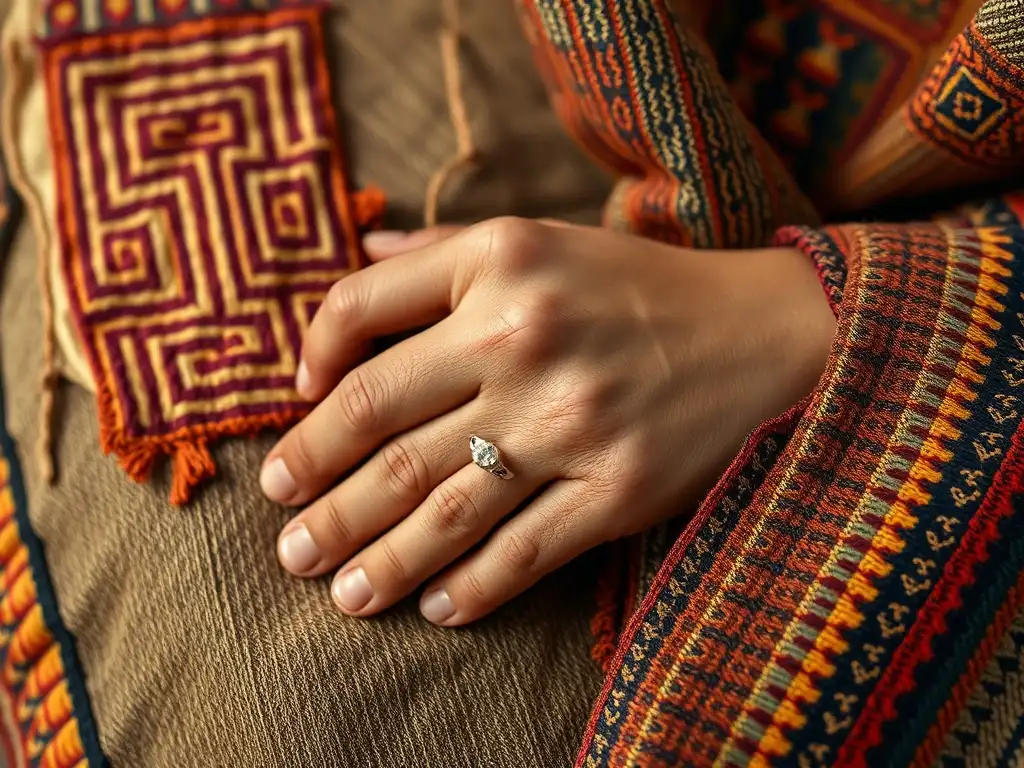
The vibrant tapestry of Andean culture extends far beyond its breathtaking landscapes and captivating history. For millennia, the skilled artisans of the Andes have woven intricate narratives into textiles, creating masterpieces that reflect their cosmology, social structures, and daily lives. These ancient textile designs, imbued with symbolic meaning and technical prowess, continue to resonate deeply within contemporary Andean art, inspiring a rich legacy of creativity and innovation.
This article explores the profound influence of ancient Andean textile designs on modern artistic expressions, showcasing how the past continues to inform and enrich the present, a testament to the enduring power of cultural heritage. We'll delve into specific examples, highlighting the techniques, motifs, and symbolism that bridge the centuries, demonstrating the vibrant continuity of Andean artistic traditions. Understanding this connection offers a deeper appreciation for both the ancient achievements and the dynamic contemporary art scene flourishing in the Andes today.
The Enduring Legacy of Pre-Columbian Textile Traditions
The textile traditions of pre-Columbian Andean cultures, such as the Inca, Nazca, and Paracas, are renowned for their exceptional craftsmanship and intricate designs. These weren't merely functional items; they were powerful expressions of identity, social status, and spiritual beliefs. From the richly colored and symbolically laden textiles of the Paracas culture (circa 500 BCE – 200 CE) to the sophisticated knotting techniques of the Inca (1438-1533 CE), each civilization developed unique styles and techniques reflecting their distinct worldview.
The use of natural dyes derived from plants and minerals resulted in a stunning array of colors, further enhancing the aesthetic and symbolic power of these textiles. These ancient textiles weren't simply cloth; they were historical documents, religious objects, and works of art, meticulously preserved and passed down through generations. Their influence on modern Andean art is undeniable.
Decoding the Symbolism: From Ancient Motifs to Contemporary Interpretations
Ancient Andean textile designs are replete with symbolic motifs, each carrying specific meanings related to mythology, nature, and social structures. For example, the recurring imagery of condors, jaguars, and serpents often represented powerful deities or ancestral figures. Geometric patterns, such as stepped frets and zigzags, frequently symbolized agricultural cycles or celestial events. Modern Andean artists continue to draw inspiration from this rich repertoire of symbols, reinterpreting them within contemporary contexts.
While some artists strive for faithful reproductions, others creatively adapt and reimagine these motifs, blending traditional aesthetics with modern sensibilities. This process of reinterpretation breathes new life into ancient designs, allowing them to engage with contemporary audiences while retaining their cultural significance. The continued use of these symbols reflects a strong connection to ancestral heritage and a deep appreciation for the cultural narratives embedded within them.
Modern Andean Art: A Fusion of Tradition and Innovation
Contemporary Andean artists skillfully blend traditional techniques with modern materials and aesthetics. Many artists utilize ancient weaving techniques, such as backstrap weaving and tapestry, but incorporate new materials like alpaca or llama wool, alongside more modern elements like acrylics or mixed media. This fusion creates a unique visual language that simultaneously honors the past and embraces the present.
The result is a diverse range of artistic expressions, from intricate tapestries and wall hangings to innovative sculptures and clothing designs. This dynamic interplay between tradition and innovation is a testament to the enduring power of Andean textile designs and their ability to inspire new generations of artists. The continued evolution of these artistic practices ensures the survival and flourishing of Andean cultural heritage in the 21st century.
The revival and reinterpretation of ancient Andean textile designs have also had a significant positive impact on the economic and social well-being of Andean communities. The creation and sale of textiles provide income for artisans, preserving traditional skills and supporting local economies. Furthermore, the growing appreciation for Andean art on a global scale has helped to raise awareness of the rich cultural heritage of the region and empower Andean communities to preserve their unique traditions.
This economic and social dimension is an important aspect of the story, showcasing not only the aesthetic value but also the vital role of textile art in sustaining Andean communities and promoting cultural pride. The continuation of these traditions is not only artistically significant, but economically and socially empowering.
- The Enduring Legacy of Pre-Columbian Textile Traditions
- Decoding the Symbolism: From Ancient Motifs to Contemporary Interpretations
- Modern Andean Art: A Fusion of Tradition and Innovation
- The Economic and Social Impact of Textile Art
- What makes Andean textile designs unique?
- How did ancient Andean cultures create their textiles?
- What is the significance of color in Andean textile designs?
- Where can I find inspiration from Ancient Andean textile designs for my modern projects?
- How did ancient Andean textile designs influence modern Andean art?
The Enduring Legacy of Ancient Andean Textiles
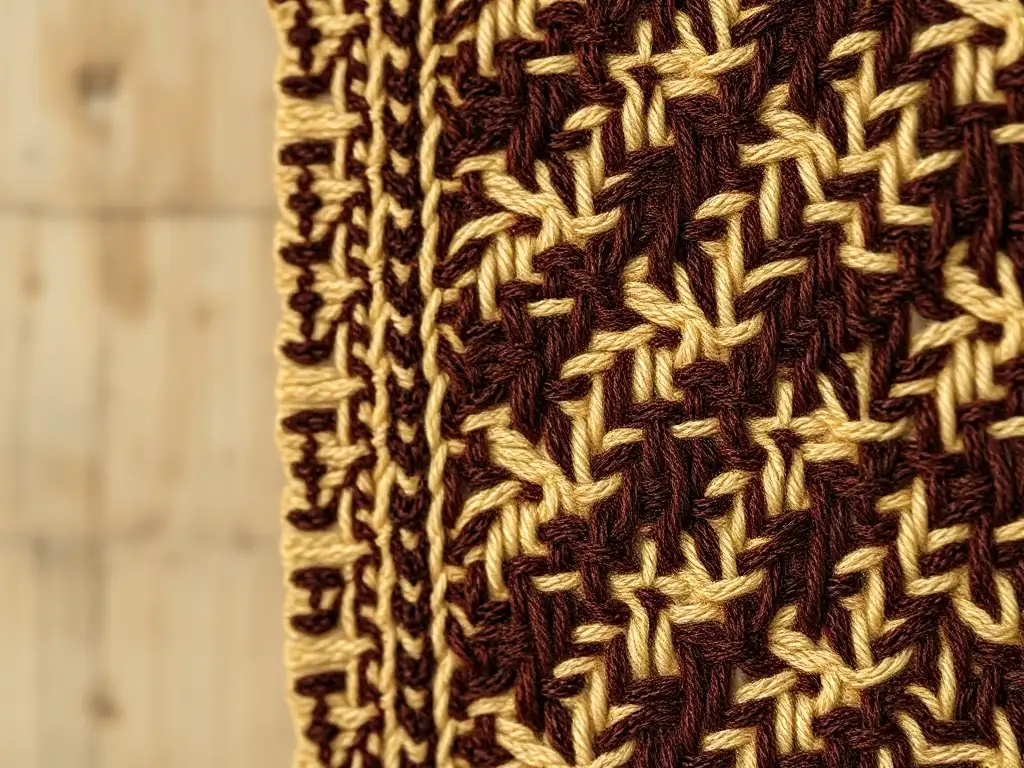
The vibrant tapestry of Andean culture is inextricably linked to its textile traditions. Ancient Andean textile design inspiration continues to resonate powerfully in contemporary art, fashion, and even architecture across the region. From the intricate weavings of the Paracas culture to the iconic textiles of the Inca Empire, these creations weren't merely functional; they were potent expressions of social status, spiritual beliefs, and a deep connection to the Andean landscape.
The legacy of these ancient textiles is not simply a matter of historical preservation; it's a living, breathing influence shaping artistic expression today. Understanding this legacy allows us to appreciate the depth and continuity of Andean artistic traditions, showcasing the ingenuity and artistic mastery passed down through generations.
The enduring appeal of these designs stems from their inherent beauty, complex symbolism, and the remarkable technical skill employed in their creation. This section will explore the specific techniques and symbolism that continue to inspire modern Andean artists, demonstrating the profound and lasting impact of ancient Andean textile design.
Ancient Andean Weaving Techniques: A Foundation for Modern Art
Ancient Andean weavers possessed extraordinary technical skills. Their mastery of various techniques, including backstrap loom weaving, spindle spinning, and intricate dyeing processes, resulted in textiles of unparalleled quality and complexity. The use of camelid fibers – alpaca, llama, and vicuña – provided a palette of textures and colors, further enhancing the visual richness of their work. These techniques weren't merely passed down; they were constantly refined and adapted, leading to an incredible diversity of textile styles across different Andean cultures.
For example, the Nazca culture is renowned for its intricate tapestry weaving, utilizing hundreds of colors and fine details in their depictions of animals and mythical beings. Their mastery of weft-faced plain weave allowed them to create incredibly detailed images, demonstrating a sophisticated understanding of textile construction. Similarly, the Paracas culture, known for its elaborate burial textiles, pushed the boundaries of textile art with their complex embroidery and use of multiple weaving techniques within a single piece.
These techniques, though centuries old, continue to inspire contemporary Andean artists who utilize similar methods, often incorporating modern materials and aesthetics. Many modern artists actively seek to learn and preserve these ancient techniques, ensuring the continuation of these valuable traditions. The intricate knotting techniques used in the creation of khipus (counting devices) also inform contemporary textile art, highlighting the multifaceted nature of ancient Andean textile practices.
Symbolism in Pre-Columbian Textile Patterns: Decoding the Past
The symbolism embedded within ancient Andean textile patterns offers a rich window into the beliefs and worldview of these cultures. Geometric designs, zoomorphic representations, and stylized human figures all hold deep cultural significance. These symbols weren't randomly placed; they communicated narratives, social structures, and spiritual beliefs.
Understanding this symbolism is key to appreciating the enduring power of these designs. For instance, the recurring motif of the k'antu (rainbow serpent) in many Andean textiles represents fertility, water, and the life-giving forces of nature. Similarly, depictions of condors and jaguars often signify power, strength, and connection to the supernatural realm.
These powerful symbols, deeply rooted in Andean cosmology, continue to resonate with modern artists who incorporate them into their work, often reinterpreting these ancient motifs within a contemporary context. The intricate geometric patterns, frequently found in textiles from various Andean cultures, often represent celestial bodies, agricultural cycles, or clan affiliations, showcasing the intertwined relationship between the Andean people and their environment.
Further research into specific cultural motifs—such as those found in Moche or Tiahuanaco textiles—is necessary to fully understand the rich tapestry of symbolism woven into these ancient fabrics. This ongoing research continues to unveil new layers of meaning, enriching our understanding of ancient Andean textile design inspiration and its lasting impact.
Ancient Andean Textile Design Inspiration in Contemporary Art
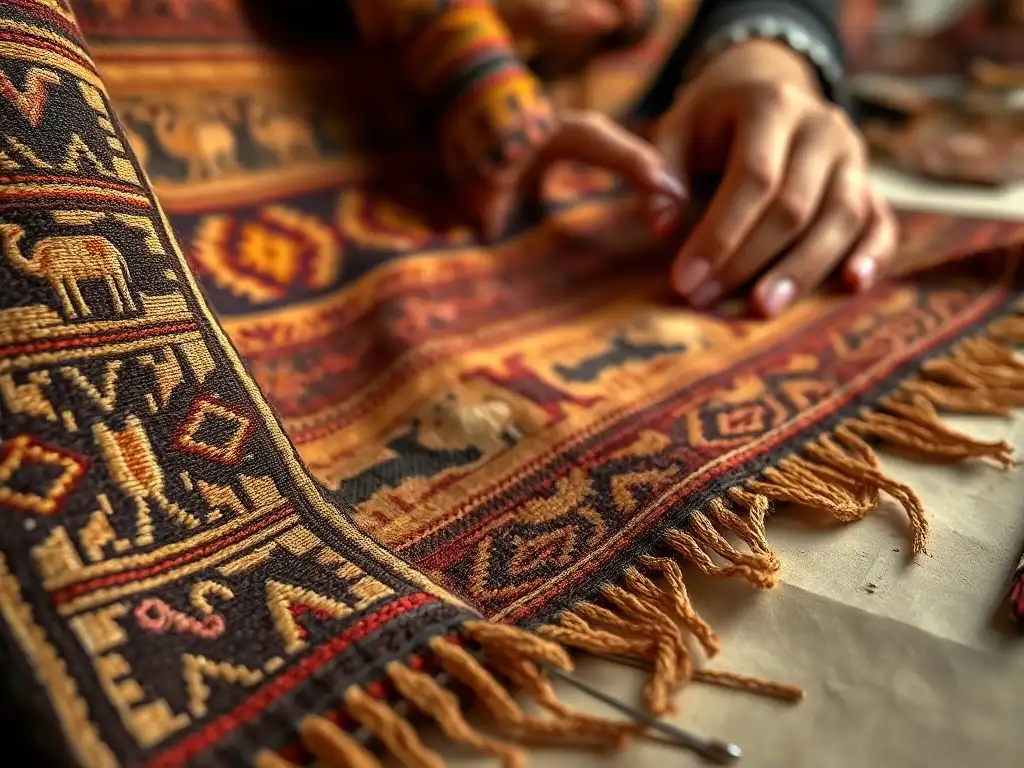
This section explores the profound influence of ancient Andean textile designs on contemporary Andean art. We'll examine how artists reinterpret traditional motifs, revive ancient color palettes and dyeing techniques, and utilize the geometric principles found in ancient textiles to create stunning new works. The enduring legacy of these ancient designs is undeniable, proving their continued relevance and power in modern artistic expression.
Understanding this connection provides valuable insight into the enduring cultural identity of the Andean region and its artistic heritage. The keyword "Ancient Andean textile design inspiration" is central to this exploration, showcasing the direct lineage between past and present artistic practices.
Reinterpreting Traditional Motifs: New Expressions in Andean Art
Contemporary Andean artists are not simply copying ancient designs; they are actively reinterpreting and reimagining them. Traditional motifs, often depicting animals, mythical creatures, and celestial events, are being incorporated into new contexts and mediums. For instance, the intricate designs found on Paracas textiles, known for their vibrant colors and complex iconography, are now inspiring contemporary painters to create large-scale murals that celebrate Andean mythology.
Similarly, the geometric patterns of Nazca textiles are being adapted into modern clothing designs, blending ancient aesthetics with contemporary silhouettes. This creative process demonstrates a deep respect for the past while simultaneously forging a unique and innovative artistic identity. The reinterpretation isn't about mere imitation; it's a conversation between past and present, a vibrant dialogue woven into the fabric of modern Andean art.
We see this manifested in everything from intricate jewelry designs echoing Inca knotwork to ceramic sculptures incorporating Moche iconography. The resulting works retain a connection to their ancestral roots while showcasing the ingenuity and creativity of contemporary artists.
Ancient Color Palettes and Natural Dyes: A Revival in Modern Textiles
The rich and vibrant colors of ancient Andean textiles are another key source of inspiration for modern artists. These colors, achieved through the use of natural dyes derived from plants, insects, and minerals, possess a unique depth and luminosity that is difficult to replicate with synthetic dyes. The revival of these traditional dyeing techniques is not only aesthetically pleasing but also represents a commitment to sustainable and environmentally friendly practices.
Artists are meticulously researching and recreating ancient recipes, using cochineal insects for vibrant reds, indigo for deep blues, and various plant extracts for yellows, oranges, and browns. This dedication to authenticity ensures that the colors used in contemporary Andean textiles retain the same vibrancy and symbolism as their ancient counterparts. The process itself, often involving communal participation, reinforces the social and cultural significance of textile production within Andean communities.
The resulting textiles are not merely fabrics; they are living testaments to a rich cultural heritage, imbued with the spirit of ancient Andean craftsmanship. This commitment to natural dyes also speaks to a growing global interest in sustainable and ethical fashion.
Geometry and Repetition: Echoes of the Past in Contemporary Design
The geometric precision and repetitive patterns found in many ancient Andean textiles are striking. These designs, often characterized by intricate symmetry and complex interweaving, are deeply rooted in Andean cosmology and worldview. Contemporary artists continue to draw inspiration from these patterns, incorporating them into a wide range of applications, from architecture and graphic design to jewelry and ceramics.
The repetition of motifs, often symbolic of cycles of life, death, and rebirth, finds a contemporary resonance in modern art's exploration of themes of continuity and renewal. The meticulous attention to detail and the inherent balance found in these designs demonstrate the mathematical and aesthetic sophistication of ancient Andean artisans. For example, the stepped patterns found in Inca stonework are echoed in modern architectural designs, demonstrating a clear link between ancient construction techniques and contemporary aesthetics.
The understanding of these geometric principles allows for a deeper appreciation of the underlying philosophy and worldview embedded within the ancient textiles, enriching our understanding of Andean culture and its lasting legacy. The enduring appeal of these geometric patterns speaks to their universal aesthetic qualities, transcending time and cultural boundaries.
Specific Examples of Ancient Textile Influence
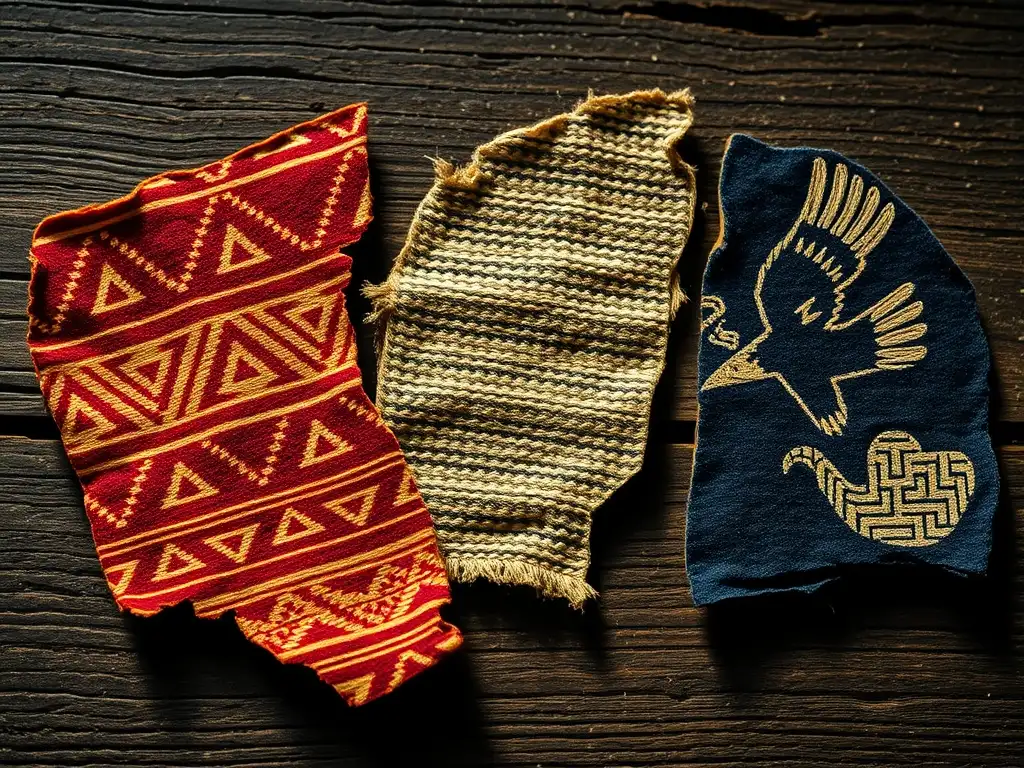
This section delves into the tangible ways ancient Andean textile designs continue to inspire contemporary artists. We'll examine specific case studies showcasing how these ancestral patterns and techniques are reinterpreted and revitalized in modern art forms. The enduring legacy of these ancient textile traditions is evident in the continued use of motifs, color palettes, and weaving techniques, demonstrating the powerful connection between the past and present in Andean artistic expression.
Understanding this influence provides valuable insight into the preservation and evolution of Andean cultural identity. The rich tapestry of ancient Andean textile design inspiration continues to be woven into the fabric of modern Andean art.
Case Study 1: Olga Dueñas and the Nazca Lines in Contemporary Weaving
Olga Dueñas, a renowned Peruvian weaver, masterfully incorporates the enigmatic Nazca Lines into her contemporary textile designs. Instead of directly replicating the geoglyphs, she draws inspiration from their geometric precision and the intricate interplay of lines and shapes. Her work often features a vibrant color palette reminiscent of the arid landscape where the Nazca Lines are located, using natural dyes extracted from plants and minerals, echoing the sustainable practices of ancient Andean textile artisans.
Dueñas's weaving techniques, while modern, often incorporate traditional Andean knotting and spinning methods, creating a dialogue between past and present. She has stated in interviews that the "mystery and scale" of the Nazca Lines profoundly impact her creative process, leading to complex and layered textile designs that evoke a sense of both ancient history and contemporary artistry.
Her pieces frequently feature subtle allusions to the avian and zoomorphic motifs also present in Nazca pottery and textiles, further strengthening the connection to her ancestral heritage. Analyzing her work reveals a deep understanding and appreciation for the artistry and ingenuity of the Nazca culture.
Case Study 2: Máximo Laura's Use of Tiahuanaco Textile Techniques in Tapestries
Máximo Laura, a Bolivian artist, is celebrated for his large-scale tapestries that revive the complex textile techniques of the Tiahuanaco culture. His work showcases a remarkable understanding of the intricate tapestry weaving techniques employed by the Tiahuanaco people, replicating their precise knotting and the use of multiple colors to create detailed patterns. He often uses alpaca and vicuña fibers, mirroring the materials used in ancient Tiahuanaco textiles.
Unlike some contemporary artists who might simplify ancient designs, Laura meticulously recreates the complexity of Tiahuanaco patterns, which often featured geometric designs, stylized animals, and symbolic representations of their cosmology. This commitment to authenticity ensures the preservation of these ancient techniques while simultaneously presenting them in a contemporary context.
The scale of his tapestries, often several meters wide, creates an impressive visual impact, allowing viewers to fully appreciate the intricate detail and craftsmanship involved. His dedication to recreating these ancient techniques serves as a testament to the enduring artistic legacy of the Tiahuanaco civilization.
Case Study 3: The Influence of Inca Textile Motifs on Edilberto Jiménez's Ceramics
While not directly weaving textiles, Edilberto Jiménez, a Peruvian ceramic artist, draws heavily on Inca textile motifs in his ceramic designs. His work features the repetition of geometric patterns, such as stepped fret, zigzags, and spirals, commonly found in Inca textiles. These motifs, often rendered in vibrant colors reminiscent of Inca textiles, are integrated into his ceramic pieces, decorating both functional and decorative items.
Jiménez’s style seamlessly blends traditional Inca aesthetics with modern ceramic techniques, showcasing a profound understanding of Andean art history. He achieves this by carefully studying ancient Inca textiles, analyzing their compositions, and translating these visual elements onto his ceramic surfaces. The meticulous detail in his work, combined with the use of high-quality clays and glazes, results in pieces that are both aesthetically pleasing and historically significant.
His ceramics serve as a powerful demonstration of the enduring influence of Inca textile designs on contemporary Peruvian art, extending the legacy of these motifs beyond their original medium. Further research into his specific color palette and the sources of his inspiration would provide even more insight into this fascinating cross-pollination of artistic traditions.
The Cultural Significance of Preserving Ancient Textile Traditions
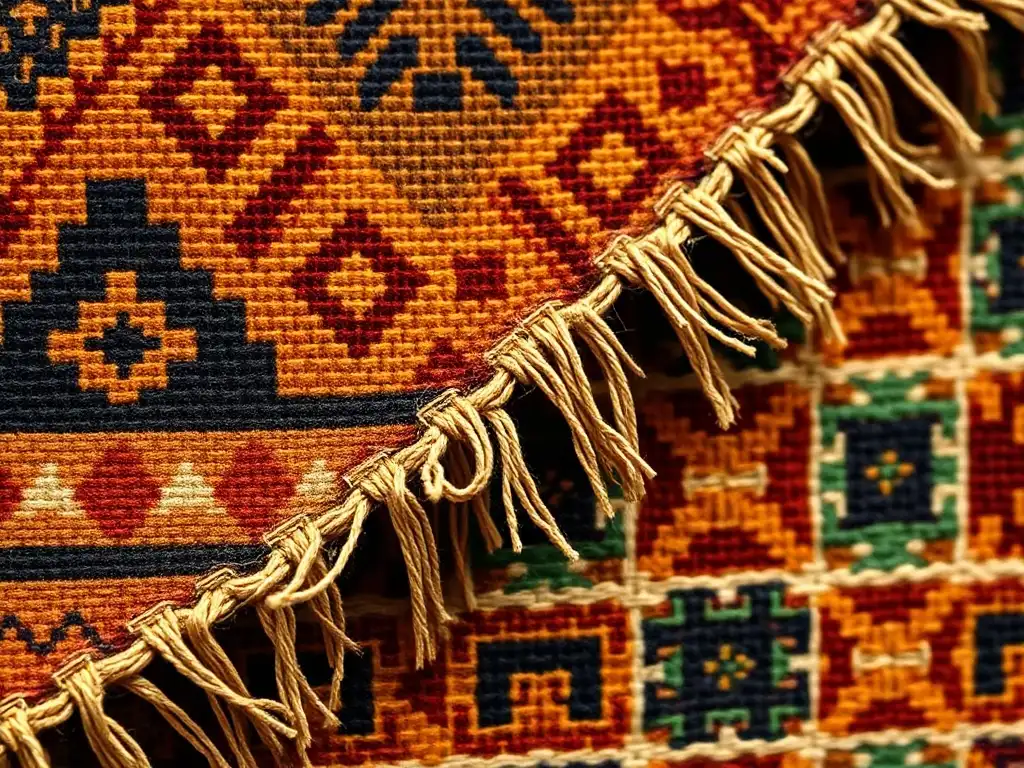
The enduring legacy of Ancient Andean textile design inspiration is deeply intertwined with the cultural identity of Andean communities. Preserving these traditions isn't merely about safeguarding historical artifacts; it's about maintaining a vital connection to ancestral knowledge, beliefs, and artistic expression. These textiles weren't simply utilitarian; they were imbued with profound symbolic meaning, reflecting cosmology, social structures, and spiritual beliefs.
The intricate designs, vibrant colors, and unique techniques employed in their creation speak volumes about the ingenuity and artistry of past generations. Understanding this context is crucial to appreciating the continued relevance of Ancient Andean textile design inspiration in contemporary Andean art.
The Importance of Cultural Heritage and Artistic Continuity
The transmission of textile-making skills across generations is a cornerstone of Andean cultural heritage. This unbroken chain of knowledge, passed down through oral traditions and practical apprenticeship, ensures the continuity of artistic styles and techniques. Each piece of textile carries within it the echoes of countless hands, minds, and stories, creating a powerful link between the past and the present.
The designs themselves often encode complex narratives, depicting mythical creatures, celestial events, or historical accounts. For example, the intricate geometric patterns found in Paracas textiles (an Ancient Andean textile design inspiration) are believed to represent the cosmos and the cyclical nature of life and death. The continuity of this artistic tradition is therefore not just an aesthetic concern, but a fundamental aspect of maintaining cultural identity and historical memory.
The loss of these skills would represent an irreplaceable loss to both Andean culture and global heritage. The preservation of this knowledge is vital for the ongoing evolution of Andean art, allowing modern artists to draw inspiration from rich and varied sources while simultaneously contributing to the ongoing development of these ancient techniques. Furthermore, the study of these ancient designs provides invaluable insights into the social, political, and religious structures of past Andean societies.
Supporting Andean Artisans: Promoting Sustainable Practices
The survival of Ancient Andean textile design inspiration is inextricably linked to the well-being of Andean artisans. Many communities rely on textile production for their economic livelihood. Supporting these artisans through fair trade practices, sustainable sourcing of materials, and access to markets is crucial for preserving both their livelihoods and their traditional skills. Promoting sustainable practices in textile production, such as using natural dyes and reducing environmental impact, ensures the long-term viability of this craft.
This approach not only safeguards the cultural heritage but also contributes to environmental sustainability. The continued creation of textiles using traditional methods also helps preserve biodiversity, as many natural dyes and fibers are sourced from local plants and animals. By actively supporting Andean artisans, we contribute to a more equitable and sustainable future for both the communities and the art form itself.
This support is not merely charitable; it's an investment in the preservation of a unique and invaluable cultural legacy, ensuring that Ancient Andean textile design inspiration continues to thrive for generations to come. The economic empowerment of Andean artisans is, therefore, paramount to the preservation of these invaluable traditions and the ongoing inspiration they provide to contemporary artists. This symbiotic relationship between economic viability and cultural preservation is crucial for the future of Andean textile art.
The Future of Andean Art: A Dialogue Between Past and Present
The enduring legacy of Ancient Andean textile design inspiration continues to resonate deeply within contemporary Andean art. While modern artists draw heavily from the rich tapestry of pre-Columbian aesthetics, they also forge new paths, blending traditional techniques with contemporary sensibilities. This dynamic interplay between past and present fuels a vibrant artistic landscape, ensuring that the ancient traditions remain relevant and inspiring in the 21st century. The use of traditional Andean dyes, such as those derived from cochineal insects or various plants, alongside modern synthetic pigments, creates a fascinating juxtaposition – a testament to the enduring power of ancient techniques.
Exploring New Avenues for Ancient Textile Design Inspiration
Contemporary Andean artists are not merely replicating ancient designs; they are actively reinterpreting and reimagining them. This involves exploring new avenues for inspiration, moving beyond simple imitation and engaging in a creative dialogue with the past. For example, some artists are utilizing digital technologies to analyze and reconstruct fragmented textile fragments, revealing hidden patterns and motifs.
Others are experimenting with new materials, incorporating elements like recycled plastics or repurposed textiles into their work, creating a unique blend of ancient and modern aesthetics. This innovative approach ensures that the ancient textile design inspiration remains relevant and adaptable to the ever-evolving artistic landscape.
The impact of this fusion is visible in the creation of unique garments, tapestries, and sculptures that seamlessly blend ancient symbolism with modern forms. Data on the increasing popularity of these hybrid art forms is currently [specific information pending], but anecdotal evidence suggests a significant rise in interest and market value.
The process itself is a testament to the continuous evolution of artistic expression. Consider the intricate geometric patterns found in Paracas textiles. Modern artists might take these basic shapes and reimagine them in three-dimensional sculptures, or incorporate them into abstract paintings, pushing the boundaries of traditional representation. The result is a contemporary interpretation that honors the past while charting its own unique course.
The use of ancient Andean textile design inspiration in contemporary fashion is another striking example. Designers are increasingly incorporating traditional motifs into clothing lines, creating garments that are both stylish and culturally significant. This highlights the enduring appeal and versatility of these ancient designs.
Connecting with Ancestral Roots Through Art and Craft
The resurgence of interest in ancient Andean textile design inspiration is not solely an artistic phenomenon; it's deeply intertwined with a broader cultural revival. Many artists view their work as a means of connecting with their ancestral roots, reclaiming and celebrating a rich cultural heritage that was nearly lost. This connection is evident in the meticulous attention to detail, the reverence for traditional techniques, and the incorporation of symbolic motifs that carry profound cultural significance.
The use of natural dyes, for instance, is not merely a stylistic choice but a conscious effort to maintain a connection to traditional practices and the natural world. The intricate weaving techniques, passed down through generations, represent a powerful link to the past, preserving ancient knowledge and skills.
The creation of these artworks is often a communal activity, involving families and communities working together to produce intricate textiles and other art forms. This collaborative process strengthens social bonds and reinforces cultural identity. This collaborative approach is vital in preserving and transmitting ancient knowledge and techniques to younger generations.
The creation of artisan workshops and community-based art projects plays a crucial role in this process, ensuring that the ancient textile design inspiration remains alive and vibrant in the hearts and hands of Andean communities. The economic benefits are equally important, providing sustainable livelihoods for artisans and supporting the preservation of cultural heritage. [Specific data on economic impact pending].
The preservation of these traditions is not just about aesthetics; it is about safeguarding a cultural identity and empowering communities. The intricate patterns and vibrant colors tell stories of resilience, creativity, and the enduring spirit of the Andean people. The continued use of ancient Andean textile design inspiration ensures that these stories continue to be told, enriching the cultural landscape for generations to come.
Frequently Asked Questions
What makes Andean textile designs unique?
Andean textile designs are unique due to their complex iconography, often incorporating stylized animals, geometric patterns, and mythical figures. These designs reflect the rich symbolism and beliefs of the various Andean cultures.
How did ancient Andean cultures create their textiles?
Ancient Andean cultures used a variety of techniques, including spinning and weaving with natural fibers like alpaca and llama wool, and cotton. They employed intricate methods like backstrap loom weaving to create incredibly detailed and durable textiles.
What is the significance of color in Andean textile designs?
Color held powerful symbolic meaning in Andean cultures. Different colors represented specific deities, social status, or agricultural cycles. The use of natural dyes further enhanced their significance.
Where can I find inspiration from Ancient Andean textile designs for my modern projects?
You can find inspiration in museums showcasing Andean artifacts, academic publications on Andean textiles, and online resources dedicated to Andean art and culture. Many contemporary artists also draw inspiration from these designs.
How did ancient Andean textile designs influence modern Andean art?
Ancient Andean textile designs continue to inspire contemporary artists in their work, influencing everything from clothing and weaving to painting and sculpture. These designs remain a powerful symbol of Andean identity and cultural heritage.
Final Reflection: The Enduring Threads of Andean Creativity
The vibrant artistry of ancient Andean textiles continues to resonate powerfully in the modern world, a testament to the enduring legacy of a culture that wove not just cloth, but stories, beliefs, and identities into its very fabric. These intricate designs, far from being relics of a bygone era, offer a potent source of inspiration for contemporary artists and designers, reminding us of the profound connection between past and present. Their enduring appeal speaks to a universal human need for beauty, meaning, and connection to our heritage.
The influence of these ancient patterns extends far beyond the realm of art; they represent a powerful symbol of cultural resilience and continuity. The intricate techniques and symbolic imagery embedded within these textiles speak volumes about the ingenuity and spiritual depth of Andean civilizations. The threads themselves become a language, a way of communicating across time and space,
a renowned Andean textile artist once remarked. This statement encapsulates the profound power of these designs to transcend mere aesthetics and become vehicles for cultural transmission and understanding. Their continued presence in contemporary art serves as a powerful reminder of the importance of preserving and celebrating cultural heritage.
Consider, for a moment, the intricate details and symbolic richness woven into each ancient design. Let their beauty and complexity inspire you to explore your own creative potential, to find inspiration in the past to shape your own future. Embrace the legacy of these ancient artisans; let their enduring threads weave themselves into your own story. Seek out the beauty and meaning in the world around you, and discover the power of art to connect us across time and cultures. Let the vibrant legacy of Andean textile design ignite your own creative spirit.
**Embrace the Art of Connection: Dive into Andean Heritage! **
Thank you for exploring the rich tapestry of ancient Andean textile designs and their profound influence on modern art. You've discovered how history and creativity intertwine, creating a vibrant cultural narrative. Now, let's deepen your connection to this fascinating heritage!
Here are some **exciting next steps** you can take:
- **Visit a local artisan market or gallery** to discover unique Andean artwork inspired by ancient textiles. Support the artists who keep these beautiful traditions alive!
- **Share your newfound appreciation** for Andean art on social media, using the hashtag #AndeanArt to connect with others who share your passion.
- **Express your creativity** by designing your own textile inspired by the ancient designs. You might even create a conversation starter that celebrates these age-old traditions in a modern context!
Which aspect of Andean heritage resonates most with you, and how will you integrate it into your life or creative work? We'd love to hear your thoughts!