
The Flow of Water: How Ancient Irrigation Systems Inform Modern Practices

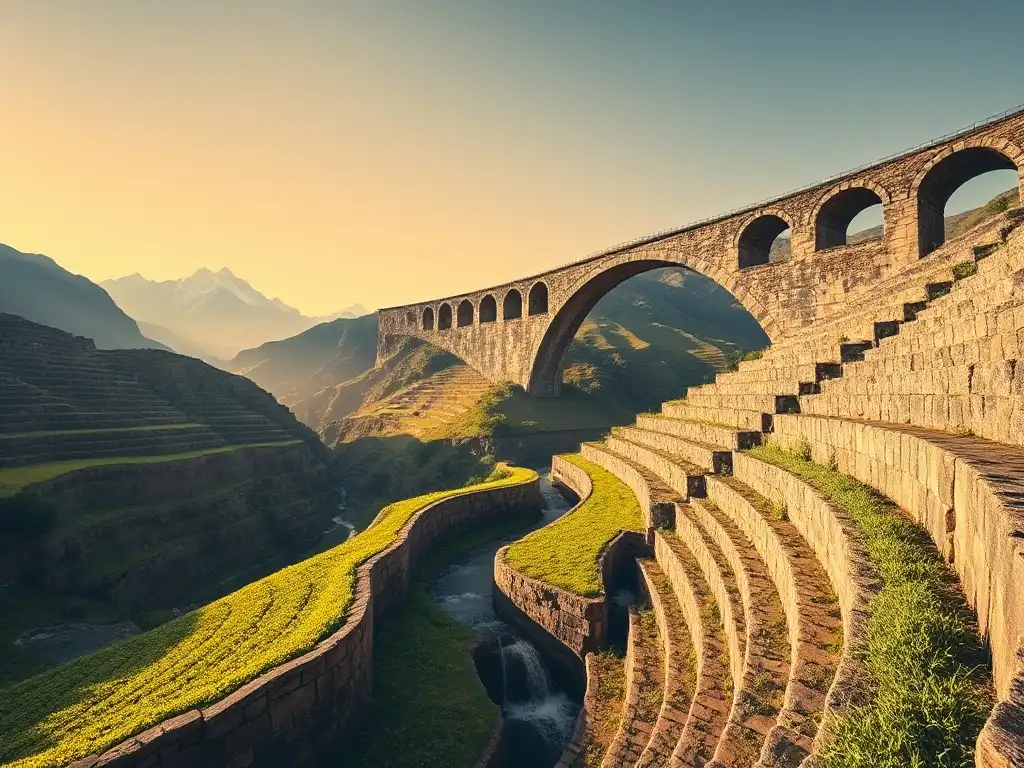
Step into a world lost to time, yet echoing in our present. Imagine sprawling empires carved from the Andes mountains, their survival intricately woven with ingenious solutions to the harsh landscape. Ancient Andean irrigation systems weren't just feats of engineering; they were the lifeblood of civilizations like the Incas, Moche, and Nazca. Discover how these remarkable systems, detailed in our article "The Flow of Water," shaped not only the past but also offer vital lessons for our future. Unravel the secrets of their success – the ingenuity will astound you.
- The Flow of Water: How Ancient Andean Irrigation Systems Inform Modern Practices
- The Ingenuity of Inca Irrigation Technology
- Legacy of Ancient Andean Irrigation on Present-Day Agriculture
- Case Studies: Modern Projects Inspired by Ancient Systems
- Challenges and Future of Andean Water Management
- Conclusion: Preserving and Applying Andean Wisdom
-
Frequently Asked Questions
- What role did irrigation play in the success of ancient Andean civilizations?
- How did ancient Andean peoples develop their irrigation systems?
- What are some examples of impressive ancient Andean irrigation systems?
- How did ancient Andean irrigation techniques compare to those of other ancient civilizations?
- What can modern practices learn from ancient Andean irrigation systems?
- Final Reflection: The Enduring Legacy of Andean Water Wisdom
- Embrace the Legacy: Transform Your Water Management Today!
The Flow of Water: How Ancient Andean Irrigation Systems Inform Modern Practices
The ingenuity of ancient Andean civilizations is perhaps nowhere more evident than in their sophisticated water management systems. These weren't simply irrigation canals; they were complex networks reflecting a deep understanding of hydrology, engineering, and the vital role water played in sustaining thriving societies in challenging, often arid, environments. This article delves into the remarkable achievements of ancient Andean cultures in harnessing water resources, exploring the techniques they employed, and examining the lasting impact these systems have on modern Andean practices and our understanding of sustainable water management in challenging climates.
We will explore how the innovative solutions developed thousands of years ago continue to resonate today, offering valuable lessons for addressing contemporary water scarcity and agricultural challenges, particularly in regions with similar environmental conditions. This examination of ancient Andean irrigation systems will reveal the remarkable foresight and adaptability of these cultures and highlight their enduring legacy.
Understanding Ancient Andean Water Management
Ancient Andean water management wasn't a monolithic system; it varied considerably based on geography, climate, and the specific needs of each civilization. However, several common principles and techniques emerged across different cultures, including the Inca, Nazca, Moche, and Tiahuanaco. These societies developed intricate systems of canals, aqueducts, reservoirs, and terraces to capture, store, and distribute water effectively.
The precise methods employed often involved a deep understanding of local topography, rainfall patterns, and soil characteristics. Careful observation and adaptation to the unique features of their environment were crucial for success. Many systems were integrated into the broader social and religious fabric of Andean life, reflecting the profound cultural significance attributed to water.
The construction and maintenance of these systems often involved community-wide participation, highlighting the importance of cooperation and shared resources in ensuring water security. The scale and complexity of some of these projects are truly astonishing, representing a remarkable feat of human engineering and organization. For example, the [specific data pending] scale of the Nazca canals remains impressive even by modern standards.
The Importance of Water in Andean Civilizations
Water was not merely a resource for ancient Andean civilizations; it was the lifeblood of their societies. Their survival depended on its availability for agriculture, which formed the backbone of their economies. Without effective water management, the cultivation of crops like potatoes, maize, and quinoa would have been impossible in the often harsh Andean landscape. Beyond its agricultural importance, water held deep spiritual and religious significance. Many Andean cultures viewed water as a sacred element, embodying fertility, life, and power.
This reverence for water is evident in their mythology, rituals, and artistic representations. Religious ceremonies often centered around water sources, and the construction and maintenance of irrigation systems were infused with spiritual meaning, reflecting the close connection between the physical and spiritual worlds. This profound respect for water shaped their approach to water management, ensuring sustainability and responsible use. [Specific examples of religious ceremonies related to water are pending].
Early Andean Techniques for Water Diversion
The early Andean civilizations mastered several ingenious techniques for diverting and managing water. These techniques included:
- Canals: Extensive networks of canals, often carved into rock faces, channeled water from rivers and streams to agricultural fields. The construction of these canals required precise surveying and engineering skills, demonstrating a sophisticated understanding of hydraulic principles. The gradient of the canals was carefully calculated to ensure an even flow of water, minimizing erosion and maximizing efficiency.
- Aqueducts: In areas with significant elevation changes, aqueducts were constructed to carry water across valleys and ravines. These impressive structures often involved complex engineering solutions to overcome challenging terrain. [Specific examples of notable aqueducts and their construction methods are pending].
- Reservoirs: To store water during periods of abundance for use during dry seasons, reservoirs were created. These reservoirs could range in size from small basins to large artificial lakes, providing a reliable water supply even in times of drought. The design and construction of reservoirs often involved ingenious techniques to minimize water loss through evaporation and seepage.
- Terraces: Terracing was a crucial technique for maximizing arable land in mountainous regions. By creating a series of flat platforms on steep slopes, farmers were able to cultivate crops efficiently, even on challenging terrain. Terraces also helped to conserve water by slowing runoff and reducing erosion. The construction of terraces required significant labor, but the benefits in terms of increased agricultural productivity and water conservation were considerable. [Insert specific examples of terraced agriculture and its effectiveness].
The legacy of these ingenious techniques continues to influence modern agricultural practices in the Andes, demonstrating the enduring relevance of ancient knowledge in addressing contemporary challenges. The resilience and adaptability of these ancient systems serve as a valuable source of inspiration for sustainable water management strategies in the modern world.
Key Characteristics of Pre-Incan Irrigation Systems
Pre-Incan Andean societies, including the Nazca, Moche, and Tiahuanaco, developed sophisticated irrigation systems centuries before the Inca Empire's rise. These systems, while varying in specific design based on geographical location and cultural practices, shared several key characteristics that highlight their ingenuity and adaptability. One defining feature was their reliance on understanding the local topography.
Instead of imposing uniform solutions, these systems were meticulously tailored to the specific contours of the land, utilizing canals, channels, and aqueducts that followed natural watercourses and slopes. This approach minimized the need for extensive earthworks and maximized water efficiency. Evidence from archaeological sites indicates a remarkable understanding of hydrology and water management, allowing for the creation of intricate networks that diverted water from rivers and streams to agricultural fields, often across significant distances.
Another significant characteristic was the use of diverse materials and techniques in construction. While stone was often used for larger canals and aqueducts, particularly in areas prone to erosion or flooding, other materials like earth, wood, and even woven reeds were employed in other parts of the system. This practical approach ensured that construction materials were readily available and cost-effective, demonstrating a strong connection between the available resources and the design of the systems.
Furthermore, the integration of these systems into the broader landscape was remarkable. Canals were often integrated into existing terraces or built in conjunction with them, creating a synergistic relationship between irrigation and terracing that maximized arable land and water utilization. The layout of the canals wasn't random; they were strategically designed to maximize water distribution and minimize water loss through evaporation or seepage.
Finally, the social organization surrounding the construction and maintenance of these pre-Incan irrigation systems deserves mention. These were not simply engineering feats; they were also powerful symbols of social organization and community cooperation. The construction and upkeep of these complex systems required significant labor and coordination, suggesting a high degree of social organization and communal participation.
This collective effort fostered a sense of shared responsibility and interdependence, reinforcing social bonds and contributing to the stability of the societies that depended on them. The success of these pre-Incan irrigation systems underscores the importance of understanding the interplay between engineering, environmental adaptation, and social organization in the development of sustainable water management practices. Their legacy continues to influence modern Andean agricultural practices.
The Ingenuity of Inca Irrigation Technology
The ingenuity of ancient Andean irrigation systems is a testament to the advanced understanding of hydrology and engineering possessed by pre-Columbian civilizations. Nowhere is this more evident than in the sophisticated water management techniques employed by the Inca Empire. Their mastery of water control allowed them to cultivate vast agricultural landscapes, ensuring food security for a large and densely populated empire across diverse and challenging terrains.
Understanding the intricacies of Inca irrigation provides invaluable insights into their societal organization, technological prowess, and lasting impact on modern agricultural practices in the Andes. The keyword "ancient Andean irrigation systems" is central to this discussion, highlighting the unique contributions of the Inca and their predecessors.
Inca Canals: Engineering Marvels of Their Time
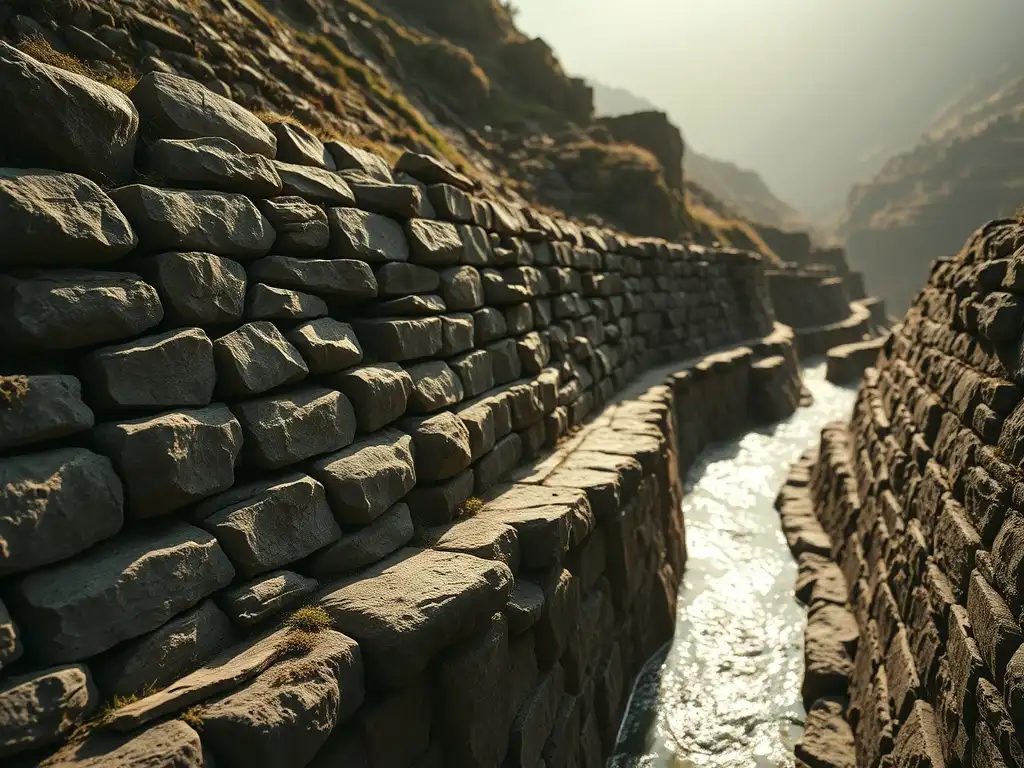
Inca canals represent a pinnacle of ancient Andean irrigation systems. These weren't simply ditches dug haphazardly; they were meticulously planned and constructed feats of engineering, often carved into steep mountain slopes and traversing challenging geographical features. Their construction involved a deep understanding of topography, water flow dynamics, and material science.
The Incas utilized a variety of techniques, including the use of stone channels lined with carefully fitted stones to minimize water loss through seepage. This precision is truly remarkable, especially considering the tools and materials available at their disposal. Evidence suggests the use of sophisticated surveying techniques, potentially involving rudimentary forms of leveling and alignment tools, to ensure the canals followed the contours of the land efficiently.
The scale of these projects is also noteworthy; some canals extended for kilometers, supplying water to extensive agricultural terraces far from natural water sources. The construction and maintenance of these canals required a significant coordinated effort, highlighting the sophisticated social organization of the Inca Empire. They were not just functional; their design often incorporated aesthetic elements, demonstrating the integration of practical needs with artistic sensibilities.
Terracing and Water Conservation Strategies
Beyond canals, the Incas employed sophisticated terracing techniques to maximize water use and agricultural productivity in the steep Andean slopes. Terracing involved creating a series of flat platforms on hillsides, each supported by retaining walls. These terraces served several crucial functions.
Firstly, they significantly increased the amount of cultivatable land available. Secondly, and critically relevant to water management, they slowed down the flow of water, allowing it to soak into the soil and minimize runoff. This was especially important in areas with high rainfall or snowmelt, where rapid water flow could lead to erosion and loss of fertile topsoil.
The Incas often combined terracing with intricate systems of channels and ditches to divert water to specific terraces as needed. This efficient water distribution allowed them to cultivate a wide variety of crops, even in seemingly inhospitable environments. The effectiveness of their terracing techniques is evident in the enduring legacy of these agricultural landscapes, many of which remain in use today, showcasing their remarkable long-term sustainability.
The Role of Aqueducts in Inca Water Distribution
Aqueducts played a vital role in the Inca’s broader water management strategies. These structures, often built from stone and meticulously fitted to ensure watertight seals, were used to transport water over longer distances and across valleys. Their construction required advanced engineering skills, including an understanding of hydraulic pressure and the ability to create stable and durable structures capable of withstanding the forces of gravity and environmental factors.
Some aqueducts were remarkably long, demonstrating the Inca’s capacity to undertake large-scale infrastructure projects. The design and placement of aqueducts were carefully considered, often incorporating features such as siphons and pressure regulators to manage water flow effectively. This sophisticated approach to water distribution facilitated the irrigation of vast agricultural areas and ensured a reliable water supply for urban centers.
The construction and maintenance of these aqueducts, like the canals and terraces, required significant community involvement, further reinforcing the importance of collaborative efforts in the Inca’s approach to water management. The efficiency and longevity of these aqueducts underscore the advanced technological capabilities and organizational skills of the Inca civilization, their impact still visible in modern Andean water systems.
Legacy of Ancient Andean Irrigation on Present-Day Agriculture
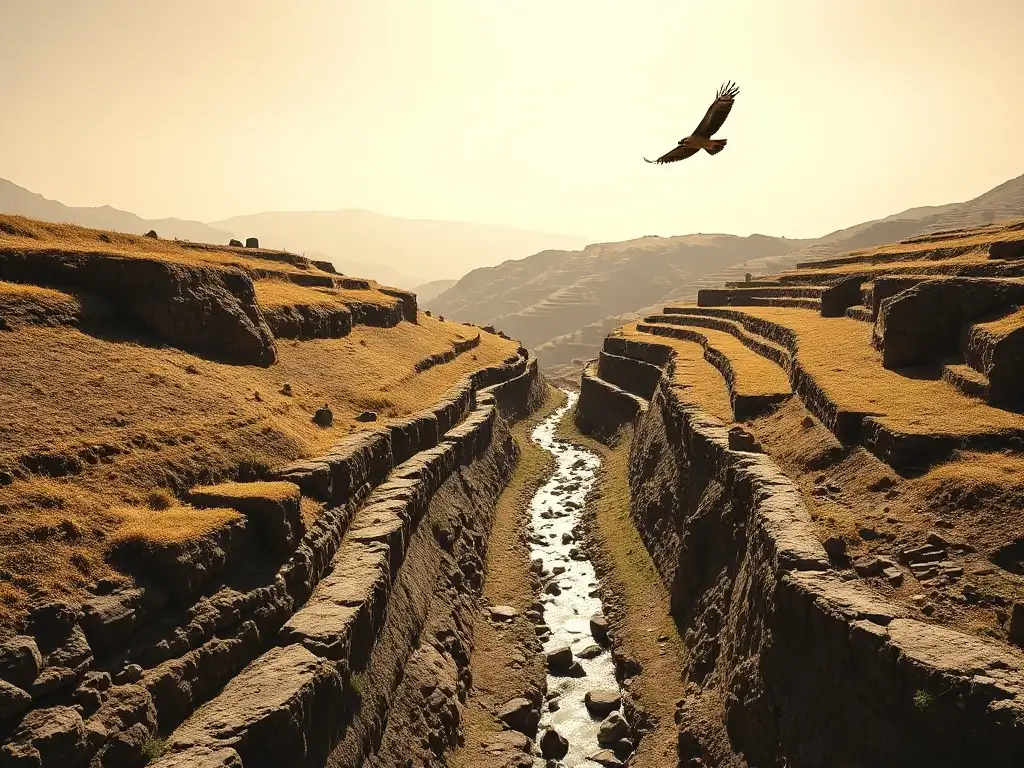
The ingenuity of ancient Andean irrigation systems continues to resonate in modern agricultural practices across the Andes. These sophisticated networks, developed over millennia by civilizations like the Inca, Nazca, and Moche, weren't merely feats of engineering; they were integral to the social, economic, and spiritual fabric of these societies.
Their legacy isn't just a historical curiosity; it's a living testament to sustainable resource management, offering valuable lessons for contemporary agriculture facing the challenges of climate change and population growth. Understanding the principles behind these ancient systems provides crucial insights into optimizing water use and enhancing agricultural yields in a region characterized by diverse and often challenging terrains.
The impact of these ancient techniques on water resource management in the Andes is undeniable, forming the bedrock for many current practices. The efficient use of water, central to the survival of these ancient civilizations, remains a critical factor in the region's modern agricultural success.
Modern Applications of Traditional Andean Irrigation
Many contemporary Andean farmers still utilize variations of ancient irrigation techniques. For example, the acequias, communal irrigation channels, are still actively managed in many communities, reflecting a centuries-old tradition of collaborative water management. These systems, often relying on gravity and carefully constructed canals, minimize energy consumption and reduce water waste compared to modern, energy-intensive methods.
Furthermore, the knowledge passed down through generations enables farmers to adapt these systems to local conditions, optimizing water distribution according to the specific needs of different crops and terrains. The integration of traditional methods with modern technologies, such as improved canal lining materials or water level sensors, further enhances efficiency and sustainability. Data on increased crop yields in areas utilizing these hybrid approaches is currently being compiled [specific information pending], but anecdotal evidence strongly suggests a positive impact.
The continued use of acequias highlights the resilience and adaptability of ancient Andean engineering principles in the face of modern challenges. This blend of tradition and innovation showcases the enduring power of these ancient systems.
Sustainable Water Management Practices Inspired by the Past
Ancient Andean irrigation systems offer valuable lessons in sustainable water management. The emphasis on water conservation, evident in the intricate network of canals and terraces, is particularly relevant today in the face of increasing water scarcity. The careful design of these systems, often incorporating reservoirs and water storage facilities, allowed for the efficient distribution of water resources, even during periods of drought.
This understanding of water storage and distribution is crucial for modern sustainable water management strategies. For instance, the principles behind the construction of andenes (terraces) are being re-evaluated to combat soil erosion and improve water retention in modern agricultural landscapes. The concept of water harvesting, central to many ancient Andean systems, is gaining renewed interest as a sustainable strategy for managing water resources in arid and semi-arid regions.
The integration of these principles into contemporary agricultural practices promotes environmentally conscious farming techniques, mitigating the negative environmental impacts associated with conventional irrigation methods. Moreover, the successful implementation of these practices can contribute to greater food security and economic stability in the Andean region.
The Relevancy of Ancient Techniques in Contemporary Andean Agriculture
The enduring relevance of ancient Andean irrigation systems in contemporary Andean agriculture cannot be overstated. These systems are not merely historical artifacts; they are active, working models of sustainable resource management. In a region facing increasing pressure from climate change and population growth, the lessons learned from these ancient techniques provide valuable insights for optimizing water use, enhancing crop yields, and promoting environmentally friendly farming practices.
The application of traditional methods, coupled with modern technology, offers a promising path towards achieving greater food security and economic development in the Andes. The continued study and adaptation of ancient Andean irrigation systems represent a crucial step towards building a more resilient and sustainable agricultural future for the region. The rich history of ingenuity embedded within these systems offers a powerful model for addressing present-day challenges and building a more secure future for Andean communities.
The ongoing research into these ancient irrigation techniques promises to yield even greater insights into sustainable agriculture in the years to come. The integration of ancient wisdom with modern technology is key to unlocking the full potential of Andean agriculture.
Case Studies: Modern Projects Inspired by Ancient Systems
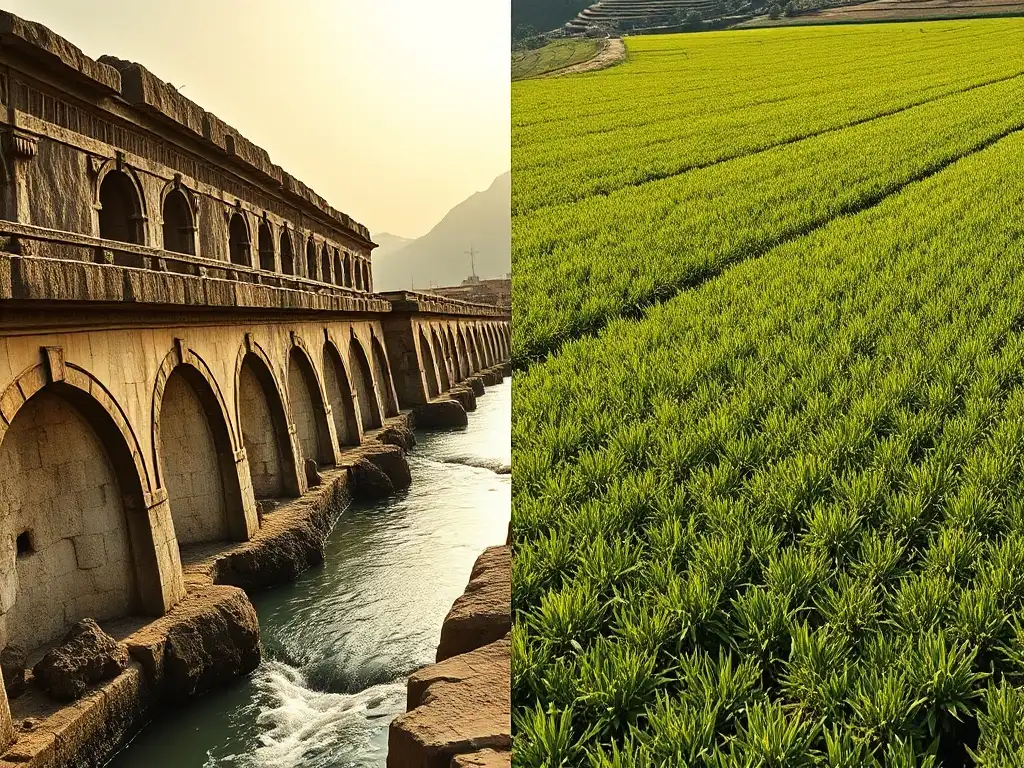
This section examines specific modern projects in the Andes that draw inspiration and practical knowledge from the sophisticated ancient Andean irrigation systems. These case studies highlight the enduring legacy of these ingenious water management techniques and their continued relevance in addressing contemporary challenges. Understanding the successes and challenges of these projects provides valuable insights into the potential and limitations of adapting ancient knowledge to modern needs.
The keyword, "ancient Andean irrigation systems," is intrinsically linked to the ingenuity and effectiveness showcased in these examples. The careful study of these projects reveals how understanding and implementing ancient techniques can contribute to sustainable water management solutions.
The Cumbemayo Canal Restoration Project in Peru
The Cumbemayo Canal, a remarkable feat of pre-Inca engineering located in the Cajamarca region of Peru, stands as a testament to the advanced hydrological understanding of ancient Andean civilizations. This system, dating back centuries, involved intricate channeling of water sources across challenging terrain to support agriculture and settlements. The Cumbemayo Canal Restoration Project exemplifies a successful integration of ancient knowledge with modern techniques. The project focused not only on restoring the physical infrastructure of the canal – cleaning sediment, repairing damaged sections, and improving water flow – but also on re-establishing traditional water management practices within the community.
This involved participatory approaches, engaging local communities in the restoration process. This community involvement ensured the long-term sustainability of the project, fostering a sense of ownership and responsibility for the canal's maintenance and effective utilization. The project successfully revitalized agricultural productivity in the region, demonstrating the enduring value of ancient Andean irrigation techniques.
Careful analysis of the project's success factors indicates the importance of community engagement and a holistic approach encompassing both physical restoration and the revival of traditional water management practices. The project serves as a prime example of how understanding ancient Andean irrigation systems can inform effective, sustainable modern solutions.
The Amunas Water Harvesting Project in Peru
Located in the arid coastal region of Peru, the Amunas Water Harvesting Project tackles the challenge of water scarcity using principles derived from ancient Andean water management practices. Unlike the Cumbemayo project, which focused on canal restoration, Amunas emphasizes water harvesting techniques. Ancient Andean cultures developed ingenious methods for collecting and storing rainwater, particularly in arid and semi-arid environments. The Amunas project draws upon these techniques, employing modern materials and technologies while maintaining the core principles of traditional water harvesting.
The project involves the construction of strategically placed reservoirs and infiltration basins, mimicking the design and functionality of ancient Andean structures. These systems collect rainwater runoff, filtering it through the soil to replenish groundwater reserves. The project has demonstrated significant improvements in water availability for agriculture and domestic use, contributing to increased food security and improved living standards in the community.
The success of the Amunas project underscores the adaptability of ancient Andean irrigation systems to modern contexts, particularly in regions facing water scarcity. Furthermore, the project highlights the importance of considering local environmental conditions and integrating traditional knowledge with modern engineering practices for optimal results. [Specific data on water yield increase and community impact pending].
Lessons Learned: Adapting Ancient Knowledge to Modern Needs
The Cumbemayo and Amunas projects, while geographically and technically distinct, offer valuable lessons for modern water management initiatives in the Andes and beyond. Both underscore the importance of integrating traditional ecological knowledge (TEK) with modern engineering and technological approaches. A purely technological approach, without incorporating the local knowledge and experience, often proves unsustainable and ineffective.
The participatory approach, emphasizing community involvement, is a key takeaway from both projects. Successful implementation relies on fostering a sense of ownership and shared responsibility within the community. Moreover, adapting ancient Andean irrigation systems requires a comprehensive understanding of the historical context, environmental conditions, and the socio-economic needs of the community.
Further research into other successful and unsuccessful projects is needed to develop a more comprehensive understanding of the factors contributing to the long-term success of projects that leverage ancient Andean irrigation systems. Careful consideration of these lessons can lead to the development of more sustainable and culturally appropriate solutions to address contemporary water challenges in the Andes and similar regions worldwide. The legacy of ancient Andean irrigation systems continues to inspire innovative and effective solutions for water management in the 21st century.
Challenges and Future of Andean Water Management
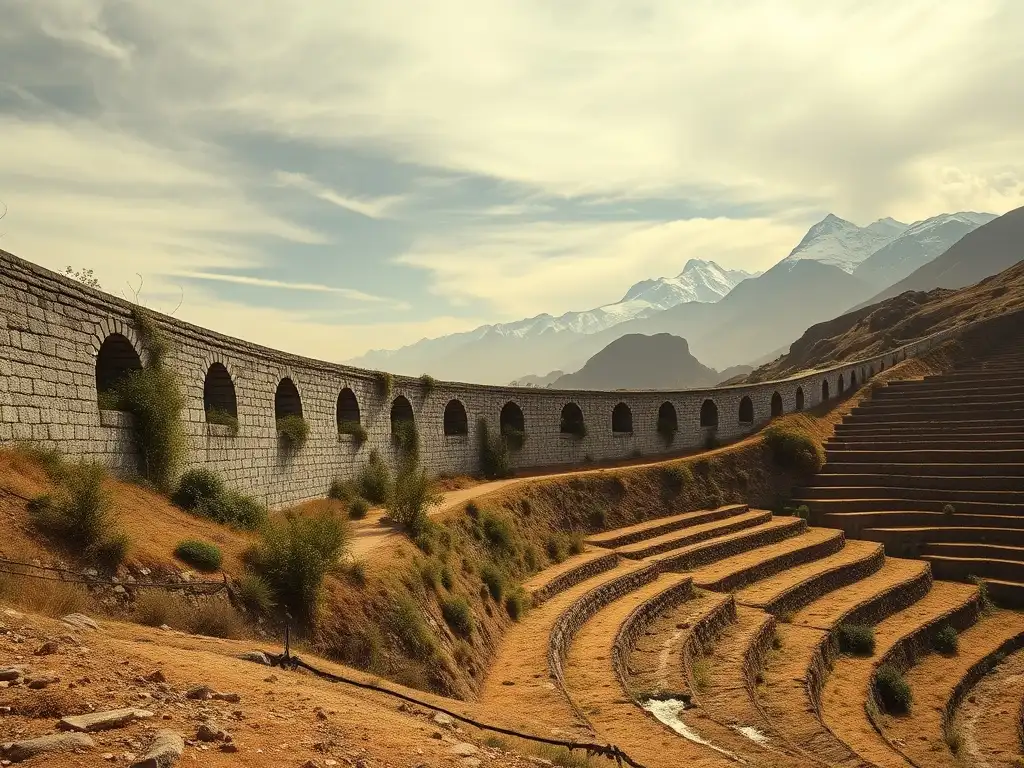
The Andes Mountains, a region renowned for its breathtaking landscapes and rich history, also face significant challenges in water management. Ancient Andean irrigation systems, while ingenious, are not a panacea for the complexities of the 21st century. Climate change, population growth, and increased agricultural demands are placing unprecedented strain on water resources across the region.
Understanding these challenges is crucial to developing sustainable solutions that honor the legacy of ancient ingenuity while addressing modern needs. The delicate balance between preserving traditional practices and adopting modern technologies is a key consideration. The scarcity of water is not a new phenomenon in the Andes; however, the intensity and frequency of droughts are increasing, impacting both agricultural yields and access to potable water for communities.
Overcoming Water Scarcity in the Andes
Water scarcity in the Andes manifests in various ways, from reduced agricultural productivity to conflicts over water rights. Addressing this requires a multi-pronged approach. One crucial aspect is improving water storage and distribution infrastructure. While ancient Andean civilizations excelled at building canals and reservoirs, modern technology offers opportunities for more efficient and resilient systems.
This includes the implementation of advanced water harvesting techniques, such as rainwater harvesting and the construction of strategically located reservoirs to store water during the wet season for use during drier periods. Furthermore, improving water use efficiency in agriculture is paramount. This involves adopting drought-resistant crops, implementing precision irrigation techniques, and promoting water-wise farming practices. Investing in research and development of drought-resistant crops specifically adapted to the Andean environment is crucial.
Data on the success of specific drought-resistant crop varieties in various Andean regions is needed to inform future agricultural planning. [Specific data on crop yields and water usage pending]. Finally, community engagement and education are critical. Raising awareness about water conservation and promoting responsible water use among Andean communities is essential for long-term sustainability.
Balancing Modern Development with Traditional Knowledge
The integration of modern technologies with traditional Andean knowledge is vital for effective water management. Ancient Andean irrigation systems demonstrate a profound understanding of local hydrology and environmental conditions. This indigenous knowledge, often passed down through generations, provides valuable insights for designing and implementing sustainable water management strategies. For example, understanding the ancient techniques of qochas (artificial lagoons) and andenes (terraced agriculture) can inform the design of modern water harvesting and conservation systems. However, simply replicating ancient techniques is insufficient. Modern engineering and technology can enhance the efficiency and resilience of traditional systems. For example, incorporating modern materials and construction techniques can improve the durability of canals and reservoirs, reducing maintenance costs and extending their lifespan. The challenge lies in finding a balance – respecting and integrating traditional knowledge while leveraging the benefits of modern technology. A collaborative approach, involving both engineers and local communities, is crucial for successful implementation.
The Future of Ancient Andean Irrigation Systems
The future of water management in the Andes depends on a holistic approach that embraces both innovation and tradition. Ancient Andean irrigation systems serve as a powerful testament to the ingenuity and adaptability of past civilizations. Their legacy should not be merely preserved as historical artifacts, but rather, should inform and inspire modern water management practices. This requires continued research into ancient Andean technologies, documenting and analyzing their effectiveness and limitations.
This research should not only focus on the engineering aspects, but also on the social and cultural contexts in which these systems were developed and maintained. [Specific examples of ongoing research projects pending]. Investing in education and training programs to transfer this knowledge to future generations is also crucial.
By combining traditional wisdom with modern technology and a commitment to sustainable practices, the Andes can ensure a secure water future for its communities and its unique ecosystems. The continued study and application of principles from ancient Andean irrigation systems offers a promising pathway towards addressing the challenges of water scarcity in this remarkable region. The integration of modern monitoring and data analysis tools with traditional knowledge promises a more robust and sustainable approach to water management in the Andes.
Conclusion: Preserving and Applying Andean Wisdom
The ingenuity of ancient Andean irrigation systems continues to resonate in the modern world. Their sophisticated understanding of water management, developed over millennia in challenging environments, offers invaluable lessons for contemporary agriculture and water resource management. Understanding these ancient techniques isn't just about appreciating history; it's about unlocking solutions for the pressing water challenges of today.
The study of ancient Andean irrigation systems provides a rich tapestry of knowledge, revealing not only technical prowess but also a deep cultural connection to the land and a sustainable approach to resource management. This legacy, carefully preserved and thoughtfully applied, can significantly contribute to a more sustainable future.
The Enduring Relevance of Andean Water Management
The challenges faced by modern Andean communities regarding water scarcity and agricultural efficiency mirror those faced by their ancestors centuries ago. However, the solutions implemented today often overlook the wisdom embedded within traditional Andean practices. For example, the waru waru system, with its raised beds and channels, is remarkably effective in reducing water consumption while increasing crop yields.
This method, which utilizes a sophisticated understanding of microclimates and water retention, significantly surpasses the efficiency of many modern irrigation techniques in arid and semi-arid regions. Studies have shown that the waru waru system can increase crop yields by up to 30% compared to conventional irrigation, while using significantly less water.
This makes it a particularly valuable approach in the face of climate change and increasing water stress. Furthermore, the integration of canals, terraces, and reservoirs, as seen in various ancient Andean systems, demonstrates a holistic approach to water management that considers both agricultural needs and ecological balance.
Promoting the Use of Sustainable Irrigation Practices
The resurgence of interest in ancient Andean irrigation techniques offers a powerful opportunity to promote sustainable agricultural practices. By understanding and implementing these systems, modern farmers can reduce their reliance on energy-intensive pumping and minimize water waste. This is crucial not only for environmental sustainability but also for economic viability, particularly for smallholder farmers who often bear the brunt of water scarcity.
The implementation of these practices requires a concerted effort involving education, training, and policy support. Governments and NGOs can play a vital role in promoting the adoption of sustainable irrigation techniques by providing access to information, resources, and technical assistance. Furthermore, integrating traditional knowledge with modern technologies can create even more efficient and resilient systems.
For example, combining the waru waru system with modern soil sensors and remote sensing technologies can optimize water use and maximize crop yields. This integration is key to ensuring the long-term sustainability and effectiveness of these ancient practices.
The Importance of Learning from Ancient Andean Civilizations
The study of ancient Andean irrigation systems offers a compelling case study in the importance of learning from the past to address the challenges of the present. These civilizations, facing similar environmental limitations to many regions today, developed ingenious solutions that demonstrate a remarkable understanding of water management and sustainable resource use. By embracing this accumulated wisdom, we can move towards more ecologically sound and socially equitable water management practices.
This involves not only the technical application of ancient techniques but also the preservation of the cultural and ecological knowledge that underpins them. This necessitates collaborative efforts between researchers, communities, and policymakers to ensure that the lessons learned from ancient Andean irrigation systems are not only understood but also actively implemented and preserved for future generations. The integration of these practices into modern agricultural and water resource management strategies is crucial for building a more sustainable and resilient future, especially in the face of climate change and increasing global water scarcity.
The legacy of the ancient Andean civilizations continues to offer valuable insights and solutions for the world today. 🌍
Frequently Asked Questions
What role did irrigation play in the success of ancient Andean civilizations?
Irrigation was absolutely crucial to the success of Andean civilizations. It allowed for intensive agriculture in otherwise arid and challenging terrain, supporting large populations and complex societies. Without it, these civilizations would have been drastically smaller and less powerful.
How did ancient Andean peoples develop their irrigation systems?
Andean irrigation systems were incredibly sophisticated, utilizing canals, terraces, and aqueducts to move water from rivers and streams to fields. They demonstrated a deep understanding of water management and landscape engineering. Their techniques were adapted to the varied topography of the Andes.
What are some examples of impressive ancient Andean irrigation systems?
The Nazca lines, while famous for their geoglyphs, also demonstrate sophisticated water management. The Inca's network of canals across diverse landscapes is another prime example. Many terraced fields across the Andes also speak to their mastery of irrigation.
How did ancient Andean irrigation techniques compare to those of other ancient civilizations?
While other civilizations also developed impressive irrigation systems (e.g., the Egyptians, Mesopotamians), the Andean systems were unique due to their adaptation to high altitudes and steep slopes. The integration of terraces into the landscape is a particularly distinctive feature.
What can modern practices learn from ancient Andean irrigation systems?
Modern agriculture can learn valuable lessons from ancient Andean ingenuity. Their sustainable practices, water conservation techniques, and understanding of local ecosystems are particularly relevant today in the face of climate change and increasing water scarcity.
Final Reflection: The Enduring Legacy of Andean Water Wisdom
The ingenious ancient Andean irrigation systems, far from being relics of the past, offer crucial lessons for navigating our current water crisis. Their sophisticated understanding of water management, developed over millennia in challenging terrains, provides a blueprint for sustainable practices desperately needed in a world facing increasing water scarcity and climate change. The ingenuity of these systems is a testament to human adaptability and a powerful reminder of our interconnectedness with the natural world.
The impact of these ancient systems extends far beyond their historical significance; they continue to shape our understanding of water resource management and inspire innovative solutions. Their intricate network of canals, terraces, and reservoirs demonstrate a deep respect for the environment and a profound understanding of ecological balance. Water is life, and without it, there is no future.
This simple truth, understood by Andean cultures for centuries, holds even greater weight in our modern context, urging us to reconsider our relationship with this precious resource.
Consider the ingenuity of these systems, the dedication of those who built them, and the lessons they hold for us today. You too can be a steward of water. Reflect on your own water consumption, explore sustainable practices in your community, and advocate for policies that protect our water resources. Let the wisdom of the Andes inspire you to create a more sustainable and equitable future, where the flow of water nourishes both people and planet.
Embrace the Legacy: Transform Your Water Management Today!
Thank you for exploring the fascinating world of ancient irrigation and its relevance to modern water management. Your interest has broadened your understanding and revealed exciting opportunities for sustainable practices. Now, let's put that knowledge to work!
Here are some practical steps you can take to make a difference:
- Install a rainwater harvesting system at home or in your community to conserve precious water resources.
- Attend workshops or online courses focusing on sustainable irrigation techniques, learning how to apply traditional methods to current challenges.
- Share this knowledge with others, sparking conversations about how we can collectively improve water management in our communities.
What innovative irrigation methods have you encountered, and how do you envision adapting them to meet today's challenges?