
The Colors of the Andes: How Natural Dyes Still Inspire Modern Textiles


Unravel the vibrant tapestry of Andean history! Journey through millennia of ingenious artistry and innovation, from the breathtaking architecture of Machu Picchu to the surprisingly sophisticated technology of ancient Andean societies. But have you ever wondered about the secrets behind those captivating colors? Discover the astonishing world of Andean natural dyes for textiles, and how their legacy continues to inspire textile artists today. Prepare to be amazed by the ingenuity and beauty that await you.
The vibrant hues adorning ancient Andean textiles are a testament to the ingenuity and artistry of these remarkable civilizations. For centuries, Andean communities harnessed the power of their environment, transforming plants, insects, and minerals into a breathtaking palette of natural dyes.
This article explores the enduring legacy of Andean natural dyes, tracing their historical use from the intricate weavings of the Incas, Moche, and Nazca to their continued influence on contemporary textile production. We will delve into the ancient techniques, the specific plants and materials used, and the ongoing efforts to preserve and revitalize these traditional practices, showcasing how the colors of the Andes continue to inspire modern textile artists and designers.
Understanding the deep connection between Andean culture and its natural dyes provides a crucial lens through which to appreciate the rich tapestry of Andean heritage and its lasting impact on the world of textiles. This exploration of "Andean natural dyes for textiles" will reveal not only the technical aspects of dye production but also the cultural significance embedded within each vibrant thread.
Introduction to Andean Natural Dyes and Textile Traditions
Andean textile traditions are renowned for their complexity and beauty, inextricably linked to the readily available natural resources. The resourceful Andean people developed sophisticated methods for extracting and applying dyes from a diverse range of sources. These included plants like the Tara tree (producing yellows and browns), the cochineal insect (yielding vibrant reds), and various other plants and minerals providing a spectrum of colors from deep blues to earthy greens and oranges.
The process was often elaborate, involving meticulous preparation of the fibers (typically alpaca, llama, vicuña, or cotton), careful selection and preparation of the dye materials, and precise techniques for achieving specific shades and patterns. Textiles served not only practical purposes like clothing and shelter but also played crucial roles in social status, religious ceremonies, and storytelling. The intricate designs and vibrant colors often conveyed complex narratives, reflecting the rich cosmology and social structures of the Andean civilizations.
The colors themselves were imbued with symbolic meaning, adding another layer of depth and significance to these remarkable works of art. For example, red might represent power and royalty, while yellow could signify divinity or the sun.
The legacy of these traditions is still visible today. Many Andean communities continue to practice these ancient techniques, carefully preserving the knowledge passed down through generations. This enduring connection to traditional methods ensures the survival of a unique artistic heritage and provides a sustainable approach to textile production.
Ancient Techniques of Andean Textile Dyeing
Ancient Andean dyeing techniques were remarkably advanced. The process often began with meticulous preparation of the fibers, which were thoroughly cleaned and sometimes pre-treated to enhance their dye receptivity. Different mordants – substances that help the dye bind to the fibers – were employed, often derived from natural sources like minerals or plant extracts. These mordants played a crucial role in achieving colorfastness and vibrancy.
The actual dyeing process could vary depending on the dye material and desired color. Some dyes were applied by immersion, while others involved more complex techniques like resist dyeing (creating patterns by preventing dye from reaching certain areas) or batik. The use of multiple dyes and layering techniques allowed for a wide range of hues and intricate shading, demonstrating a deep understanding of color theory and material science. The precise recipes and methods were often closely guarded secrets, passed down within families and communities.
Evidence of these sophisticated techniques can be found in the well-preserved textiles discovered in archaeological sites throughout the Andes. Analysis of these ancient artifacts reveals the remarkable skill and artistry of Andean dyers, highlighting their mastery of natural materials and their understanding of the complex chemical processes involved in dyeing. The intricate patterns and vibrant colors surviving for centuries serve as a striking testament to the durability and quality of their methods.
Moreover, the study of these ancient techniques provides valuable insights for contemporary textile artists and researchers seeking to understand and replicate these remarkable achievements. The rich history of Andean natural dyes for textiles is a source of ongoing inspiration, driving innovation and promoting sustainable practices in the modern textile industry.
- Introduction to Andean Natural Dyes and Textile Traditions
- Ancient Techniques of Andean Textile Dyeing
The Rich Palette of Andean Natural Dyes
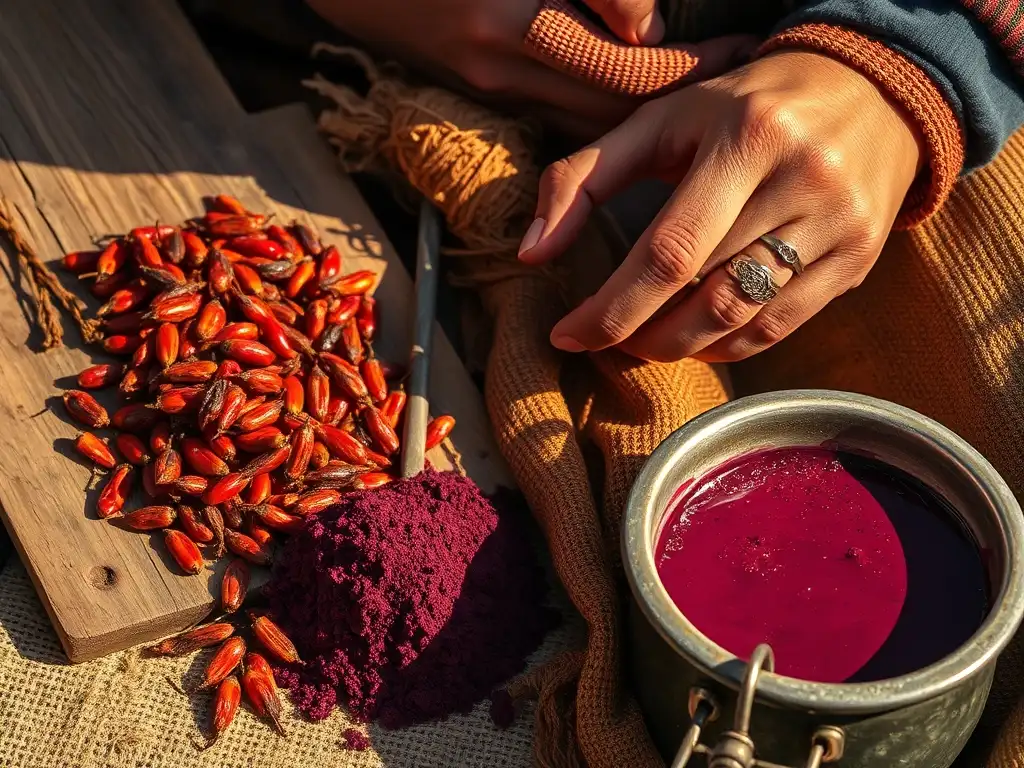
The vibrant colors adorning Andean textiles throughout history weren't the result of imported pigments. Instead, ancient Andean cultures developed a sophisticated understanding of Andean natural dyes for textiles, harnessing the diverse flora and fauna of their environment to create a remarkable range of hues. This knowledge, passed down through generations, continues to inspire contemporary artisans and textile designers.
The palette extended far beyond simple reds and browns; they achieved dazzling yellows, deep blues, vibrant greens, and even purples, each color imbued with symbolic meaning and cultural significance. Understanding the source and application of these dyes is key to appreciating the artistry and ingenuity of Andean textile traditions. The use of these dyes was not simply aesthetic; it represented a deep connection to the land and a profound understanding of its resources.
Sources of Andean Natural Pigments
The Andean region boasts an incredible biodiversity, providing a wealth of natural resources for dyeing textiles. The most common sources included:
- Plants: Many plants contributed to the vibrant color range. Cinchona bark yielded various shades of red and brown; Bixa orellana (achiote) produced oranges and yellows; various species of Rubia tinctorum (madder) provided reds and pinks; and indigo plants offered the deep blues so characteristic of Andean textiles. Different parts of the plant – roots, leaves, bark, flowers – were used depending on the desired color. The exact species used often varied regionally, reflecting the diverse microclimates and plant life of the Andes.
- Insects: The cochineal insect ( Dactylopius coccus), a parasite of prickly pear cacti, was a crucial source of vibrant carmine reds. The intense color of cochineal made it a highly valued commodity, traded widely throughout the Andean region and beyond. The process of harvesting and preparing cochineal was labor-intensive, contributing to its economic importance.
- Minerals: Certain minerals also played a role, particularly in achieving earth tones and browns. Ochres and clays provided a range of yellows, oranges, and browns, adding to the overall palette. These mineral pigments were often mixed with plant-based dyes to modify or intensify their colors.
The precise combinations and techniques employed by Andean dyers remain a subject of ongoing research, with new discoveries constantly shedding light on the complexity and sophistication of their methods. The enduring legacy of these natural dyes is evident in the stunning textiles that continue to be produced in the Andes today.
Mordants and Dye Fixation in Andean Dyeing
The process of dyeing textiles wasn't simply a matter of applying pigment; it involved a crucial step called mordanting. Mordants are substances that help the dye bind to the fibers, making the color fast and resistant to fading. Andean dyers utilized a variety of natural mordants, including:
- Plant-based mordants: These included the bark of various trees, leaves and fruit. The specific plant used often depended on the type of dye and the desired outcome.
- Mineral mordants: Minerals like alum and certain clays were also employed as mordants. These minerals helped to fix the dye to the fibers, making the colors more permanent and vibrant.
The selection of the appropriate mordant was critical to achieving the desired color and ensuring its longevity. The process of mordanting often involved multiple steps, and the knowledge of the correct techniques was passed down through generations of Andean dyers. The careful selection and application of these mordants represent a significant aspect of the Andean dyeing tradition, demonstrating a deep understanding of chemistry and material science. This is further evidenced by the exceptional durability of many ancient Andean textiles that have survived for centuries.
Traditional Methods of Dye Extraction
The extraction of dyes from natural sources involved several steps, demanding patience and skill. Generally, the process included:
- Harvesting and Preparation: This involved carefully selecting the plant or insect material, cleaning it, and sometimes preparing it through processes like drying or fermentation. The specific methods varied depending on the source of the dye.
- Extraction: This step involved boiling the material in water to release the dye molecules. The length of the boiling process and the temperature were carefully controlled to achieve the desired color intensity. Some dyes required additional steps, such as the use of specific solvents or the addition of other ingredients.
- Dyeing: Once the dye solution was prepared, the textile fibers were immersed and allowed to absorb the color. This process could be repeated multiple times to achieve a deeper, more saturated hue. The techniques employed for dyeing varied depending on the type of fiber and the desired effect. Multiple dye baths were often employed to achieve complex colors and patterns.
- Post-dyeing treatments: After dyeing, the textiles were often rinsed and dried. Sometimes additional treatments, such as sun exposure or further immersion in other solutions, were employed to enhance the color's durability and vibrancy.
The knowledge of these traditional methods continues to be practiced and preserved by Andean communities, representing a living link to a rich cultural heritage. The meticulous processes involved showcase the deep connection between the Andean people and their environment, underscoring the importance of Andean natural dyes for textiles in shaping their cultural identity. The continued use of these dyes in contemporary textile production serves as a testament to the enduring power and beauty of this ancient art form.
Andean Natural Dyes in the Modern Textile Industry
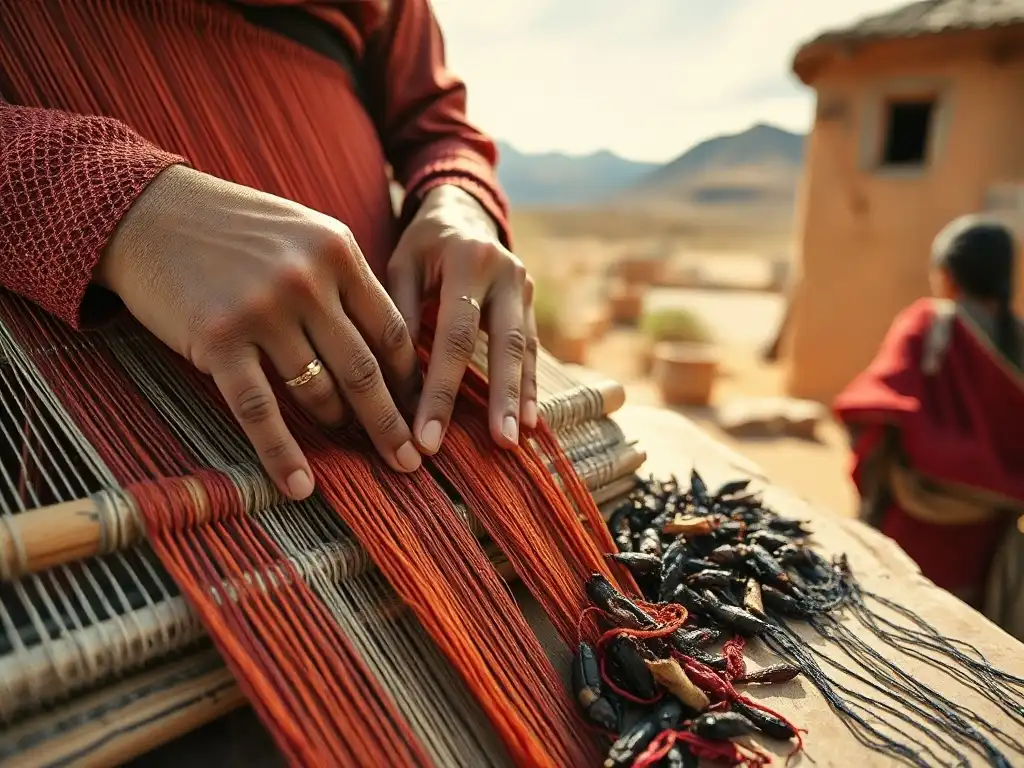
The vibrant hues of Andean textiles, renowned for their richness and depth, are a testament to the ingenuity of ancient civilizations and their mastery of natural dyes. These dyes, derived from plants, insects, and minerals found throughout the Andes Mountains, continue to inspire and inform modern textile production. The enduring appeal of these natural pigments stems not only from their aesthetic qualities but also from their environmental sustainability and cultural significance.
This section will explore the resurgence of Andean natural dyes in contemporary textile practices, highlighting their economic and ecological benefits. Understanding the process and impact of using these dyes is crucial to appreciating the profound legacy of Andean craftsmanship and its ongoing relevance in the global textile industry. The keyword, "Andean natural dyes for textiles," directly reflects this enduring connection between ancient techniques and modern applications.
The Revival of Traditional Andean Dyeing Practices
The resurgence of interest in Andean natural dyes is fueled by several factors. Firstly, there's a growing global awareness of the environmental damage caused by synthetic dyes. These synthetic dyes often contain harmful chemicals that pollute water sources and pose risks to human health.
Secondly, a renewed appreciation for traditional crafts and sustainable practices is driving consumers to seek out ethically sourced and environmentally friendly textiles. Thirdly, many artisans in the Andes are actively reviving ancestral dyeing techniques, preserving cultural heritage while creating economically viable opportunities. This revival isn't simply a nostalgic trend; it represents a conscious shift towards more sustainable and ethically responsible textile production.
For example, communities in the Cusco region of Peru are experiencing an economic boost by producing and selling textiles dyed with cochineal (a scale insect producing a vibrant red dye) and various plant-based dyes like tara (producing yellows and oranges) and achiote (yielding reds and oranges). The demand for these authentic, naturally dyed textiles is steadily increasing, demonstrating a powerful market for sustainable and culturally significant products. This renewed interest in traditional methods underscores the continuing relevance of Andean knowledge systems in the modern world.
Sustainable Practices in Modern Textile Production
The use of Andean natural dyes offers significant advantages in terms of sustainability. Unlike synthetic dyes, which require energy-intensive manufacturing processes and often release toxic byproducts, natural dyes are derived from renewable resources. This minimizes their environmental impact, reducing water pollution and carbon emissions. Furthermore, many of the plants used in these dyeing processes are locally sourced, supporting local economies and reducing the need for long-distance transportation.
The closed-loop systems often employed in traditional Andean dyeing practices further enhance their sustainability, minimizing waste and maximizing resource utilization. However, scaling up the production of textiles using Andean natural dyes presents challenges. The process can be more time-consuming and labor-intensive compared to synthetic dye methods.
The availability and consistency of natural dye sources also need careful management to ensure the long-term viability of these practices. Research into optimizing the dyeing processes and developing sustainable sourcing strategies is crucial to ensuring the continued growth of this industry while minimizing its environmental footprint. The sustainable aspects of Andean natural dyes for textiles are a significant selling point for environmentally conscious consumers.
Awamaki is a prime example of a social enterprise successfully integrating Andean natural dyes into modern textile production. This organization works directly with women in the Sacred Valley of Peru, empowering them economically while preserving traditional dyeing techniques. Awamaki provides training, fair wages, and access to markets for their handcrafted textiles, which are highly sought after for their vibrant colors and ethical production.
Their commitment to sustainable practices includes responsible sourcing of natural dyes, minimizing water usage, and implementing waste reduction strategies. The success of Awamaki demonstrates the potential for social enterprises to drive positive change, promoting both economic development and environmental sustainability. Their model serves as an inspiration for other organizations seeking to integrate traditional Andean knowledge into modern business practices.
This showcases the power of Andean natural dyes for textiles not just in the aesthetic realm but also in creating positive social and economic outcomes within the communities that produce them. The Awamaki model offers a compelling case study in the intersection of cultural preservation, economic empowerment, and sustainable textile production.
The Cultural Significance of Andean Textile Colors
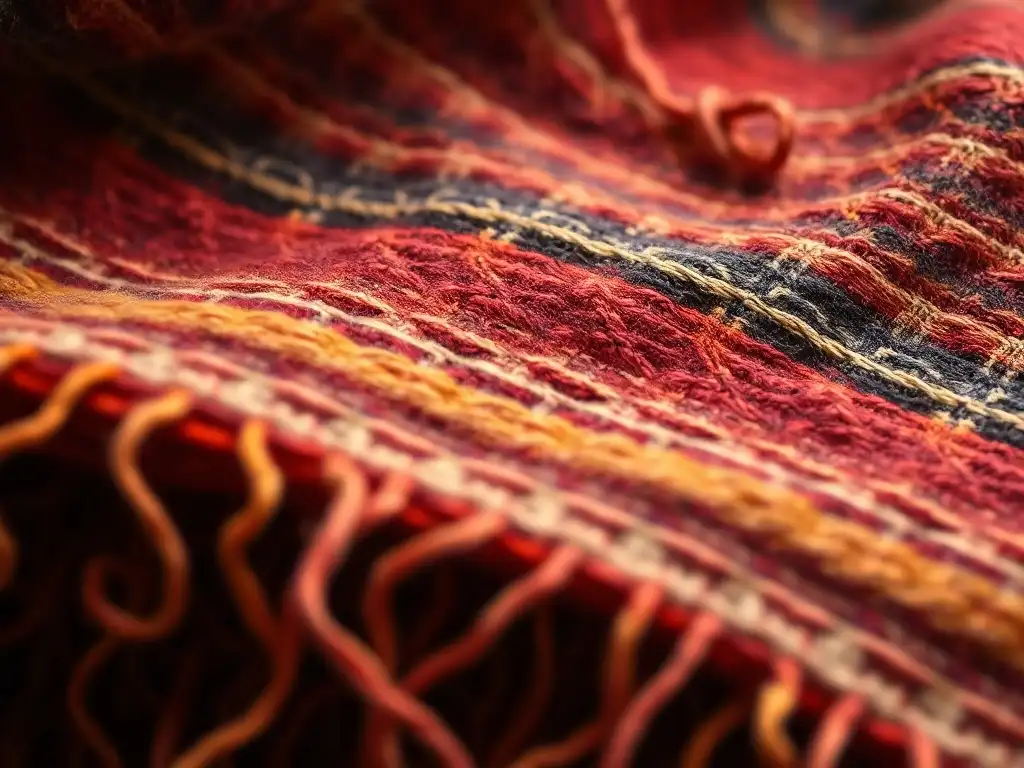
The vibrant hues found in Andean textiles are not merely aesthetic choices; they are deeply embedded in the cultural fabric of the region, carrying profound symbolic meaning and reflecting complex social structures. Understanding the significance of these colors provides a crucial window into the worldview and societal organization of ancient Andean civilizations, and their enduring legacy in modern Andean culture. The use of Andean natural dyes for textiles wasn't simply a practical matter; it was a ritualistic and socially significant practice passed down through generations.
The colors themselves, derived from plants, insects, and minerals, held specific connotations and were carefully chosen to communicate specific messages. The meticulous crafting and dyeing of textiles were integral to the social, religious, and political life of Andean communities.
Colors and Symbolism in Andean Cultures
Different Andean cultures associated specific meanings with particular colors. For example, red, often obtained from cochineal insects, symbolized power, royalty, and divinity, particularly within the Inca Empire. This is evidenced by the prevalence of red in Inca royal garments and ceremonial objects.
Conversely, yellow, derived from various plants like achira, might have represented the sun, gold, and fertility, while green, from plants like the molle tree, could represent abundance and life. Blue, a rarer color often achieved through painstaking processes using minerals, could signify the sky, water, and the divine realm. The precise meanings, however, could vary across different cultures and contexts.
Further research is needed to fully map the complex color symbolism across all Andean cultures. For instance, [specific information pending] regarding the symbolic use of purple and black dyes in pre-Inca societies. The complexity of these meanings is further enhanced by the fact that the same color could hold different connotations depending on the specific shade, intensity, and combination with other colors.
Dyeing textiles was not simply an individual task; it was a deeply social activity involving specialized knowledge and skills often passed down within families or communities. The process was often communal, with women playing a significant role in gathering the raw materials, preparing the dyes, and executing the dyeing process. This collaborative effort strengthened social bonds and contributed to the collective identity of the community.
The quality and type of dyes used, and the complexity of the patterns woven into the textiles, also often indicated social status. Elaborately dyed and patterned textiles were reserved for elites, while simpler textiles were worn by the common people.
This social stratification reflected in the textiles serves as a powerful reminder of the intricate social hierarchies present in Andean societies. Furthermore, the act of dyeing itself could be a ritualistic practice, imbuing the textiles with spiritual significance and connecting the wearer to the natural world and the ancestors.
The Use of Red Cochineal in Inca Textiles
The Inca Empire's dominance is strongly associated with the vibrant red color obtained from the cochineal insect ( Dactylopius coccus). This crimson dye became a symbol of imperial power and was extensively used in royal garments, ceremonial textiles, and other important objects. The cochineal insect itself held a sacred significance, and its cultivation and processing were carefully controlled by the Inca state.
The complex process of harvesting, drying, and grinding the insects to create the dye was a specialized skill, and the resulting red dye was a valuable commodity, underscoring the Inca's control over resources and their ability to project power through material culture. The use of Andean natural dyes for textiles, particularly this prized red, helped consolidate the Inca Empire's authority and reinforce its symbolic representation of divine rule.
The meticulous attention to detail in the dyeing process and the exclusive use of cochineal red for royal textiles highlight the Inca’s sophisticated understanding of color symbolism and its strategic use for social control and political power. The legacy of this meticulous dye work and its rich symbolism continues to inspire contemporary Andean textile artists.
Preserving the Legacy of Andean Dyeing
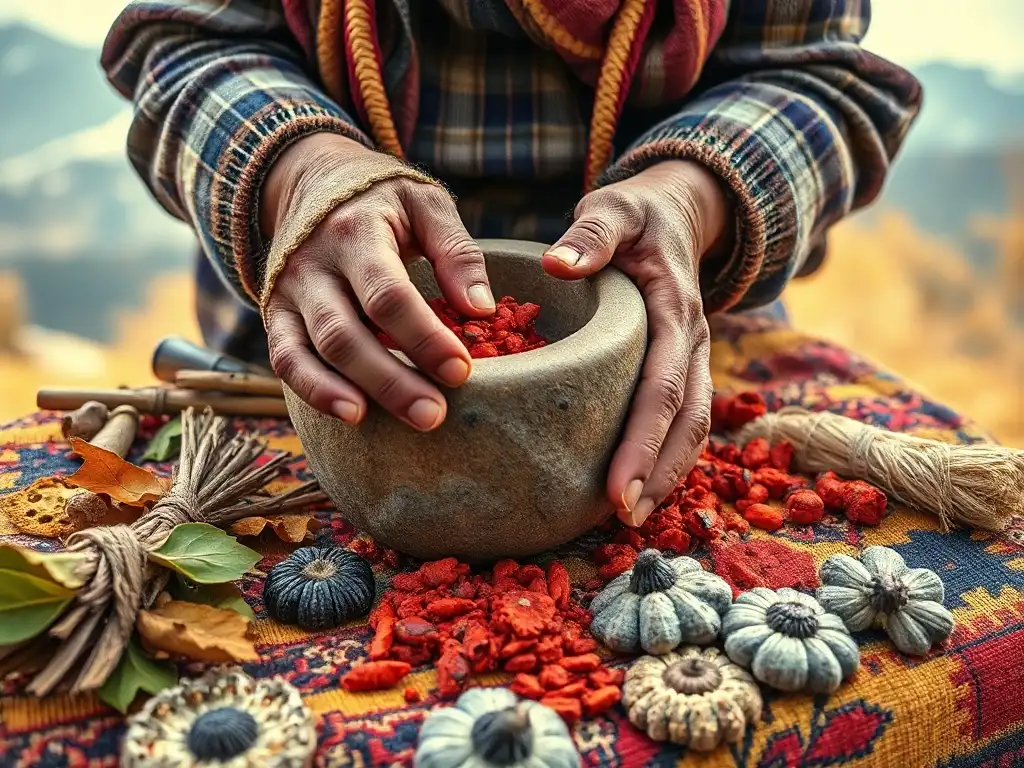
The vibrant hues adorning ancient Andean textiles are a testament to the ingenuity and deep connection these civilizations had with their environment. The use of Andean natural dyes for textiles wasn't merely a practical matter; it was deeply intertwined with their spiritual beliefs, social structures, and artistic expression. Understanding how these dyes were sourced, prepared, and applied is crucial to appreciating the complexity of Andean textile production and its lasting impact.
The knowledge passed down through generations, however, faces significant challenges in the modern era. The precise recipes for many dyes, often guarded secrets within families, are slowly being lost as traditional practices are replaced by readily available synthetic alternatives. This loss represents not only a fading artistic tradition but also the erosion of valuable ecological knowledge about the sustainable use of local plant resources.
The intricate processes, demanding time and skill, are often deemed uneconomical in comparison to mass-produced synthetic dyes, further contributing to the decline of traditional dyeing practices. This intricate interplay of social, economic, and environmental factors necessitates a concerted effort to preserve and promote this unique aspect of Andean heritage.
Challenges in Maintaining Traditional Knowledge
The transmission of knowledge regarding Andean natural dyes for textiles is primarily oral, passed down through generations within families or specific communities. This inherently fragile system is vulnerable to several factors. Firstly, the aging population of skilled dyers means that this invaluable expertise is at risk of disappearing without dedicated efforts to document and teach younger generations. Secondly, the allure of modern synthetic dyes, offering brighter, more consistent colors at lower costs, presents a significant economic challenge.
Many younger artisans find it difficult to compete with the affordability and convenience of synthetic alternatives, leading them to abandon traditional methods. Thirdly, the changing landscapes, due to factors such as deforestation and climate change, threaten the availability of the plants needed for dye production. Certain species, crucial for specific colors, may become scarce or even extinct, further disrupting the traditional dyeing process.
The lack of formal documentation and standardization of these processes also creates a knowledge gap, making it challenging to replicate and preserve traditional techniques accurately. The situation is further complicated by the absence of a centralized system for documenting and safeguarding the knowledge related to these dyes, leading to a fragmented and potentially irretrievable loss of valuable information. The urgency to address these challenges is paramount to prevent the complete disappearance of this invaluable cultural heritage.
Initiatives for the Promotion of Andean Natural Dyes
Recognizing the importance of preserving this unique heritage, several initiatives are underway to promote and revitalize the use of Andean natural dyes for textiles. These initiatives range from community-based workshops and apprenticeships, training younger generations in traditional techniques, to the establishment of cooperatives that support artisans in accessing markets and fair prices for their products. Some organizations are actively working to document traditional dye recipes and processes, creating comprehensive archives that ensure the preservation of this knowledge for future generations.
Additionally, efforts are being made to promote sustainable harvesting and cultivation of dye plants, ensuring the long-term availability of these crucial resources. These initiatives also focus on linking traditional Andean dyeing techniques with contemporary design and fashion, creating a fusion that appeals to a wider market while preserving the cultural integrity of the craft.
By highlighting the unique qualities and sustainability of natural dyes, these projects aim to increase the economic viability of traditional dyeing, incentivizing artisans to continue practicing these time-honored techniques. Furthermore, there's a growing interest in eco-friendly and sustainable practices within the global textile industry, presenting a potential market for authentic, ethically sourced Andean natural dyes.
The Future of Andean Natural Dyes in the Global Market
The future of Andean natural dyes in the global market hinges on several key factors. The increasing consumer demand for sustainable and ethically produced goods presents a significant opportunity. Consumers are becoming more aware of the environmental and social impact of their purchasing decisions, leading to a growing preference for natural and handcrafted products. This shift in consumer behavior creates a potential market for high-quality, ethically sourced Andean textiles dyed with natural pigments.
However, to capitalize on this opportunity, several challenges need to be addressed. Firstly, scaling up production while maintaining the quality and authenticity of the dyes is crucial. Secondly, effective marketing and branding strategies are needed to showcase the unique qualities and heritage of Andean natural dyes to a global audience. Finally, establishing fair trade practices and ensuring that artisans receive a fair price for their work is essential for the long-term sustainability of this industry.
The potential for success lies in integrating traditional knowledge with modern business practices, creating a vibrant and sustainable industry that preserves the cultural heritage of the Andes while providing economic opportunities for Andean communities. The future of Andean natural dyes is bright, but its realization requires a collaborative effort between artisans, researchers, policymakers, and consumers. The vibrant colors of the Andes hold a future as rich and varied as their past.
Conclusion: The Enduring Influence of Andean Natural Dyes
The vibrant hues adorning ancient Andean textiles weren't mere aesthetics; they were deeply interwoven with the societies that created them. From the symbolic significance of specific colors in religious ceremonies to their role in social hierarchy and everyday life, Andean natural dyes represent a sophisticated understanding of both botanical resources and cultural expression. This intricate relationship between plant, pigment, and people continues to resonate today, proving the enduring legacy of these ancient dyeing techniques.
The continued use of these traditional methods, alongside modern innovations, showcases the adaptability and resilience of Andean culture. Studying Andean natural dyes for textiles offers a compelling window into a rich history and a vibrant present, demonstrating the powerful connection between past practices and contemporary artistic expression. Understanding this connection allows us to appreciate the complex interplay between nature, culture, and the enduring beauty of Andean textiles.
The Timeless Beauty of Andean Textile Colors
The beauty of Andean textiles lies not just in the vibrant colors achieved through natural dyes, but also in the enduring techniques employed for centuries. The colors themselves – the deep crimson of cochineal, the earthy browns of achiote, the brilliant yellows of tara – evoke a sense of place and time. These aren't simply colors; they are stories woven into the very fabric of the textiles.
The subtle variations in shade, the intricate patterns, and the skillful blending of colors all speak to the mastery of the artisans who created them. Even today, the timeless appeal of these textiles is undeniable, influencing contemporary fashion and design. The rich tapestry of colors continues to inspire modern textile artists, who draw upon the ancient knowledge to create stunning pieces that bridge the gap between past and present.
This enduring legacy is a testament to the remarkable ingenuity and artistic vision of the Andean peoples. The beauty of these colors is not only visual; it's a tangible connection to a rich cultural heritage, a heritage that continues to thrive and evolve. The legacy of Andean natural dyes for textiles is a vibrant and enduring one, a testament to the enduring power of tradition and creativity.
Consider this table illustrating some common Andean natural dyes and their resulting colors:
| Dye Source | Color Produced | Traditional Use | Modern Applications |
|---|---|---|---|
| Cochineal | Deep Crimson, Scarlet | Royal Robes, Religious Garments | High-end fashion, cosmetics |
| Achiote | Orange, Red-Brown | Body Paint, Textiles, Food Coloring | Cosmetics, food coloring, textiles |
| Tara | Yellow, Golden Yellow | Textiles, Ritual Objects | Textiles, dyes for other materials |
| Indigo | Deep Blue, Indigo | Textiles, Ritual Clothing | Textiles, clothing, art |
| Llareta (Yareta) | Various Browns and Greens | Textiles, Rope, Baskets | Textiles, potentially in sustainable crafts |
The enduring appeal of these colors is evident in the continued use of these natural dyes by contemporary Andean artisans. Their dedication to preserving traditional methods ensures that the vibrant heritage of Andean textile art continues to flourish. The skillful blending of traditional knowledge with modern techniques results in a unique and captivating aesthetic that celebrates both the past and the present. The use of Andean natural dyes for textiles remains a powerful symbol of cultural identity and artistic expression, a legacy that will hopefully continue for generations to come. 💐
Frequently Asked Questions
What natural dyes did Andean civilizations use?
Andean cultures utilized a wide array of natural dyes derived from plants, insects, and minerals. Common sources included cochineal insects for reds, indigo for blues, and various plants for yellows, browns, and oranges.
How were these dyes applied to textiles?
The process involved meticulous steps, beginning with the preparation of the dye and mordanting the fibers to improve colorfastness. Dyes were then applied through various techniques, such as dye baths and resist dyeing.
What is the significance of Andean textile colors?
Colors held deep symbolic meaning, often representing social status, religious beliefs, or specific events. The vibrant hues and intricate patterns showcased sophisticated artistry and technological skills.
Are Andean natural dyes still used today?
Yes, traditional dyeing techniques persist in some Andean communities. Many artisans continue to use ancient methods to create stunning textiles, preserving a vital part of their cultural heritage.
Where can I learn more about Andean natural dyes and textiles?
You can explore museums showcasing Andean artifacts, visit Andean communities, or research online resources dedicated to Andean textiles and dyeing traditions. Many books and scholarly articles delve deeper into the topic.
Final Reflection: A Legacy Woven in Color
The vibrant hues of Andean natural dyes, once integral to ancient traditions, continue to resonate powerfully in today's textile world, proving that sustainability and artistry can coexist beautifully. Their enduring appeal speaks to a deeper human need for connection to the earth and a rejection of fleeting trends in favor of timeless beauty. The resurgence of interest in these dyes is not merely a fashion statement; it's a conscious choice reflecting a growing global awareness of ethical and ecological practices.
The enduring legacy of Andean natural dyes transcends mere aesthetics; it represents a profound connection to ancestral knowledge and a sustainable approach to textile production. These dyes tell a story of resilience, ingenuity, and a deep respect for the natural world. The earth provides us with everything we need; we must only learn to see it.
– This ancient wisdom, though its exact origin is lost to time, perfectly encapsulates the spirit of Andean dyeing techniques and their enduring relevance. The impact of these practices extends beyond the textile industry, influencing broader conversations around sustainable living and the preservation of cultural heritage.
Consider the rich tapestry of colors woven into the fabric of Andean history and its continued influence on modern design. You, too, can contribute to this legacy. Explore the possibilities of natural dyes, support artisans who practice these traditional techniques, and appreciate the stories embedded within each thread. By making conscious choices in your consumption, you become part of a vibrant movement that celebrates both artistry and sustainability, ensuring that the colors of the Andes continue to inspire generations to come.
Unveil the Vibrance: Dive into the World of Natural Dyes!
Thank you for exploring the beautiful world of Andean textiles with us! We hope you've found inspiration in the enduring influence of natural dyes on modern design. Now, it's your turn to embrace this vibrant tradition and embark on a colorful journey of your own.
Here are some practical steps to deepen your connection with the art of natural dyeing:
- **Begin your own natural dyeing project:** Experiment with readily available materials—plants, flowers, even kitchen scraps—to create your own unique dyes. Document your process and share your creations with friends!
- **Explore local artisan markets:** Seek out textiles dyed using traditional methods. Supporting local artisans not only preserves their craft but also immerses you in the rich cultural heritage of the Andes.
- **Join a natural dyeing workshop:** Many workshops offer hands-on instruction in natural dyeing techniques. This is a fantastic way to learn new skills, create beautiful textiles, and connect with other enthusiasts.
What colors best embody the spirit of the Andes for you, and how might these colors inspire your own creative endeavors?