
The Future of the Past: How Ancient Andean Innovations Inspire Modern Technology

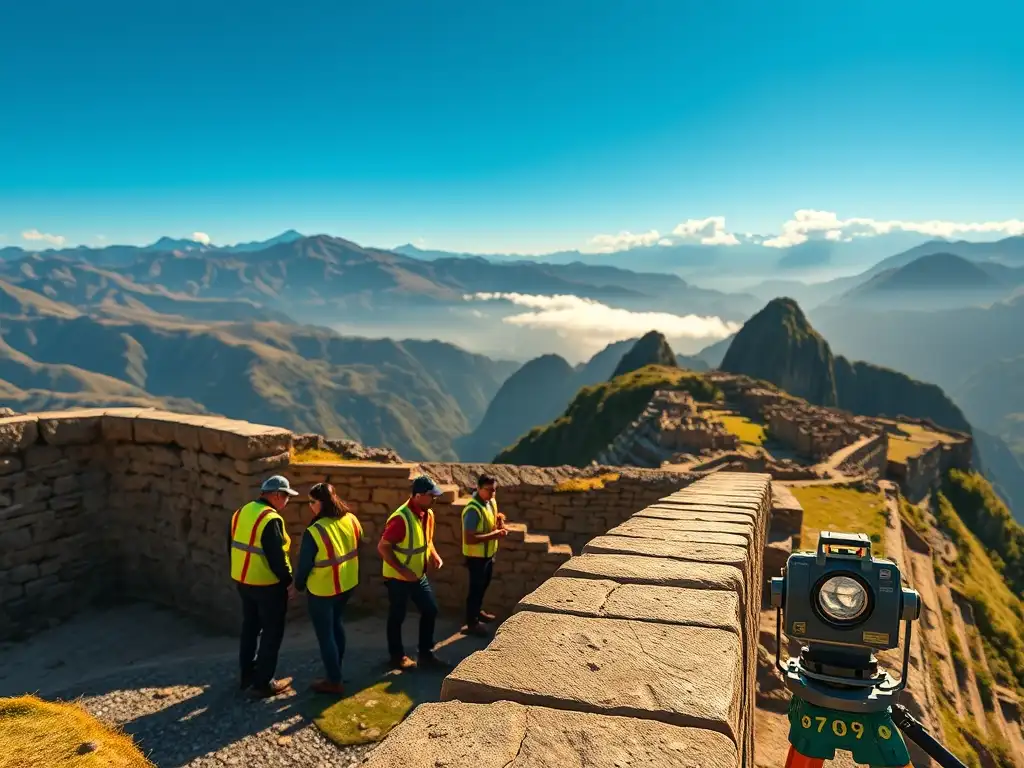
Step into a world lost to time, yet echoing with brilliance. Imagine civilizations that mastered engineering feats centuries ahead of their time—from intricate irrigation systems to awe-inspiring astronomical observatories. The Andean civilizations weren't just builders of empires; they were pioneers of innovation. Discover the secrets behind Ancient Andean technological innovations and uncover how their ingenuity continues to inspire us today. Prepare to be amazed by the legacy of a past that holds the key to our future.
The legacy of the ancient Andean civilizations extends far beyond their captivating art and intricate social structures. Their remarkable technological advancements, developed within challenging geographical and environmental conditions, continue to inspire and inform modern engineering and design. This article delves into the fascinating world of Ancient Andean technological innovations, exploring how the ingenuity of cultures like the Inca, Moche, Nazca, and Tiahuanaco resonates in contemporary technological solutions.
We will examine key areas of their technological prowess, showcasing how their innovative approaches to agriculture, construction, and resource management offer valuable lessons and potential solutions for the modern world. Understanding these ancient achievements is not merely an academic exercise; it's a pathway to unlocking sustainable and resilient technological advancements for the future. From sophisticated irrigation systems to remarkably durable building techniques, the ingenuity of the Andes holds a wealth of knowledge waiting to be rediscovered and reapplied.
Understanding Ancient Andean Technological Innovations
Ancient Andean technological innovations weren't isolated events; they were intricately woven into the fabric of their societies. Their advancements weren't driven by abstract scientific principles in the same way as modern technology, but rather by a deep understanding of their environment and a pragmatic need to survive and thrive in a challenging landscape. This practical approach resulted in surprisingly sophisticated solutions, often utilizing readily available materials and demonstrating a remarkable understanding of engineering principles.
For example, the Inca's mastery of stonework, achieved without the use of iron tools, continues to astound engineers today. Their understanding of terracing, irrigation, and water management allowed them to cultivate crops in seemingly impossible terrains, showcasing an advanced grasp of agricultural engineering. The Nazca lines, though their purpose remains debated, demonstrate an impressive understanding of geometry and surveying.
These innovations, often achieved with relatively simple tools and techniques, showcase a level of ingenuity that continues to inspire awe and research. Understanding these innovations requires moving beyond a purely technological lens and considering the societal and environmental contexts in which they developed.
The Ingenuity of Pre-Columbian Andean Civilizations
The ingenuity of pre-Columbian Andean civilizations is evident across a wide range of technological achievements. Consider the intricate network of roads and bridges that connected the vast Inca Empire, a feat of logistical and engineering brilliance. These roads, often carved into mountain sides, allowed for efficient communication and transportation across diverse and challenging terrain.
The sophisticated irrigation systems, such as the Waru Waru agricultural system, allowed for efficient water management and increased crop yields, even in arid regions. These systems were not simply canals; they were complex hydrological networks demonstrating a deep understanding of water flow and soil management. Furthermore, the Moche civilization's mastery of metallurgy, particularly in gold and silver, produced exquisite artifacts and tools, showcasing advanced techniques in metalworking.
Their knowledge of ceramics and textile production also reached remarkable levels of sophistication, reflecting a deep understanding of material properties and manufacturing processes. Each civilization brought its unique strengths, contributing to a rich tapestry of Andean technological achievement. The lasting impact of these innovations is undeniable.
Key Areas of Ancient Andean Technological Development
Several key areas highlight the remarkable technological advancements of the Andean civilizations:
| Area | Specific Examples | Impact |
|---|---|---|
| Agriculture | Terracing, Waru Waru system, sophisticated irrigation | Increased crop yields, sustainable farming practices in challenging terrain |
| Construction | Stonework (Inca), monumental architecture (Tiahuanaco) | Durable structures, advanced understanding of engineering and materials |
| Metallurgy | Gold and silver work (Moche), bronze tools | Advanced metalworking techniques, sophisticated artistry |
| Textiles | Diverse weaving techniques, intricate designs | High-quality textiles, complex production processes |
| Astronomy & Calendars | Observatories, sophisticated calendar systems | Accurate timekeeping, agricultural planning, astronomical understanding |
| Road & Bridge Building | Extensive road networks, suspension bridges | Efficient transportation and communication across diverse landscapes |
The study of these key areas reveals a complex interplay of engineering, environmental adaptation, and societal needs. The enduring legacy of these innovations lies not only in their past achievements but also in their potential to inspire modern solutions to contemporary challenges. The principles of sustainable agriculture, resilient infrastructure, and efficient resource management found in Ancient Andean technologies offer valuable lessons for a world facing increasing environmental pressures and the need for innovative, sustainable practices. The future of technology may well be found by looking back to the innovative past of the Andes.
- Understanding Ancient Andean Technological Innovations
- The Ingenuity of Pre-Columbian Andean Civilizations
- Key Areas of Ancient Andean Technological Development
- What technological innovations are associated with the Ancient Andean civilizations?
- How did Andean civilizations utilize their technological advancements?
- What is the significance of Andean technology in a modern context?
- Were the Inca the only technologically advanced civilization in the Andes?
- How can I learn more about Ancient Andean technological innovations?
Ancient Andean Agriculture: Lessons for Sustainable Farming
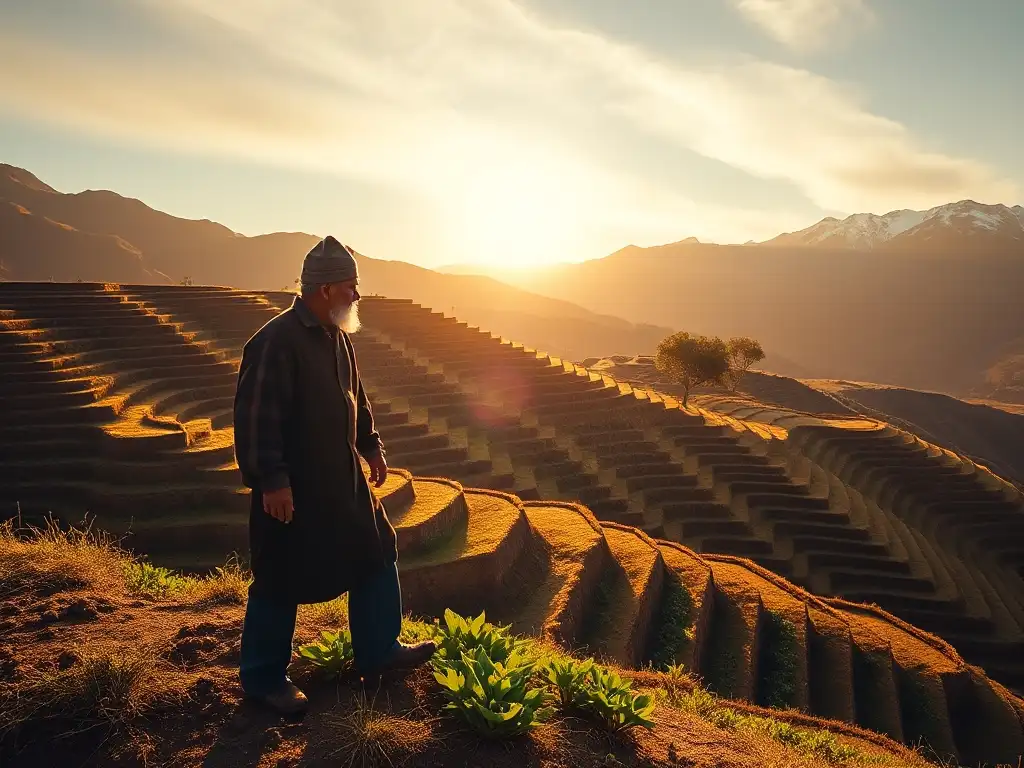
Ancient Andean technological innovations in agriculture represent a remarkable feat of human ingenuity, offering valuable lessons for modern sustainable farming practices. These civilizations, facing challenging terrains and unpredictable climates, developed sophisticated techniques that maximized yields and minimized environmental impact. Understanding these methods can help us address contemporary agricultural challenges, such as climate change, water scarcity, and soil degradation. The ingenuity displayed in their agricultural systems provides a blueprint for a more resilient and environmentally responsible approach to food production. The keyword "Ancient Andean technological innovations" is central to understanding the significance of this legacy.
The Genius of Andean Terracing and Water Management
Andean terracing is a testament to the sophisticated understanding of hydrology and soil conservation possessed by ancient Andean cultures. By carving intricate terraces into steep mountain slopes, they created level platforms for cultivation, dramatically increasing arable land. This wasn't simply a matter of carving steps; the design incorporated sophisticated water management systems.
Canals and irrigation ditches channeled water from higher elevations to the terraces, ensuring a consistent supply of water even during dry periods. Furthermore, the terraces themselves acted as natural barriers, preventing soil erosion and runoff. This system maximized water retention and minimized the impact of heavy rainfall, crucial in the Andes' variable climate.
The efficiency of this system is truly remarkable, demonstrating an advanced understanding of water conservation and resource management far ahead of its time. The precision and scale of the terracing are impressive, with some sites covering vast areas and lasting for centuries. This exemplifies the profound impact of Ancient Andean technological innovations on sustainable agriculture.
Adapting Ancient Techniques to Modern Agricultural Challenges
The principles behind Andean terracing and water management remain highly relevant today. In areas with steep slopes or limited water resources, adapting these techniques can significantly improve agricultural productivity and sustainability. Modern agricultural practices often rely on intensive irrigation and chemical fertilizers, which can lead to water depletion and soil degradation.
By contrast, the Andean approach prioritized water conservation and soil health, resulting in a more resilient and environmentally friendly system. For instance, modern adaptations of terracing are being used in various regions to combat soil erosion and improve water management in hilly terrains. Similarly, the principles of water channeling and distribution, employed in ancient Andean irrigation systems, can inform the design of more efficient and sustainable irrigation technologies.
The integration of these Ancient Andean technological innovations into contemporary agriculture offers a pathway towards more resilient and environmentally conscious food production. This requires a nuanced understanding of the original techniques and their adaptability to modern contexts.
Waru Waru Agriculture and its Modern Application in Flood Management
Waru Waru, a unique raised-bed agricultural system developed in the Andean altiplano, stands out for its remarkable ability to manage water and improve soil fertility. This system involves creating elevated planting beds separated by canals, which are filled with water during the rainy season and drain naturally during the dry season. This ingenious design not only regulates water supply but also improves soil aeration and drainage, promoting healthy plant growth.
Remarkably, the canals also function as natural flood control mechanisms, absorbing excess water and preventing damage to crops. The effectiveness of this system is particularly significant in regions prone to flooding, where conventional agriculture often struggles. Modern applications of Waru Waru are increasingly recognized for their potential in mitigating the effects of climate change and improving food security in vulnerable areas.
The inherent resilience of this Ancient Andean technological innovation makes it a powerful tool for adapting to the challenges of a changing climate. Studies have shown increased crop yields and reduced water stress in areas where Waru Waru techniques have been implemented, highlighting the enduring value of this ancient agricultural wisdom.
Ancient Andean Engineering and Construction: Building for the Future
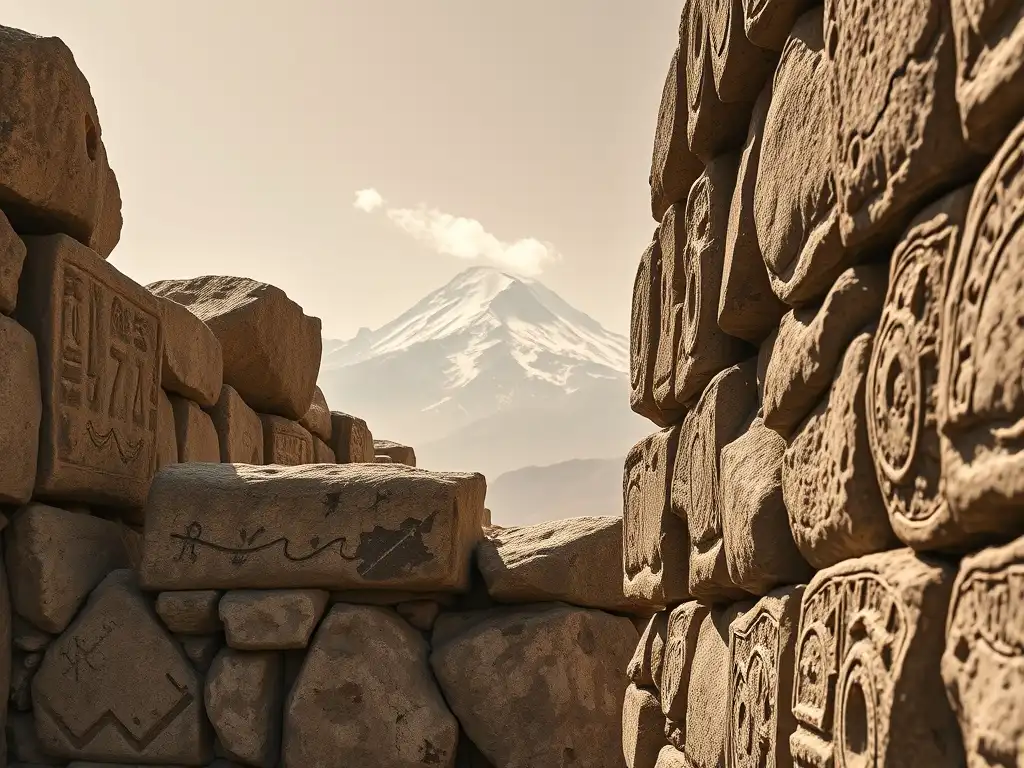
The ingenuity of ancient Andean civilizations is strikingly evident in their remarkable feats of engineering and construction. These achievements, often accomplished with limited tools and resources, continue to fascinate and inspire modern engineers and architects. Their mastery of materials, innovative techniques, and deep understanding of their environment resulted in structures that not only served their purpose but also withstood the test of time—and often, powerful natural forces.
Studying these ancient Andean technological innovations provides invaluable insights into sustainable and resilient building practices relevant to contemporary challenges. The legacy of their building prowess is still felt today, shaping modern approaches to construction and infrastructure development. Understanding the specifics of their techniques is crucial to appreciating the full extent of their impact.
Advanced Construction Techniques of the Inca Empire
The Inca Empire, known for its vast and intricate road network spanning thousands of miles across rugged Andean terrain, demonstrated exceptional engineering skills. Their mastery extended beyond road building to encompass impressive stonework, intricate irrigation systems, and monumental structures like Machu Picchu. Inca builders employed sophisticated techniques, including precise stone cutting and fitting without mortar, creating incredibly strong and durable structures.
This meticulous approach, often referred to as ashlar masonry, involved shaping stones with such accuracy that they interlocked perfectly, creating incredibly strong walls resistant to earthquakes and the passage of time. The precision required is evident in the incredibly tight fits—in some cases, a knife blade cannot be inserted between stones. This advanced level of craftsmanship reflects a deep understanding of geometry and engineering principles, far surpassing the capabilities commonly associated with "primitive" societies.
The Inca's use of different types of stones, selected for their specific properties, further showcases their advanced knowledge of materials science. This attention to detail and material selection is a key element of "Ancient Andean technological innovations".
Earthquake-Resistant Architecture: Learning from Ancient Andean Builders
The Andes are a seismically active region, and ancient Andean builders developed remarkable strategies to mitigate the risks posed by earthquakes. Their structures, often built on steep slopes and exposed to powerful tremors, demonstrate a profound understanding of seismic forces and the importance of flexible design. Instead of rigid structures, they employed techniques that allowed buildings to absorb seismic energy, minimizing damage.
This included the use of interlocking stones, which allowed the walls to shift slightly during tremors without collapsing. The incorporation of strategically placed voids within walls also aided in dissipating seismic energy. Furthermore, the use of lighter materials in certain areas and the integration of sloping foundations helped to further reduce the impact of ground shaking.
Modern engineers are now studying these ancient techniques to develop more earthquake-resistant buildings, particularly in seismically active regions. Analyzing the effectiveness of these ancient Andean technological innovations in earthquake-prone areas is a significant area of ongoing research.
The Use of Ashlar Masonry and its Influence on Modern Seismic Design
Ashlar masonry, the Inca's signature technique, is increasingly recognized for its inherent seismic resilience. The precise fitting of stones, combined with their interlocking nature, allows the structure to act as a monolithic unit, distributing seismic forces effectively. This characteristic differs significantly from modern construction methods that often rely on mortar, which can fail under extreme stress.
The absence of mortar in Inca ashlar masonry actually enhances its ability to withstand seismic activity. The stones can shift slightly, absorbing the energy of the earthquake, and then settle back into place. Modern engineers are exploring ways to integrate the principles of ashlar masonry into contemporary construction, particularly in earthquake-prone zones.
Research is focusing on developing new materials and construction techniques that mimic the effectiveness of this ancient Andean technological innovation, potentially leading to safer and more resilient buildings in the future. The study of these ancient techniques offers a compelling example of how understanding the past can inform the future of building design and construction.
Ancient Andean Textiles and Materials: Inspiring Innovation in Design

The legacy of Ancient Andean civilizations extends far beyond impressive architecture and intricate social structures; their mastery of textiles and materials continues to inspire innovation in modern design. The ingenuity displayed in their weaving techniques, natural dye processes, and the utilization of unique fibers like alpaca wool represents a wealth of knowledge that contemporary designers and engineers are only beginning to fully appreciate.
Understanding these ancient Andean technological innovations allows us to explore sustainable and high-performance solutions for the 21st century. The study of these techniques provides valuable insights into resource management and sustainable practices, offering a powerful counterpoint to modern, often environmentally damaging, industrial processes.
The Sophistication of Andean Weaving Techniques
Andean weaving wasn't merely a craft; it was an art form reflecting complex social structures and cosmological beliefs. The intricate patterns and techniques employed, passed down through generations, demonstrate a level of sophistication rarely seen in other ancient cultures. For instance, the use of warp-faced and weft-faced techniques allowed for the creation of incredibly detailed designs and textures.
These techniques, along with the mastery of supplementary weft and other complex weaving methods, allowed Andean artisans to create textiles of unparalleled beauty and durability. The precision and intricacy of these textiles are a testament to the advanced understanding of mathematics and geometry possessed by Andean weavers.
Consider the paracas textiles, renowned for their vibrant colors and complex iconography, showcasing a level of technical skill that remains a source of fascination and inspiration for modern textile artists. Analyzing these techniques reveals a deep understanding of material properties and structural integrity, allowing for the creation of textiles that were both aesthetically pleasing and highly functional.
Natural Dyes and Sustainable Materials: Ancient Wisdom for Modern Textiles
Ancient Andean civilizations utilized a remarkable palette of natural dyes derived from plants, minerals, and insects. These dyes, often sourced locally and sustainably, produced a vibrant range of colors that are remarkably fast and long-lasting. The use of cochineal, a scale insect producing a brilliant crimson dye, is a prime example. This sustainable approach to dyeing stands in stark contrast to many modern industrial processes that rely on harsh chemicals and have significant environmental consequences.
The Andean approach, focused on minimal environmental impact, is increasingly relevant in today's world. Researchers are actively studying ancient Andean dyeing techniques to develop more sustainable and eco-friendly alternatives to synthetic dyes. This revival of ancient wisdom offers a pathway towards a more environmentally responsible textile industry. Furthermore, the use of locally sourced materials reduced reliance on external trade, promoting regional self-sufficiency—a model worth considering for modern textile production.
The Use of Alpaca Fiber and its Modern Application in High-Performance Textiles
Alpaca fiber, prized for its softness, warmth, and hypoallergenic properties, played a crucial role in Andean societies. Its unique qualities, stemming from the alpaca's adaptation to the harsh Andean climate, make it an ideal material for clothing and textiles. The inherent strength and elasticity of alpaca fiber, coupled with its natural water resistance, contributed to the durability and longevity of Andean garments.
Today, alpaca fiber is experiencing a resurgence in popularity, driven by its sustainable nature and superior performance characteristics. Modern textile manufacturers are leveraging the unique properties of alpaca fiber to create high-performance fabrics for outdoor apparel, luxury garments, and even medical applications. Its lightweight yet warm nature, combined with its hypoallergenic properties, makes it an ideal material for a range of uses.
The understanding and appreciation of Ancient Andean technological innovations relating to alpaca fiber highlight the enduring value of traditional knowledge in shaping modern technological advancements. The continued research and development in this area promise even more innovative applications of this remarkable material.
Ancient Andean Metallurgy and Mining: Sustainable Practices from the Past

The Andes Mountains, a formidable yet resource-rich landscape, fostered remarkable metallurgical and mining achievements in ancient civilizations. These advancements, often overlooked in broader historical narratives, offer valuable insights into sustainable practices that are highly relevant to contemporary challenges. Understanding these ancient techniques reveals a sophisticated understanding of resource management and environmental responsibility that surpasses many modern approaches.
The study of "Ancient Andean technological innovations" reveals a deep connection between ingenuity and sustainability. The ingenuity of ancient Andean peoples in developing and employing these techniques is a testament to their advanced understanding of materials science and engineering, and their capacity for innovation.
Advanced Metalworking Techniques in Ancient Andes
Ancient Andean metalworkers were masters of their craft, employing techniques far beyond simple hammering and shaping. They developed sophisticated methods for alloying metals, creating incredibly strong and durable tools, weapons, and ornaments. For example, the use of tumbaga, a gold-copper alloy, demonstrates a keen understanding of material properties.
This alloy, stronger and more resistant to corrosion than pure gold, showcases a level of metallurgical knowledge that was unmatched in many parts of the world at the time. Their ability to create intricate designs, such as those found in Moche gold artifacts, required precise control over temperature and hammering techniques. Evidence suggests the use of lost-wax casting, a complex process involving creating a wax model, covering it in clay, melting the wax, and then pouring molten metal into the resulting mold.
This technique allowed for the creation of highly detailed and complex three-dimensional objects. The precision and artistry involved in these techniques are truly remarkable and serve as a powerful example of ancient Andean ingenuity. Further research into the specific chemical compositions of these alloys and the tools used in their creation could offer valuable insights for modern material science.
Responsible Resource Management: Lessons from Andean Mining Practices
Contrary to the often destructive practices of modern industrial mining, ancient Andean mining operations reveal a surprising degree of resource management and environmental consciousness. While the scale of their operations was smaller than today's mega-mines, their methods suggest a deep understanding of the need for sustainability. Evidence suggests that they carefully selected mining locations, prioritizing accessibility and minimizing environmental impact.
They also developed techniques for efficient ore processing, minimizing waste and maximizing the extraction of valuable metals. Furthermore, archaeological findings indicate the recycling and reuse of metals, a practice that is gaining traction today as a crucial element of sustainable development. This circular economy approach, where materials are reused and repurposed rather than discarded, is a significant lesson from the past.
Detailed studies of ancient Andean mining sites are needed to fully understand the extent of their resource management practices and to identify specific techniques that can inform modern mining strategies. By analyzing the environmental impact of ancient Andean mining, we can better understand the potential for minimizing the ecological footprint of modern mining operations.
The Use of Forced Air Furnaces and their Influence on Modern Industrial Processes
The development of forced-air furnaces represents a significant technological leap in ancient Andean metallurgy. These innovative structures, often built into hillside slopes, utilized natural airflow to achieve higher temperatures than were possible with simpler hearths. This allowed for more efficient smelting and refining of metals, leading to higher-quality products.
The ingenious design of these furnaces, which often incorporated sophisticated ventilation systems, demonstrates a deep understanding of thermodynamics and engineering principles. The use of forced air significantly increased the efficiency of the smelting process, reducing the amount of fuel required and minimizing environmental impact. This aspect of "Ancient Andean technological innovations" has direct parallels to modern industrial processes, where efficient energy use is crucial.
Detailed analysis of the design and function of these furnaces could inform the development of more efficient and environmentally friendly industrial furnaces today. The study of ancient Andean forced-air furnaces provides invaluable insights into the principles of efficient energy transfer and provides a model for the development of sustainable industrial technologies. The implications of this technology extend beyond metallurgy; understanding its principles can contribute to advancements in various industrial sectors.
The Enduring Legacy of Ancient Andean Innovations in Modern Technology
The ingenuity of Ancient Andean civilizations continues to resonate in the 21st century, proving that their technological advancements were not merely products of their time, but possessed a remarkable foresight and adaptability. From sophisticated agricultural techniques to intricate architectural designs, their innovations offer valuable lessons and inspiration for modern technological development. The study of these Ancient Andean technological innovations unveils a wealth of knowledge that can inform and improve contemporary practices across various fields.
This enduring legacy isn't just about historical appreciation; it's about unlocking potential solutions to modern challenges. We can see echoes of their brilliance in our own technological advancements, highlighting the timeless relevance of their achievements.
How Ancient Andean Innovations are Shaping Contemporary Fields
Ancient Andean civilizations developed remarkable expertise in diverse fields, leaving behind a legacy that continues to inspire modern innovation. Their mastery of agriculture, for example, is evident in their sophisticated terracing techniques, which enabled them to cultivate steep slopes with remarkable efficiency. These methods, adapted and refined, are now being studied and implemented in modern sustainable agriculture, particularly in challenging terrains. This is a testament to the enduring relevance of their ingenuity in addressing the pressing issue of food security.
Furthermore, their advancements in metallurgy were astonishing. The Incas, for instance, were skilled in working with gold, silver, and copper, creating intricate jewelry and tools. Their techniques, though vastly different from modern methods, reveal a deep understanding of material properties and manipulation. Studies of their alloys and casting processes are informing modern materials science, potentially leading to the development of stronger, lighter, and more sustainable materials.
The intricate textile arts of the Andean cultures are another area of significant influence. The complex weaving techniques, vibrant colors, and durable fabrics produced by these civilizations are still studied and admired today. Modern textile designers draw inspiration from their patterns and techniques, contributing to innovative and sustainable textile production. The intricate knots and designs found in Andean textiles also hold valuable information about their social structures and beliefs. Deciphering these intricate patterns provides valuable insights into their societal organization and worldview.
Finally, their architectural marvels, such as Machu Picchu, continue to amaze engineers and architects. The precision of their stonework, the integration with the landscape, and the structural integrity of their buildings are testament to their advanced understanding of engineering principles. Modern engineers are studying these structures to understand their stability and resilience, potentially applying these principles to the design of earthquake-resistant buildings and sustainable infrastructure.
The Importance of Studying Ancient Andean Technology for Future Development
The study of Ancient Andean technological innovations is not merely an academic exercise; it holds significant practical value for future development. By analyzing their successes and failures, we can gain valuable insights into sustainable practices, resource management, and technological innovation. For example, the Incas' sophisticated road network, adapted to the challenging Andean terrain, offers lessons in infrastructure development in difficult environments. Understanding how they built these roads, maintained them, and integrated them into their societal structures is invaluable for modern infrastructure projects.
Moreover, studying their agricultural techniques provides valuable insights into sustainable farming practices. Their terracing systems, water management systems, and crop diversification strategies offer models for modern agriculture, particularly in regions facing environmental challenges. The knowledge gained from studying these techniques can contribute to more resilient and sustainable food production systems. The careful observation of ancient Andean practices offers a wealth of knowledge applicable to contemporary problems, demonstrating the enduring relevance of their technological achievements.
The potential benefits extend beyond specific fields. The study of Ancient Andean technological innovations fosters interdisciplinary collaboration, bringing together experts from various fields to address complex challenges. This collaborative approach, inspired by the integrated nature of Andean societies, can lead to more innovative and effective solutions.
The Potential of Ancient Andean Techniques to Address Global Challenges
The ingenuity of Ancient Andean civilizations offers a wealth of solutions applicable to modern global challenges. Their sophisticated agricultural techniques, adapted to harsh environments, can provide valuable insights into sustainable food production in the face of climate change. Their water management systems, designed to cope with scarce resources, can inform water conservation strategies in arid and semi-arid regions.
Their sustainable use of resources, characterized by a deep understanding of the environment, serves as a model for responsible resource management in the modern world. Their remarkable ability to thrive in challenging environments, without compromising the ecological balance, teaches us the importance of sustainable practices.
Furthermore, their architectural innovations, characterized by resilience and integration with the landscape, offer inspiration for sustainable construction and infrastructure development. Modern architects and engineers can learn from their methods to create environmentally friendly and resilient structures. The study of Ancient Andean technological innovations provides a unique perspective on addressing modern challenges, highlighting the enduring value of their ingenuity and sustainable practices. The application of these principles can contribute significantly to creating a more sustainable and equitable future.
Frequently Asked Questions
What technological innovations are associated with the Ancient Andean civilizations?
The Andean civilizations displayed remarkable ingenuity. Irrigation systems, road networks, and advanced metalworking techniques (like gold and silver alloys) are just a few examples of their impressive achievements. Their understanding of terracing for agriculture was also groundbreaking.
How did Andean civilizations utilize their technological advancements?
These innovations were crucial for survival and societal development. Sophisticated irrigation allowed for large-scale agriculture, while roads facilitated trade and communication across vast distances. Metalworking produced tools, weapons, and ornate objects reflecting their cultural and religious beliefs.
What is the significance of Andean technology in a modern context?
Studying ancient Andean technologies offers valuable insights for contemporary challenges. Their sustainable agricultural practices, resilient infrastructure, and resource management strategies provide lessons for modern engineering and environmental sustainability.
Were the Inca the only technologically advanced civilization in the Andes?
No, the Inca were certainly impressive, but many other civilizations, such as the Moche, Nazca, and Tiahuanaco, also developed sophisticated technologies. Each culture possessed unique strengths in areas like ceramics, textiles, and astronomy.
How can I learn more about Ancient Andean technological innovations?
Explore reputable sources like museums, academic journals, and documentaries. Many excellent books and websites, such as the one you're currently on, detail the remarkable achievements of the Andean cultures and their lasting impact.
Final Reflection: Echoes of the Andes in a Digital Age
The ingenuity of the Ancient Andean civilizations continues to resonate in our modern world, proving that sustainable and innovative solutions are not a new concept, but rather a timeless human endeavor. Their mastery of complex irrigation systems, sophisticated agricultural techniques, and remarkable architectural feats offer invaluable lessons for tackling the challenges of the 21st century, from climate change to resource management. We stand on the shoulders of giants, and those giants were far more advanced than we often give them credit for.
The enduring legacy of Andean innovation is not merely historical; it's a living testament to the power of human creativity and adaptation. Their achievements, often overlooked in mainstream narratives, challenge our assumptions about technological progress and offer a powerful counterpoint to a Eurocentric view of history. The past is never dead. It's not even past.
- William Faulkner. This quote rings especially true when considering the continued relevance of Andean ingenuity in shaping our present and future technological advancements. We can learn so much from their resourcefulness, their deep understanding of their environment, and their commitment to community-based solutions.
Consider the implications of their advancements for a moment. Imagine the possibilities if we embraced their sustainable practices with the same vigor and ingenuity they demonstrated. You, the reader, hold the power to carry this legacy forward. By exploring and understanding these ancient innovations, we can inspire new approaches to problem-solving, fostering a future where technology serves humanity and the planet, not just profits. Let the echoes of the Andes guide you towards a more sustainable and innovative tomorrow.
Embrace the Wisdom of the Ancients!
Thank you for exploring the rich heritage of Andean innovations with us! We hope you've gained valuable insights into how these ancient practices continue to inspire modern technology. Now, let's put that inspiration into action!
Here are some ways you can further engage with this fascinating topic:
- **Discover how ancient technologies are being applied in your local community today**, and consider how you can incorporate them into your own life.
- **Share your newfound knowledge** with friends and family. Perhaps host a discussion or create a social media post to spark conversations about the ingenuity of Andean inventions.
- Attend workshops or exhibitions focusing on indigenous practices, or even **experiment with an ancient technique** in your own projects.
As you reflect on the wisdom of ancient Andean civilizations, consider this: **How can you integrate these timeless innovations into your daily life to promote sustainable living? **