
Beyond the Ruins: How Andean Engineering Principles Are Still Applied Today


Welcome to Andean Civilizations, where the echoes of a lost world resonate with the innovations of today. Prepare to be amazed as we journey through the breathtaking achievements of the Incas, Moche, Nazca, and Tiahuanaco. But this isn't just a look at ancient ruins; we'll uncover how their ingenious Andean engineering applications today continue to shape our world. Intrigued? Dive in and discover the enduring legacy of these remarkable civilizations!
The Andes Mountains, a formidable natural barrier stretching along the western coast of South America, were not an obstacle to the ingenuity of its ancient inhabitants. For centuries, sophisticated Andean civilizations, including the Incas, Moche, Nazca, and Tiahuanaco, developed remarkable engineering feats to thrive in this challenging environment.
Their innovative solutions to problems of irrigation, agriculture, construction, and urban planning weren't simply feats of the past; they represent a profound and enduring legacy that continues to influence modern Andean communities and engineering practices. This article explores how the principles behind ancient Andean engineering are still applied today, highlighting the remarkable resilience and adaptability of these ancient techniques in the face of modern challenges.
We'll examine specific examples of how their ingenuity continues to inspire and inform contemporary solutions, demonstrating the lasting impact of Andean civilizations on the region's technological and cultural landscape. Understanding this connection provides crucial insights into the sustainable and innovative approaches that can address modern engineering and environmental concerns.
The Enduring Legacy of Andean Engineering
The ingenuity of Andean civilizations is evident in their mastery of complex irrigation systems, intricate road networks, and monumental architecture. These weren't just impressive structures; they represented sophisticated understandings of hydrology, structural mechanics, and materials science. For example, the Inca's mastery of stonework, particularly their ability to create precisely fitted stones without mortar (as seen in Machu Picchu), continues to fascinate and inspire modern engineers.
Their understanding of seismic activity and the need for flexible structures is particularly relevant today, as many modern buildings in earthquake-prone regions incorporate principles learned from studying Inca architecture. Similarly, the sophisticated terrace farming techniques employed by various Andean cultures, which allowed for efficient agriculture on steep slopes, are still used in modified forms across the Andes. These techniques, adapted to modern needs, contribute to sustainable food production in a region often challenged by limited arable land.
The resilience of these ancient methods speaks volumes about their effectiveness and efficiency. The study of these ancient practices provides valuable lessons for sustainable development and resource management.
Ancient Andean Ingenuity: A Foundation for Modern Practices
The impact of Andean engineering principles isn't limited to agriculture and construction. Their expertise extended to urban planning, resource management, and even water purification. The intricate network of roads and pathways built by the Inca, for example, facilitated trade and communication across vast distances.
These roads, often carved into mountain sides and traversing treacherous terrain, demonstrate a remarkable understanding of surveying, route planning, and construction in challenging environments. Modern engineers continue to study these ancient road networks to improve their own infrastructure projects, particularly in mountainous or remote areas. Furthermore, the Andean civilizations' understanding of water management, particularly their sophisticated irrigation systems and water storage techniques, offer valuable lessons for contemporary water resource management strategies.
Many contemporary projects in the Andes draw inspiration from ancient methods, adapting them to address modern challenges such as water scarcity and climate change. The ability of these ancient societies to thrive in a challenging environment using sustainable and innovative engineering solutions provides a crucial blueprint for modern sustainable development. The integration of ancient knowledge with modern technology offers a unique opportunity to create more resilient and environmentally conscious solutions for the challenges facing the Andes today.
- The Enduring Legacy of Andean Engineering
- Ancient Andean Ingenuity: A Foundation for Modern Practices
- What ancient Andean engineering techniques are still relevant today?
- How did the Incas' road system influence modern infrastructure?
- Are any Andean architectural principles used in contemporary buildings?
- How are Andean water management systems applicable to current challenges?
- What modern technologies are inspired by Andean innovations?
Agricultural Innovations: Andean Farming Techniques in Contemporary Use
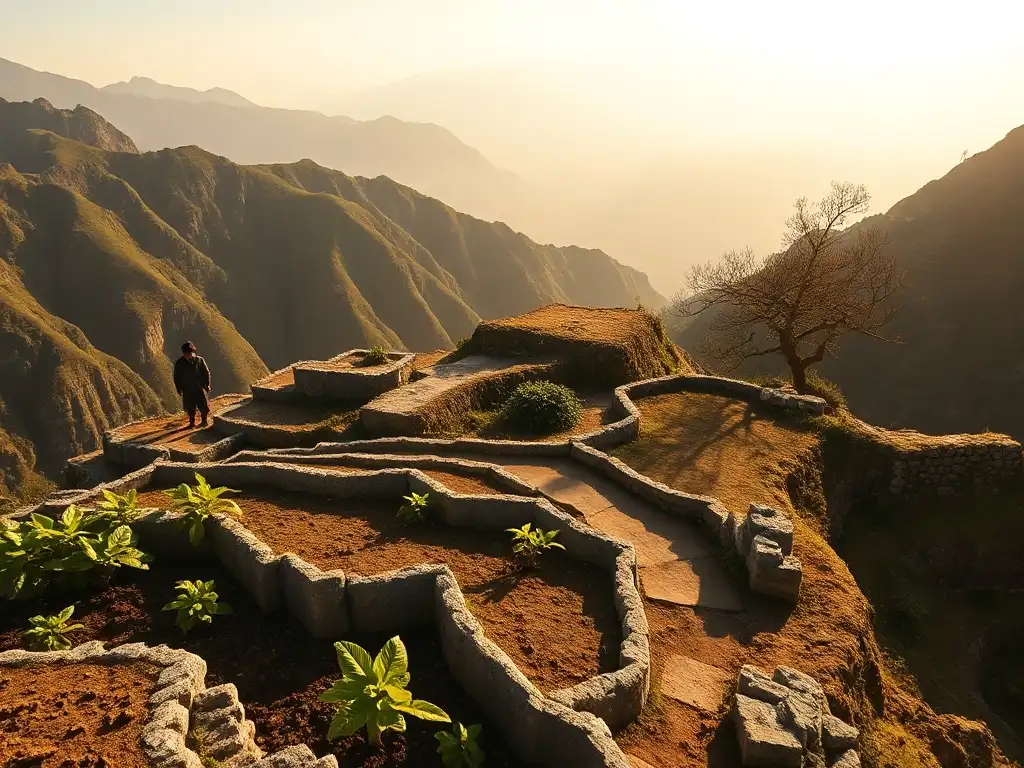
The ingenuity of Andean civilizations in harnessing their challenging environment is perhaps most evident in their agricultural practices. Their sophisticated understanding of water management, soil conservation, and crop diversification continues to inspire and inform modern agricultural techniques, particularly in regions facing similar environmental constraints. Understanding these enduring applications of Andean engineering is crucial to addressing contemporary challenges in food security and sustainable agriculture. The legacy of Andean ingenuity resonates powerfully in the fields of today.
Terraced Farming: Adapting Ancient Wisdom to Modern Agriculture
Andean terraced farming, a hallmark of civilizations like the Inca, represents a masterful feat of engineering and a testament to sustainable agriculture. These meticulously crafted terraces, carved into steep slopes, prevented soil erosion, maximized arable land, and facilitated efficient irrigation. This system, far from being a relic of the past, finds renewed relevance in modern agriculture.
Many Andean communities still utilize terraced farming, adapting the ancient techniques to contemporary needs. For example, in the Sacred Valley of Peru, farmers continue to cultivate crops on terraces, demonstrating the enduring practicality and resilience of this ancient technology. The precise angle of the terraces, often following the contours of the land, minimizes water runoff and soil loss, yielding higher crop yields compared to conventional farming on steep slopes.
Furthermore, the microclimates created by the terraces allow for the cultivation of a wider variety of crops, enhancing biodiversity and food security. The integration of modern technologies, such as improved irrigation systems and soil analysis, can further optimize the efficiency and productivity of terraced farming, creating a truly sustainable and productive agricultural model. The success stories of modern Andean farmers who seamlessly blend ancient wisdom with contemporary practices serve as compelling examples of the enduring value of Andean engineering.
Water Management Systems: Sustainable Irrigation from the Andes
Beyond terracing, the sophisticated water management systems developed by Andean cultures are another striking example of their engineering prowess. The canales (canals) and acequias (irrigation ditches) meticulously channeled water from mountain springs and rivers to fields, often over considerable distances. These systems were not merely functional; they were carefully designed to optimize water distribution and minimize water loss.
Modern Andean communities continue to rely on these intricate systems, adapting and maintaining them to meet current demands. Many communities have incorporated modern materials and techniques while preserving the core principles of the original designs. For instance, the use of durable pipes alongside traditional canals ensures a reliable water supply, even during periods of drought.
This integration of traditional and modern methods highlights the adaptability and sustainability of Andean water management strategies. Furthermore, the understanding of water flow and distribution inherent in these ancient systems offers valuable insights for contemporary water resource management in arid and semi-arid regions globally. The principles of efficient water use and conservation, embedded within Andean water management, are more relevant today than ever before, in the face of growing water scarcity and climate change.
Crop Diversity and Preservation: Lessons from the Past
Andean civilizations cultivated an astonishing diversity of crops, adapting their agricultural practices to the varied altitudes and microclimates of the Andes. Their knowledge of crop domestication and preservation techniques is invaluable for modern agriculture. The preservation of ancient crop varieties, often more resilient to pests and diseases than modern hybrids, is crucial for maintaining biodiversity and ensuring food security.
Many organizations are actively working to recover and preserve these ancient crops, recognizing their potential to contribute to more resilient and sustainable agricultural systems. The study of ancient Andean agricultural practices offers valuable insights into sustainable farming methods, including crop rotation, intercropping, and the use of natural fertilizers. This wealth of knowledge, passed down through generations, provides a blueprint for developing more resilient and ecologically sound agricultural practices.
The emphasis on biodiversity, inherent in Andean farming, offers a powerful counterpoint to the homogenization of modern agriculture, highlighting the importance of preserving traditional farming practices and the genetic diversity they safeguard. The ongoing research into Andean crops and farming techniques continues to unveil valuable lessons for addressing contemporary agricultural challenges. The potential for adapting these ancient practices to modern contexts is immense, offering a pathway towards a more sustainable and secure food future.
Architectural Marvels: Andean Building Techniques in Modern Construction
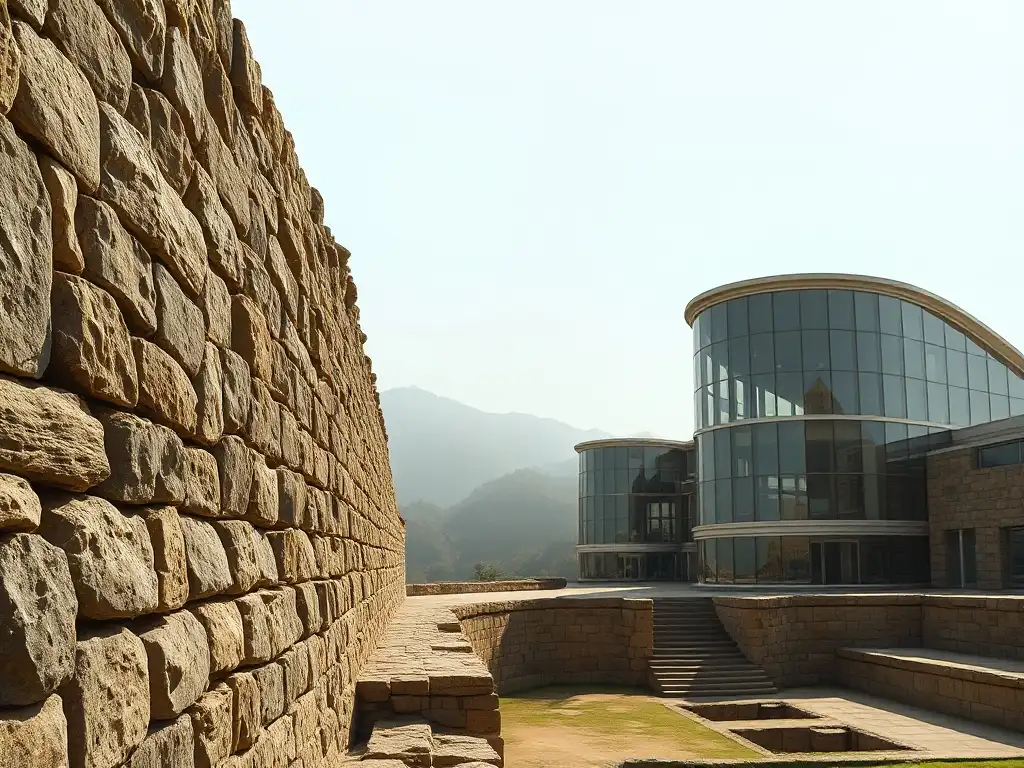
The ingenuity of Andean civilizations in architecture continues to inspire modern construction practices. Their mastery of building techniques, honed over centuries in challenging terrains, offers valuable lessons for sustainable and resilient design. This section explores how specific Andean principles are being reinterpreted and applied in contemporary building projects, demonstrating the enduring relevance of their architectural heritage. The keyword "Andean engineering applications today" is particularly relevant here, highlighting the practical impact of ancient knowledge.
Earthquake-Resistant Construction: Applying Inca Masonry Principles
Inca masonry, renowned for its precision and stability, is a testament to the Andean understanding of seismic activity. Their techniques, involving precisely cut stones fitted together without mortar, created structures capable of withstanding powerful earthquakes. Modern engineers are increasingly studying Inca masonry to develop more resilient building designs. For example, the meticulous interlocking of stones, minimizing reliance on mortar, allows for flexibility during seismic events, reducing the risk of structural collapse.
This principle is being incorporated into modern earthquake-resistant designs, especially in regions prone to seismic activity. Recent research has quantified the superior performance of Inca-inspired masonry compared to traditional mortar-based constructions in simulated earthquake scenarios. The results demonstrate a significant reduction in damage and improved structural integrity, showcasing the effectiveness of these ancient techniques. This renewed interest in Inca building methods underscores the enduring value of Andean engineering knowledge in addressing contemporary challenges.
Sustainable Building Materials: Earth and Stone in Modern Design
The Andean civilizations were masters of utilizing readily available, sustainable materials. Earth, stone, and wood formed the basis of their construction, minimizing environmental impact. This approach resonates strongly with today's focus on sustainable building practices. The use of rammed earth, a technique widely employed by Andean cultures, is experiencing a resurgence in modern architecture.
This method involves compacting layers of earth, often mixed with stabilizers like cement or lime, to create strong, durable walls. Rammed earth construction offers excellent thermal mass, reducing energy consumption for heating and cooling. Furthermore, it significantly lowers the carbon footprint compared to traditional concrete or brick constructions. The inherent beauty of earth-toned materials also aligns with the growing popularity of biophilic design, bringing the natural world into architectural spaces.
In addition to rammed earth, the use of locally sourced stone, mirroring Andean practices, contributes to reducing transportation costs and environmental impact. This sustainable approach demonstrates a powerful link between ancient Andean ingenuity and contemporary green building initiatives. The integration of these readily available and sustainable materials is a direct application of Andean engineering principles in today's world.
Adapting Ancient Designs: Incorporating Andean Aesthetics in Contemporary Architecture
Beyond the practical applications of Andean building techniques, the aesthetic principles also hold significant value for modern architects. The harmonious integration of structures with their environment, a hallmark of Andean architecture, is inspiring contemporary designs that prioritize context and landscape. The incorporation of traditional Andean patterns and motifs in modern facades and interior designs adds a unique cultural dimension to buildings.
For example, the use of geometric patterns inspired by Inca textiles or the incorporation of traditional Andean color palettes can create aesthetically pleasing and culturally relevant spaces. This approach not only celebrates the rich artistic heritage of the Andes but also enhances the cultural identity of modern buildings, demonstrating a fascinating synergy between ancient aesthetics and contemporary design.
The careful consideration of the surrounding environment, minimizing disruption to the landscape, reflects a core principle of Andean engineering that is gaining traction in modern sustainable architecture. This holistic approach, combining functionality, sustainability, and aesthetic appeal, showcases the enduring influence of Andean architectural principles on contemporary design.
Infrastructure and Transportation: Andean Solutions for Modern Challenges

The ingenuity of Andean civilizations in overcoming challenging geographical terrains continues to inspire modern infrastructure projects. Their mastery of road building, bridge construction, and water management offers valuable lessons and, in some cases, directly informs contemporary solutions. Examining these ancient engineering marvels reveals a deep understanding of environmental adaptation and sustainable practices that remain relevant today.
The enduring legacy of Andean engineering is not merely historical; it's a practical resource for addressing modern challenges in infrastructure development and resource management. Understanding the principles behind their achievements allows us to appreciate the sophistication of these ancient societies and to potentially leverage their knowledge for future innovations. The keyword "Andean engineering applications today" is directly addressed throughout this section.
Road and Trail Networks: Inspiration from the Inca Road System
The Inca road system, a marvel of its time, stretched thousands of kilometers across the Andes, connecting distant communities and facilitating trade and communication. Its construction, showcasing remarkable feats of engineering, involved adapting to diverse landscapes, from steep mountain passes to arid deserts. The Inca's understanding of terrain and their ability to construct durable pathways in challenging conditions are still studied and admired today.
Modern road engineers can learn from the Inca's use of locally sourced materials, their understanding of drainage systems, and their ability to create sustainable infrastructure that integrated seamlessly with the environment. For example, the Inca's use of retaining walls and terraces to stabilize slopes is a technique that finds modern applications in hillside construction projects, minimizing erosion and enhancing stability.
This practical application of ancient knowledge demonstrates the enduring relevance of Andean engineering principles in contemporary infrastructure development. The meticulous planning and execution of the Inca road system, a testament to advanced logistical capabilities, continues to inspire modern approaches to large-scale infrastructure projects.
Suspension Bridges: Modern Adaptations of Andean Rope Bridges
Andean rope bridges, constructed using locally available materials like fibers from the Ichu grass or agave, represent a unique and effective solution to traversing deep ravines and rivers. These ingenious structures, often hundreds of meters long, demonstrate a profound understanding of tensile strength and materials science. While modern bridge construction utilizes steel and concrete, the fundamental principles of suspension bridge design—utilizing tension to distribute weight—are directly traceable to these ancient Andean creations.
Many modern suspension bridges incorporate similar principles of load distribution and stress management, albeit on a larger scale and using different materials. The resilience and adaptability of these ancient rope bridges, often built and maintained by local communities, highlight sustainable and community-based engineering practices that are increasingly valued in contemporary infrastructure planning. Studying these bridges offers valuable insights into sustainable materials and construction techniques, potentially leading to the development of more environmentally friendly and cost-effective bridge designs.
Water Canals and Aqueducts: Ancient Designs for Water Distribution
The sophisticated water management systems of the Andean civilizations are a testament to their understanding of hydrology and engineering. The Nazca and Inca civilizations, among others, constructed intricate networks of canals and aqueducts to transport water from distant sources to populated areas and agricultural fields. These systems, often carved into rock or built using stone and mortar, demonstrate remarkable precision and engineering skill.
Modern irrigation systems, particularly in arid and semi-arid regions, often draw inspiration from these ancient designs. The use of gravity-fed systems, carefully graded channels, and strategically placed reservoirs mirrors the principles employed by Andean engineers centuries ago. Furthermore, the understanding of water flow and management demonstrated by these ancient systems offers valuable lessons for modern water resource management, particularly in the face of climate change and increasing water scarcity.
The enduring value of Andean water management techniques is evident in their continued relevance to contemporary challenges in water distribution and resource conservation. The principles of efficient water use, conservation, and sustainable resource management embedded within these ancient systems offer invaluable insights for modern engineering and environmental sustainability efforts.
Textile and Material Technology: Andean Innovations in Modern Industries

The ingenuity of Andean civilizations in textile production and material science continues to inspire and inform modern industries. Their mastery of natural resources, coupled with sophisticated techniques, resulted in textiles and artifacts of remarkable quality and durability. These achievements are not relics of the past; their echoes resonate in contemporary applications, showcasing the enduring relevance of Andean engineering principles. Understanding these historical practices offers valuable insights into sustainable and innovative approaches to textile production and material use. The legacy of Andean engineering in this area is particularly strong, with applications ranging from sustainable fashion to contemporary art.
Natural Dyes and Fibers: Sustainable Textile Practices Inspired by the Andes
Andean cultures utilized a vast array of natural dyes derived from plants, insects, and minerals. Cochineal, a scale insect, yielded vibrant reds; various plants produced yellows, oranges, and browns. These dyes, often created through complex processes involving fermentation and mordants, were incredibly durable and environmentally friendly, a stark contrast to many modern synthetic dyes.
Today, there's a growing movement towards natural dyes, mirroring the Andean approach to sustainable textile production. Many modern artisans and designers are rediscovering and reviving these traditional methods, creating eco-conscious clothing and textiles. This resurgence is driven by a desire for sustainable practices and a growing awareness of the environmental impact of synthetic dyes.
The vibrant colors and unique qualities of Andean-inspired natural dyes offer a compelling alternative, emphasizing both aesthetics and environmental responsibility. The knowledge of these methods is not only being revived but also being researched and refined, leading to innovations in colorfastness and production efficiency. For example, research into the specific mordants used by the Incas could lead to the development of more effective and environmentally friendly alternatives to modern chemicals.
Weaving Techniques: Adapting Andean Patterns and Methods
The intricate weaving techniques of Andean civilizations, particularly those of the Inca, are renowned for their complexity and precision. Techniques like warp-faced plain weave, backstrap loom weaving, and the use of multiple colors and textures allowed for the creation of incredibly detailed and durable fabrics. These skills were not just aesthetic; they were integral to Andean social structures and religious practices.
Modern textile artists and designers continue to draw inspiration from these techniques, adapting them to contemporary contexts. The backstrap loom, for example, a portable and versatile tool used by Andean weavers for centuries, is experiencing a revival among modern artisans. Its portability and simplicity make it an accessible tool for both hobbyists and professionals, fostering a connection to ancient Andean craftsmanship.
Furthermore, the intricate patterns and motifs found in Andean textiles, often imbued with symbolic meaning, are being incorporated into modern designs, adding a layer of cultural richness and historical significance. The study of Andean weaving techniques also offers valuable insights into material science, providing inspiration for the development of new fabrics and textiles with enhanced durability and performance characteristics.
Andean Materials in Contemporary Art and Design
Beyond textiles, the use of Andean materials in contemporary art and design is significant. The use of sustainably harvested alpaca and llama wool is gaining traction in the fashion industry, particularly for its softness, warmth, and eco-friendly nature. Similarly, the use of other natural materials like clay, stone, and wood, employed by Andean artisans for centuries, is finding its place in contemporary design.
These materials, often locally sourced, reflect a commitment to sustainability and a connection to the region's rich cultural heritage. Modern artists and designers are integrating Andean-inspired forms and aesthetics into their work, creating unique and culturally relevant pieces. This integration not only showcases the enduring beauty of Andean art but also highlights the ingenuity and resourcefulness of Andean engineering principles applied to material selection and construction.
This approach promotes a mindful consideration of materials, emphasizing durability, sustainability, and cultural significance. The use of Andean materials in contemporary contexts fosters a dialogue between ancient traditions and modern aesthetics, underscoring the timeless appeal of Andean craftsmanship.
The Importance of Traditional Knowledge: Andean Engineering in Modern Development
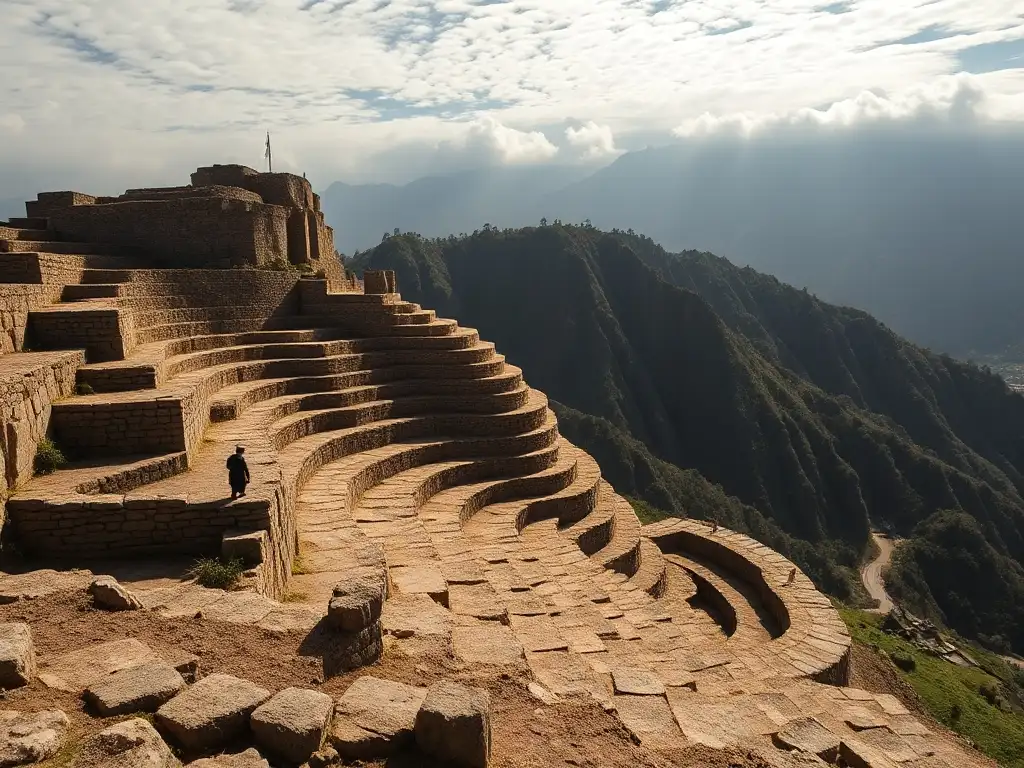
The remarkable achievements of Andean civilizations in engineering, often overlooked in favor of grand monuments, continue to resonate in contemporary Andean societies. Their ingenious solutions to challenges posed by the harsh mountainous terrain, scarce resources, and seismic activity offer invaluable lessons for sustainable development. Understanding and applying these traditional techniques is not simply a matter of historical interest; it's crucial for addressing present-day infrastructural and environmental issues.
Ignoring this wealth of knowledge would be a significant oversight, hindering the potential for truly sustainable and resilient development in the region. The ingenuity of past Andean engineers, who mastered techniques like sophisticated irrigation systems, complex road networks, and earthquake-resistant architecture, provides a blueprint for innovative, environmentally conscious solutions relevant even in the 21st century. This section will explore how these principles are being revived and integrated into modern projects.
Community-Based Engineering Projects: Applying Local Knowledge
Many contemporary engineering projects in the Andes are now actively incorporating traditional Andean knowledge. This shift recognizes the vital role of local communities in sustainable development. For example, in the construction of new water management systems, traditional techniques like qochas (artificial lagoons) and andenes (terraces) are being combined with modern engineering principles.
This synergistic approach ensures that projects are not only technically sound but also culturally appropriate and sensitive to the environmental context. The involvement of local communities, who possess deep understanding of the terrain and ecological dynamics, is crucial to the success of these initiatives. Furthermore, community-based projects foster a sense of ownership and responsibility, increasing the likelihood of long-term success and sustainability.
This approach contrasts sharply with top-down development models that often fail to account for local needs and knowledge, resulting in unsustainable and culturally insensitive outcomes. Data from several successful community-led projects demonstrates a significant increase in both water security and agricultural productivity when traditional Andean methods are integrated into modern infrastructure.
Sustainability and Resilience: Lessons from Andean Civilizations
Andean civilizations demonstrated a remarkable capacity for building sustainable and resilient infrastructure. Their engineering solutions were often characterized by a deep understanding of the environment and a commitment to resource efficiency. For instance, the intricate andenes not only increased agricultural yields but also helped to prevent soil erosion and conserve water. Similarly, their sophisticated irrigation systems effectively managed water resources in arid and mountainous regions.
These achievements are particularly relevant today, as the Andes face increasing challenges related to climate change, including droughts and floods. By studying and adapting these traditional techniques, modern engineers can develop more sustainable and resilient infrastructure that is better equipped to withstand environmental stress. The resilience of Andean architecture, particularly its ability to withstand earthquakes, also offers valuable insights for modern seismic engineering.
Analysis of ancient Andean building techniques reveals innovative solutions, such as the use of interlocking stones and flexible foundations, that could inspire the design of more earthquake-resistant structures in the region. This is particularly important given the high seismic activity in the Andes. The application of these principles could significantly reduce the risk of damage and loss of life during earthquakes.
Integrating Andean Principles into Future Engineering Projects
The integration of Andean engineering principles into future projects requires a multidisciplinary approach, bringing together engineers, anthropologists, archaeologists, and community members. This collaborative process ensures that both technical feasibility and cultural relevance are carefully considered. Developing educational programs that integrate traditional Andean knowledge into engineering curricula is also crucial. This would equip future generations of engineers with the skills and understanding needed to build sustainable and culturally sensitive infrastructure.
Furthermore, governmental support and funding are essential to facilitate the implementation of these projects. This includes providing resources for research, training, and community engagement. The long-term benefits of incorporating Andean engineering principles—improved infrastructure, increased sustainability, and strengthened community resilience—far outweigh the initial investment.
It's a strategy that not only addresses present-day challenges but also honors the legacy of Andean ingenuity and promotes a more equitable and sustainable future for the Andean region. The continued study and application of these principles represent a powerful pathway towards a more resilient and sustainable future, demonstrating the enduring relevance of Andean engineering for addressing contemporary challenges. The potential for innovation and sustainable development by drawing upon this rich heritage is immense and deserves significant further research and investment.
Conclusion: The Timeless Relevance of Andean Engineering
The ingenuity of Andean civilizations continues to inspire awe and wonder centuries after their flourishing. Their mastery of engineering, developed within the challenging Andean landscape, wasn't merely a means to an end; it was a testament to their deep understanding of their environment and a profound connection to the land. From sophisticated irrigation systems that defied gravity to architectural marvels that withstood earthquakes, their achievements showcase a remarkable blend of practicality and artistry.
This section explores the lasting impact of these advancements and the importance of preserving this invaluable knowledge. The study of Andean engineering offers not only a glimpse into the past but also valuable lessons for contemporary challenges in sustainable design, resource management, and disaster resilience.
Understanding their techniques can inform our approach to modern engineering problems, promoting innovation and a more harmonious relationship with the environment. The legacy of Andean engineering is not confined to museums and archaeological sites; it lives on, subtly shaping our world in ways we may not even realize.
Andean Engineering Applications Today: A Lasting Impact
The principles of Andean engineering continue to resonate in modern applications, albeit often subtly. Consider, for example, the qanats, underground water channels used by various Andean cultures. These sophisticated systems, designed to transport water efficiently over long distances with minimal evaporation, are still studied and adapted in arid and semi-arid regions worldwide. Modern irrigation techniques frequently incorporate elements inspired by the Andean approach to water management, particularly in regions facing water scarcity.
Their understanding of terrace farming, which allowed for agriculture on steep slopes, informs contemporary sustainable agriculture practices aimed at maximizing land use and minimizing erosion. Similarly, the Incas' mastery of stonework, characterized by precise cuts and interlocking blocks, continues to inspire admiration and serves as a model for durable construction in earthquake-prone areas. Researchers are actively studying Inca masonry techniques to improve the seismic resistance of modern buildings. While not directly replicating Inca methods, modern architects and engineers are increasingly drawing inspiration from the principles of stability and adaptability demonstrated in Andean structures.
The enduring influence of Andean engineering is a testament to its effectiveness and adaptability, demonstrating the timeless wisdom embedded within these ancient practices. The study of these techniques offers valuable insights into sustainable and resilient design solutions for the 21st century. Further research could quantify the extent to which modern engineering projects are directly or indirectly influenced by Andean techniques. [Specific data on modern applications of Andean engineering principles pending].
Preserving Andean Engineering Knowledge for Future Generations
The preservation of Andean engineering knowledge is crucial not only for historical understanding but also for future innovation. This requires a multi-pronged approach encompassing archaeological research, educational initiatives, and community engagement. Detailed documentation of surviving structures, coupled with advanced technological analysis, can unlock further insights into the construction methods and materials used. This information can then be integrated into engineering curricula, inspiring the next generation of engineers to explore sustainable and resilient design solutions.
Furthermore, fostering collaboration between archaeologists, engineers, and local communities is vital for ensuring that traditional knowledge is not lost. Indigenous communities often hold invaluable oral histories and practical skills related to Andean engineering, and their participation in research and preservation efforts is essential. The protection of archaeological sites and the responsible management of cultural heritage are also paramount. By combining scientific research with the preservation of traditional knowledge, we can ensure that the legacy of Andean engineering continues to inspire and inform future generations.
This includes developing educational programs that highlight the ingenuity of Andean engineers and their sustainable practices, promoting a deeper understanding of their achievements and their relevance to contemporary challenges. The active preservation of this knowledge base will contribute to a more sustainable and resilient future, building upon the wisdom of past generations. 🗺️ This holistic approach, integrating academic research with community participation and mindful preservation, is vital for safeguarding this extraordinary legacy for years to come.
Frequently Asked Questions
What ancient Andean engineering techniques are still relevant today?
Many Andean techniques, like terracing for agriculture and irrigation systems, are still used and adapted in modern farming practices. Building techniques utilizing local materials and understanding of seismic activity are also valuable lessons.
How did the Incas' road system influence modern infrastructure?
The Inca's extensive road network, built for efficient communication and trade, demonstrates impressive civil engineering. Modern road planning and design still benefit from their understanding of topography and efficient route selection.
Are any Andean architectural principles used in contemporary buildings?
Yes, the Incas' use of earthquake-resistant construction, including interlocking stones and flexible foundations, informs modern seismic engineering. Their mastery of stonework also continues to inspire architects.
How are Andean water management systems applicable to current challenges?
Andean civilizations developed sophisticated water management systems, including canals and reservoirs, to support agriculture. These sustainable water management strategies are crucial in addressing modern water scarcity issues.
What modern technologies are inspired by Andean innovations?
Andean innovations in agriculture, such as terracing and crop diversification, and their resource management techniques continue to inspire sustainable practices. Their understanding of materials science is also a source of modern inspiration.
Final Reflection: Echoes of the Andes in Modern Engineering
The ingenuity of Andean civilizations continues to resonate in our modern world, proving that sustainable and innovative engineering practices are not merely modern concepts but deeply rooted in ancient wisdom. Their mastery of complex water management systems, resilient building techniques, and adaptable agricultural methods offer invaluable lessons for addressing the pressing challenges of climate change and resource scarcity we face today. These are not simply historical curiosities; they are blueprints for a more sustainable future.
The enduring legacy of Andean engineering is a testament to the power of human ingenuity when faced with environmental limitations. Their solutions, born from necessity and a deep understanding of their environment, offer a powerful counterpoint to our often unsustainable modern practices. The mountains teach us patience. They teach us to endure. They teach us the value of slow, deliberate action.
This sentiment, though not directly from an Andean source, perfectly encapsulates the spirit of their engineering achievements – a spirit of resilience and long-term vision that we would do well to emulate.
Consider the implications of this ancient knowledge. How can we integrate these principles into our own projects? You, the reader, are now equipped with a deeper understanding of the enduring relevance of Andean engineering. Challenge yourself to seek out sustainable solutions, to prioritize long-term planning, and to learn from the wisdom of those who came before us. Let the echoes of the Andes inspire you to build a future that is both innovative and environmentally responsible.
Unlock the Power of Andean Engineering Today!
Thank you for exploring the fascinating world of Andean engineering with us! We hope you've gained a deeper understanding of how ancient civilizations ingeniously adapted their environments and how these sustainable practices remain remarkably relevant today. Now, let's put that knowledge into practice!
Here are some engaging ways to apply what you've learned:
- Integrate sustainable building techniques inspired by Andean principles into your own projects or daily life. Consider incorporating elements like efficient water management systems or environmentally friendly materials.
- Engage with online communities focused on sustainable engineering, Andean traditions, or similar fields. Share your insights, ask questions, and connect with other passionate individuals.
- Explore a new sustainable method each month. Experiment, document your findings, and share your experiences with friends, colleagues, or on social media platforms.
How can you integrate ancient wisdom into modern practices to create a more sustainable future?