
The Sun's Legacy: How Andean Astronomy Still Shapes Agricultural Practices


Step into a world lost to time, yet echoing in the present. Imagine a civilization that charted the cosmos to cultivate the earth – a legacy woven into the very fabric of the Andes. Unravel the mysteries of Andean astronomy agricultural practices, where the celestial dance of the sun, moon, and stars dictated the rhythms of life and shaped the ingenuity of the ancient Andean cultures. Dive in and discover how this profound connection continues to resonate today.
The Andes Mountains, a spine of towering peaks running down the western coast of South America, are home to a rich tapestry of ancient civilizations. For millennia, these cultures—including the Incas, Moche, Nazca, and Tiahuanaco—developed sophisticated understandings of the cosmos, deeply intertwined with their agricultural practices.
This article explores the enduring legacy of Andean astronomy, demonstrating how the meticulous observations of celestial bodies continue to inform and shape modern agricultural techniques in the region. We'll delve into the specific ways ancestral knowledge of the sun, moon, and stars guides planting, harvesting, and other crucial aspects of Andean farming, highlighting the remarkable continuity between ancient wisdom and contemporary practices.
Understanding this connection reveals not only the ingenuity of past Andean societies but also the resilience and adaptability of their cultural heritage in the face of modern challenges. The intricate relationship between Andean astronomy and agricultural practices offers a compelling case study of how traditional knowledge can sustainably support modern life, particularly in the context of climate change and environmental pressures.
Celestial Calendars and Planting Cycles
Andean farmers, even today, often rely on observations of the sun and stars to determine optimal planting times. Unlike the Gregorian calendar used globally, many Andean communities maintain their own unique systems rooted in centuries-old astronomical observations. These calendars are not merely abstract representations of time; they are practical tools intimately linked to the agricultural cycle. For example, the precise timing of the solstices and equinoxes—marked by specific alignments of the sun with mountain peaks or other landmarks—signifies the beginning and end of crucial planting seasons.
The appearance of certain constellations also indicates favorable periods for sowing various crops, ensuring optimal growth conditions and maximizing yields. This intricate knowledge, passed down through generations, represents a sophisticated understanding of the interplay between celestial events and agricultural productivity. Detailed records, though often oral rather than written, meticulously document these observations and their implications for farming practices across diverse Andean regions.
The Moon's Influence on Crop Growth and Harvesting
The moon, too, plays a significant role in Andean agricultural practices. Traditional Andean farmers believe that the moon's phases influence the growth and quality of crops. Planting during specific lunar phases is thought to enhance the vitality and yield of crops, while harvesting during other phases is believed to ensure optimal preservation and taste. These beliefs are not merely superstitions; they reflect a deep understanding of the moon's gravitational effects on water cycles and plant growth, although the precise mechanisms are still being scientifically investigated. Many farmers continue to adhere to these lunar calendars, integrating them alongside modern techniques to achieve optimal results. The continued use of this traditional knowledge underscores its practical value and its enduring relevance in the context of modern agriculture. Further research is needed to fully quantify the impact of lunar cycles on crop yields, but anecdotal evidence strongly supports the continued relevance of these practices.
The Integration of Traditional and Modern Agricultural Techniques
The fascinating aspect of Andean agriculture is the seamless integration of traditional astronomical knowledge with modern farming methods. Farmers often blend the wisdom of their ancestors with contemporary techniques, creating a hybrid approach that maximizes efficiency and sustainability. For example, while some farmers might use satellite imagery and weather forecasts, they often cross-reference this data with their own celestial observations to fine-tune planting and harvesting schedules.
This combination of traditional and modern approaches demonstrates the adaptability and resilience of Andean agricultural practices, highlighting the value of preserving and integrating indigenous knowledge into sustainable development strategies. This approach also demonstrates the limitations of relying solely on modern technology, especially in remote and challenging Andean terrains where reliable access to technology may be limited.
Challenges and the Future of Andean Astronomy in Agriculture
Despite its enduring significance, the knowledge of Andean astronomy faces challenges. The younger generations are increasingly exposed to Westernized calendars and agricultural techniques, leading to a potential erosion of traditional practices. Furthermore, climate change is altering weather patterns, making it more challenging to rely solely on traditional observations. However, there is growing recognition of the importance of preserving this rich heritage.
Efforts are being made to document and disseminate traditional astronomical knowledge, ensuring its continuity for future generations. This includes the integration of traditional knowledge into agricultural education programs and the development of community-based initiatives that support the continued practice of Andean astronomy in agriculture. The preservation and integration of this unique knowledge system is crucial for maintaining the biodiversity and resilience of Andean agriculture in the face of global challenges.
- Celestial Calendars and Planting Cycles
- The Moon's Influence on Crop Growth and Harvesting
- The Integration of Traditional and Modern Agricultural Techniques
- Challenges and the Future of Andean Astronomy in Agriculture
- How did Andean civilizations use astronomy in agriculture?
- What specific astronomical events were important to Andean farmers?
- Did all Andean cultures share the same astronomical knowledge?
- How accurate were Andean astronomical predictions for agriculture?
- How does Andean astronomical knowledge impact modern agricultural practices in the Andes?
Understanding the Roots of Andean Agricultural Systems
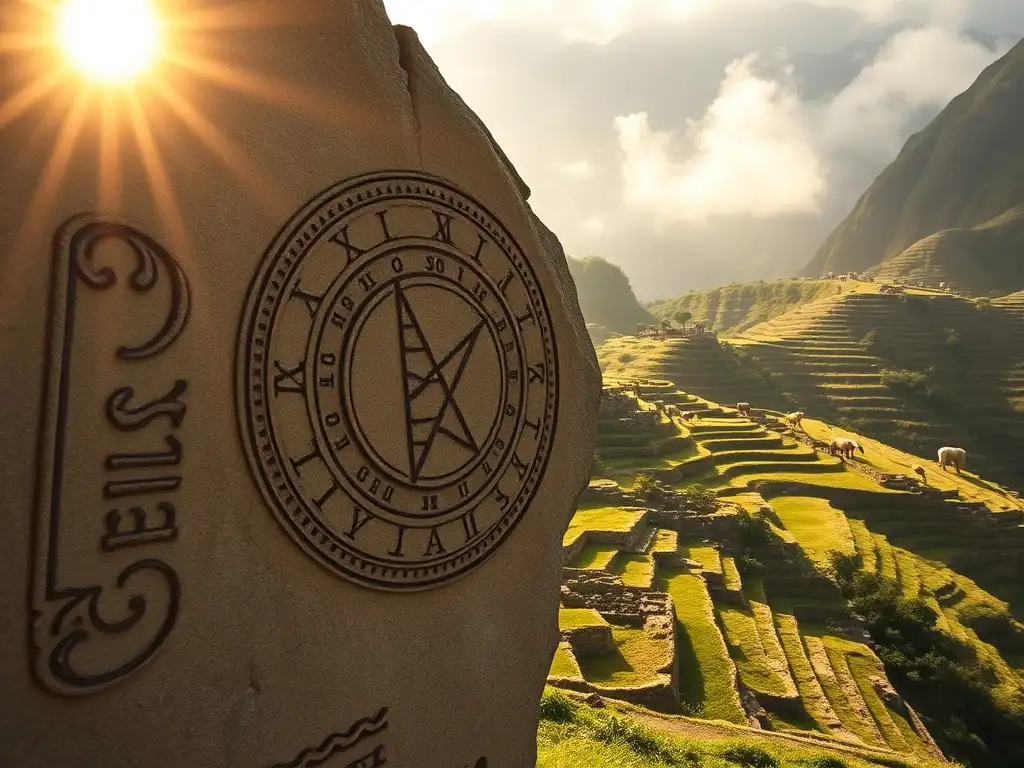
The Andes Mountains, a geographically challenging environment, fostered a deep connection between its inhabitants and the celestial bodies. Andean astronomy, far from being a purely academic pursuit, was intrinsically linked to the survival and prosperity of its people. This connection is particularly evident in the development of sophisticated agricultural practices, finely tuned to the rhythms of the cosmos.
Understanding the intricate relationship between Andean astronomy and agricultural practices requires delving into the methods of celestial observation employed, the specific knowledge gained, and its enduring influence on contemporary farming techniques. The success of Andean agriculture, particularly in such a diverse and demanding terrain, is a testament to the ingenuity and observational prowess of its ancient inhabitants.
This section explores the profound impact of Andean astronomy on the development and sustainability of Andean agricultural systems, highlighting the key role of celestial observation in shaping farming practices. The legacy of this knowledge continues to shape modern Andean agriculture, demonstrating the enduring relevance of ancient astronomical traditions.
The Importance of Celestial Observation in Ancient Andes
Celestial observation in the Andes wasn't a passive activity; it was a crucial component of daily life. Ancient Andean cultures meticulously tracked the movements of the sun, moon, and stars, using this information to predict seasonal changes, optimize planting and harvesting times, and manage water resources. Their observations weren't limited to naked-eye astronomy; evidence suggests the use of sophisticated instruments, such as the intihuatana (sun-watching stones), to precisely measure the solstices and equinoxes.
These markers weren't merely decorative; they were functional tools integral to the agricultural calendar. The accuracy of these observations is astonishing, considering the technology available. For example, the precision with which the Incas predicted the solstices allowed them to plan their agricultural activities with remarkable efficiency, maximizing yields and ensuring food security.
This intricate system of observation showcases the deep understanding of astronomy possessed by Andean cultures and its essential role in their agricultural success. The precision and sophistication of their astronomical knowledge highlight their keen observational skills and their practical application of this knowledge to agriculture. 📅
Inca Civilization and their Astronomical Knowledge
The Inca civilization, known for its impressive empire and advanced engineering, inherited and refined the astronomical knowledge of preceding Andean cultures. They developed a complex calendar system based on solar and lunar cycles, which dictated agricultural activities throughout the empire. This calendar wasn't a rigid structure; it was adaptable, accounting for variations in altitude and microclimates across the vast Andean landscape. Inca astronomers, often priests and highly respected members of society, played a crucial role in advising rulers and farmers on optimal planting and harvesting times.
Their expertise was vital for maintaining the empire's food supply, ensuring social stability. The integration of astronomy into the Inca's societal structure underscores its importance. Furthermore, the construction of numerous agricultural terraces, perfectly aligned with the sun's path, is a clear testament to the Inca's practical application of astronomical knowledge in their agricultural practices.
These terraces, along with sophisticated irrigation systems, maximized land use and agricultural productivity, reflecting a deep understanding of both astronomy and engineering. The Inca’s sophisticated understanding of Andean astronomy significantly improved the efficiency and productivity of their agricultural practices. ☀️
The Sun as a Central Deity and its Role in Agriculture
The sun held a central position in the Andean worldview, revered as a life-giving deity and the source of all agricultural bounty. Its movements were meticulously observed, not only for practical purposes but also for religious and ceremonial reasons. The solstices and equinoxes were celebrated with elaborate rituals, reinforcing the importance of the sun in the agricultural cycle.
The sun's role extended beyond mere timekeeping; it symbolized the cyclical nature of life, death, and rebirth, reflecting the rhythms of planting, growth, and harvest. The profound spiritual significance of the sun deeply influenced agricultural practices, imbuing them with religious and symbolic meaning. Farmers didn't simply follow the sun's movements; they participated in a sacred relationship with the celestial body, seeking its blessings for a successful harvest.
This intertwining of religious belief and agricultural practice is a defining characteristic of Andean culture, highlighting the holistic nature of their worldview. The sun's importance in Andean religion and its profound influence on agricultural practices are inseparable aspects of Andean civilization. 🌕
Andean Astronomy and its Influence on Crop Cycles
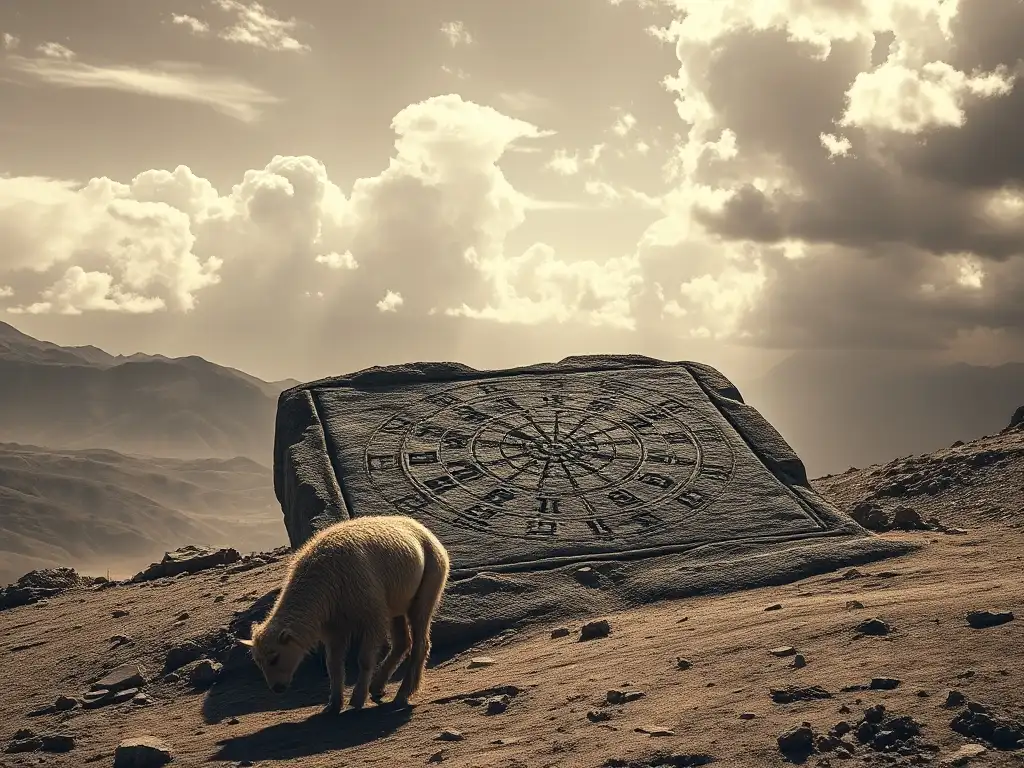
Andean astronomy wasn't merely a celestial pursuit; it was deeply intertwined with the practicalities of survival, particularly agriculture. The intricate relationship between the Andean people and their environment, shaped by the challenging geography of the Andes Mountains, fostered a profound understanding of the cosmos and its influence on the agricultural cycle. This knowledge, passed down through generations, continues to shape agricultural practices in the region today, demonstrating the enduring legacy of Andean astronomical expertise.
The precision and sophistication of their astronomical observations are remarkable, highlighting a sophisticated understanding far beyond simple observation. This section will delve into the specific ways Andean astronomy informed agricultural planning, emphasizing the enduring impact on modern practices.
Solar Calendars and Agricultural Planning in the Andes
The development of sophisticated solar calendars was crucial for Andean agricultural planning. Unlike some calendar systems focused solely on timekeeping, the Andean calendars were directly tied to observable celestial events and their correlation with agricultural cycles. These calendars weren't abstract constructs; they were practical tools for predicting optimal planting and harvesting times.
For example, the Inca Inti Raymi festival, celebrating the winter solstice, marked a critical point in the agricultural year, signaling the beginning of the rainy season and the preparation for planting. The precise timing of this festival, determined through meticulous astronomical observations, demonstrates the depth of their understanding of the sun's movements and its impact on the Andean ecosystem. This wasn't a simple guess; it was based on years, even centuries, of observation and refinement of their calendar systems.
The accuracy of their predictions allowed for efficient resource allocation and maximized crop yields, contributing significantly to the sustainability of their agricultural practices. Detailed records, though often fragmentary, suggest a complex system of interconnected calendars, each with specific agricultural implications. Further research is needed to fully understand the nuances of these regional variations.
The Precise Timing of Planting and Harvesting Based on Celestial Events
The Andean people didn't simply rely on general seasonal changes; they employed precise astronomical observations to determine the optimal timing for planting and harvesting. The appearance and positioning of specific constellations, the solstices, and the equinoxes all played a crucial role in their agricultural decision-making. For instance, the appearance of certain constellations signaled the beginning of the rainy season, indicating the ideal time to plant specific crops.
Similarly, the setting of other constellations marked the optimal time for harvesting to maximize yield and quality. This meticulous attention to detail allowed for the successful cultivation of a diverse range of crops adapted to the varying altitudes and microclimates of the Andes. The ability to predict these events with accuracy was fundamental to their agricultural success, ensuring food security for their communities.
This system of celestial agriculture highlights the deep interconnection between Andean cosmology and practical life. The precision required points to a sophisticated understanding of celestial mechanics and their terrestrial consequences.
Identifying Optimal Growing Seasons Through the Observation of the Pleiades
The Pleiades star cluster, known as Colca or Tauri in the Andean region, held significant importance in Andean agriculture. Its heliacal rising (its first appearance in the dawn sky after a period of invisibility) was a crucial indicator for the start of the growing season in many Andean communities. The precise timing of this event varied slightly depending on altitude and location, illustrating the localized adaptations of their astronomical knowledge.
Farmers would carefully observe the Pleiades' emergence, using this as a signal to begin planting their crops. The timing was critical, ensuring that planting occurred during the optimal period for germination and growth. The observation of the Pleiades wasn't just a symbolic act; it was a critical component of their agricultural strategy, directly impacting their food production.
The continued use of this method by some Andean communities today underscores the enduring relevance of this ancient astronomical knowledge in modern agricultural practices. Moreover, the Pleiades' prominence in their cosmology reflects the deep integration of astronomy into their worldview and daily lives. The precision of their observations and their ability to link these observations to agricultural cycles remains a testament to their sophisticated understanding of both the cosmos and the environment.
How Andean Astronomy Guides Modern Agricultural Practices
Andean astronomy wasn't merely a celestial pursuit; it was intrinsically linked to the survival and prosperity of Andean communities. The meticulous observations of the sun, moon, and stars weren't just for religious or ritualistic purposes. Instead, they formed the bedrock of sophisticated agricultural practices that continue to shape farming techniques in the Andes today.
This deep connection between Andean astronomy and agricultural practices demonstrates a remarkable continuity of knowledge across millennia, showcasing the enduring legacy of these ancient civilizations. The intricate relationship between celestial events and agricultural cycles allowed for optimal planting, harvesting, and resource management, contributing significantly to the success of Andean agriculture. Understanding this connection reveals the ingenuity and resilience of Andean peoples, their profound understanding of their environment, and the lasting impact of their astronomical knowledge.
Traditional Farming Techniques Informed by Ancient Astronomical Knowledge
Many traditional farming techniques still practiced in the Andes directly reflect ancient astronomical knowledge. For example, the ayllu, a traditional Andean community-based system of land tenure and cooperative labor, often organizes agricultural activities around the celestial calendar. Farmers carefully observe the position of constellations to predict weather patterns and determine the optimal planting and harvesting times.
This knowledge, passed down through generations, is crucial for maximizing crop yields in the challenging Andean environment. The precise timing, informed by centuries-old astronomical observations, ensures that crops are sown and harvested during the most favorable periods, mitigating the risks associated with unpredictable weather conditions and maximizing the use of limited resources. This intricate interplay between astronomical knowledge and agricultural practice demonstrates the sophistication of Andean farming techniques.
The precise timing of sowing and harvesting, guided by the celestial calendar, remains a critical aspect of agricultural success in the region. For instance, the appearance of certain constellations signals the ideal time for planting potatoes, a staple crop in the Andes.
The use of specific tools and techniques is also directly linked to astronomical observations. The design and orientation of irrigation systems, for example, often reflect an understanding of solar angles and water flow optimization. This demonstrates a holistic approach to agriculture, where astronomical knowledge is seamlessly integrated into practical farming techniques. Further research into these traditional methods could reveal even more sophisticated applications of Andean astronomy in agriculture. [Specific examples of tool design influenced by astronomy pending]
The Use of Solstices and Equinoxes in Modern Andean Agriculture
The solstices and equinoxes hold significant importance in modern Andean agriculture, mirroring their prominence in ancient Andean cosmology. The winter solstice, for example, often marks the beginning of the planting season for certain crops, while the summer solstice signifies the time for harvesting. These celestial events, meticulously tracked for centuries, provide crucial timing cues for farmers.
The precise timing of these events is vital for ensuring optimal plant growth and maximizing yields. Communities often celebrate these solstices with rituals and ceremonies, reinforcing the cultural and practical significance of these astronomical events. These celebrations are not merely symbolic; they are integral to the agricultural cycle, underscoring the deep connection between Andean culture and their environment.
Farmers also use the equinoxes to plan their agricultural activities. The spring equinox, for instance, may indicate the ideal time to prepare the land for planting, while the autumn equinox signals the beginning of the harvest season for other crops. This precise timing, dictated by astronomical observations, minimizes risks and maximizes yields. The remarkable accuracy and consistency of these observations across generations highlight the sophisticated understanding of celestial mechanics that underpinned Andean agricultural practices. Moreover, the precise correlation between astronomical events and agricultural activities reveals a deep understanding of the interplay between the celestial and terrestrial worlds.
Alignment of Fields with Sunrises to Maximize Sunlight Exposure
Many Andean agricultural fields are deliberately aligned with the sunrise and sunset, maximizing sunlight exposure for optimal plant growth. This technique, rooted in ancient astronomical knowledge, reflects a deep understanding of solar angles and their impact on crop yields. The orientation of fields, often subtly adjusted based on the topography and specific crop requirements, showcases the nuanced application of astronomical principles in Andean agriculture. This meticulous attention to detail ensures that crops receive the maximum amount of sunlight throughout the growing season.
The alignment of fields is not arbitrary; it is a carefully considered strategy that leverages astronomical knowledge to enhance agricultural productivity. For instance, fields oriented towards the east receive the most sunlight in the morning, benefiting crops that require intense morning sun. Conversely, fields oriented towards the west receive more afternoon sun, suitable for crops with different sunlight requirements.
This sophisticated approach to field orientation exemplifies the practical application of Andean astronomical knowledge, contributing significantly to the success of Andean agriculture. Further study is needed to fully understand the precise methods used to determine optimal field orientations, and the variations in techniques across different Andean regions. [Data on specific field orientations and their correlation with crop yields pending]
The Enduring Legacy of Andean Astronomy

Andean astronomy wasn't merely a celestial observation; it was deeply intertwined with the very fabric of Andean life, particularly agriculture. The intricate relationship between the cosmos and earthly sustenance is a testament to the sophisticated understanding of the celestial cycles possessed by Andean cultures. This section will explore how this ancient knowledge continues to influence contemporary agricultural practices in the Andes, demonstrating the enduring legacy of Andean astronomical observations.
The precise alignment of structures like Machu Picchu with solstices and equinoxes highlights the importance placed on astronomical events for timekeeping and agricultural planning. This sophisticated understanding allowed for the optimization of planting and harvesting cycles, ensuring food security for communities across diverse Andean ecosystems.
The impact of Andean astronomy on agricultural practices is a compelling example of the lasting influence of these ancient civilizations. This enduring legacy speaks to the ingenuity and resilience of Andean cultures, and the profound connection they forged between the heavens and the earth.
Preserving Traditional Knowledge of Andean Astronomical Practices
The transmission of Andean astronomical knowledge across generations has been crucial for its survival. While modern technology offers new tools, the oral tradition remains paramount. Elderly community members, often called yatiri or paqos, play a vital role, passing down centuries-old wisdom through storytelling, practical demonstrations, and direct observation.
This knowledge isn't solely theoretical; it's deeply practical, informing decisions about planting, irrigation, and harvesting. For instance, the observation of specific constellations signals the optimal time for planting potatoes or maize, ensuring a higher yield. The continued practice of these traditional methods underscores the value placed on this inherited knowledge and its continued relevance in modern Andean agriculture.
Efforts to document and preserve this oral tradition are essential to safeguard this invaluable cultural heritage and ensure its continuation for future generations. The preservation of this knowledge is not just about history; it's about maintaining sustainable agricultural practices crucial for the Andean region's food security. The meticulous observation of celestial events, passed down through generations, remains a cornerstone of successful farming in the Andes.
The Interconnection Between Andean Cosmovision and Agriculture
Andean cosmovision, a holistic worldview encompassing the cosmos, nature, and humanity, profoundly shaped agricultural practices. The understanding of the cosmos wasn't separate from the understanding of the land; rather, they were inextricably linked. The celestial bodies were seen as active participants in the agricultural cycle, influencing the growth of crops and the well-being of the community. This perspective isn't simply animistic; it reflects a profound understanding of the ecological interconnectedness of the Andean environment.
For example, the observation of the Pleiades constellation was crucial for determining the optimal time for planting certain crops. This holistic approach to agriculture prioritized sustainability and harmony with nature, ensuring the long-term health of both the land and the community. This interconnectedness continues to inform sustainable practices today. The Andean cosmovision provides a framework for understanding the delicate balance within the ecosystem, promoting responsible farming techniques that minimize environmental impact.
The Role of Andean Astronomy in Sustainable Farming Practices
The principles of Andean astronomy continue to contribute to sustainable farming practices in the Andes today. The meticulous observation of celestial cycles allows farmers to optimize planting and harvesting times, maximizing yields while minimizing resource use. This approach is inherently sustainable, reducing the need for artificial inputs like fertilizers and pesticides.
Furthermore, the traditional knowledge emphasizes crop diversification and intercropping, creating resilient agricultural systems capable of withstanding environmental challenges. The careful management of water resources, often guided by astronomical observations, promotes efficient irrigation and reduces water waste. Examples abound of communities successfully employing these traditional methods alongside modern technologies, creating a balanced approach to agriculture that respects both ancient wisdom and current needs.
The integration of Andean astronomical knowledge with contemporary agricultural techniques offers a powerful model for sustainable food production in challenging environments, proving the enduring relevance of this ancient heritage. The success of these practices highlights the potential for combining traditional knowledge with modern advancements to create truly sustainable and resilient agricultural systems. This approach offers valuable insights for other regions facing similar environmental and agricultural challenges.
Challenges and Opportunities in Preserving Andean Agricultural Traditions

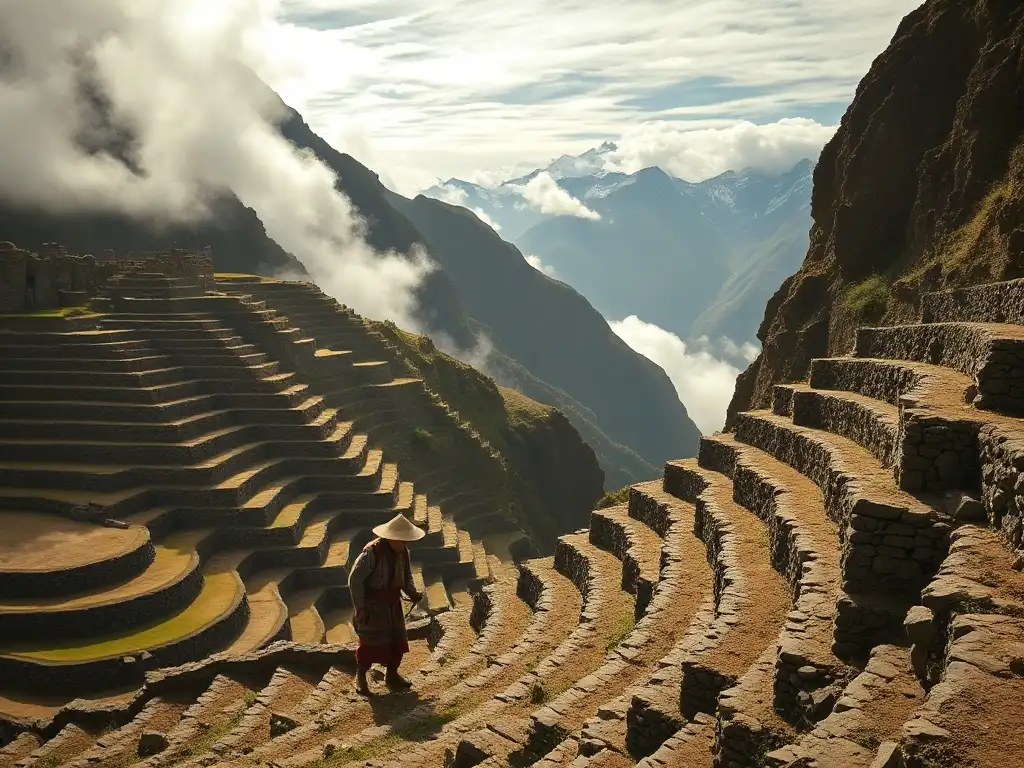
The intricate relationship between Andean astronomy and agricultural practices, honed over millennia, faces significant challenges in the 21st century. While the legacy of celestial observation continues to inform farming decisions in some communities, the pressures of modernization threaten to erode this invaluable knowledge. This section explores the complexities of preserving these traditions, highlighting both the obstacles and potential avenues for their continued relevance.
The survival of these practices is not merely a matter of cultural preservation; it also holds significant implications for food security and sustainable agriculture in the Andes region. Understanding the challenges is the first step toward developing effective strategies for their preservation.
Modernization and its Impact on Traditional Agricultural Practices
The influx of modern agricultural technologies, including mechanized farming equipment, chemical fertilizers, and high-yield crop varieties, has significantly altered farming practices across the Andes. While these advancements offer increased productivity in some instances, they often come at the cost of traditional knowledge and sustainable practices. For example, the reliance on chemical fertilizers disrupts the delicate balance of Andean ecosystems and can lead to soil degradation.
Similarly, the adoption of monoculture farming reduces biodiversity and makes crops more vulnerable to pests and diseases. This shift away from traditional methods, often driven by economic pressures and the allure of increased profits, diminishes the role of Andean astronomy in guiding agricultural decisions.
Data on the rate of adoption of modern techniques versus the retention of traditional practices varies greatly across different Andean communities, highlighting the need for region-specific studies to fully grasp the impact of modernization. The loss of this knowledge represents a significant blow to both cultural heritage and sustainable agriculture.
Efforts to Integrate Traditional Andean Astronomy into Contemporary Farming Education
Recognizing the importance of preserving Andean astronomical knowledge, several initiatives are underway to integrate it into contemporary farming education. These efforts aim to bridge the gap between traditional practices and modern agricultural techniques, fostering a more sustainable and culturally sensitive approach to farming. For example, some agricultural schools are incorporating lessons on traditional Andean calendars and their correlation with planting and harvesting cycles.
This integration involves not only theoretical knowledge but also hands-on experience, allowing students to observe and participate in traditional farming practices guided by celestial observations. The success of these initiatives varies, depending on factors such as community engagement, teacher training, and the availability of resources.
However, the overall goal is to empower future generations of Andean farmers with the tools and knowledge to make informed decisions that benefit both their livelihoods and the environment. More research is needed to evaluate the long-term impact of these educational programs and identify best practices for their implementation.
The Importance of Passing Down Andean Astronomical Knowledge to Future Generations
The transmission of Andean astronomical knowledge to future generations is paramount for the continued relevance of these practices. This involves a multi-faceted approach that goes beyond formal education. It requires engaging younger generations through storytelling, participatory activities, and the active involvement of elders who possess this invaluable knowledge.
The challenge lies in making this knowledge accessible and relevant to young people who are often drawn to more modern technologies and lifestyles. This requires a creative and engaging approach, possibly incorporating technology to bridge the gap between tradition and modernity. For instance, using digital platforms to document and share traditional knowledge could help preserve and disseminate it across wider audiences.
Similarly, incorporating astronomical observations into community events and celebrations can help foster a sense of cultural pride and encourage younger generations to embrace their heritage. The long-term sustainability of Andean agricultural practices hinges on the successful transmission of this vital knowledge, ensuring that the legacy of the sun continues to guide the cultivation of the land for generations to come.
Frequently Asked Questions
How did Andean civilizations use astronomy in agriculture?
Andean civilizations, like the Inca, meticulously observed the sun, moon, and stars to predict seasonal changes. This knowledge directly informed their planting and harvesting cycles, ensuring optimal yields.
What specific astronomical events were important to Andean farmers?
Key events included solstices and equinoxes, marking the beginning of crucial agricultural periods. Observations of constellations also helped predict weather patterns and water availability.
While there were regional variations, many Andean cultures shared a fundamental understanding of celestial cycles and their agricultural relevance. However, specific methods and interpretations varied across groups like the Nazca and Moche.
How accurate were Andean astronomical predictions for agriculture?
Their observations were remarkably accurate, allowing for efficient planning of agricultural activities. This sophisticated understanding of astronomy ensured food security for large populations.
How does Andean astronomical knowledge impact modern agricultural practices in the Andes?
Traditional Andean astronomical knowledge continues to inform some contemporary farming techniques. Many farmers still utilize ancient methods alongside modern technology, demonstrating the enduring legacy of this knowledge.
Final Reflection: The Enduring Starry Harvest
The intricate relationship between Andean astronomy and agricultural practices isn't just a historical curiosity; it's a living testament to humanity's enduring connection with the cosmos, a connection that holds vital lessons for sustainable agriculture today. The precise observations and sophisticated understanding of celestial cycles developed by Andean cultures offer a powerful counterpoint to our increasingly disconnected, technology-driven approach to food production. Their methods, honed over millennia, remind us of the profound interconnectedness of all living things and the environment.
The legacy of Andean astronomy continues to resonate, shaping not only the agricultural practices of some communities but also our understanding of indigenous knowledge systems and their value in addressing modern challenges. Their deep respect for the natural world, guided by the rhythms of the sun, moon, and stars, offers a powerful alternative to environmentally damaging industrial agriculture. The Earth is what we all have in common.
This simple statement, though not directly from an Andean source, encapsulates the profound respect for the land that underpins their astronomical-agricultural practices, a respect we urgently need to rediscover.
Consider, for a moment, the implications of this ancient wisdom. How might incorporating a deeper understanding of natural cycles, informed by the principles of Andean astronomy, improve your own relationship with food and the environment? I invite you to reflect on the ways in which we can integrate this knowledge into our modern agricultural systems, fostering a more sustainable and harmonious relationship with the land, guided by the same celestial wisdom that nourished Andean civilizations for centuries. Let the sun's legacy illuminate a path towards a more sustainable future.
Embrace the Wisdom of the Ancients!
Thank you for exploring how Andean astronomy continues to influence agricultural practices. You've discovered a rich legacy of knowledge that guides Andean farmers and communities. Now, let's put that knowledge to use!
- **Start a garden**, aligning your planting with the lunar calendar, using traditional Andean techniques.
- **Share your knowledge** with friends or local agricultural groups to promote sustainable farming.
- **Learn more** by researching the constellations significant to Andean culture and their connection to traditional practices.
How will you incorporate the celestial wisdom of the Andean civilizations into your own gardening or farming?