
The Power of Resilience: How Ancient Andean Societies Inform Modern Adaptation


Step into a world lost to time, yet echoing with wisdom for today. Discover the secrets of the Andes, a land where ingenuity and resilience thrived amidst unforgiving landscapes. Ancient Andean resilience strategies, far from being relics of the past, hold invaluable lessons for our modern world. Prepare to be captivated by the ingenuity of civilizations like the Inca, Moche, Nazca, and Tiahuanaco, and uncover how their adaptations can inspire our own path toward a more sustainable future. Unravel the mysteries and learn what these remarkable societies can teach us – the journey begins now.
The breathtaking landscapes of the Andes Mountains, a seemingly unforgiving environment of towering peaks, arid deserts, and unpredictable weather patterns, nurtured some of the most sophisticated and resilient civilizations the world has ever known. This article delves into the ingenious strategies employed by ancient Andean societies—including the Inca, Moche, Nazca, and Tiahuanaco—to not only survive but thrive in these challenging conditions.
By examining their agricultural innovations, societal structures, and adaptive capacities, we can glean valuable insights into the power of resilience and explore how these ancient approaches inform contemporary strategies for adapting to modern challenges, particularly in the face of climate change and environmental instability. Understanding their successes and failures offers a compelling narrative of human ingenuity and provides a framework for building more sustainable and resilient communities today.
The study of ancient Andean resilience strategies reveals a remarkable tapestry of human adaptation, woven from ingenuity, cooperation, and a deep understanding of their environment.
Ingenious Agricultural Techniques: Conquering the Andes' Harsh Terrain
Ancient Andean societies developed remarkably sophisticated agricultural techniques to overcome the limitations imposed by their environment. Terracing, a method of creating level platforms on steep slopes, maximized arable land and minimized soil erosion. This wasn't simply a matter of cutting into hillsides; the careful design considered factors like sun exposure, water drainage, and soil fertility.
Different crops were strategically planted based on altitude and microclimate, demonstrating a deep understanding of ecological zones. The development of sophisticated irrigation systems, including canals and aqueducts, ensured a reliable water supply, even in arid regions. These systems weren't simply rudimentary ditches; they were often complex networks that channeled water from distant sources, showcasing advanced engineering and collaborative management.
Furthermore, the cultivation of diverse crops, including potatoes, maize, quinoa, and beans, ensured food security and minimized the risk of crop failure. This diversification, coupled with advanced storage techniques, allowed them to withstand periods of drought and famine. The ingenuity of these techniques is evident in the enduring legacy of Andean agriculture, which continues to inspire sustainable farming practices today.
The success of ancient Andean societies wasn't solely dependent on technological innovation; their robust social structures played a crucial role in fostering resilience. Many societies exhibited a strong emphasis on community cooperation and mutual support. Labor was often organized collectively, with citizens contributing to public works projects like irrigation systems and temple construction.
This collective action fostered a sense of shared responsibility and ensured the well-being of the entire community. Evidence suggests sophisticated systems of resource management and redistribution, helping to mitigate inequalities and ensure everyone had access to essential resources. The Inca Empire, for instance, is known for its extensive road network and highly organized administrative system, which facilitated communication, trade, and the rapid mobilization of resources in times of crisis.
This integrated system of governance and infrastructure helped to buffer the impact of natural disasters and ensured the survival of the empire for a considerable period. The lessons learned from their social structures underscore the importance of community engagement and collective action in building resilient societies.
Adapting to Climate Change: Lessons from the Past for the Future
The Andes have always been a region susceptible to climate variability. Ancient Andean societies faced periods of drought, floods, and extreme temperature fluctuations. Their responses offer valuable lessons for modern societies grappling with the impacts of climate change.
The development of drought-resistant crops and sophisticated water management systems demonstrate a proactive approach to climate risk mitigation. The diversification of agricultural practices and the establishment of extensive storage facilities minimized the vulnerability to crop failure. Furthermore, their ability to adapt to changing environmental conditions showcases the importance of flexibility and innovation in the face of uncertainty.
Analyzing their strategies—from agricultural diversification to community-based resource management—provides valuable insights into building resilience against future climate-related challenges. The ancient Andean experience serves as a powerful reminder that proactive adaptation is crucial for ensuring the long-term sustainability of communities in the face of environmental change. Understanding their success in navigating climate variability offers a powerful blueprint for modern societies.
The Enduring Legacy: Ancient Wisdom for Modern Challenges [1]
The legacy of ancient Andean resilience extends far beyond the realm of archaeology. The ingenuity of their agricultural techniques, the strength of their social structures, and their adaptive capacity to environmental challenges offer invaluable lessons for contemporary society. As we face increasing environmental pressures and the complexities of modern life, understanding the strategies employed by these ancient civilizations can provide a framework for building more sustainable and resilient communities.
By embracing principles of collective action, resource management, and environmental stewardship, we can draw inspiration from the past to shape a more secure and prosperous future. The study of ancient Andean resilience strategies is not merely an academic exercise; it is a crucial step in building a more sustainable and equitable world for generations to come.
[1] Further research is needed to fully quantify the long-term impact of these strategies.
- Ingenious Agricultural Techniques: Conquering the Andes' Harsh Terrain
- Social Structures and Community Resilience: The Power of Collective Action
- Adapting to Climate Change: Lessons from the Past for the Future
- The Enduring Legacy: Ancient Wisdom for Modern Challenges [1]
- What resilience strategies did ancient Andean civilizations employ?
- How did the Incas adapt to the challenging Andean environment?
- What role did technology play in Andean resilience?
- How did social structures contribute to Andean resilience?
- What can modern societies learn from ancient Andean resilience?
Understanding Ancient Andean Resilience
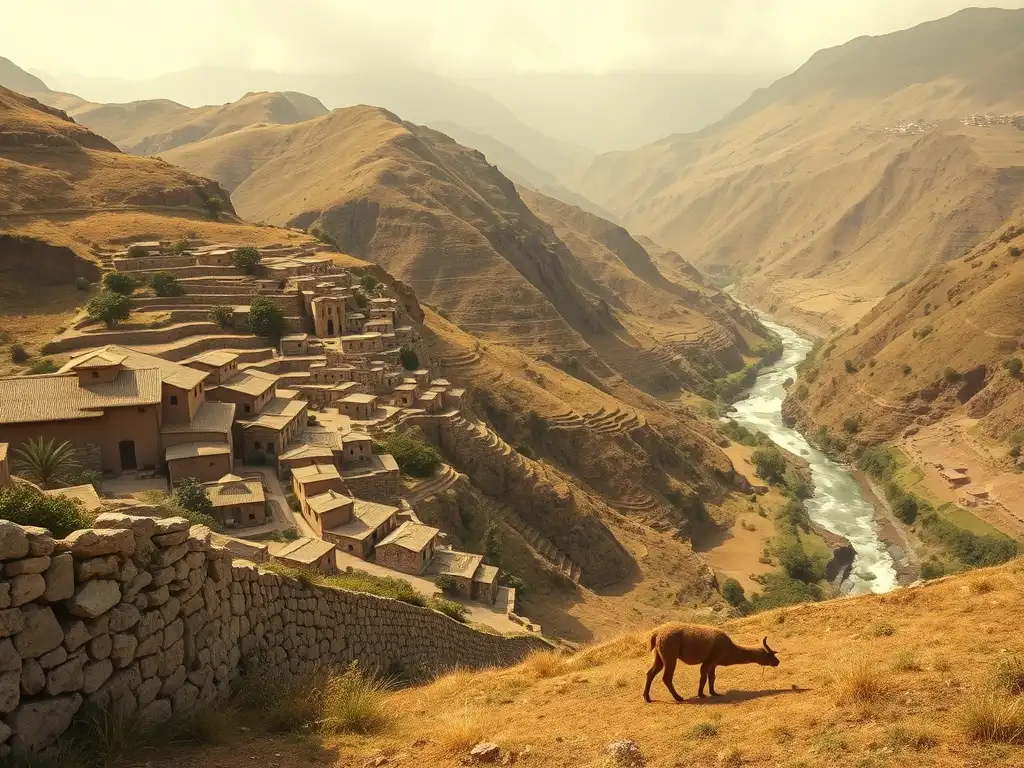
This section delves into the remarkable resilience demonstrated by ancient Andean societies, exploring their strategies for thriving in the face of adversity. We will examine resilience not just as a simple survival mechanism, but as a complex interplay of societal structures, technological innovations, and deeply ingrained cultural values. Understanding these ancient Andean resilience strategies offers valuable insights for contemporary societies grappling with similar challenges. The study of these civilizations provides a rich case study in effective adaptation, offering lessons for our modern world.
Defining Resilience in the Context of Andean Civilizations
When discussing ancient Andean resilience strategies, it's crucial to define resilience within the specific context of the Andean environment. Resilience here isn't simply bouncing back from a single event; it's the ability of these societies to adapt and thrive across generations, navigating persistent environmental challenges and social upheavals. It encompasses:
- Adaptability: The capacity to modify social structures, agricultural practices, and technologies in response to changing conditions. This ranged from adjusting irrigation systems to developing new crop varieties.
- Resourcefulness: The ingenuity in utilizing available resources efficiently and creatively, minimizing waste and maximizing output. This involved intricate water management systems and sophisticated agricultural techniques.
- Social Cohesion: Strong social structures and a shared cultural identity that fostered cooperation and collective action in times of crisis. This is evident in the communal labor systems and religious beliefs that united Andean communities.
- Innovation: A continuous drive to develop new technologies and approaches to address challenges, such as advancements in agriculture, architecture, and textile production. Examples include the development of terraced farming and sophisticated road networks.
This multifaceted definition allows for a more nuanced understanding of how these ancient civilizations navigated the complexities of their environment and maintained their societal stability for centuries.
Environmental Challenges Faced by Ancient Andean Peoples
The Andes Mountains present a uniquely challenging environment. Ancient Andean peoples faced a multitude of environmental pressures, including:
- Altitude Sickness: The high altitudes posed significant physiological challenges, demanding adaptation in both physical and social structures.
- Varied Climates: The Andes experience extreme climatic variability, from arid deserts to lush cloud forests, requiring diverse agricultural practices and resource management strategies.
- Seismic Activity: Frequent earthquakes and volcanic eruptions necessitated resilient building techniques and disaster preparedness. The Inca's stonework, for instance, demonstrates remarkable earthquake resistance.
- Water Scarcity: Access to reliable water sources was often limited, necessitating sophisticated irrigation systems and water management techniques.
- Soil Erosion: Steep slopes and intense rainfall contributed to soil erosion, requiring innovative agricultural practices like terracing to prevent land degradation.
These formidable environmental hurdles necessitated the development of sophisticated strategies for survival and prosperity. The ingenuity and adaptability displayed in overcoming these challenges are a testament to the resilience of Andean societies.
Key Factors Contributing to Andean Societies' Adaptive Capacity
Several key factors contributed to the remarkable adaptive capacity of ancient Andean societies:
| Factor | Description | Example |
|---|---|---|
| Agricultural Innovation | Development of advanced techniques like terracing, irrigation, and crop diversification to maximize food production in challenging terrain. | Waru Waru agriculture in the Tiwanaku culture. |
| Social Organization | Strong community-based structures fostered cooperation and collective action in resource management and disaster response. | Ayllu system in Inca society. |
| Technological Advancements | Innovations in construction, textile production, and metallurgy facilitated adaptation to diverse environments and resource limitations. | Inca road system, sophisticated weaving techniques. |
| Religious Beliefs | Religious beliefs and rituals often played a crucial role in maintaining social cohesion and providing a framework for managing resources. | Ancestor veneration and rituals related to agricultural cycles. |
| Knowledge Transmission | Effective systems for transmitting knowledge across generations ensured the continuity of adaptive strategies and cultural practices. | Oral traditions and practical training within families and communities. |
The interplay of these factors, along with a deep understanding of their environment, allowed ancient Andean societies to not only survive but to thrive for centuries. Their legacy of resilience serves as a compelling example for understanding and addressing the challenges facing our world today. The study of ancient Andean resilience strategies continues to reveal valuable lessons for modern society.
Ancient Andean Resilience Strategies: A Deep Dive
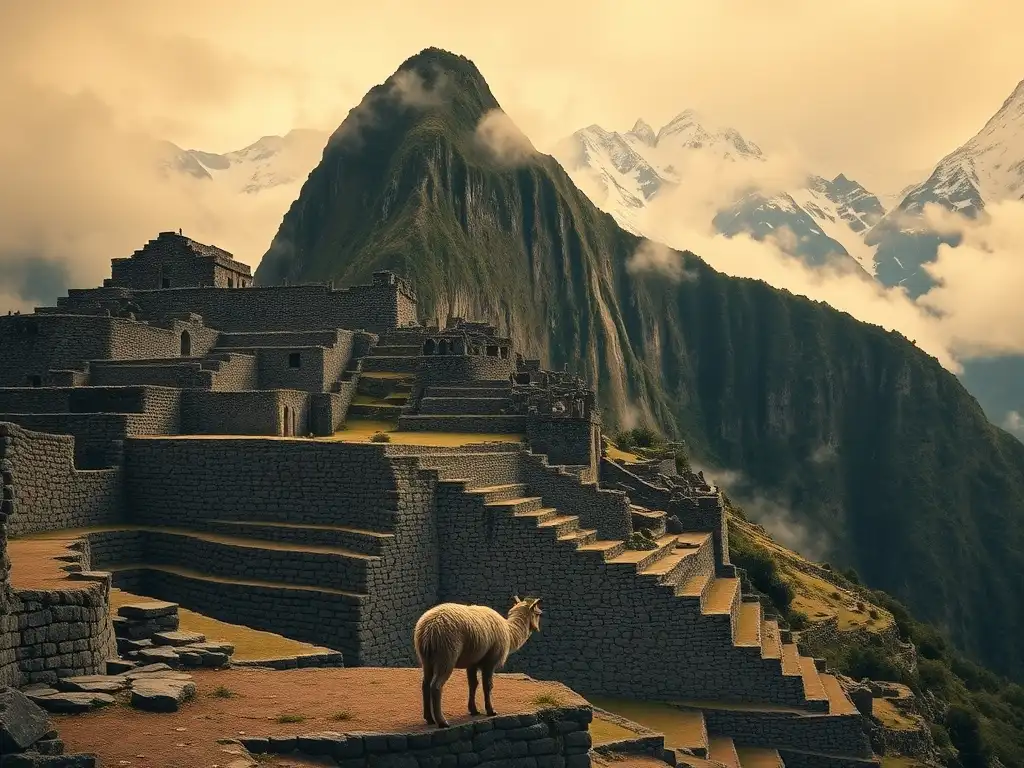
The study of ancient Andean civilizations reveals remarkable strategies for resilience, offering valuable insights for modern societies facing environmental and social challenges. These strategies weren't isolated events but rather interwoven aspects of their societal fabric, demonstrating a sophisticated understanding of their environment and a commitment to community well-being. Understanding these ancient Andean resilience strategies provides a powerful lens through which to examine contemporary issues of sustainability and adaptation.
Agricultural Innovations as a Cornerstone of Andean Resilience
The harsh Andean environment, characterized by steep slopes, arid climates, and high altitudes, presented significant agricultural challenges. However, Andean societies developed ingenious techniques to overcome these obstacles, ensuring food security and societal stability. Their agricultural innovations are a prime example of ancient Andean resilience strategies in action.
Terracing Techniques for Sustainable Agriculture
Andean farmers mastered the art of terracing, transforming steep slopes into a series of level platforms. This technique minimized soil erosion, increased arable land, and optimized water retention. The precision and scale of these terraces are breathtaking, a testament to the advanced engineering and collaborative efforts of these communities.
Evidence suggests that terracing techniques varied across different Andean cultures, adapted to specific geographical conditions and agricultural practices. For instance, the Incas employed sophisticated techniques involving stone walls and intricate drainage systems, while other cultures utilized different materials and methods suited to their local environments. The long-term sustainability of terracing is evident in its continued use in many parts of the Andes even today.
Water Management Systems and Irrigation
Water scarcity was a constant concern in the Andes. To overcome this, Andean societies developed sophisticated water management systems, including canals, aqueducts, and reservoirs. These systems efficiently channeled water from rivers and streams to irrigate agricultural fields, even in arid regions.
The ingenuity of these systems is particularly striking given the limited tools and technologies available. For example, the Nazca culture is renowned for its intricate network of canals, which allowed them to cultivate crops in the otherwise desert-like landscape. The effectiveness of these systems is a testament to their deep understanding of hydrology and their capacity for large-scale community projects.
Crop Diversification and Adaptation to Altitude
Andean agriculture was characterized by remarkable biodiversity. Farmers cultivated a wide range of crops, each adapted to different altitudes and microclimates. This diversification minimized the risk of crop failure due to environmental variability or pests. Potatoes, for instance, were grown in a variety of forms, each suited to a specific ecological niche. This strategy of crop diversification is a key element in understanding ancient Andean resilience strategies and their remarkable effectiveness in ensuring food security despite environmental challenges. The sophisticated understanding of plant genetics and adaptation evident in their agricultural practices remains a source of inspiration for modern agriculture.
The resilience of Andean societies wasn't solely dependent on agricultural innovations. Their social structures and community-based systems played a crucial role in ensuring survival and adaptation during challenging periods. These societal aspects are equally important when considering ancient Andean resilience strategies.
Reciprocity and Collaboration in Andean Communities
Reciprocity ( ayni in Quechua) was a cornerstone of Andean social organization. This system of mutual exchange and cooperation fostered strong social bonds and ensured that resources were shared equitably among community members. In times of hardship, this system provided crucial support, ensuring the survival of the community as a whole. This principle extended beyond simple bartering, encompassing labor, goods, and services. It fostered a sense of collective responsibility and mutual support, crucial elements for community resilience.
Community-Based Resource Management
Andean communities developed sophisticated systems for managing shared resources, such as water and pastureland. These systems often involved collective decision-making and the enforcement of rules to ensure sustainable use. This approach avoided the tragedy of the commons and promoted long-term resource availability. The effectiveness of these community-based management systems is a testament to the capacity of Andean societies to govern themselves sustainably. Specific examples of such systems varied depending on the region and culture, but the underlying principles of collective responsibility and long-term vision remained consistent.
The Role of Leadership in Times of Crisis
Effective leadership was vital in navigating periods of crisis, such as droughts, floods, or warfare. Andean societies often relied on a hierarchical structure, with leaders responsible for organizing community responses, allocating resources, and maintaining social order. The ability of these leaders to inspire cooperation and maintain social cohesion was crucial in ensuring the survival of their communities.
While the specific forms of leadership varied across different Andean cultures, the importance of strong, capable leadership in times of crisis remains a constant theme in understanding ancient Andean resilience strategies. Further research is needed to fully understand the specific mechanisms and effectiveness of these leadership structures in different Andean societies.
Technological Adaptations for Survival and Prosperity
Ancient Andean societies didn't merely survive; they thrived in incredibly challenging environments. Their success hinged on a sophisticated understanding of their surroundings and a remarkable capacity for technological innovation. This ingenuity manifested in various forms, demonstrating a deep-seated resilience in the face of adversity. From the towering heights of the Andes to the arid coastal deserts, their technological adaptations were crucial for both survival and prosperity.
These weren't simply isolated achievements; they were interconnected elements of a complex system designed to optimize resource utilization and mitigate environmental risks. The development of these technologies was a continuous process, refined and adapted over centuries through observation, experimentation, and a deep understanding of their environment. This ongoing adaptation allowed these civilizations to not only endure but to flourish, leaving behind a legacy of remarkable engineering and craftsmanship.
Advanced Construction Techniques and Earthquake Resistance
The Andes are a seismically active region, prone to earthquakes of significant magnitude. Yet, Andean civilizations constructed monumental structures that withstood the test of time and tremors. Their mastery of stonework, particularly evident in Inca architecture, showcases remarkable engineering prowess.
The precise fitting of stones without mortar, a technique known as ashlar masonry, created incredibly strong and stable structures. Furthermore, the Inca utilized a sophisticated understanding of structural principles, incorporating features like strategically placed buttresses and interlocking stone blocks to distribute seismic forces effectively. The impressive ruins of Machu Picchu stand as a testament to this advanced understanding of earthquake resistance.
The city's design, integrated seamlessly into the mountainside, further minimized the impact of seismic activity. These techniques weren't limited to the Inca; earlier civilizations, such as the Wari and Tiwanaku, also demonstrated advanced construction capabilities adapted to the seismic environment. The resilience embedded in their architectural designs provides valuable insights for modern earthquake-resistant construction.
Textile Production and Resourcefulness
Textile production in the Andes was not merely a craft; it was a vital aspect of their survival and cultural expression. The Andean people skillfully utilized the readily available resources, such as alpaca, llama, and vicuña wool, to create textiles of exceptional quality and durability. Their mastery of spinning, weaving, and dyeing techniques allowed them to produce textiles suited to various purposes, from clothing and blankets to intricate tapestries and ceremonial garments.
The diverse array of techniques, including intricate knotting (as seen in khipus) and complex weaving patterns, demonstrates a sophisticated understanding of textile technology. The resourcefulness evident in their textile production is noteworthy, as they adapted their techniques to utilize different fibers and dyes depending on the available resources in their specific environments.
This adaptability allowed them to maintain a consistent supply of essential textiles, even in the face of environmental challenges or resource scarcity. The resilience demonstrated in their textile production highlights the importance of resource management and technological innovation in ensuring community survival.
Metalworking and Tool Development
Andean civilizations were remarkably skilled metalworkers, developing sophisticated techniques for extracting, refining, and shaping metals like gold, silver, copper, and bronze. Their metalworking prowess extended beyond ornamentation; they crafted tools and implements crucial for agriculture, construction, and warfare. The development of advanced metallurgical techniques, such as alloying and casting, allowed them to create durable and functional tools that enhanced their capacity for agricultural production and construction projects.
The precision and artistry exhibited in their metalwork, evident in intricate jewelry and ceremonial objects, also demonstrate a high level of technological sophistication. The resilience showcased in their metalworking capabilities is evident in their ability to adapt their techniques to utilize available resources and to continuously innovate, creating tools and technologies that improved their quality of life and contributed to their long-term survival. The legacy of their metalworking skills continues to inspire modern artisans and researchers alike.
Lessons from the Past: Modern Applications of Ancient Andean Resilience
The study of ancient Andean resilience strategies offers invaluable insights for addressing contemporary challenges. These societies, facing harsh environmental conditions and periodic crises, developed sophisticated methods for survival and thriving that continue to resonate today. Their ingenuity in agriculture, community organization, and resource management provides a rich source of inspiration for building more resilient communities in the 21st century.
Understanding these ancient techniques allows us to reimagine sustainable practices and foster stronger social structures, crucial for navigating the complexities of our modern world. The echoes of their achievements are found in the very fabric of modern Andean culture, a testament to the enduring power of their adaptations.
Applying Ancient Andean Agricultural Practices to Modern Challenges
Ancient Andean agricultural techniques, honed over millennia, offer practical solutions to modern challenges in food security and sustainable farming. These techniques, developed in response to the diverse and often unpredictable Andean environment, prioritized biodiversity, water conservation, and soil fertility. Their success lies in a holistic approach to agriculture, recognizing the interconnectedness of environmental factors and community well-being. This integrated approach is sharply contrasted with some modern, large-scale agricultural practices that often deplete resources and harm ecosystems.
Sustainable Farming Techniques Inspired by the Andes
The waru waru system, a sophisticated raised-bed agricultural technique, is a prime example of Andean ingenuity. This system, employed by various Andean cultures, utilizes raised beds separated by irrigation canals. This design improves drainage, reduces water loss through evaporation, and moderates soil temperature, leading to increased crop yields even in arid climates. The system's effectiveness in conserving water is particularly relevant today, given growing concerns about drought and water scarcity.
Furthermore, the integration of diverse crops within the waru waru system promotes biodiversity, enhancing resilience against pests and diseases. Modern applications of this ancient technique are proving successful in various regions facing similar environmental constraints. The adaptability of the waru waru system highlights the potential for ancient knowledge to inform innovative solutions to contemporary agricultural challenges.
Addressing Food Security Through Diversification
Ancient Andean societies prioritized agricultural diversification as a crucial strategy for ensuring food security. Instead of relying on monoculture, they cultivated a wide array of crops adapted to different altitudes and microclimates. This diversification minimized the risk of crop failure due to pests, diseases, or climate variability. For example, the Incas cultivated potatoes in a remarkable variety of forms, each adapted to specific conditions.
This approach, in contrast to modern industrial agriculture's focus on high-yield monocultures, offers a more robust and sustainable approach to food production. The diversification strategy not only enhanced resilience but also provided a broader range of nutritional benefits for the population, contributing to overall health and well-being. The lessons learned from Andean agricultural diversification are particularly pertinent in the face of climate change and increasing food insecurity globally.
Community Resilience: Insights for Contemporary Societies
The success of ancient Andean societies was not solely based on agricultural innovation; it was equally reliant on strong community structures and collaborative resource management. The intricate social networks and shared responsibility for collective well-being are crucial elements of their resilience. These societies, despite their hierarchical structures in some cases, fostered a strong sense of community, enabling them to overcome challenges and adapt to changing circumstances. These insights offer valuable lessons for building more resilient communities in the modern world, particularly in the face of increasing social and environmental pressures.
Strengthening Social Networks and Community Bonds
Ancient Andean societies placed a high value on ayni, a system of reciprocal exchange and mutual support. This principle, embedded in their social fabric, ensured that resources and labor were shared equitably among community members. Ayni fostered strong social bonds and a sense of collective responsibility, facilitating cooperation in times of crisis.
This concept resonates powerfully in contemporary discussions about social cohesion and mutual aid. Modern applications of the ayni principle can be seen in various community-based initiatives focused on mutual support and resource sharing. Strengthening social networks and promoting a sense of collective responsibility are crucial for building resilient communities capable of adapting to future challenges.
Collaborative Approaches to Resource Management
Effective resource management was essential to the survival of ancient Andean societies. They developed sophisticated systems for water management, including irrigation canals and terraces, which allowed them to optimize the use of scarce resources. These systems were often managed collaboratively, reflecting a shared understanding of the importance of environmental stewardship.
This collaborative approach stands in contrast to modern practices that often prioritize individual gain over collective well-being, leading to environmental degradation and resource depletion. The lessons learned from ancient Andean resource management highlight the importance of collective action and sustainable practices in ensuring long-term environmental and social sustainability. The success of these ancient systems serves as a powerful reminder of the benefits of collaborative approaches to environmental stewardship.
Adapting Ancient Technologies for a Sustainable Future
The ingenuity of ancient Andean societies in developing sustainable technologies offers invaluable lessons for our modern world grappling with climate change and resource depletion. Their resourcefulness, born out of necessity in challenging environments, provides a blueprint for innovative solutions. For centuries, these civilizations thrived by carefully managing their resources and minimizing their environmental impact, creating a harmonious relationship between human activity and the natural world.
Understanding and applying these ancient techniques can contribute significantly to building a more sustainable future. We can learn from their example to develop more responsible and environmentally conscious practices across a range of industries. This includes not only adopting eco-friendly building techniques but also implementing sustainable water management systems and exploring renewable energy sources inspired by Andean innovations.
The remarkable resilience of these ancient societies hinges, in part, on their ability to adapt their technologies to the changing conditions of their environment. This adaptability offers a crucial lesson for modern society facing unprecedented environmental challenges.
Eco-Friendly Building Techniques Inspired by Andean Architecture
Andean architecture, particularly Inca masonry, stands as a testament to sustainable building practices. The Incas' mastery of stonework, utilizing locally sourced materials and precise fitting techniques, resulted in structures that were remarkably resistant to earthquakes and weathering. 1 Their understanding of the environment informed their design choices, minimizing the impact on surrounding landscapes. For example, the integration of natural ventilation and thermal mass in their buildings reduced the need for artificial heating and cooling. Modern architects are increasingly drawing inspiration from these techniques, incorporating principles of natural insulation and earthquake-resistant design into contemporary buildings. This includes using locally sourced materials whenever possible to reduce transportation costs and emissions, and employing techniques that mimic the precision and stability of Inca stonework to enhance structural integrity. The use of rammed earth, a technique widely used in Andean construction, is gaining popularity as a sustainable and environmentally friendly alternative to concrete. These eco-friendly building techniques not only enhance sustainability but also contribute to the preservation of cultural heritage.
Sustainable Water Management Practices from Andean Civilizations
The ancient Andean civilizations developed sophisticated water management systems crucial for their survival in arid and semi-arid environments. These systems, including intricate canal networks, terraced agriculture, and sophisticated irrigation techniques, allowed them to effectively manage scarce water resources. 2 The Nazca lines, for example, are thought by some researchers to have played a role in water management, possibly guiding water flow or marking important water sources. The ingenuity of these systems is particularly evident in their ability to harness and distribute water efficiently, even across challenging terrains. These techniques are particularly relevant today as many parts of the world face water scarcity due to climate change and population growth. Modern applications of Andean water management strategies include the implementation of efficient irrigation systems, the construction of water harvesting structures, and the restoration of degraded watersheds. Learning from the ancient Andean understanding of water cycles and their ability to conserve water resources offers a valuable pathway towards more sustainable water management in the modern world. The careful planning and community involvement inherent in these ancient systems also provides a model for collaborative water resource management today.
1 [Specific information pending: Source for Inca masonry earthquake resistance] 2 [Specific information pending: Source for Andean water management systems]
The Enduring Legacy of Andean Adaptability
This section explores the remarkable adaptability of ancient Andean societies and how their resilience strategies continue to resonate in modern Andean communities. Understanding these historical approaches to challenges like climate change, resource management, and social organization provides valuable insights for contemporary societies facing similar pressures. The study of "ancient Andean resilience strategies" reveals a complex interplay of environmental awareness, technological innovation, and social cohesion that allowed these civilizations to thrive for centuries in a demanding environment. We'll examine specific examples to illustrate the depth and breadth of their ingenuity.
The Influence of Ancient Andean Resilience on Modern Andean Culture
Modern Andean communities still draw upon the ingenuity of their ancestors. Traditional agricultural practices, such as terracing, irrigation systems (like the canales in the Peruvian Andes), and crop diversification, continue to be employed, demonstrating a direct link to ancient techniques. These methods, honed over millennia, ensure food security even in the face of unpredictable weather patterns.
The resilience of these agricultural practices is particularly evident in the high-altitude regions, where harsh conditions demand sophisticated adaptation strategies. For instance, the use of frost-resistant potato varieties, a legacy of ancient Andean selection processes, continues to be crucial for food production in these areas. Furthermore, indigenous knowledge systems surrounding medicinal plants and traditional healing practices, passed down through generations, represent another facet of enduring Andean resilience.
These practices, often integrated with modern healthcare, offer valuable insights into natural remedies and holistic well-being. The legacy of ancient Andean resilience isn't simply about mimicking past practices; it's about adapting and integrating that knowledge into contemporary life. The enduring spirit of adaptation is a testament to the power of cultural memory and its ability to inform sustainable solutions.
Preserving and Promoting Traditional Knowledge
The preservation of ancient Andean resilience strategies is paramount for future generations. This requires a multifaceted approach that involves several key initiatives:
- Documentation and Archiving: Systematic documentation of traditional knowledge, including oral histories, agricultural practices, and medicinal uses of plants, is crucial. This can be achieved through collaborations between researchers, community members, and cultural institutions. Digital archiving can ensure wider access and preservation.
- Community-Based Initiatives: Empowering local communities to lead the preservation efforts is vital. Supporting community-based museums, educational programs, and cultural festivals that celebrate traditional knowledge can foster a sense of ownership and pride.
- Integration into Education: Incorporating traditional Andean resilience strategies into school curricula can help instill appreciation for the ingenuity of past societies and promote sustainable practices for the future. This should include practical applications, allowing students to connect theoretical knowledge with real-world experience.
- Sustainable Tourism: Responsible tourism practices can contribute to the preservation of cultural heritage and provide economic opportunities for communities while respecting traditional knowledge. This requires careful planning and collaboration to avoid cultural commodification.
Further Research and Exploration of Andean Resilience
Further research into ancient Andean resilience strategies is essential to fully understand their complexity and potential applications. This requires:
- Interdisciplinary Research: Collaborations between archaeologists, anthropologists, botanists, engineers, and other specialists are crucial for a holistic understanding of these strategies.
- Climate Change Adaptation: Investigating how ancient Andean societies adapted to past climate variability can provide valuable insights for current climate change adaptation strategies. Analyzing past responses to droughts, floods, and temperature fluctuations can offer crucial lessons for modern societies.
- Resource Management: The sophisticated resource management techniques employed by ancient Andean societies, including water management and agricultural intensification, warrant further study. Understanding the principles behind these techniques can inform contemporary sustainable resource management practices.
- Social Organization: Analyzing the social structures and organizational systems that facilitated resilience in ancient Andean societies can inform contemporary approaches to community building and collective action in the face of environmental and social challenges. The understanding of their social cohesion mechanisms could be invaluable for modern social organization.
The study of ancient Andean resilience strategies offers a rich tapestry of insights into human adaptability and sustainable living. By continuing to research, document, and promote this knowledge, we can draw valuable lessons for addressing the challenges facing our world today. The enduring legacy of these remarkable societies provides a powerful example of how human ingenuity and cultural memory can contribute to a more resilient and sustainable future. The continued exploration of "ancient Andean resilience strategies" will undoubtedly uncover even more remarkable insights into human resilience and adaptation.
Concluding Thoughts on the Power of Ancient Andean Resilience
The study of ancient Andean resilience offers invaluable lessons for navigating contemporary challenges. Their sophisticated agricultural techniques, intricate water management systems, and adaptable social structures demonstrate a profound understanding of environmental dynamics and community needs. These weren't merely survival mechanisms; they were proactive strategies that fostered growth and cultural flourishing even in the face of adversity. The ingenuity displayed in terrace farming, for example, not only maximized arable land but also mitigated the risks associated with steep slopes and unpredictable rainfall. Similarly, their sophisticated understanding of astronomy allowed for precise agricultural planning, optimizing harvests and minimizing losses.
The enduring impact of these strategies is visible in modern Andean communities. Many traditional practices, adapted and refined over centuries, continue to provide crucial support systems. However, the increasing pressures of climate change and globalization present new challenges, demanding innovative and sustainable solutions.
Understanding the historical context of Andean resilience can inform the development of effective strategies to address these modern problems. By drawing inspiration from past successes, we can better equip ourselves to face the uncertainties of the future. The resilience demonstrated by the ancient Andean civilizations serves as a powerful testament to human adaptability and ingenuity, offering a beacon of hope and a framework for building more sustainable and equitable societies.
Their legacy is not merely historical; it is a living testament to the enduring power of human adaptation and a valuable resource for shaping a more resilient future. The study of their methods offers a powerful reminder that sustainable development is not simply a modern concept, but rather a long-standing tradition honed over millennia in the challenging landscapes of the Andes. Their achievements continue to inspire awe and provide a roadmap for addressing the complex challenges facing the world today.
Frequently Asked Questions
What resilience strategies did ancient Andean civilizations employ?
Ancient Andean societies developed diverse strategies, including advanced agricultural techniques like terracing and irrigation to overcome environmental challenges, and complex social structures that facilitated resource management and community support during hardship. They also displayed remarkable adaptability to changing climates.
How did the Incas adapt to the challenging Andean environment?
The Incas utilized extensive road networks for efficient communication and resource distribution, and implemented innovative agricultural practices like waru waru raised-field agriculture. Their centralized political system also played a crucial role in managing resources and responding to crises.
What role did technology play in Andean resilience?
Andean technologies, such as irrigation systems, terracing, and stonework, were crucial for optimizing resource use and adapting to diverse environments. Their mastery of these technologies allowed them to thrive in challenging landscapes. Metallurgy also provided essential tools and weapons.
Strong community bonds and cooperative labor systems (e.g., ayllu) were vital for collective action in times of crisis. These social structures ensured resource distribution and enabled coordinated responses to environmental challenges and threats.
What can modern societies learn from ancient Andean resilience?
Modern societies can learn valuable lessons from the integrated approach that Andean civilizations adopted, combining sustainable agriculture, effective resource management, and strong community bonds. These strategies offer insights into building resilient communities in the face of climate change and other challenges.
Final Reflection: Echoes of Resilience Across Time
The enduring legacy of ancient Andean societies isn't confined to crumbling ruins and forgotten languages; it's a vibrant testament to the power of human adaptation, a lesson profoundly relevant in our era of unprecedented global challenges. Their innovative strategies for navigating environmental hardship and social upheaval offer a powerful blueprint for building resilience in the face of climate change, economic instability, and social inequity. The ingenuity and resourcefulness demonstrated by these ancient cultures serve as a potent reminder of our own capacity to overcome adversity.
The echoes of Andean resilience resonate deeply within our contemporary world. Their sophisticated agricultural techniques, community-based support systems, and adaptable social structures continue to inspire innovative solutions to modern problems. The strength of a community lies in its ability to adapt and overcome challenges together.
This quote, though not directly from an Andean source, perfectly encapsulates the spirit of their enduring legacy, a spirit that continues to shape our understanding of sustainable living and collective action. The ability to learn from the past, to understand the wisdom embedded in ancient cultures, is crucial for building a more resilient future.
Consider the ingenuity of the Andean terrace farming systems, the intricate water management techniques, and the deep-rooted sense of community that allowed these societies to thrive in challenging environments. These are not simply historical curiosities; they are blueprints for sustainable practices that can inform our own approaches to resource management and social organization. You, too, possess the inherent capacity for resilience.
Embrace the lessons of the past, cultivate your own inner strength, and build a future where adaptation and collaboration are the cornerstones of a thriving society. Let the echoes of Andean resilience inspire your own journey towards a more sustainable and equitable world.
Unlock Your Resilience Today!
Thank you for exploring the profound lessons in resilience offered by ancient Andean societies. Understanding their adaptability provides invaluable insights applicable to modern challenges, transforming them into opportunities for growth. Now, it's time to put this knowledge into action!
Here are some actionable steps you can take immediately:
- Practice mindful reflection: Daily, take time to consider a current challenge and explore alternative approaches, drawing inspiration from the adaptability of the Andean peoples.
- Build a supportive community: Connect with others—in person or online—who share an interest in resilience and personal growth. Sharing experiences and strategies fosters collective strength.
- Develop a personal resilience plan: Outline specific goals and strategies for overcoming setbacks, using ancient wisdom as a guide.
What aspect of resilience will you prioritize on your journey of personal growth? Share your thoughts in the comments below!