
From Stone to Steel: How Ancient Andean Metallurgy Impacts Modern Crafts

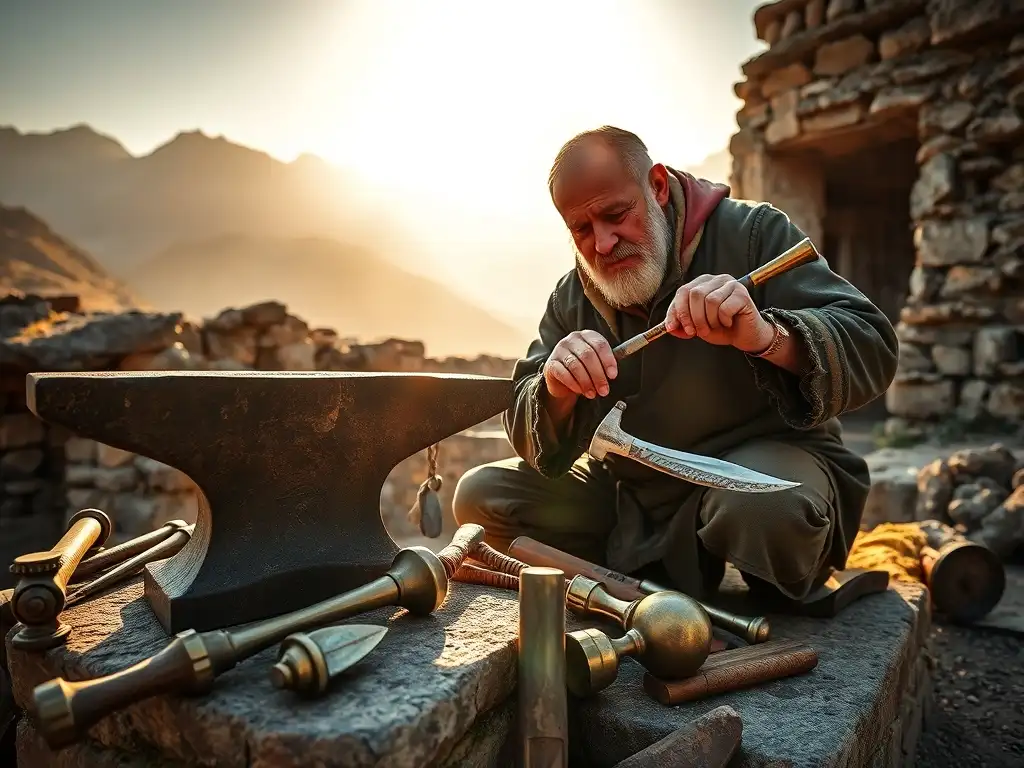
Step into a world lost to time, yet echoing in the present. Imagine a civilization crafting intricate gold ornaments and powerful bronze weapons thousands of years ago – a mastery of Ancient Andean metallurgy techniques that continues to inspire awe. Discover how these lost secrets shaped not only the Andean empires but also the artistry of today. Unravel the mysteries of their innovative processes and their enduring legacy in "From Stone to Steel: How Ancient Andean Metallurgy Impacts Modern Crafts," a journey through the heart of Andean ingenuity.
-
The Enduring Legacy of Ancient Andean Metallurgy: From Stone to Steel
- The Dawn of Metalworking in the Andes: An Introduction to Pre-Columbian Techniques
- Early Metal Crafting: Copper, Gold, and the First Andean Metallurgists
- The Development of Advanced Andean Metallurgical Practices
- The Artistic Genius of Andean Metalwork: Beyond Functionality
- How Ancient Andean Metalworking Influences Modern Andean Craftsmanship
- The Cultural Significance of Andean Metalworking Today
-
Frequently Asked Questions
- What specific metals did ancient Andean civilizations work with?
- What were some of the most impressive achievements in Andean metallurgy?
- How did ancient Andean metallurgy techniques differ from those in other parts of the world?
- What tools and technologies did Andean metallurgists use?
- How did ancient Andean metallurgy impact modern crafts?
- Final Reflection: The Enduring Legacy of Andean Metallurgy
- Ignite Your Crafting Journey: Embrace Ancient Andean Techniques!
The Enduring Legacy of Ancient Andean Metallurgy: From Stone to Steel
The Andes Mountains, a spine of towering peaks stretching along the western coast of South America, have nurtured some of the world's most fascinating and sophisticated civilizations. For centuries, these cultures—including the Inca, Moche, Nazca, and Tiahuanaco—developed remarkable skills in various fields, but their mastery of metallurgy stands out as a particularly significant achievement.
This article explores the enduring legacy of ancient Andean metallurgy, tracing its development from early copper working to the sophisticated alloys and techniques that continue to influence modern Andean crafts. We will examine the innovative processes employed by these ancient metallurgists, highlighting their ingenuity and the lasting impact on the artistic and technological landscape of the region.
Understanding these ancient techniques provides crucial insight into the cultural richness and technological prowess of these Andean civilizations, and offers a compelling perspective on the enduring connection between past and present. The impact of "Ancient Andean metallurgy techniques" is still felt today, shaping artistic expression and metalworking practices in the region.
The Dawn of Metalworking in the Andes: An Introduction to Pre-Columbian Techniques
The story of Andean metallurgy begins long before the arrival of Europeans. The earliest evidence of metalworking in the Andes dates back to approximately 2000 BCE, initially focusing on the malleable metal, copper. These early Andean metallurgists, using rudimentary tools and techniques, hammered and shaped native copper into simple tools, ornaments, and adornments. The process was laborious, relying heavily on the physical strength and skill of the artisan.
Interestingly, evidence suggests that early Andean metalworkers experimented with different techniques, including annealing (heating and cooling the metal to improve its workability) and cold hammering. While precise details remain a subject of ongoing research, archaeological discoveries continuously reveal new facets of this early metalworking tradition. The discovery of ancient copper workshops and the analysis of tools and artifacts provide invaluable insights into the evolution of these techniques.
The transition from solely using stone tools to incorporating metals marked a significant technological leap, impacting various aspects of Andean life. This early mastery of copper laid the foundation for the more advanced metallurgical achievements that would follow. The development of these techniques was not isolated but rather intertwined with the social and economic structures of the time, showing a sophisticated understanding of material science and engineering.
Early Metal Crafting: Copper, Gold, and the First Andean Metallurgists
As Andean metallurgists gained experience, they moved beyond simple copper objects. The allure of gold, readily available in the region, quickly captivated them. The malleability of gold made it ideal for intricate designs and delicate ornamentation. Early goldworking involved techniques similar to those used with copper, but the softer nature of gold allowed for greater detail and finesse.
The creation of elaborate gold masks, jewelry, and ceremonial objects showcases the skilled craftsmanship of these early Andean artisans. Furthermore, the discovery of alloying – the combining of different metals to create new materials with enhanced properties – marked another significant milestone. By combining copper and tin, Andean metallurgists created bronze, a harder and more durable material than either of its constituent metals. This innovation allowed for the production of more robust tools, weapons, and agricultural implements.
The precise methods used for alloying remain a topic of ongoing research, but the results speak volumes about the ingenuity and experimental nature of Andean metallurgy. The creation of these alloys significantly impacted the development of Andean societies, leading to advancements in agriculture, warfare, and social status. The use of gold, particularly, became intertwined with religious beliefs and power structures, indicating its importance in the social fabric of these early civilizations.
The Development of Advanced Andean Metallurgical Practices
The development of advanced metallurgical practices in the Andes was a gradual process, spanning centuries and involving significant innovation. Early Andean metallurgists, initially working with native copper, discovered ways to extract and refine the metal, paving the way for more complex techniques. The precise timeline varies depending on the specific region and culture, but evidence suggests that copper working began as early as 3000 BCE in some areas, with significant advancements occurring over the following millennia.
This progress wasn't linear; it involved periods of innovation, stagnation, and diffusion of techniques across different Andean cultures. The mastery of metallurgy was not simply a technological achievement but also a cultural one, deeply intertwined with religious beliefs, social structures, and artistic expression. The development of these skills facilitated the creation of sophisticated tools, weapons, and elaborate artistic objects that shaped Andean societies for centuries.
The transition from simple hammering and annealing to more complex techniques like casting and alloying represents a remarkable leap in technological sophistication, showcasing the ingenuity of Andean artisans. Their achievements left a lasting legacy, influencing the metalworking traditions of the region even today.
Smelting and Refining: Transforming Raw Materials into Usable Metals
The process of smelting and refining was crucial to Andean metallurgy. Smelting involved heating copper ores in furnaces to extract the pure metal. Archaeological evidence suggests a variety of furnace designs were employed, ranging from simple pits to more elaborate structures. The exact methods varied across different Andean cultures and time periods, reflecting regional differences in resources and technological knowledge.
Refining involved removing impurities from the smelted copper to improve its quality and malleability. This often involved techniques like cupellation, a process of oxidizing impurities at high temperatures. The quality of the refined copper directly impacted the final product, influencing its durability, appearance, and workability.
Mastering these processes was a significant achievement, requiring a deep understanding of chemistry and heat control. The development of efficient smelting and refining techniques was fundamental to the expansion and sophistication of Andean metalworking. The skill and knowledge required were likely passed down through generations, forming a crucial component of Andean metallurgical expertise.
Alloying Techniques: Creating Bronze and Other Durable Metals
The discovery of alloying techniques marked a significant step forward in Andean metallurgy. Alloying involves combining two or more metals to create a new material with improved properties. The most common alloy in the Andes was bronze, a combination of copper and tin. The addition of tin to copper increased its hardness, durability, and resistance to corrosion.
The precise composition of bronze varied across different cultures and time periods, reflecting the availability of tin and other alloying elements. Archaeological evidence suggests that Andean metallurgists experimented with various alloying combinations, including the addition of arsenic, lead, and other metals, to achieve specific properties. The development of these alloying techniques broadened the range of possibilities for Andean metalworkers, enabling them to create tools and objects with enhanced functionality and aesthetic appeal. This innovation showcased the advanced understanding of material science within these ancient societies.
Lost-Wax Casting: Precision in Ancient Metal Art
Lost-wax casting, a sophisticated technique for creating metal objects, was widely employed by Andean metallurgists. This method involved creating a wax model of the desired object, covering it in clay, and then melting out the wax to create a mold. Molten metal was then poured into the mold, resulting in a precise replica of the original wax model. The lost-wax casting technique allowed Andean artisans to produce intricate and detailed metal objects, ranging from small jewelry to large ceremonial items. The mastery of this technique required considerable skill and precision, reflecting the advanced metallurgical knowledge of Andean cultures. The complexity of some castings, demonstrating thin walls and delicate details, is a testament to their expertise. This technique allowed for mass production of standardized items and the creation of highly detailed, individualized pieces. The widespread use of lost-wax casting underscores the sophistication of Andean metallurgy and its impact on artistic expression.
The Artistic Genius of Andean Metalwork: Beyond Functionality
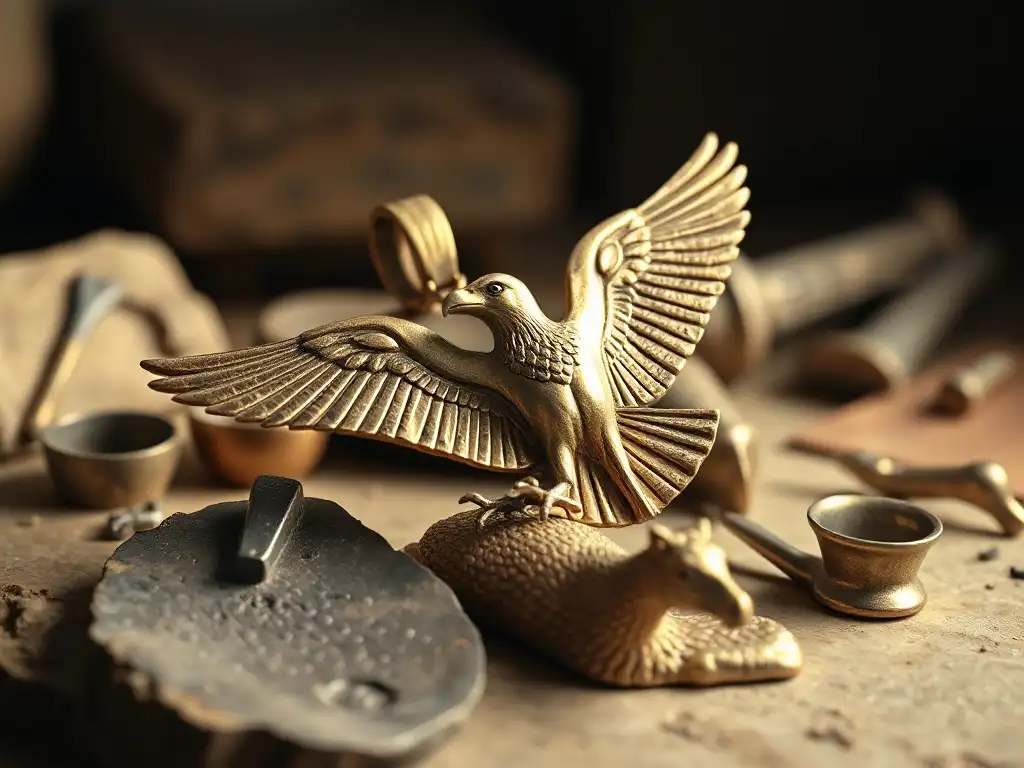
Andean metalwork transcended mere functionality, becoming a powerful medium for artistic expression and cultural communication. The artistry displayed in Andean metal objects is remarkable, showcasing a sophisticated understanding of design, craftsmanship, and symbolic representation. The artisans' skill in manipulating metal is evident in the intricate details, delicate forms, and innovative techniques employed.
Beyond the technical skill, the objects themselves often carry profound cultural significance, reflecting religious beliefs, social hierarchies, and aesthetic values. The attention to detail and the symbolic richness embedded in these artifacts reveal a deep connection between artistry and spirituality in Andean societies. The legacy of this artistic genius continues to inspire contemporary artists and metalworkers, demonstrating the enduring influence of Andean craftsmanship.
Ornate Jewelry and Ritual Objects: Demonstrating Wealth and Status
Ornate jewelry and ritual objects were among the most prized possessions in Andean societies. These items, often made of gold, silver, copper, and bronze alloys, were used to display wealth, status, and power. The intricate designs, precious materials, and skilled craftsmanship of these objects served as potent symbols of social standing. Elaborate necklaces, earrings, headdresses, and other adornments were worn by elite members of society, signifying their elevated position.
Ritual objects, often crafted with exceptional detail and artistry, played a crucial role in religious ceremonies and practices. Their presence in burials and ceremonial contexts highlights their importance in Andean cosmology and worldview. The creation of these objects demanded significant resources and expertise, underscoring the social and economic power associated with their production and ownership.
Religious Symbolism in Metal Crafts: Connecting to the Divine
Religious symbolism played a significant role in Andean metalwork. Many metal objects were imbued with religious meaning, serving as representations of deities, spirits, or cosmological concepts. The designs and forms of these objects often reflected Andean beliefs about the cosmos, the supernatural, and the relationship between humans and the divine.
The use of specific metals and alloys may also have held symbolic significance, connecting certain materials with particular deities or spiritual forces. The creation and use of these objects were likely part of ritual practices, contributing to the maintenance of religious and social order. The study of the religious symbolism in Andean metalwork provides valuable insights into the beliefs and practices of these ancient societies, revealing the profound interconnection between religion, art, and technology.
The Use of Metals in Warfare and Tools
The use of metals significantly impacted warfare and tool production in the Andes. The development of bronze and other alloys enabled the creation of stronger and more effective weapons, such as spears, knives, and axes. The improved durability and sharpness of these metal weapons likely played a crucial role in Andean warfare, influencing the balance of power between different groups.
Moreover, the use of metals revolutionized tool production, leading to the development of more efficient agricultural implements, such as hoes and sickles. This improvement in agricultural technology likely contributed to increased food production and population growth, shaping the social and economic development of Andean societies. The impact of metalworking on warfare and tool production demonstrates the multifaceted influence of metallurgy on the development of Andean civilizations.
How Ancient Andean Metalworking Influences Modern Andean Craftsmanship
The intricate metalwork of ancient Andean civilizations continues to inspire and inform contemporary artisans. Techniques developed centuries ago, such as lost-wax casting, hammering, and repoussé, are still practiced today, albeit often with modern adaptations. The enduring appeal of these ancient methods lies not only in their effectiveness but also in the unique aesthetic qualities they impart to finished pieces.
The subtle variations in texture, the intentional imperfections, and the overall sense of handcrafted artistry are all elements that resonate deeply with modern consumers seeking authentic and ethically produced goods. The legacy of these ancient techniques is a testament to the ingenuity and skill of Andean metalworkers, a legacy that continues to shape the artistic landscape of the region.
Preservation of Traditional Techniques: Keeping the Legacy Alive
Efforts to preserve traditional Andean metalworking techniques are crucial for maintaining cultural heritage and ensuring the survival of these valuable skills. Many communities actively work to pass down their ancestral knowledge through apprenticeships and workshops. These initiatives often involve close collaboration between experienced master artisans and younger generations eager to learn.
Furthermore, various organizations and institutions support these efforts through documentation, research, and the establishment of specialized training centers. The documentation of these techniques, often involving detailed photographic and video records, is vital for preserving knowledge that might otherwise be lost. These initiatives are not just about preserving a craft; they are about preserving a cultural identity and ensuring that the skills and knowledge of past generations continue to thrive.
Contemporary Andean Jewelers Inspired by Ancient Designs
Modern Andean jewelers frequently draw inspiration from the motifs and styles found in pre-Columbian metalwork. The iconic imagery of ancient Andean cultures—condor, puma, serpent, and stylized human figures—is frequently incorporated into contemporary jewelry designs. However, this is not merely a superficial imitation; contemporary artists often reinterpret these ancient designs, blending traditional aesthetics with modern sensibilities.
This results in pieces that are both evocative of the past and relevant to the present, bridging the gap between ancient techniques and modern tastes. The use of recycled and ethically sourced materials is also becoming increasingly prevalent, further enhancing the sustainability and cultural significance of these contemporary creations.
Modern Applications of Andean Metalworking Skills
While traditional techniques remain central, Andean metalworking skills are also being applied to contemporary design and manufacturing. Some artisans are exploring new alloys and techniques, integrating modern technologies while retaining the essence of traditional craftsmanship. This fusion of old and new opens up exciting possibilities for innovation and expansion. For example, the lost-wax casting technique, used for centuries to create intricate figurines and jewelry, is now being adapted to create unique home décor items and artistic sculptures. The adaptability of these ancient skills demonstrates their enduring relevance in a rapidly changing world.
The Cultural Significance of Andean Metalworking Today
Andean metalworking is far more than just a craft; it is a deeply ingrained part of the region's cultural identity. The creation of metal objects is often imbued with ritual and symbolic meaning, reflecting the spiritual and cosmological beliefs of the Andean peoples. The artistry is not merely about aesthetic beauty but also about expressing cultural values, beliefs, and traditions.
This cultural significance extends beyond the objects themselves; it encompasses the entire process of creation, from the sourcing of materials to the final finishing touches. The act of metalworking is a living embodiment of the cultural heritage of the Andes.
Metal Crafts as a Form of Cultural Identity and Expression
For many Andean communities, metal crafts are a powerful means of expressing cultural identity and maintaining a connection to their ancestral heritage. The designs, motifs, and techniques used often carry specific cultural meanings and narratives, passed down through generations. These crafts serve as a visual language, communicating stories, beliefs, and values. The creation and use of these objects solidify community bonds and reinforce a sense of shared identity within the community and beyond. The continuation of these traditions is vital in maintaining cultural diversity and preserving the rich artistic heritage of the Andean region.
Economic Opportunities for Indigenous Communities Through Metal Arts
The resurgence of interest in traditional Andean metalwork has created valuable economic opportunities for indigenous communities. The sale of handcrafted metal jewelry, tools, and decorative items provides a source of income, supporting livelihoods and fostering economic independence. Fair trade initiatives and the development of sustainable tourism projects further contribute to the economic empowerment of these communities. These efforts not only support individual artisans but also help preserve traditional crafts for future generations. By providing a viable economic alternative, these initiatives also help to counter the pressures of urbanization and cultural assimilation.
The Importance of Preserving Ancient Andean Metallurgical Knowledge
Preserving ancient Andean metallurgical knowledge is critical for several reasons. It safeguards a unique cultural heritage, maintaining a vital link to the past. It also provides a valuable resource for contemporary artisans, inspiring innovation and creativity. Furthermore, the knowledge embedded within these ancient techniques can contribute to advancements in materials science and engineering. Finally, protecting this knowledge ensures that the ingenuity and skill of ancient Andean metalworkers are not forgotten, leaving a lasting legacy for future generations to appreciate and learn from. The ongoing efforts to preserve this knowledge are a testament to its enduring value and importance.
Frequently Asked Questions
What specific metals did ancient Andean civilizations work with?
Ancient Andean metallurgists primarily worked with gold, silver, copper, and bronze, often creating alloys to achieve specific properties and colors. They also utilized less common metals like platinum and tin.
What were some of the most impressive achievements in Andean metallurgy?
Andean metallurgists were renowned for their skillful casting, hammering, and alloying techniques. They produced intricate objects, including elaborate jewelry, tools, and religious artifacts, showcasing remarkable artistry.
How did ancient Andean metallurgy techniques differ from those in other parts of the world?
While sharing some similarities, Andean metallurgy developed independently, resulting in unique techniques and alloy compositions. They were particularly skilled in hammering thin sheets of metal and creating complex gold and silver alloys.
What tools and technologies did Andean metallurgists use?
Ancient Andean metallurgists employed a variety of tools, including crucibles, molds, hammers, and anvils. Their techniques involved high-temperature furnaces, allowing for the smelting and working of metals.
How did ancient Andean metallurgy impact modern crafts?
Ancient Andean metallurgical techniques continue to inspire contemporary artisans. Modern craftspeople draw inspiration from the unique aesthetics and innovative methods of their ancestors, preserving and celebrating this rich heritage.
Final Reflection: The Enduring Legacy of Andean Metallurgy
The ingenuity of ancient Andean metallurgists continues to resonate today, shaping not only our understanding of the past but also the future of craft and innovation. Their mastery of techniques, often using limited resources, stands as a testament to human resilience and creativity, a legacy that deserves continued exploration and appreciation. The intricate artistry and technological prowess displayed in their work remain a source of wonder and inspiration.
The impact of ancient Andean metallurgy extends far beyond museum displays; it's woven into the very fabric of contemporary Andean culture. The skills and knowledge passed down through generations, albeit often adapted to modern tools and materials, continue to inform the work of artisans today. This enduring connection to ancestral practices underscores the importance of preserving and celebrating these traditions. The past is never dead. It's not even past.
- William Faulkner. This quote perfectly encapsulates the living legacy of Andean metallurgy, its influence echoing through time and shaping the present.
Consider the intricate details, the innovative techniques, the sheer artistry of these ancient artifacts. Now, consider how you can apply that same spirit of ingenuity and dedication to your own life. What challenges can you overcome with the same resourcefulness and determination displayed by these ancient masters? Let the legacy of Andean metallurgy inspire you to embrace creativity, perseverance, and the enduring power of human ingenuity. Let their story be a catalyst for your own journey of discovery and creation.
Ignite Your Crafting Journey: Embrace Ancient Andean Techniques!
Thank you for exploring the fascinating world of Andean metallurgy with us! Your interest in how these ancient practices continue to influence modern crafts is truly appreciated. Let's put that knowledge into practice!
Here are some ways to deepen your connection to this rich heritage:
- Experiment with traditional metalworking techniques: Begin with simple projects inspired by ancient Andean methods, using readily available tools and materials to recreate traditional designs. This hands-on approach will bring the history to life.
- Join a metalworking community: Find local or online workshops focusing on ancient techniques. Connecting with others who share your passion for crafts and history will enhance your learning and provide valuable support.
- Share your passion: Inspire others by sharing your newfound knowledge and creations with friends, family, and online communities. A blog post or social media project showcasing your work would be a great way to connect with a wider audience.
What specifically about ancient Andean metallurgy captivates you, and how will you integrate those elements into your own crafting projects?