
Mountain Wisdom: Traditional Andean Medicine in Modern Healthcare

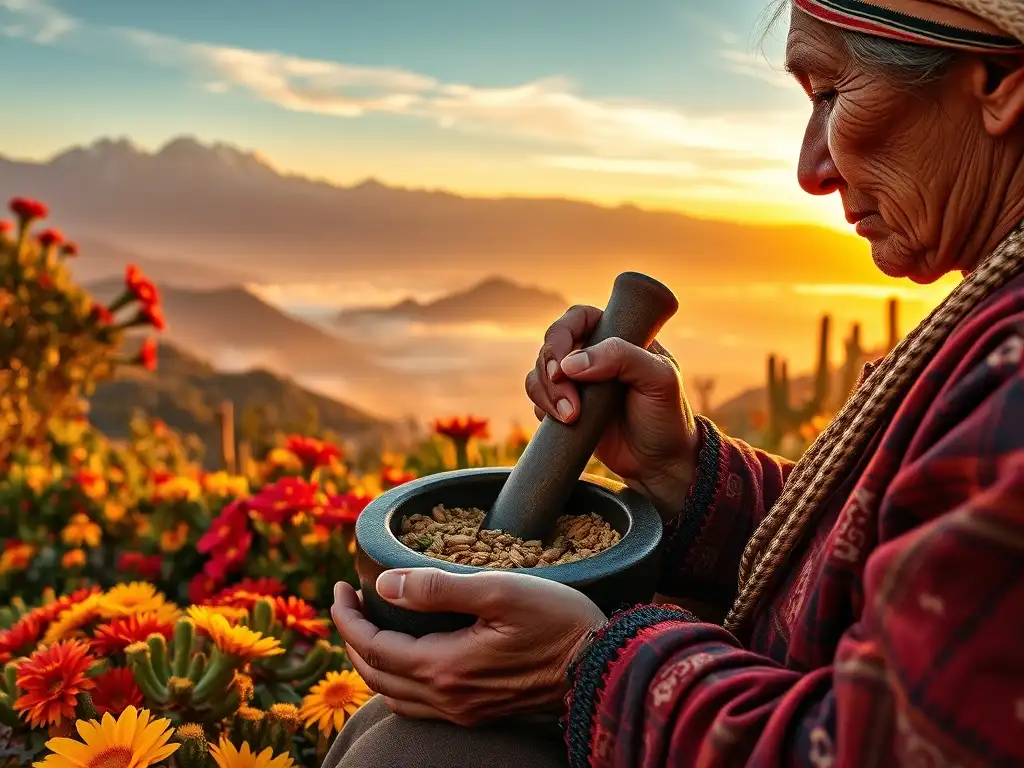
Step into a world lost in time, yet profoundly relevant today. Journey with us through the breathtaking landscapes and astonishing ingenuity of the Andes, where ancient civilizations flourished. We delve into the mysteries of the Incas, Moche, Nazca, and Tiahuanaco, uncovering their remarkable achievements. But what secrets did they hold regarding health and healing? Discover the fascinating story of Andean traditional medicine uses and their surprising impact on modern healthcare – a legacy that continues to inspire awe and wonder. Prepare to be amazed.
The Andes Mountains, a spine of towering peaks running down the western coast of South America, are home to a rich tapestry of cultures and a history as old as the mountains themselves. For millennia, Andean civilizations have developed sophisticated systems of knowledge, including remarkable advancements in medicine.
This article explores the enduring legacy of traditional Andean medicine, examining its practices, philosophies, and surprisingly relevant applications within modern healthcare. We will delve into the specific uses of Andean traditional medicine, demonstrating how ancient wisdom continues to inform and inspire contemporary medical approaches, highlighting its contributions to holistic well-being and offering a fascinating glimpse into the enduring power of cultural heritage.
Understanding the historical context of Andean traditional medicine is crucial to appreciating its continued relevance and potential in the 21st century. The use of natural remedies, holistic approaches, and a deep connection to the environment offer valuable insights for modern healthcare systems striving to improve patient outcomes and address the limitations of purely pharmaceutical interventions.
The Foundations of Andean Traditional Medicine
Andean traditional medicine isn't a monolithic entity; it varies across different Andean communities and reflects the unique ecological and cultural contexts of each region. However, several core principles unite these diverse practices. A profound respect for the interconnectedness of all living things—humans, plants, animals, and the land itself—forms the bedrock of this medical system.
Healing is viewed not as a simple cure for disease, but as a process of restoring balance and harmony within the individual and their environment. This holistic perspective emphasizes the importance of physical, mental, and spiritual well-being. Practitioners often incorporate elements of shamanism, ritual, and spiritual guidance into their healing practices, reflecting a deeply spiritual understanding of health and illness.
The use of medicinal plants, harvested sustainably and with deep respect for their properties, constitutes a significant aspect of Andean traditional medicine. These plants are often prepared and administered in specific ways, reflecting generations of accumulated knowledge and experience.
Key Medicinal Plants and Their Applications
Numerous plants native to the Andes have been used for centuries in traditional healing. For example, coca leaves, while controversial in some contexts, have been used for centuries to alleviate altitude sickness, suppress hunger, and enhance endurance. Other important plants include muña (a mint-like herb used to treat respiratory ailments), matico (a shrub with antiseptic properties), and various species of cacti and succulents, each with unique medicinal applications.
Detailed knowledge of these plants, including their optimal harvesting times, preparation methods, and appropriate dosages, has been passed down through generations, often within specific families or communities. This intricate knowledge system is a testament to the long-standing relationship between Andean peoples and their environment. The specific uses of these plants are often tailored to the individual's condition and constitution, reflecting the personalized nature of Andean traditional medicine.
Integrating Andean Wisdom into Modern Healthcare
While modern medicine has made significant advances, it often struggles to address the complexities of chronic diseases and mental health issues. The holistic approach of Andean traditional medicine, with its emphasis on preventative care and the interconnectedness of mind and body, offers a valuable complement to conventional medical practices. Researchers are increasingly exploring the potential of Andean medicinal plants for the development of new pharmaceuticals and treatments.
The study of their chemical compositions and biological activities has already revealed promising results, opening up new avenues for drug discovery and development. Furthermore, the emphasis on lifestyle factors, such as diet and stress management, found in Andean traditional medicine aligns with the growing recognition of the importance of preventative health in modern healthcare. The integration of these practices, however, requires careful consideration of cultural sensitivity and ethical considerations to avoid misappropriation and ensure respectful collaboration.
Challenges and Future Directions
The preservation and transmission of traditional Andean medical knowledge face significant challenges. Globalization, urbanization, and the influence of Western medicine have led to a decline in the practice of traditional healing in some communities. Efforts to document and preserve this valuable knowledge are crucial to ensure its survival for future generations. This includes supporting community-based initiatives that promote the teaching and practice of traditional Andean medicine, fostering collaboration between traditional healers and modern healthcare professionals, and promoting research that validates and integrates traditional practices into modern healthcare settings.
The future of Andean traditional medicine lies in its ability to adapt and evolve while maintaining its core principles and cultural integrity. This requires a careful balance between preserving ancient wisdom and embracing the opportunities offered by modern scientific advancements. The successful integration of this ancient knowledge into modern healthcare could lead to more effective and holistic approaches to patient care.
- The Foundations of Andean Traditional Medicine
- Key Medicinal Plants and Their Applications
- Integrating Andean Wisdom into Modern Healthcare
- Challenges and Future Directions
The Enduring Legacy of Andean Healing Practices
This section explores the enduring influence of Andean traditional medicine, examining its historical roots and its surprising relevance in contemporary healthcare. We will delve into the core principles and practices that have shaped Andean medicinal approaches for centuries, demonstrating their continued impact on modern medical understanding and practice. The rich tapestry of Andean knowledge, passed down through generations, offers valuable insights into holistic wellness and sustainable healthcare approaches.
Understanding these ancient practices provides a deeper appreciation for the complexities and enduring power of Andean cultural heritage. The continued use of many Andean medicinal plants and techniques highlights the profound connection between people and their environment, a connection that modern medicine is increasingly recognizing.
Understanding the Roots of Andean Traditional Medicine
Andean traditional medicine, a holistic system deeply intertwined with Andean cosmology and spirituality, boasts a history stretching back millennia. Its roots lie in a profound understanding of the natural world and the intricate relationship between humans and their environment. Practitioners, often referred to as curanderos or yatiri, possess extensive knowledge of medicinal plants, minerals, and rituals. Their expertise is not solely based on botanical knowledge but also encompasses a deep understanding of the energetic forces believed to influence health and well-being.
This knowledge wasn't simply passed down through written texts; it was a living tradition, orally transmitted across generations, adapting and evolving in response to environmental changes and cultural shifts. It is a testament to the resilience and adaptability of Andean cultures. The use of medicinal plants, for example, was carefully documented through observation and experimentation, resulting in a vast pharmacopoeia of remedies for various ailments. This practical approach, combined with spiritual practices, formed the bedrock of Andean healing.
Specific examples of Andean traditional medicine uses include the application of coca leaves for altitude sickness and energy boosts, the utilization of various herbs for treating respiratory illnesses, and the use of medicinal baths for muscle aches and inflammation. These practices demonstrate a sophisticated understanding of pharmacology and therapeutics, highlighting the efficacy of many traditional remedies. The integration of spiritual and physical healing distinguishes Andean traditional medicine from many Western approaches, emphasizing the interconnectedness of mind, body, and spirit.
The Spiritual Dimension of Andean Healing
A crucial aspect of Andean traditional medicine is its profound spiritual dimension. Healing isn't viewed solely as a physical process but as a journey involving the restoration of balance and harmony within the individual and their connection to the cosmos. The Pachamama (Mother Earth) plays a central role, seen as a source of life and healing energy. Rituals, often involving offerings and prayers to the apus (mountain spirits), are integral to the healing process, aiming to appease the spiritual realm and restore balance.
The curanderos or yatiri act as intermediaries between the physical and spiritual worlds, using their knowledge to diagnose ailments and prescribe remedies that address both the physical and spiritual imbalances. They might use divination techniques, such as reading coca leaves, to gain insights into the underlying causes of illness. This holistic approach, which considers the patient's physical, emotional, and spiritual well-being, is a defining characteristic of Andean traditional medicine and provides a unique perspective on health and healing.
Many modern healthcare practitioners are beginning to recognize the value of this integrated approach, acknowledging the impact of stress and emotional factors on physical health. The spiritual elements, though often overlooked in Western medicine, are vital components of Andean healing practices, demonstrating the profound impact of cultural beliefs on health outcomes. This holistic understanding of Andean traditional medicine uses offers a valuable framework for exploring alternative and complementary approaches to healthcare.
Key Components of Andean Traditional Medicine
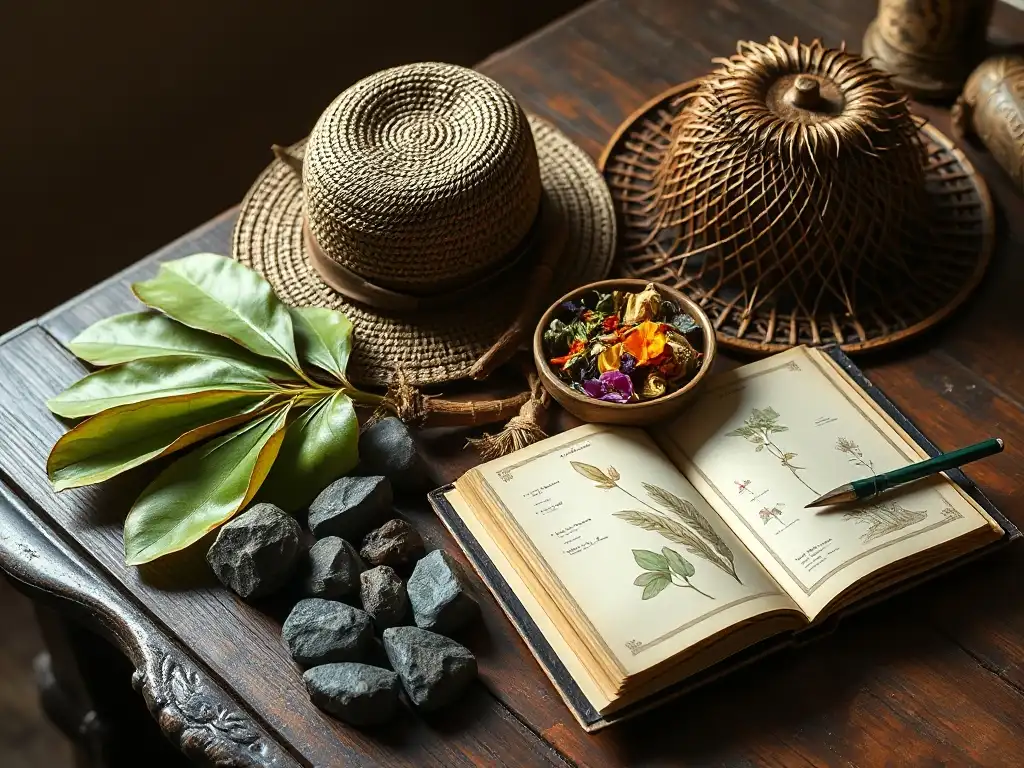
Andean traditional medicine, a holistic system deeply rooted in the Andean worldview, offers a fascinating glimpse into the intricate relationship between humans and nature. For centuries, Andean communities have developed sophisticated methods of healing, drawing heavily on their intimate knowledge of the environment and spiritual beliefs. Understanding the "Andean traditional medicine uses" requires exploring its core components, which seamlessly integrate herbal remedies, spiritual rituals, and unique diagnostic techniques. This section delves into these key aspects, providing insights into the rich tapestry of Andean healing practices.
Herbal Remedies: The Power of Andean Plants
The Andes boast an unparalleled biodiversity, providing a vast pharmacopoeia for Andean healers. Herbal remedies form the cornerstone of Andean traditional medicine, with plants selected and prepared according to specific knowledge passed down through generations. The efficacy of these remedies is not merely based on empirical observation; it's intertwined with a deep understanding of the plants' energetic properties and their relationship to the cosmos.
Many plants play crucial roles, each with specific applications. For example, coca leaves, while often associated with recreational use, traditionally served medicinal purposes, acting as a stimulant, pain reliever, and aid for altitude sickness. Similarly, muña, a fragrant herb, is widely used to treat digestive issues and respiratory ailments. Matico, known for its antiseptic properties, is used to treat wounds and skin infections. The precise preparation methods—infusions, decoctions, or topical applications—vary depending on the intended use and the specific plant.
The use of these plants isn't arbitrary; it's informed by a detailed understanding of their properties and the energetic balance they can restore within the body. This knowledge, often kept within families or specific communities, is crucial to the effective application of these herbal remedies. Further research is needed to fully document the diversity and applications of all Andean medicinal plants and to scientifically validate their effectiveness. Detailed ethnobotanical studies could significantly contribute to our understanding of "Andean traditional medicine uses" and their potential applications in modern healthcare.
Andean Rituals and Healing Ceremonies
Andean traditional medicine transcends the purely physical; it deeply integrates spiritual and ritualistic practices into the healing process. Healing ceremonies are not merely symbolic; they are considered essential to restoring balance and harmony within the individual and their relationship with the surrounding environment. These rituals often involve paqos (Andean healers) who act as intermediaries between the physical and spiritual realms.
These ceremonies frequently incorporate elements like offerings to the apus (mountain spirits), the use of sacred objects like chumpi (a woven belt believed to hold medicinal power), and the burning of pako (incense) to purify and cleanse the energy field. The precise rituals vary depending on the specific ailment and the community's traditions. For instance, a ceremony for healing a physical illness may involve prayers, offerings, and the application of herbal remedies, while a ritual for spiritual cleansing might focus on purification and the restoration of energetic balance.
The effectiveness of these rituals is deeply rooted in the Andean worldview, which emphasizes the interconnectedness of all things. By engaging with the spiritual realm through these ceremonies, the Andean people believe they can restore harmony within themselves and their environment, ultimately facilitating healing. Documenting these rituals and their effectiveness requires a sensitive and respectful approach, acknowledging the sacred nature of these practices and avoiding any form of cultural appropriation. Understanding the spiritual dimension is vital for a complete understanding of "Andean traditional medicine uses."
Diagnostic Methods in Andean Medicine
Diagnosis in Andean traditional medicine relies on a holistic approach that considers the patient's physical, emotional, and spiritual state. It moves beyond a simple identification of symptoms and delves into the underlying energetic imbalances that may be contributing to the illness. Healers use various methods to assess the patient's condition, often employing a combination of techniques rather than relying on a single diagnostic tool.
One common method involves observing the patient's physical symptoms, including pulse, skin color, and overall demeanor. The healer may also assess the patient's energy field, looking for blockages or imbalances. Furthermore, divination techniques, such as reading coca leaves or interpreting dreams, may be employed to gain insights into the root cause of the illness. This multifaceted approach highlights the integrated nature of Andean traditional medicine, where physical and spiritual aspects are inextricably linked.
The diagnostic process is highly personalized, tailoring the treatment to the individual's unique circumstances and energetic profile. Unlike Western medicine's focus on isolating specific diseases, Andean traditional medicine strives to understand the individual's overall state of well-being and address any underlying imbalances that may be contributing to illness. This holistic approach, combined with the diverse diagnostic methods, offers a unique perspective on health and healing, providing valuable insights into the depth and complexity of "Andean traditional medicine uses."
Andean Traditional Medicine Uses: Applications and Benefits
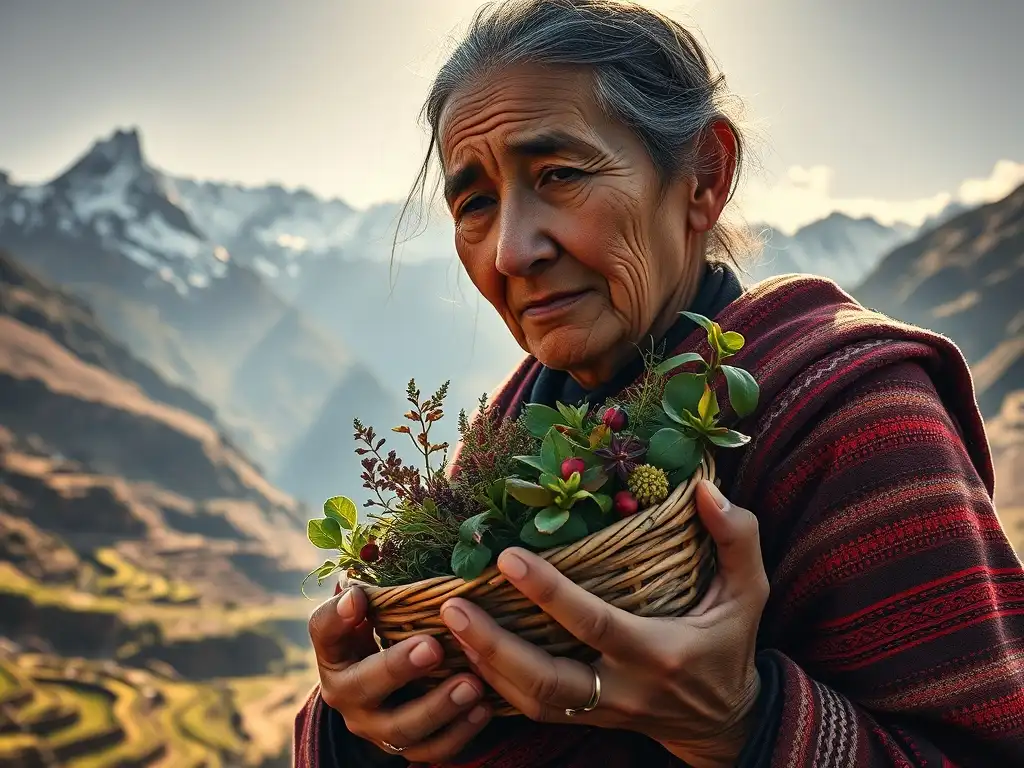
Andean traditional medicine, a holistic system deeply rooted in the Andean worldview, offers a fascinating glimpse into the intricate relationship between humans and nature. For centuries, Andean communities have utilized a vast pharmacopoeia derived from their unique environment, encompassing plants, minerals, and animal products. Understanding the diverse applications and benefits of these practices provides crucial insight into the "Andean traditional medicine uses," revealing a sophisticated system that continues to influence modern healthcare. The efficacy of these treatments, however, often requires further scientific validation.
Common Ailments Treated with Traditional Andean Medicine
Andean traditional medicine boasts a rich history of treating a wide range of common ailments. Many treatments focus on restoring balance within the body, often employing herbal remedies and practices like massage and hydrotherapy. For example, Matico ( Piper aduncum), a plant with antiseptic and anti-inflammatory properties, is commonly used to treat wounds and skin infections.
Similarly, muña ( Minthostachys sp. ), a fragrant herb with a minty flavor, is frequently used as a digestive aid and to alleviate respiratory problems like coughs and colds. The use of these plants is deeply intertwined with local knowledge and often involves specific preparation methods, passed down through generations.
The effectiveness of these remedies is often linked to the specific preparation methods, dosage, and the individual's constitution. For instance, the preparation of muña tea can vary depending on the specific ailment and the practitioner's expertise. Some preparations might include adding other herbs or ingredients to enhance its therapeutic effects. While anecdotal evidence supports the efficacy of these treatments, further research is needed to fully understand their pharmacological mechanisms and to establish standardized protocols for their application. This research is crucial for integrating these traditional practices into modern healthcare systems while ensuring safety and efficacy.
The Role of Andean Traditional Medicine in Mental Health
Beyond physical ailments, Andean traditional medicine plays a significant role in addressing mental health concerns. The Andean worldview emphasizes the interconnectedness of physical and spiritual well-being, reflecting a holistic approach to health. Traditional practices, such as paqos (Andean healers) conducting cleansing ceremonies or using medicinal plants to promote emotional balance, are integral to this approach. These practices aim to restore harmony and balance within the individual, thereby alleviating symptoms of anxiety, depression, and other mental health challenges.
The use of certain plants, like ayahuasca (though its use is controversial and requires careful consideration due to its potent psychoactive effects), is sometimes incorporated into these practices for its purported ability to induce altered states of consciousness and promote introspection. However, it's crucial to emphasize the importance of responsible and guided use of such plants, under the supervision of experienced practitioners, to avoid potential risks.
The integration of Andean traditional mental health practices into modern healthcare settings presents a unique opportunity to explore culturally sensitive and potentially effective therapeutic approaches. Further investigation into the efficacy and safety of these methods is warranted.
Coca Leaf for Altitude Sickness and Digestive Issues
The coca leaf ( Erythroxylum coca) holds a significant place in Andean culture and traditional medicine. While often misunderstood due to its association with cocaine, the coca leaf, when consumed traditionally (chewed or brewed as a tea), offers potential benefits for altitude sickness and digestive issues. Its mild stimulant properties can help alleviate the symptoms of altitude sickness, such as fatigue and nausea, while its alkaloid content may aid digestion.
The traditional use of coca leaf involves carefully controlled consumption, avoiding the extraction and processing that leads to cocaine production. Chewing coca leaves releases small amounts of alkaloids slowly, offering a gentler, more sustainable effect than processed cocaine. Traditional Andean communities have long used coca tea to combat digestive problems like nausea and indigestion.
Despite its cultural significance and anecdotal evidence of its benefits, further scientific research is needed to determine the precise mechanisms of action and the optimal dosage for therapeutic use, ensuring responsible integration into modern healthcare practices. The careful study of "Andean traditional medicine uses" regarding coca is essential to separate fact from fiction and to harness its potential benefits responsibly.
Integrating Traditional Andean Medicine into Modern Healthcare
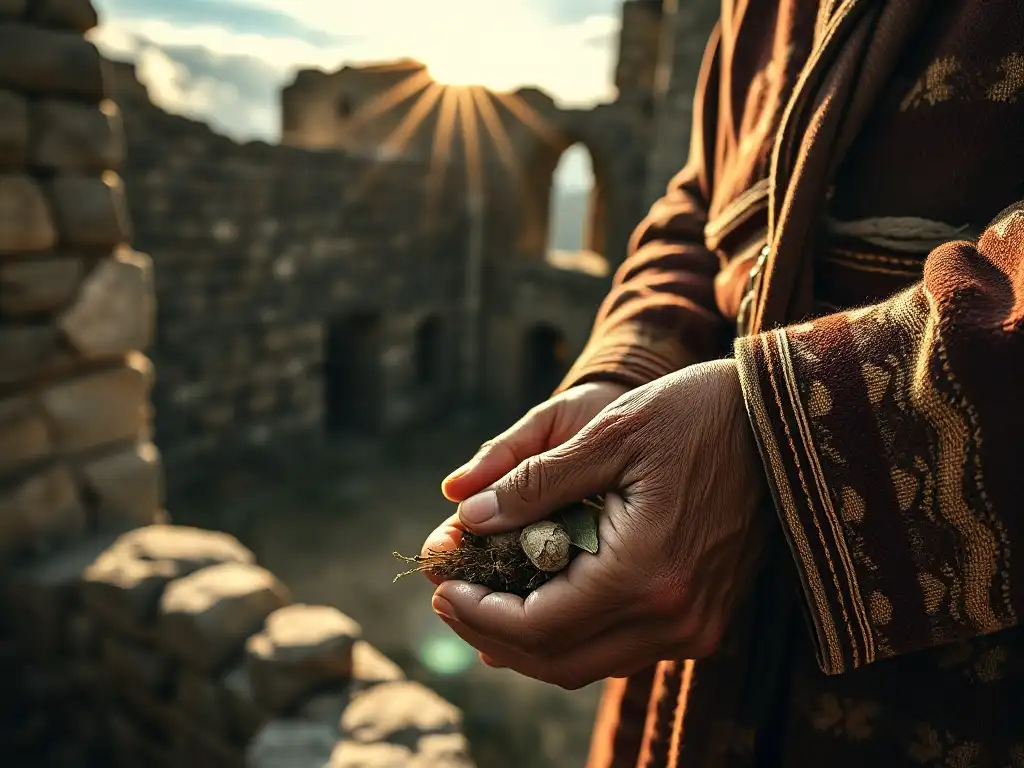
This section explores the potential of integrating Andean traditional medicine practices into modern healthcare systems. While modern medicine offers advanced technological solutions, Andean traditional medicine, honed over millennia, offers a valuable perspective on holistic well-being and preventative care. Understanding and responsibly incorporating these practices can lead to more effective and culturally sensitive healthcare for Andean communities and beyond. The key lies in understanding the "Andean traditional medicine uses" and how they can complement, not replace, existing medical approaches.
Challenges and Opportunities in Bridging Traditional and Modern Medicine
Bridging the gap between traditional Andean medicine and modern healthcare presents significant challenges. One major obstacle is the lack of rigorous scientific research validating the efficacy of many traditional practices. Many treatments, passed down through generations, lack documented clinical trials, making their integration into evidence-based medical systems difficult. This necessitates a collaborative effort between traditional healers and modern researchers to conduct scientifically sound studies that can assess the effectiveness and safety of these practices.
Another challenge stems from differing worldviews. Andean traditional medicine often emphasizes a holistic approach, considering the interconnectedness of mind, body, and spirit, while Western medicine tends to focus on specific symptoms and biological mechanisms. Reconciling these different perspectives requires open dialogue and mutual respect, fostering a collaborative environment where both systems can learn from each other.
However, opportunities abound. The increasing recognition of the limitations of purely biomedical approaches, particularly in addressing chronic diseases and mental health issues, creates space for complementary and alternative therapies. Andean traditional medicine, with its emphasis on preventative care and holistic well-being, can offer valuable insights and practices to address these unmet needs. Furthermore, incorporating traditional knowledge can enhance cultural sensitivity and improve patient engagement, leading to better healthcare outcomes, particularly within Andean communities. The integration process should focus on responsible adaptation and rigorous evaluation of traditional practices within the framework of modern medical ethics and safety standards.
The Growing Interest in Complementary and Alternative Therapies
The global rise in popularity of complementary and alternative therapies (CAM) presents a fertile ground for the integration of Andean traditional medicine. Many people are seeking holistic approaches to healthcare, moving beyond purely pharmaceutical solutions to address the root causes of illness and promote overall well-being. This growing interest creates a demand for culturally sensitive and effective healthcare options, and Andean traditional medicine, with its rich history and established practices, is well-positioned to meet this demand.
The use of medicinal plants, a cornerstone of Andean traditional medicine, is gaining traction globally. Scientific research is increasingly exploring the pharmacological properties of plants traditionally used by Andean communities, revealing potential applications in treating various ailments. This research not only validates traditional knowledge but also opens doors for the development of new pharmaceuticals and therapeutic interventions based on Andean botanical resources.
Furthermore, the growing interest in mindfulness and spiritual practices aligns with the holistic philosophy of Andean traditional medicine, creating further opportunities for its integration into modern wellness programs and stress management techniques. This growing interest is reflected in the increasing number of academic studies exploring the efficacy and safety of Andean traditional practices.
Collaborative Projects in Bolivia: Integrating Traditional Midwives
Bolivia provides a compelling case study for the successful integration of traditional Andean practices into modern healthcare. Collaborative projects focusing on traditional midwives offer valuable insights into effective integration strategies. These projects often involve training traditional midwives in modern hygiene and safety protocols while simultaneously respecting and incorporating their traditional birthing practices. This approach acknowledges the expertise and experience of traditional midwives, ensuring cultural sensitivity and community trust, while also enhancing the safety and effectiveness of maternal and child healthcare services.
These initiatives demonstrate that integrating traditional knowledge doesn't necessitate a complete abandonment of modern medical practices. Instead, a synergistic approach, combining the strengths of both systems, can lead to improved healthcare outcomes. Data from these projects show a significant reduction in maternal and infant mortality rates in communities where traditional midwives have been trained and integrated into the healthcare system.
This success highlights the importance of culturally sensitive and collaborative approaches to healthcare integration, acknowledging the value of traditional knowledge while ensuring adherence to modern safety and ethical standards. Such collaborative efforts are crucial for promoting health equity and improving the well-being of Andean communities.
Preserving and Promoting Andean Traditional Medicine
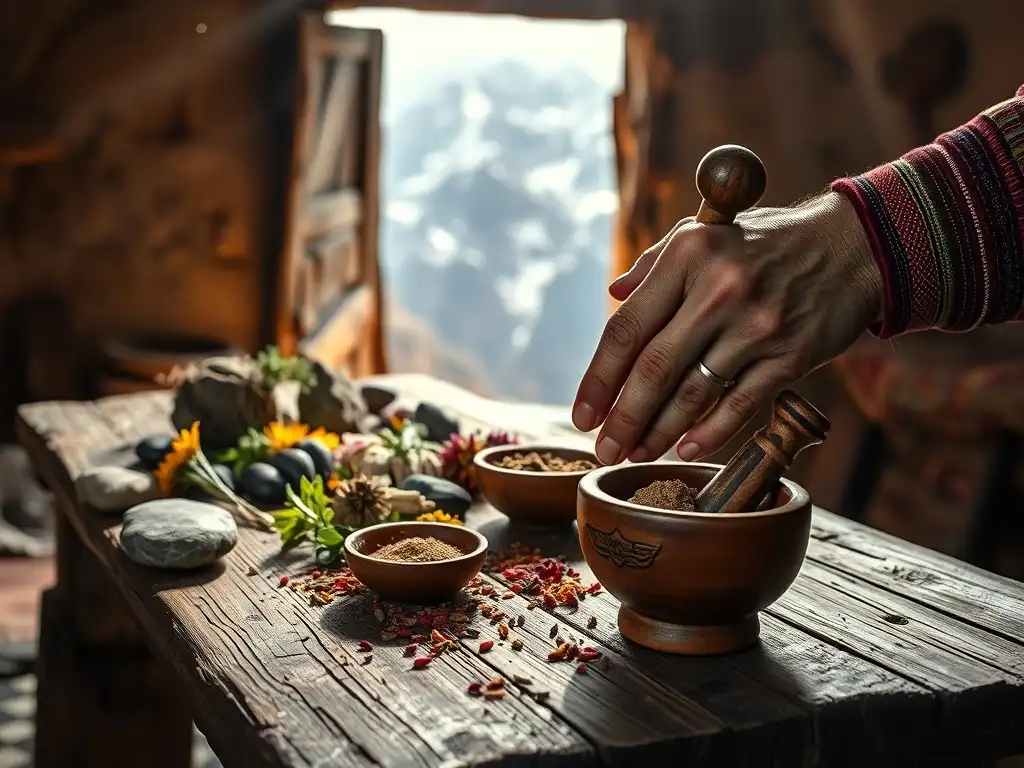
This section delves into the crucial aspects of safeguarding and advancing Andean traditional medicine, a practice deeply rooted in the rich history and cultural heritage of the Andes. Understanding its importance and implementing sustainable practices are key to ensuring its continued relevance and benefit for present and future generations. The methods of preservation and promotion are multifaceted, requiring a collaborative effort from various stakeholders, including researchers, healthcare professionals, and most importantly, the Andean communities themselves.
The effective preservation of Andean traditional medicine is not simply about archiving knowledge; it's about fostering its dynamic evolution within a modern context. This requires a nuanced understanding of the delicate balance between tradition and innovation.
The Importance of Cultural Preservation
The preservation of Andean traditional medicine is paramount for several reasons. Firstly, it represents an invaluable repository of knowledge accumulated over millennia. This knowledge encompasses a profound understanding of medicinal plants, therapeutic practices, and holistic approaches to health and well-being, often intertwined with spiritual and cosmological beliefs. Losing this knowledge would be an irreplaceable loss to humanity's collective understanding of healing and its relationship with the natural world.
Secondly, preserving this tradition helps maintain cultural identity and pride within Andean communities. Traditional medicine is often deeply integrated into their social fabric, shaping their worldview and social interactions. Its loss would significantly impact their cultural heritage and sense of self. Finally, many of the medicinal plants and practices employed in Andean traditional medicine have proven effective in treating various ailments, offering potential benefits for modern healthcare.
Protecting this knowledge ensures that these valuable resources are available for further research and potential integration into mainstream medicine. For instance, the use of certain Andean plants in treating inflammatory conditions has shown promising results in preliminary studies, highlighting the need for continued research and preservation efforts. The unique perspective offered by Andean traditional medicine provides an invaluable lens through which to understand the complex interplay between humans and their environment.
Sustainable Practices in Andean Medicine
Sustainable practices are essential for the long-term viability of Andean traditional medicine. This involves a holistic approach that considers the environmental, social, and economic dimensions of the practice. Over-harvesting of medicinal plants is a significant threat. Sustainable harvesting techniques, such as selective harvesting and replanting, are crucial to ensure the continued availability of these resources.
Furthermore, promoting the cultivation of medicinal plants through sustainable agricultural practices, such as agroforestry, can reduce pressure on wild populations and enhance biodiversity. Another key aspect is the responsible management of knowledge. This involves documenting traditional knowledge in a way that respects the intellectual property rights of Andean communities and ensures that this knowledge is shared ethically and responsibly. This might involve working directly with community elders and healers to document their knowledge, ensuring their consent and participation throughout the process.
Furthermore, sustainable economic models are necessary to support Andean healers and communities. This can include fair trade initiatives, ecotourism related to medicinal plant gardens, and the development of sustainable businesses based on traditional medicine practices. The focus should be on equitable partnerships that benefit both the communities and researchers involved. Ignoring these sustainable practices risks undermining the very foundation of Andean traditional medicine, jeopardizing its future and the communities that depend on it.
Supporting Andean Healers and Communities
Supporting Andean healers and communities is a critical aspect of preserving and promoting Andean traditional medicine. This requires a multifaceted approach that addresses the social, economic, and political realities faced by these communities. Many Andean healers lack access to adequate training, resources, and recognition for their expertise. Providing opportunities for professional development, such as workshops and training programs, can help empower them and enhance their skills. Furthermore, integrating Andean healers into the formal healthcare system can facilitate collaboration and improve access to healthcare for Andean communities.
This might involve creating programs that allow for the integration of traditional and modern medicine, ensuring that patients benefit from both approaches. Equitable economic opportunities are also crucial. This involves supporting initiatives that promote fair trade for medicinal plants and products, ensuring that Andean communities receive a fair share of the profits generated from the commercialization of their traditional knowledge. Finally, advocating for policies that protect the intellectual property rights of Andean communities and promote the recognition of their traditional knowledge is essential.
This includes advocating for legislation that ensures the communities retain control over their traditional knowledge and benefit from its use. Ultimately, the success of preserving and promoting Andean traditional medicine hinges on empowering Andean healers and communities to be active participants in shaping its future. Their knowledge, experience, and perspectives are invaluable assets that must be respected and supported. The ultimate goal is a collaborative partnership that ensures the preservation of this valuable heritage for generations to come.
The Future of Andean Traditional Medicine
The enduring legacy of Andean civilizations extends far beyond impressive architectural feats and intricate textiles. A rich tapestry of knowledge woven through generations, Andean traditional medicine continues to hold immense potential for modern healthcare. Understanding its current applications and future prospects requires a multifaceted approach, encompassing scientific research, global recognition, and integration into mainstream healthcare systems. This section explores the exciting possibilities for the future of Andean traditional medicine and its potential to contribute to global well-being.
The unique healing practices and botanical knowledge accumulated over millennia offer a wealth of untapped resources, promising innovative solutions for modern health challenges. This exploration will focus on the key areas driving this evolution: research and development, global impact, and increasing integration into global health systems. The continued study and application of Andean traditional medicine uses represents a significant opportunity to enhance healthcare worldwide.
Research and Development in Andean Medicinal Plants
The remarkable biodiversity of the Andes Mountains provides a vast library of medicinal plants, many of which remain largely unexplored by modern science. Research and development efforts are crucial to unlocking the therapeutic potential of these plants. Scientists are actively investigating the chemical composition and pharmacological properties of various Andean herbs, shrubs, and trees, identifying active compounds responsible for their purported therapeutic effects. For instance, studies are underway to determine the efficacy of certain plants in treating inflammation, pain, and various infectious diseases.
This research is not only about validating traditional uses but also about discovering new applications and developing novel therapies. A crucial aspect is the sustainable harvesting and cultivation of these plants to ensure the long-term availability of these valuable resources. Furthermore, research is also focused on understanding the traditional methods of preparation and administration, seeking to optimize their efficacy and safety in modern contexts.
This rigorous scientific approach ensures the responsible and effective integration of Andean botanical knowledge into contemporary healthcare. [Specific data on current research projects pending]. The careful documentation of traditional knowledge, coupled with modern scientific analysis, is key to unlocking the full potential of Andean medicinal plants.
The Global Impact of Andean Traditional Medicine
Andean traditional medicine's influence extends far beyond the Andes region. Its holistic approach, emphasizing the interconnectedness of mind, body, and spirit, resonates globally. The growing interest in complementary and alternative medicine (CAM) worldwide has led to increased recognition of Andean practices.
This global interest manifests in several ways: increased demand for Andean medicinal products, such as herbal remedies and essential oils; the adoption of Andean therapeutic techniques, including massage and energy healing modalities; and the integration of Andean philosophical concepts into holistic wellness programs. The impact is not just commercial; it also involves the dissemination of knowledge and the cross-cultural exchange of healing practices. This global adoption, however, requires careful consideration of ethical sourcing, ensuring the sustainable use of resources and the protection of traditional knowledge.
[Data on global market demand for Andean medicinal products pending]. The increasing global awareness of Andean traditional medicine uses presents both opportunities and challenges, highlighting the need for responsible development and ethical considerations.
Increased Recognition and Integration into Global Health Systems
The integration of Andean traditional medicine into global health systems is a complex yet crucial step toward providing comprehensive and culturally sensitive healthcare. This integration requires collaboration between traditional healers, scientists, and healthcare professionals. It involves validating traditional practices through rigorous scientific research, developing standardized protocols for safety and efficacy, and training healthcare providers in the appropriate application of Andean techniques.
The challenge lies in balancing the preservation of traditional knowledge with the demands of scientific validation and regulatory compliance. Successful integration requires a respectful and equitable approach, recognizing the intellectual property rights of indigenous communities and ensuring their active participation in the process. [Specific examples of successful integration projects pending].
The ultimate goal is to create a system that leverages the strengths of both traditional and modern medicine to improve health outcomes globally. The increased recognition and integration of Andean traditional medicine uses into global health systems represent a powerful step towards a more holistic and inclusive approach to healthcare.
Frequently Asked Questions
What are some traditional Andean medicine practices?
Andean traditional medicine utilizes a holistic approach, incorporating herbal remedies, spiritual healing, and diagnostic techniques passed down through generations. Many practices center around maintaining balance within the body and with nature.
How did geography influence Andean medicinal practices?
The diverse geography of the Andes Mountains heavily influenced medicinal practices. High-altitude environments, varied climates, and access to specific plants shaped the development of unique remedies and treatments. Local flora played a crucial role.
What role do plants play in Andean traditional medicine?
Plants form the cornerstone of Andean medicine. Herbal infusions, tinctures, and other preparations derived from native plants are used to treat a wide range of ailments, from common colds to more serious conditions. Coca leaves are a notable example.
Are Andean traditional healing practices still used today?
Yes, many traditional practices continue to be used today, often alongside modern medicine. While some techniques are fading, others are experiencing a resurgence in popularity, particularly as interest in holistic and natural remedies grows.
How does Andean traditional medicine differ from Western medicine?
Andean medicine emphasizes a holistic approach, focusing on the interconnectedness of the body, mind, and spirit, unlike the more specialized approach of Western medicine. Spiritual beliefs and rituals often play a significant role in healing.
Final Reflection: Echoes of the Andes in Modern Healthcare
The enduring wisdom of Andean traditional medicine offers a powerful counterpoint to the often-reductionist approach of modern healthcare. Its holistic philosophy, emphasizing the interconnectedness of mind, body, and spirit, resonates deeply with a growing global population seeking alternative and complementary therapies. This ancient knowledge, far from being relegated to the past, holds invaluable lessons for the future of wellness.
The integration of Andean practices, such as the use of medicinal plants and energetic healing, is not merely a trend; it represents a profound shift in our understanding of health and well-being. It challenges the dominant biomedical model to consider the spiritual and environmental dimensions of illness. As the renowned Andean healer, Don Pablo Amaringo, once said, The plants are our teachers. They show us the way to heal ourselves and the world.
His words highlight the deep connection between nature, healing, and spiritual growth that lies at the heart of Andean medicine. This connection, often lost in the fast-paced modern world, is increasingly recognized as crucial for both individual and planetary health.
Consider the profound implications of this ancient knowledge. How can you incorporate the principles of balance and harmony, so central to Andean medicine, into your own life? Perhaps it's through mindful connection with nature, a renewed focus on holistic well-being, or a deeper exploration of the healing power of plants. Embrace the opportunity to learn from the wisdom of the Andes, and discover a path towards a healthier, more fulfilling life. The mountains hold secrets, not just of healing, but of a deeper understanding of ourselves and our place in the world.
Embrace the Healing Power of Andean Traditions!
Thank you for exploring the incredible world of traditional Andean medicine with us! We hope you've gained valuable insights into how these ancient practices can complement modern healthcare. Now, it's time to integrate these powerful techniques into your life.
Here's how you can learn more and get involved:
- Incorporate Andean healing practices into your wellness routine. Experiment with herbal remedies or mindfulness techniques—many resources are available online and in local communities.
- Share your discoveries! Discuss the benefits of indigenous healing practices with friends and family, or start a conversation online. Inspire others to explore this rich tradition.
- Join a local workshop or online course to deepen your understanding of Andean traditions and connect with a supportive community.
What aspect of traditional Andean medicine most interests you, and why? We'd love to hear your thoughts and experiences!